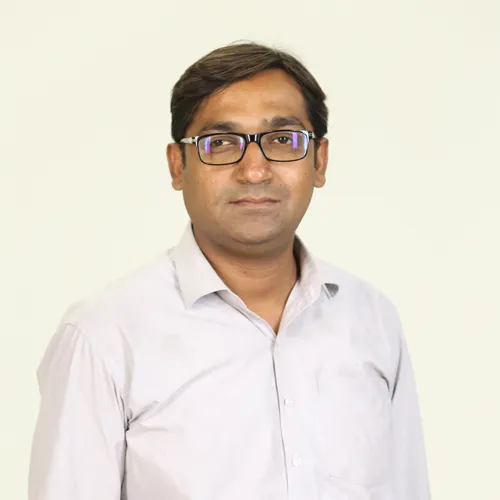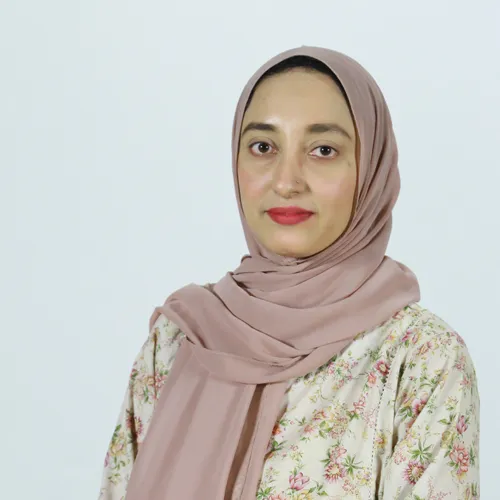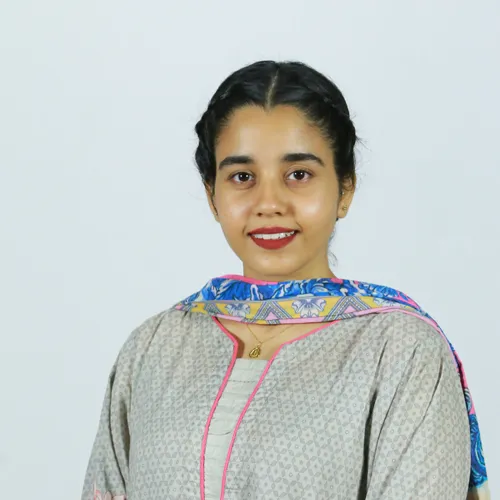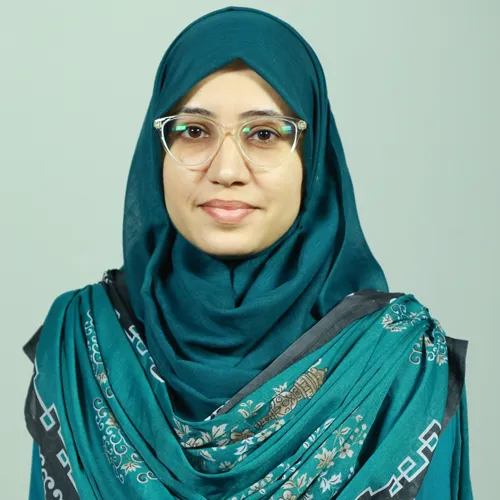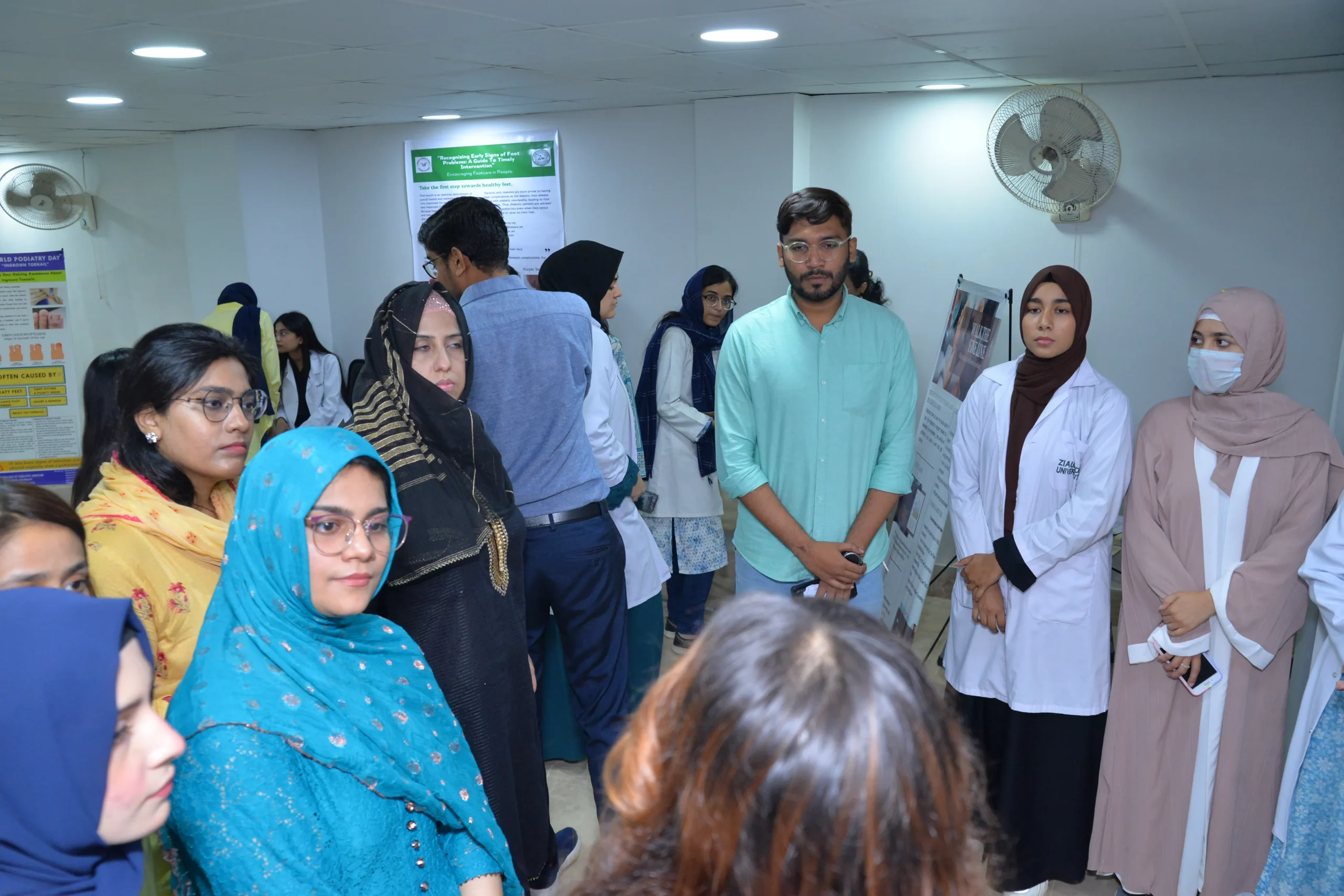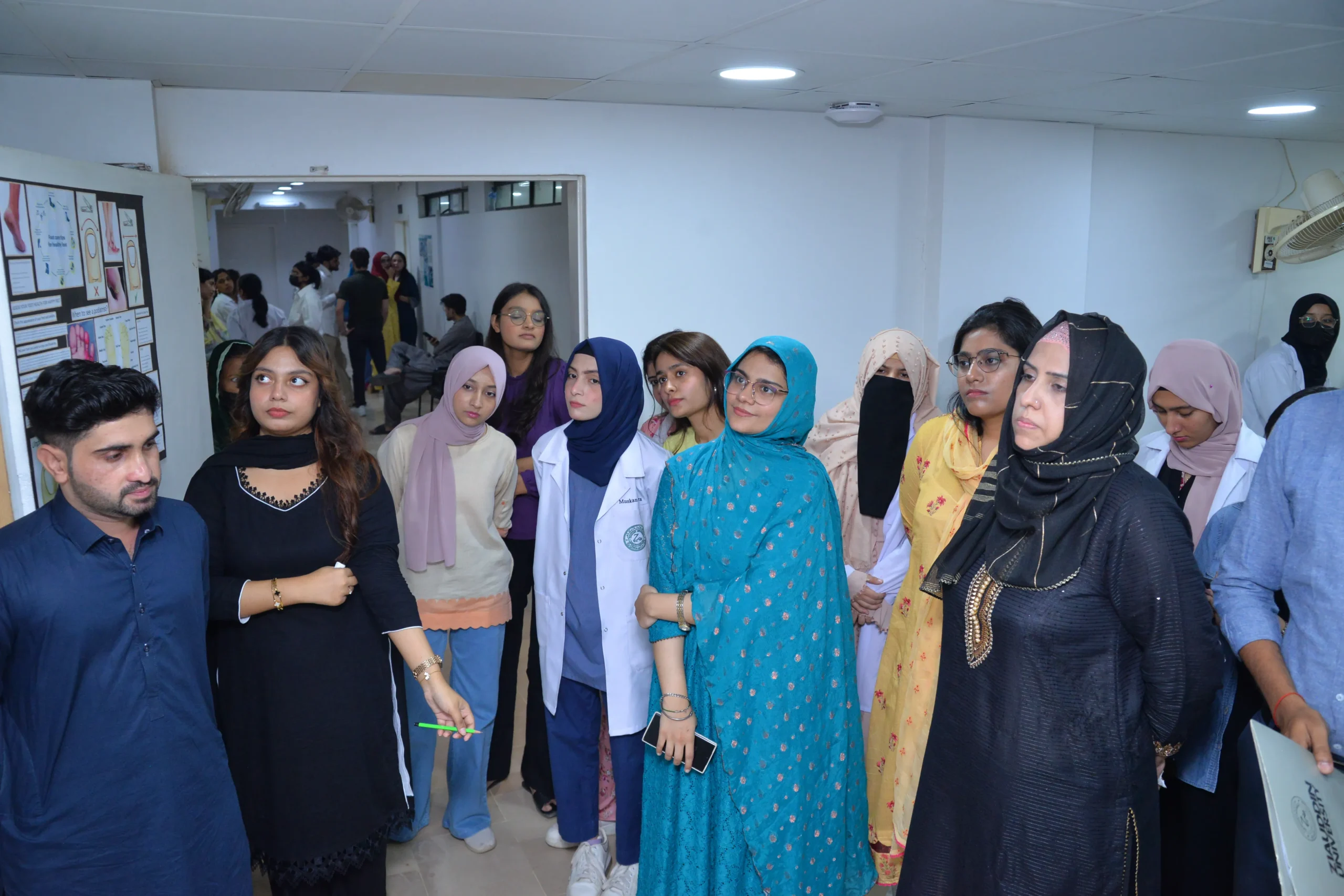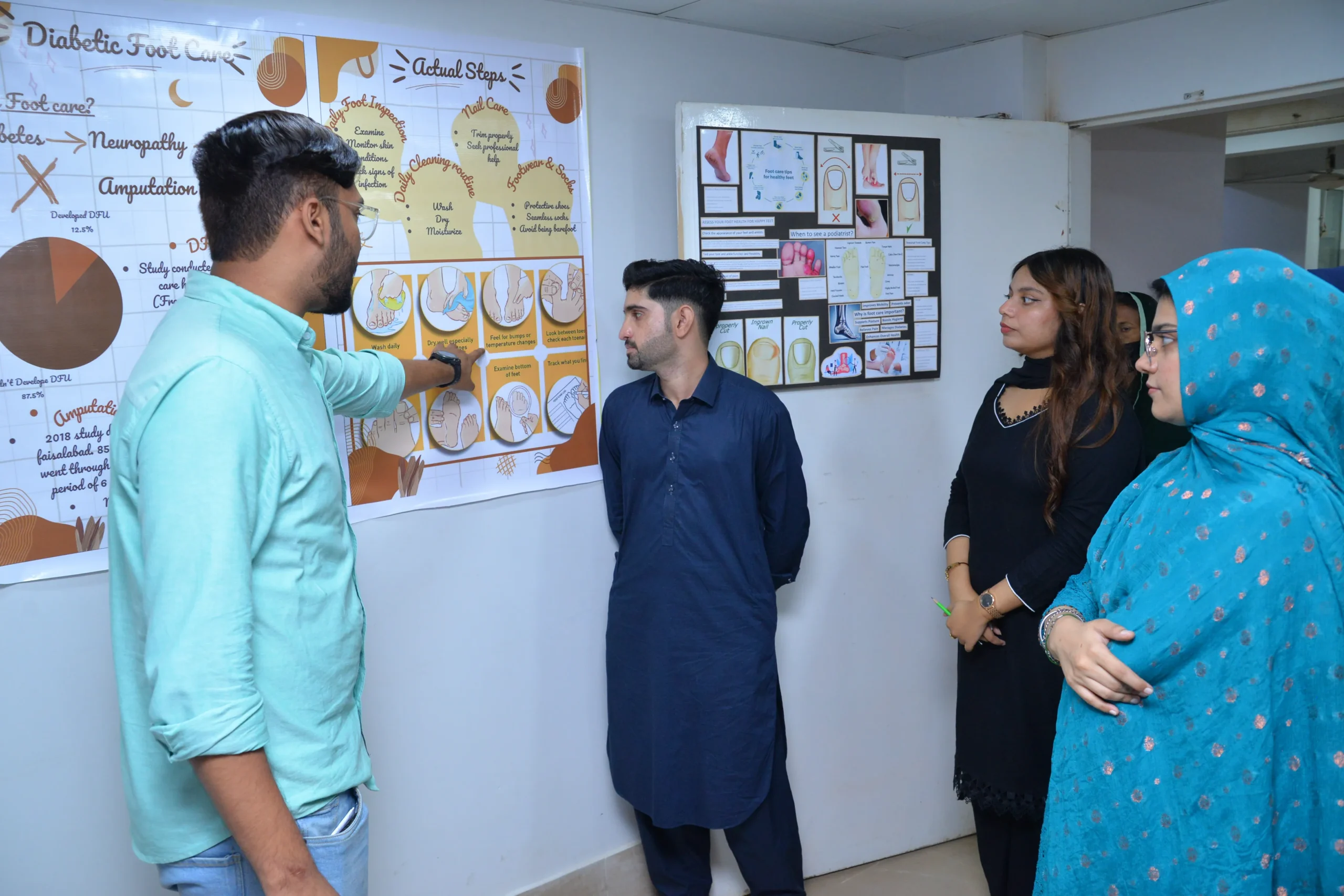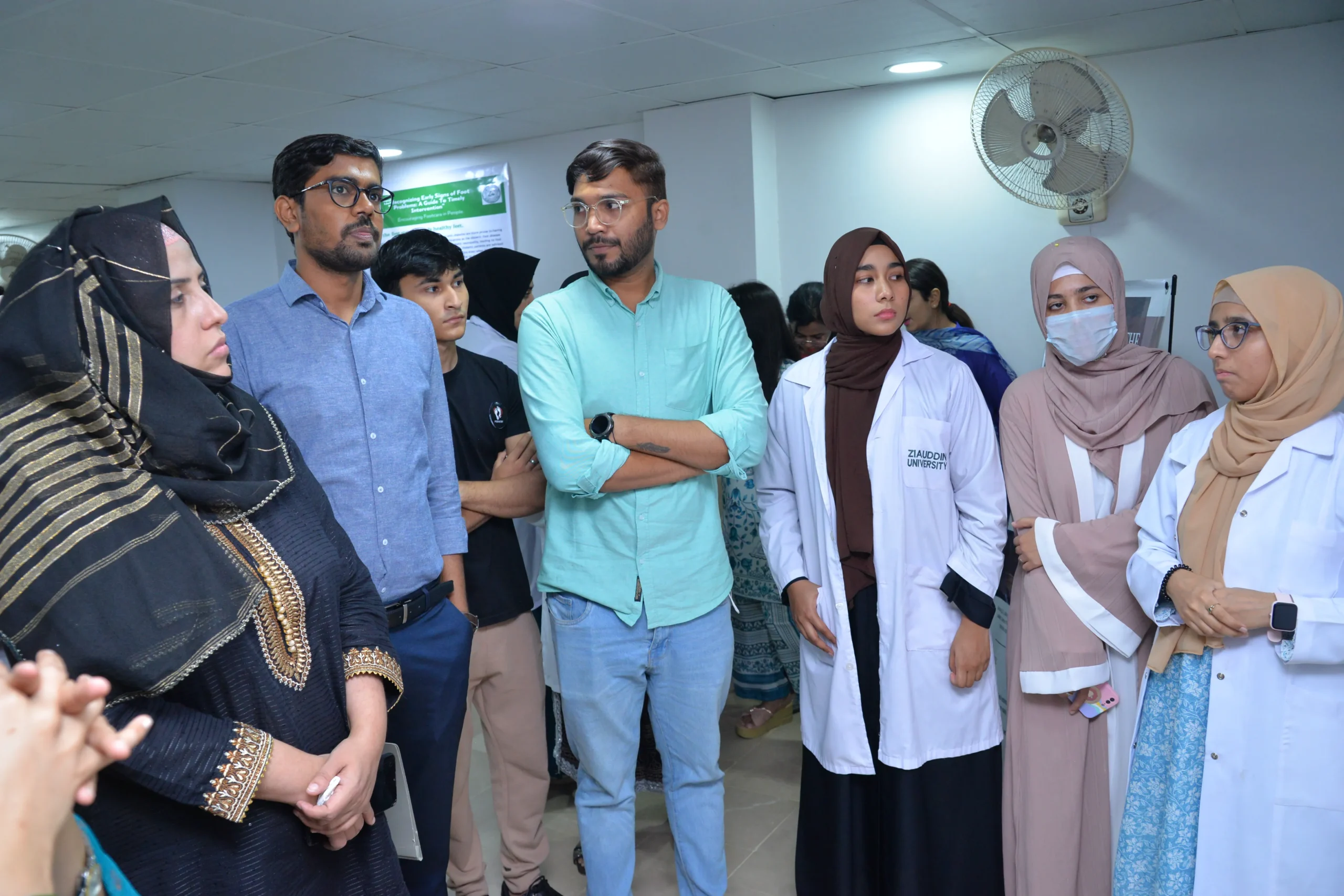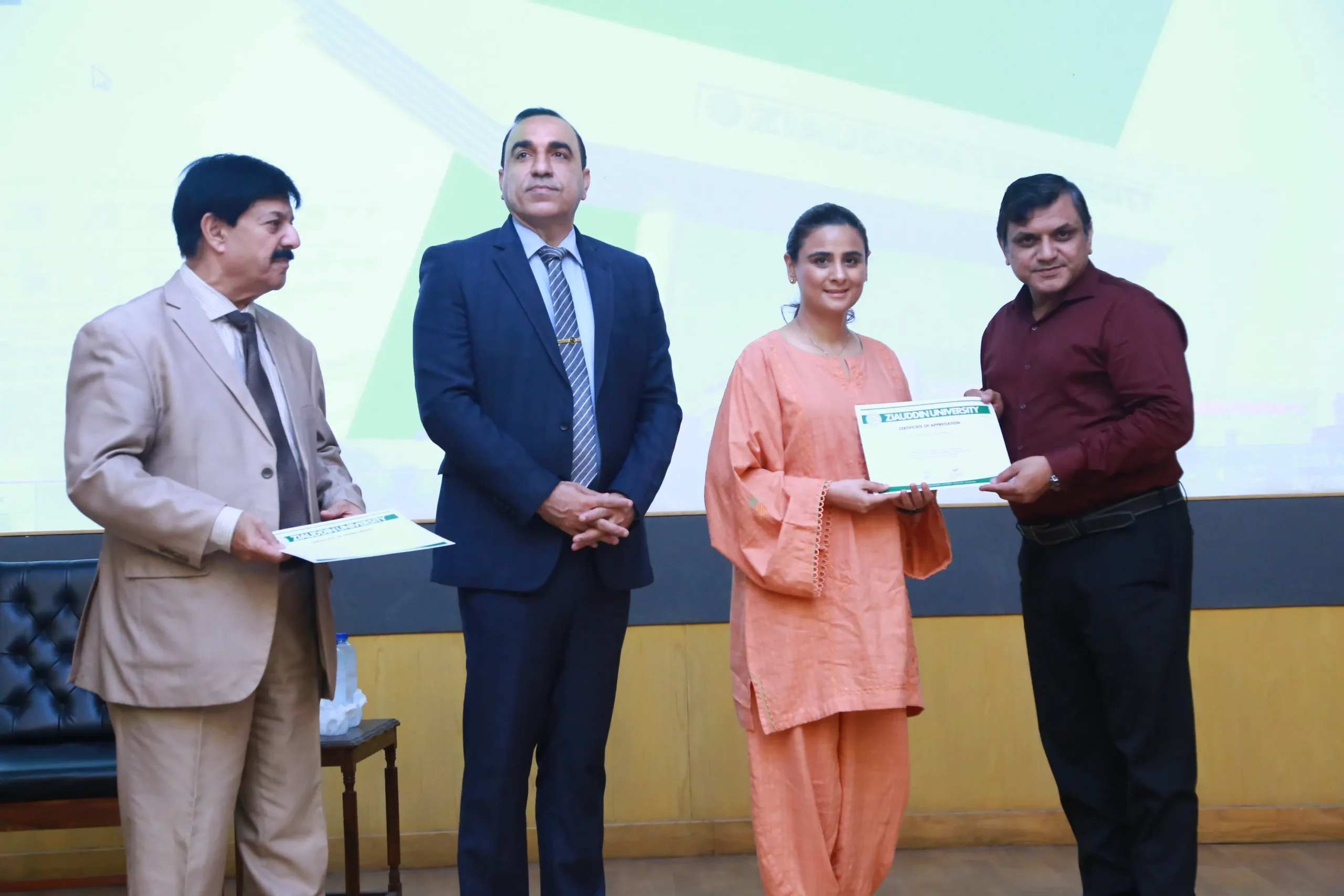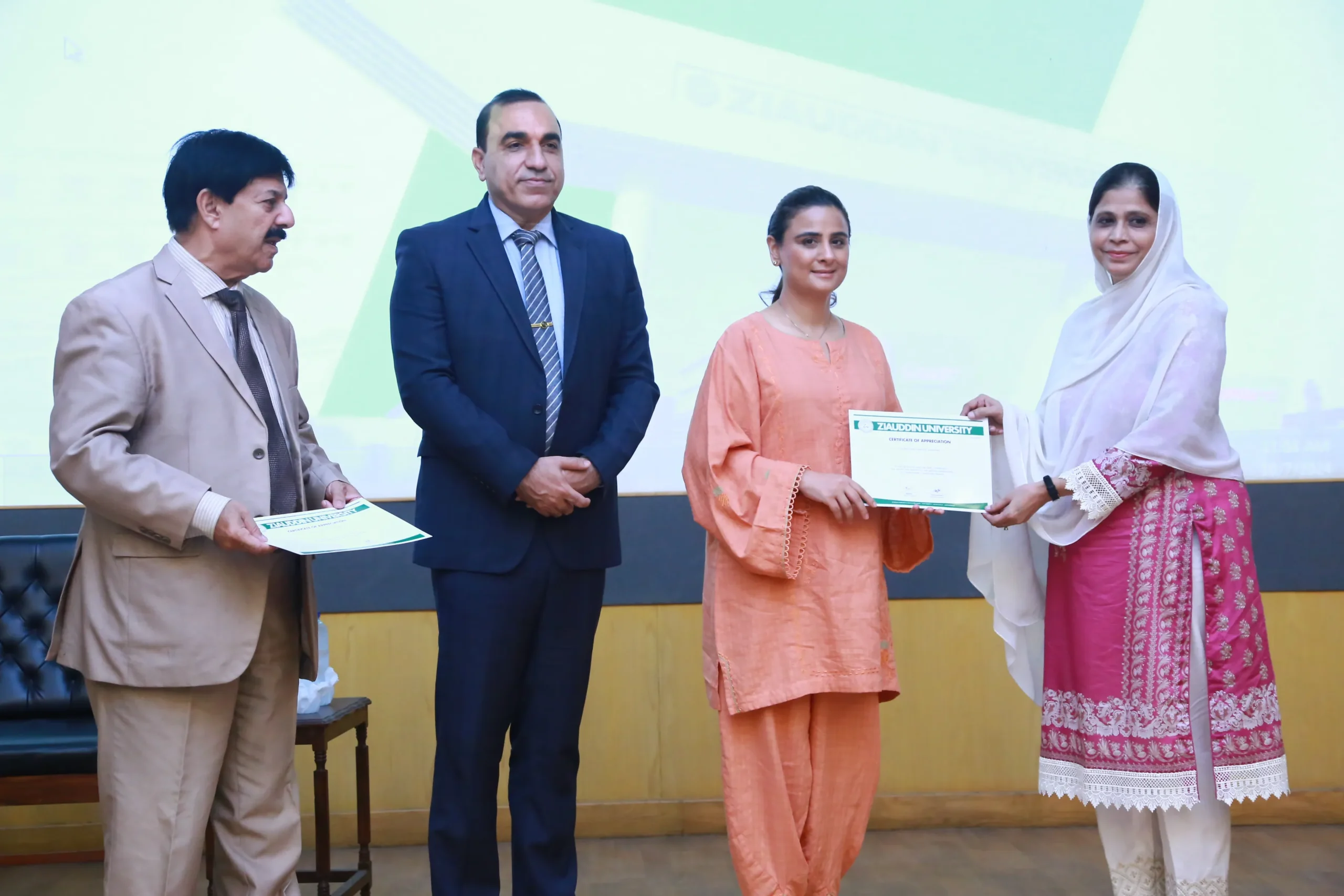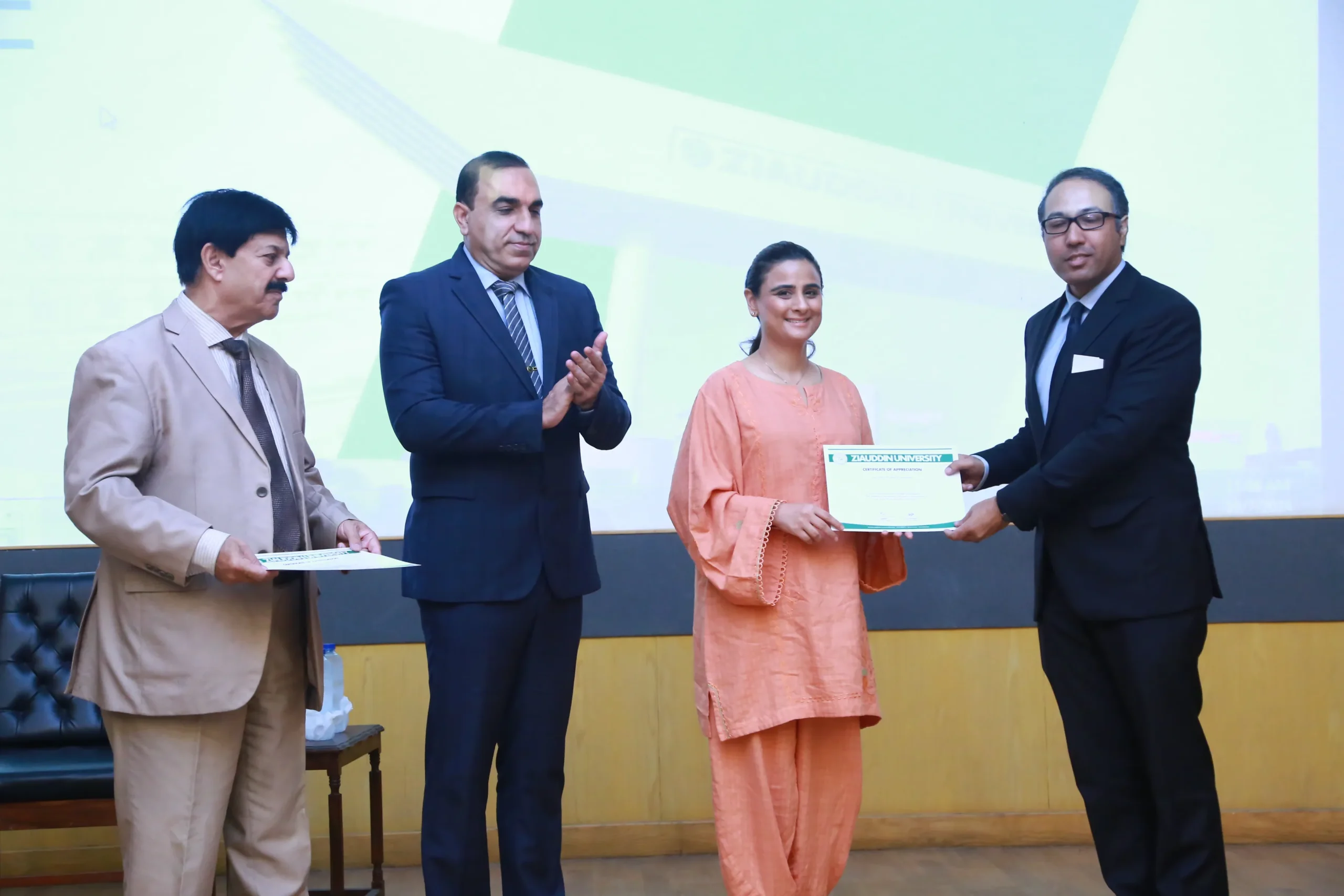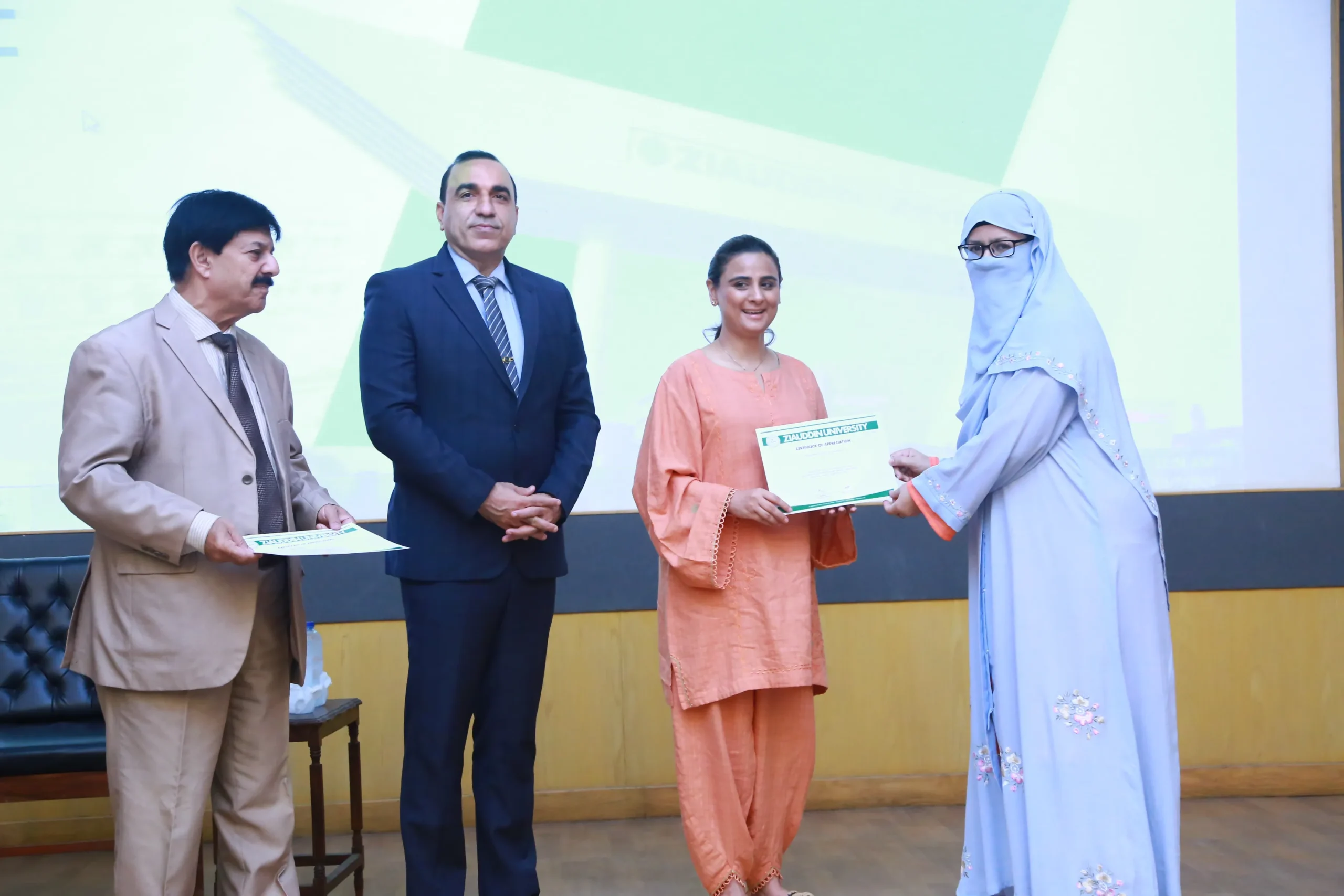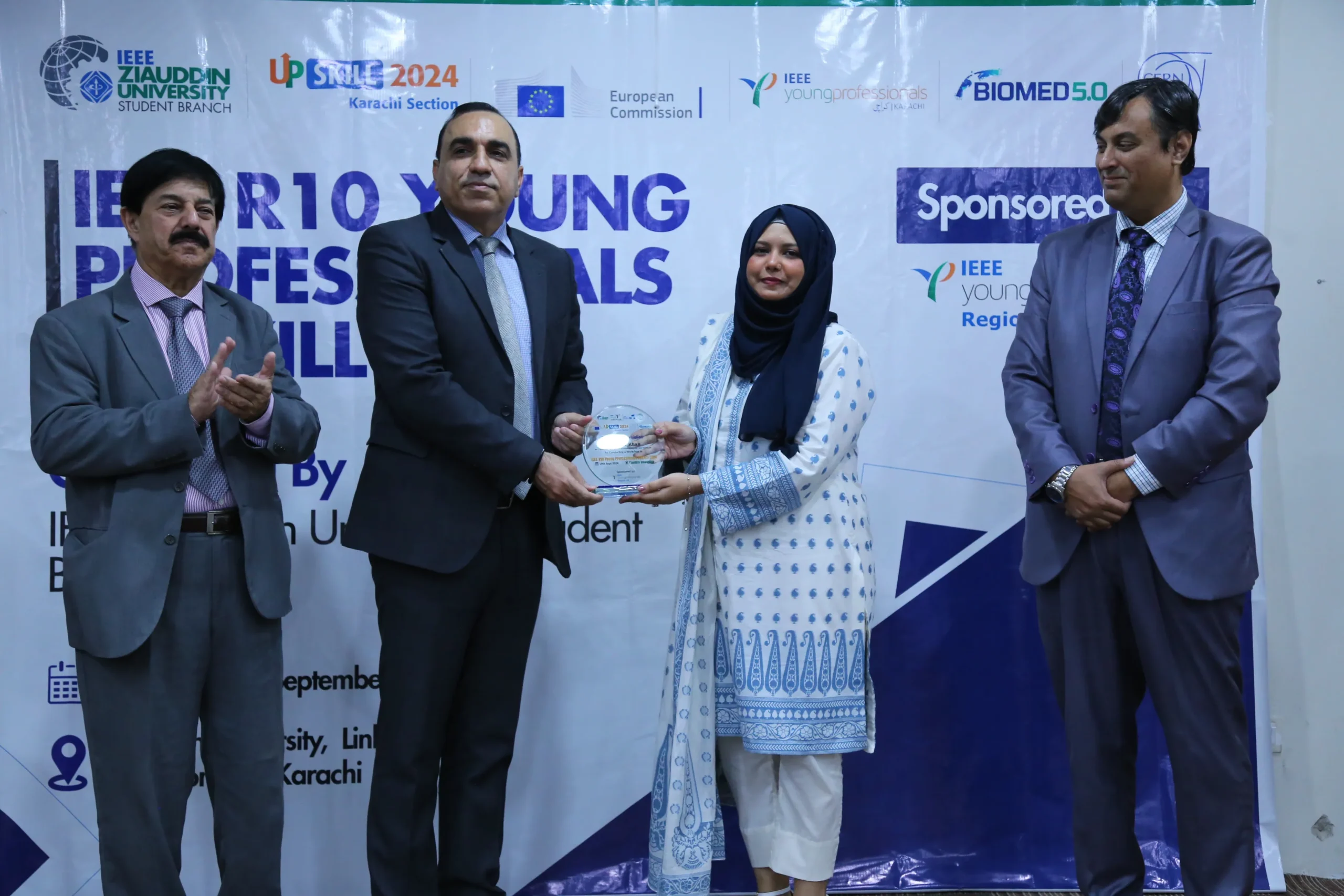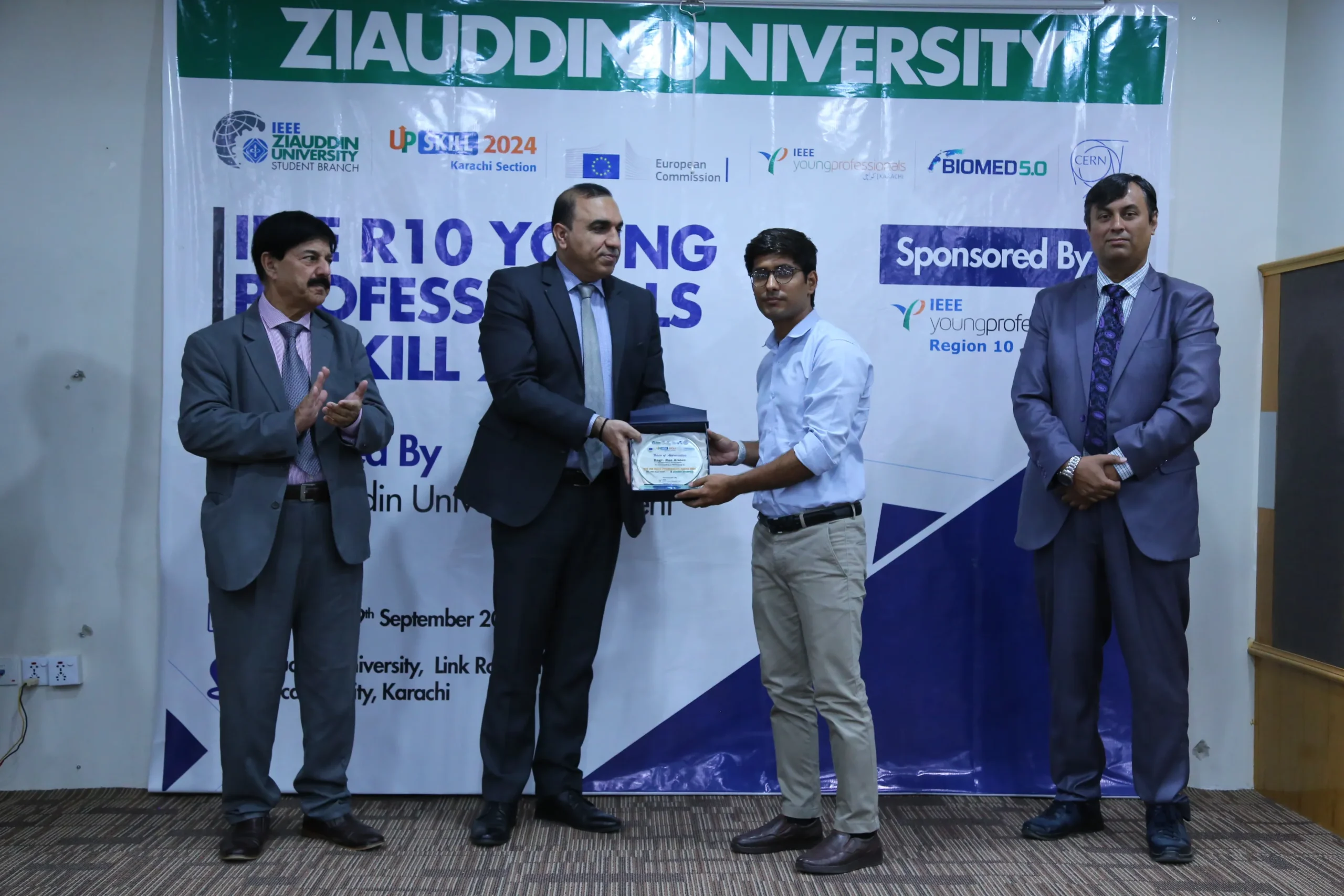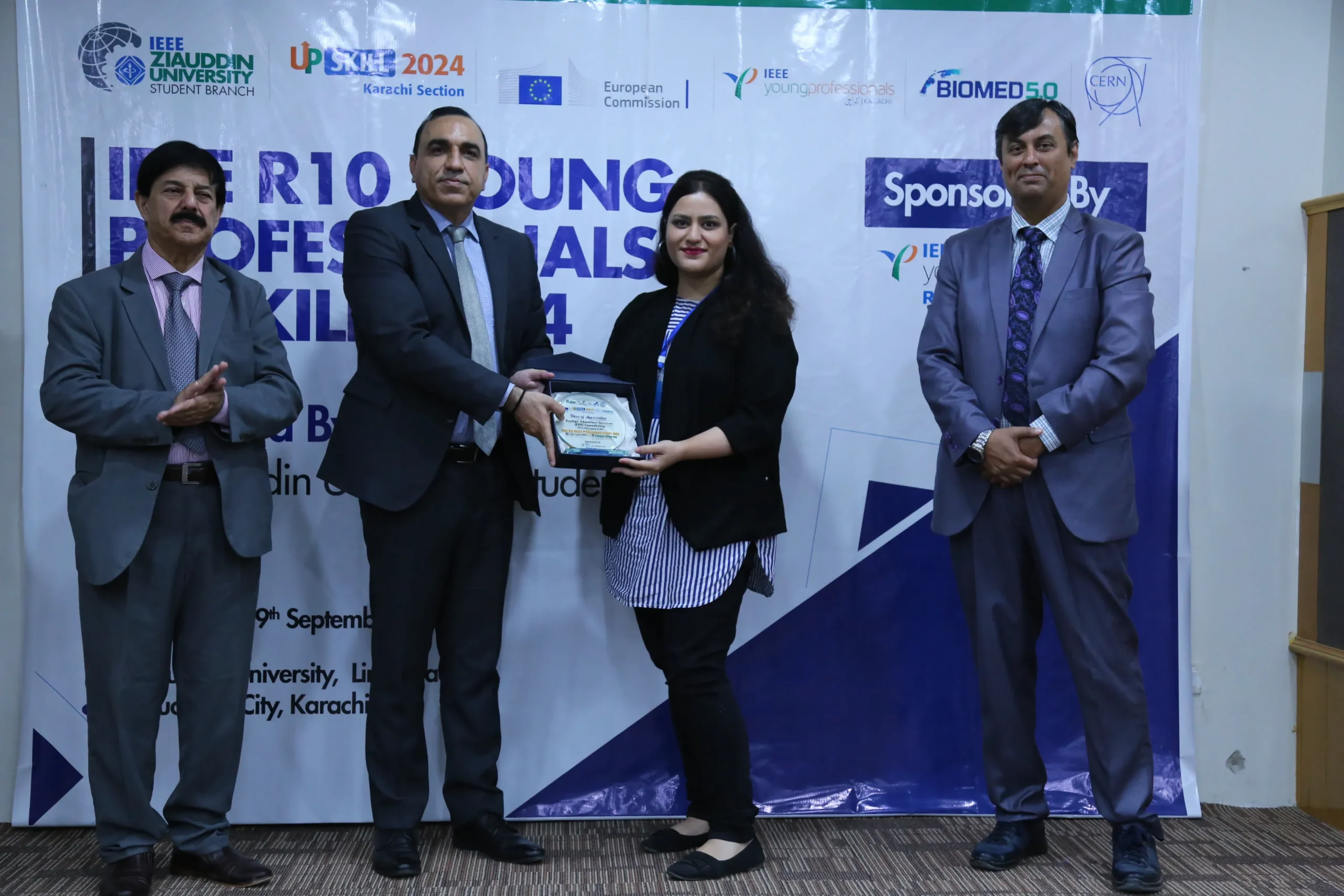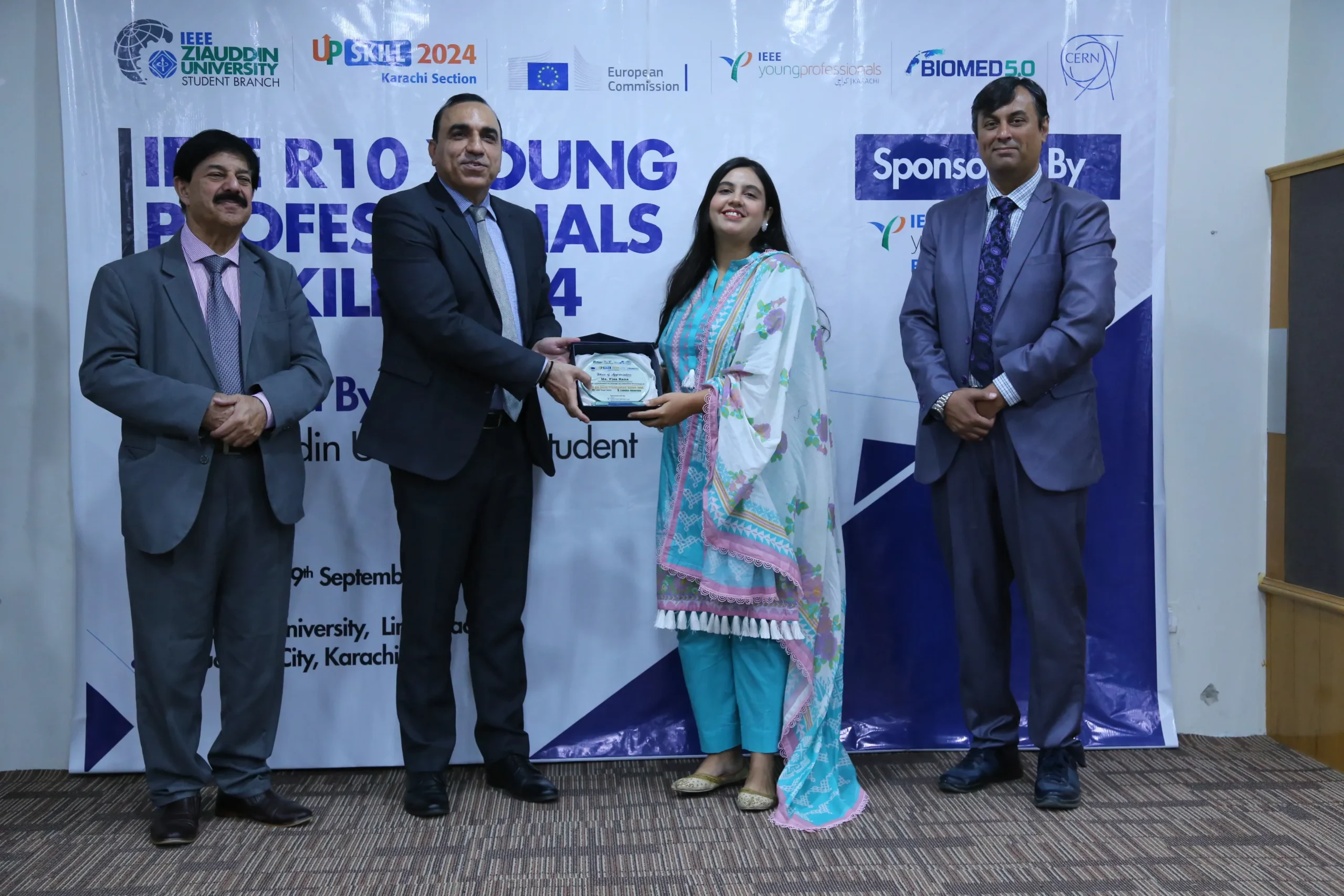
Ziauddin University

College of Molecular Medicine

College of Molecular Medicine

Ziauddin College of Molecular Medicine (ZCMM) stands as a trailblazer in Pakistan, pioneering advancements in the study of diseases at the molecular and genetic levels with strong research perspective. The college offers a comprehensive array of programmes, including BS, MPhil and PhD degrees. Using advanced technologies, the college researches the molecular foundations of diseases and develops novel treatments.

The focus is to translate fundamental research findings into clinical and translational applications, ultimately aiming to enhance patient care. Beyond training young minds, ZCMM is committed to providing advanced education to clinicians, offering a unique molecular perspective on disease. By bridging the gap between physicians and scientists, the college fosters collaboration and strengthens the healthcare system’s essential pillars for optimal services.

Through this interdisciplinary approach, ZCMM promotes synergistic partnerships to propel transformative advancements in medical research and practice. Graduates emerge with a profound understanding of disease mechanisms at the molecular level, equipped with extensive hands-on training in basic and clinical research methodologies. They are prepared to play pivotal roles in developing novel therapies and driving medical innovation on a global scale.

In a World where healthcare demands continue to escalate alongside rapid scientific and technological progress, Ziauddin College of Molecular Medicine stands at the forefront of basic, translational, and clinical research. The college is dedicated to harnessing the latest advances in molecular biology to revolutionise clinical medicine and advance healthcare technology.

Vision
The vision is to advance world-class molecular genetic research in medicine with translational impact, addressing clinical needs and striving for both local and global recognition while providing high-quality healthcare benefits.
Mission
The mission is to develop a deep insight into the molecular genetic mechanisms of human health and disease with innovative techniques that translate into effective tools for the diagnosis, treatment and prevention of diseases at par with international standards. We aspire to create a transformative impact by encouraging medical scientists to delve into evidence based medicine for critical health challenges and translate innovations and discoveries into optimal healthcare.

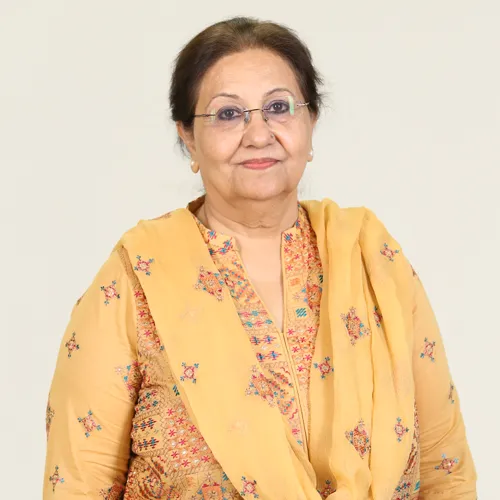
Prof. Dr. Talat Mirza

MBBS, M.Phil., Ph.D. Principal,
Ziauddin College of Molecular Medicine Executive Director, Research, ZU Meritorious Professor of Pathology

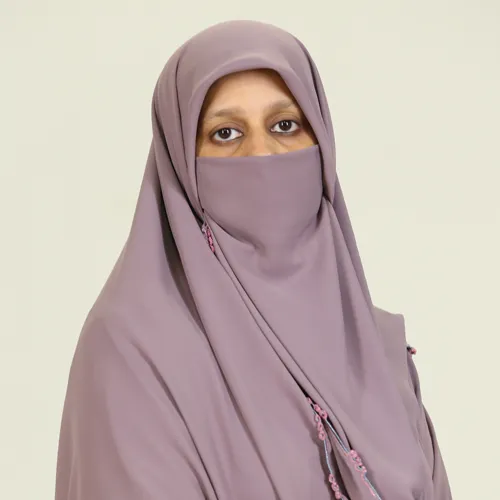
Dr. Shumaila Usman

B.S. (Biochemistry), Ph.D.
(Molecular Medicine) Associate Professor, Ziauddin College of Molecular Medicine

Dr. Ambrina Khatoon

BSc. (Hons), MSc, Ph.D.
(Biotechnology) Associate Professor, Ziauddin College of Molecular Medicine

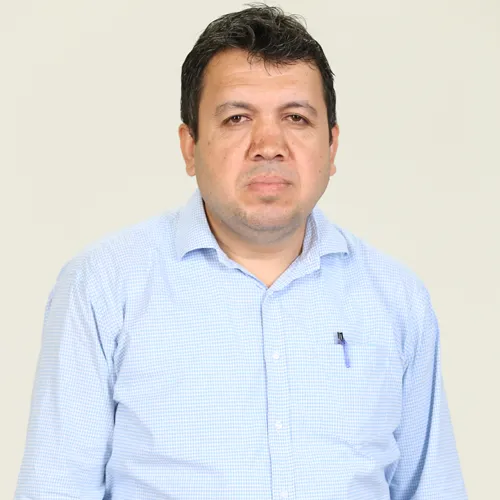
Dr. Abdul Hameed

BSc. Hons. (Microbiology), Ph.D.
(Molecular Medicine), Post Doc (Molecular Medicine) Associate Professor, Ziauddin College of Molecular Medicine

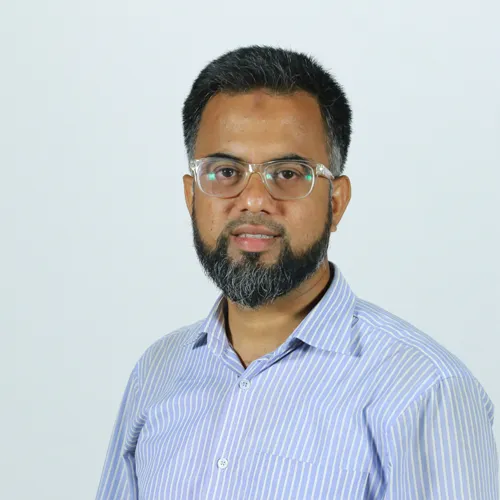
Dr. Rehan Imad

BS.MT. (Clinical Laboratory Sciences),
Ph.D. (Molecular Medicine) Assistant Professor, Ziauddin College of Molecular Medicine

Dr. Aisha Ishaque

BS (Biochemistry), Ph.D. (Molecular Medicine)
Assistant Professor, Ziauddin College of Molecular Medicine

Mr. Moazzam Shahid

BS (Biochemistry), Ph.D. scholar (Biochemistry) Senior Lecturer, Ziauddin College of Molecular Medicine

Ms. Urfa Kiyani

BS (Microbiology), M.Phil. scholar (Molecular Medicine) Lecturer, Ziauddin College of Molecular Medicine

Ms. Laiba Jawed

BS (Medical Technology), M.Phil. scholar (Molecular Medicine) Lecturer, Ziauddin College of Molecular Medicine

Fariha Anum

Biostatistician & Lecturer

Administrative team

Ms. Saba Farooq

MA Economics, M.Ed Manager, Ziauddin College of Molecular Medicine

Mr. Zia-ur-Rehman

Masters of Public Administration (Finance) Academic Coordinator, Ziauddin College of Molecular Medicine

RESEARCH LABORATORY 

The Research Laboratories (MDRL 1 & MDRL 2) at Ziauddin University provide:

  • Cell and molecular biology, genomic and proteomic facilities
  • Services include training on all equipments, guidance on experimental design and technical assistance in all equipments operation
  • Cell culture facility
  • Imaging facility with high resolution microscopy
  • Immunohistochemistry facility
  • Nucleic acid extraction in Biosafety Level 2 cabinet
  • Real Time PCR
  • Bioinformatics and Computational Biology
  • Microbial Genomics Lab
 
Multi-Disciplinary Research Laboratory-1 (MDRL-1)

Molecular Biology Section

Molecular Biology Section in MDRL 1 is well equipped with the following instruments:

  1. Agilent AriaMx Real Time PCR
  2. Conventional Thermal cycler for PCR
  3. Gel electrophoresis unit
  4. Analytical balance
  5. Refrigerated centrifuge
  6. Gel documentation system
  7. Multi-scan sky spectrophotometer
  8. Fridge
  9. -80°C Freezer
  10. Vortex machine
  11. Water bath
  12. Heat block

The following experiments can be performed in the MDRL 1 lab:

  • Nucleic acid extraction and quantification
  • Conventional PCR
  • Agarose gel electrophoresis 
  • Real-time PCR for gene expression, viral load, allelic discrimination, high resolution melt curve, SNP, and mutational analysis
  • RFLP analysis
  • ELISA studies
  • Sample storage facility
  • DNA, RNA, and protein estimation in various samples.

Cell Culture Research Unit 

The following equipments are available in the cell culture facility of MDRL 1.

  1. Class II Biohazard Safety Cabinet
  2. Nikon Ts2R-Fl Microscope
  3. CO2 Incubator
  4. Floid cell Imaging station
  5. Centrifuge
  6. Automated Cell Counter 
  7. Fridge
  8. Liquid Nitrogen Tank

With the ability to perform the following assays

  • Tissue culture
  • Revival, subculturing, and cryopreservation of cell lines.
  • Primary cell culture
  • Isolation, propagation, and differentiation of stem cells
  • Cytotoxicity assay
  • Cell migration and invasion assay
  • Immunocytochemistry
  • Apoptosis assay
  • Cell proliferation/viability assay
Multi-Disciplinary Research Laboratory-2 (MDRL-2)

Histology and Cell Biology Unit

A well-established Histology & Cell Biology lab was established in 2018 at Ziauddin University with the following equipment:

  1. Nikon Ts2R-FL inverted microscope
  2. Dissecting Microscope 
  3. Microtome
  4. Fume hood
  5. Magnetic stirrer
  6. Shaking water bath
  7. Water bath
  8. Oven
  9. Hybridizer

With the capability to perform the following experiments 

  • Animal dissection 
  • Tissue fixation 
  • Tissue processing
  • Paraffin embedding 
  • Thin Tissue sectioning 
  • Hematoxylin and eosin staining
  • Special staining
  • Immunohistochemistry/ Immunocytochemistry

Bioinformatics Lab (MDRL-2) 

In the spirit of the ZU for academic excellence and expansion into new areas of research, a new bioinformatics section has been established in MDRL 2 with the following aims in mind:

  • It will fulfill the need for molecular level research and development of highly-qualified manpower for ZU as it will have high configuration storage mandatory for Bioinformatics, which has now become a very important tool for next level investigations.
  • It will conduct and contribute to the cutting-edge of modern research in genomics and bioinformatics, as an additional adjunct facility. 
  • Currently, we launched a high configuration system.
  • The analysis taken with this system is of high quality, hence would increase the chances of research article publication in high impact factor international journals. 
  • The ultimate goal is to enable personalised genomics medicine to become commonplace.

Microbial Genomics (MDRL-2) 

Due to the COVID-19 pandemic, the situation in the scientific world has changed tremendously and since its burst, 90% of the articles published are related to SARS-CoV-2 research. Microbial Genomics played a key role in dealing with such a threatening situation, and strongly believe to make a difference in the future as well. In this demanding and changing era of open science, accessible digital and biological data is the key to the fight against challenging infectious diseases. In this regard, we took the initiative to start the active Microbial Genomics research laboratory at MDRL-2 lab, ZU, to equip ourselves to meet the challenges in the future as the infrastructure and knowledge are far more important than they were in the previous decade. 

The basic infrastructure of the Microbial Genomic section is ready, for the execution of research projects. 

The following equipments are available in the Microbial Genomic facility of MDRL 2.

  1. Class II Biohazard Safety Cabinet
  2. Thermal Shaking Incubator 
  3. Microscope 
  4. Centrifuge
  5. Cold storage facility 
  6. Fridge

With the ability to perform the following assays

  • Microbial growth
  • Transformation
  • Plasmid extraction
  • DNA purification
  • Cell proliferation/viability assay
Animal House

The mission of the Animal House facility is to facilitate animal use in research at Ziauddin University in the research areas of Molecular Medicine, Pharmacology, Pathology, Anatomy, Biochemistry and  Rehabilitation Sciences.

It provides housing facilities of rats and mice for the researchers to conduct their animal related experiments in controlled environment.

Welcome Message

Welcome Message

On behalf of the Organizing Committee, I warmly welcome you to the 1st International Conference on Molecular Medicine in Healthcare, to be held on January 7–8, 2026, at Ziauddin University. This conference aims to highlight recent advances in molecular medicine and their translation into clinical practice. We look forward to your participation in this important academic forum.

Chair, Organizing Committee

Prof. Dr. Talat Mirza

Principal College of Molecular Medicine

Executive Director research – FHS

It is a pleasure to welcome you to the 1st International Conference on Molecular Medicine in Healthcare at Ziauddin University. The conference brings together distinguished scientists, clinicians, and researchers to foster scientific exchange and collaboration. We wish you a productive and enriching conference experience.

Co-Chair, Organizing Committee

Prof. Dr. Ambrina Khatoon

Patrons:

Dr. Asim Hussain SI, NI 

Chancellor Ziauddin University

Dr. Nida Hussain

Pro-Chancellor Ziauddin University

Prof. Dr. Abbas Zafar

Vice Chancellor Ziauddin University

Organizing Committee

Dr. Abdul Hameed (Associate Professor ZCMM)

Dr. Shumaila Usman (Associate Professor ZCMM)

Dr. Rehan Imad (Assistant Professor ZCMM)

Dr. Aisha Ishaque (Assistant Professor ZCMM)

Saba Farooq (Manager Research)

Fariha Anum (Lecturer & Biostatistician)

Saviya Kashif (Assistant Editor)

Alfred Henry (Academic Coordinator ZCMM)

Urfa Kayani (Lecturer)

Laiba jawed (Lecturer)
Topics, List of Speakers
Topics

Topics

  • Genetics & Genomics
  • Molecular Diabetology/ Endocrinology
  • Stem cell & Regenerative Medicine
  • Molecular Oncology & Pathology
  • Neurosciences

Dr. Muhammad Tanweer Khan

Muhammad Tanweer Khan (Ph.D, Cum Laude) is an Associate Professor at the University of Gothenburg and an internationally recognized microbiologist with over fifteen years of expertise in gut microbiota research. His work has significantly advanced understanding of microbial physiology, host–microbe interactions, and translational microbiome science. He is widely known for pioneering discoveries including the gas tube, the Simulated Human Intestinal Redox Model (SHRIM), and innovative approaches for process and product development of next generation probiotics.

A major contribution of his research is the development of an extensive strain library collection of human gut microbes, enabling isolation, preservation, and functional characterization of anaerobic and extremely oxygen sensitive organisms. This resource has been instrumental in advancing microbiome-based discovery and therapeutic development.

Dr. Khan actively bridges academia and industry as a co founder/Board  of Roxbiosens Inc, Metabogen AB, and Implexion Pharma AB. He also serves as a Sr. Scientist at BioGaia AB, where he leads next generation probiotic development and contributes to clinical trial design.

His recent Nature publication on Extremely Oxygen Sensitive probiotics represents a landmark advancement, unlocking therapeutic potential from previously inaccessible gut microbes.

Dr. Alexa Dickson

Dr. Alexa Dickson is a Clinical Variant Scientist with more than 12 years of experience in curation of

gene-disease relationships and classification of the clinical significance of DNA variants. Currently, Dr.

Dickson is the lead Senior Clinical Variant Scientist at Washington University in St. Louis School of Medicine. Here, she oversaw the launch of Clinical Rapid Genome and Exome Sequencing, which have quickly become the laboratory's most sought-after sequencing tests. Additionally, she coordinates the training and onboarding of clinical variant scientists and fellows, while also supervising the entire clinical variant scientist team. Beyond her work, Dr. Dickson is actively engaged in outside professional service in contributions to the ClinGen Variant Curation Expert Panel Review Committee, as well as the ACADVL and Galactosemia Variant Curation Expert Panels. She is also the founder of the Variant Scientist Network created to serve the needs of the Variant Scientist community. 

Prof. Dr. Shahana Urooj Kazmi

Prof. Dr. Raza Shah

Dr. Syed M. Shahid

Prof. Dr. Kamran Azim

Dr. Massab Umair

Pre-Conference Workshops

Bioinformatics for Clinicians: From Variant to Diagnosis

January 07, 2026

Venue: Auditorium, Main University Building

Organized by:

College of Molecular Medicine & Department of Research
Program Director

Prof. Dr. Talat Mirza

Executive Director, Research – FHS Principal, College of Molecular Medicine
Organizer:

Dr. Aisha Ishaque

Assistant Professor, College of Molecular Medicine
[email protected]

Facilitator:

Ms. Naureen Mallick

PhD Scholar, PCMD, ICCBS

University of Karachi

Topics to be Covered:

1) Genetic Variations

2) Somatic and Germline Variant Calling

3) Pipeline for RNA-Seq Variant Calling and DNA-Seq Variant Calling

4) Annotation

5) Predicting the Effect of Variations in Protein Structure

Registration Fee:

500/

Registration Deadline:

January 02, 2026

Who Should Attend:

Higher Education Academics, Faculty Members, PhD/Master's Research Students

For Online Registration:

https://registration.zu.edu.pk/login

Academic & Research Writing with Integrity in the AI Era: Strategies for

Transparent, Efficient, and Ethical Manuscript Preparation

January 07, 2026

Venue: Auditorium, Main University Building

Program Director

Prof. Dr. Talat Mirza

Executive Director Research – FHS Principal, College of Molecular Medicine
Organizer:

Dr. Aisha Ishaque

Assistant Professor, College of Molecular Medicine
[email protected]

Facilitators:

Dr. Syed M. Shahid,

School of Health Science, Eastern Institute of Technology (EIT),

Auckland Campus, New Zealand

Ms. Naureen Mallick

PhD Scholar, PCMD, ICCBS

University of Karachi

Topics to be Covered:

Academic Integrity in Research Writing

Research Writing in the AI Era – Opportunities & Risks

Ethical Use of AI in Academic Writing

Structure of a Scientific Manuscript (IMRaD)

Efficient & Ethical Literature Review Writing

Data Integrity and Ethics

Authorship, Acknowledgements & Conflicts of Interest

Plagiarism Detection & Manuscript Quality Checks

Registration Fee:

500/

Registration Deadline:

January 02, 2026

Who Should Attend:

Higher Education Academics, Faculty Members, PhD/Master's Research Students

For Online Registration:

https://registration.zu.edu.pk/login

1st Conference Abstract Book 2026
College of Molecular Medicine
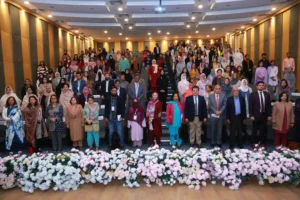
Workshop

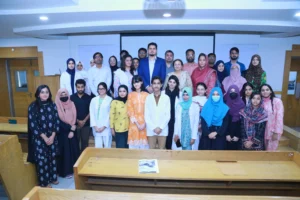
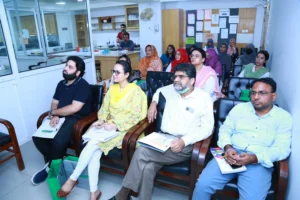
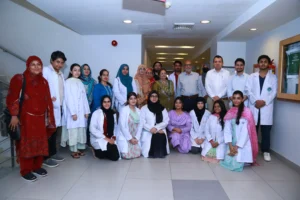
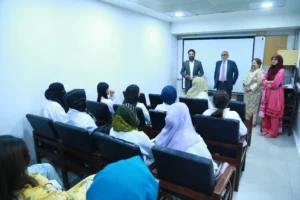
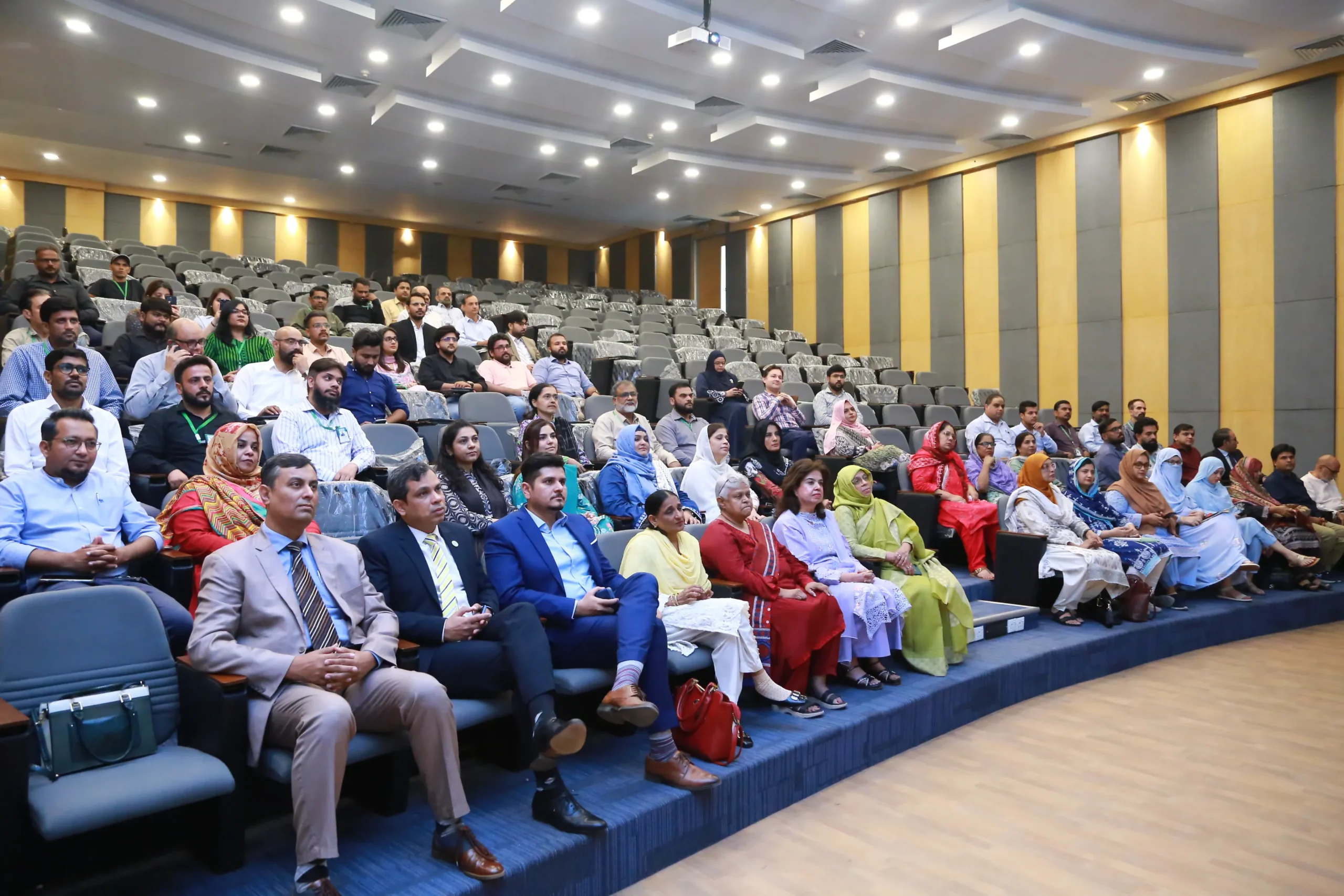
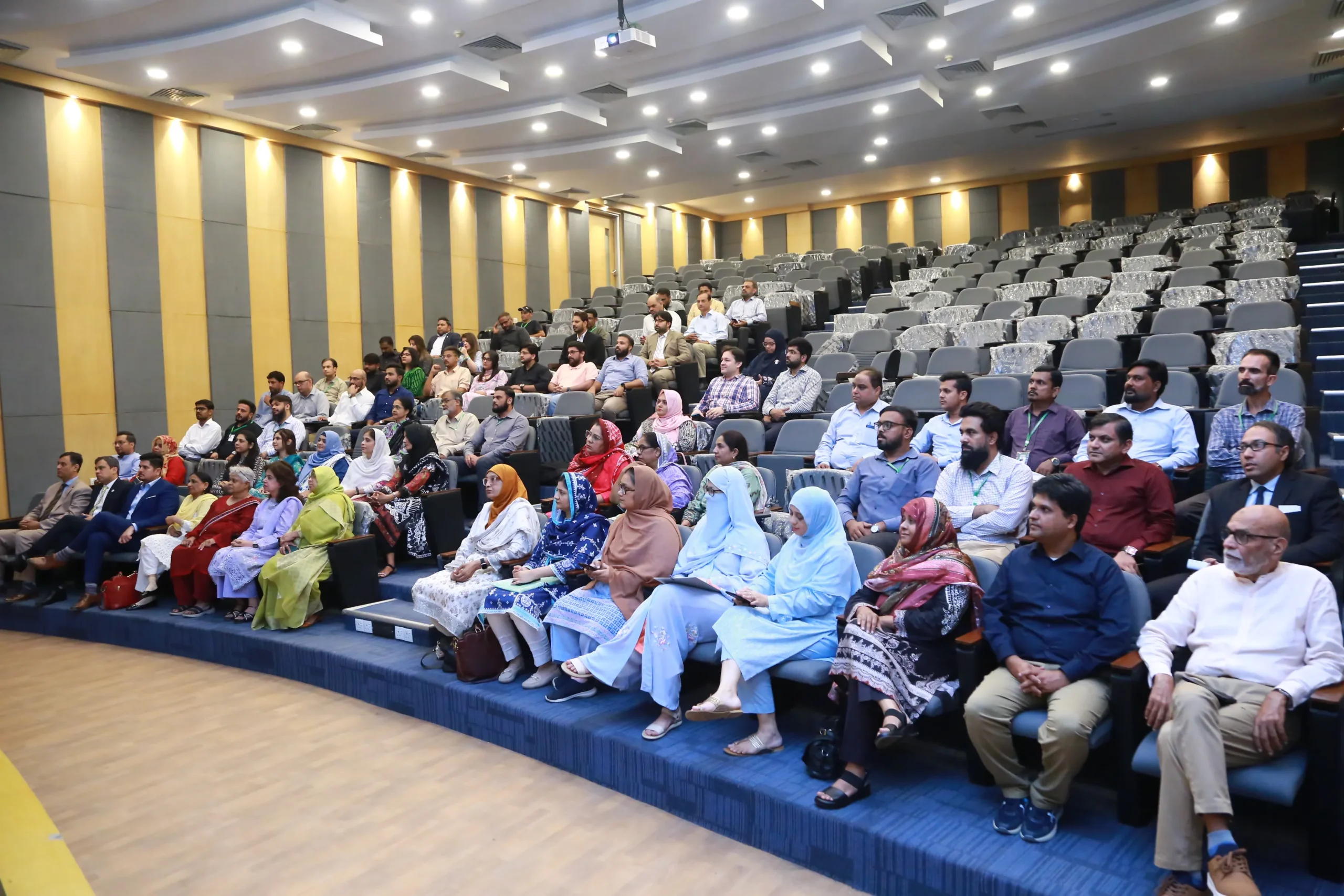
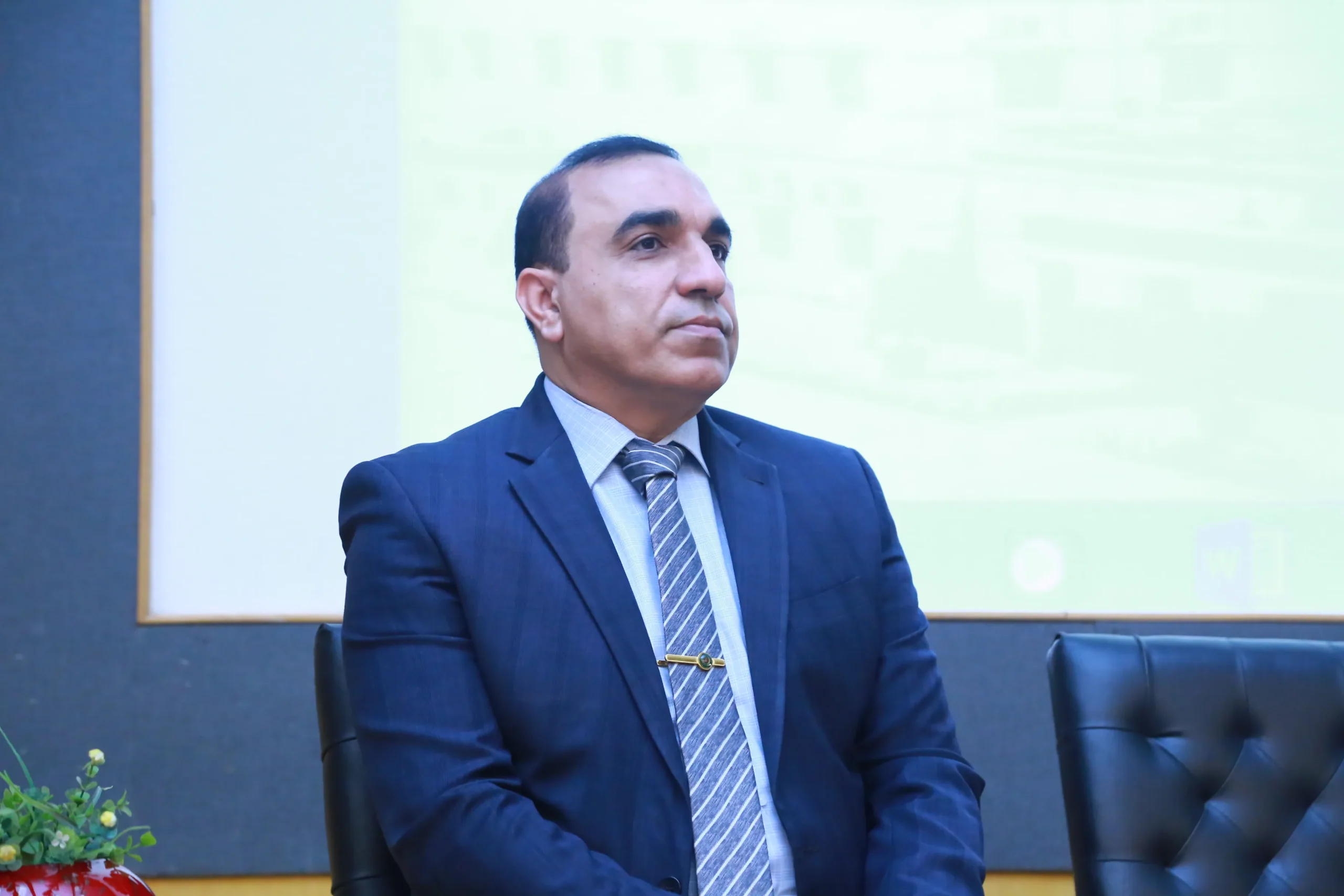
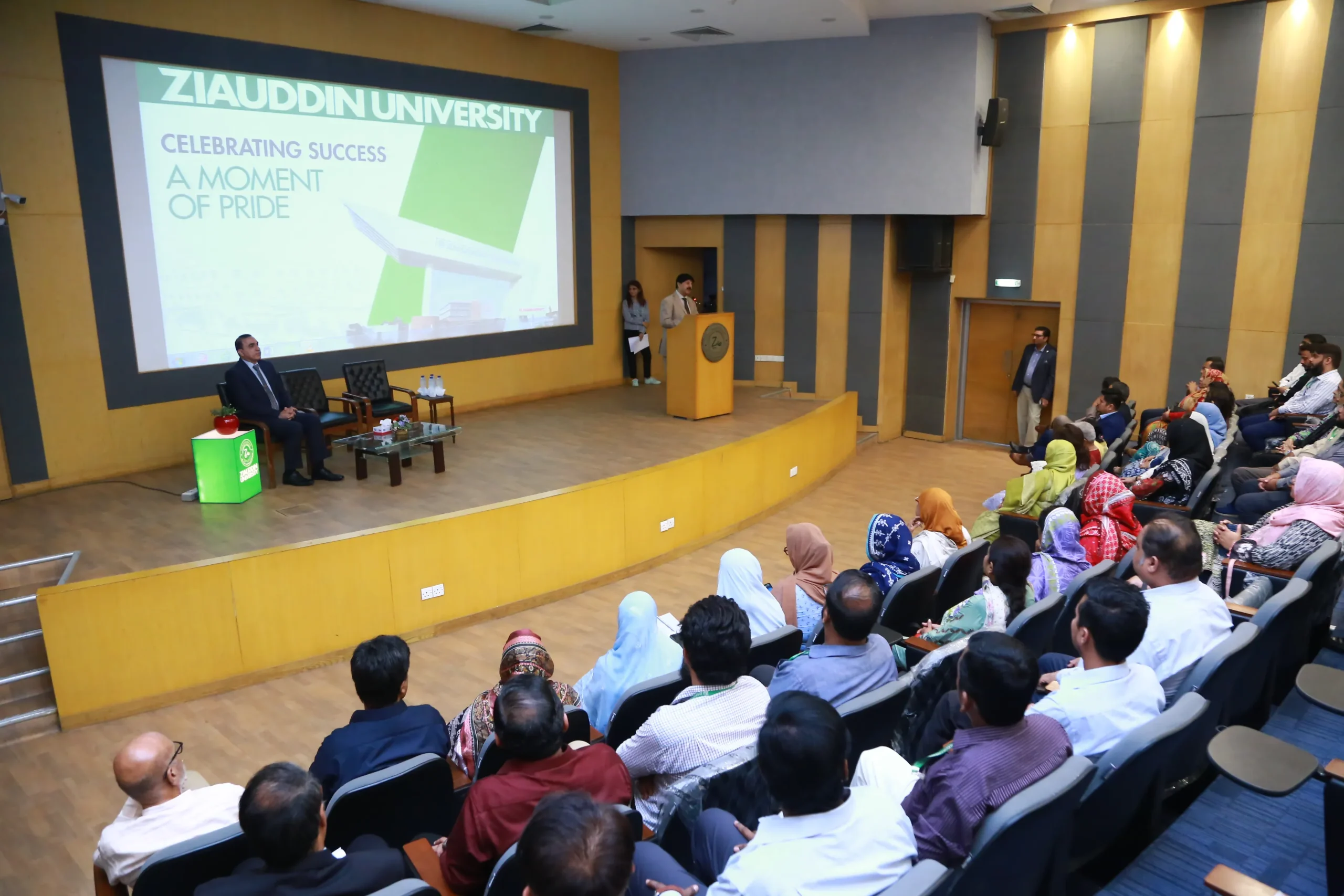
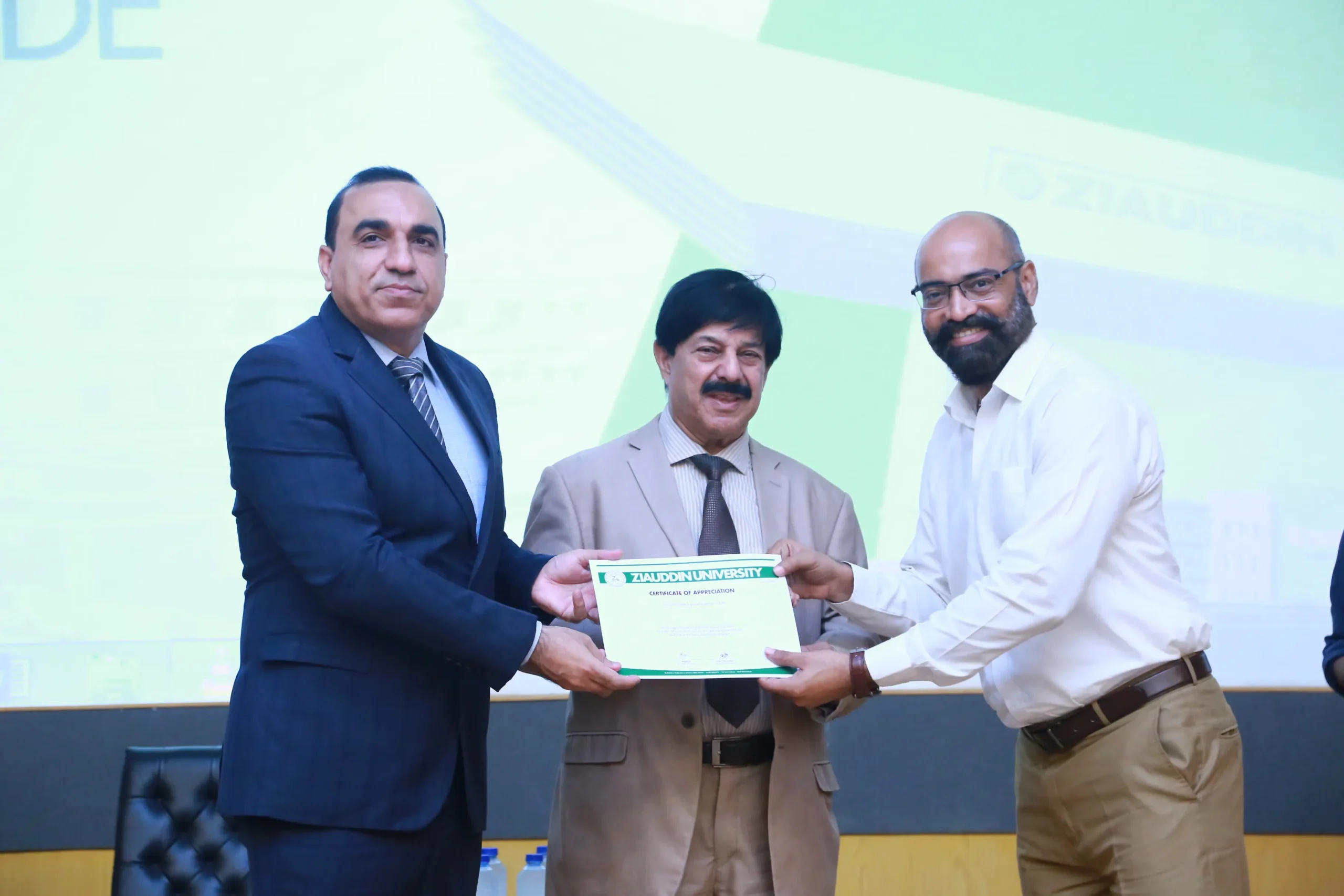
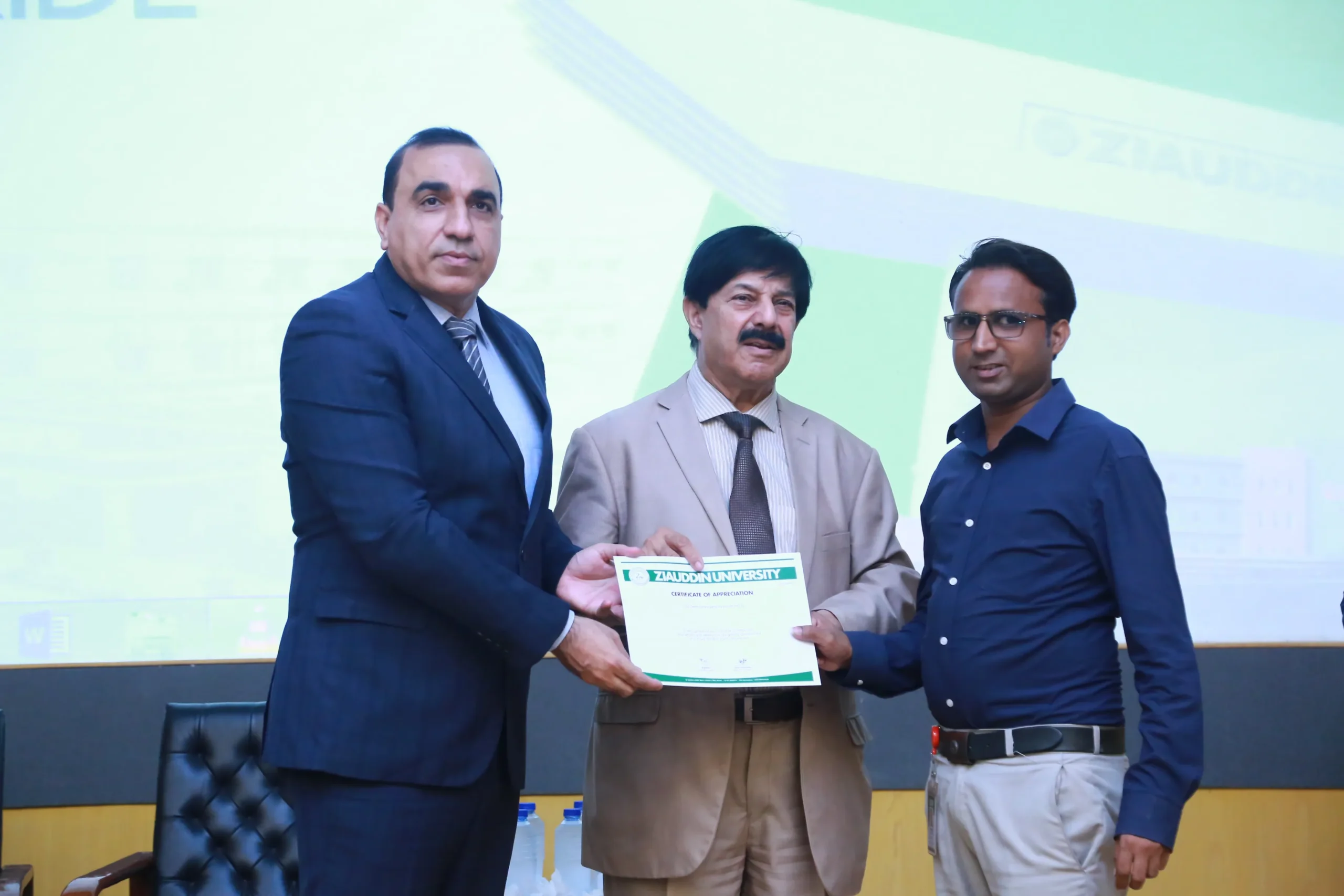
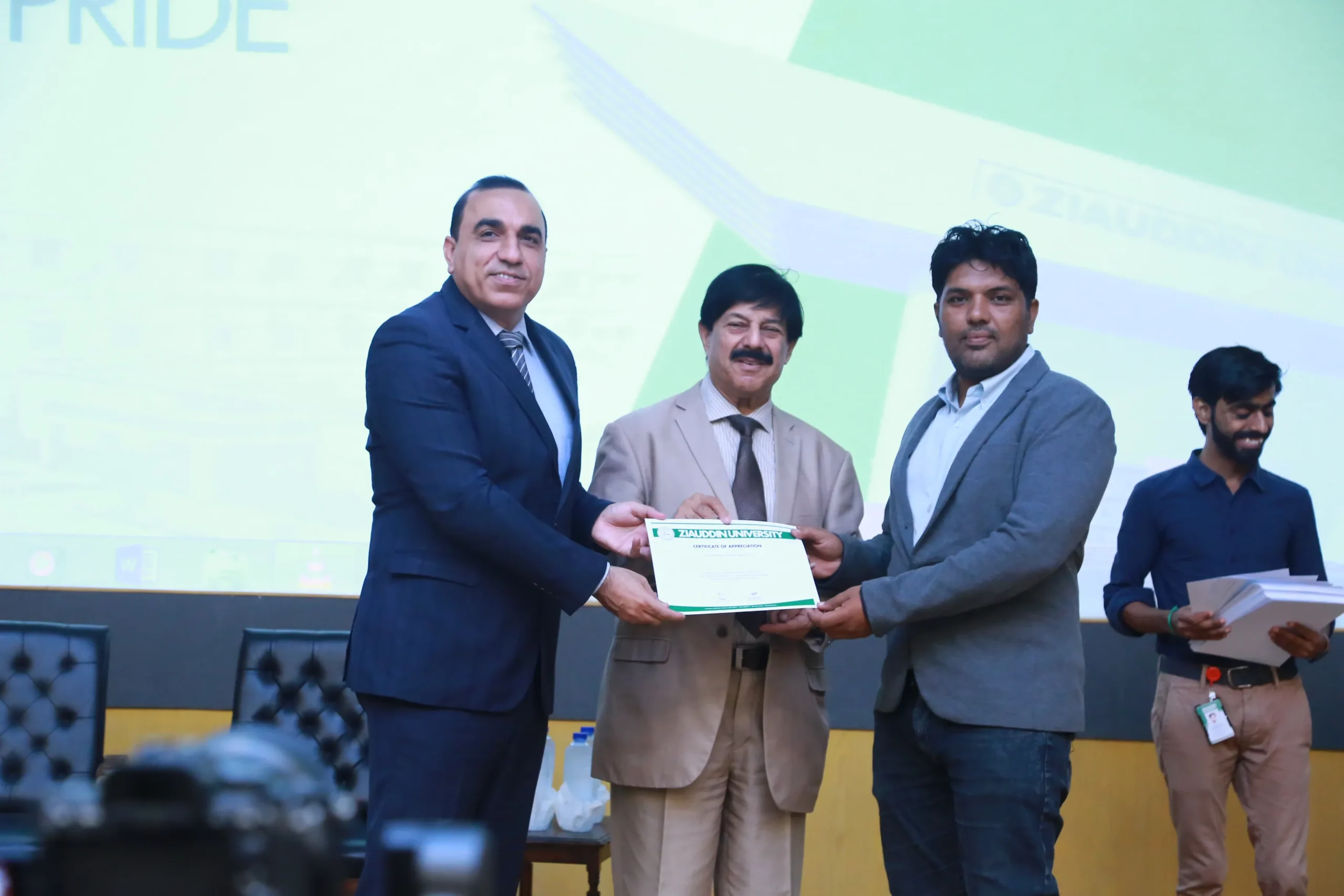
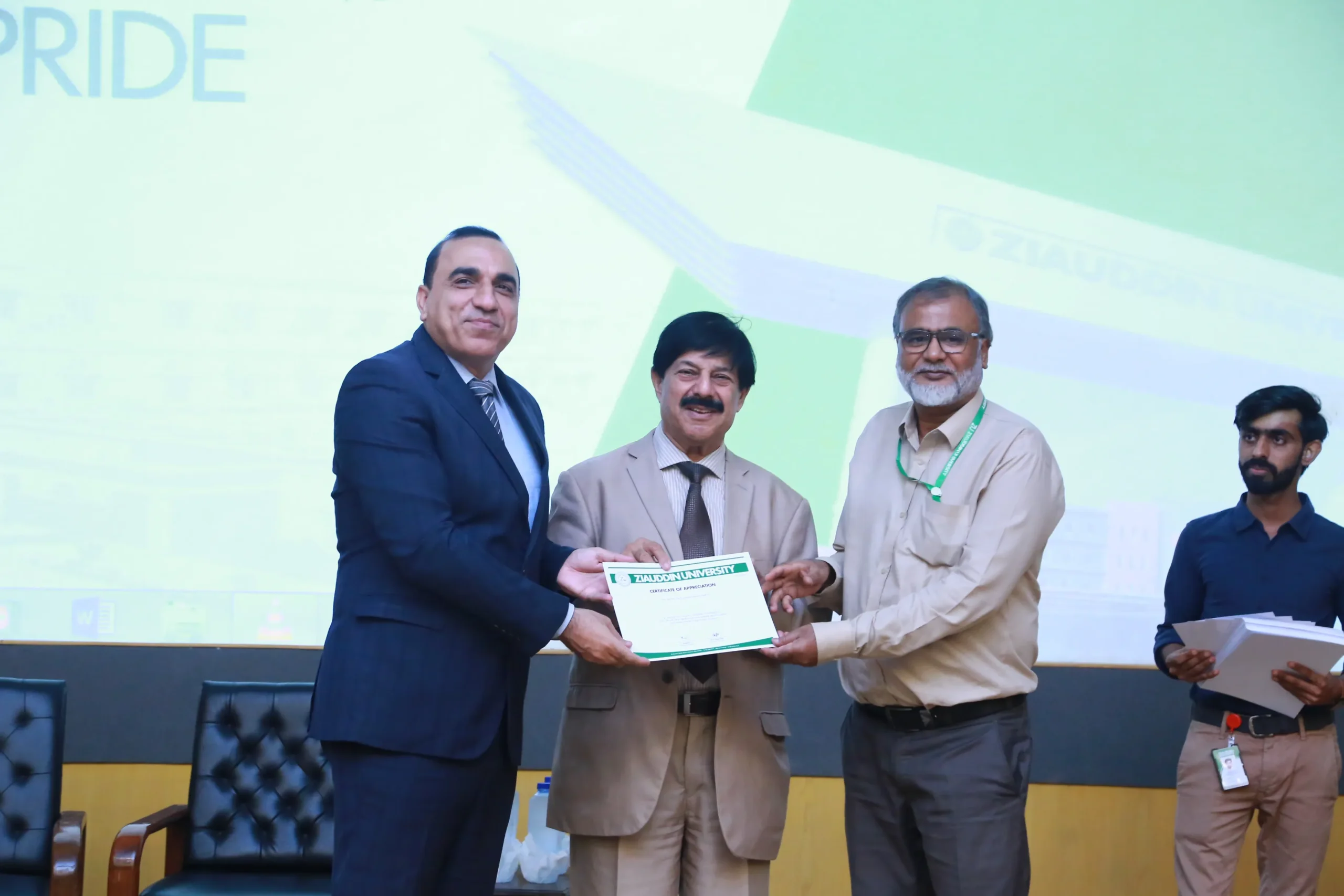
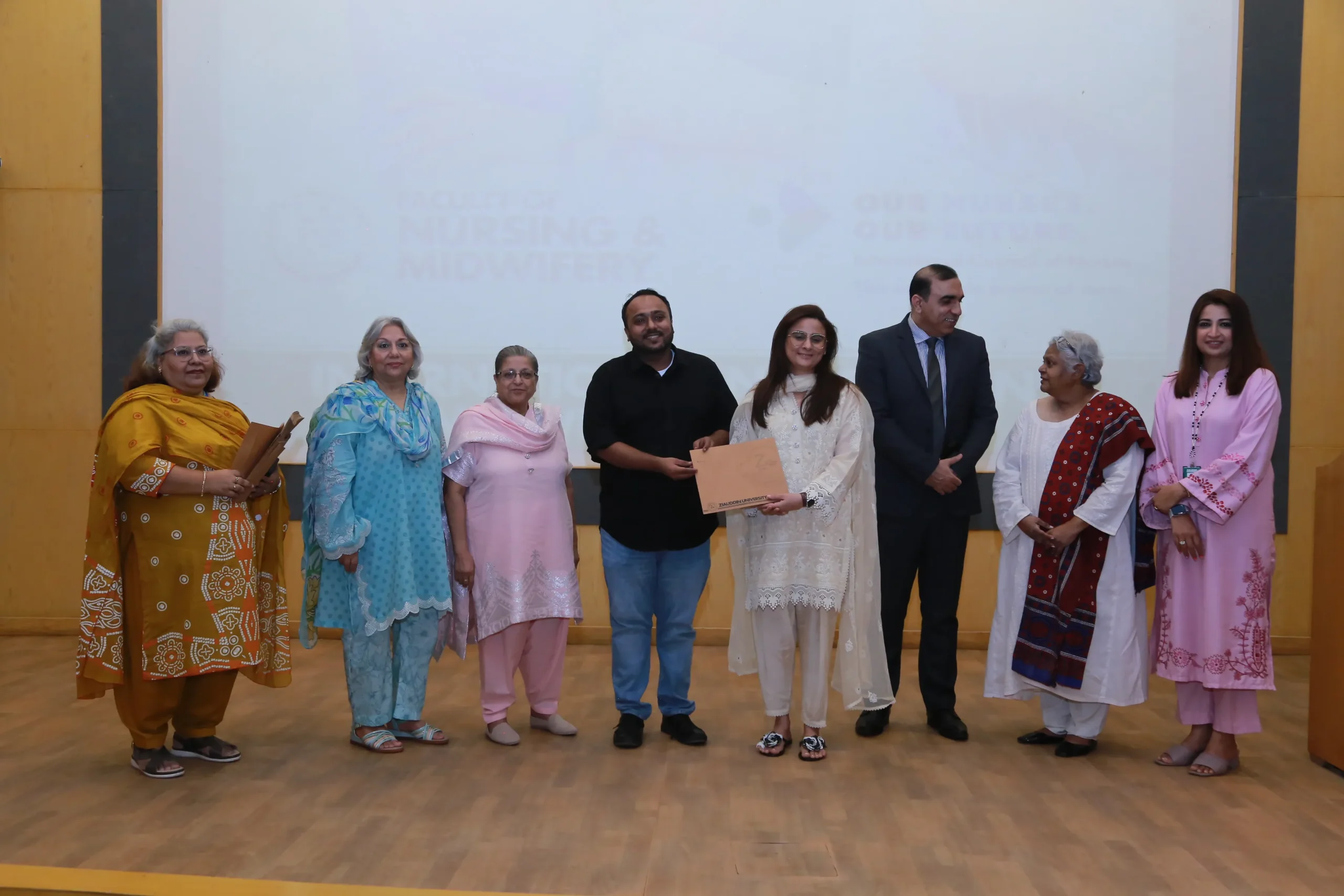
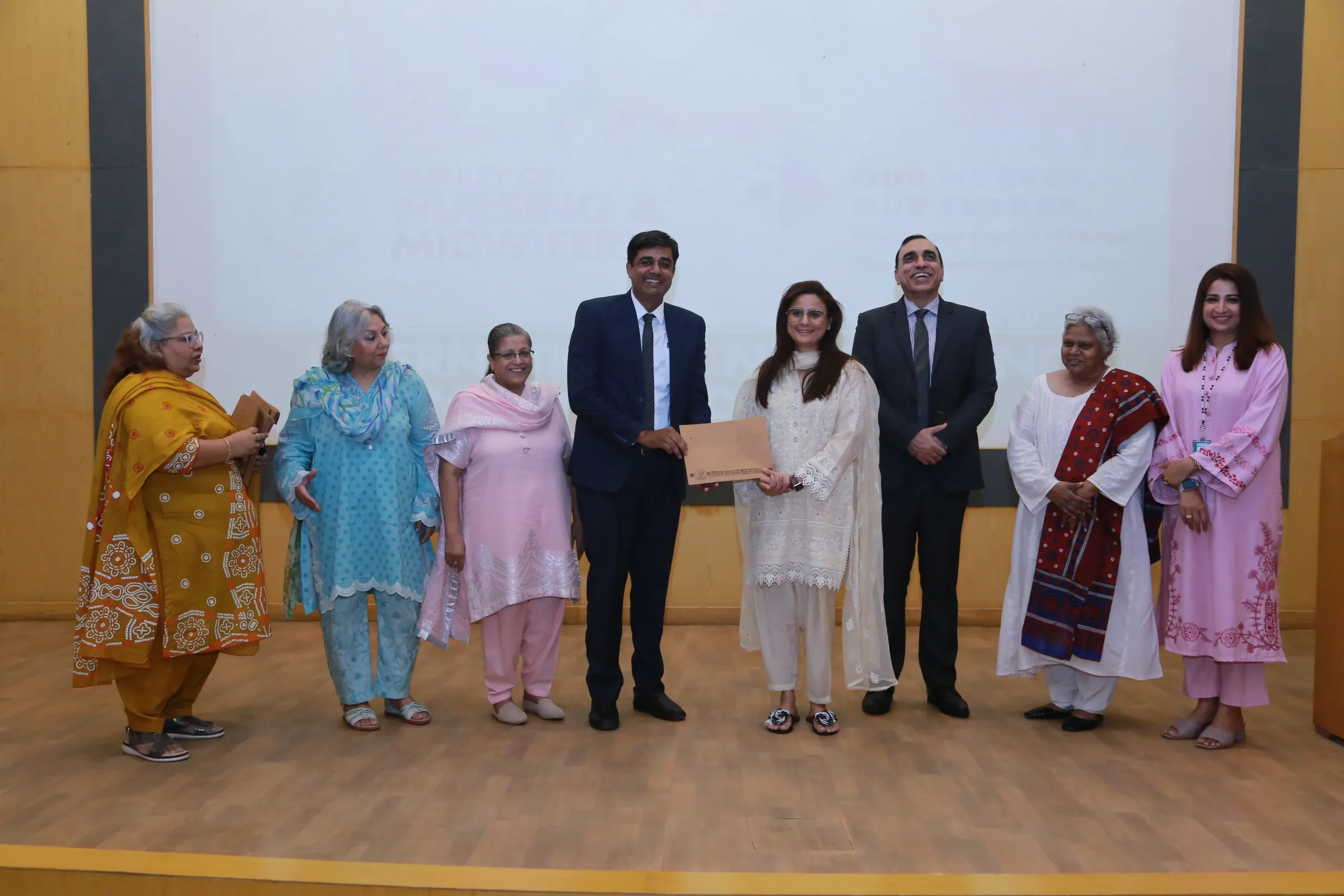
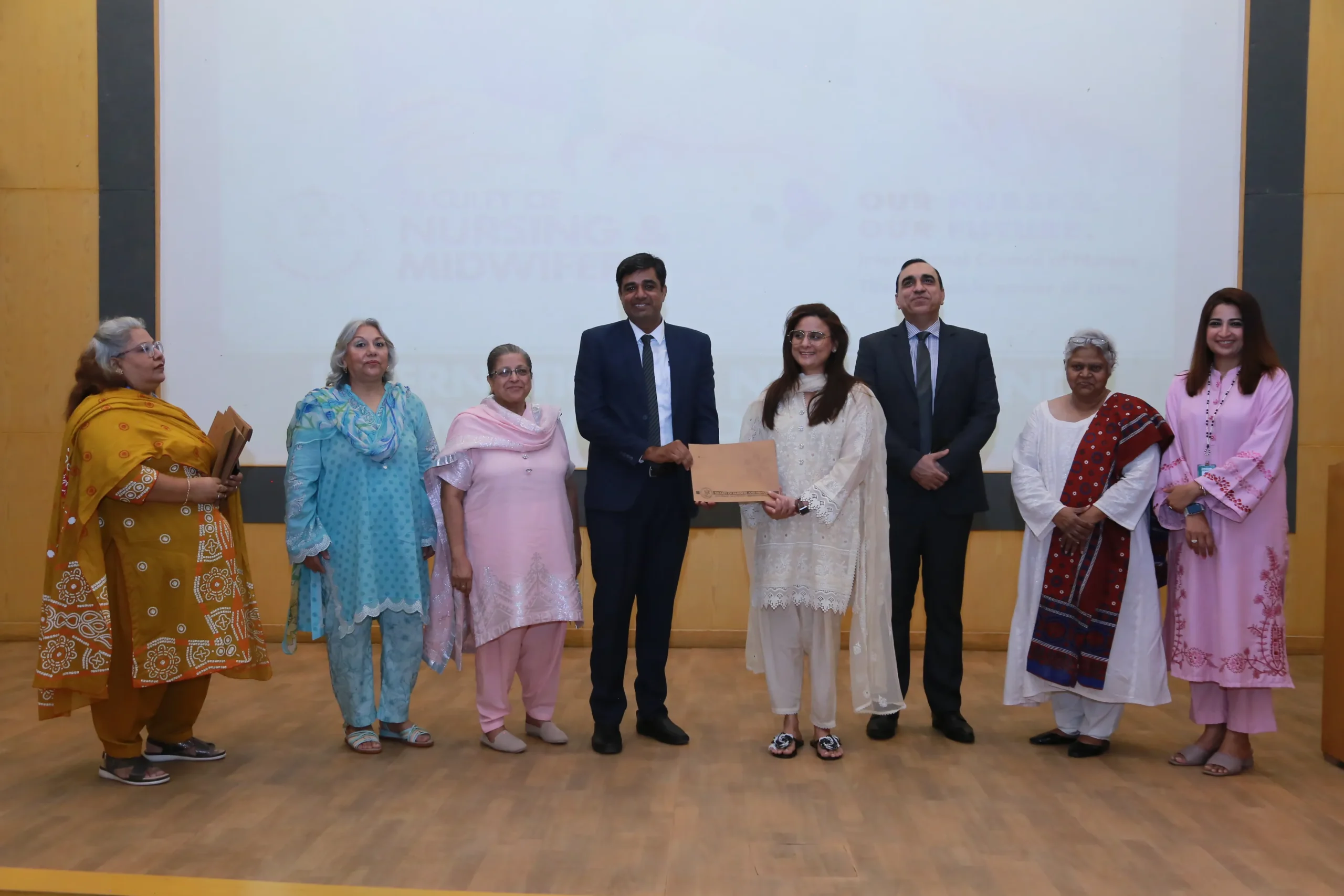
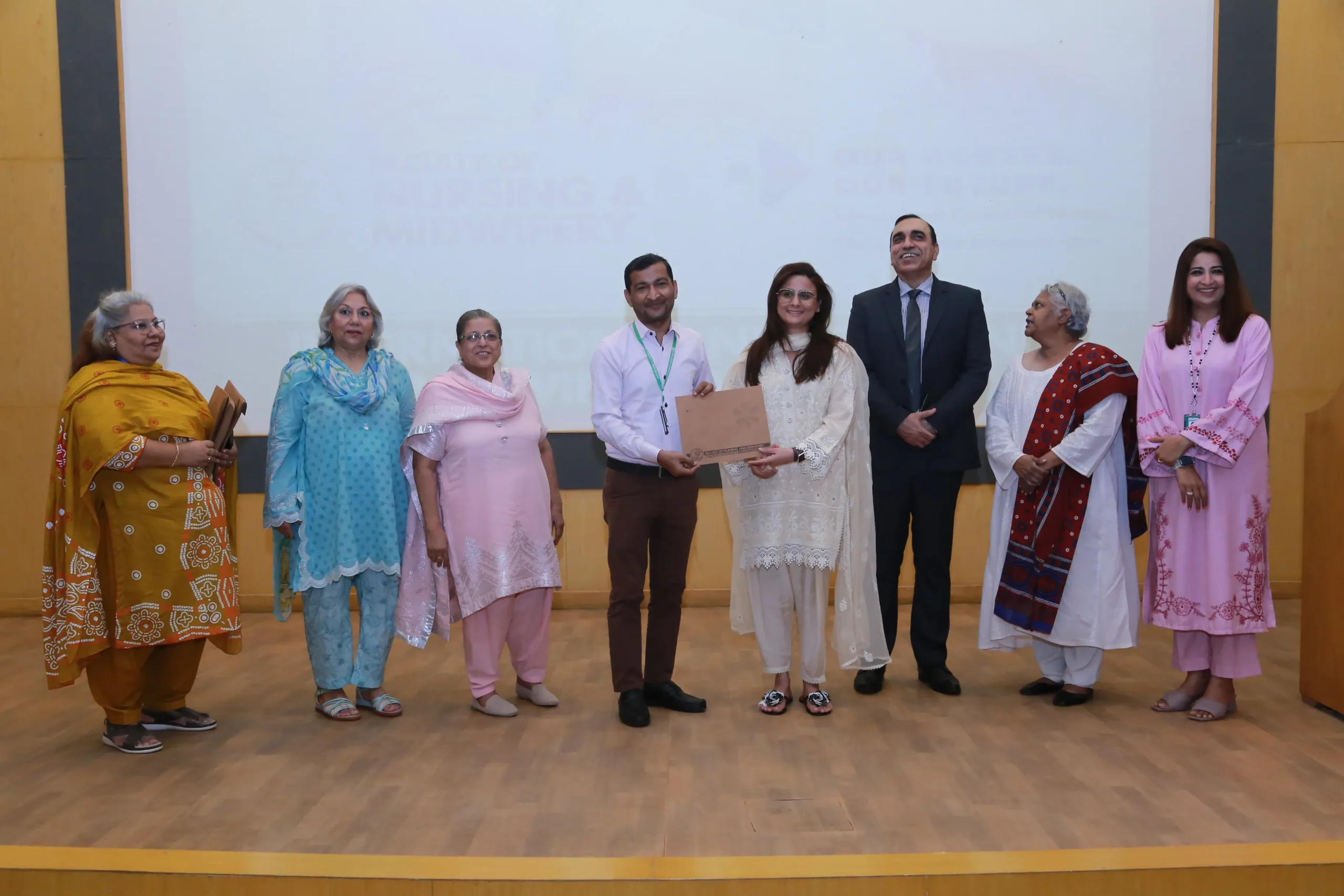
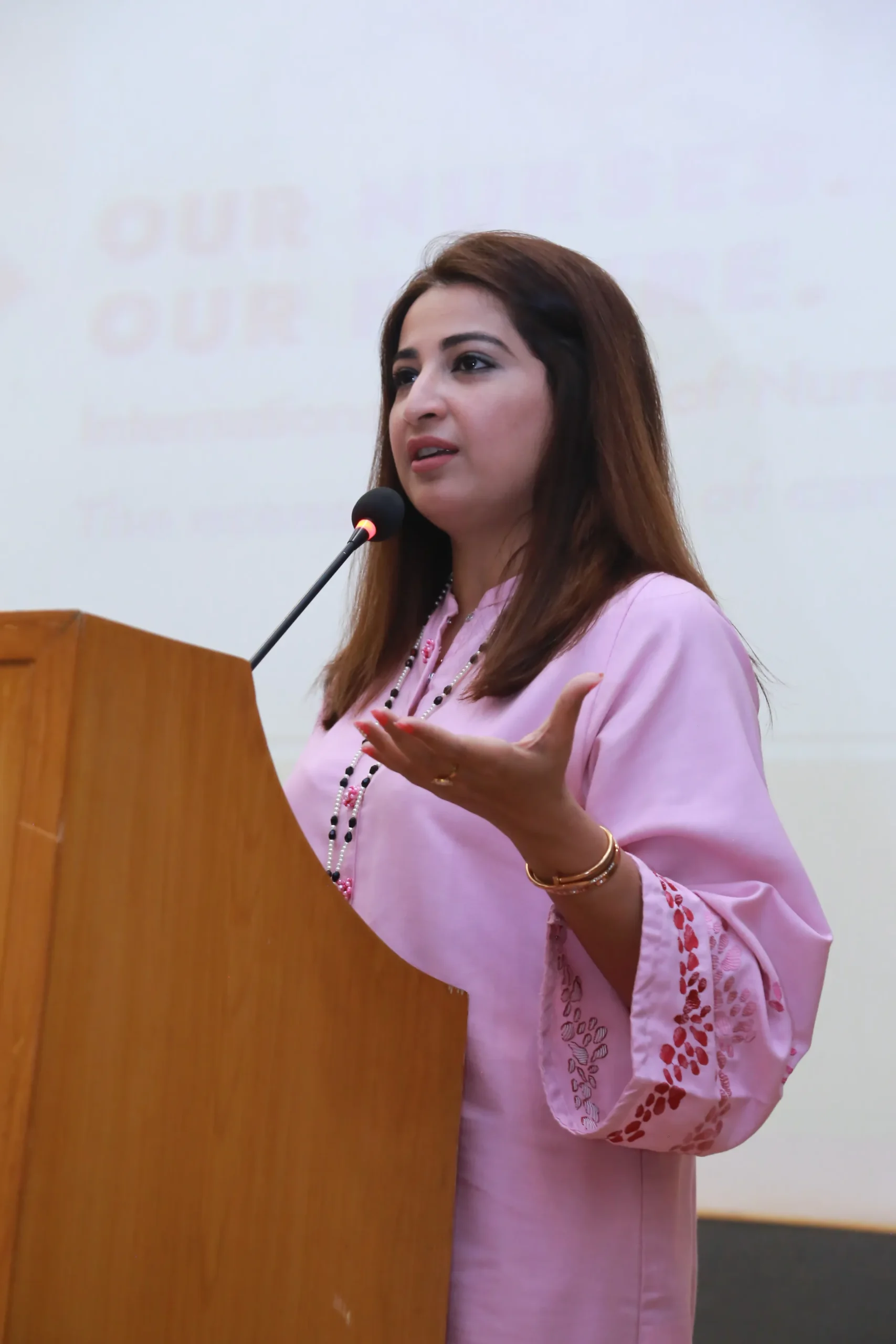
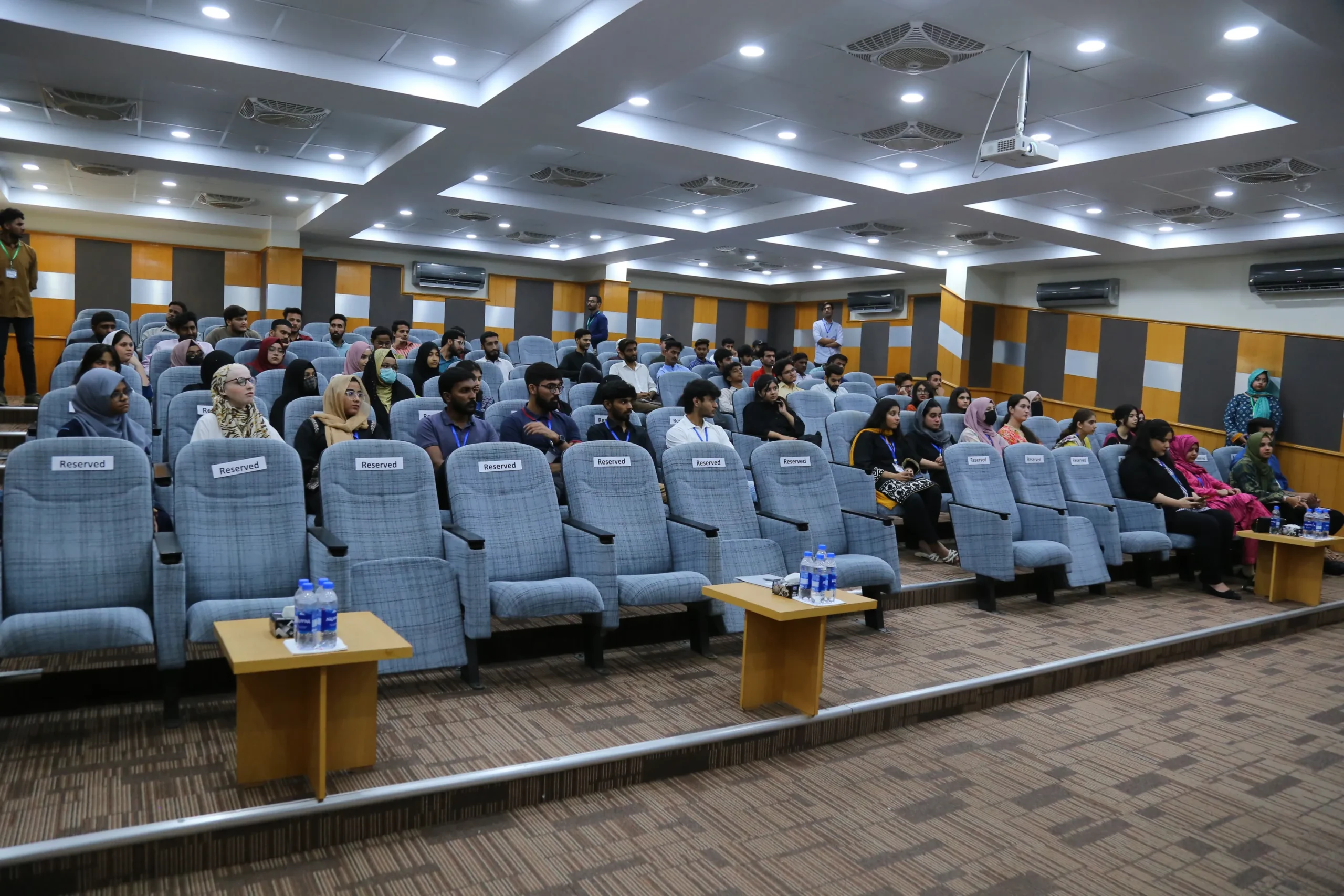
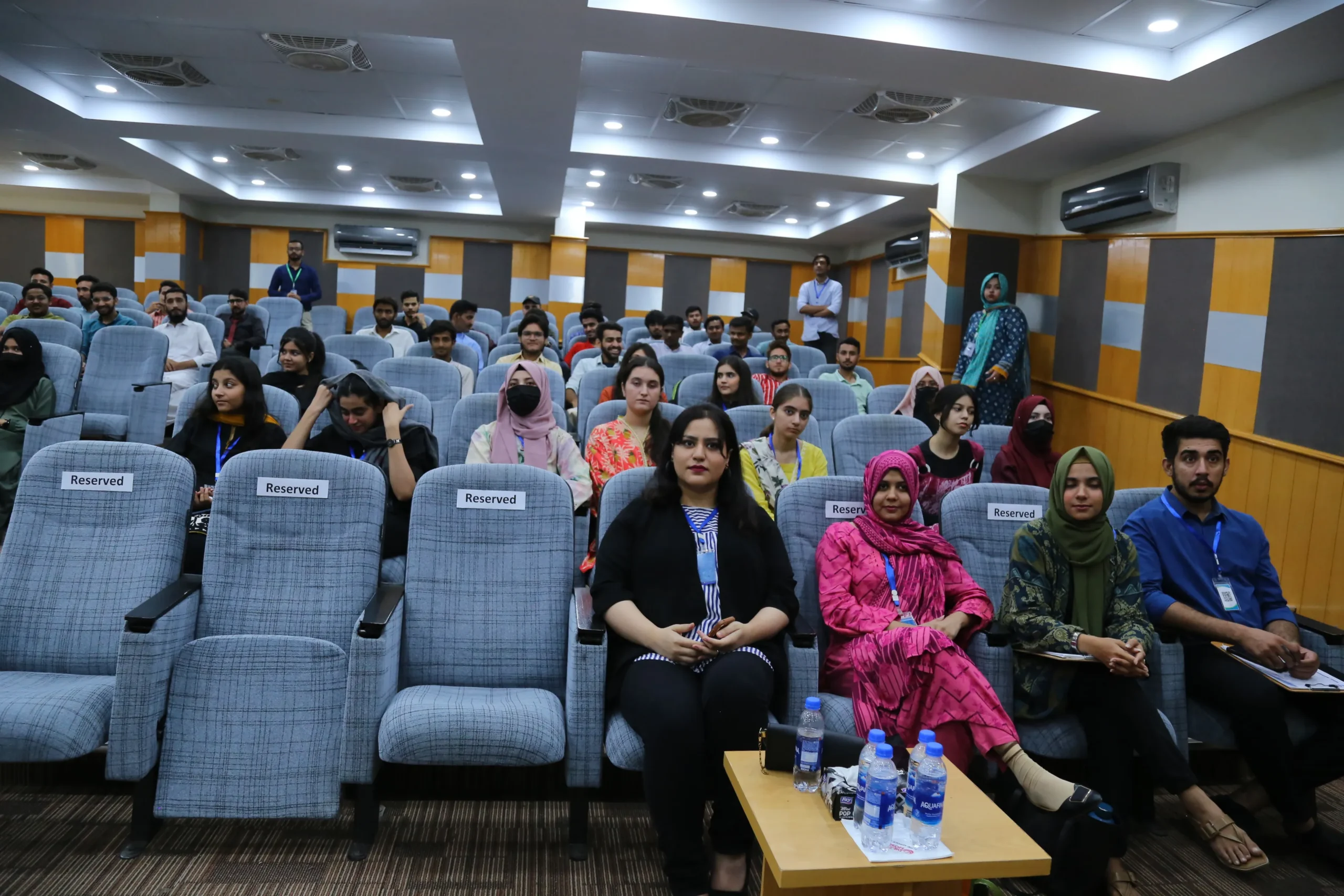
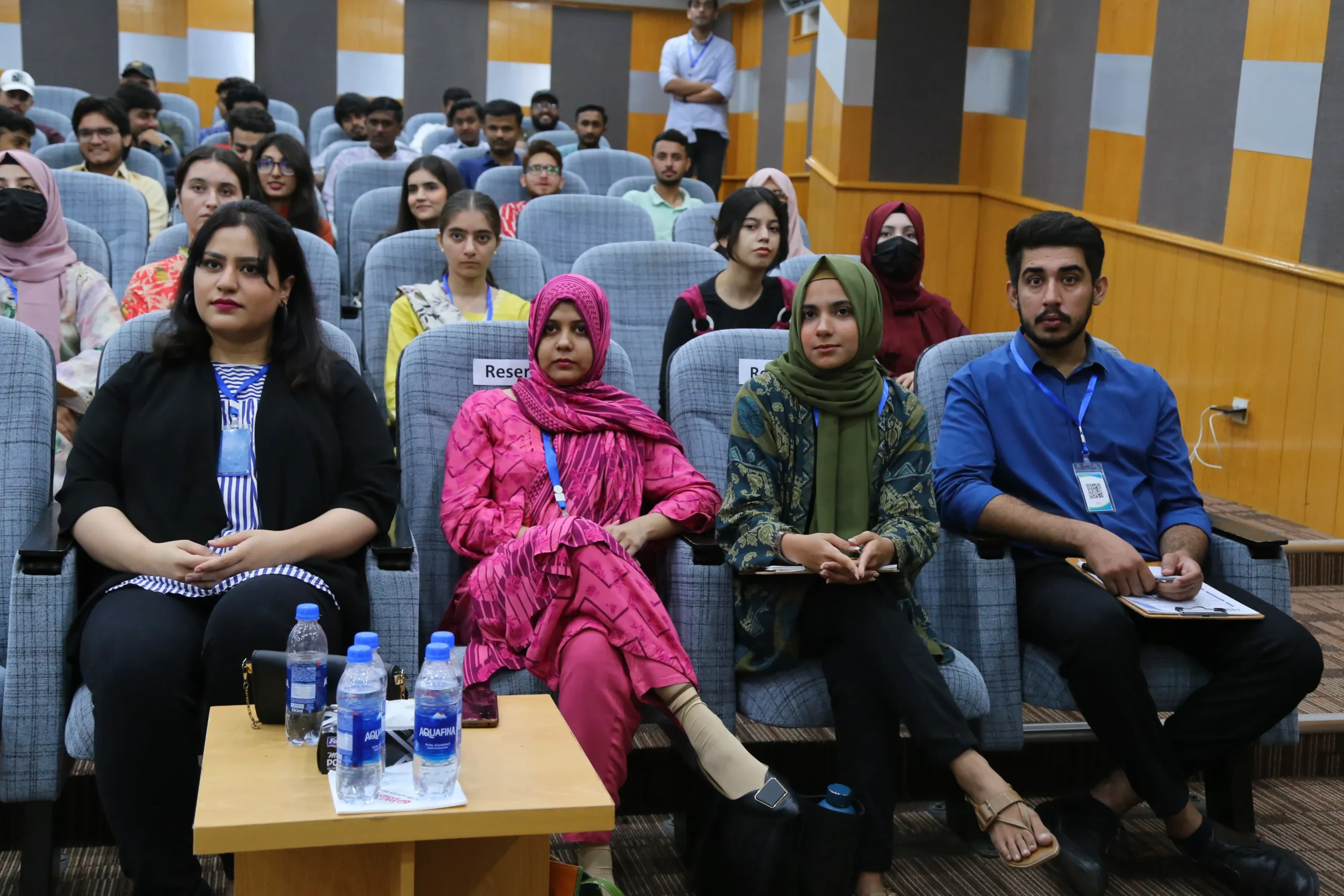
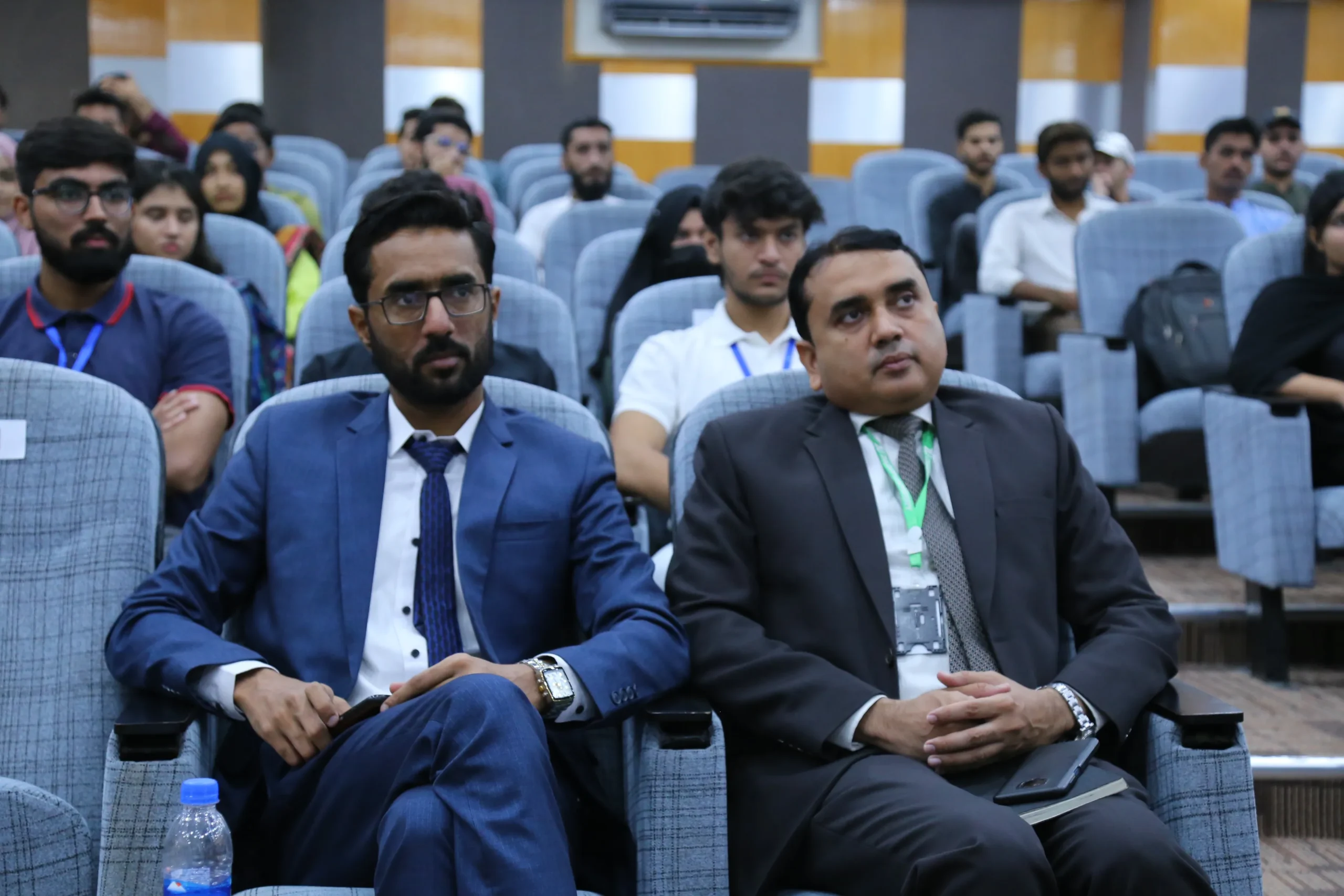
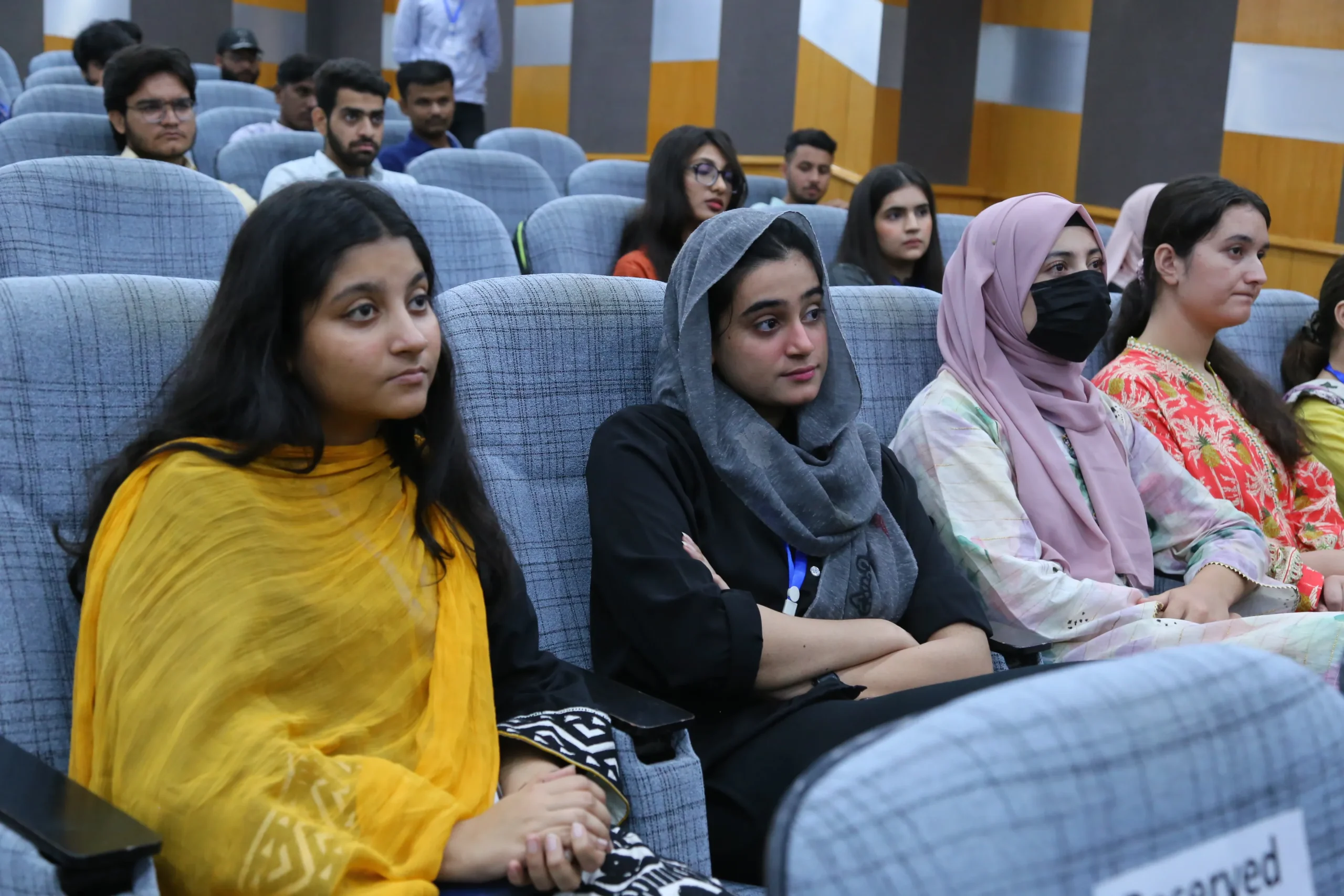
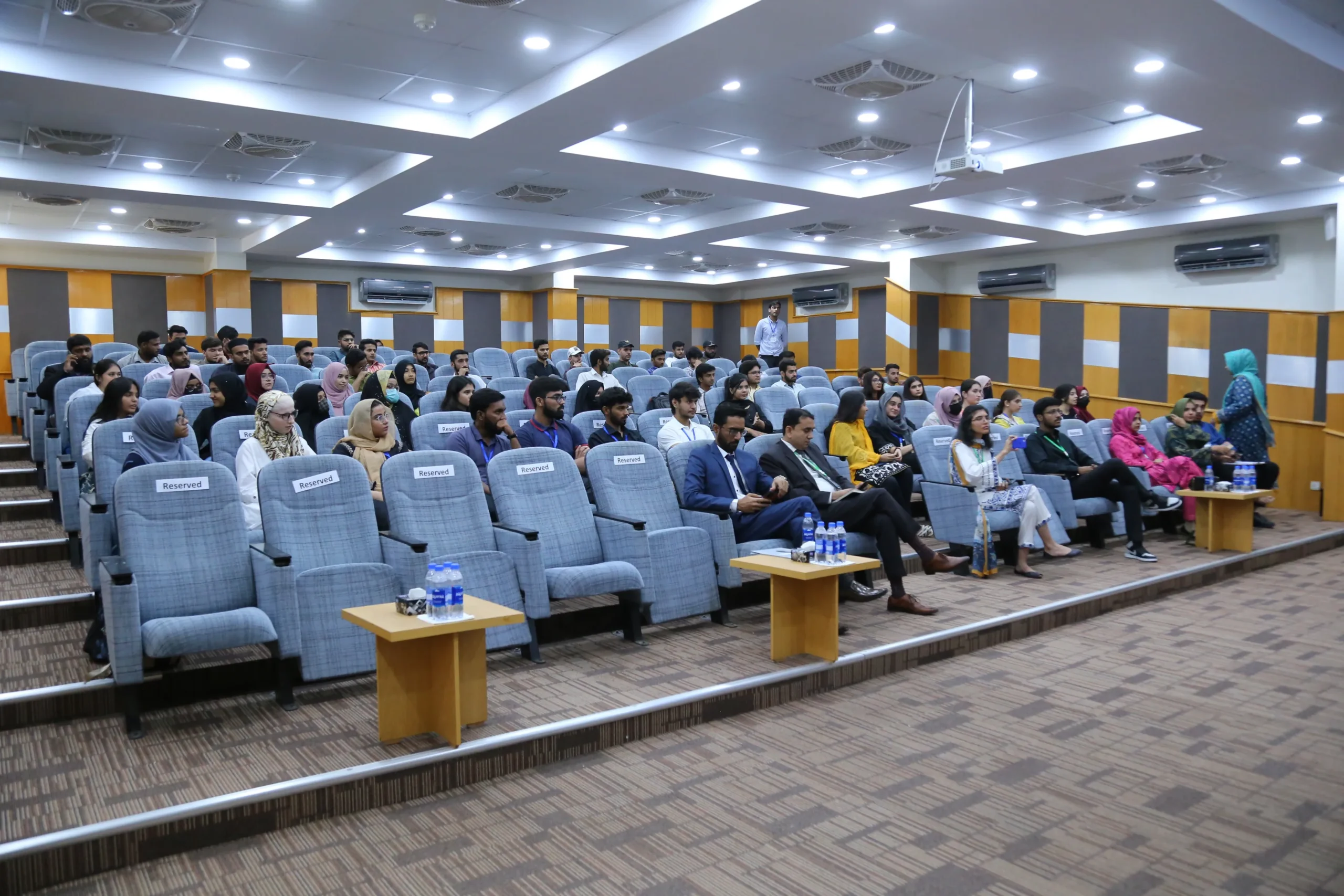
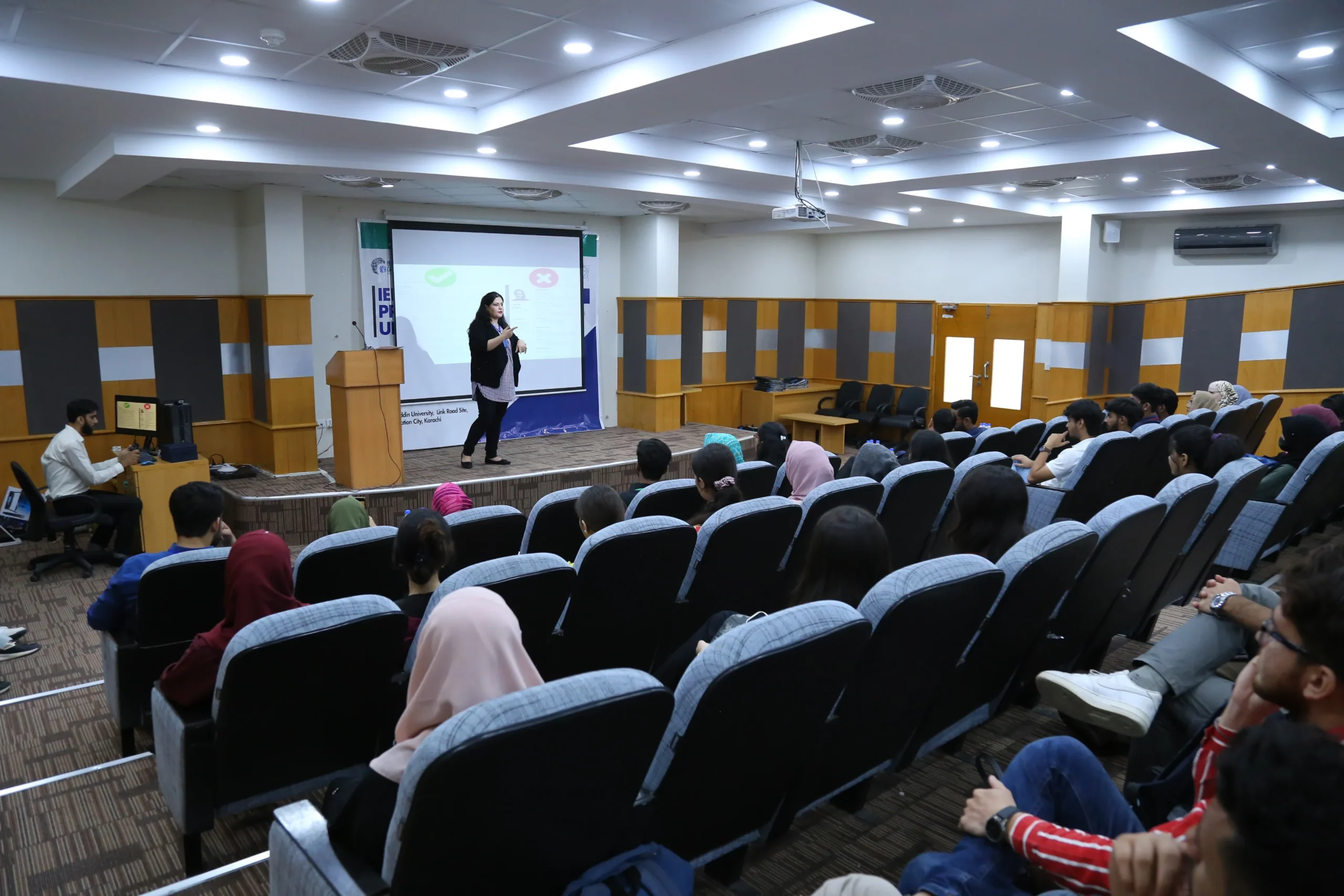
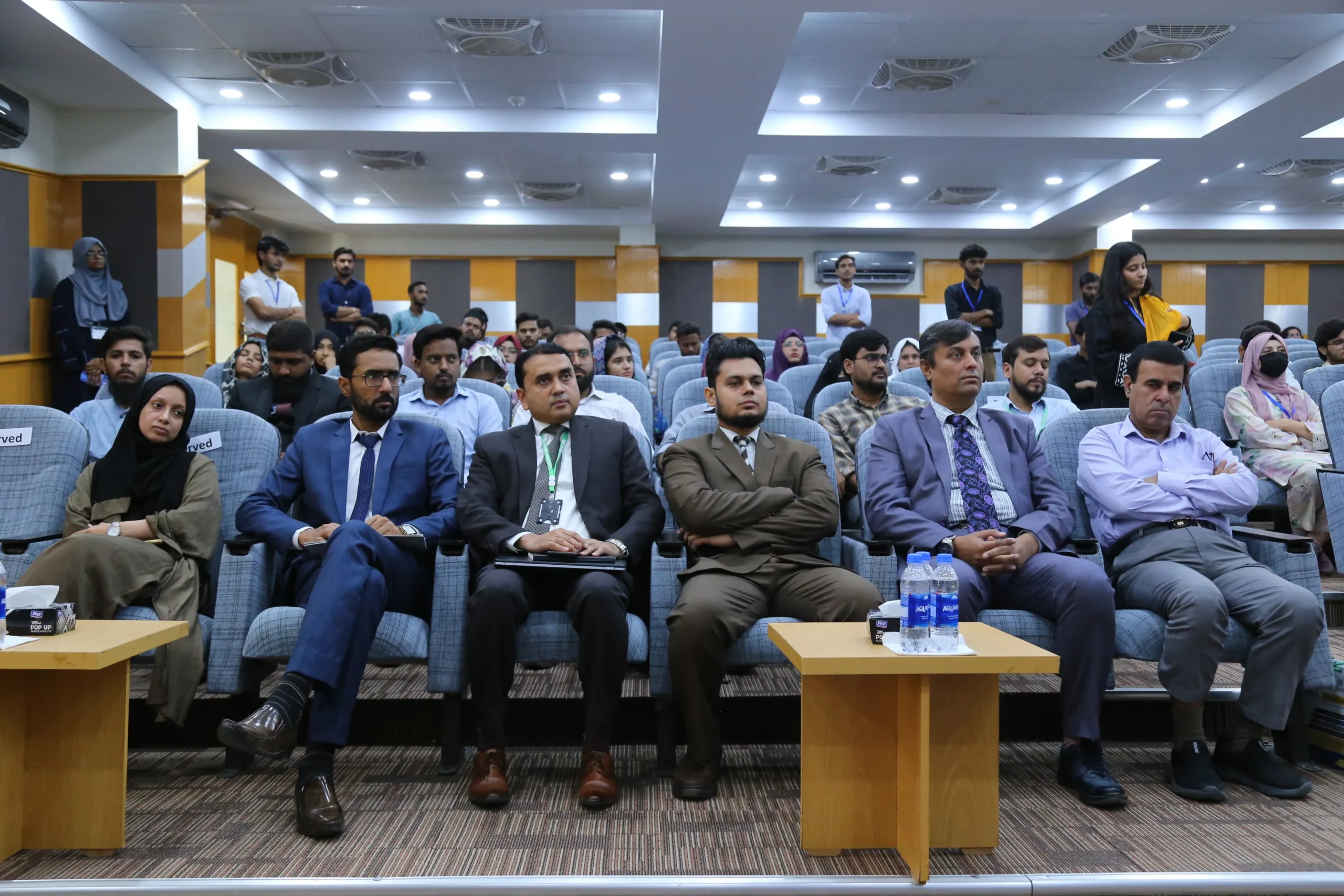
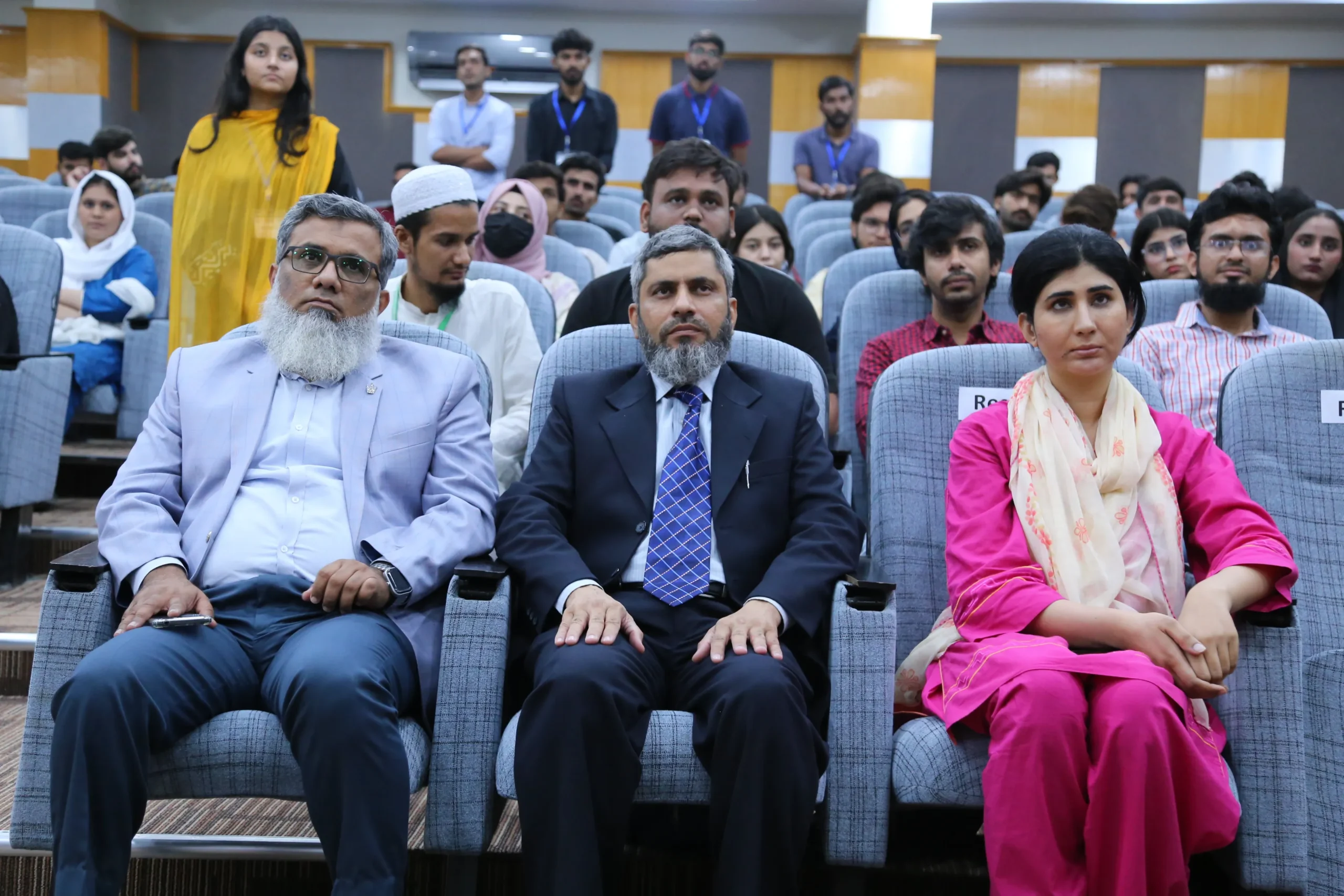
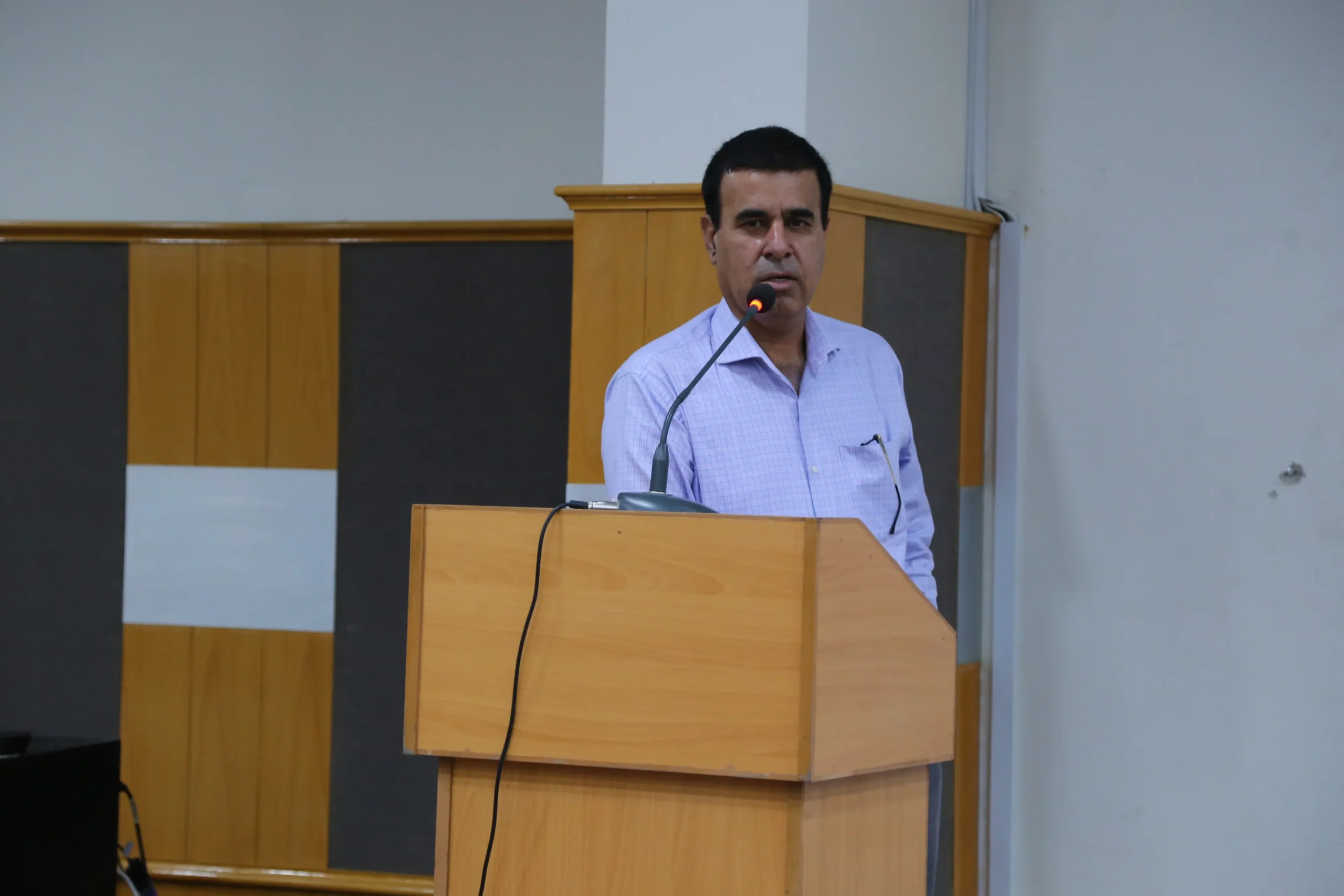
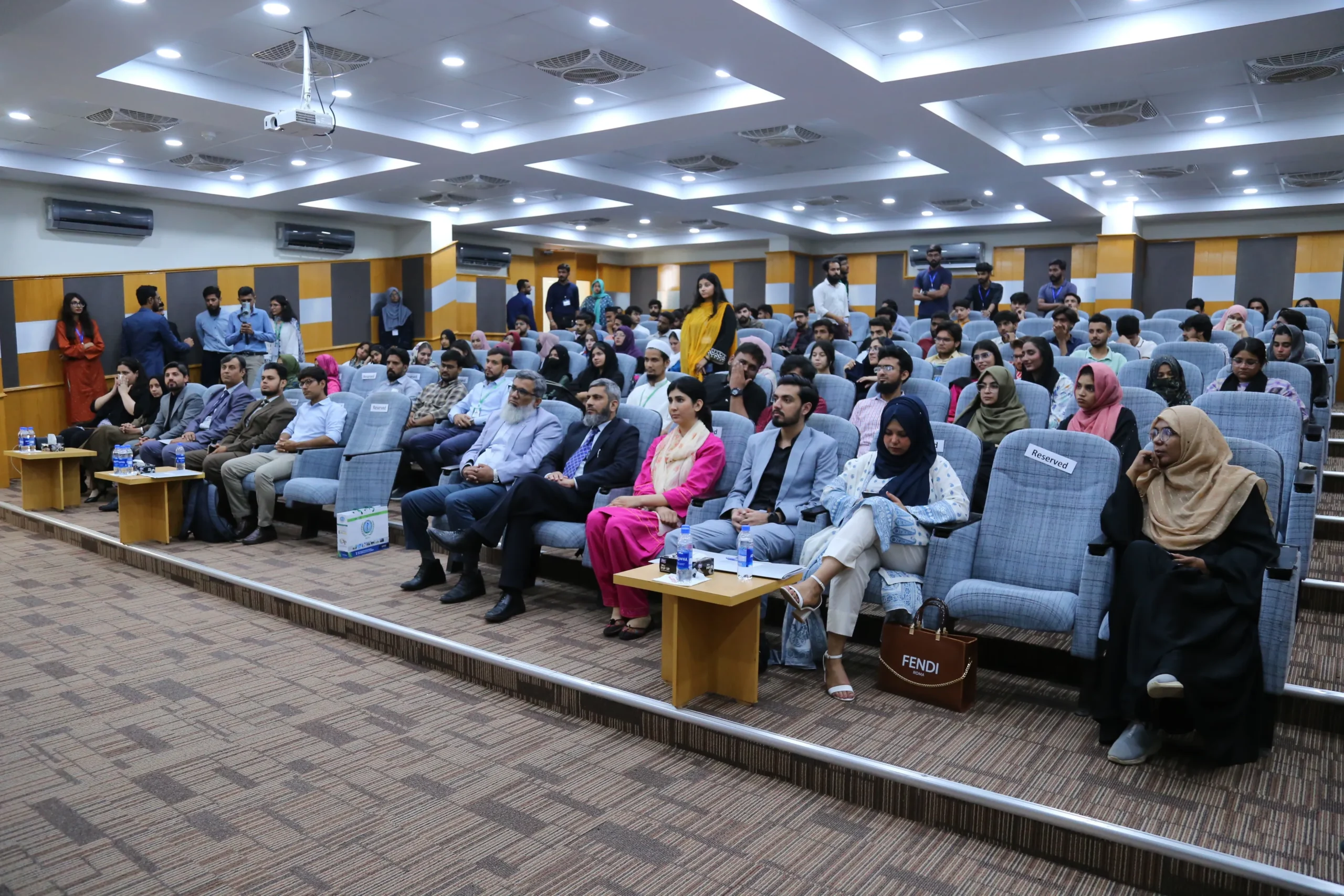
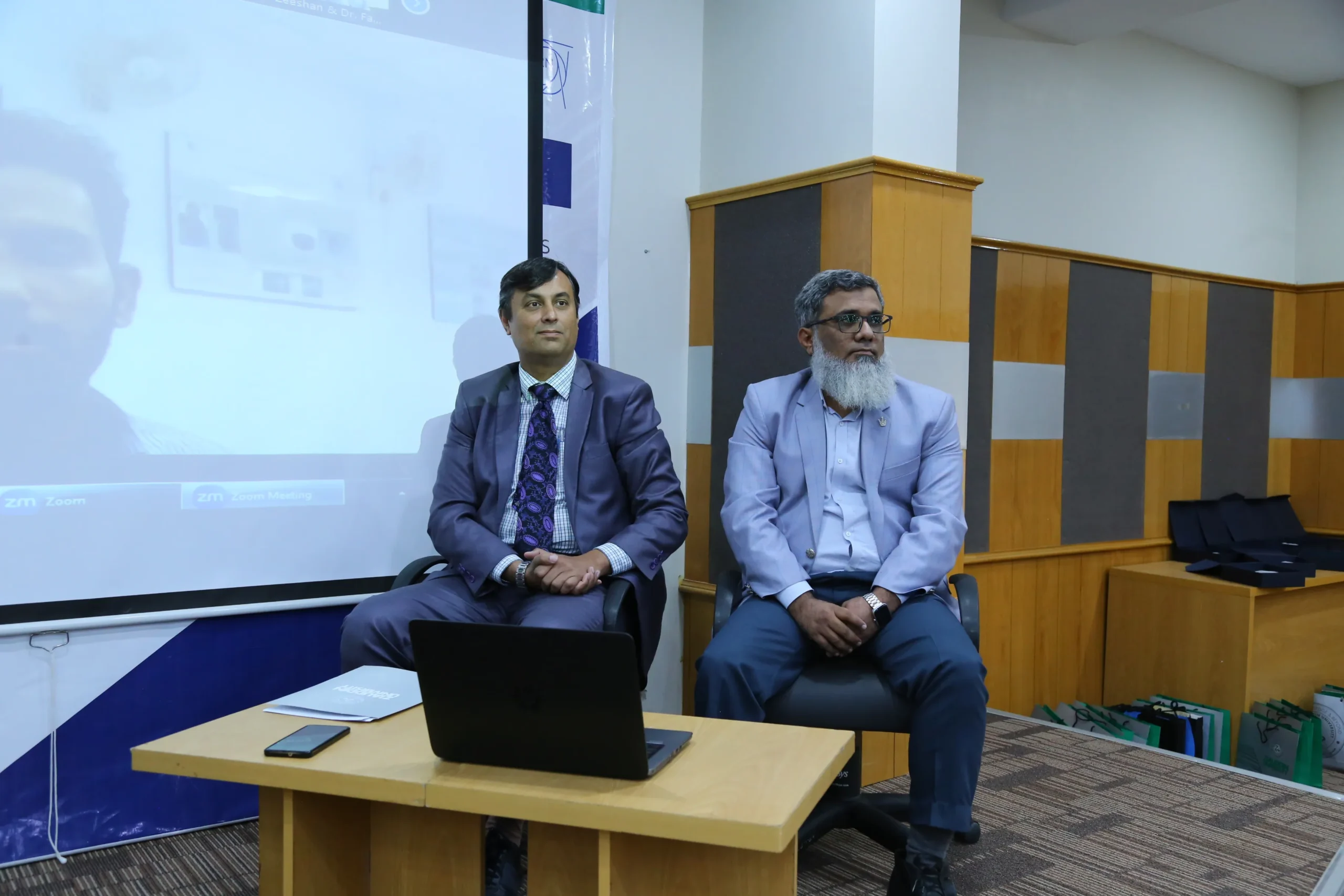
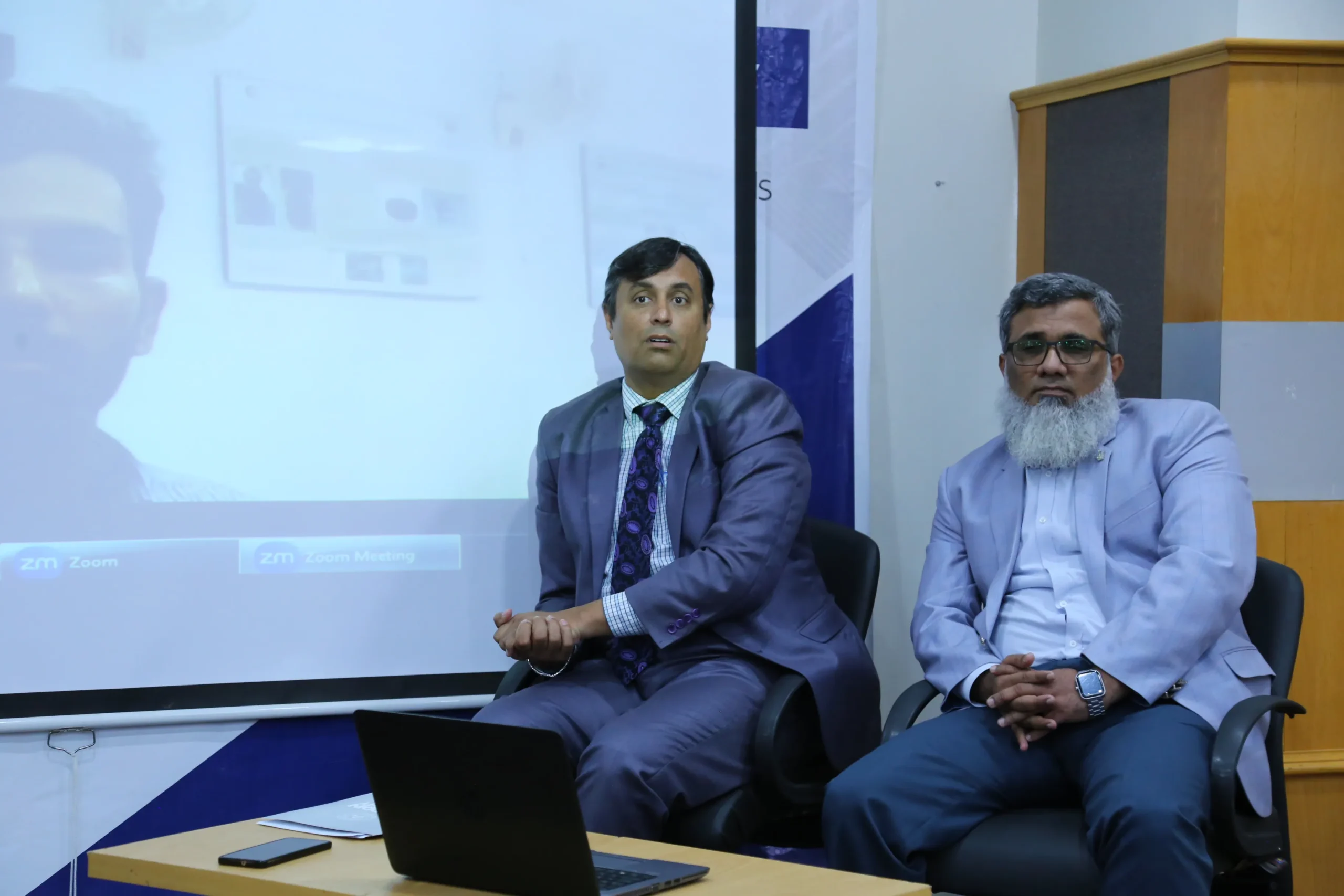
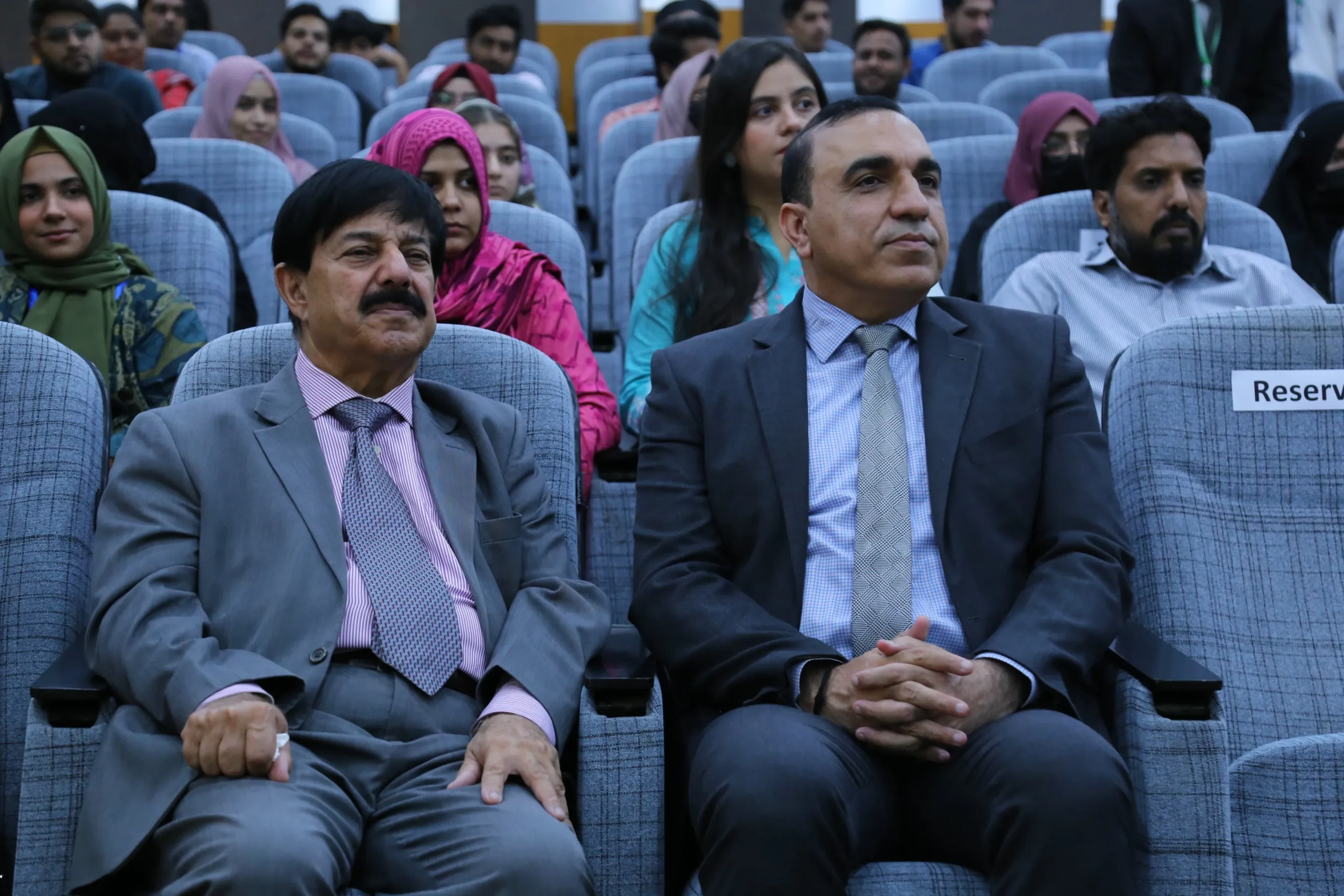
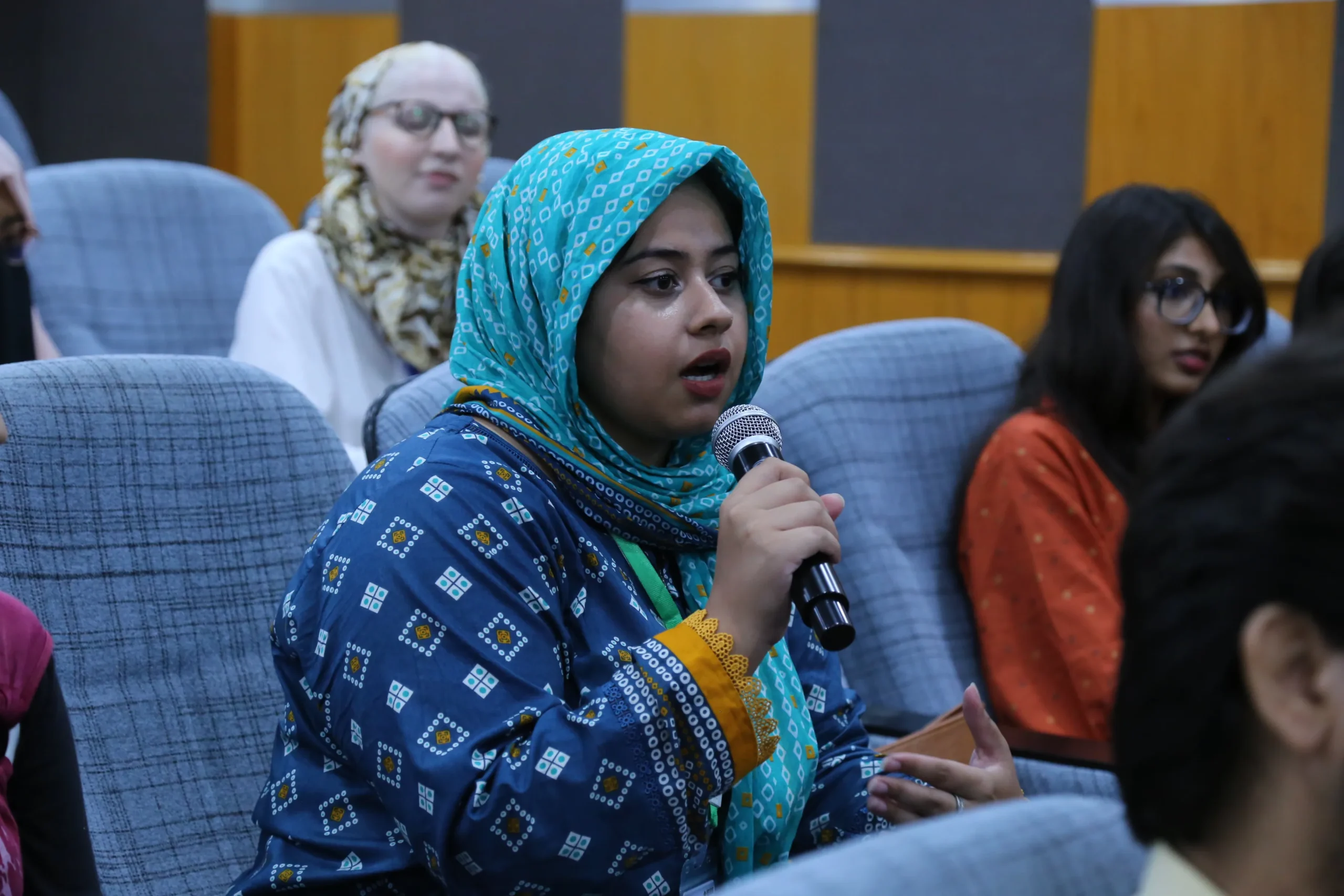
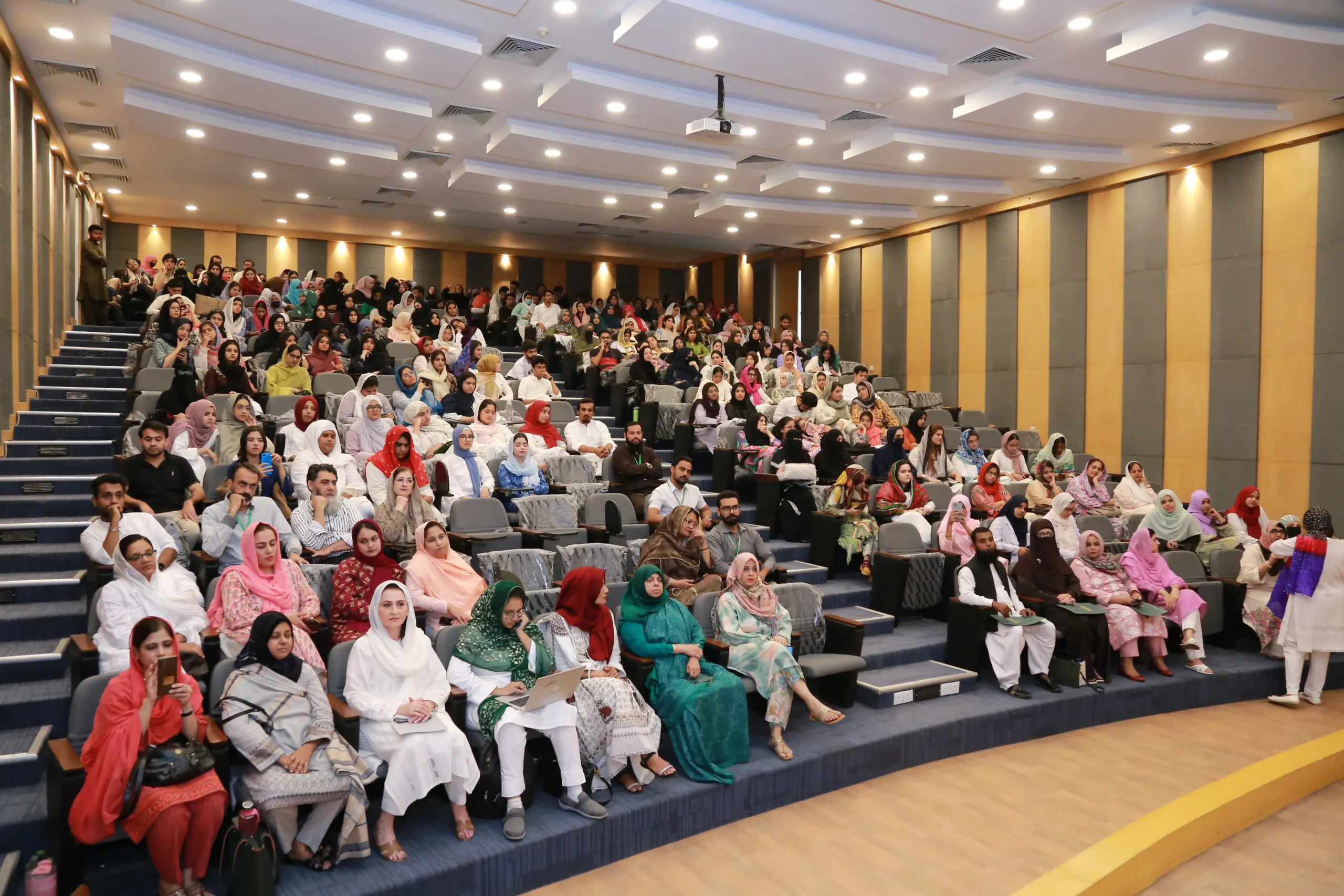
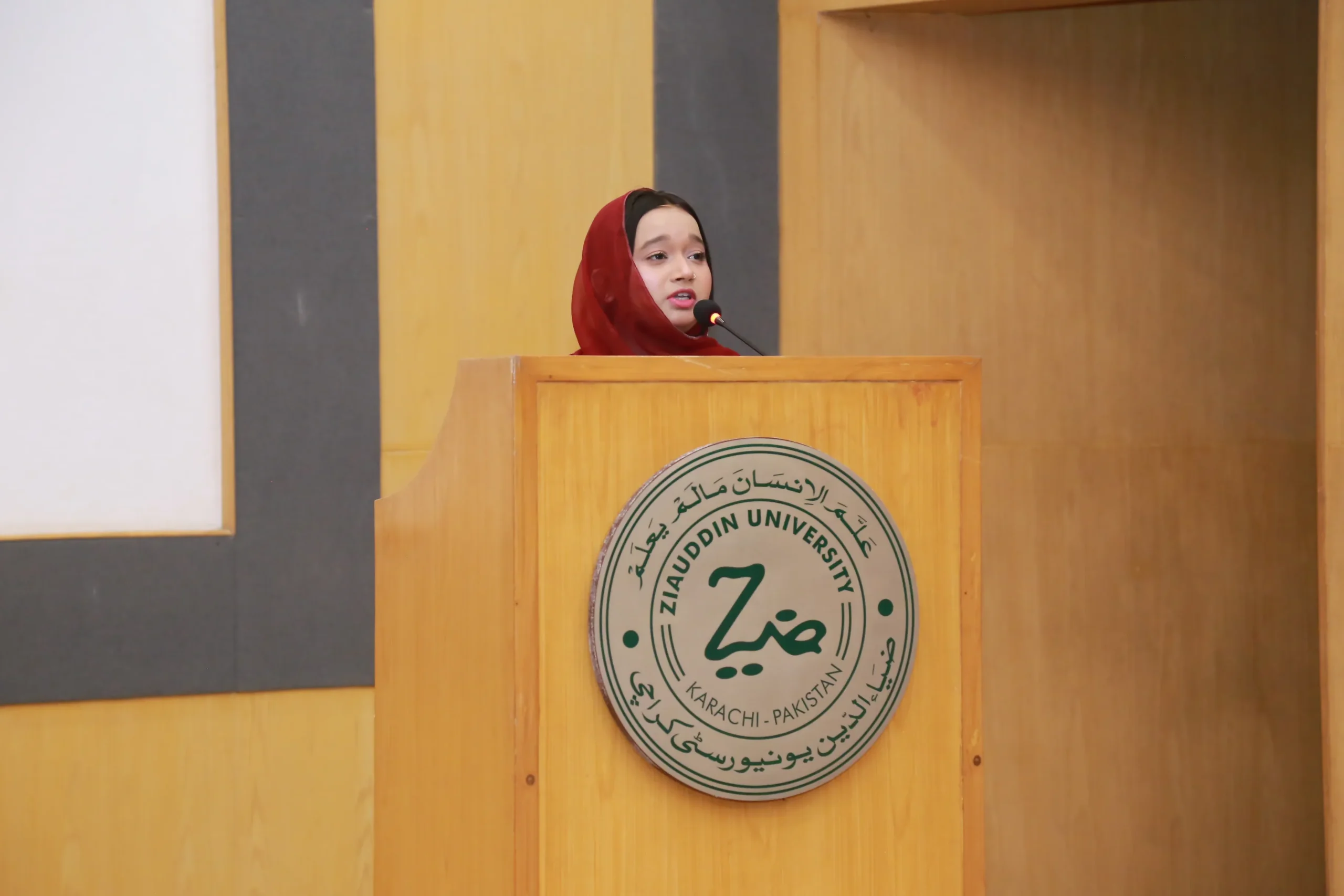
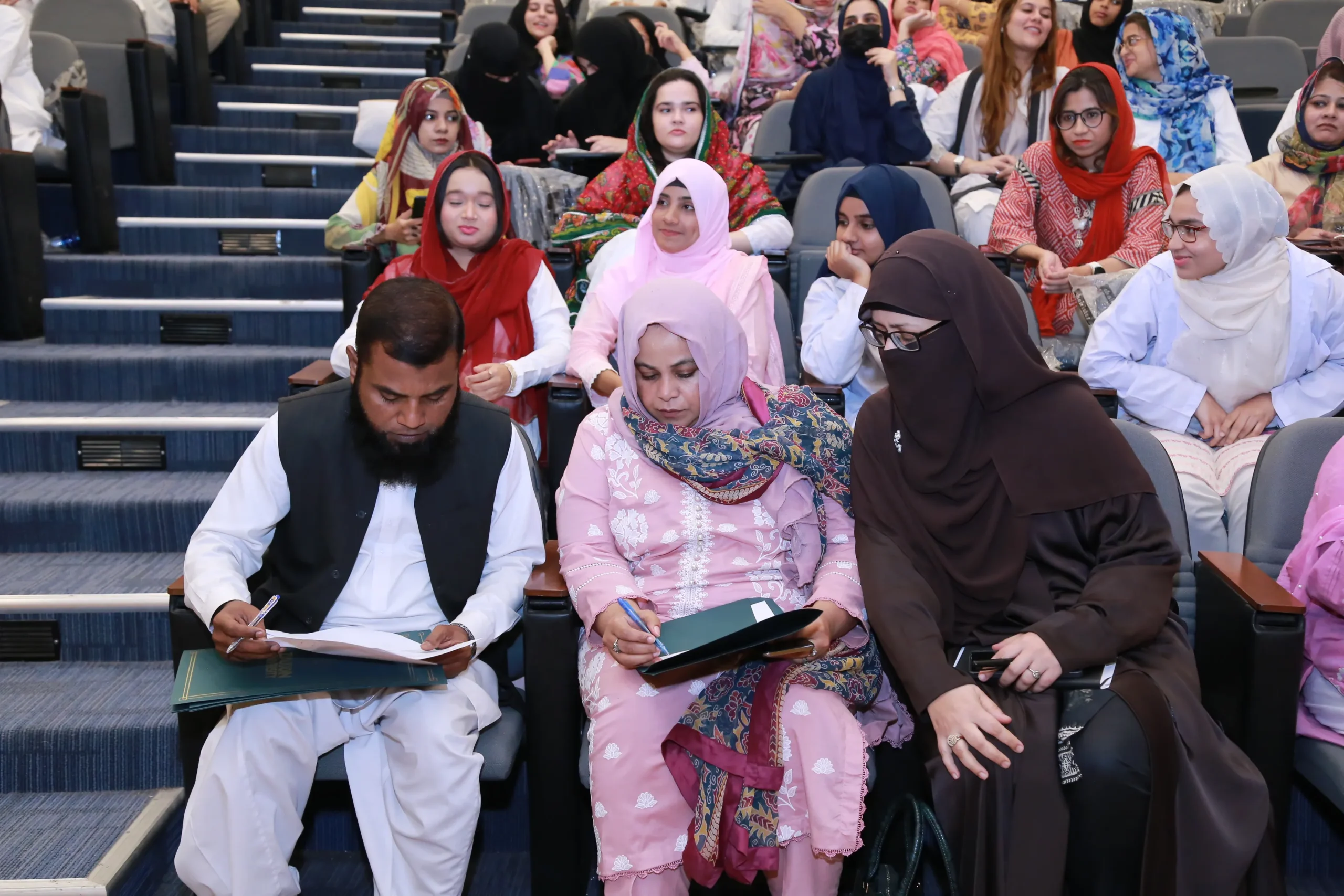
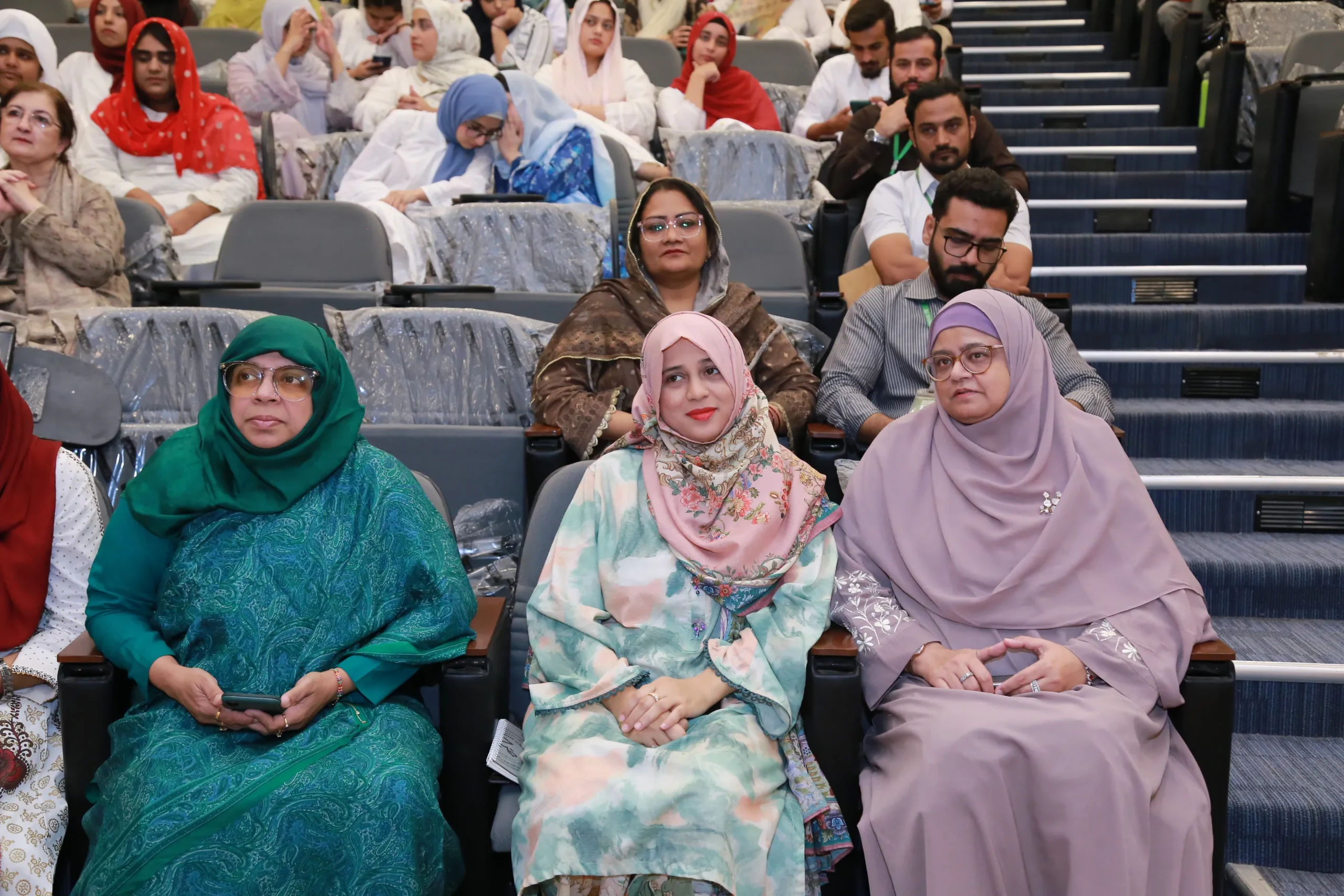
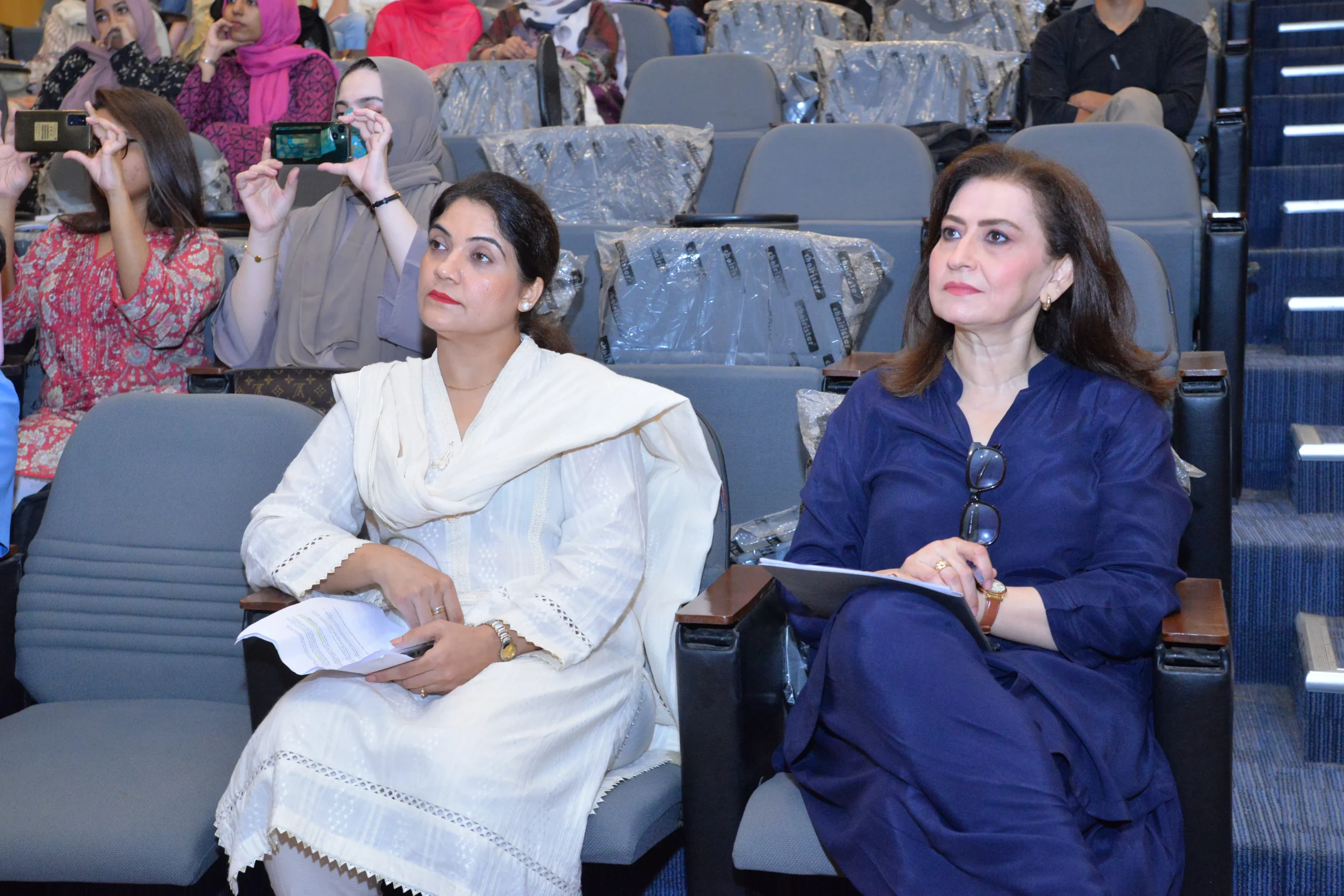
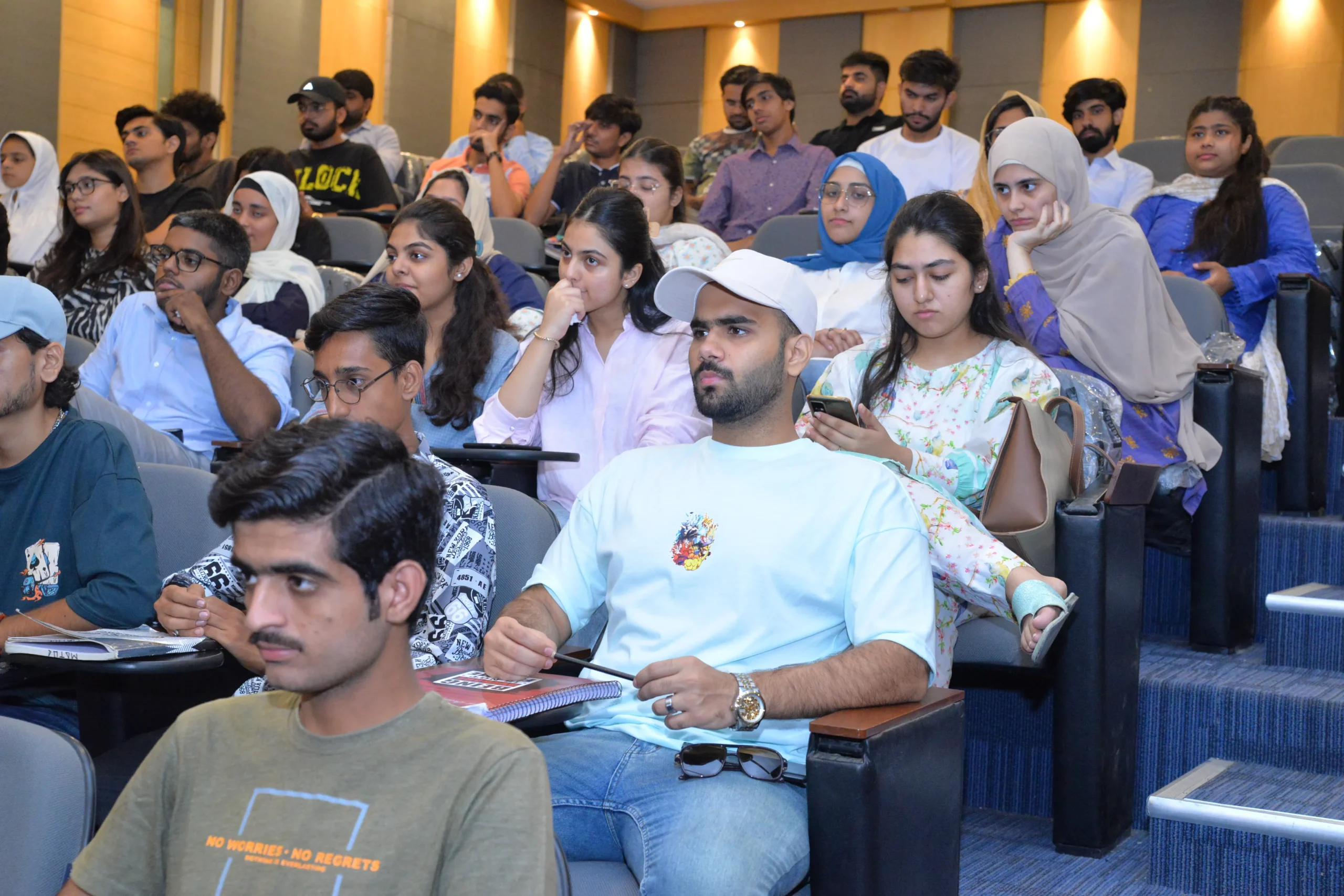
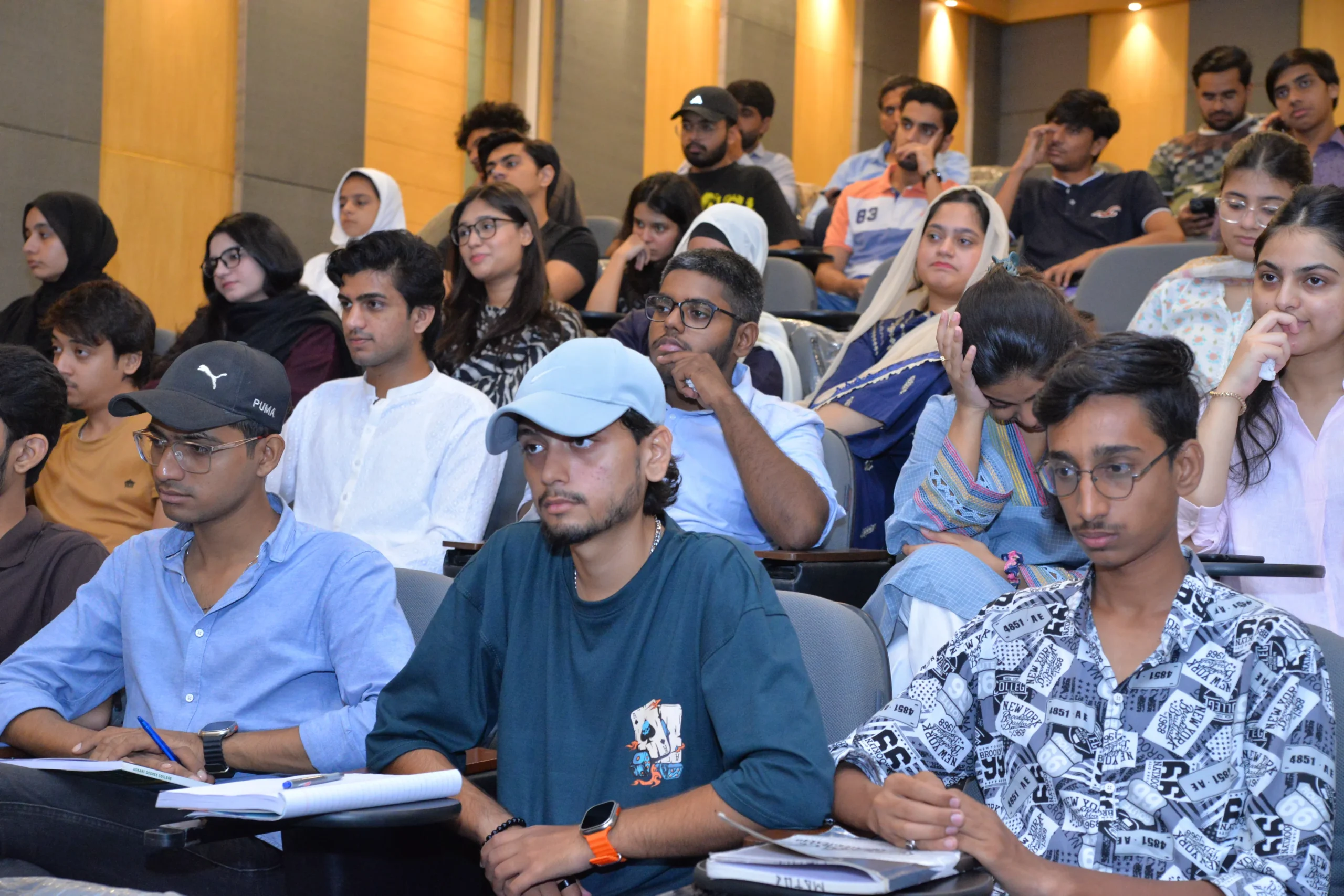
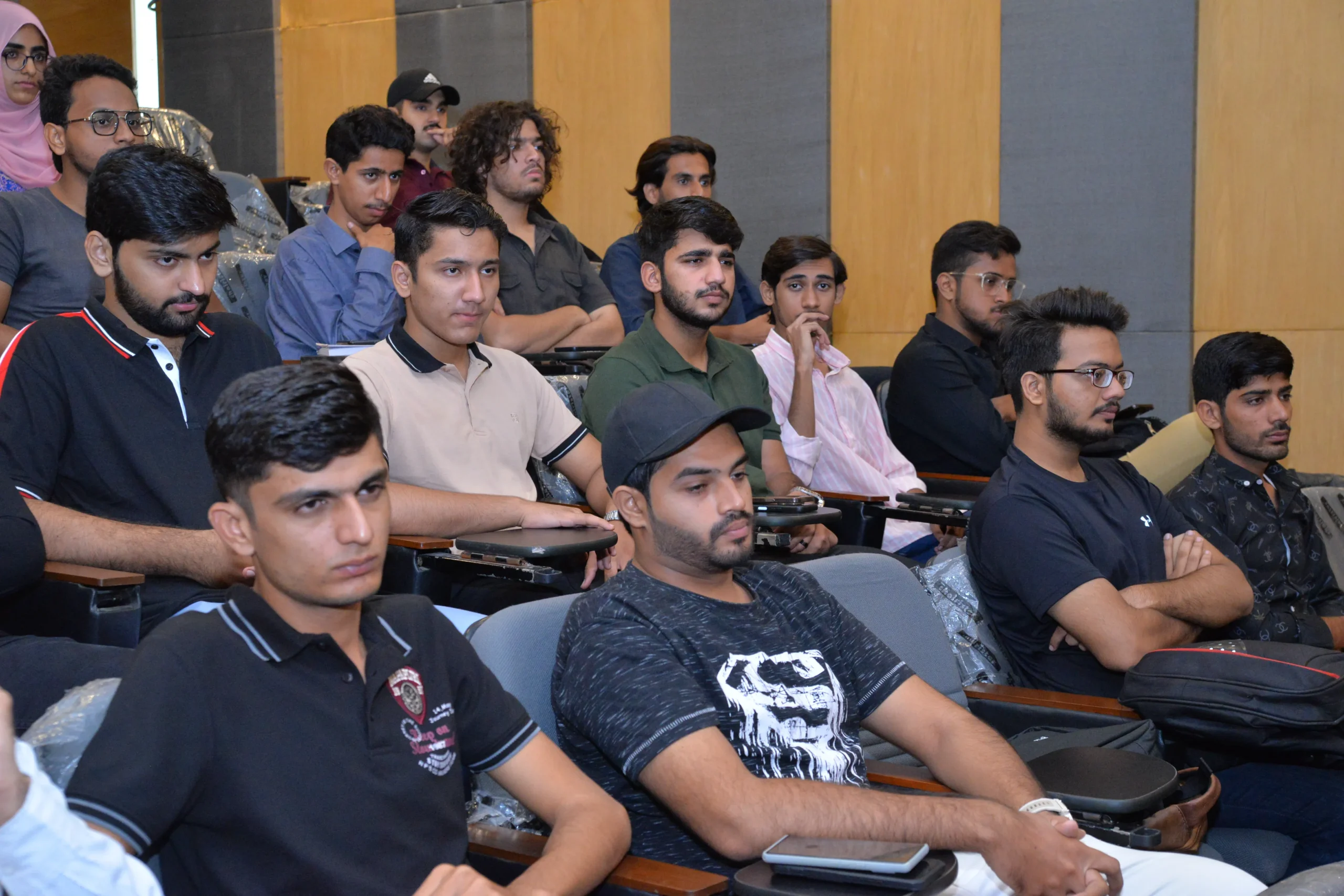
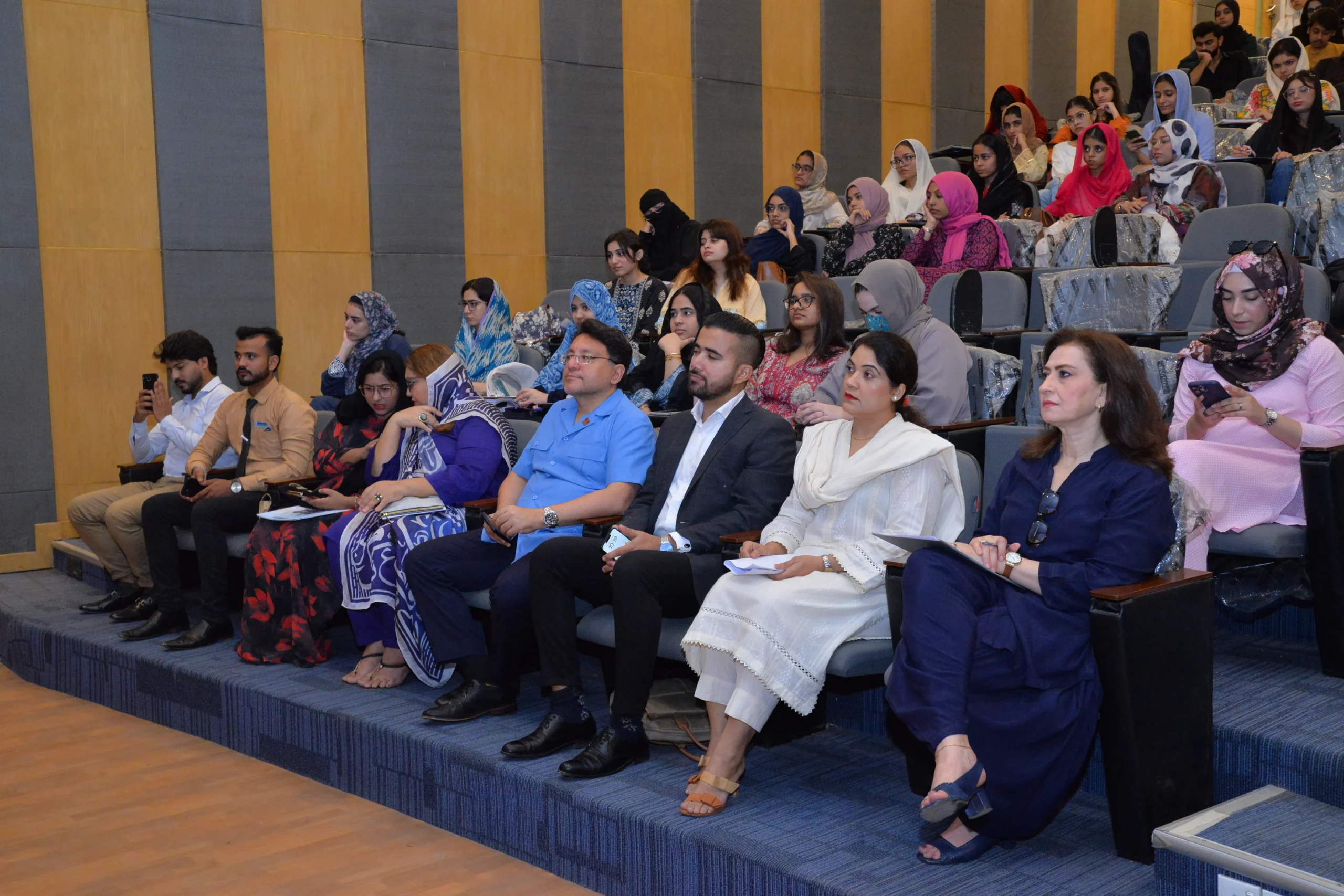
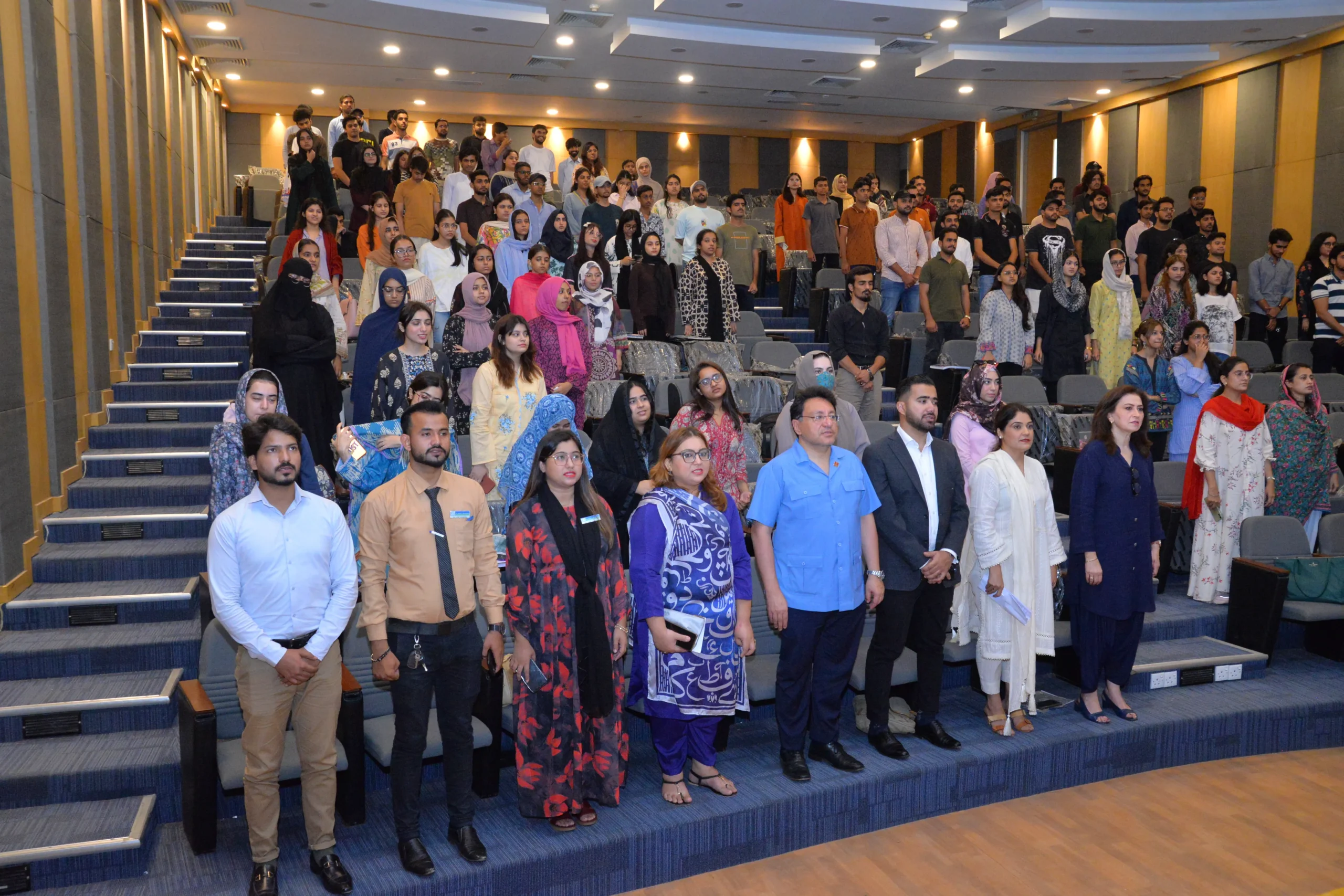
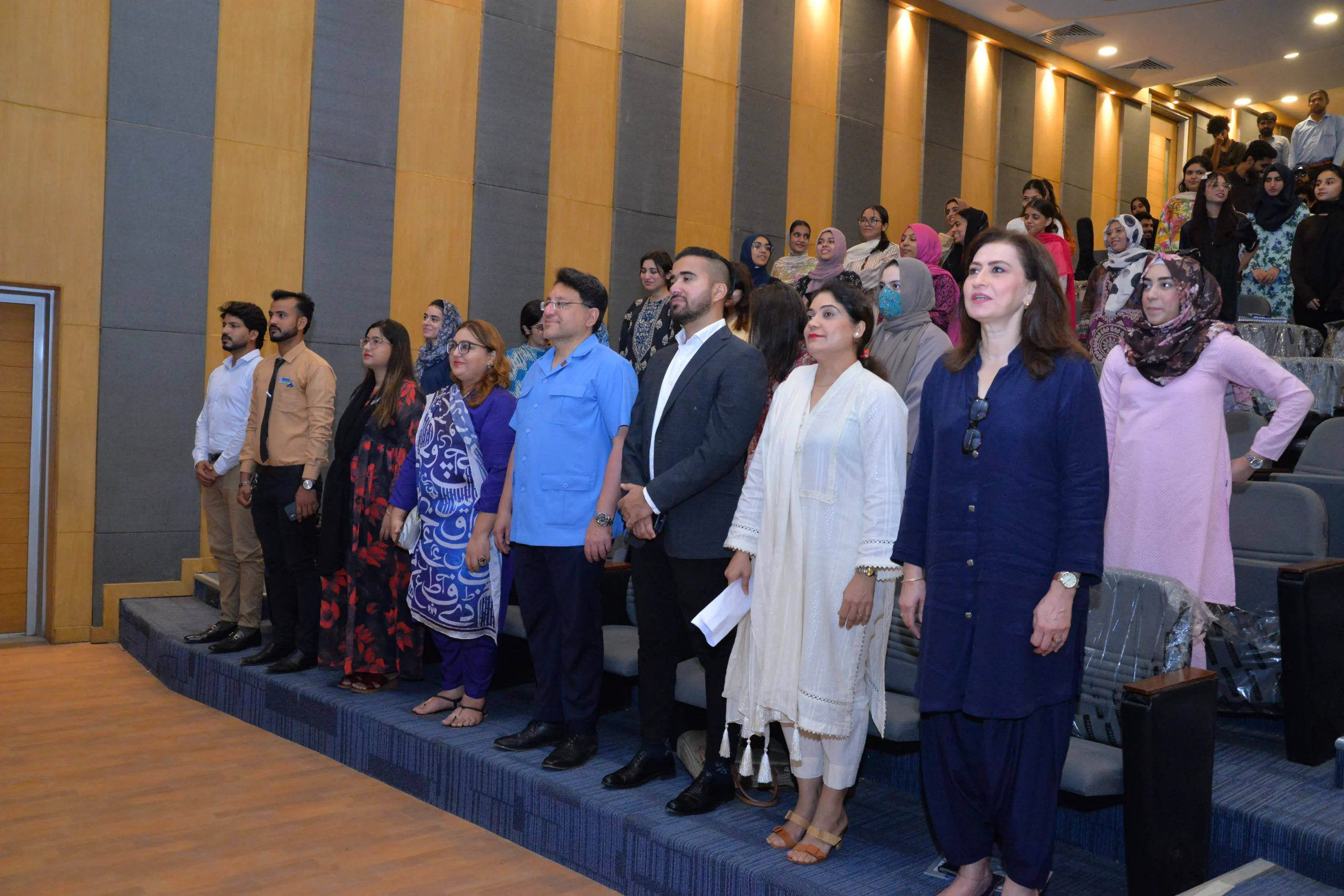
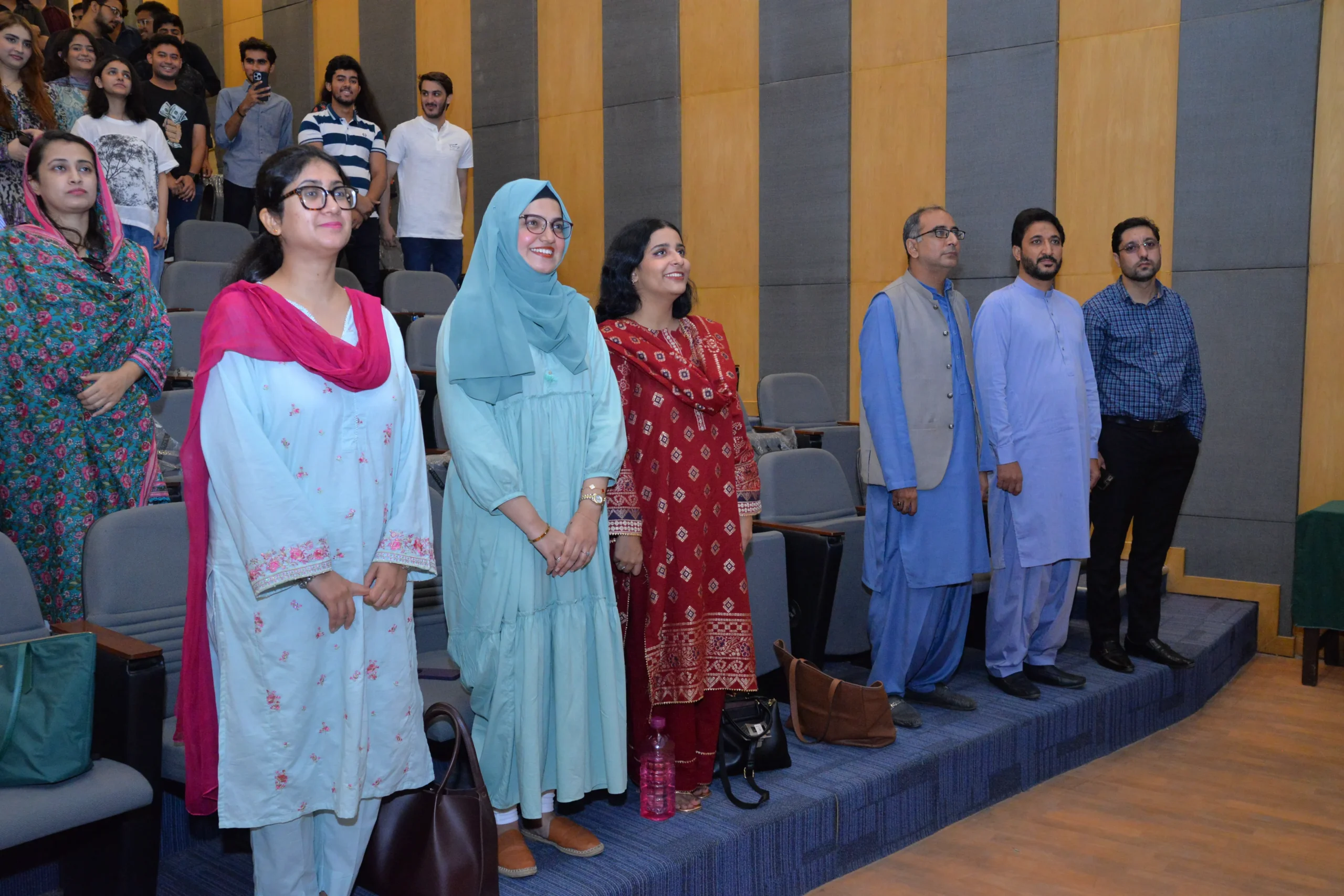
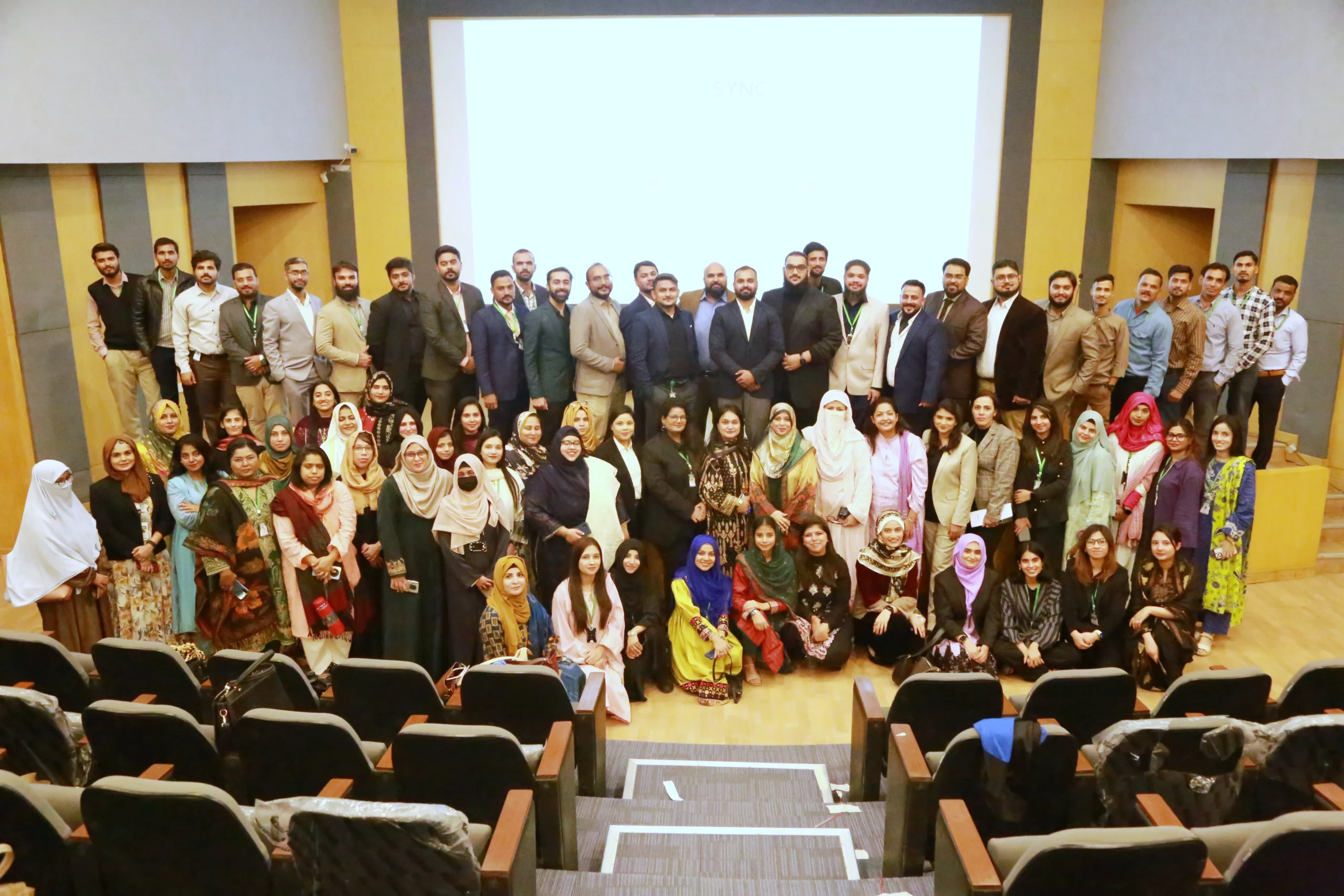
Ziauddin College of Molecular Medicine & Department of Research successfully
Read More »