
Ziauddin University

Sustainable Solutions & Innovation Group

Sustainable Solutions & Innovation Group

The Sustainable Solutions & Innovation Group (SSIG) is a cross-disciplinary research initiative dedicated to advancing high-impact, evidence-based solutions to complex sustainability challenges. The group integrates expertise from engineering, education, health sciences, and community development to drive innovation that is both technically robust and socially relevant.

Through collaborative and applied research, SSIG focuses on developing scalable, sustainable, and technology-enabled solutions that address real-world problems, strengthen institutional research capacity, and contribute to national and global development priorities. 

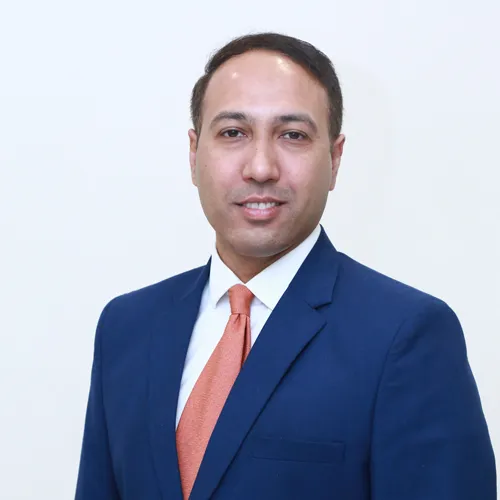
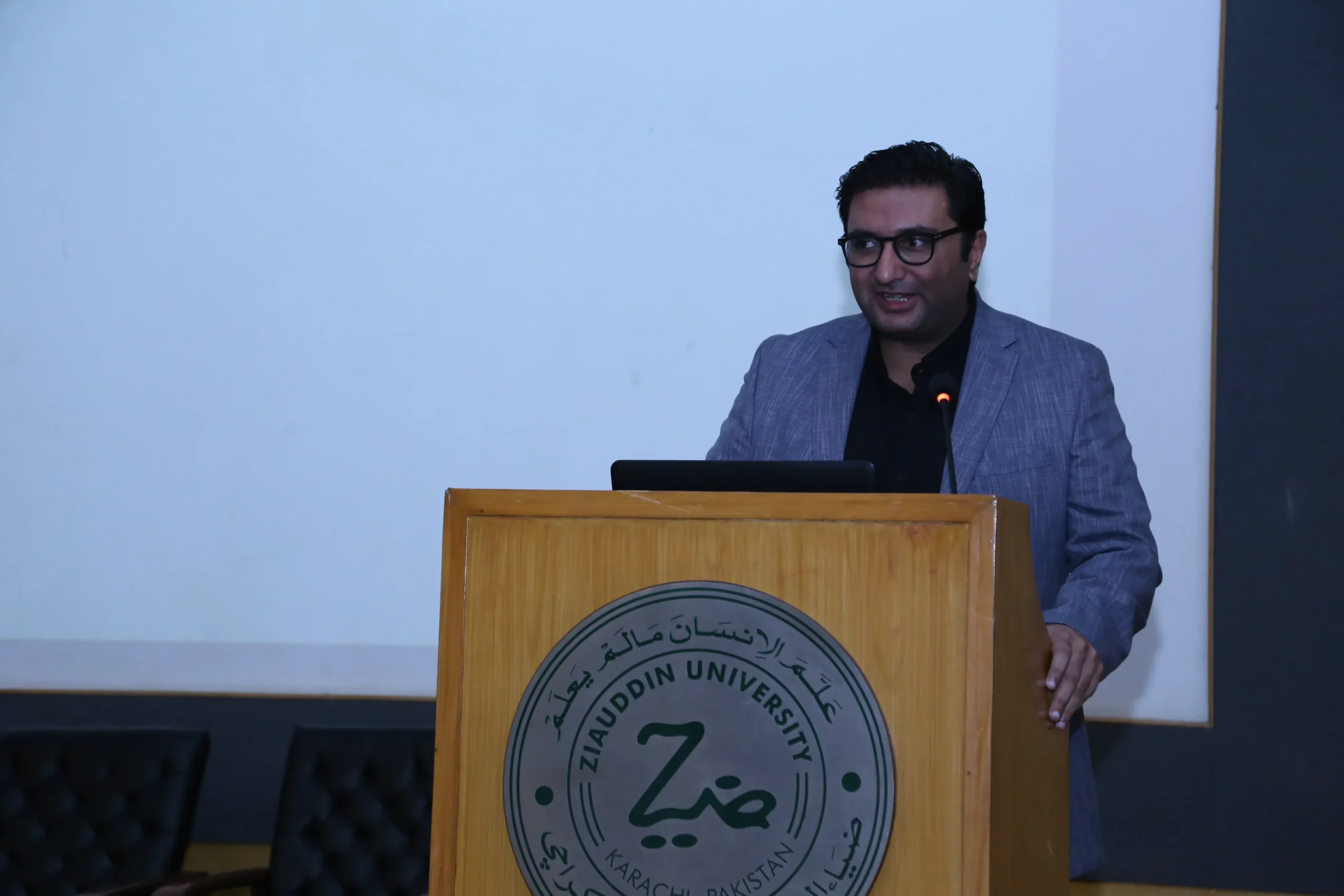
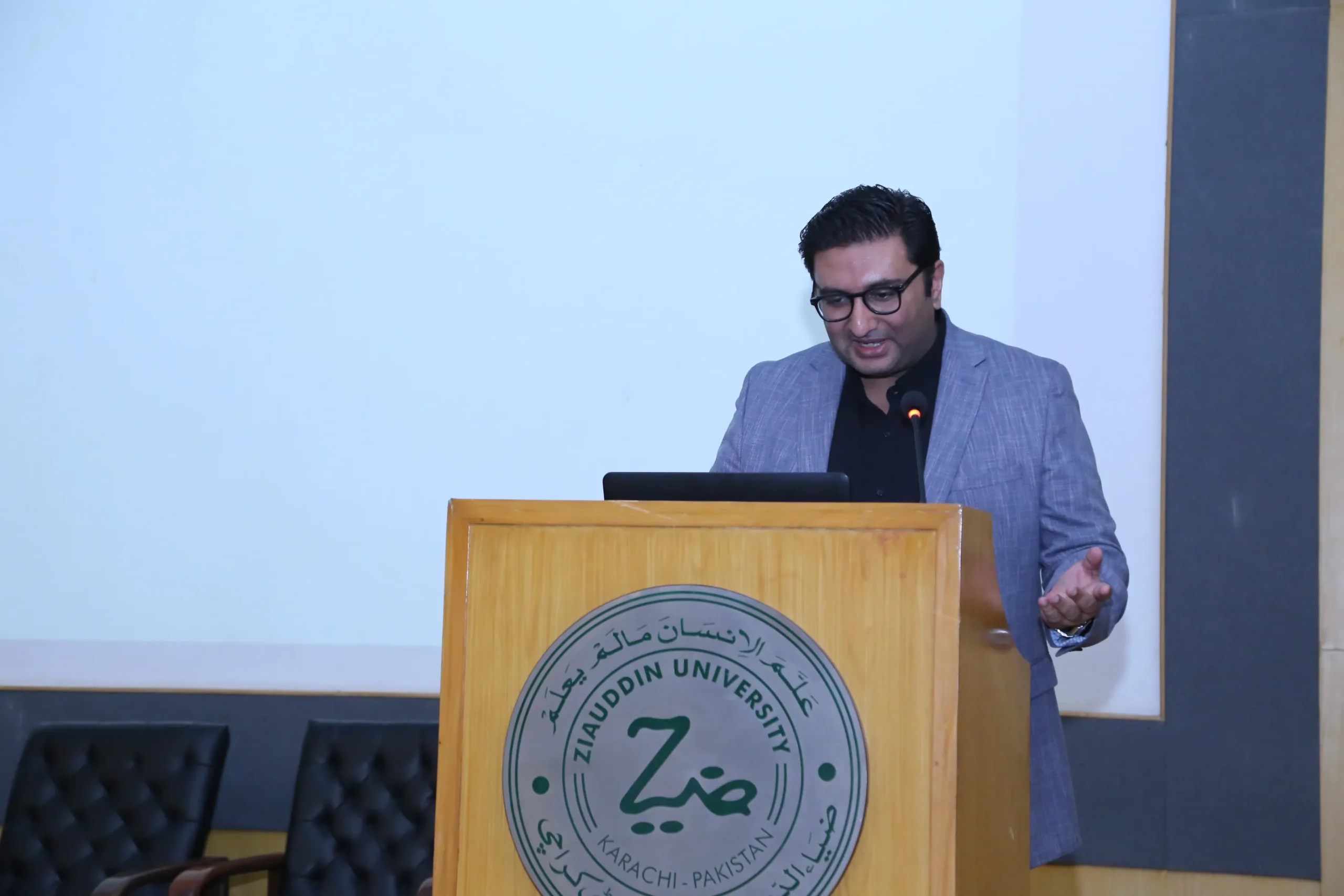
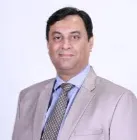
Engr. Prof. Dr. Fahad Azim

Profile:

Engr. Prof. Dr. Fahad Azim is a senior academic leader, researcher, and engineering professional specializing in sustainable infrastructure, construction technologies, and interdisciplinary innovation. As Dean of the Faculty of Engineering, Science, Technology & Management and Director Campus at Education City, he leads strategic research initiatives focused on sustainable development, applied engineering solutions, research commercialization, and industry-academia collaboration.
Sustainable Infrastructure & Smart Construction
Development of innovative construction technologies including 3D printing, advanced cementitious materials, and sustainable infrastructure systems for resilient built environments.
Environmental Systems & Water Sustainability
Research on water treatment, filtration systems, wastewater reuse, and environmental protection strategies to support sustainable urban and industrial development.
Artificial Intelligence & Smart Monitoring Systems
Application of AI and data-driven techniques for structural health monitoring, defect detection, predictive maintenance, and smart decision-support systems.
Public Health, Environment & Community Well-being
Exploration of the relationship between built environment, environmental quality, and public health outcomes, focusing on sustainable and livable communities.
Education, Policy & Capacity Building
Integration of research into education systems, curriculum development, professional training, and evidence-based policy for sustainable development.
New Energy Vehicles (NEV/EV) & Sustainable Mobility Systems

Identification and mobilization of university ORIC resources for research and development in New Energy Vehicle (NEV) and Electric Vehicle (EV) technologies, in alignment with national priorities (EDB/MoIP/HEC directives).

This includes interdisciplinary research in:

  • Battery systems and energy storage technologies
  • Electric drivetrains and power electronics
  • Lightweight and sustainable materials for EV applications
  • Charging infrastructure and smart grid integration
  • Embedded systems, sensors, and control systems for mobility
  • Testing, prototyping, and lab-based validation of EV-related technologies 

SSIG funded projects are aligned with the United Nations Sustainable Development Goals, contributing to sustainable infrastructure, environmental protection, public health, and capacity building.

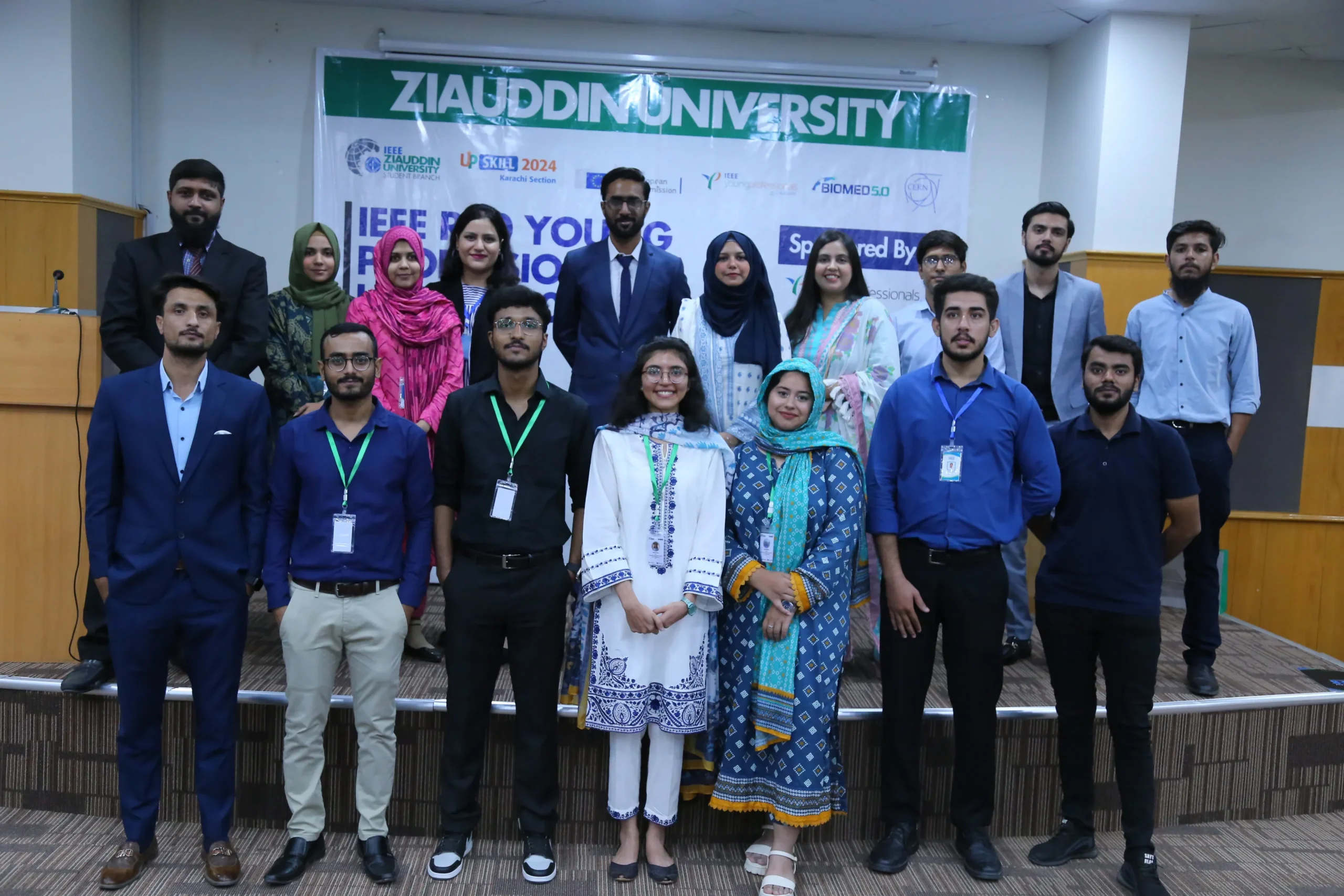
Biomedical Engineering Education for Digital Transformation.

Funding Agency: European Education and Culture Executive Agency (EACEA)
Grant: ERASMUS (Capacity building for higher education)
Academic Year: (2024-2026)
Project Title: Capacity Building in Biomedical Engineering Education for Digital
Transformation and Industry 4.0/5.0 Technologies (BIOMED5.0)
Grant Amount: €88,412

Principal Investigator: Dr Fahad Azim
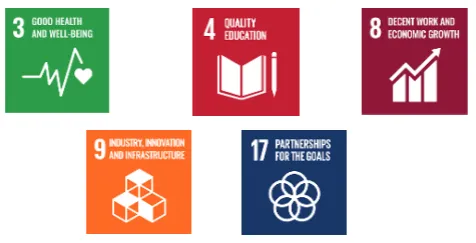
SDGs:
ACU Community Grant Project

Funding Agency: The Association of Commonwealth Universities
Grant: Climate Resilience
Academic Year: (2025-2026)
Project Title: “Enhance Climate Resilience, Health and Community Services in Low-
income Semi-Urban Areas of Sheerin Jinnah Colony, Karachi,”
Grant Amount: £3500
Principal Investigator: Ms. Laraib Khan

SDGs:

Fresh and Hardened Properties of 3D Printed Fly-Ash Based Concrete for Sustainable Automated Construction

Funding Agency: National Grassroots ICT Research Initiative (NGIRI), Pakistan
Academic Year: (2023–2024)

Principal Investigator: Dr. Samia Tariq
Core Focus: Assessing the rheological (fresh) and mechanical (hardened) properties
of 3D-printable concrete using industrial fly-ash.

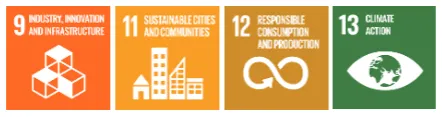
SDGs:
Designing and Construction of Multi-Stage Gravel Filter to Reduce Total Suspended Solids (TSS) from RO Plant Reject Water

Funding Agency: IGNITE (National Grassroots ICT Funding), Pakistan.
Academic Year: 2023 – 2024.
Principal Investigator: Engr. Minza Mumtaz,

Core Focus:

  • TSS Reduction: The project aims to develop a cost-effective, multi-stage gravel
    filtration system to physically filter out and reduce the TSS in RO-rejected water.
  • Wastewater Treatment: By lowering the suspended solids, the treated reject
    water becomes safer for subsequent disposal, reducing ecological harm.
  • Sustainable Design: The multi-stage system relies on natural gravel media,
    avoiding expensive or complex chemical treatments.


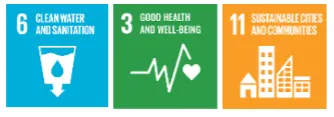
SDGs:
Management of Construction and Demolition Waste through Sustainable Concrete Using Alternative Aggregates

Funding Agency: Higher Education Commission (HEC), Pakistan
Academic Year: 2022 – 2025

Principal Investigator: Dr. Samia Tariq
Core Focus: Utilizing construction and demolition waste (e.g., concrete debris, bricks) as
recycled, alternative aggregates to produce sustainable concrete and promote circular
economy principles in the construction industry.


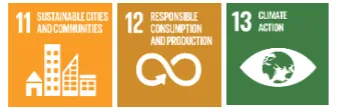
SDGs:
Design and Construction of Low-Cost 3D Concrete Printer: Laboratory Testing of Cementitious Materials

Funding Agency: Pakistan Engineering Council (PEC)
Academic Year: 2022 – 2023
Principal Investigator: Dr. Muhammad Usman (and affiliated senior researchers)

Core Focus:

  • Printer Fabrication: Designing and building a low-cost, 3-axis gantry-based
    3D concrete printer prototype.
  • Material Optimization: Laboratory testing of cementitious mixtures to
    achieve proper "printability," which involves a balance between pumpability
    (smooth conveyance) and buildability (the ability to stack layers without
    formwork backing).
  • Testing: Evaluating fresh concrete rheology (slump values), setting times, and
    hardened concrete mechanical properties, such as compressive and tensile
    strengths.

SDGs:
Crack Detection in Concrete Structures Using Artificial Intelligence (AI) Techniques

Funding Agency: Pakistan Engineering Council (PEC)
Academic Year: (2022 – 2023\)
Principal Investigator: Dr. Samia Tariq
Core Focus: Developing computer vision and machine learning models to autonomously
identify, classify, and measure cracks in concrete infrastructure to improve maintenance
planning and structural safety.

SDGs:
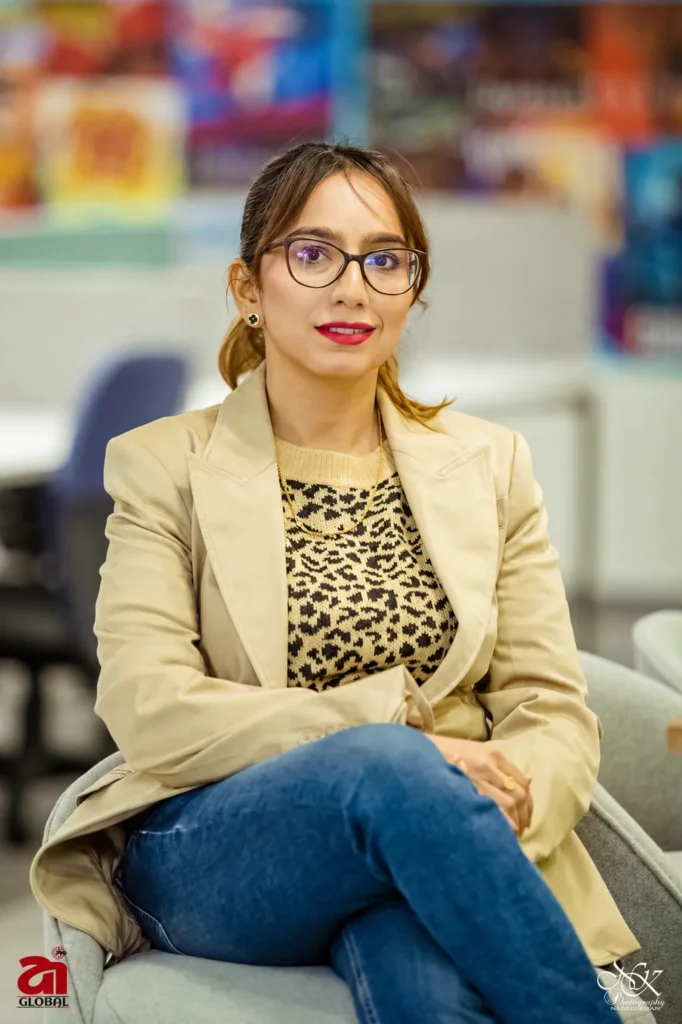
Ms. Laraib Khan

Profile:
Ms. Laraib Khan is a research and innovation management professional with expertise in project coordination, research commercialization, grant development, and institutional collaboration. As Manager Research & Innovation at ORIC and an ACU Grant Winner, she contributes to strengthening interdisciplinary research capacity and international partnerships.

Dr. Samia Tariq

Profile:
Dr. Samia Tariq is an Associate Professor and researcher in Civil Engineering with expertise in sustainable construction materials, structural systems, and environmentally responsible infrastructure development. Her research focuses on innovative engineering solutions for resilient and sustainable built environments.

Dr. Shah Kamal Hashmi

Profile:

Dr. Shah Kamal Hashmi is a public health academic and administrator with expertise in environmental health, community well-being, and health systems research. His interdisciplinary work explores the impact of environmental and social determinants on public health outcomes and sustainable communities.

Ma’am Rana Hussain

Profile:

Ma’am Rana Hussain is an education leader and academic professional specializing in curriculum development, teacher education, and institutional capacity building. Her work supports the integration of sustainability, innovation, and evidence-based practices within higher education and professional training.

Dr. Ghulam Jawad Sirewal

Profile:

Dr. Ghulam Jawad Sirewal is an electrical engineering researcher with expertise in embedded systems, intelligent control systems, sensors, and smart technologies. His research interests include AI-enabled engineering applications, automation, and sustainable mobility systems for emerging technological solutions.

Dr. Gul Muhammad

Profile:

Dr. Gul Muhammad is a civil engineering academic and researcher specializing in advanced construction materials, structural engineering, and sustainable infrastructure technologies. His work emphasizes applied research, laboratory experimentation, and sustainable engineering practices.

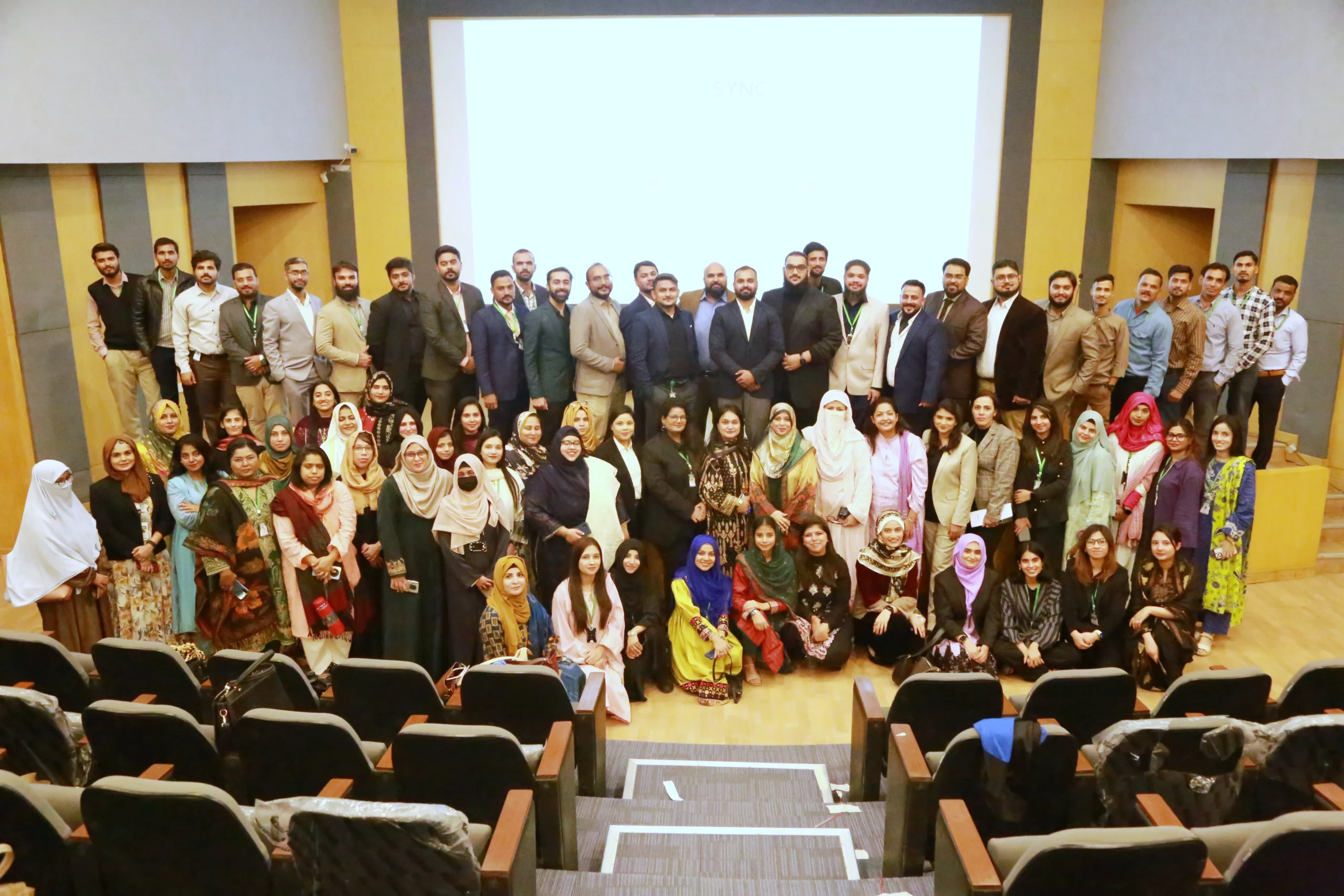
The Sustainable Solutions & Innovation Group (SSIG) is a cross-disciplinary research group at Ziauddin University, comprising members from engineering, health sciences, and education disciplines.

The group collaborates with multiple departmental research cells and academic units, including the Civil Engineering Research Cell for Sustainable Development, to promote interdisciplinary research, innovation, and funded project development.