
BS Medical Technology - 04 Years Programme
- Introduction
- Offered Clinical Streams
- Eligibility Crteria
- Scheme of Studies
- Career Prospects
- Learning Outcomes
- Fee Structure
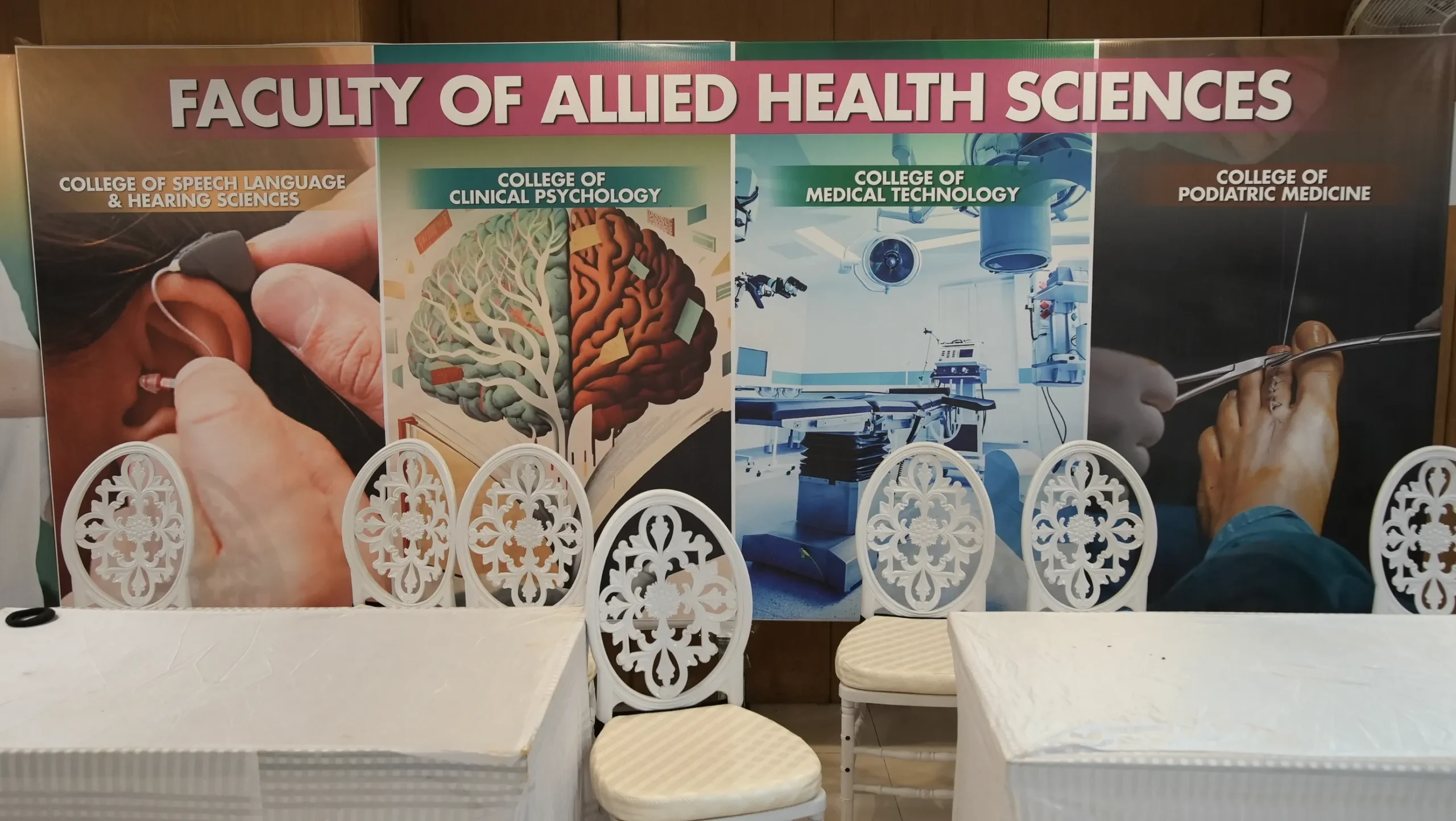
Ziauddin University established the College of Medical Technology in 1998, initially offering a Bachelor’s degree in Medical Technology (BSc MT). Since then, sixteen successful batches have been enrolled. In response to evolving healthcare demands and student needs, the University launched the BS in Medical Technology programme in March 2011.
“ZCMT aspires to become center of excellence for interdisciplinary education, research, and continuous professional development which contributes to healthcare and community services”
“Equip graduates with scientific knowledge, competence in clinical techniques, and professionalism for practicing medical technology, hence making meaningful contributions to health care.”
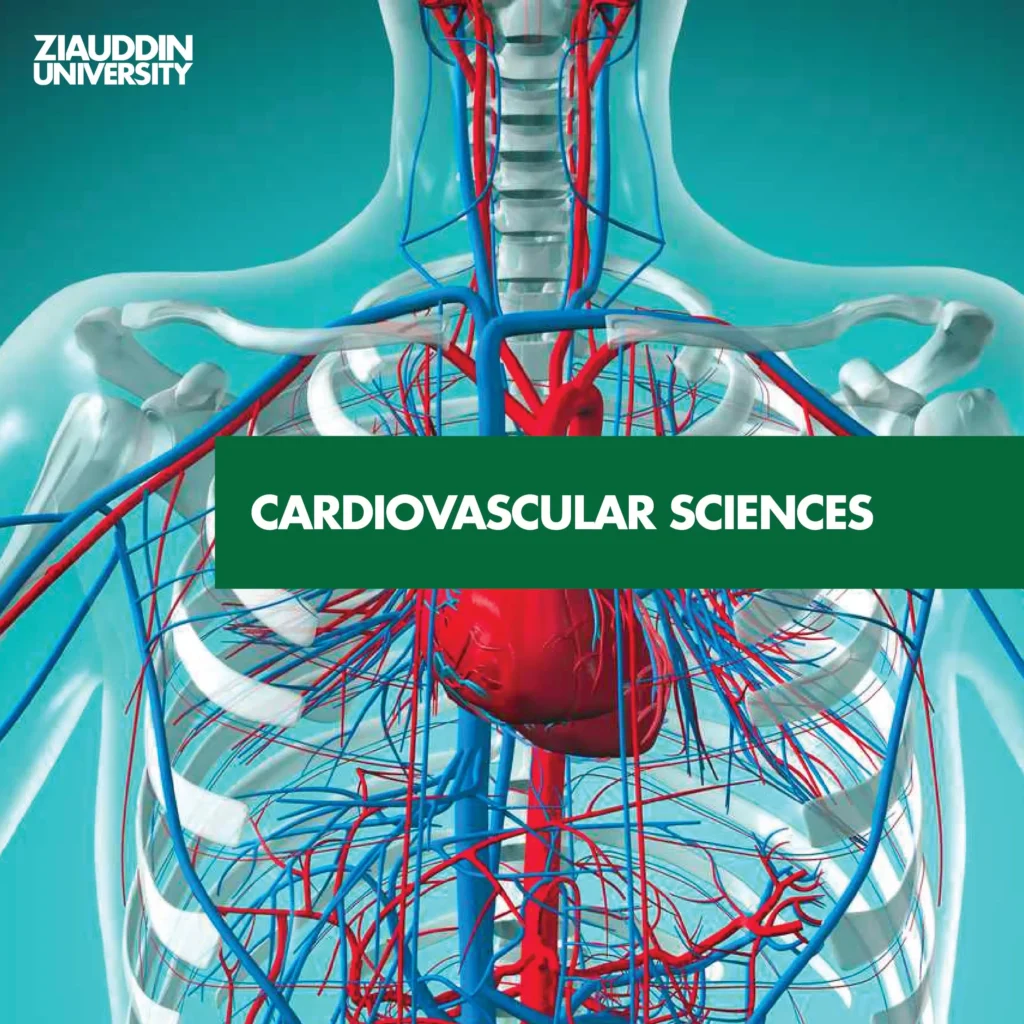
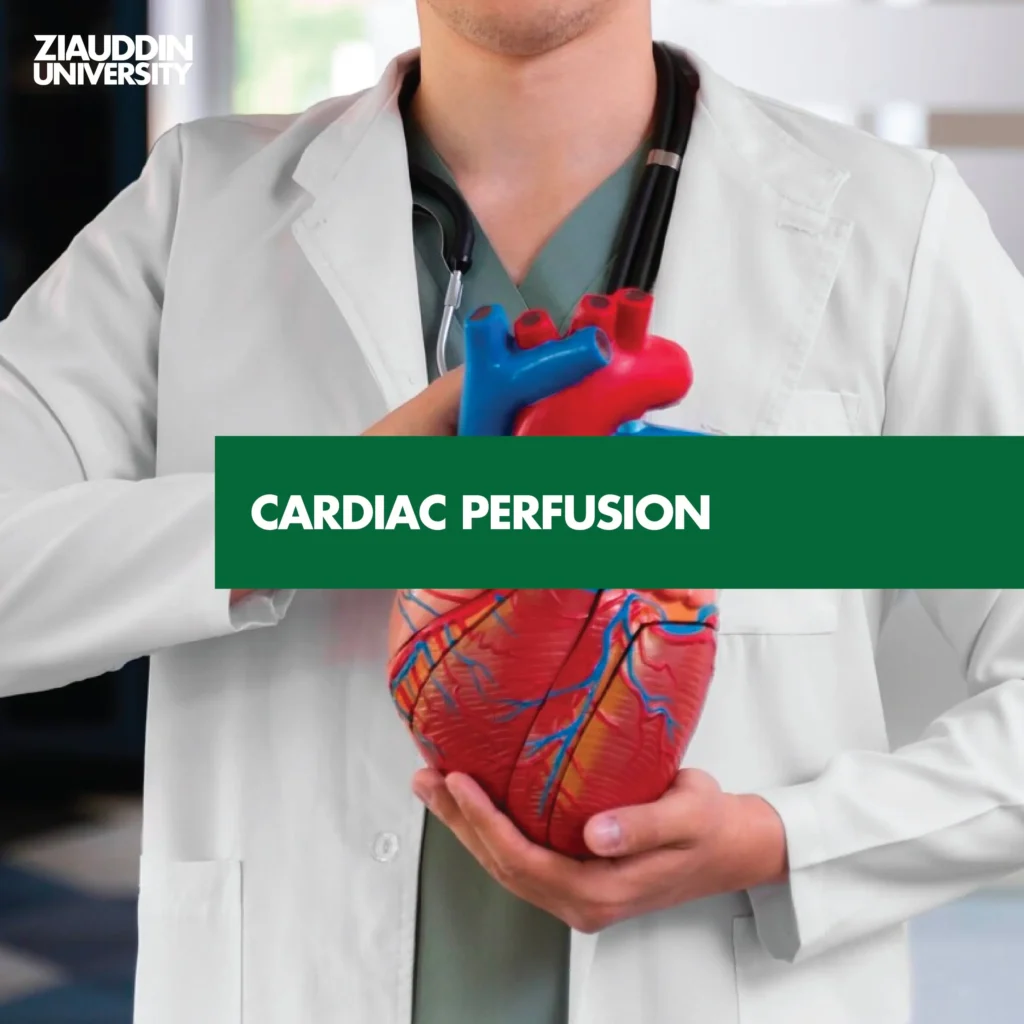
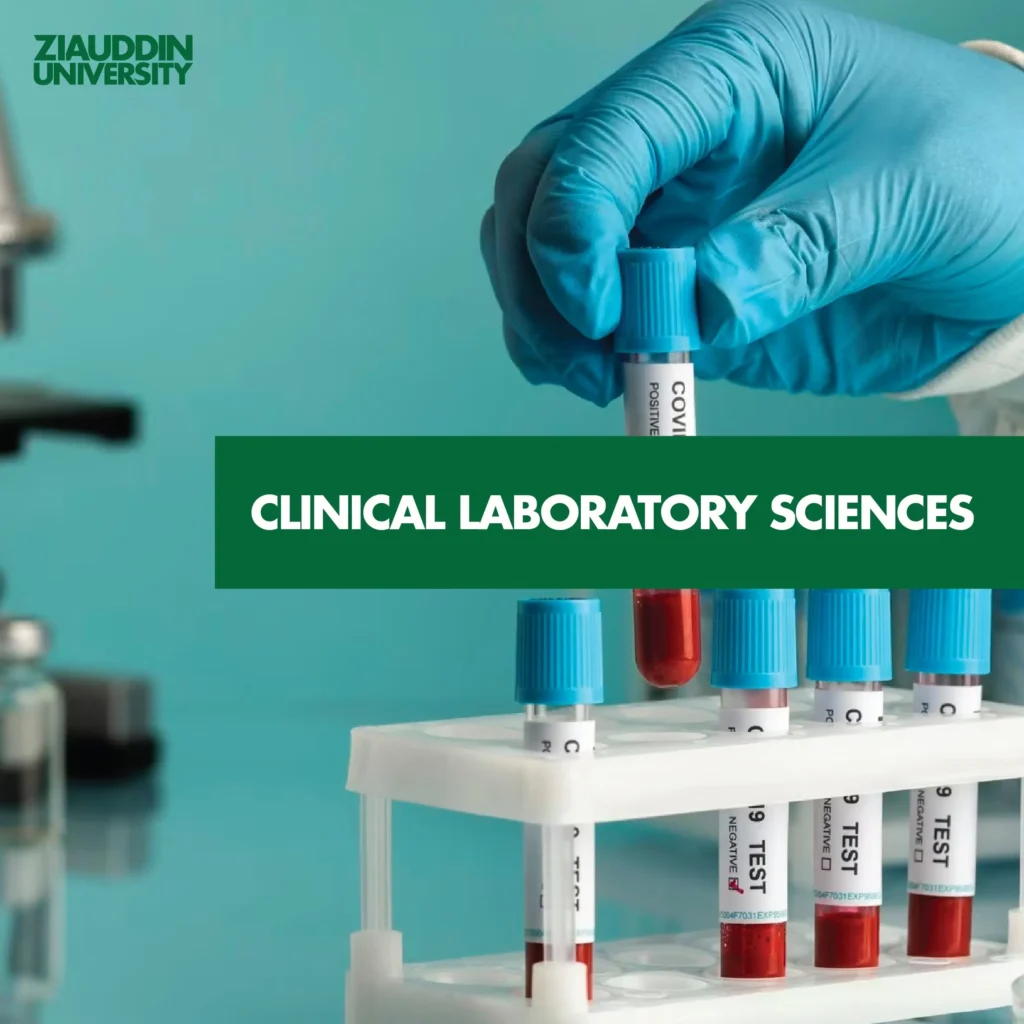
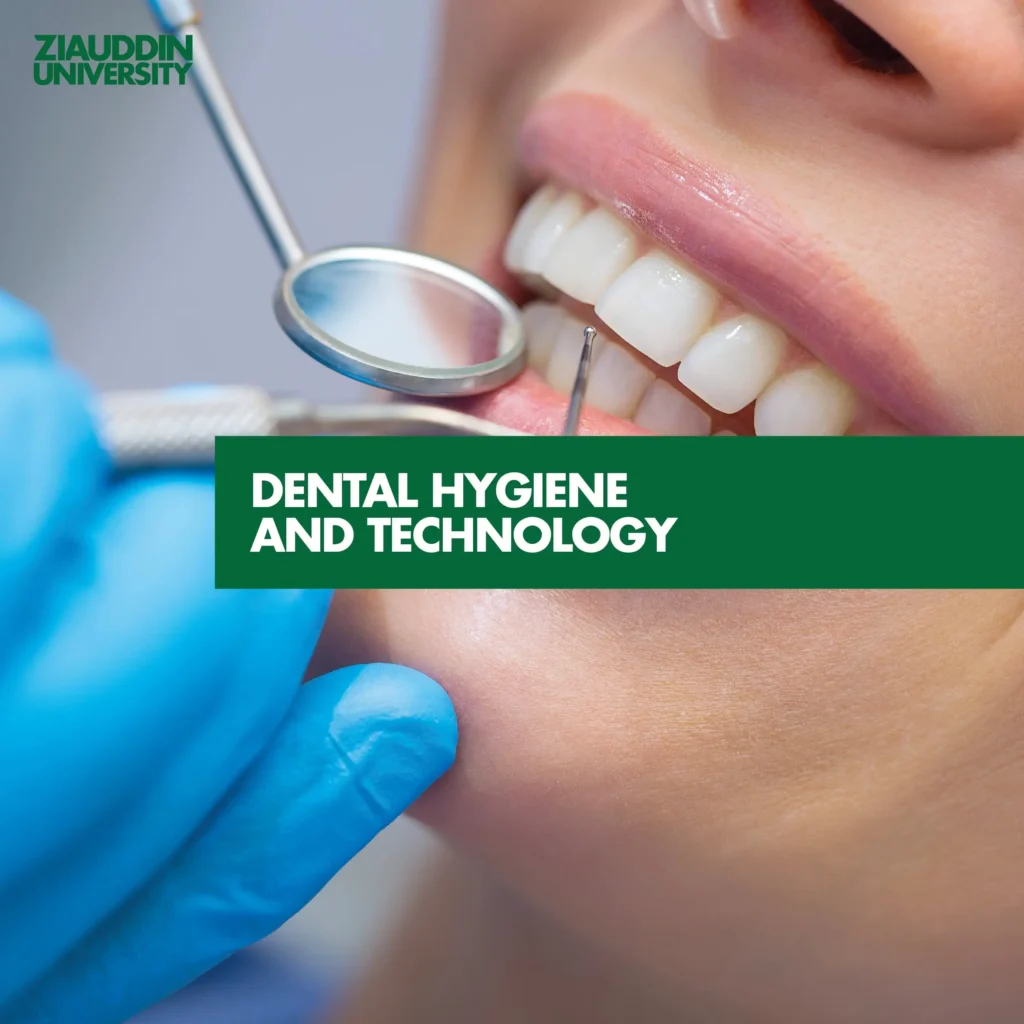

Candidates must have a minimum of 50% marks in intermediate science (Pre-Medical) to be eligible. Applicants with A-Level qualifications are required to submit IBCC-verified equivalence for enrolment in the programme.
Selection is based on merit, determined by the following criteria:
- SSC (Matriculation) marks
- HSC (Intermediate) marks
- Ziauddin University Aptitude Test
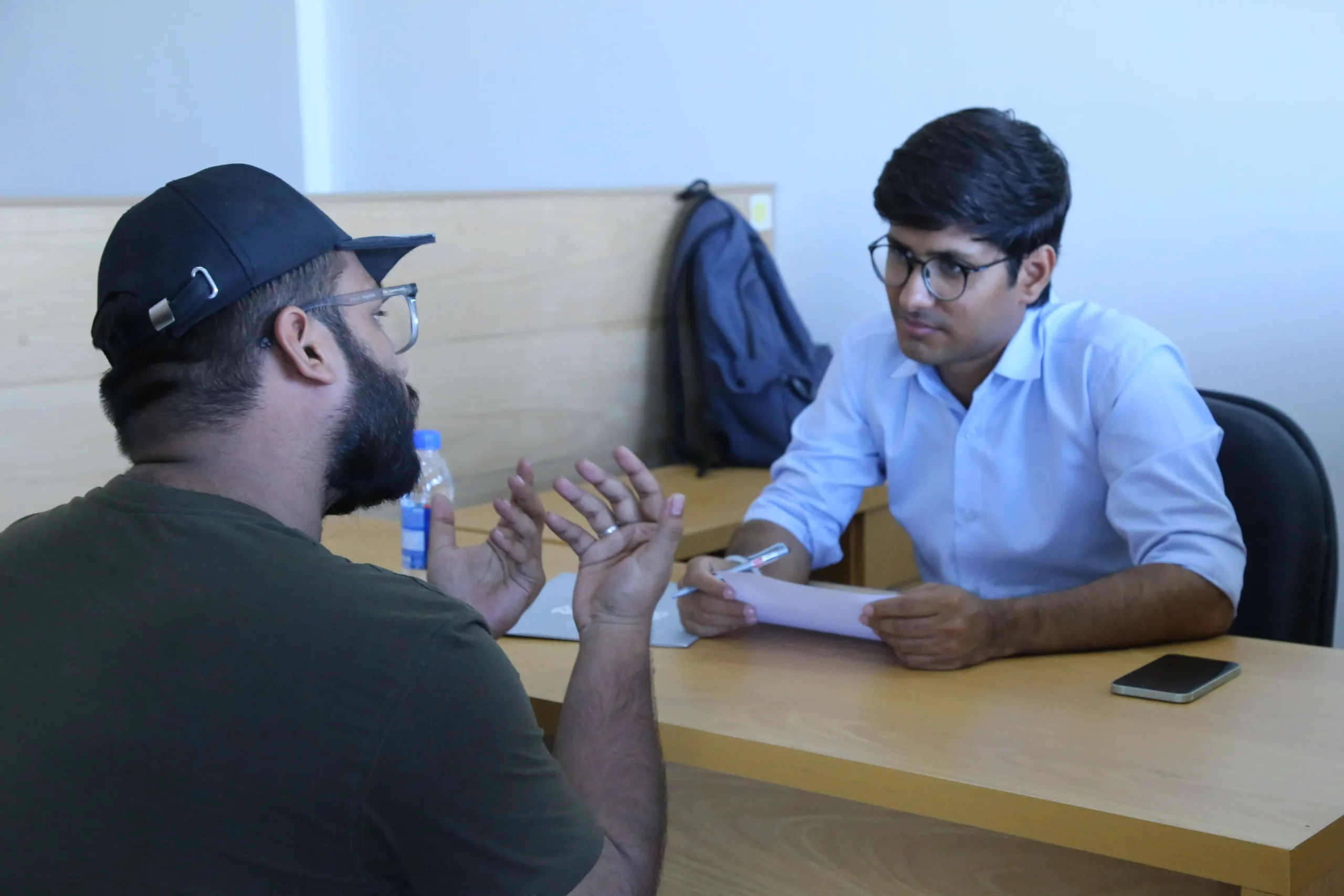
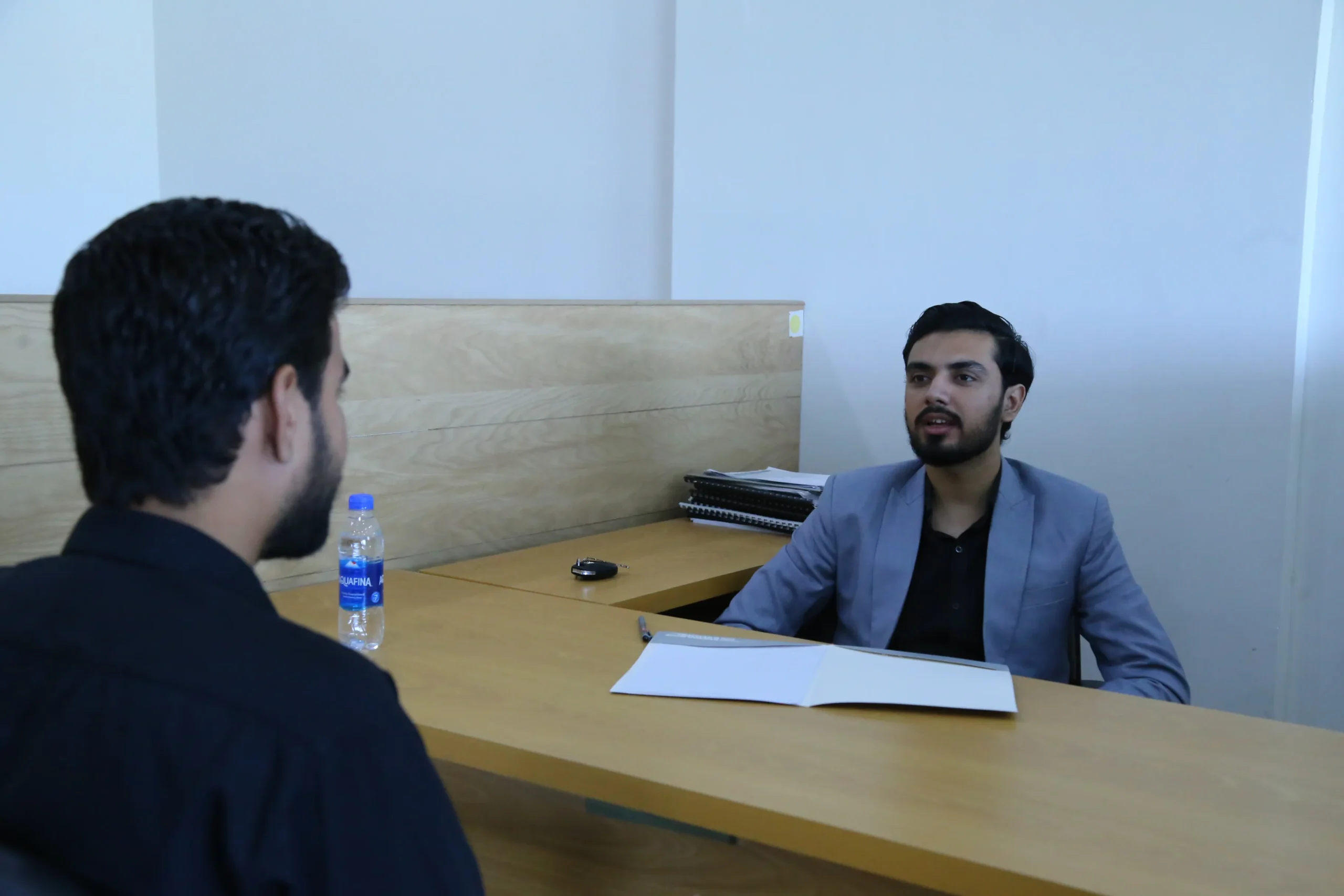
- Interview performance
| General Education Courses | Interdisciplinary / Allied Courses | Disciplinary or Major Courses | ||||||||
| Sem. | Course Codes | Subject Names | Credit Hrs | Course Codes | Subject Names | Credit Hrs | Course Codes | Subject | Credit Hrs | Semester Credit Hrs |
| 1 | ZUGE-001/002 | Islamic Studies / Moral Ethics | 2 (2+0) | MTID-111 | Medical Terminology | 2 (2+0) | 17 | |||
| ZUGE-004 | Functional English | 3 (3+0) | MTID-112 | Human Biology | 2 (2+0) | |||||
| ZUGE 009 | Understanding of Holy Quran I | 1 (0+1) | MTID-113 | Basic Health Sciences | 2 (2+0) | |||||
| ZUGE-011 | Mathematics | 3 (3+0) | MTID-114 | Practicals in Basic Health Sciences | 2 (0+2) | |||||
| Total | 9 | Total | 8 | |||||||
| General Education Courses | Interdisciplinary / Allied Courses | Disciplinary or Major Courses | ||||||||
| Sem. | Course Codes | Subject Names | Credit Hrs | Course Codes | Subject Names | Credit Hrs | Course Codes | Subject | Credit Hrs | Semester Credit Hrs |
| 2 | ZUGE-003 | Pakistan Studies | 2 (2+0) | MTID-121 | Biochemistry | 2 (2+0) | MTCG-121 | General Microbiology | 3 (3+0) | 19 |
| ZUGE-008 | Ideology and Constitution of Pakistan | 2 (2+0) | MTID-123 | General Pharmacology | 2 (2+0) | |||||
| ZUGE 010 | Understanding of Holy Quran II | 1 (0+1) | ||||||||
| ZUGE-014 | Expository Writing | 3 (3+0) | ||||||||
| ZUGE-016 | Human Behavior | 2 (2+0) | ||||||||
| ZUGE-033 | Physics | 2 (2+0) | ||||||||
| Total | 12 | Total | 4 | Total | 3 | |||||
| General Education Courses | Interdisciplinary / Allied Courses | Disciplinary or Major Courses | ||||||||
| Sem. | Course Codes | Subject Names | Credit Hrs | Course Codes | Subject Names | Credit Hrs | Course Codes | Subject | Credit Hrs | Semester Credit Hrs |
| 3 | ZUGE-012 | Application of Information and Communication Technologies (ICT) | 3 (2+1) | MTID-211 | Human Anatomy and Physiology | 4 (4+0) | 21 | |||
| ZUGE-013 | Entrepreneurship | 2 (2+0) | MTID-212 | Practical in Human Anatomy and Physiology | 2 (0+2) | |||||
| ZUGE-018 | Introduction to Statistics | 3 (3+0) | MTID-223 | Applications of Artificial Intelligence (AI) | 3 (3+0) | |||||
| ZUGE-032 | Medical Humanities | 2 (2+0) | ||||||||
| ZUGE-034 | Civic and Community Engagement | 2 (0+2) | ||||||||
| Total | 12 | Total | 9 | |||||||
| General Education Courses | Interdisciplinary / Allied Courses | Disciplinary or Major Courses | ||||||||
| Sem. | Course Codes | Subject Names | Credit Hrs | Course Codes | Subject Names | Credit Hrs | Course Codes | Subject | Credit Hrs | Semester Credit Hrs |
| 4 | MTID-221 | Regional and Surface Anatomy | 3 (3+0) | MTCO-221 | Radiation Physics | 2 (2+0) | 18 | |||
| MTIL-221 | Basic Immunology | 2 (2+0) | MTCO-222 | Radiation Protection | 2 (2+0) | |||||
| MTCS-221 | Cardiovascular Pathophysiology | 3 (3+0) | ||||||||
| MTCS-222 | Cardiovascular Pharmacology | 2 (2+0) | ||||||||
| MTCS-223 | Techniques of Electrocardiography | 4 (2+2) | ||||||||
| Total | 5 | Total | 13 | |||||||
| General Education Courses | Interdisciplinary / Allied Courses | Disciplinary or Major Courses | ||||||||
| Sem. | Course Code | Subject | Credit Hrs | Course Code | Subject | Credit Hrs | Course Code | Subject | Credit Hrs | Semester Credit Hrs |
| 5 | MTID-311 | Biostatistics | 3 (3+0) | MTCY-311 | Molecular Biology | 2 (2+0) | 18 | |||
| MTID-312 | Principles of Critical Care | 2 (0+2) | MTCS-311 | Cardiac Pathophysiology in Pediatrics | 2 (2+0) | |||||
| MTCS-312 | Body Fluid Management | 2 (1+1) | ||||||||
| MTCP-311 | Techniques in Perfusion Sciences | 2 (1+1) | ||||||||
| MTCP-312 | Organization of Cardiopulmonary Bypass | 2 (1+1) | ||||||||
| MTCP-313 | Clinical Practicum in Cardiac Perfusion | 3 (0+3) | ||||||||
| Total | 5 | Total | 13 | |||||||
| General Education Courses | Interdisciplinary / Allied Courses | Disciplinary or Major Courses | ||||||||
| Sem. | Course Code | Subject | Credit Hrs | Course Code | Subject | Credit Hrs | Course Code | Subject | Credit Hrs | Semester Credit Hrs |
| 6 | MTID-321 | Research Methods | 2 (2+0) | MTCS-321 | Echocardiography | 3 (2+1) | 18 | |||
| MTCS-322 | Monitoring in Cardiac Sciences | 3 (2+1) | ||||||||
| MTCP-321 | Extracorporeal Membrane Oxygenation | 3 (2+1) | ||||||||
| MTCP-322 | Techniques in Perfusion Technology | 4 (2+2) | ||||||||
| MTCP-323 | Field Experience | 3 (0+3) | ||||||||
| Total | 2 | Total | 16 | |||||||
| General Education Courses | Interdisciplinary / Allied Courses | Disciplinary or Major Courses | ||||||||
| Sem. | Course Code | Subject | Credit Hrs | Course Code | Subject | Credit Hrs | Course Codes | Subject | Credit Hrs | Semester Credit Hrs |
| MTCM-411 | Healthcare Management | 3 (3+0) | ||||||||
| 7 | MTCS-411 | Adult Echocardiography | 3 (2+1) | 18 | ||||||
| MTCS-412 | Cardiovascular Emergencies | 2 (1+1) | ||||||||
| MTCP-411 | Quality and Risk Management in Cardiac Perfusion | 2 (2+0) | ||||||||
| MTCP-412 | Pre-Operative Pediatric Perfusion | 3 (2+1) | ||||||||
| MTCP-413 | Perfusion Hematology and Blood Management | 2 (2+0) | ||||||||
| MTCP-414 | Clinical Practicum in Cardiac Perfusion | 3 (0+3) | ||||||||
| Total | 18 | |||||||||
| General Education Courses | Interdisciplinary / Allied Courses | Disciplinary or Major Courses | ||||||||
| Sem. | Course Code | Subject | Credit Hrs | Course Code | Subject | Credit Hrs | Course Codes | Subject | Credit Hrs | Semester Credit Hrs |
| 8 | MTCA-421 | Capstone Project | 3 (0+3) | MTCS-421 | Cardiac Care Unit Management | 3 (2+1) | 18 | |||
| MTCP-421 | Anesthesia Management for Cardiac Surgery | 3 (2+1) | ||||||||
| MTCP-422 | Intra Operative Pediatric Perfusion | 3 (2+1) | ||||||||
| MTCP-423 | Perfusion Technology in Organ Transplantation | 3 (2+1) | ||||||||
| MTCP-424 | Clinical Practicum in Cardiac Perfusion | 3 (0+3) | ||||||||
| Total | 3 | Total | 15 | |||||||
| General Education Courses | Interdisciplinary / Allied Courses | Disciplinary or Major Courses | ||||||||
| Sem. | Course Codes | Subject Names | Credit Hrs | Course Codes | Subject Names | Credit Hrs | Course Codes | Subject | Credit Hrs | Semester Credit Hrs |
| 1 | ZUGE-001/002 | Islamic Studies / Moral Ethics | 2 (2+0) | MTID-111 | Medical Terminology | 2 (2+0) | 17 | |||
| ZUGE-004 | Functional English | 3 (3+0) | MTID-112 | Human Biology | 2 (2+0) | |||||
| ZUGE 009 | Understanding of Holy Quran I | 1 (0+1) | MTID-113 | Basic Health Sciences | 2 (2+0) | |||||
| ZUGE-011 | Mathematics | 3 (3+0) | MTID-114 | Practicals in Basic Health Sciences | 2 (0+2) | |||||
| Total | 9 | Total | 8 | |||||||
| General Education Courses | Interdisciplinary / Allied Courses | Disciplinary or Major Courses | ||||||||
| Sem. | Course Codes | Subject Names | Credit Hrs | Course Codes | Subject Names | Credit Hrs | Course Codes | Subject | Credit Hrs | Semester Credit Hrs |
| 2 | ZUGE-003 | Pakistan Studies | 2 (2+0) | MTID-121 | Biochemistry | 2 (2+0) | MTCG-121 | General Microbiology | 3 (3+0) | 19 |
| ZUGE-008 | Ideology and Constitution of Pakistan | 2 (2+0) | MTID-123 | General Pharmacology | 2 (2+0) | |||||
| ZUGE 010 | Understanding of Holy Quran II | 1 (0+1) | ||||||||
| ZUGE-014 | Expository Writing | 3 (3+0) | ||||||||
| ZUGE-016 | Human Behavior | 2 (2+0) | ||||||||
| ZUGE-033 | Physics | 2 (2+0) | ||||||||
| Total | 12 | Total | 4 | Total | 3 | |||||
| General Education Courses | Interdisciplinary / Allied Courses | Disciplinary or Major Courses | ||||||||
| Sem. | Course Codes | Subject Names | Credit Hrs | Course Codes | Subject Names | Credit Hrs | Course Codes | Subject | Credit Hrs | Semester Credit Hrs |
| 3 | ZUGE-012 | Application of Information and Communication Technologies (ICT) | 3 (2+1) | MTID-211 | Human Anatomy and Physiology | 4 (4+0) | 21 | |||
| ZUGE-013 | Entrepreneurship | 2 (2+0) | MTID-212 | Practical in Human Anatomy and Physiology | 2 (0+2) | |||||
| ZUGE-018 | Introduction to Statistics | 3 (3+0) | MTID-223 | Applications of Artificial Intelligence (AI) | 3 (3+0) | |||||
| ZUGE-032 | Medical Humanities | 2 (2+0) | ||||||||
| ZUGE-034 | Civic and Community Engagement | 2 (0+2) | ||||||||
| Total | 12 | Total | 9 | |||||||
| General Education Courses | Interdisciplinary / Allied Courses | Disciplinary or Major Courses | ||||||||
| Sem. | Course Codes | Subject Names | Credit Hrs | Course Codes | Subject Names | Credit Hrs | Course Codes | Subject | Credit Hrs | Semester Credit Hrs |
| 4 | MTID-221 | Regional and Surface Anatomy | 3 (3+0) | MTCO-221 | Radiation Physics | 2 (2+0) | 18 | |||
| MTIL-221 | Basic Immunology | 2 (2+0) | MTCO-222 | Radiation Protection | 2 (2+0) | |||||
| MTCS-221 | Cardiovascular Pathophysiology | 3 (3+0) | ||||||||
| MTCS-222 | Cardiovascular Pharmacology | 2 (2+0) | ||||||||
| MTCS-223 | Techniques of Electrocardiography | 4 (2+2) | ||||||||
| Total | 5 | Total | 13 | |||||||
| General Education Courses | Interdisciplinary / Allied Courses | Disciplinary or Major Courses | ||||||||
| Sem. | Course Code | Subject | Credit Hrs | Course Code | Subject | Credit Hrs | Course Code | Subject | Credit Hrs | Semester Credit Hrs |
| 5 | MTID-311 | Biostatistics | 3 (3+0) | MTCY-311 | Molecular Biology | 2 (2+0) | 18 | |||
| MTID-312 | Principles of Critical Care | 2 (0+2) | MTCS-311 | Cardiac Pathophysiology in Pediatrics | 2 (2+0) | |||||
| MTCS-312 | Body Fluid Management | 2 (1+1) | ||||||||
| MTCV-311 | Electrophysiology Techniques | 2 (1+1) | ||||||||
| MTCV-312 | Stress Cardiology Techniques | 3 (2+1) | ||||||||
| MTCV-313 | Clinical Practicum in Cardiovascular Sciences | 2 (0+2) | ||||||||
| Total | 5 | Total | 13 | |||||||
| General Education Courses | Interdisciplinary / Allied Courses | Disciplinary or Major Courses | ||||||||
| Sem. | Course Code | Subject | Credit Hrs | Course Code | Subject | Credit Hrs | Course Code | Subject | Credit Hrs | Semester Credit Hrs |
| 6 | MTID-321 | Research Methods | 2 (2+0) | MTCQ-321 | Ultrasound Techniques | 4 (2+2) | 18 | |||
| MTCS-321 | Echocardiography | 3 (2+1) | ||||||||
| MTCS-322 | Monitoring in Cardiac Sciences | 2 (1+1) | ||||||||
| MTCV-321 | Cardiac Invasive Techniques | 2 (1+1) | ||||||||
| MTCV-322 | Echocardiography in Cardiac Myopathies | 2 (2+0) | ||||||||
| MTCV-323 | Field Experience | 3 (0+3) | ||||||||
| Total | 2 | Total | 16 | |||||||
| General Education Courses | Interdisciplinary / Allied Courses | Disciplinary or Major Courses | ||||||||
| Sem. | Course Code | Subject | Credit Hrs | Course Code | Subject | Credit Hrs | Course Codes | Subject | Credit Hrs | Semester Credit Hrs |
| MTCM-411 | Healthcare Management | 3 (3+0) | ||||||||
| 7 | MTCS-411 | Adult Echocardiography | 3 (2+1) | 18 | ||||||
| MTCS-412 | Cardiovascular Emergencies | 2 (1+1) | ||||||||
| MTCV-411 | Quality and Risk Management in Cardiovascular Procedures | 2 (2+0) | ||||||||
| MTCV-412 | Invasive Imaging | 2 (2+0) | ||||||||
| MTCV-413 | Cardiac Catheterization Laboratory | 3 (2+1) | ||||||||
| MTCV-414 | Clinical Practicum in Cardiovascular Sciences | 3 (0+3) | ||||||||
| Total | 18 | |||||||||
| General Education Courses | Interdisciplinary / Allied Courses | Disciplinary or Major Courses | ||||||||
| Sem. | Course Code | Subject | Credit Hrs | Course Code | Subject | Credit Hrs | Course Codes | Subject | Credit Hrs | Semester Credit Hrs |
| 8 | MTCA-421 | Capstone Project | 3 (0+3) | MTCS-421 | Cardiac Care Unit Management | 3 (2+1) | 18 | |||
| MTCV-421 | Pediatric Echocardiography | 3 (2+1) | ||||||||
| MTCV-422 | Vascular Ultrasound Techniques | 3 (2+1) | ||||||||
| MTCV-423 | Cardiac Interventional Procedures | 3 (2+1) | ||||||||
| MTCV-424 | Clinical Practicum in Cardiovascular Sciences | 3 (0+3) | ||||||||
| Total | 3 | Total | 15 | |||||||
| General Education Courses | Interdisciplinary / Allied Courses | Disciplinary or Major Courses | ||||||||
| Sem. | Course Codes | Subject Names | Credit Hrs | Course Codes | Subject Names | Credit Hrs | Course Codes | Subject | Credit Hrs | Semester Credit Hrs |
| 1 | ZUGE-001/002 | Islamic Studies / Moral Ethics | 2 (2+0) | MTID-111 | Medical Terminology | 2 (2+0) | 17 | |||
| ZUGE-004 | Functional English | 3 (3+0) | MTID-112 | Human Biology | 2 (2+0) | |||||
| ZUGE 009 | Understanding of Holy Quran I | 1 (0+1) | MTID-113 | Basic Health Sciences | 2 (2+0) | |||||
| ZUGE-011 | Mathematics | 3 (3+0) | MTID-114 | Practicals in Basic Health Sciences | 2 (0+2) | |||||
| Total | 9 | Total | 8 | |||||||
| General Education Courses | Interdisciplinary / Allied Courses | Disciplinary or Major Courses | ||||||||
| Sem. | Course Codes | Subject Names | Credit Hrs | Course Codes | Subject Names | Credit Hrs | Course Codes | Subject | Credit Hrs | Semester Credit Hrs |
| 2 | ZUGE-003 | Pakistan Studies | 2 (2+0) | MTID-121 | Biochemistry | 2 (2+0) | MTCG-121 | General Microbiology | 3 (3+0) | 19 |
| ZUGE-008 | Ideology and Constitution of Pakistan | 2 (2+0) | MTID-123 | General Pharmacology | 2 (2+0) | |||||
| ZUGE 010 | Understanding of Holy Quran II | 1 (0+1) | ||||||||
| ZUGE-014 | Expository Writing | 3 (3+0) | ||||||||
| ZUGE-016 | Human Behavior | 2 (2+0) | ||||||||
| ZUGE-033 | Physics | 2 (2+0) | ||||||||
| Total | 12 | Total | 4 | Total | 3 | |||||
| General Education Courses | Interdisciplinary / Allied Courses | Disciplinary or Major Courses | ||||||||
| Sem. | Course Codes | Subject Names | Credit Hrs | Course Codes | Subject Names | Credit Hrs | Course Codes | Subject | Credit Hrs | Semester Credit Hrs |
| 3 | ZUGE-012 | Application of Information and Communication Technologies (ICT) | 3 (2+1) | MTID-211 | Human Anatomy and Physiology | 4 (4+0) | 21 | |||
| ZUGE-013 | Entrepreneurship | 2 (2+0) | MTID-212 | Practical in Human Anatomy and Physiology | 2 (0+2) | |||||
| ZUGE-018 | Introduction to Statistics | 3 (3+0) | MTID-223 | Applications of Artificial Intelligence (AI) | 3 (3+0) | |||||
| ZUGE-032 | Medical Humanities | 2 (2+0) | ||||||||
| ZUGE-034 | Civic and Community Engagement | 2 (0+2) | ||||||||
| Total | 12 | Total | 9 | |||||||
| General Education Courses | Interdisciplinary / Allied Courses | Disciplinary or Major Courses | ||||||||
| Sem. | Course Codes | Subject Names | Credit Hrs | Course Codes | Subject Names | Credit Hrs | Course Codes | Subject | Credit Hrs | Semester Credit Hrs |
| 4 | MTID-221 | Regional and Surface Anatomy | 3 (3+0) | MTCL-221 | Clinical Sampling | 2 (1+1) | 18 | |||
| MTIL-221 | Basic Immunology | 2 (2+0) | MTCL-222 | Body Fluid Analysis | 2 (1+1) | |||||
| MTCL-223 | Blood Banking | 3 (2+1) | ||||||||
| MTCL-224 | Chemical Pathology | 2 (1+1) | ||||||||
| MTCL-225 | Hematology | 2 (1+1) | ||||||||
| MTCL-226 | Parasitology | 2 (1+1) | ||||||||
| Total | 5 | Total | 13 | |||||||
| General Education Courses | Interdisciplinary / Allied Courses | Disciplinary or Major Courses | ||||||||
| Sem. | Course Code | Subject | Credit Hrs | Course Code | Subject | Credit Hrs | Course Code | Subject | Credit Hrs | Semester Credit Hrs |
| 5 | MTID-311 | Biostatistics | 3 (3+0) | MTCY-311 | Molecular Biology | 2 (2+0) | 18 | |||
| MTID-312 | Principles of Critical Care | 2 (0+2) | MTCL-311 | Techniques in Immunohematology | 2 (1+1) | |||||
| MTCL-312 | Techniques in Chemical Pathology | 2 (1+1) | ||||||||
| MTCL-313 | Techniques in Hematology | 2 (1+1) | ||||||||
| MTCL-314 | Techniques in Clinical Bacteriology | 2 (1+1) | ||||||||
| MTCL-315 | Clinical Practicum in Clinical Laboratory Sciences | 3 (0+3) | ||||||||
| Total | 5 | Total | 13 | |||||||
| General Education Courses | Interdisciplinary / Allied Courses | Disciplinary or Major Courses | ||||||||
| Sem. | Course Code | Subject | Credit Hrs | Course Code | Subject | Credit Hrs | Course Code | Subject | Credit Hrs | Semester Credit Hrs |
| 6 | MTID-321 | Research Methods | 2 (2+0) | MTCL-321 | Clinical Immunology and Serology | 2 (2+0) | 18 | |||
| MTCL-322 | Techniques in Basic Coagulation | 3 (2+1) | ||||||||
| MTCL-323 | Techniques in Transfusion Sciences | 3 (2+1) | ||||||||
| MTCL-324 | Techniques in Clinical Microbiology | 3 (2+1) | ||||||||
| MTCL-325 | Histotechnology | 2 (1+1) | ||||||||
| MTCL-326 | Field Experience | 3 (0+3) | ||||||||
| Total | 2 | Total | 16 | |||||||
| General Education Courses | Interdisciplinary / Allied Courses | Disciplinary or Major Courses | ||||||||
| Sem. | Course Code | Subject | Credit Hrs | Course Code | Subject | Credit Hrs | Course Codes | Subject | Credit Hrs | Semester Credit Hrs |
| Major Blood Banking | ||||||||||
| 7 | MTCM-411 | Healthcare Management | 3 (3+0) | 18 | ||||||
| MTCL-411 | Clinical Laboratory Accreditation | 3 (3+0) | ||||||||
| MTCL-412 | Point of Care Testing | 3 (2+1) | ||||||||
| MTCB-411 | Practices in Laboratory Hemostasis | 3 (2+1) | ||||||||
| MTCB-412 | Blood Group System Analysis | 3 (2+1) | ||||||||
| MTCB-413 | Clinical Practicum in Blood Banking | 3 (0+3) | ||||||||
| Total | 18 | |||||||||
| Major Chemical Pathology | ||||||||||
| MTCM-411 | Healthcare Management | 3 (3+0) | 18 | |||||||
| MTCL-411 | Clinical Laboratory Accreditation | 3 (3+0) | ||||||||
| MTCL-412 | Point of Care Testing | 3 (2+1) | ||||||||
| MTCC-411 | Instrumentation and Methodology | 3 (2+1) | ||||||||
| MTCC-412 | Diagnostic Procedures in Clinical Chemistry | 3 (2+1) | ||||||||
| MTCC-413 | Clinical Practicum in Chemical Pathology | 3 (0+3) | ||||||||
| Total | 18 | |||||||||
| Major Clinical Microbiology | ||||||||||
| MTCM-411 | Healthcare Management | 3 (3+0) | 18 | |||||||
| MTCL-411 | Clinical Laboratory Accreditation | 3 (3+0) | ||||||||
| MTCL-412 | Point of Care Testing | 3 (2+1) | ||||||||
| MTCI- 411 | Clinical Microbiology | 3 (2+1) | ||||||||
| MTCI-412 | Media Preparation System | 3 (2+1) | ||||||||
| MTCI-413 | Clinical Practicum in Clinical Microbiology | 3 (0+3) | ||||||||
| Total | 18 | |||||||||
| Major Heamtology | ||||||||||
| MTCM-411 | Healthcare Management | 3 (3+0) | 18 | |||||||
| MTCL-411 | Clinical Laboratory Accreditation | 3 (3+0) | ||||||||
| MTCL-412 | Point of Care Testing | 3 (2+1) | ||||||||
| MTCH-411 | Practices in Laboratory Hemostasis | 3 (2+1) | ||||||||
| MTCH-412 | Diagnostic Procedures in Clinical Hematology | 3 (2+1) | ||||||||
| MTCH-413 | Clinical Practicum in Hematology | 3 (0+3) | ||||||||
| Total | 18 | |||||||||
| General Education Courses | Interdisciplinary / Allied Courses | Disciplinary or Major Courses | ||||||||
| Sem. | Course Code | Subject | Credit Hrs | Course Code | Subject | Credit Hrs | Course Codes | Subject | Credit Hrs | Semester Credit Hrs |
| Major Blood Banking | ||||||||||
| 8 | MTCP-421 | Capstone Project | 3 (0+3) | MTCL-421 | Quality Control in Clinical Laboratory (Advanced) | 2 (2+0) | 18 | |||
| MTCL-422 | Clinical Virology | 2 (2+0) | ||||||||
| MTCB-421 | Quality Assurance in Immunohematology | 3 (2+1) | ||||||||
| MTCB-422 | Discrepancies in Blood Group Systems | 2 (1+1) | ||||||||
| MTCB-423 | Techniques in Transfusion Sciences | 3 (2+1) | ||||||||
| MTCB-424 | Clinical Practicum in Blood Banking | 3 (0+3) | ||||||||
| Total | 3 | Total | 15 | |||||||
| Major Chemical Pathology | ||||||||||
| MTCP-421 | Capstone Project | 3 (0+3) | MTCL-421 | Quality Control in Clinical Laboratory (Advanced) | 2 (2+0) | 18 | ||||
| MTCL-422 | Clinical Virology | 2 (2+0) | ||||||||
| MTCC-421 | Quality Assurance in Chemical Pathology | 3 (2+1) | ||||||||
| MTCC-422 | Techniques in Clinical Chemistry | 2 (1+1) | ||||||||
| MTCC-423 | Special Clinical Chemistry and Diagnostic Endocrinology | 3 (2+1) | ||||||||
| MTCC-424 | Clinical Practicum in Chemical Pathology | 3 (0+3) | ||||||||
| Total | 3 | Total | 15 | |||||||
| Major Clinical Microbiology | ||||||||||
| MTCP-421 | Capstone Project | 3 (0+3) | MTCL-421 | Quality Control in Clinical Laboratory (Advanced) | 2 (2+0) | 18 | ||||
| MTCL-422 | Clinical Virology | 2 (2+0) | ||||||||
| MTCI-421 | Quality Assurance in Clinical Microbiology | 3 (2+1) | ||||||||
| MTCI-422 | Mycobacteriaceae Complex | 2 (1+1) | ||||||||
| MTCI-423 | Clinical Microbiological Analysis | 3 (2+1) | ||||||||
| MTCI-424 | Clinical Practicum in Clinical Microbiology | 3 (0+3) | ||||||||
| Total | 3 | Total | 15 | |||||||
| Major Heamtology | ||||||||||
| MTCP-421 | Capstone Project | 3 (0+3) | MTCL-421 | Quality Control in Clinical Laboratory (Advanced) | 2 (2+0) | 18 | ||||
| MTCL-422 | Clinical Virology | 2 (2+0) | ||||||||
| MTCH-421 | Quality Assurance in Hematology | 3 (2+1) | ||||||||
| MTCH-422 | Hemoglobinopathies | 2 (1+1) | ||||||||
| MTCH-423 | Instrumentation and Practices in Clinical Hematology | 3 (2+1) | ||||||||
| MTCH-424 | Clinical Practicum in Hematology | 3 (0+3) | ||||||||
| Total | 3 | Total | 15 | |||||||
| General Education Courses | Interdisciplinary / Allied Courses | Disciplinary or Major Courses | ||||||||
| Sem. | Course Codes | Subject Names | Credit Hrs | Course Codes | Subject Names | Credit Hrs | Course Codes | Subject | Credit Hrs | Semester Credit Hrs |
| 1 | ZUGE-001/002 | Islamic Studies / Moral Ethics | 2 (2+0) | MTID-111 | Medical Terminology | 2 (2+0) | 17 | |||
| ZUGE-004 | Functional English | 3 (3+0) | MTID-112 | Human Biology | 2 (2+0) | |||||
| ZUGE 009 | Understanding of Holy Quran I | 1 (0+1) | MTID-113 | Basic Health Sciences | 2 (2+0) | |||||
| ZUGE-011 | Mathematics | 3 (3+0) | MTID-114 | Practicals in Basic Health Sciences | 2 (0+2) | |||||
| Total | 9 | Total | 8 | |||||||
| General Education Courses | Interdisciplinary / Allied Courses | Disciplinary or Major Courses | ||||||||
| Sem. | Course Codes | Subject Names | Credit Hrs | Course Codes | Subject Names | Credit Hrs | Course Codes | Subject | Credit Hrs | Semester Credit Hrs |
| 2 | ZUGE-003 | Pakistan Studies | 2 (2+0) | MTID-121 | Biochemistry | 2 (2+0) | MTCG-121 | General Microbiology | 3 (3+0) | 19 |
| ZUGE-008 | Ideology and Constitution of Pakistan | 2 (2+0) | MTID-123 | General Pharmacology | 2 (2+0) | |||||
| ZUGE 010 | Understanding of Holy Quran II | 1 (0+1) | ||||||||
| ZUGE-014 | Expository Writing | 3 (3+0) | ||||||||
| ZUGE-016 | Human Behavior | 2 (2+0) | ||||||||
| ZUGE-033 | Physics | 2 (2+0) | ||||||||
| Total | 12 | Total | 4 | Total | 3 | |||||
| General Education Courses | Interdisciplinary / Allied Courses | Disciplinary or Major Courses | ||||||||
| Sem. | Course Codes | Subject Names | Credit Hrs | Course Codes | Subject Names | Credit Hrs | Course Codes | Subject | Credit Hrs | Semester Credit Hrs |
| 3 | ZUGE-012 | Application of Information and Communication Technologies (ICT) | 3 (2+1) | MTID-211 | Human Anatomy and Physiology | 4 (4+0) | 21 | |||
| ZUGE-013 | Entrepreneurship | 2 (2+0) | MTID-212 | Practical in Human Anatomy and Physiology | 2 (0+2) | |||||
| ZUGE-018 | Introduction to Statistics | 3 (3+0) | MTID-223 | Applications of Artificial Intelligence (AI) | 3 (3+0) | |||||
| ZUGE-032 | Medical Humanities | 2 (2+0) | ||||||||
| ZUGE-034 | Civic and Community Engagement | 2 (0+2) | ||||||||
| Total | 12 | Total | 9 | |||||||
| General Education Courses | Interdisciplinary / Allied Courses | Disciplinary or Major Courses | ||||||||
| Sem. | Course Codes | Subject Names | Credit Hrs | Course Codes | Subject Names | Credit Hrs | Course Codes | Subject | Credit Hrs | Semester Credit Hrs |
| 4 | MTID-221 | Regional and Surface Anatomy | 3 (3+0) | MTCO-221 | Radiation Physics | 2 (2+0) | 18 | |||
| MTIL-221 | Basic Immunology | 2 (2+0) | MTCO-222 | Radiation Protection | 2 (2+0) | |||||
| MTCK-221 | Head and Neck Anatomy | 3 (3+0) | ||||||||
| MTCD-221 | Oral and Dental Biology | 3 (2+1) | ||||||||
| MTCD-222 | Professional Practices in Community Dentistry | 3 (3+0) | ||||||||
| Total | 5 | Total | 13 | |||||||
| General Education Courses | Interdisciplinary / Allied Courses | Disciplinary or Major Courses | ||||||||
| Sem. | Course Code | Subject | Credit Hrs | Course Code | Subject | Credit Hrs | Course Code | Subject | Credit Hrs | Semester Credit Hrs |
| 5 | MTID-311 | Biostatistics | 3 (3+0) | MTCY-311 | Molecular Biology | 2 (2+0) | 18 | |||
| MTID-312 | Principles of Critical Care | 2 (0+2) | MTCD-311 | Dental Equipments | 2 (1+1) | |||||
| MTCD-312 | Dental Materials | 2 (2+0) | ||||||||
| MTCD-313 | Removable Partial Denture Techniques | 2 (1+1) | ||||||||
| MTCD-314 | Patient Management in Dental Hygiene and Technology | 3 (3+0) | ||||||||
| MTCD-315 | Clinical Practicum in Dental Hygiene and Technology | 2 (0+2) | ||||||||
| Total | 5 | Total | 13 | |||||||
| General Education Courses | Interdisciplinary / Allied Courses | Disciplinary or Major Courses | ||||||||
| Sem. | Course Code | Subject | Credit Hrs | Course Code | Subject | Credit Hrs | Course Code | Subject | Credit Hrs | Semester Credit Hrs |
| 6 | MTID-321 | Research Methods | 2 (2+0) | MTCD-321 | Fixed Partial Denture Technique | 2 (1+1) | 18 | |||
| MTCD-322 | Oral Medicine | 2 (2+0) | ||||||||
| MTCD-323 | Complete Denture Techniques | 3 (2+1) | ||||||||
| MTCD-324 | Oral and Maxillofacial Prosthesis | 3 (2+1) | ||||||||
| MTCD-325 | Applications of Dental Materials | 3 (2+1) | ||||||||
| MTCD-326 | Field Experience | 3 (0+3) | ||||||||
| Total | 2 | Total | 16 | |||||||
| General Education Courses | Interdisciplinary / Allied Courses | Disciplinary or Major Courses | ||||||||
| Sem. | Course Code | Subject | Credit Hrs | Course Code | Subject | Credit Hrs | Course Codes | Subject | Credit Hrs | Semester Credit Hrs |
| MTCM-411 | Healthcare Management | 3 (3+0) | ||||||||
| 7 | MTCD-411 | Quality Assurance in Dental Hygiene and Technology | 2 (2+0) | 18 | ||||||
| MTCD-412 | Dental and Maxillofacial Radiology | 2 (2+0) | ||||||||
| MTCD-413 | Orthodontics Appliances | 3 (2+1) | ||||||||
| MTCD-414 | Periodontology | 3 (2+1) | ||||||||
| MTCD-415 | Oral Pathology | 2 (2+0) | ||||||||
| MTCD-416 | Clinical Practicum in Dental Hygiene and Technology | 3 (0+3) | ||||||||
| Total | 18 | |||||||||
| General Education Courses | Interdisciplinary / Allied Courses | Disciplinary or Major Courses | ||||||||
| Sem. | Course Code | Subject | Credit Hrs | Course Code | Subject | Credit Hrs | Course Codes | Subject | Credit Hrs | Semester Credit Hrs |
| 8 | MTCA-421 | Capstone Project | 3 (0+3) | MTCD-421 | Complex Orthodontics | 3 (2+1) | 18 | |||
| MTCD-422 | Medical and Dental Emergencies | 3 (2+1) | ||||||||
| MTCD-423 | Nutrition and Oral Health | 3 (3+0) | ||||||||
| MTCD-424 | Applications of Periodontology | 3 (2+1) | ||||||||
| MTCD-425 | Clinical Practicum in Dental Hygiene and Technology | 3 (0+3) | ||||||||
| Total | 3 | Total | 15 | |||||||
| General Education Courses | Interdisciplinary / Allied Courses | Disciplinary or Major Courses | ||||||||
| Sem. | Course Codes | Subject Names | Credit Hrs | Course Codes | Subject Names | Credit Hrs | Course Codes | Subject | Credit Hrs | Semester Credit Hrs |
| 1 | ZUGE-001/002 | Islamic Studies / Moral Ethics | 2 (2+0) | MTID-111 | Medical Terminology | 2 (2+0) | 17 | |||
| ZUGE-004 | Functional English | 3 (3+0) | MTID-112 | Human Biology | 2 (2+0) | |||||
| ZUGE 009 | Understanding of Holy Quran I | 1 (0+1) | MTID-113 | Basic Health Sciences | 2 (2+0) | |||||
| ZUGE-011 | Mathematics | 3 (3+0) | MTID-114 | Practicals in Basic Health Sciences | 2 (0+2) | |||||
| Total | 9 | Total | 8 | |||||||
| General Education Courses | Interdisciplinary / Allied Courses | Disciplinary or Major Courses | ||||||||
| Sem. | Course Codes | Subject Names | Credit Hrs | Course Codes | Subject Names | Credit Hrs | Course Codes | Subject | Credit Hrs | Semester Credit Hrs |
| 2 | ZUGE-003 | Pakistan Studies | 2 (2+0) | MTID-121 | Biochemistry | 2 (2+0) | MTCG-121 | General Microbiology | 3 (3+0) | 19 |
| ZUGE-008 | Ideology and Constitution of Pakistan | 2 (2+0) | MTID-123 | General Pharmacology | 2 (2+0) | |||||
| ZUGE 010 | Understanding of Holy Quran II | 1 (0+1) | ||||||||
| ZUGE-014 | Expository Writing | 3 (3+0) | ||||||||
| ZUGE-016 | Human Behavior | 2 (2+0) | ||||||||
| ZUGE-033 | Physics | 2 (2+0) | ||||||||
| Total | 12 | Total | 4 | Total | 3 | |||||
| General Education Courses | Interdisciplinary / Allied Courses | Disciplinary or Major Courses | ||||||||
| Sem. | Course Codes | Subject Names | Credit Hrs | Course Codes | Subject Names | Credit Hrs | Course Codes | Subject | Credit Hrs | Semester Credit Hrs |
| 3 | ZUGE-012 | Application of Information and Communication Technologies (ICT) | 3 (2+1) | MTID-211 | Human Anatomy and Physiology | 4 (4+0) | 21 | |||
| ZUGE-013 | Entrepreneurship | 2 (2+0) | MTID-212 | Practical in Human Anatomy and Physiology | 2 (0+2) | |||||
| ZUGE-018 | Introduction to Statistics | 3 (3+0) | MTID-223 | Applications of Artificial Intelligence (AI) | 3 (3+0) | |||||
| ZUGE-032 | Medical Humanities | 2 (2+0) | ||||||||
| ZUGE-034 | Civic and Community Engagement | 2 (0+2) | ||||||||
| Total | 12 | Total | 9 | |||||||
| General Education Courses | Interdisciplinary / Allied Courses | Disciplinary or Major Courses | ||||||||
| Sem. | Course Codes | Subject Names | Credit Hrs | Course Codes | Subject Names | Credit Hrs | Course Codes | Subject | Credit Hrs | Semester Credit Hrs |
| 4 | MTID-221 | Regional and Surface Anatomy | 3 (3+0) | MTCK-221 | Head and Neck Anatomy | 3 (3+0) | 18 | |||
| MTCN-221 | Neuroanatomy and Physiology | 3 (2+1) | ||||||||
| MTCN-222 | Neuropathophysiology | 3 (2+1) | ||||||||
| MTCN-223 | Neuropharmacology | 3 (3+0) | ||||||||
| MTCN-224 | Electronics in Neurophysiology | 3 (2+1) | ||||||||
| Total | 3 | Total | 15 | |||||||
| General Education Courses | Interdisciplinary / Allied Courses | Disciplinary or Major Courses | ||||||||
| Sem. | Course Code | Subject | Credit Hrs | Course Code | Subject | Credit Hrs | Course Code | Subject | Credit Hrs | Semester Credit Hrs |
| 5 | MTID-311 | Biostatistics | 3 (3+0) | MTCY-311 | Molecular Biology | 2 (2+0) | 18 | |||
| MTID-312 | Principles of Critical Care | 2 (0+2) | MTCN-311 | Electroencephalography | 2 (2+0) | |||||
| MTCN-312 | Clinical Applications of Electroencephalography | 2 (2+0) | ||||||||
| MTCN-313 | Neonatal and Pediatric Electroencephalography | 2 (2+0) | ||||||||
| MTCN-314 | Electromyography | 3 (3+0) | ||||||||
| MTCN-315 | Clinical Practicum in Neurosciences | 2 (0+2) | ||||||||
| Total | 5 | Total | 13 | |||||||
| General Education Courses | Interdisciplinary / Allied Courses | Disciplinary or Major Courses | ||||||||
| Sem. | Course Code | Subject | Credit Hrs | Course Code | Subject | Credit Hrs | Course Code | Subject | Credit Hrs | Semester Credit Hrs |
| 6 | MTID-321 | Research Methods | 2 (2+0) | MTCN-321 | Nerve Conduction Technology | 3 (2+1) | 18 | |||
| MTCN-322 | Clinical Applications of Nerve Conduction Studies and Electromyography | 3 (2+1) | ||||||||
| MTCN-323 | Upper Nerve Conduction Studies | 2 (2+0) | ||||||||
| MTCN-324 | Lower Nerve Conduction Studies | 2 (2+0) | ||||||||
| MTCN-325 | Evoked Potentials VEP | 3 (2+1) | ||||||||
| MTCN-326 | Field Experience | 3 (0+3) | ||||||||
| Total | 2 | Total | 16 | |||||||
| General Education Courses | Interdisciplinary / Allied Courses | Disciplinary or Major Courses | ||||||||
| Sem. | Course Code | Subject | Credit Hrs | Course Code | Subject | Credit Hrs | Course Codes | Subject | Credit Hrs | Semester Credit Hrs |
| MTCM-411 | Healthcare Management | 3 (3+0) | ||||||||
| 7 | MTCN-411 | Evoked Potentials SEP | 3 (3+0) | 18 | ||||||
| MTCN-412 | Evoked Potential BEP | 3 (3+0) | ||||||||
| MTCN-413 | Clinical Applications of Evoked Potential (VEP, SEP, BEP) | 2 (2+0) | ||||||||
| MTCN-414 | Sleep Studies | 4 (2+2) | ||||||||
| MTCN-415 | Clinical Practicum in Neurosciences | 3 (0+3) | ||||||||
| Total | 18 | |||||||||
| General Education Courses | Interdisciplinary / Allied Courses | Disciplinary or Major Courses | ||||||||
| Sem. | Course Code | Subject | Credit Hrs | Course Code | Subject | Credit Hrs | Course Codes | Subject | Credit Hrs | Semester Credit Hrs |
| 8 | MTCA-421 | Capstone Project | 3 (0+3) | MTCN-421 | Long Term Electroencephalography (EEG) Monitoring | 2 (2+0) | 18 | |||
| MTCN-422 | Sleep Disorders | 2 (2+0) | ||||||||
| MTCN-423 | Emerging Techniques in Neurosciences | 2 (2+0) | ||||||||
| MTCN-424 | Intro-operative Monitoring | 3 (2+1) | ||||||||
| MTCN-425 | Clinical Applications of Intro-operative Monitoring | 3 (2+1) | ||||||||
| MTCN-426 | Clinical Practicum in Neurosciences | 3 (0+3) | ||||||||
| Total | 3 | Total | 15 | |||||||
| General Education Courses | Interdisciplinary / Allied Courses | Disciplinary or Major Courses | ||||||||
| Sem. | Course Codes | Subject Names | Credit Hrs | Course Codes | Subject Names | Credit Hrs | Course Codes | Subject | Credit Hrs | Semester Credit Hrs |
| 1 | ZUGE-001/002 | Islamic Studies / Moral Ethics | 2 (2+0) | MTID-111 | Medical Terminology | 2 (2+0) | 17 | |||
| ZUGE-004 | Functional English | 3 (3+0) | MTID-112 | Human Biology | 2 (2+0) | |||||
| ZUGE 009 | Understanding of Holy Quran I | 1 (0+1) | MTID-113 | Basic Health Sciences | 2 (2+0) | |||||
| ZUGE-011 | Mathematics | 3 (3+0) | MTID-114 | Practicals in Basic Health Sciences | 2 (0+2) | |||||
| Total | 9 | Total | 8 | |||||||
| General Education Courses | Interdisciplinary / Allied Courses | Disciplinary or Major Courses | ||||||||
| Sem. | Course Codes | Subject Names | Credit Hrs | Course Codes | Subject Names | Credit Hrs | Course Codes | Subject | Credit Hrs | Semester Credit Hrs |
| 2 | ZUGE-003 | Pakistan Studies | 2 (2+0) | MTID-121 | Biochemistry | 2 (2+0) | MTCG-121 | General Microbiology | 3 (3+0) | 19 |
| ZUGE-008 | Ideology and Constitution of Pakistan | 2 (2+0) | MTID-123 | General Pharmacology | 2 (2+0) | |||||
| ZUGE 010 | Understanding of Holy Quran II | 1 (0+1) | ||||||||
| ZUGE-014 | Expository Writing | 3 (3+0) | ||||||||
| ZUGE-016 | Human Behavior | 2 (2+0) | ||||||||
| ZUGE-033 | Physics | 2 (2+0) | ||||||||
| Total | 12 | Total | 4 | Total | 3 | |||||
| General Education Courses | Interdisciplinary / Allied Courses | Disciplinary or Major Courses | ||||||||
| Sem. | Course Codes | Subject Names | Credit Hrs | Course Codes | Subject Names | Credit Hrs | Course Codes | Subject | Credit Hrs | Semester Credit Hrs |
| 3 | ZUGE-012 | Application of Information and Communication Technologies (ICT) | 3 (2+1) | MTID-211 | Human Anatomy and Physiology | 4 (4+0) | 21 | |||
| ZUGE-013 | Entrepreneurship | 2 (2+0) | MTID-212 | Practical in Human Anatomy and Physiology | 2 (0+2) | |||||
| ZUGE-018 | Introduction to Statistics | 3 (3+0) | MTID-223 | Applications of Artificial Intelligence (AI) | 3 (3+0) | |||||
| ZUGE-032 | Medical Humanities | 2 (2+0) | ||||||||
| ZUGE-034 | Civic and Community Engagement | 2 (0+2) | ||||||||
| Total | 12 | Total | 9 | |||||||
| General Education Courses | Interdisciplinary / Allied Courses | Disciplinary or Major Courses | ||||||||
| Sem. | Course Codes | Subject Names | Credit Hrs | Course Codes | Subject Names | Credit Hrs | Course Codes | Subject | Credit Hrs | Semester Credit Hrs |
| 4 | MTID-221 | Regional and Surface Anatomy | 3 (3+0) | MTCO-221 | Radiation Physics | 2 (2+0) | 18 | |||
| MTCO-222 | Radiation Protection | 2 (2+0) | ||||||||
| MTCR-221 | Radiobiology | 3 (3+0) | ||||||||
| MTCR-221 | Patient Management in Medical Radiation Sciences | 3 (2+1) | ||||||||
| MTCR-222 | Operations of Imaging Equipment | 2 (1+1) | ||||||||
| MTCR-223 | Radiopharmacy | 3 (3+0) | ||||||||
| Total | 3 | Total | 15 | |||||||
| General Education Courses | Interdisciplinary / Allied Courses | Disciplinary or Major Courses | ||||||||
| Sem. | Course Code | Subject | Credit Hrs | Course Code | Subject | Credit Hrs | Course Code | Subject | Credit Hrs | Semester Credit Hrs |
| 5 | MTID-311 | Biostatistics | 3 (3+0) | MTCY-311 | Molecular Biology | 2 (2+0) | 18 | |||
| MTID-312 | Principles of Critical Care | 2 (0+2) | MTCR-311 | Radiological Anatomy | 3 (3+0) | |||||
| MTCR-312 | Applications in Imaging Systems | 3 (3+0) | ||||||||
| MTCR-313 | Computed Tomography Instrumentation | 3 (3+0) | ||||||||
| MTCE-311 | Clinical Practicum in Nuclear Medicine | 2 (0+2) | ||||||||
| Total | 5 | Total | 13 | |||||||
| General Education Courses | Interdisciplinary / Allied Courses | Disciplinary or Major Courses | ||||||||
| Sem. | Course Code | Subject | Credit Hrs | Course Code | Subject | Credit Hrs | Course Code | Subject | Credit Hrs | Semester Credit Hrs |
| 6 | MTID-321 | Research Methods | 2 (2+0) | MTCW-321 | Radionuclide Waste Management | 2 (2+0) | 18 | |||
| MTCE-321 | Techniques and Application of Nuclear Medicine | 3 (2+1) | ||||||||
| MTCE-322 | Image Processing in Nuclear Medicine | 2 (1+1) | ||||||||
| MTCE-323 | Radionuclide Therapy | 2 (2+0) | ||||||||
| MTCE-324 | Nuclear Cardiology | 2 (2+0) | ||||||||
| MTCE-325 | Quality Management in Nuclear Medicine | 2 (2+0) | ||||||||
| MTCE-326 | Field Experience | 3 (0+3) | ||||||||
| Total | 2 | Total | 16 | |||||||
| General Education Courses | Interdisciplinary / Allied Courses | Disciplinary or Major Courses | ||||||||
| Sem. | Course Code | Subject | Credit Hrs | Course Code | Subject | Credit Hrs | Course Codes | Subject | Credit Hrs | Semester Credit Hrs |
| MTCM-411 | Healthcare Management | 3 (3+0) | ||||||||
| 7 | MTCR-411 | Emergency Conditions in Radiation | 2 (2+0) | 18 | ||||||
| MTCE-411 | Standard Drug Intervention | 2 (2+0) | ||||||||
| MTCE-412 | Nuclear Oncology | 2 (2+0) | ||||||||
| MTCE-413 | Nuclear Cardiology Techniques | 3 (2+1) | ||||||||
| MTCE-414 | Bone Mineral Densitometry | 3 (2+1) | ||||||||
| MTCE-415 | Clinical Practicum in Nuclear Medicine | 3 (0+3) | ||||||||
| Total | 18 | |||||||||
| General Education Courses | Interdisciplinary / Allied Courses | Disciplinary or Major Courses | ||||||||
| Sem. | Course Code | Subject | Credit Hrs | Course Code | Subject | Credit Hrs | Course Codes | Subject | Credit Hrs | Semester Credit Hrs |
| 8 | MTCA-421 | Capstone Project | 3 (0+3) | MTCR-421 | Quality Management System | 3 (3+0) | 18 | |||
| MTCZ-421 | Positron Emission Tomography (PET) Techniques | 3 (2+1) | ||||||||
| MTCE-421 | Emerging Technologies in Nuclear Medicine | 2 (2+0) | ||||||||
| MTCE-422 | Nuclear Cardiology Applications | 2 (1+1) | ||||||||
| MTCE-423 | Nuclear Endocrinology Techniques | 2 (1+1) | ||||||||
| MTCE-224 | Clinical Practicum in Nuclear Medicine | 3 (0+3) | ||||||||
| Total | 3 | Total | 15 | |||||||
| General Education Courses | Interdisciplinary / Allied Courses | Disciplinary or Major Courses | ||||||||
| Sem. | Course Codes | Subject Names | Credit Hrs | Course Codes | Subject Names | Credit Hrs | Course Codes | Subject | Credit Hrs | Semester Credit Hrs |
| 1 | ZUGE-001/002 | Islamic Studies / Moral Ethics | 2 (2+0) | MTID-111 | Medical Terminology | 2 (2+0) | 17 | |||
| ZUGE-004 | Functional English | 3 (3+0) | MTID-112 | Human Biology | 2 (2+0) | |||||
| ZUGE 009 | Understanding of Holy Quran I | 1 (0+1) | MTID-113 | Basic Health Sciences | 2 (2+0) | |||||
| ZUGE-011 | Mathematics | 3 (3+0) | MTID-114 | Practicals in Basic Health Sciences | 2 (0+2) | |||||
| Total | 9 | Total | 8 | |||||||
| General Education Courses | Interdisciplinary / Allied Courses | Disciplinary or Major Courses | ||||||||
| Sem. | Course Codes | Subject Names | Credit Hrs | Course Codes | Subject Names | Credit Hrs | Course Codes | Subject | Credit Hrs | Semester Credit Hrs |
| 2 | ZUGE-003 | Pakistan Studies | 2 (2+0) | MTID-121 | Biochemistry | 2 (2+0) | MTCG-121 | General Microbiology | 3 (3+0) | 19 |
| ZUGE-008 | Ideology and Constitution of Pakistan | 2 (2+0) | MTID-123 | General Pharmacology | 2 (2+0) | |||||
| ZUGE 010 | Understanding of Holy Quran II | 1 (0+1) | ||||||||
| ZUGE-014 | Expository Writing | 3 (3+0) | ||||||||
| ZUGE-016 | Human Behavior | 2 (2+0) | ||||||||
| ZUGE-033 | Physics | 2 (2+0) | ||||||||
| Total | 12 | Total | 4 | Total | 3 | |||||
| General Education Courses | Interdisciplinary / Allied Courses | Disciplinary or Major Courses | ||||||||
| Sem. | Course Codes | Subject Names | Credit Hrs | Course Codes | Subject Names | Credit Hrs | Course Codes | Subject | Credit Hrs | Semester Credit Hrs |
| 3 | ZUGE-012 | Application of Information and Communication Technologies (ICT) | 3 (2+1) | MTID-211 | Human Anatomy and Physiology | 4 (4+0) | 21 | |||
| ZUGE-013 | Entrepreneurship | 2 (2+0) | MTID-212 | Practical in Human Anatomy and Physiology | 2 (0+2) | |||||
| ZUGE-018 | Introduction to Statistics | 3 (3+0) | MTID-223 | Applications of Artificial Intelligence (AI) | 3 (3+0) | |||||
| ZUGE-032 | Medical Humanities | 2 (2+0) | ||||||||
| ZUGE-034 | Civic and Community Engagement | 2 (0+2) | ||||||||
| Total | 12 | Total | 9 | |||||||
| General Education Courses | Interdisciplinary / Allied Courses | Disciplinary or Major Courses | ||||||||
| Sem. | Course Codes | Subject Names | Credit Hrs | Course Codes | Subject Names | Credit Hrs | Course Codes | Subject | Credit Hrs | Semester Credit Hrs |
| 4 | MTID-221 | Regional and Surface Anatomy | 3 (3+0) | MTCO-221 | Radiation Physics | 2 (2+0) | 18 | |||
| MTCO-222 | Radiation Protection | 2 (2+0) | ||||||||
| MTCR-221 | Radiobiology | 3 (3+0) | ||||||||
| MTCR-221 | Patient Management in Medical Radiation Sciences | 3 (2+1) | ||||||||
| MTCR-222 | Operations of Imaging Equipment | 2 (1+1) | ||||||||
| MTCR-223 | Radiopharmacy | 3 (3+0) | ||||||||
| Total | 3 | Total | 15 | |||||||
| General Education Courses | Interdisciplinary / Allied Courses | Disciplinary or Major Courses | ||||||||
| Sem. | Course Code | Subject | Credit Hrs | Course Code | Subject | Credit Hrs | Course Code | Subject | Credit Hrs | Semester Credit Hrs |
| 5 | MTID-311 | Biostatistics | 3 (3+0) | MTCY-311 | Molecular Biology | 2 (2+0) | 18 | |||
| MTID-312 | Principles of Critical Care | 2 (0+2) | MTCR-311 | Radiological Anatomy | 3 (3+0) | |||||
| MTCR-312 | Applications in Imaging Systems | 3 (3+0) | ||||||||
| MTCR-313 | CT Instrumentation | 3 (3+0) | ||||||||
| MTCT-311 | Clinical Practicum in Radiation Therapy | 2 (0+2) | ||||||||
| Total | 5 | Total | 13 | |||||||
| General Education Courses | Interdisciplinary / Allied Courses | Disciplinary or Major Courses | ||||||||
| Sem. | Course Code | Subject | Credit Hrs | Course Code | Subject | Credit Hrs | Course Code | Subject | Credit Hrs | Semester Credit Hrs |
| 6 | MTID-321 | Research Methods | 2 (2+0) | MTCW-321 | Radionuclide Waste Management | 2 (2+0) | 18 | |||
| MTCT-321 | Techniques and Application of Radiation Therapy | 2 (1+1) | ||||||||
| MTCT-322 | Radiation Oncology Techniques | 3 (2+1) | ||||||||
| MTCT-323 | Radiation Dosimetry | 2 (1+1) | ||||||||
| MTCT-324 | Clinical Oncology | 2 (2+0) | ||||||||
| MTCT-325 | Quality Management in Radiation Therapy | 2 (2+0) | ||||||||
| MTCT-326 | Field Experience | 3 (0+3) | ||||||||
| Total | 2 | Total | 16 | |||||||
| General Education Courses | Interdisciplinary / Allied Courses | Disciplinary or Major Courses | ||||||||
| Sem. | Course Code | Subject | Credit Hrs | Course Code | Subject | Credit Hrs | Course Codes | Subject | Credit Hrs | Semester Credit Hrs |
| MTCM-411 | Healthcare Management | 3 (3+0) | ||||||||
| 7 | MTCR-411 | Emergency Conditions in Radiation | 2 (2+0) | 18 | ||||||
| MTCT-411 | Radiation Therapy Modalities | 3 (2+1) | ||||||||
| MTCT-412 | Simulation and Treatment Planning | 4 (2+2) | ||||||||
| MTCT-413 | Clinical Practice in Procedure Management | 3 (0+3) | ||||||||
| MTCT-414 | Clinical Practicum in Radiation Therapy | 3 (0+3) | ||||||||
| Total | 18 | |||||||||
| General Education Courses | Interdisciplinary / Allied Courses | Disciplinary or Major Courses | ||||||||
| Sem. | Course Code | Subject | Credit Hrs | Course Code | Subject | Credit Hrs | Course Codes | Subject | Credit Hrs | Semester Credit Hrs |
| 8 | MTCA-421 | Capstone Project | 3 (0+3) | MTCR-421 | Quality Management System | 3 (3+0) | 18 | |||
| MTCT-421 | Quality Assurance in Radiation Therapy | 3 (3+0) | ||||||||
| MTCT-422 | Applications of Radiation Therapy Modalities | 3 (2+1) | ||||||||
| MTCT-423 | Treatment Delivery | 3 (2+1) | ||||||||
| MTCT-424 | Clinical Practicum in Radiation Therapy | 3 (0+3) | ||||||||
| Total | 3 | Total | 15 | |||||||
| General Education Courses | Interdisciplinary / Allied Courses | Disciplinary or Major Courses | ||||||||
| Sem. | Course Codes | Subject Names | Credit Hrs | Course Codes | Subject Names | Credit Hrs | Course Codes | Subject | Credit Hrs | Semester Credit Hrs |
| 1 | ZUGE-001/002 | Islamic Studies / Moral Ethics | 2 (2+0) | MTID-111 | Medical Terminology | 2 (2+0) | 17 | |||
| ZUGE-004 | Functional English | 3 (3+0) | MTID-112 | Human Biology | 2 (2+0) | |||||
| ZUGE 009 | Understanding of Holy Quran I | 1 (0+1) | MTID-113 | Basic Health Sciences | 2 (2+0) | |||||
| ZUGE-011 | Mathematics | 3 (3+0) | MTID-114 | Practicals in Basic Health Sciences | 2 (0+2) | |||||
| Total | 9 | Total | 8 | |||||||
| General Education Courses | Interdisciplinary / Allied Courses | Disciplinary or Major Courses | ||||||||
| Sem. | Course Codes | Subject Names | Credit Hrs | Course Codes | Subject Names | Credit Hrs | Course Codes | Subject | Credit Hrs | Semester Credit Hrs |
| 2 | ZUGE-003 | Pakistan Studies | 2 (2+0) | MTID-121 | Biochemistry | 2 (2+0) | MTCG-121 | General Microbiology | 3 (3+0) | 19 |
| ZUGE-008 | Ideology and Constitution of Pakistan | 2 (2+0) | MTID-123 | General Pharmacology | 2 (2+0) | |||||
| ZUGE 010 | Understanding of Holy Quran II | 1 (0+1) | ||||||||
| ZUGE-014 | Expository Writing | 3 (3+0) | ||||||||
| ZUGE-016 | Human Behavior | 2 (2+0) | ||||||||
| ZUGE-033 | Physics | 2 (2+0) | ||||||||
| Total | 12 | Total | 4 | Total | 3 | |||||
| General Education Courses | Interdisciplinary / Allied Courses | Disciplinary or Major Courses | ||||||||
| Sem. | Course Codes | Subject Names | Credit Hrs | Course Codes | Subject Names | Credit Hrs | Course Codes | Subject | Credit Hrs | Semester Credit Hrs |
| 3 | ZUGE-012 | Application of Information and Communication Technologies (ICT) | 3 (2+1) | MTID-211 | Human Anatomy and Physiology | 4 (4+0) | 21 | |||
| ZUGE-013 | Entrepreneurship | 2 (2+0) | MTID-212 | Practical in Human Anatomy and Physiology | 2 (0+2) | |||||
| ZUGE-018 | Introduction to Statistics | 3 (3+0) | MTID-223 | Applications of Artificial Intelligence (AI) | 3 (3+0) | |||||
| ZUGE-032 | Medical Humanities | 2 (2+0) | ||||||||
| ZUGE-034 | Civic and Community Engagement | 2 (0+2) | ||||||||
| Total | 12 | Total | 9 | |||||||
| General Education Courses | Interdisciplinary / Allied Courses | Disciplinary or Major Courses | ||||||||
| Sem. | Course Codes | Subject Names | Credit Hrs | Course Codes | Subject Names | Credit Hrs | Course Codes | Subject | Credit Hrs | Semester Credit Hrs |
| 4 | MTID-221 | Regional and Surface Anatomy | 3 (3+0) | MTCO-221 | Radiation Physics | 2 (2+0) | 18 | |||
| MTCO-222 | Radiation Protection | 2 (2+0) | ||||||||
| MTCR-221 | Radiobiology | 3 (3+0) | ||||||||
| MTCR-221 | Patient Management in Medical Radiation Sciences | 3 (2+1) | ||||||||
| MTCR-222 | Operations of Imaging Equipment | 2 (1+1) | ||||||||
| MTCR-223 | Radiopharmacy | 3 (3+0) | ||||||||
| Total | 3 | Total | 15 | |||||||
| General Education Courses | Interdisciplinary / Allied Courses | Disciplinary or Major Courses | ||||||||
| Sem. | Course Code | Subject | Credit Hrs | Course Code | Subject | Credit Hrs | Course Code | Subject | Credit Hrs | Semester Credit Hrs |
| 5 | MTID-311 | Biostatistics | 3 (3+0) | MTCY-311 | Molecular Biology | 2 (2+0) | 18 | |||
| MTID-312 | Principles of Critical Care | 2 (0+2) | MTCR-311 | Radiological Anatomy | 3 (3+0) | |||||
| MTCR-312 | Applications in Imaging Systems | 3 (3+0) | ||||||||
| MTCR-313 | CT Instrumentation | 3 (3+0) | ||||||||
| MTCX-311 | Clinical Practicum in Radiological Imaging | 2 (0+2) | ||||||||
| Total | 5 | Total | 13 | |||||||
| General Education Courses | Interdisciplinary / Allied Courses | Disciplinary or Major Courses | ||||||||
| Sem. | Course Code | Subject | Credit Hrs | Course Code | Subject | Credit Hrs | Course Code | Subject | Credit Hrs | Semester Credit Hrs |
| 6 | MTID-321 | Research Methods | 2 (2+0) | MTCQ-321 | Ultrasound Techniques | 4 (2+2) | 18 | |||
| MTCQ-322 | Doppler Ultrasound Techniques | 3 (2+1) | ||||||||
| MTCX-321 | Mammography Techniques | 2 (2+0) | ||||||||
| MTCX-322 | Magnetic Resonance Instrumentation | 2 (2+0) | ||||||||
| MTCX-323 | Quality Management in Radiological Imaging | 2 (2+0) | ||||||||
| MTCX-324 | Field Experience | 3 (0+3) | ||||||||
| Total | 2 | Total | 16 | |||||||
| General Education Courses | Interdisciplinary / Allied Courses | Disciplinary or Major Courses | ||||||||
| Major Radiological Imaging | ||||||||||
| Sem. | Course Code | Subject | Credit Hrs | Course Code | Subject | Credit Hrs | Course Codes | Subject | Credit Hrs | Semester Credit Hrs |
| MTCM-411 | Healthcare Management | 3 (3+0) | ||||||||
| 7 | MTCR-411 | Emergency Conditions in Radiation | 2 (2+0) | 18 | ||||||
| MTCX-411 | Radiology Informatics | 2 (2+0) | ||||||||
| MTCX-412 | Contrast Media and Medications | 2 (2+0) | ||||||||
| MTCX-413 | Patient Care in Computed Tomography (CT) | 3 (2+1) | ||||||||
| MTCX-414 | Patient Care in Magnetic Resonance Imaging (MRI) | 3 (2+1) | ||||||||
| MTCX-415 | Clinical Practicum in Radiological Imaging | 3 (0+3) | ||||||||
| Total | 18 | |||||||||
| Major Ultrasonography | ||||||||||
| MTCM-411 | Healthcare Management | 3 (3+0) | ||||||||
| MTCR-411 | Emergency Conditions in Radiation | 2 (2+0) | 18 | |||||||
| MTCX-411 | Radiology Informatics | 2 (2+0) | ||||||||
| MTCX-412 | Contrast Media and Medications | 2 (2+0) | ||||||||
| MTCU-411 | Ultrasound Image Formation and Selection | 2 (2+0) | ||||||||
| MTCU-412 | Sonographic Procedures in Obstetric | 2 (1+1) | ||||||||
| MTCU-413 | Sonographic Procedures in Gynecology | 2 (1+1) | ||||||||
| MTCU-414 | Clinical Practicum in Ultrasonography | 3 (0+3) | ||||||||
| Total | 18 | |||||||||
| General Education Courses | Interdisciplinary / Allied Courses | Disciplinary or Major Courses | ||||||||
| Major Radiological Imaging | ||||||||||
| Sem. | Course Code | Subject | Credit Hrs | Course Code | Subject | Credit Hrs | Course Codes | Subject | Credit Hrs | Semester Credit Hrs |
| 8 | MTCA-421 | Capstone Project | 3 (0+3) | MTCR-421 | Quality Management System | 3 (3+0) | 18 | |||
| MTCZ-421 | Positron Emission Tomography (PET) Techniques | 3 (2+1) | ||||||||
| MTCX-421 | Computed Tomography Techniques | 3 (2+1) | ||||||||
| MTCX-422 | Magnetic Resonance Techniques | 3 (2+1) | ||||||||
| MTCX-423 | Clinical Practicum in Radiological Imaging | 3 (0+3) | ||||||||
| Total | 3 | Total | 15 | |||||||
| Major Ultrasonography | ||||||||||
| MTCA-421 | Capstone Project | 3 (0+3) | MTCR-421 | Quality Management System | 3 (3+0) | 18 | ||||
| MTCU-421 | High Risk Obstetric Ultrasonography | 3 (2+1) | ||||||||
| MTCU-422 | Introduction to Abdominal Sonography | 3 (2+1) | ||||||||
| MTCU-423 | Introduction to Superficial Structures and Other Sonographic Procedures | 3 (2+1) | ||||||||
| MTCU-424 | Clinical Practicum in Ultrasonography | 3 (0+3) | ||||||||
| Total | 3 | Total | 15 | |||||||
Medical Technologists are essential members of the healthcare team who play a critical role in diagnosing, monitoring, and managing diseases. They work in close collaboration with physicians, laboratory technicians, and other healthcare professionals to ensure accurate and timely test results that directly impact patient care and treatment decisions.
With advancements in medical science and increasing reliance on diagnostic testing, Medical Technologists are in high demand both nationally and internationally. Their expertise is crucial not only in hospitals and clinical settings but also in research, education, and public health initiatives.
Career Opportunities for Medical Technologists include:
- Hospitals and Healthcare Institutions – Supporting physicians in patient diagnosis and monitoring.
- Diagnostic Laboratories – Performing clinical tests.
- Clinical Laboratory Management – Supervising lab operations and ensuring quality assurance.
- Pharmaceutical and Biotechnology Companies – Assisting in drug development, clinical trials, and research.
- Public Health Agencies & NGOs – Contributing to disease surveillance, outbreak response, and health education.
- Academic Institutions – Pursuing careers in teaching, training the next generation of healthcare professionals.
- Research Organisations – Conducting studies to advance medical knowledge and laboratory techniques.
The field offers a diverse range of career pathways, blending science, technology, and patient care, making it an exciting and rewarding profession for those passionate about healthcare and laboratory medicine.
| Programme Learning Outcomes (PLOs) | |
PLO 1: Clinical Competency & Knowledge Application | Graduates will apply foundational scientific principles and specialized technical skills to perform accurate, efficient laboratory diagnostics in healthcare environments. |
PLO 2: Interprofessional Integration & Team Dynamics | Graduates will analyze operational workflows within hospital systems to integrate effectively into multidisciplinary healthcare teams as medical scientists. |
PLO 3: Interpersonal & Clinical Communication | Graduates will demonstrate effective verbal, non-verbal, and written communication strategies to facilitate clear information exchange with patients, families, and healthcare teams. |
PLO 4: Quality Assurance & Systems Evaluation | Graduates will examine diagnostic procedures and clinical workflows to strengthen quality control, biosafety, and system reliability across laboratory settings. |
PLO 5: Legal, Ethical & Regulatory Compliance | Graduates will interpret relevant healthcare laws, bioethical guidelines, and accreditation standards to maintain compliance in medical technology practice. |
PLO 6: Scholarly Inquiry & Research Implementation | Graduates will implement evidence-based research methodologies in academic, clinical, and laboratory settings through both independent and collaborative projects. |
PLO 7: Global Sustainability & Health Equity | Graduates will explain the role of medical technology in supporting key United Nations Sustainable Development Goals (SDGs 3, 4, 5, 8, 9, 10, and 11) to promote health equity and lifelong learning |
| 1st Semester | ||||
| Description | Frequency | Fee/Cr. Hr | # of Cr. Hr | Total Fee |
| Admissions Fee (Non-Refundable) | One Time | 15,000 | ||
| Tuition Fee | Semester wise | 10,000 | 17 | 170,000 |
| Application Fee | One Time | 5,000 | ||
| Examination Fee | Semester wise | 833 | 17 | 14,161 |
| Semester Fee | Semester wise | 5,000 | ||
| Other Charges | Semester wise | 13,500 | ||
| Lab Coat | One Time | 6,000 | ||
| Total Fees | 228,661 | |||
| 2nd Semester | ||||
| Description | Frequency | Fee/Cr. Hr | # of Cr. Hr | Total Fee |
| Tuition Fee | Semester wise | 10,000 | 19 | 190,000 |
| Examination Fee | Semester wise | 833 | 19 | 15,827 |
| Semester Fee | Semester wise | 5,000 | ||
| Other Charges | Semester wise | 13,500 | ||
| Total Fees | 224,327 | |||
| 3rd Semester | ||||
| Description | Frequency | Fee/Cr. Hr | # of Cr. Hr | Total Fee |
| Tuition Fee | Semester wise | 10,000 | 21 | 210,000 |
| Examination Fee | Semester wise | 833 | 21 | 17,493 |
| Semester Fee | Semester wise | 5,000 | ||
| Other Charges | Semester wise | 13,500 | ||
| Total Fees | 245,993 | |||
| 4th Semester | ||||
| Description | Frequency | Fee/Cr. Hr | # of Cr. Hr | Total Fee |
| Tuition Fee | Semester wise | 10,000 | 18 | 180,000 |
| Examination Fee | Semester wise | 833 | 18 | 14,994 |
| Semester Fee | Semester wise | 5,000 | ||
| Other Charges | Semester wise | 13,500 | ||
| Total Fees | 213,494 | |||
| 5th Semester | ||||
| Description | Frequency | Fee/Cr. Hr | # of Cr. Hr | Total Fee |
| Tuition Fee | Semester wise | 10,000 | 18 | 180,000 |
| Examination Fee | Semester wise | 833 | 18 | 14,994 |
| Semester Fee | Semester wise | 5,000 | ||
| Other Charges | Semester wise | 13,500 | ||
| Total Fees | 213,494 | |||
| 6th Semester | ||||
| Description | Frequency | Fee/Cr. Hr | # of Cr. Hr | Total Fee |
| Tuition Fee | Semester wise | 10,000 | 18 | 180,000 |
| Examination Fee | Semester wise | 833 | 18 | 14,994 |
| Semester Fee | Semester wise | 5,000 | ||
| Other Charges | Semester wise | 13,500 | ||
| Total Fees | 213,494 | |||
| 7th Semester | ||||
| Description | Frequency | Fee/Cr. Hr | # of Cr. Hr | Total Fee |
| Tuition Fee | Semester wise | 10,000 | 18 | 180,000 |
| Examination Fee | Semester wise | 833 | 18 | 14,994 |
| Semester Fee | Semester wise | 5,000 | ||
| Other Charges | Semester wise | 13,500 | ||
| Total Fees | 213,494 | |||
| 8th Semester | ||||
| Description | Frequency | Fee/Cr. Hr | # of Cr. Hr | Total Fee |
| Tuition Fee | Semester wise | 10,000 | 18 | 180,000 |
| Examination Fee | Semester wise | 833 | 18 | 14,994 |
| Semester Fee | Semester wise | 5,000 | ||
| Other Charges | Semester wise | 13,500 | ||
| Total Fees | 213,494 | |||