

Clinical Laboratory Science professionals play a crucial role in healthcare by providing essential laboratory services that support accurate diagnosis and effective treatment. Through various testing procedures, these technologists and scientists detect abnormalities in patient samples and deliver timely, reliable data to physicians. Their work demands a solid foundation in medical science, sharp analytical skills, and the ability to perform under pressure.
The BS in Medical Technology (Clinical Laboratory Sciences) programme is designed to develop these competencies through a comprehensive curriculum that includes interactive lectures, group discussions, supervised simulations, competency-based assessments, and clinical exposure.
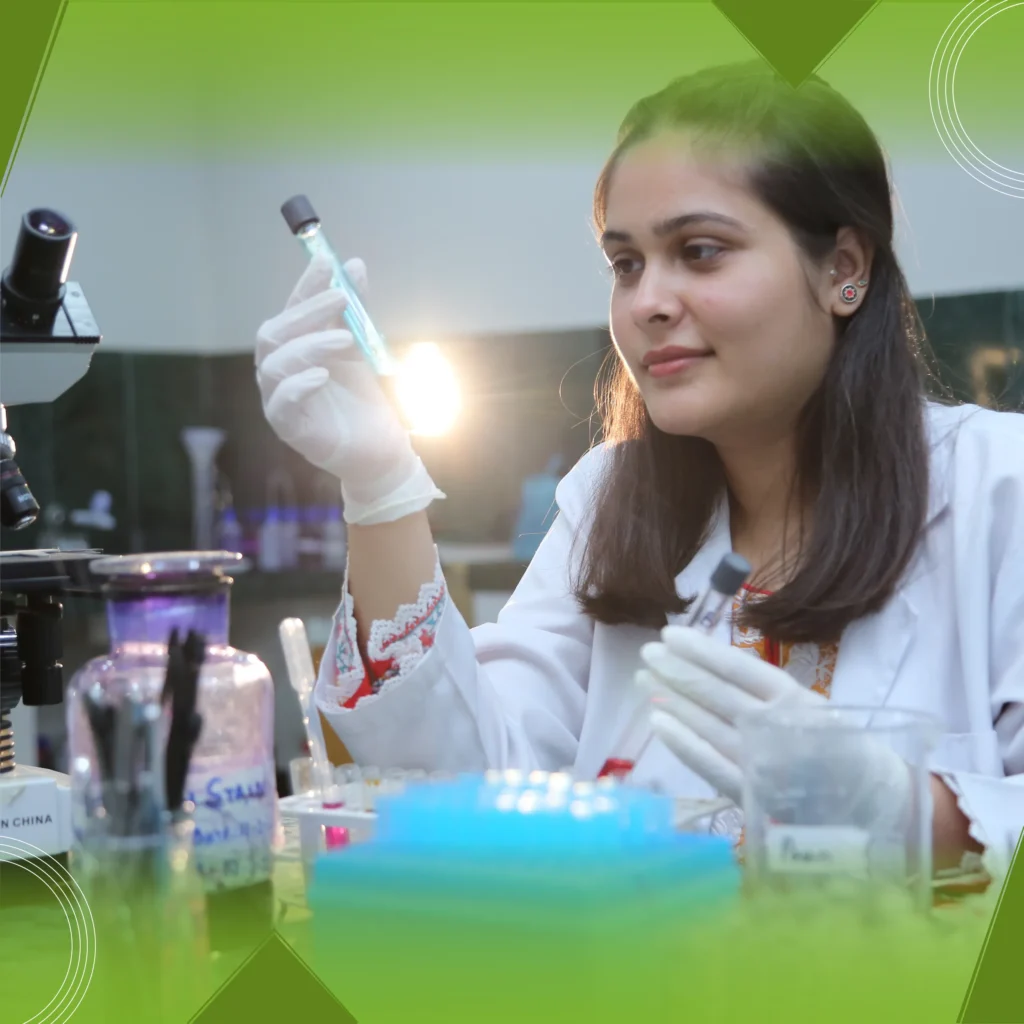
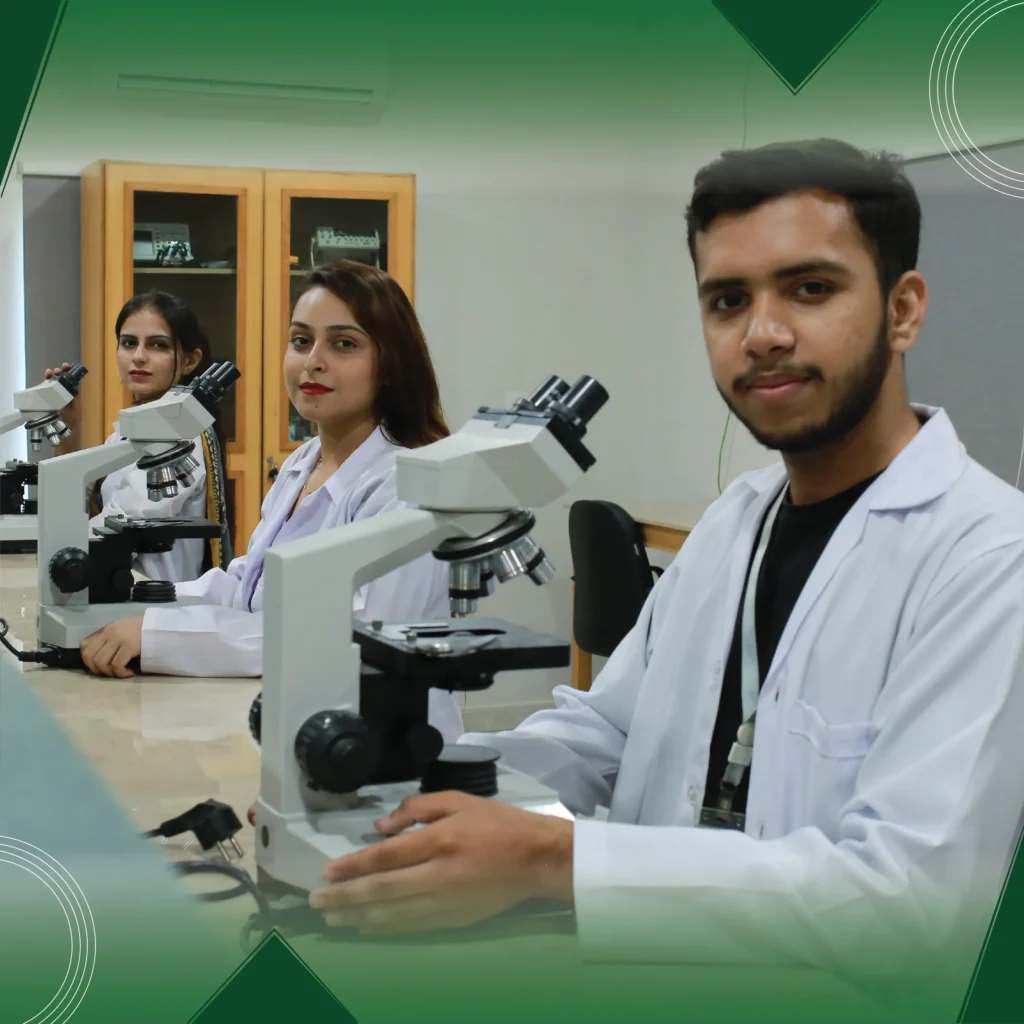
Students begin their hands-on learning in modern simulation labs, where they safely practise important lab techniques. These include tests like blood and urine cultures, blood grouping and crossmatching, clotting tests, and counting blood cells using both manual and automatic methods. The simulation labs are designed to feel like real hospital labs, helping students build confidence and accuracy before working with real patients.
Regular observerships in diagnostic labs allow students to connect classroom theory with real lab practices. They observe tests like blood analysis, microbiology, and clinical chemistry, preparing them for work in hospitals, labs, and further studies in lab sciences.