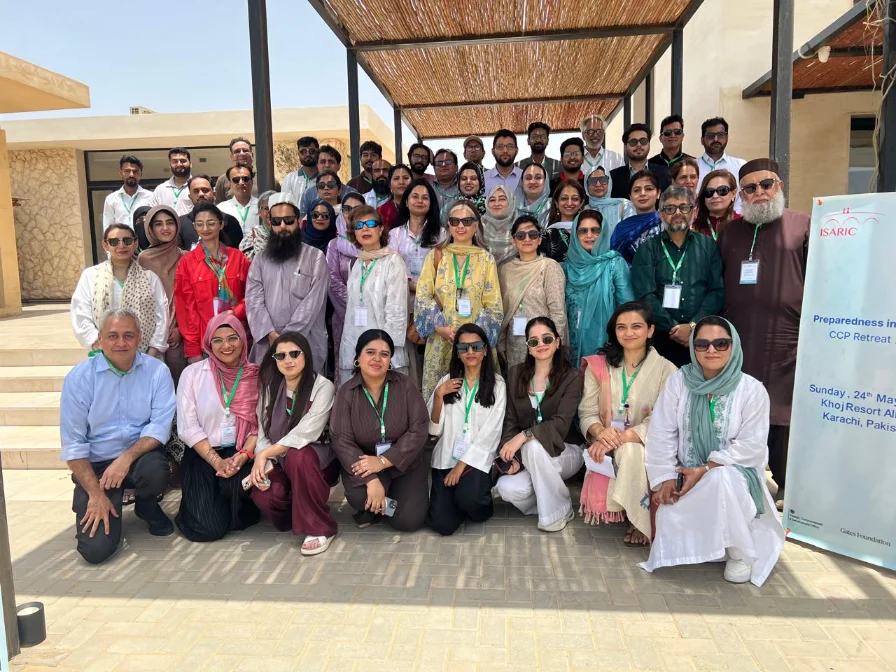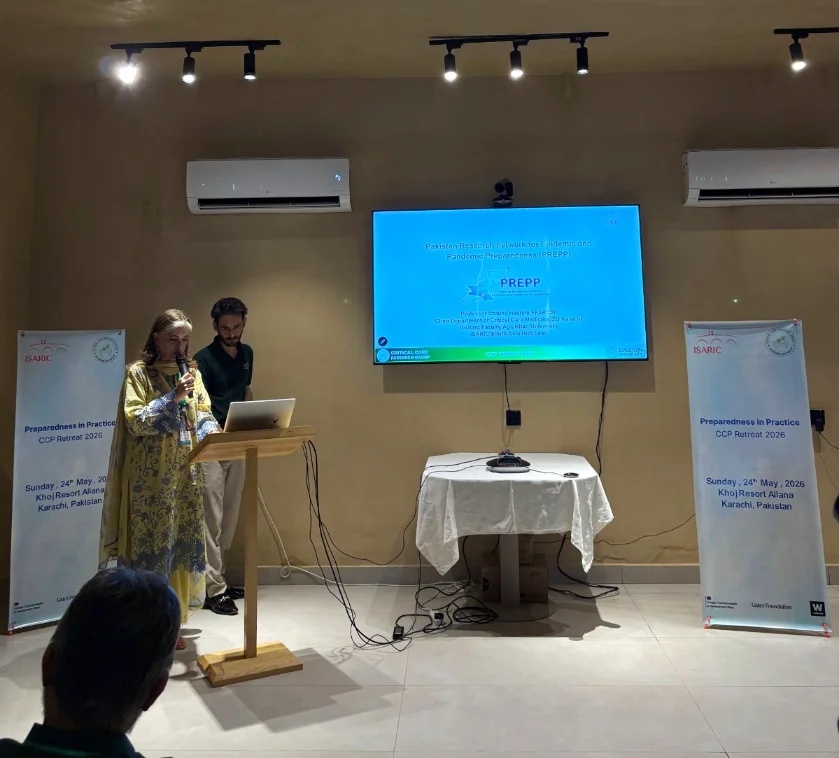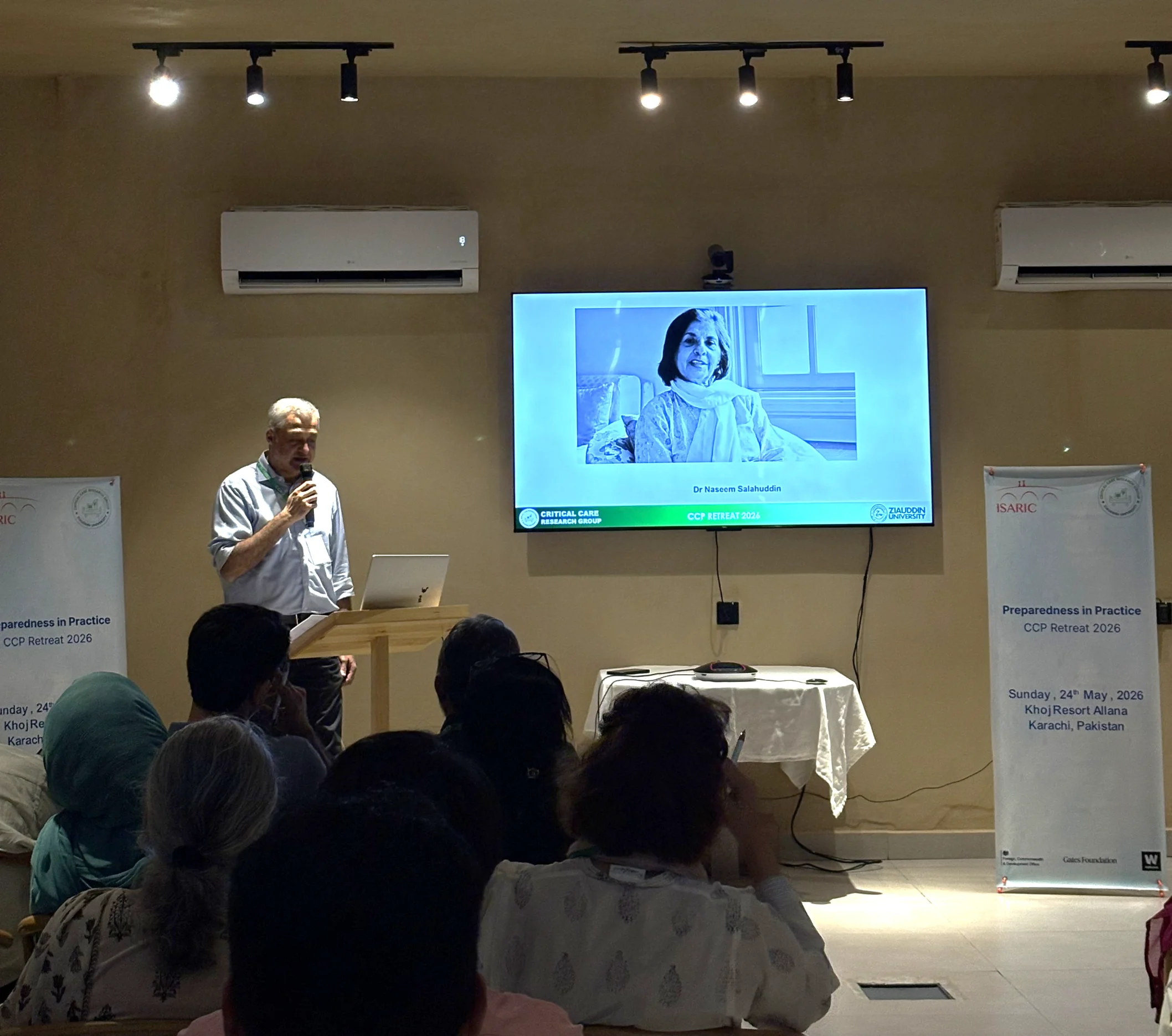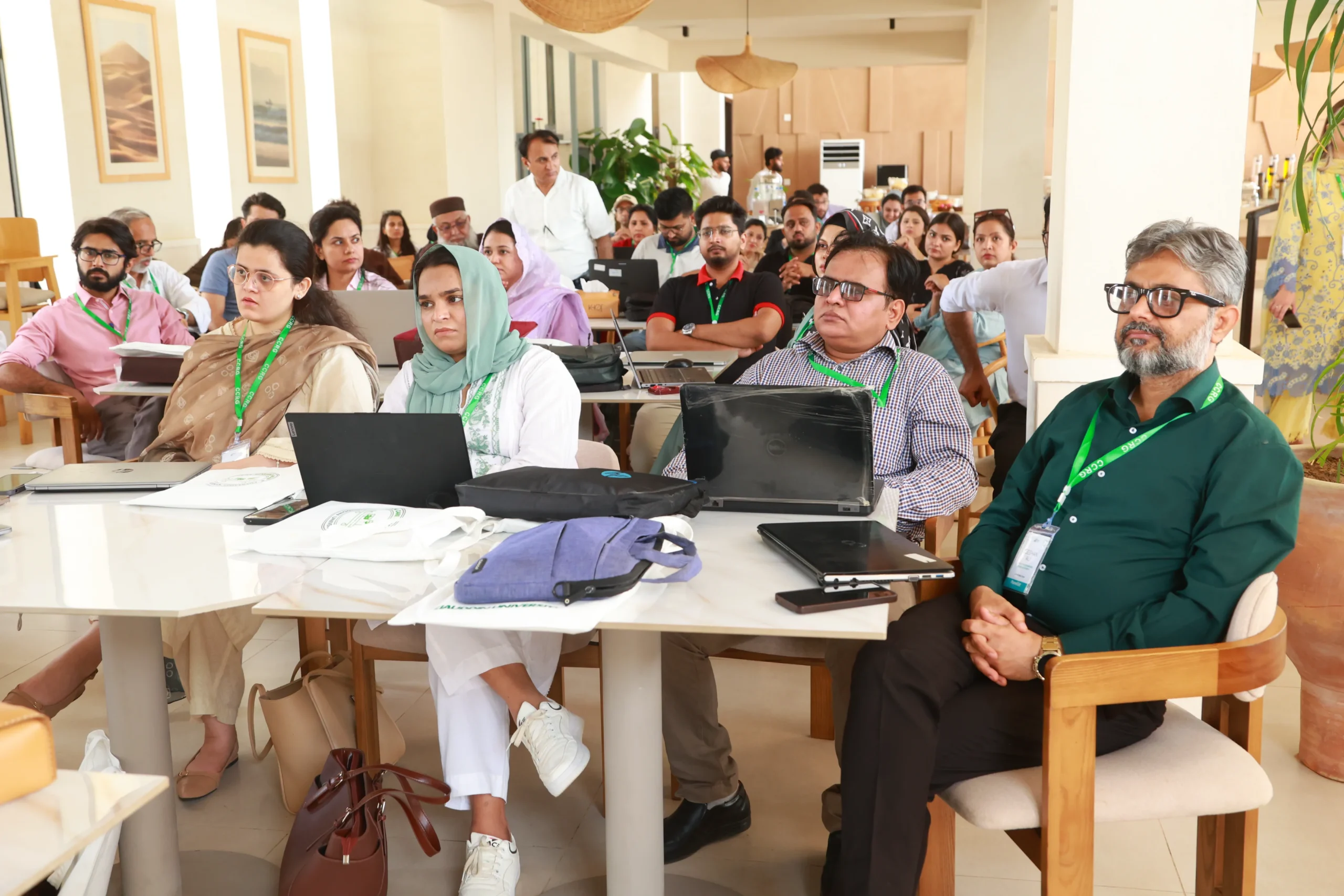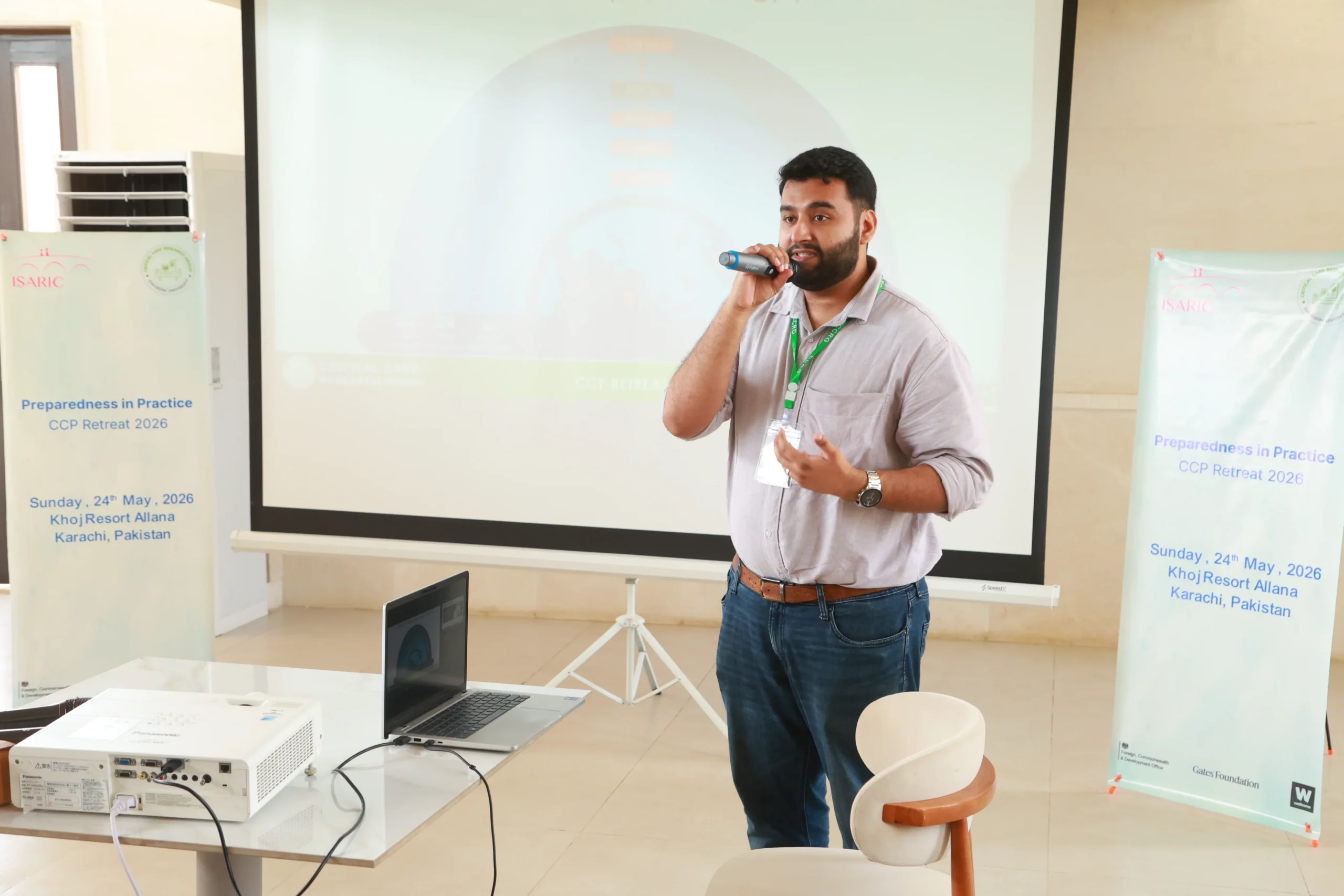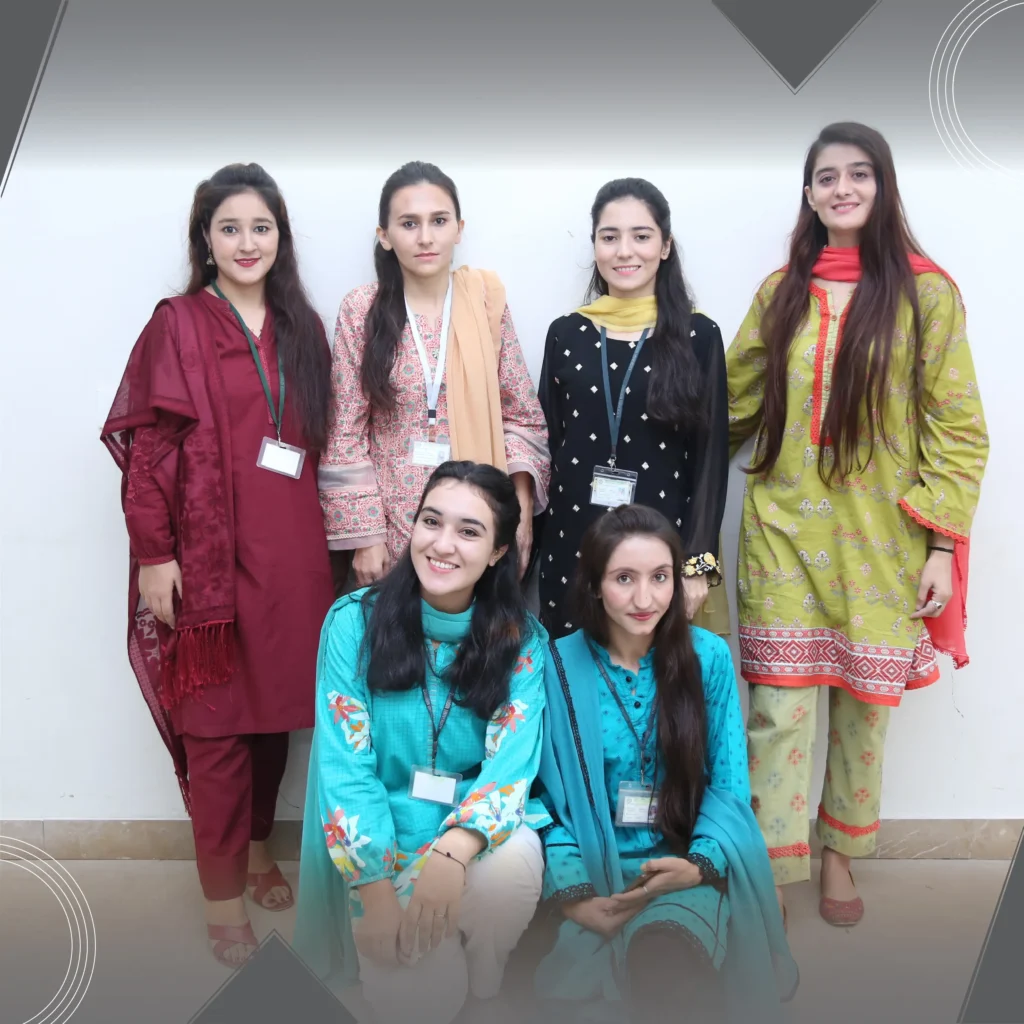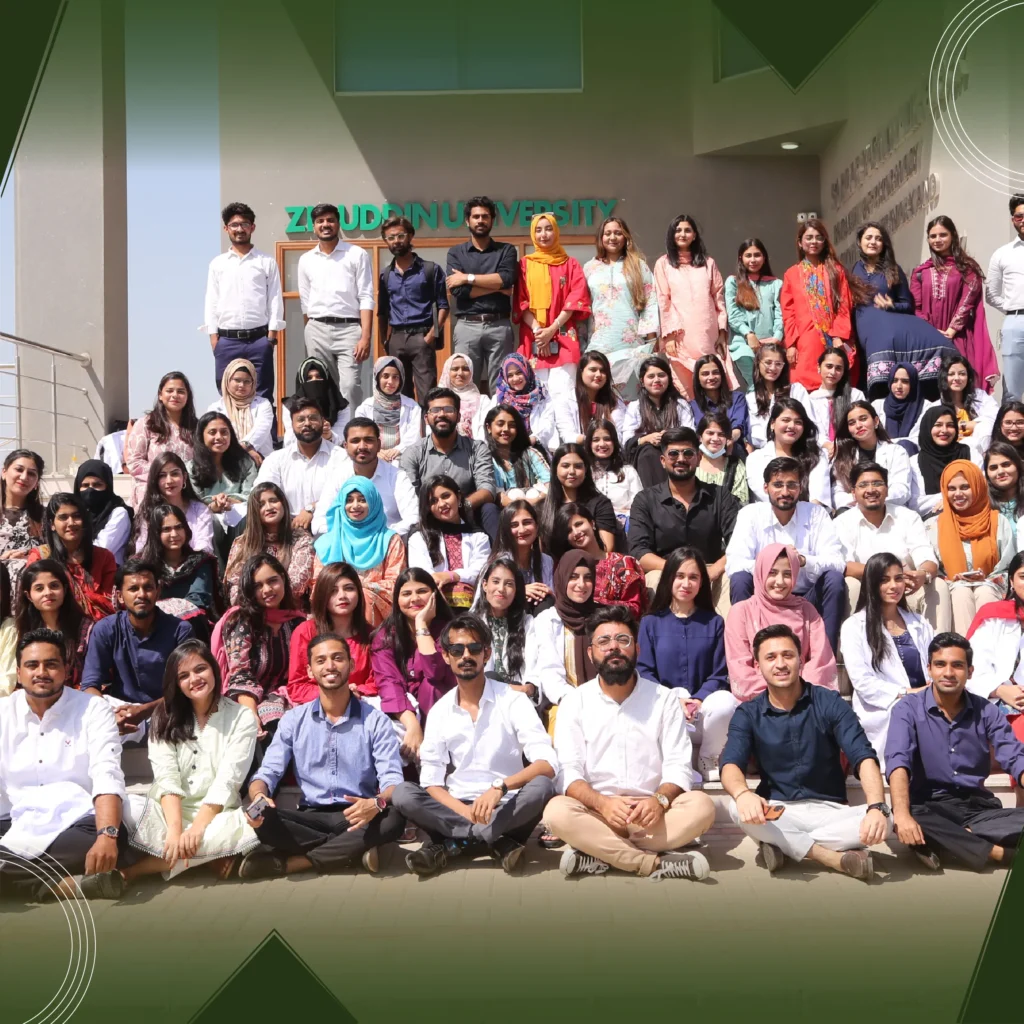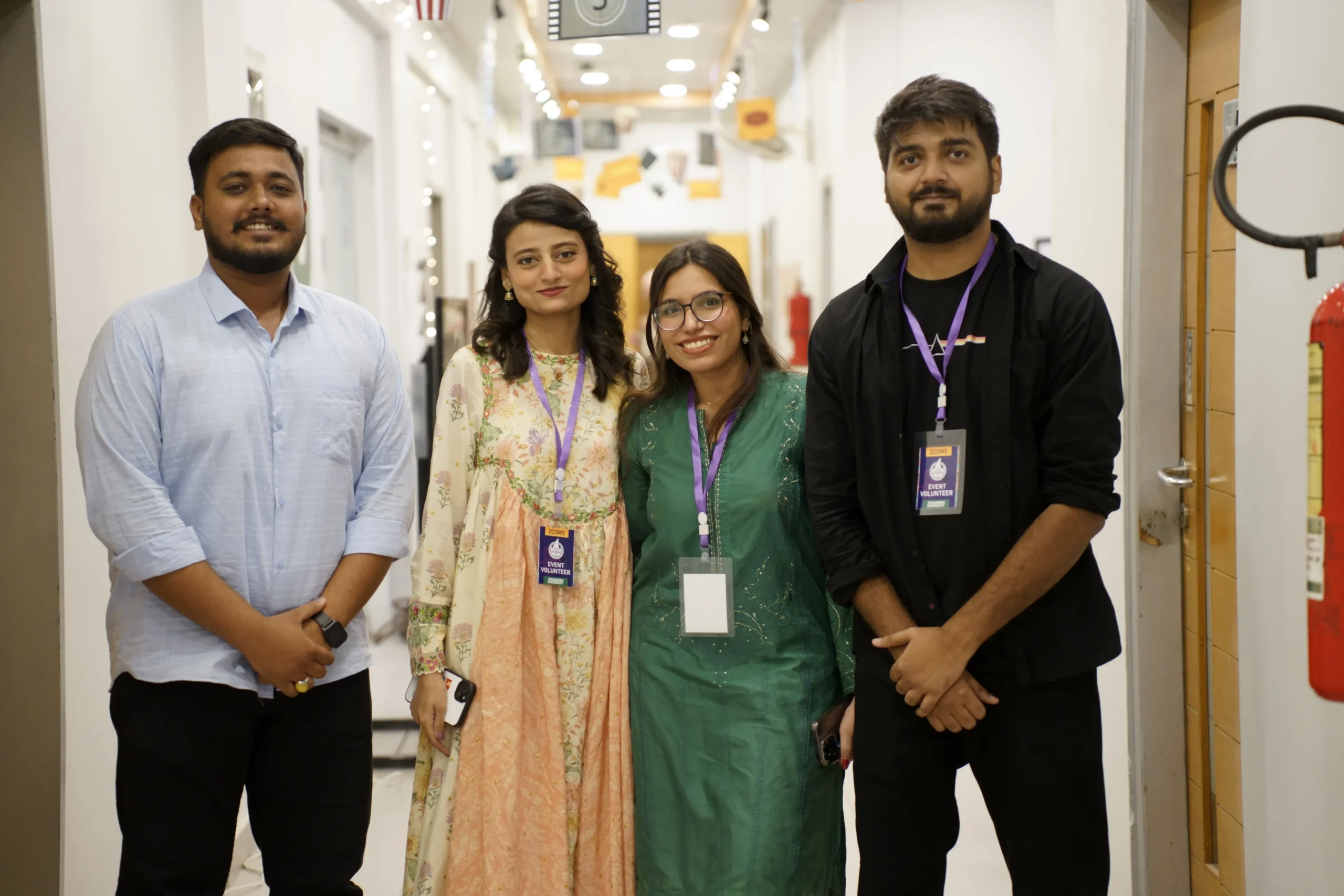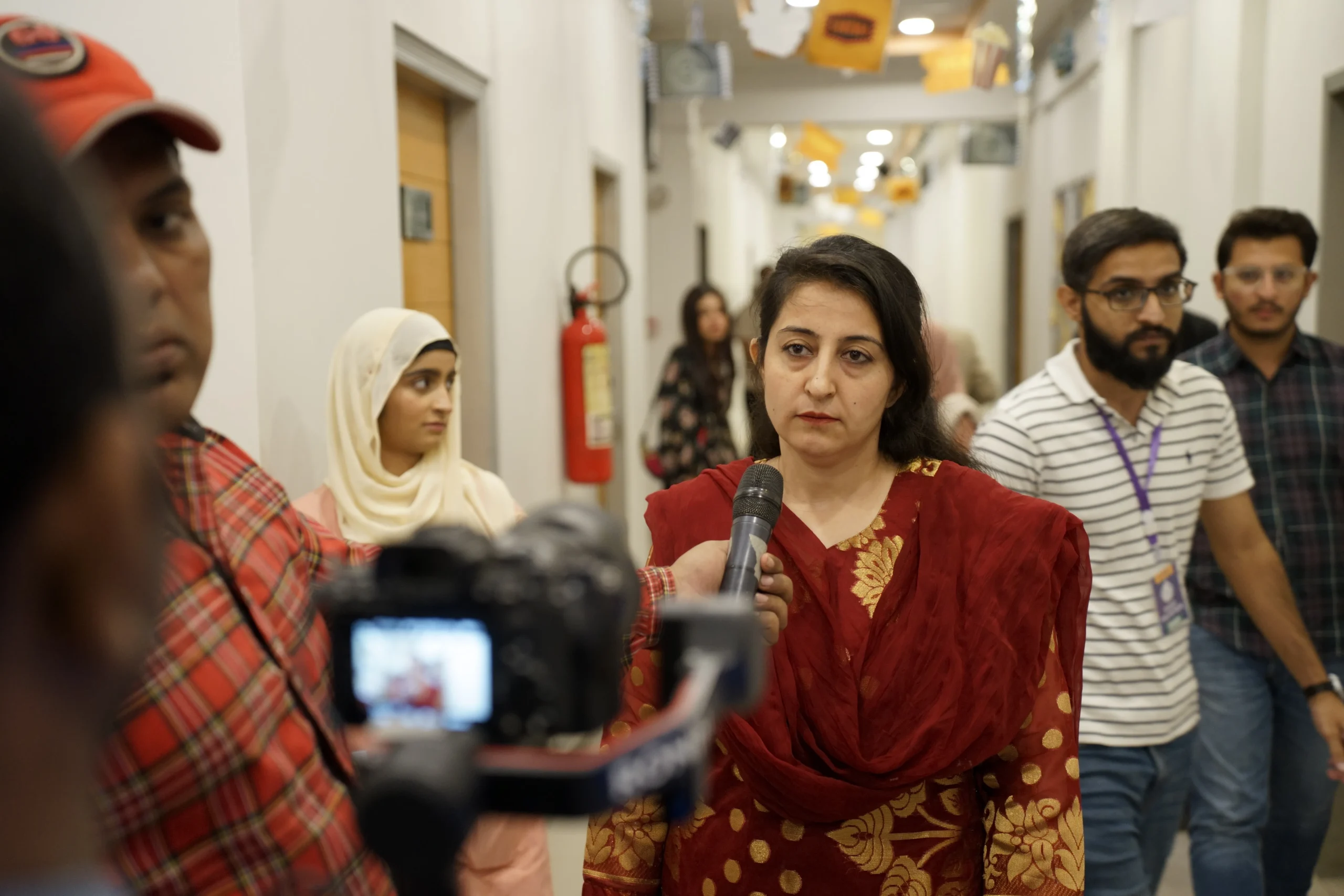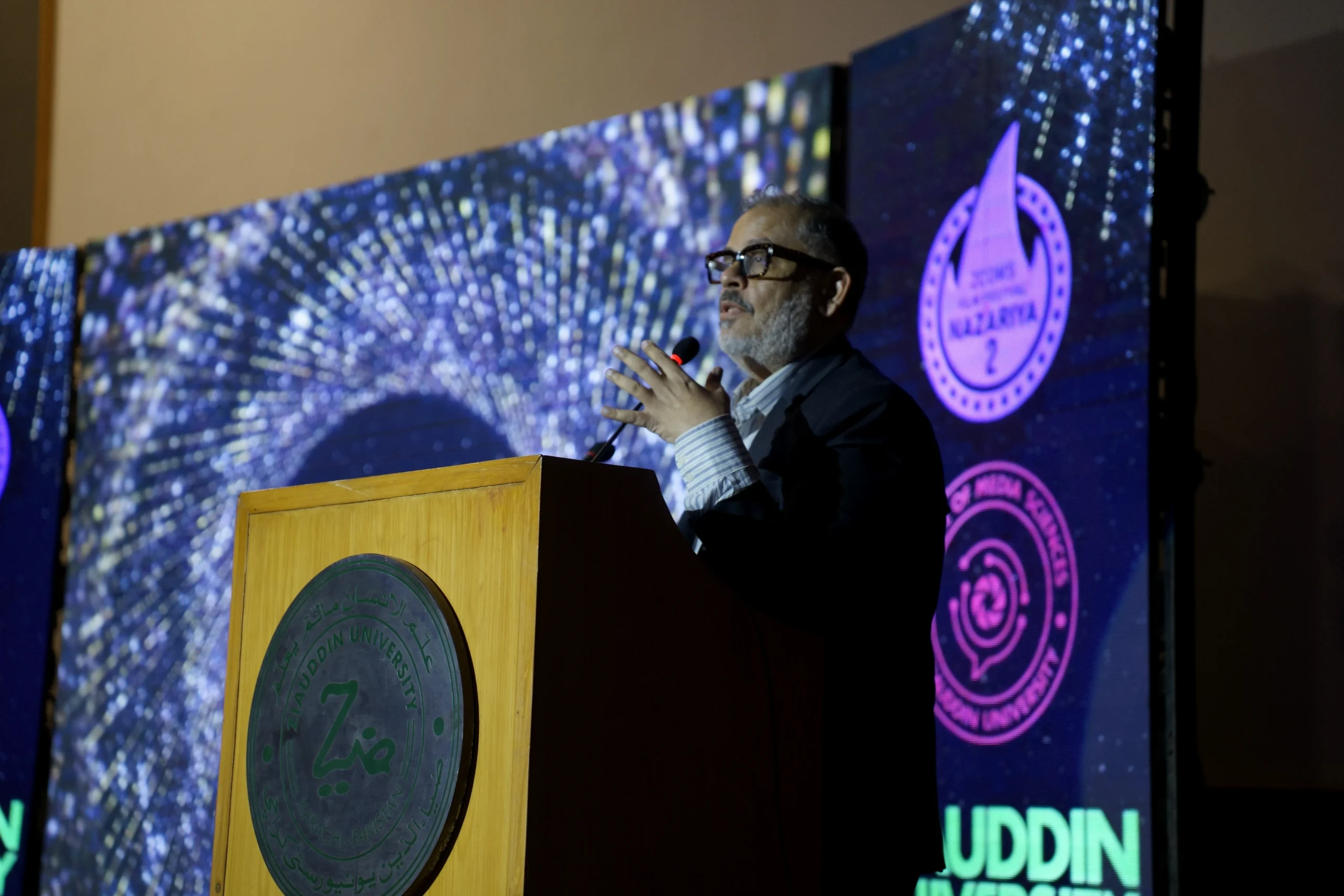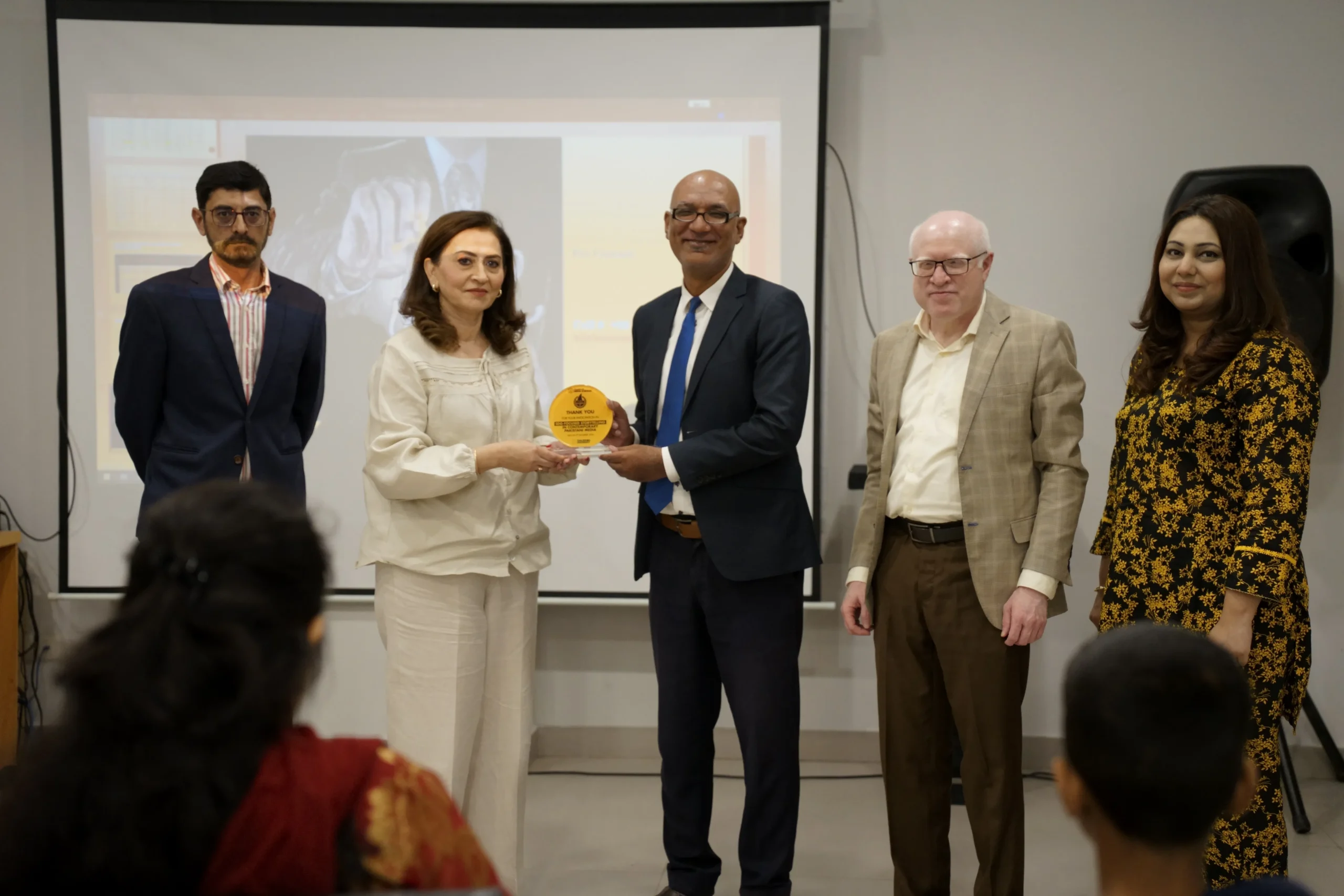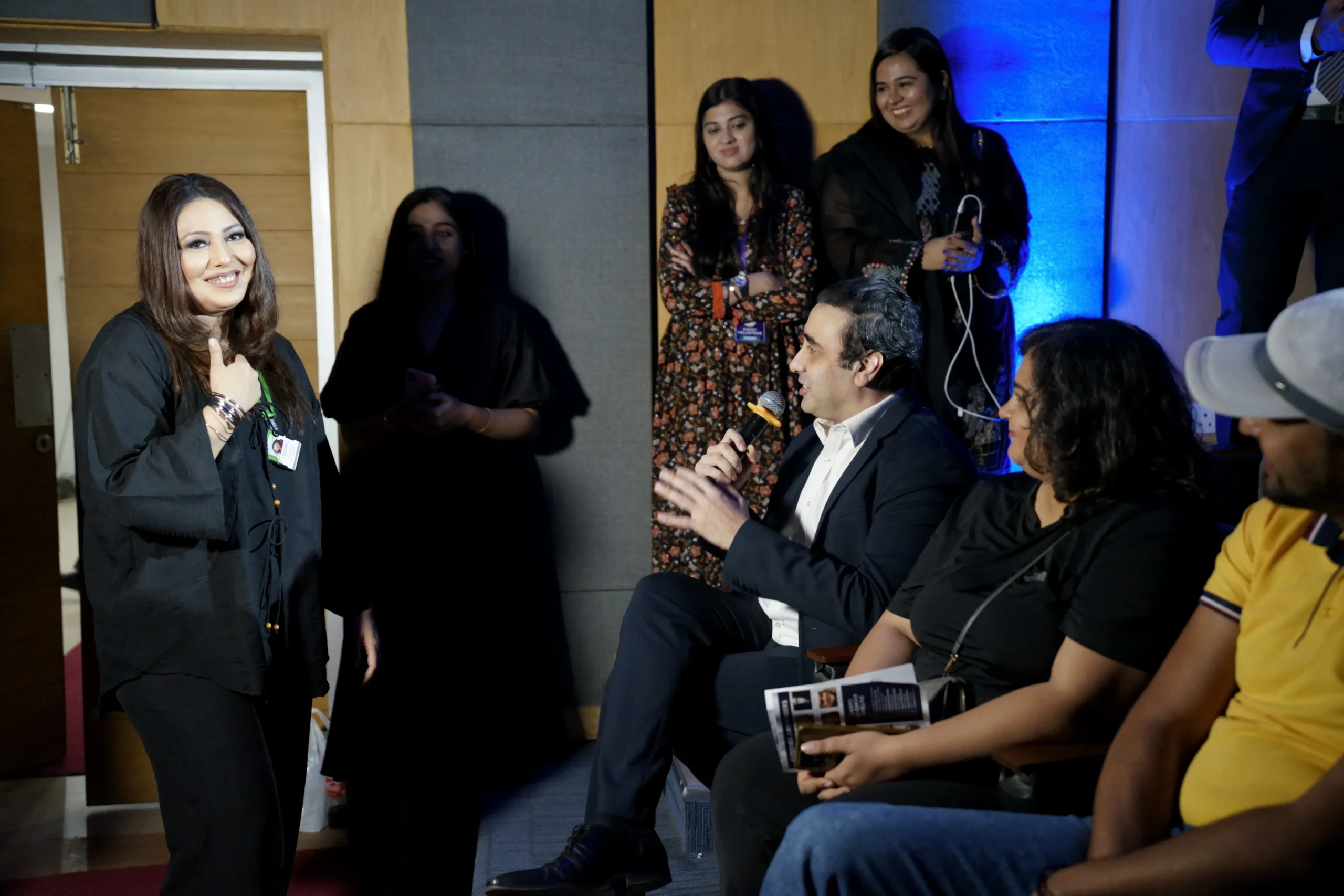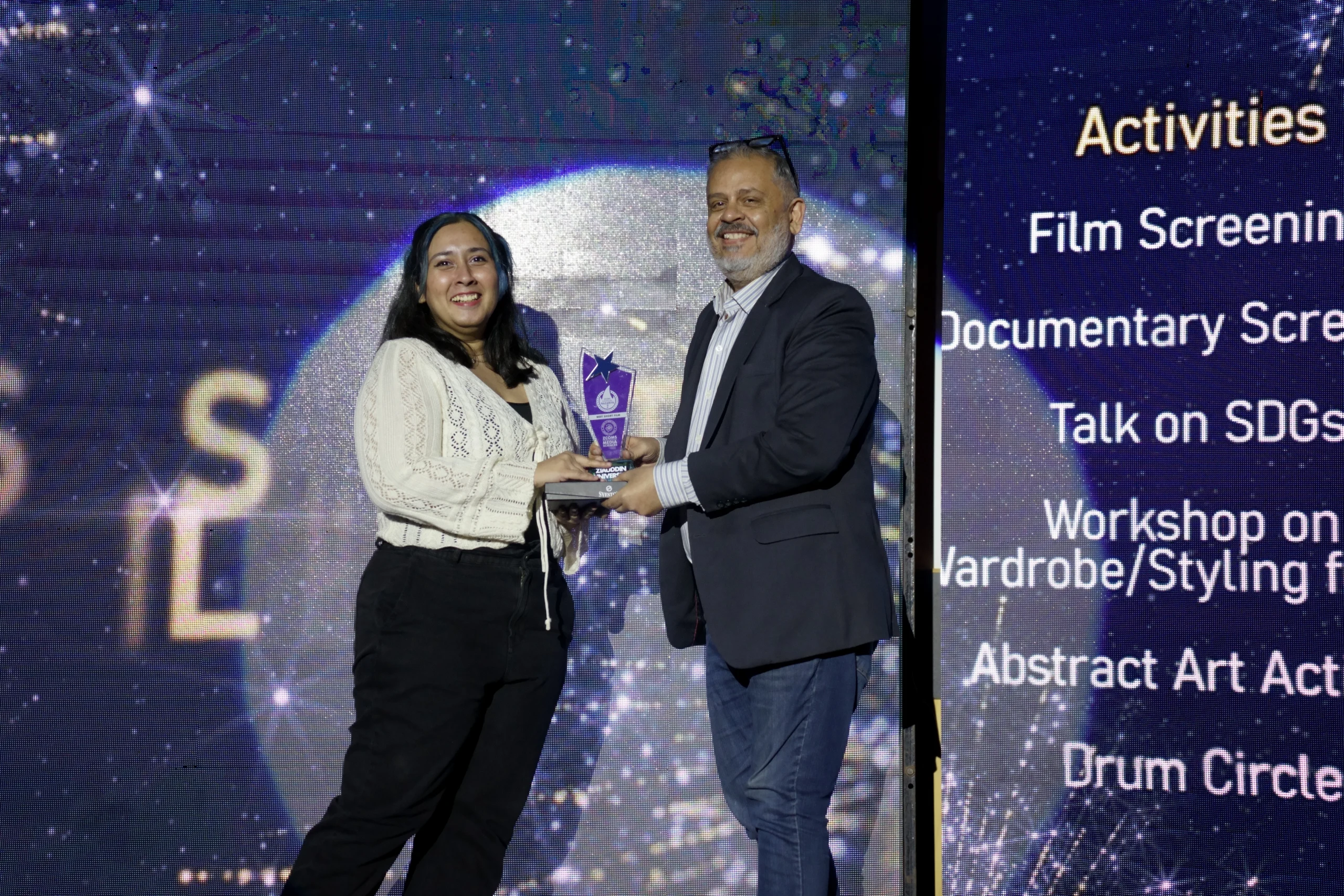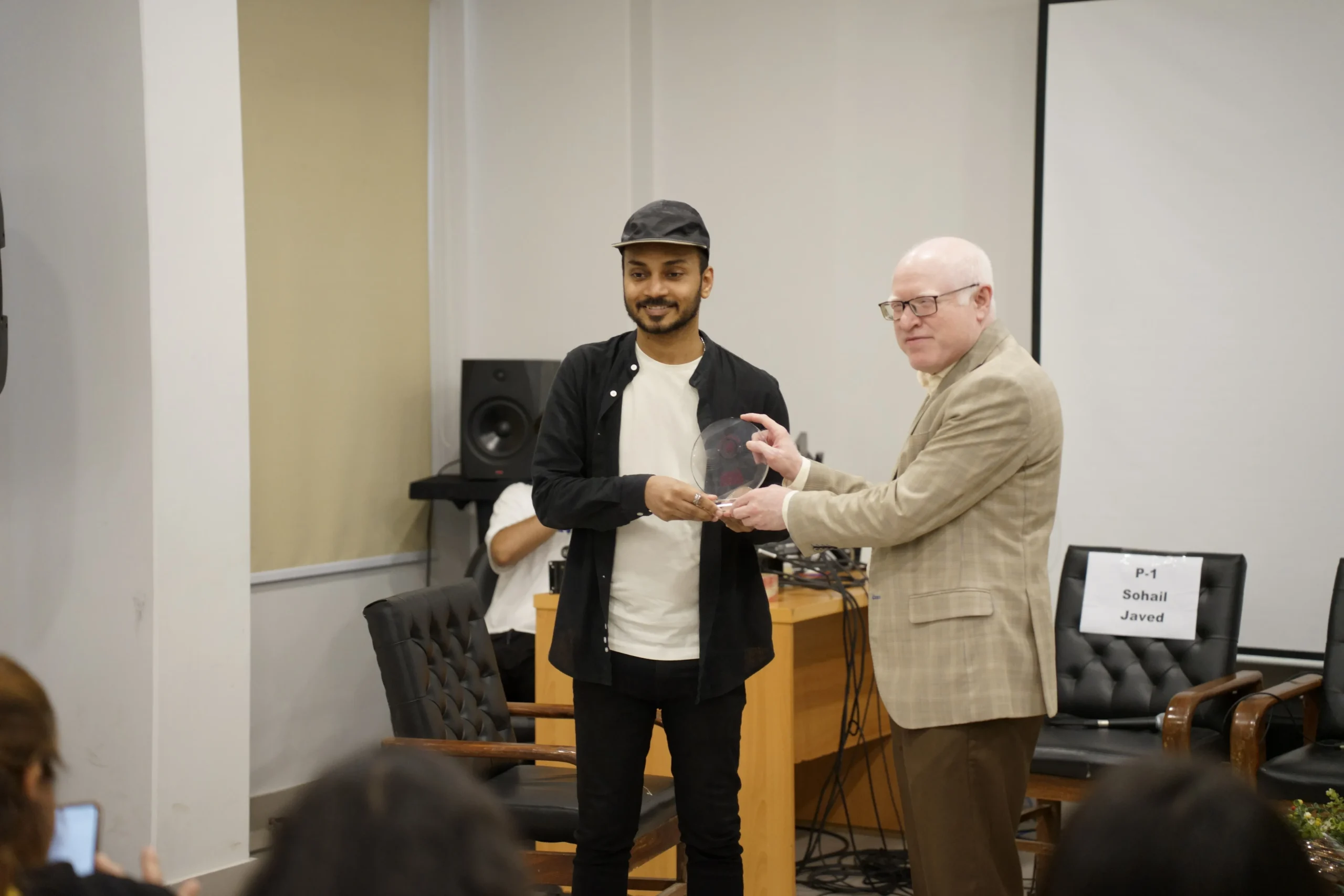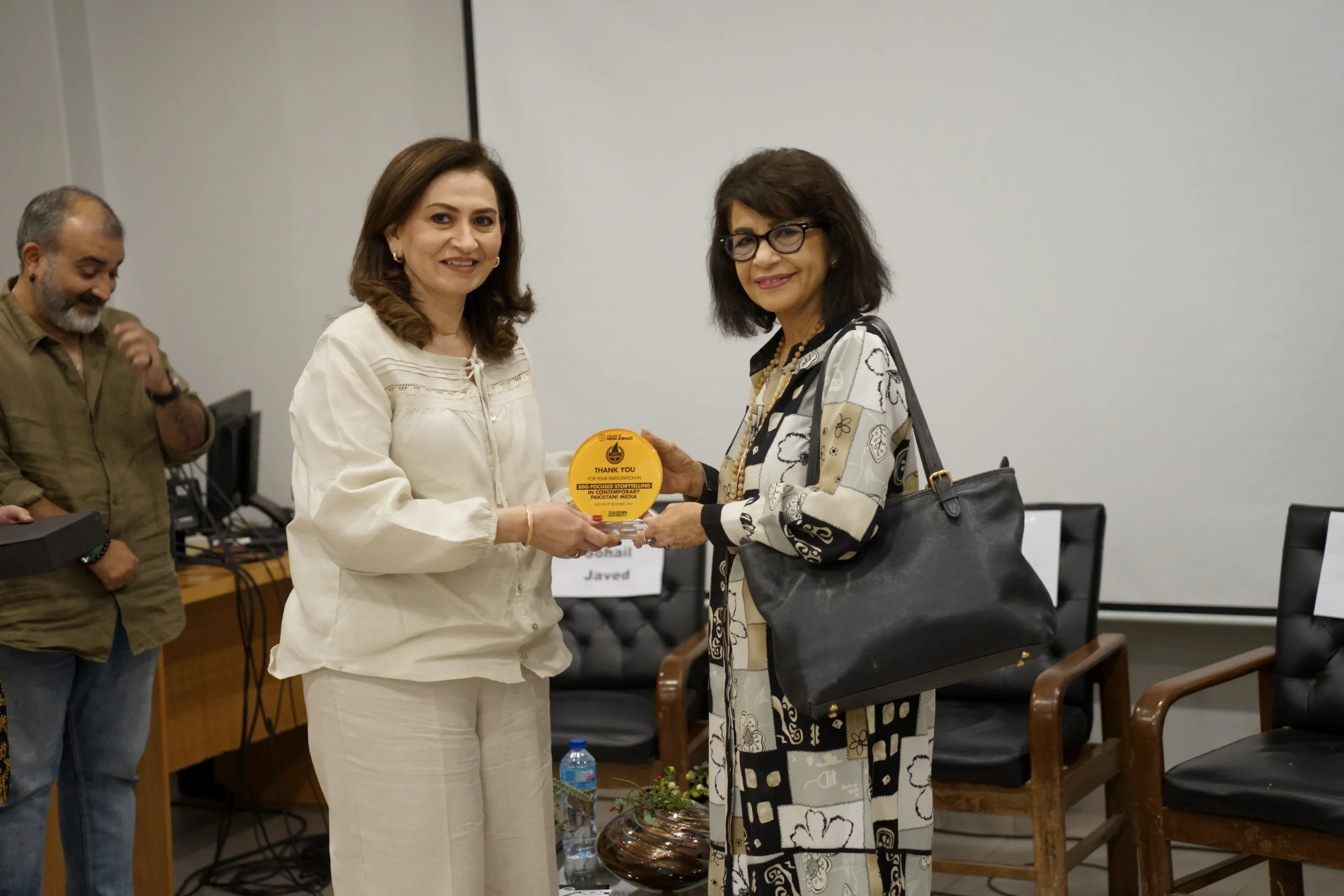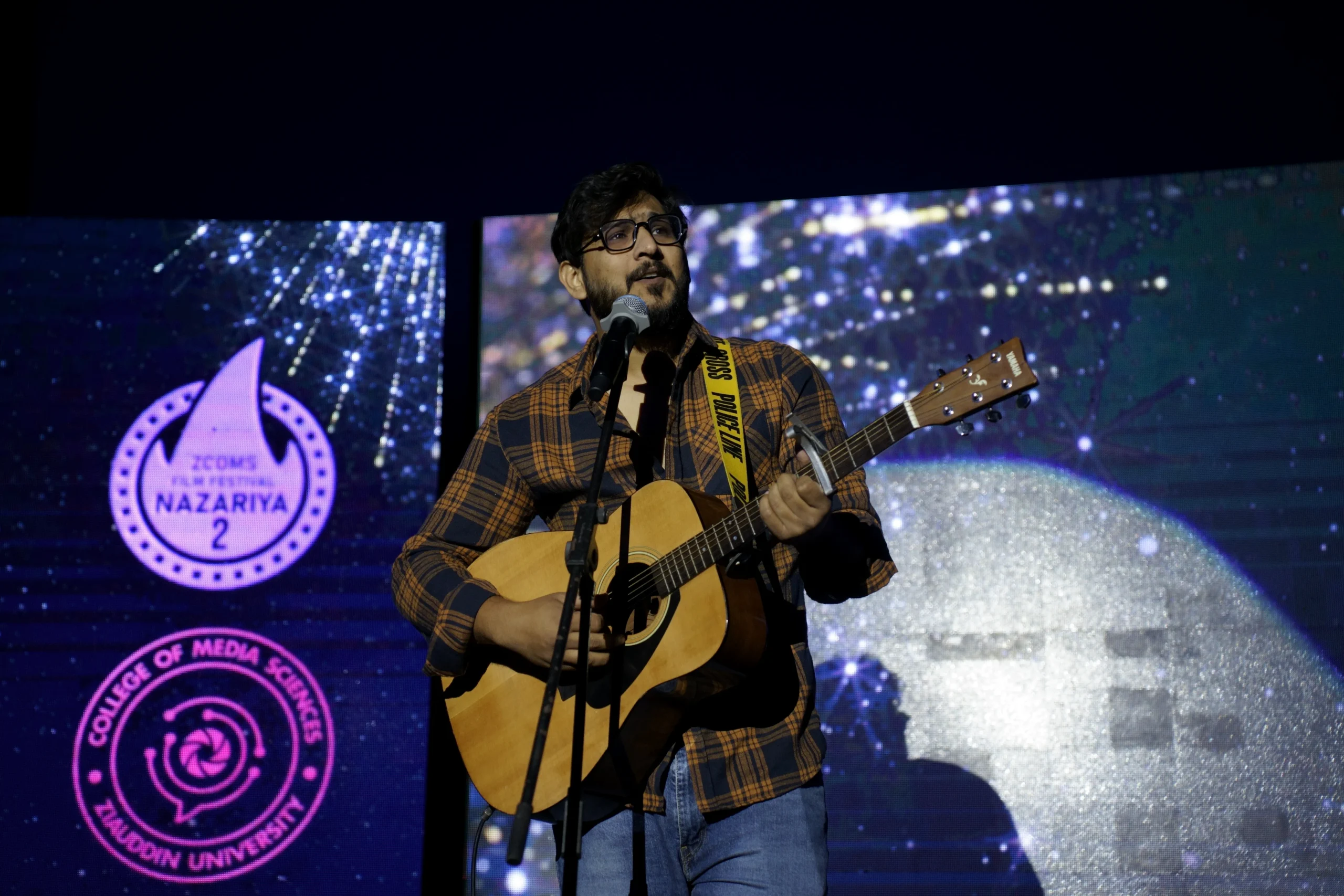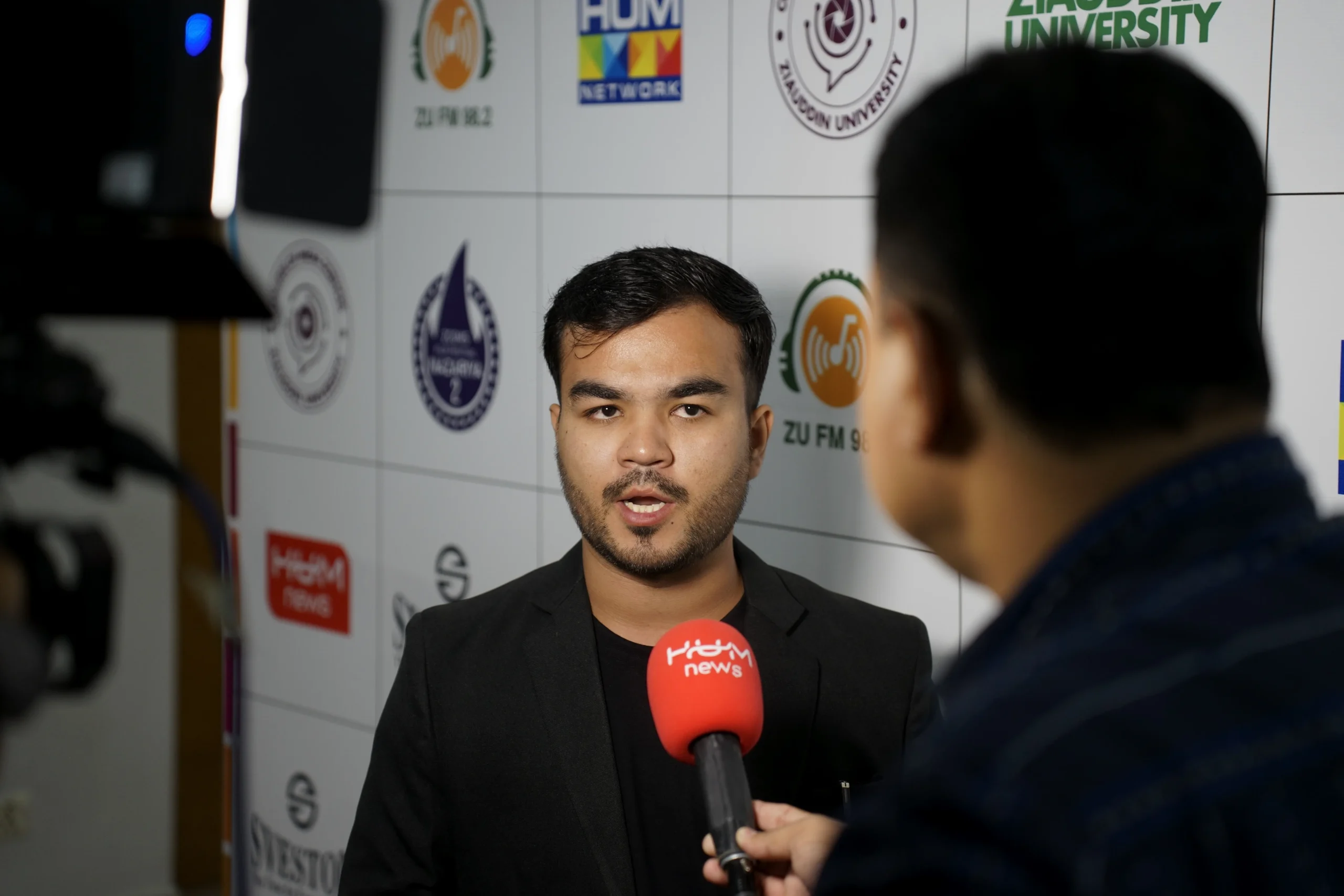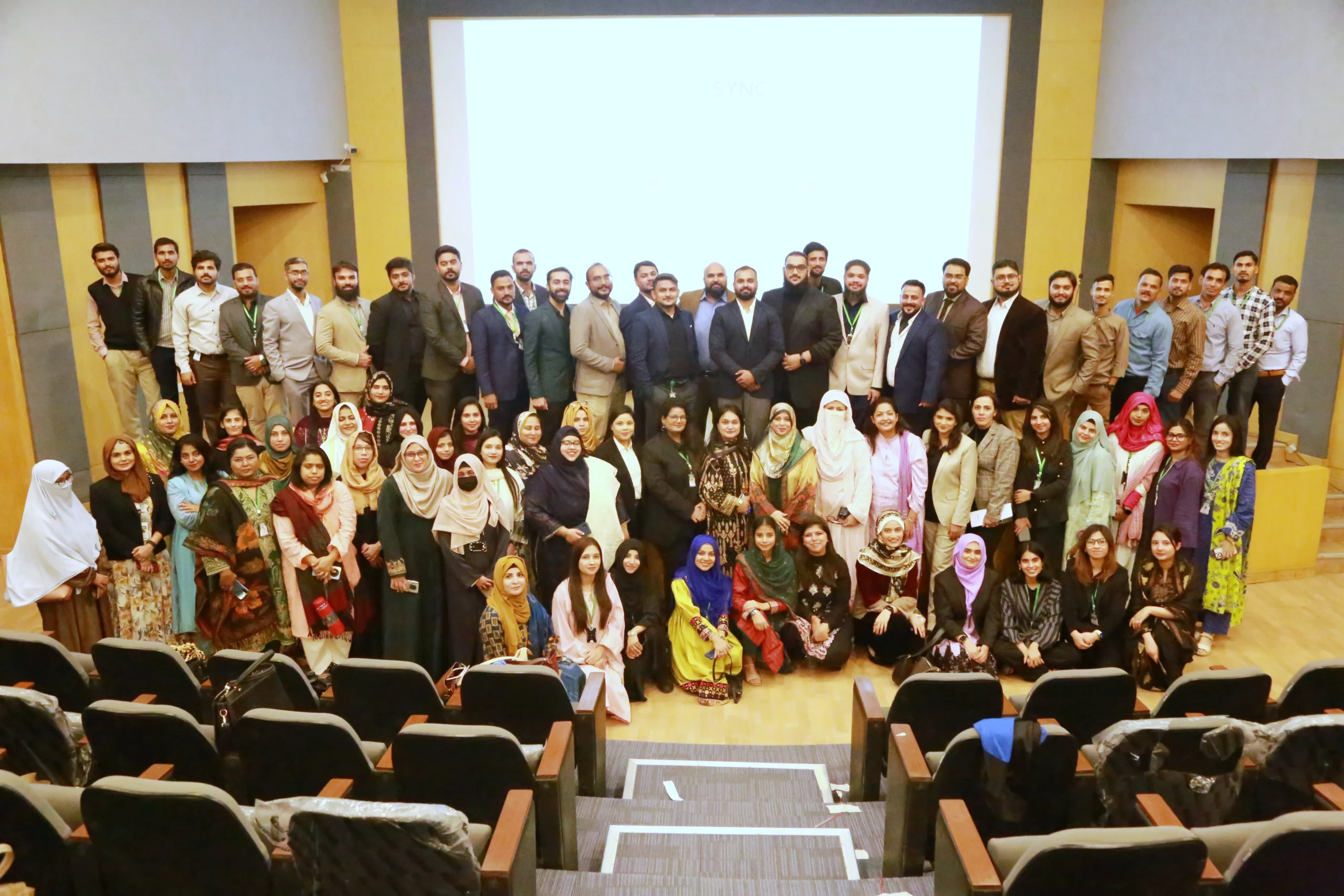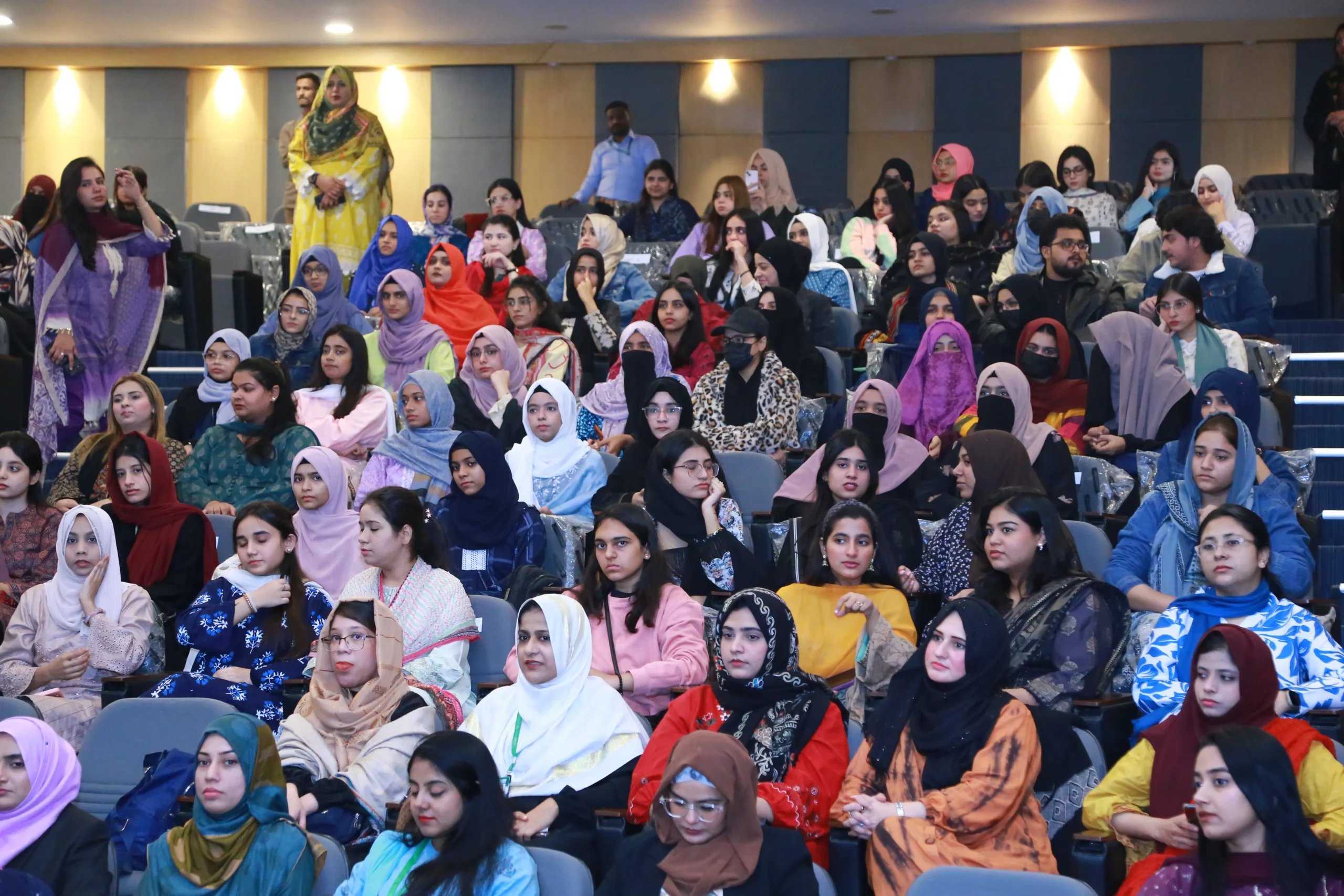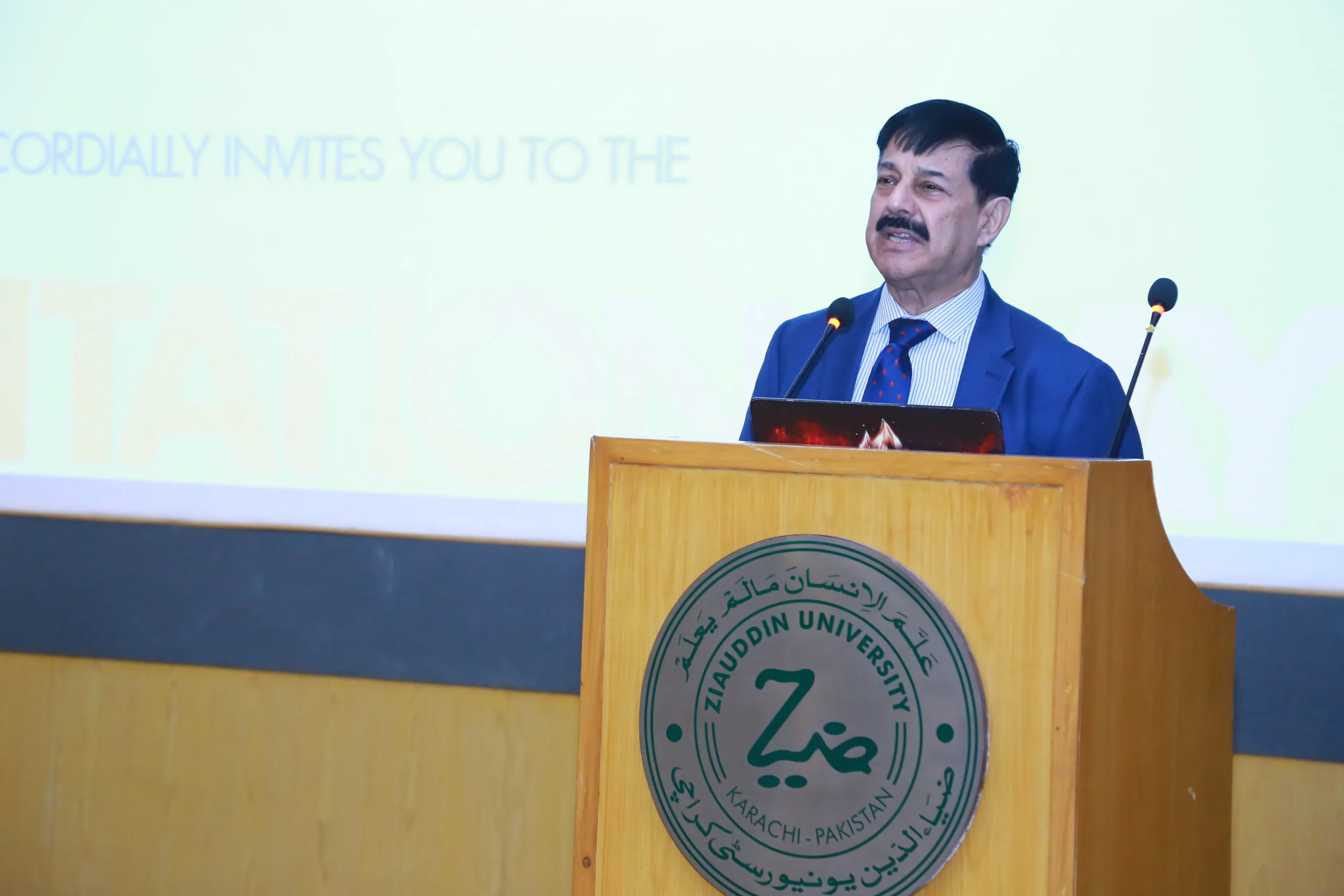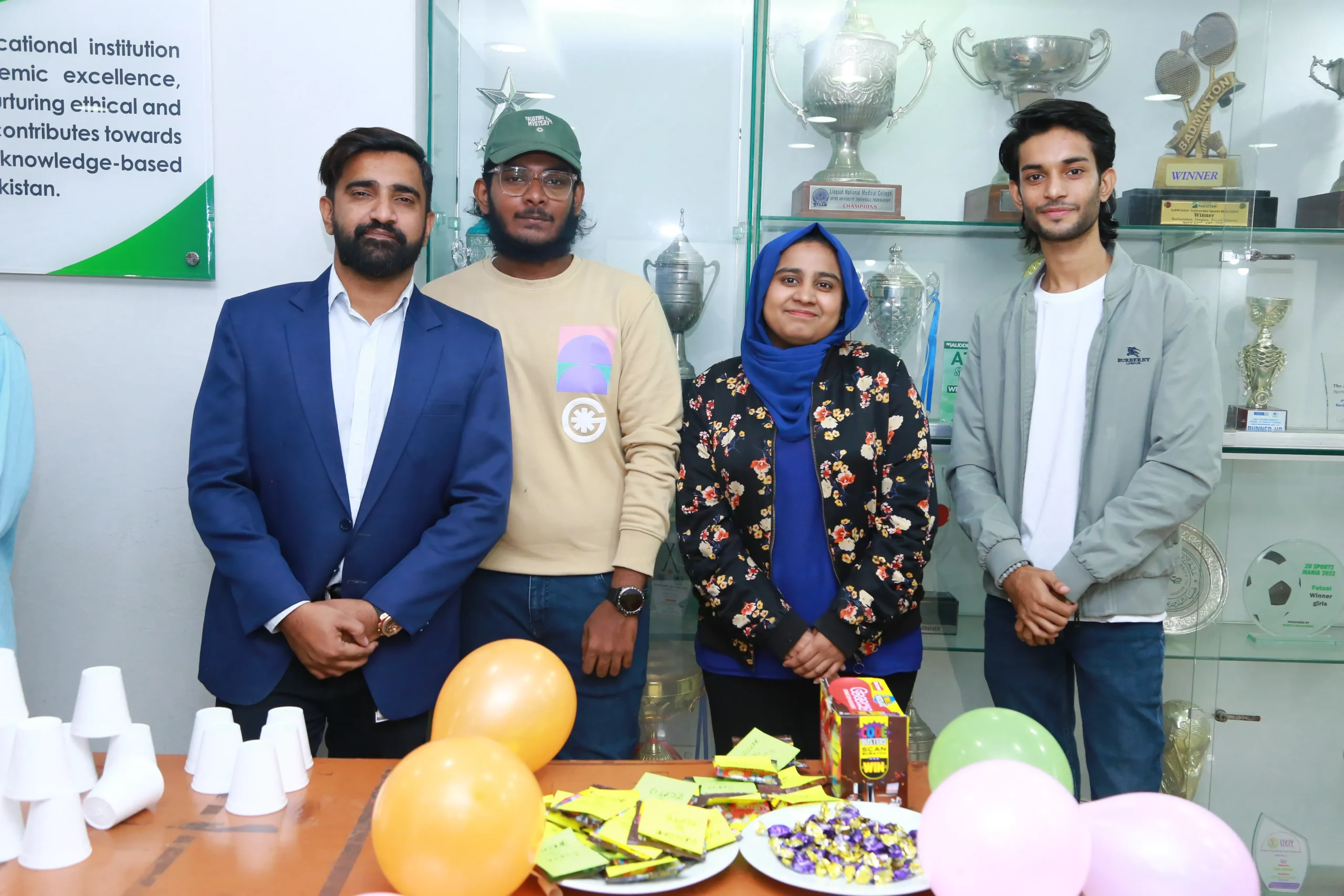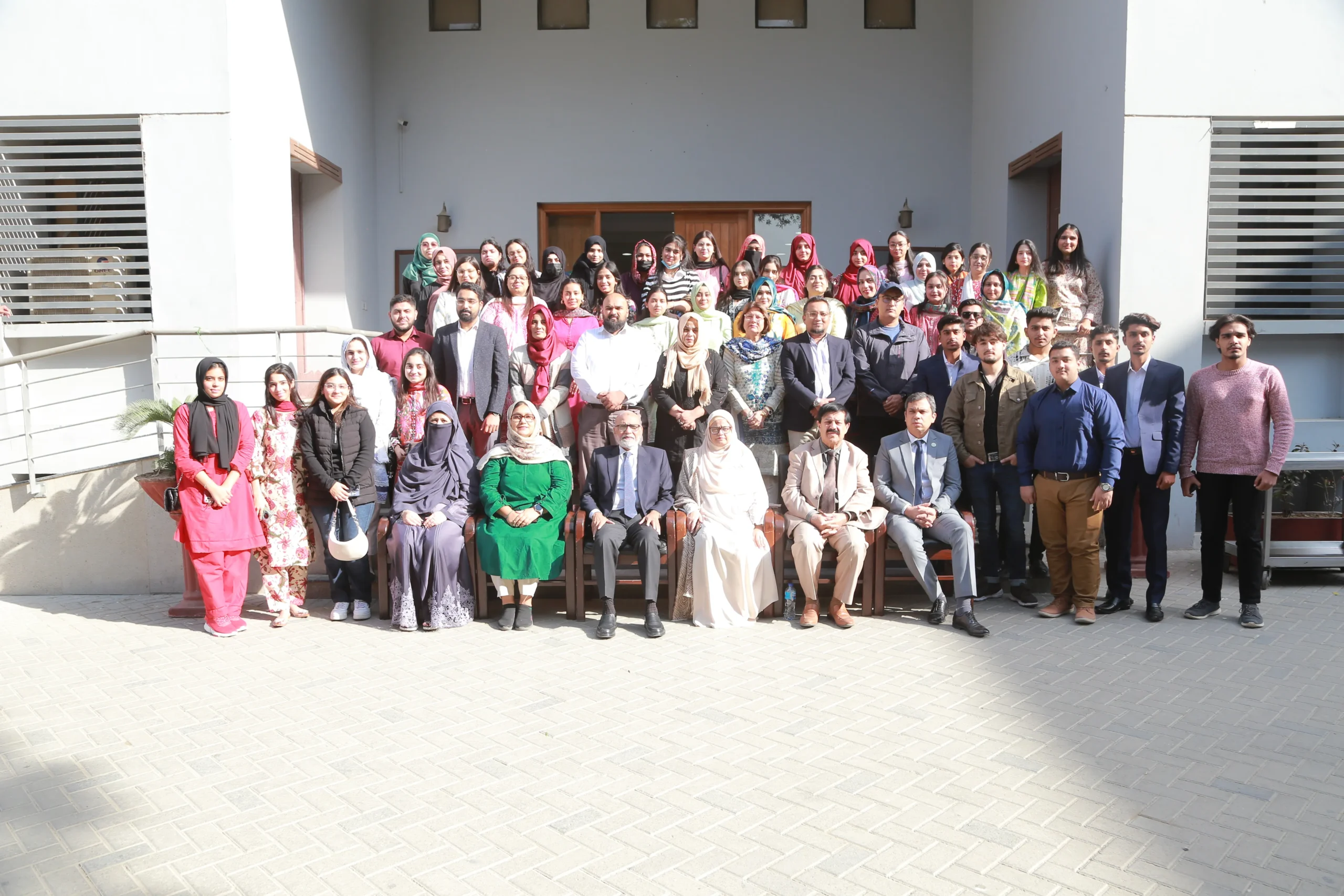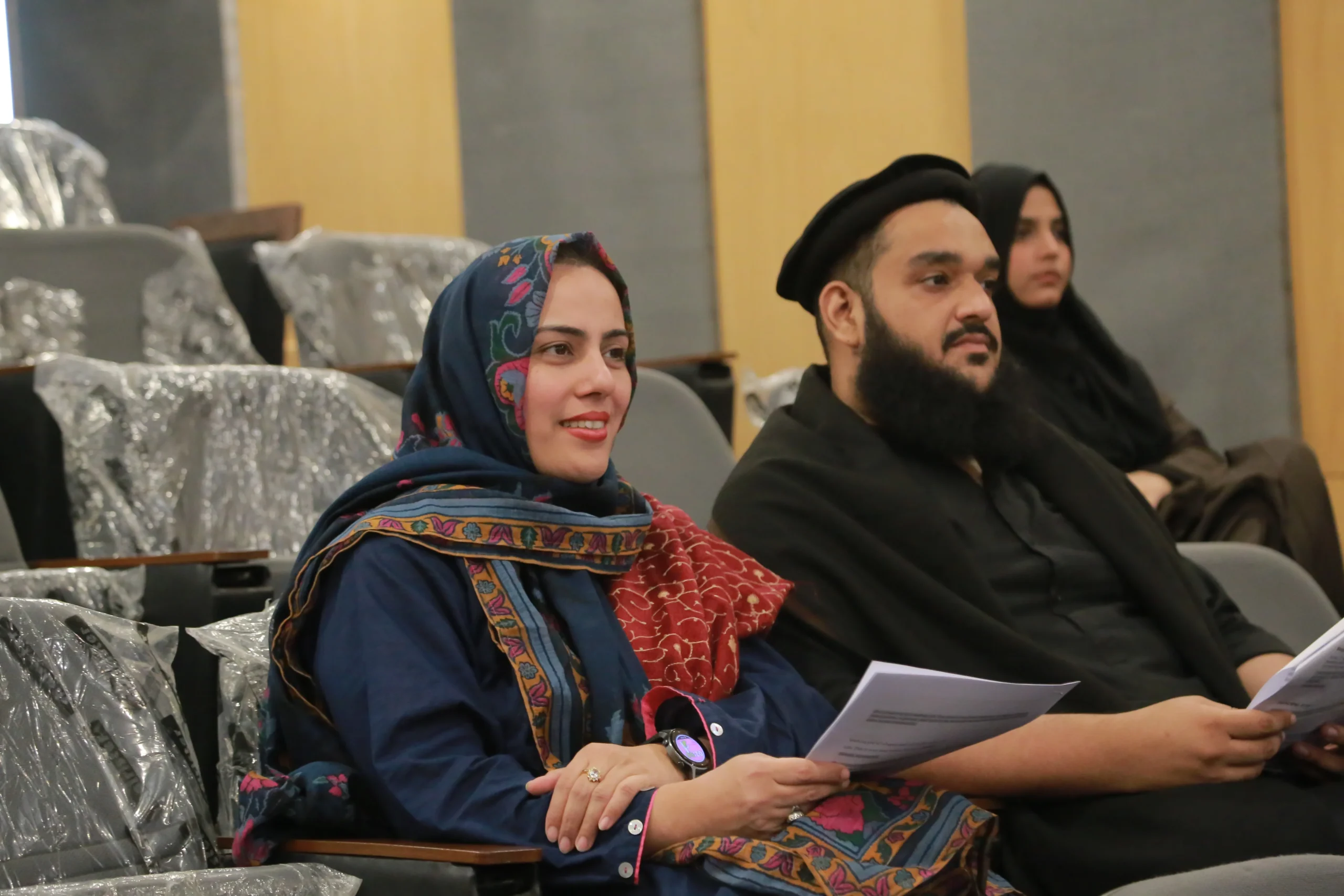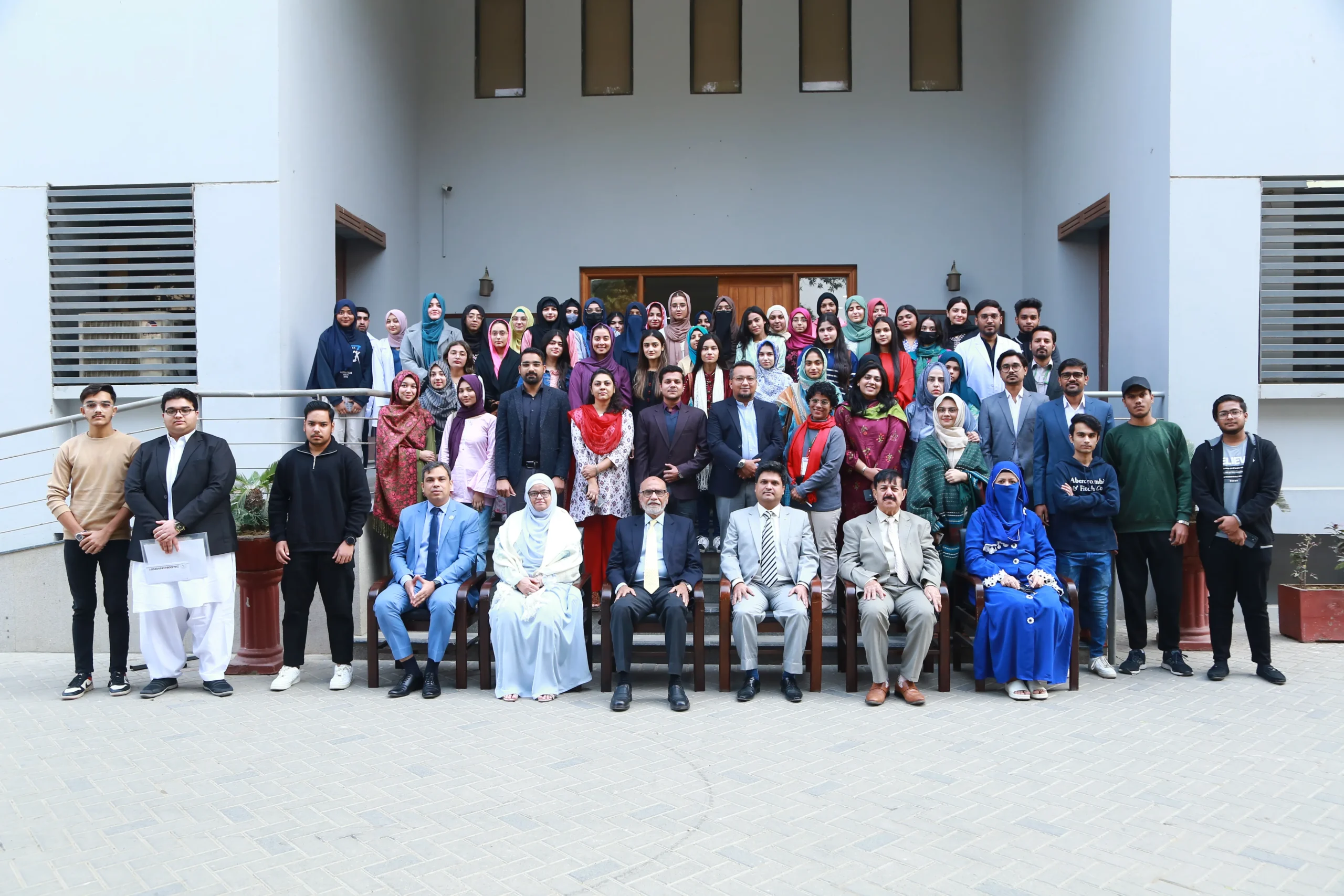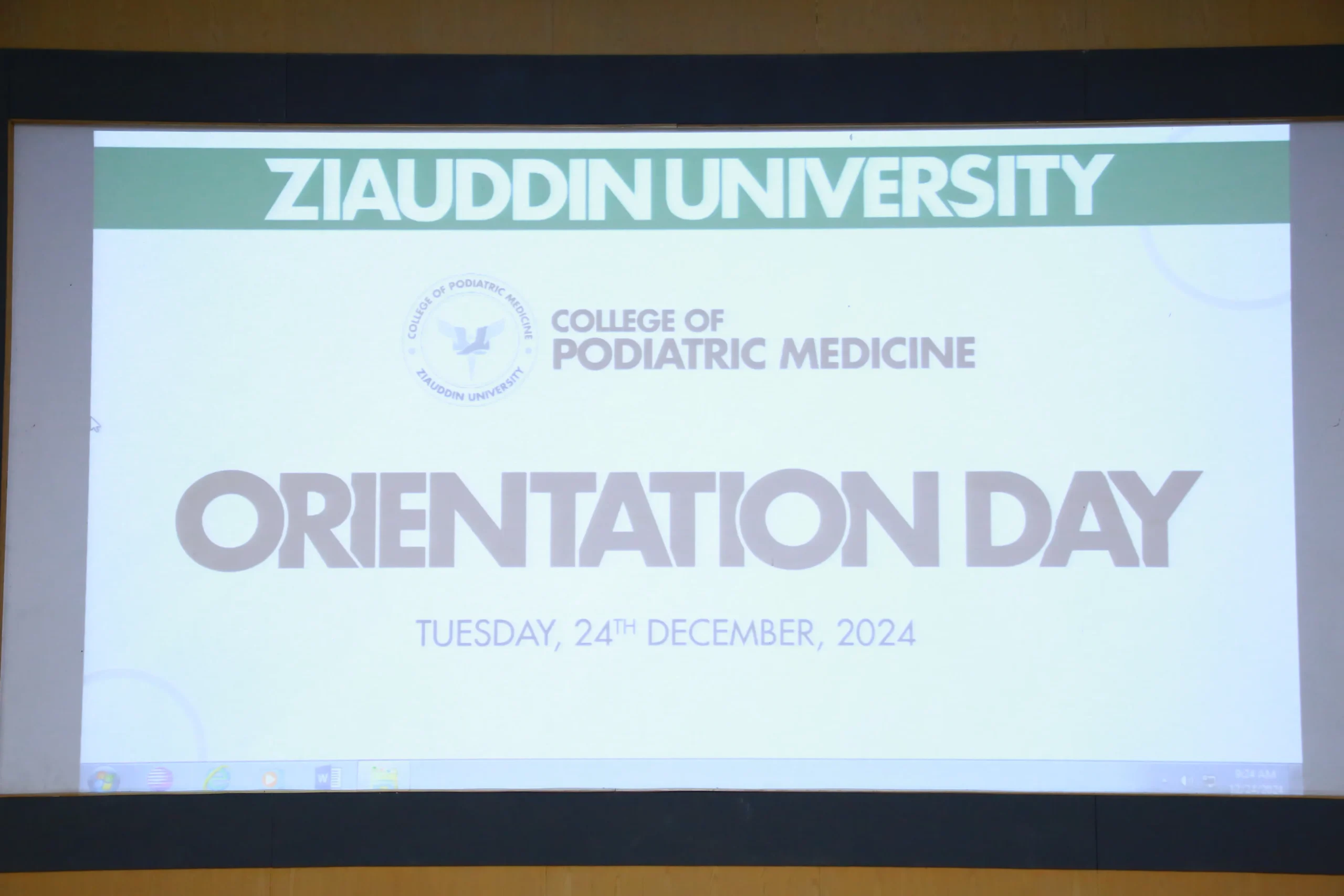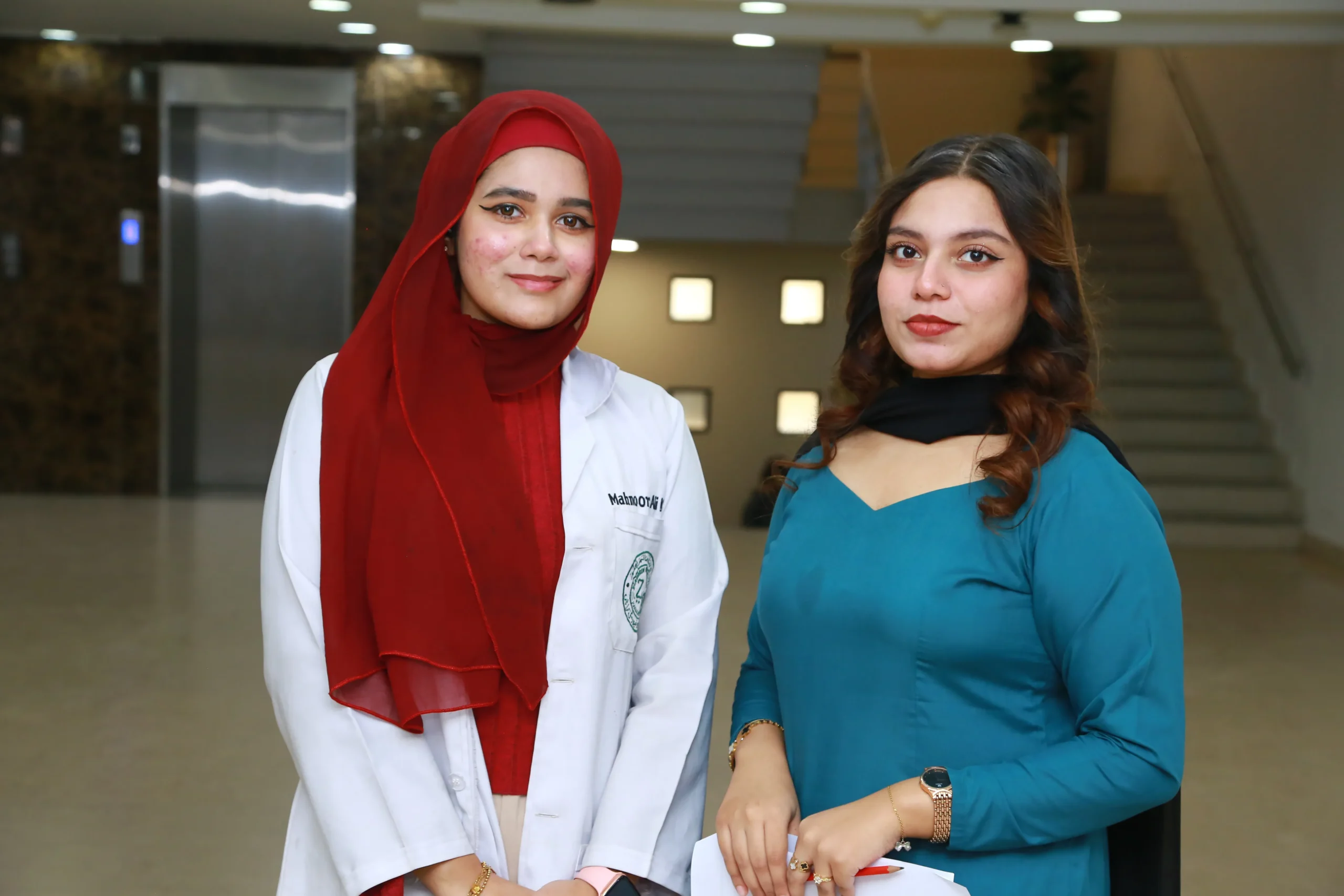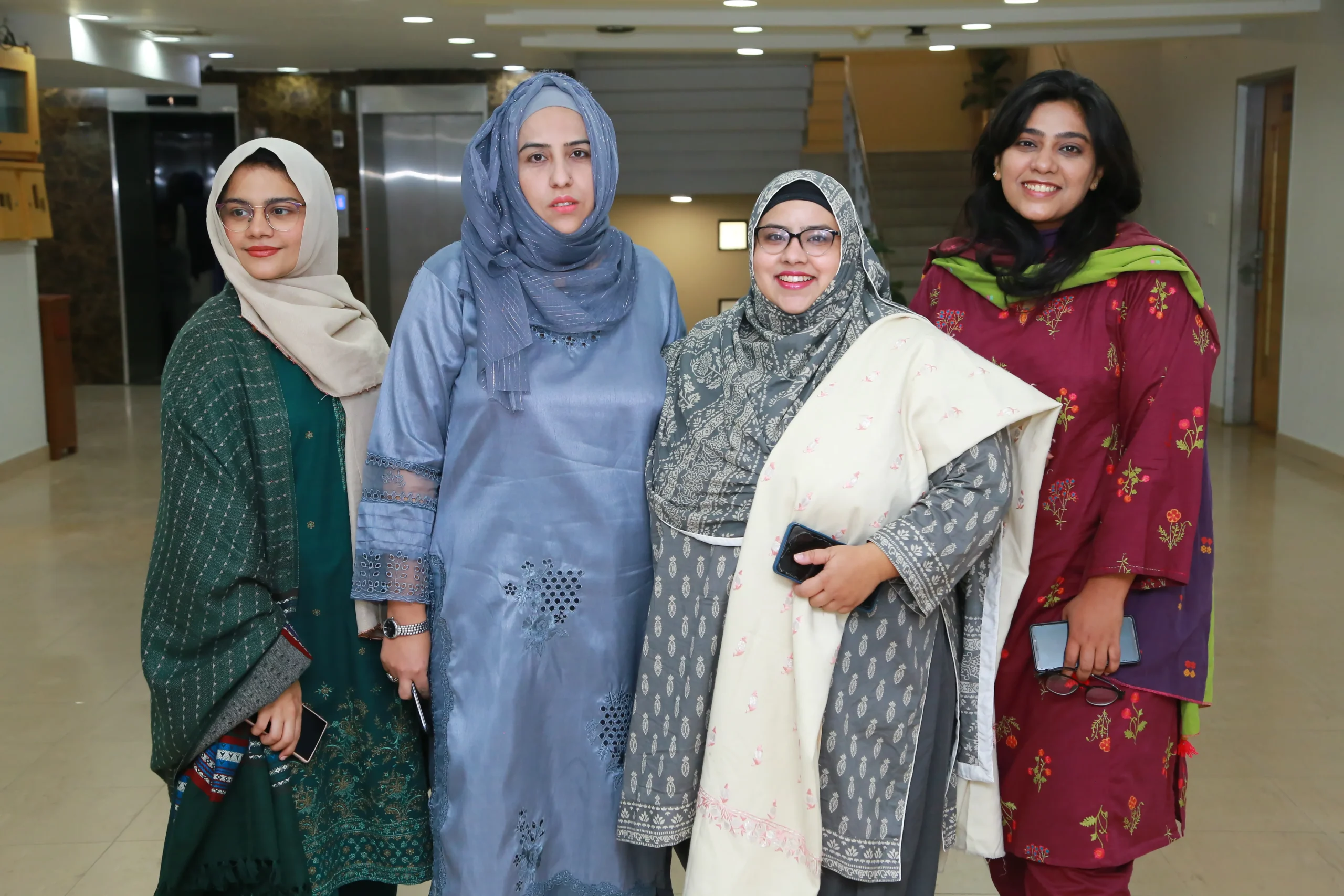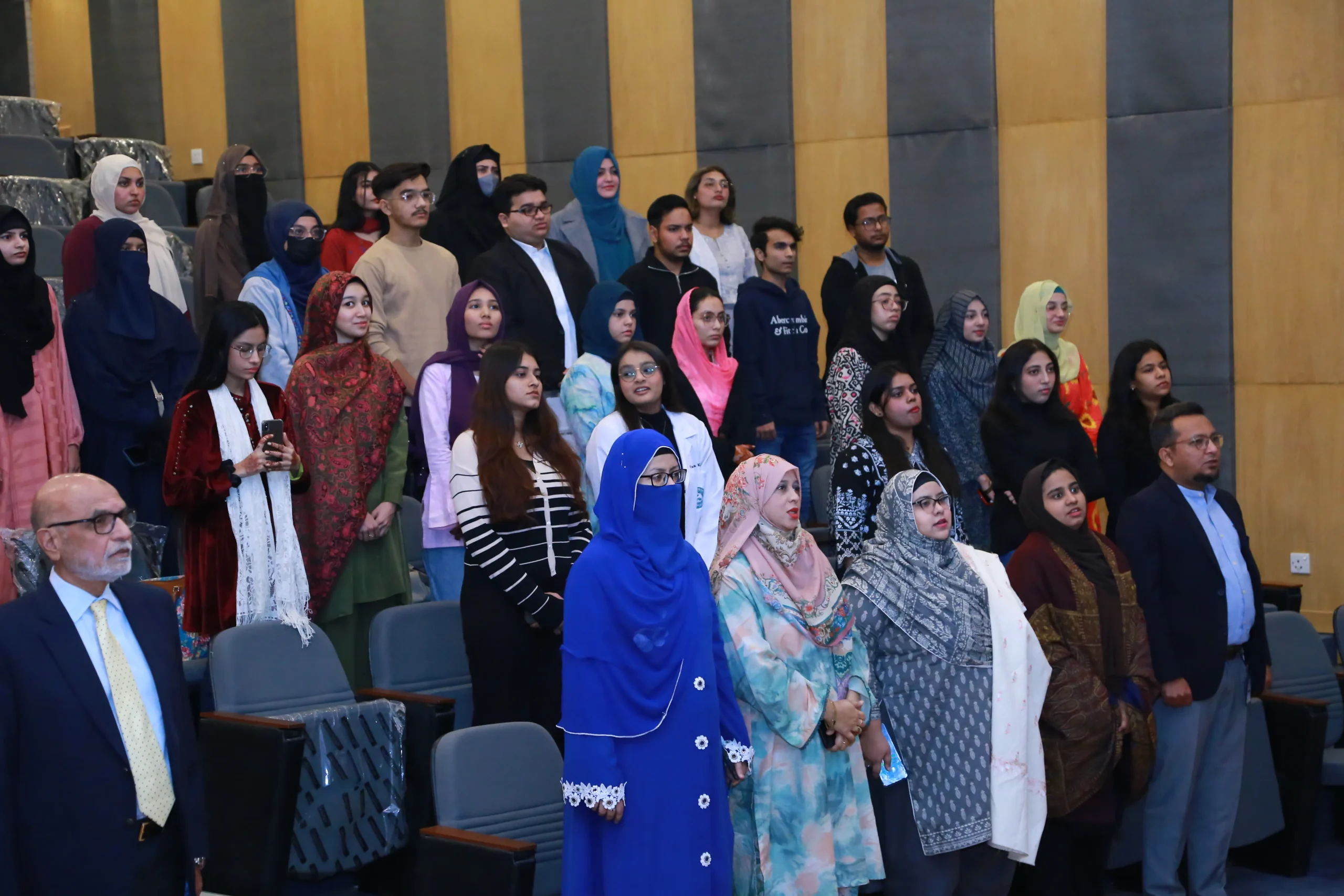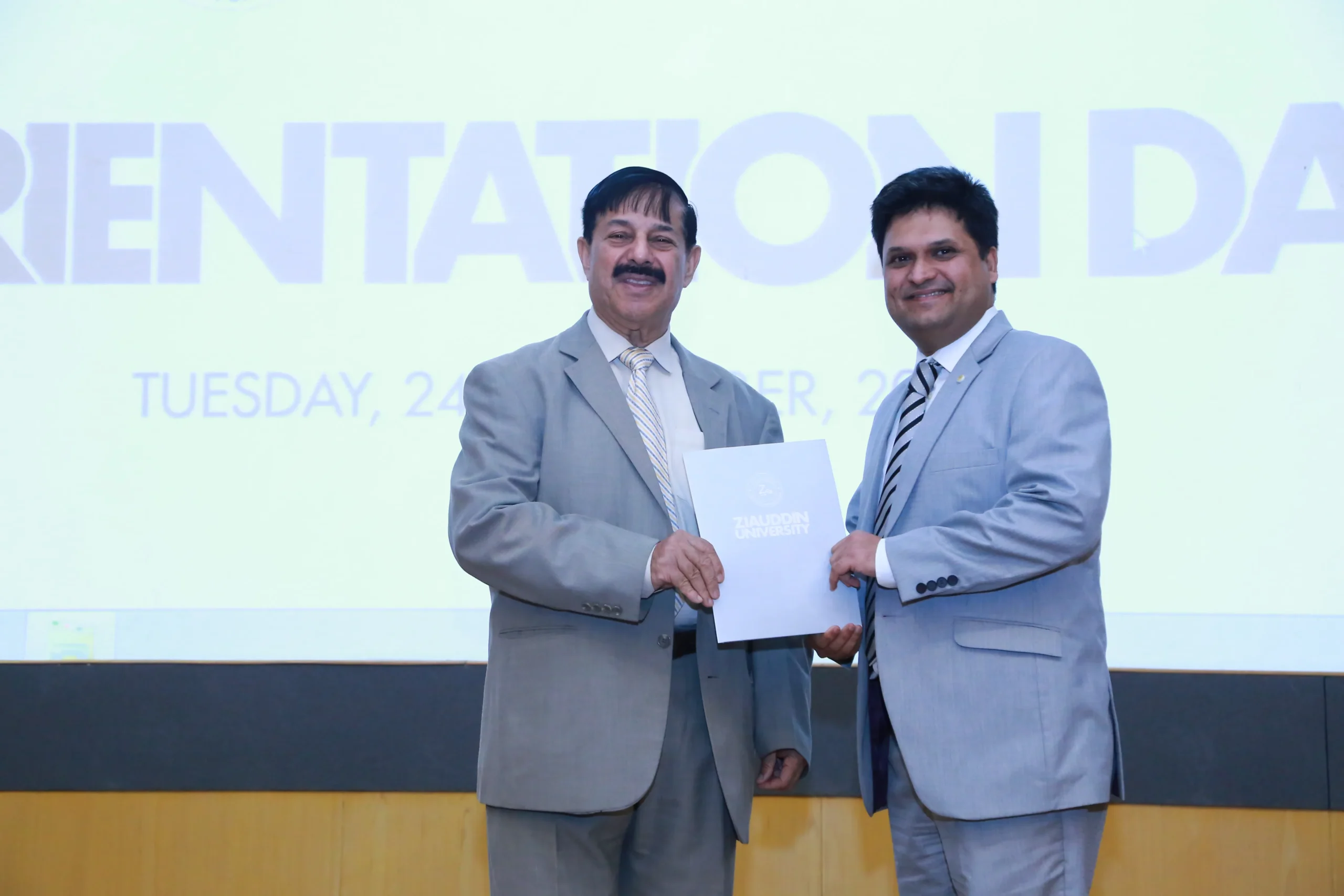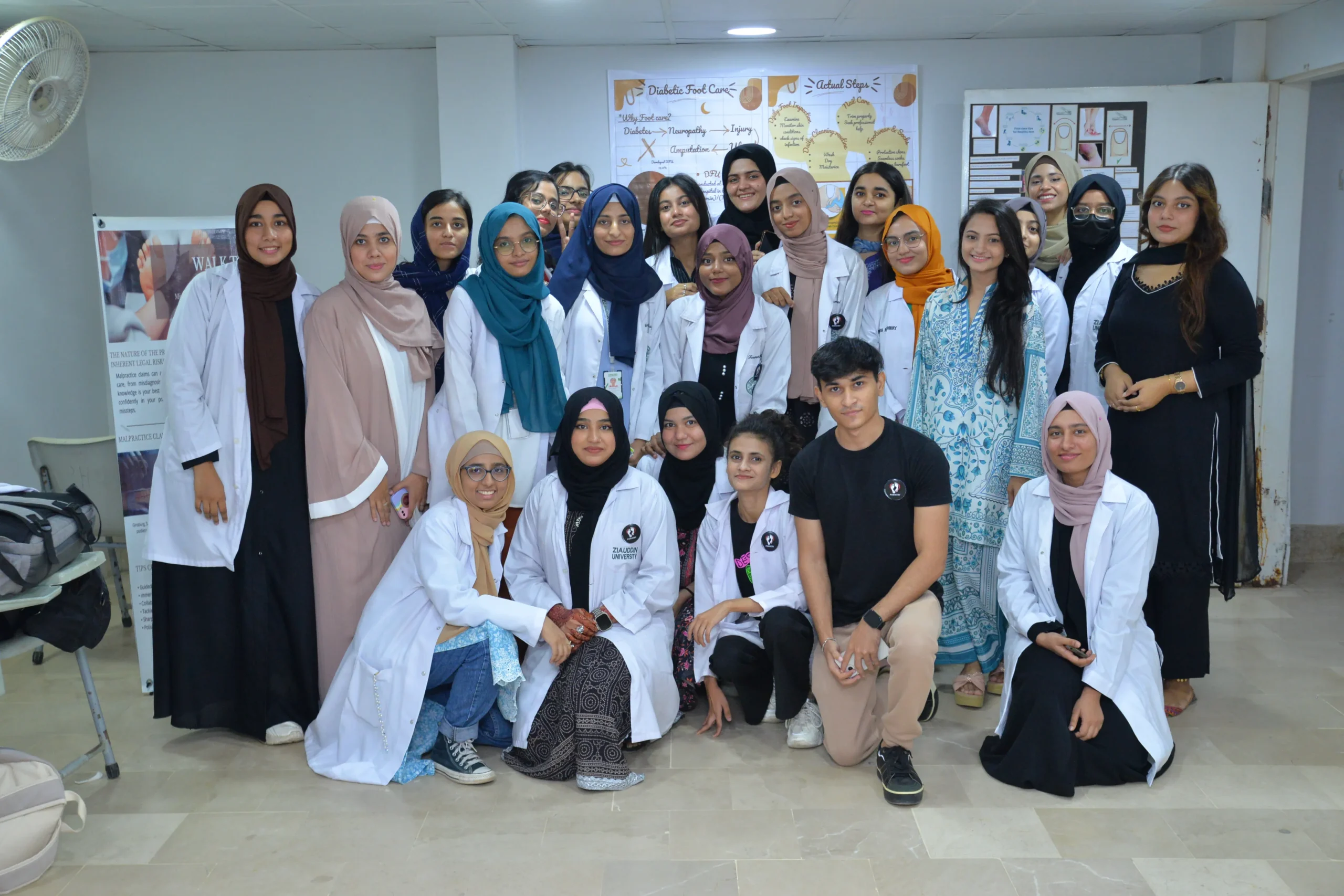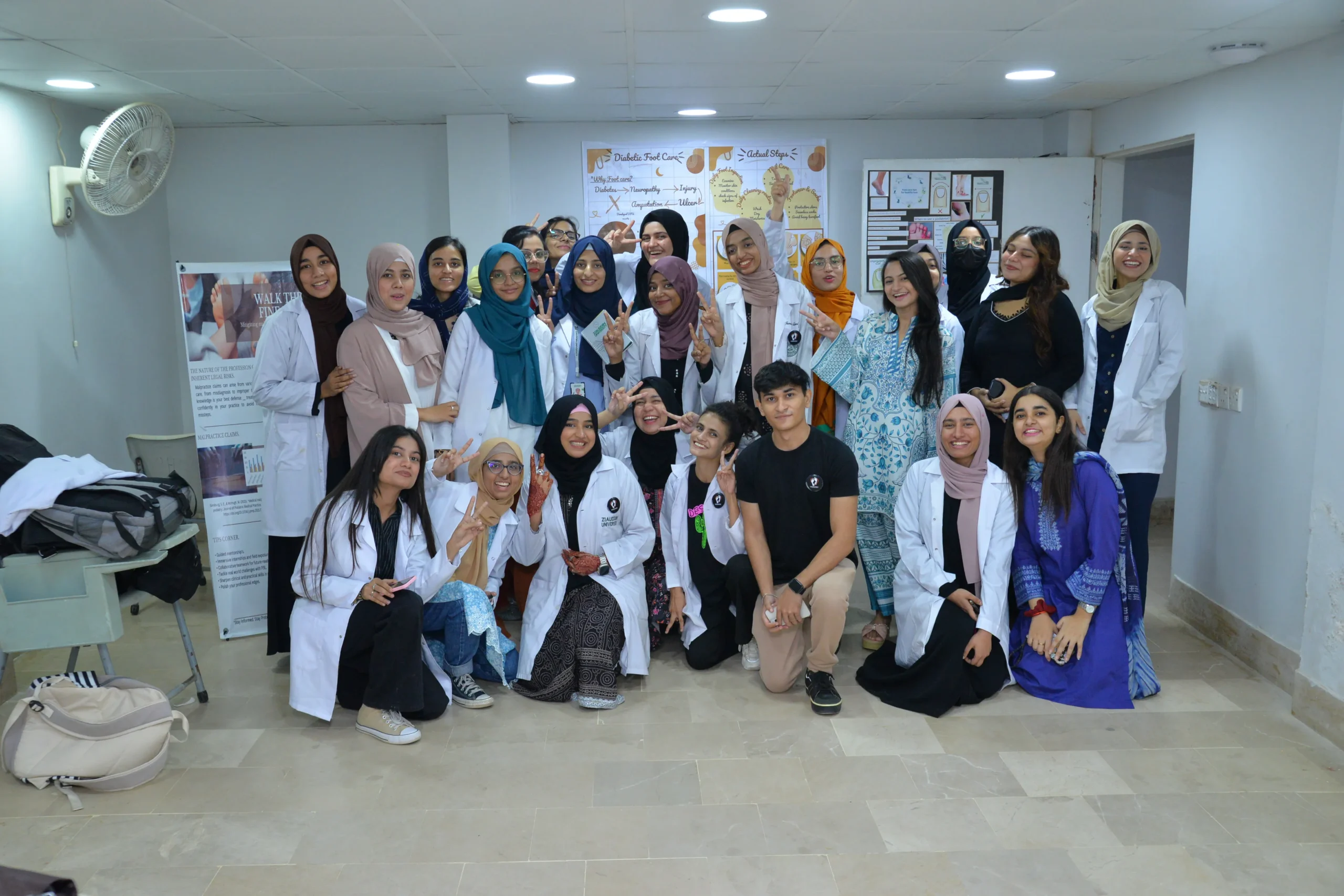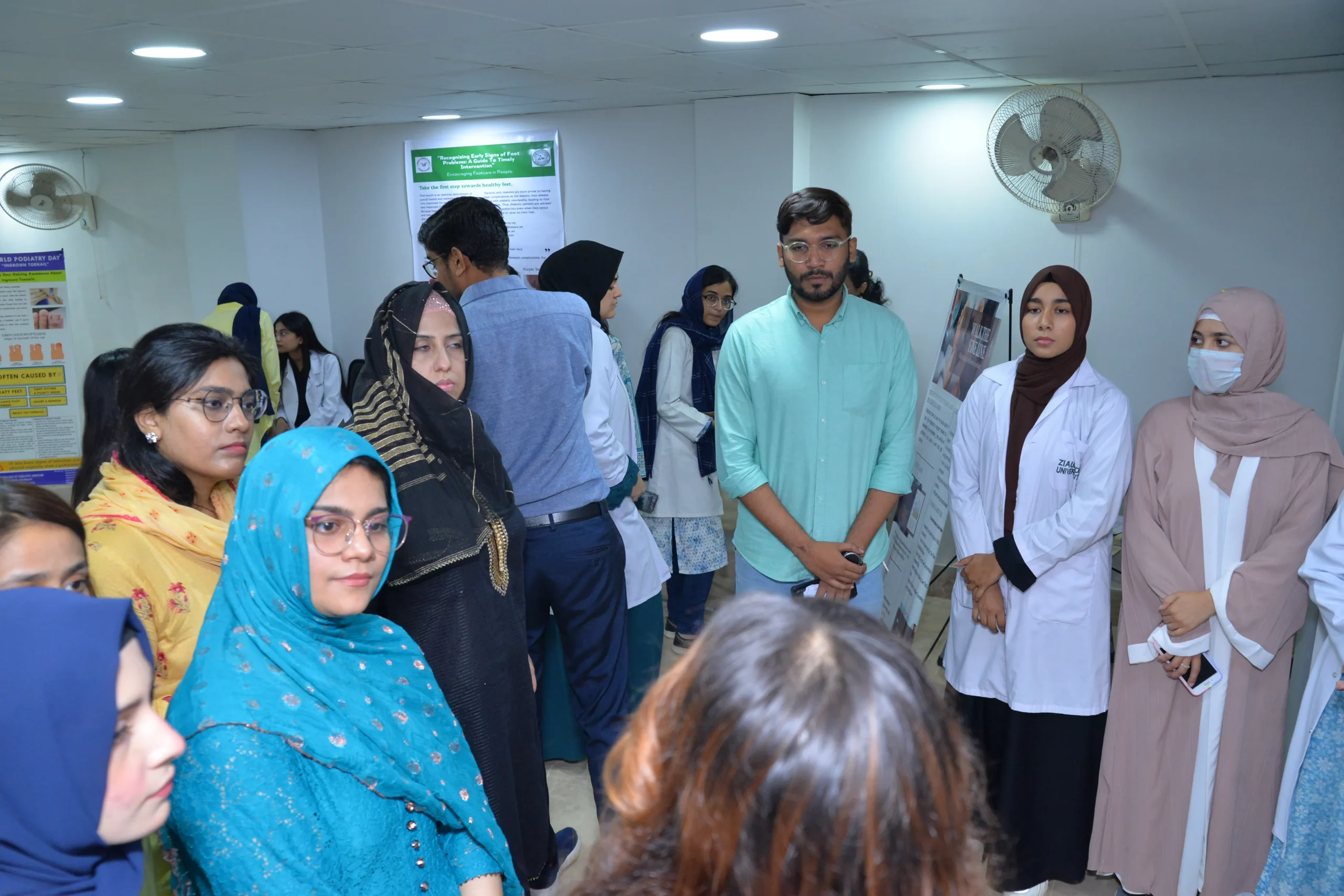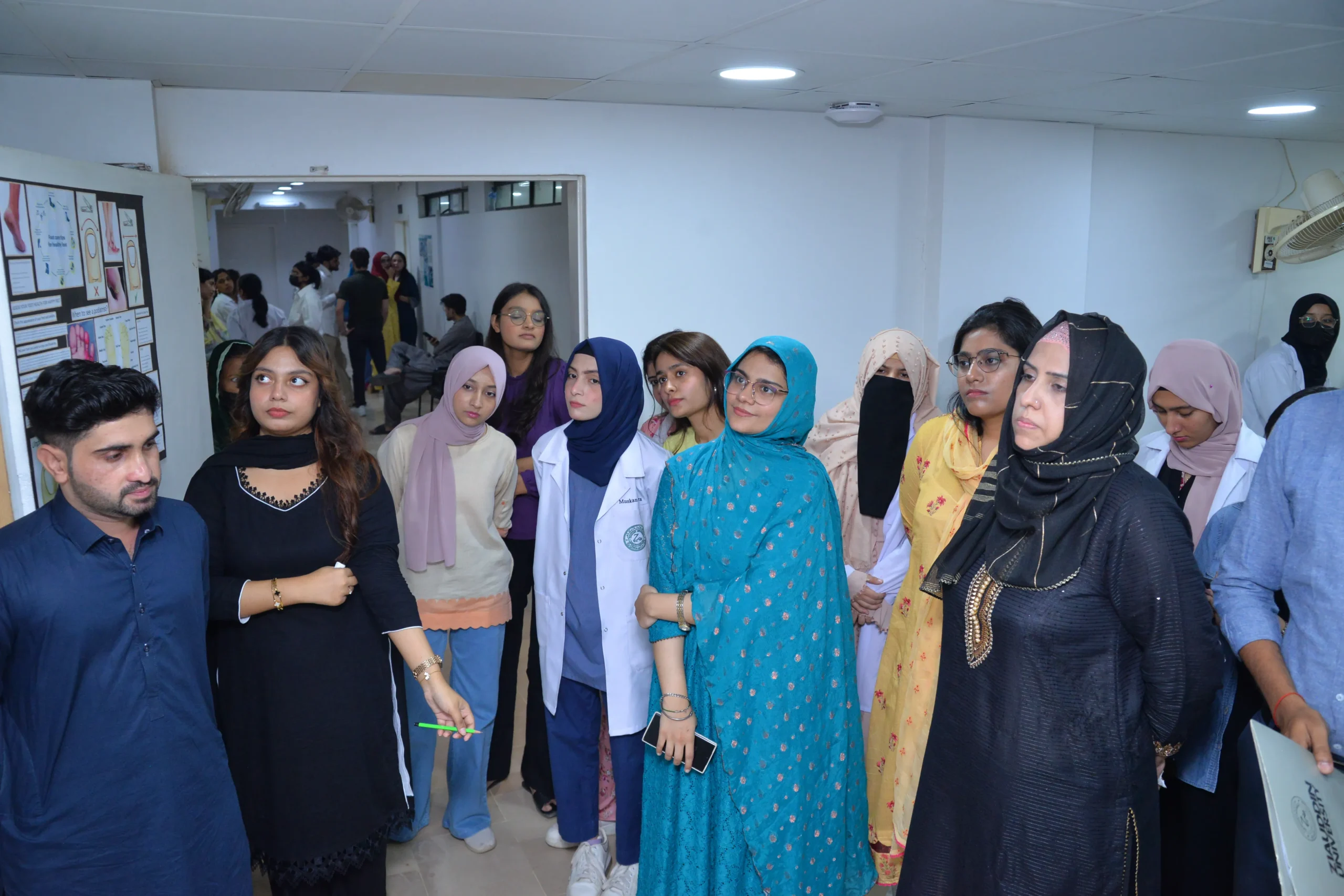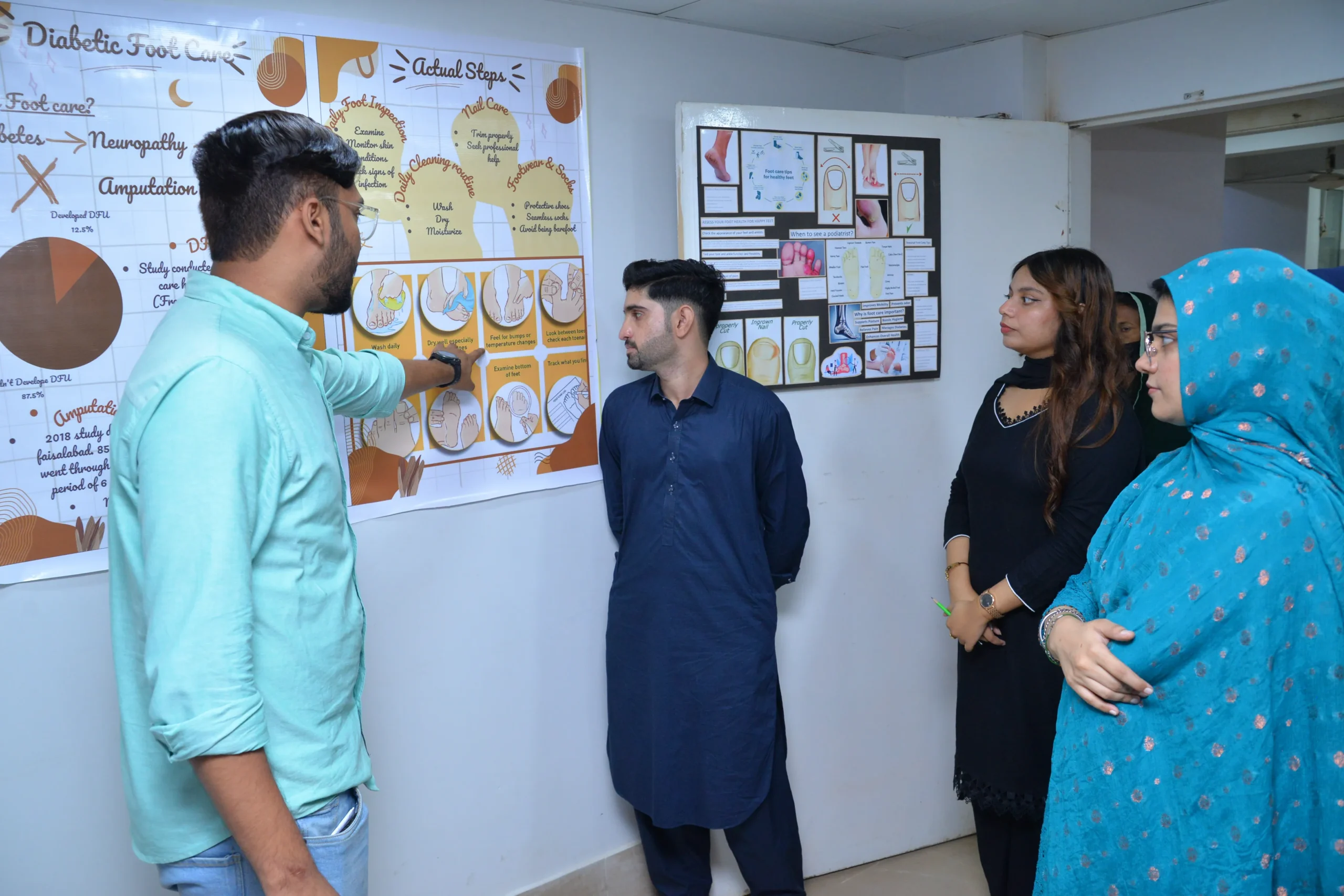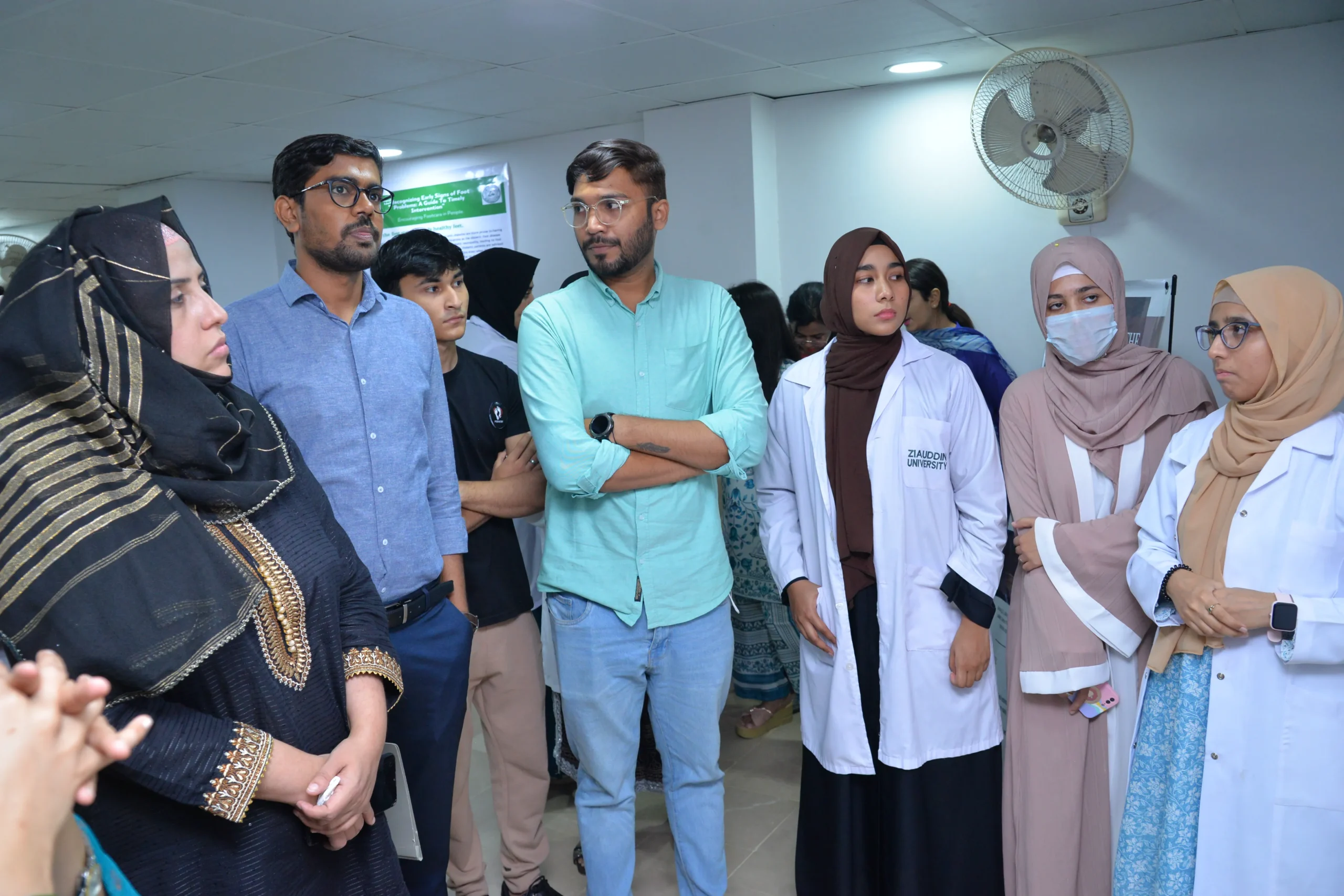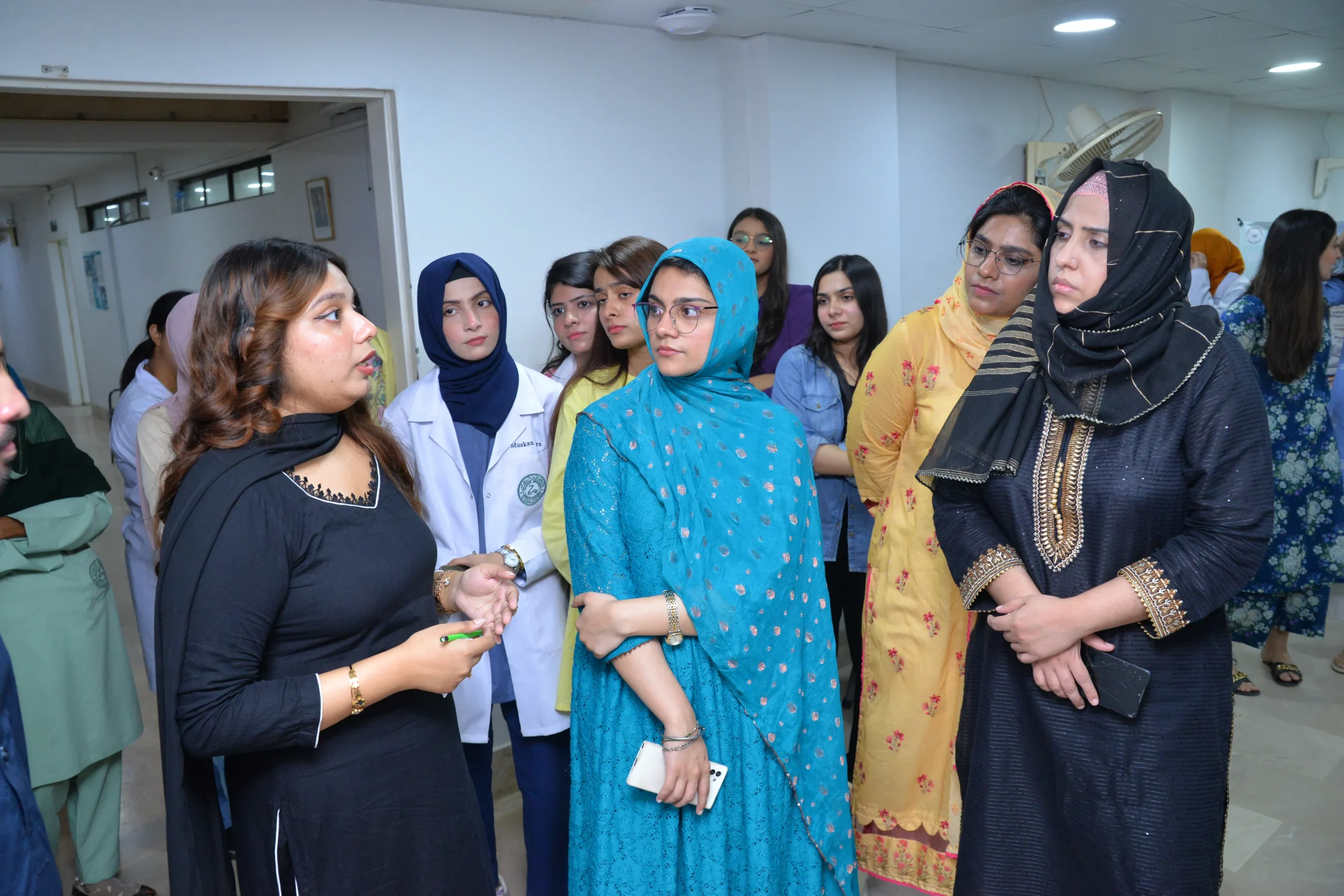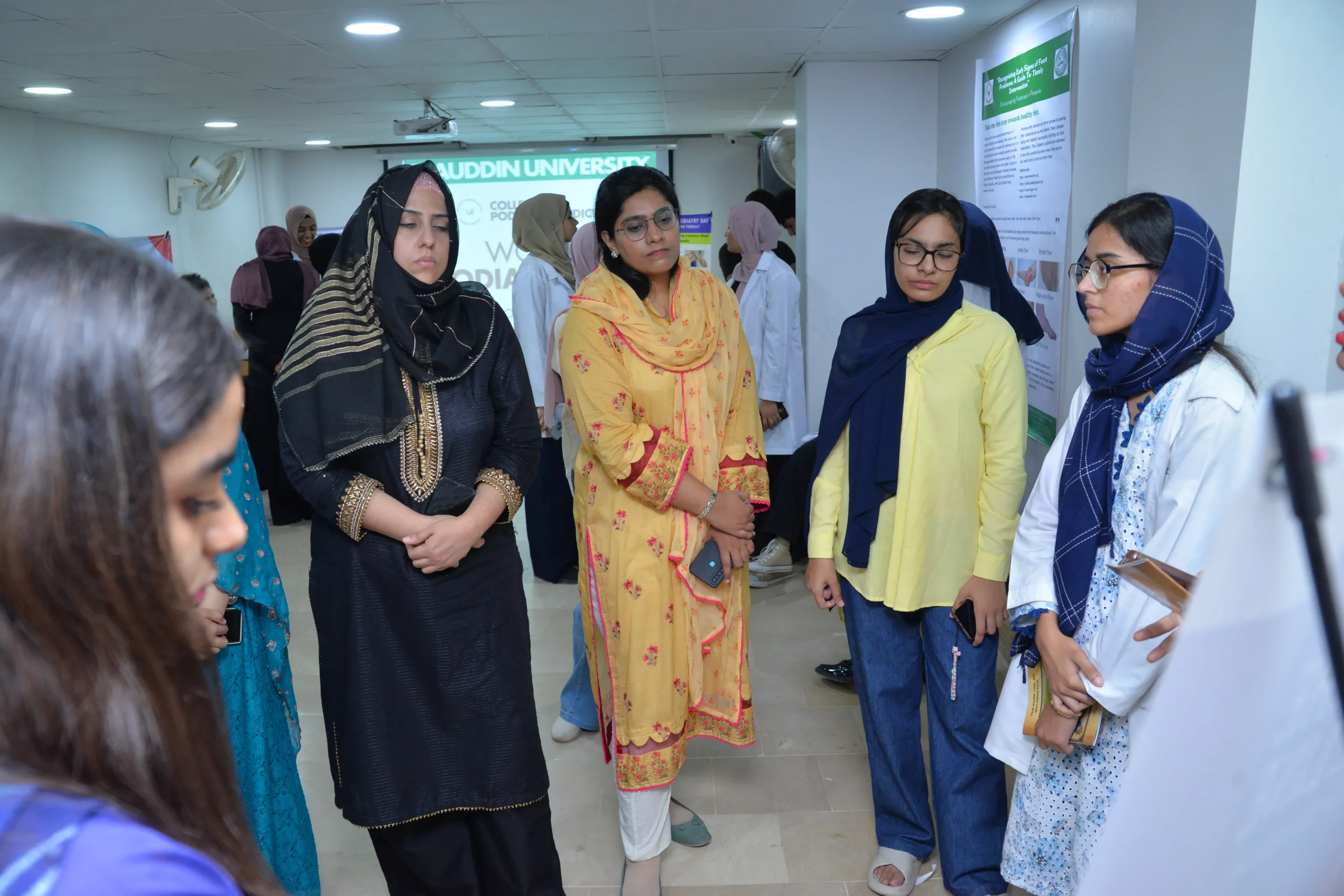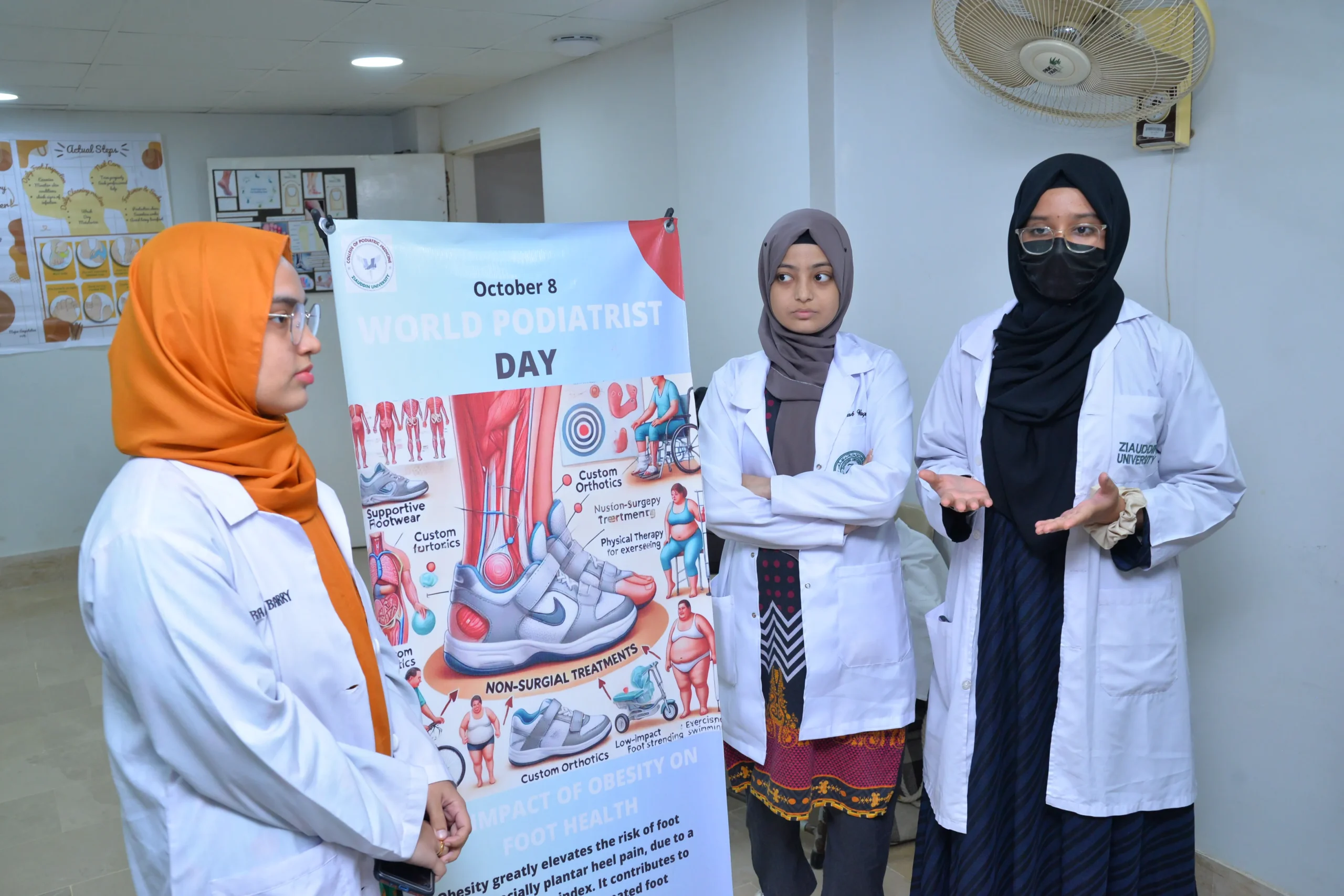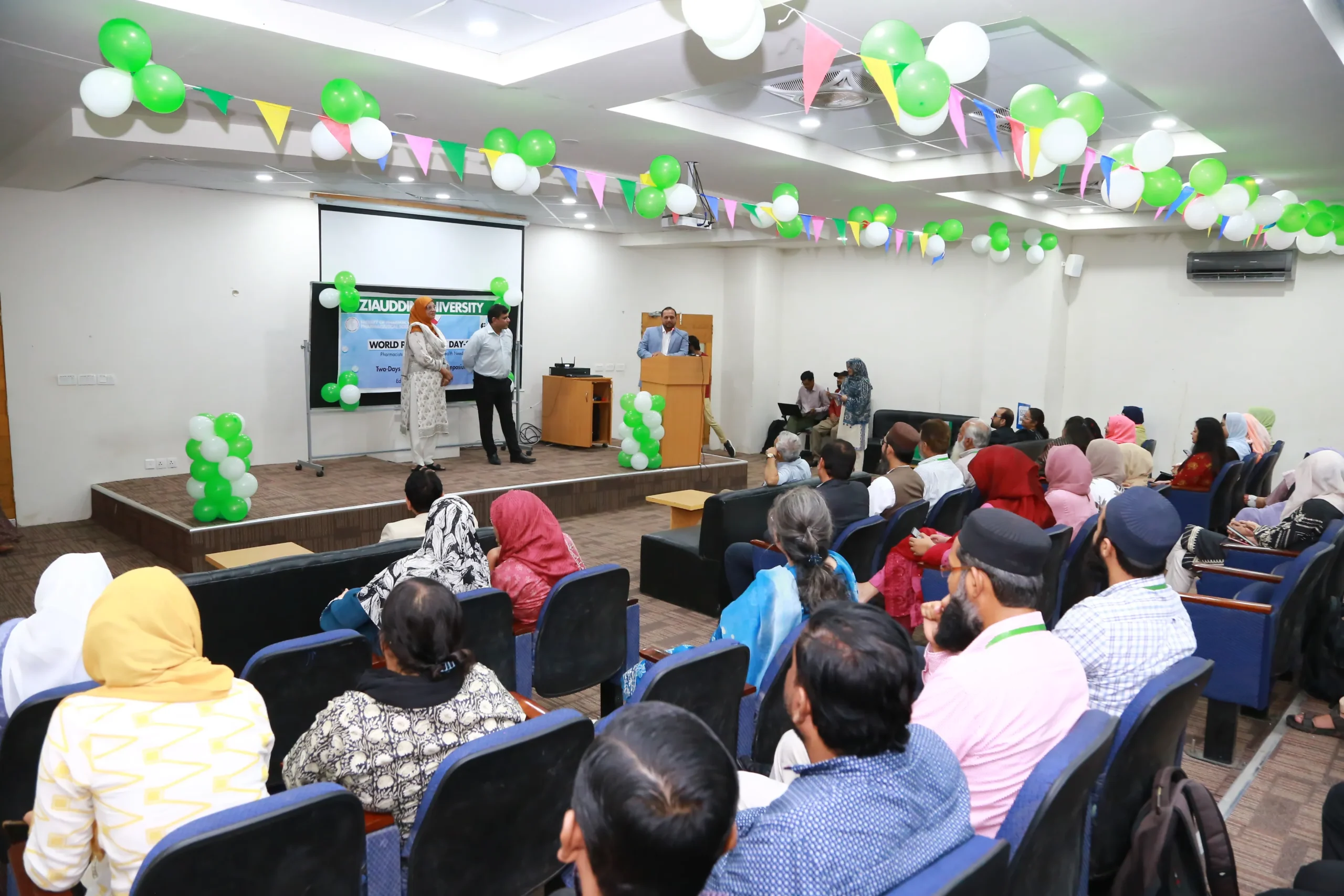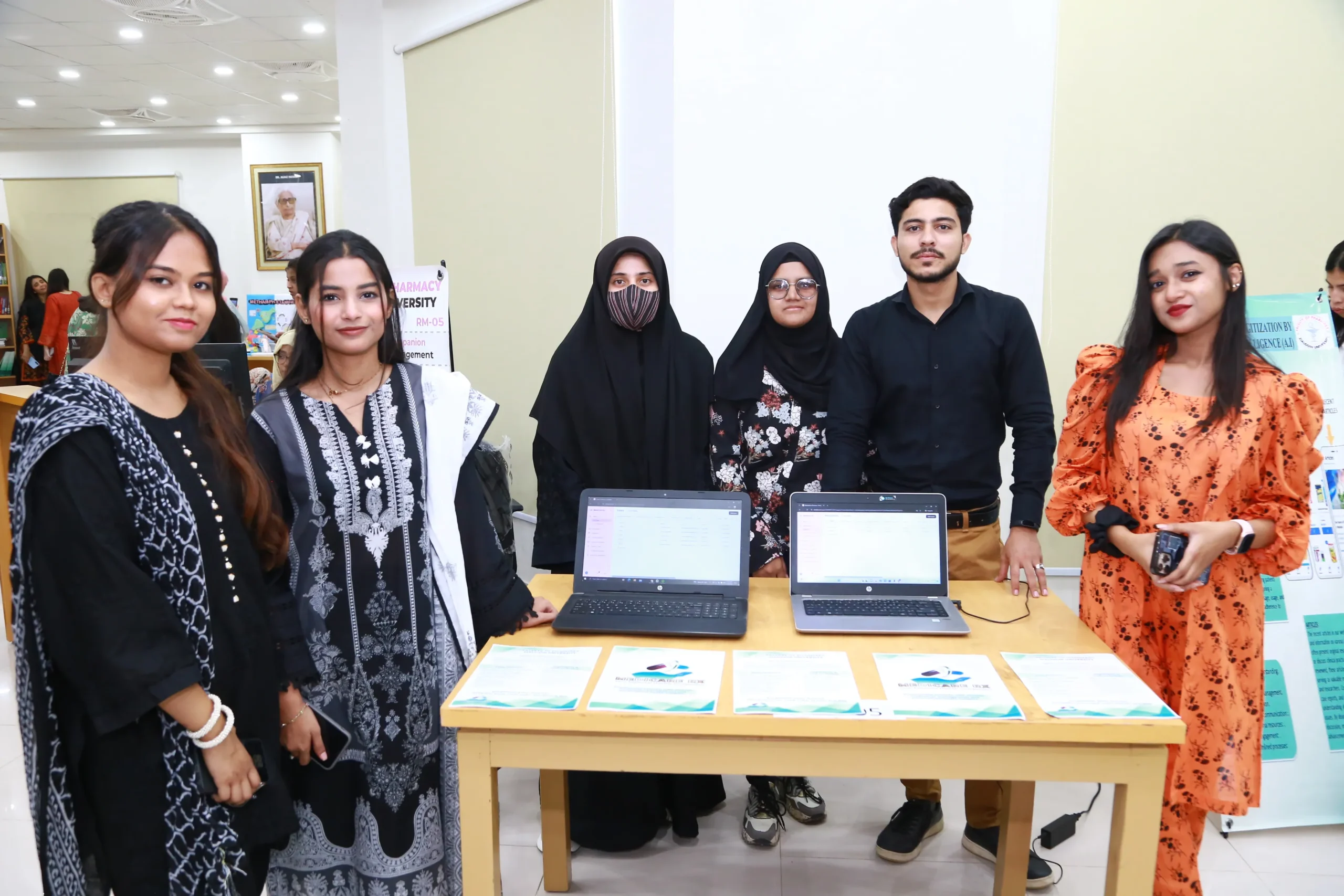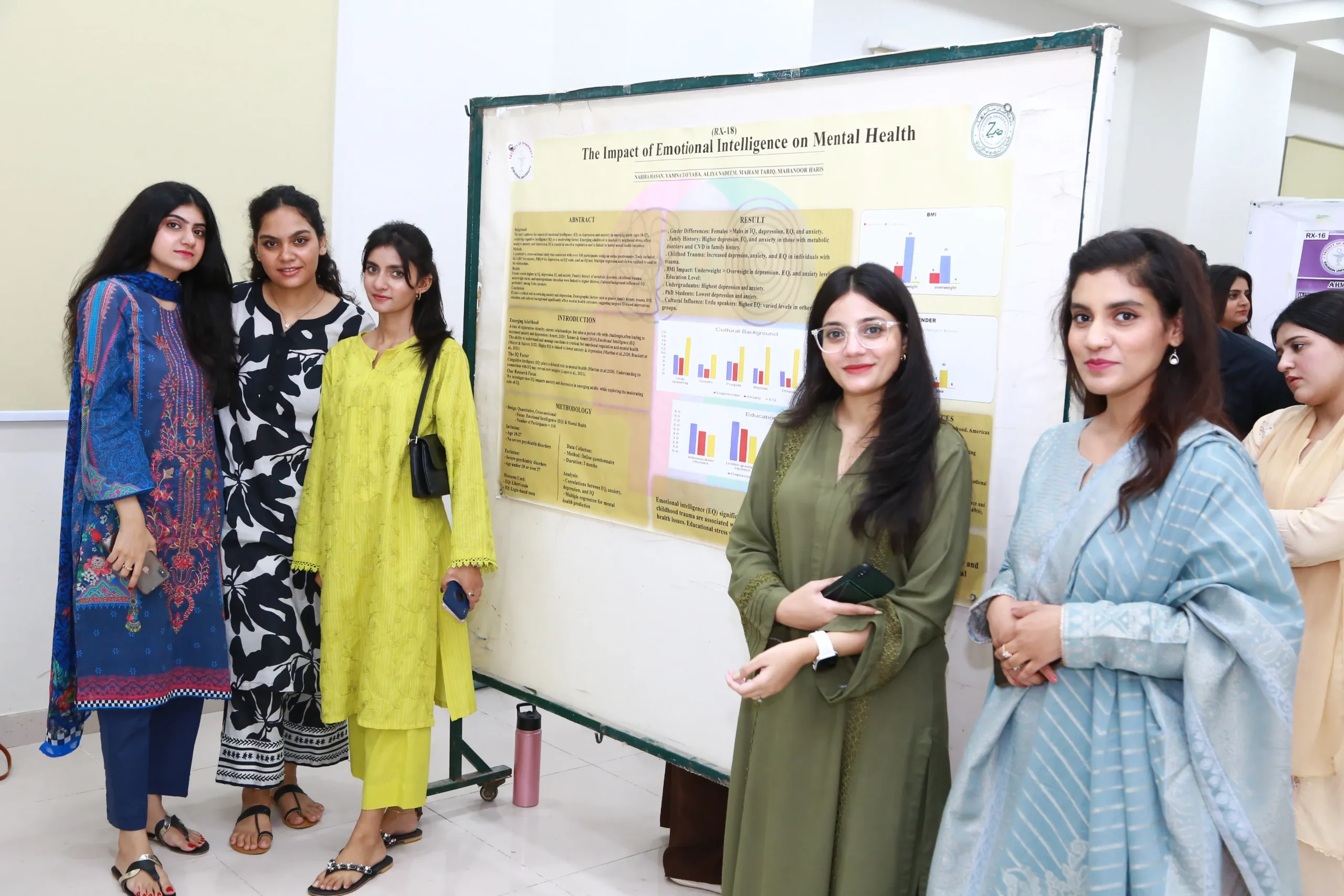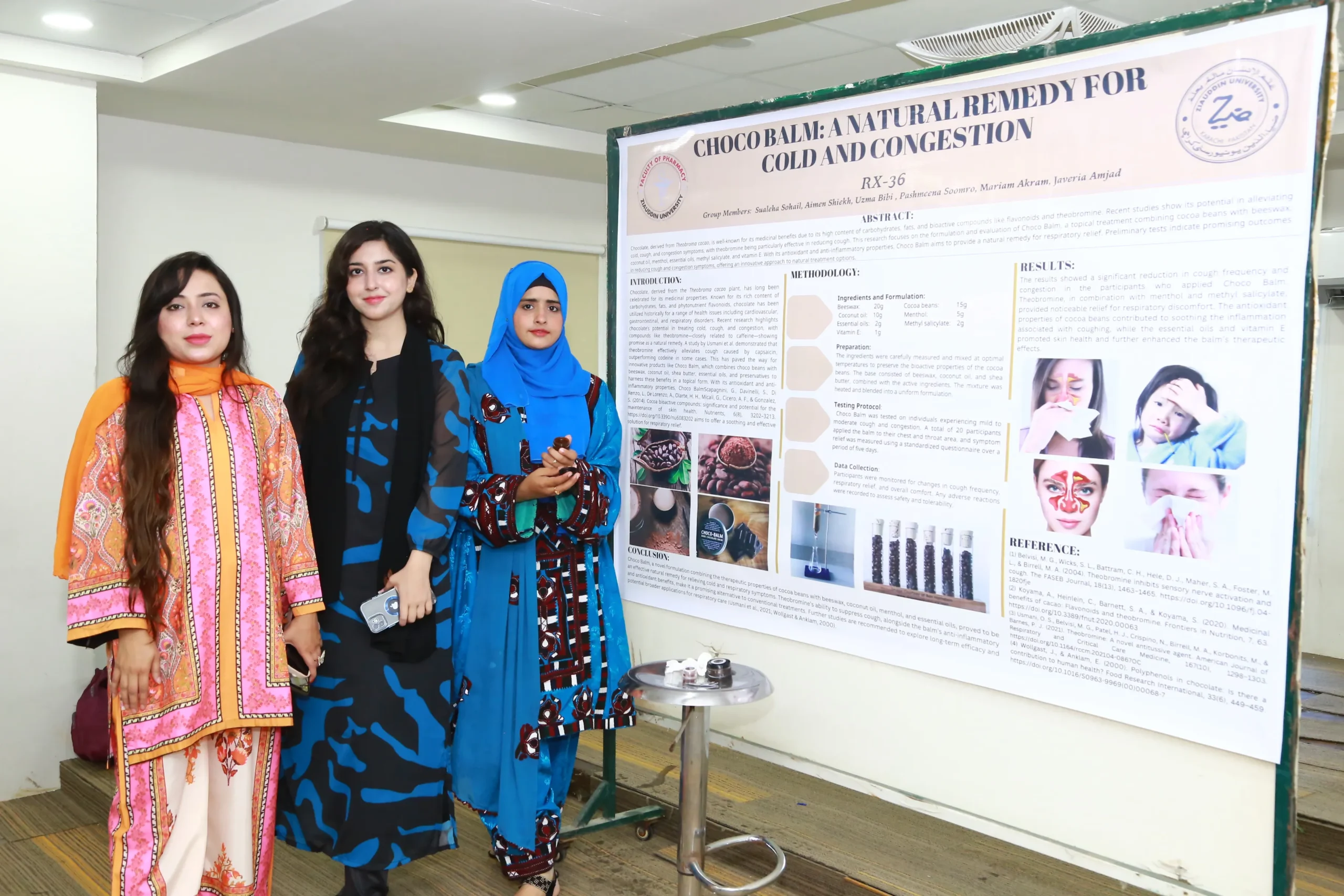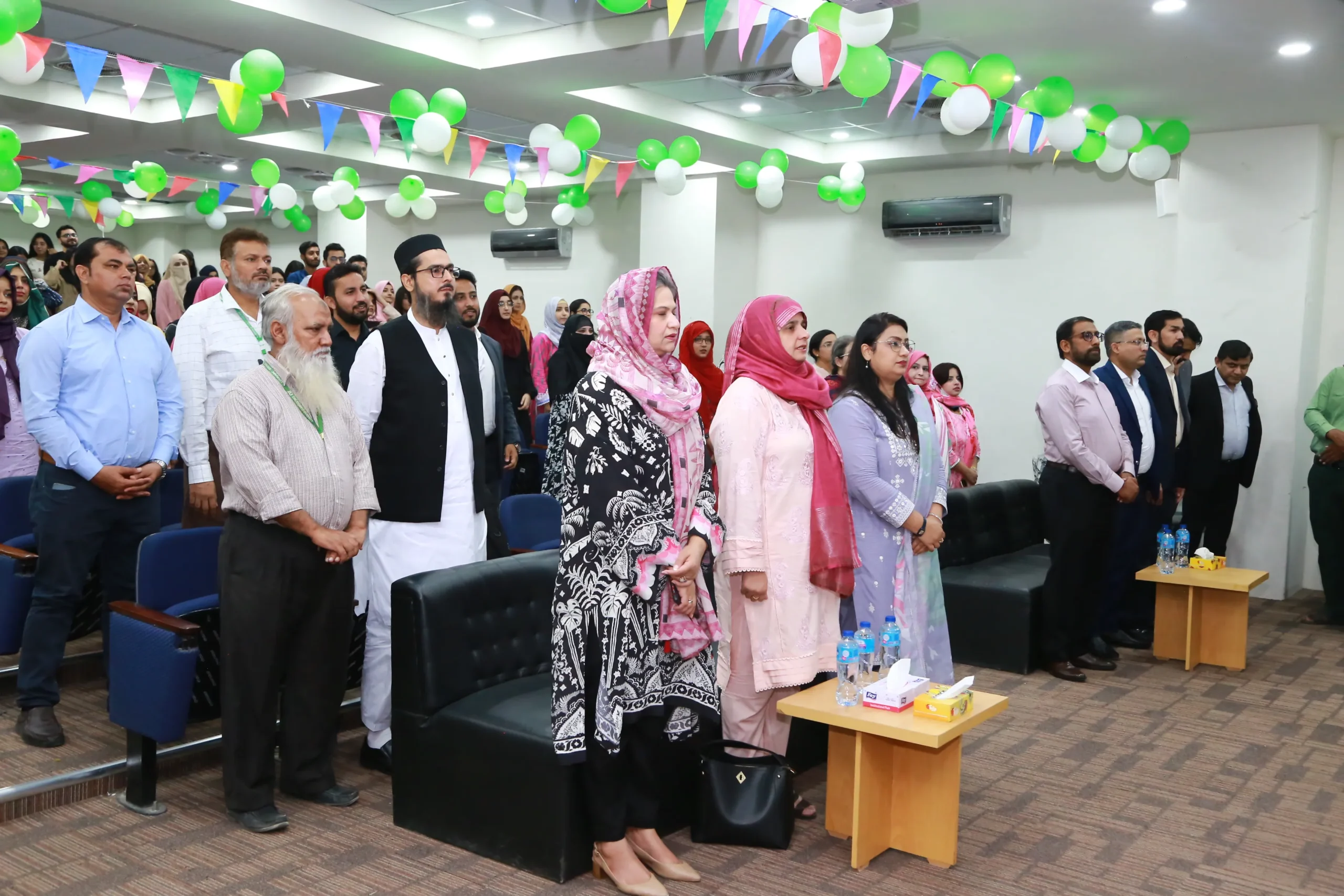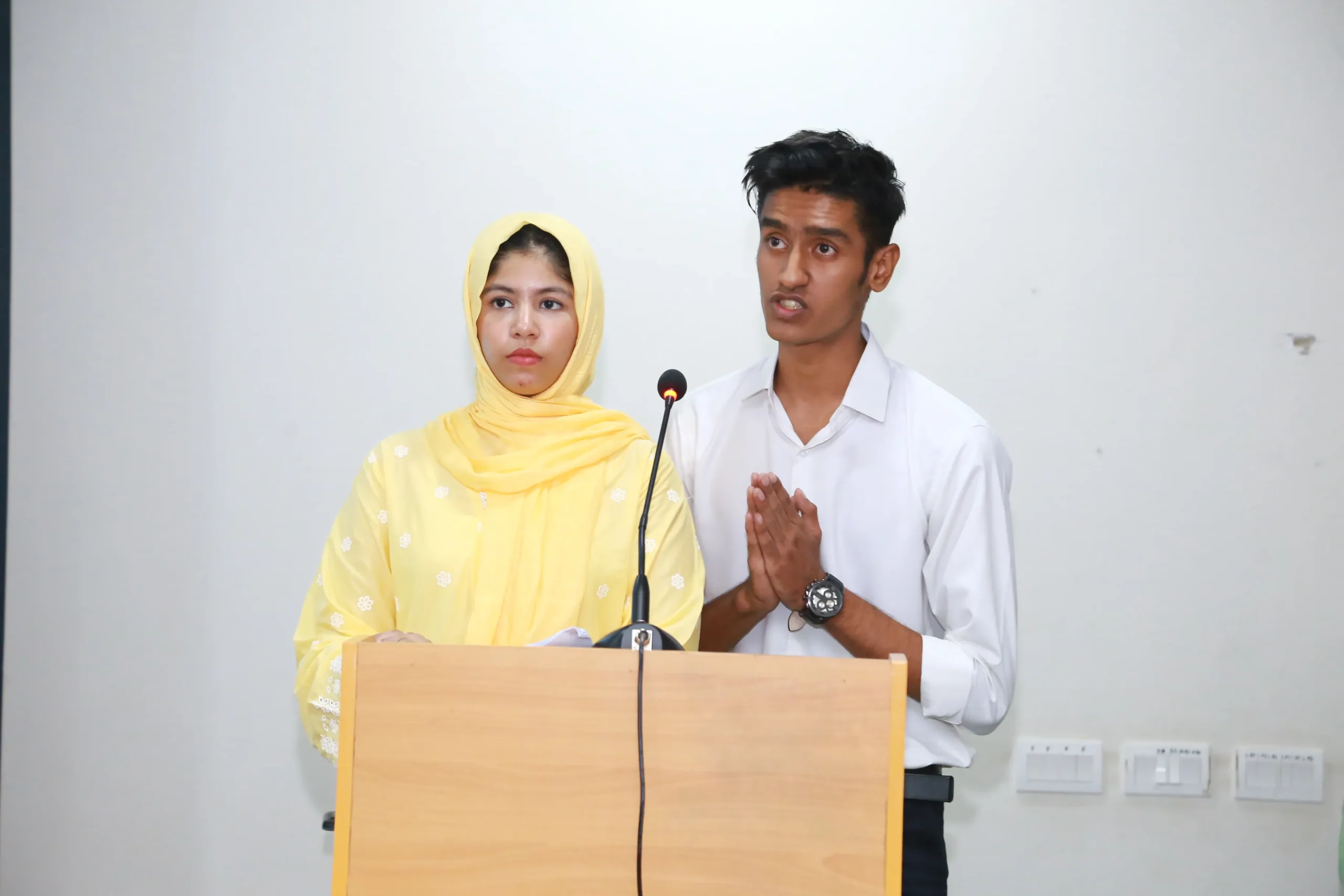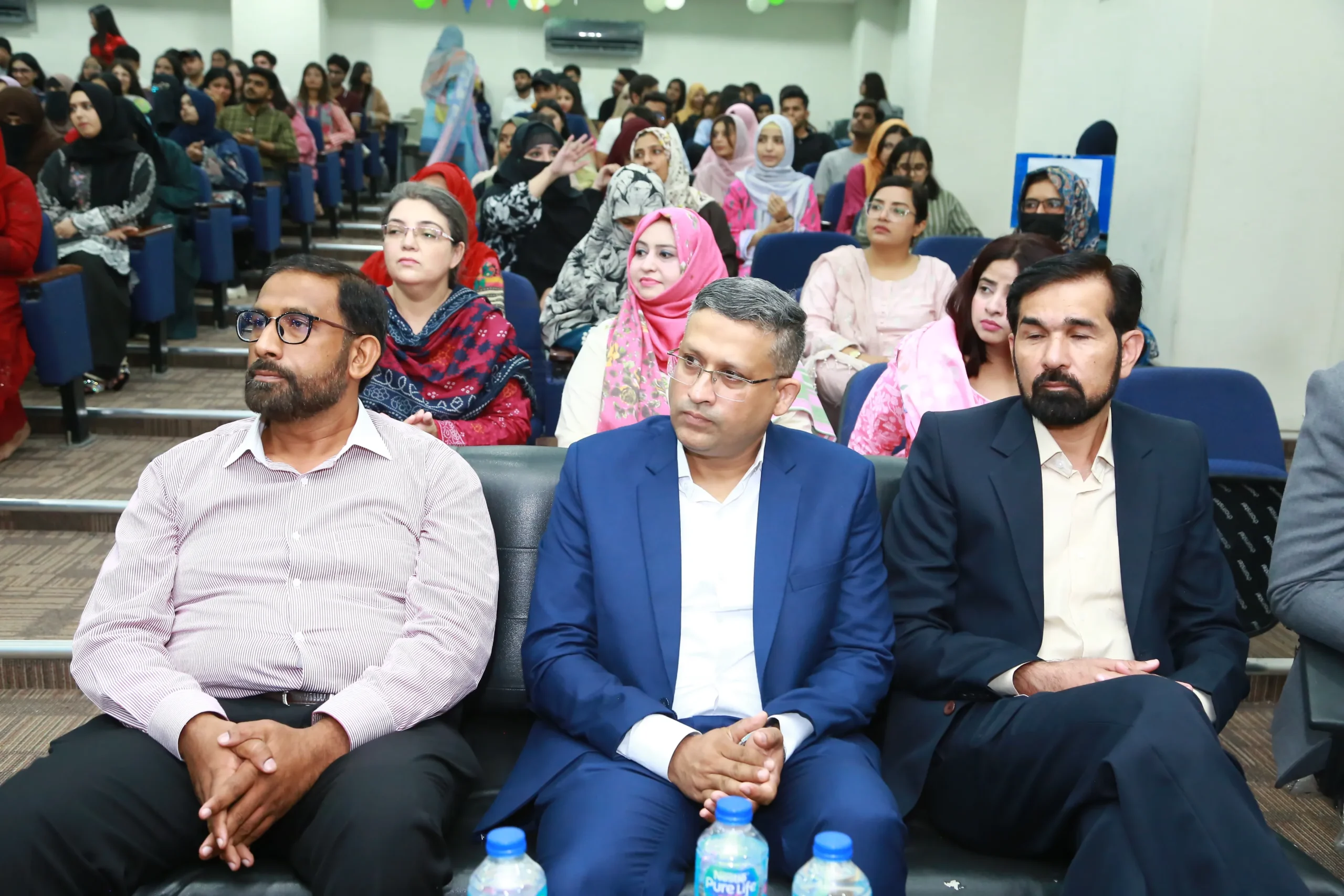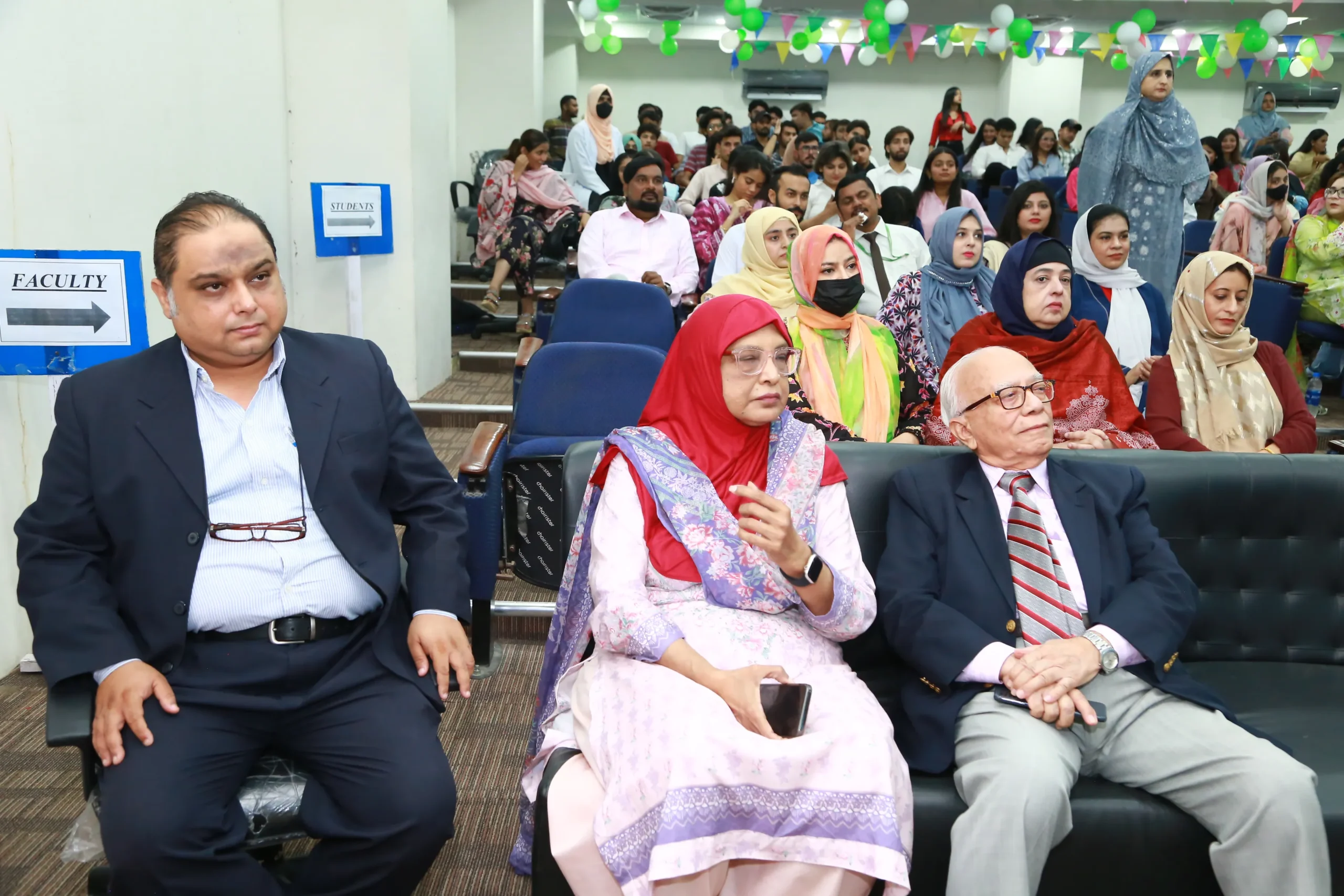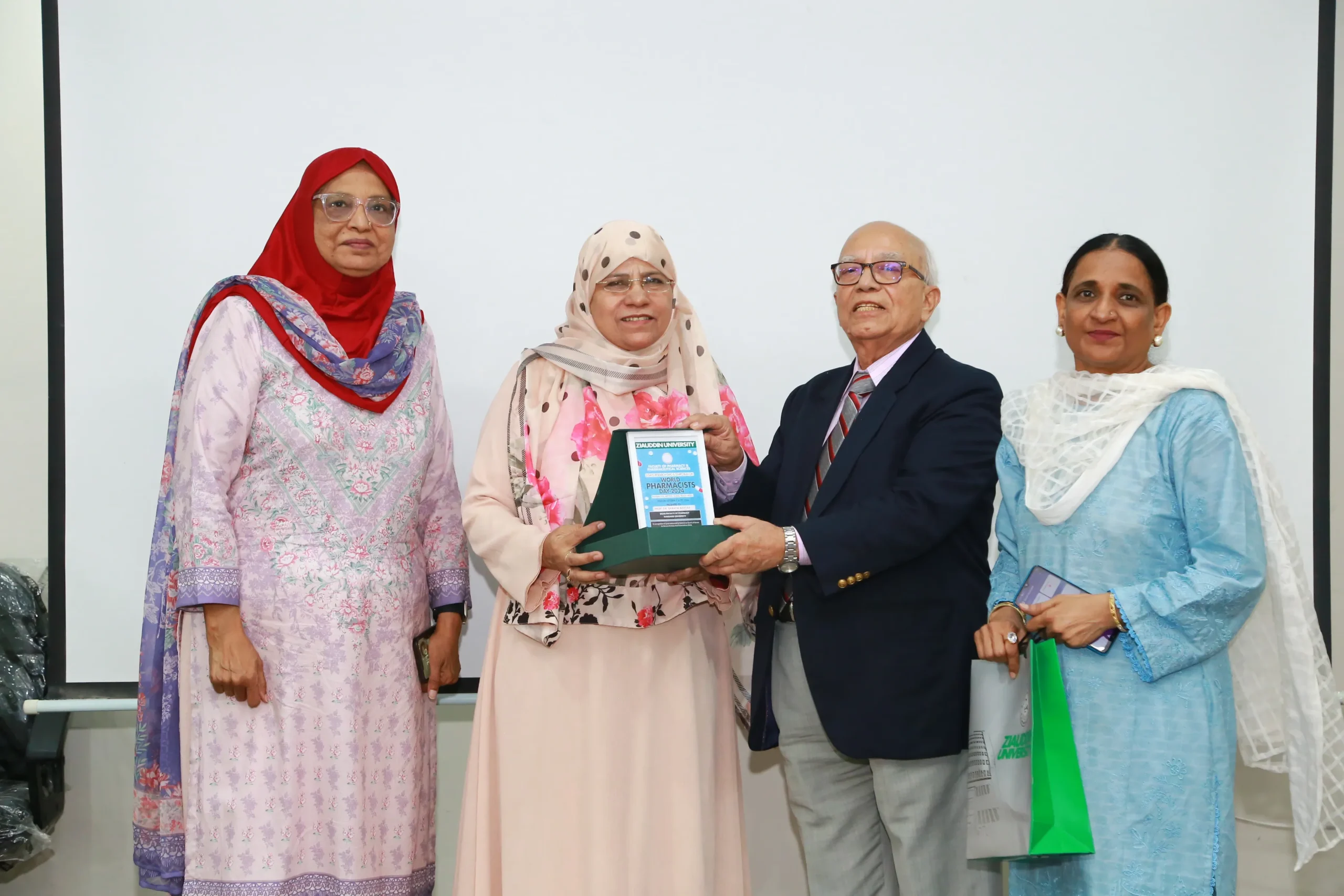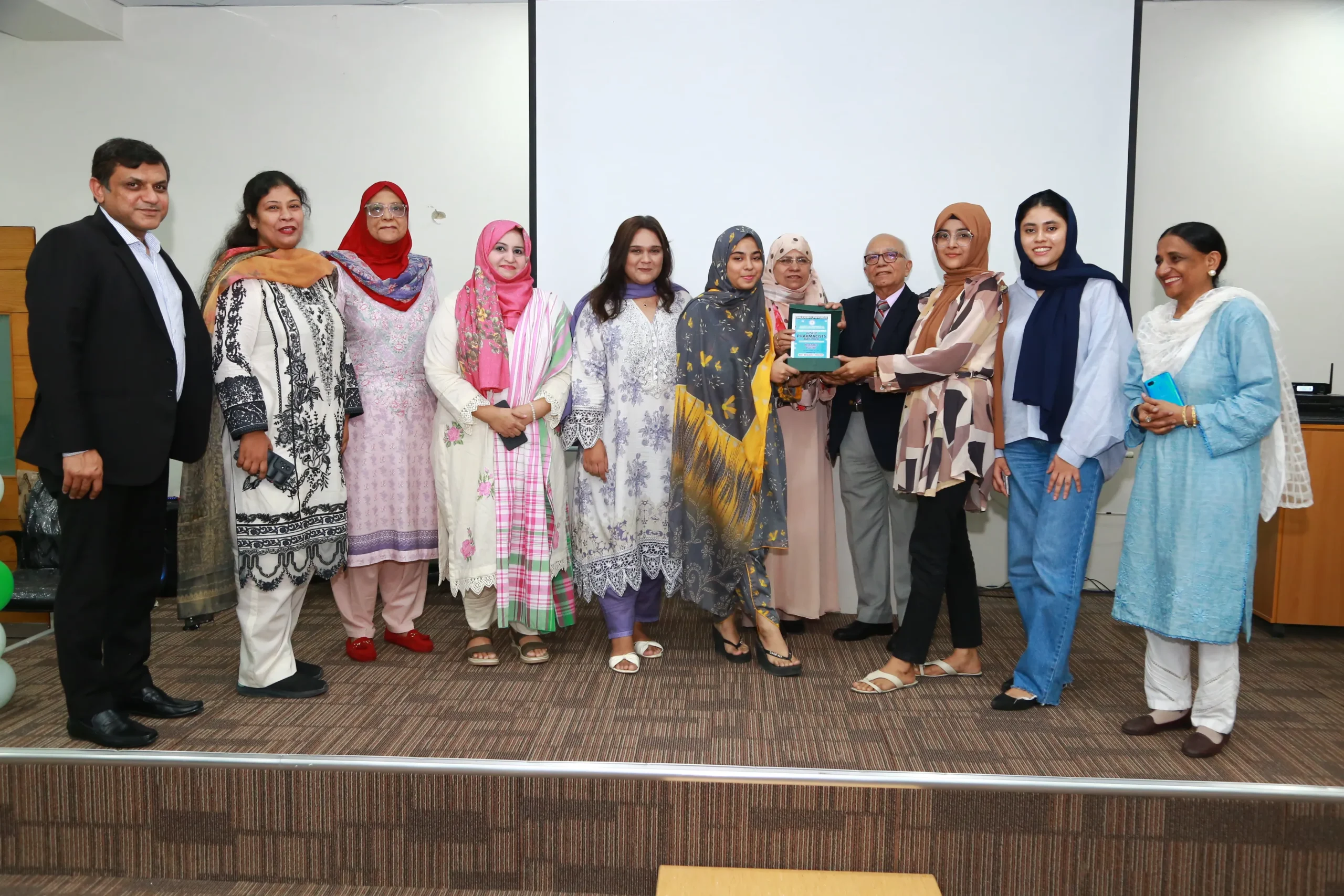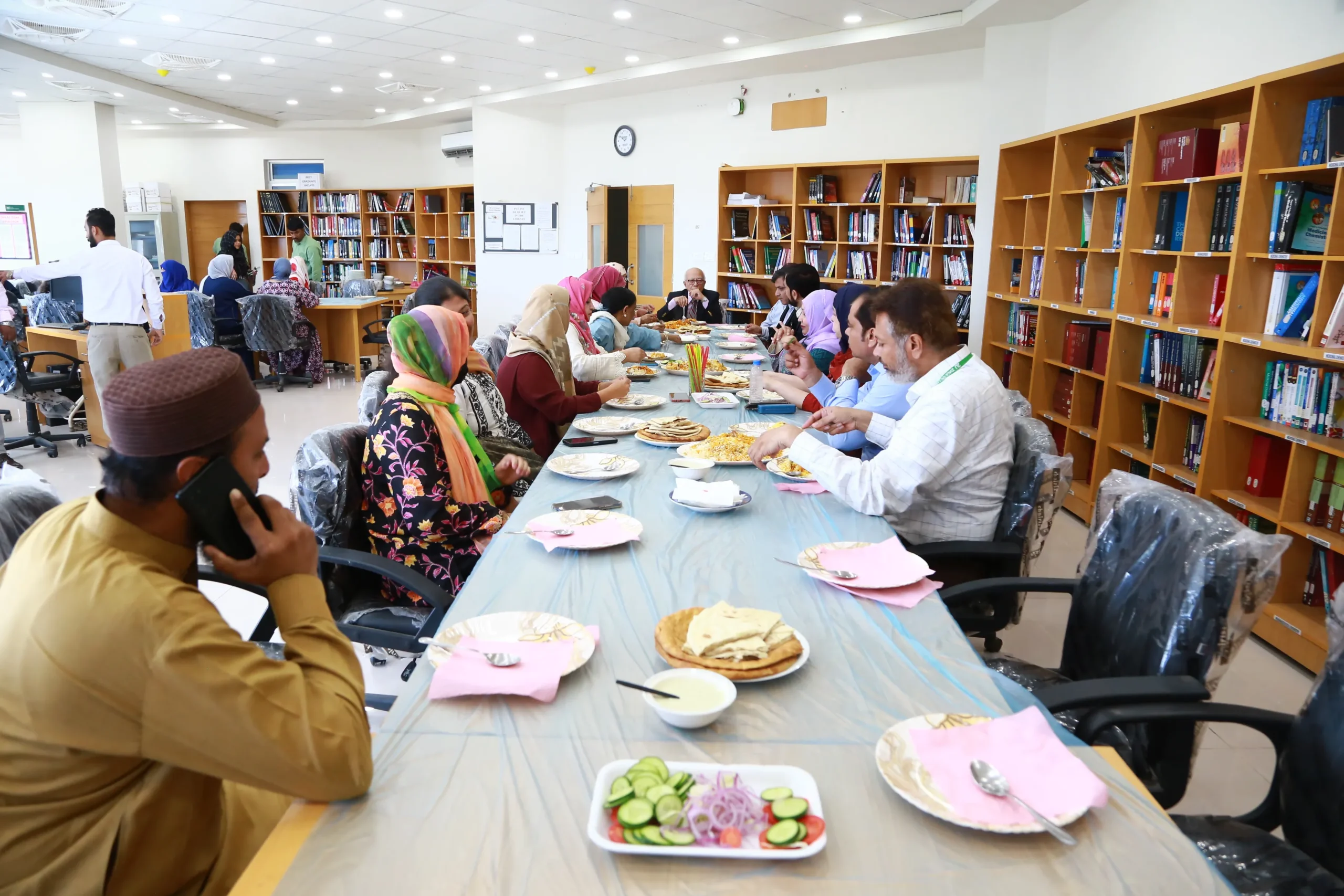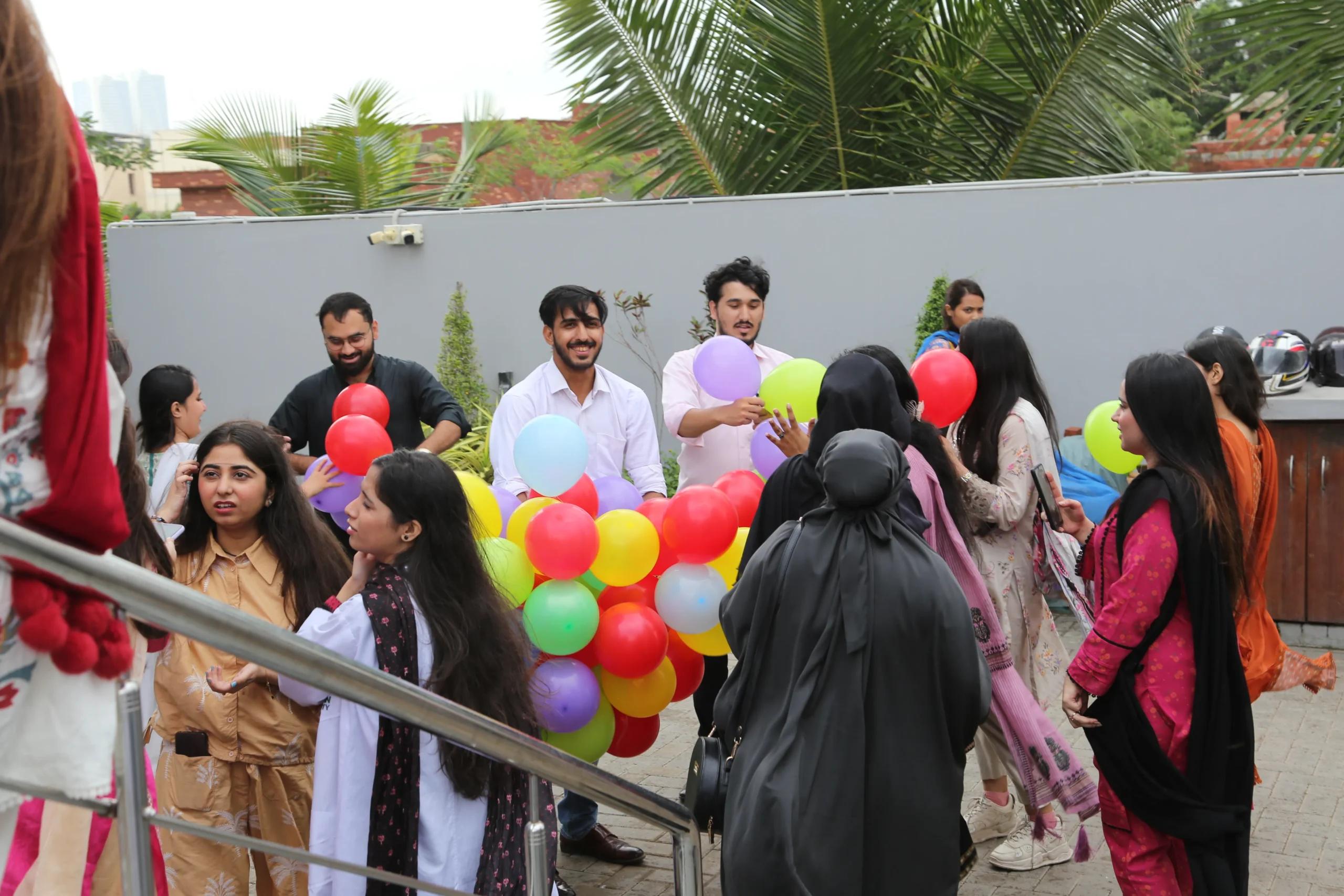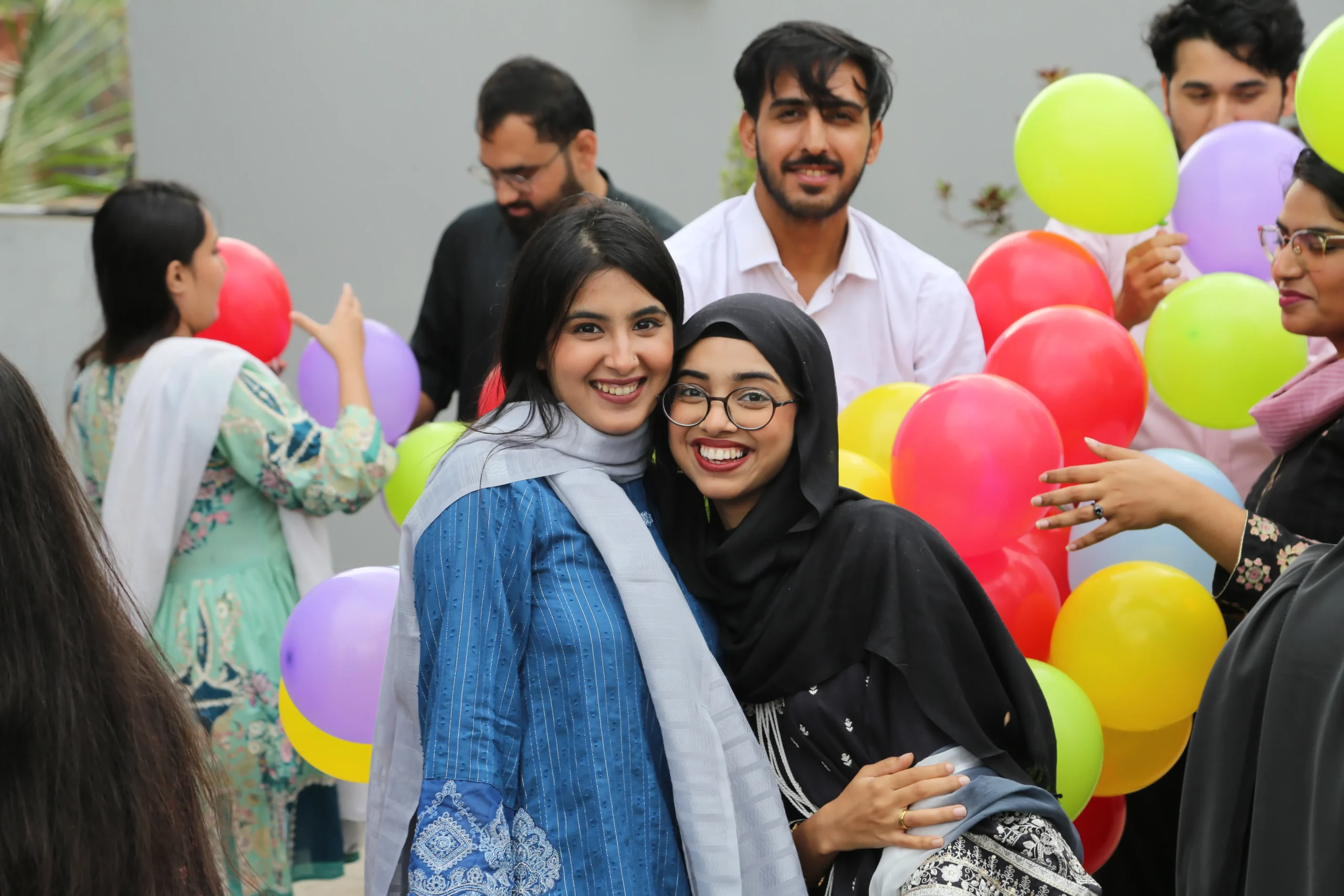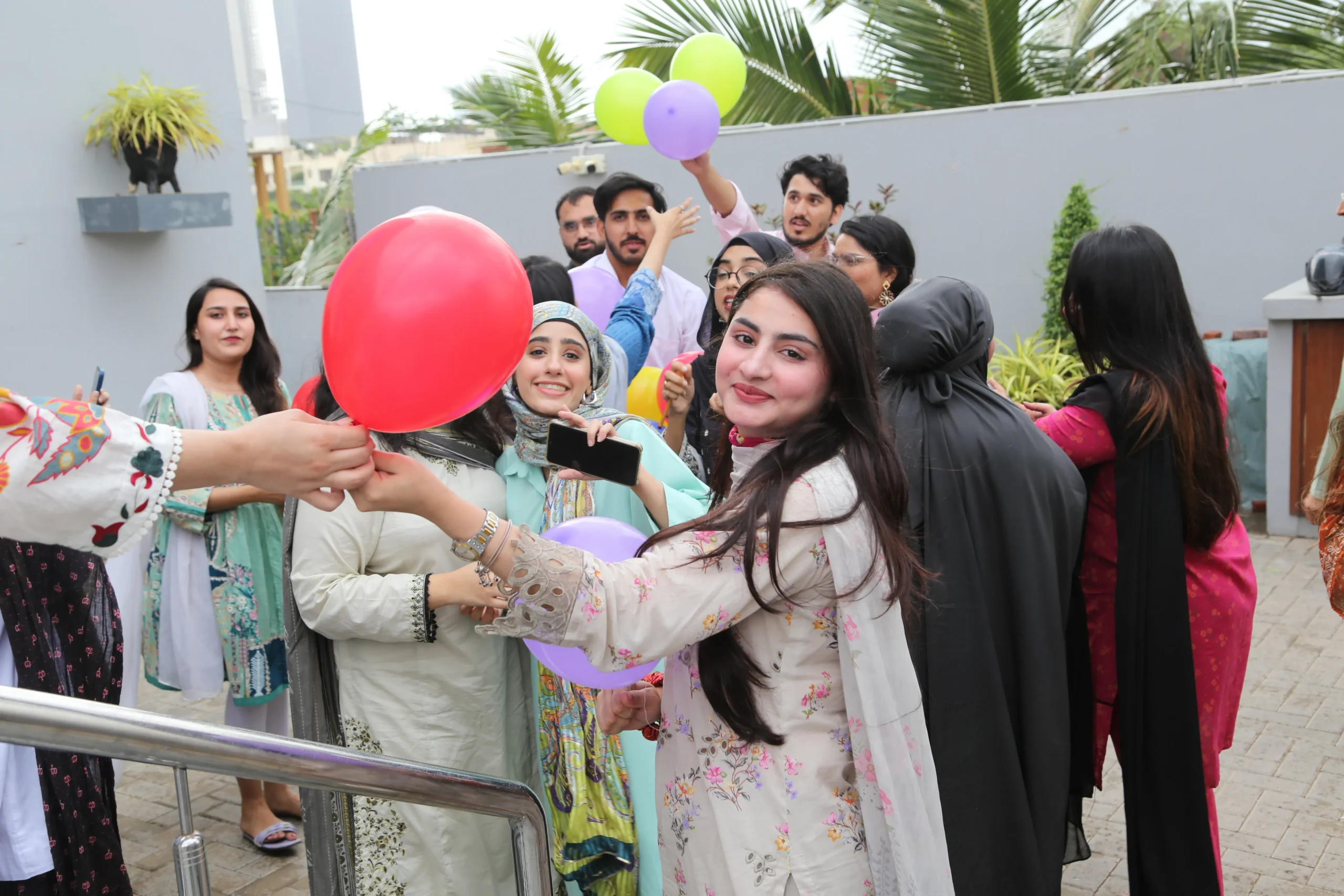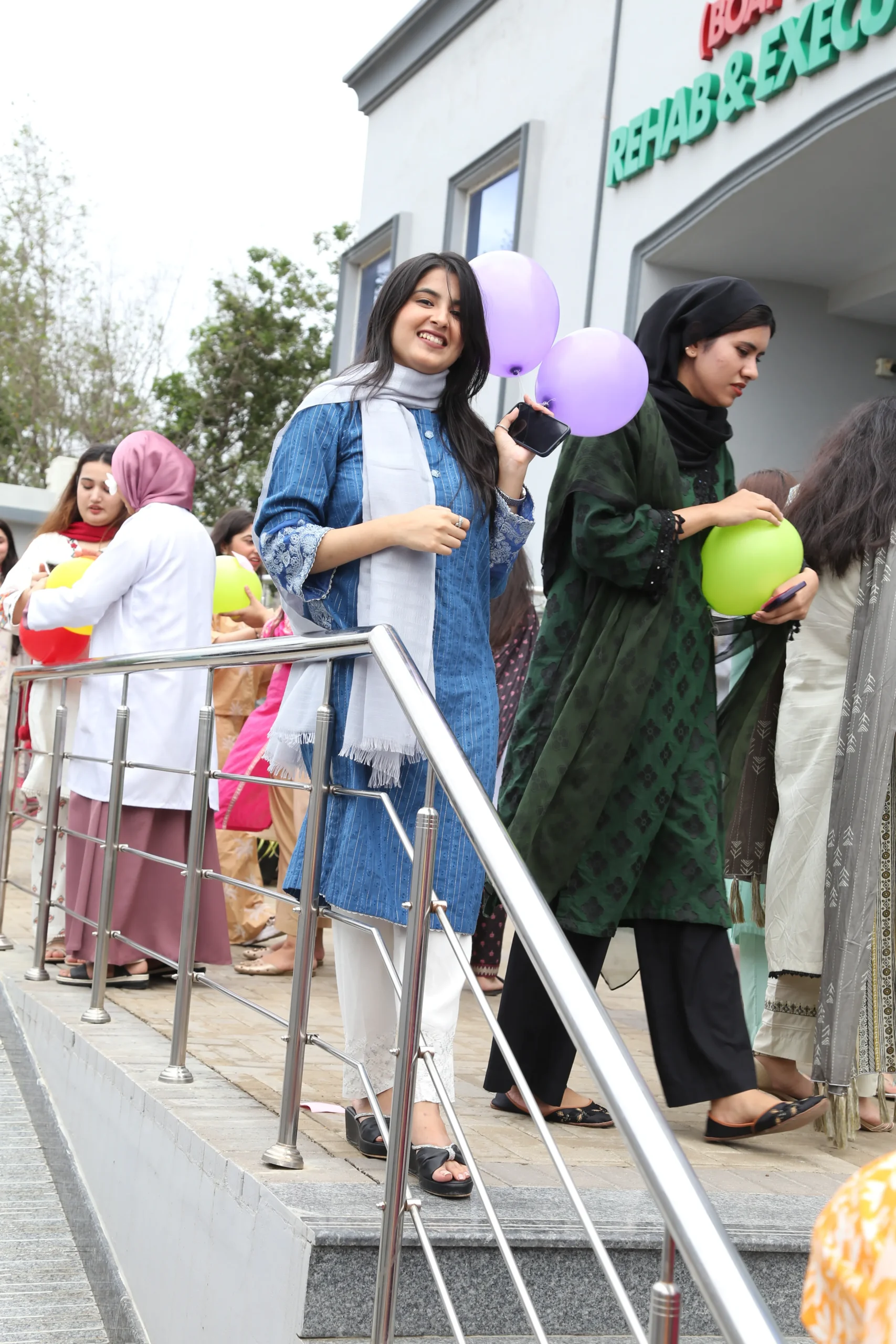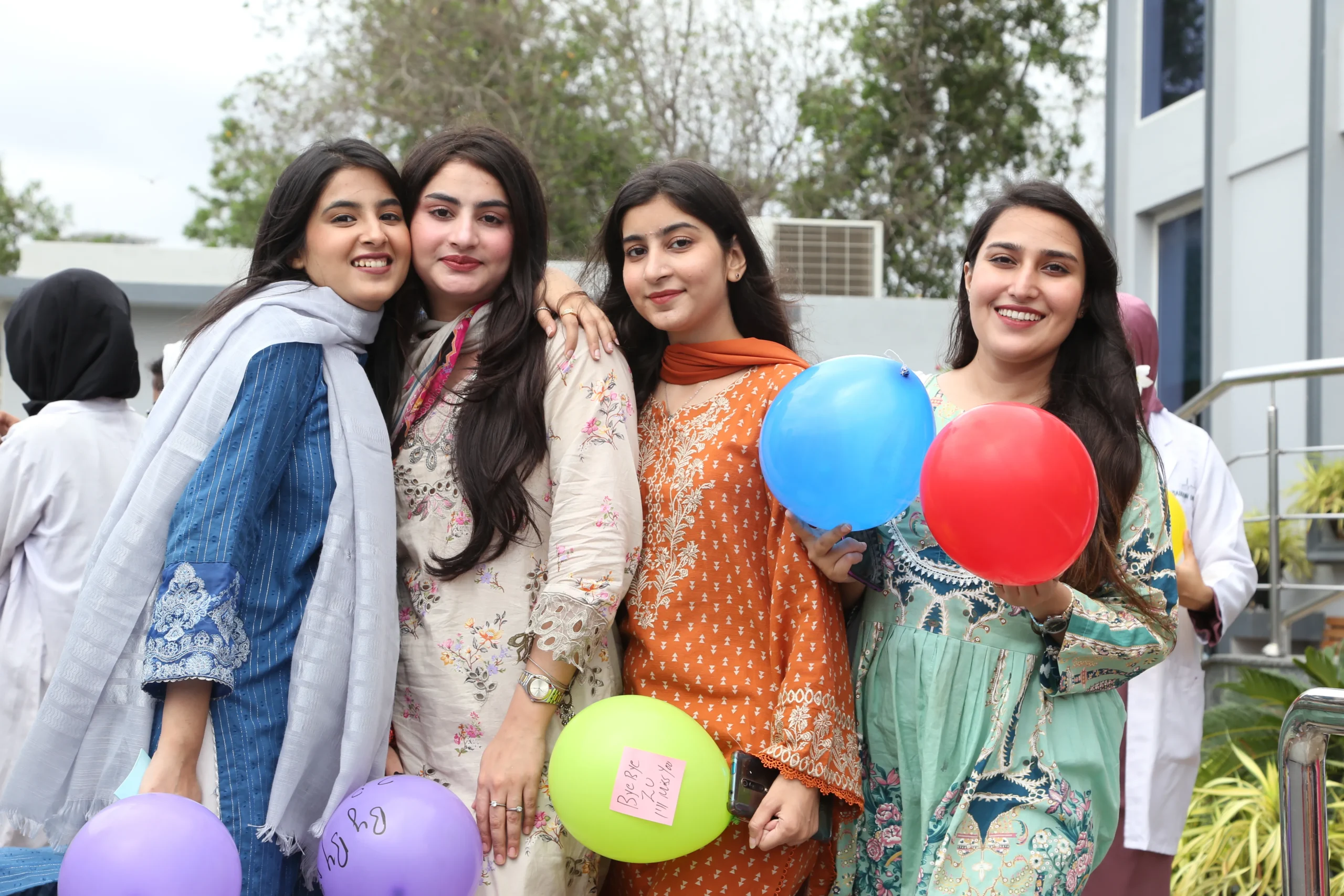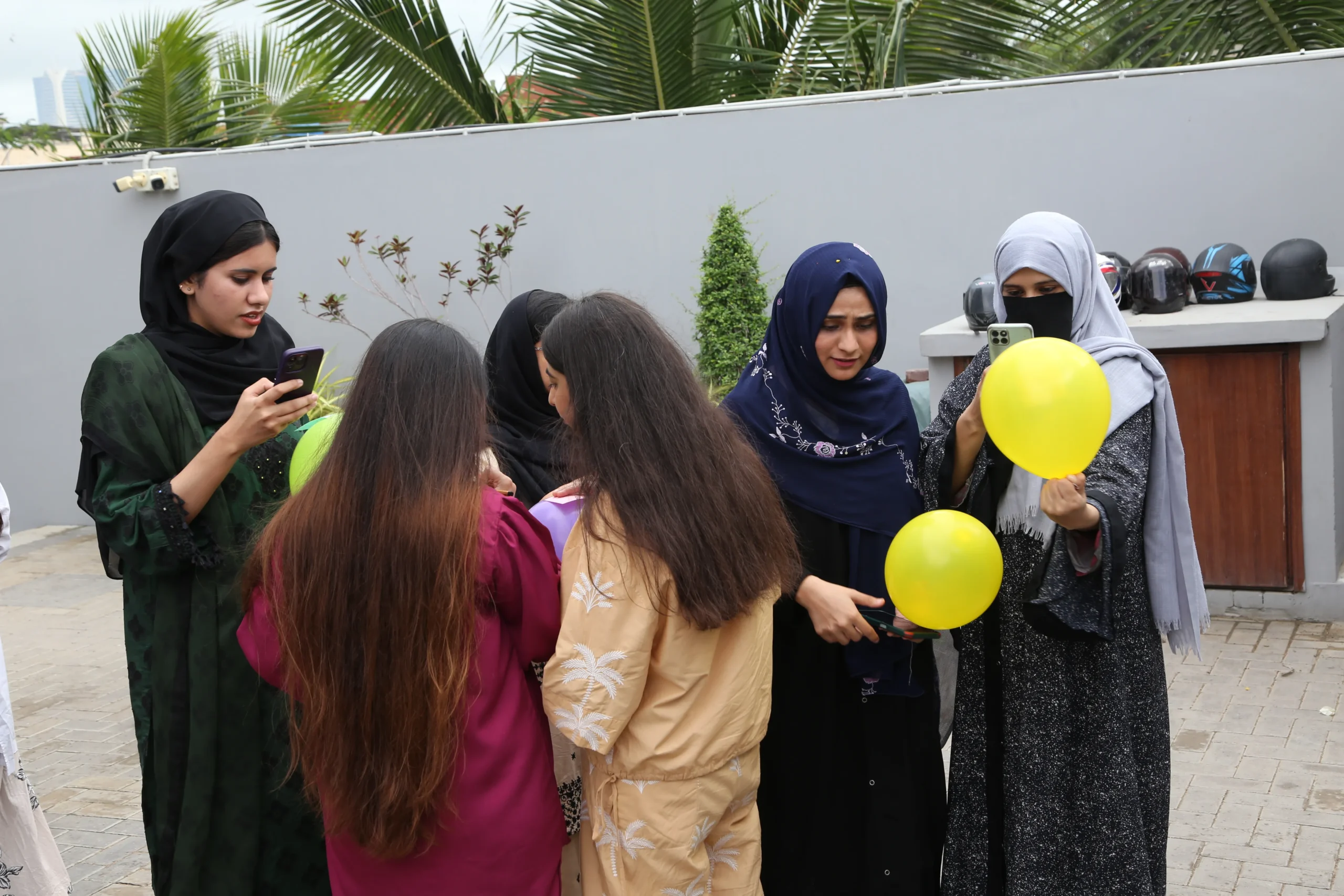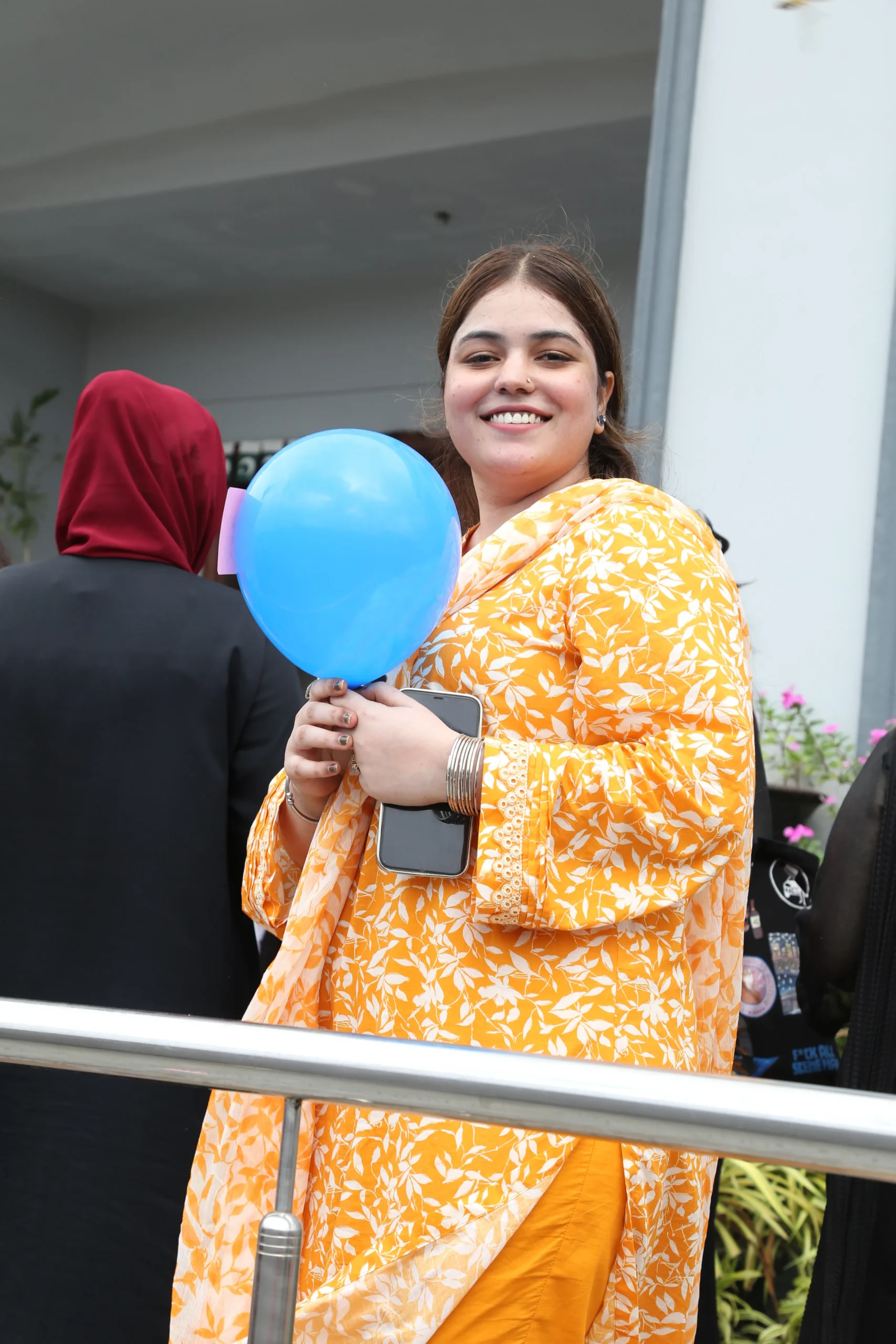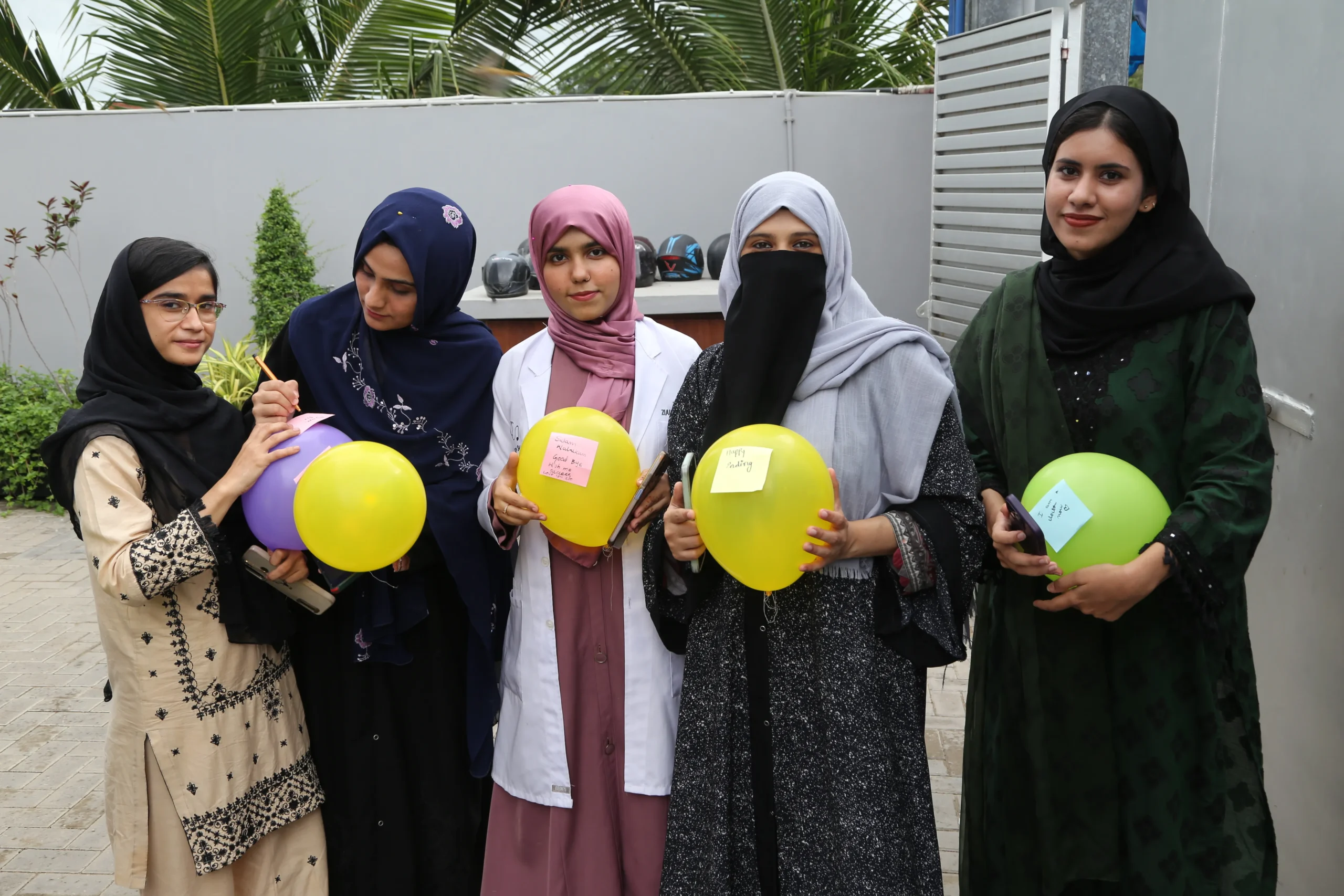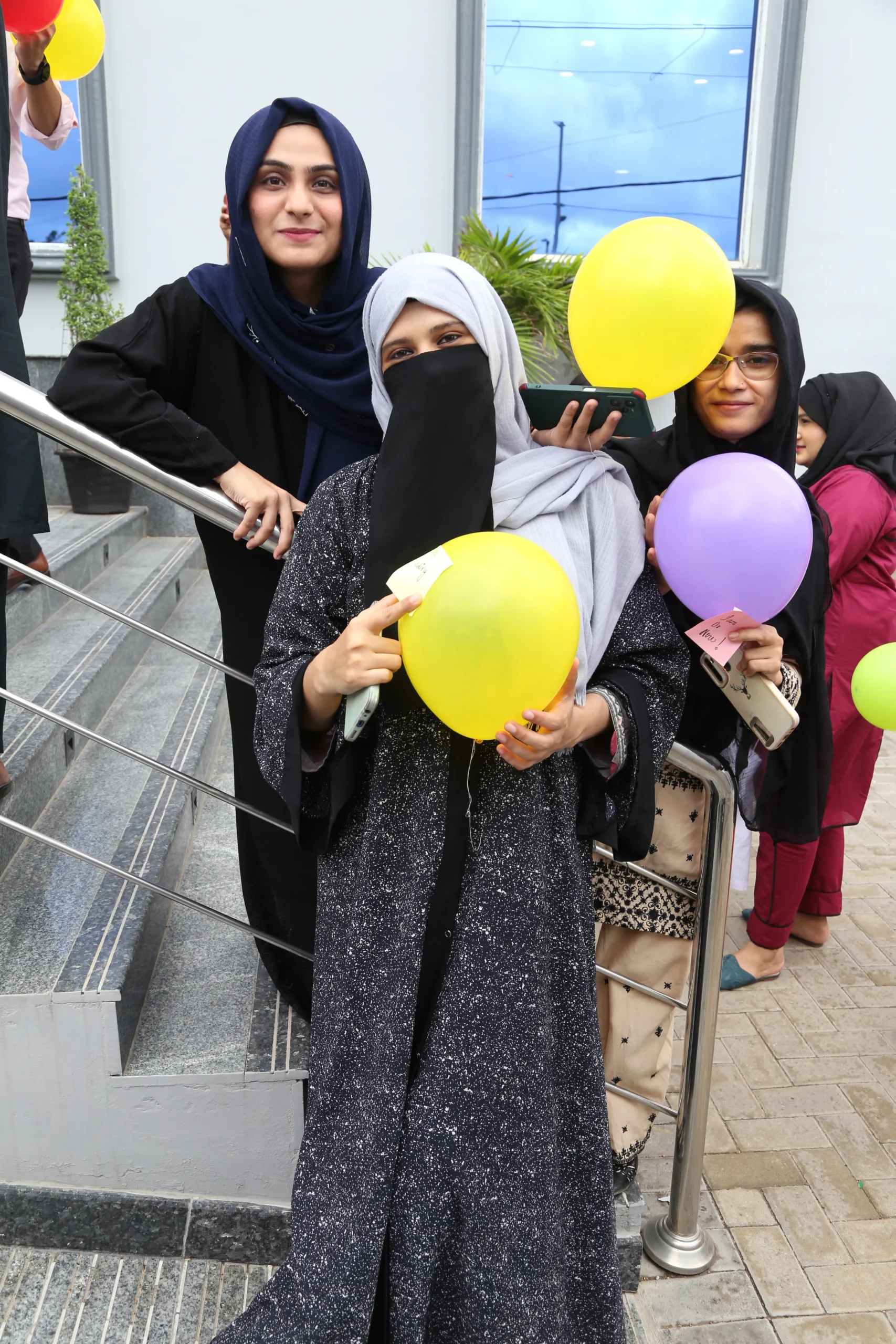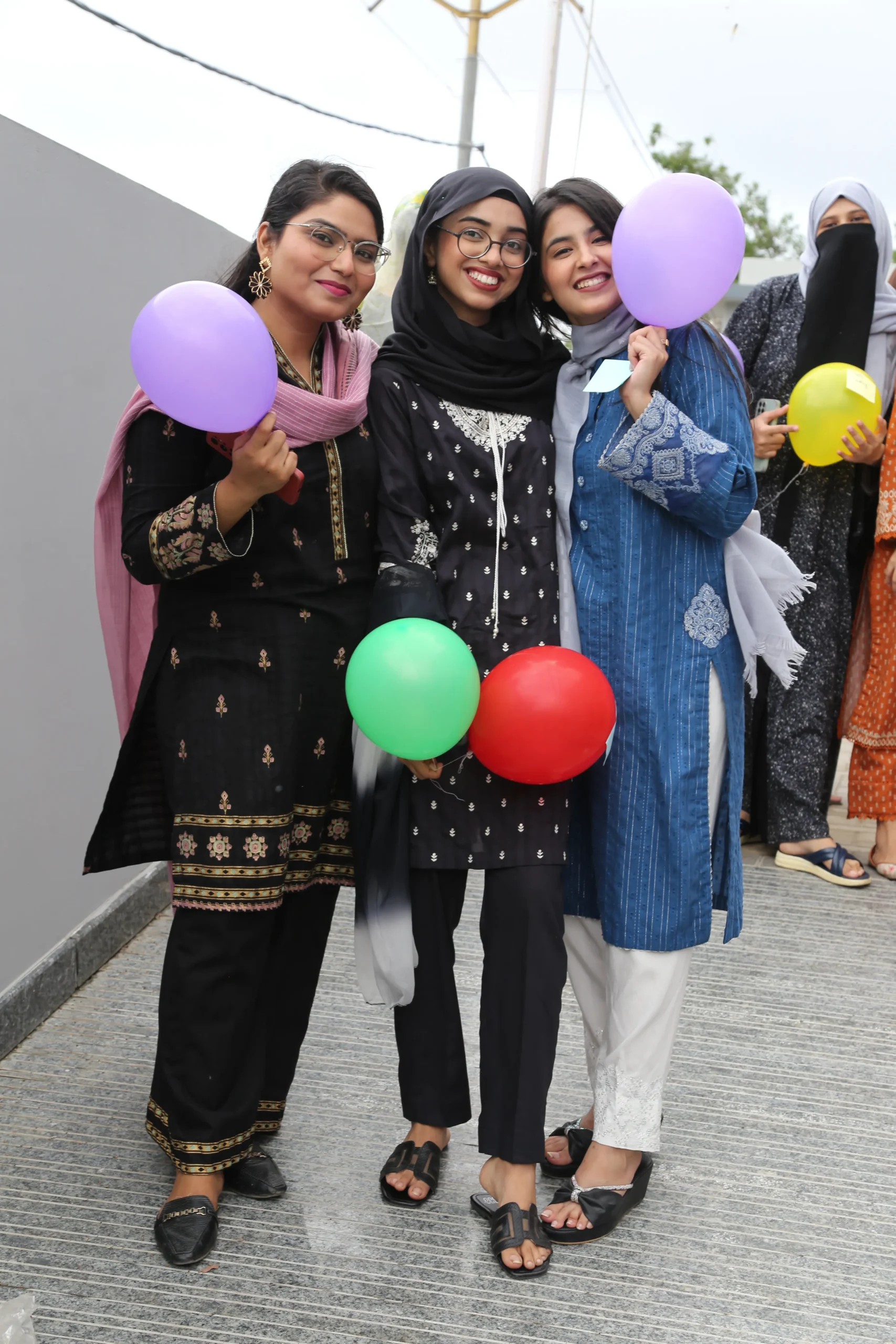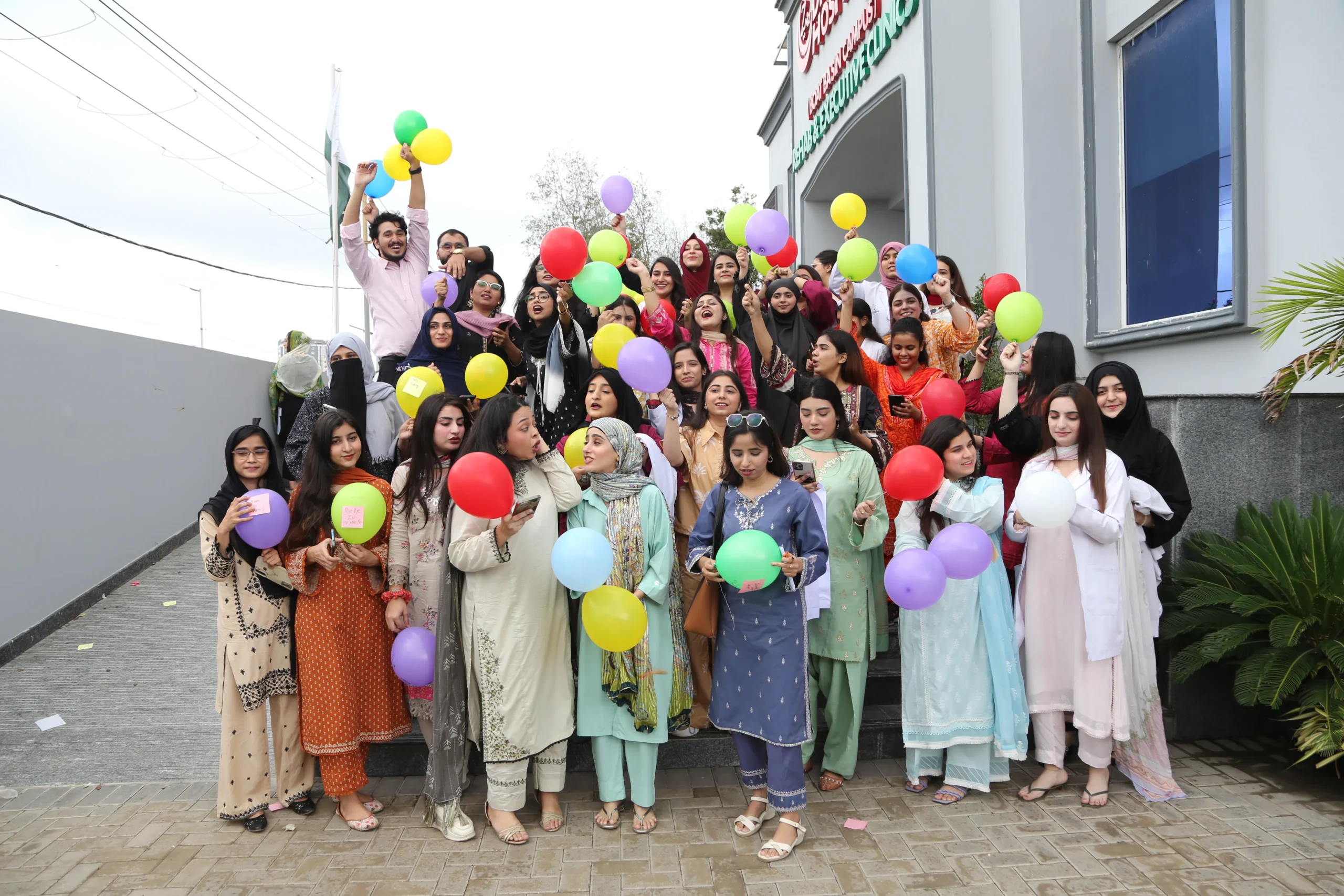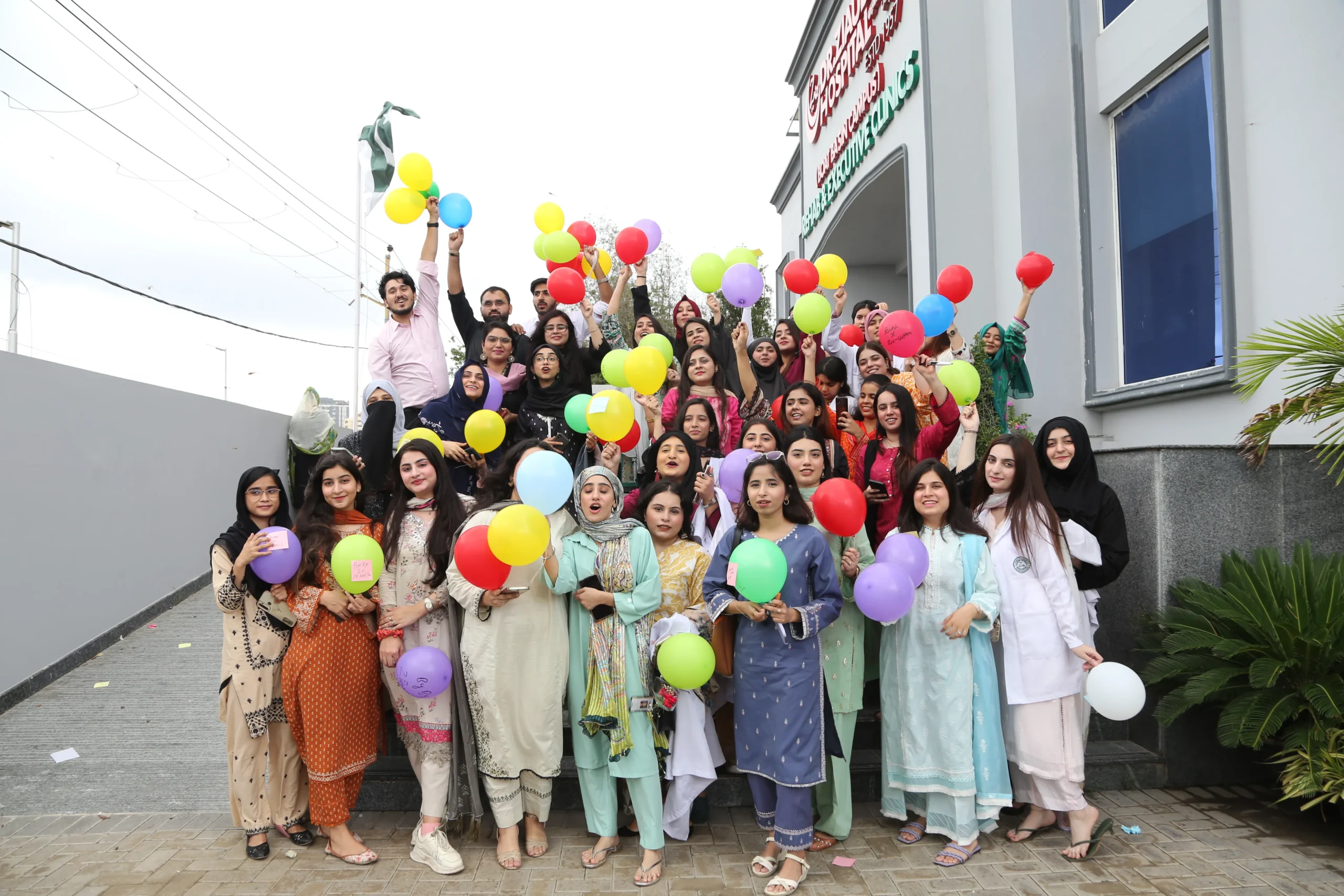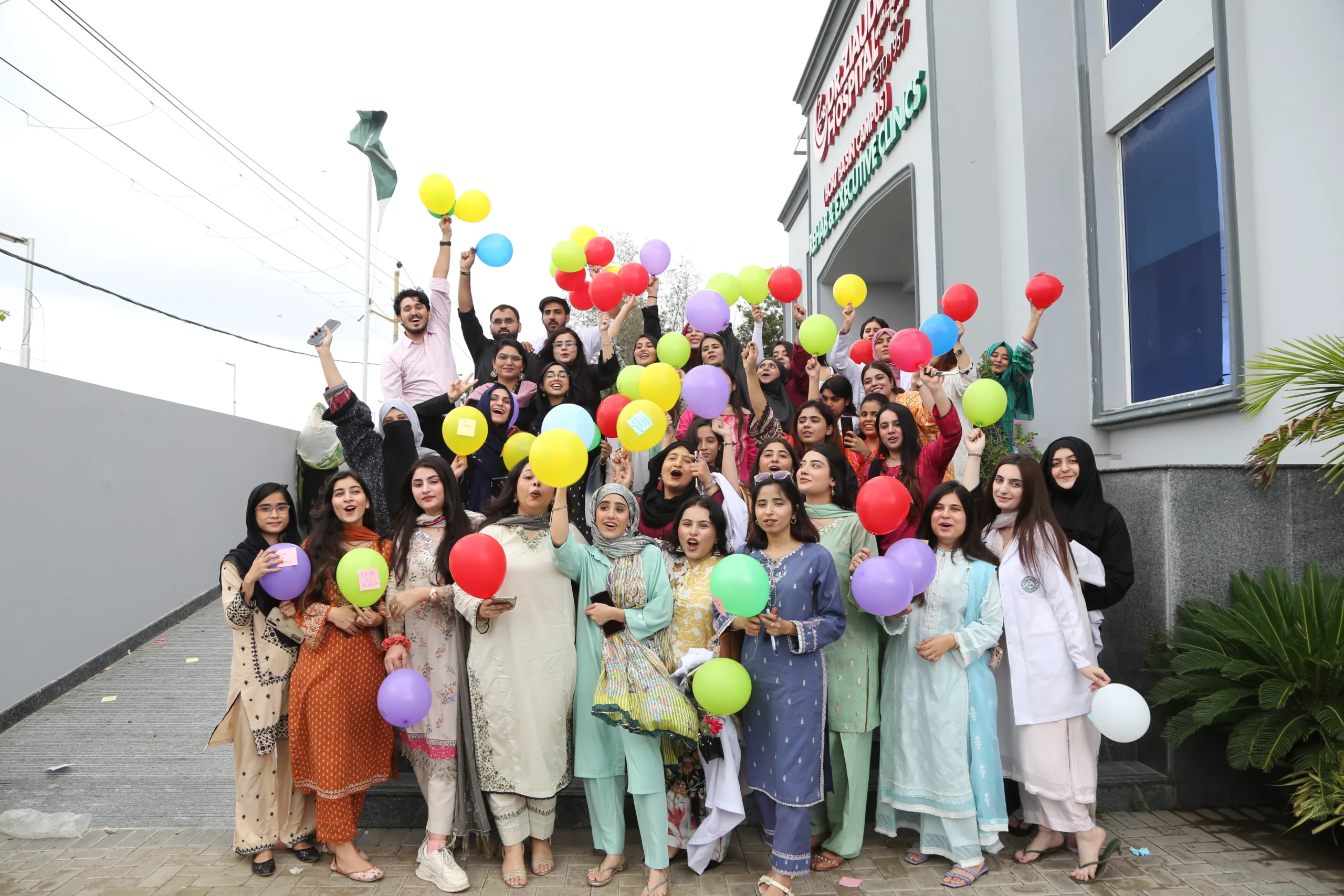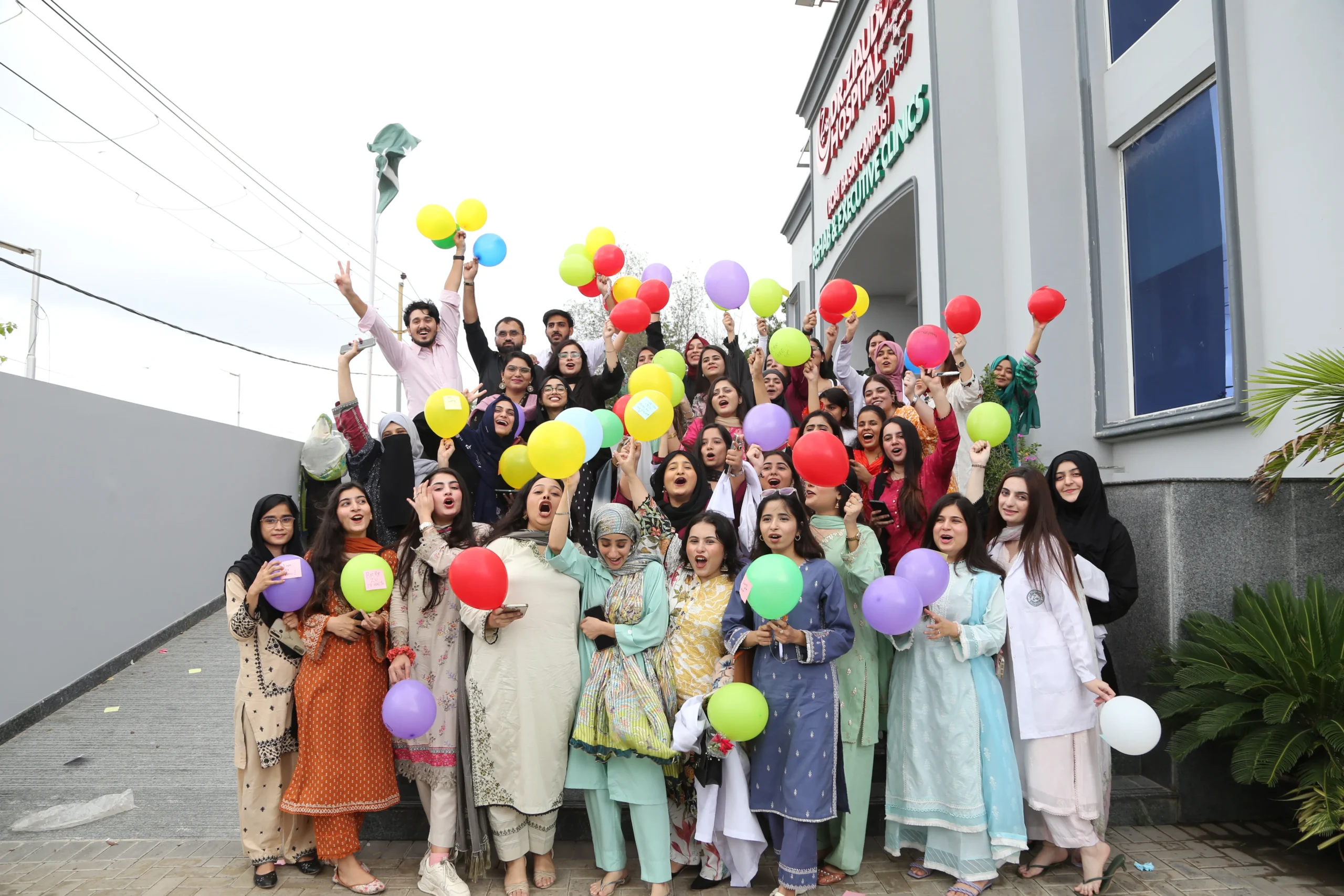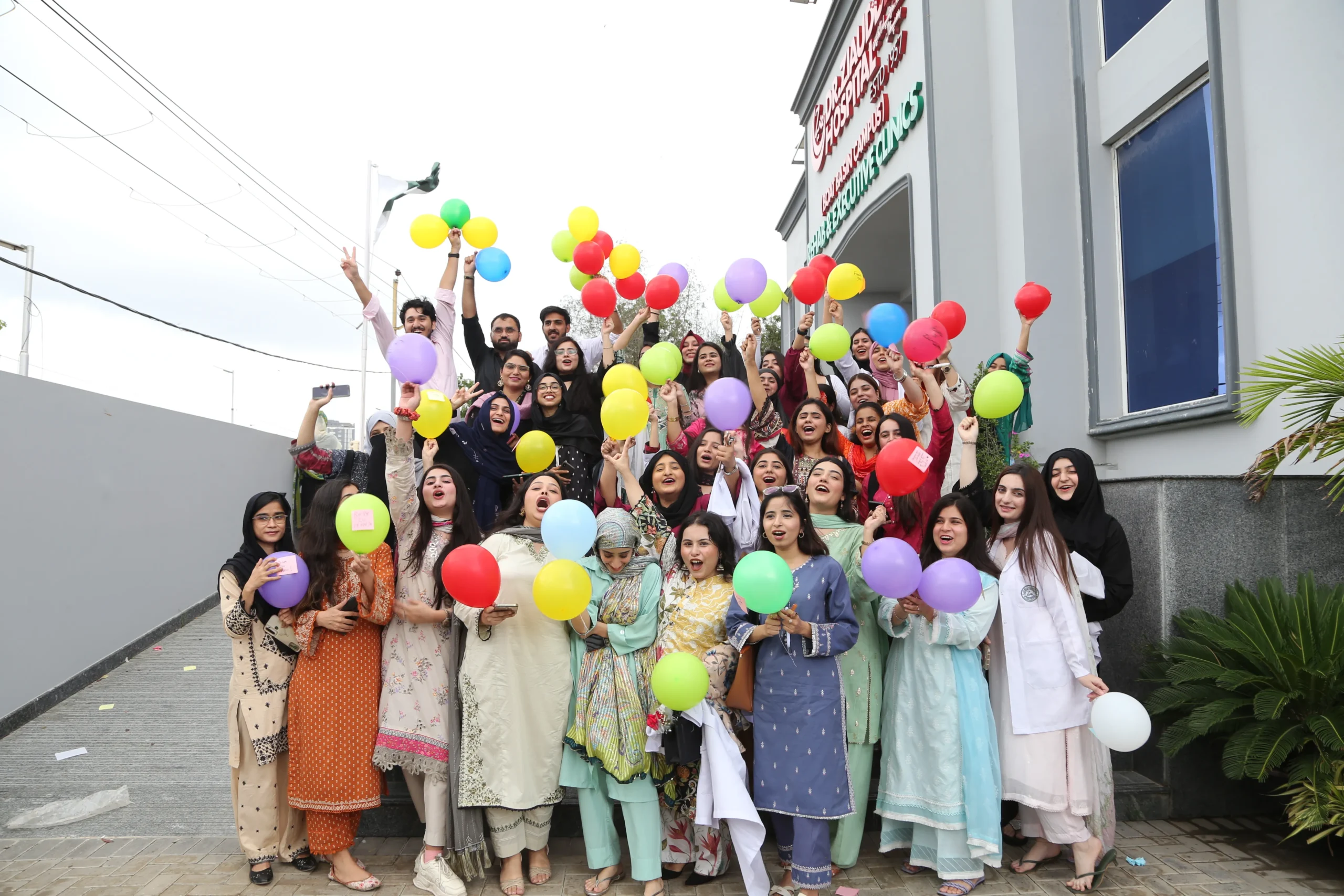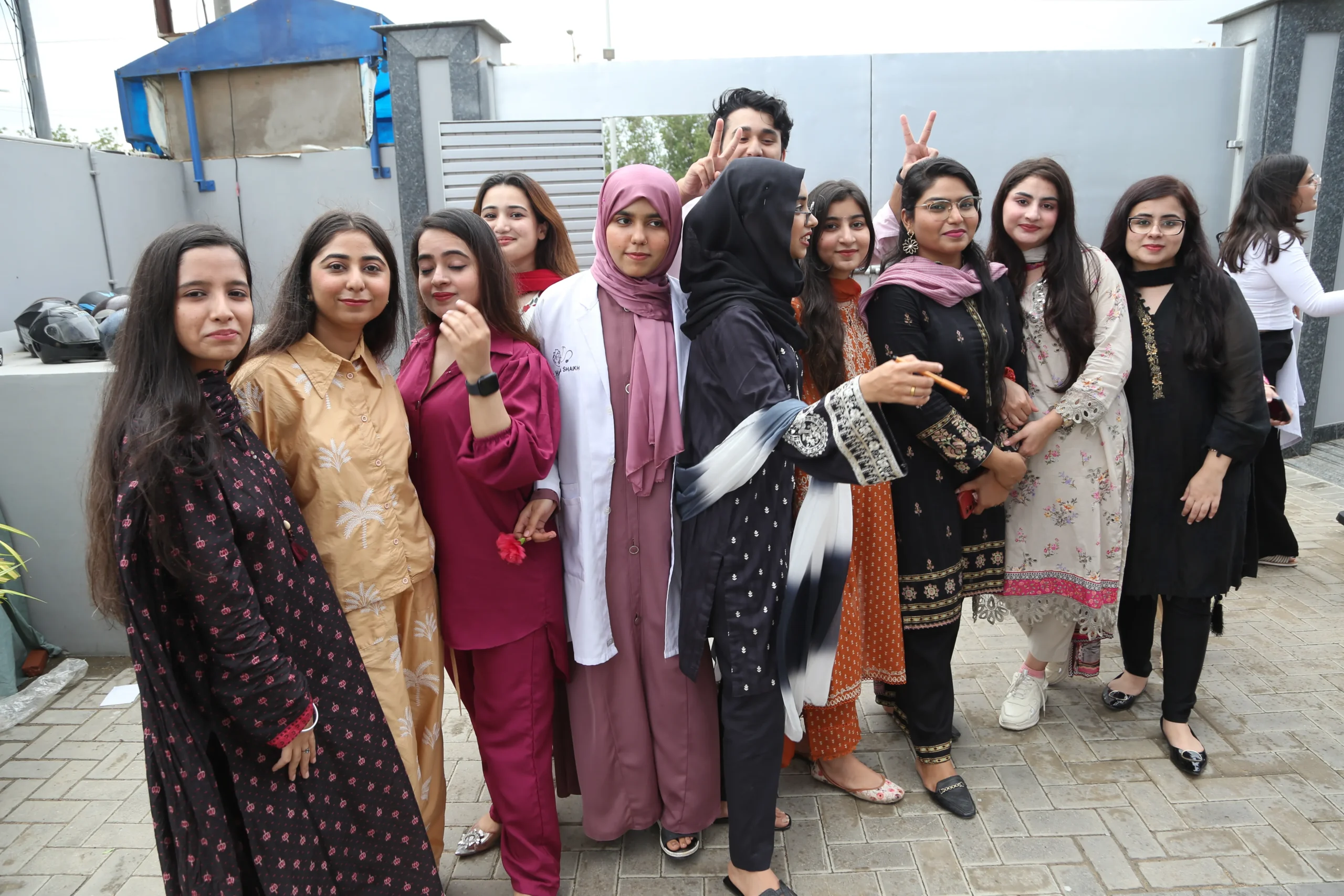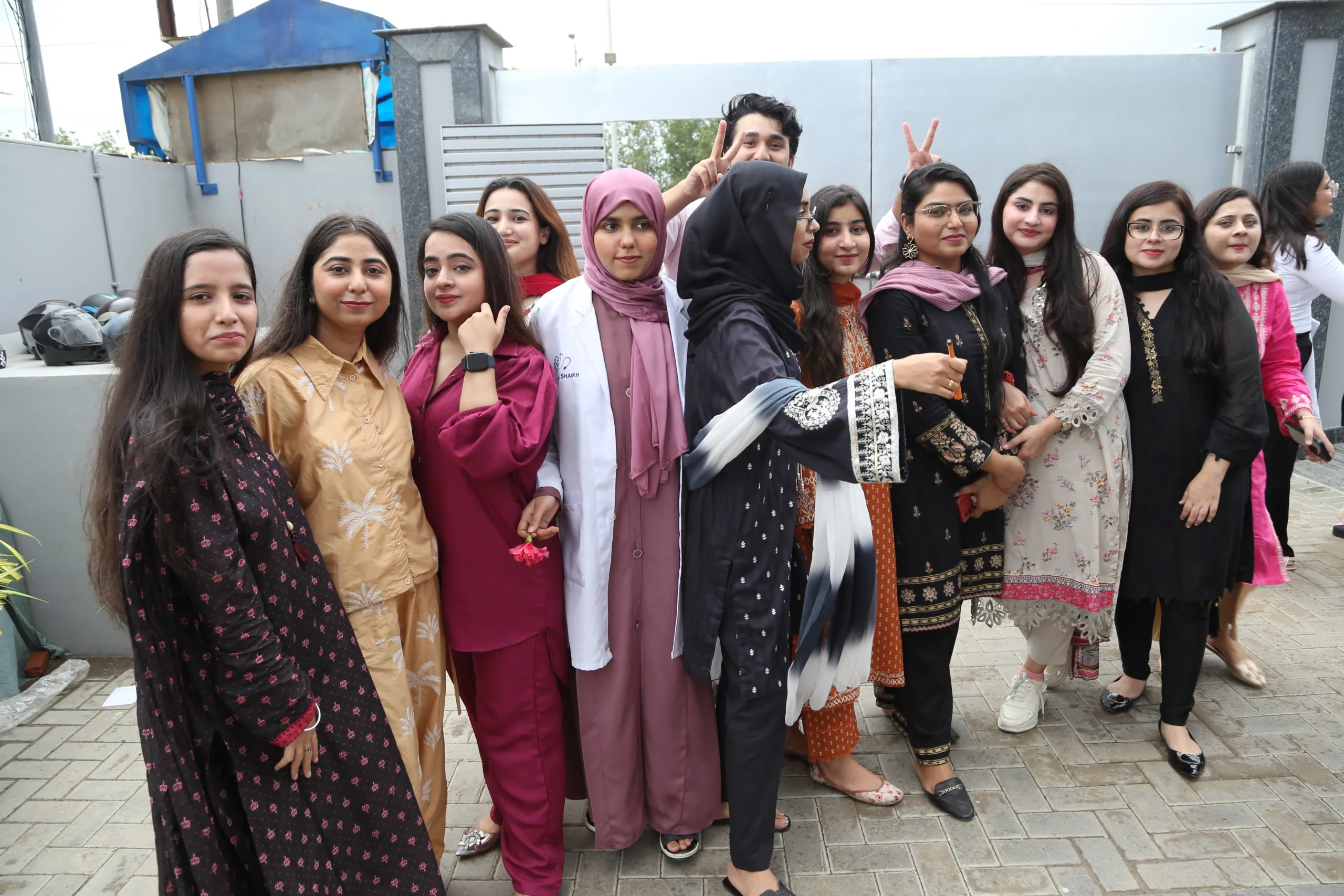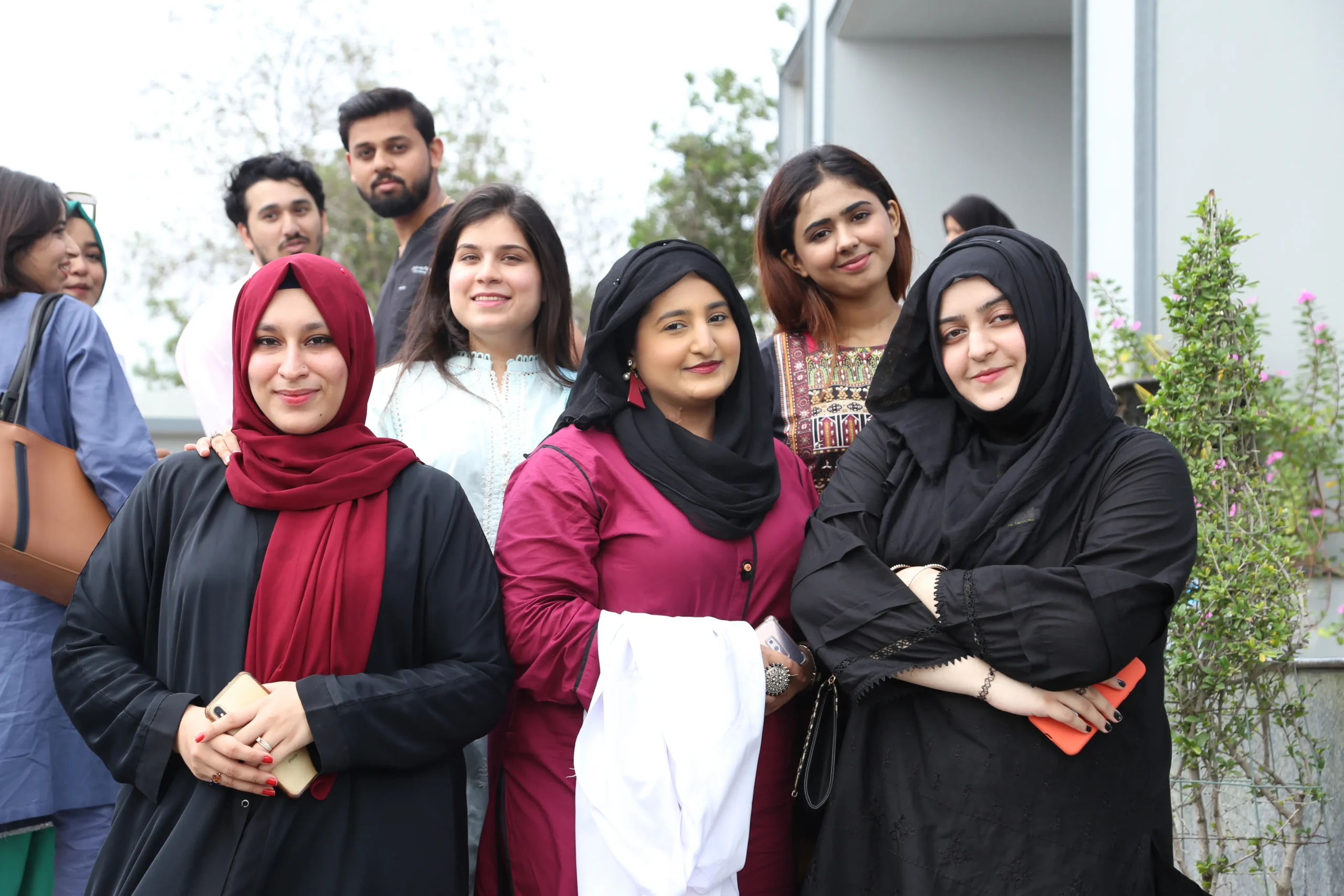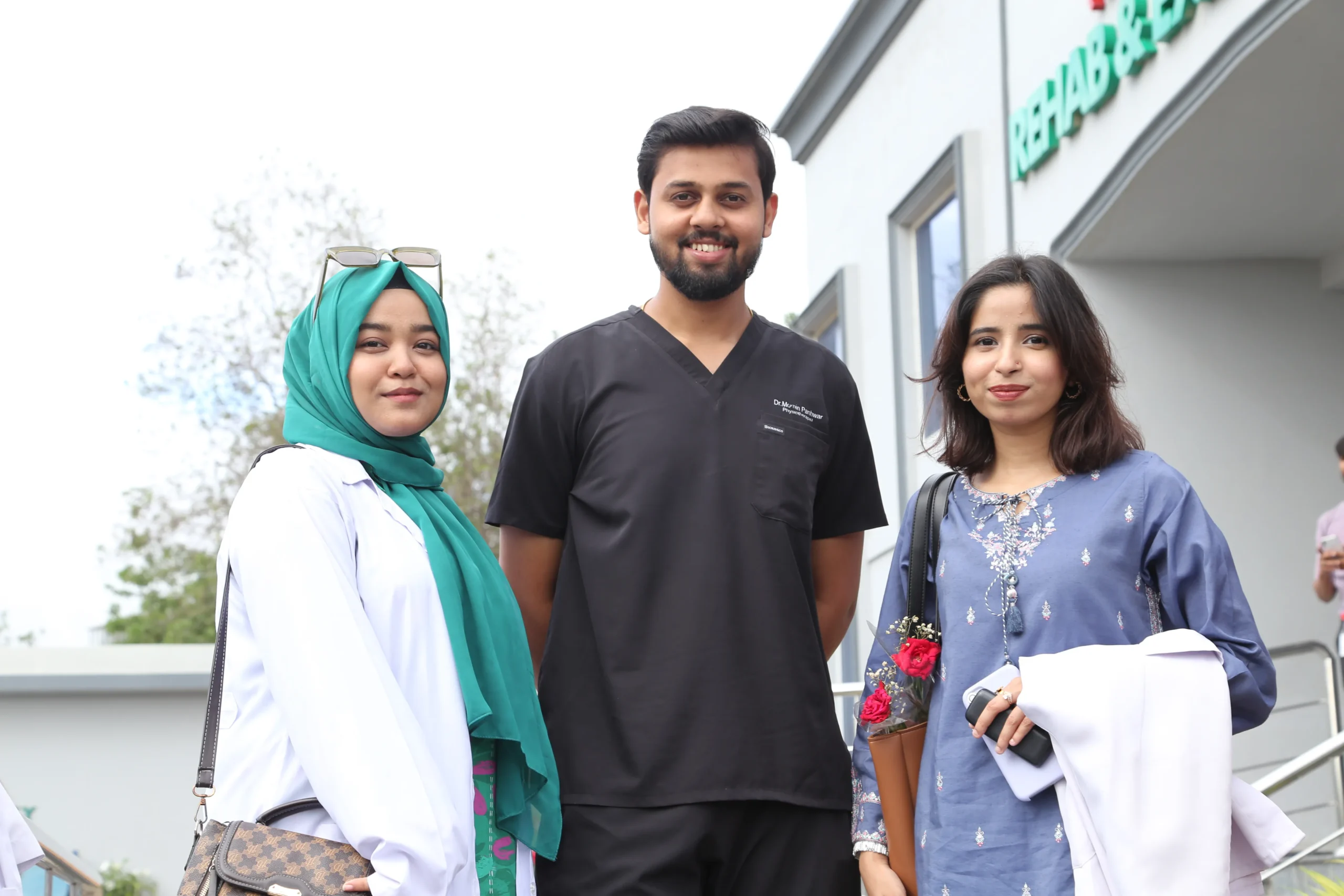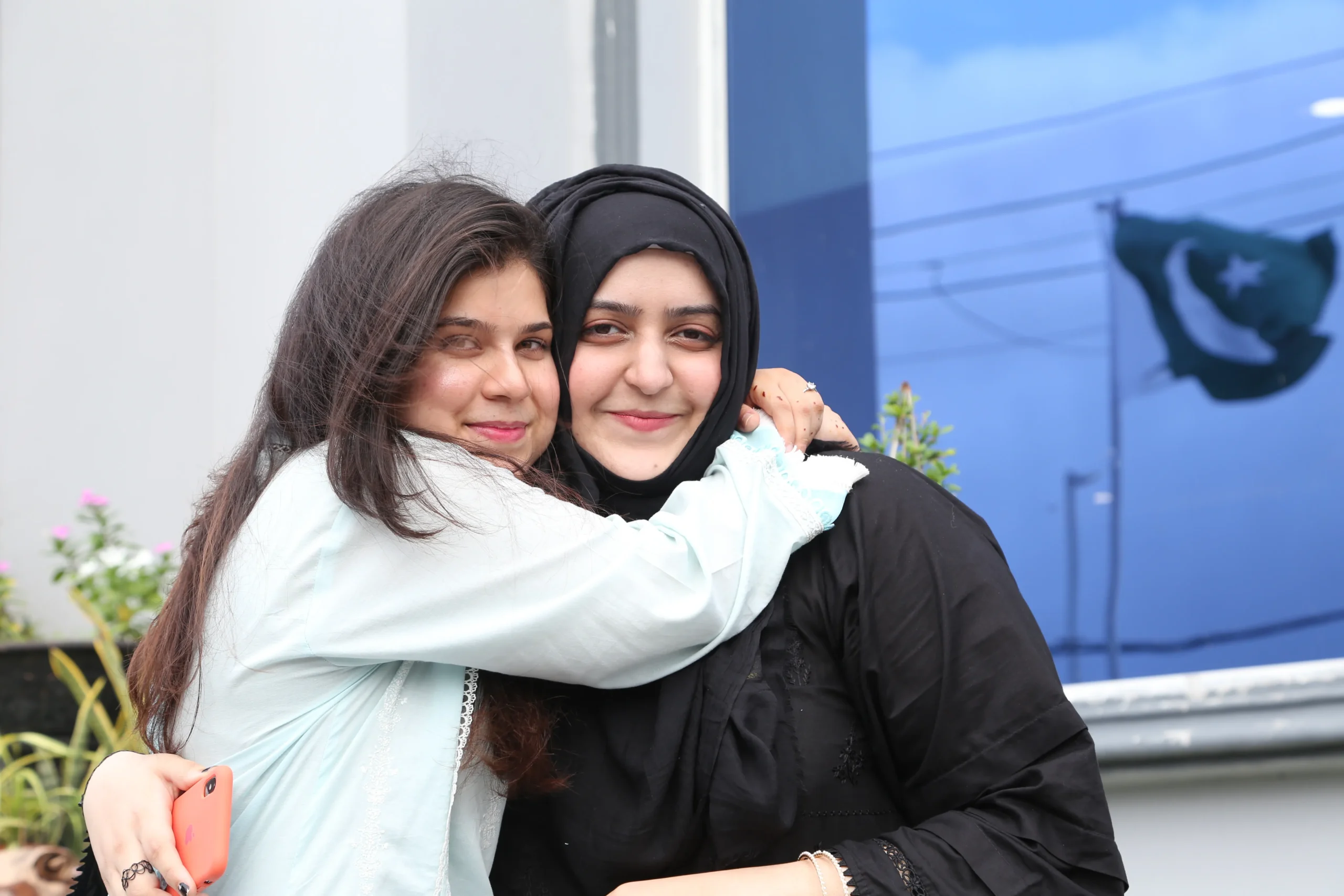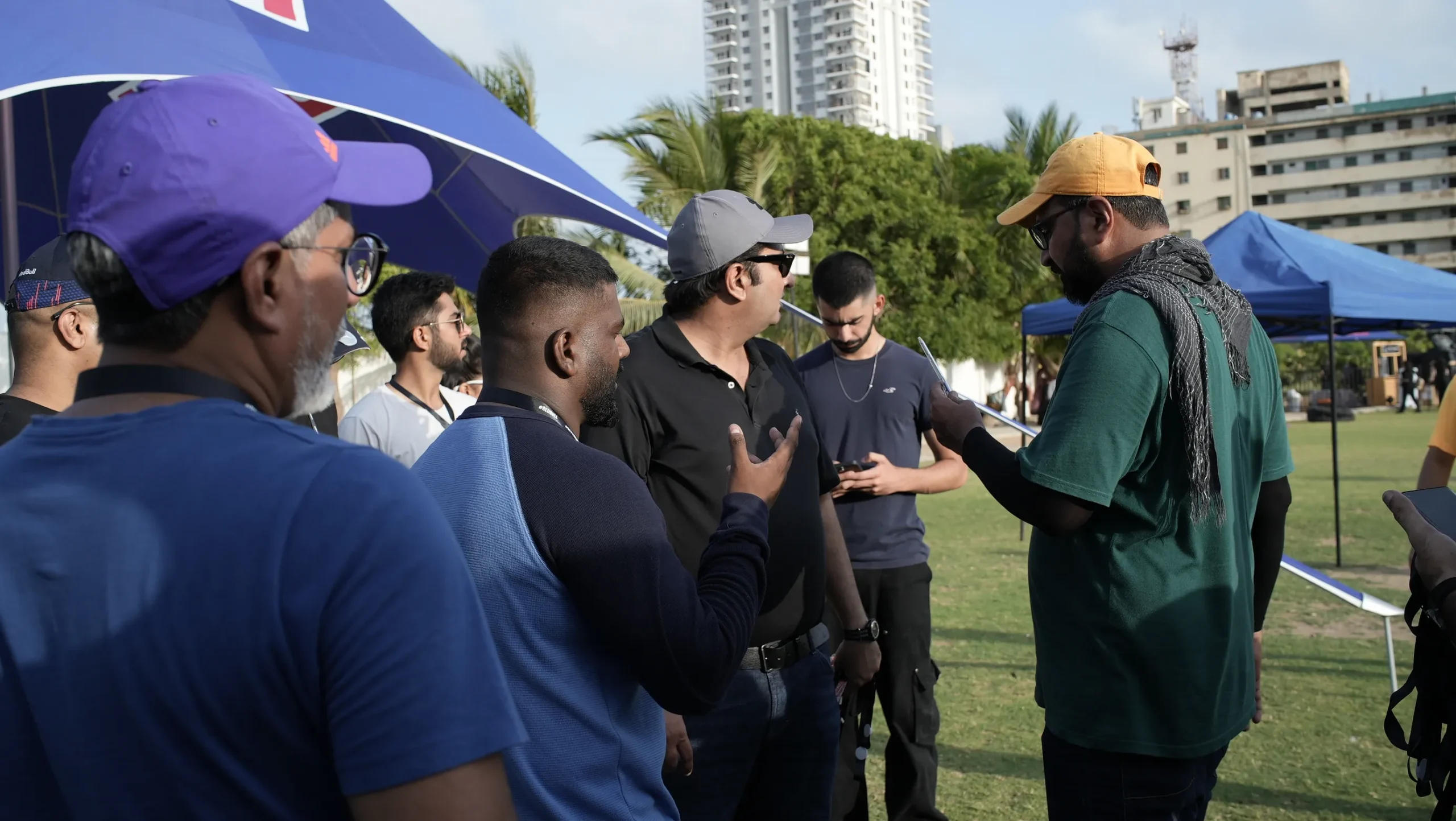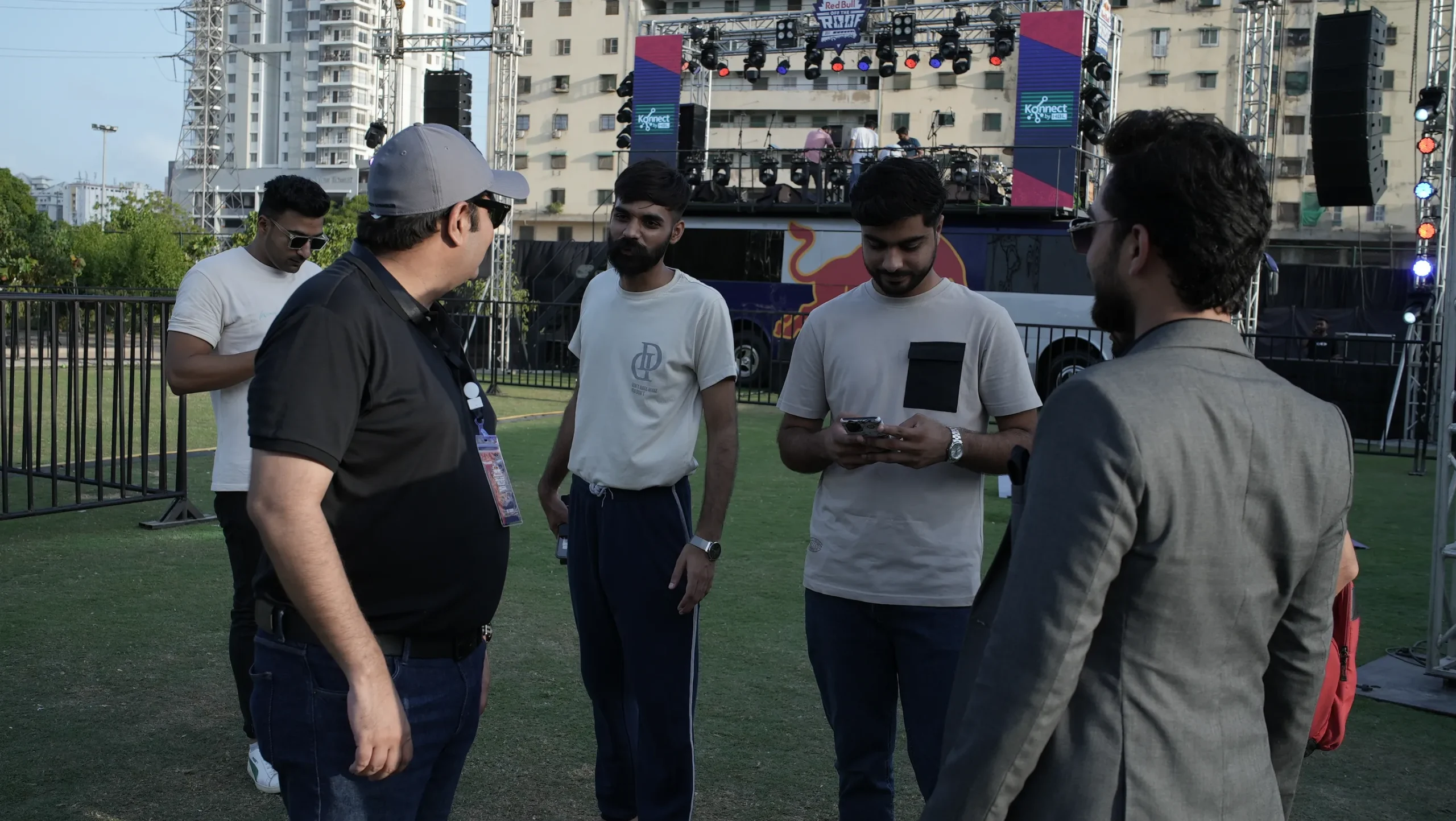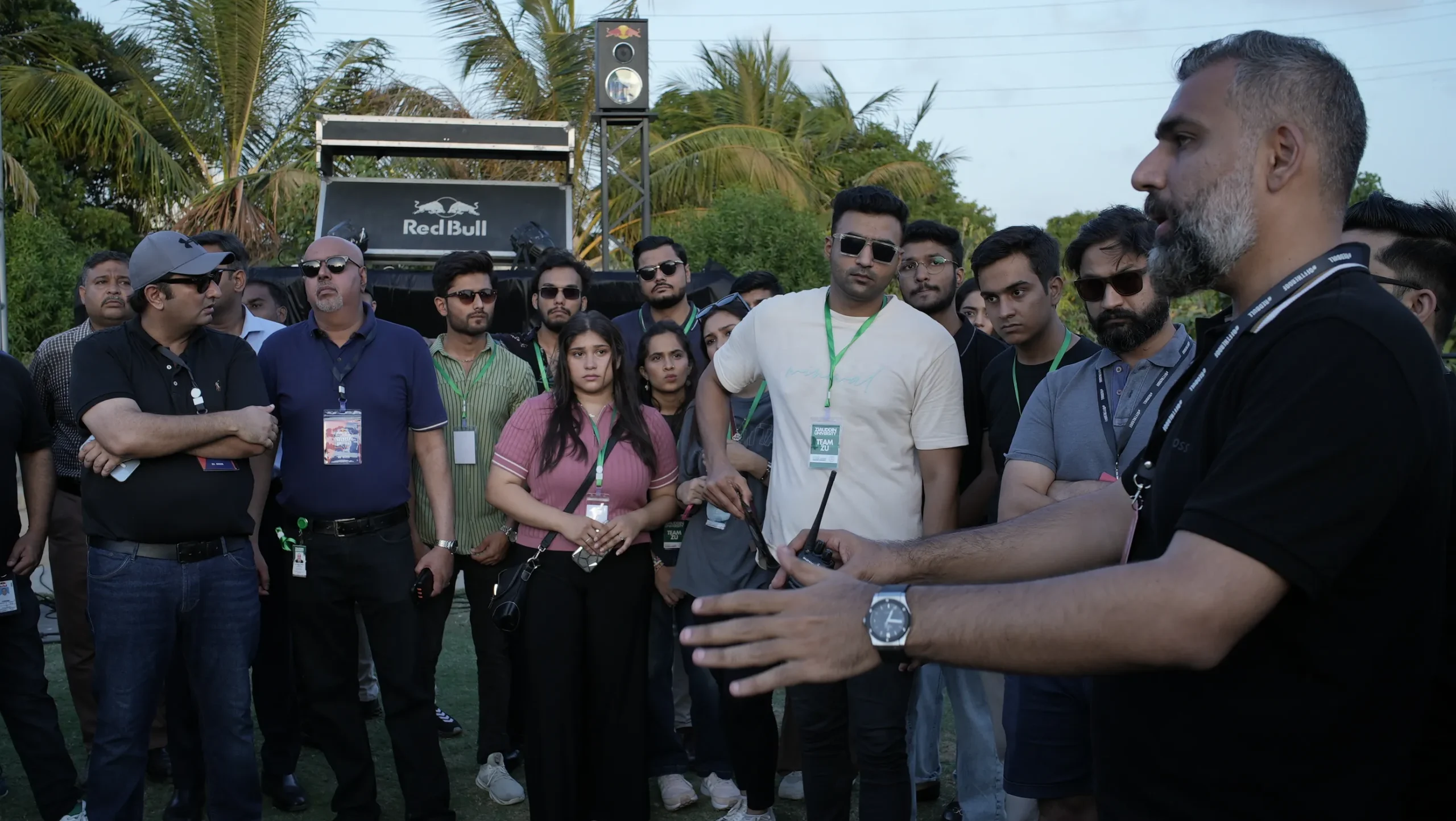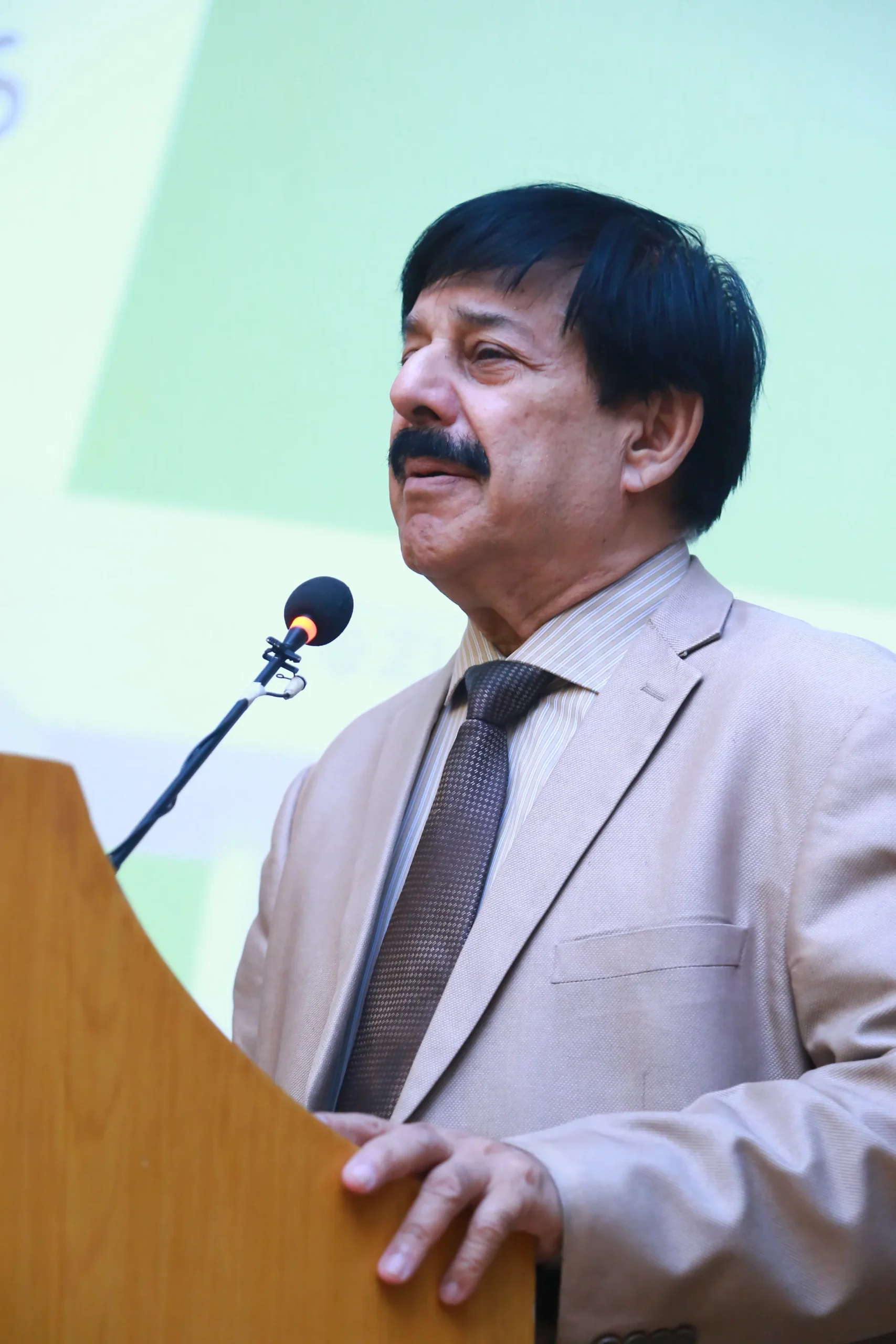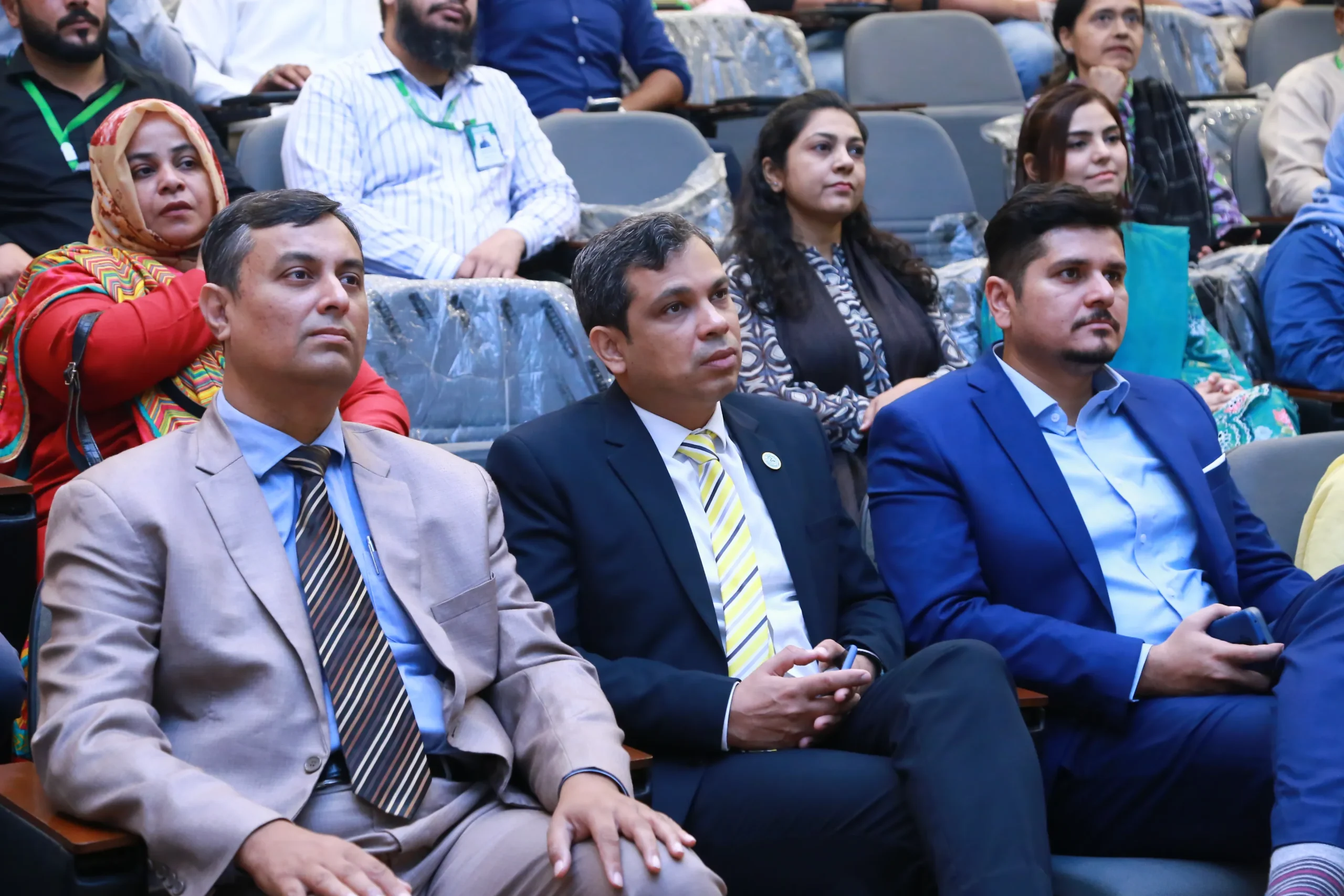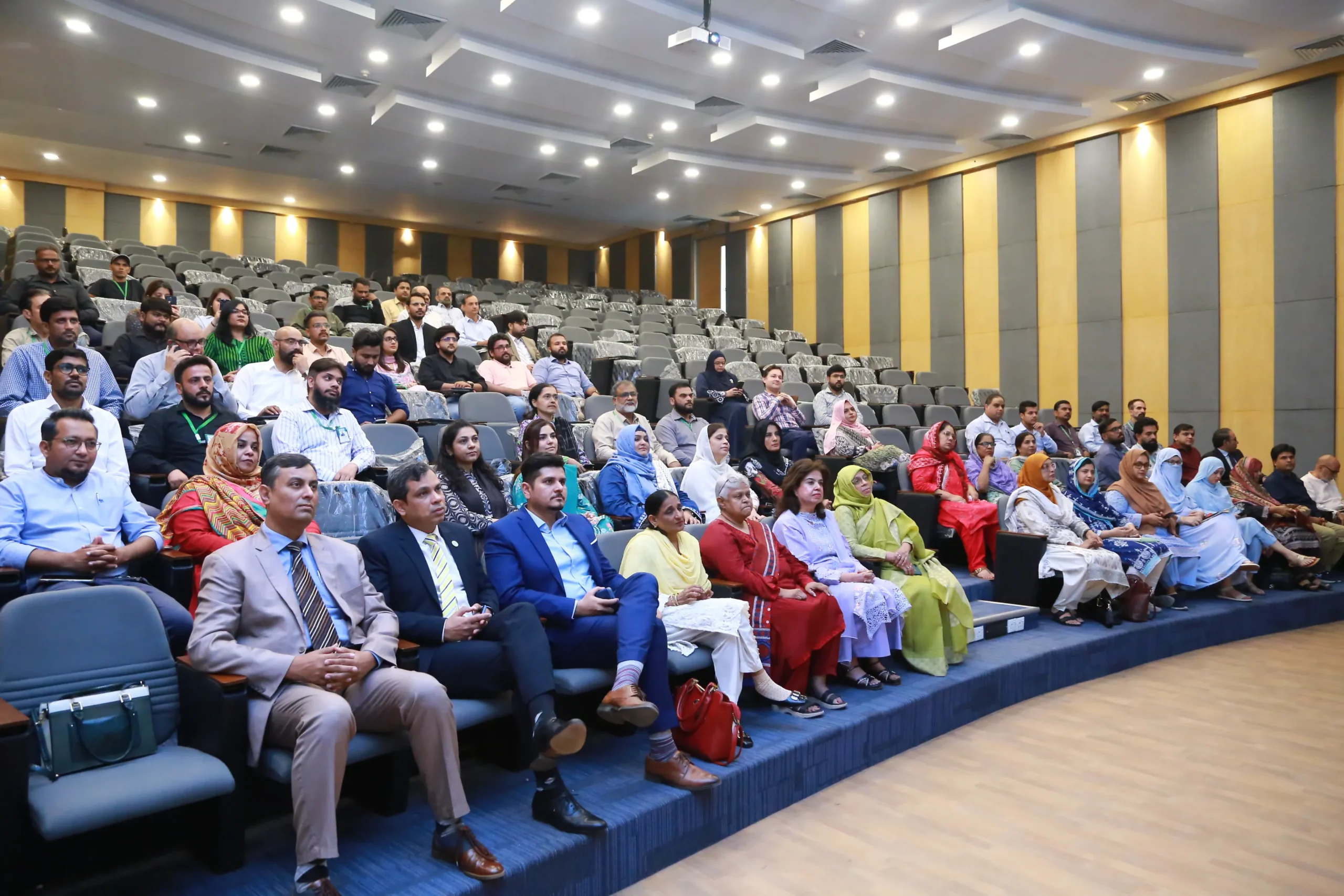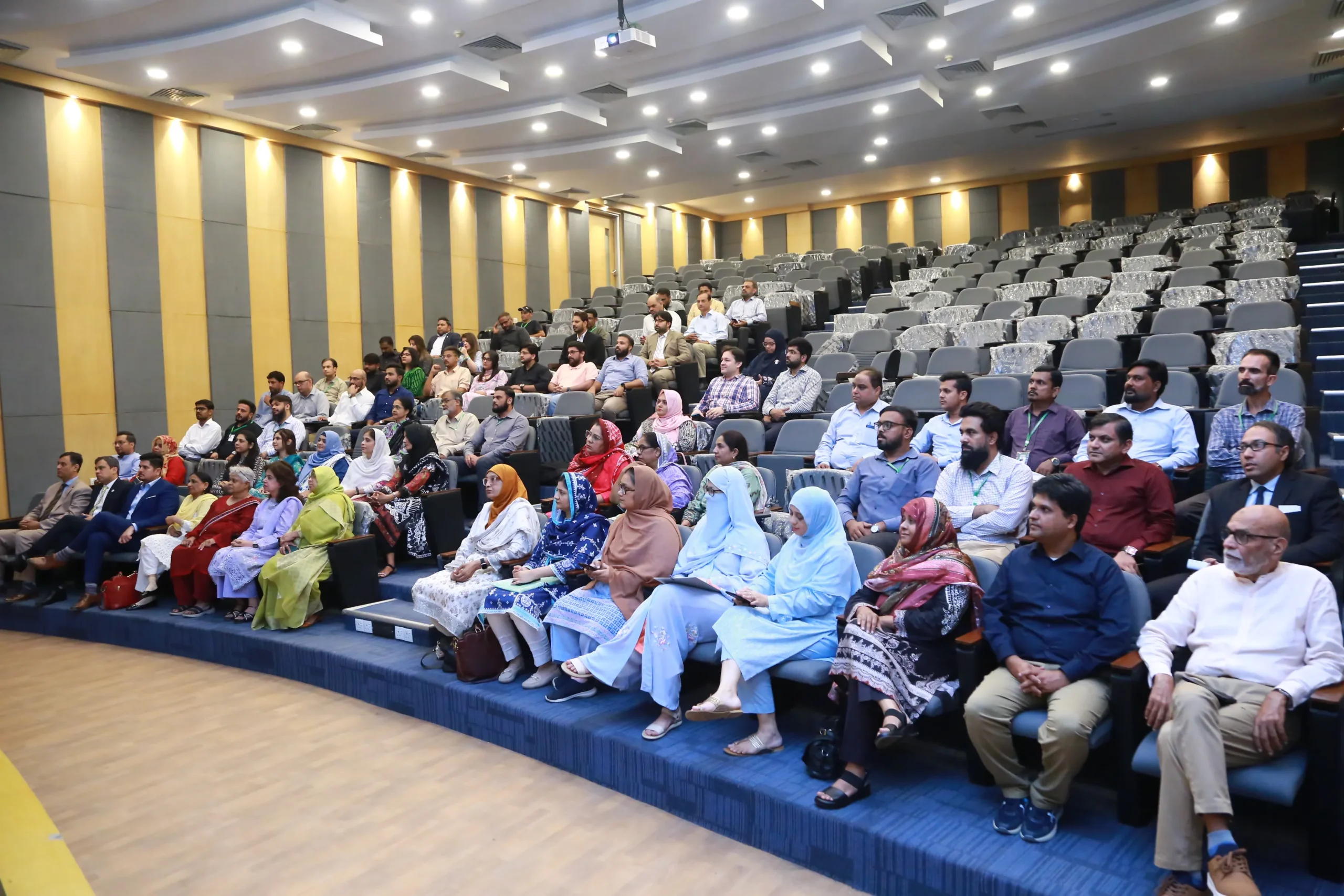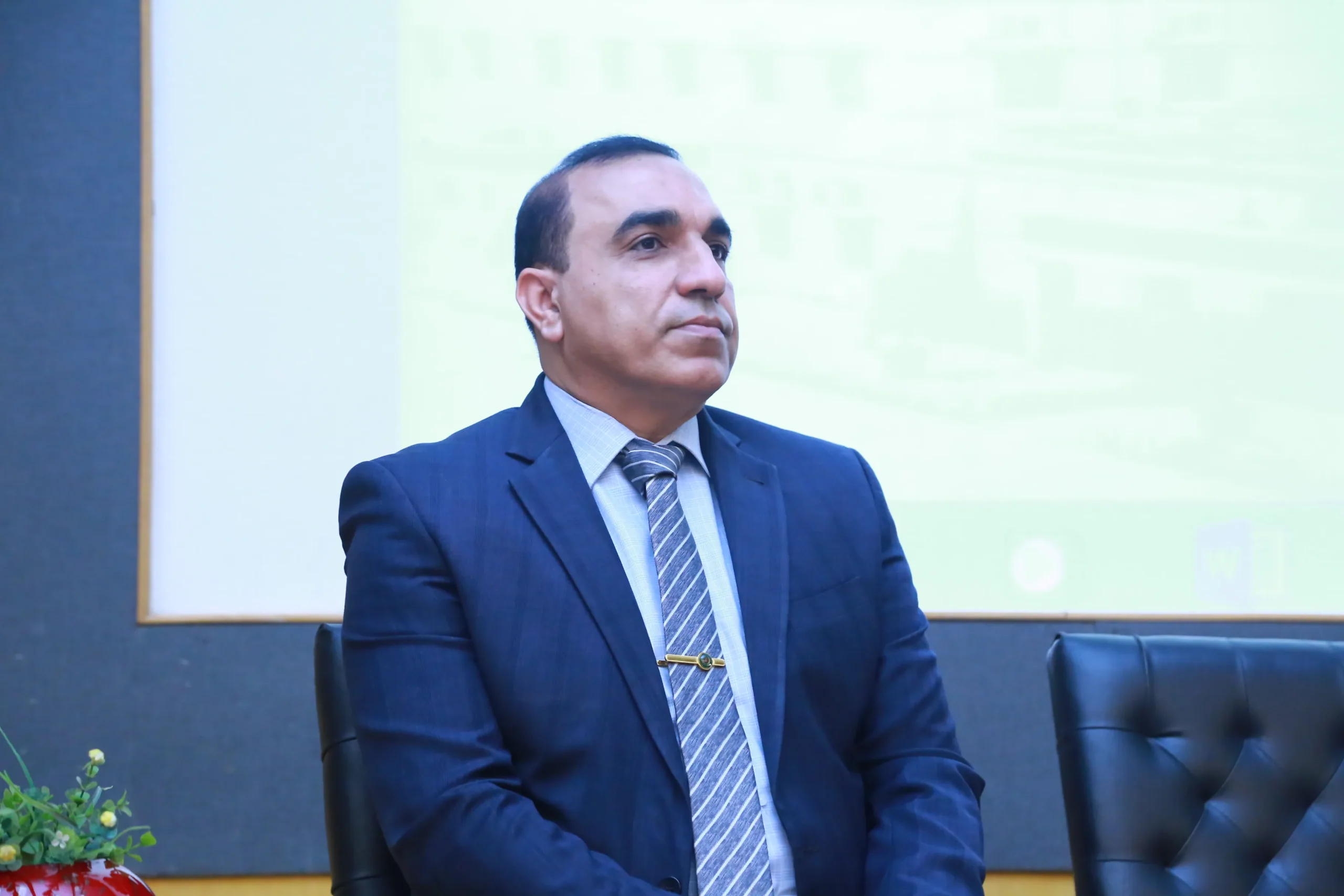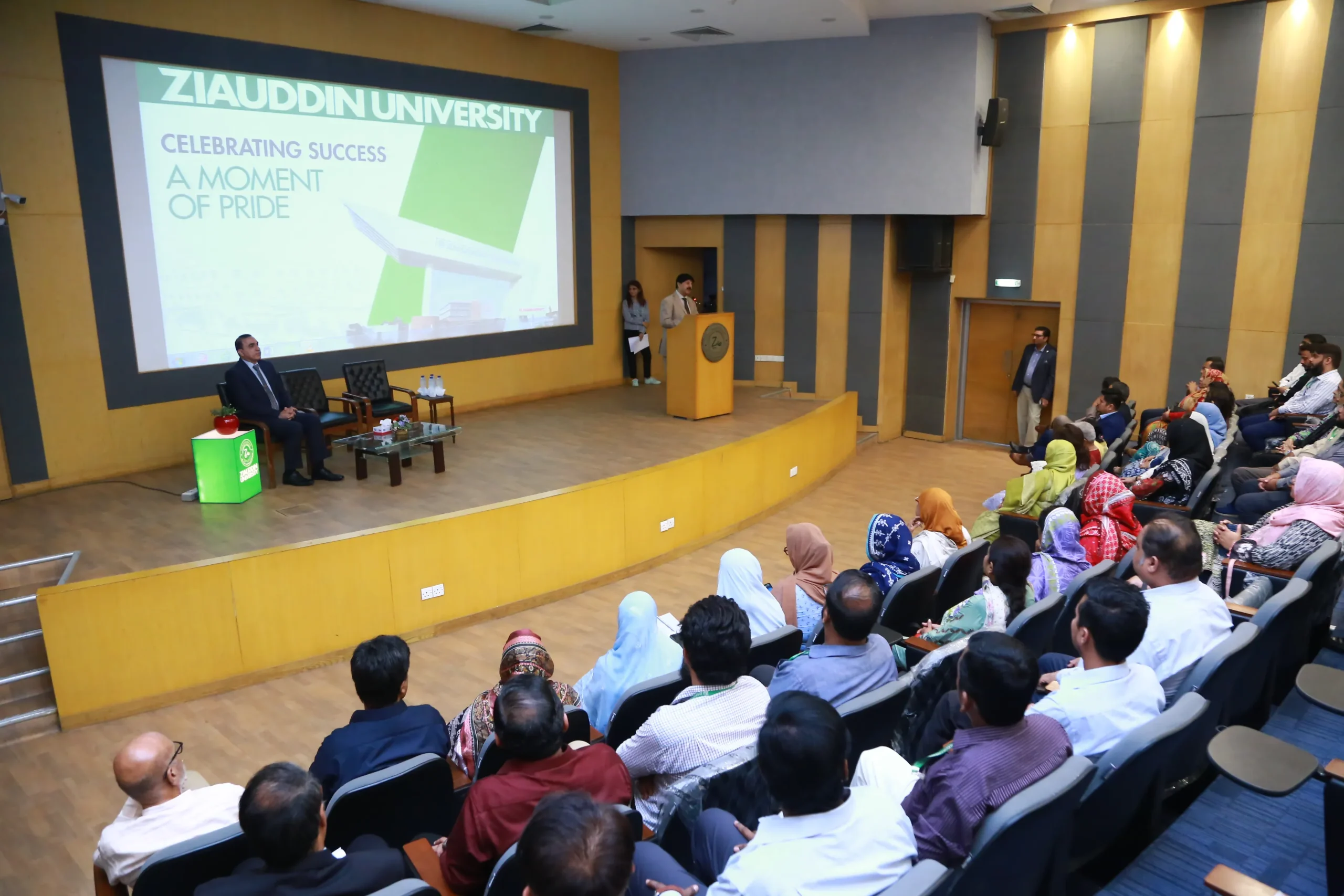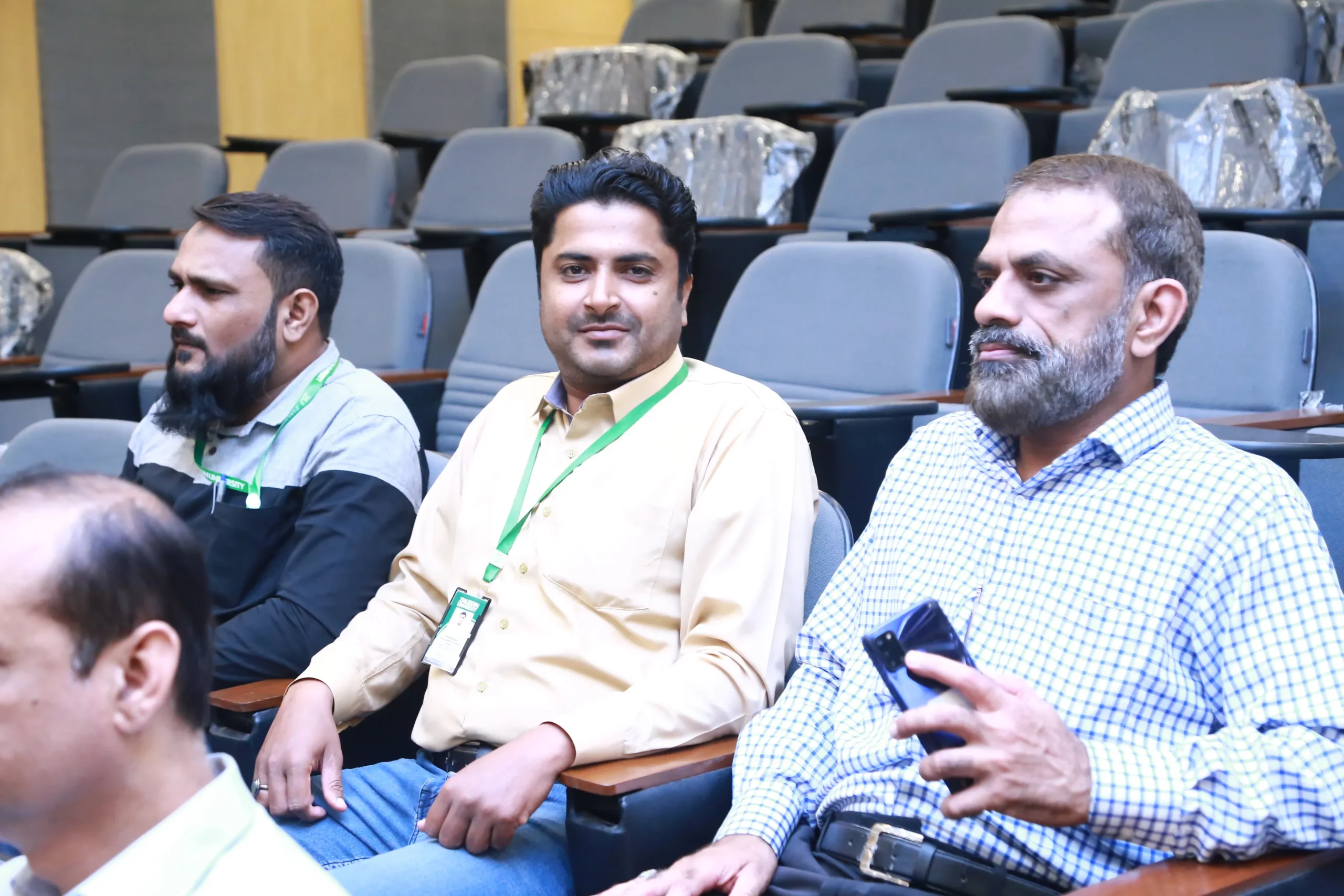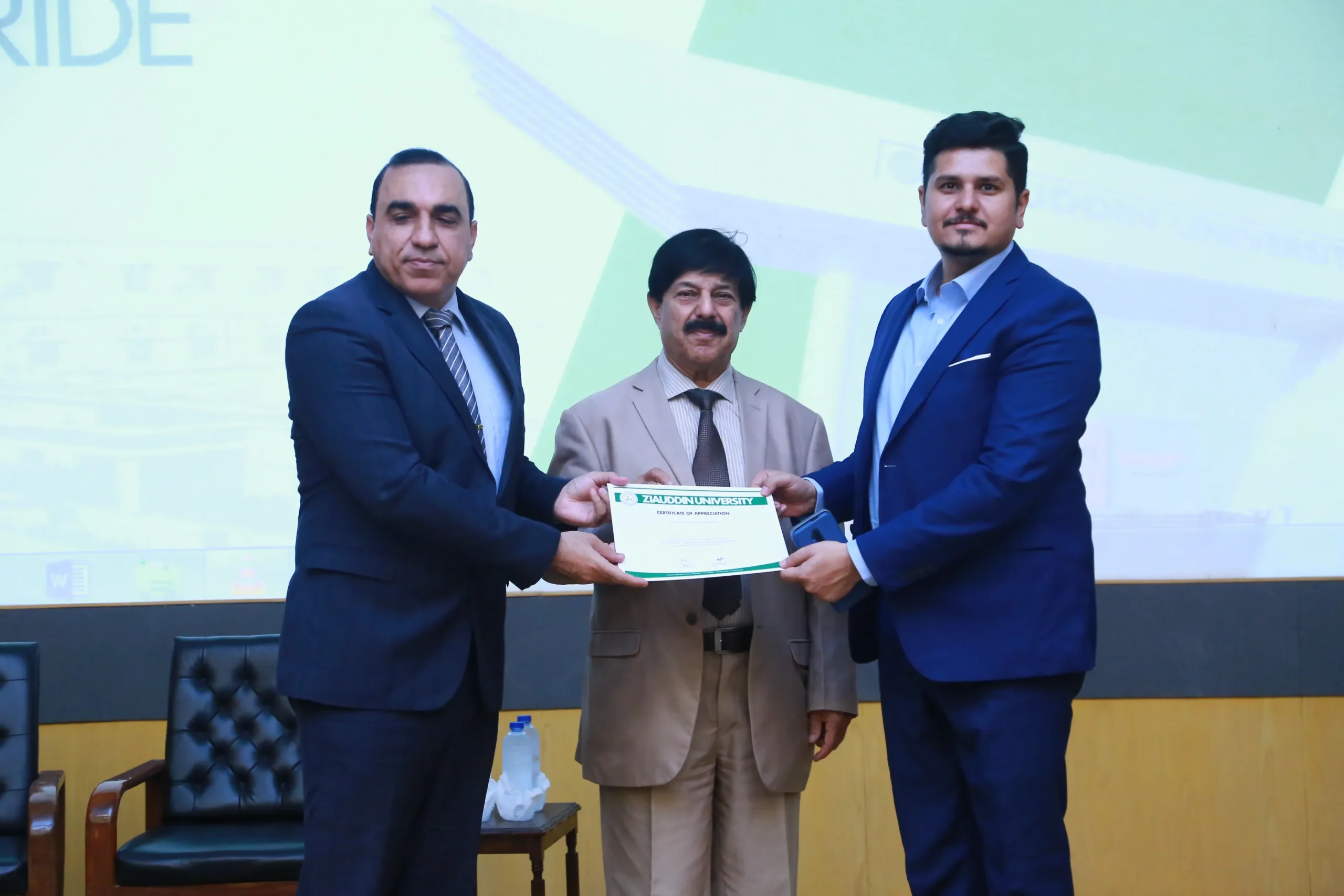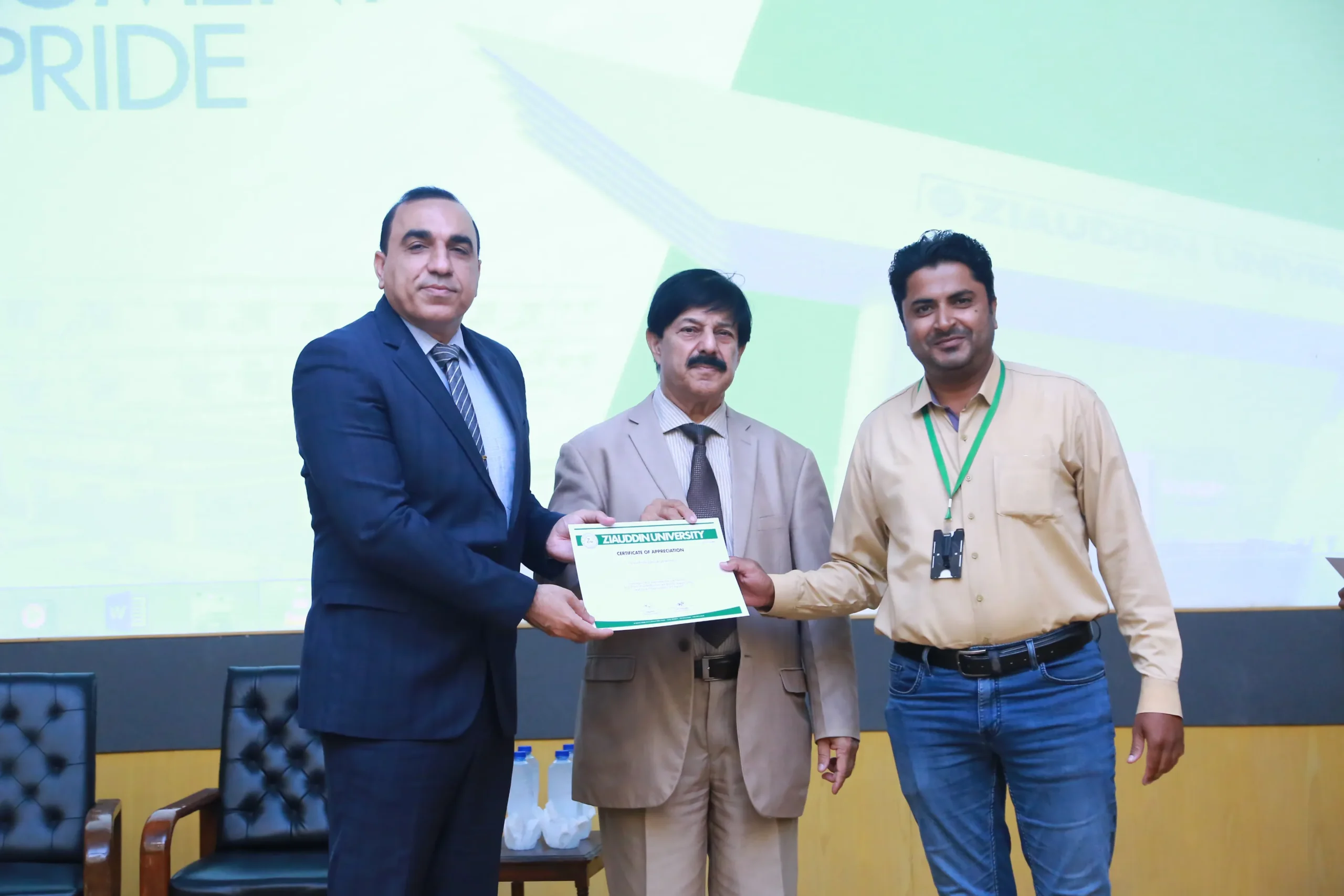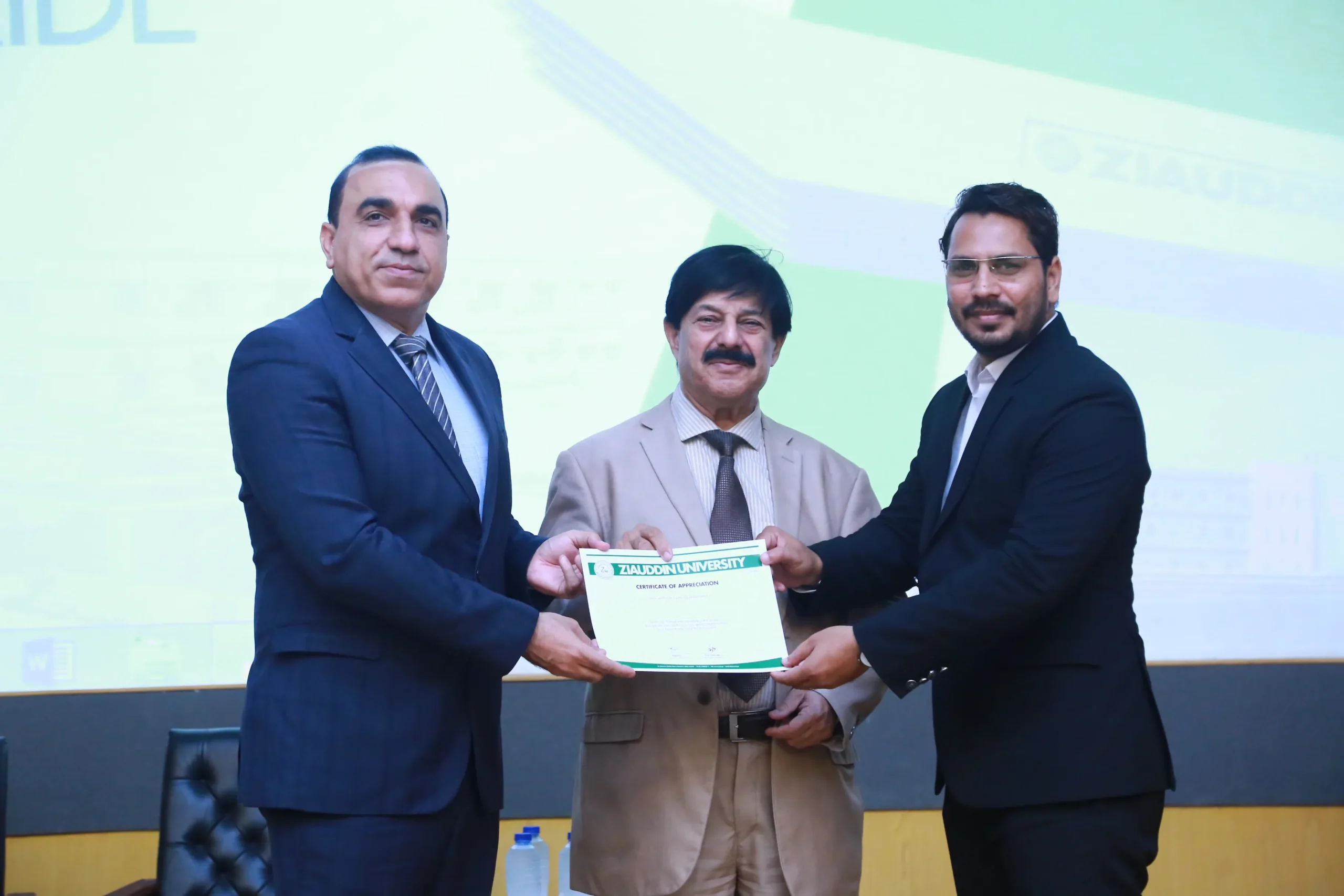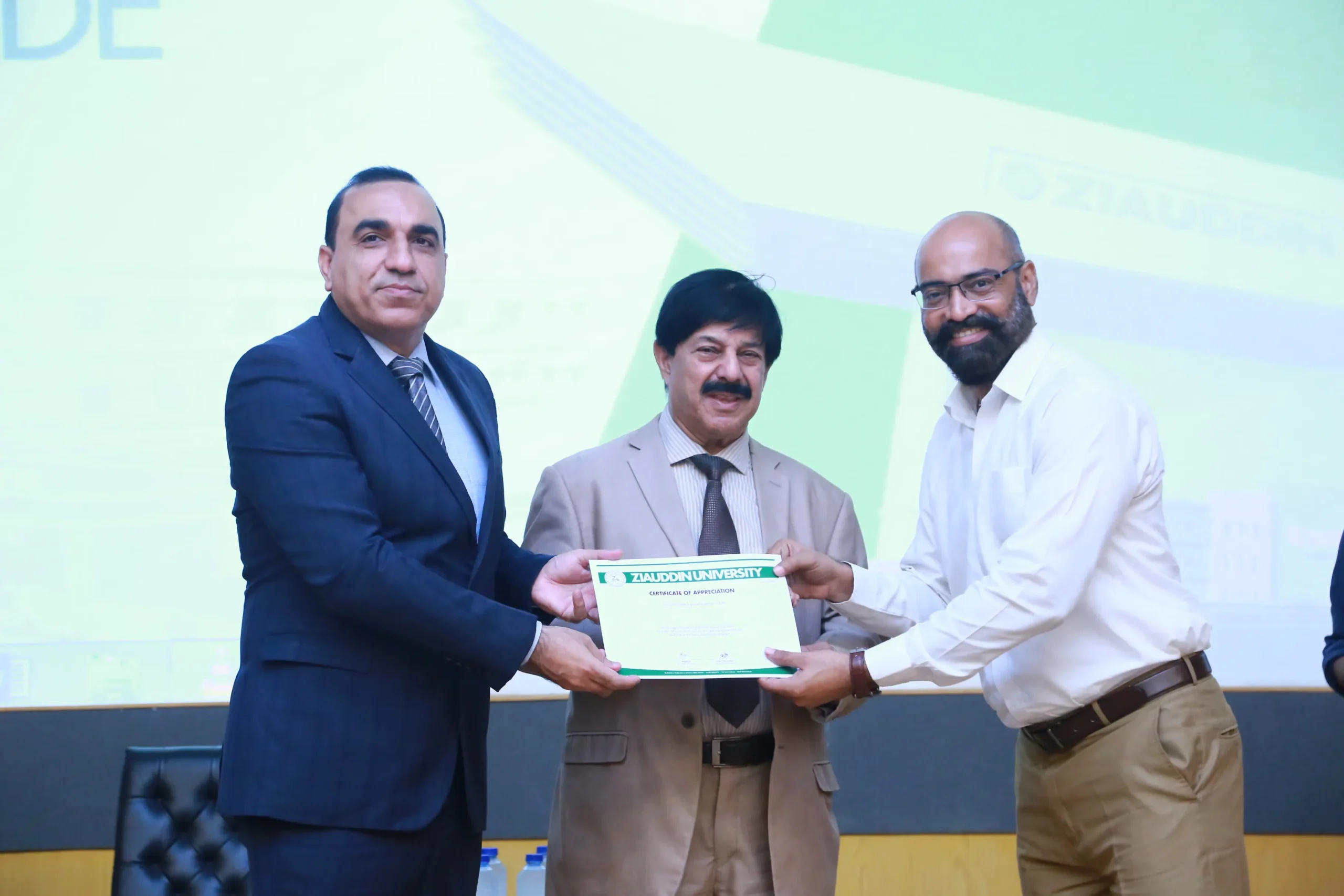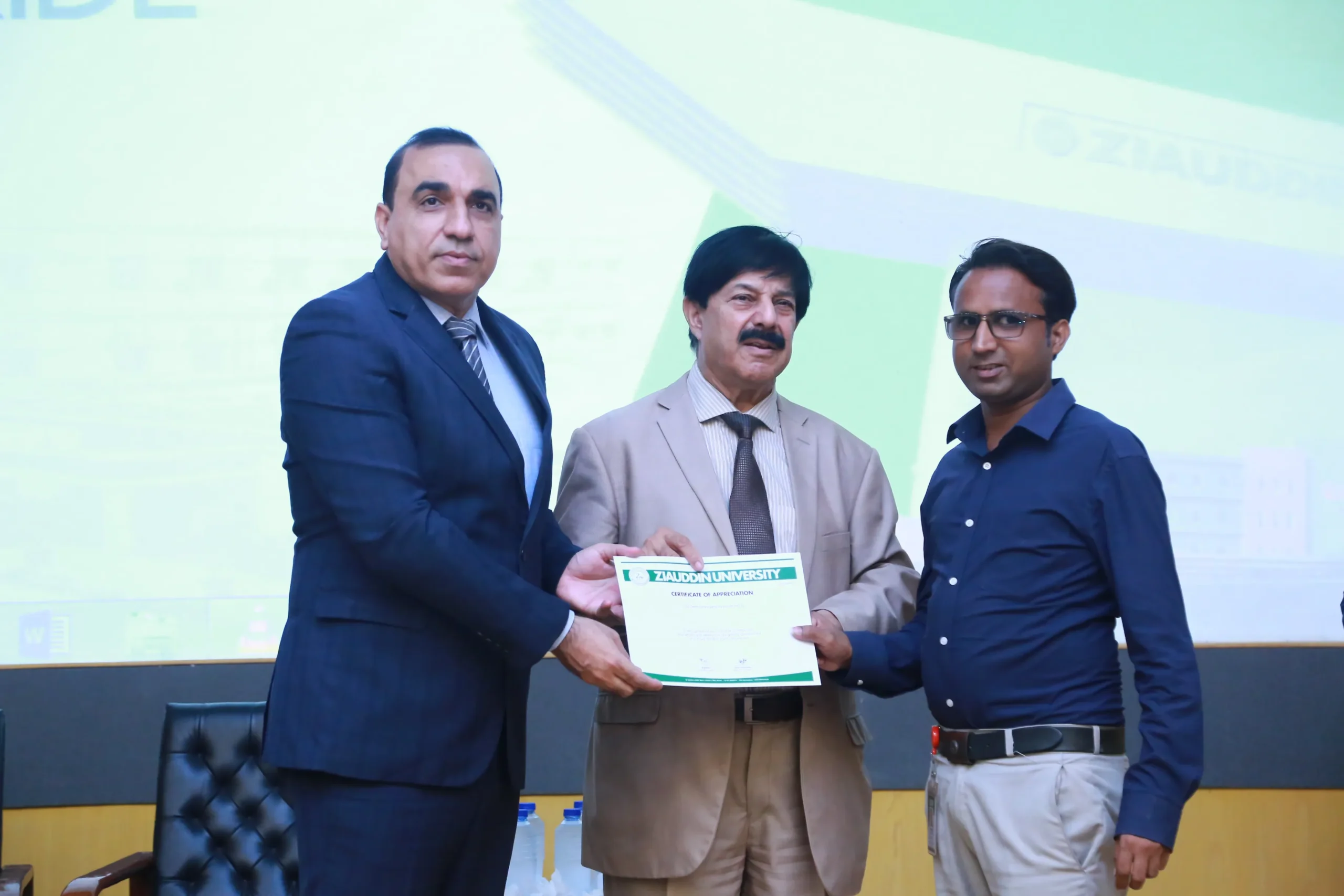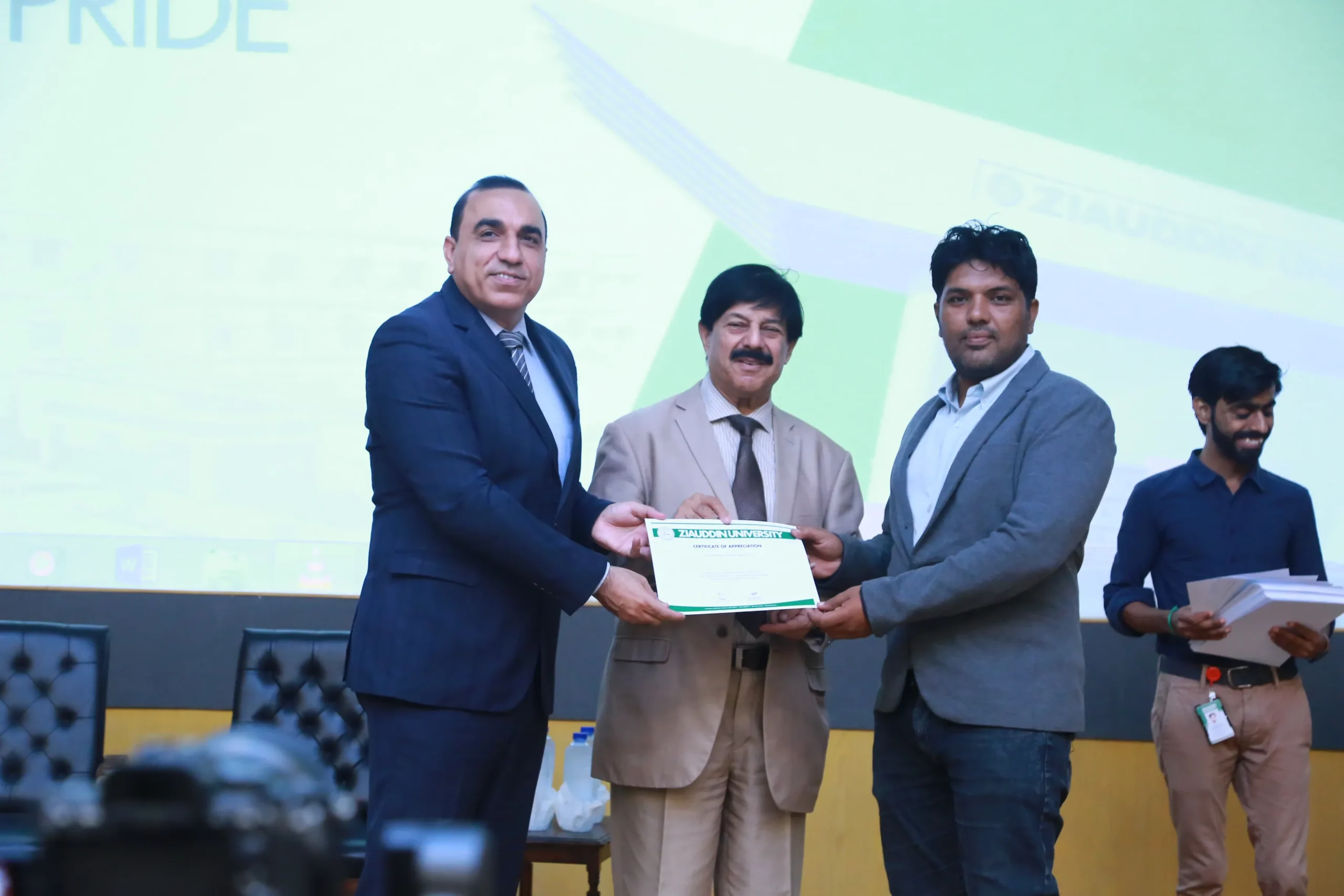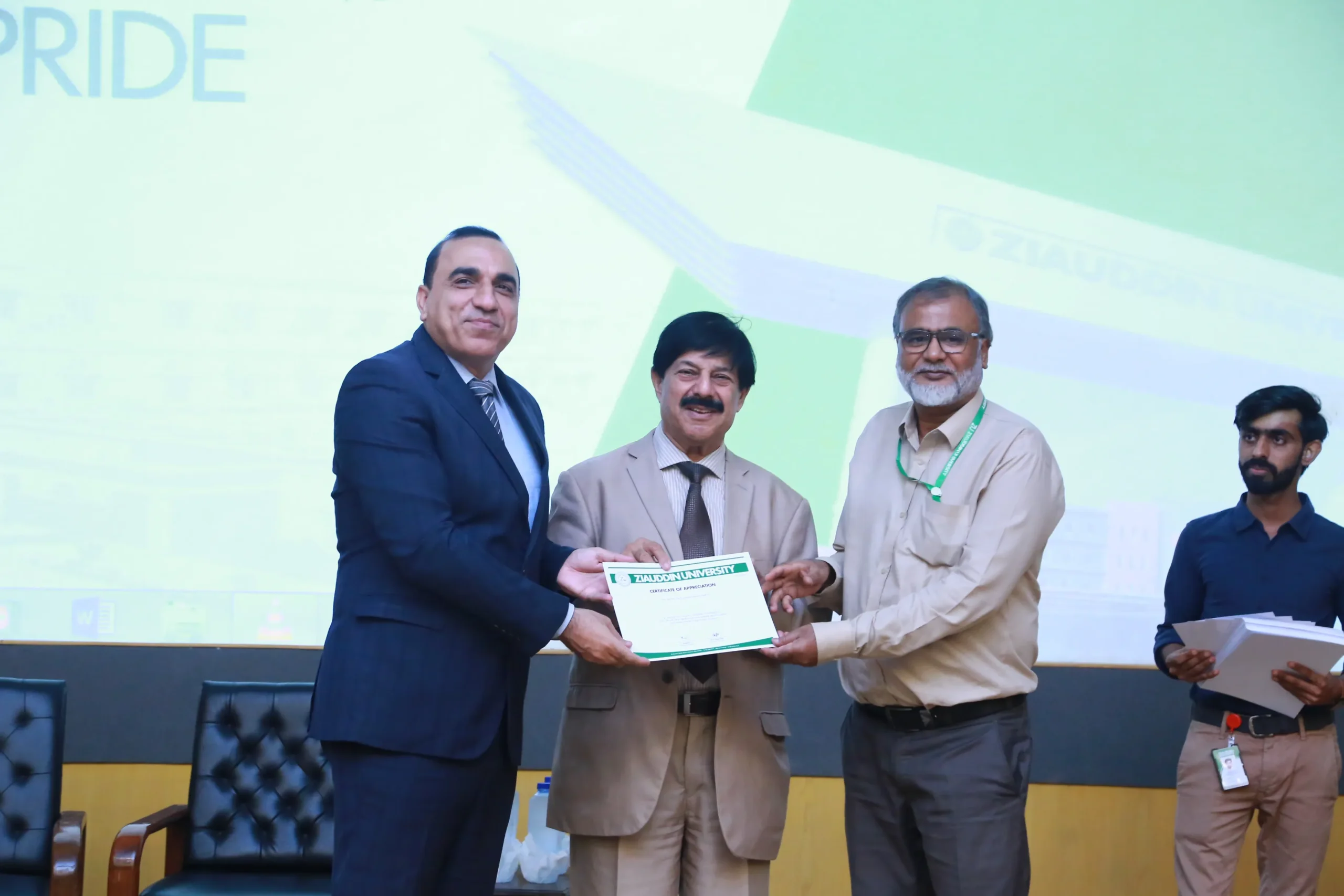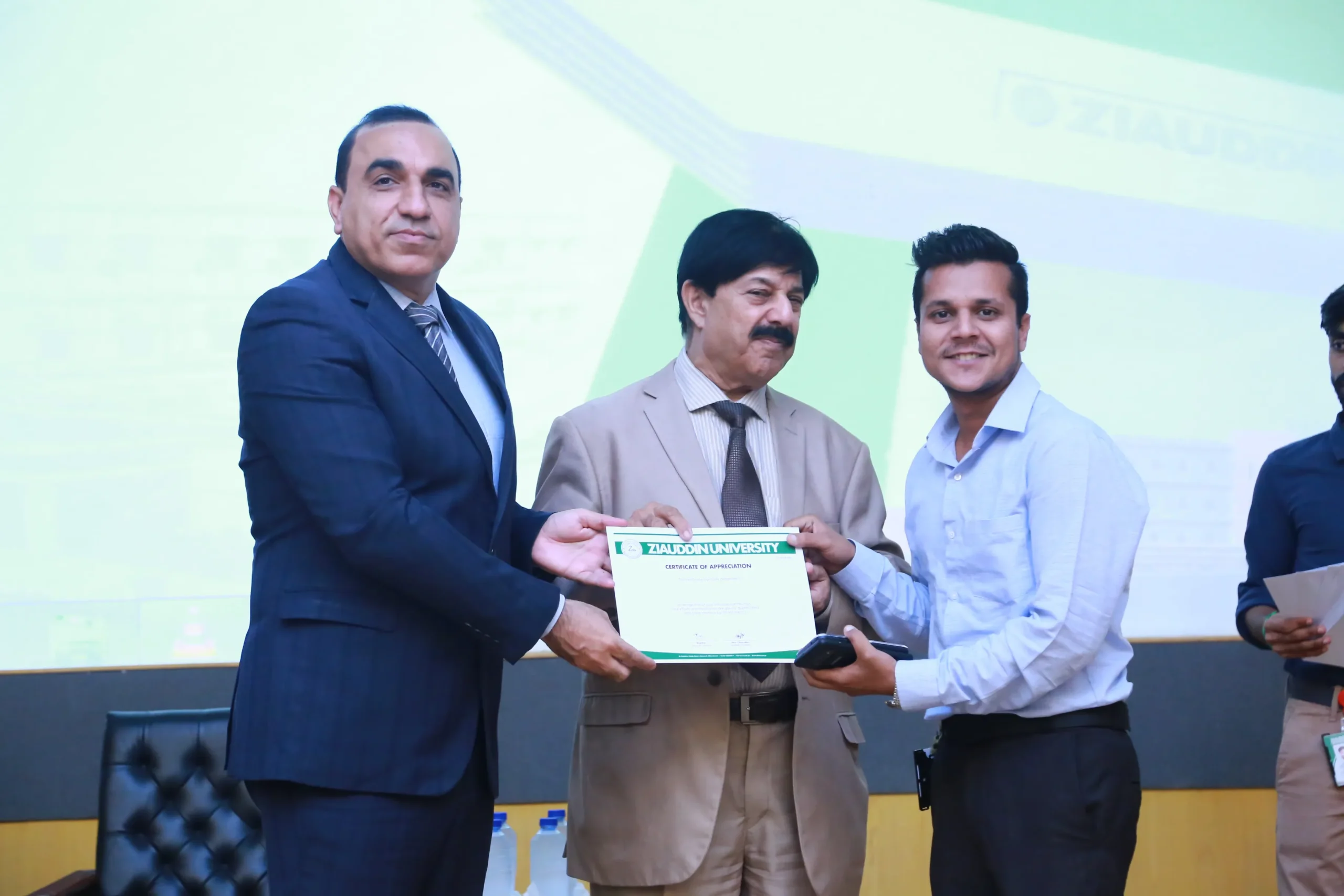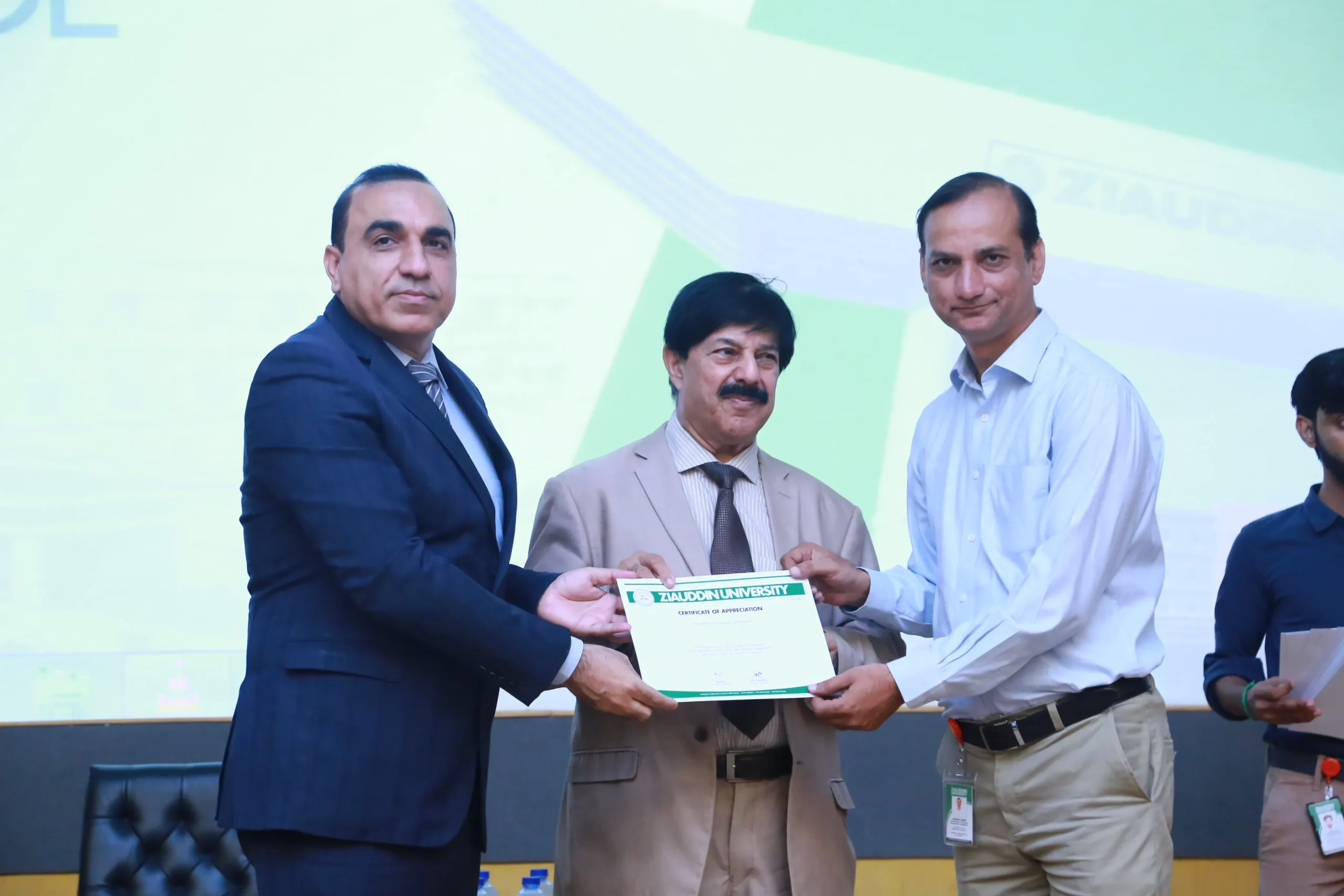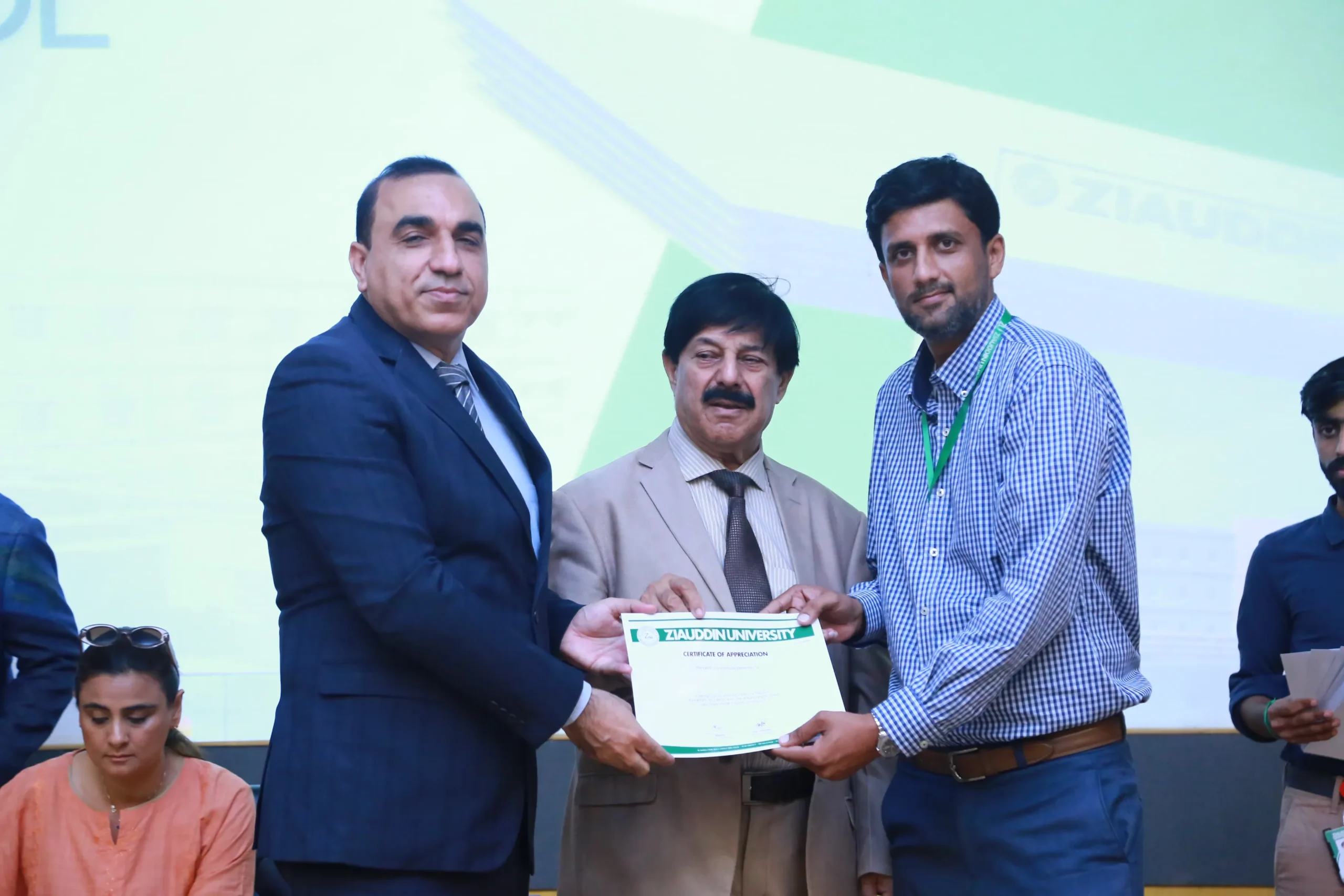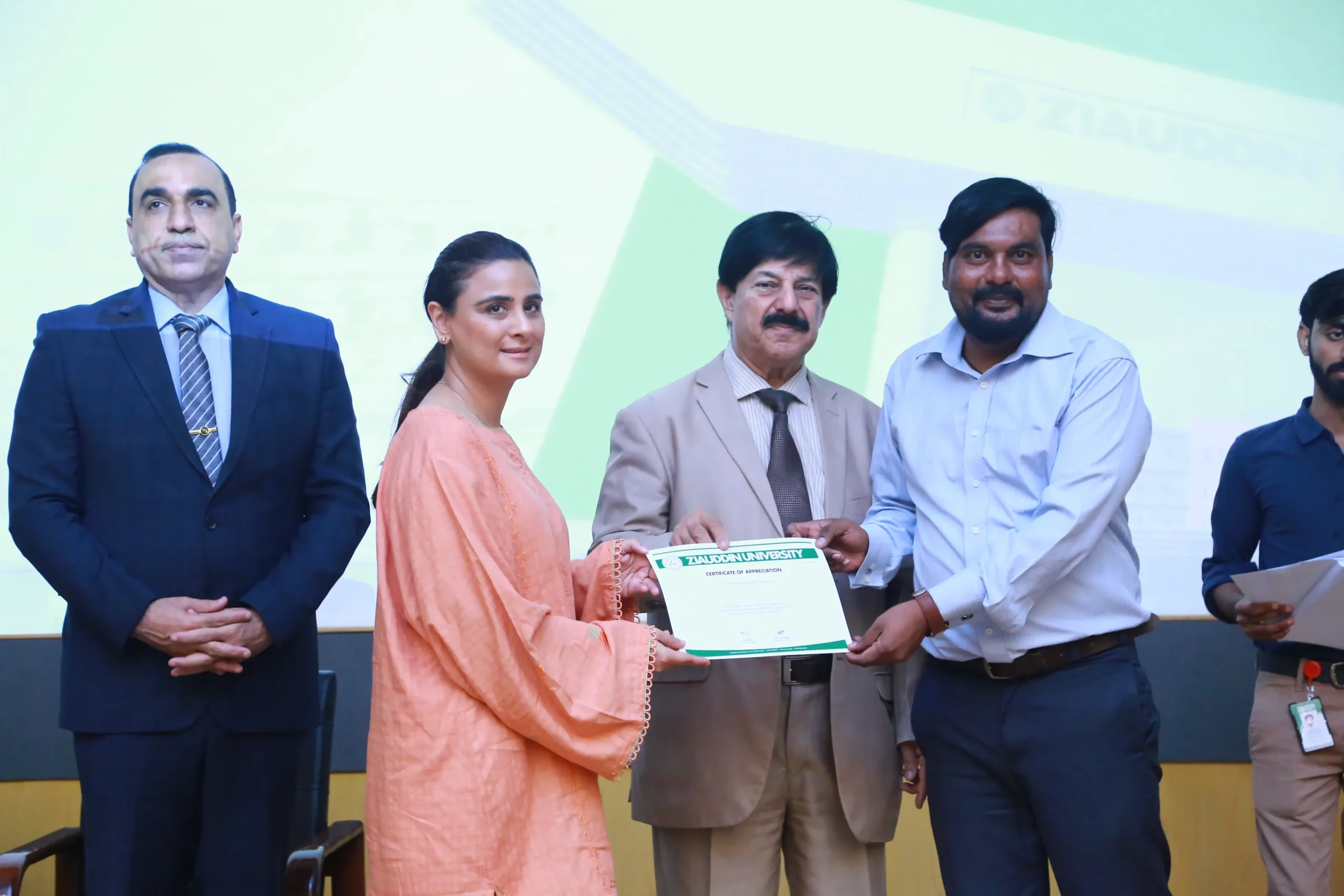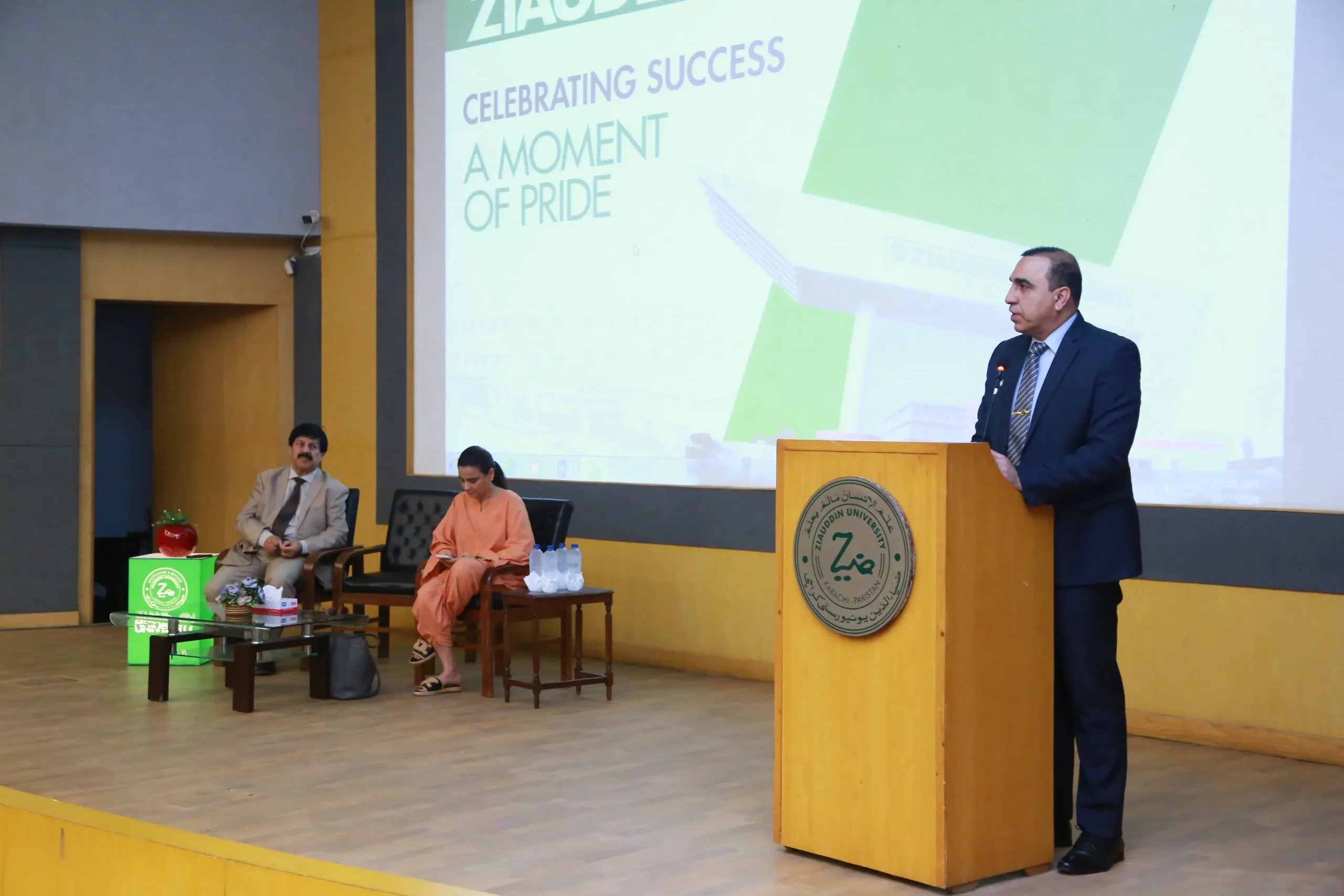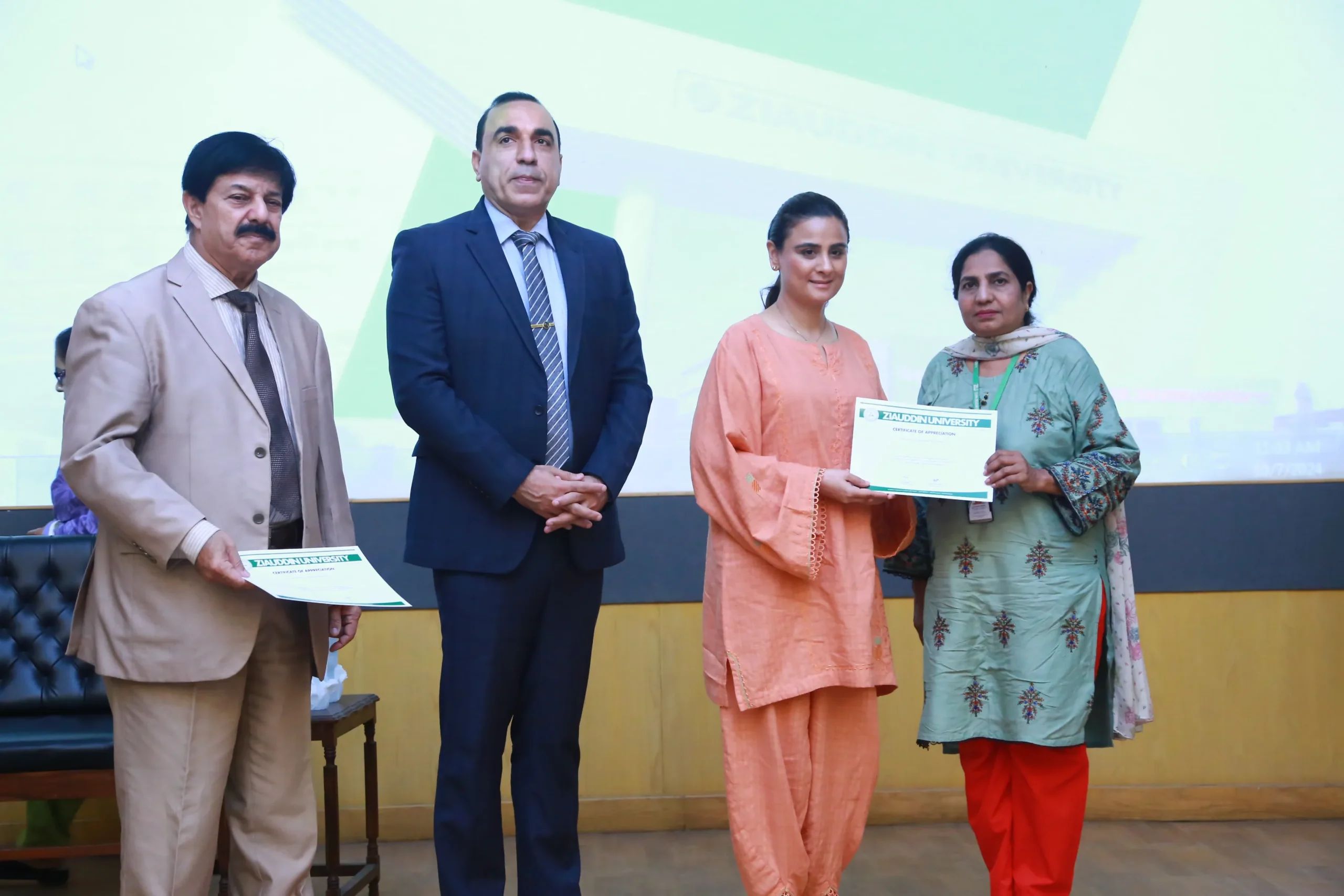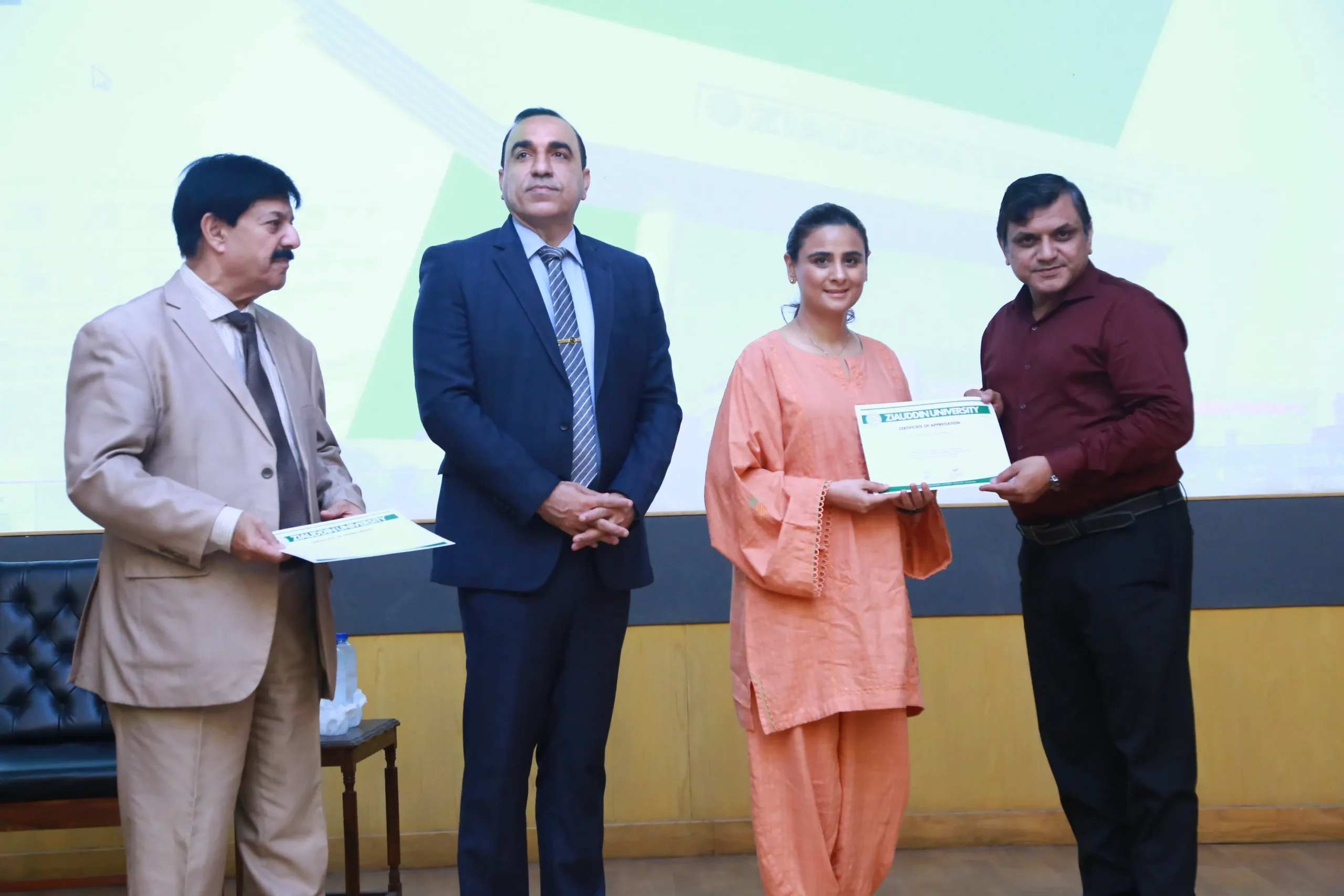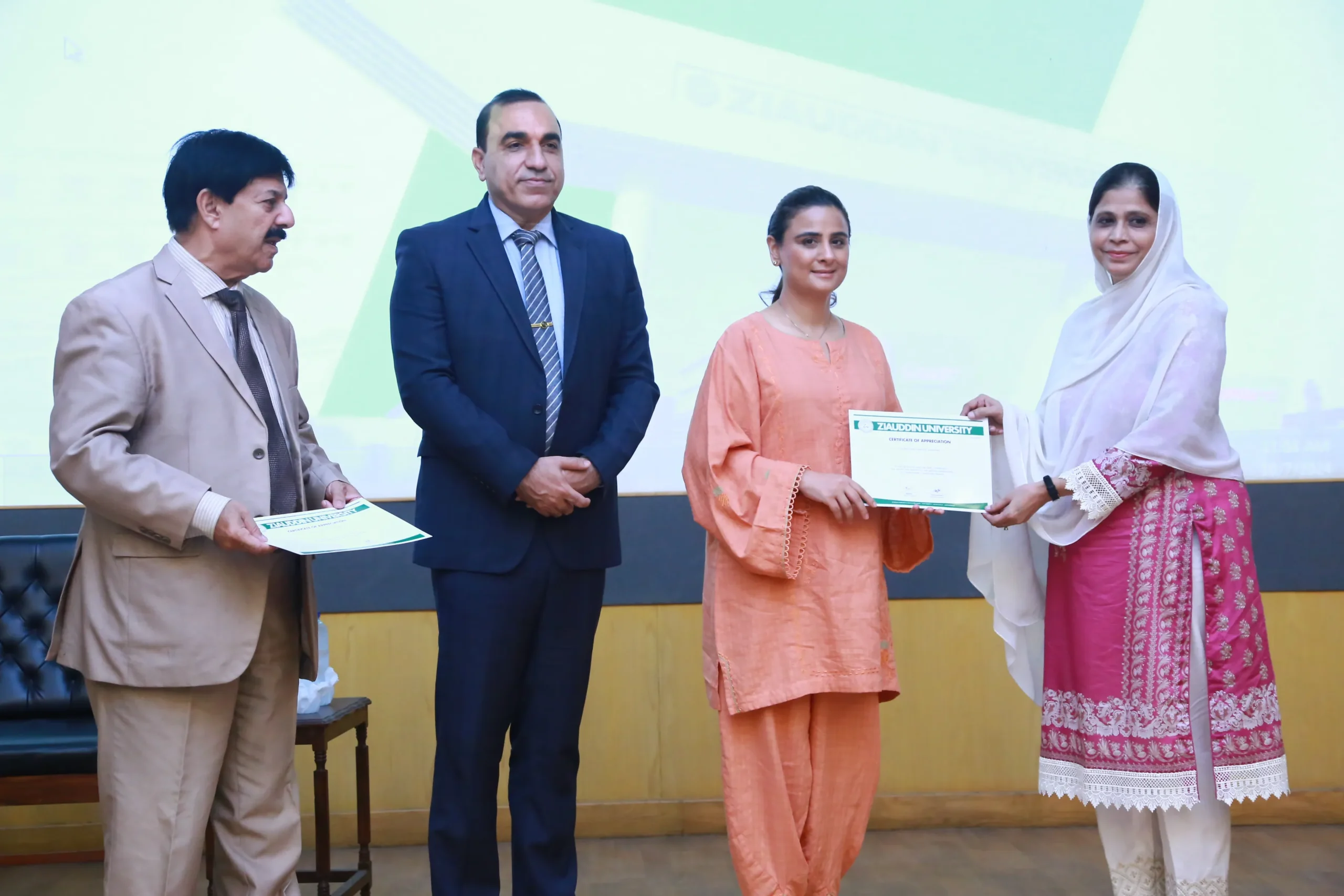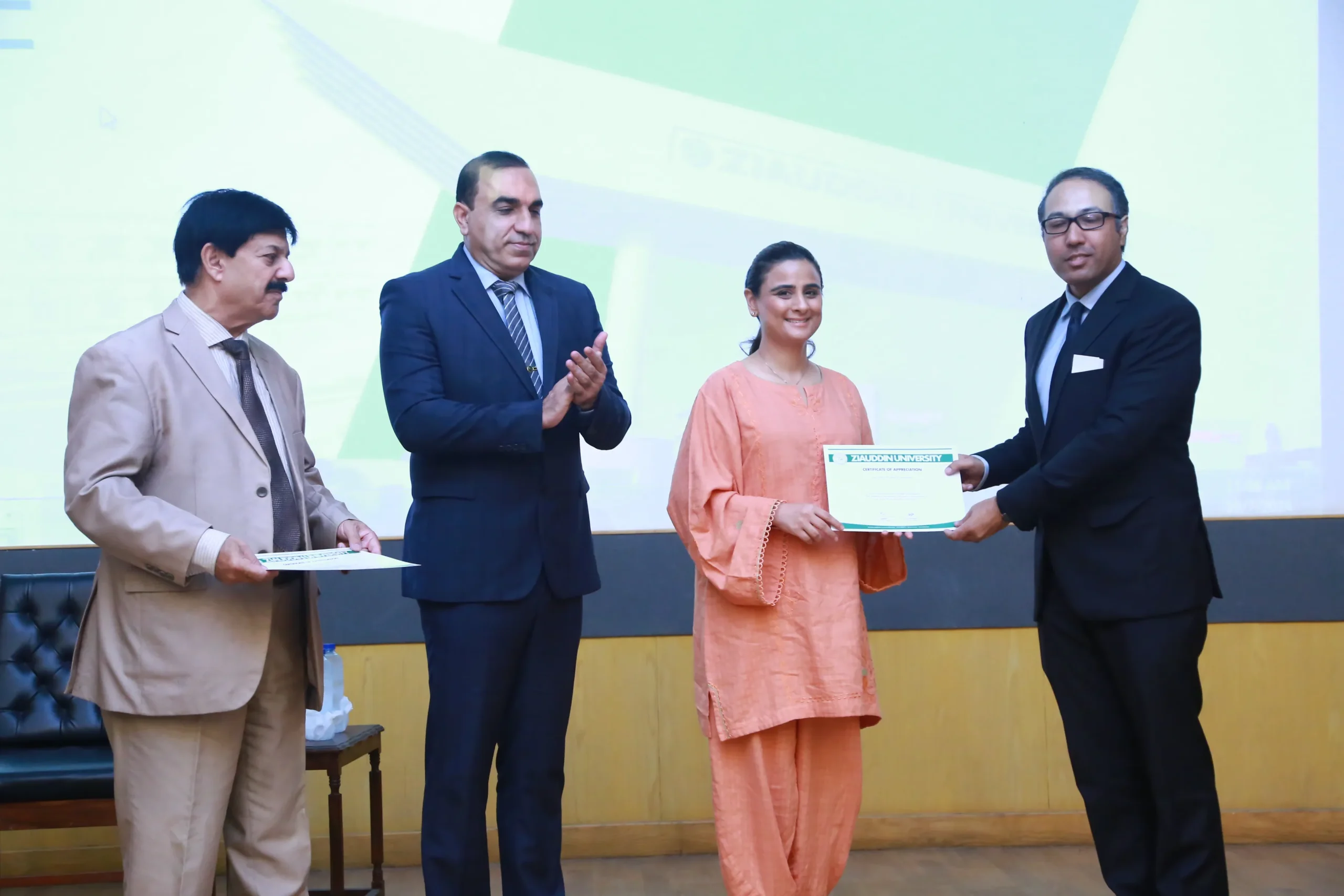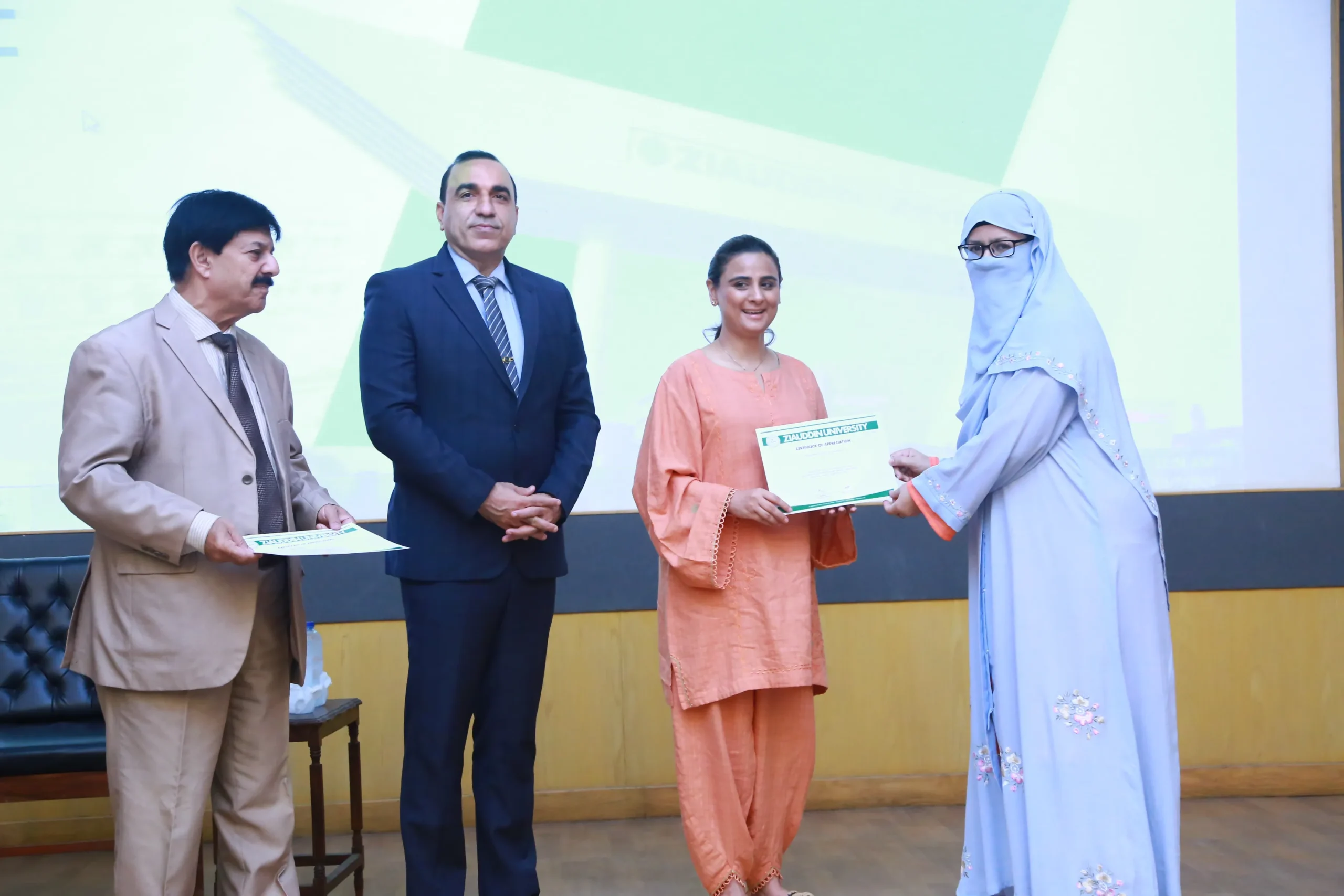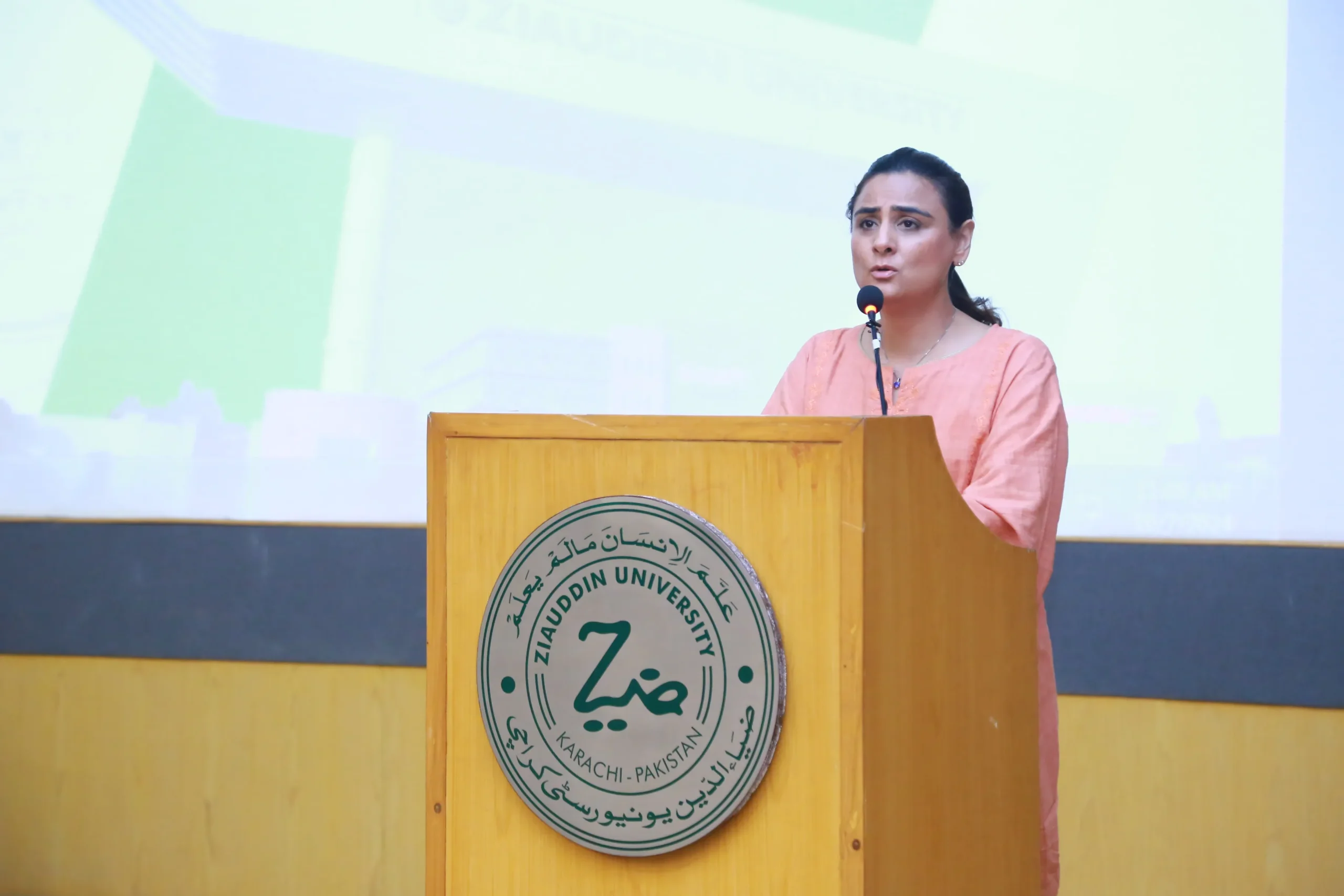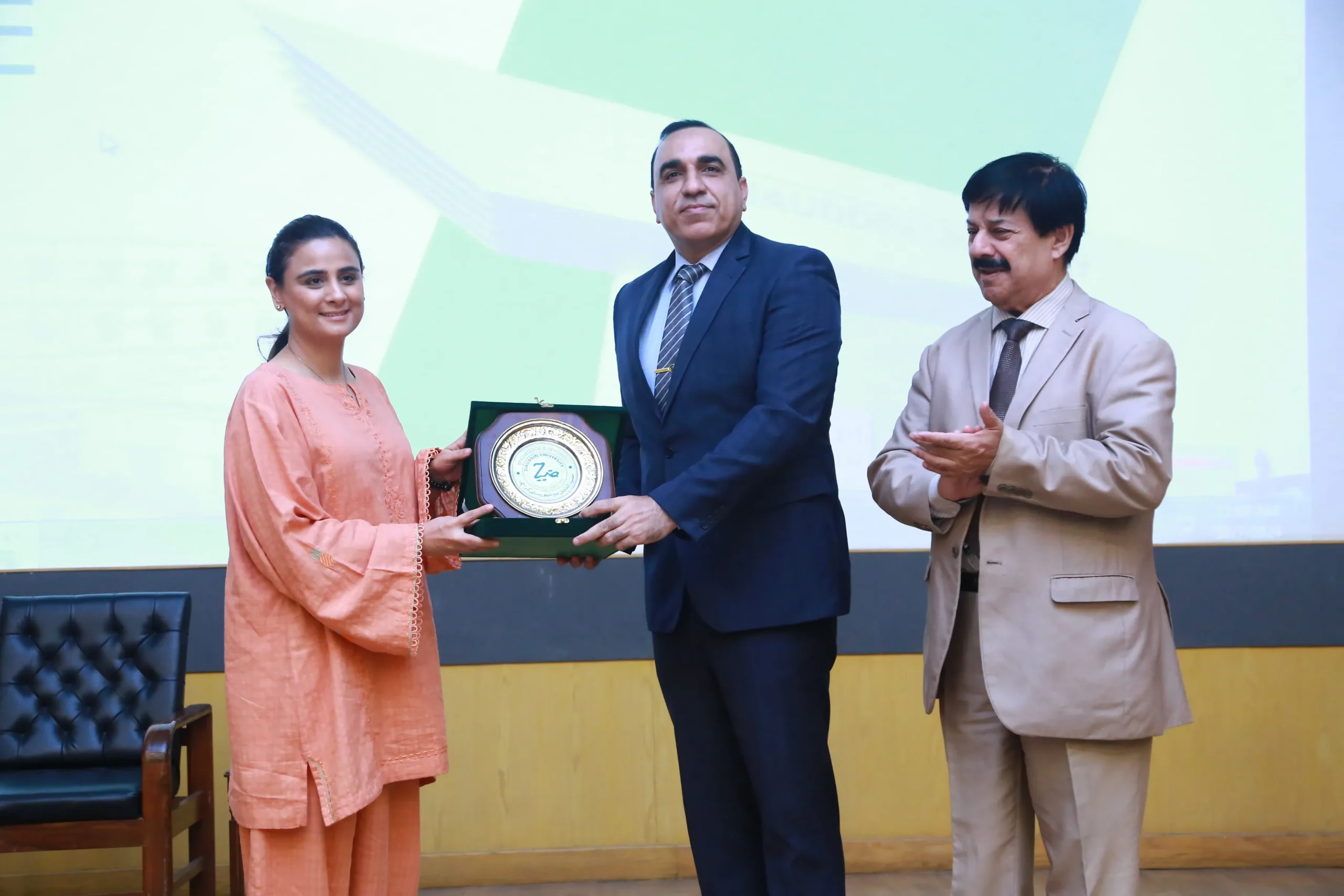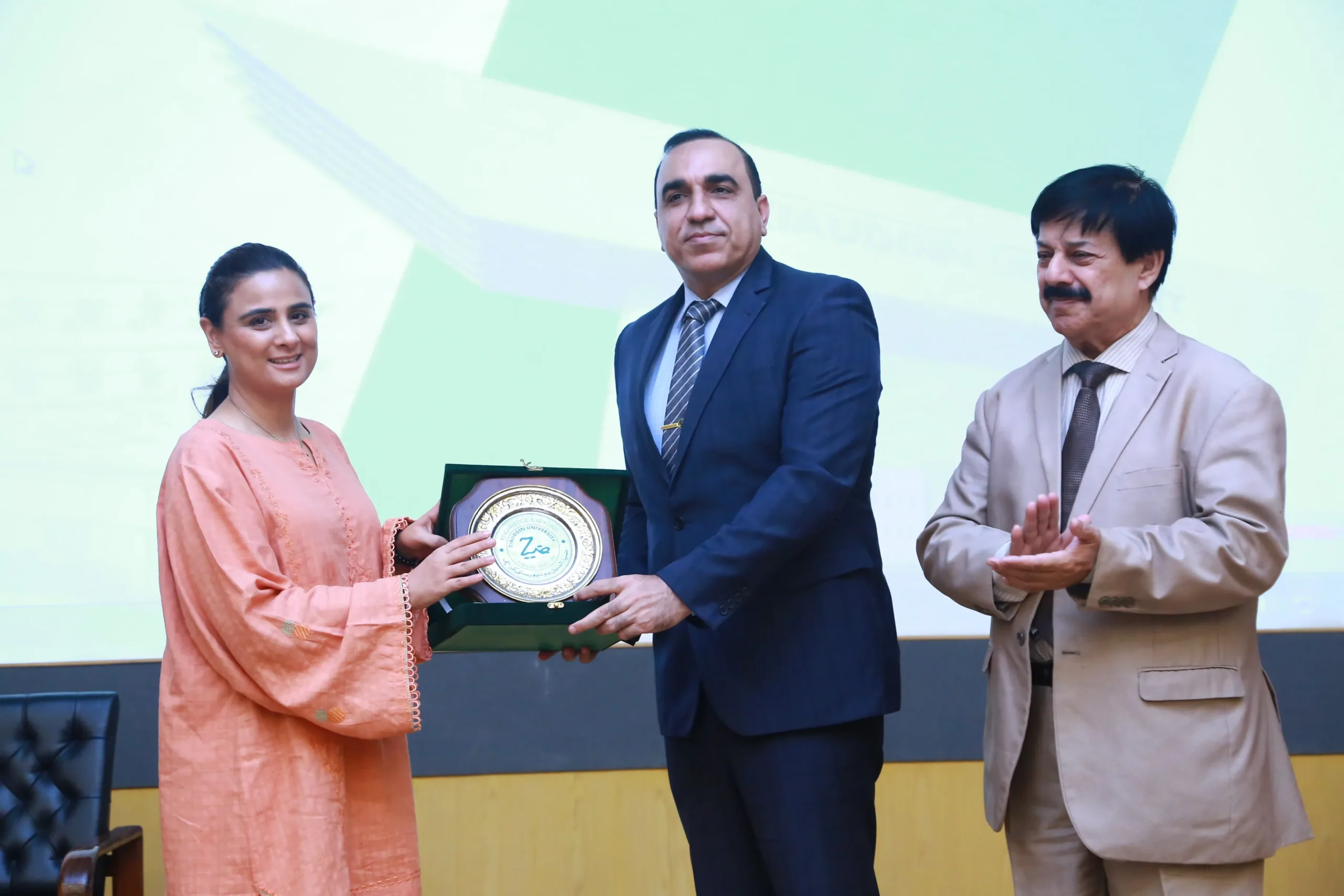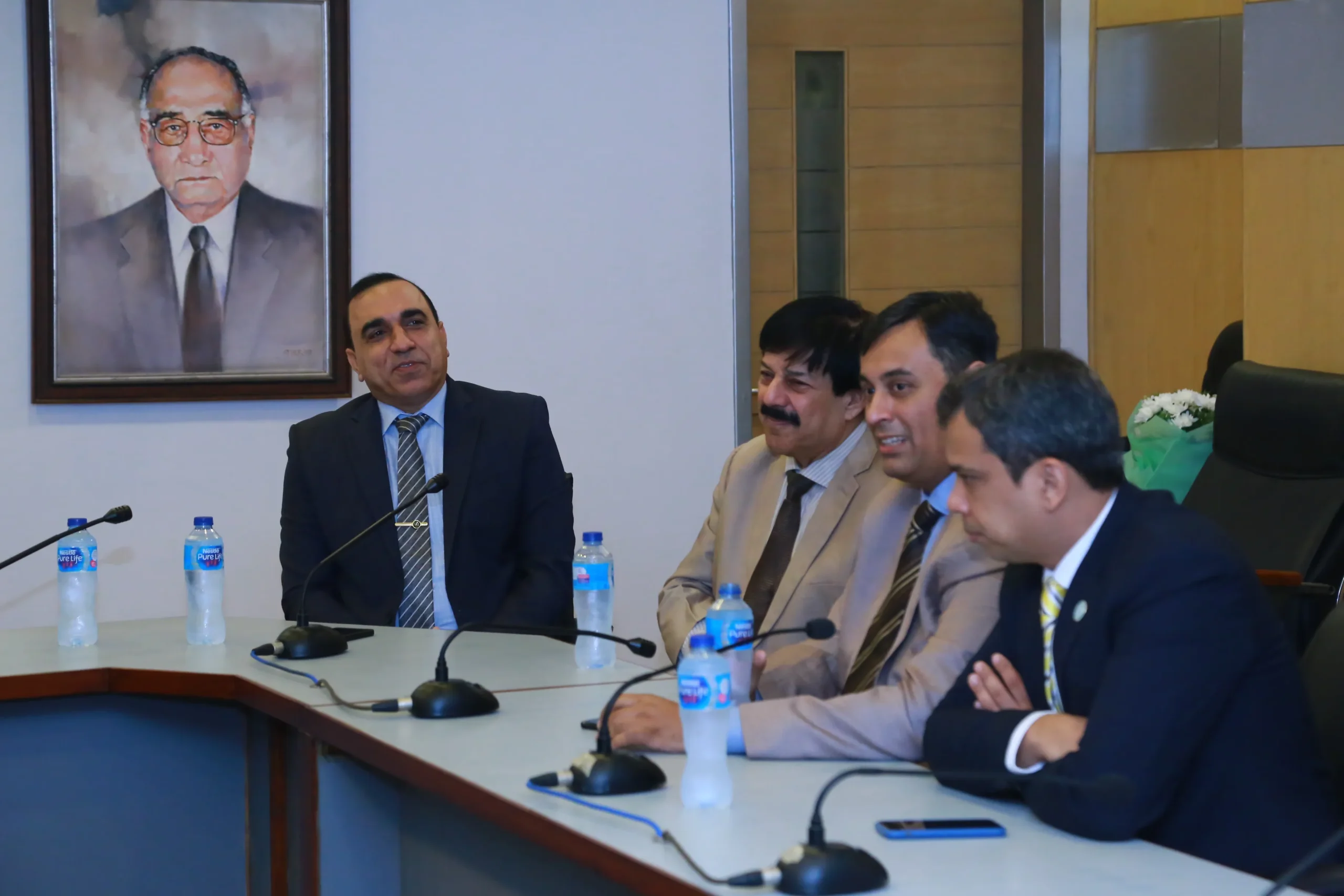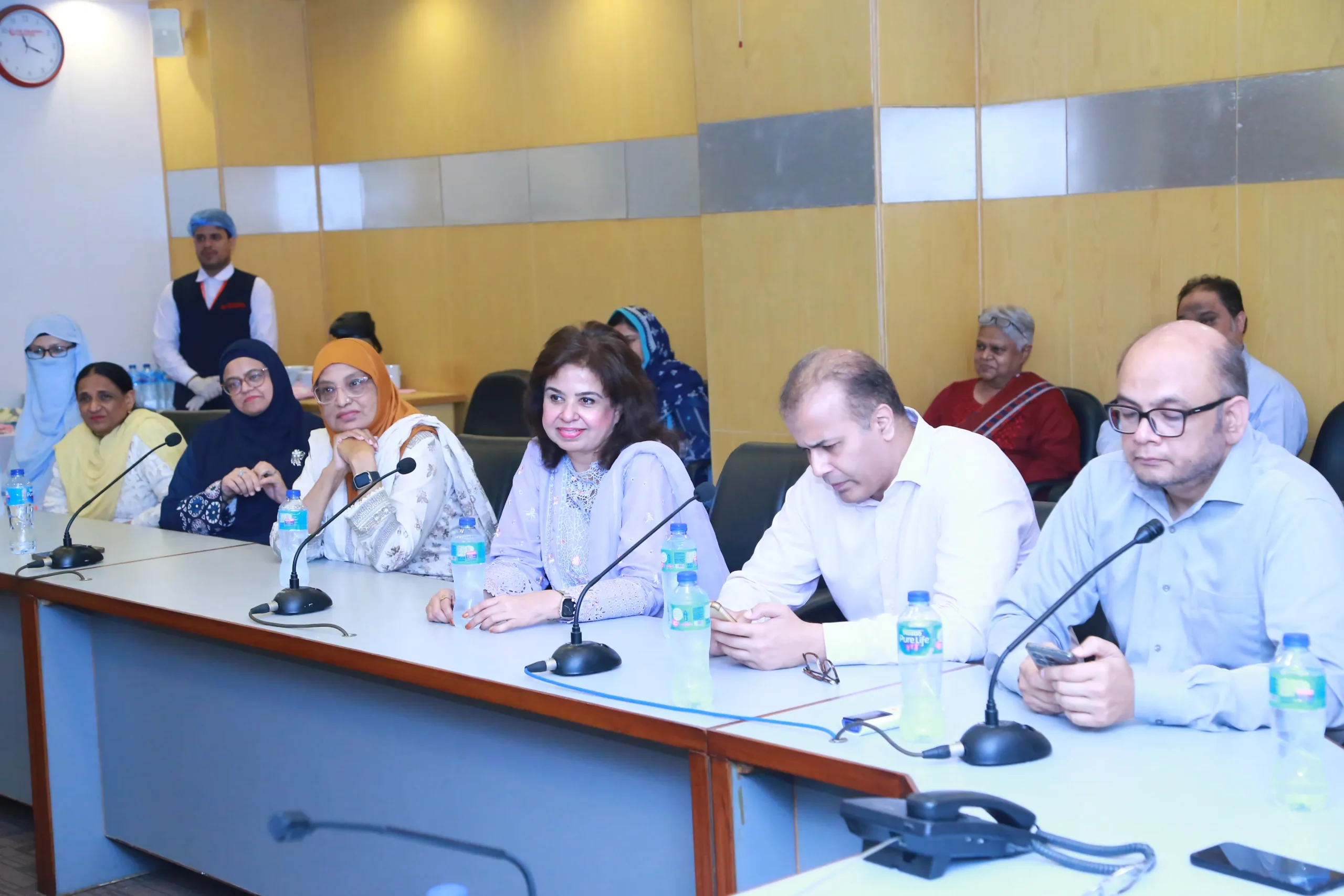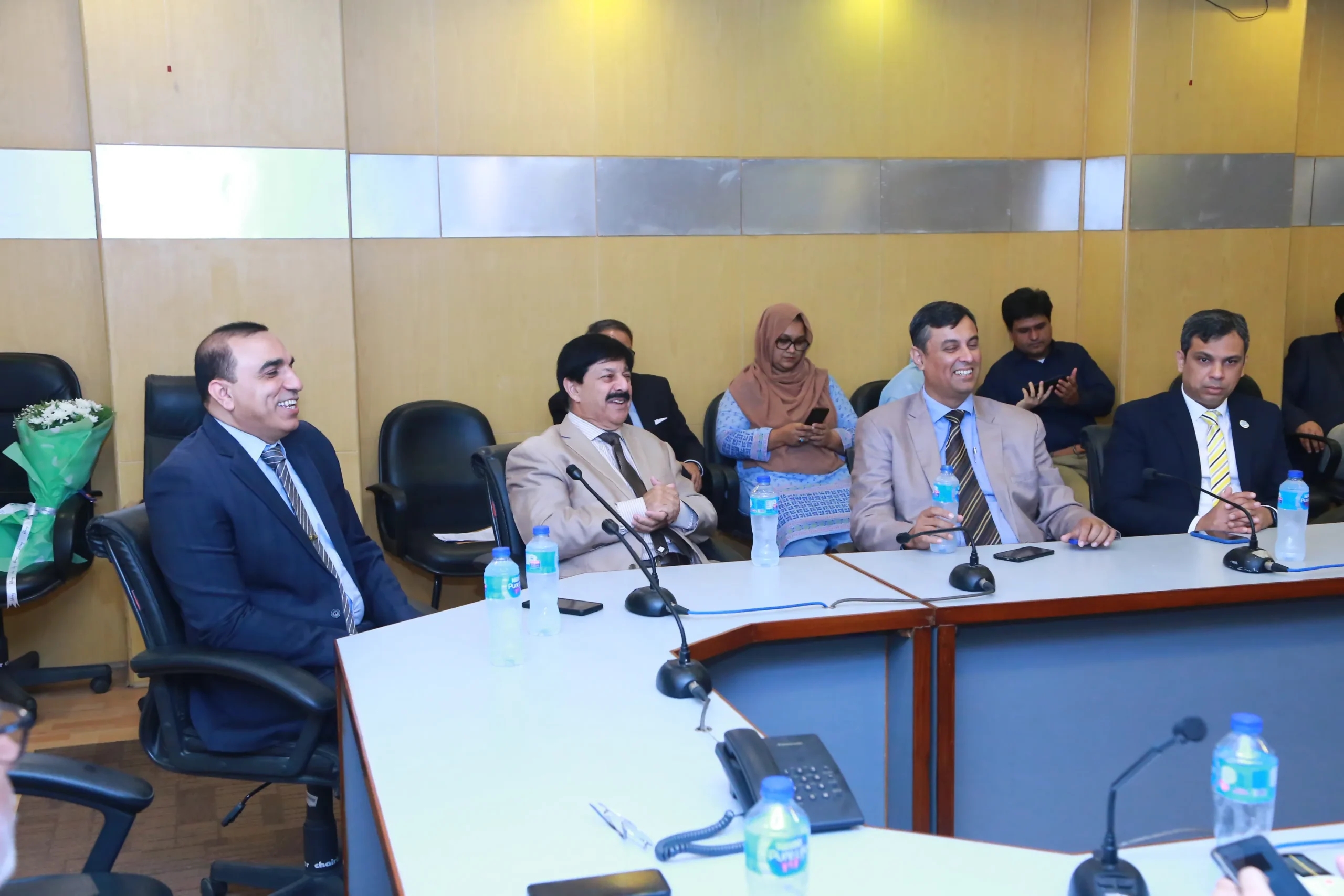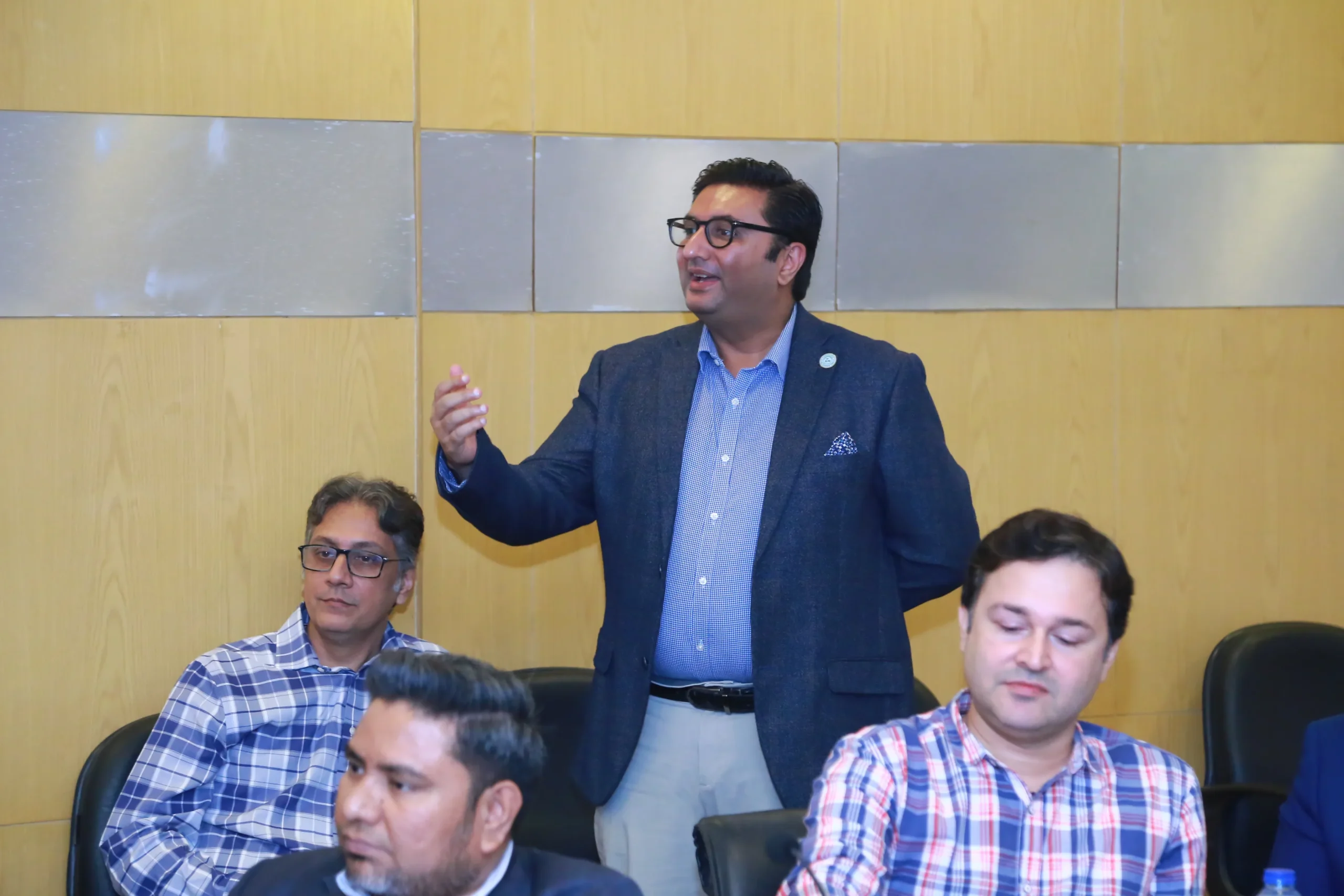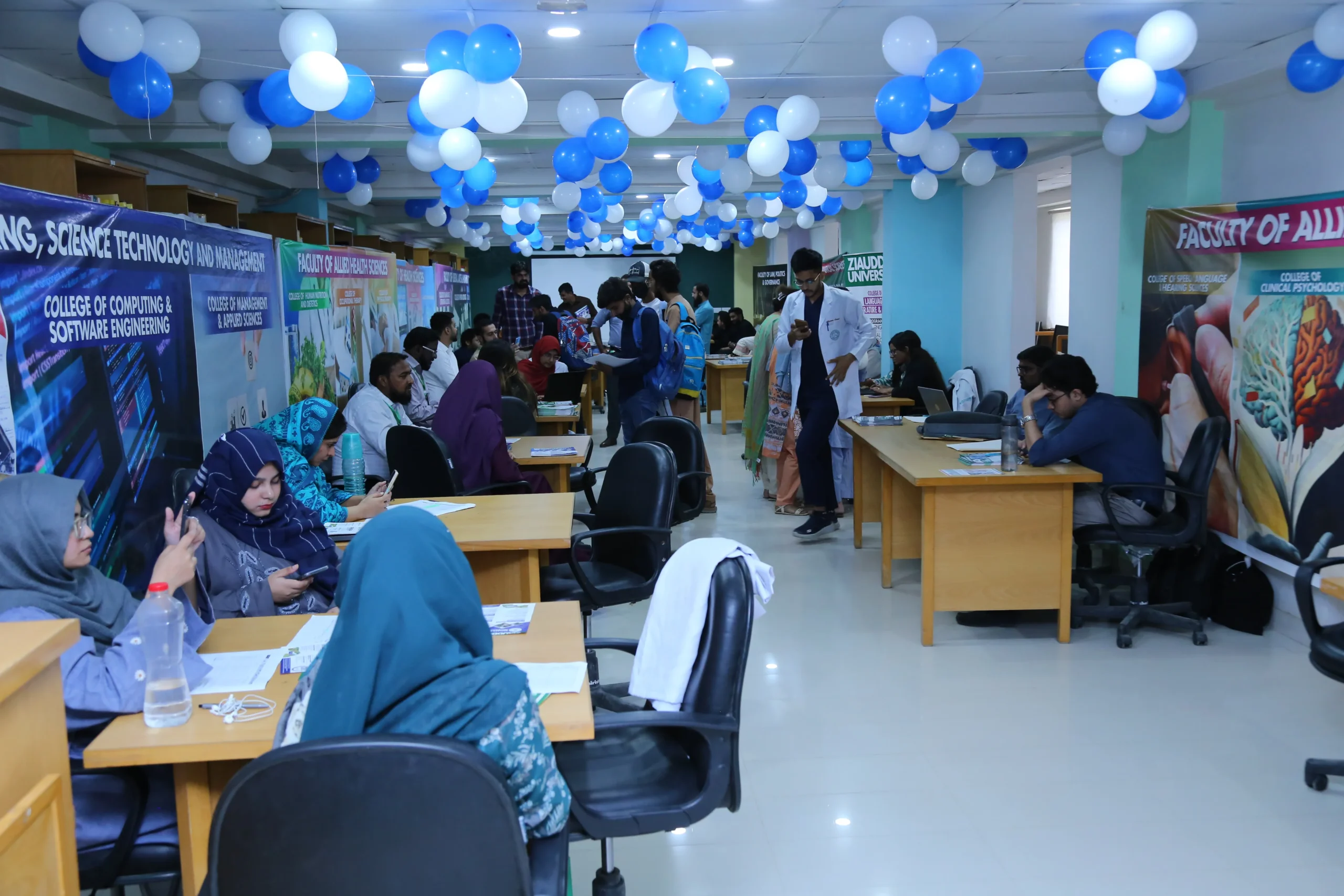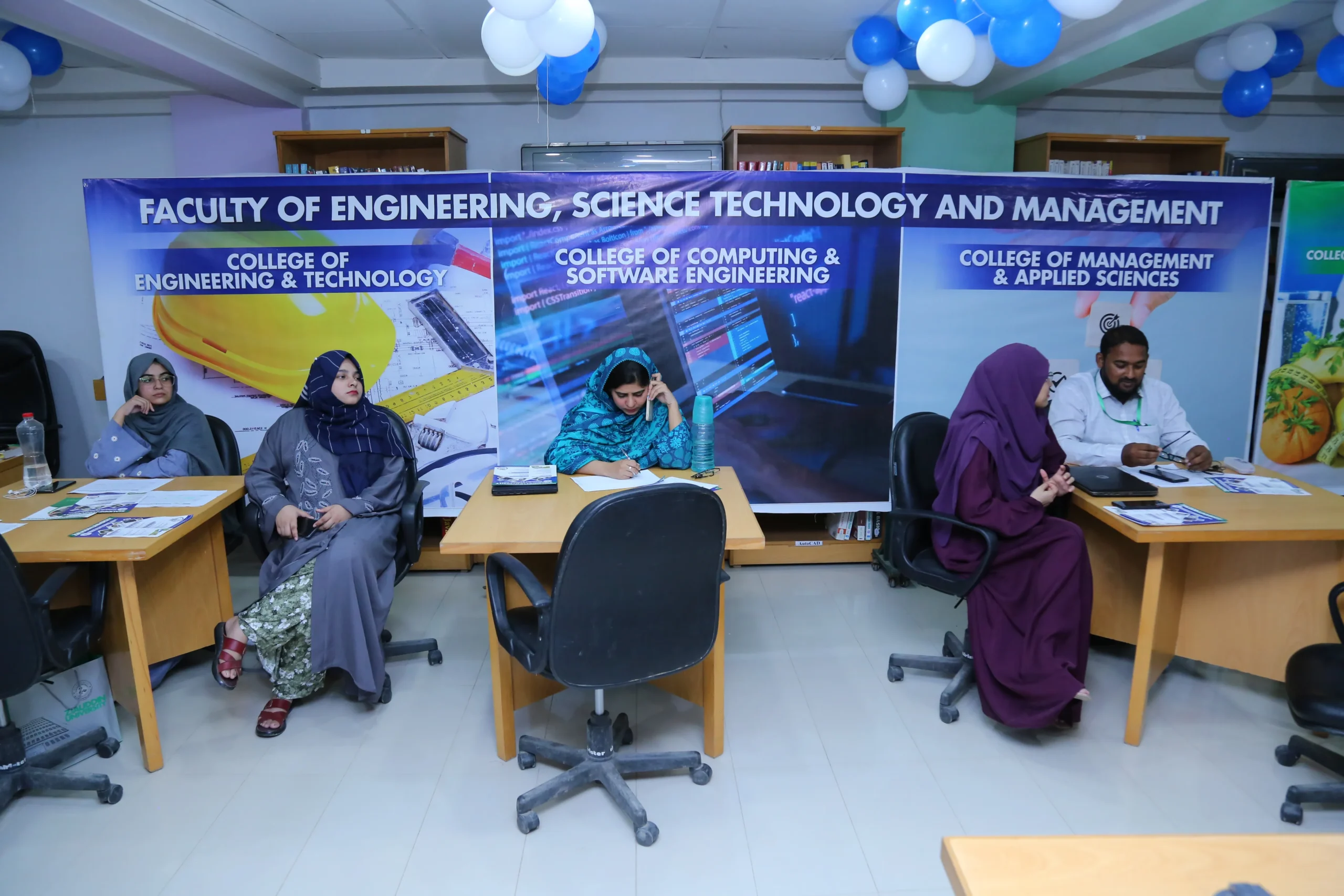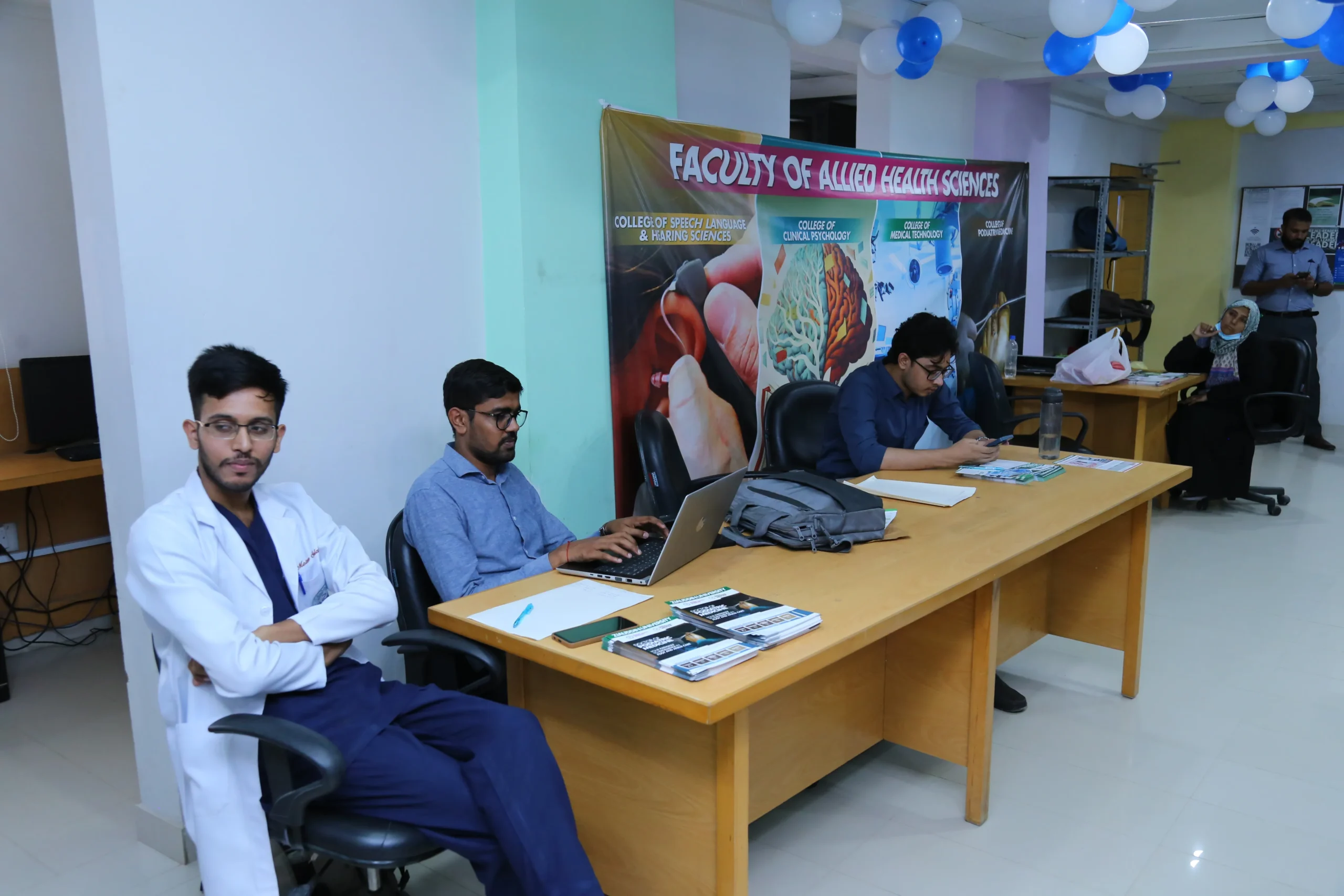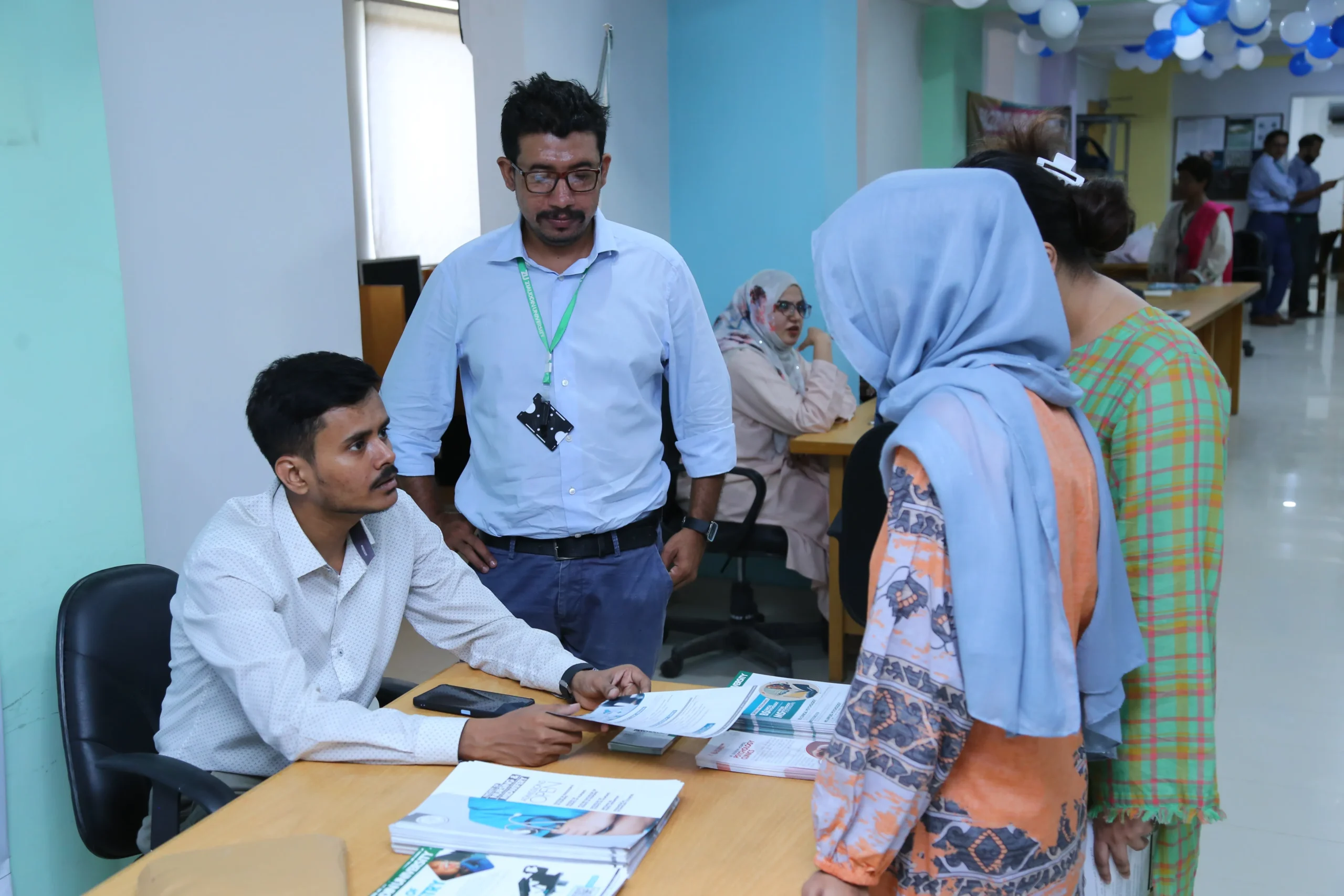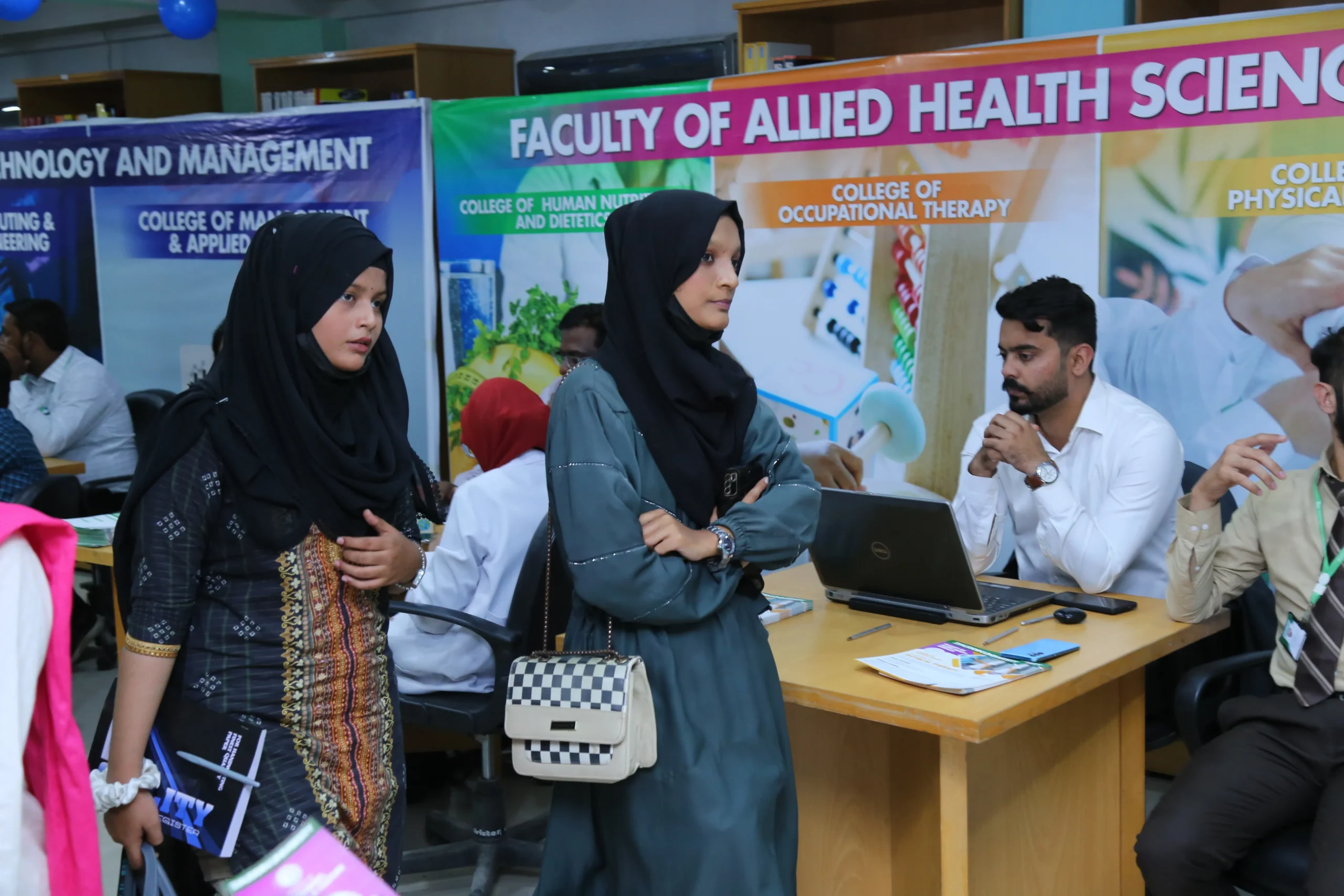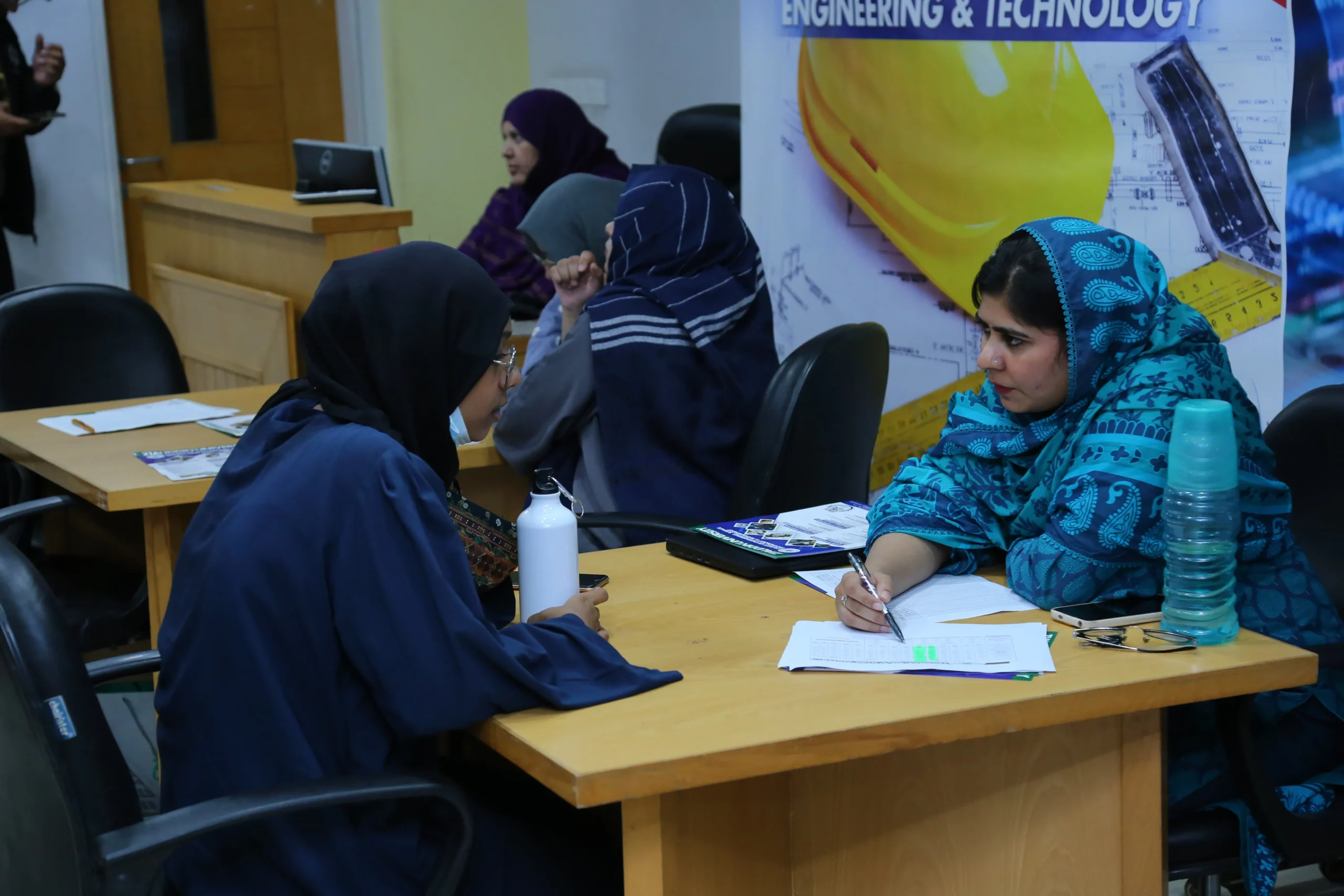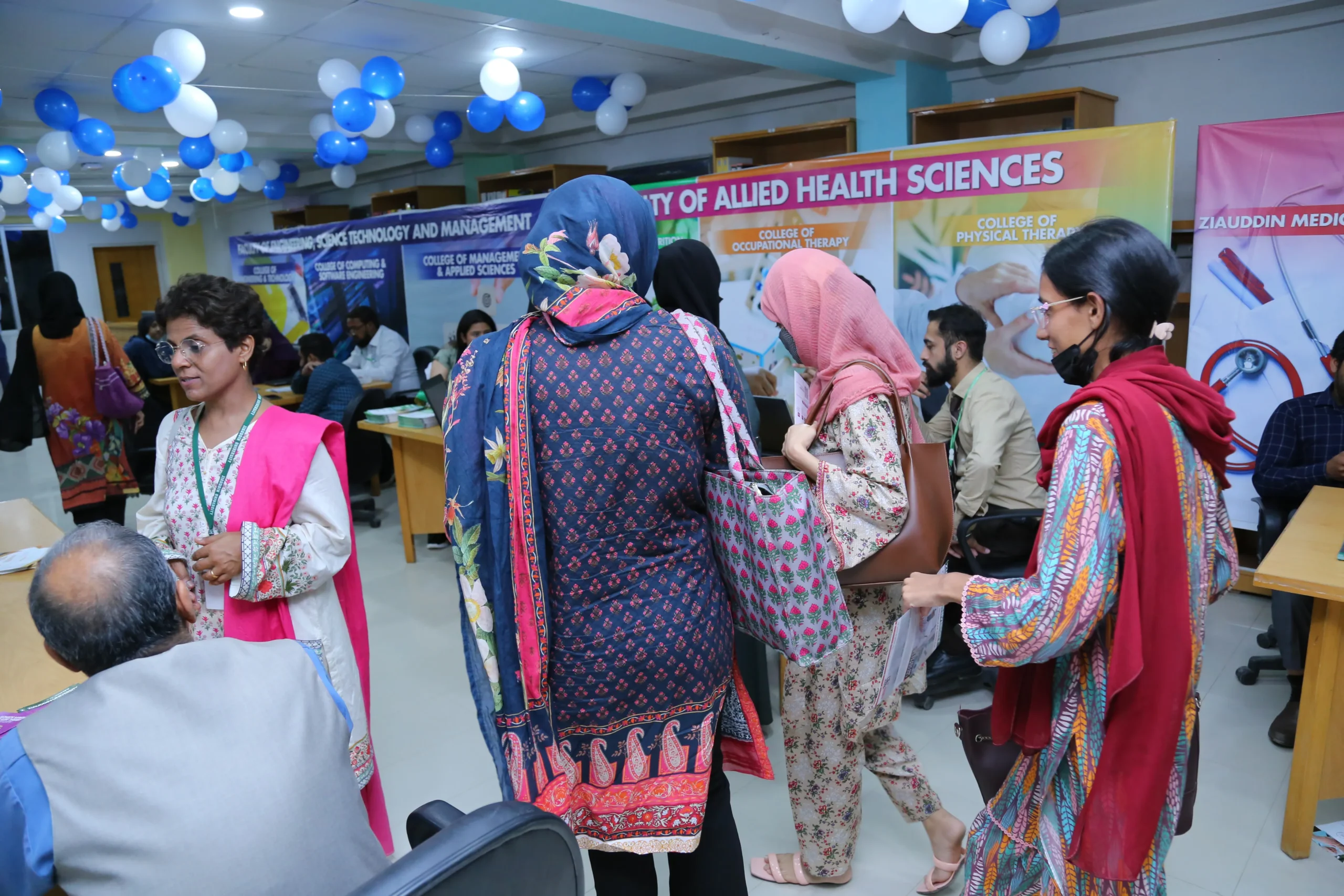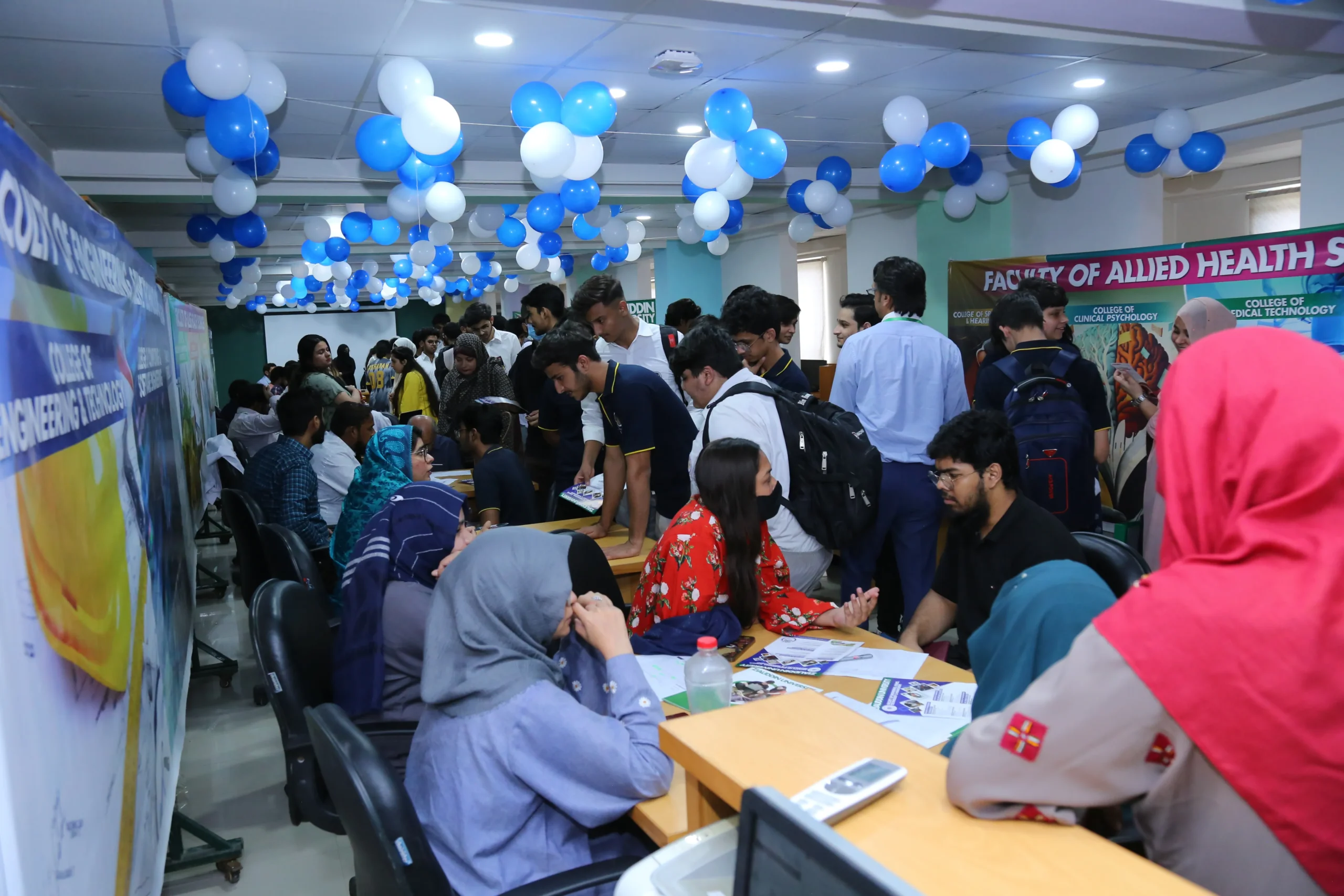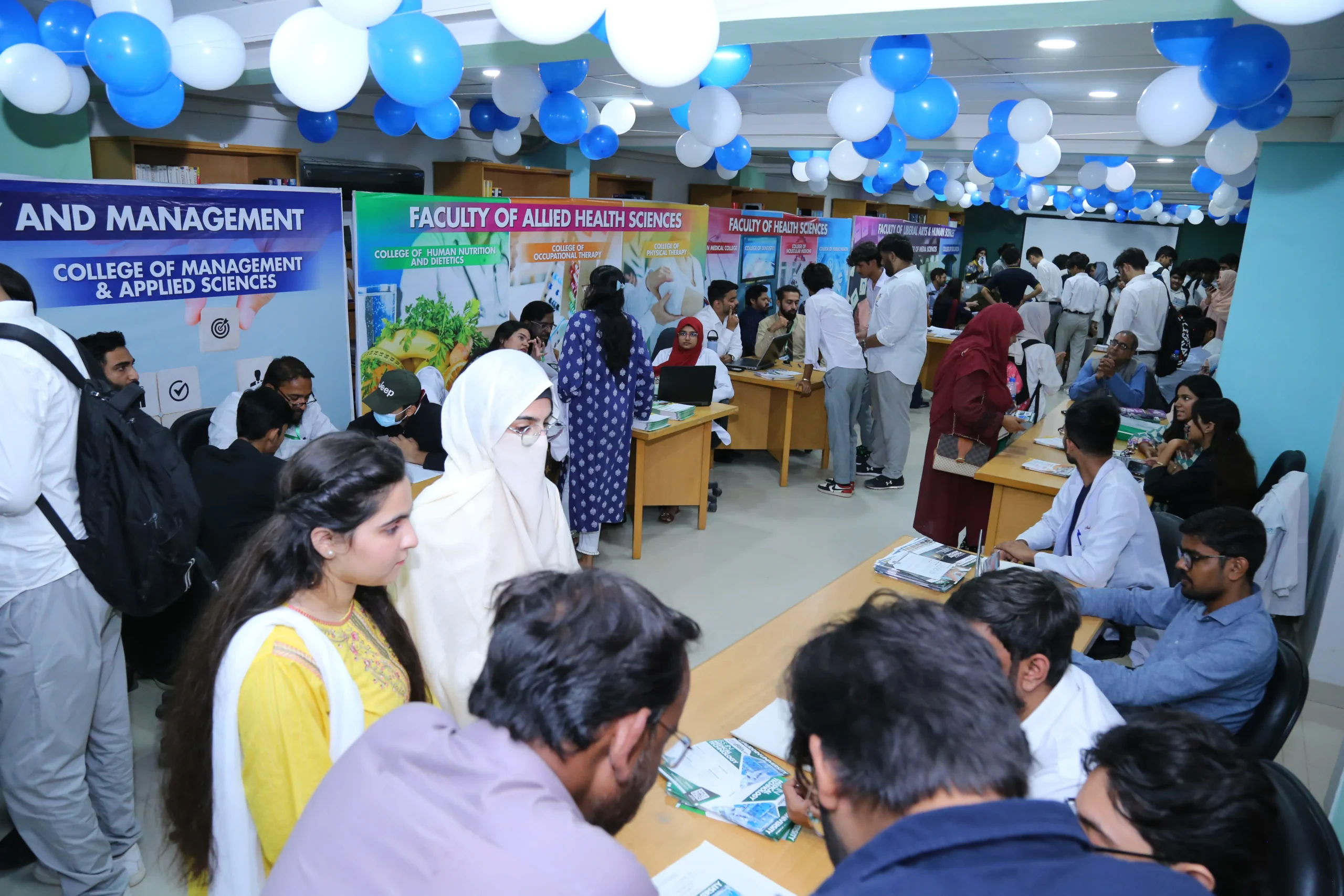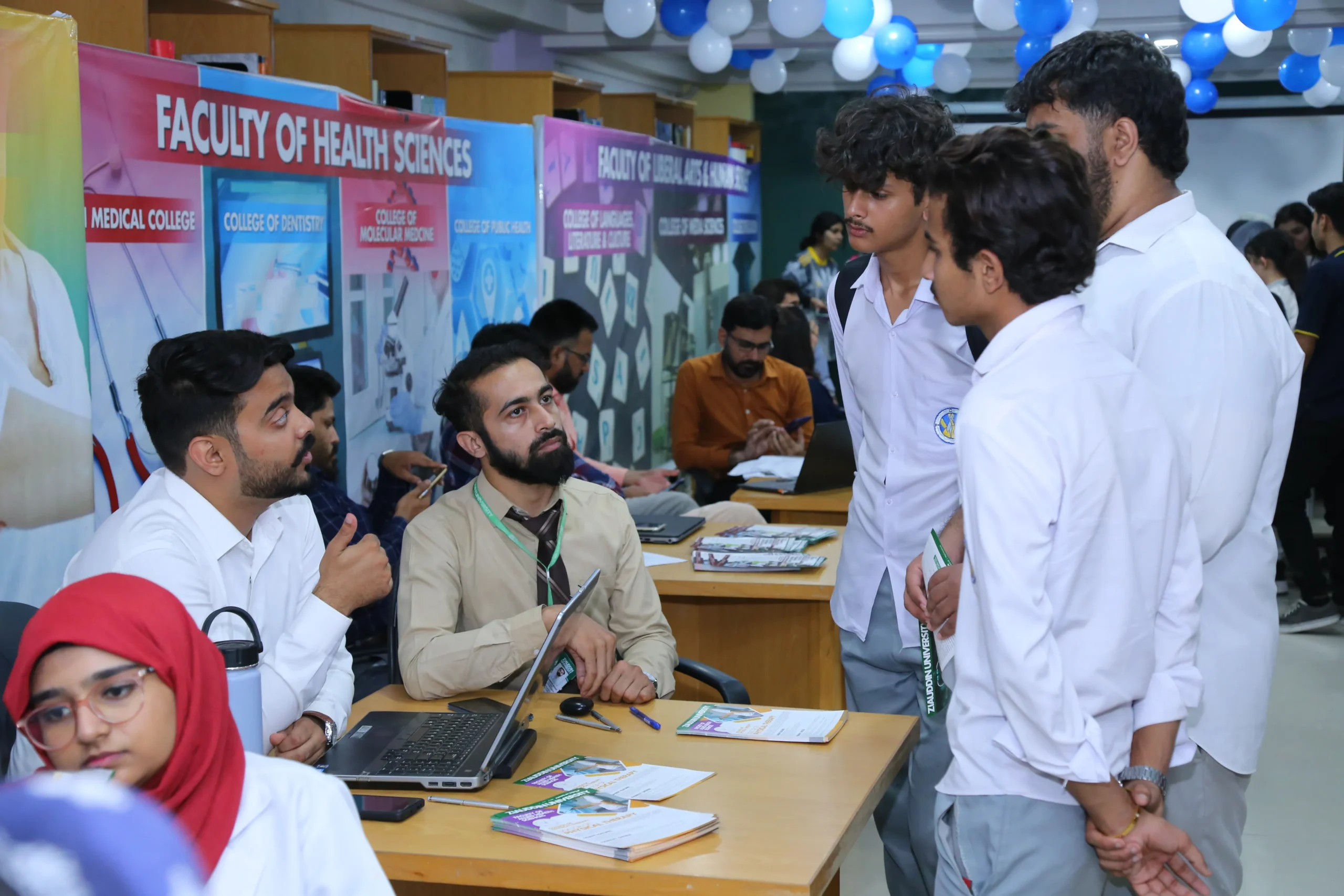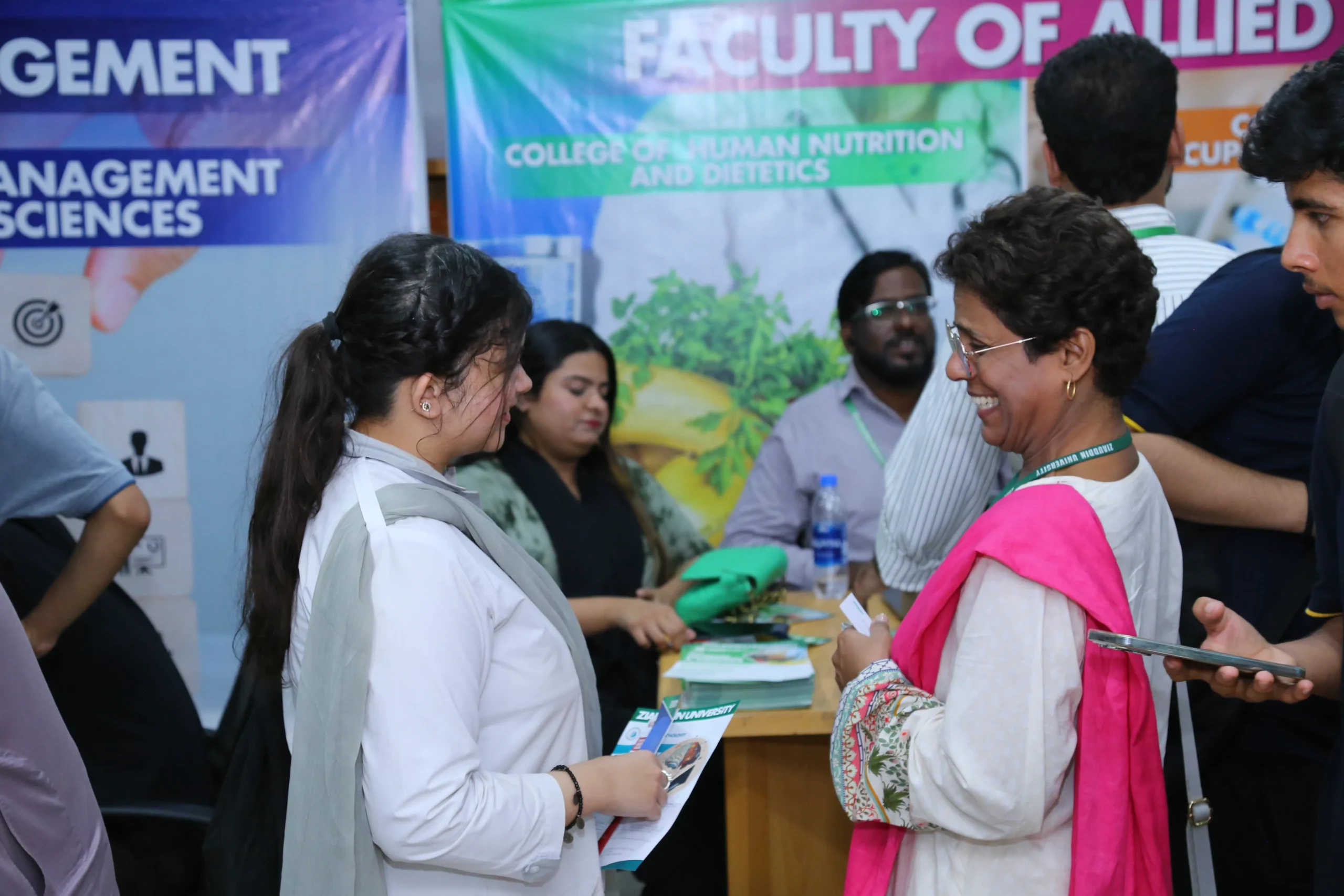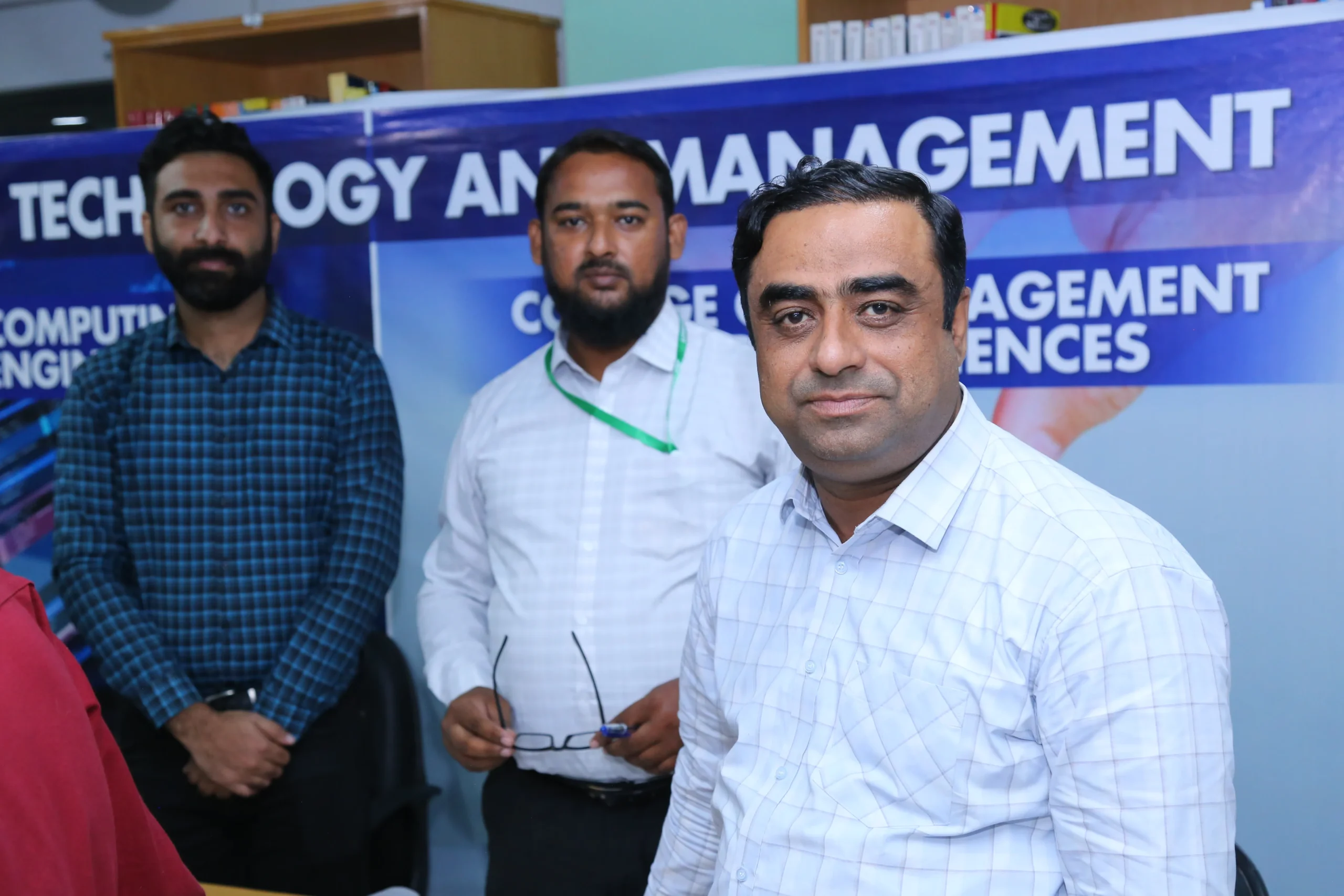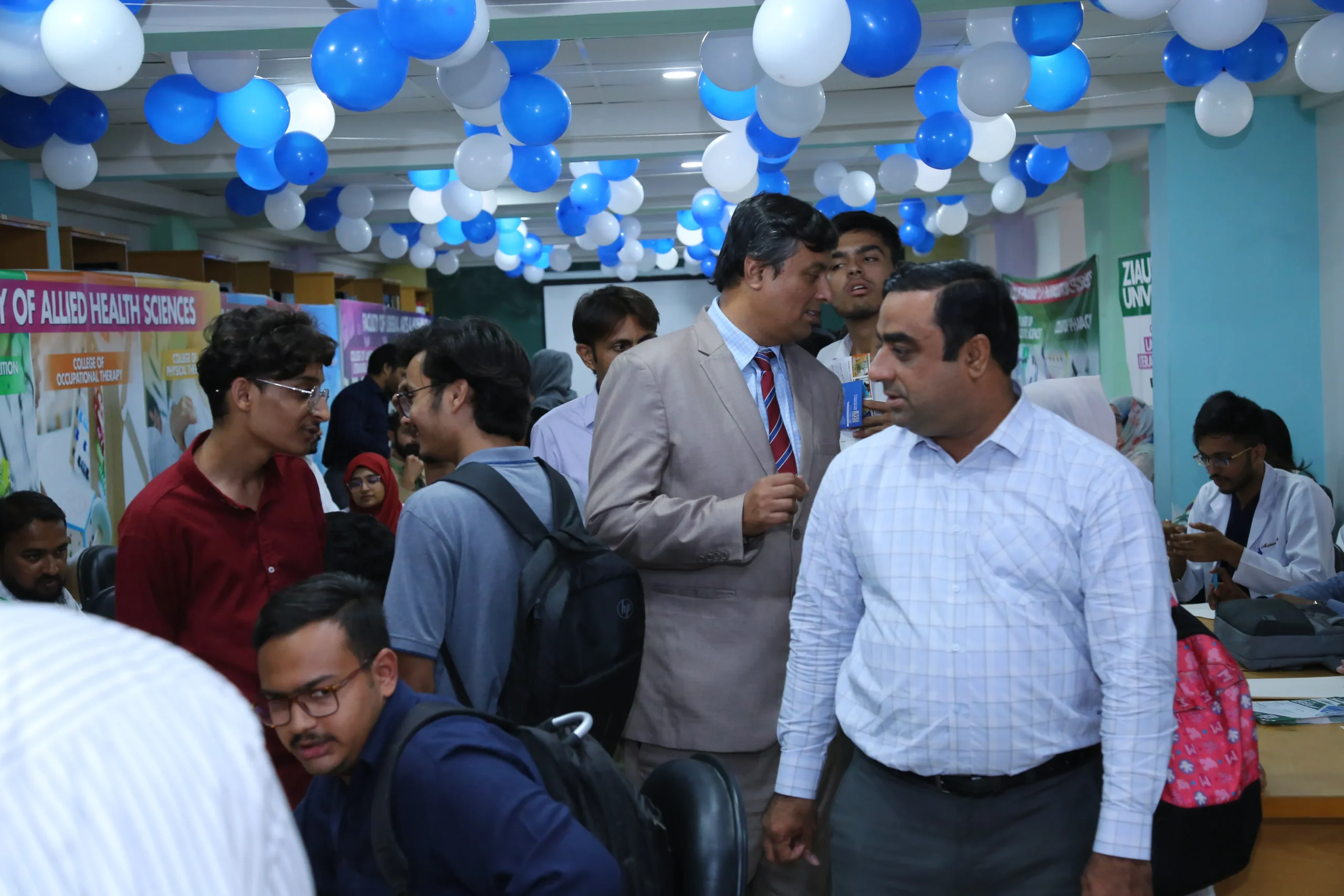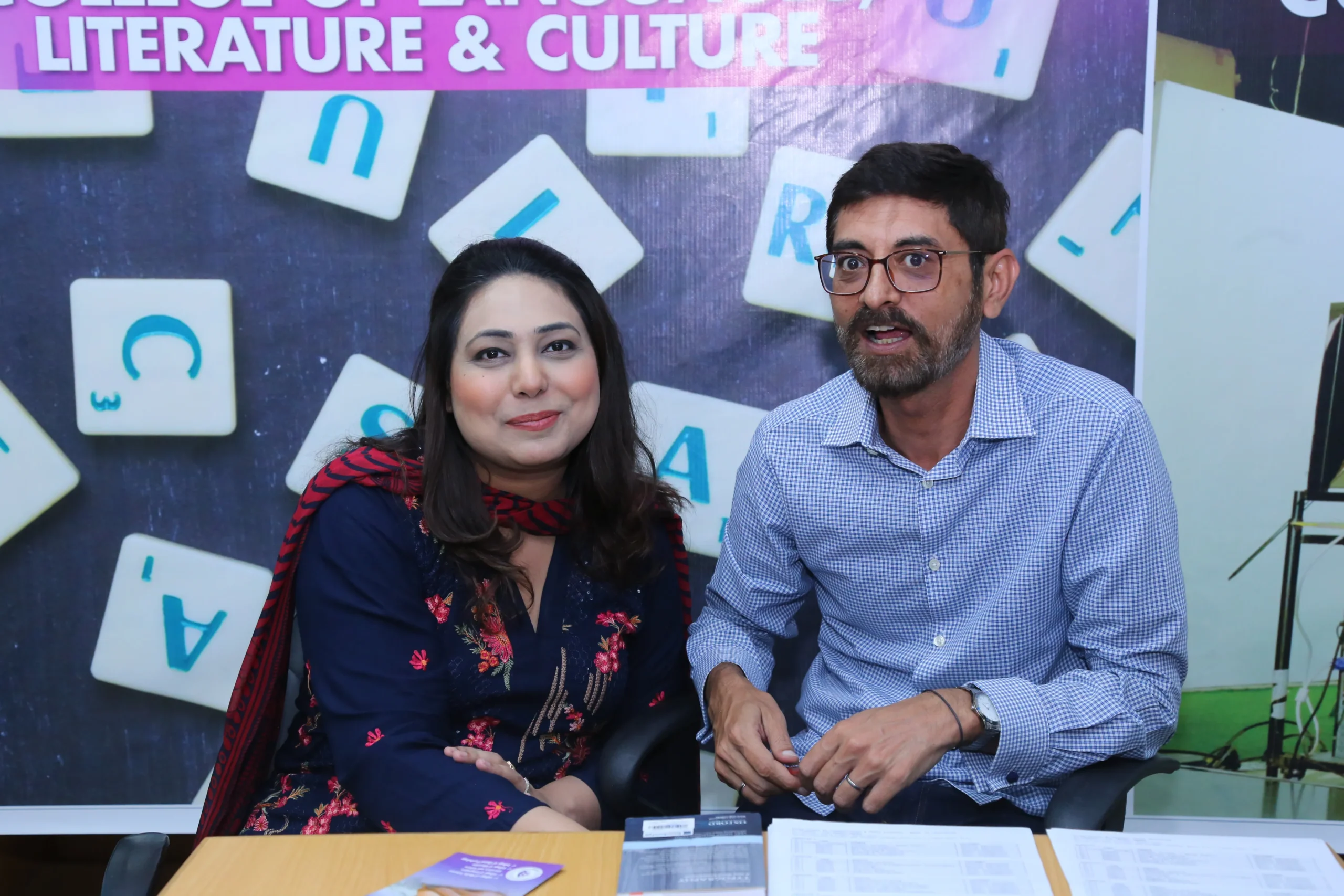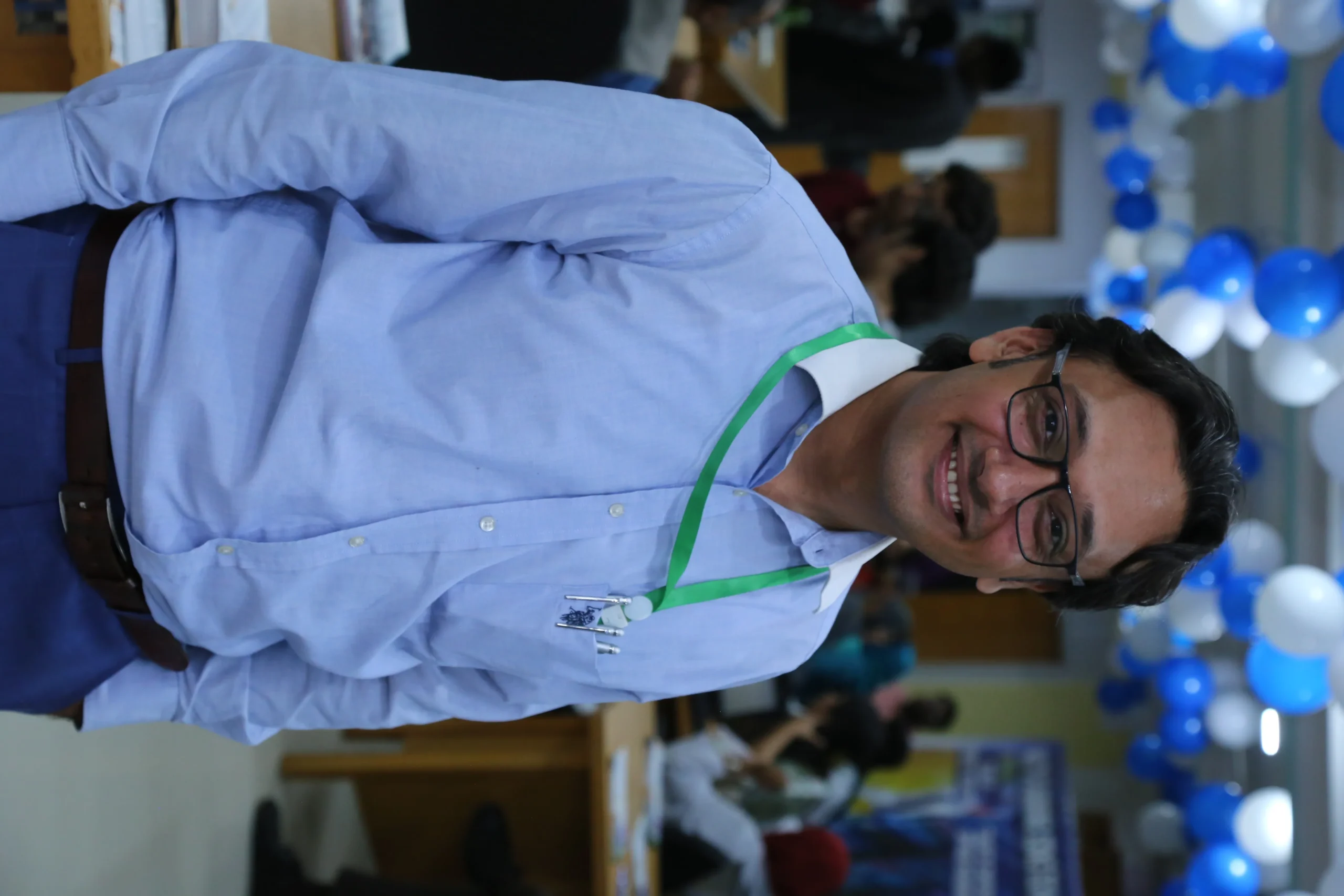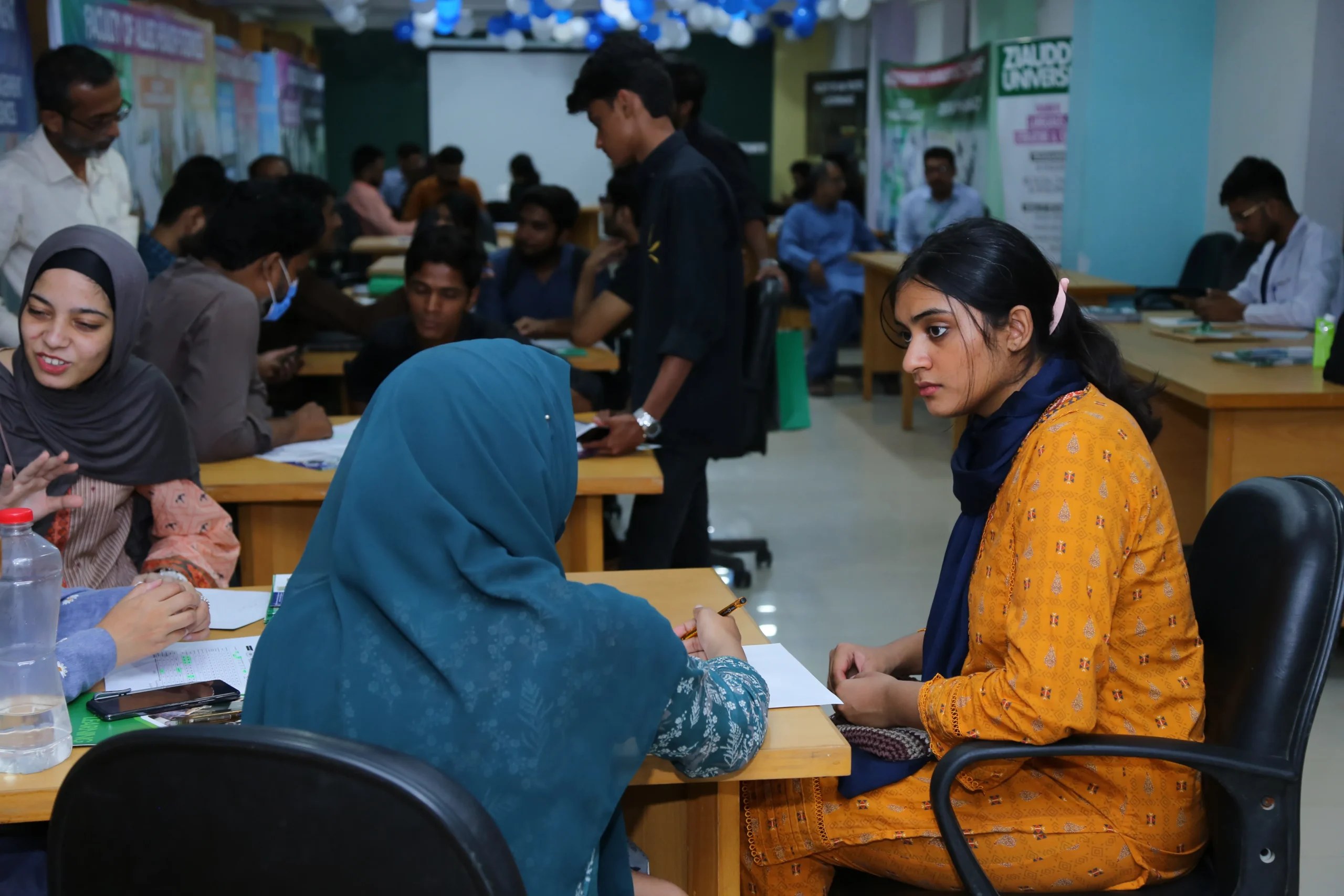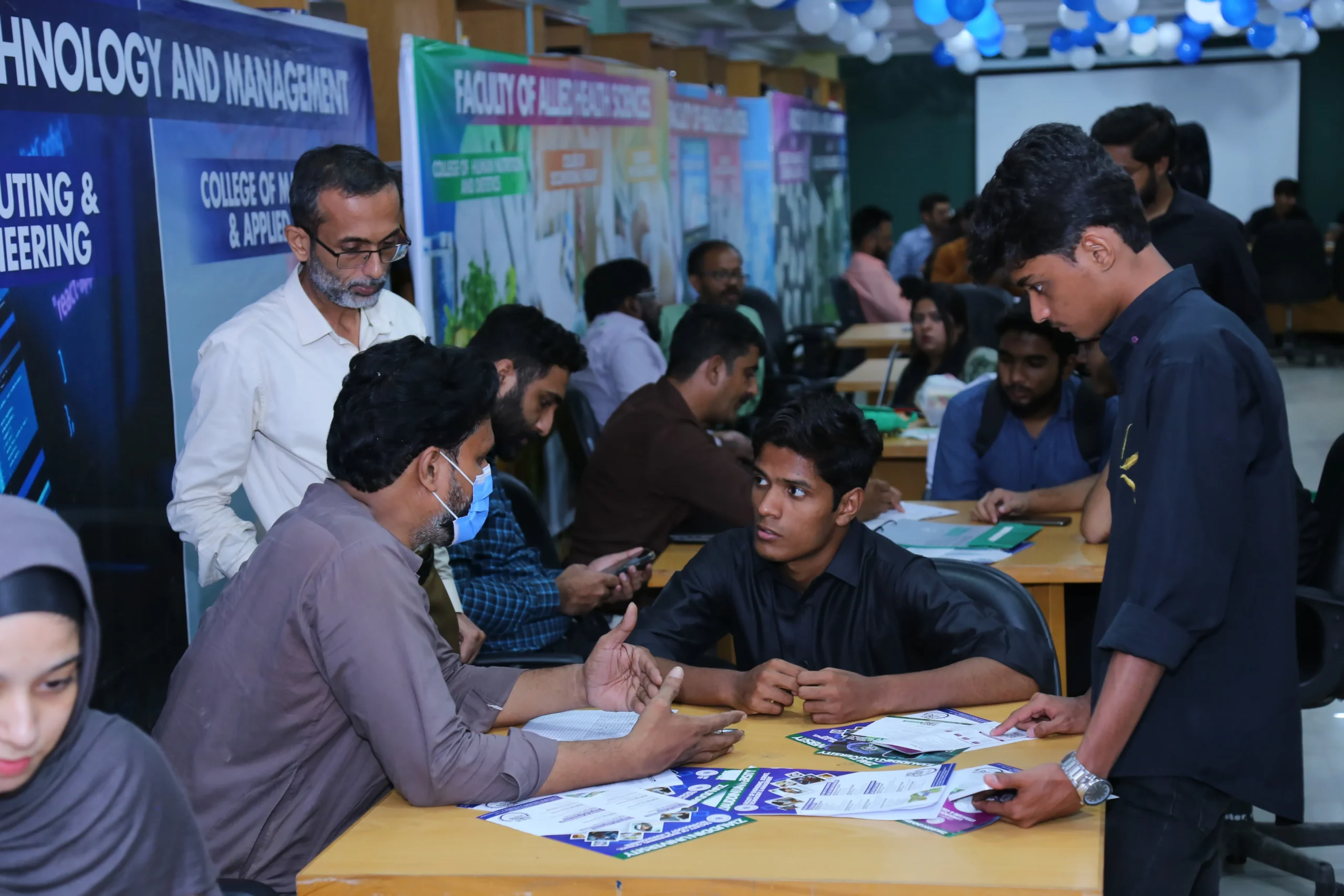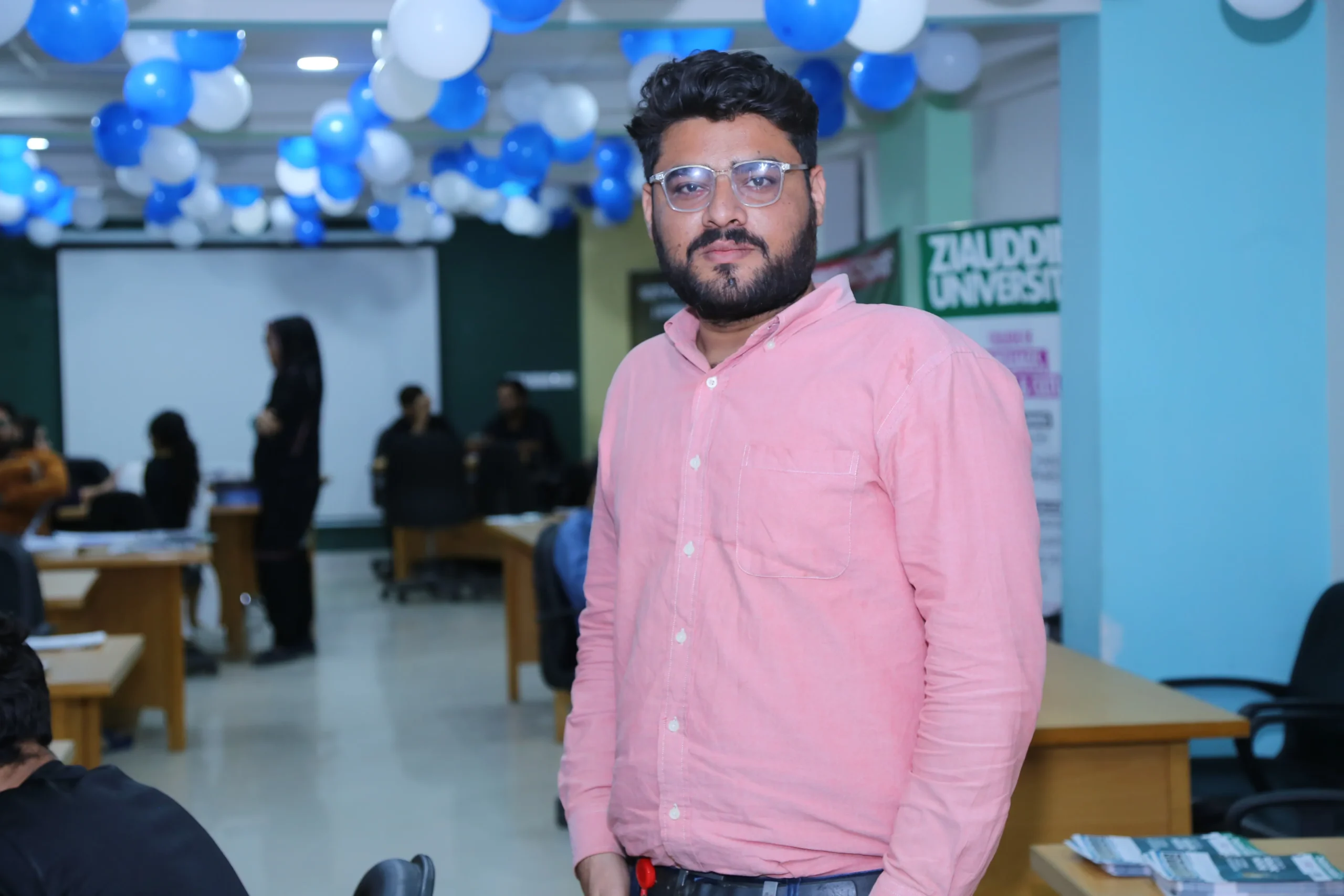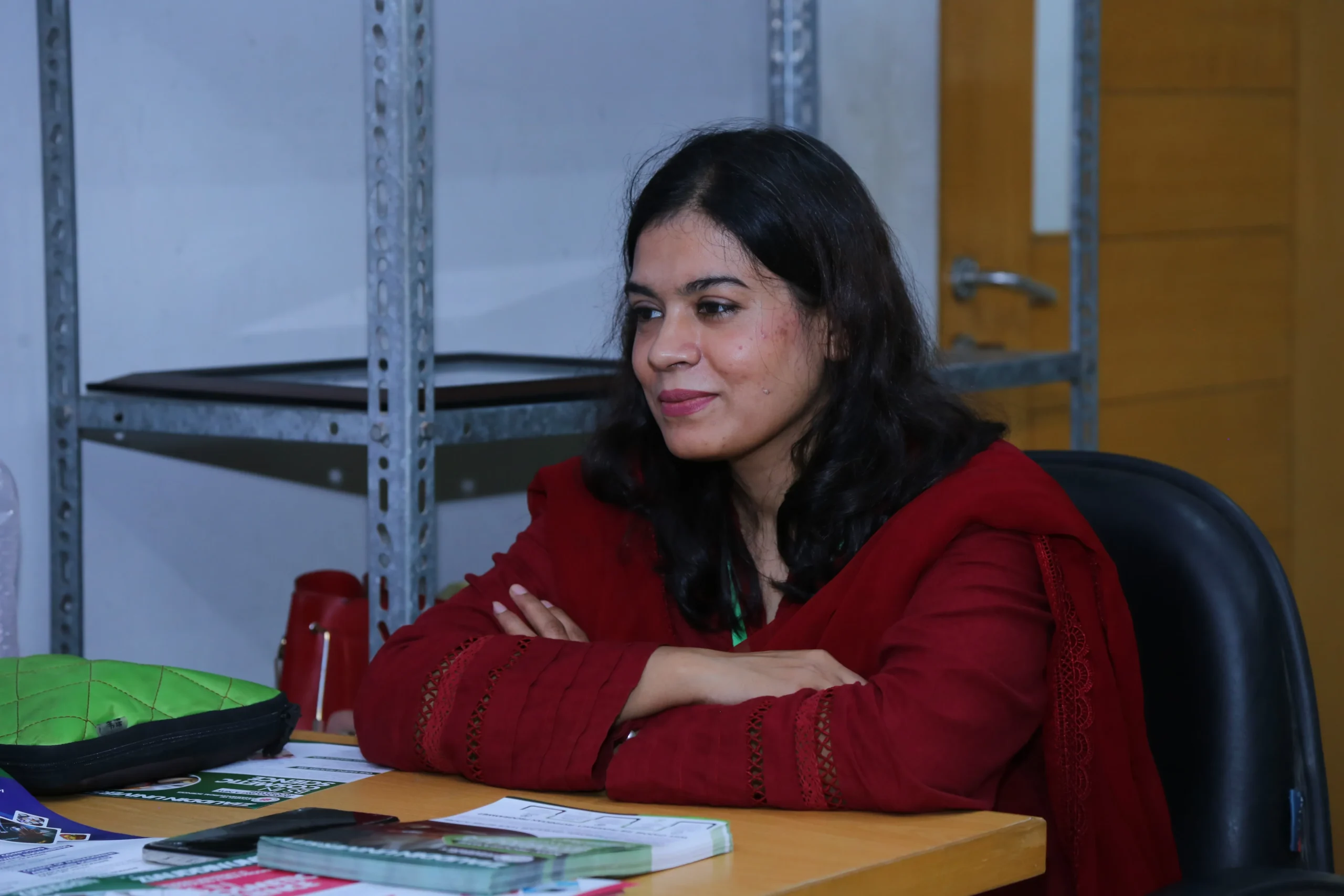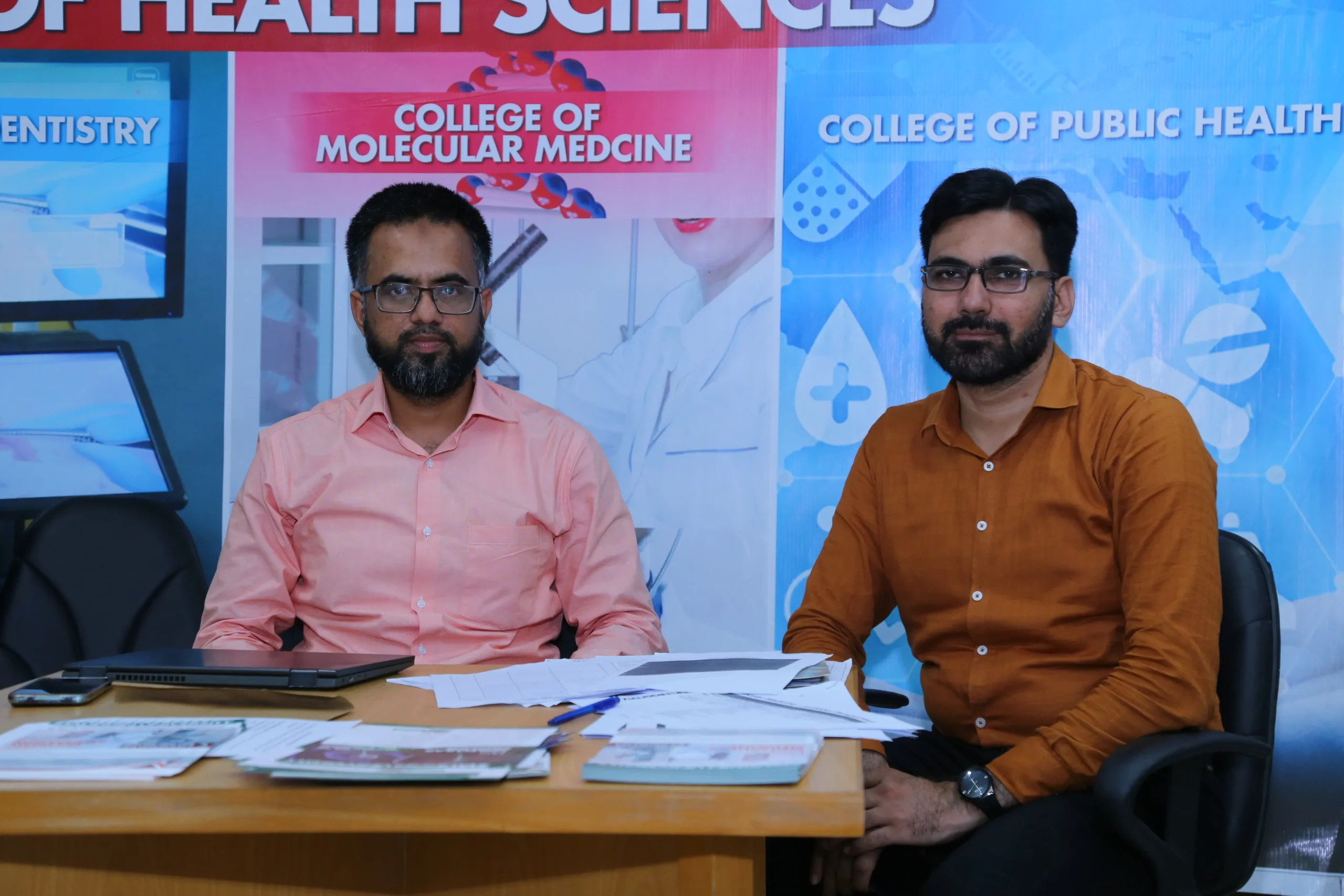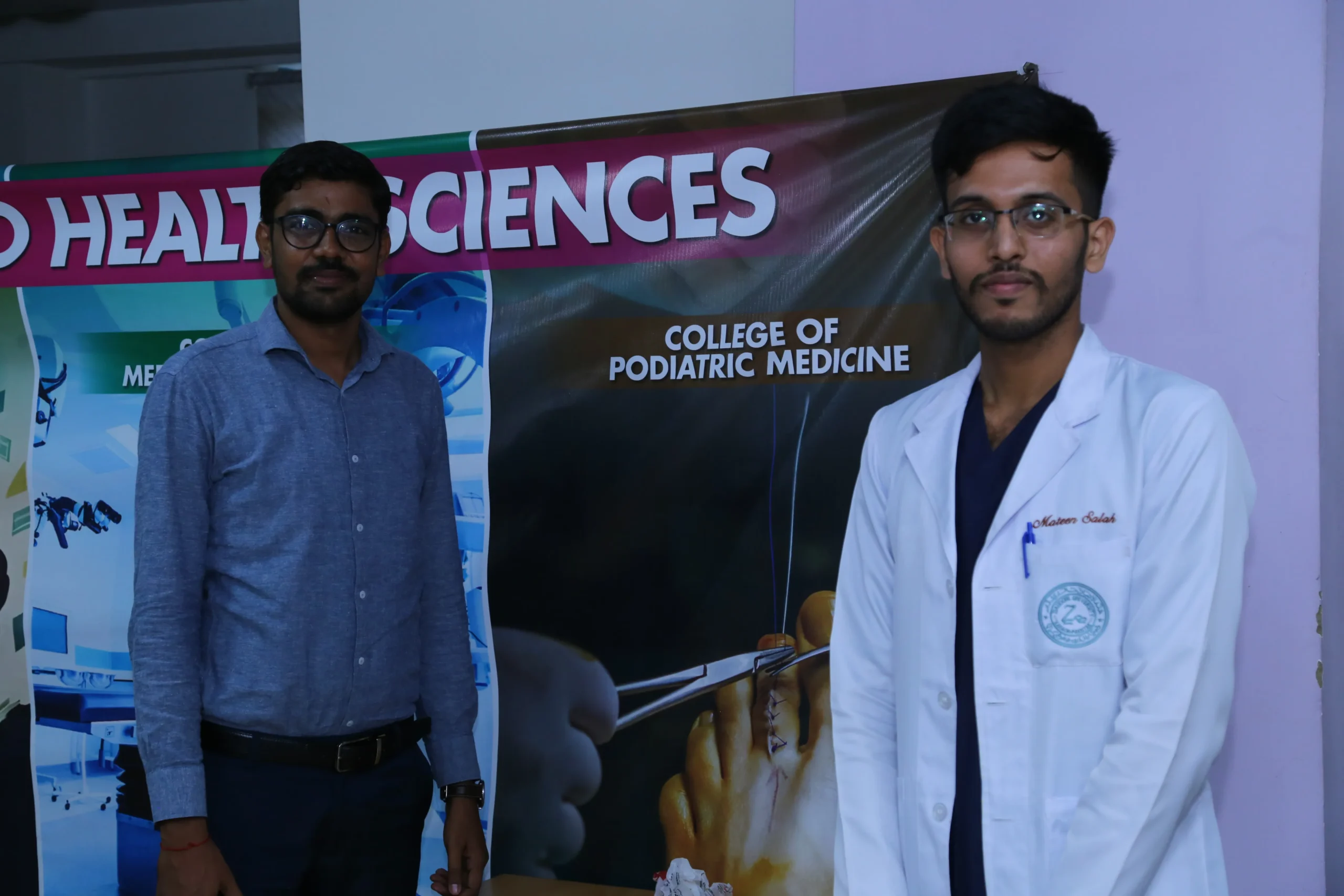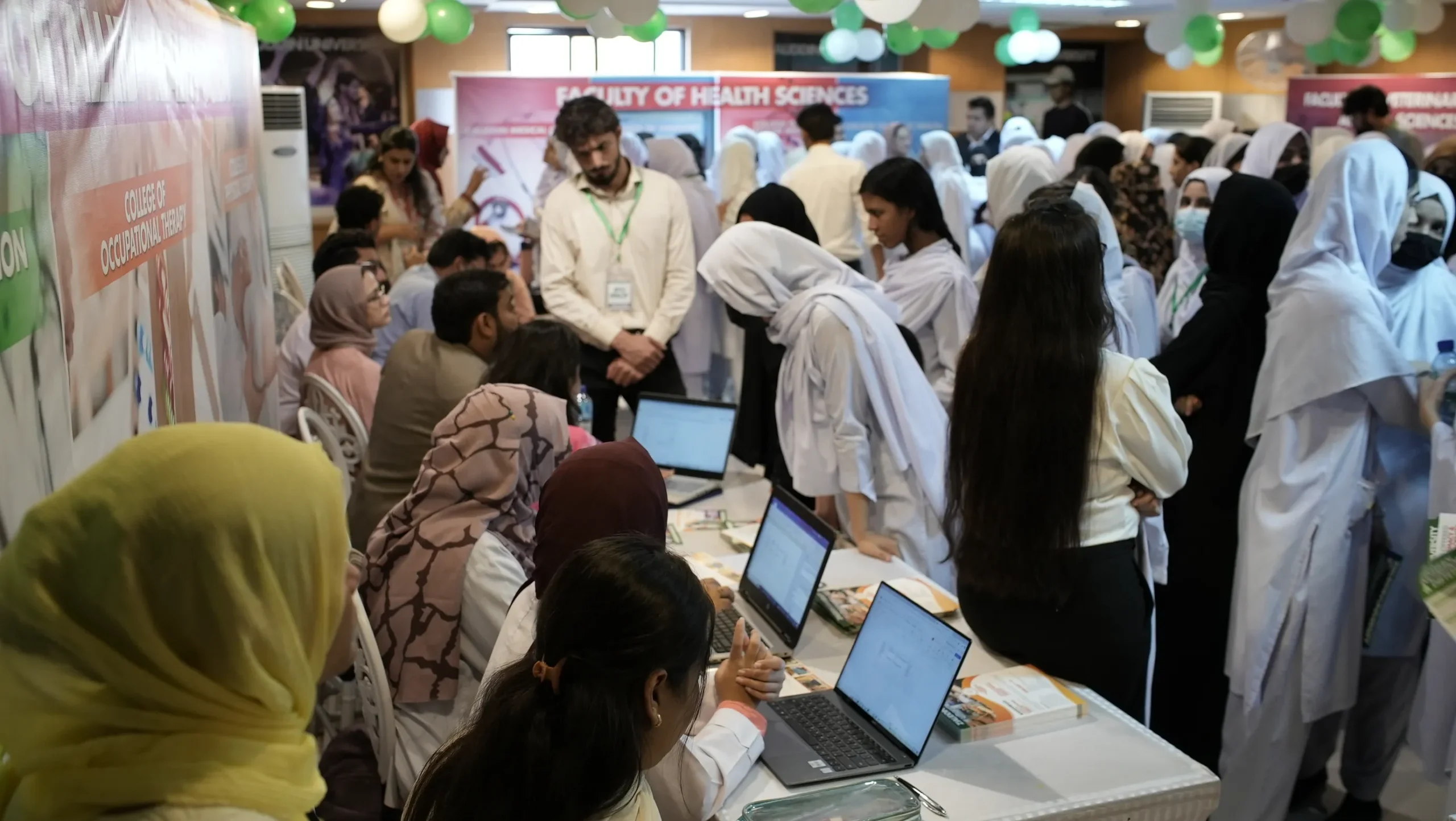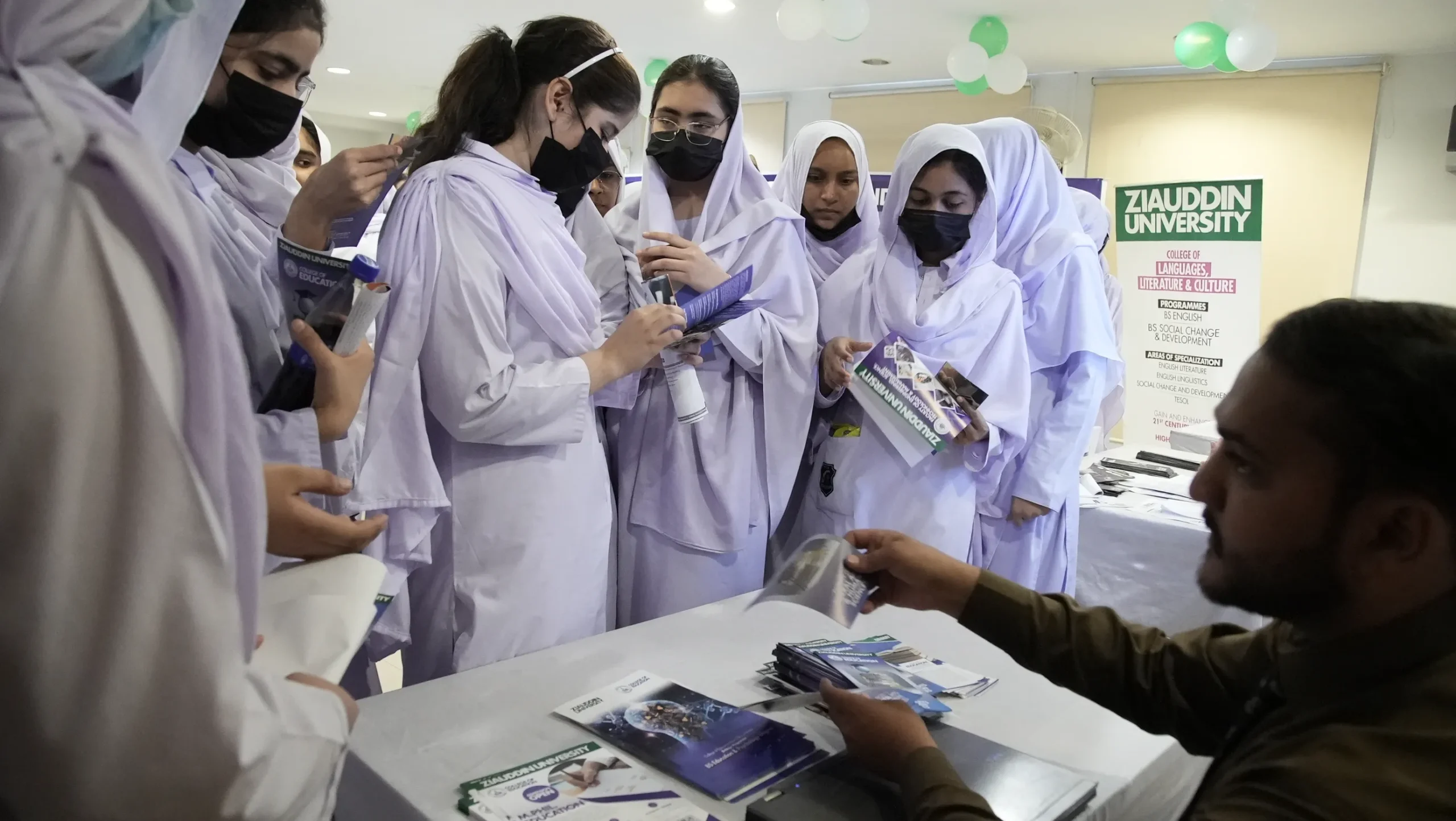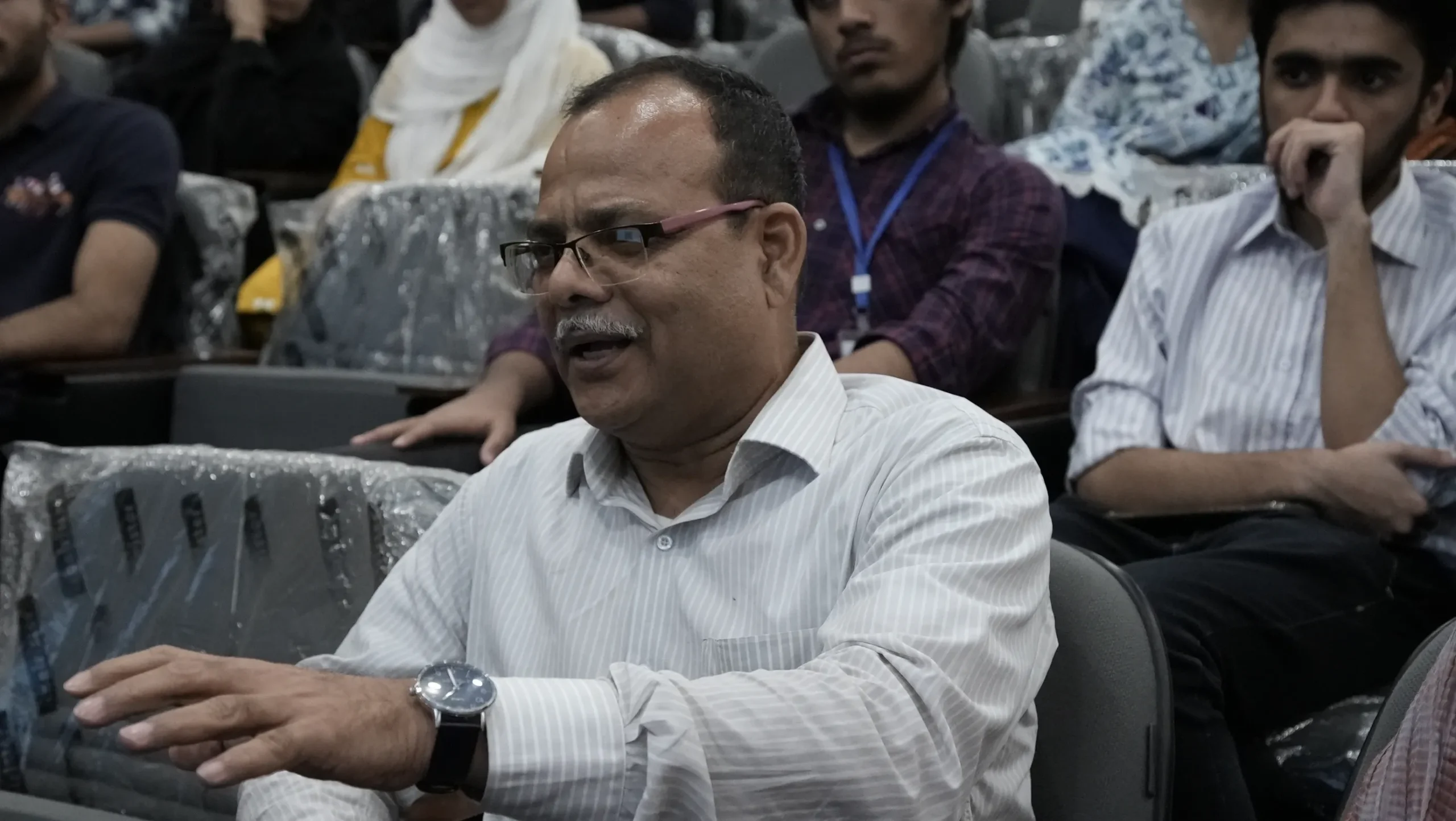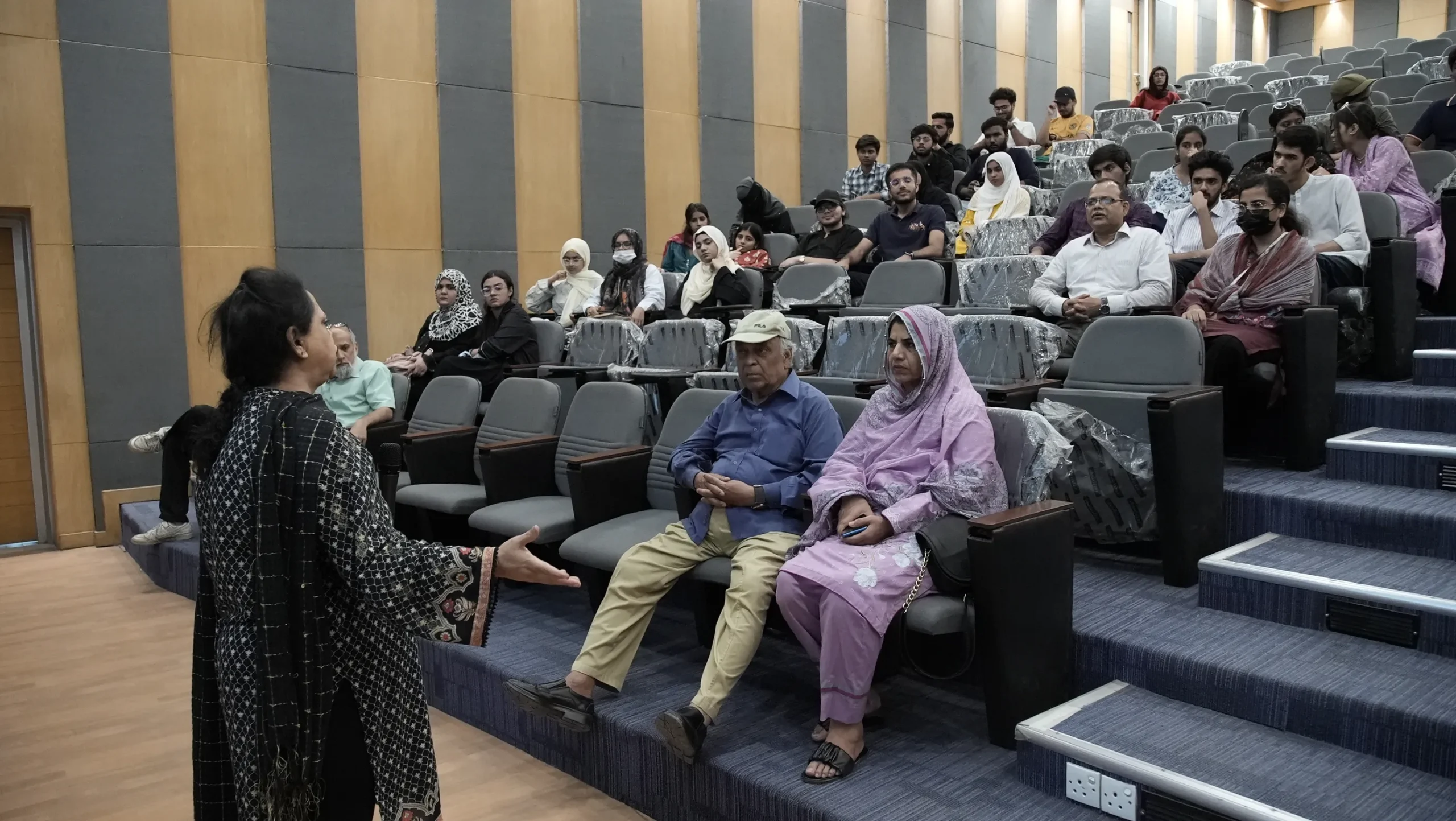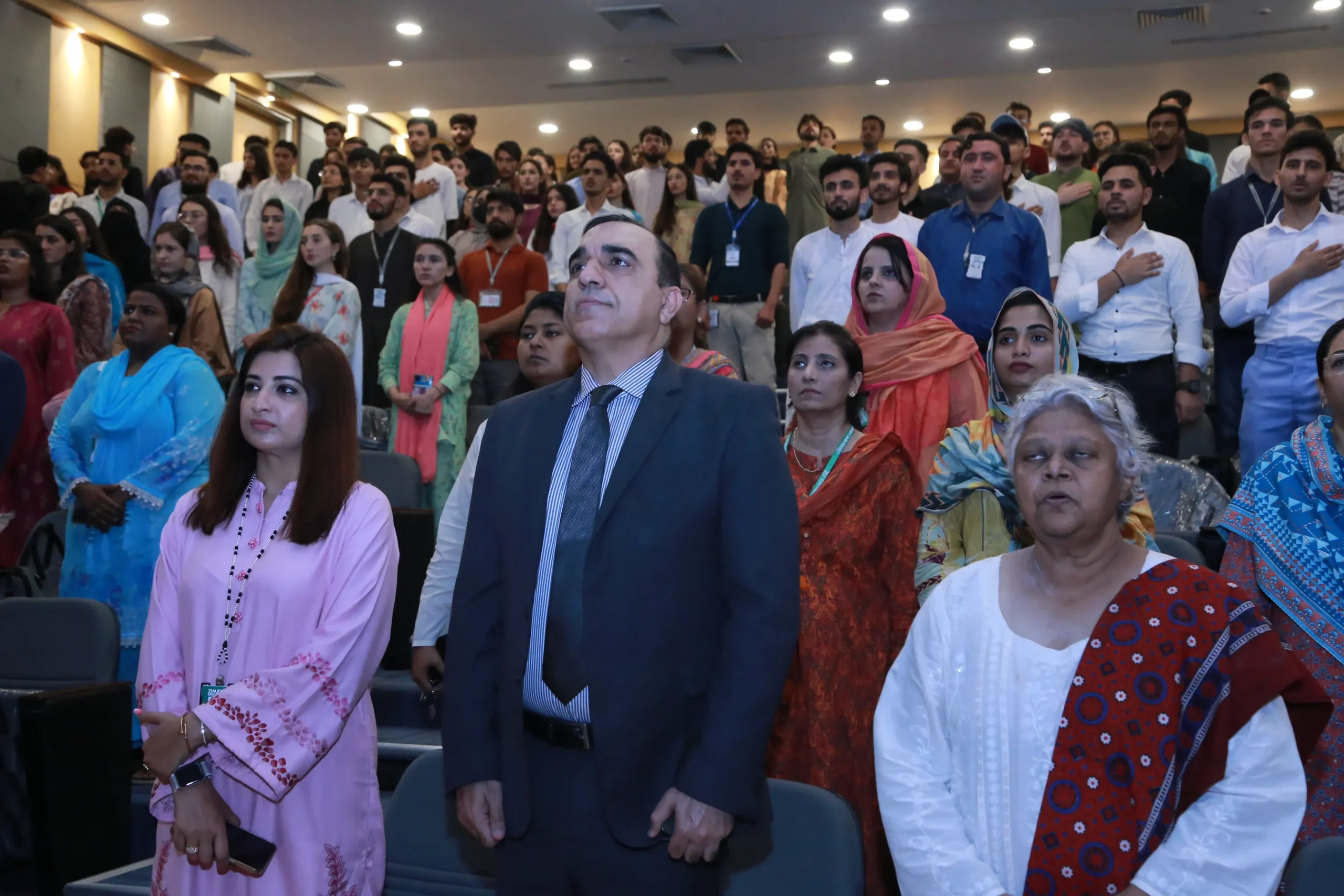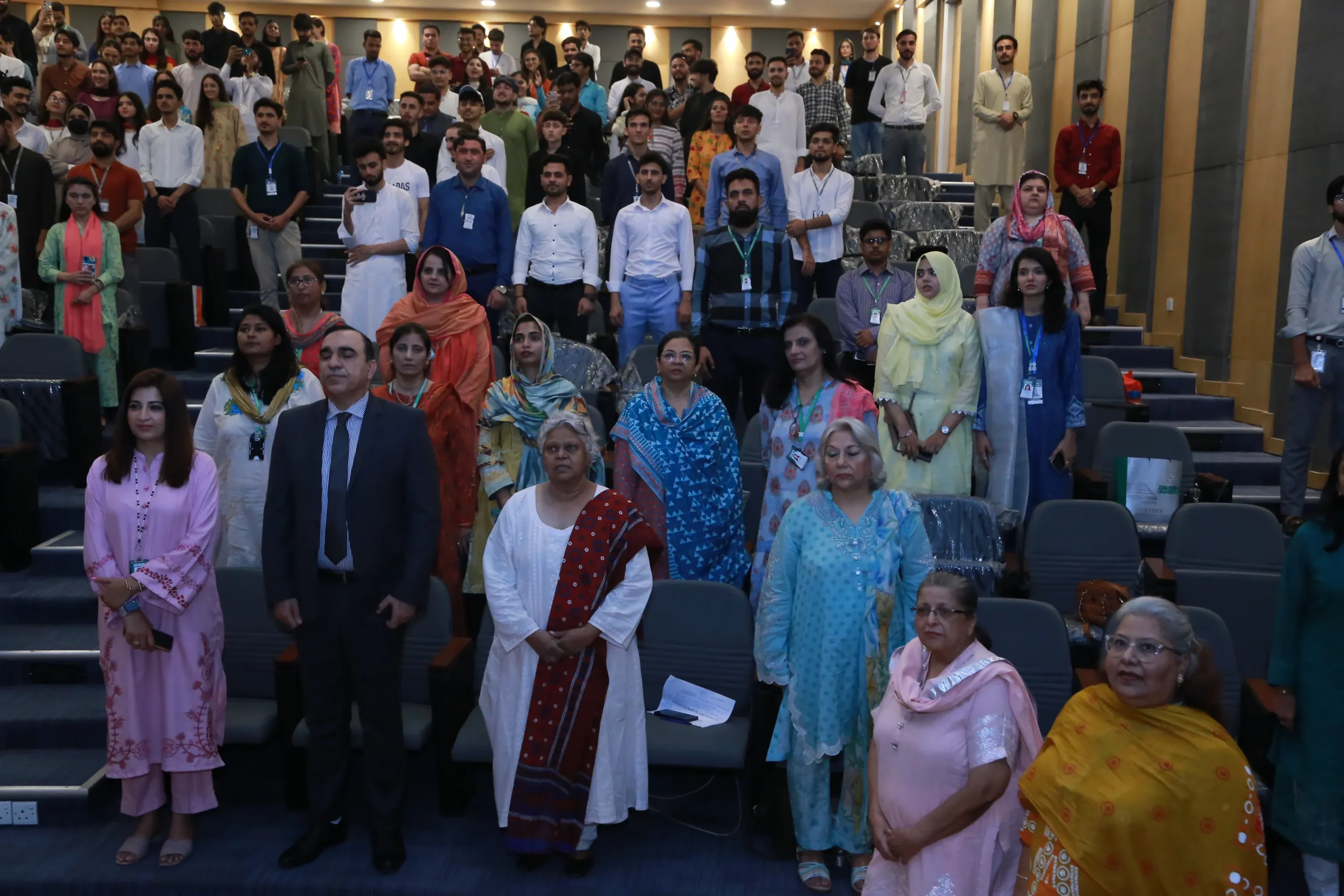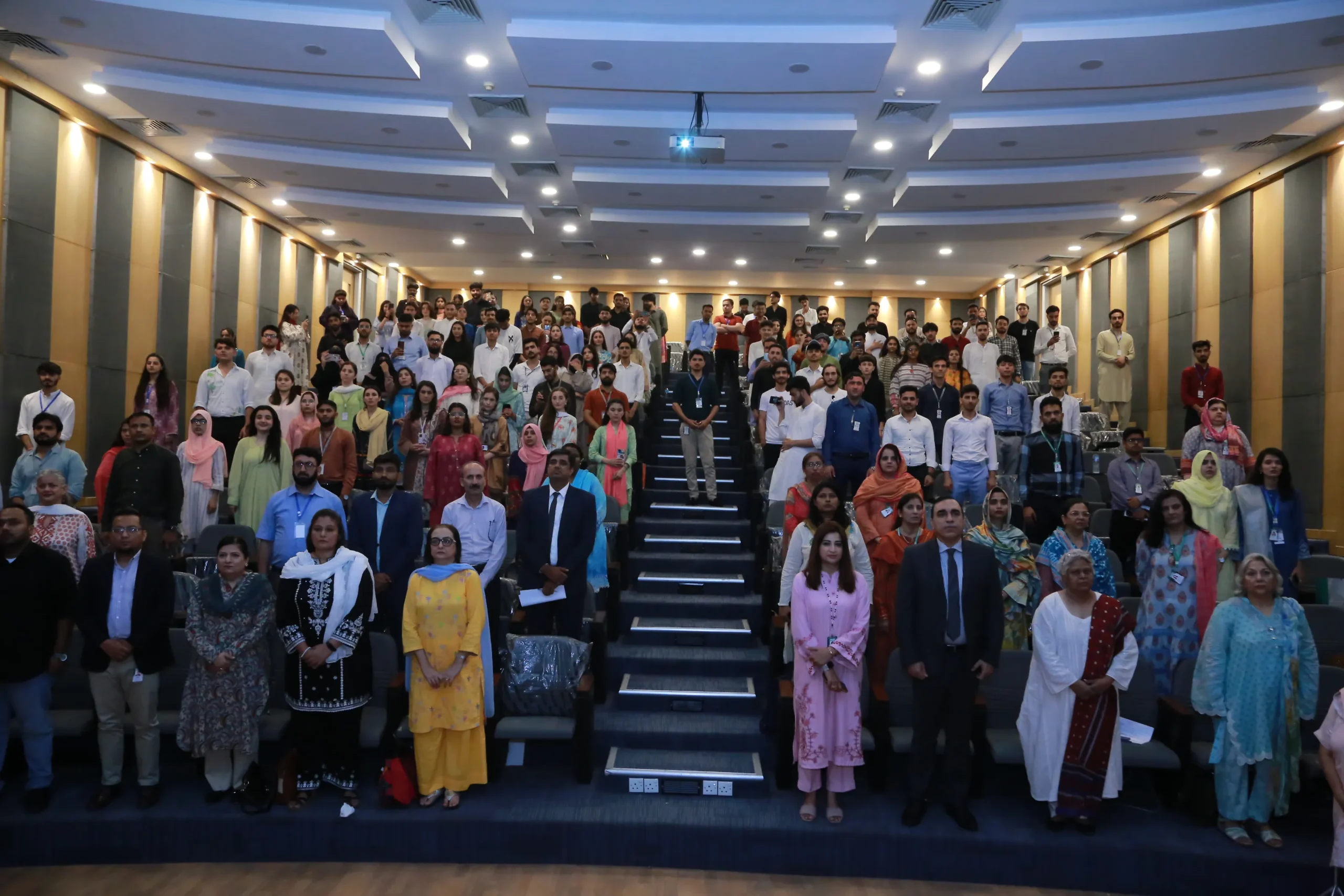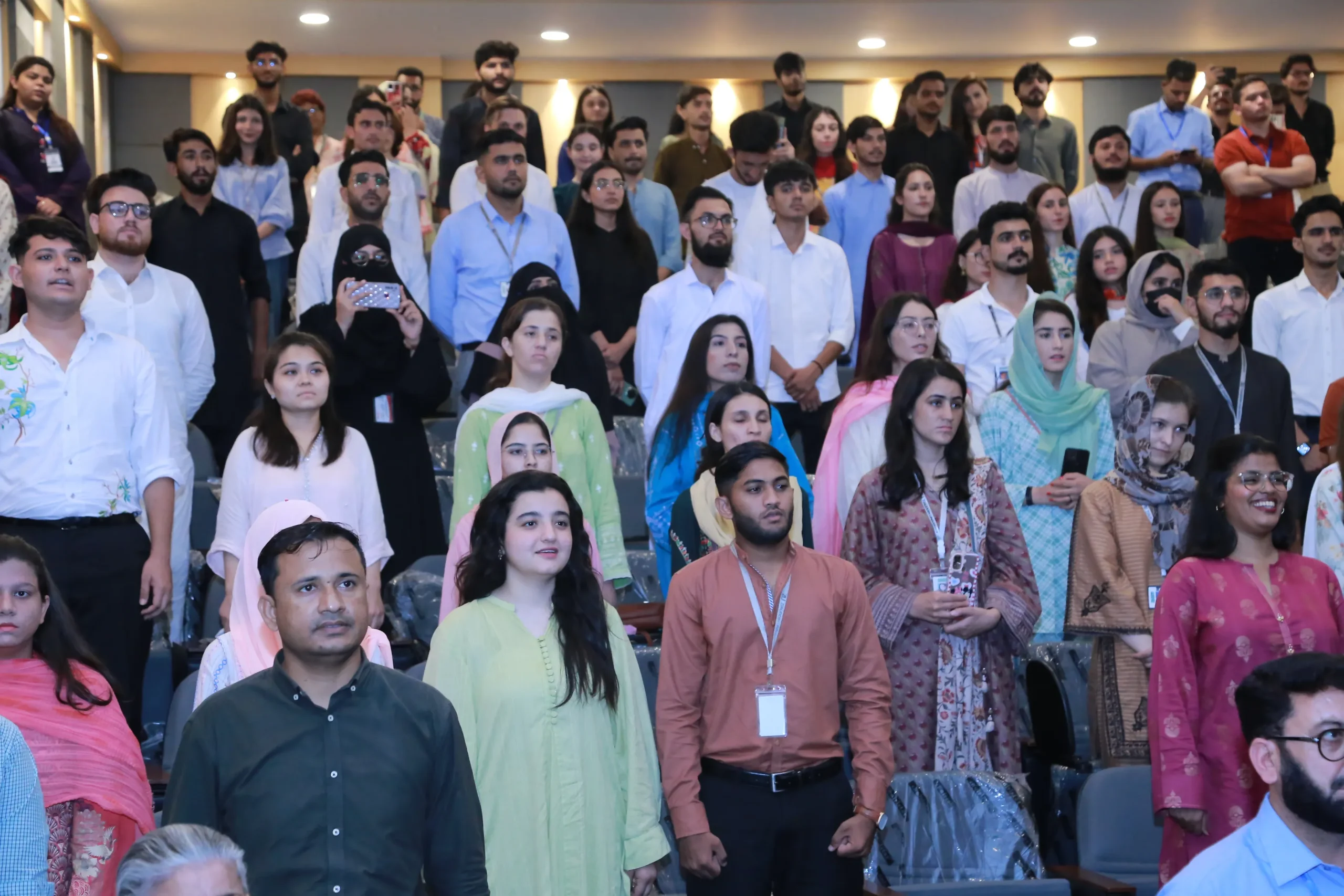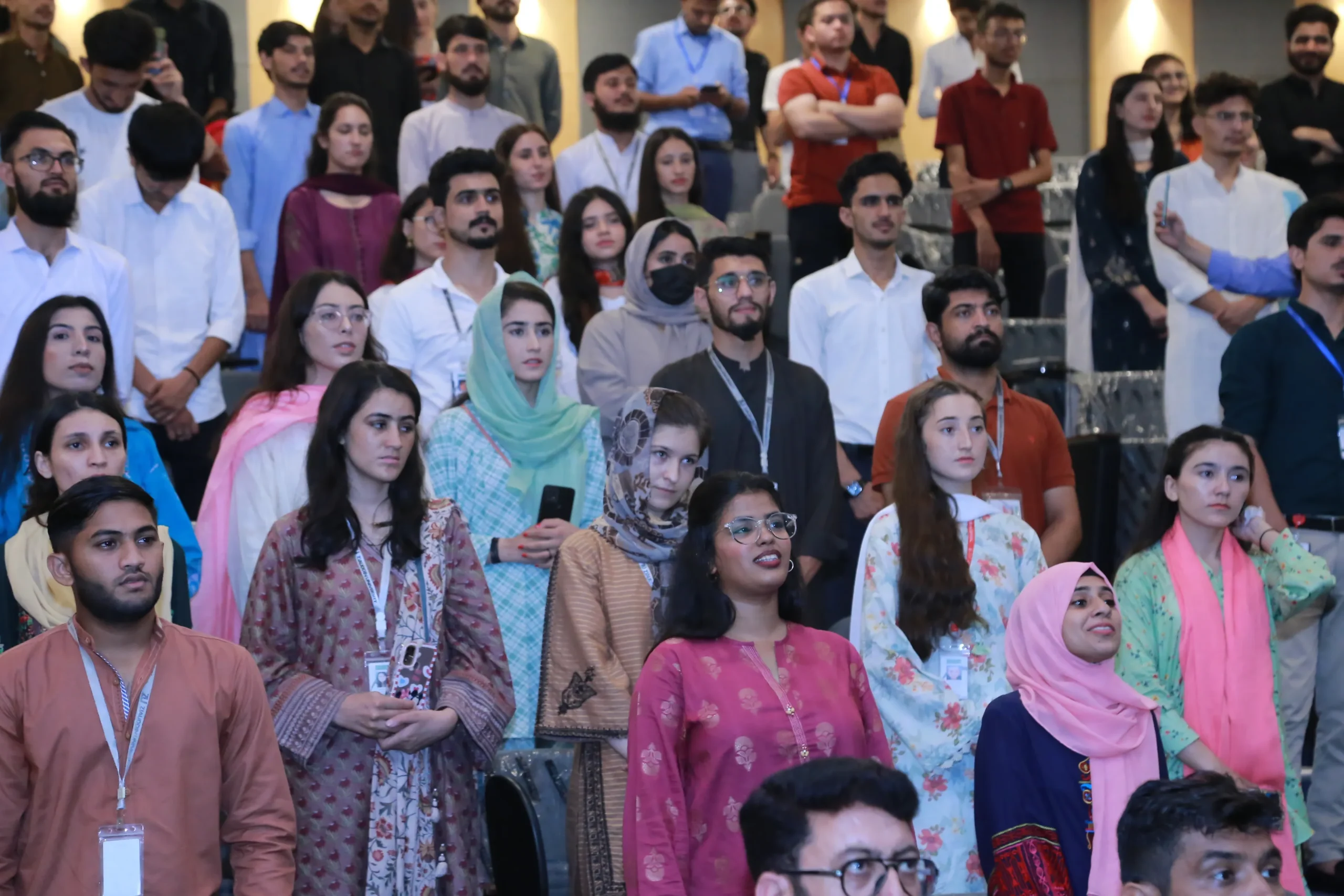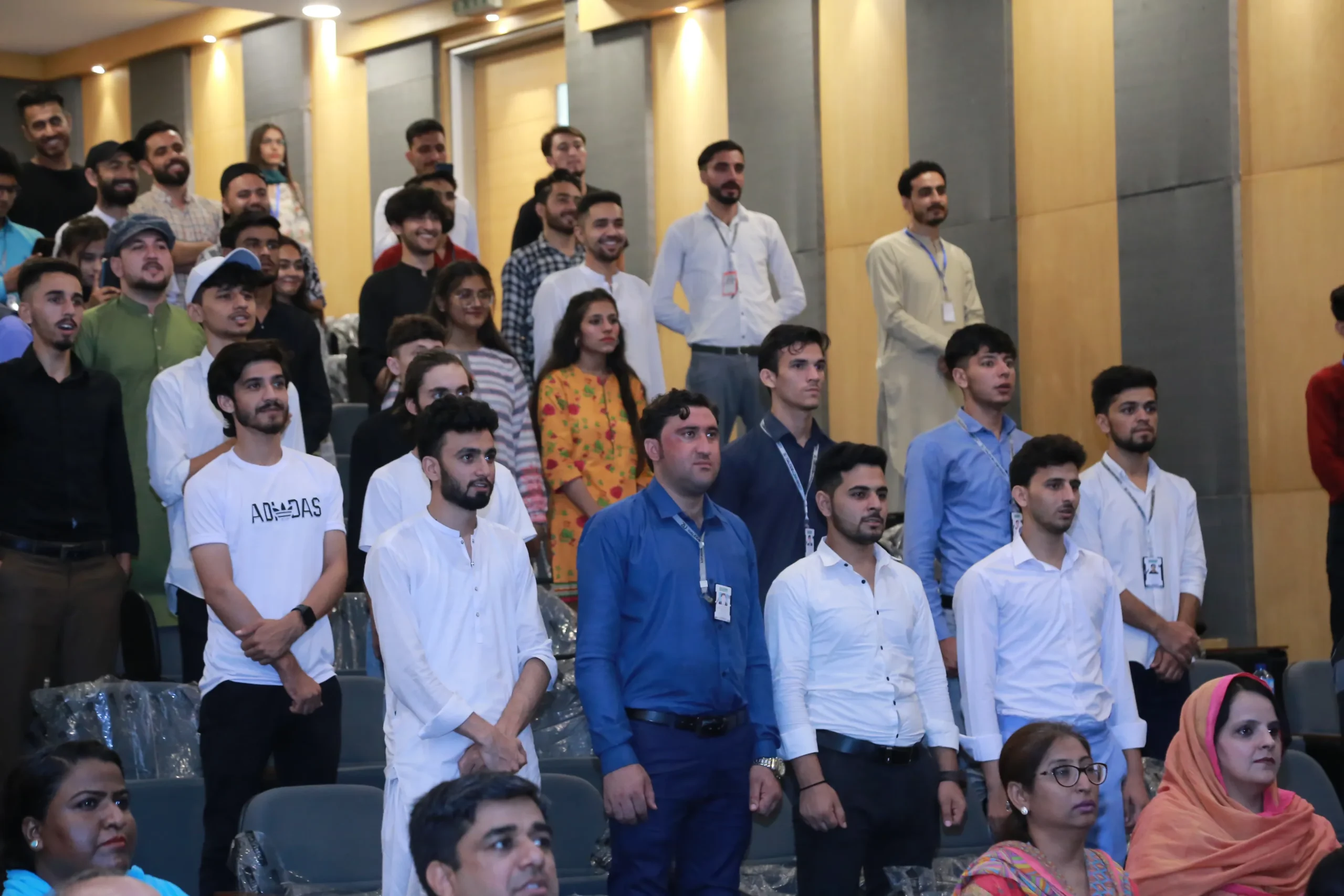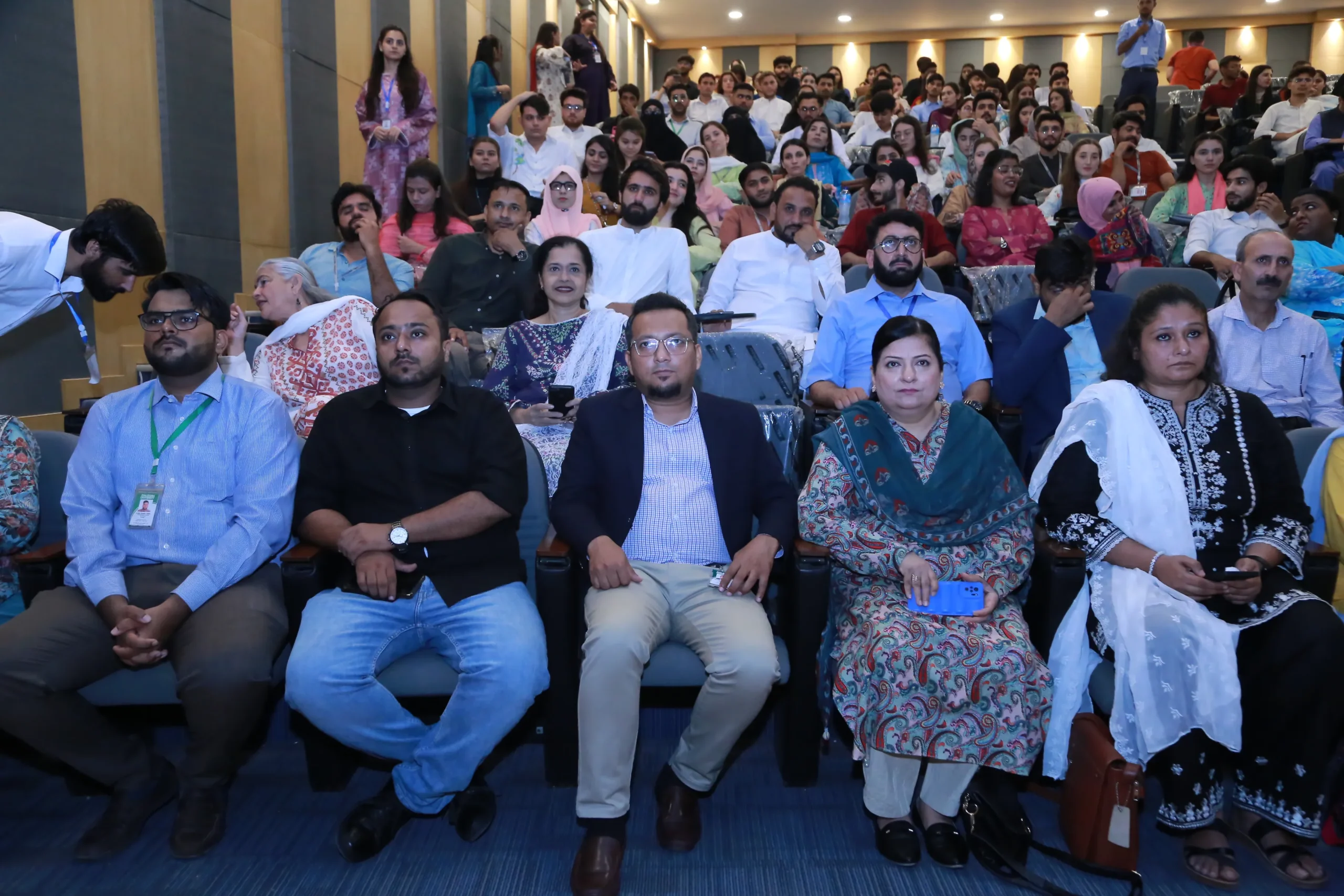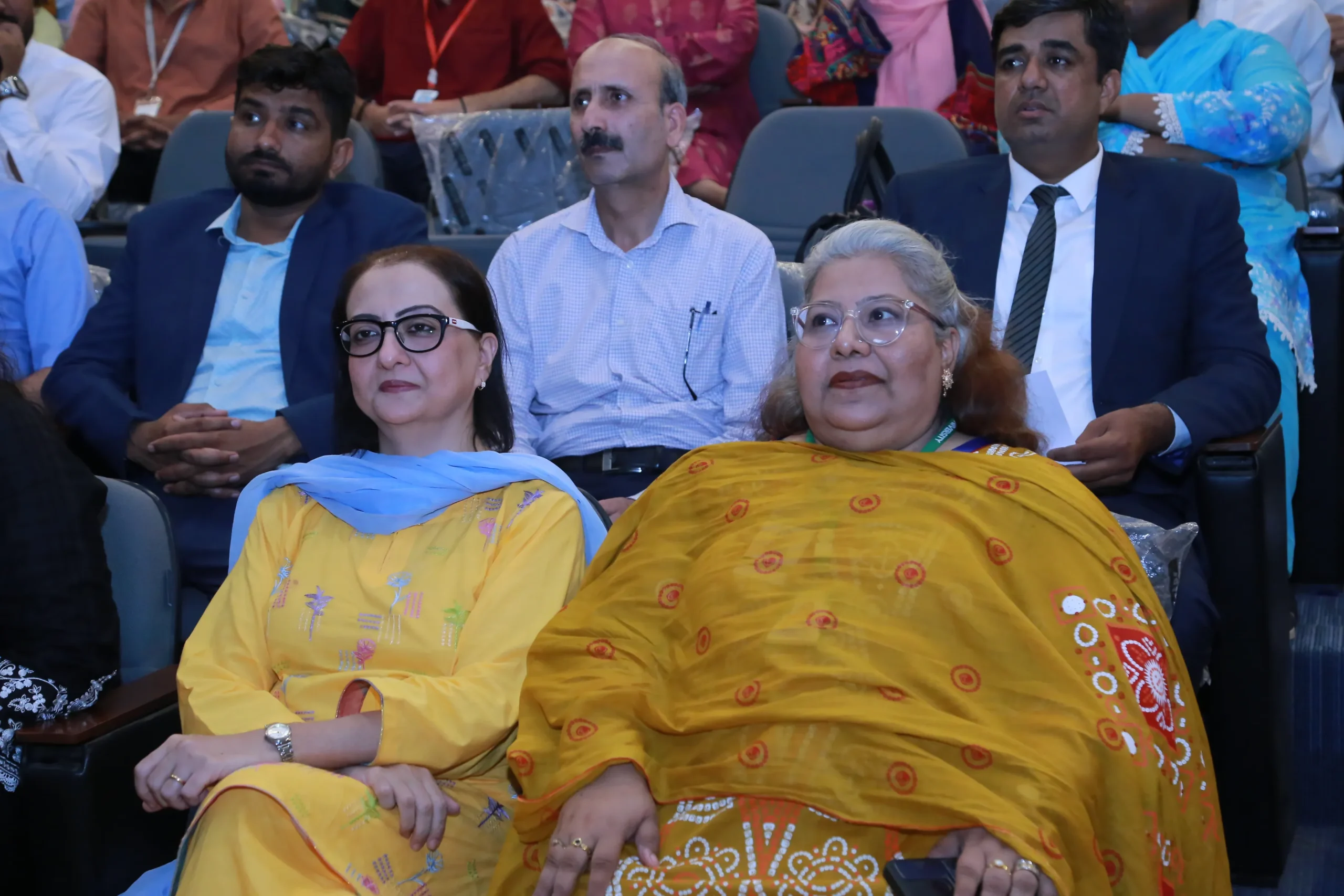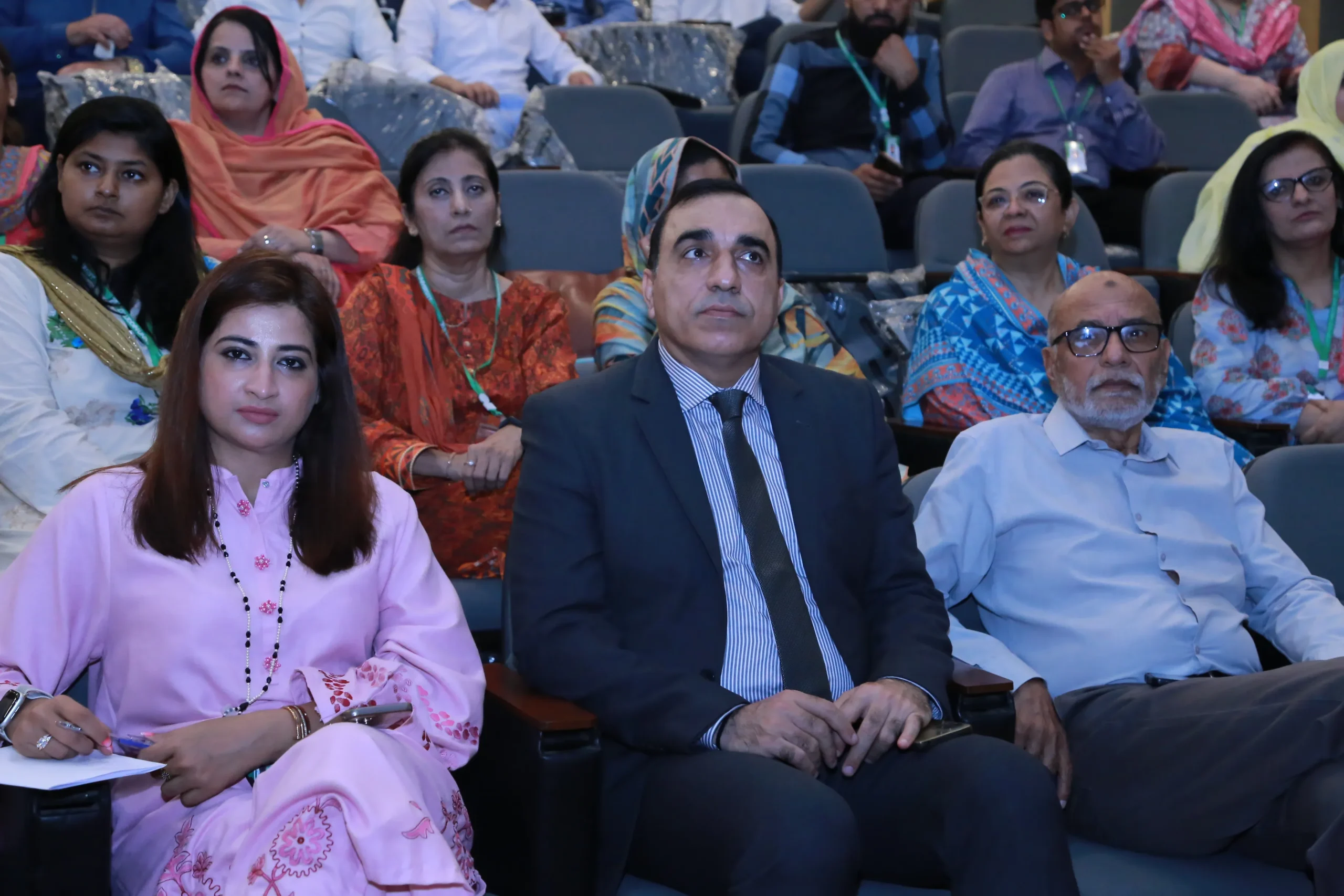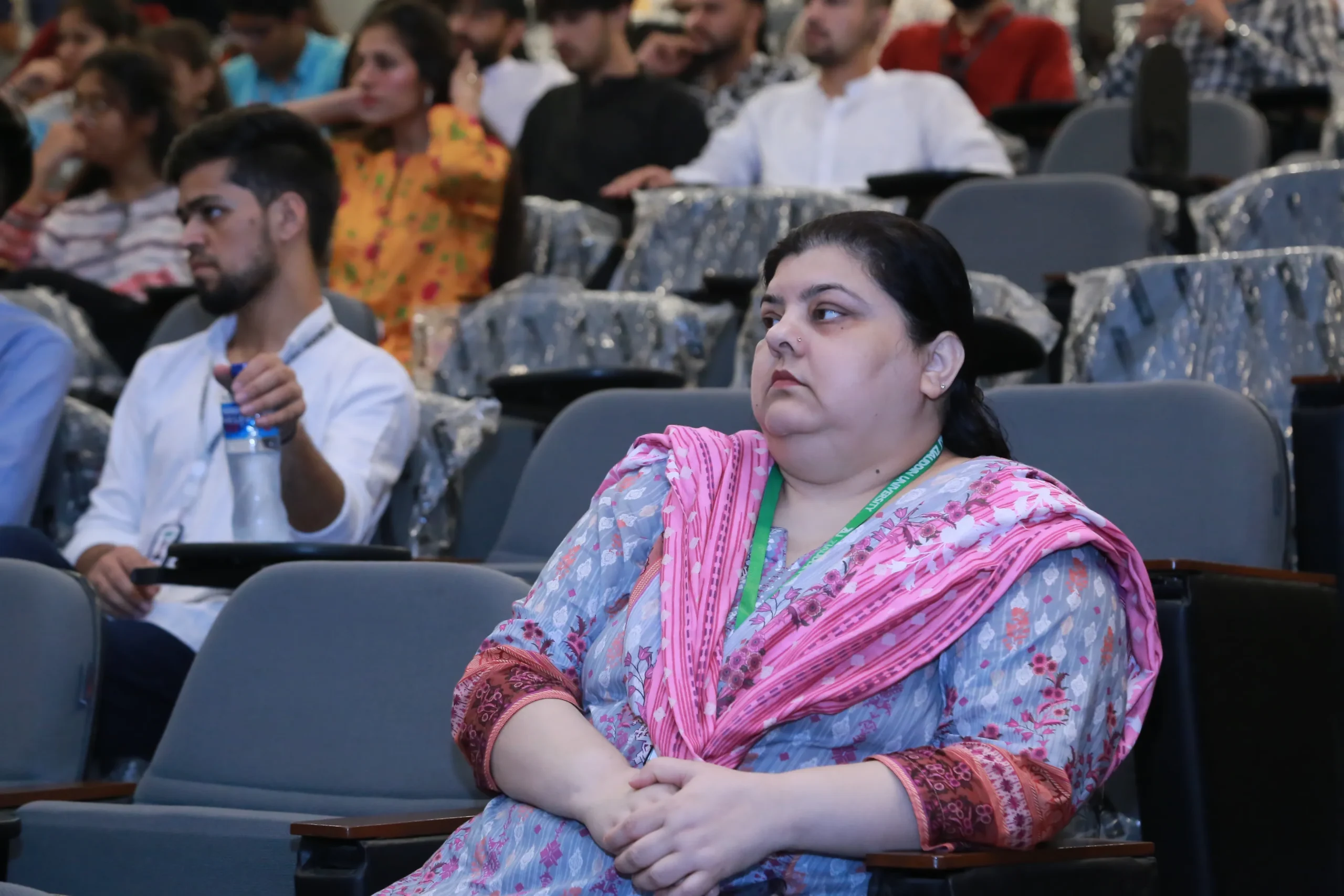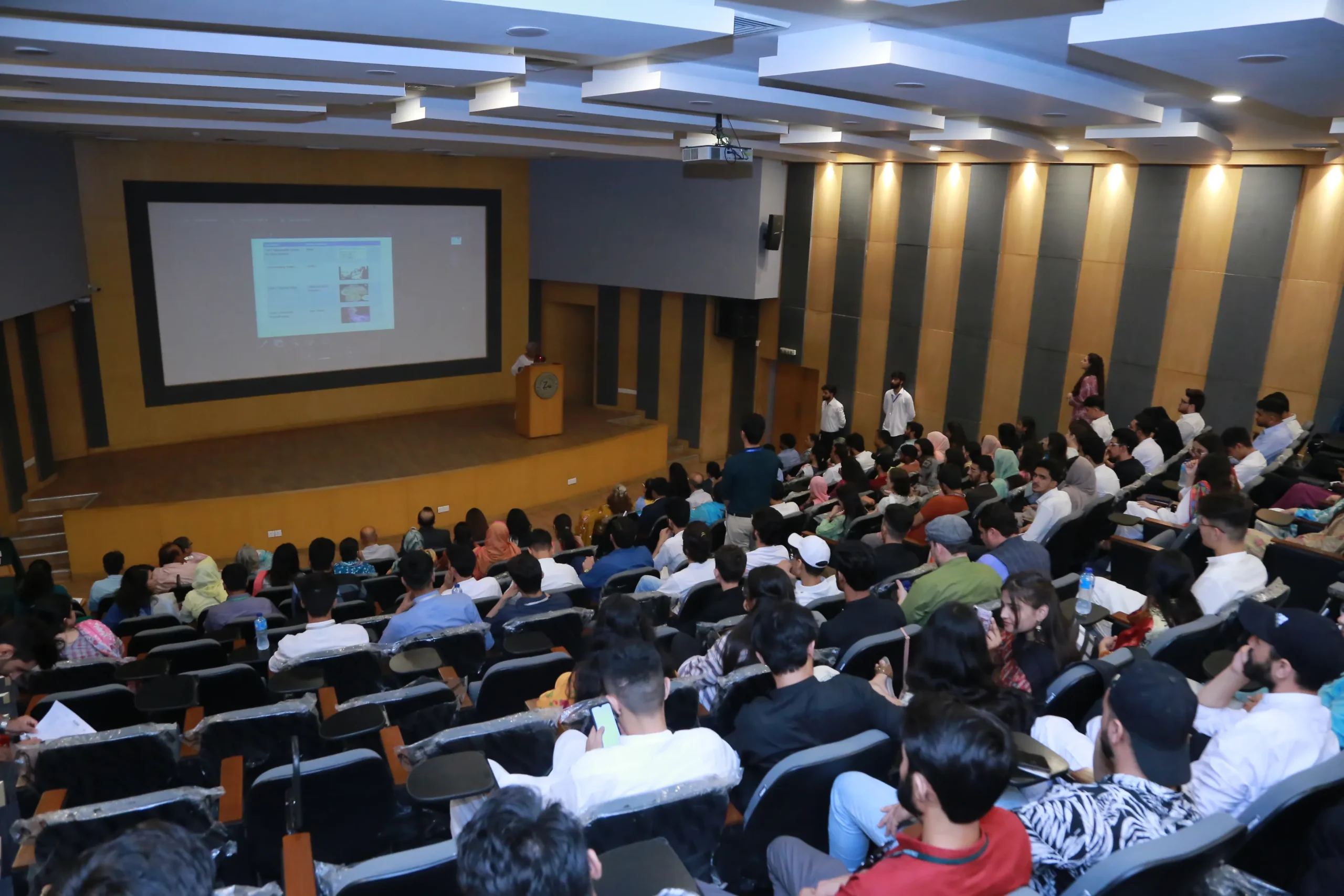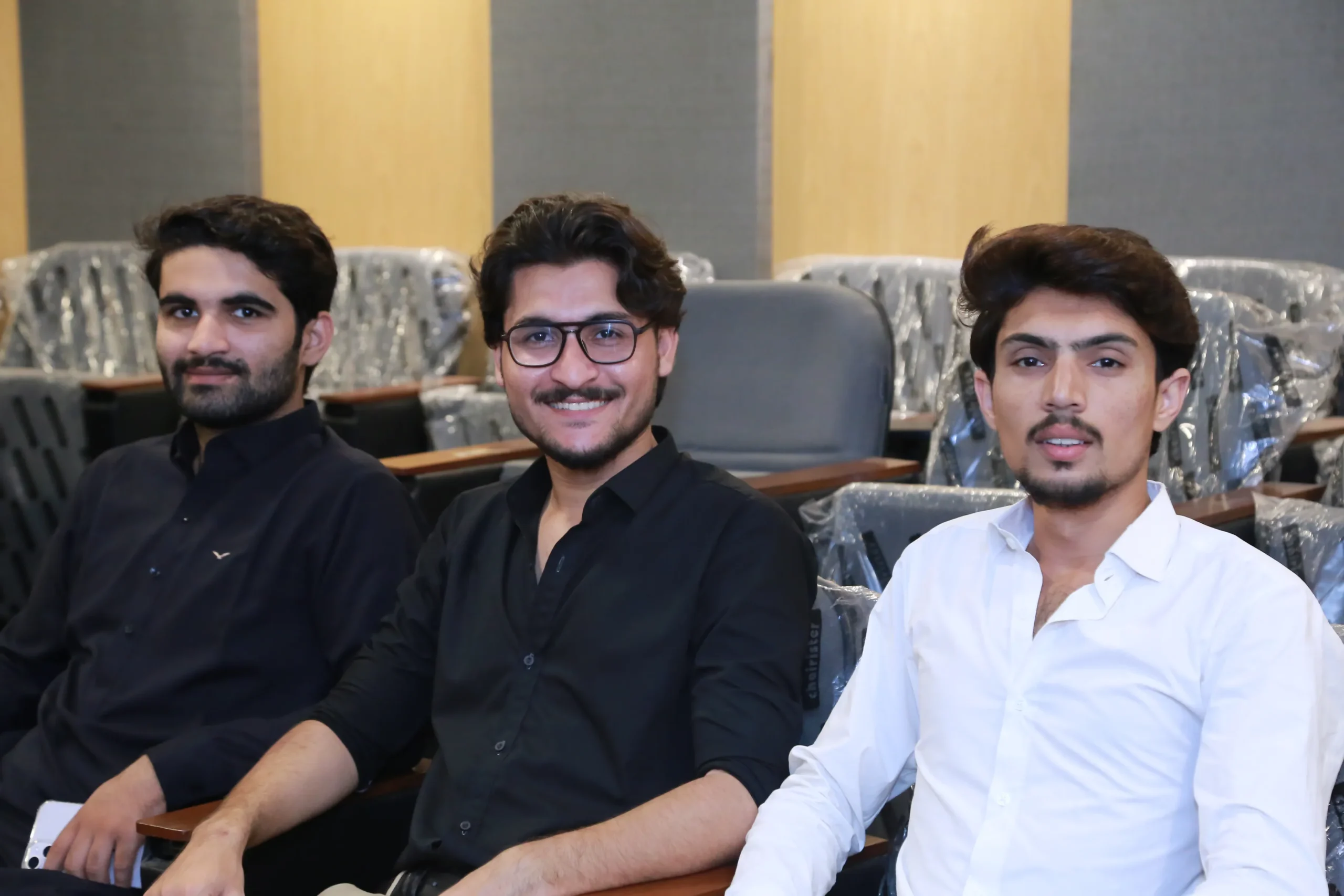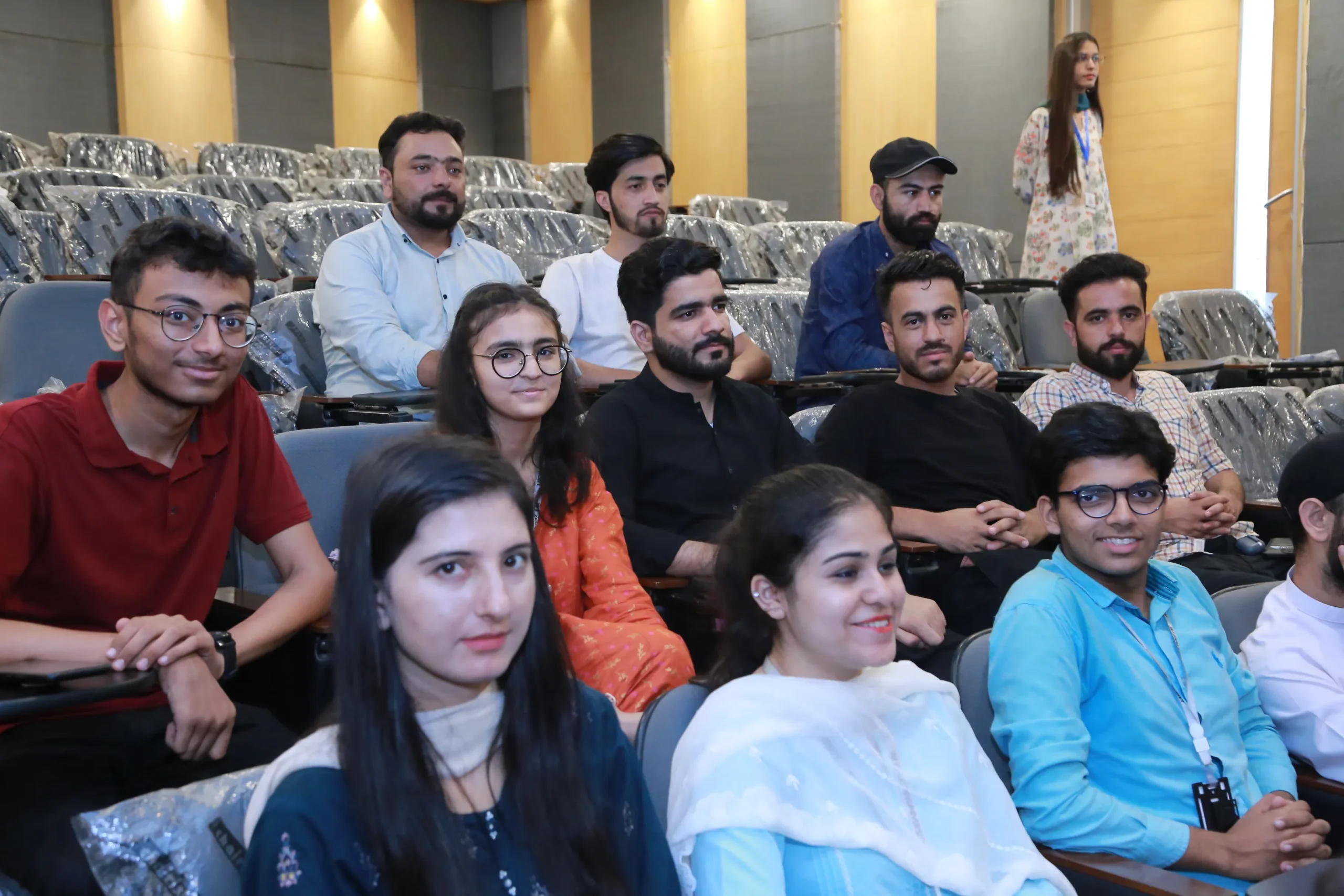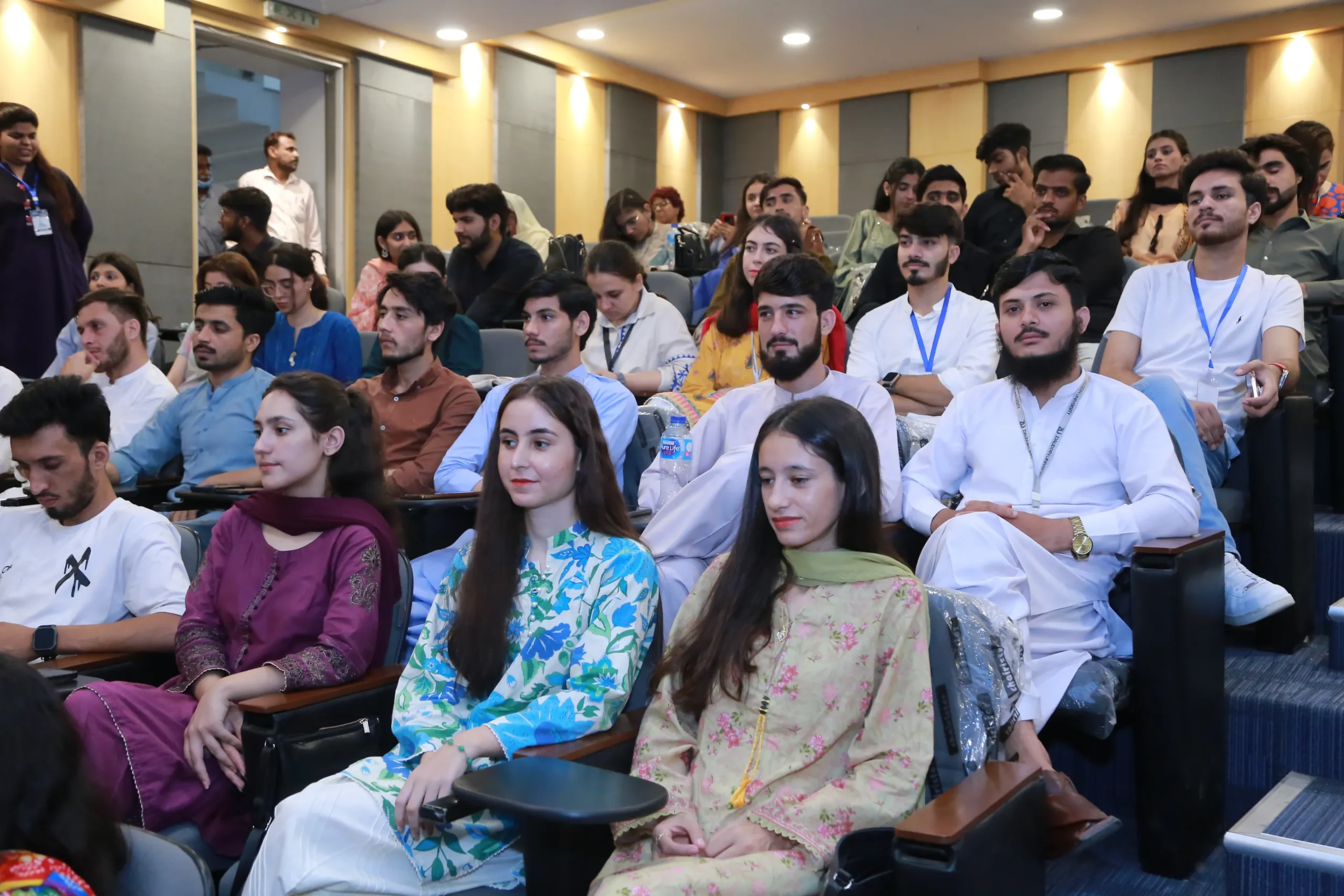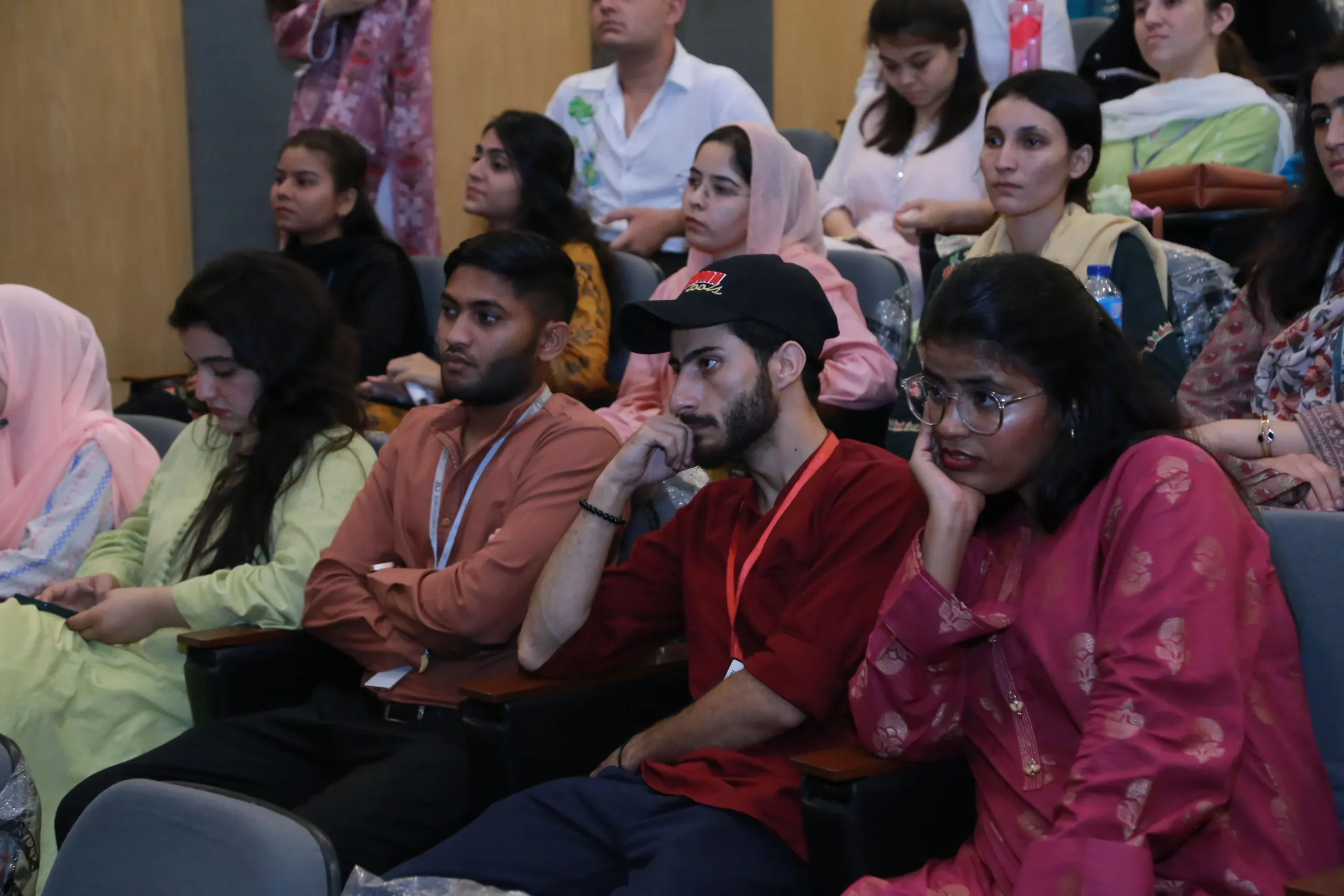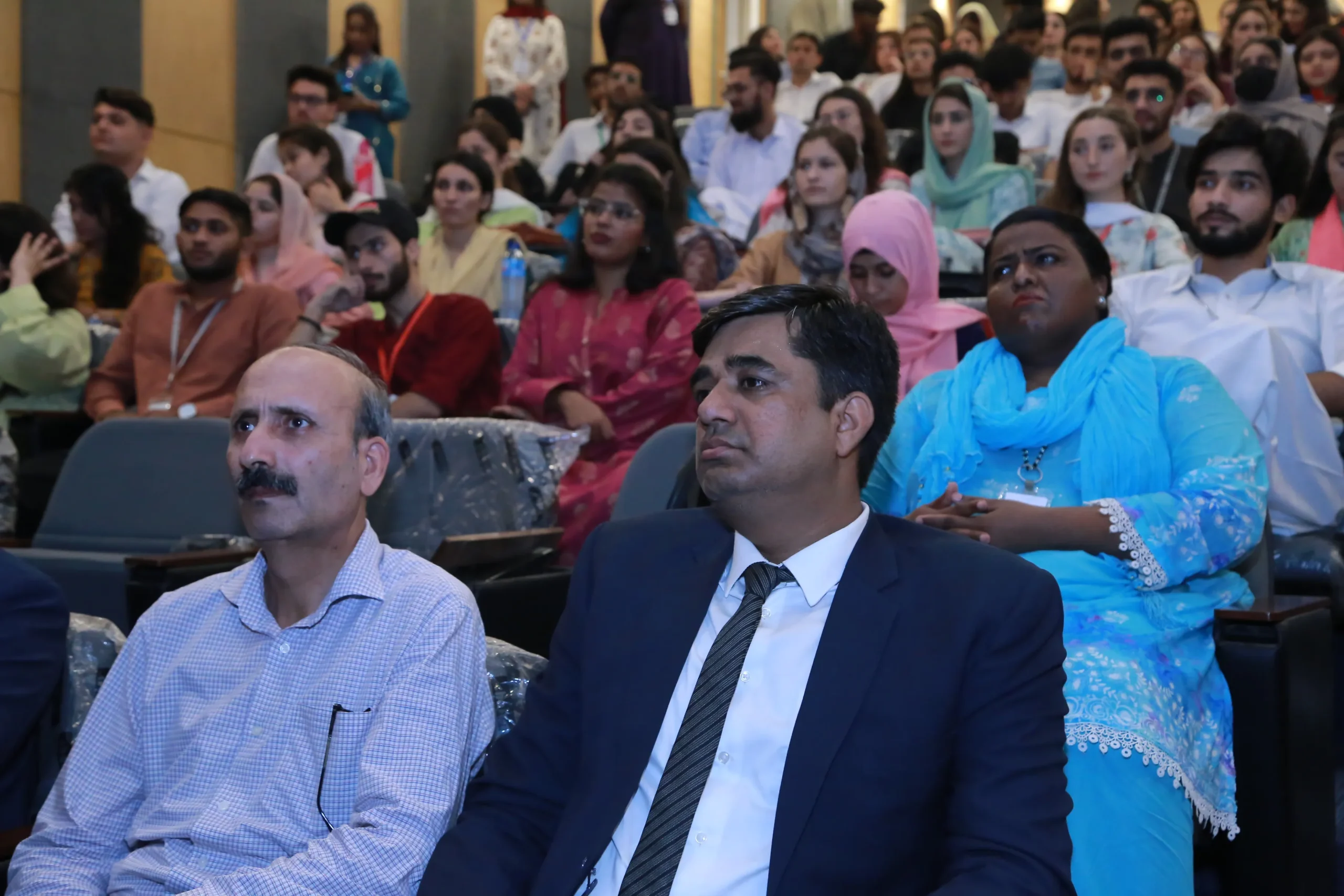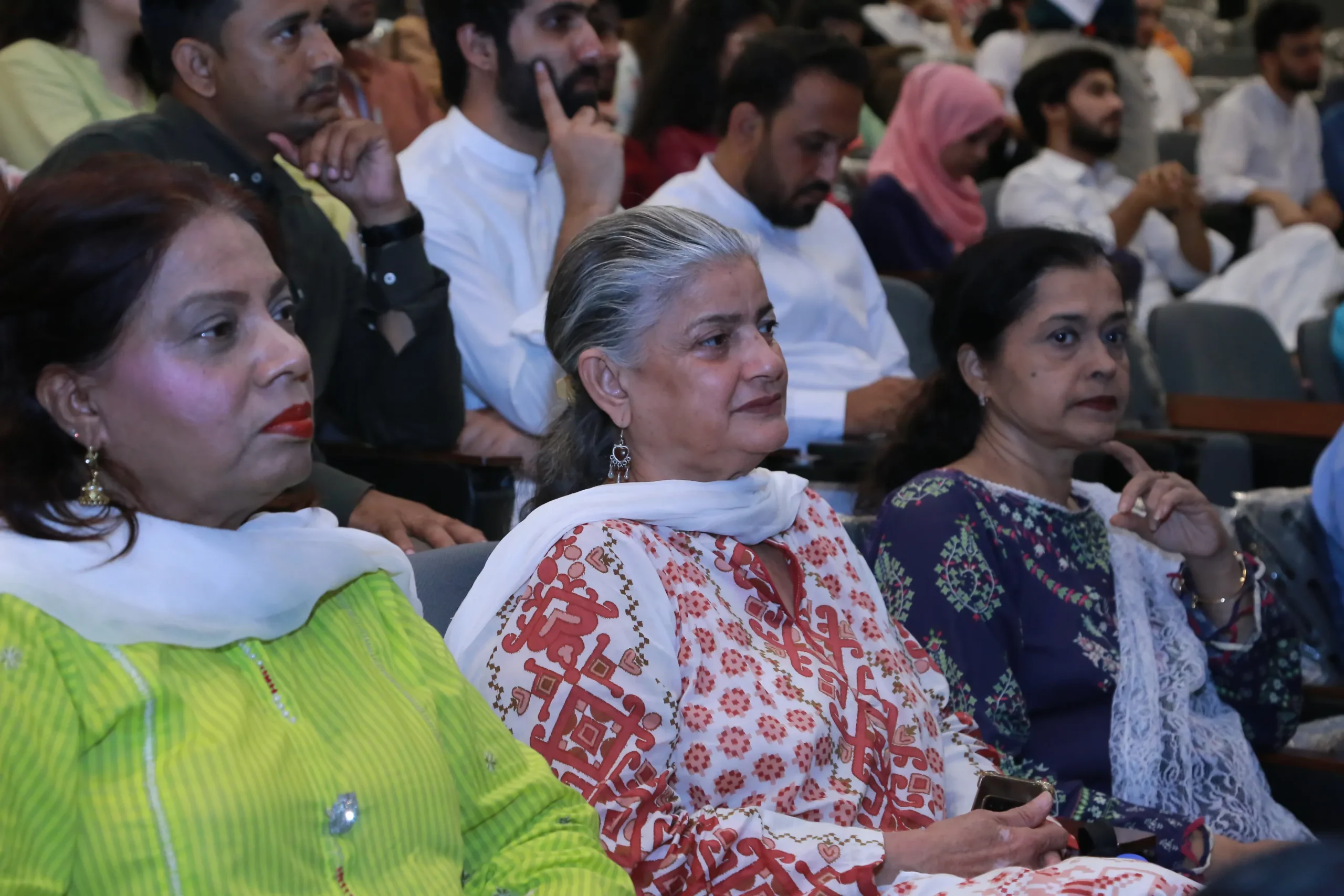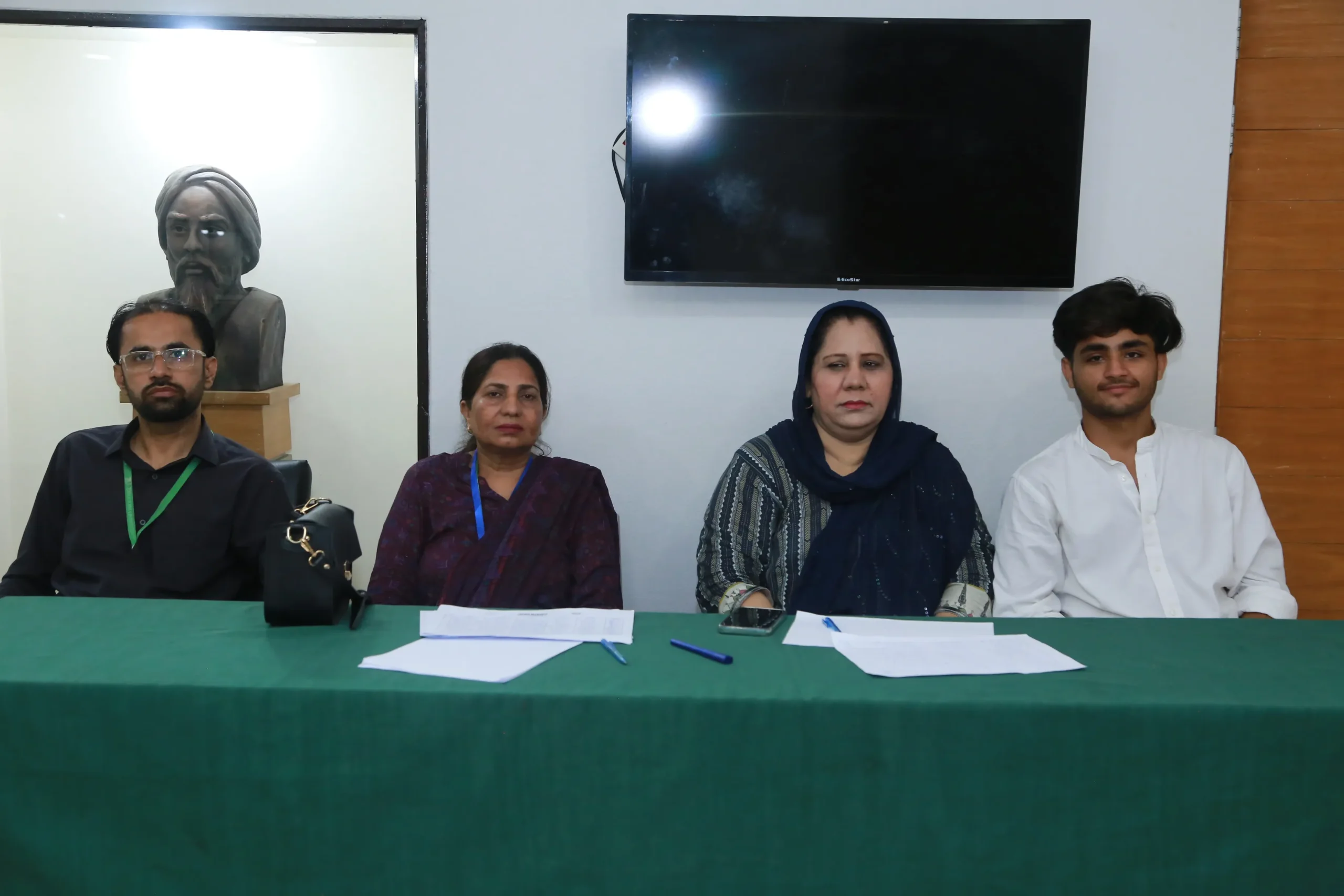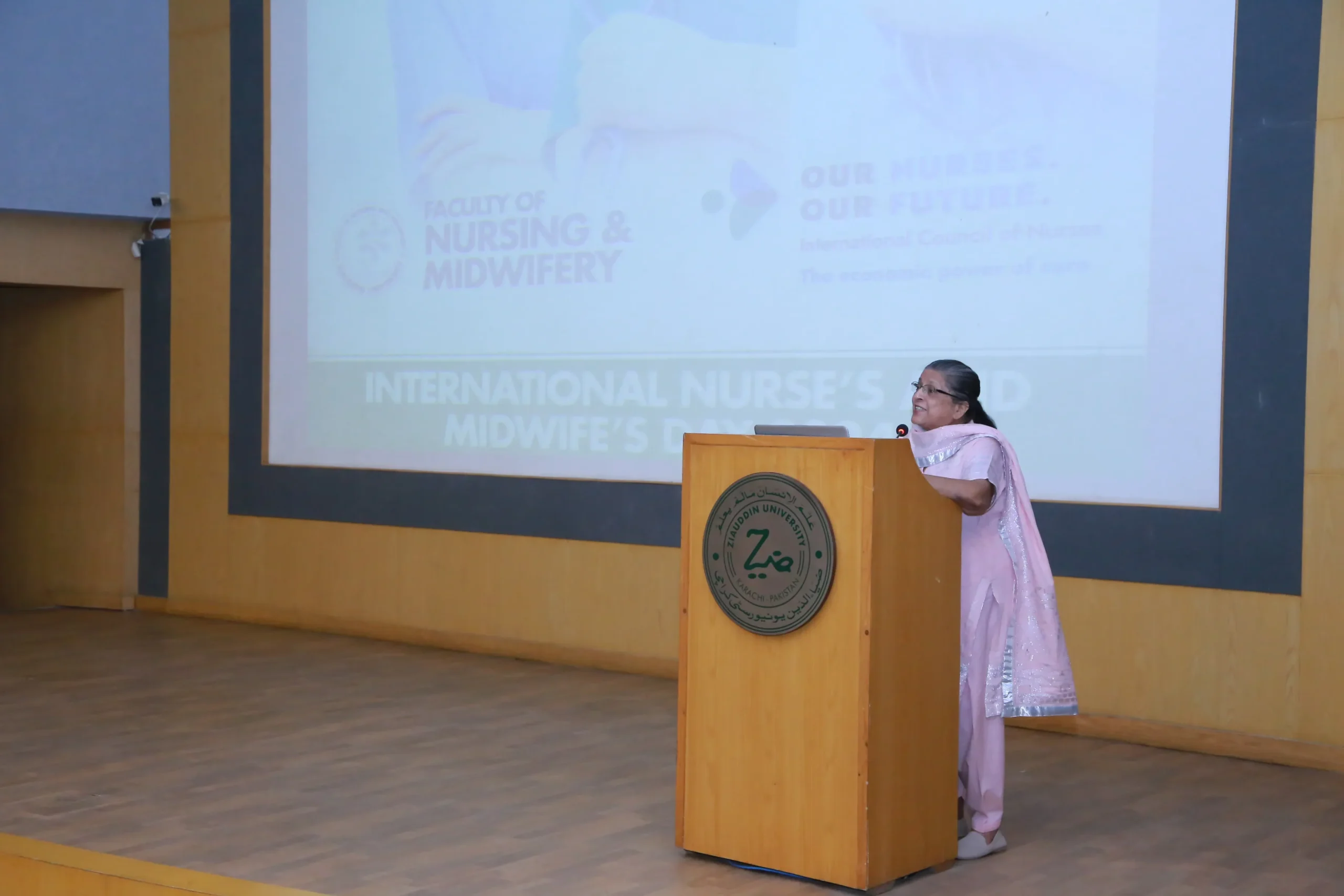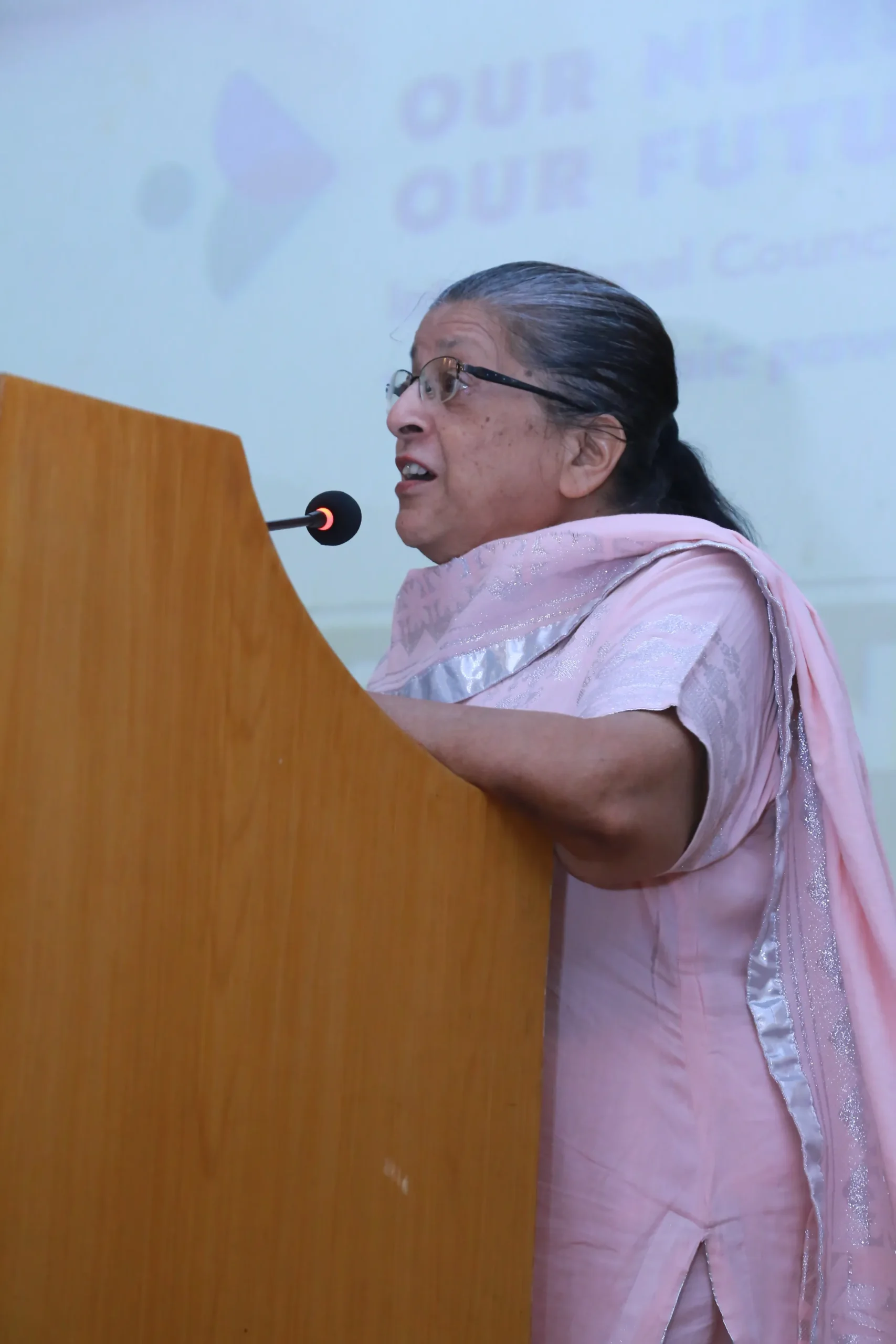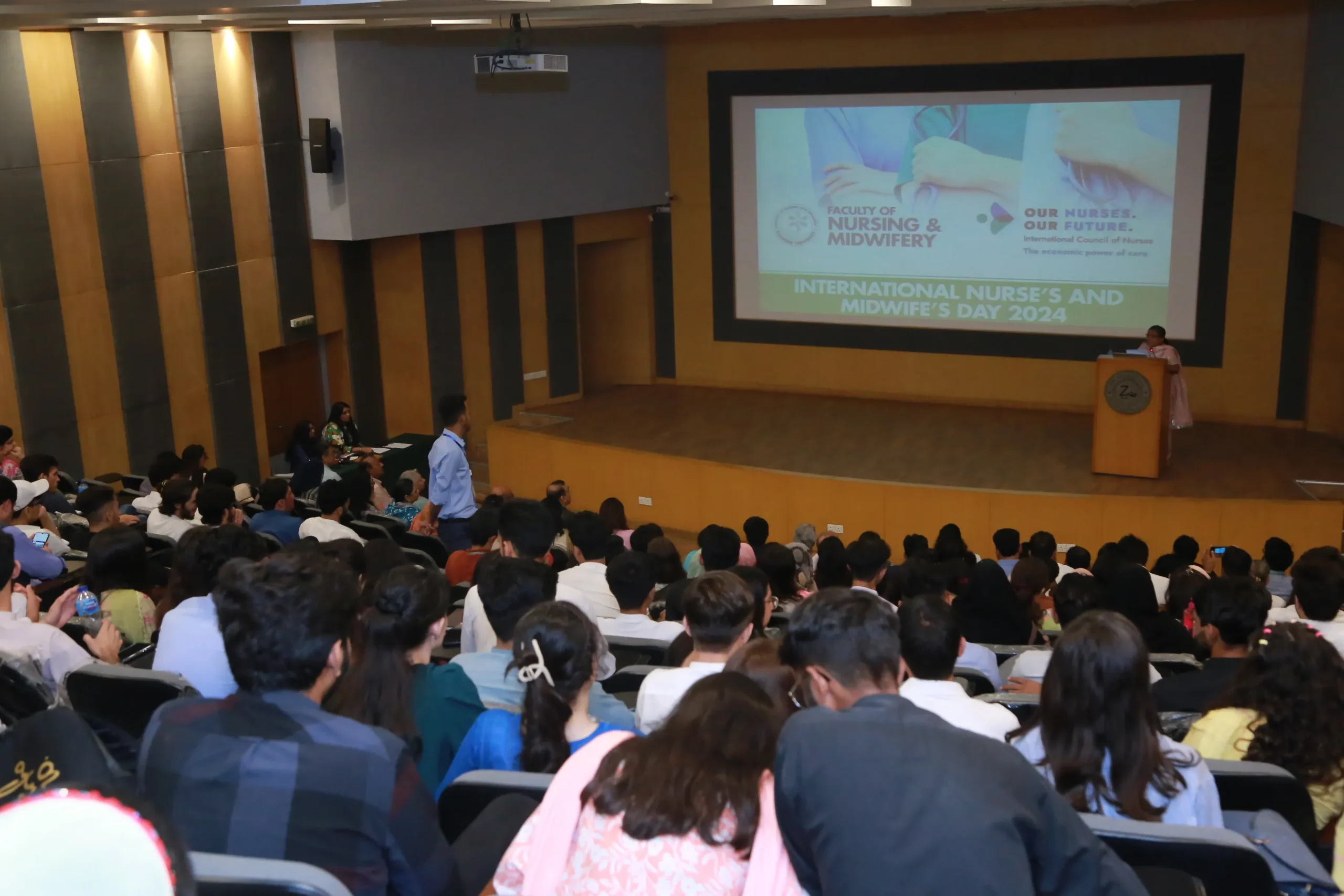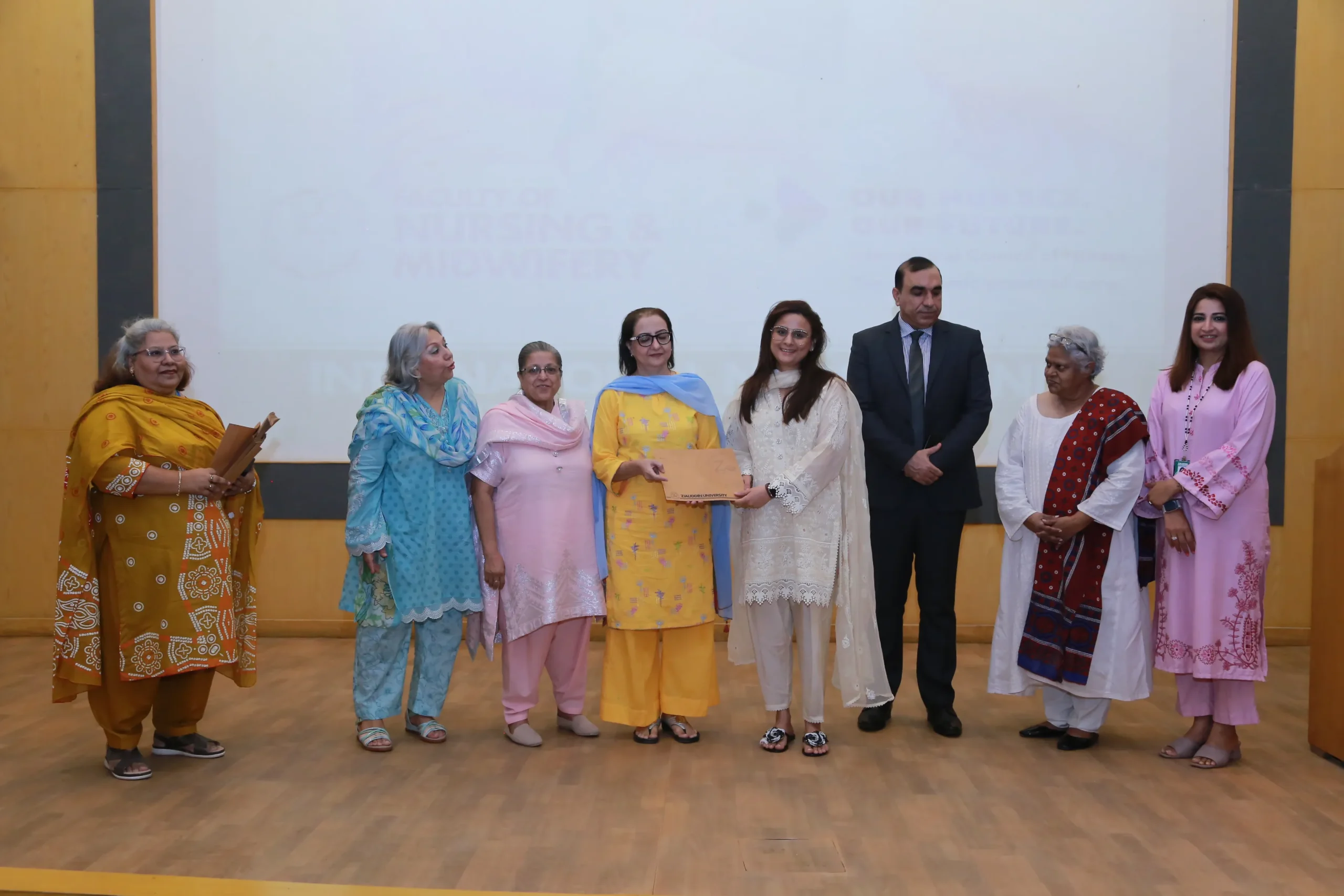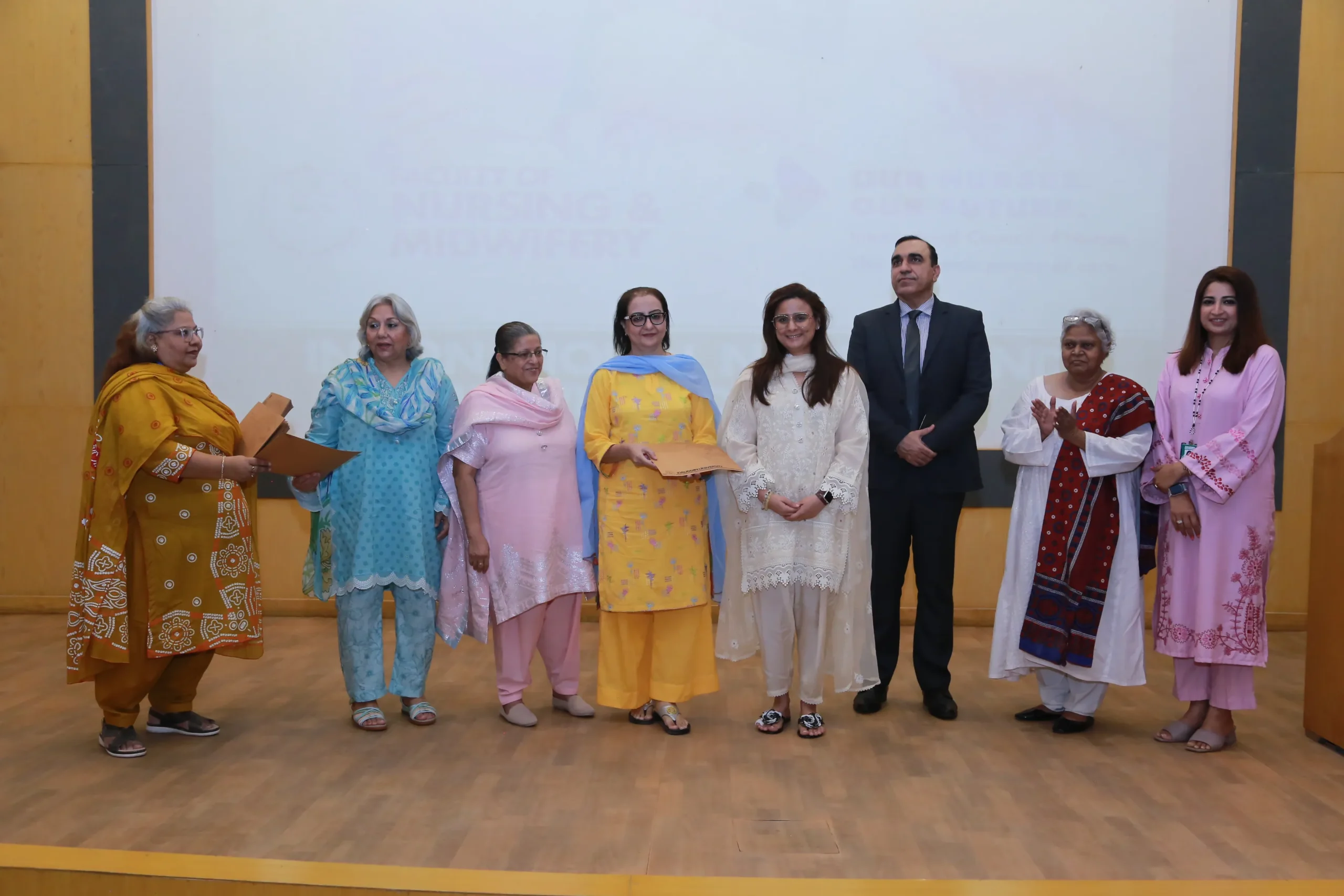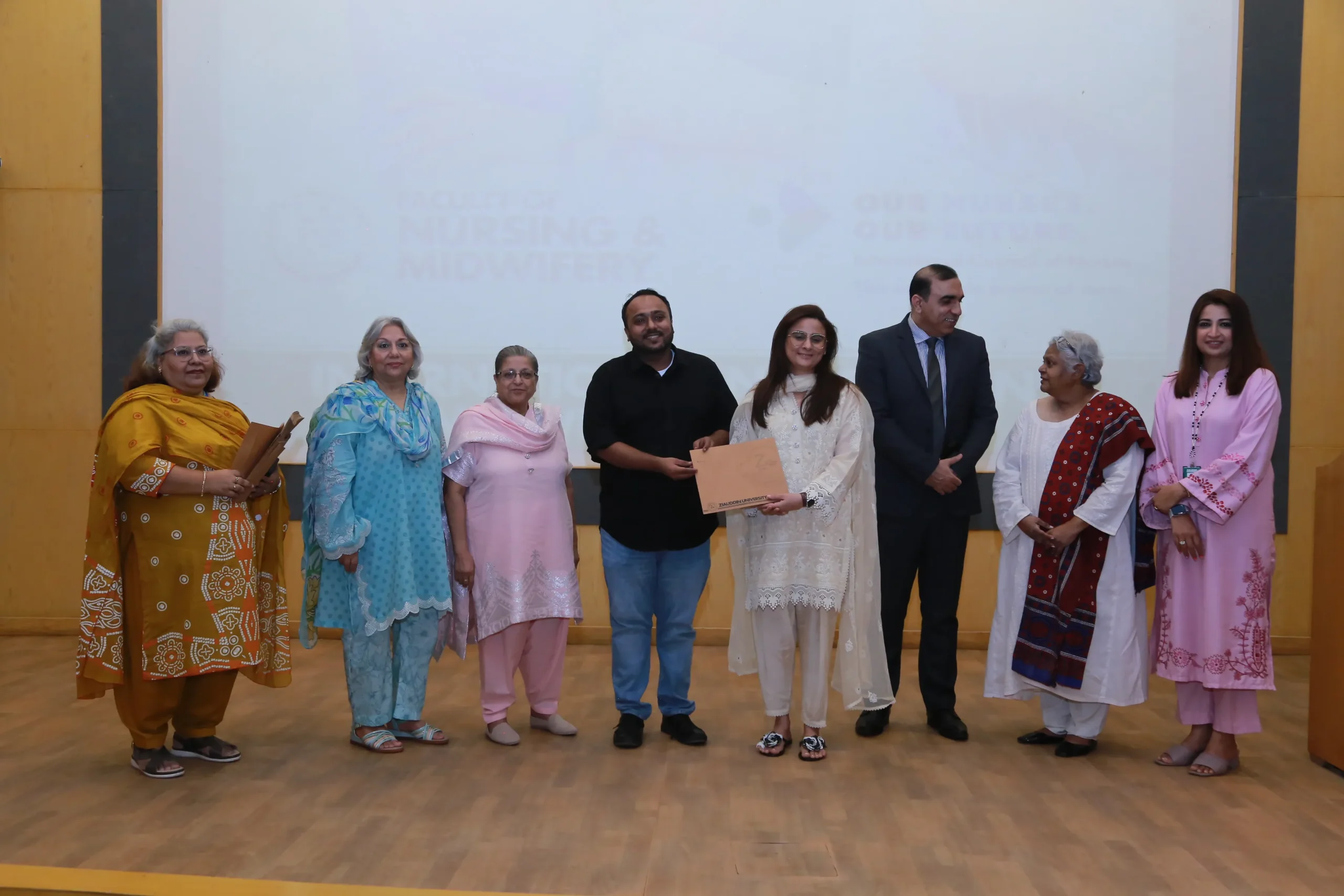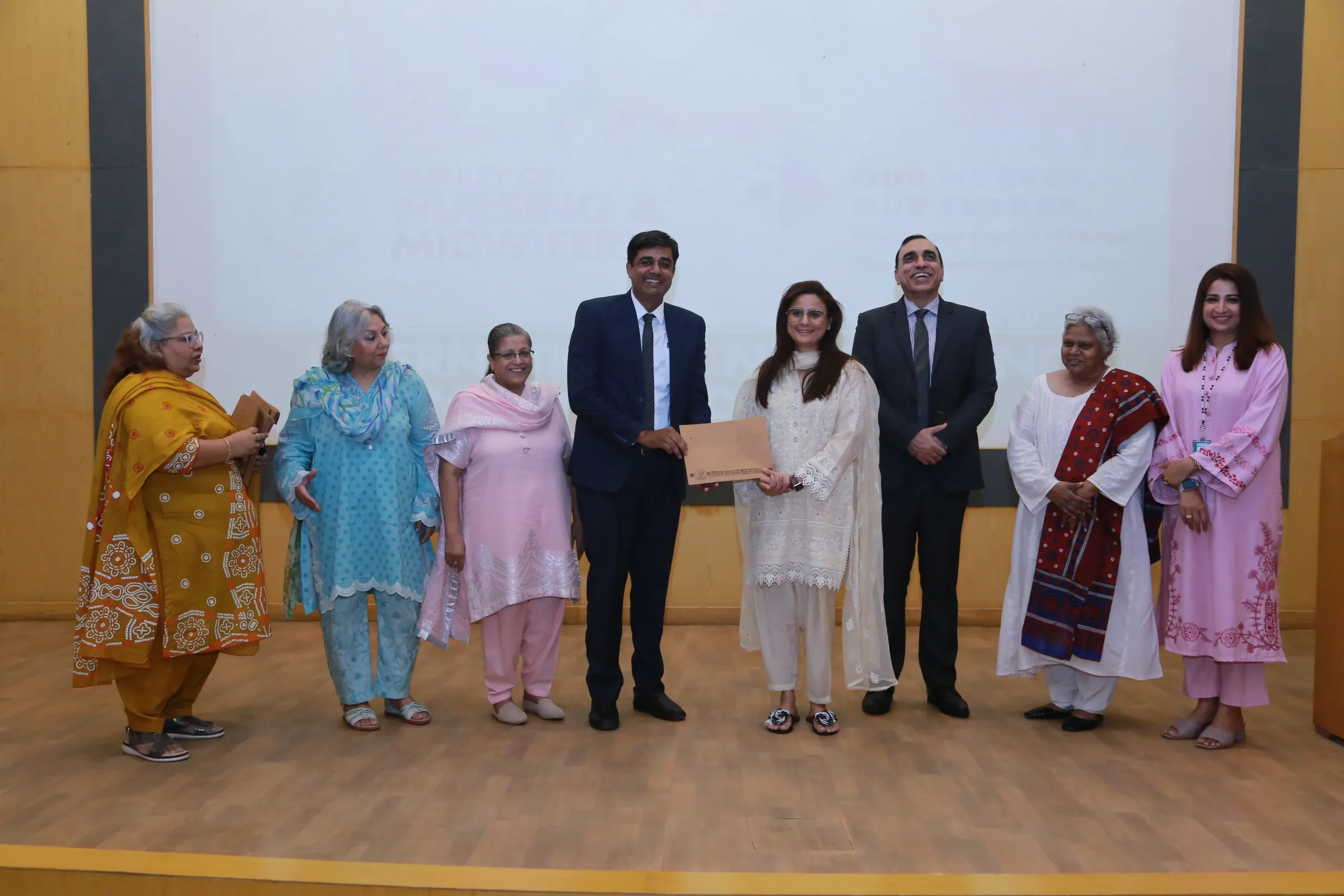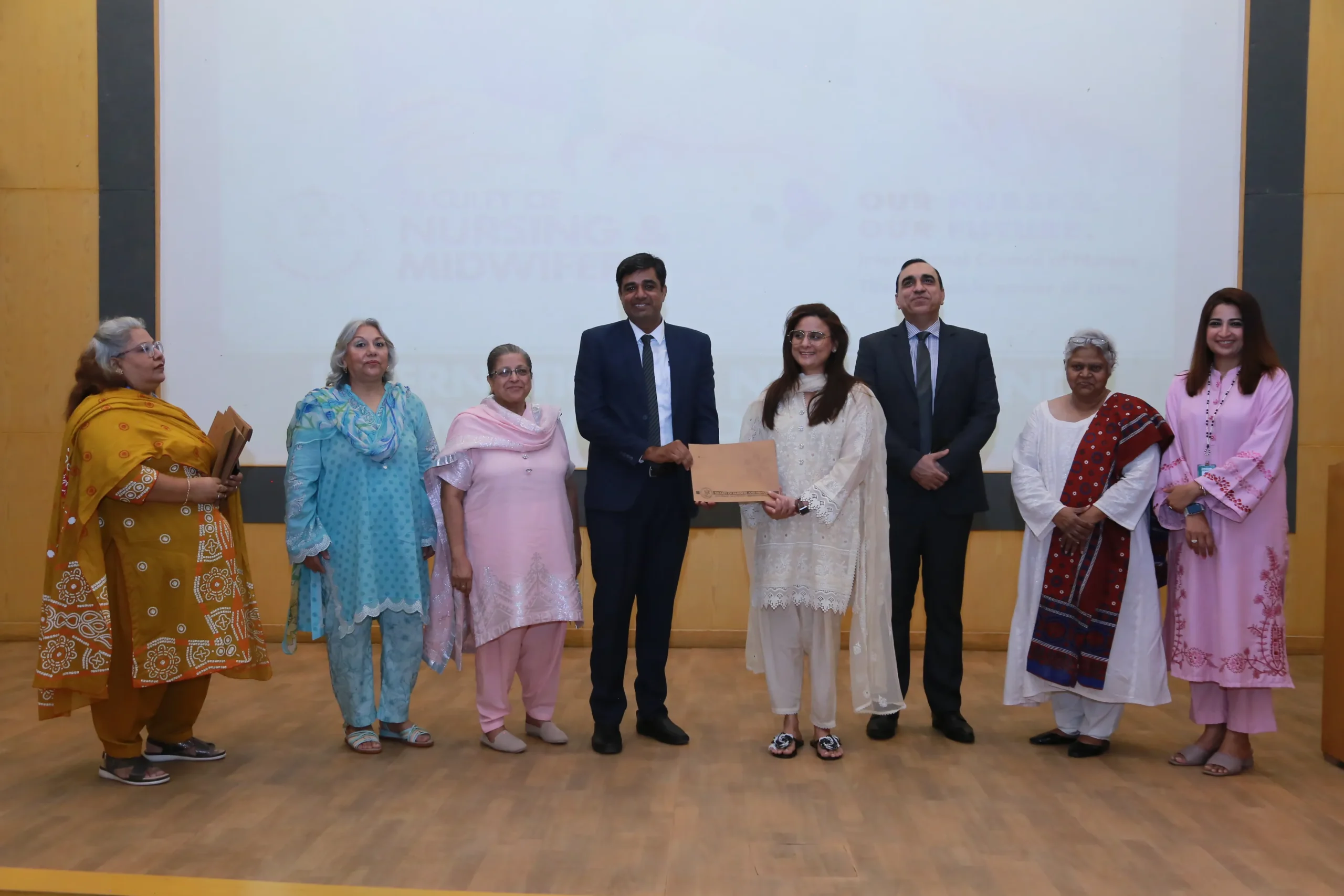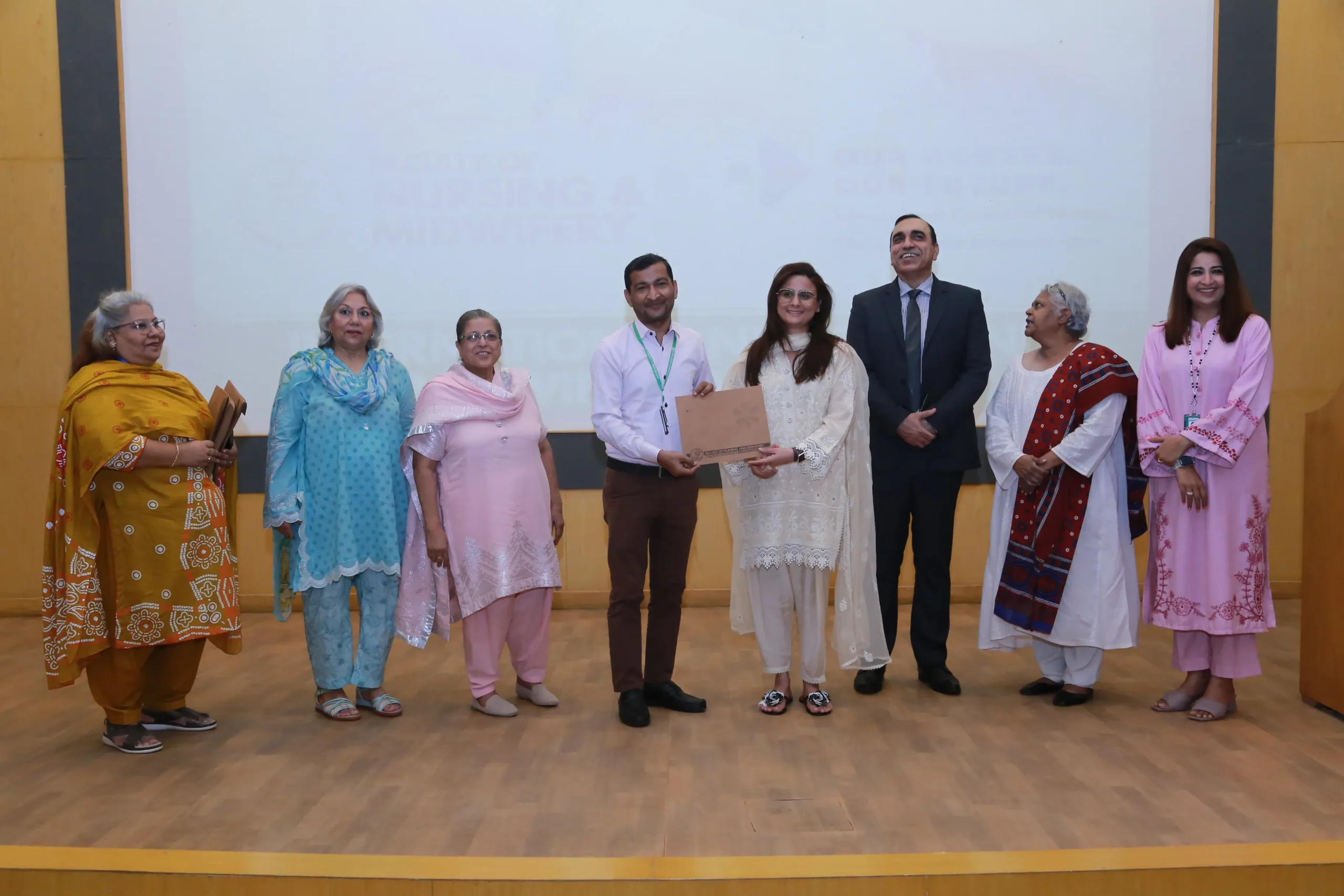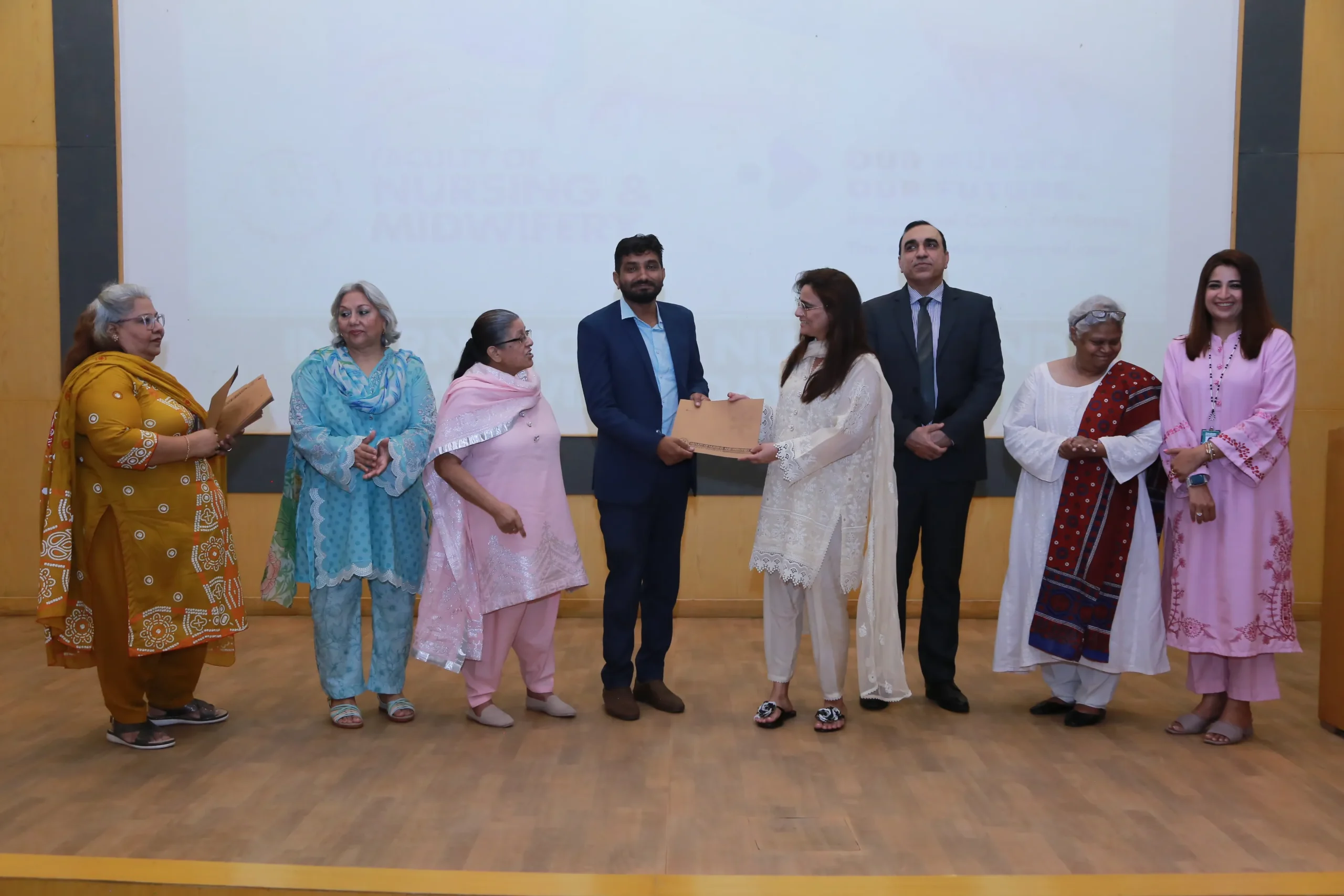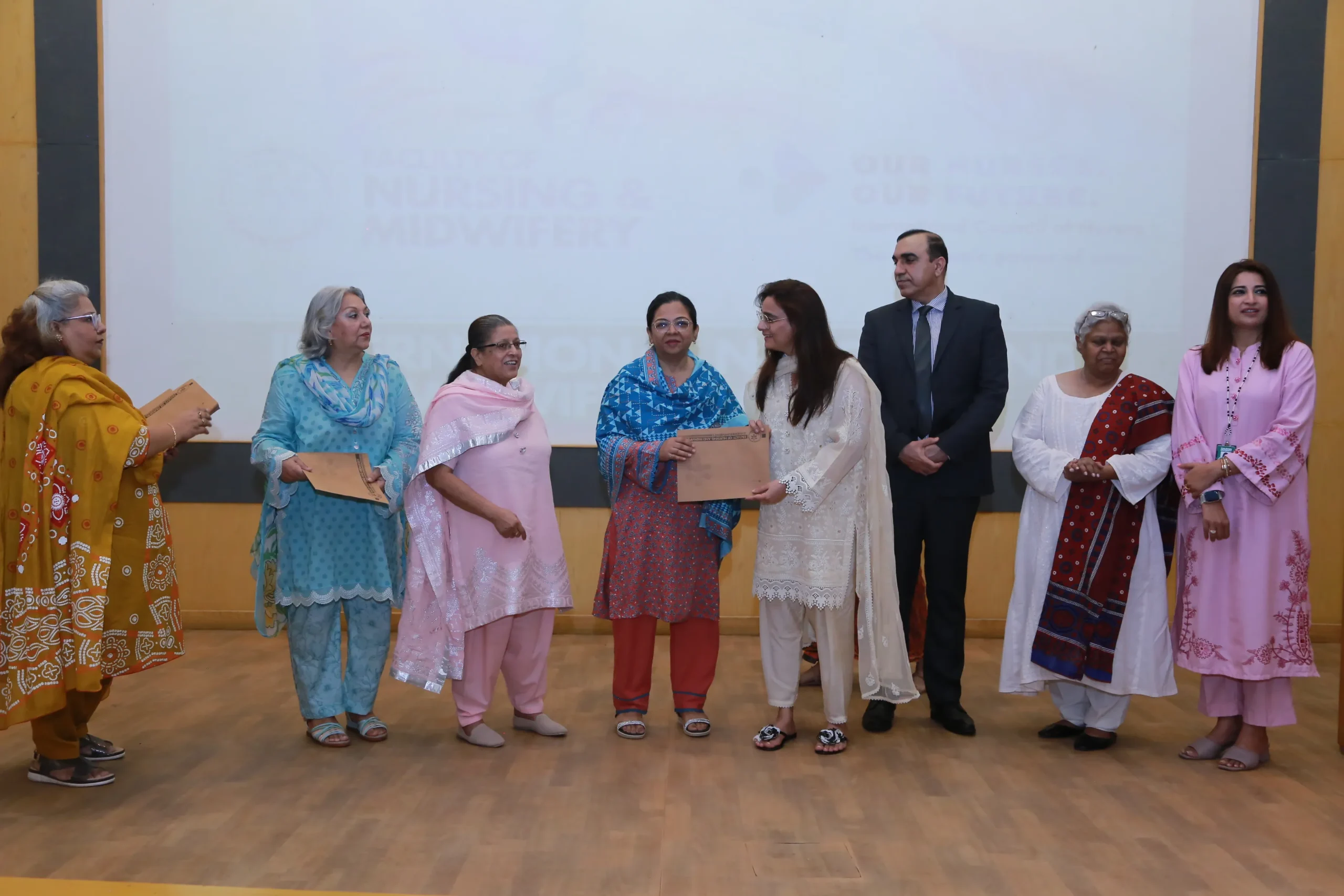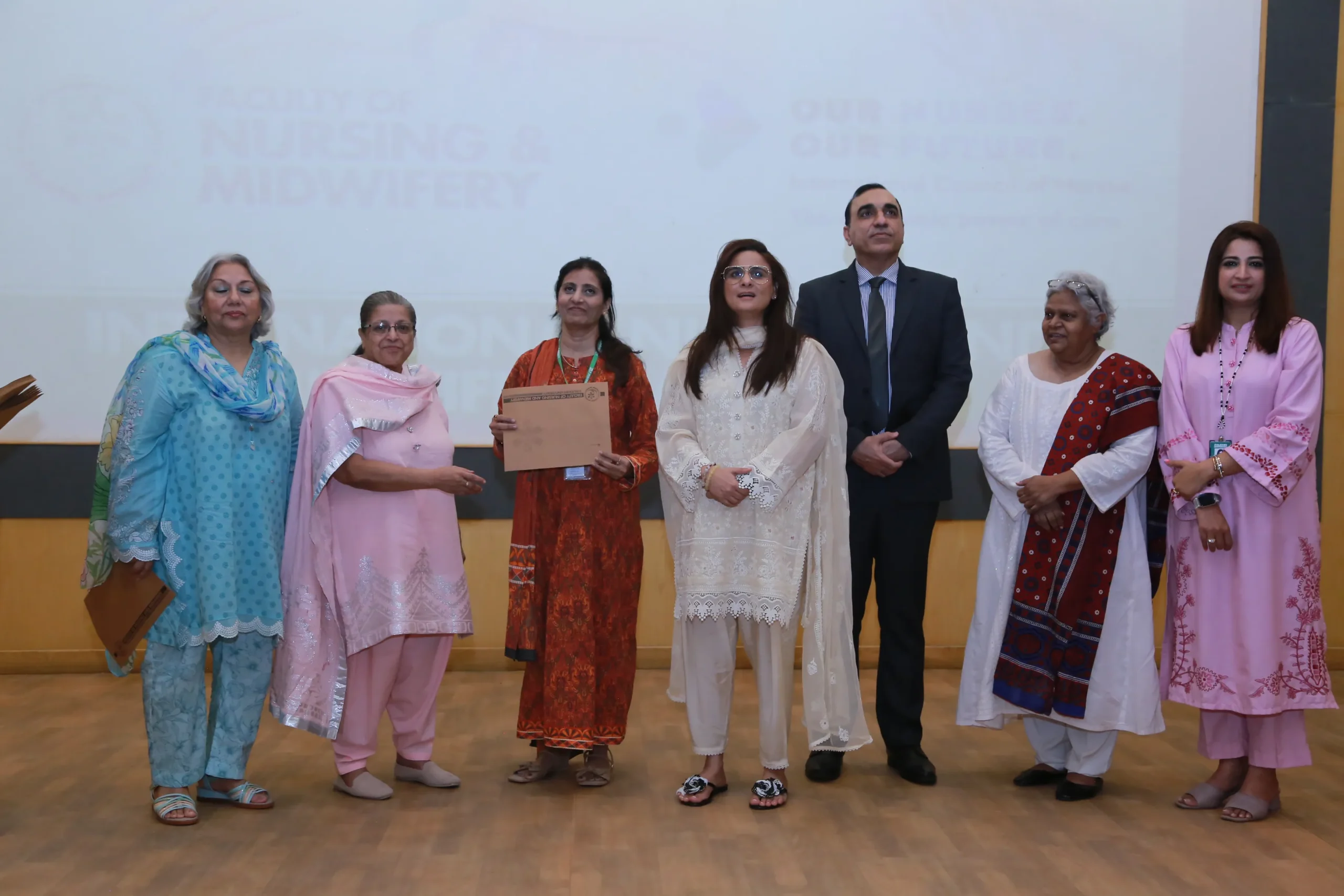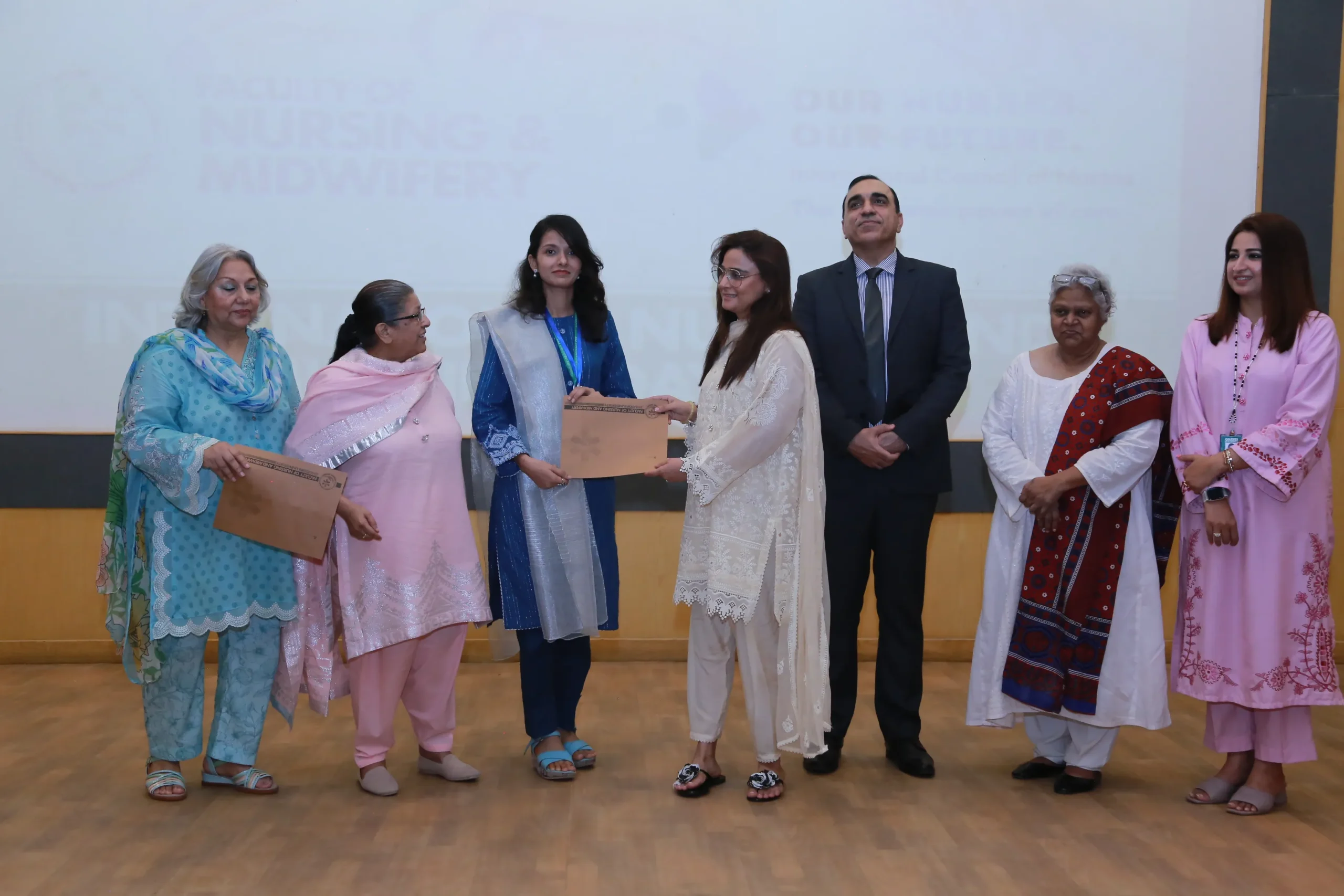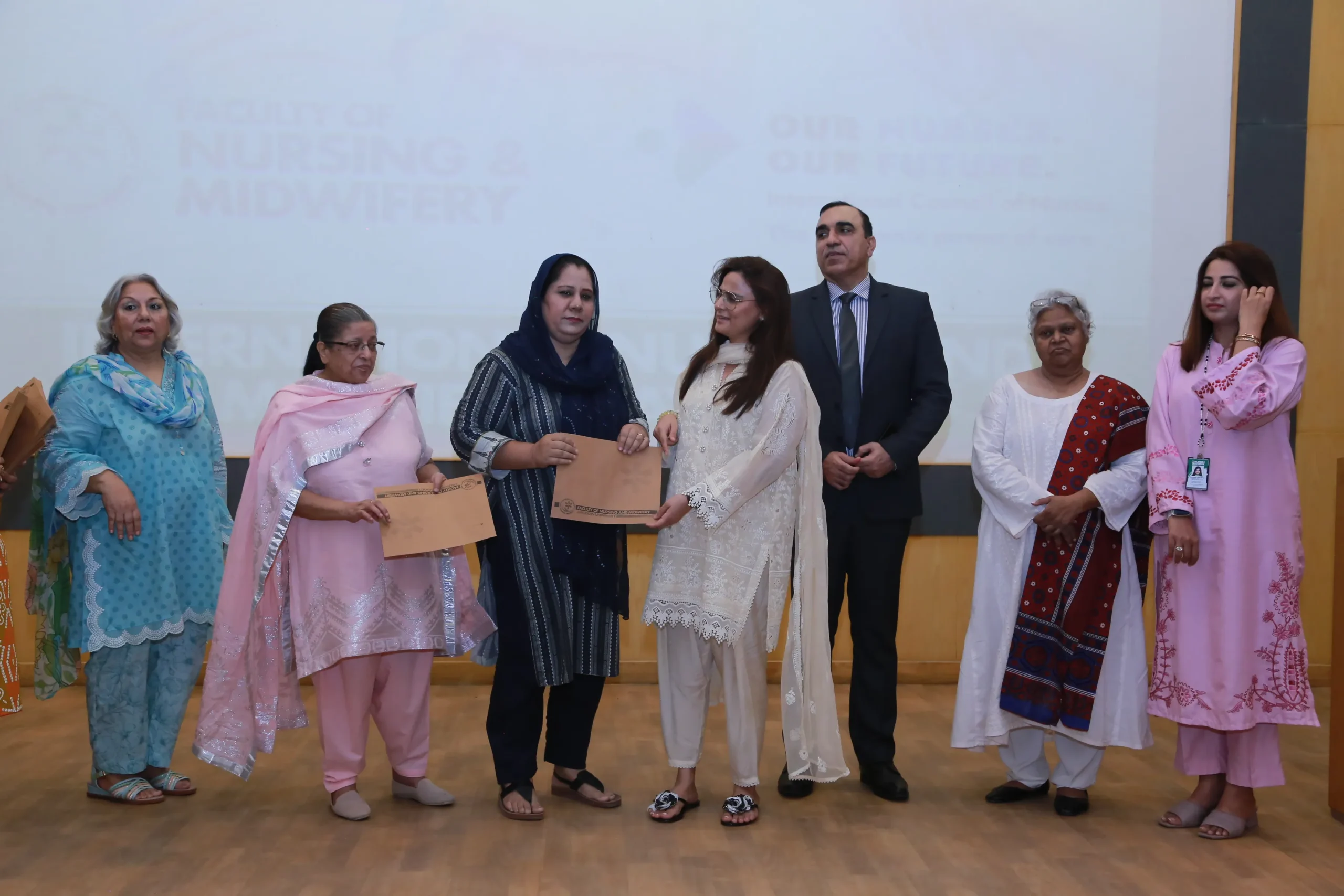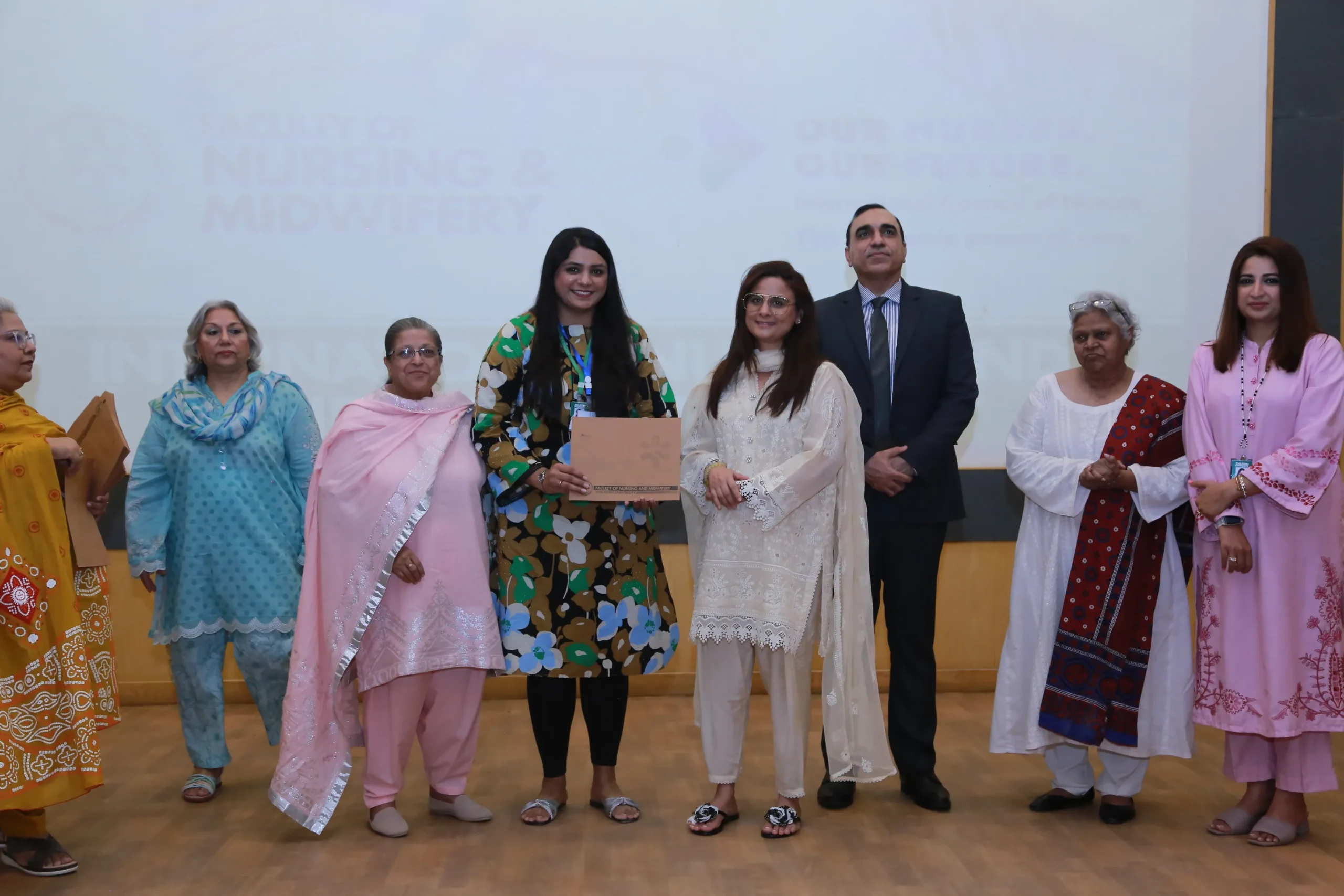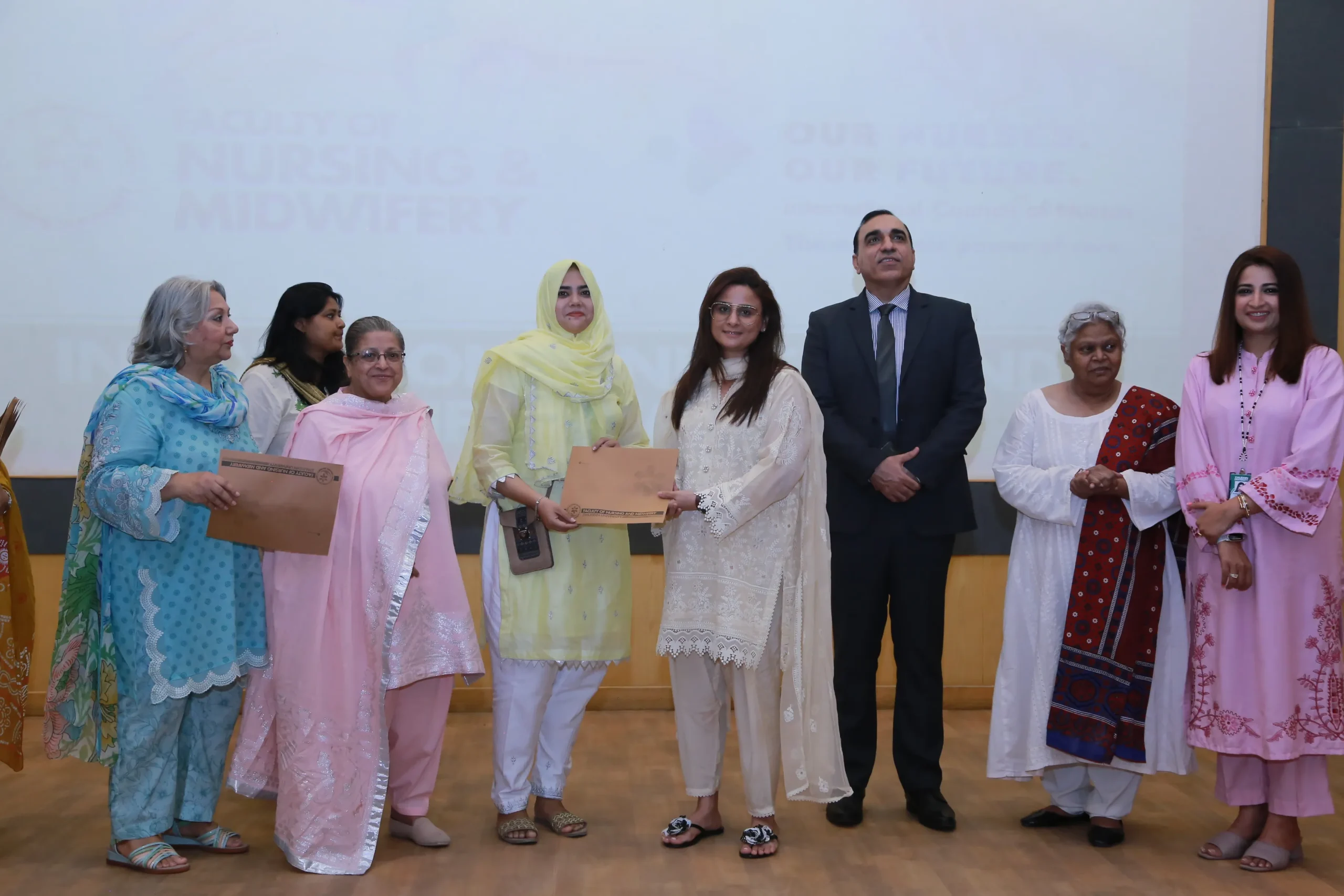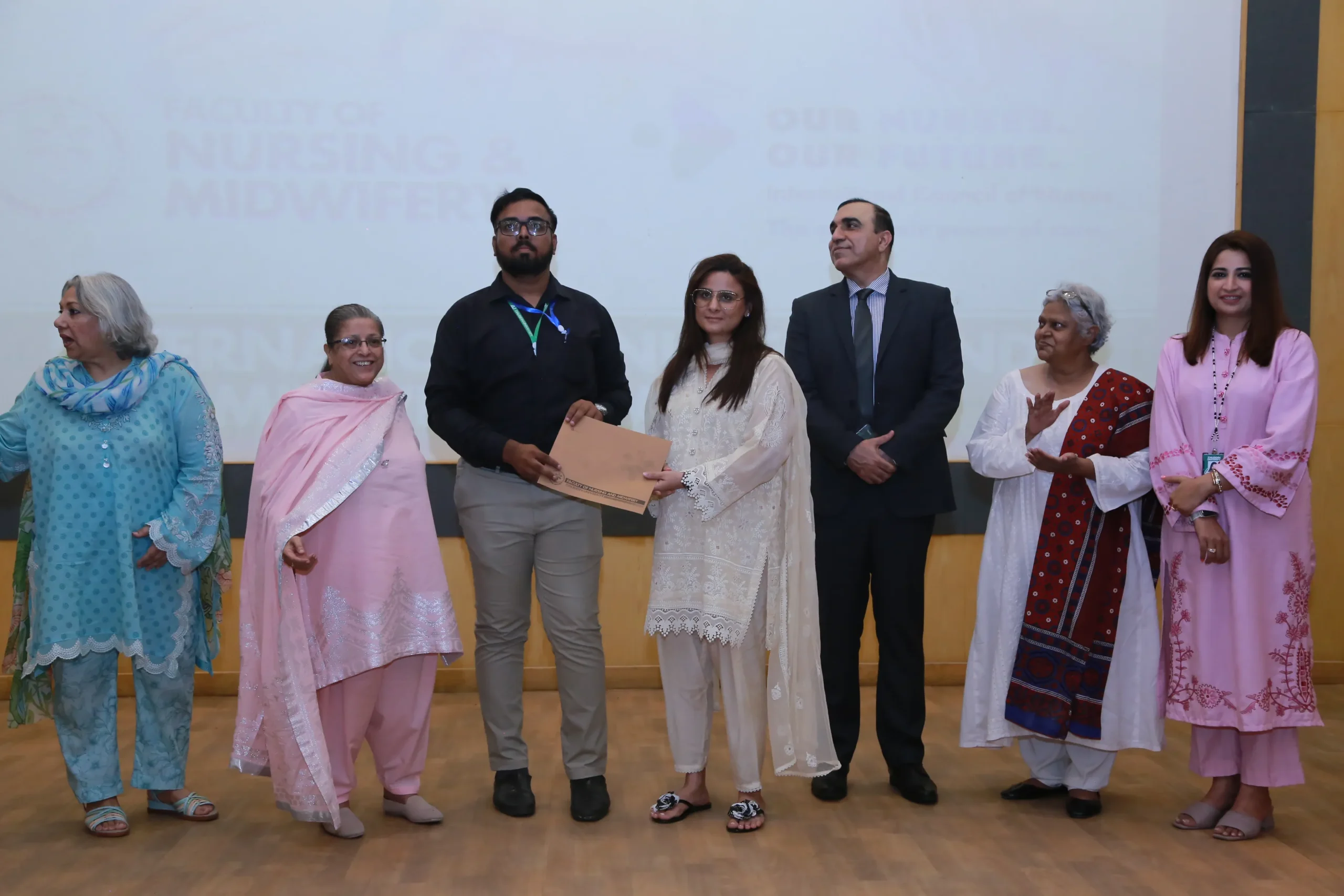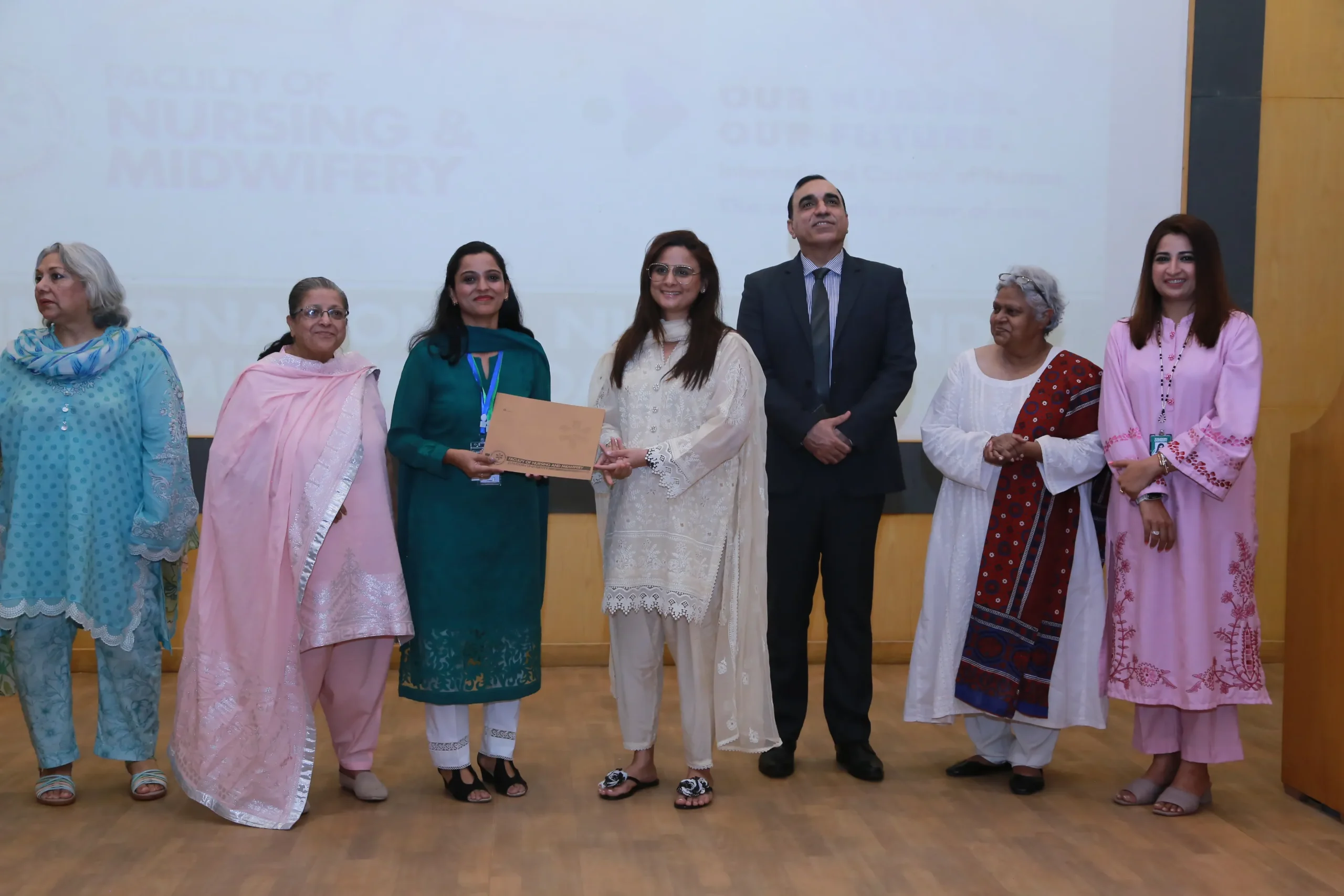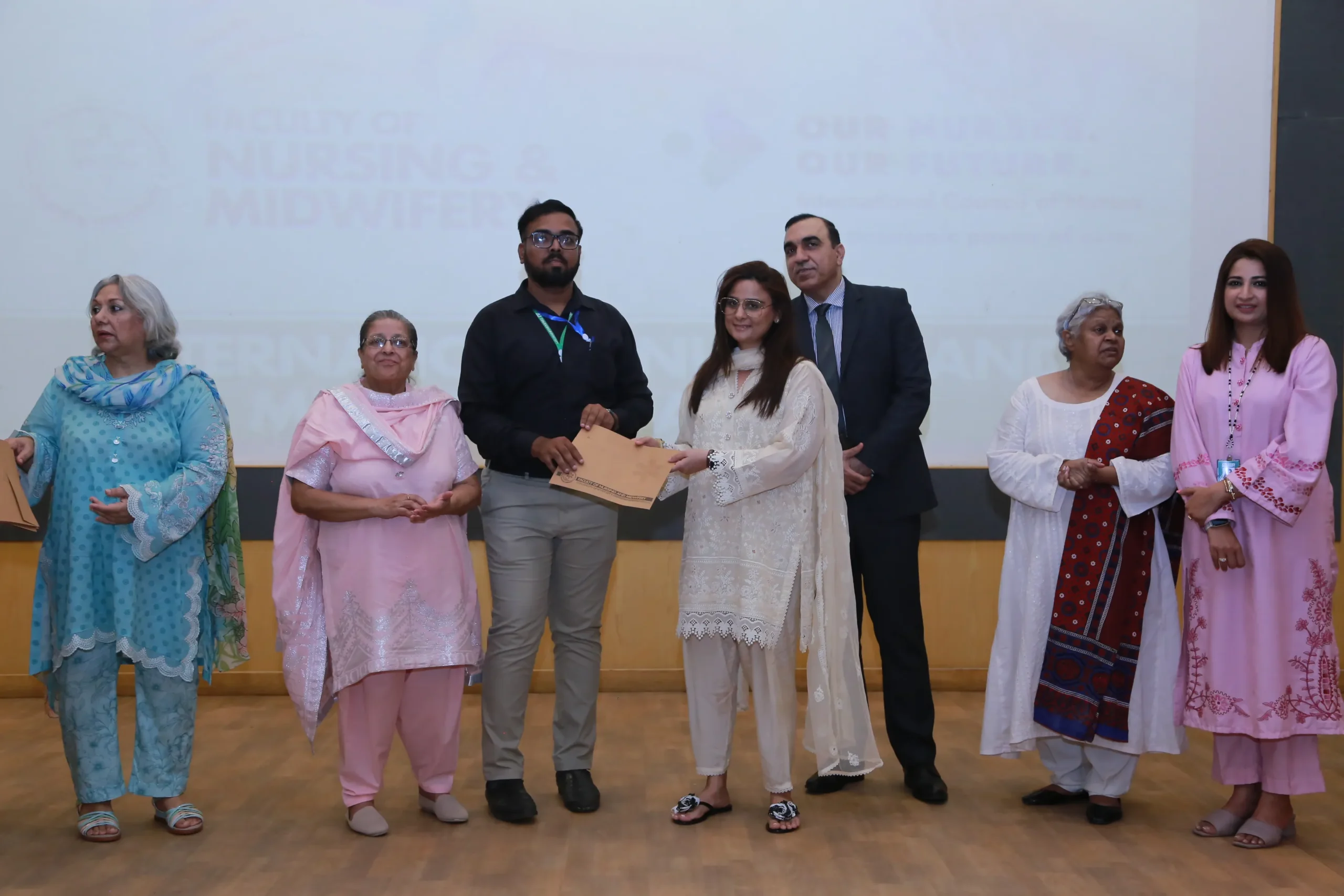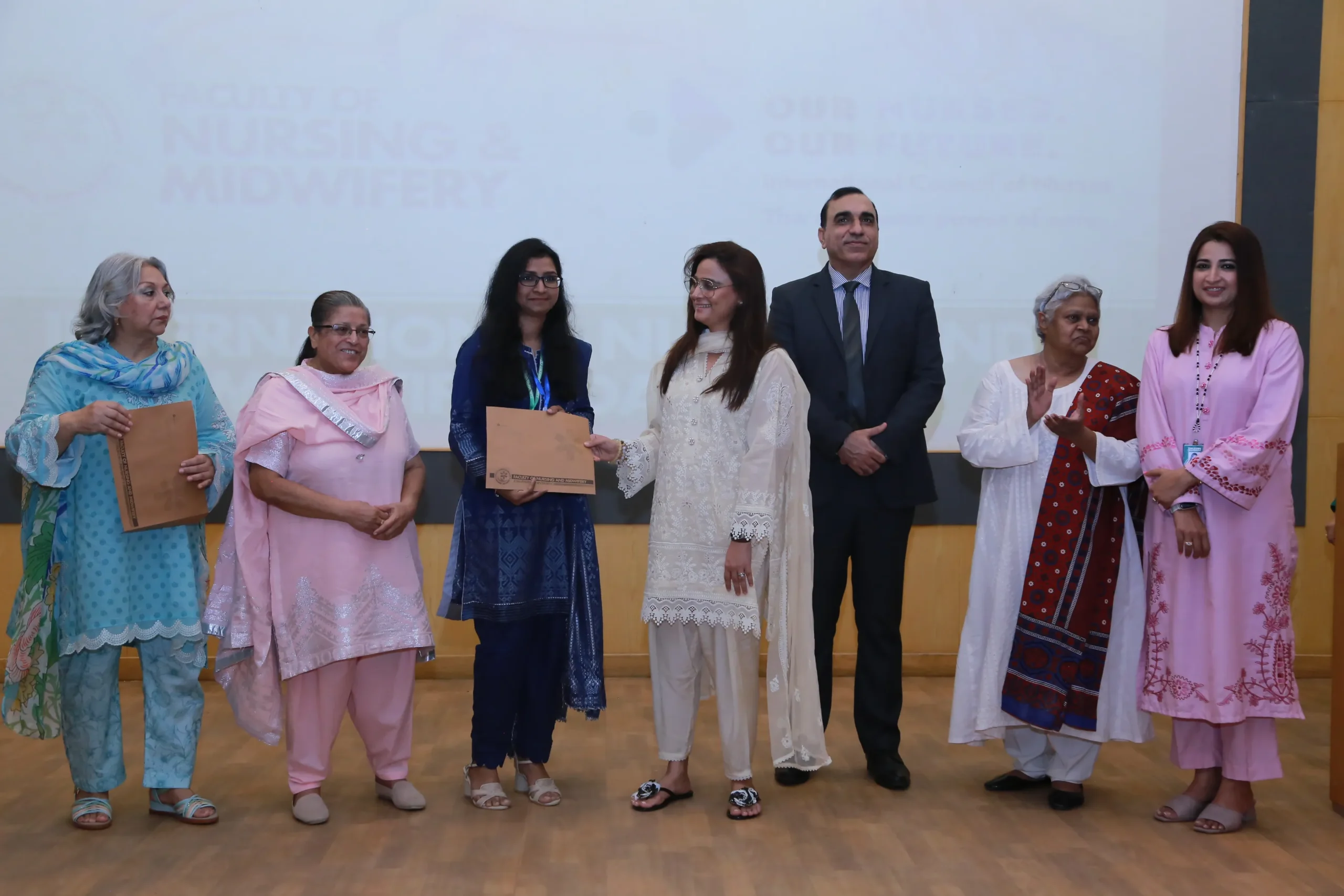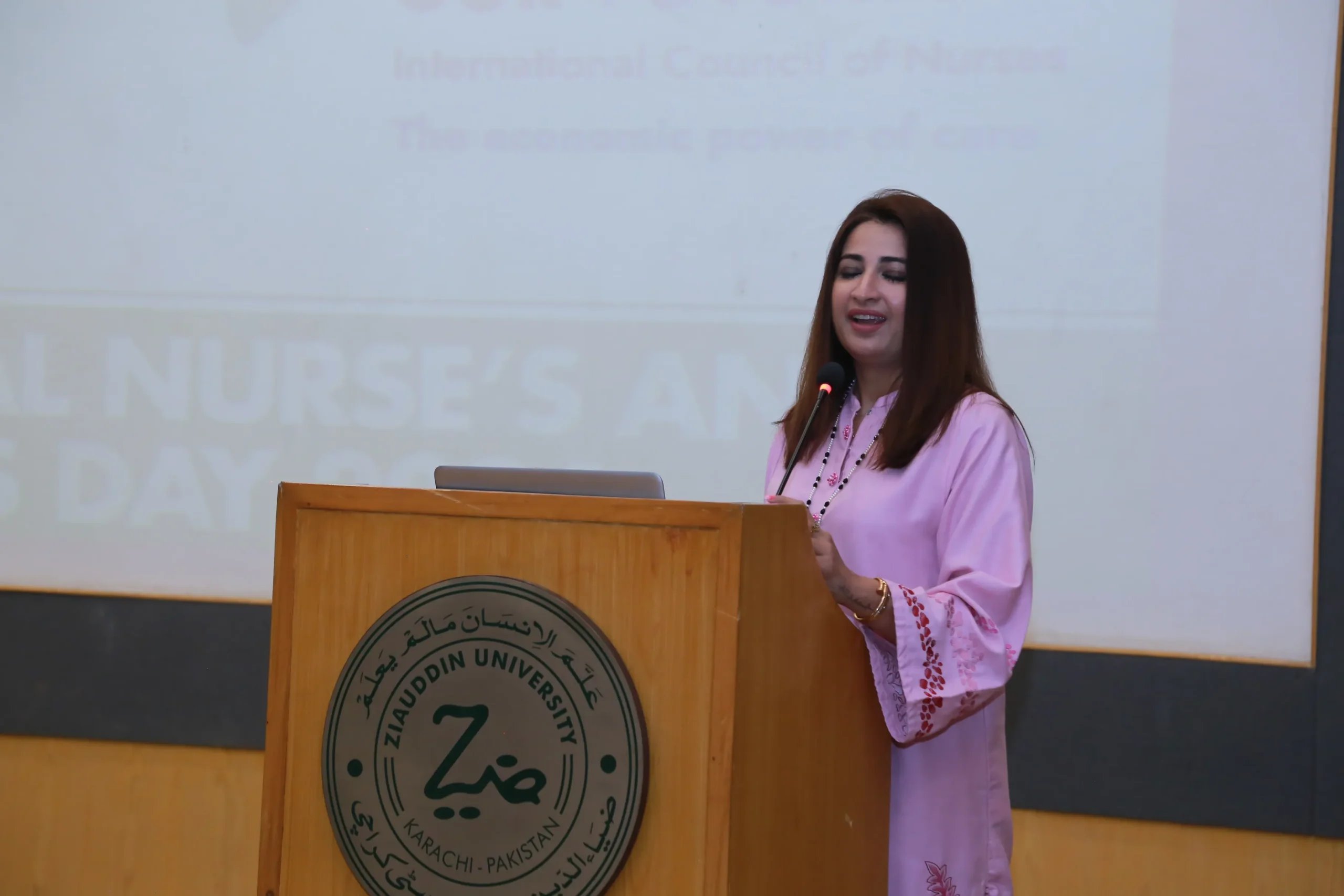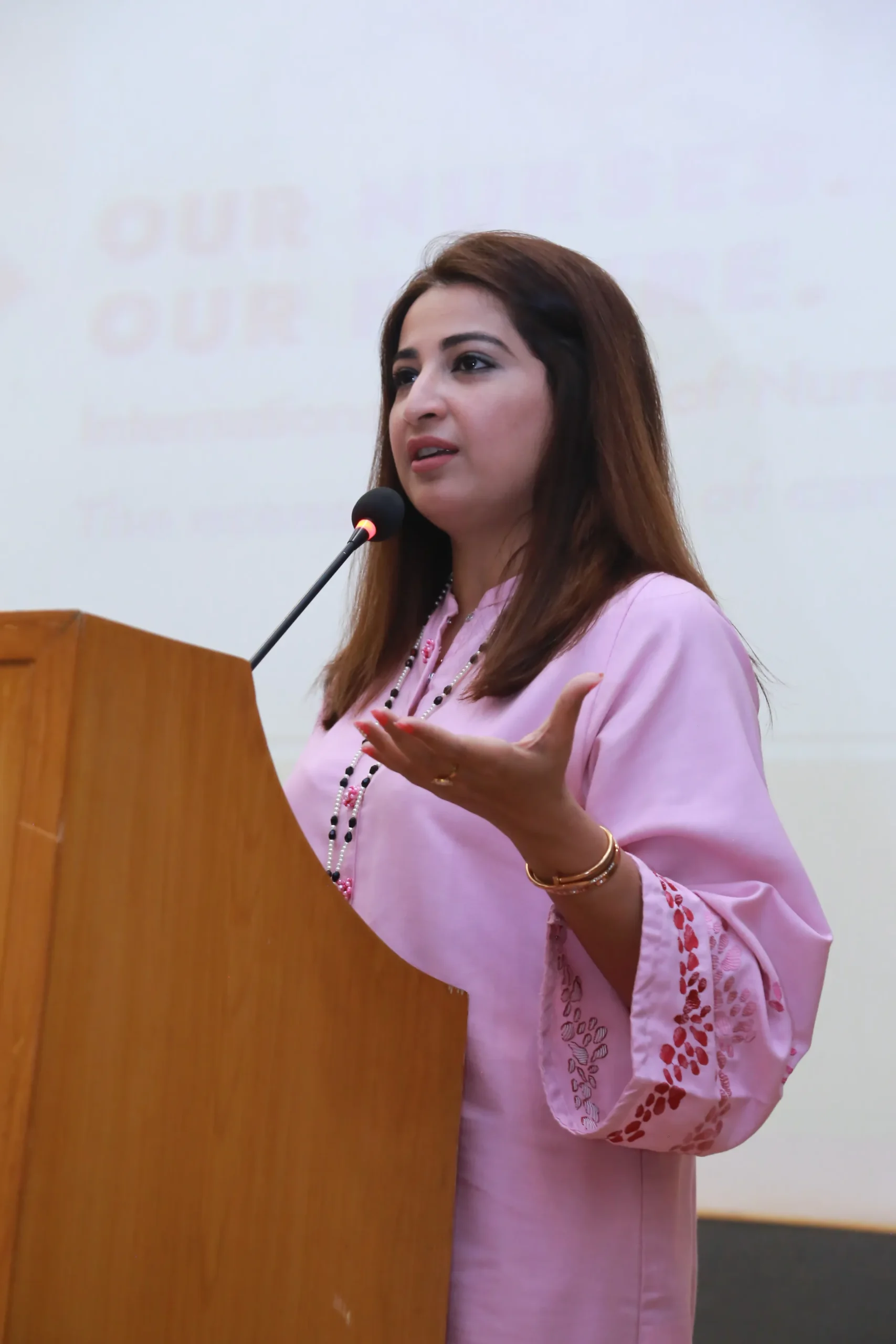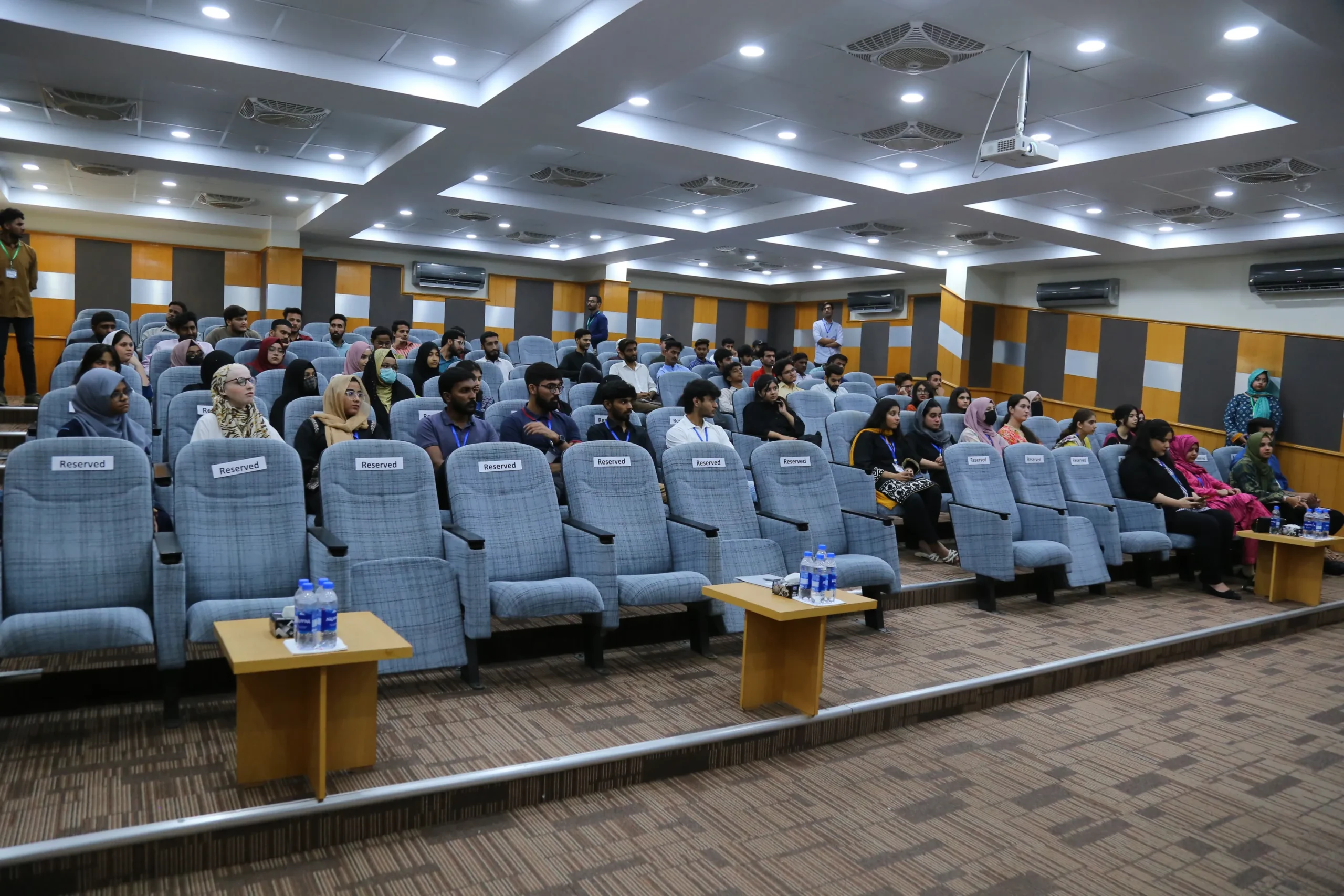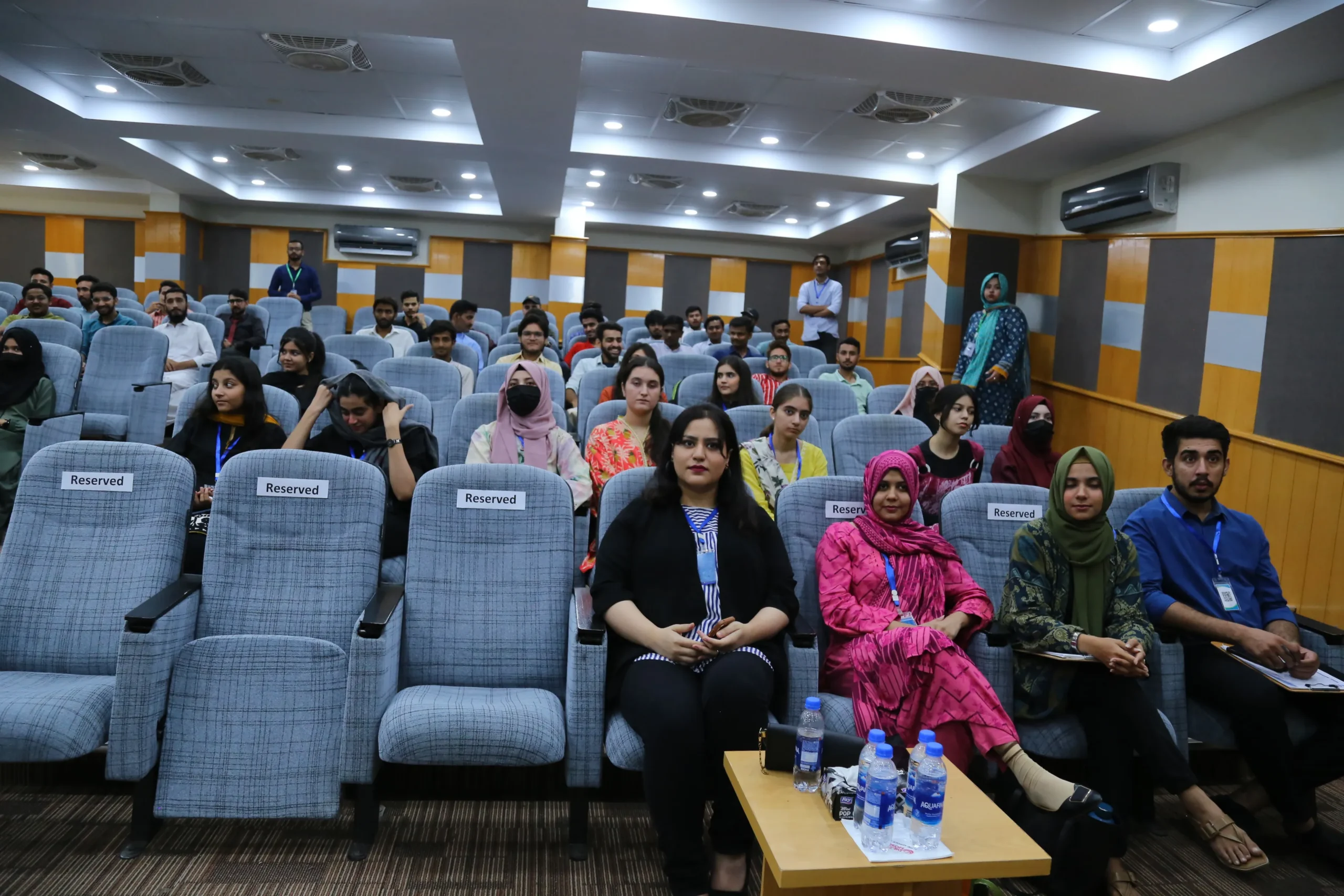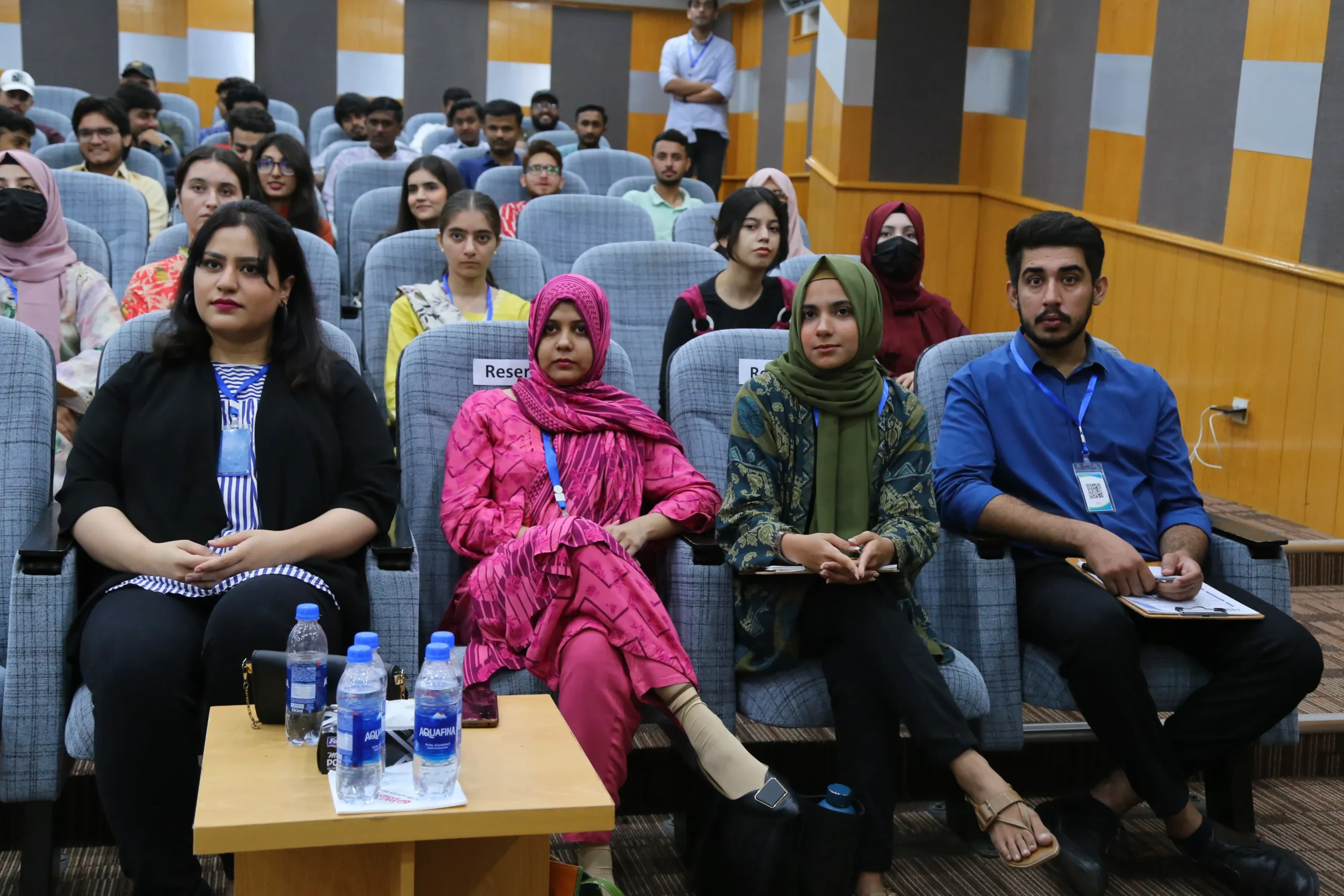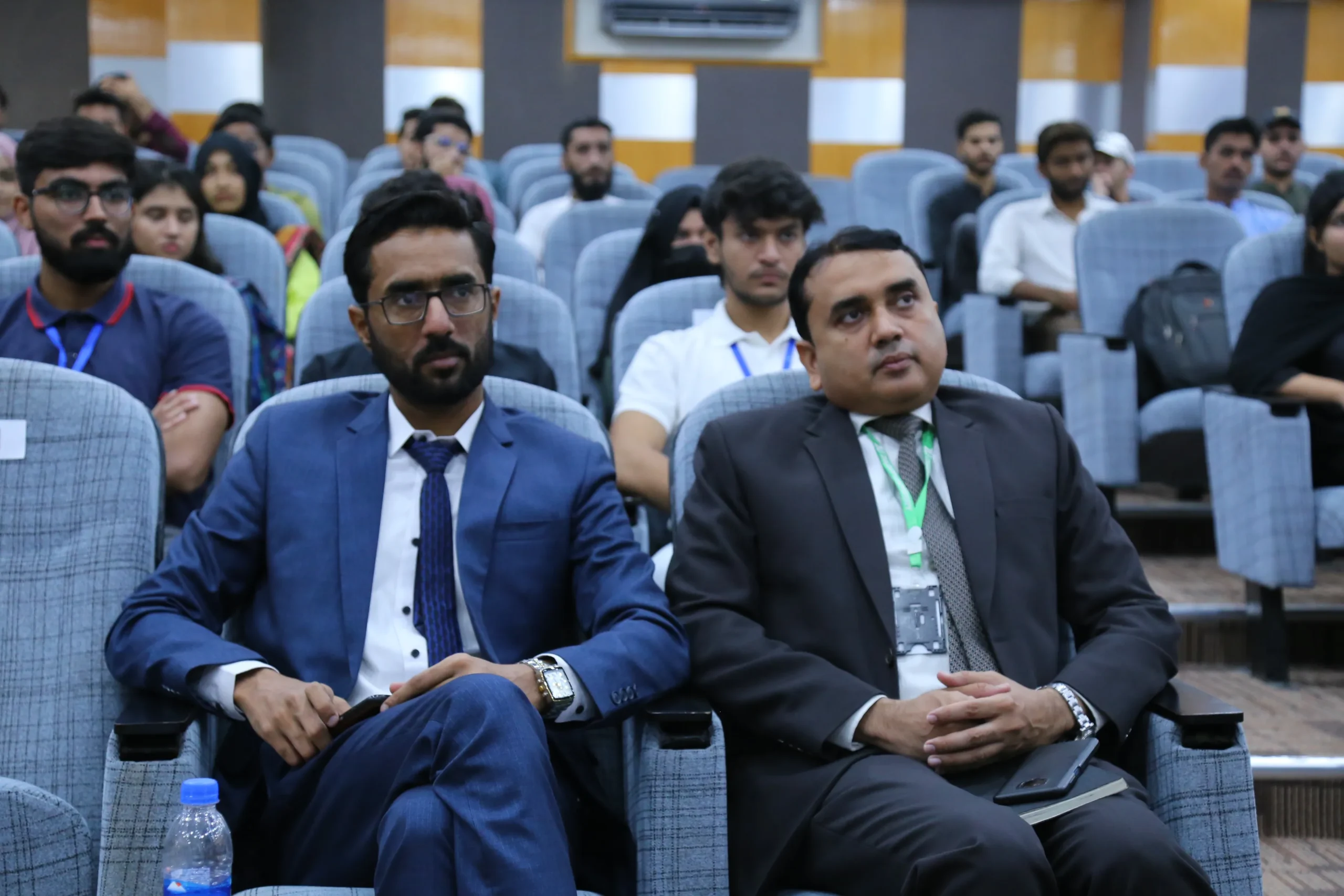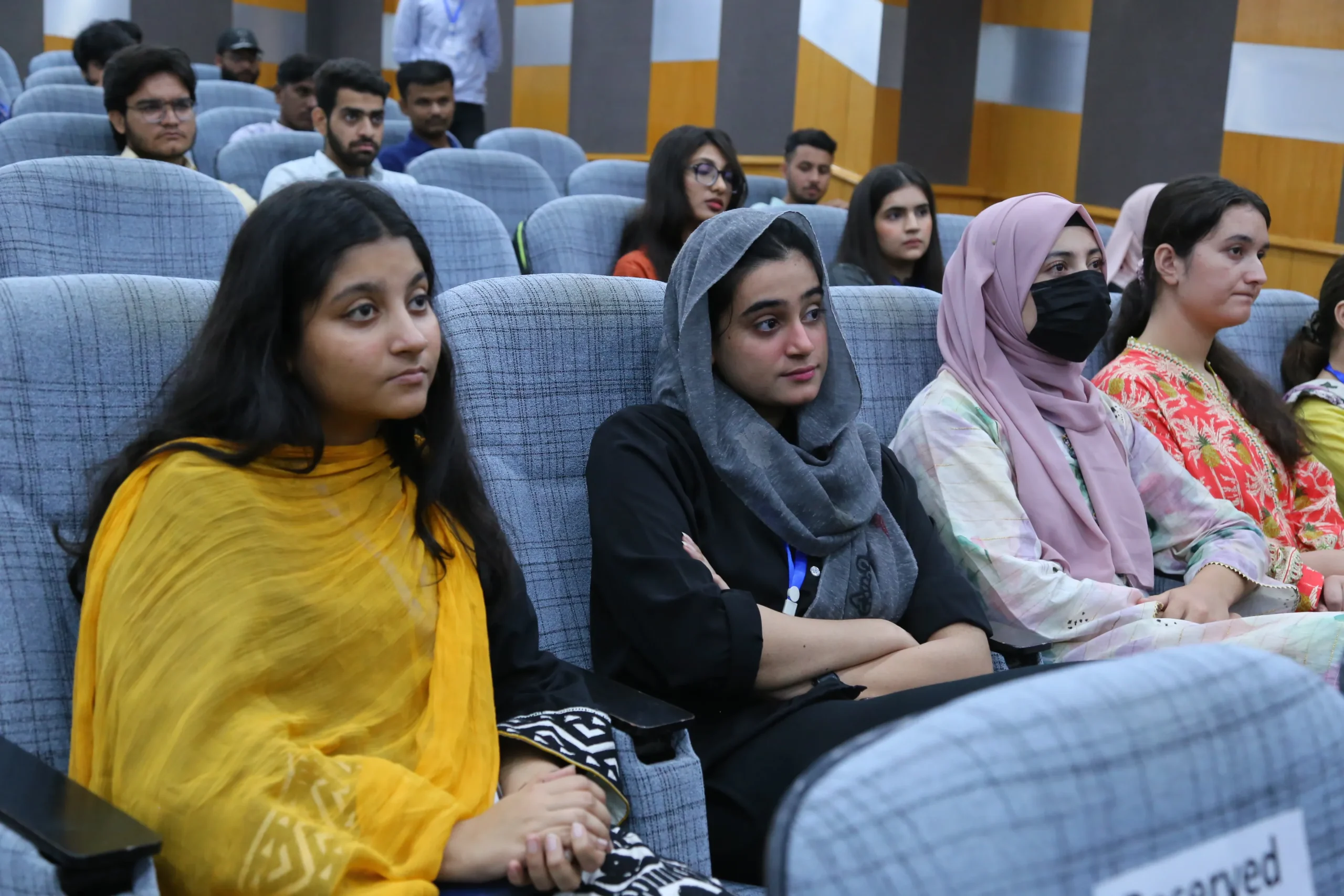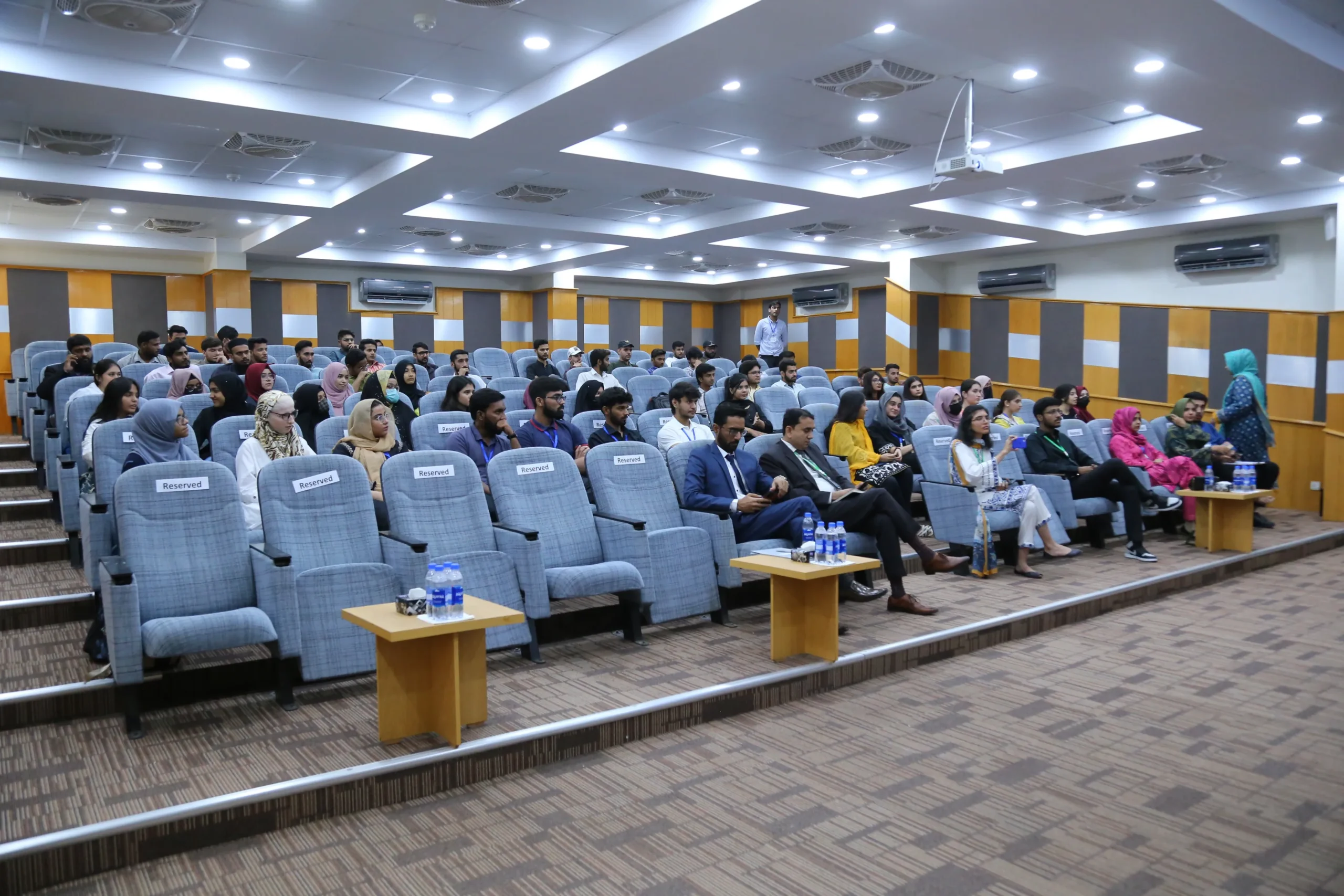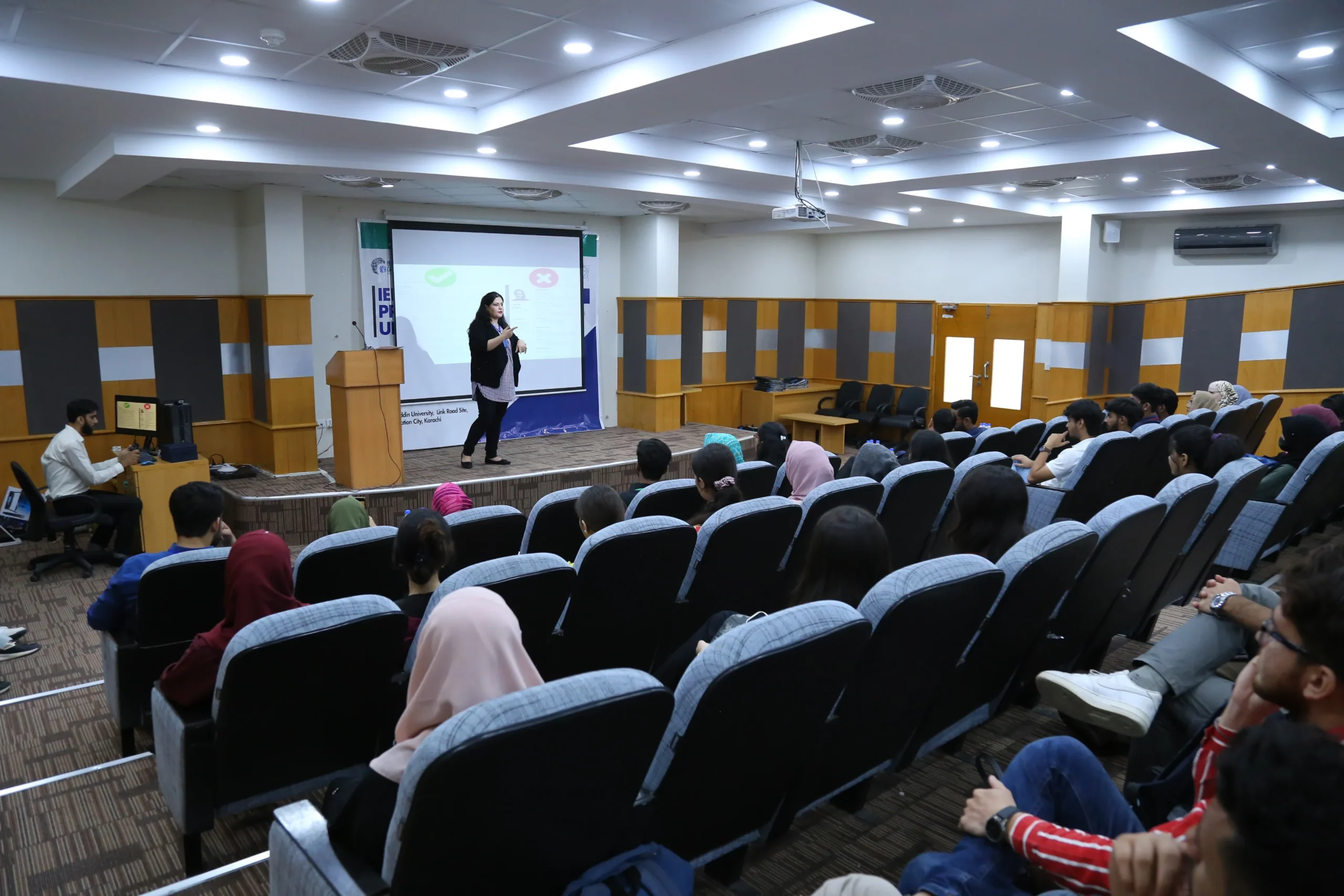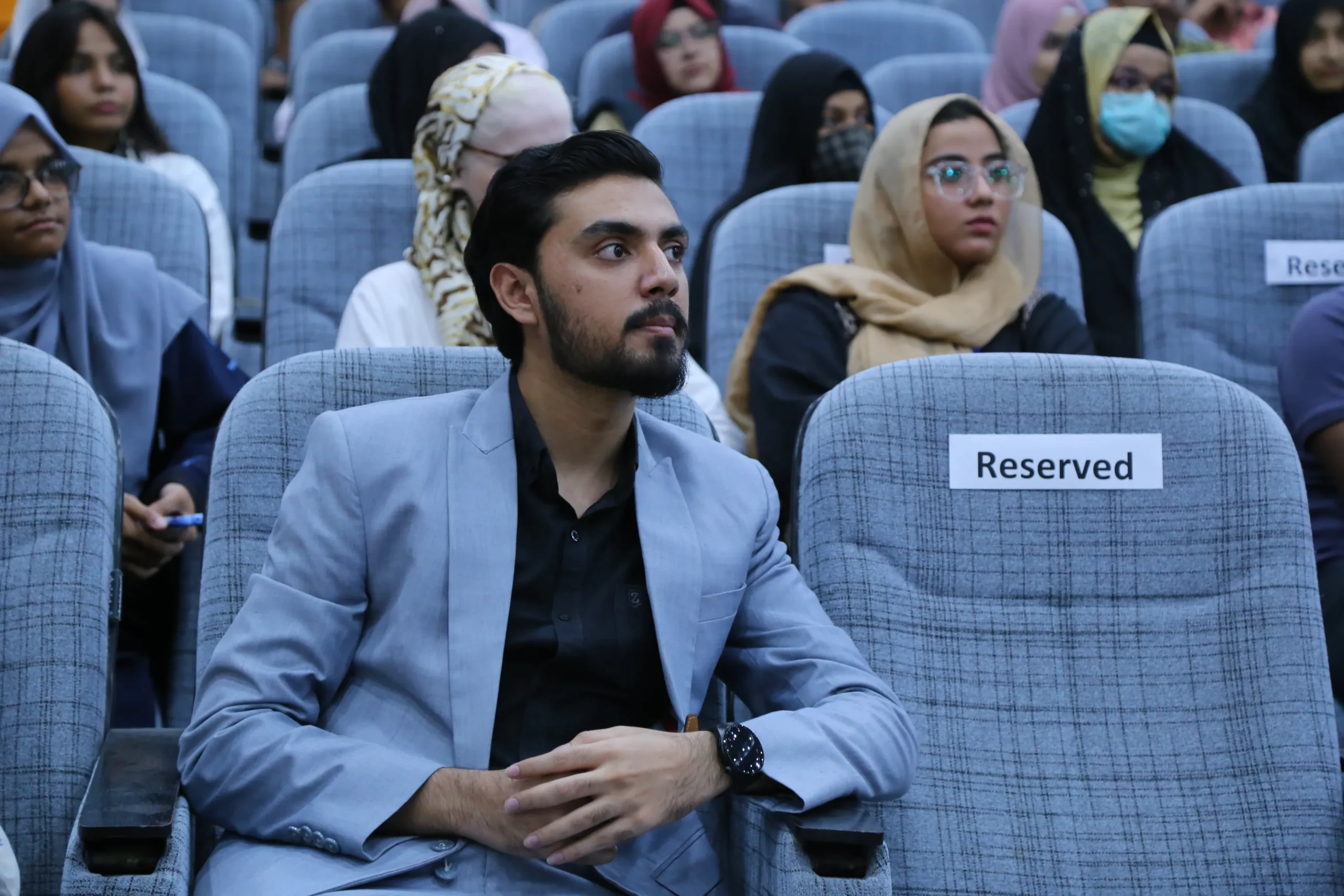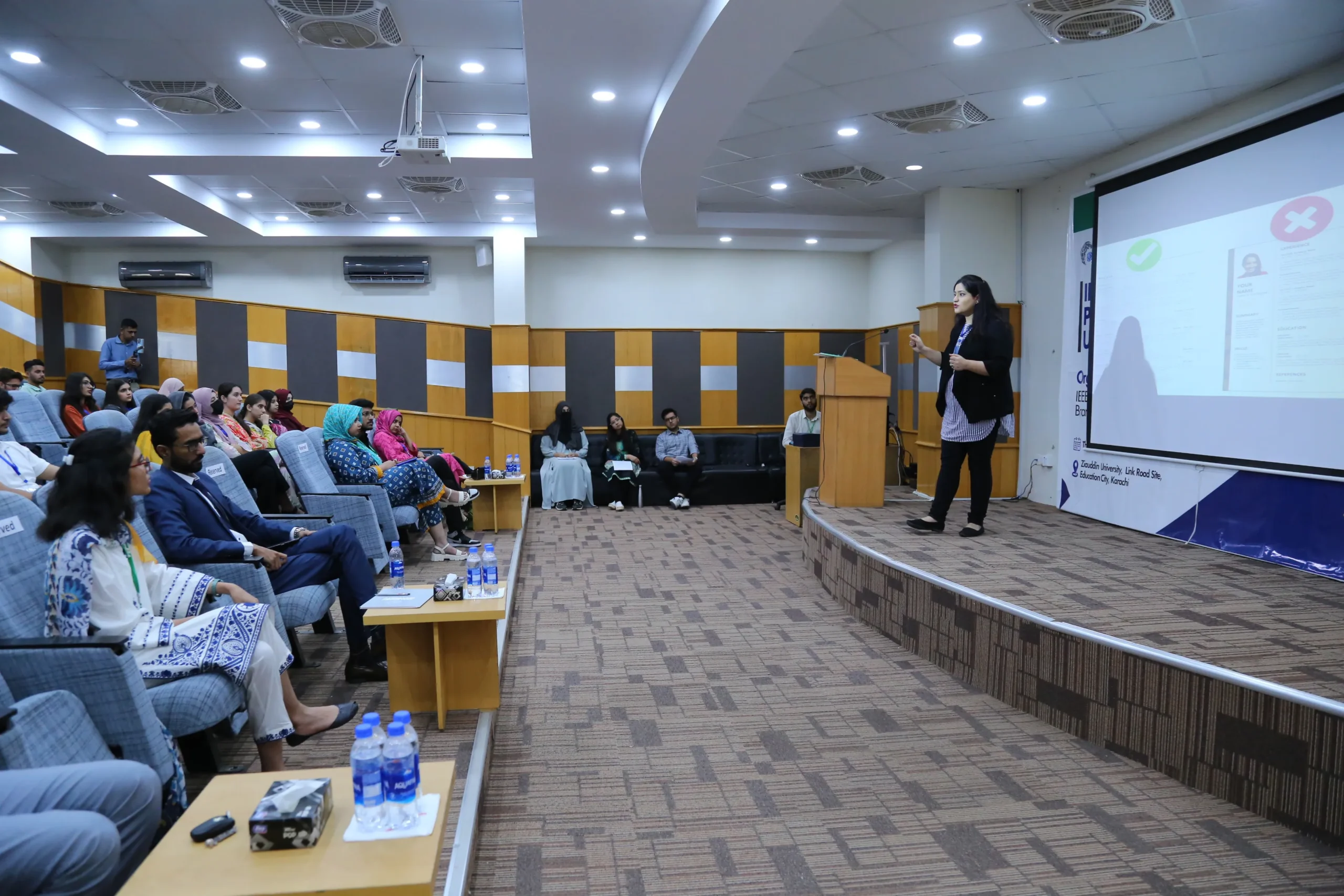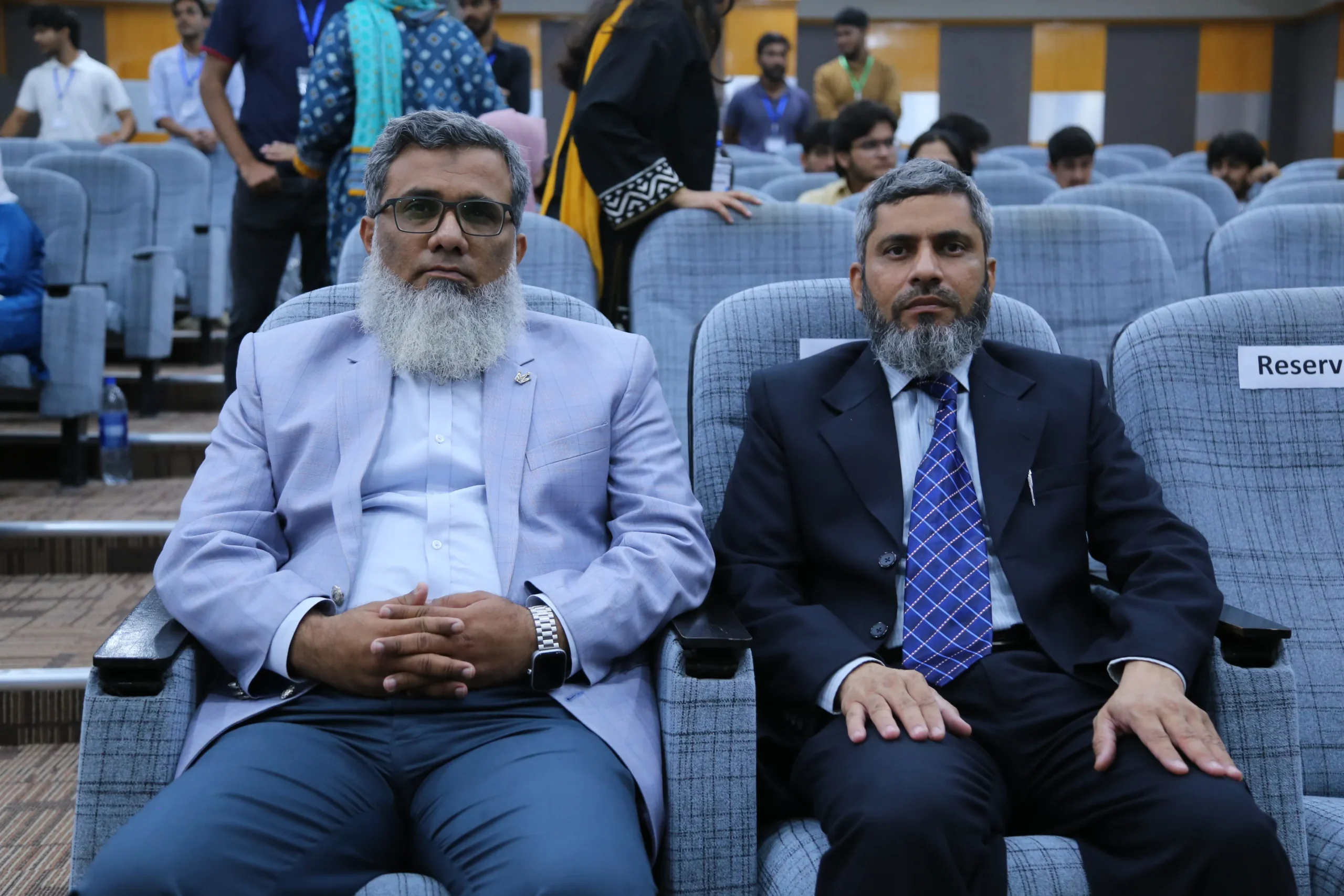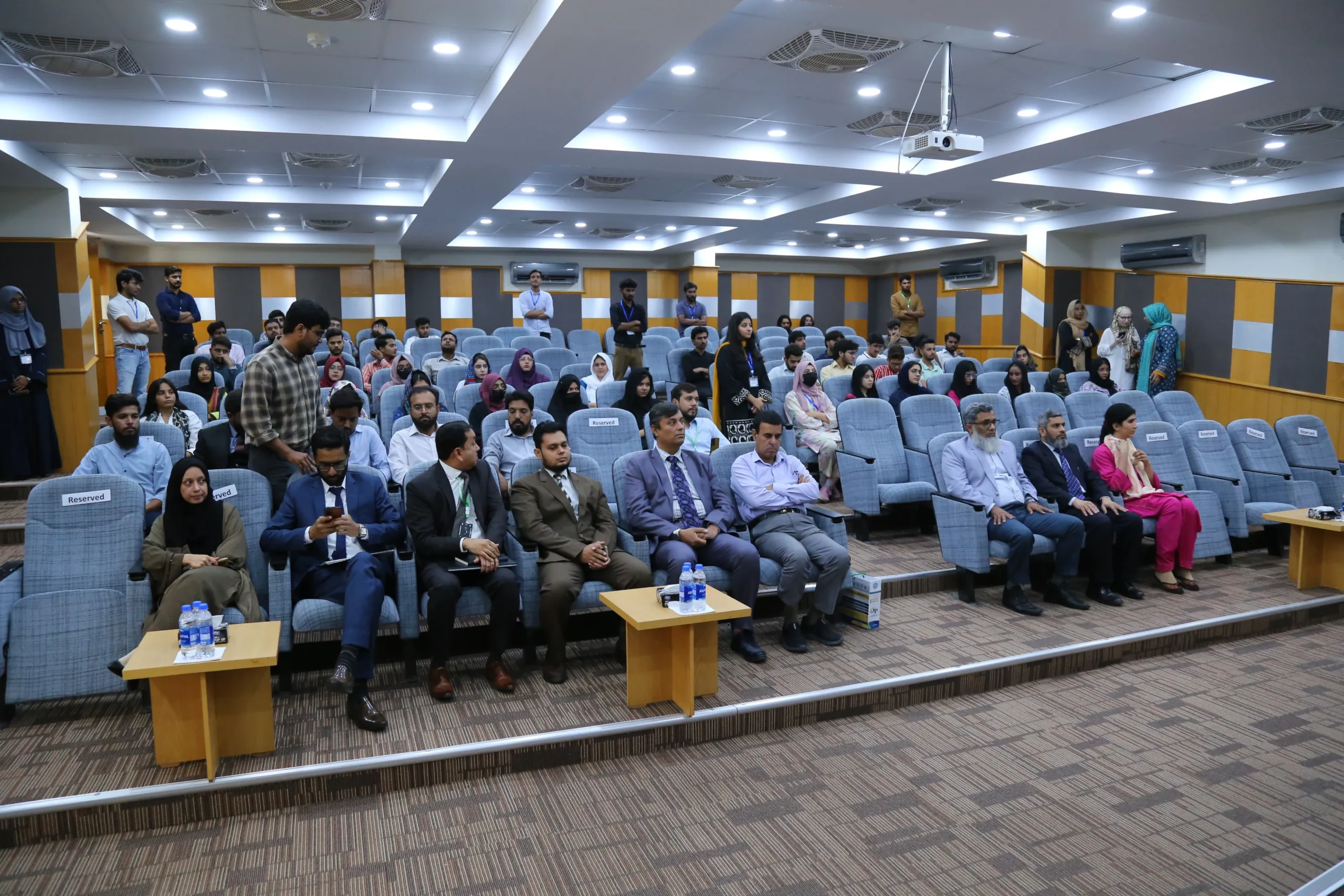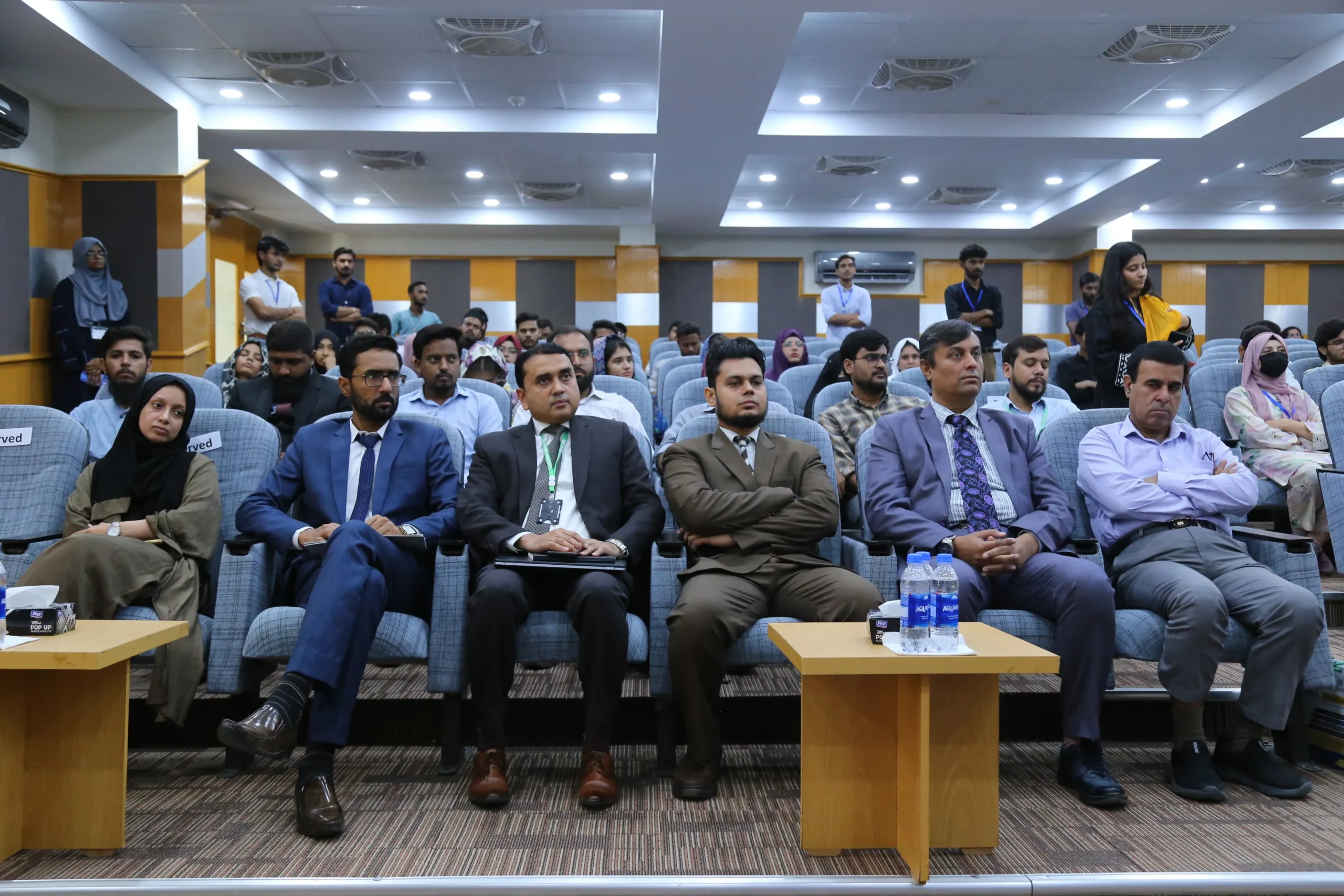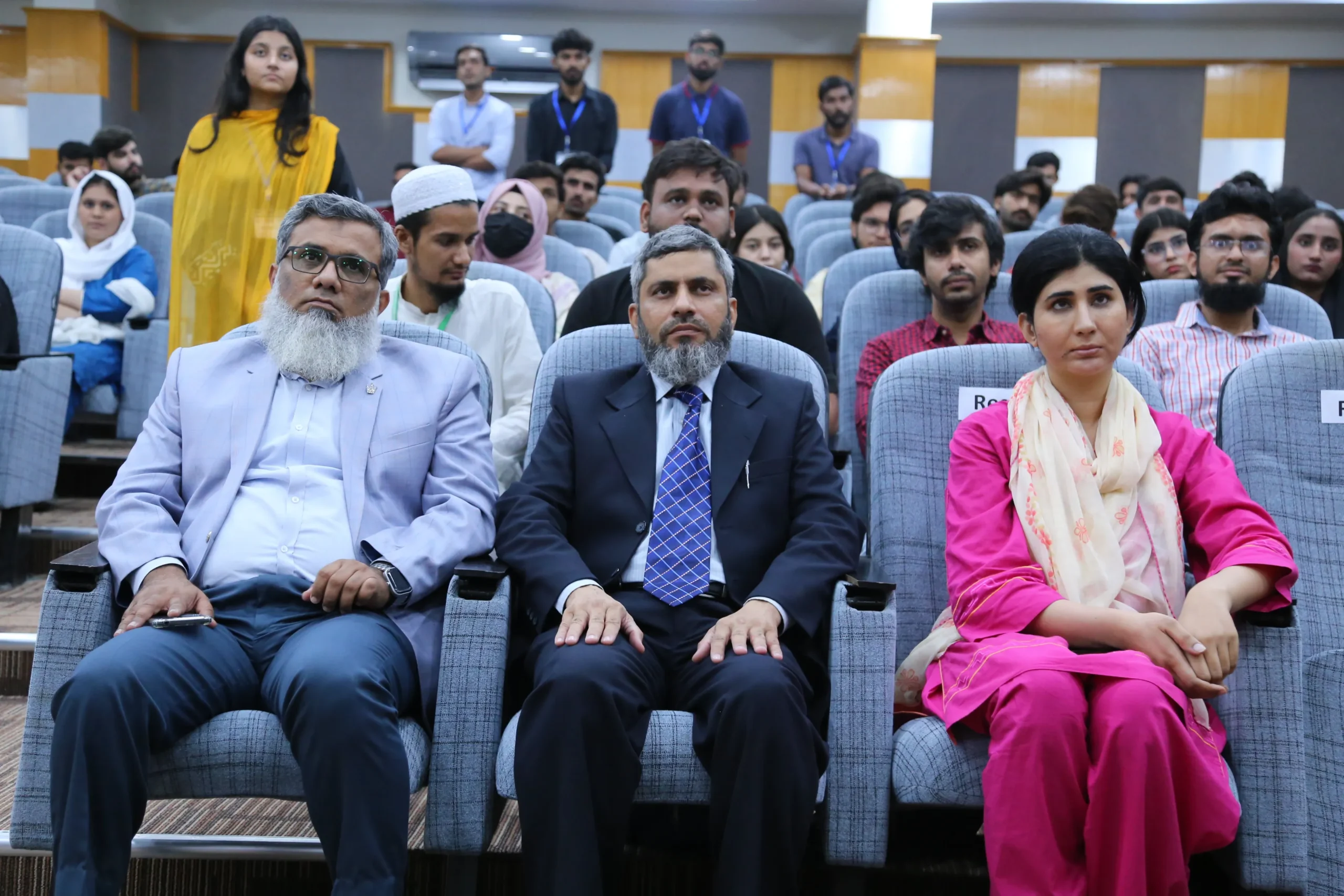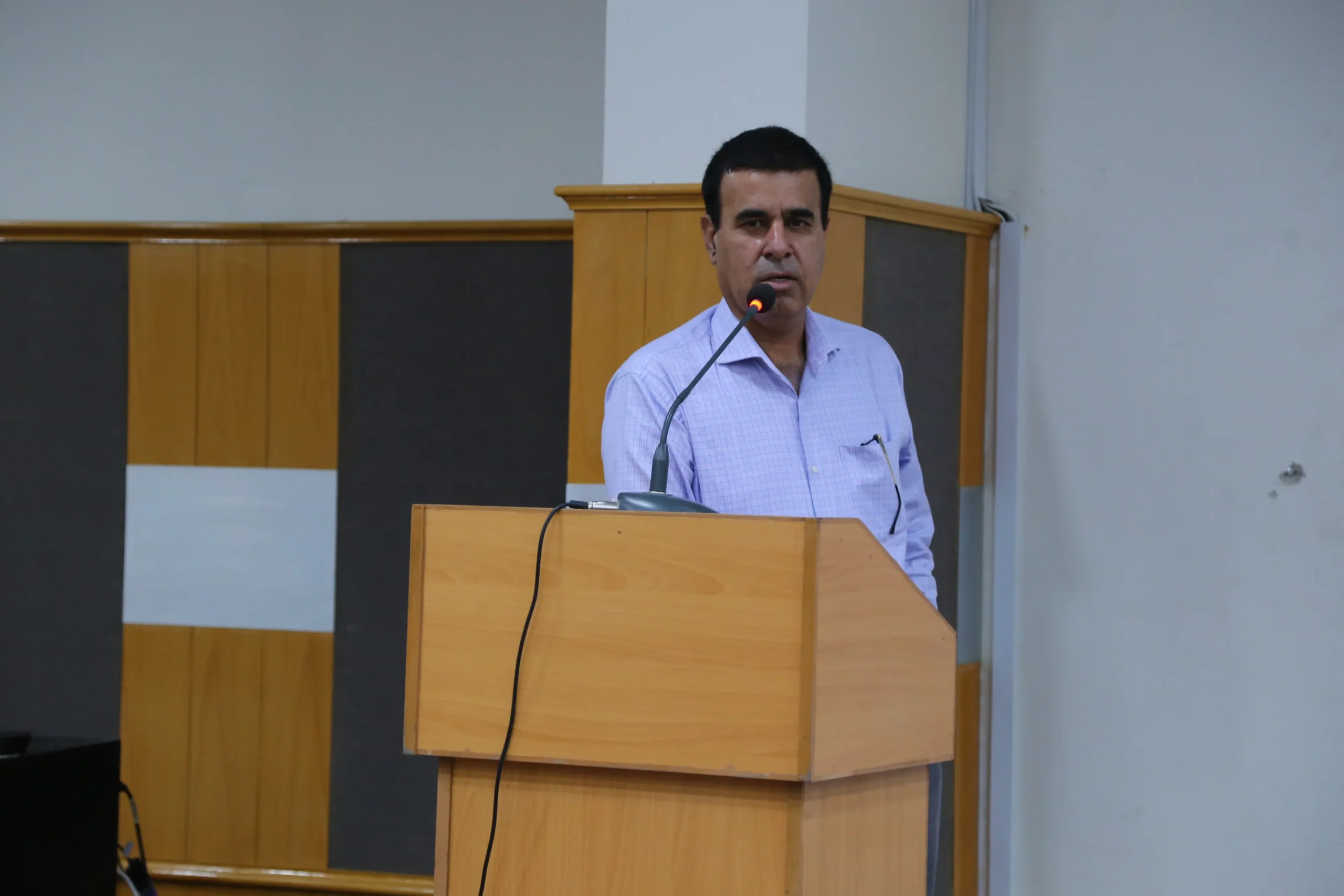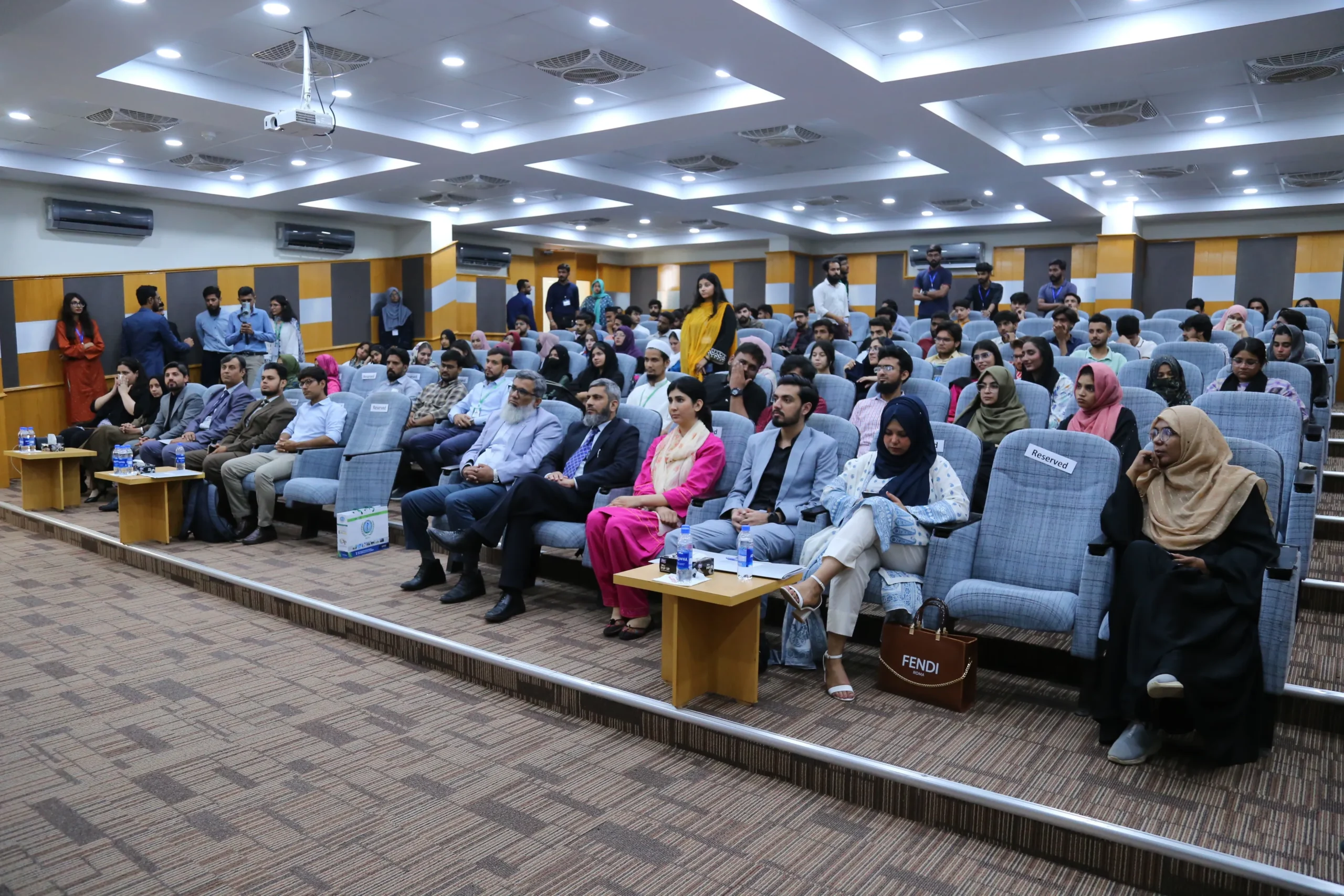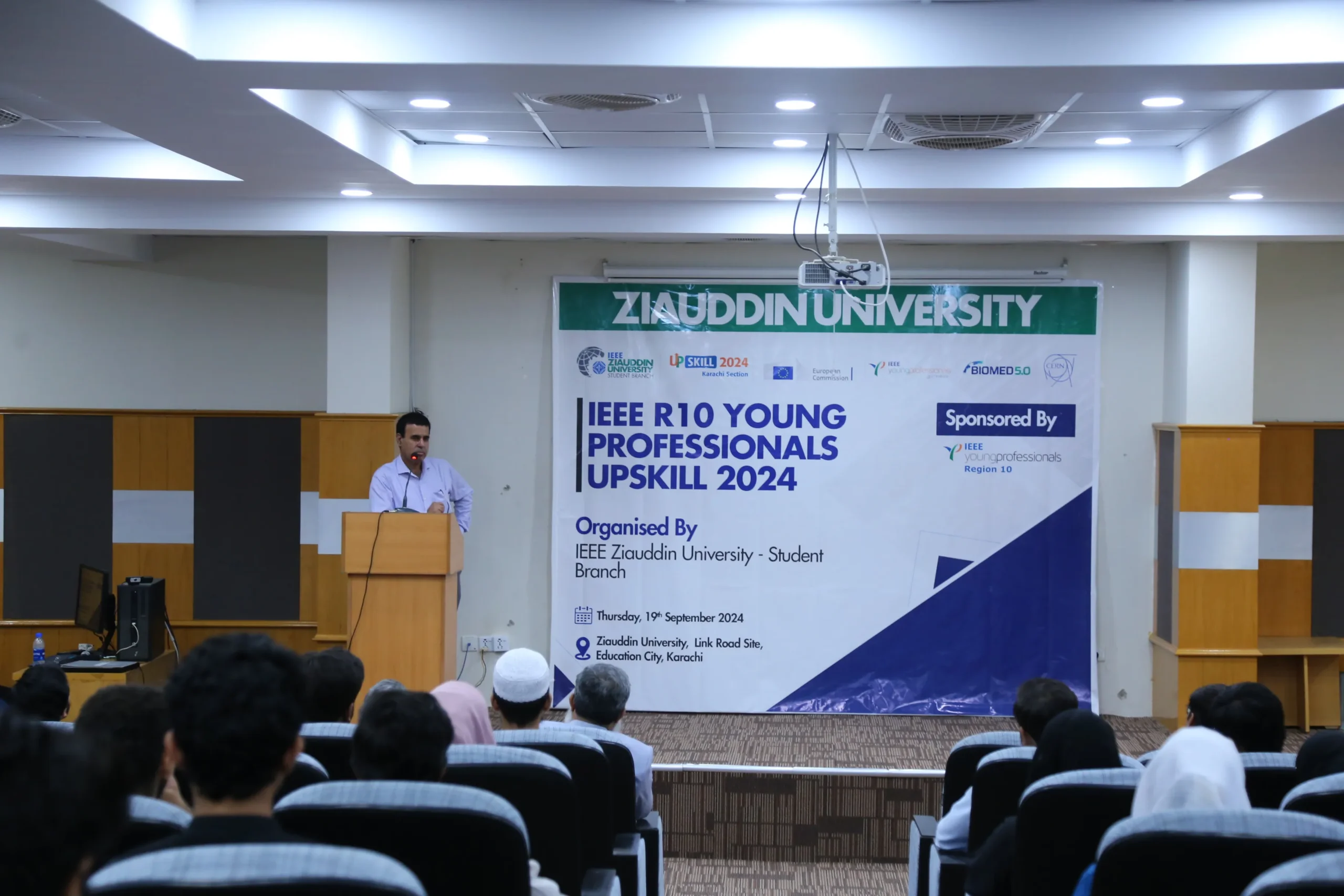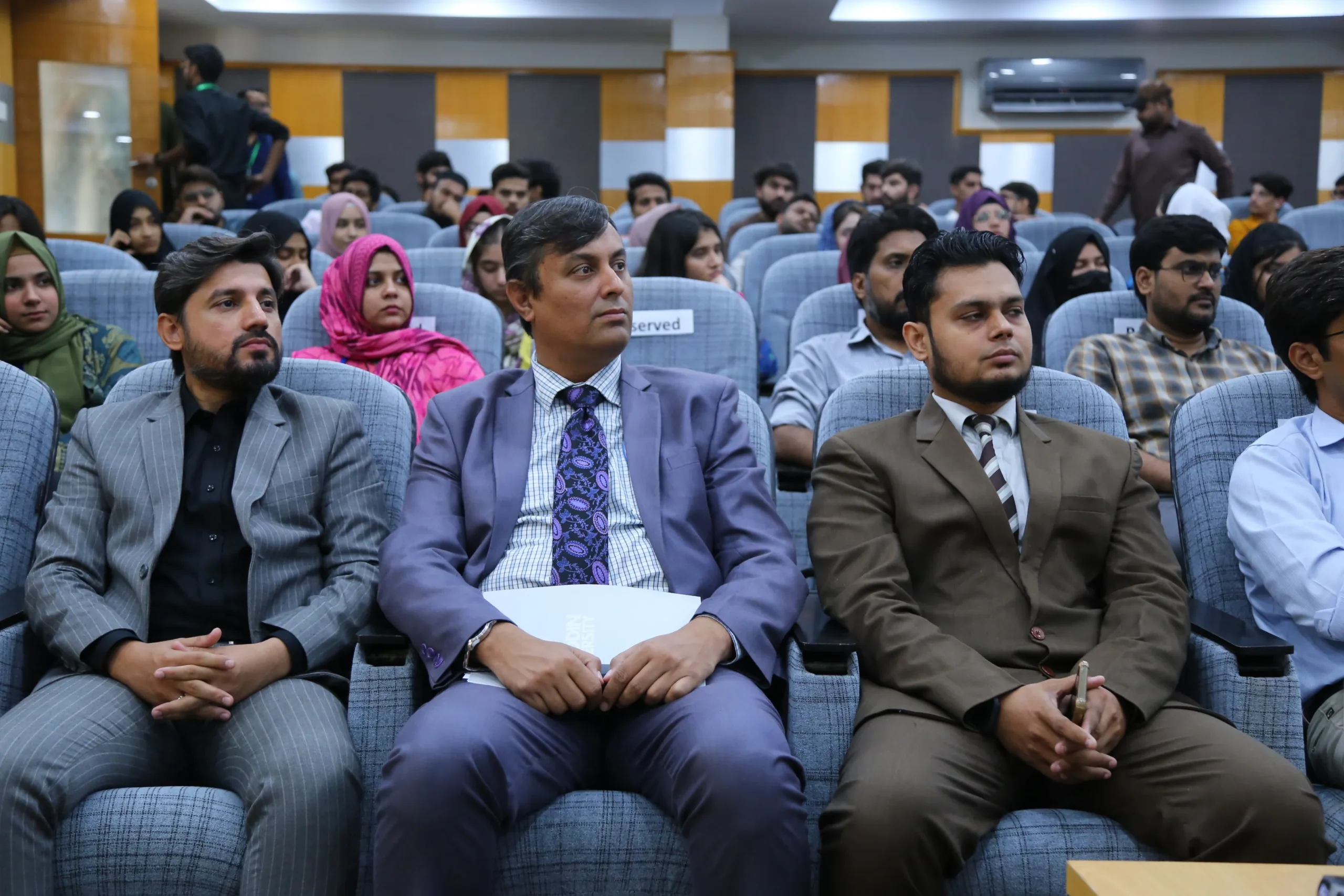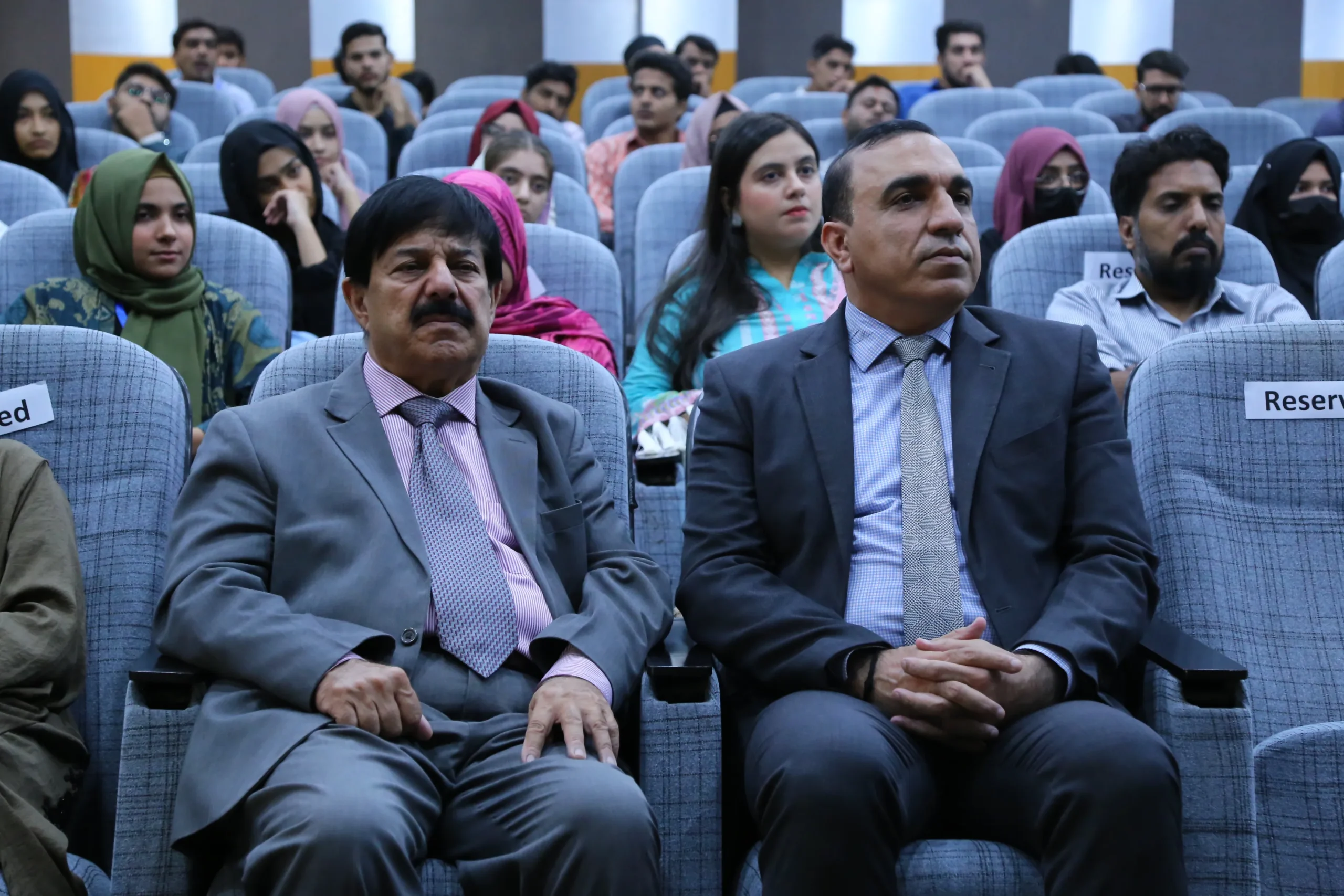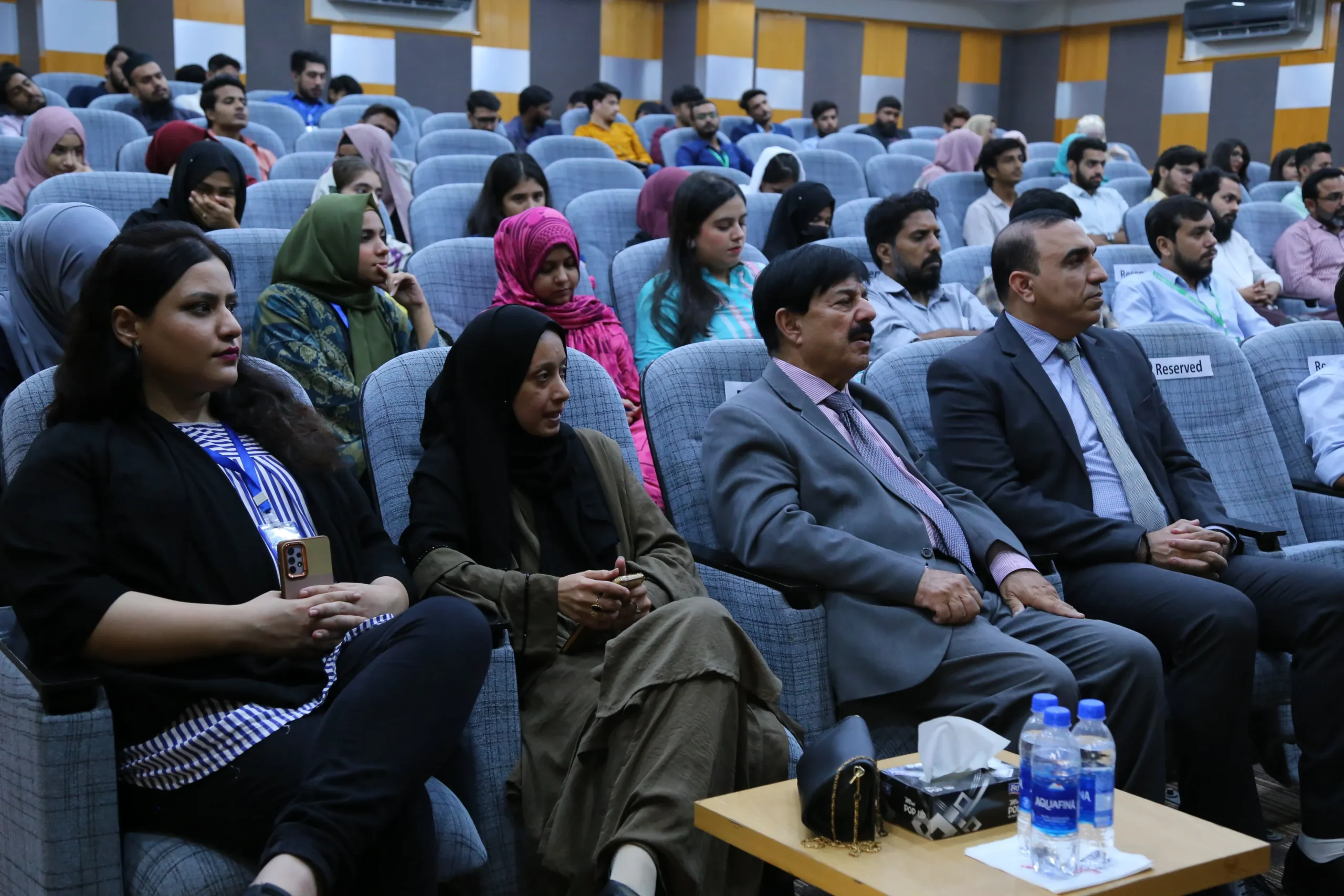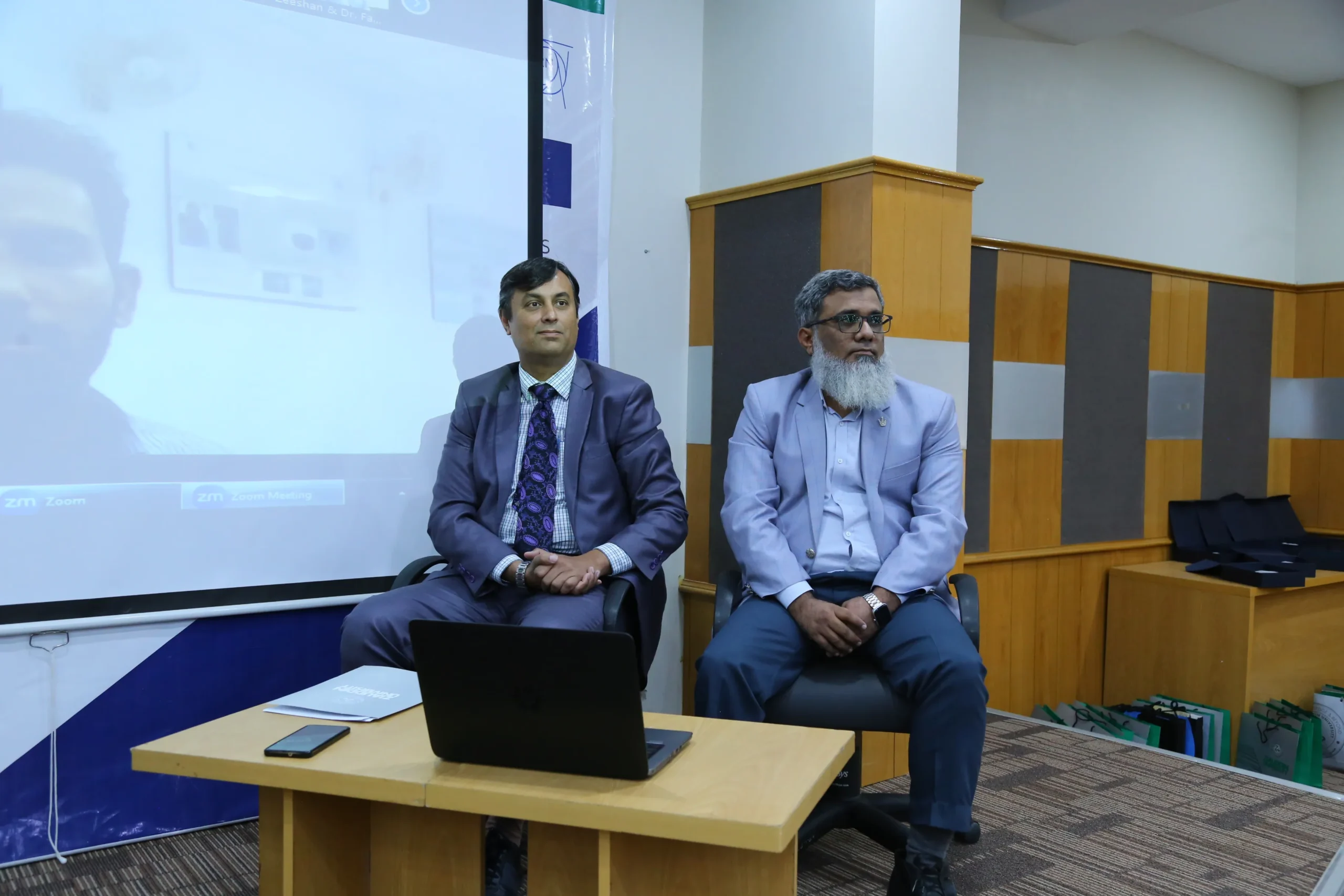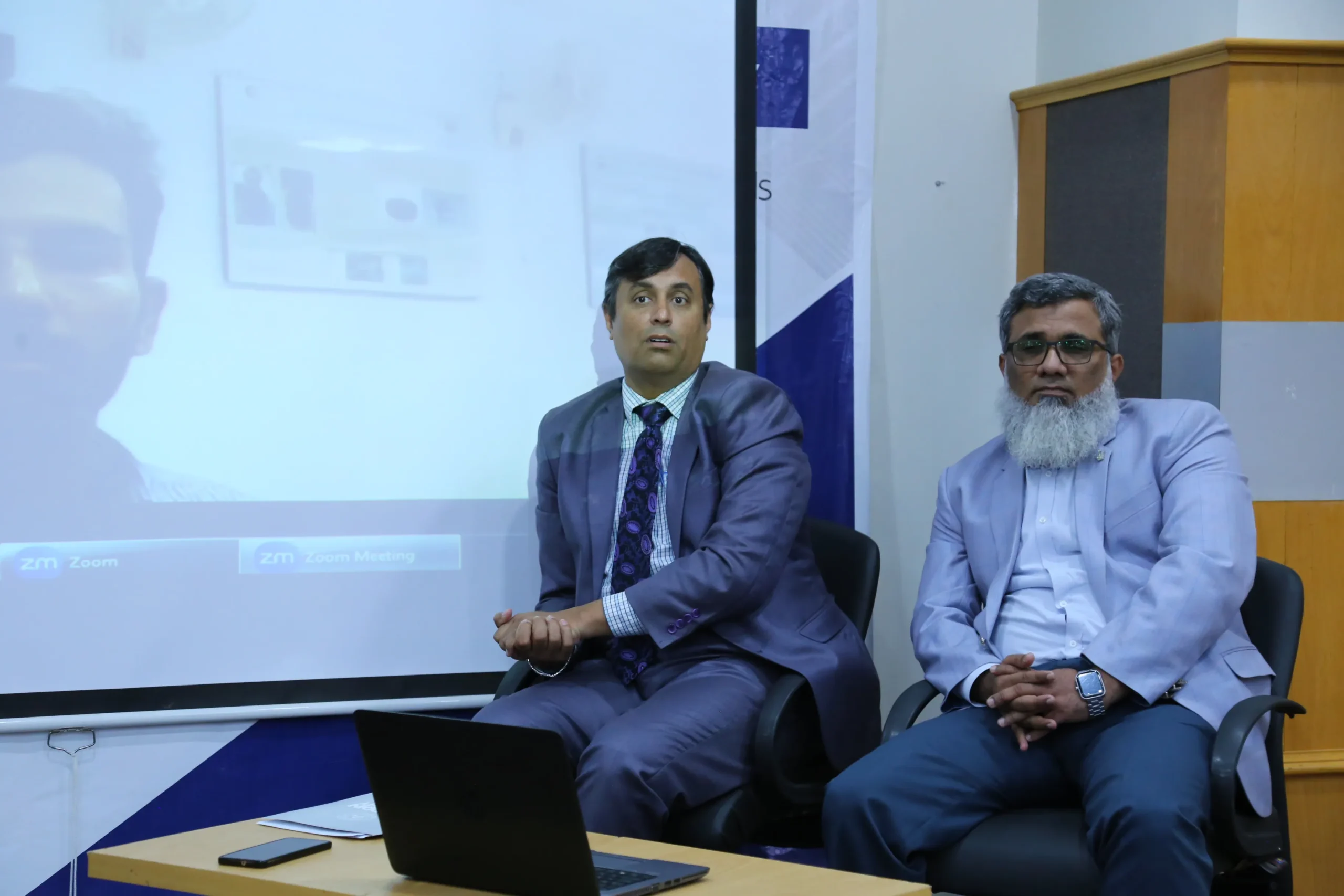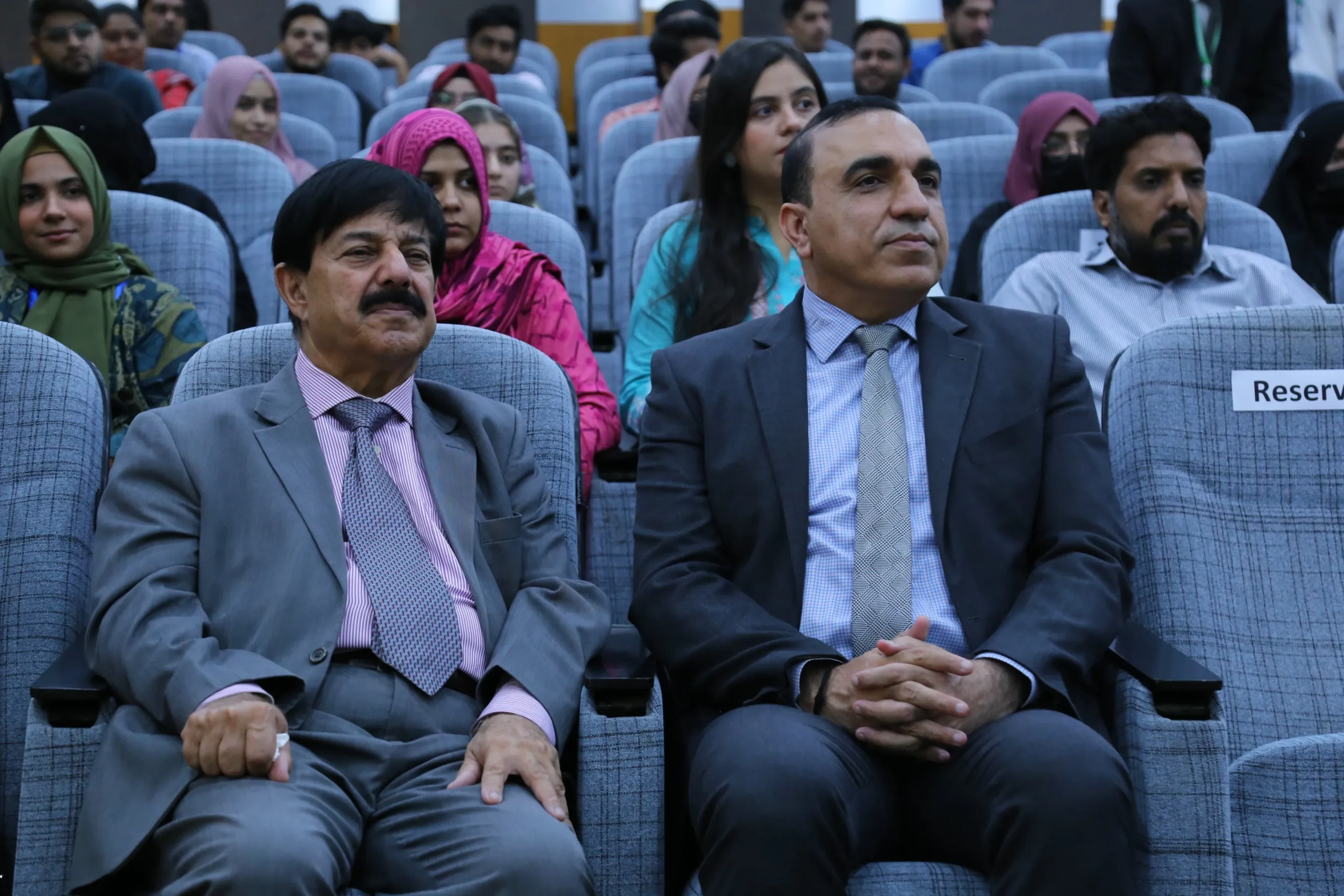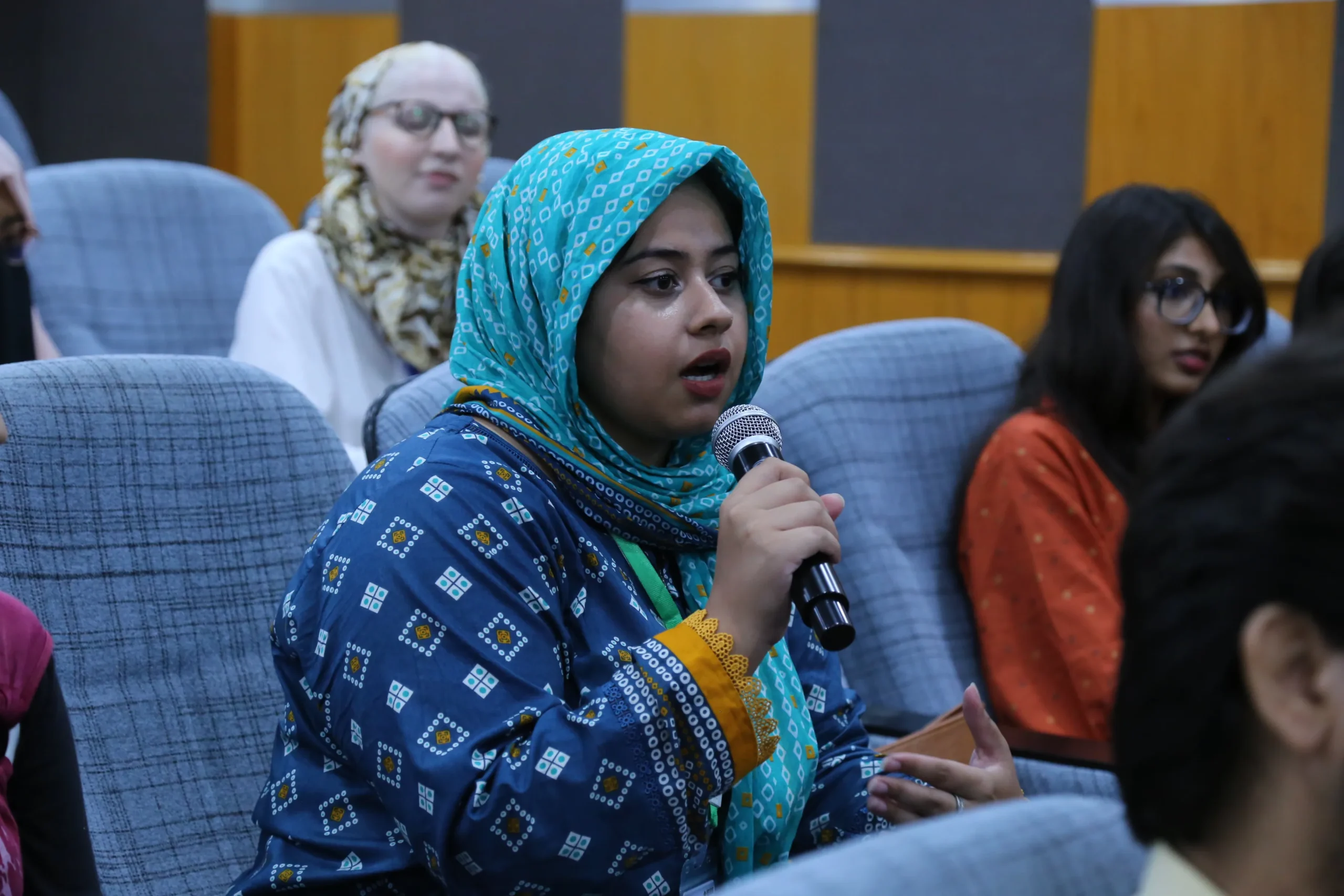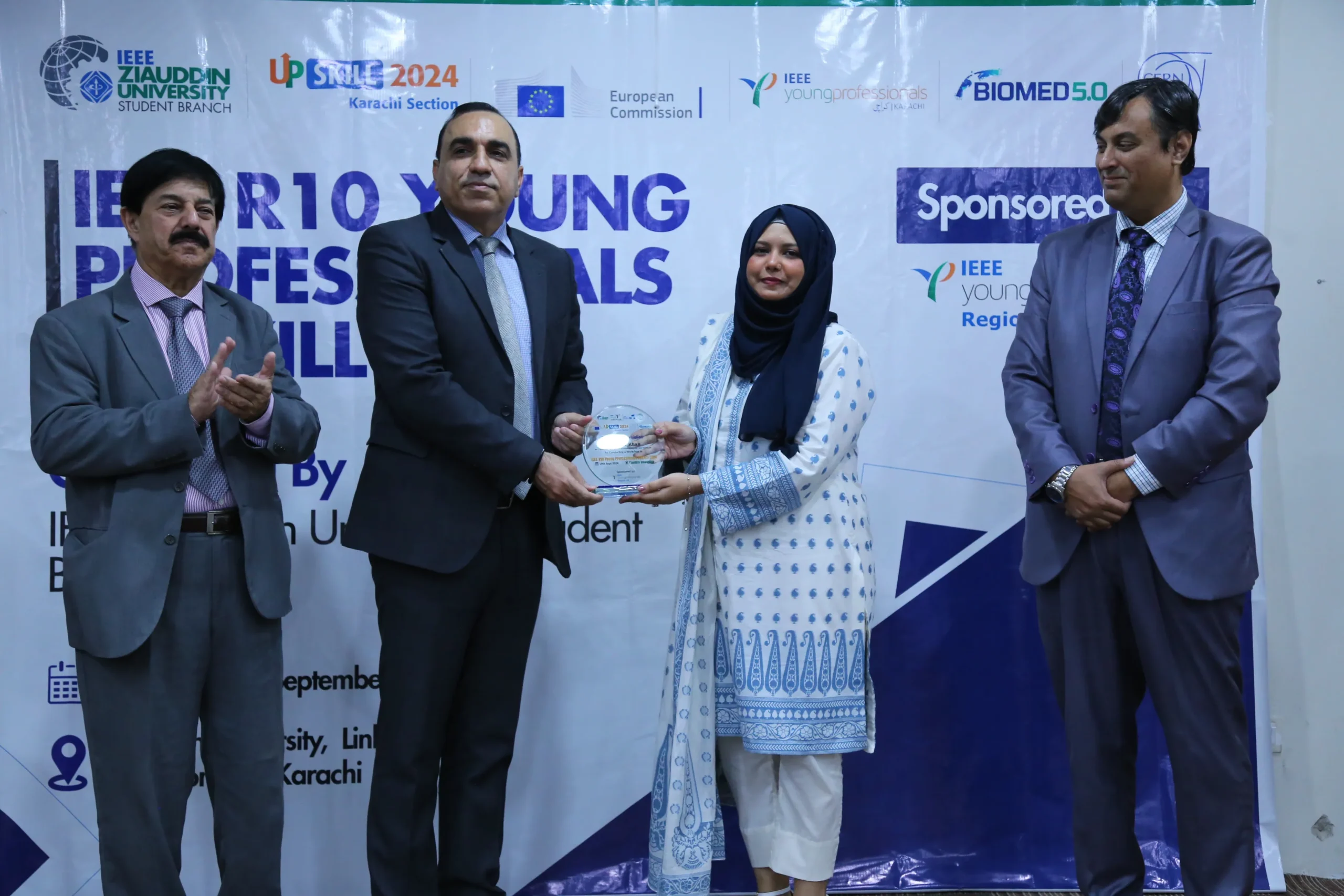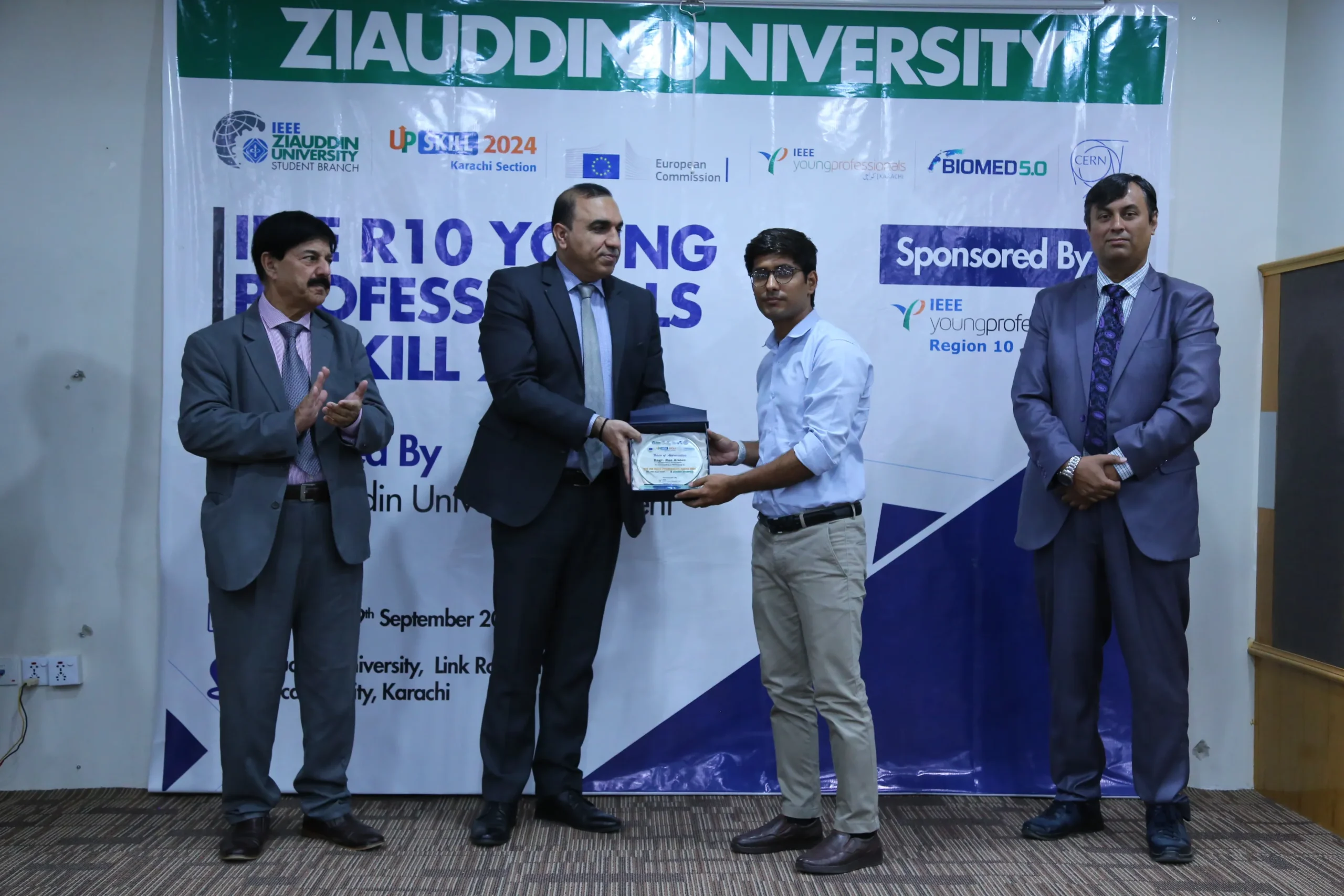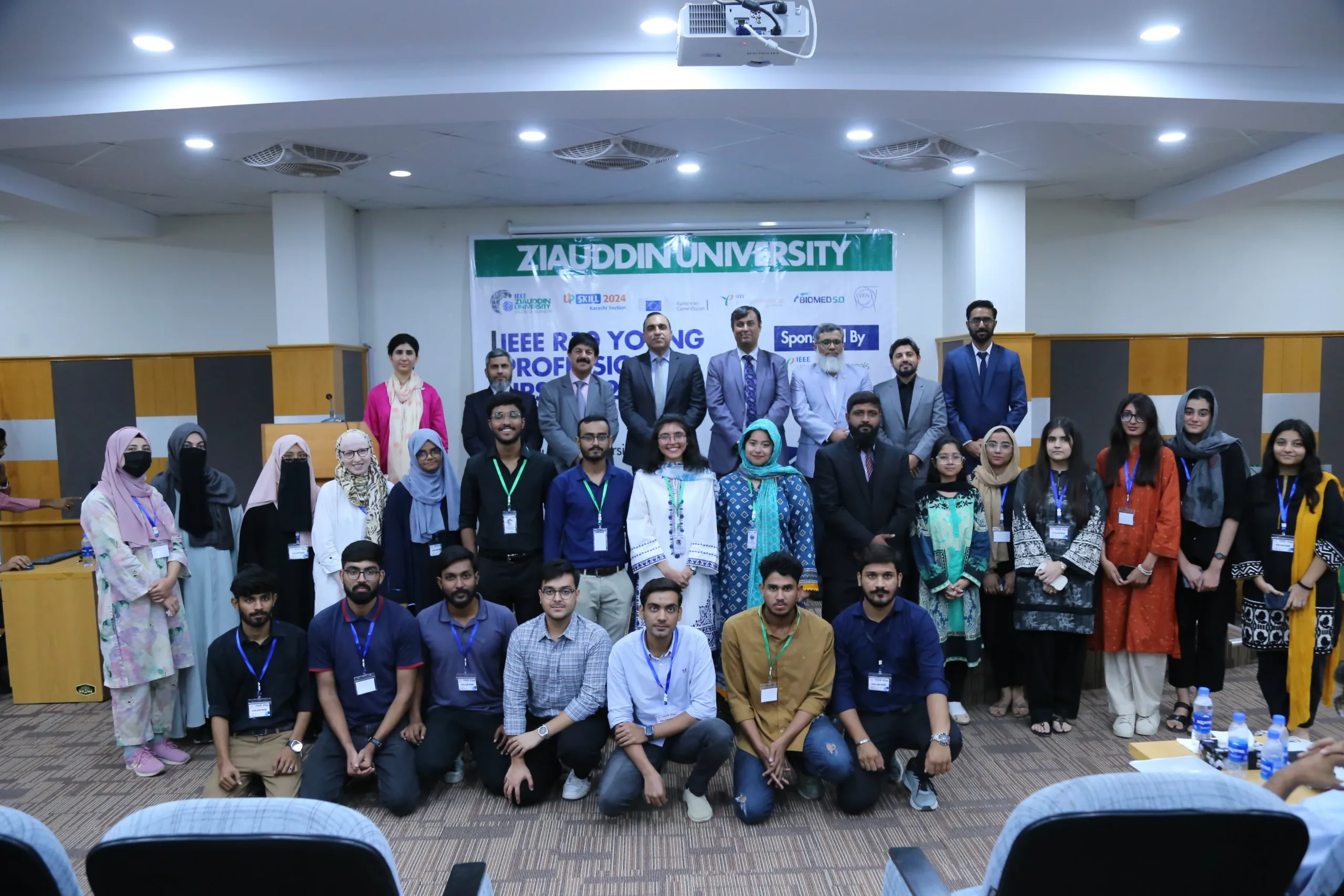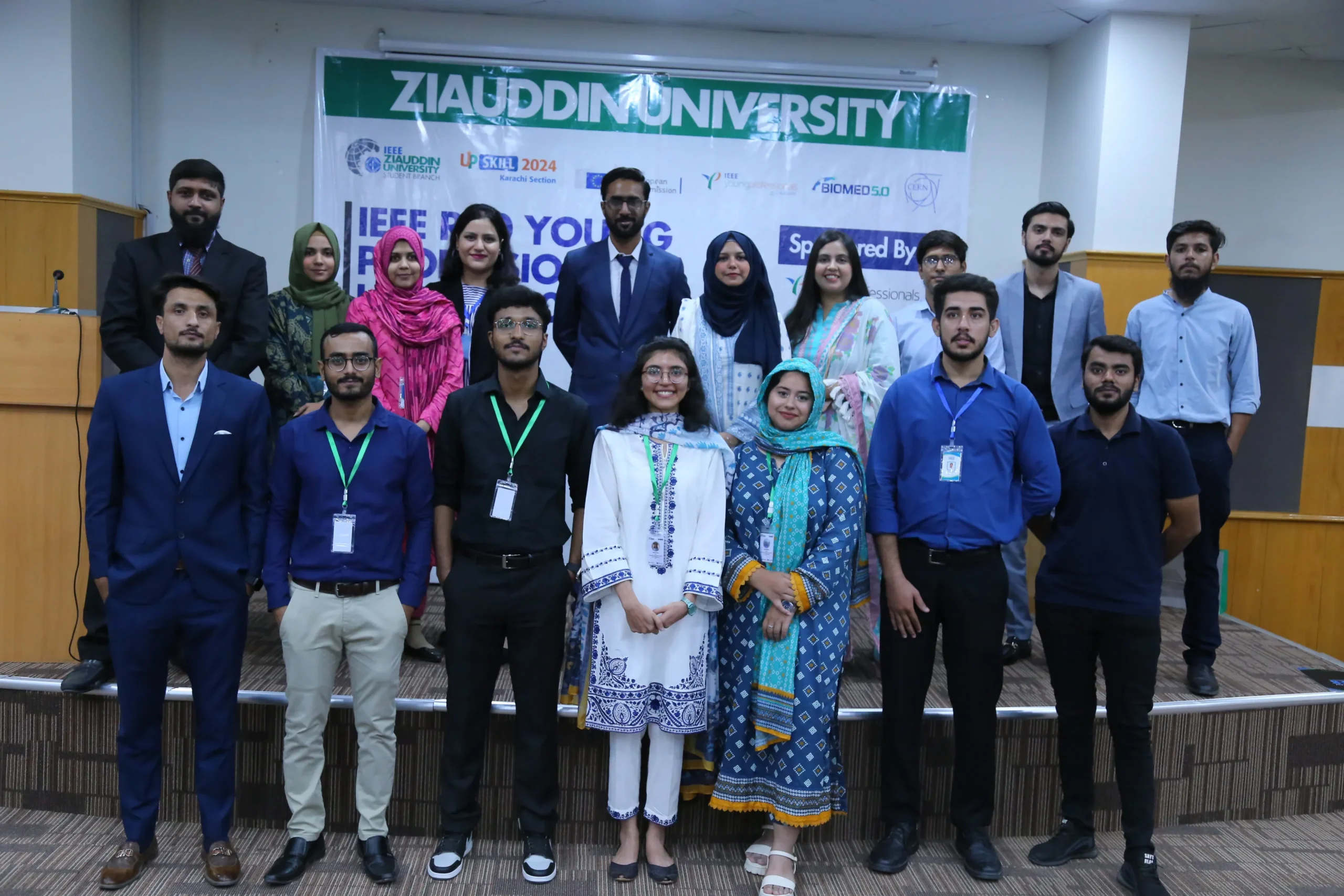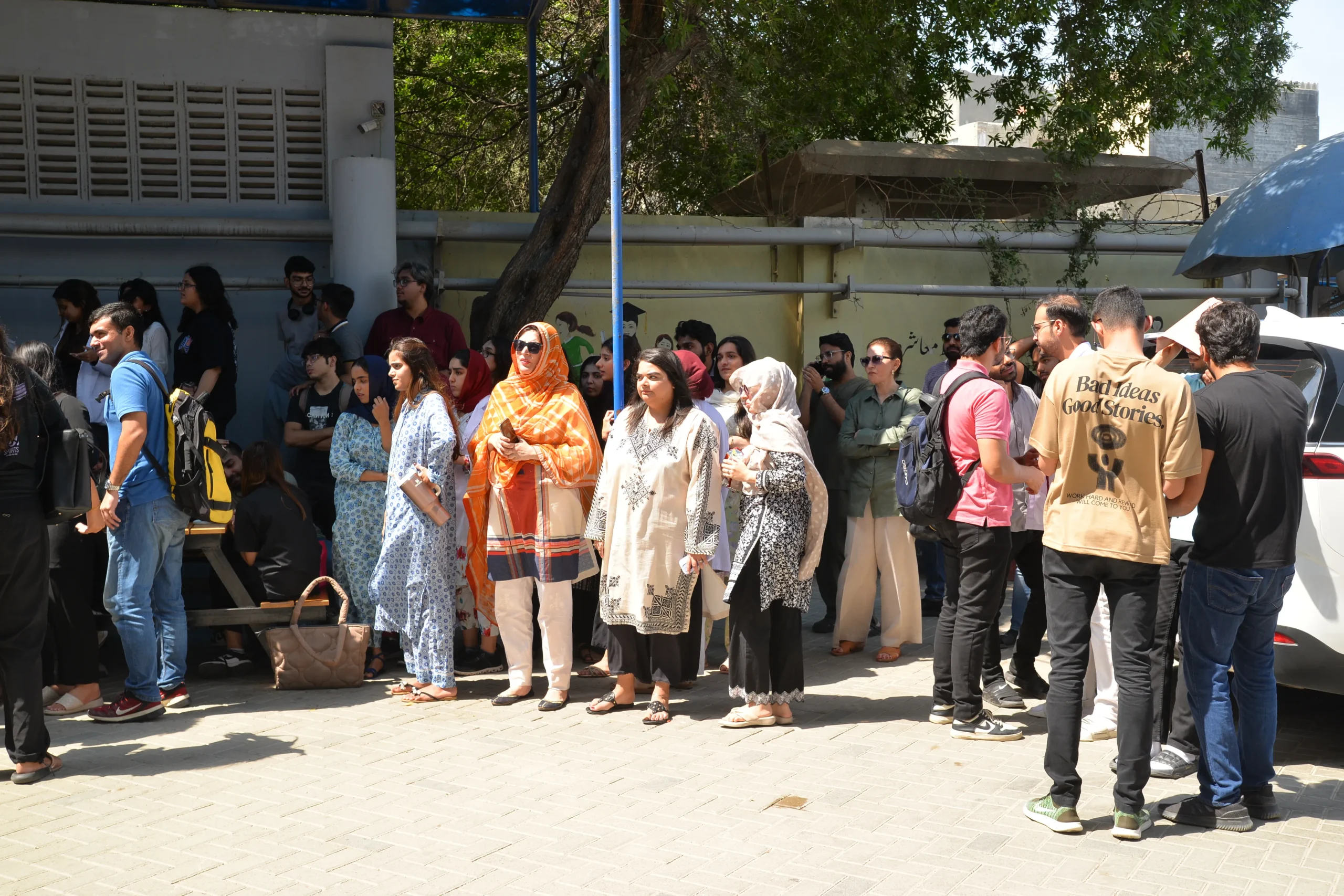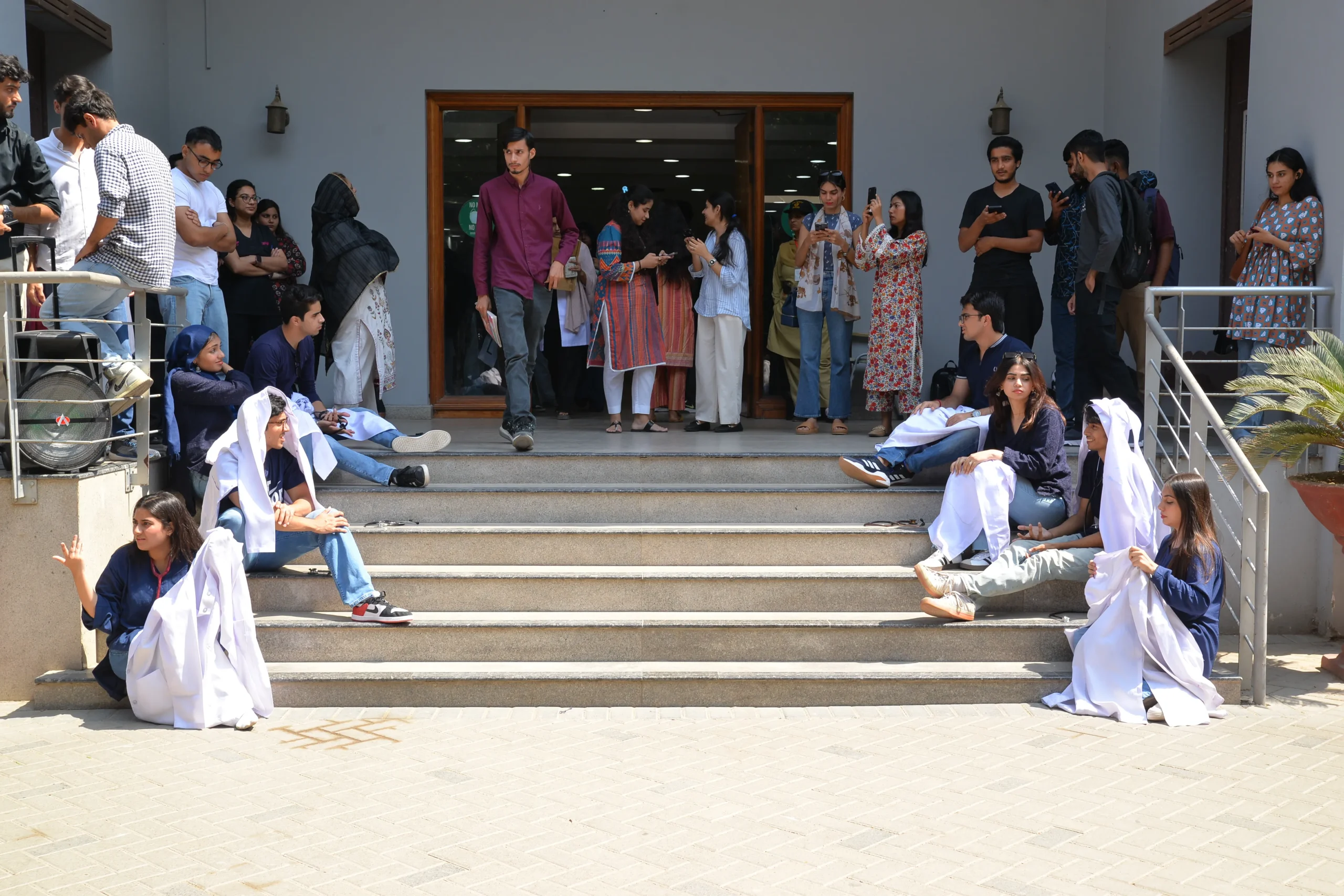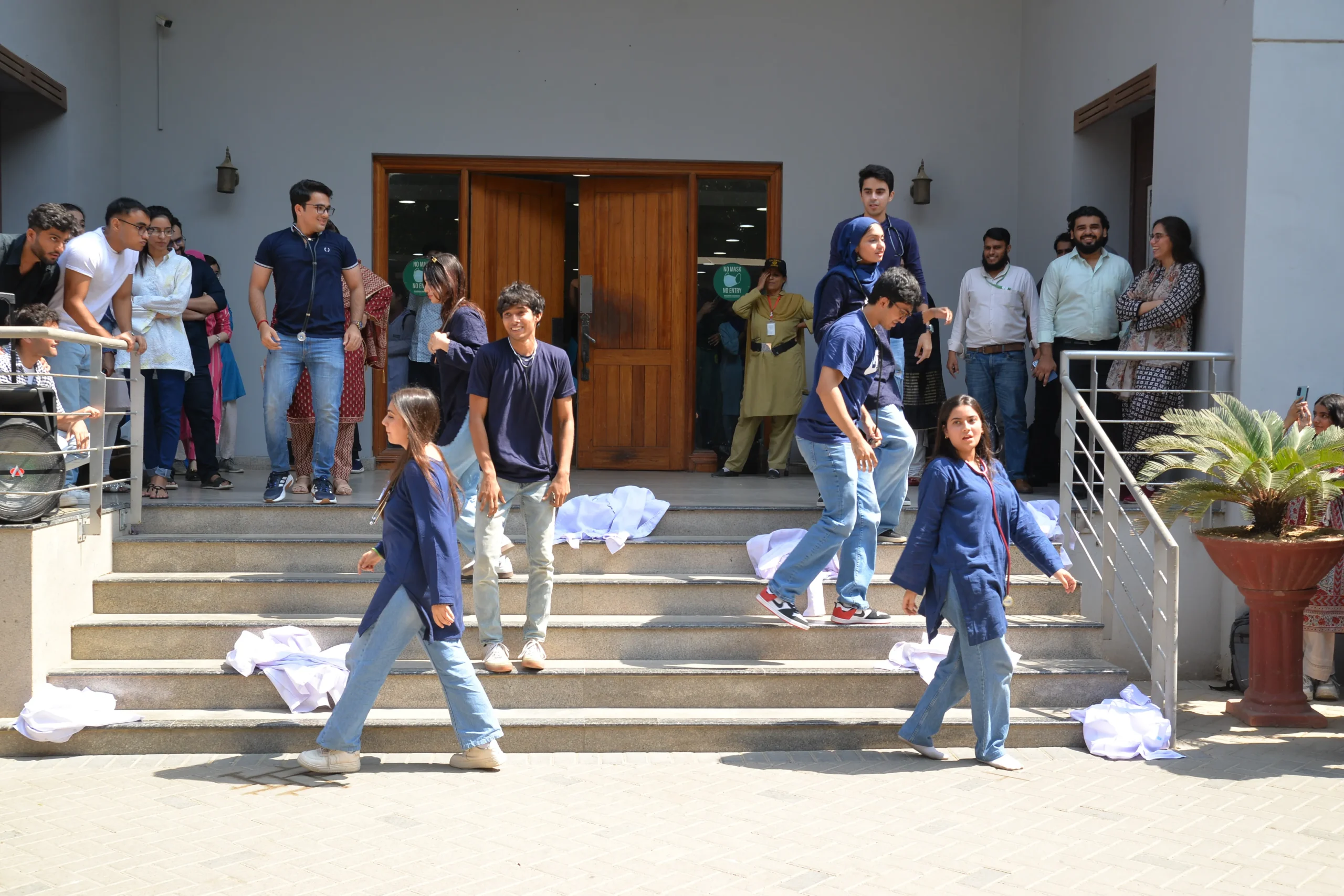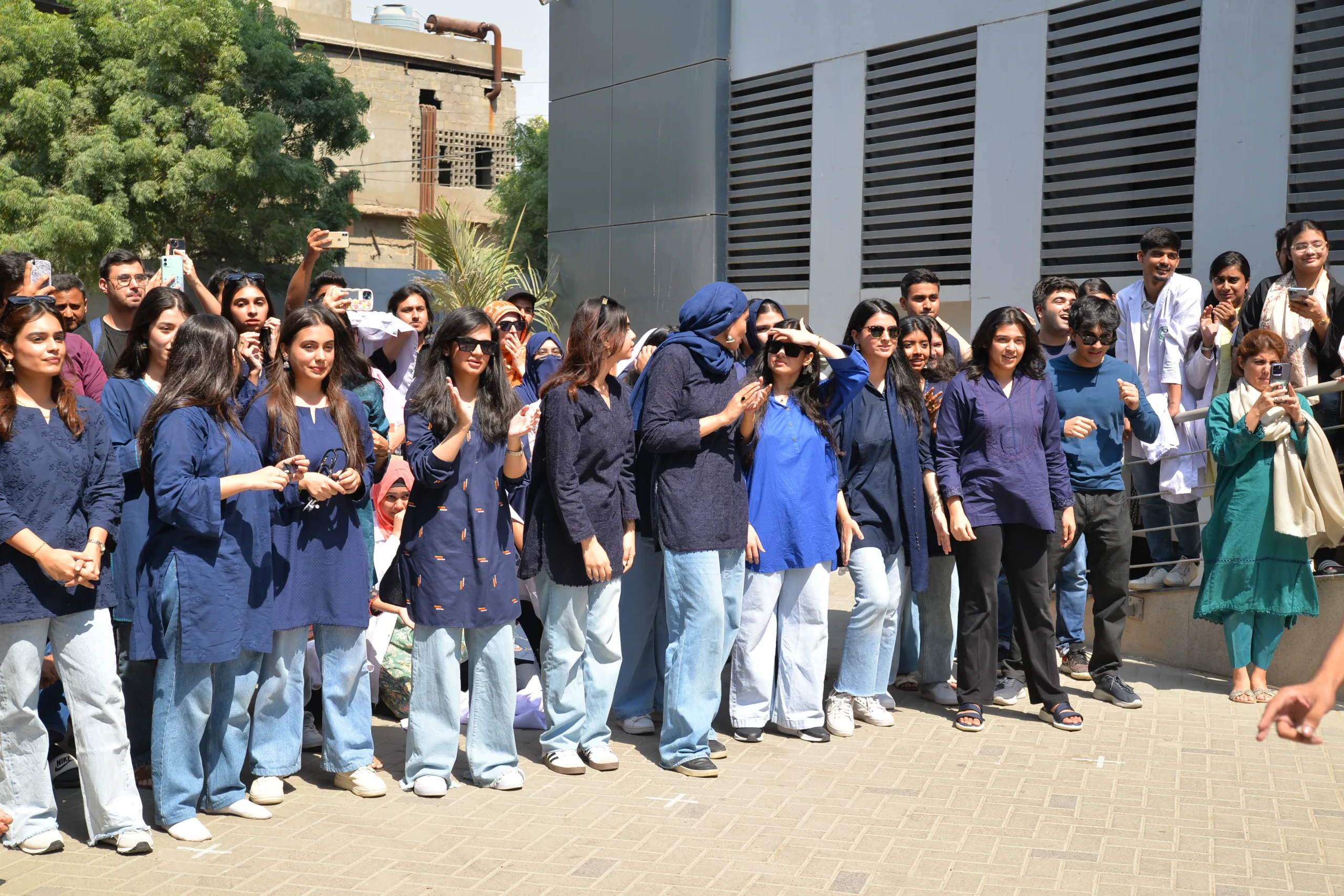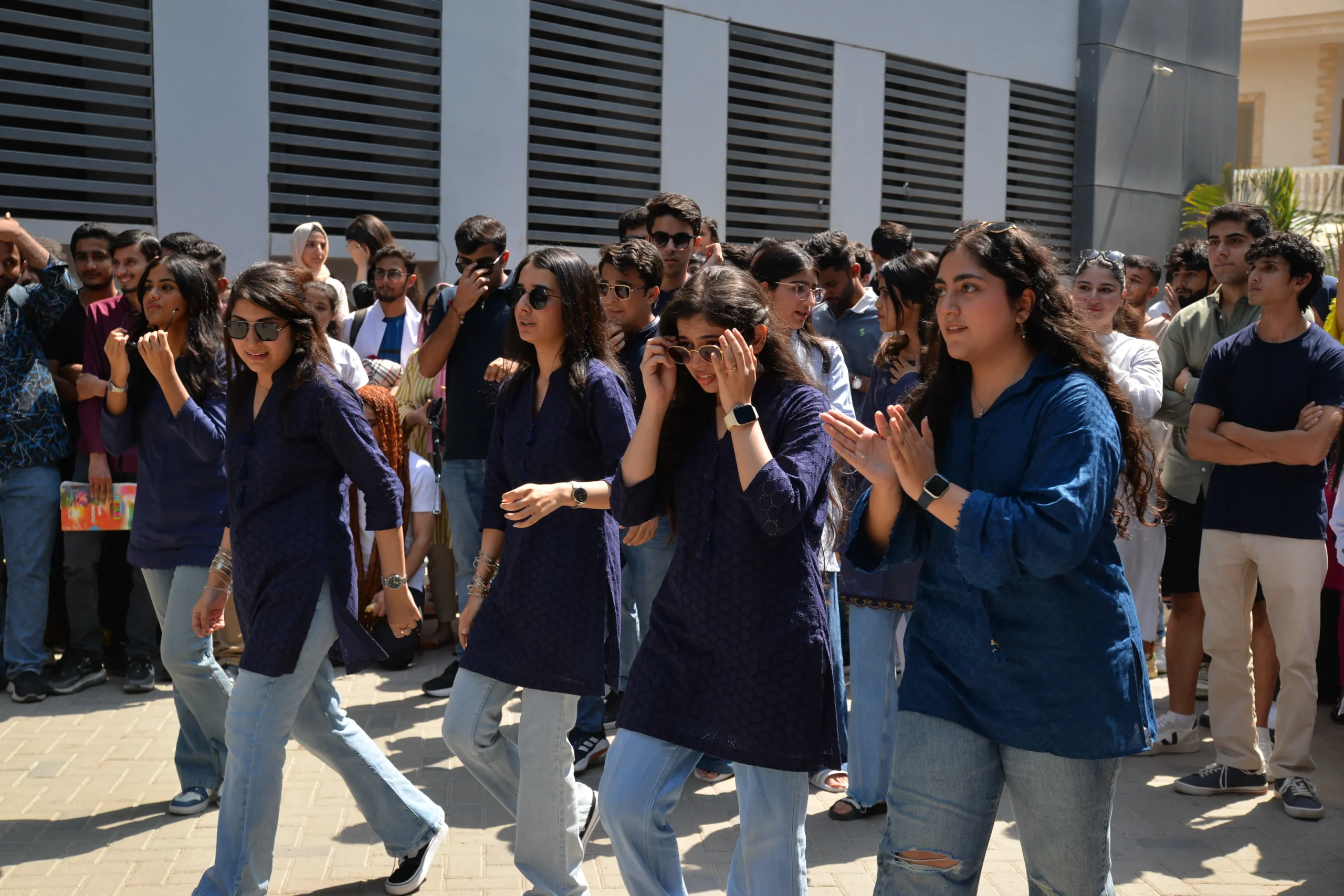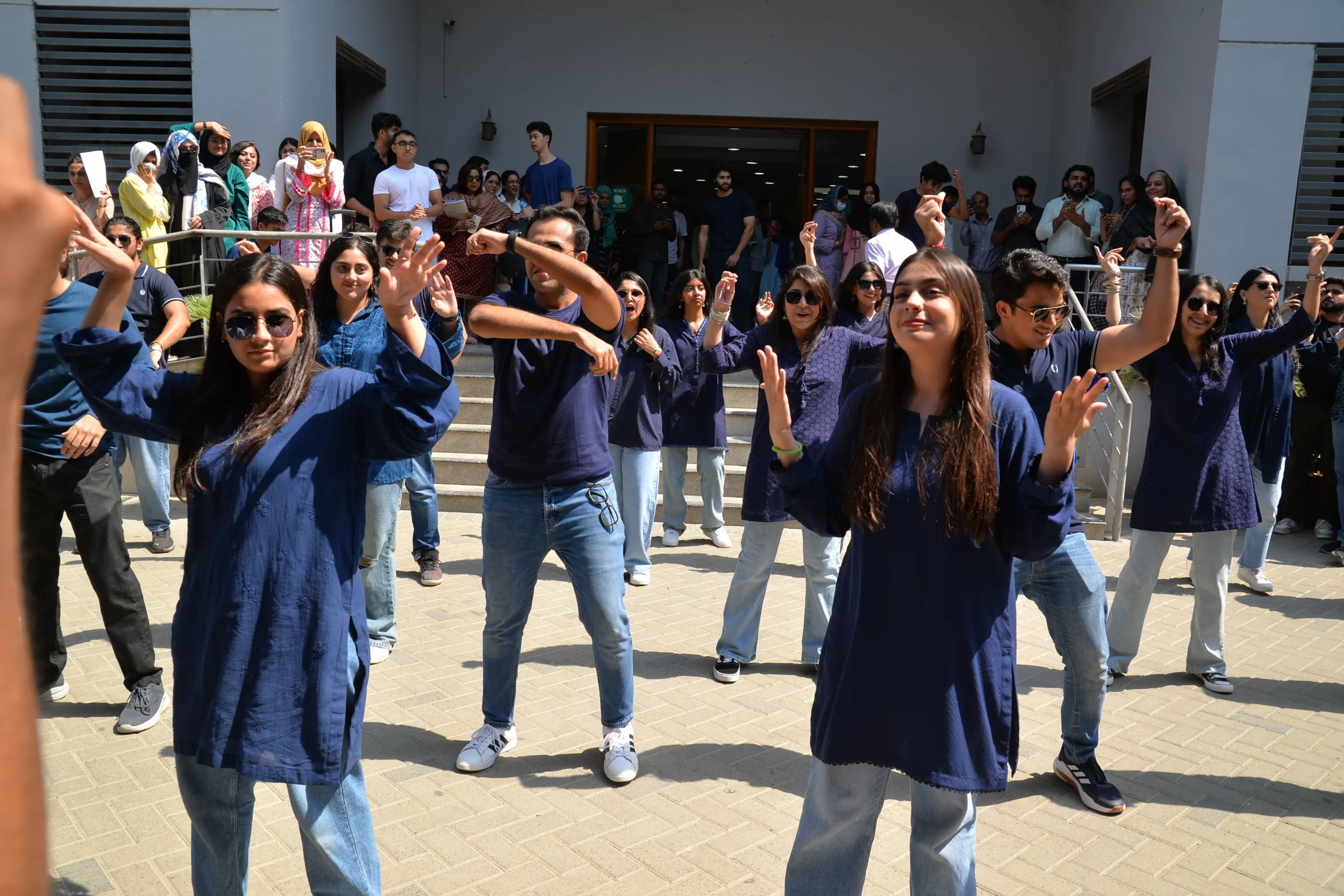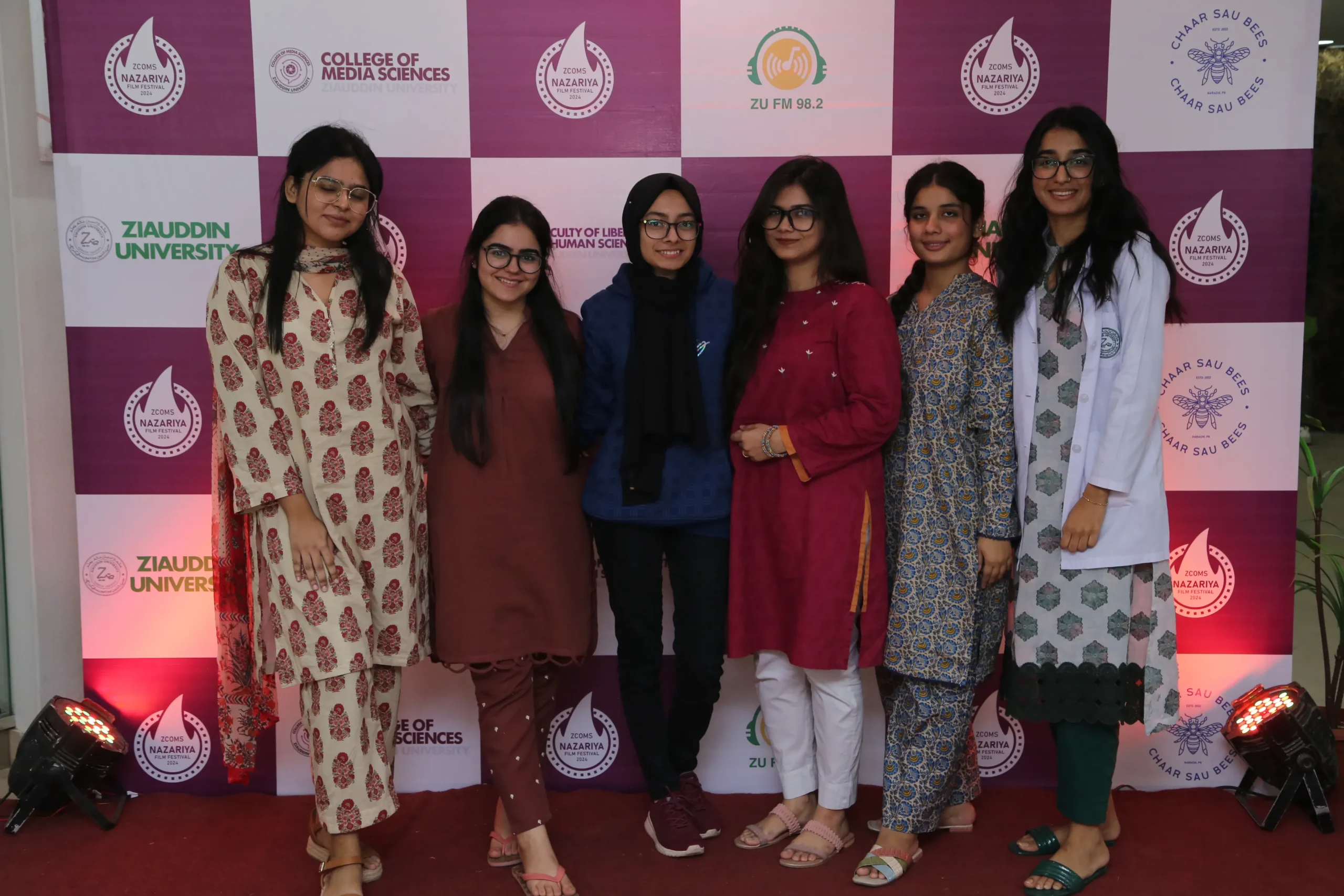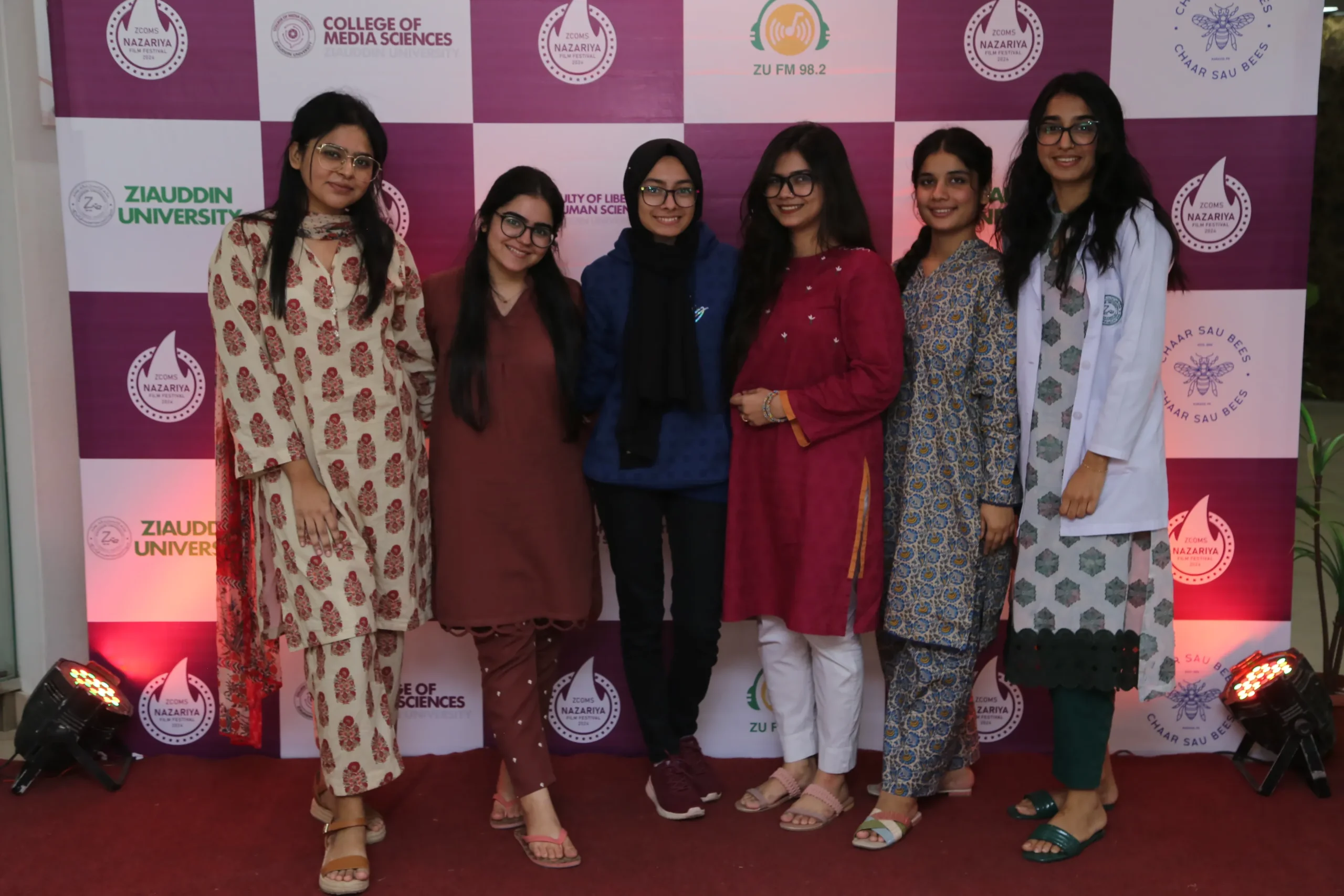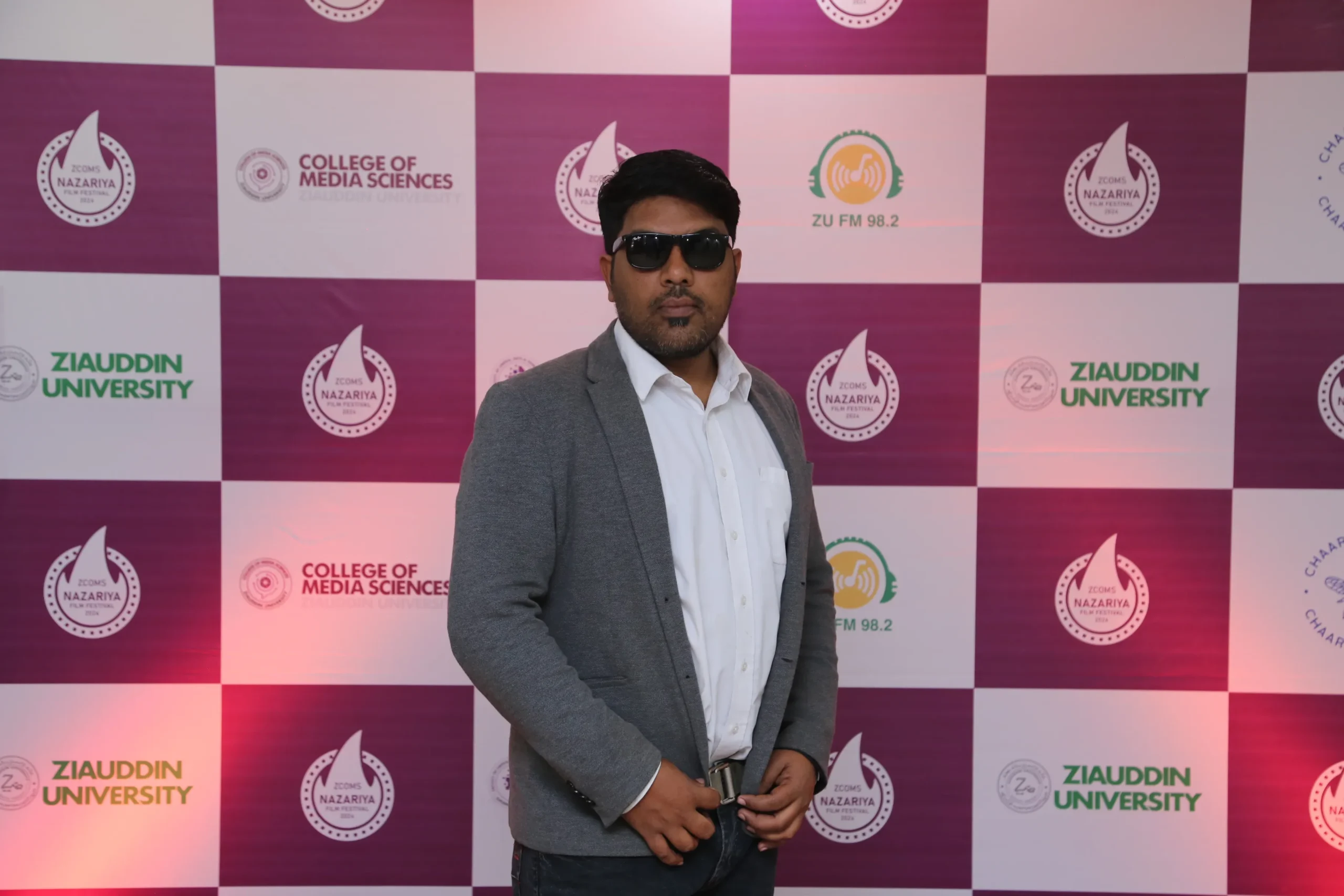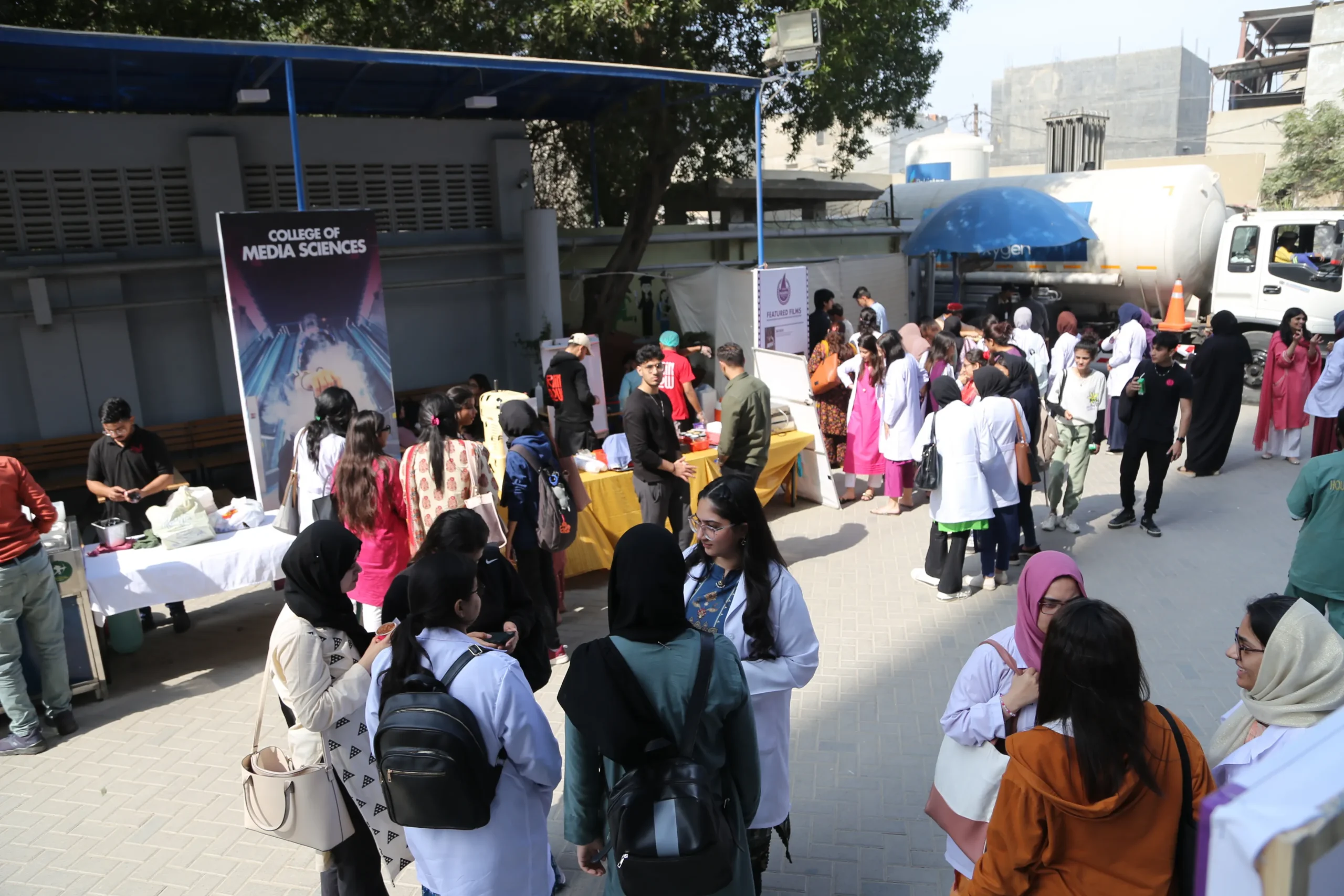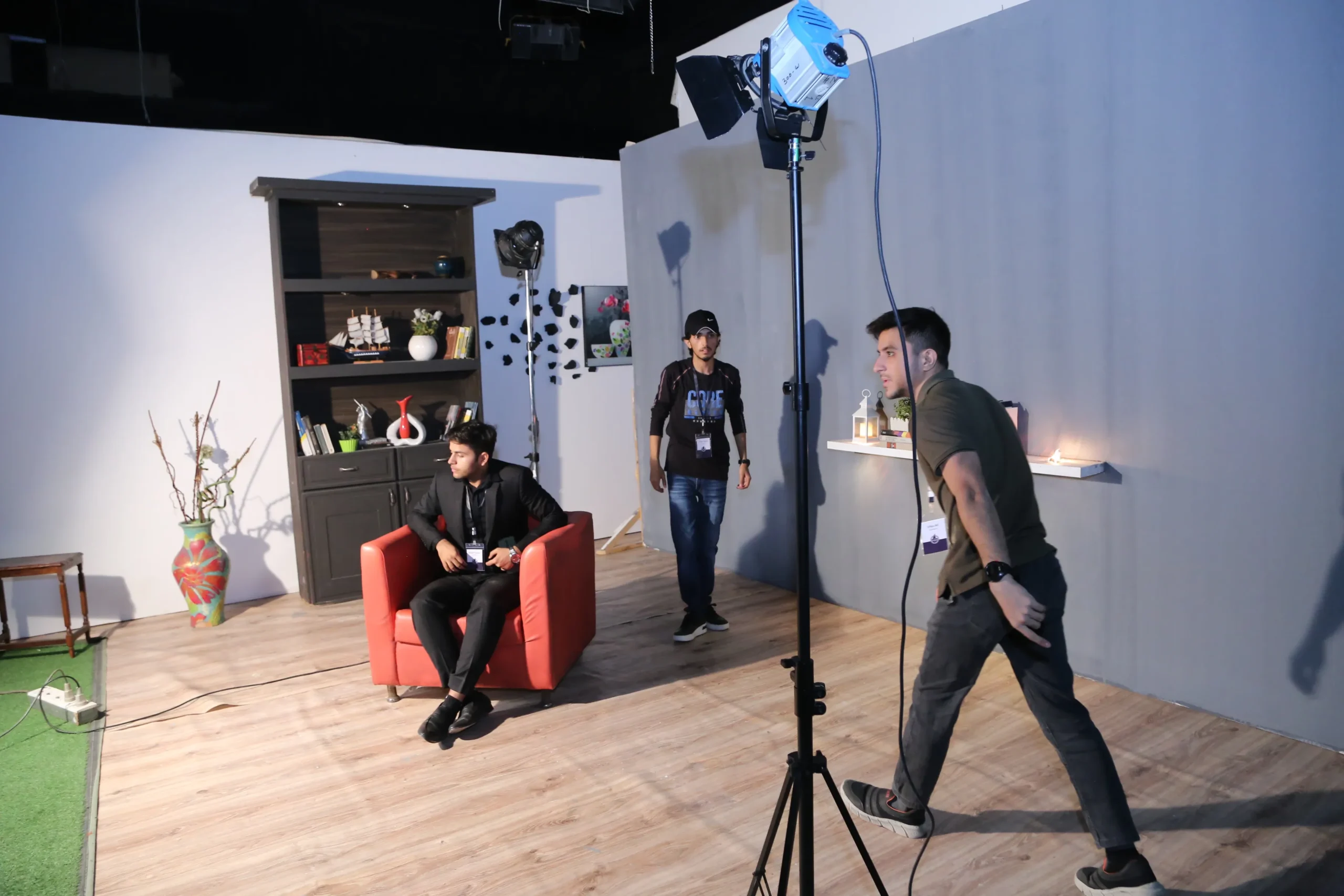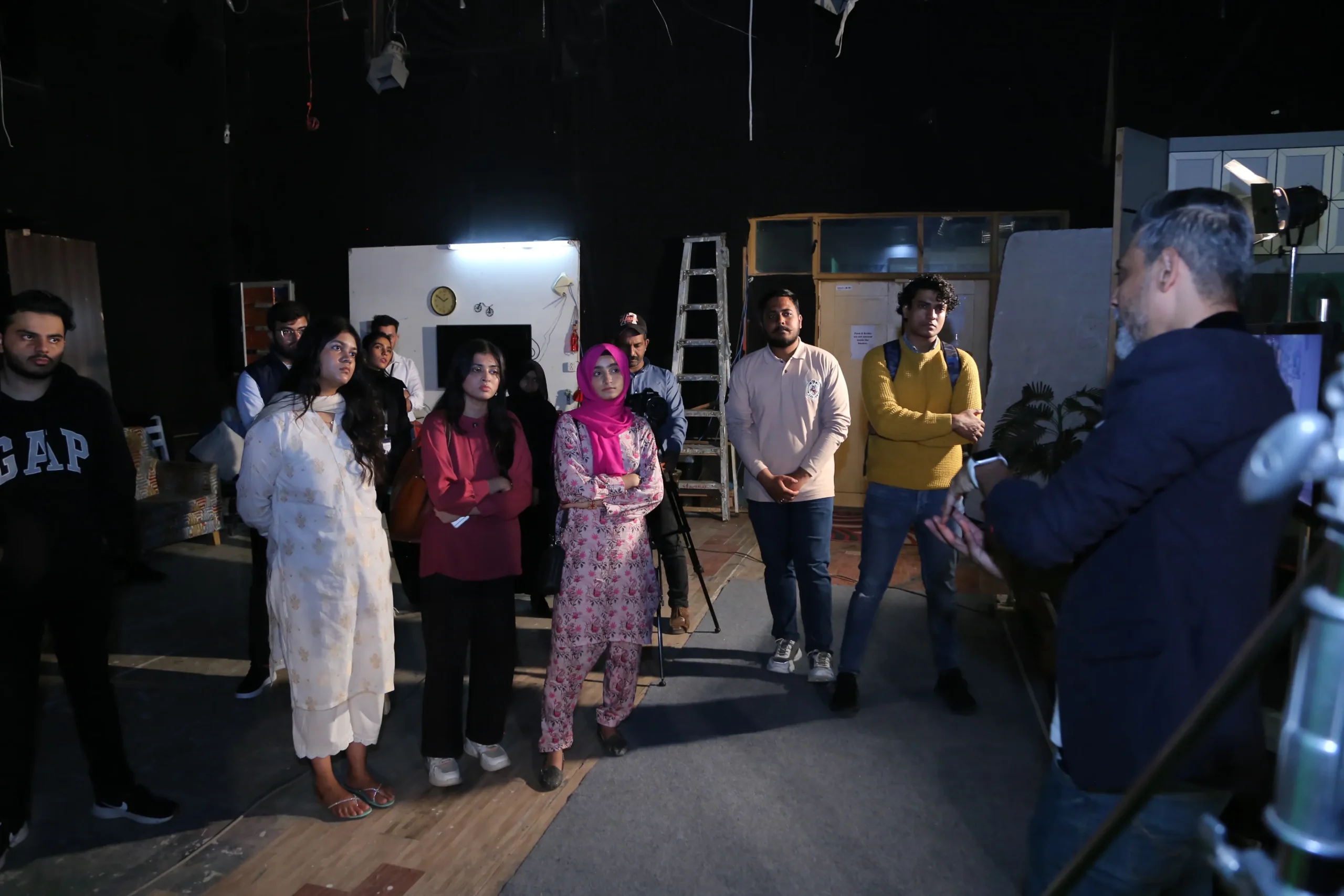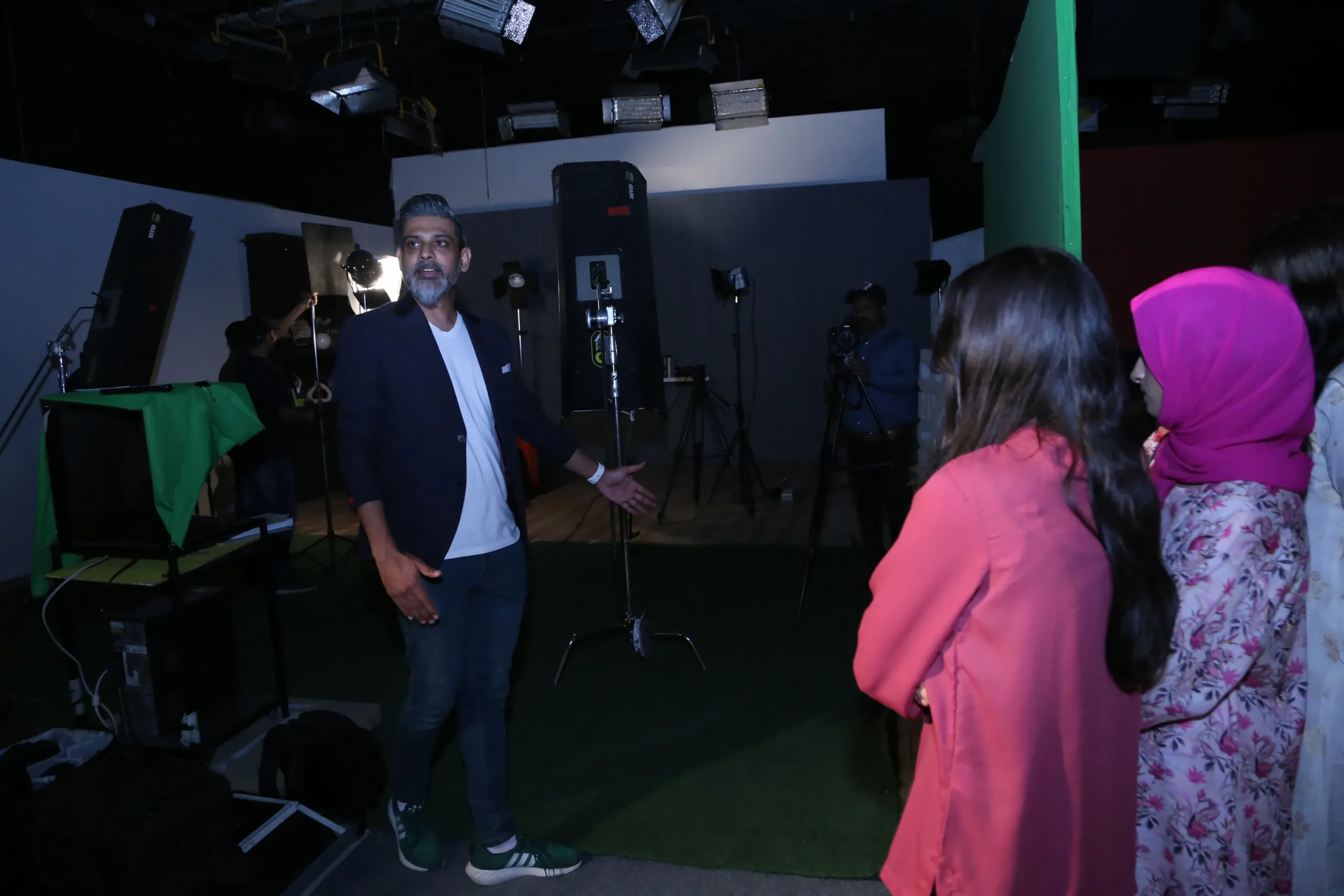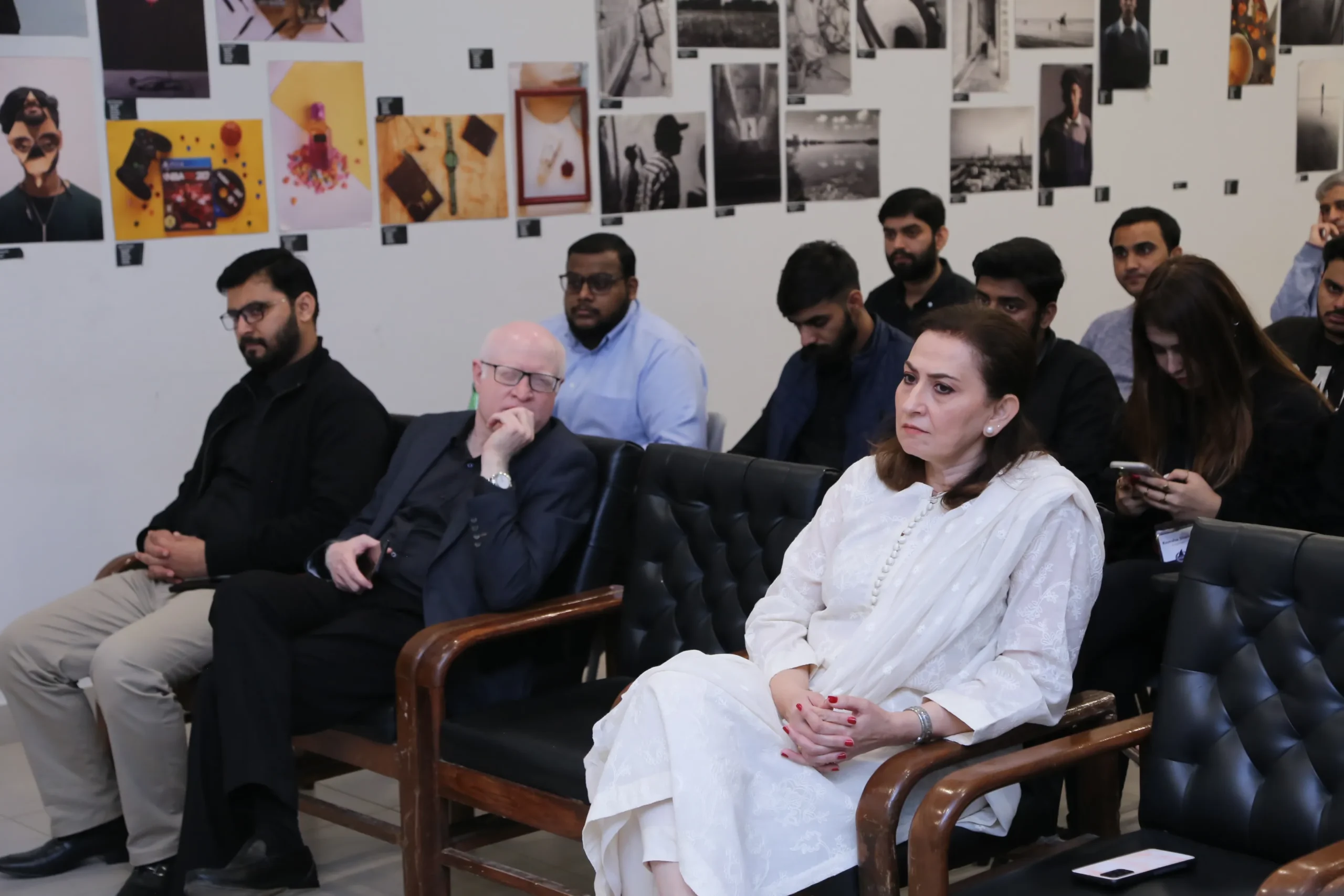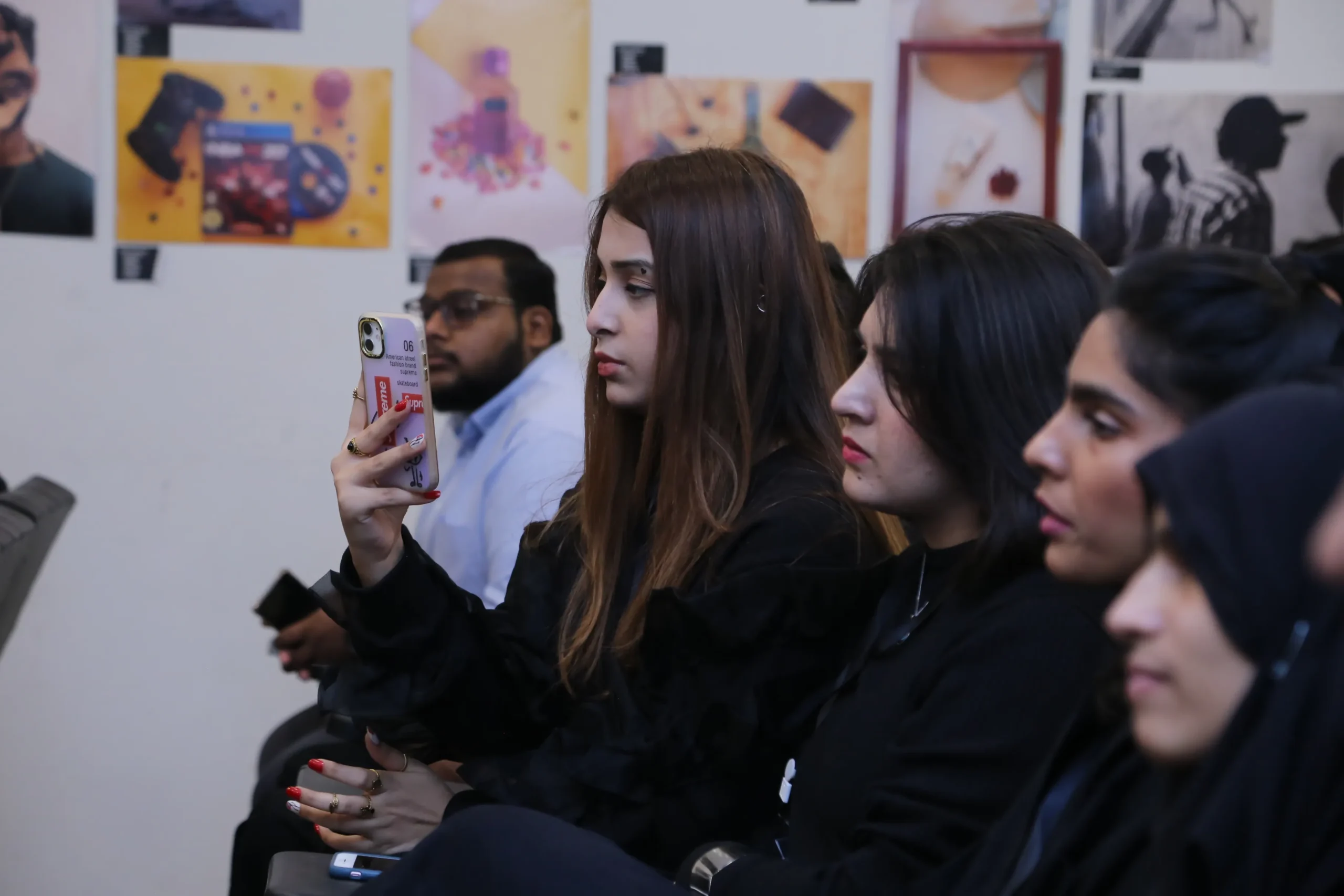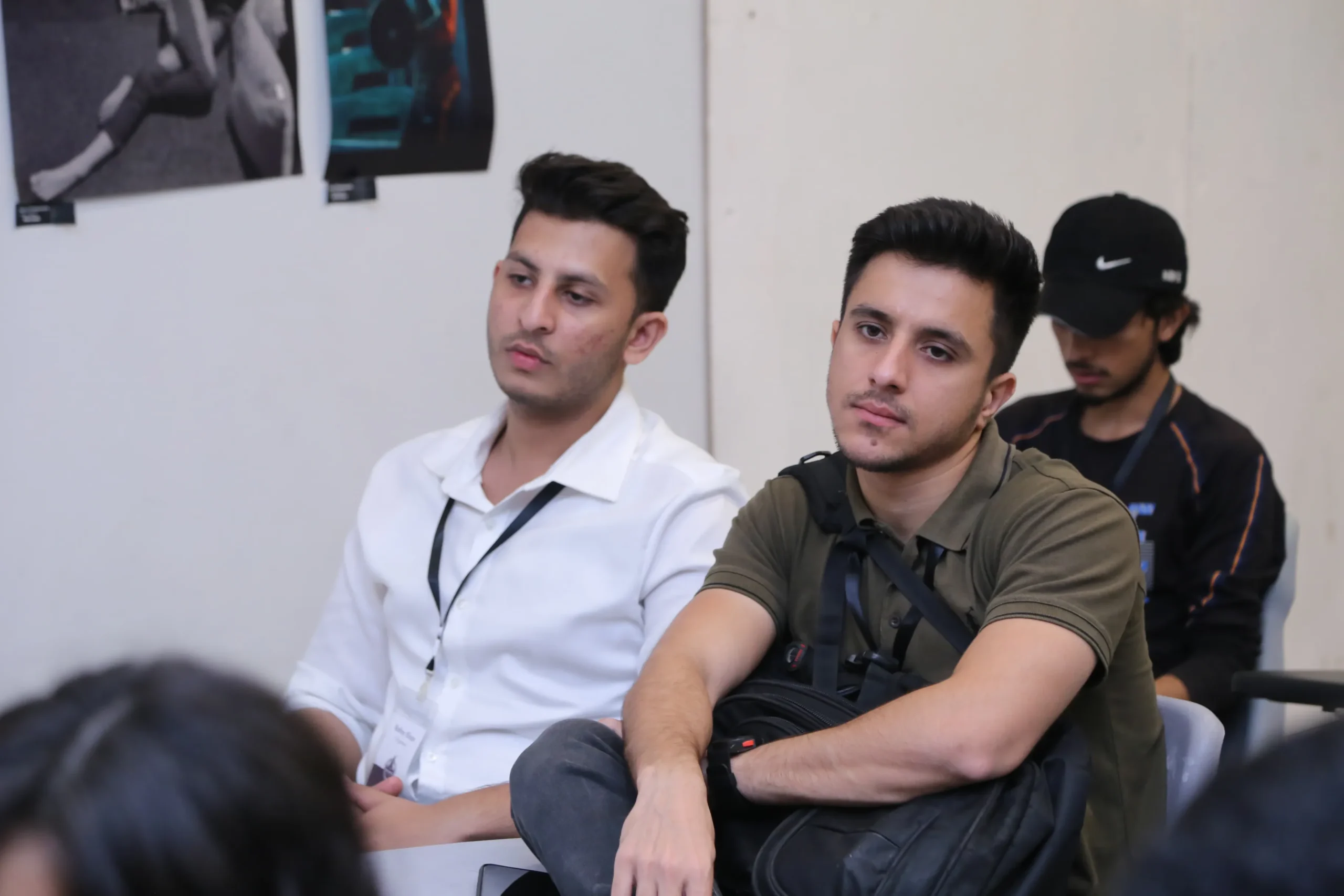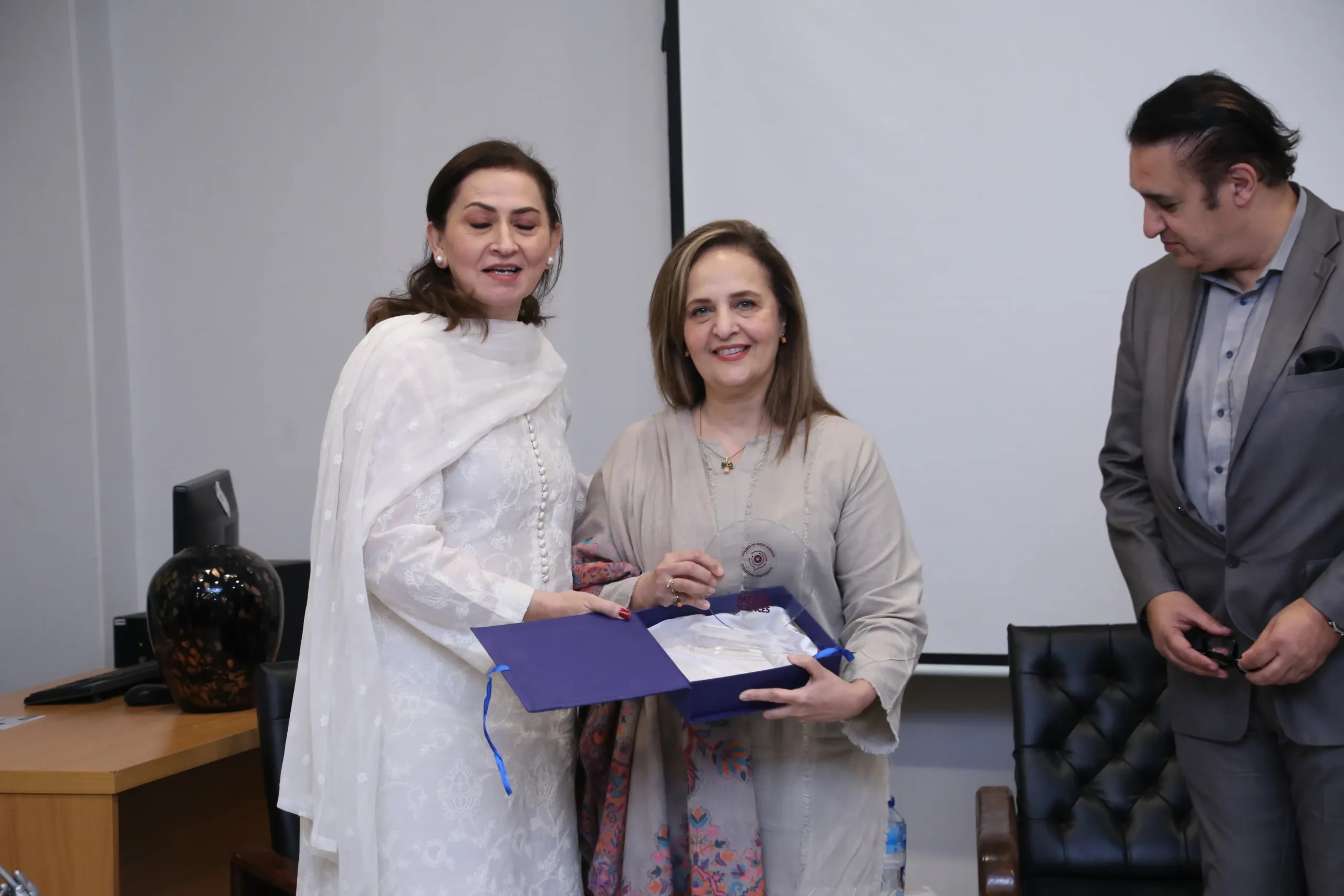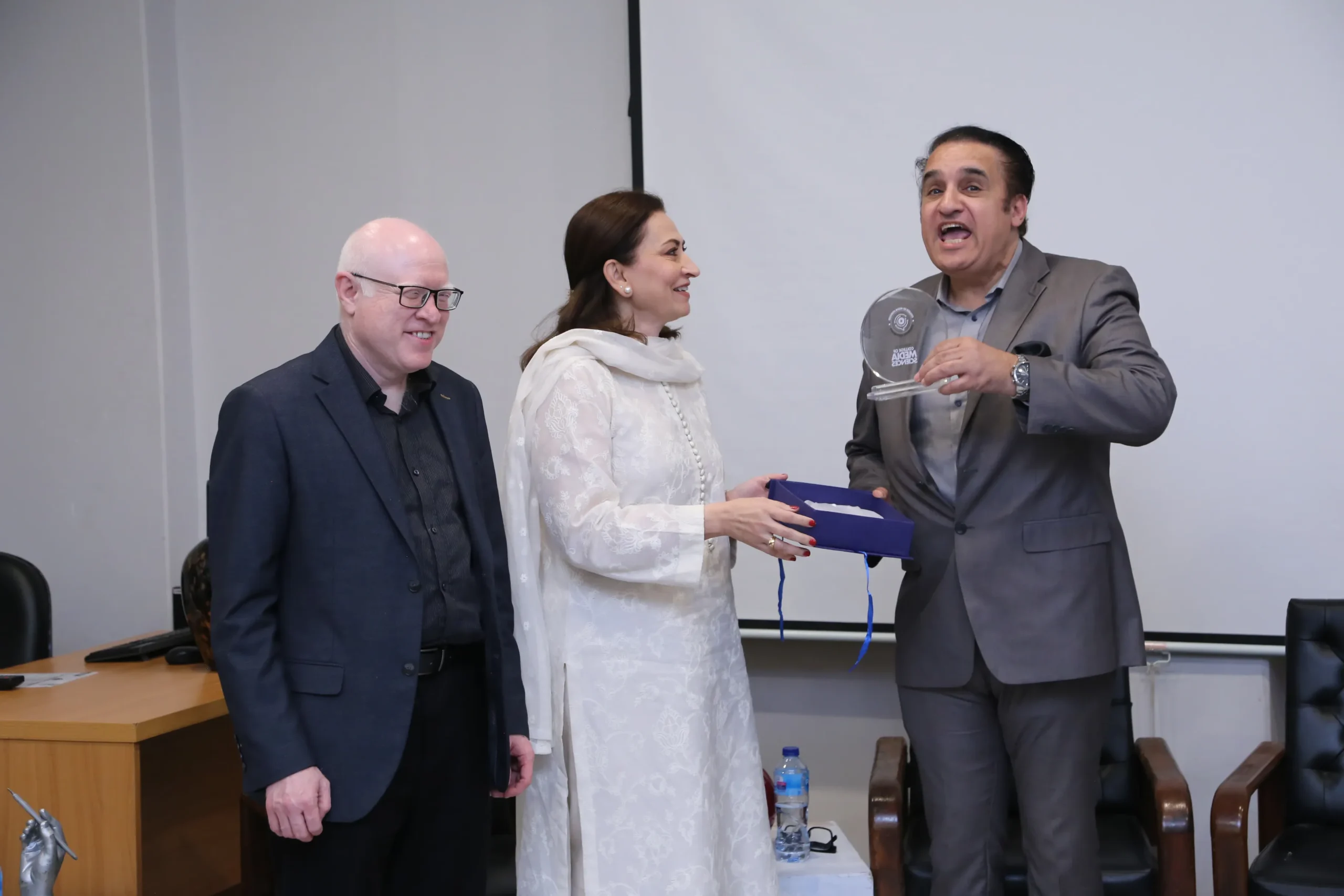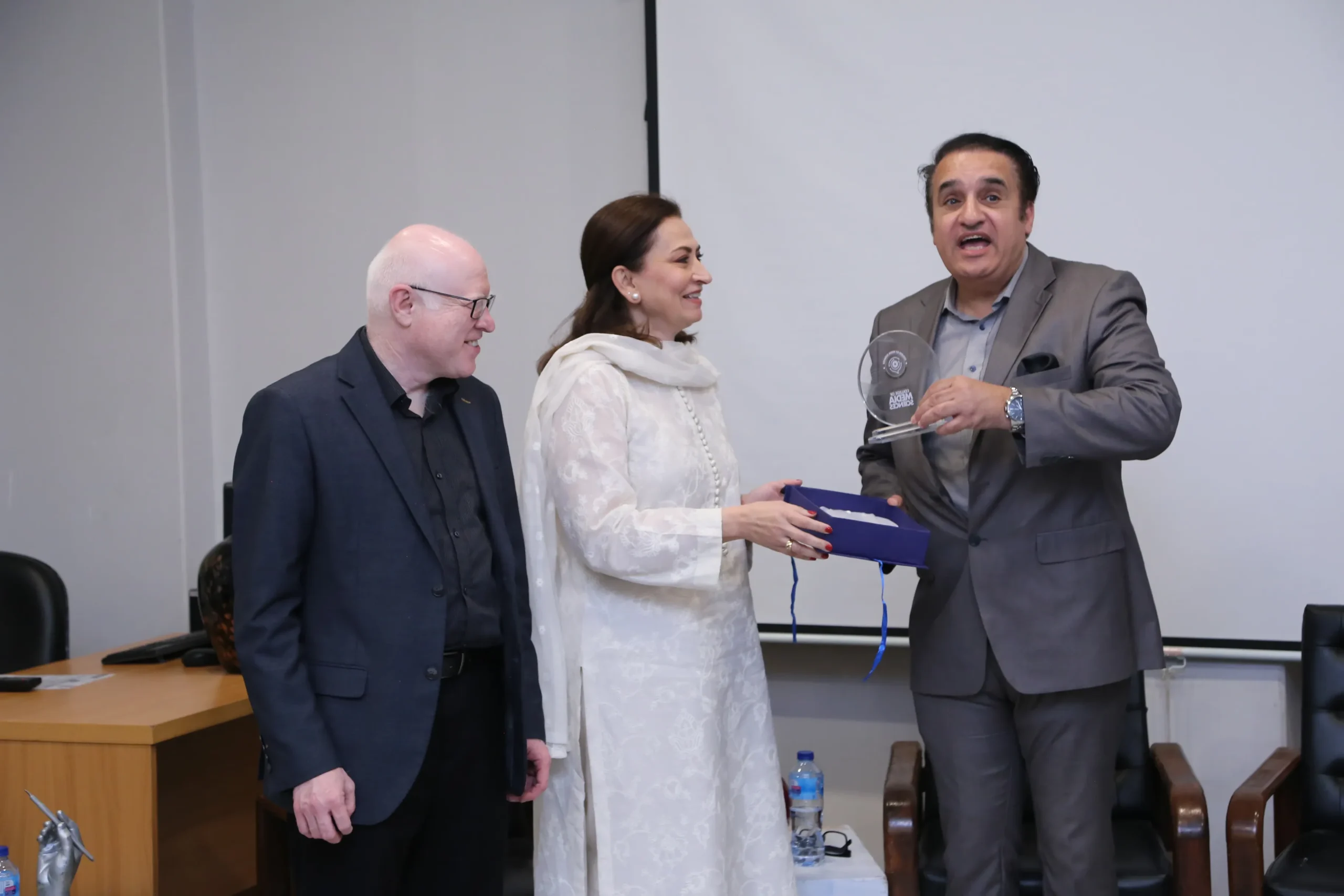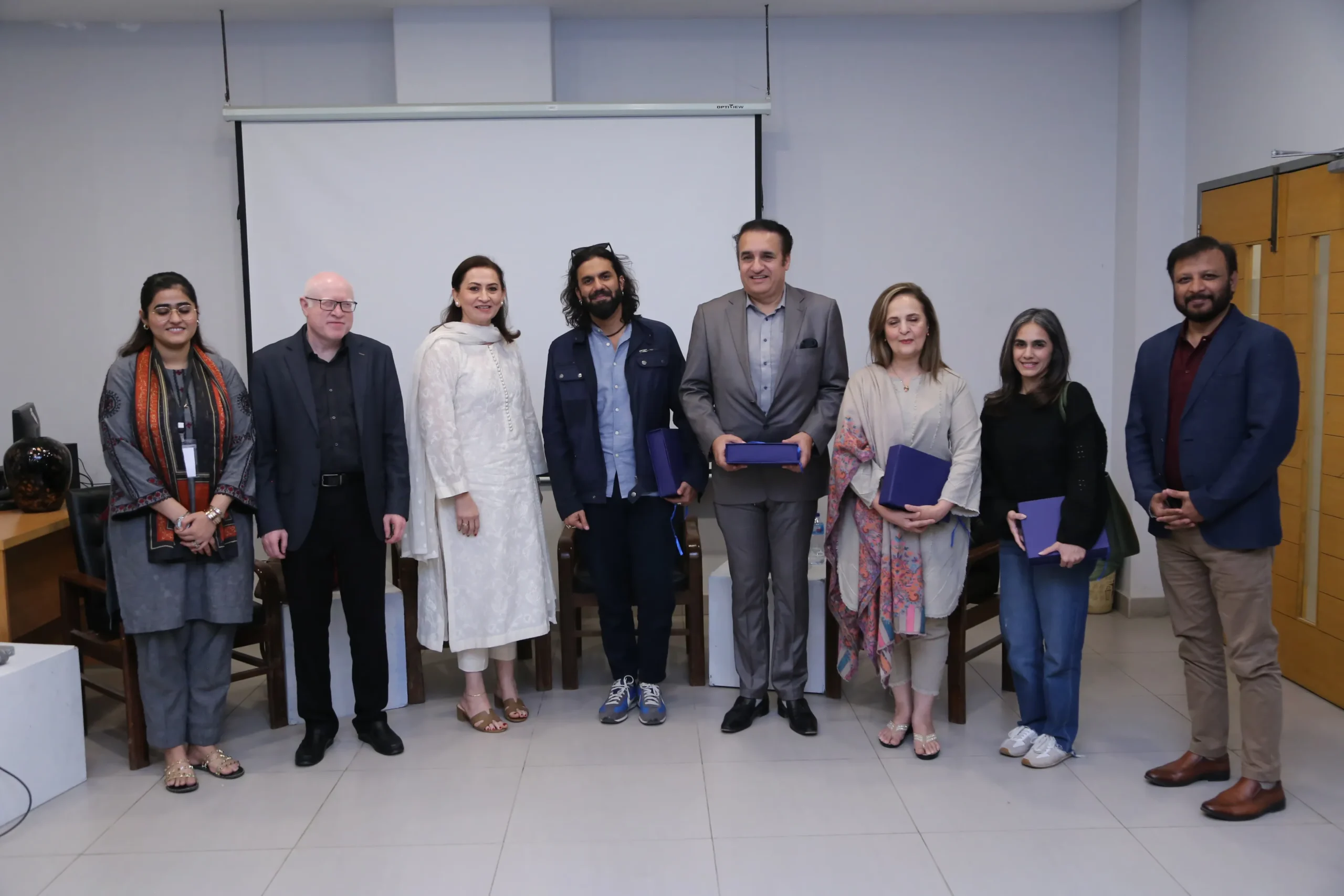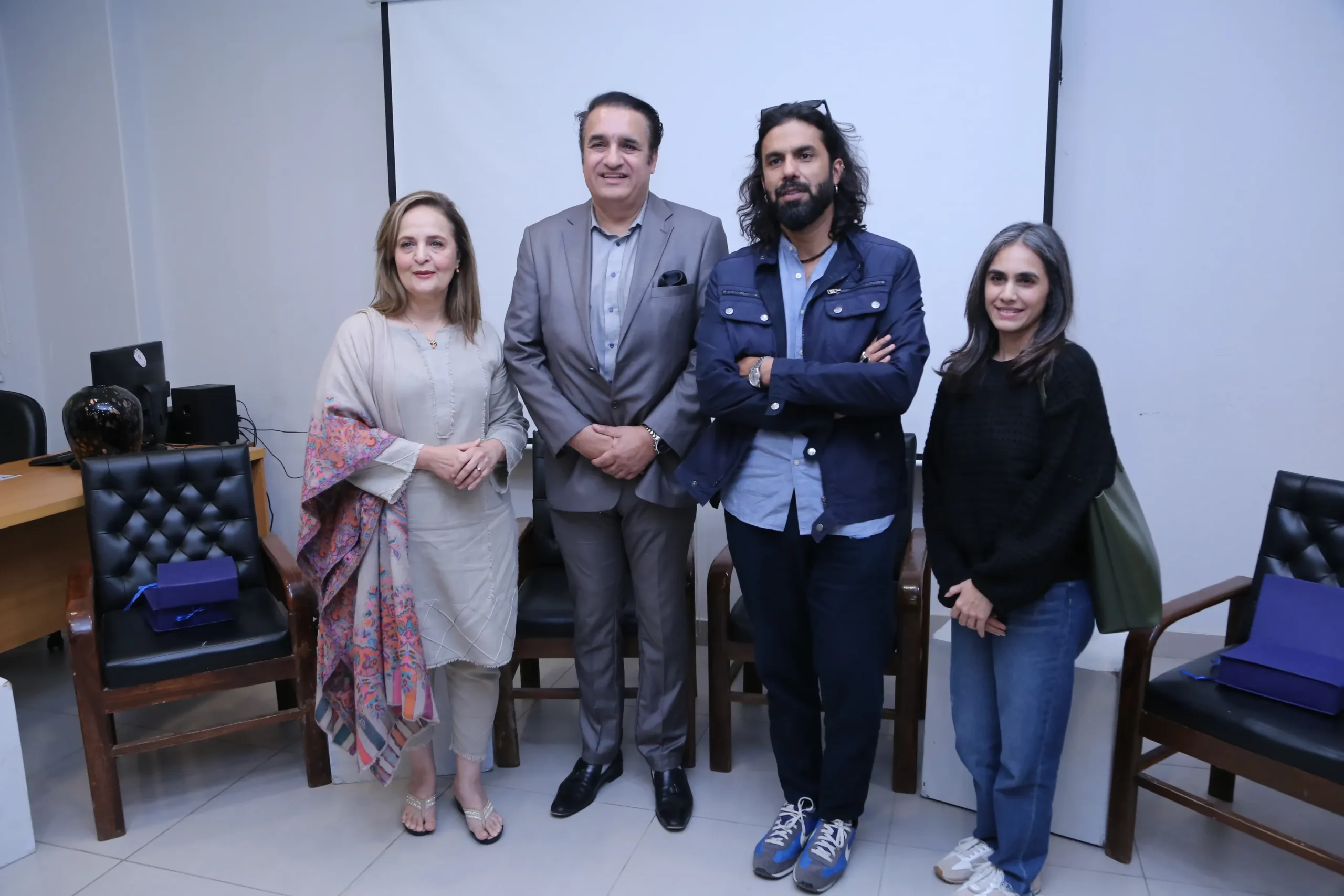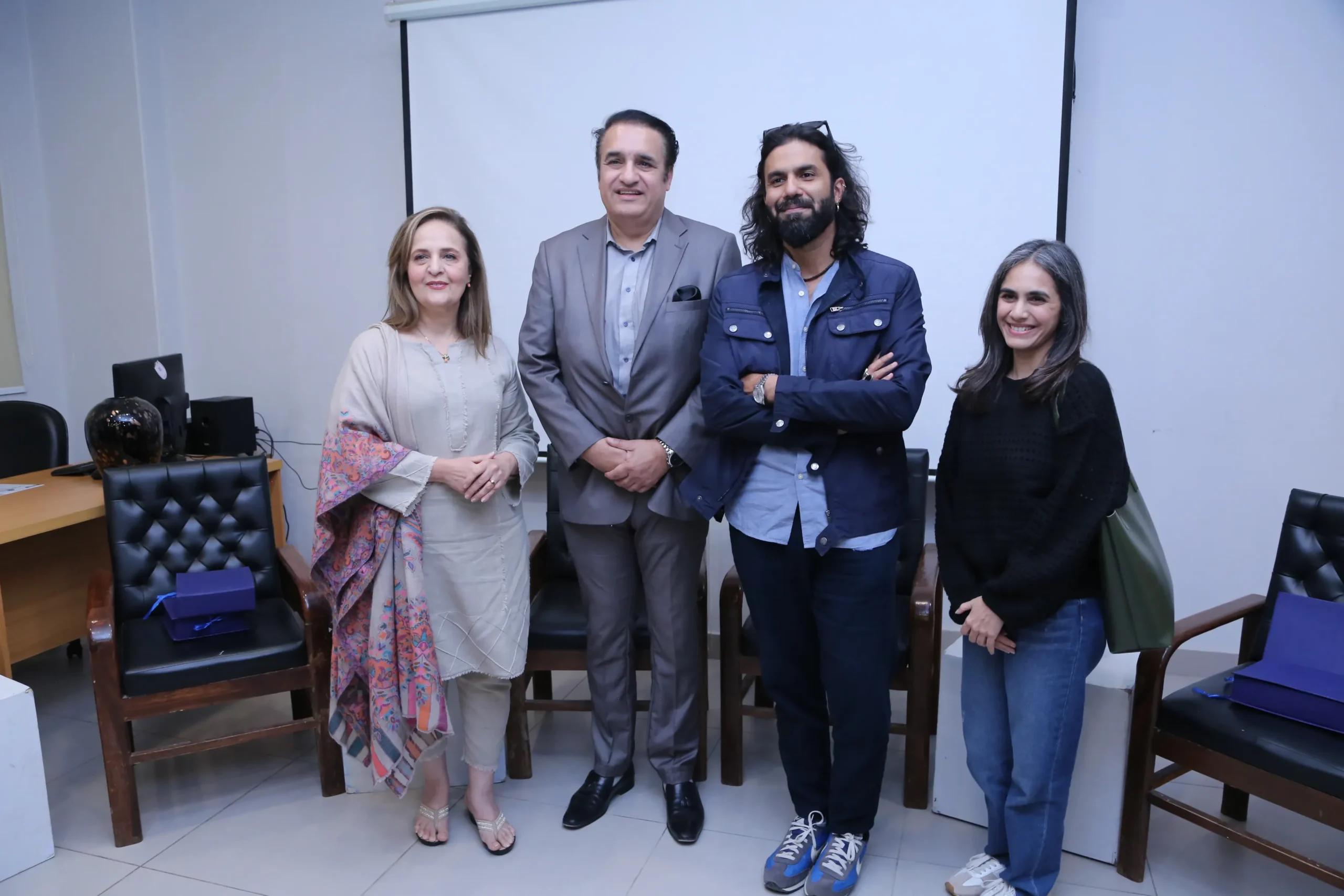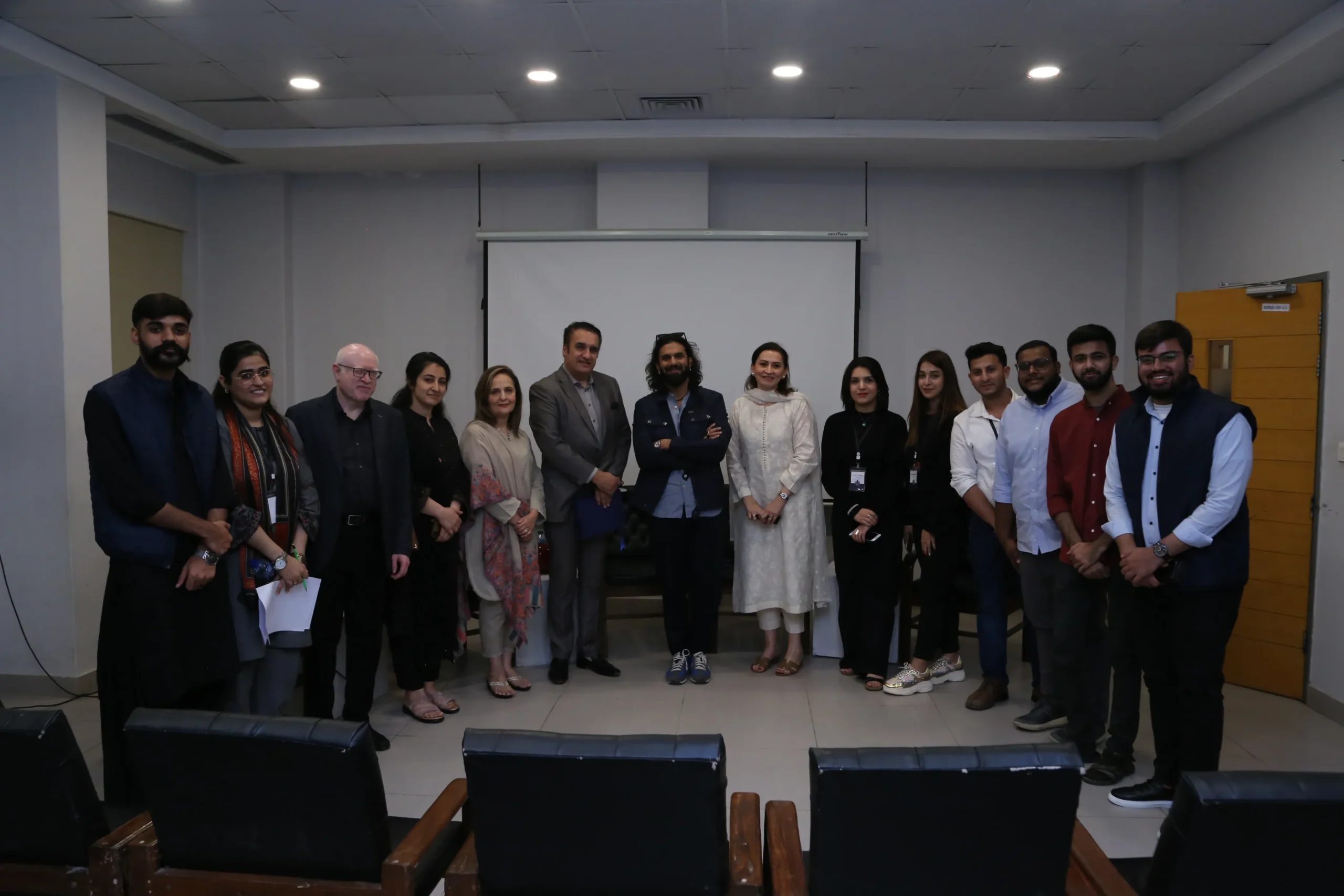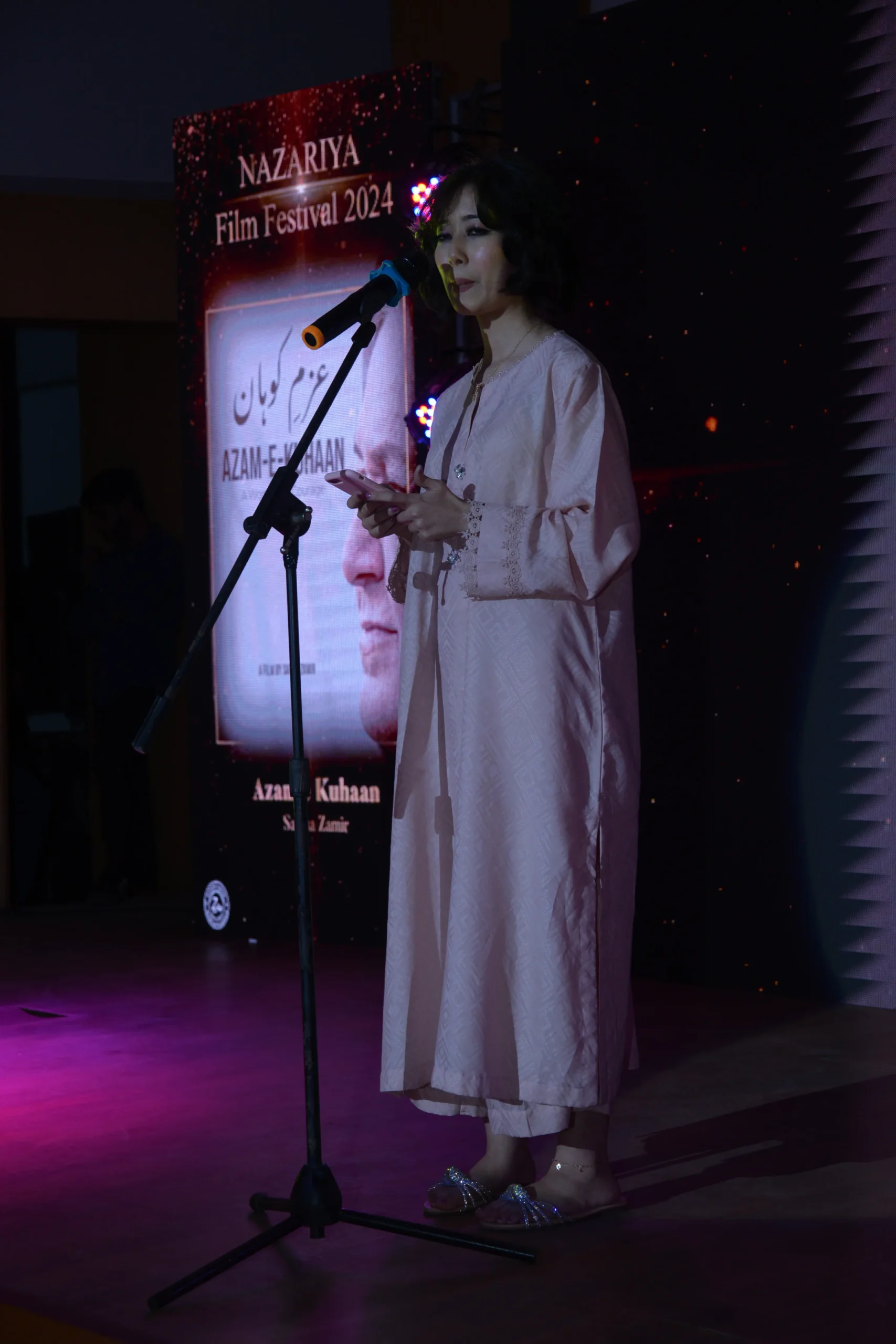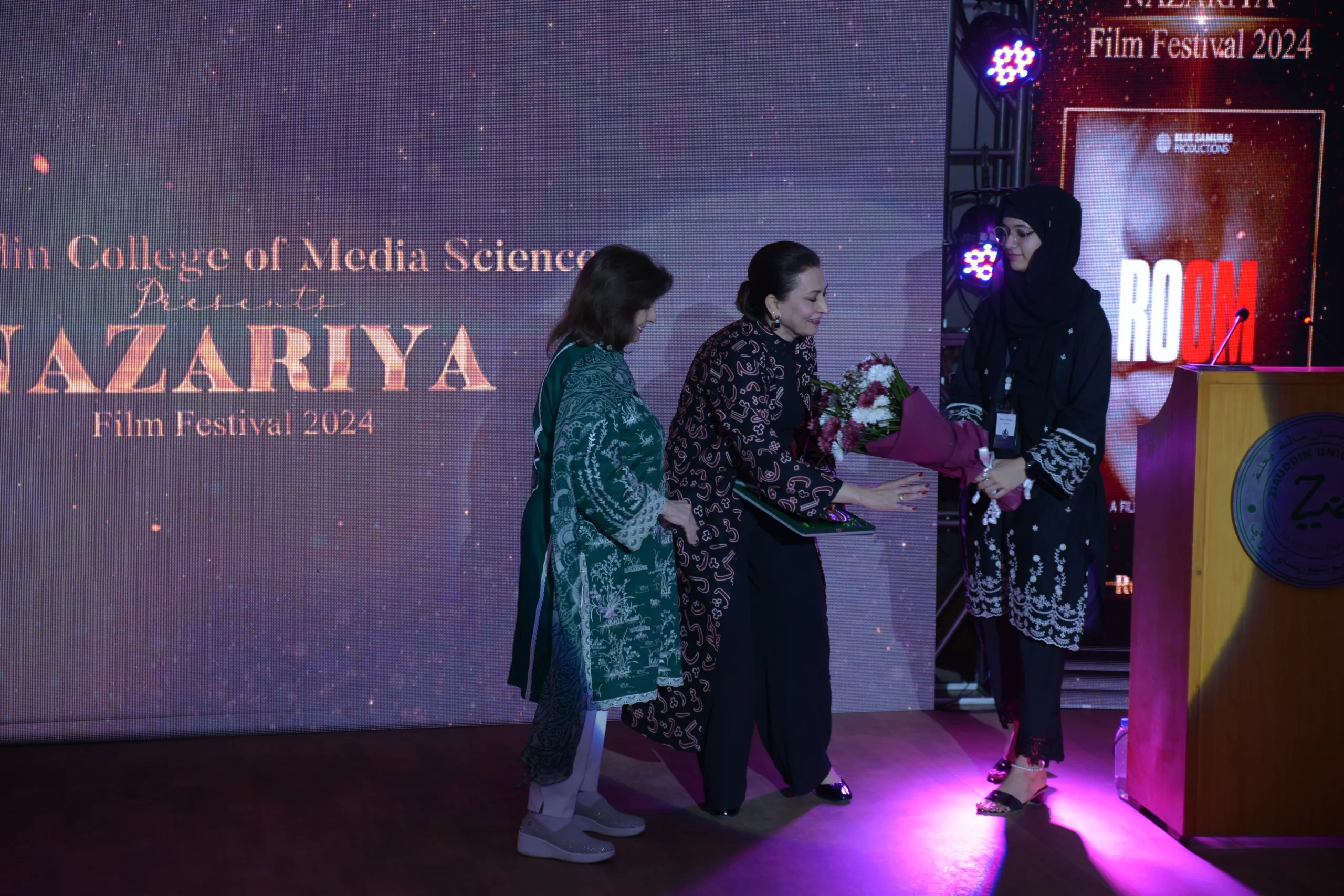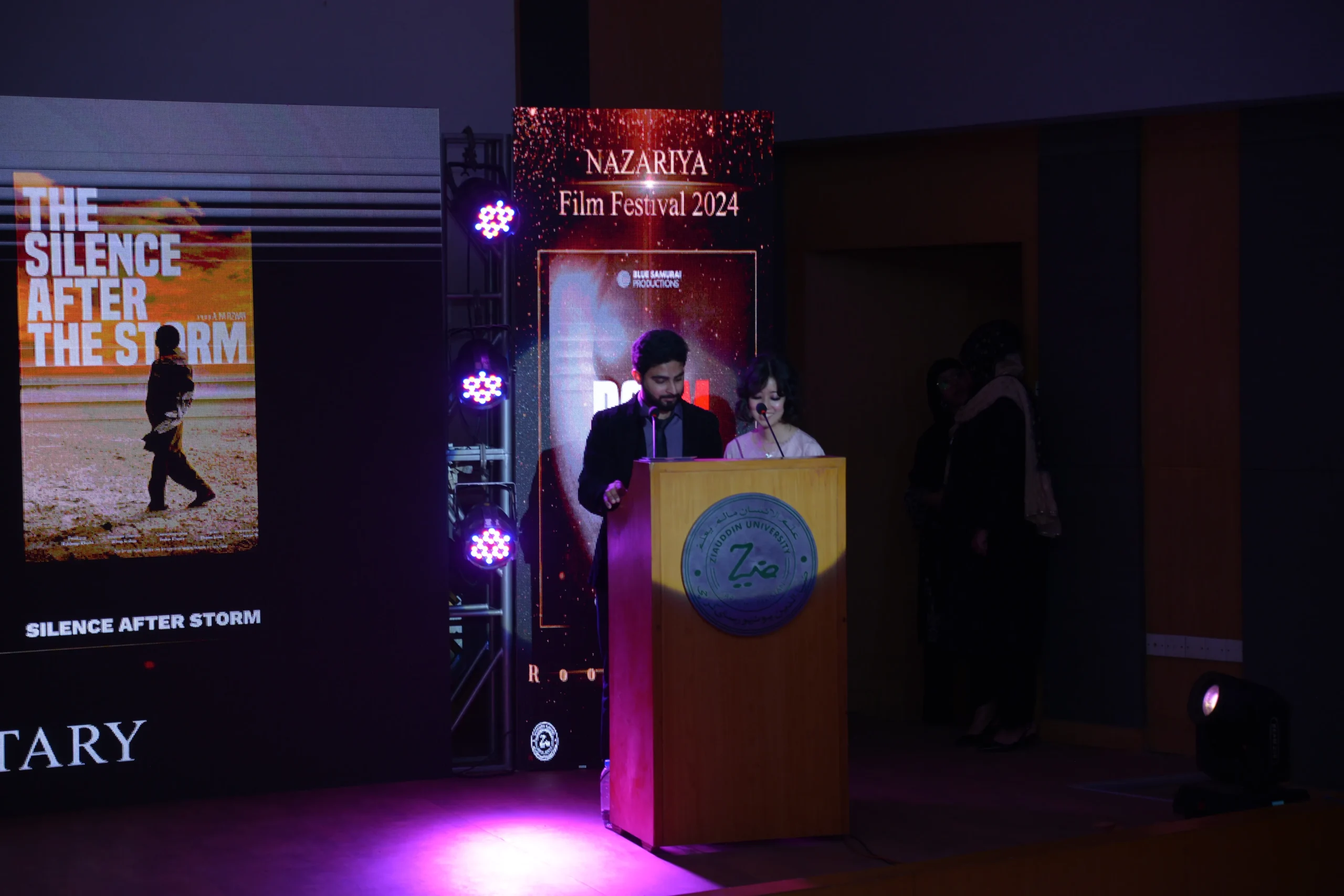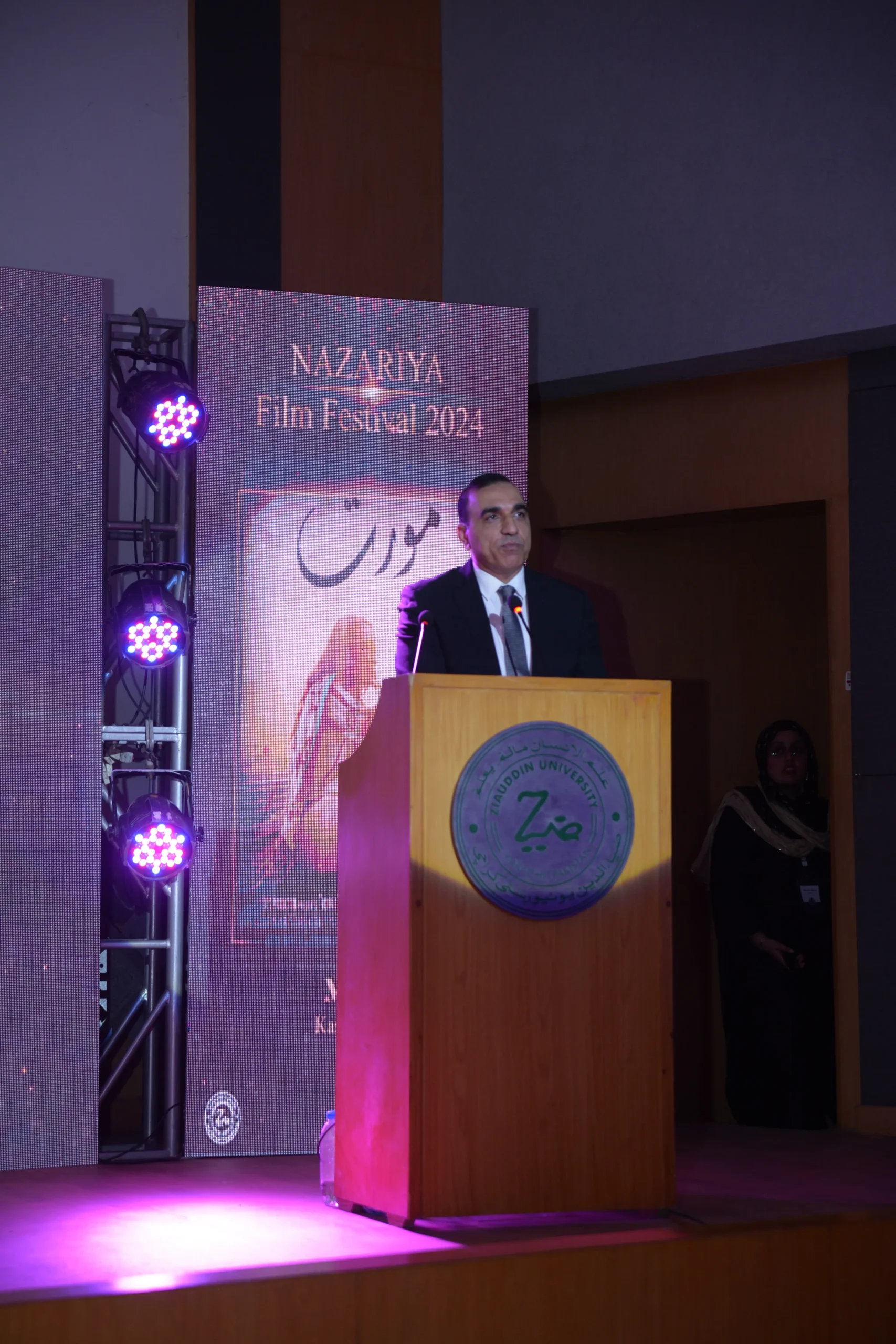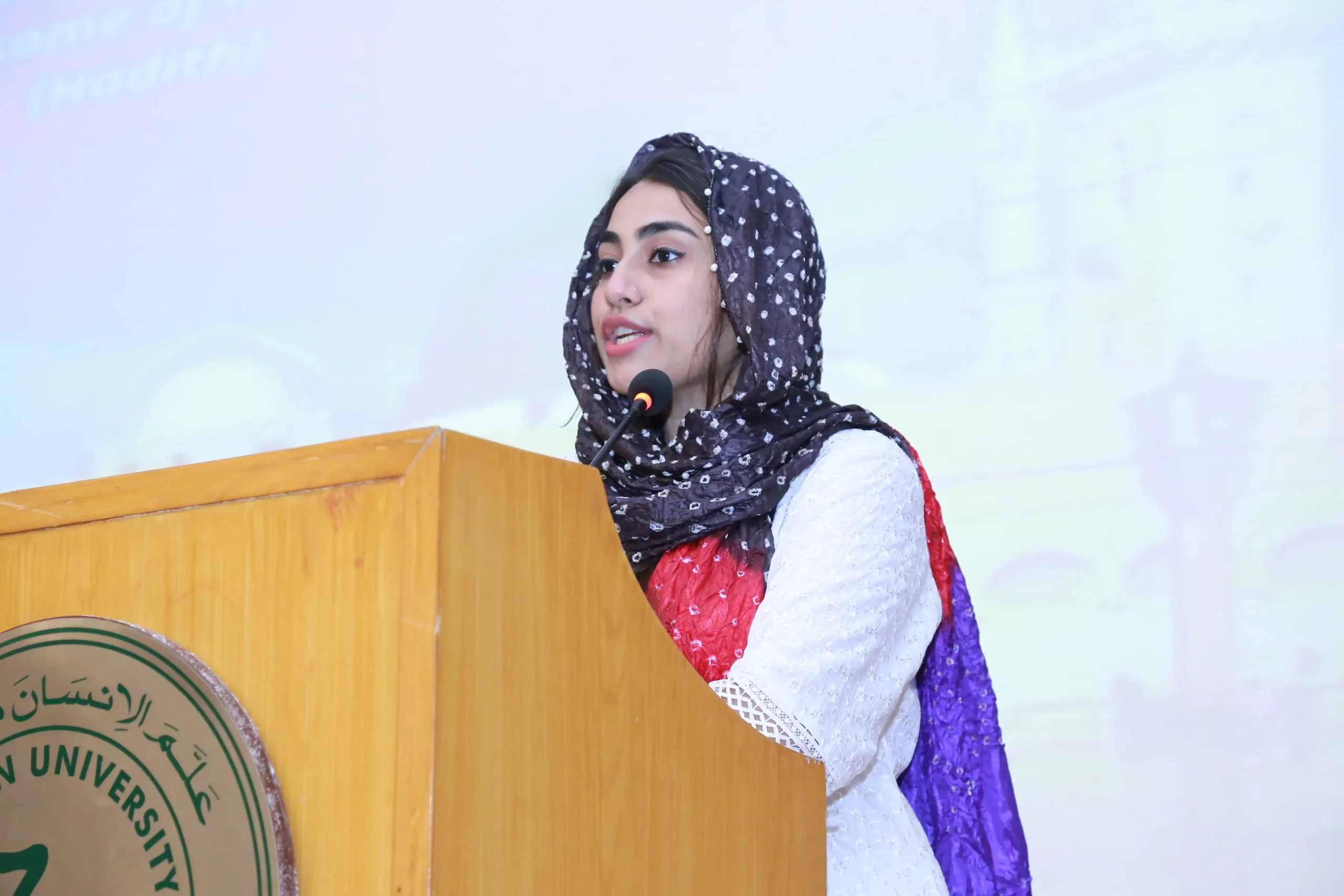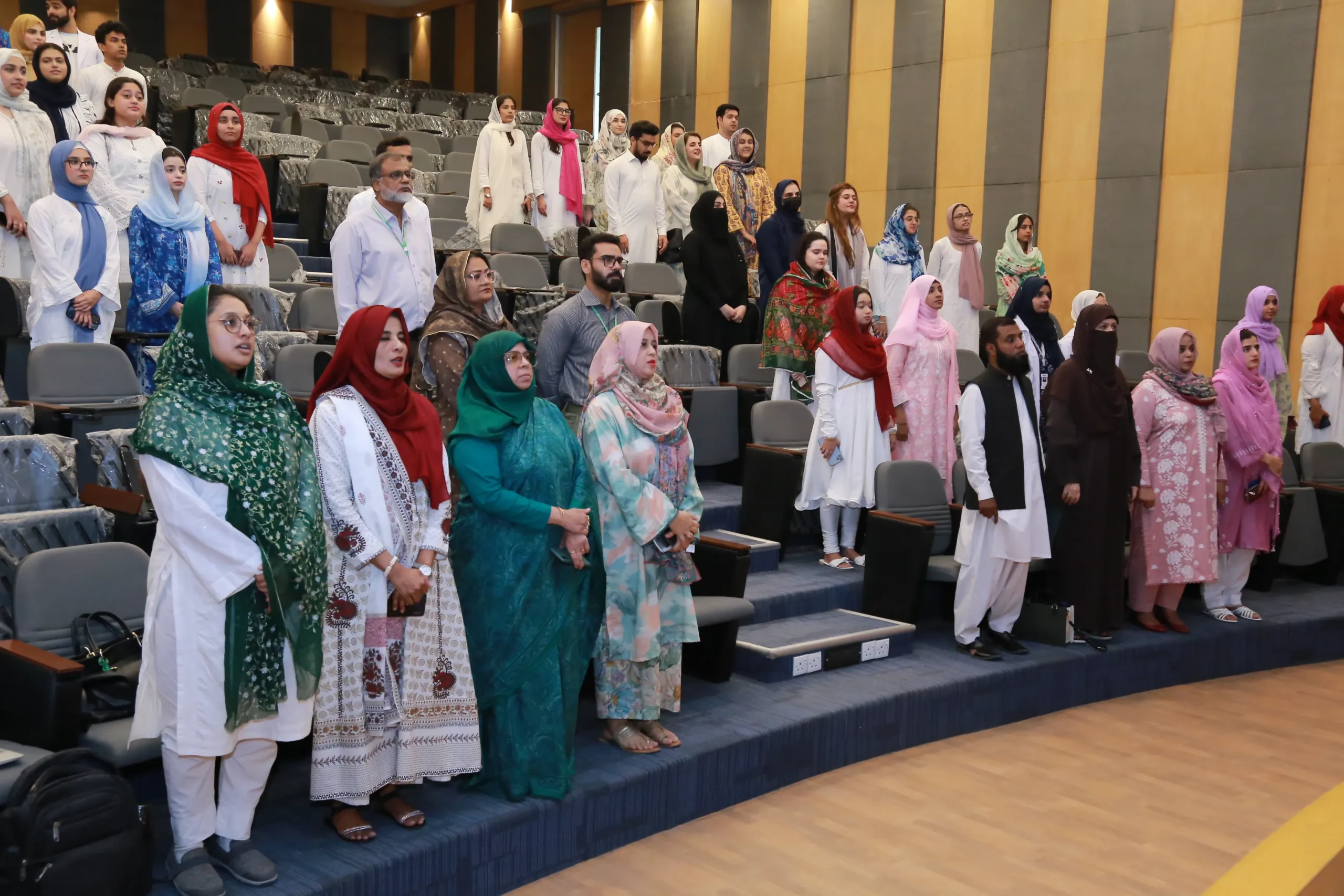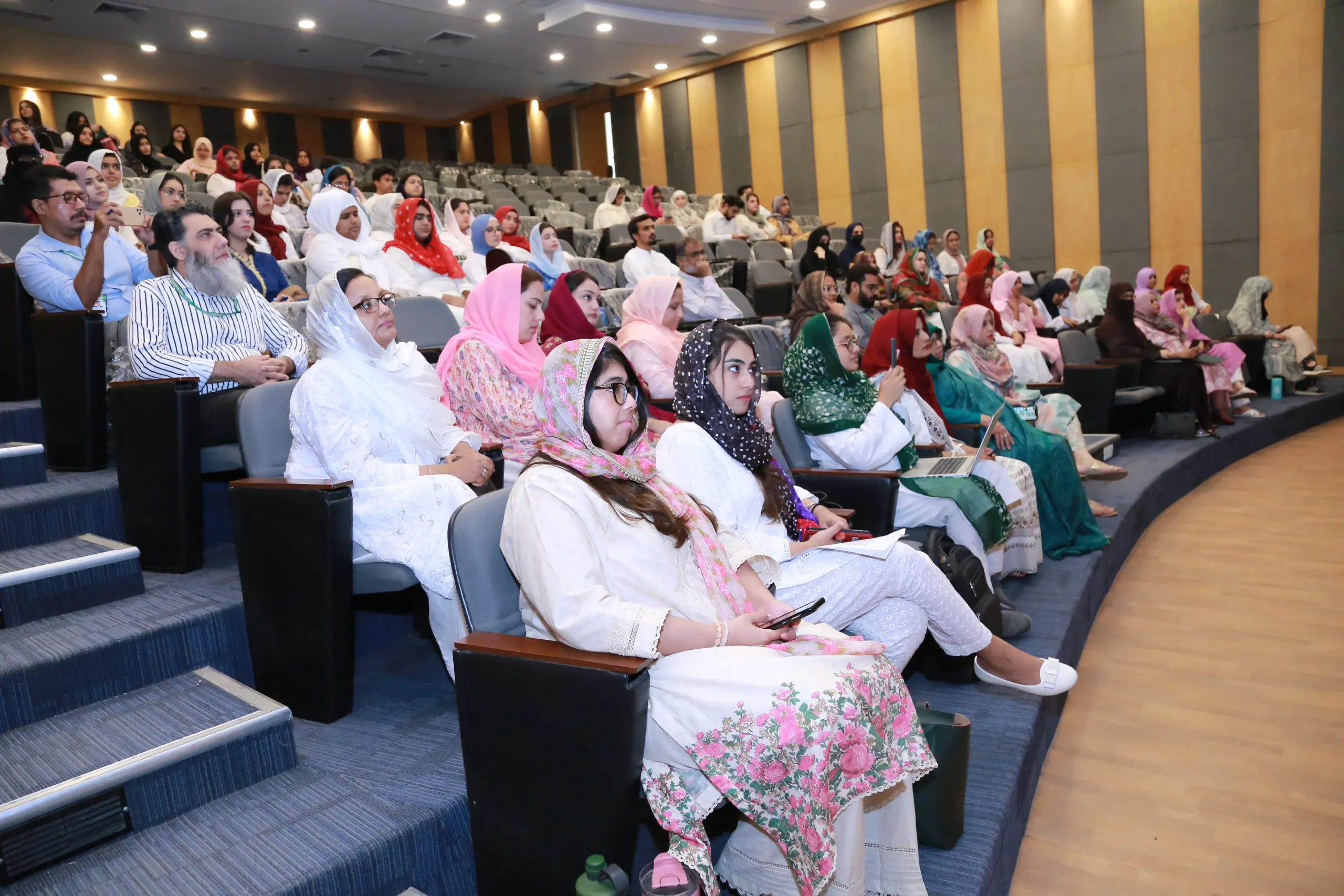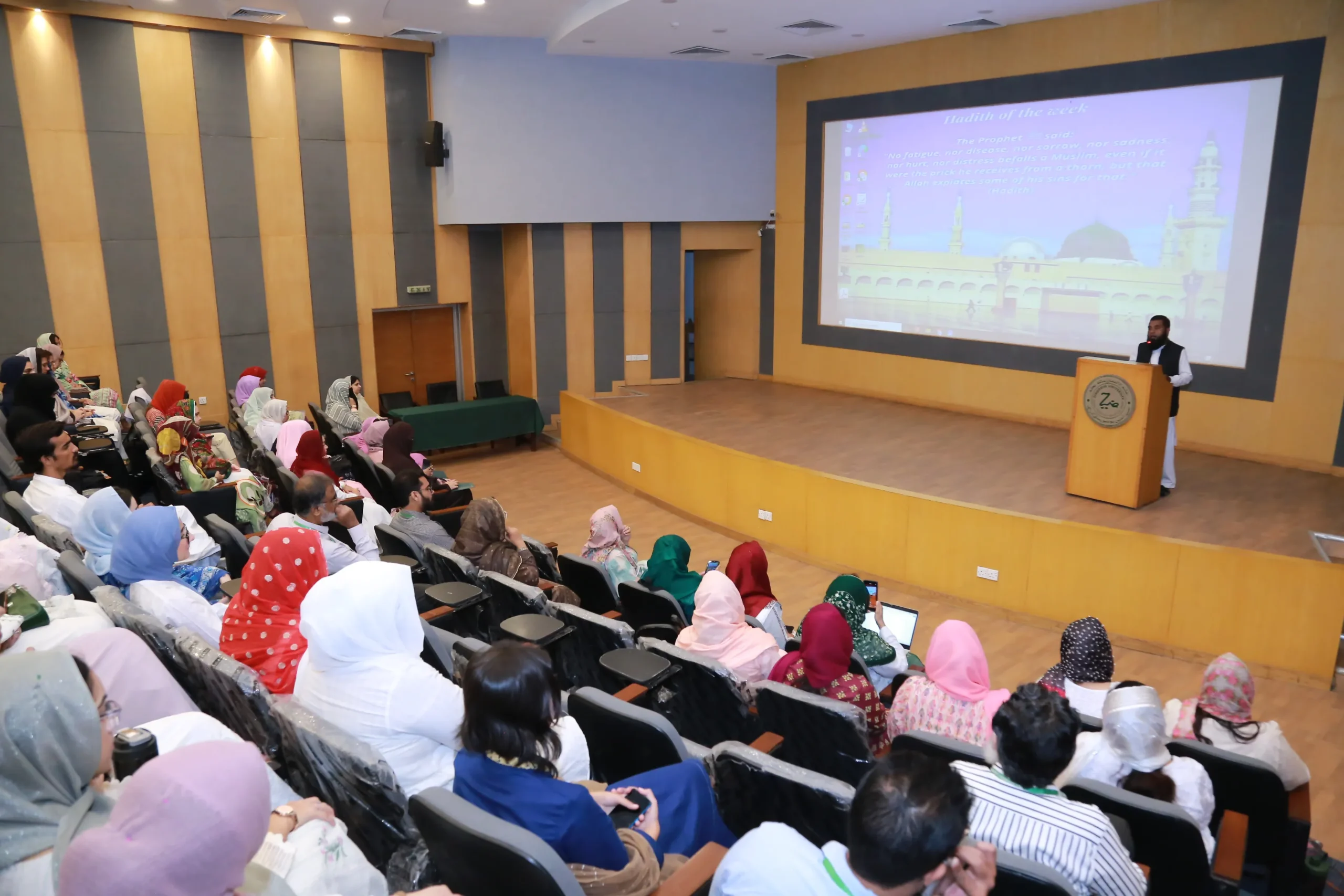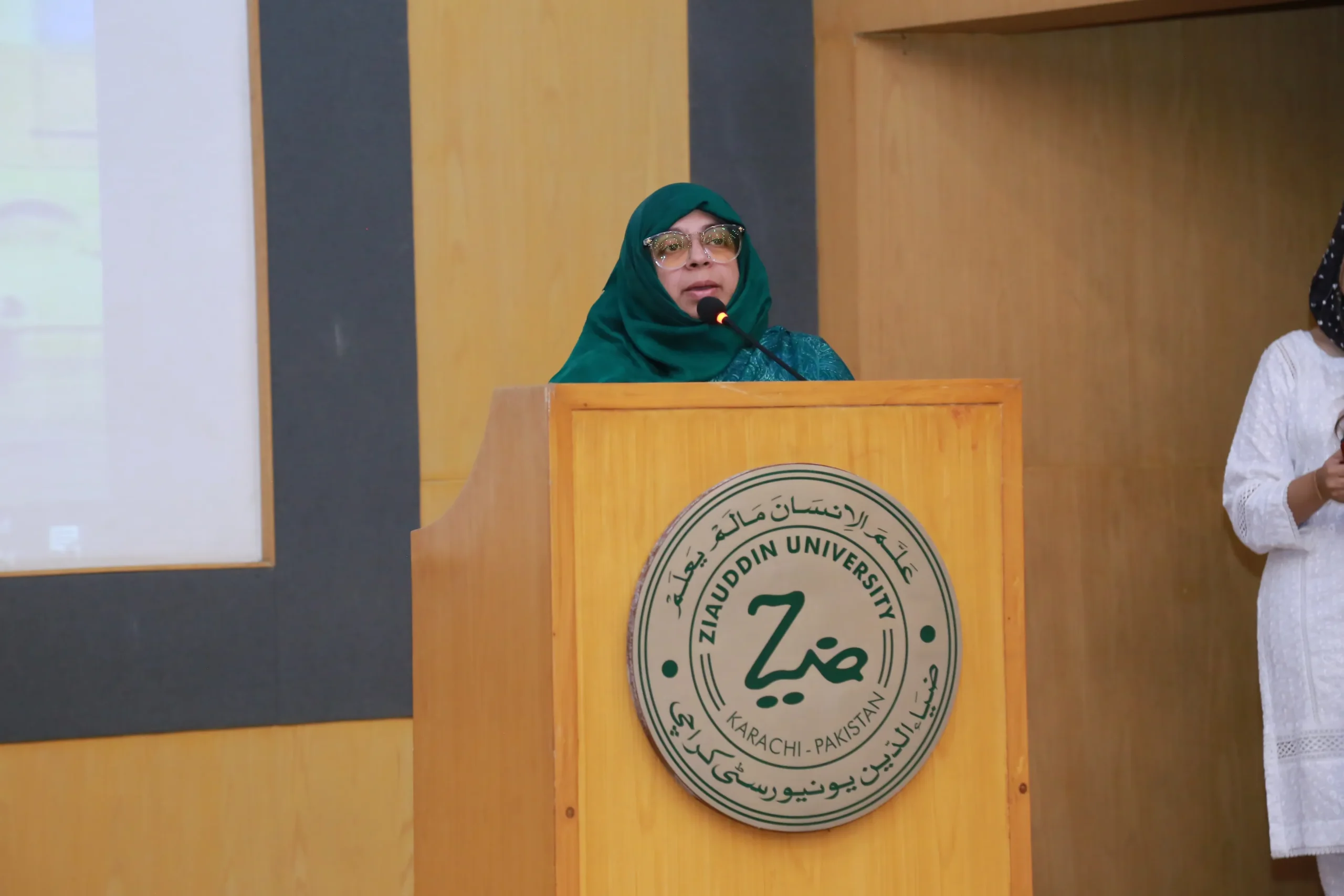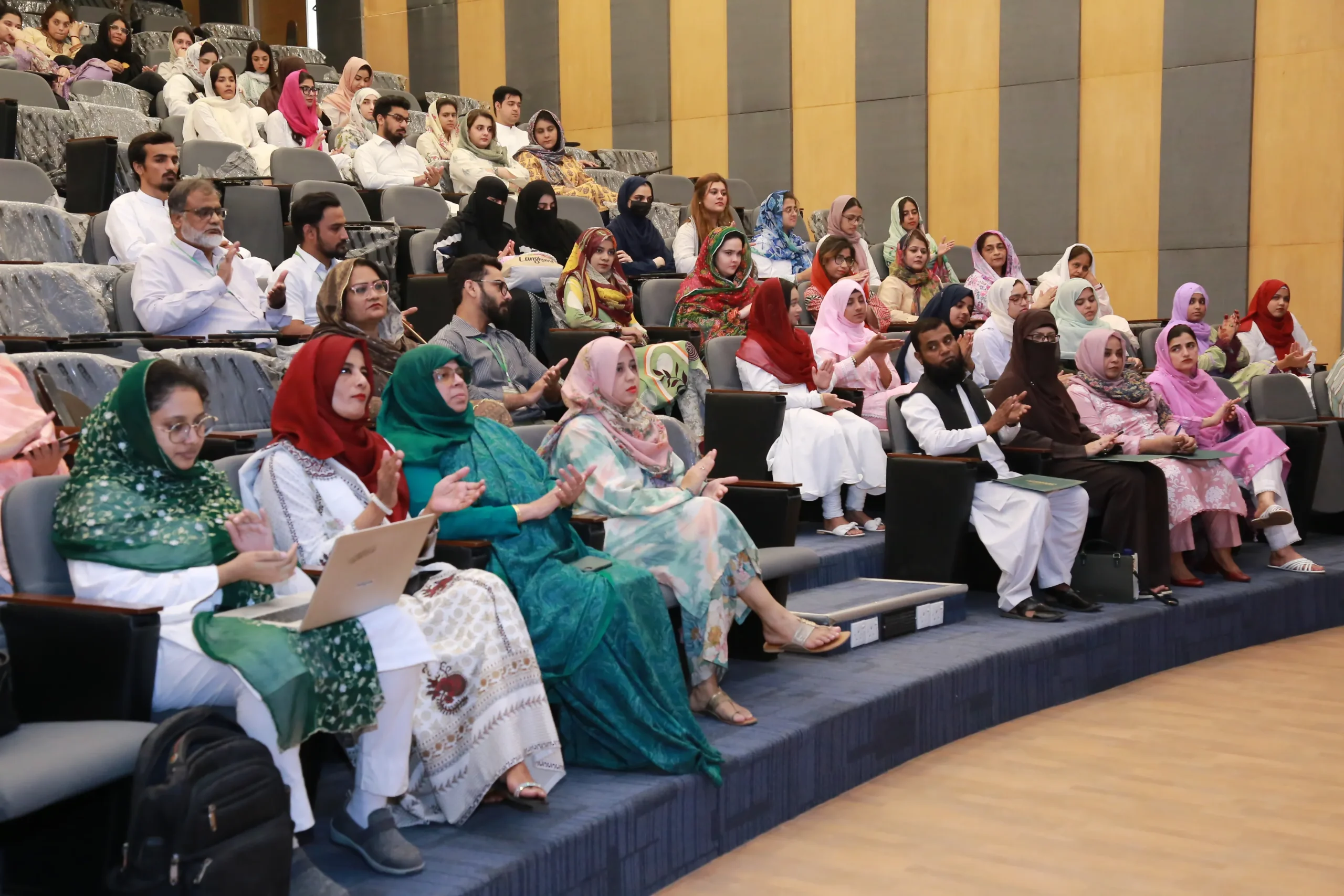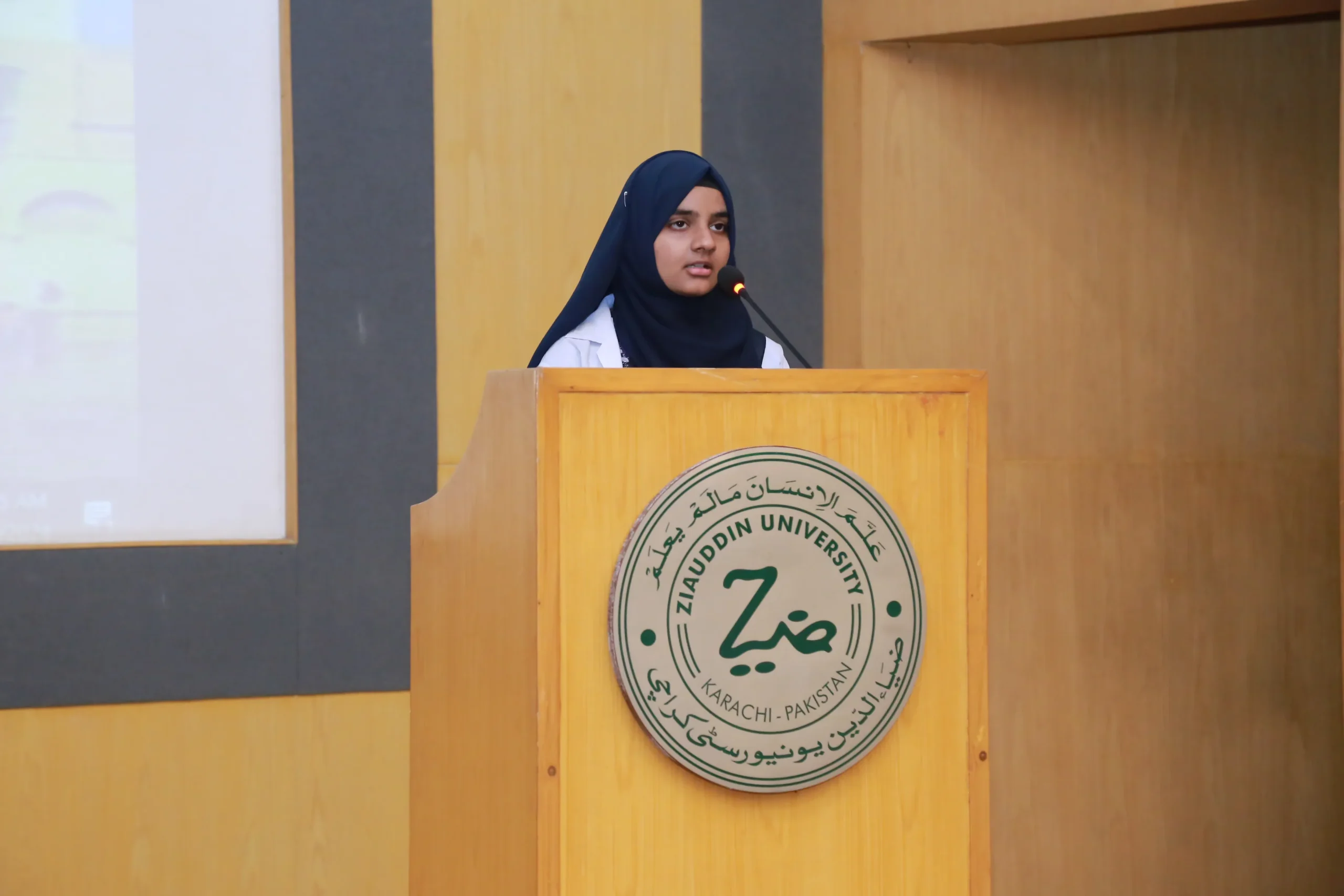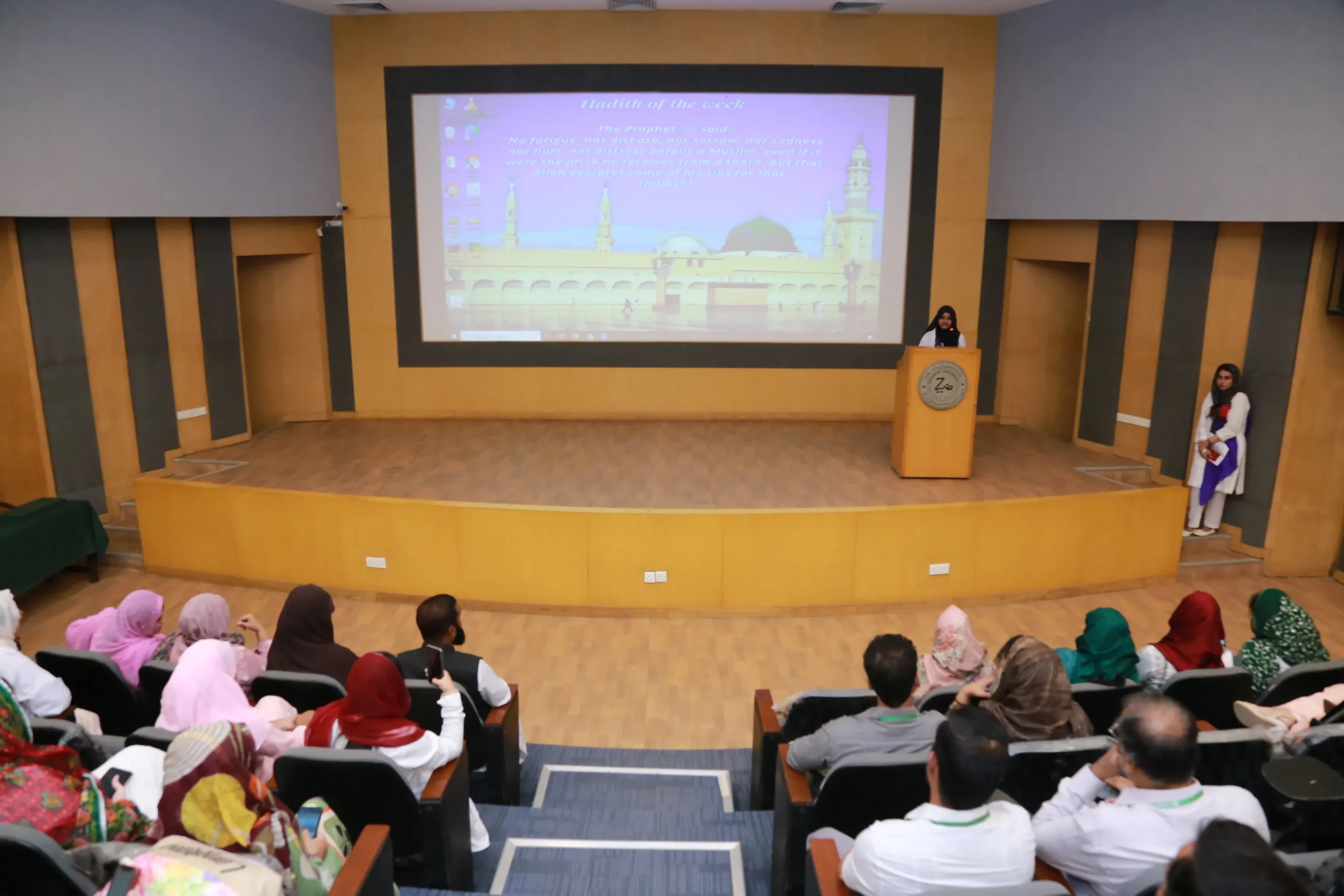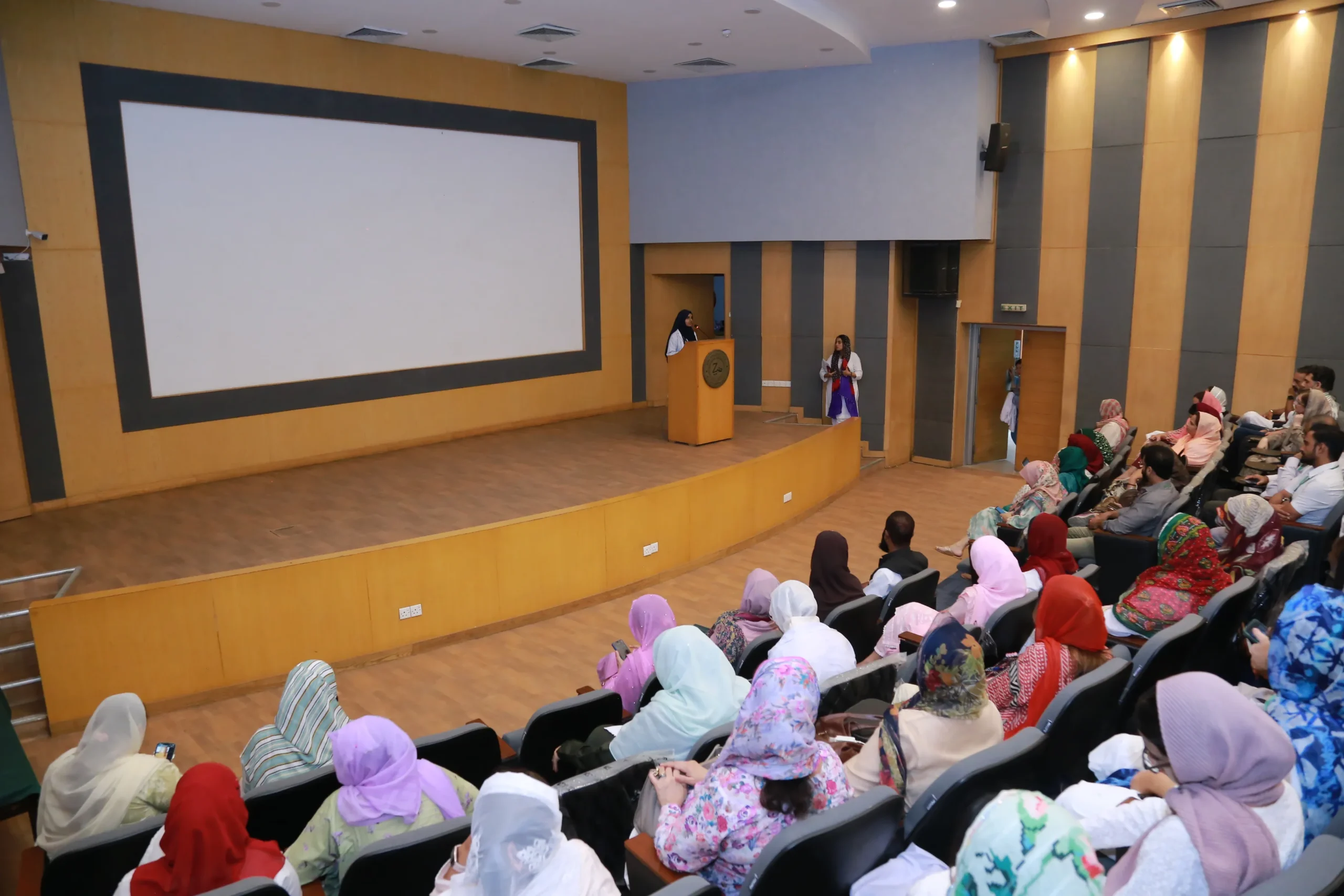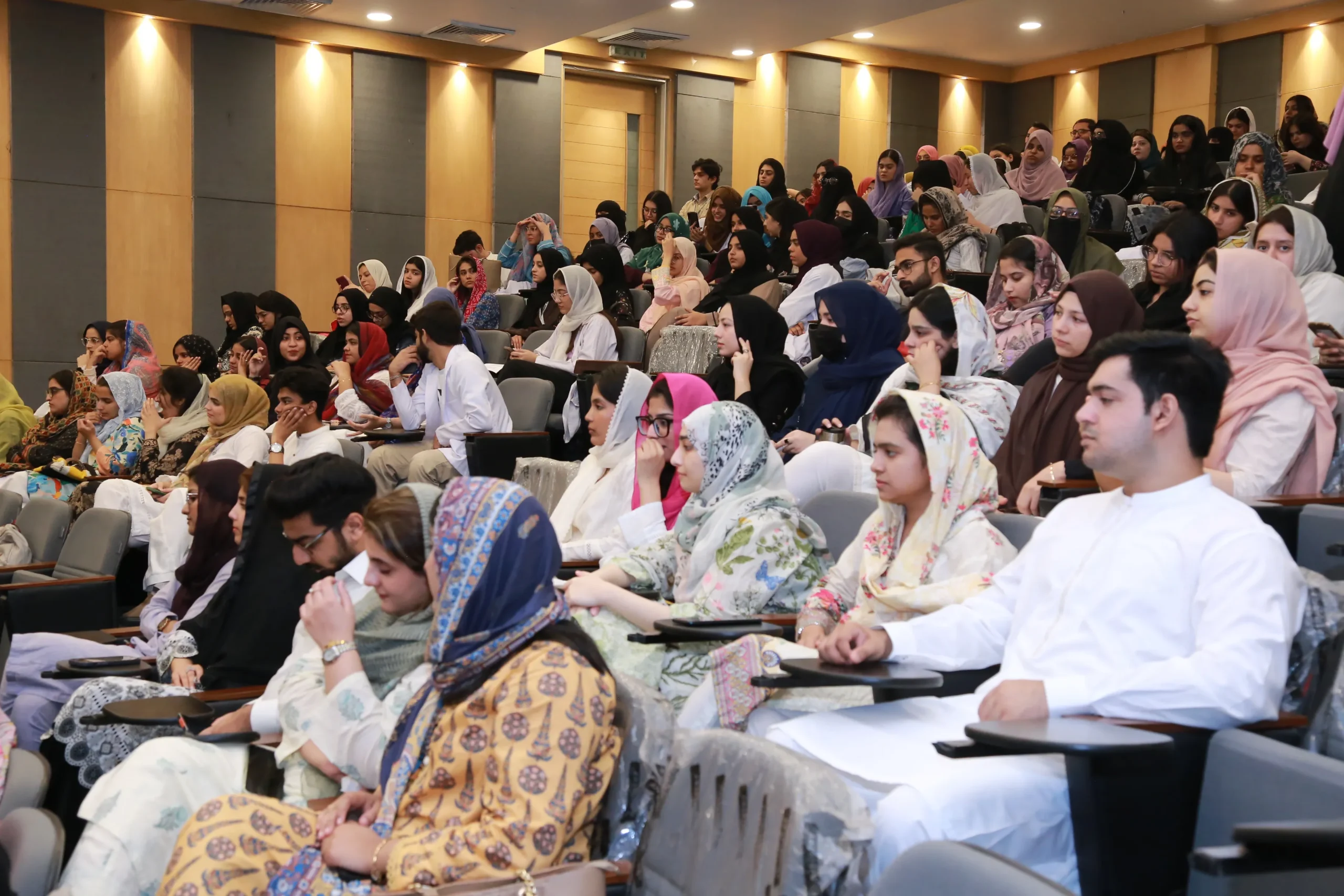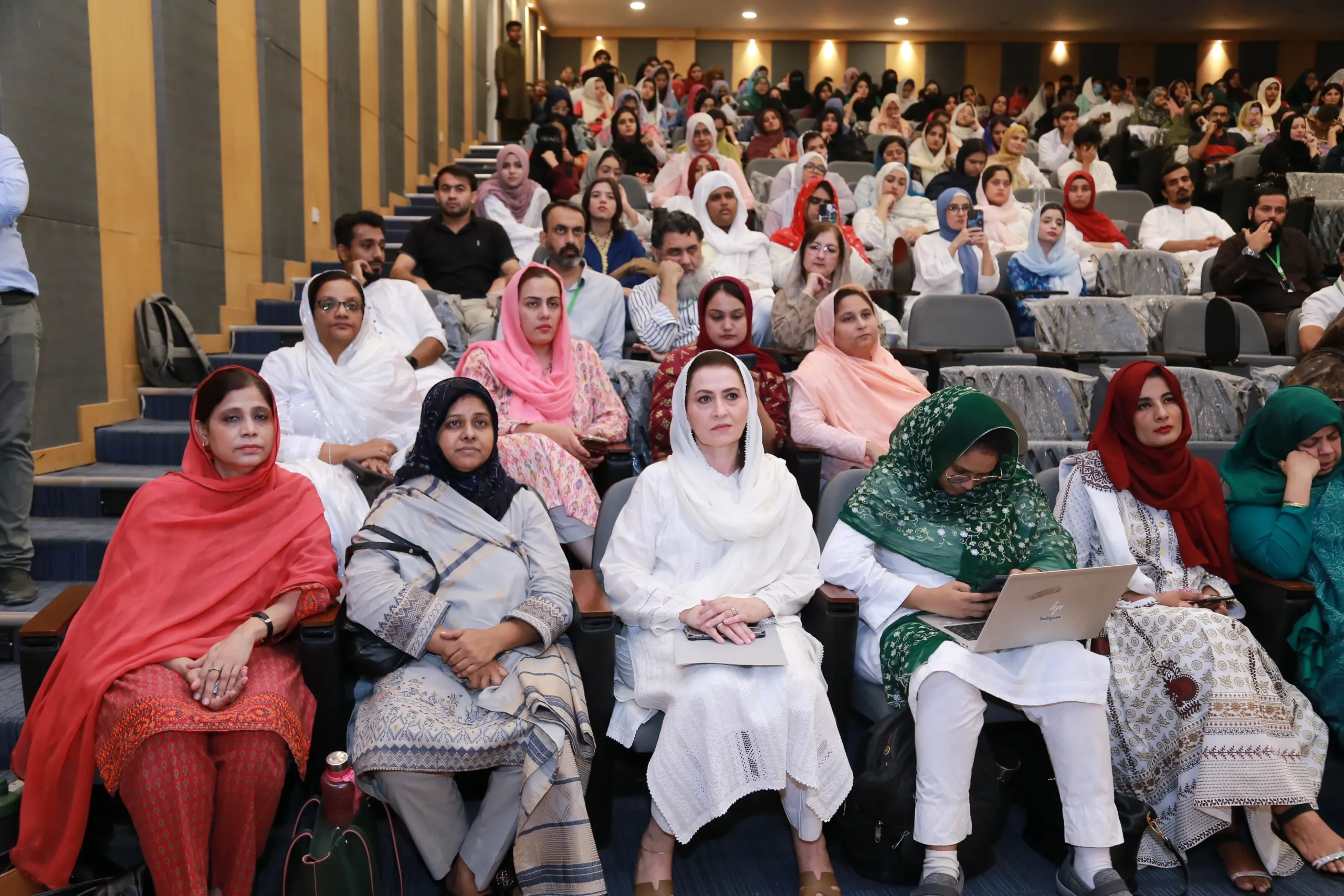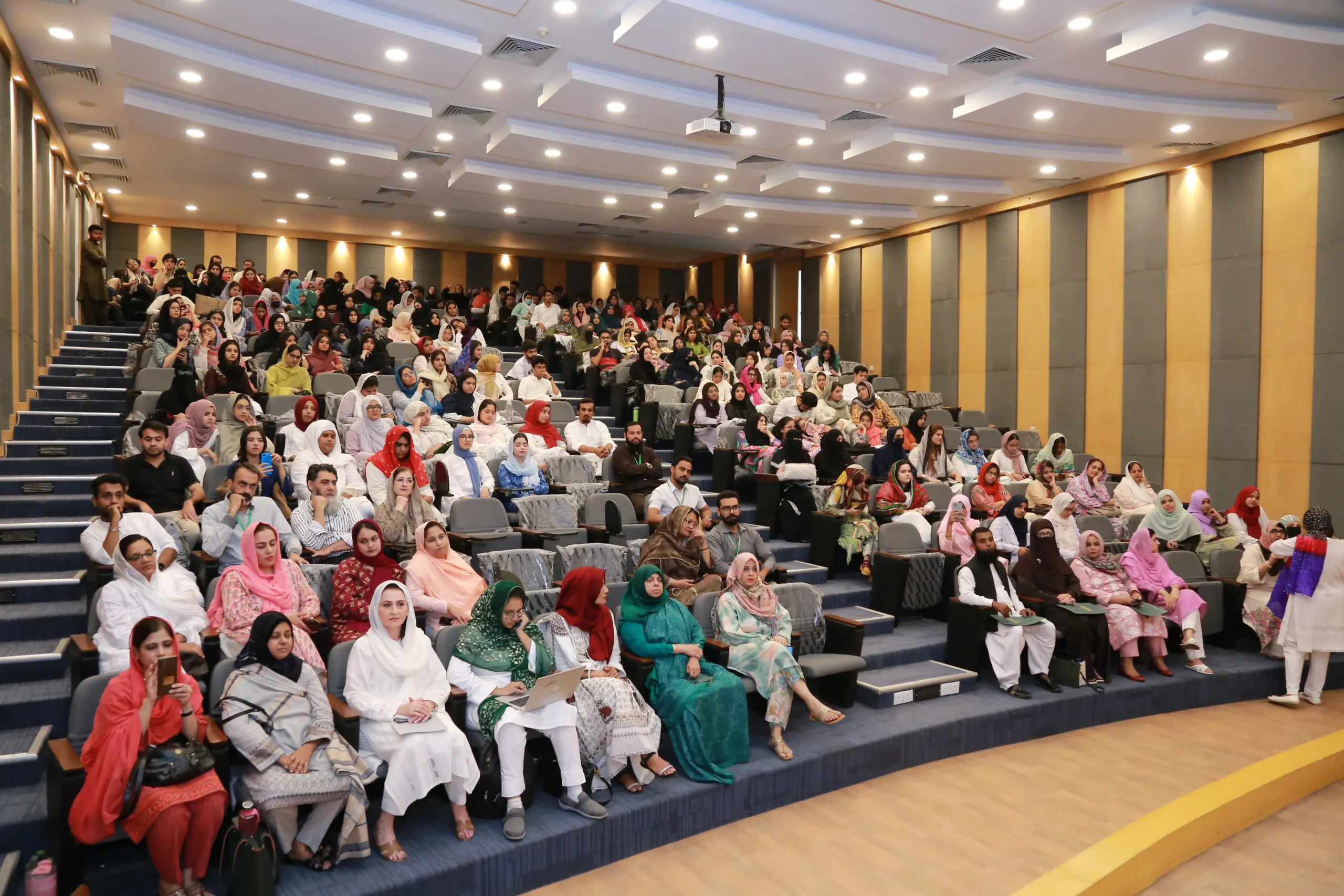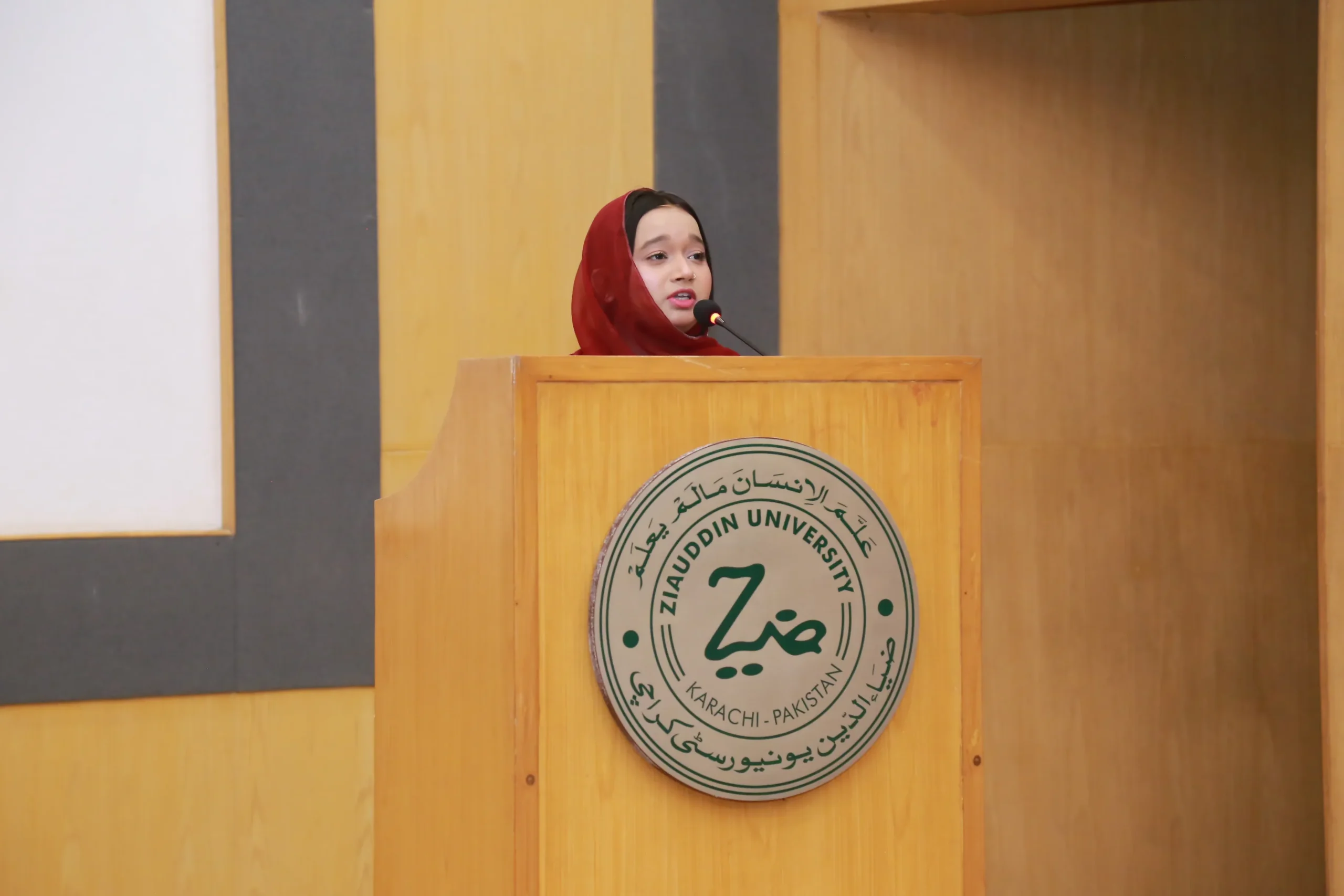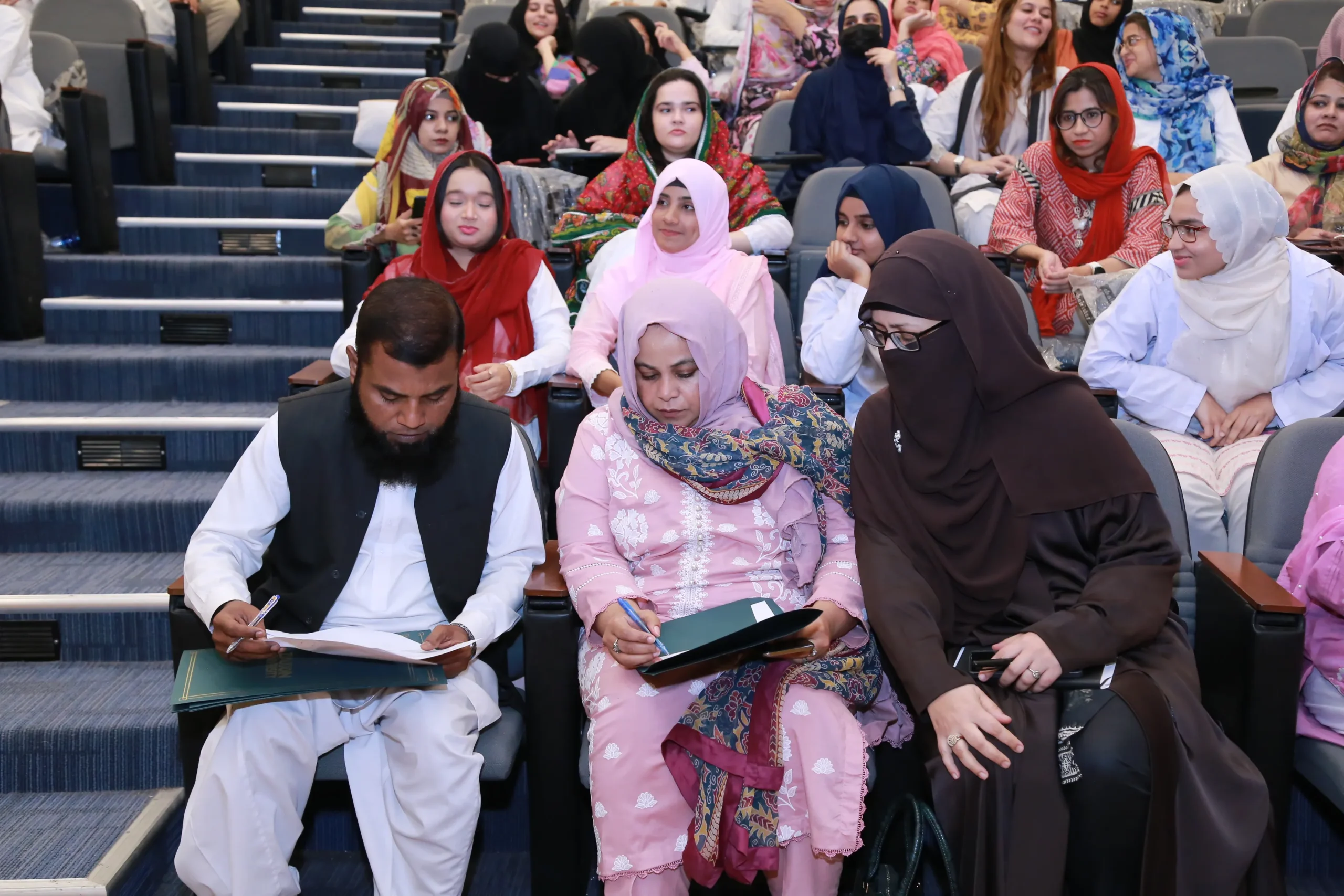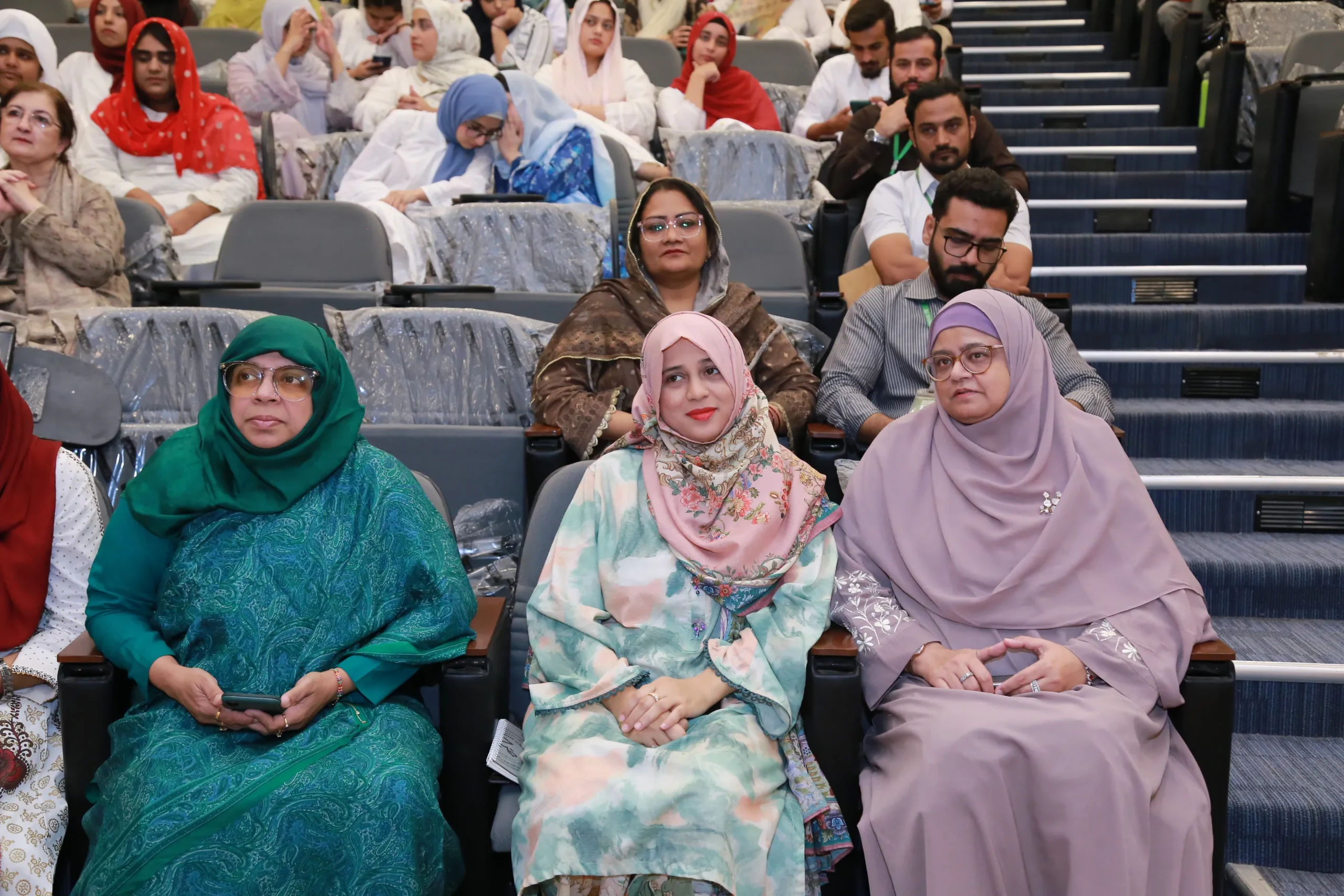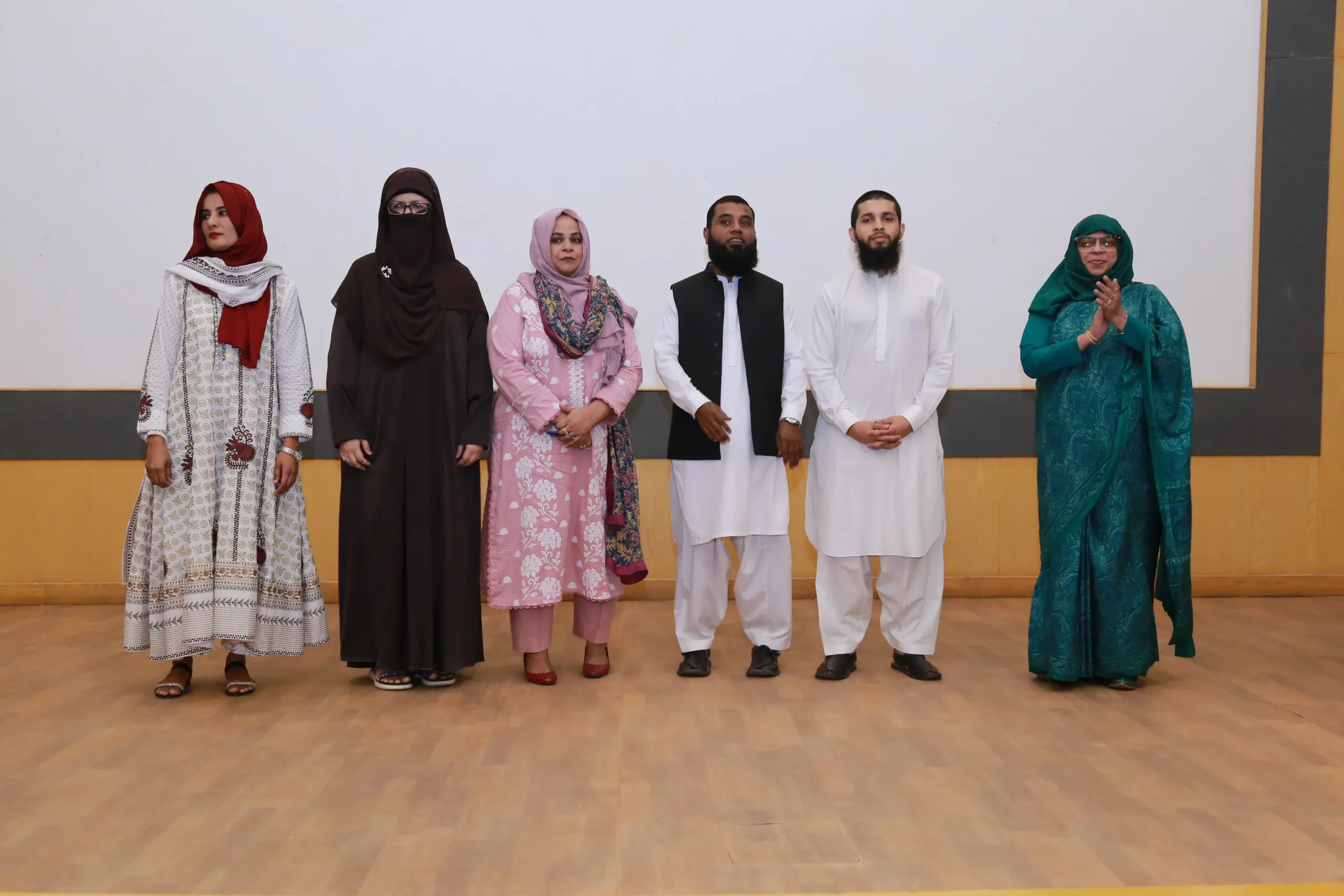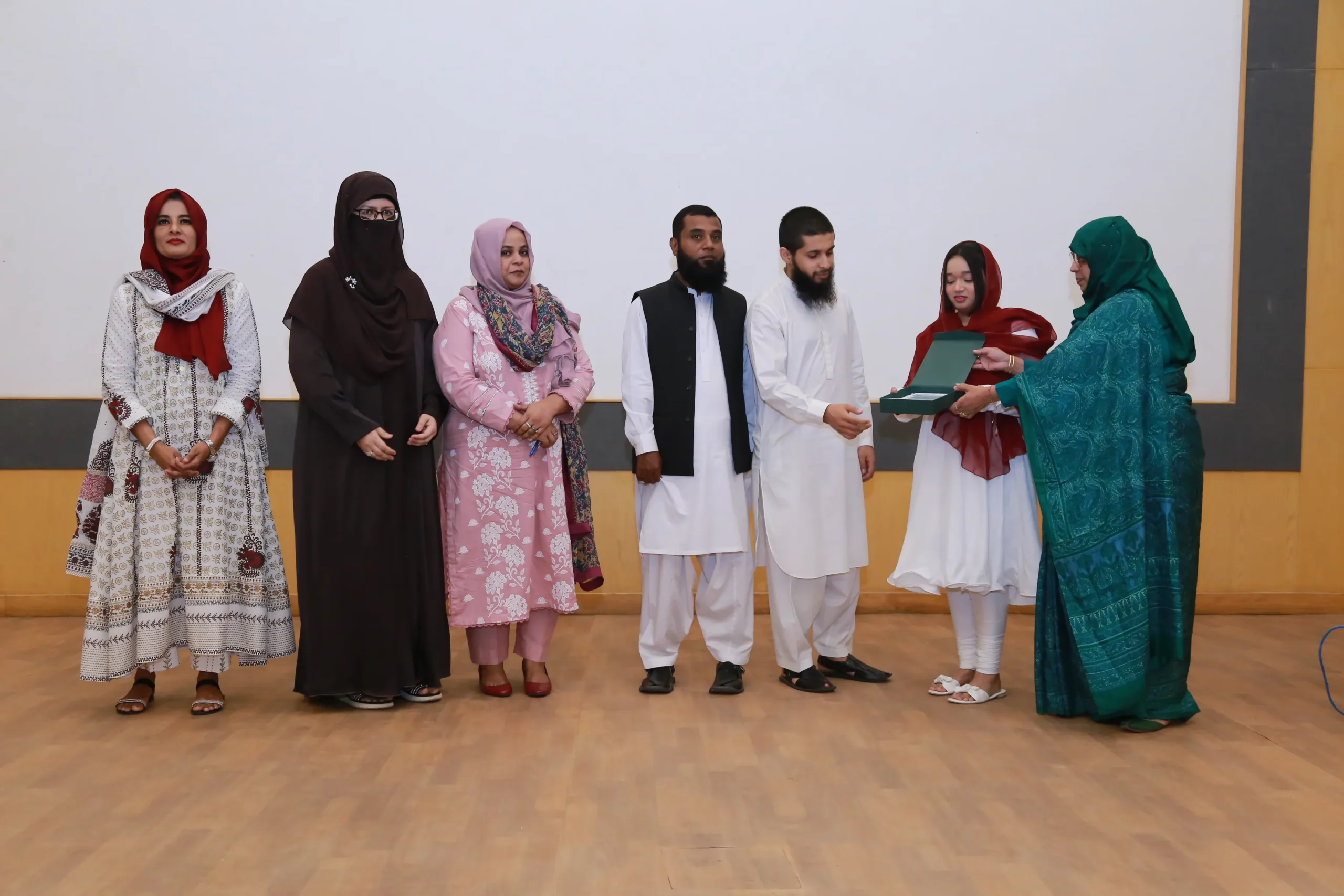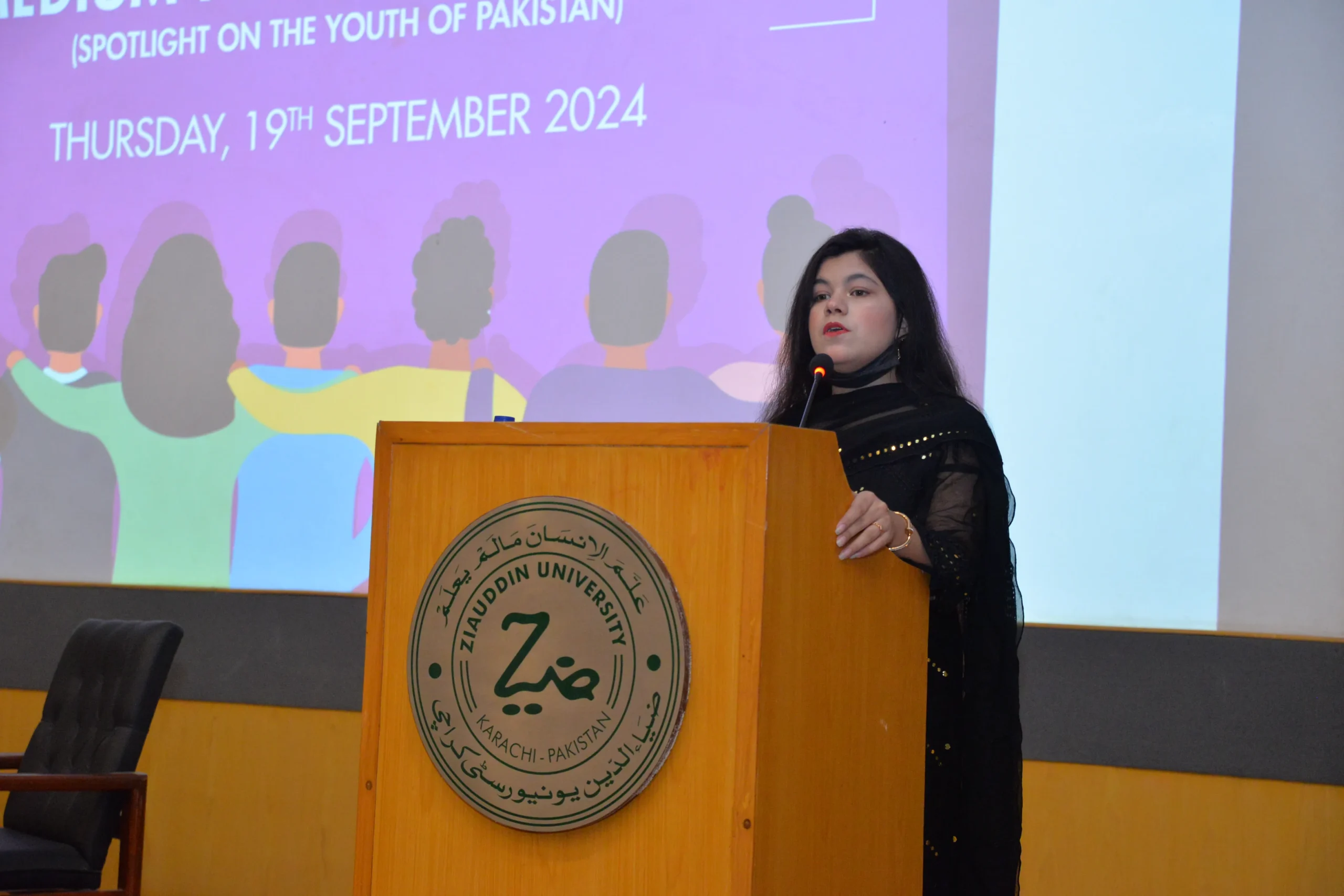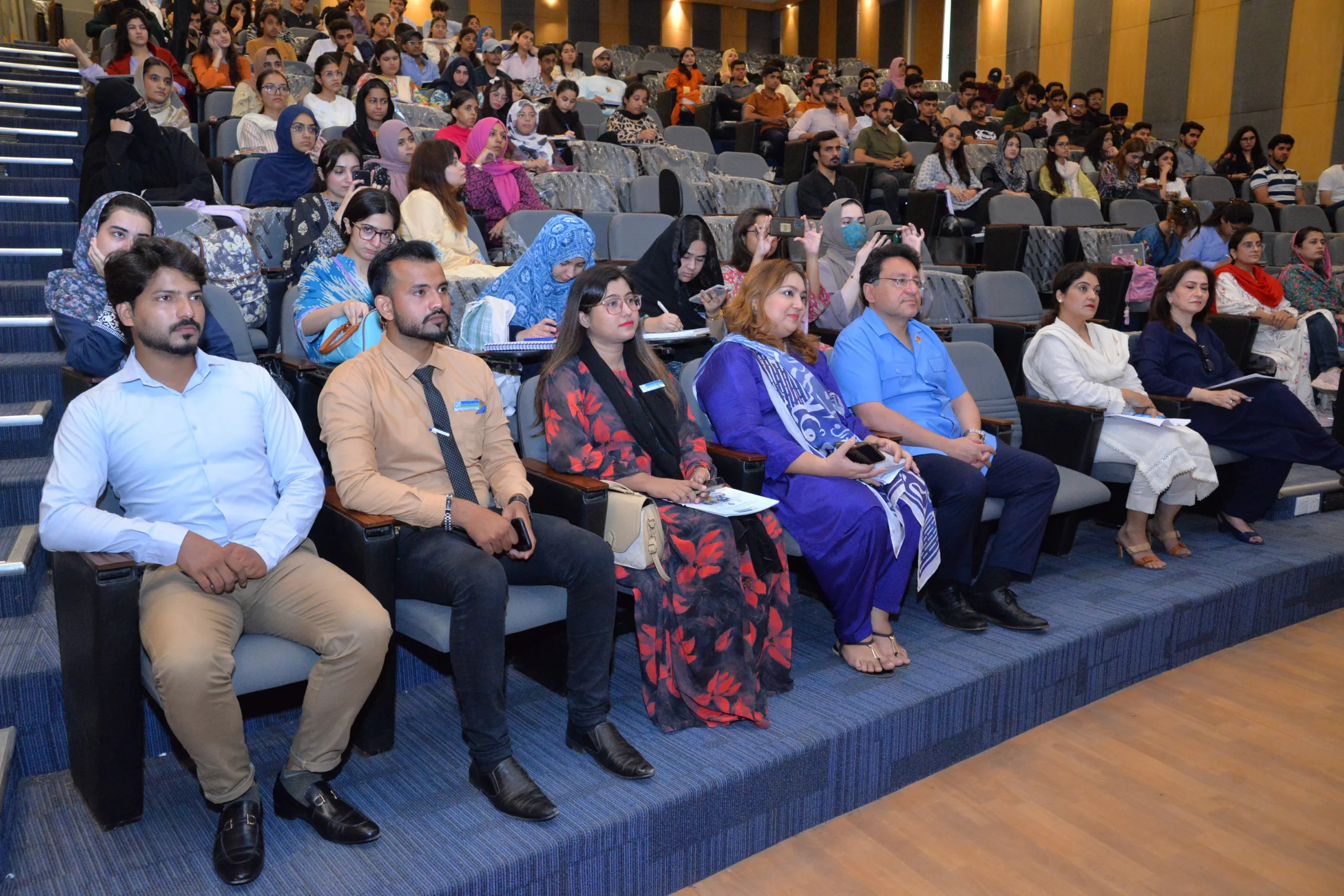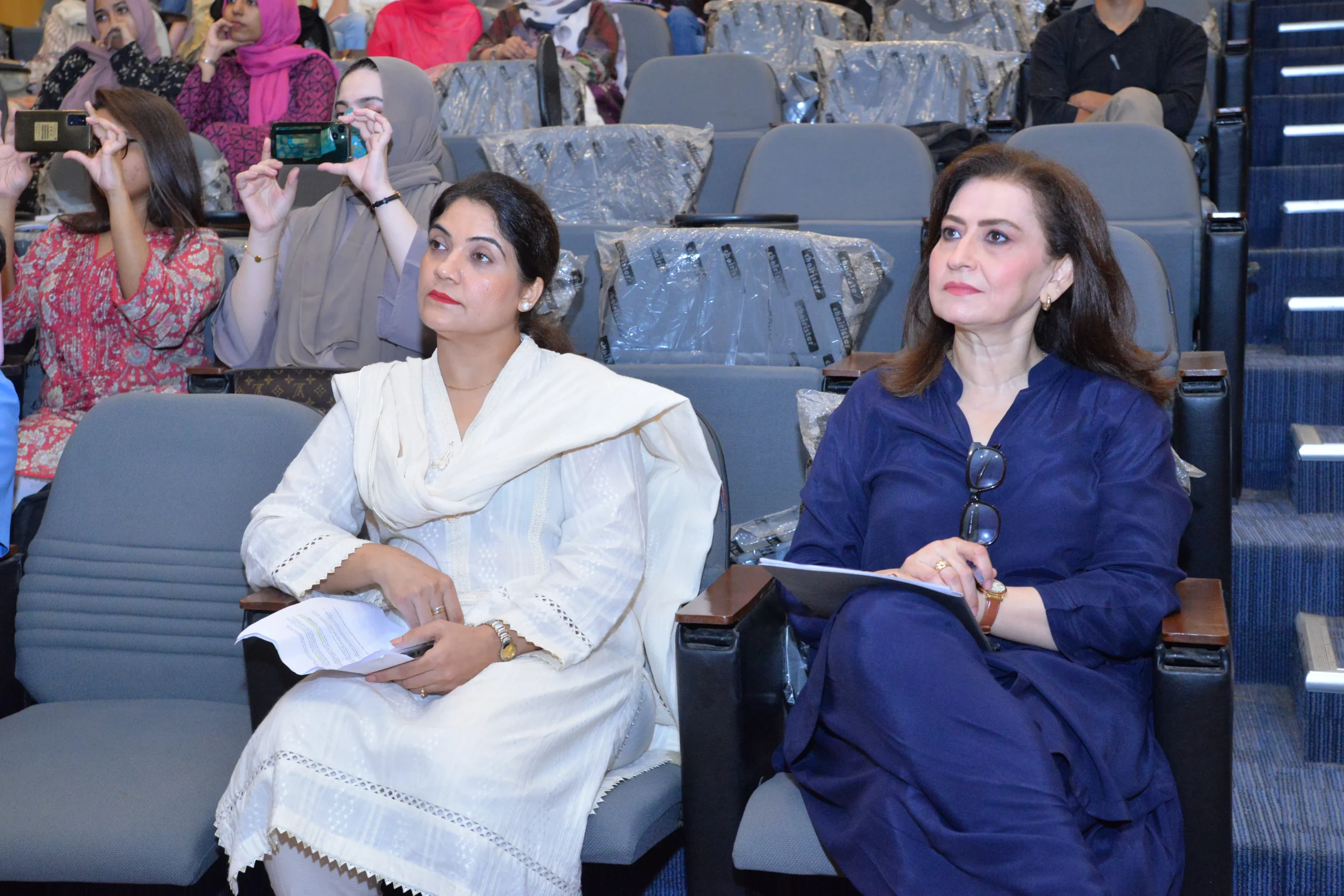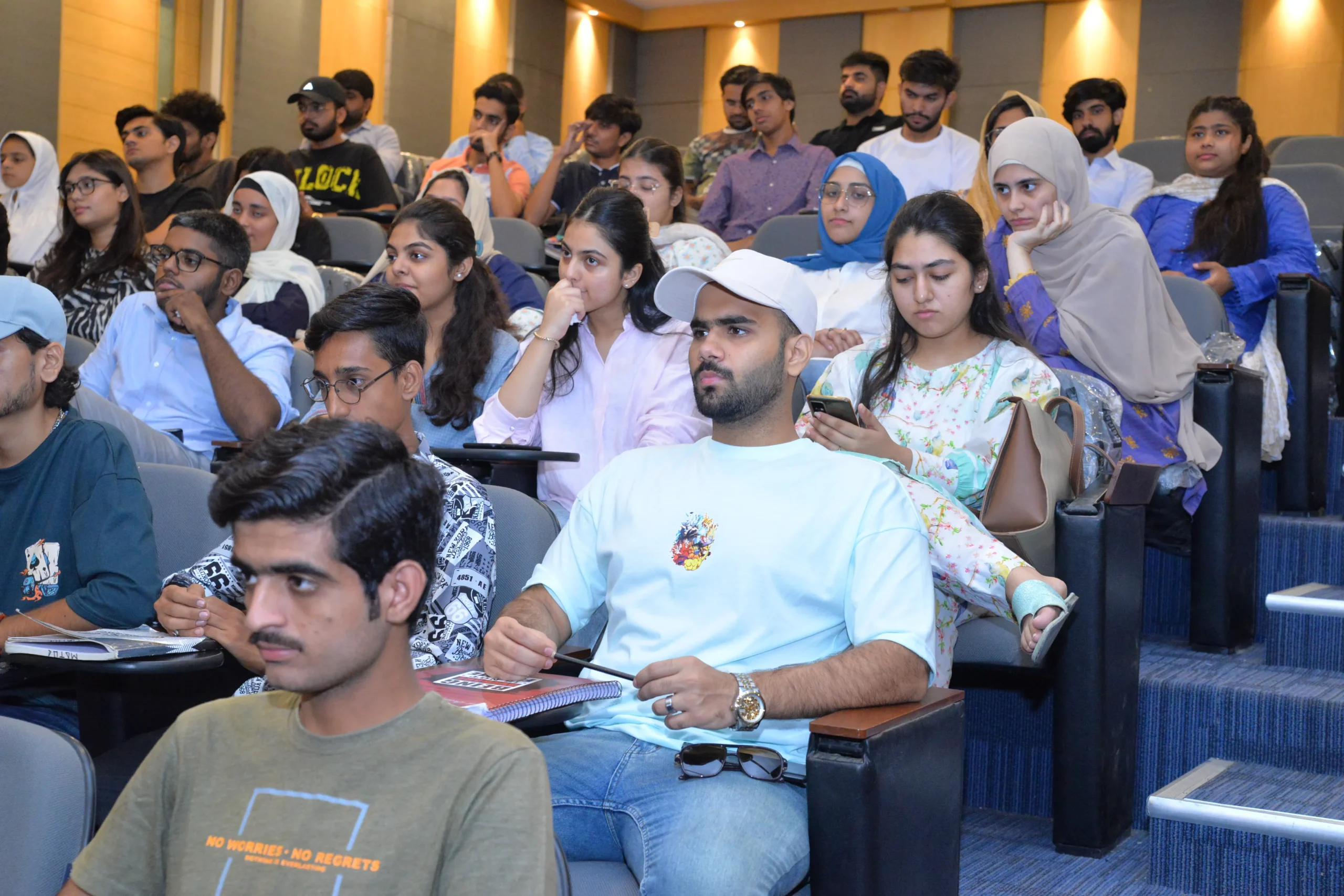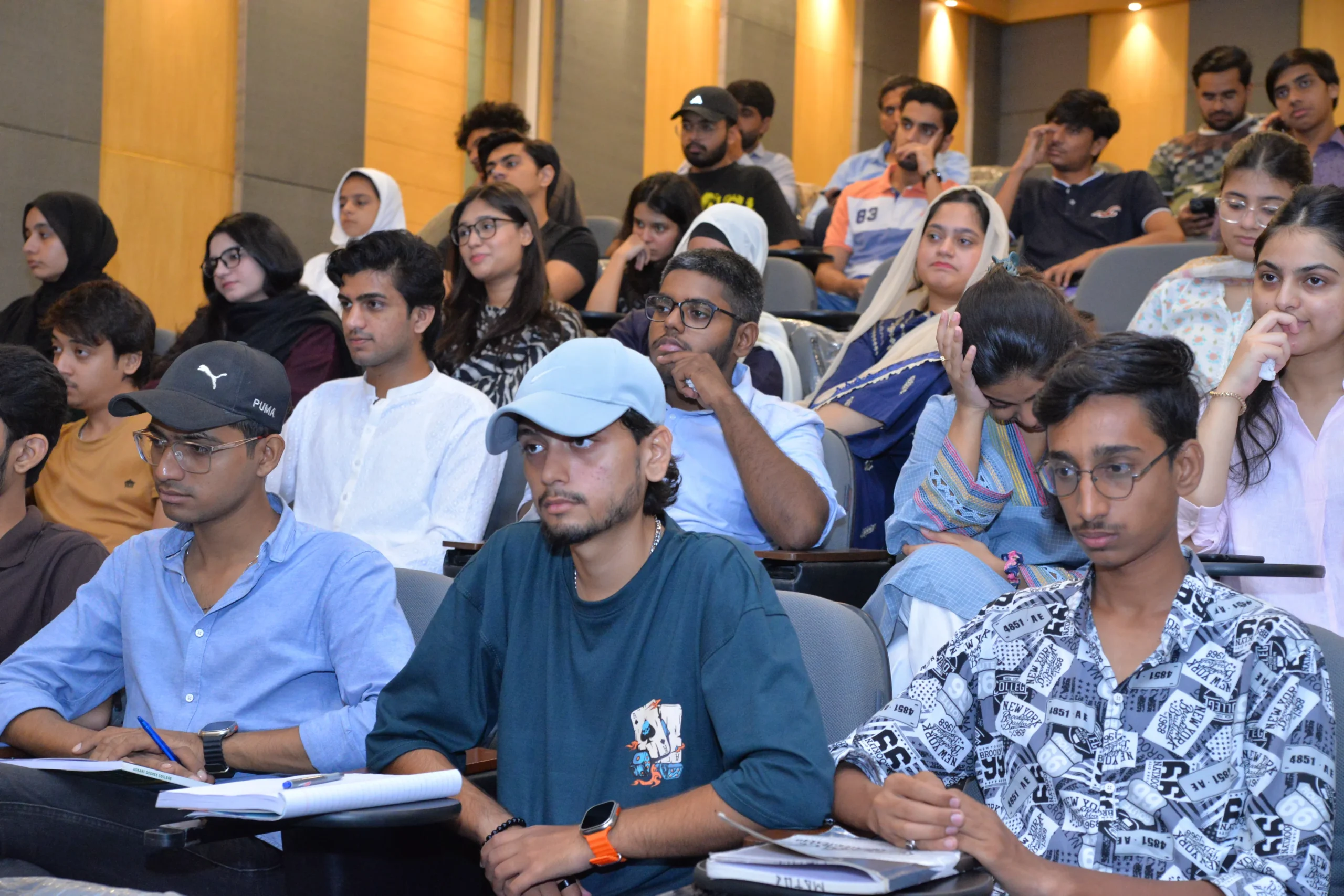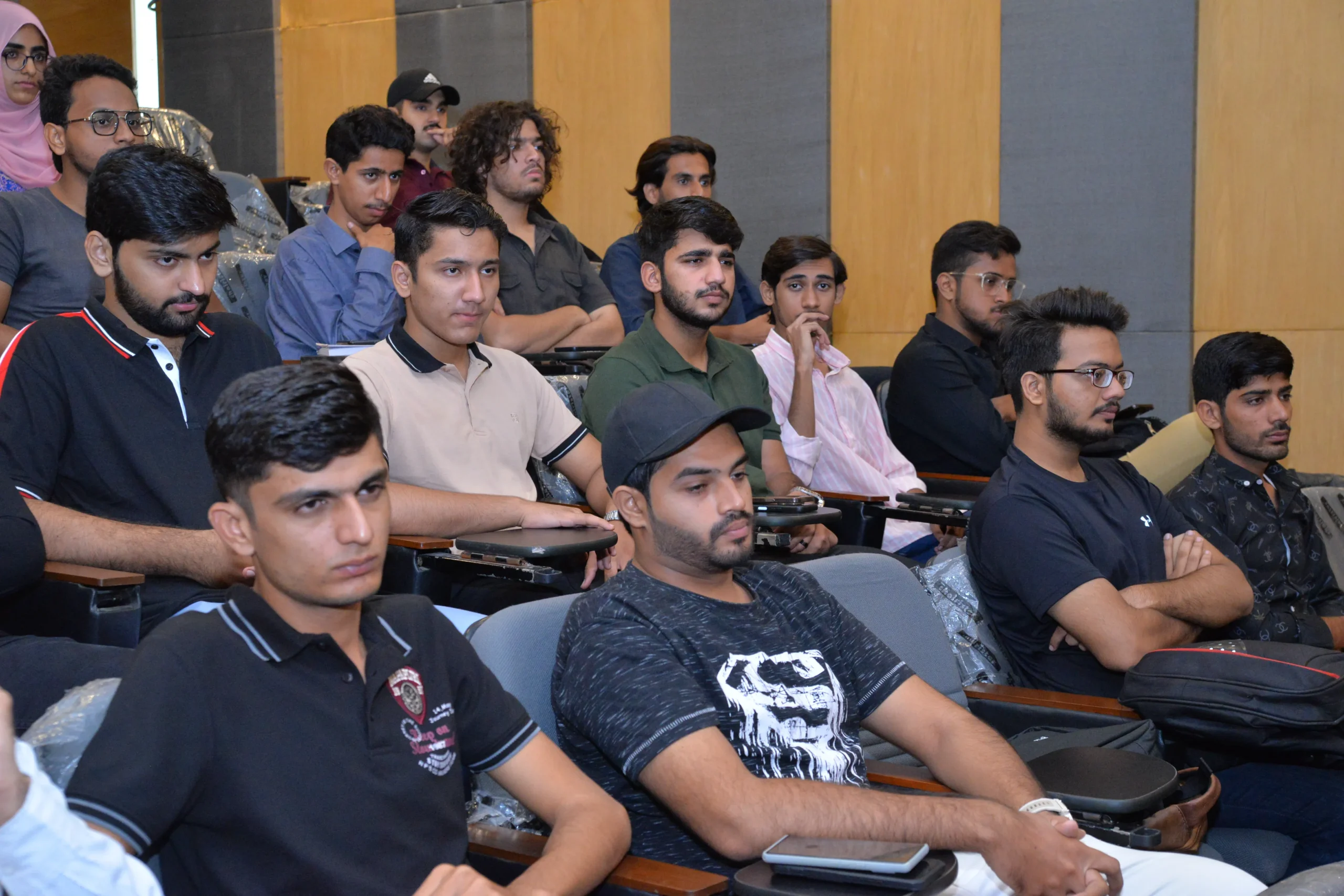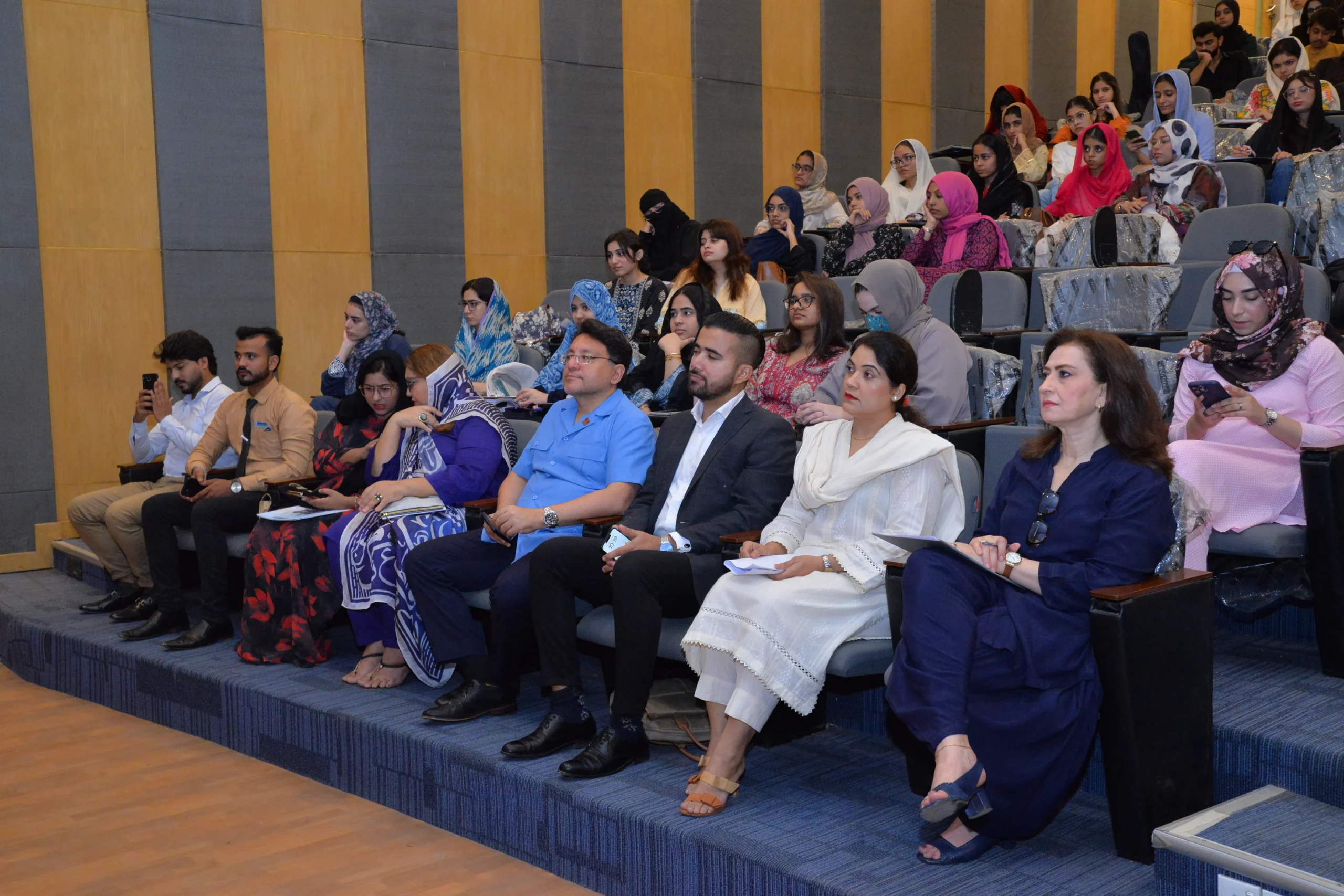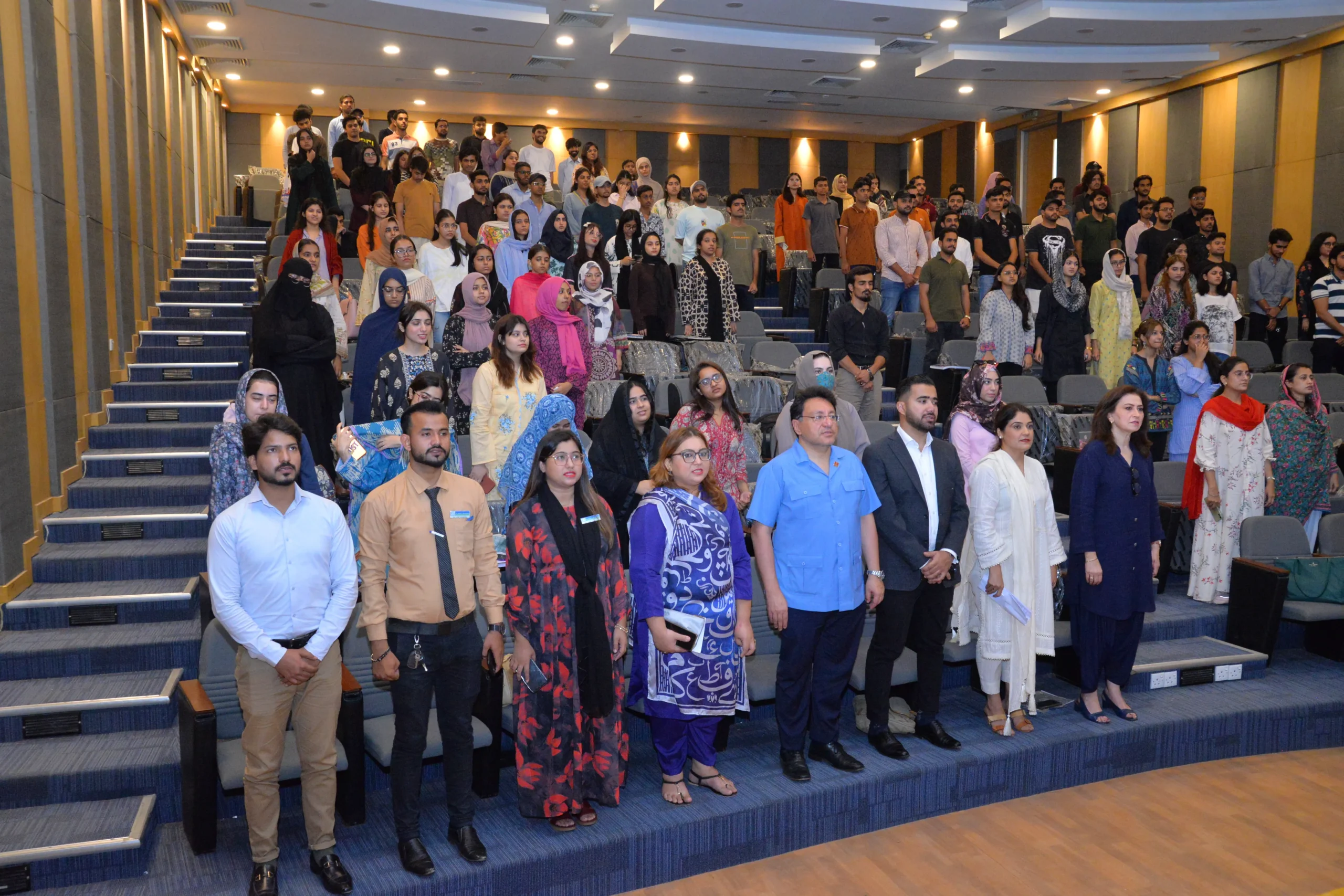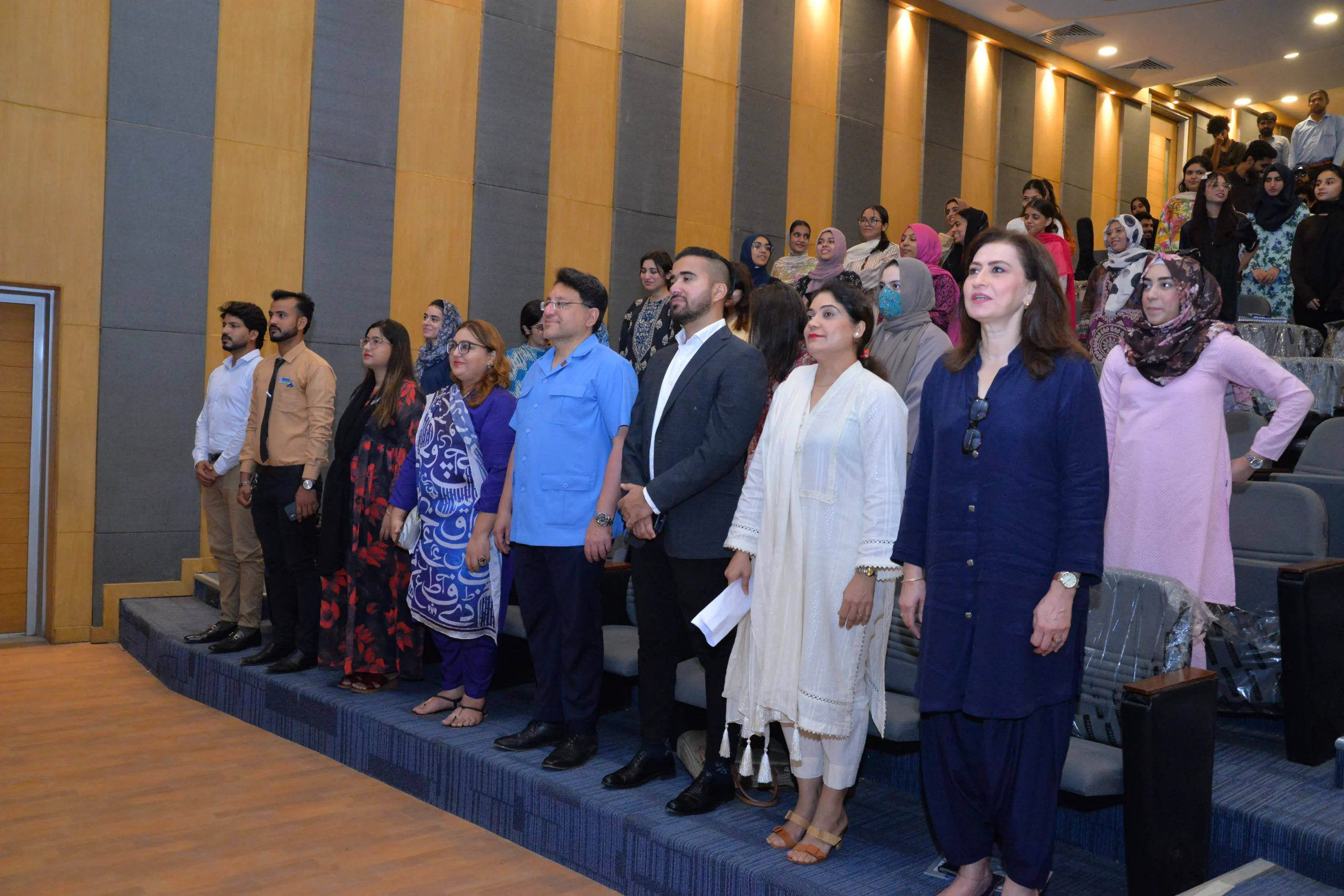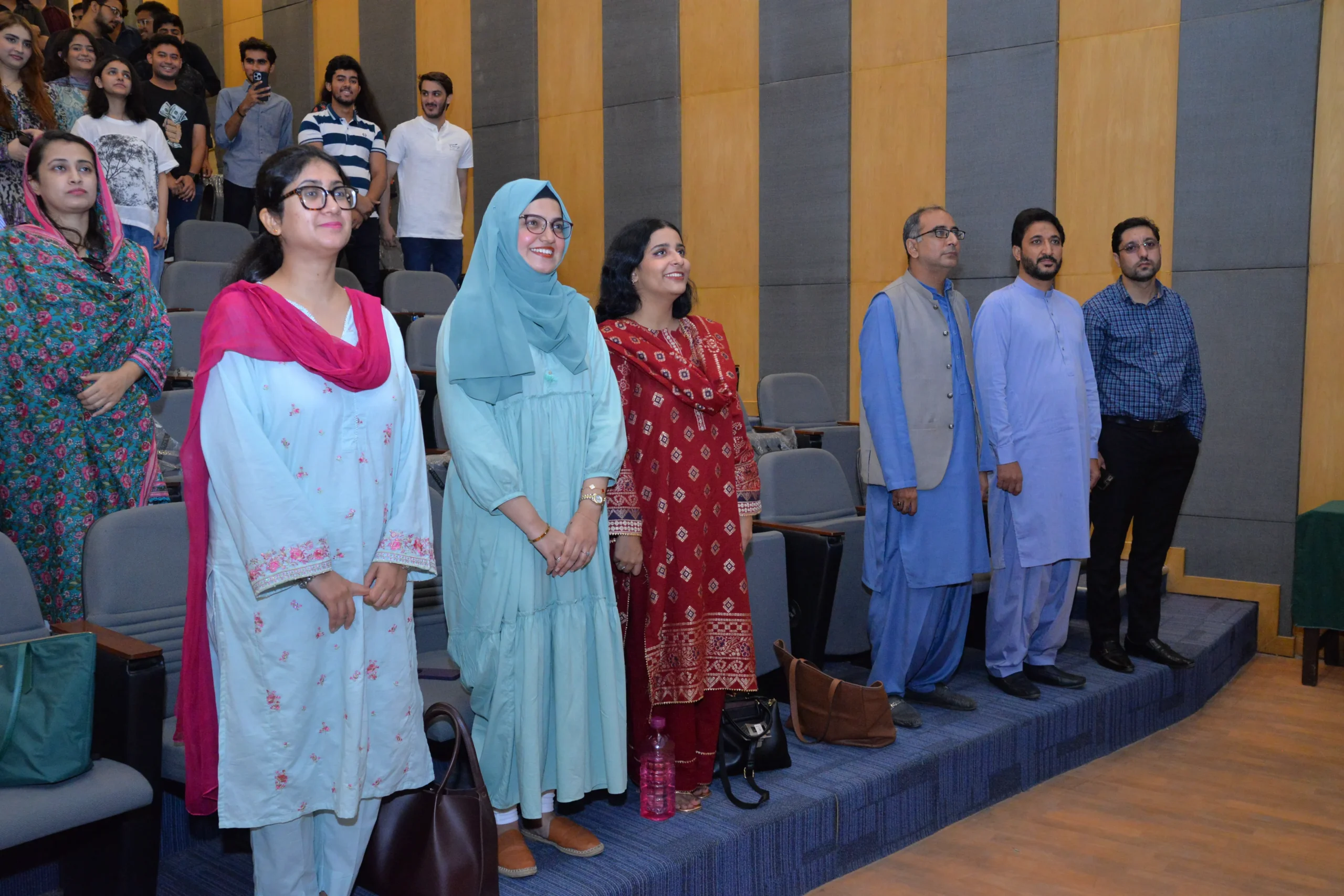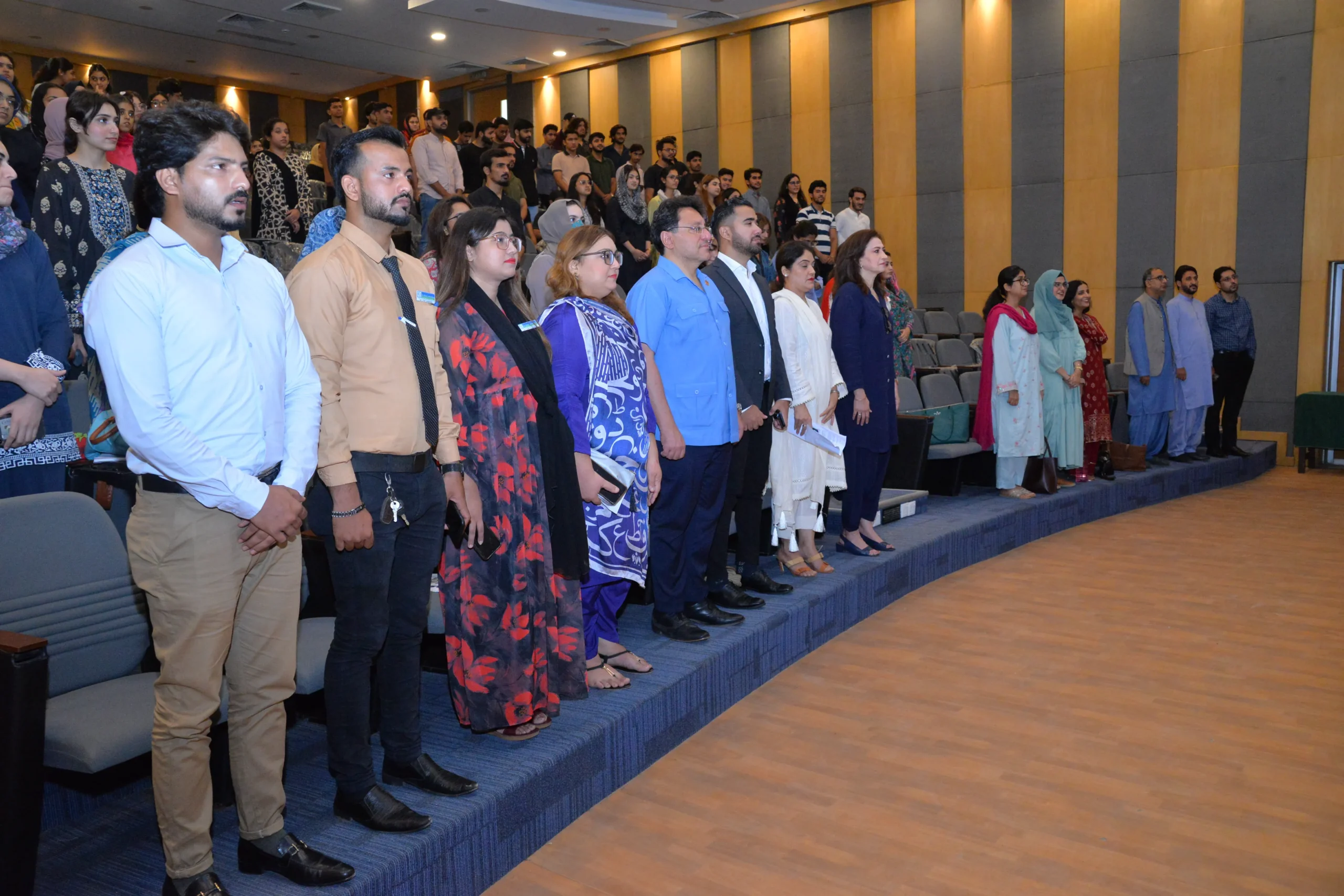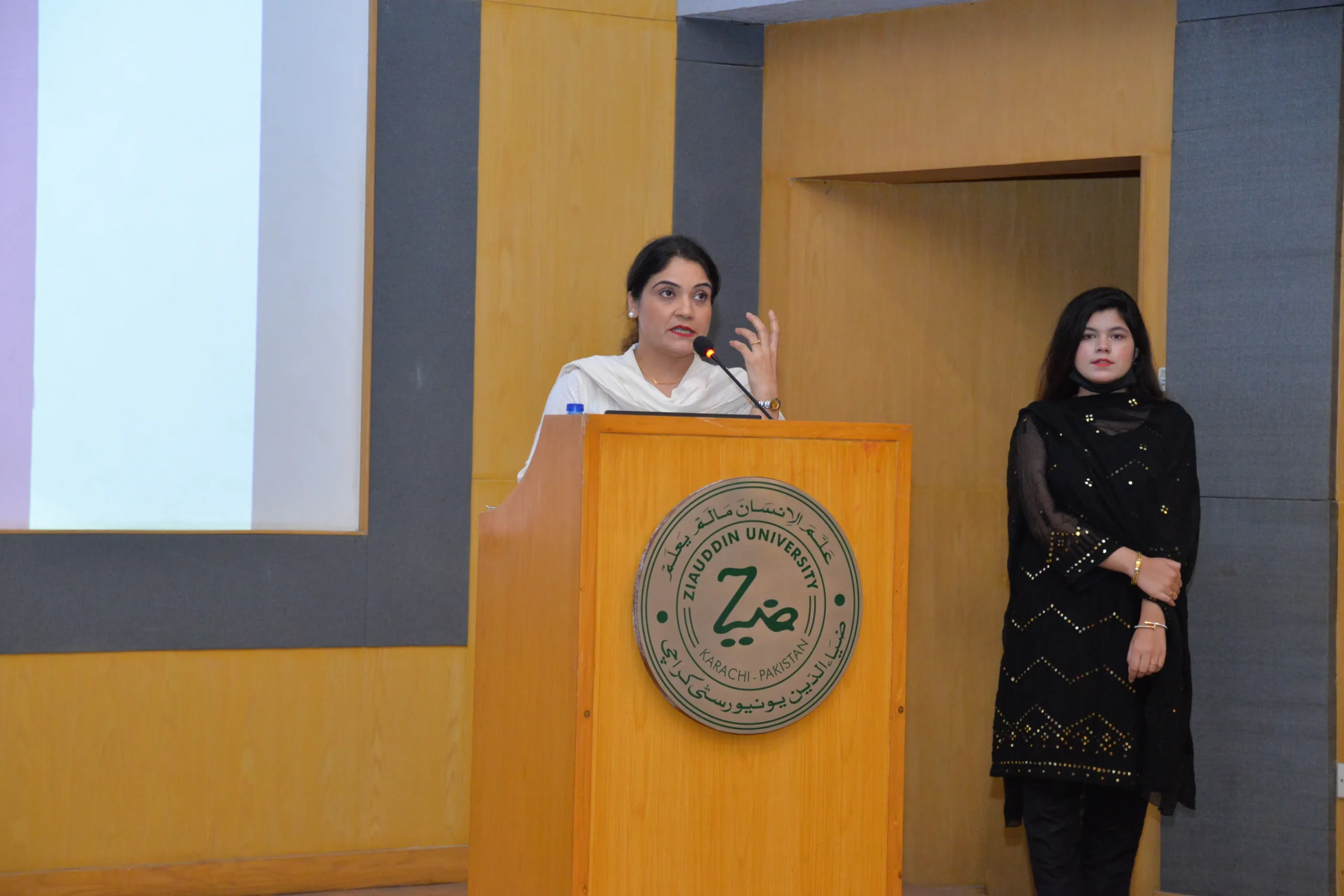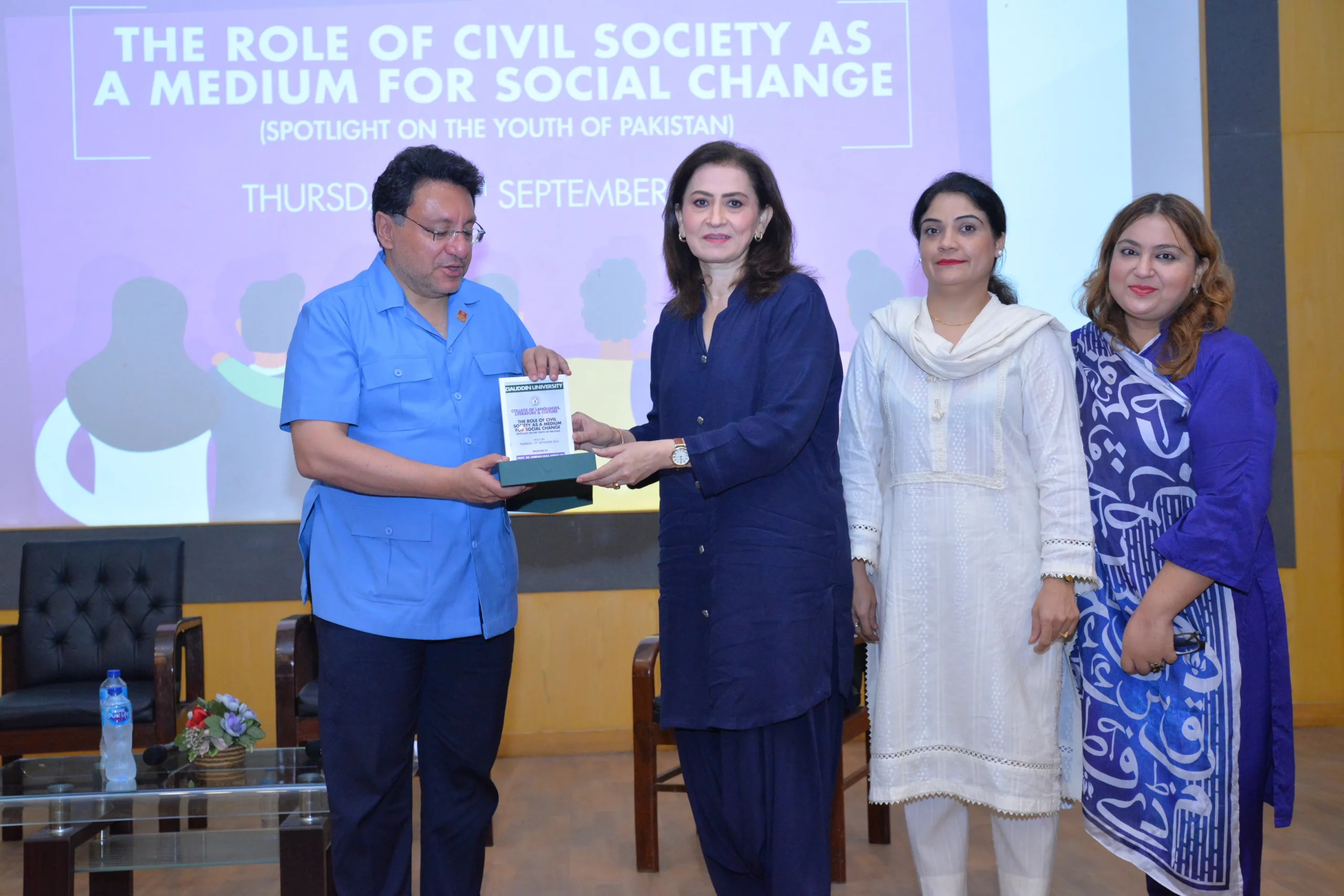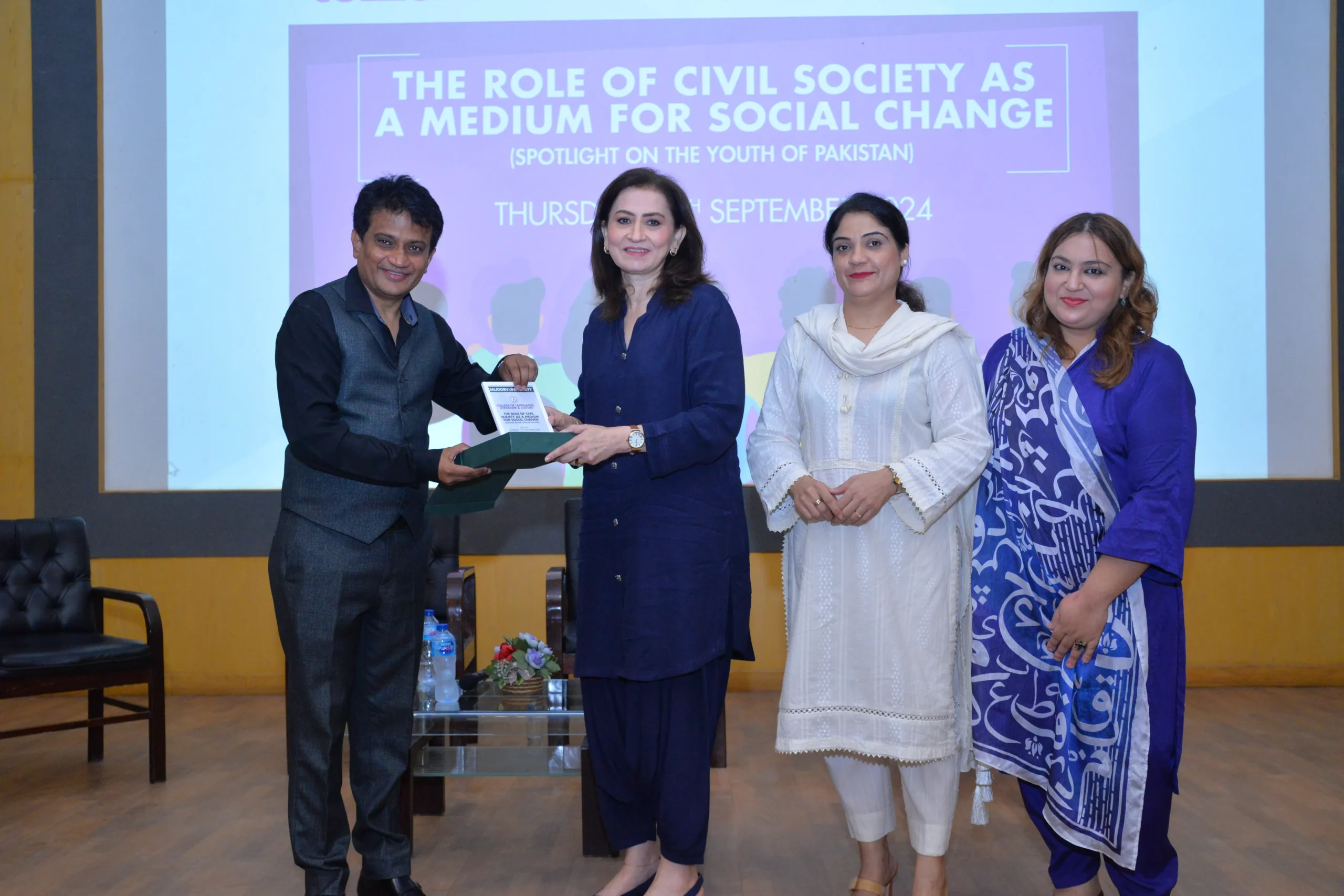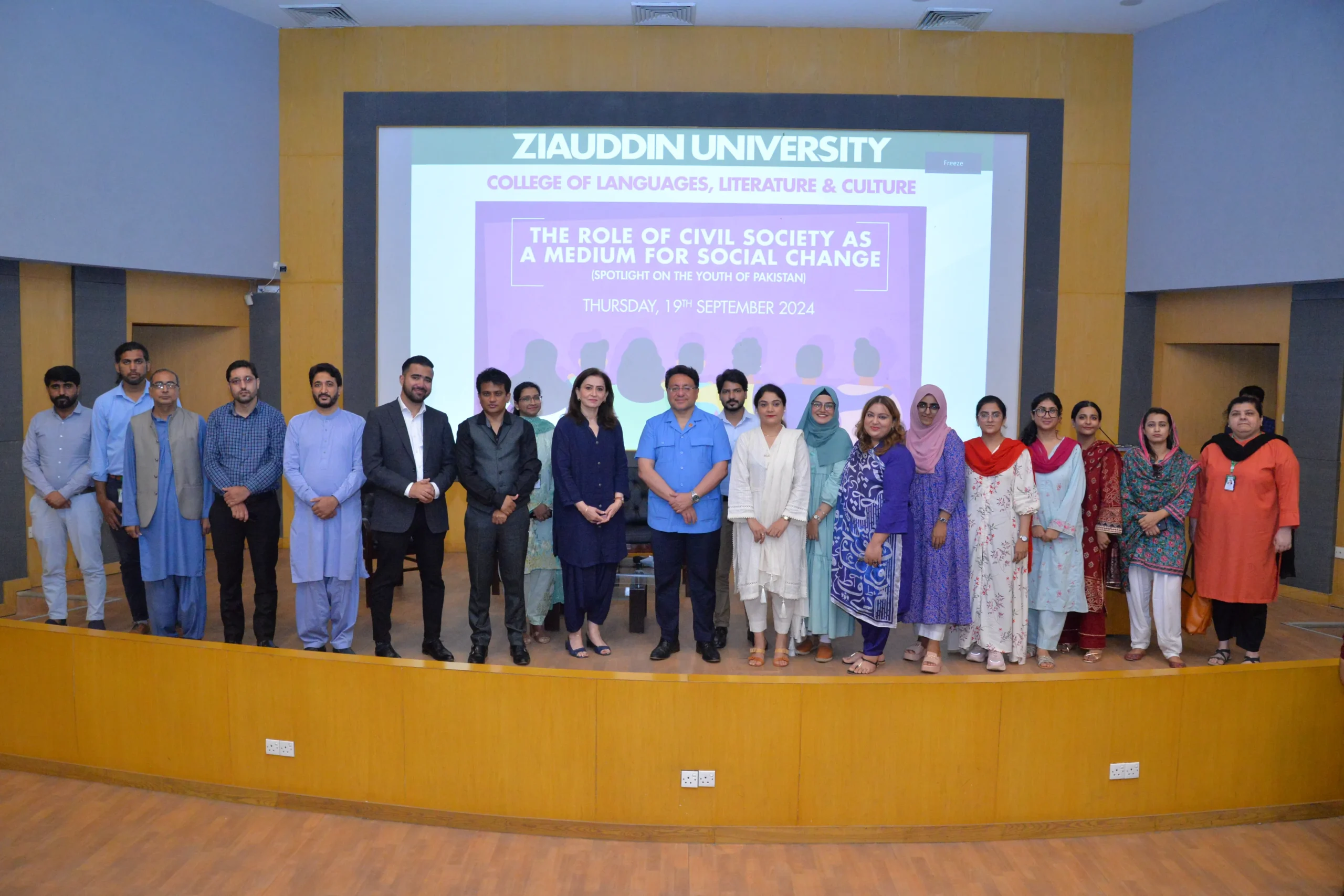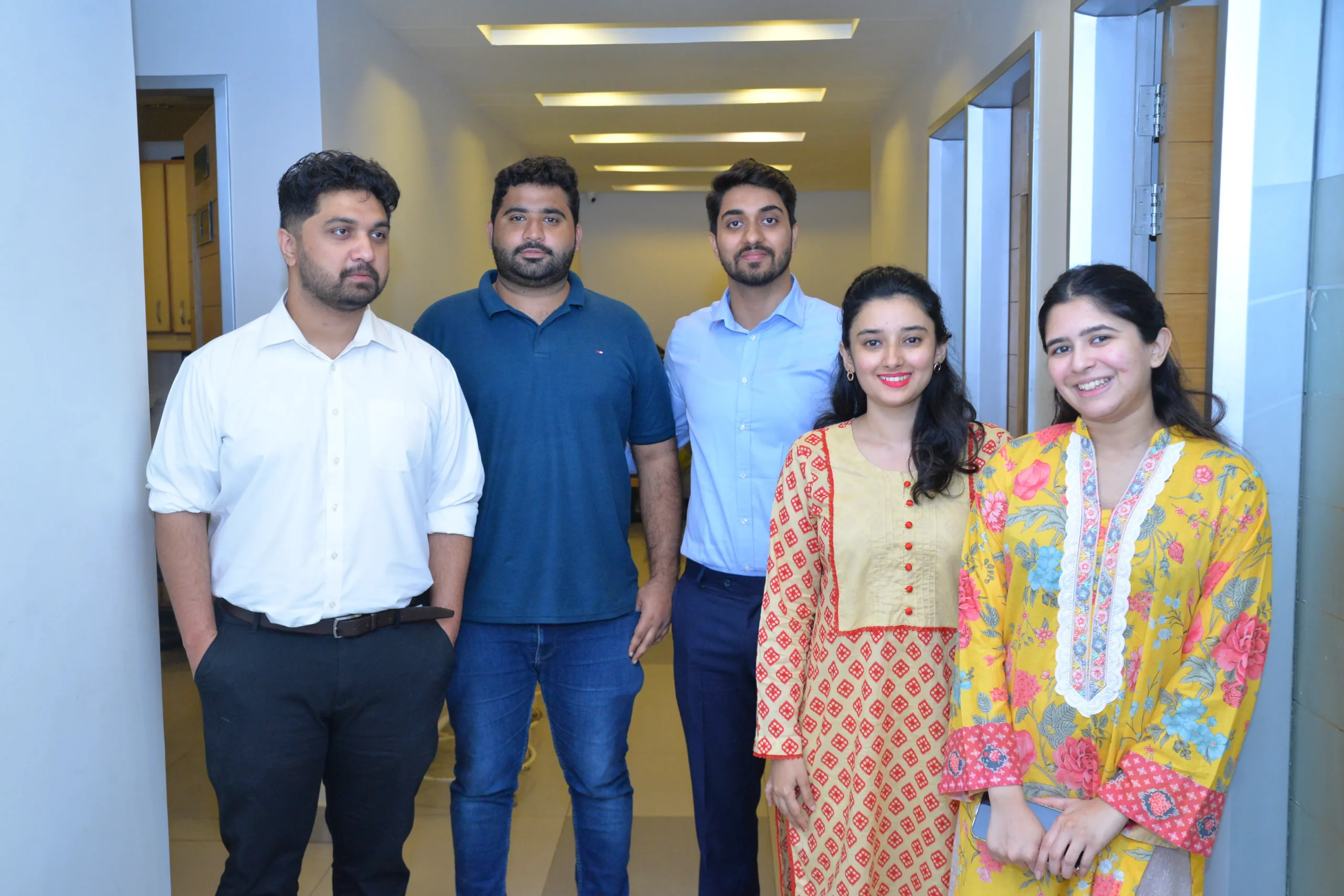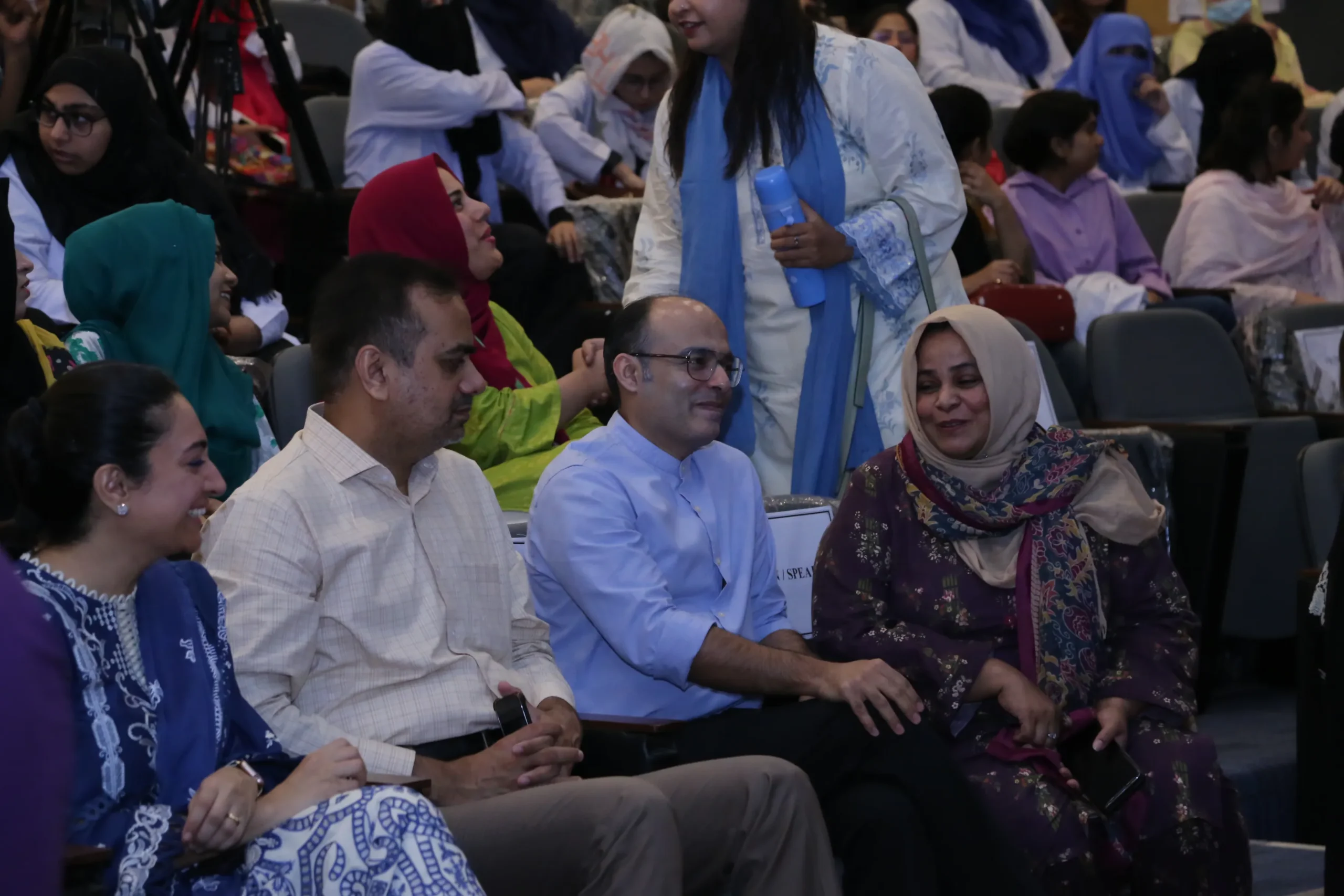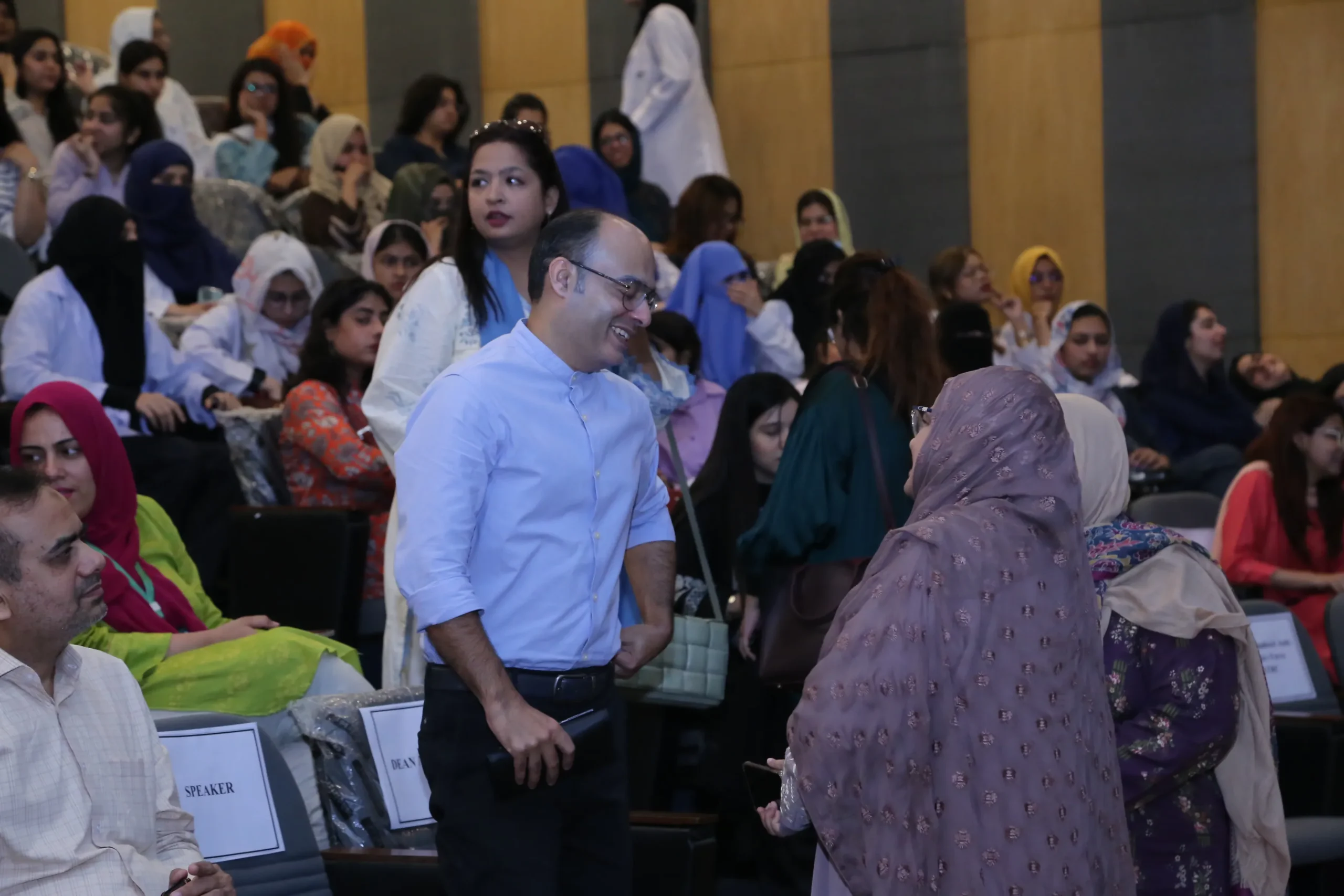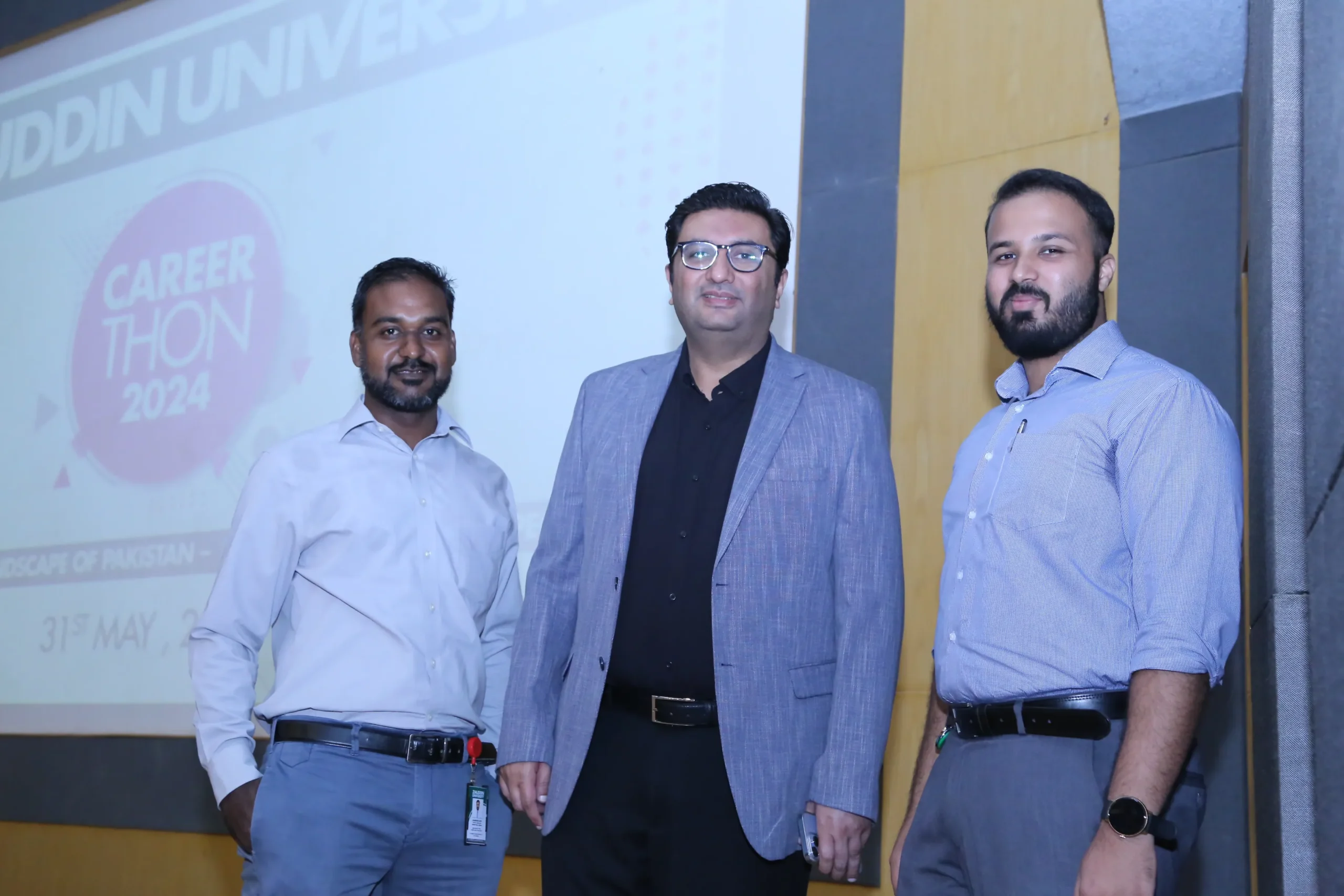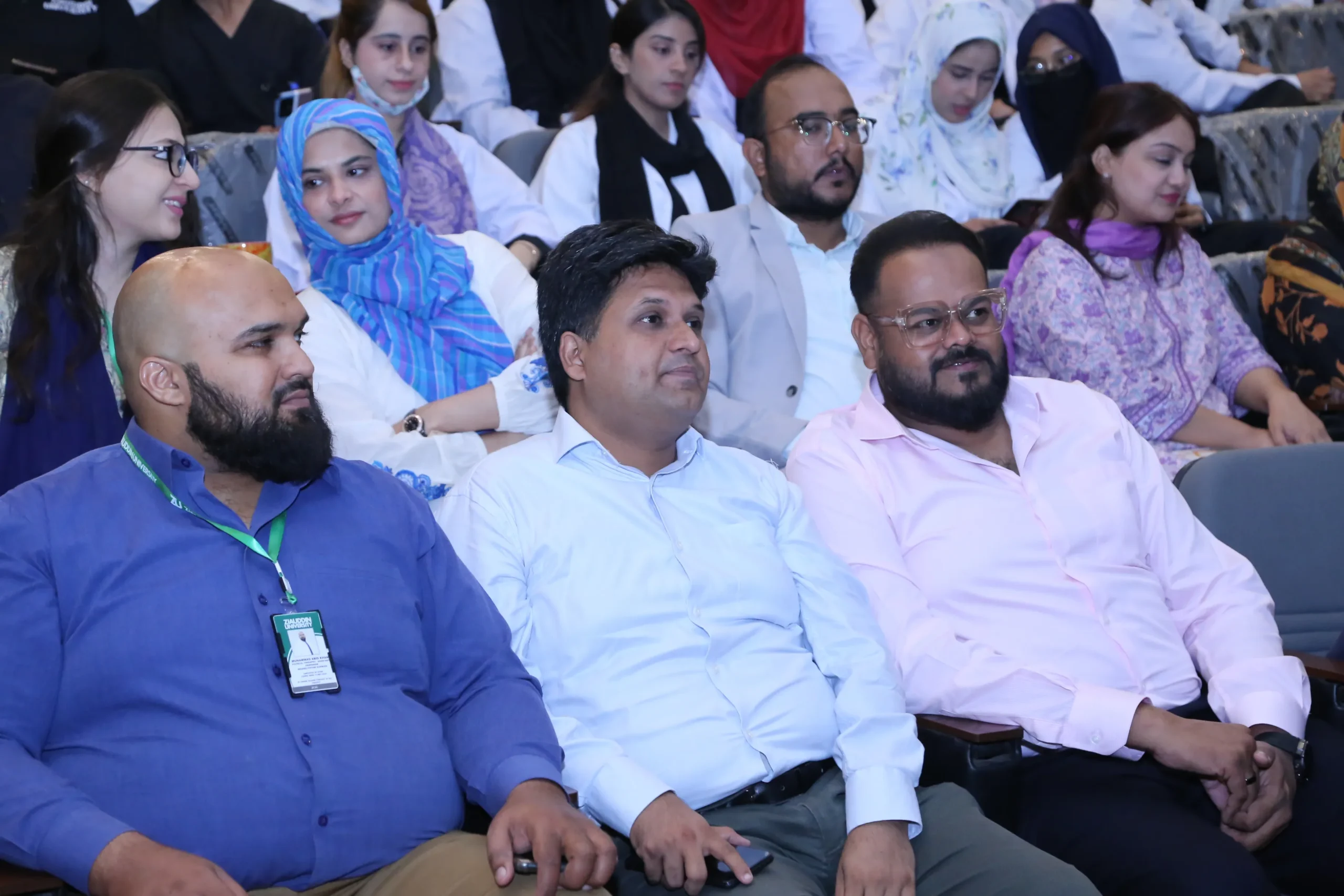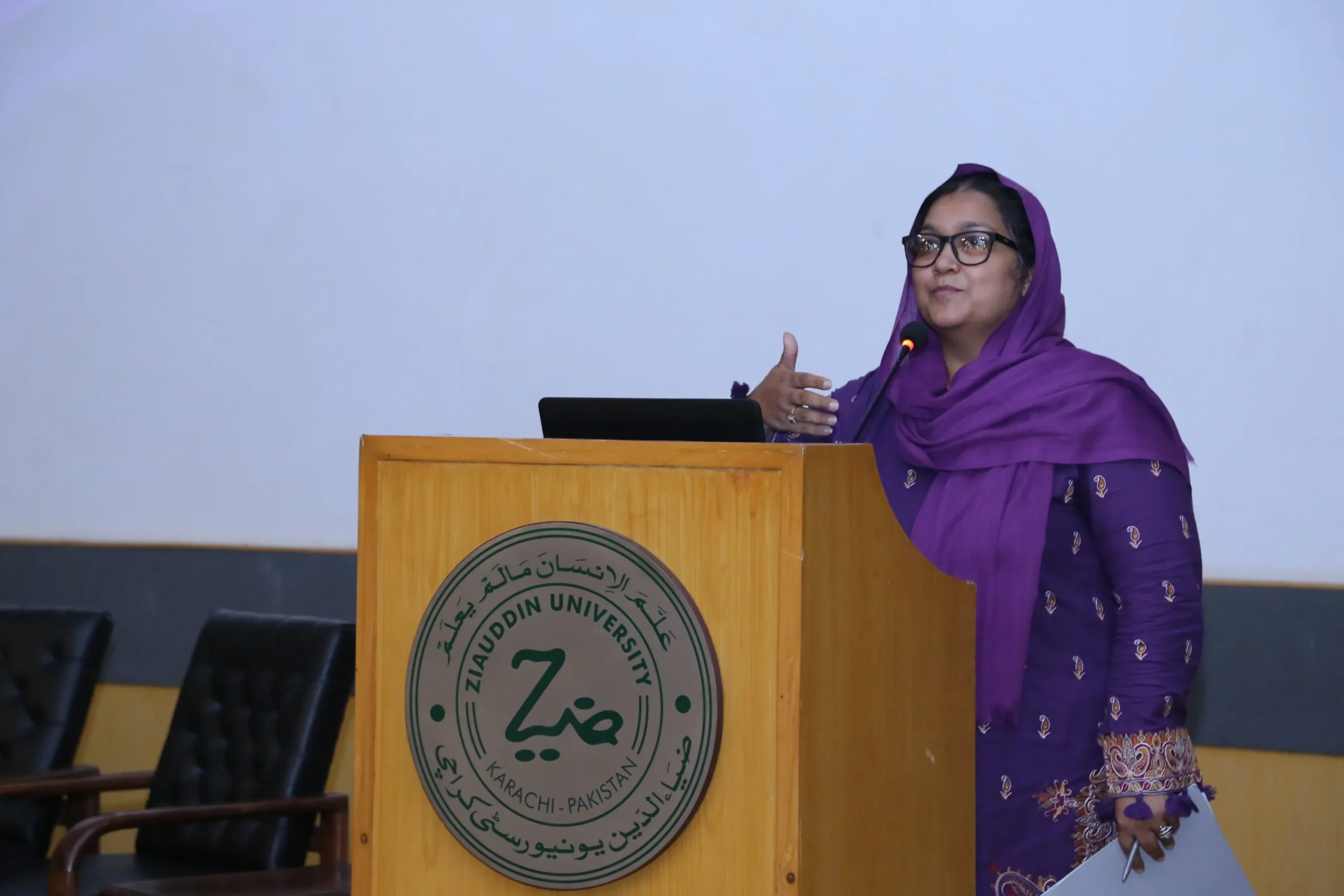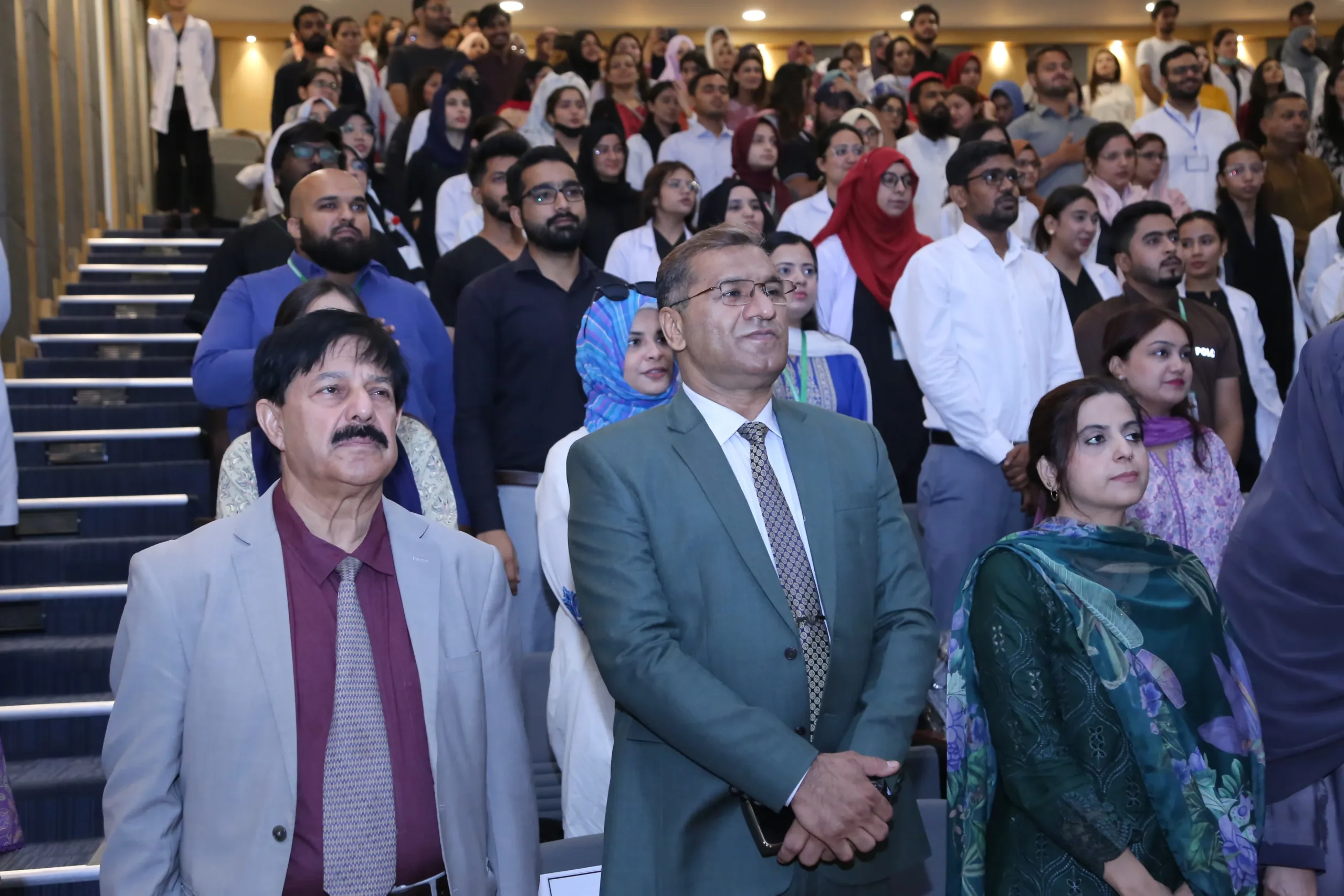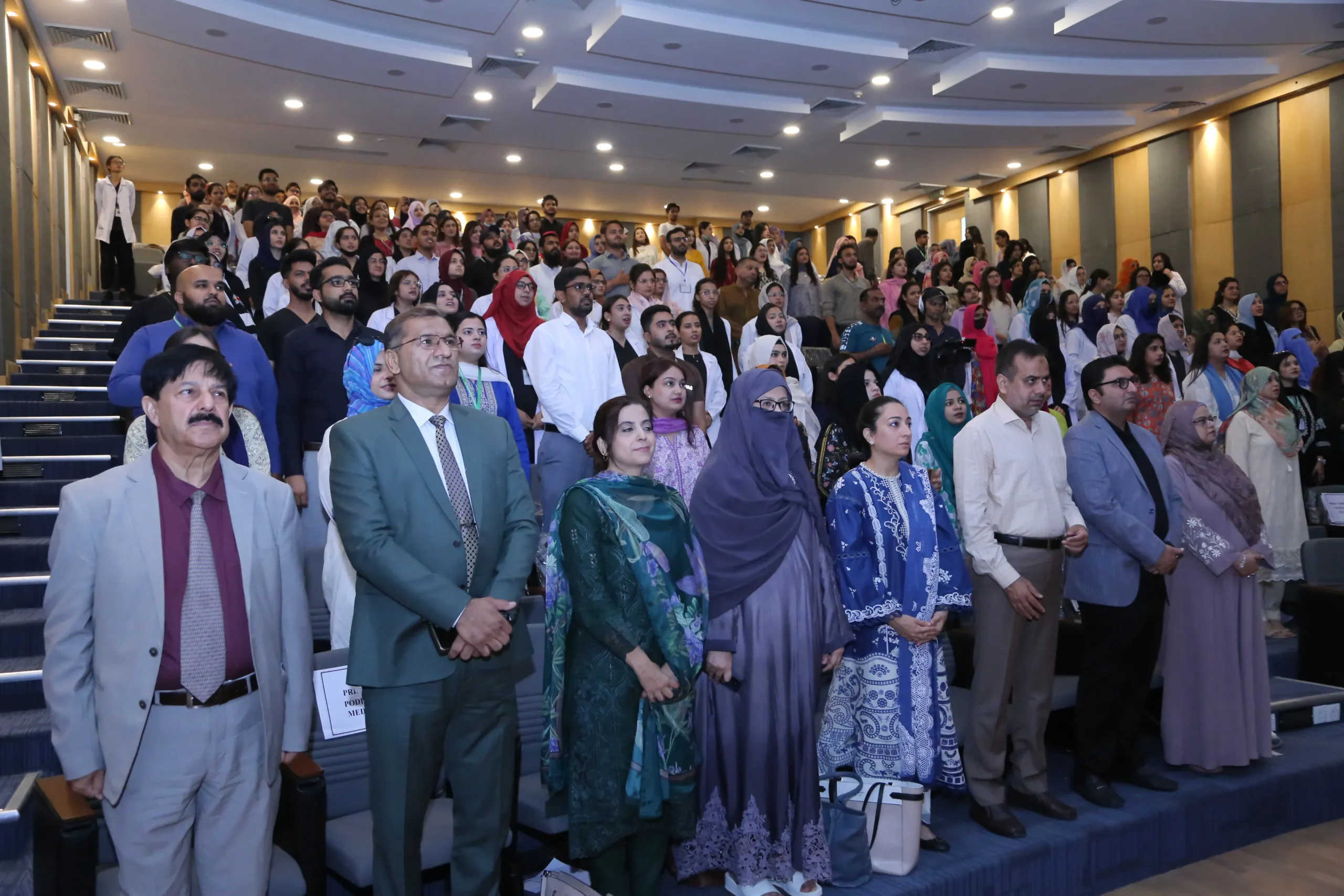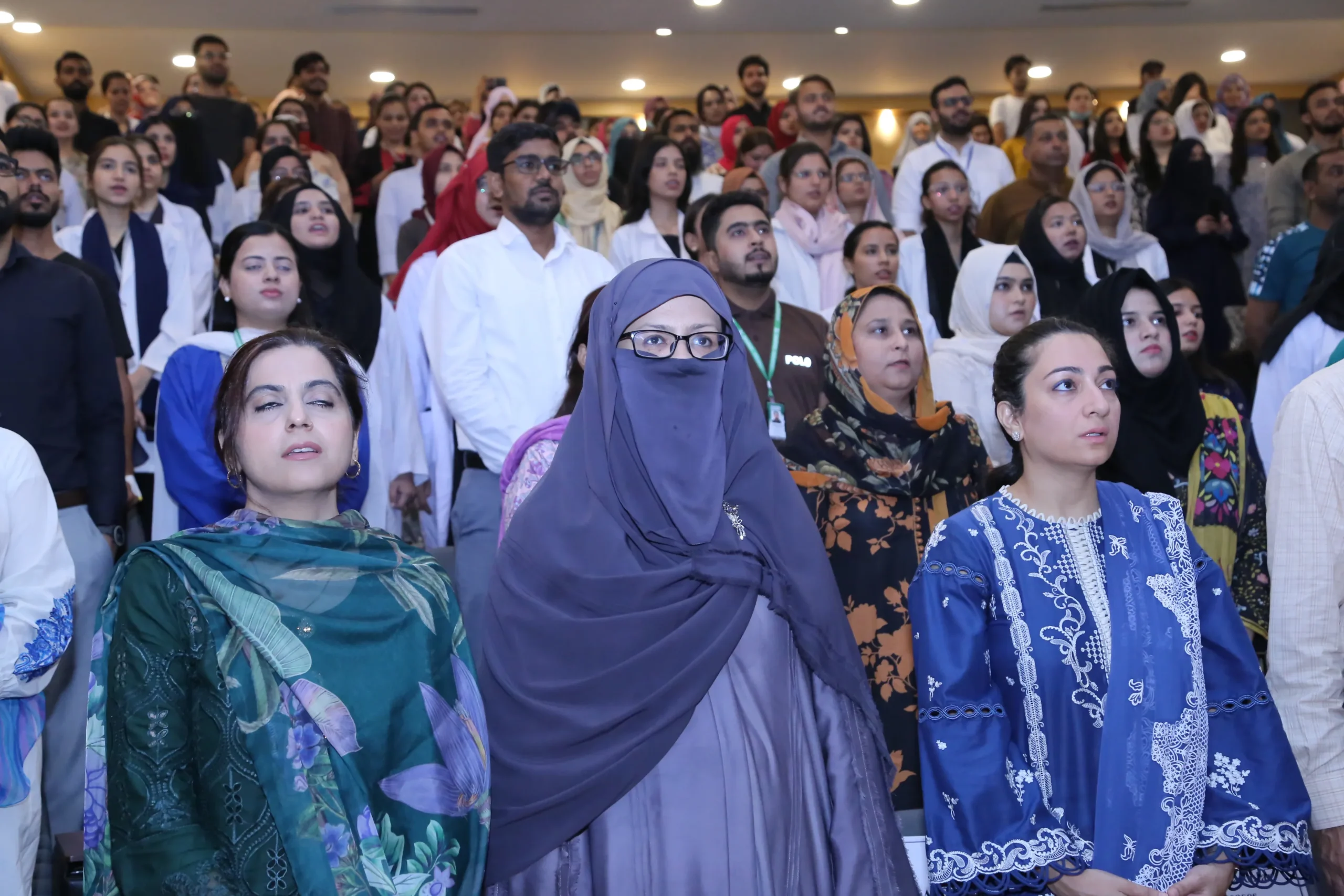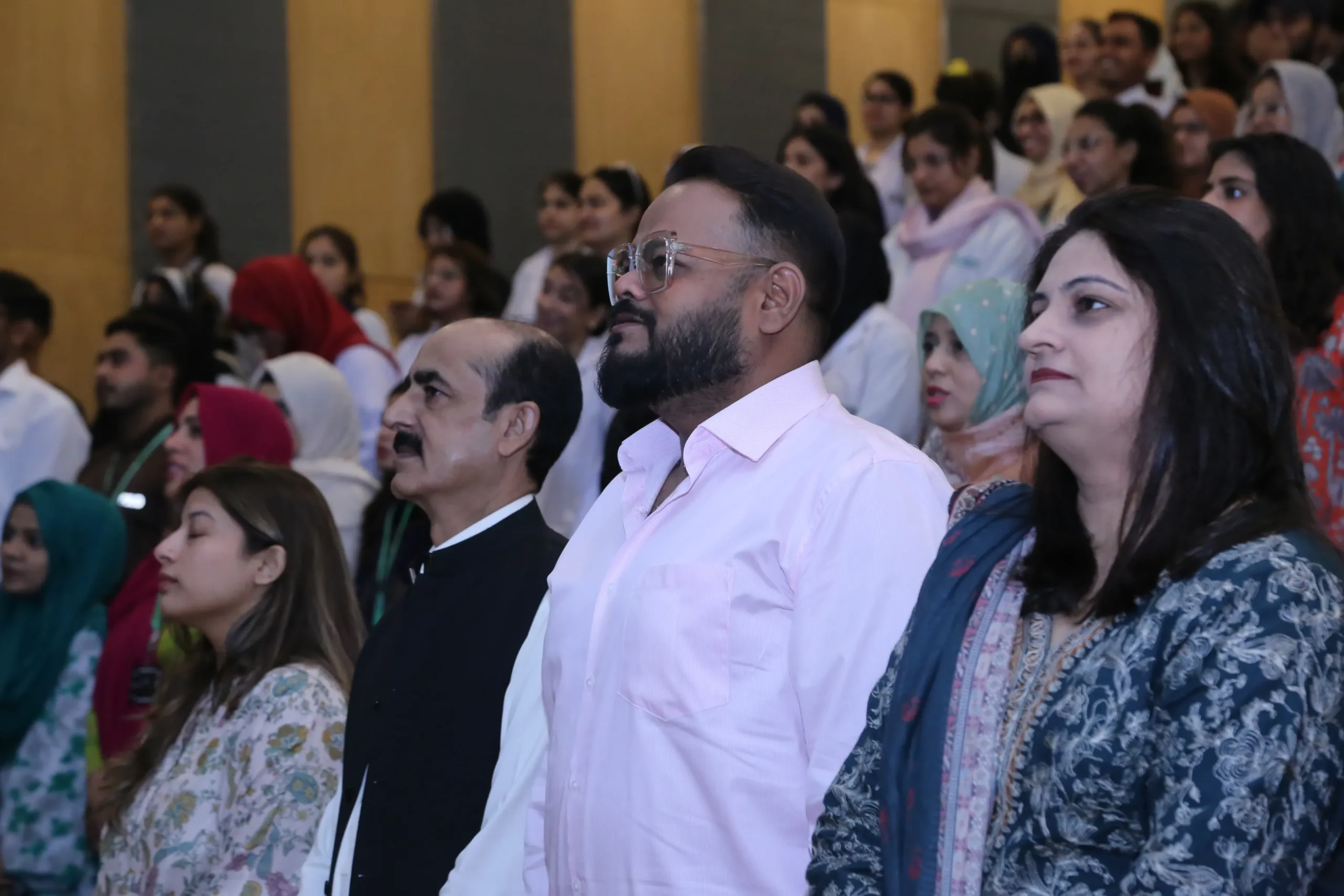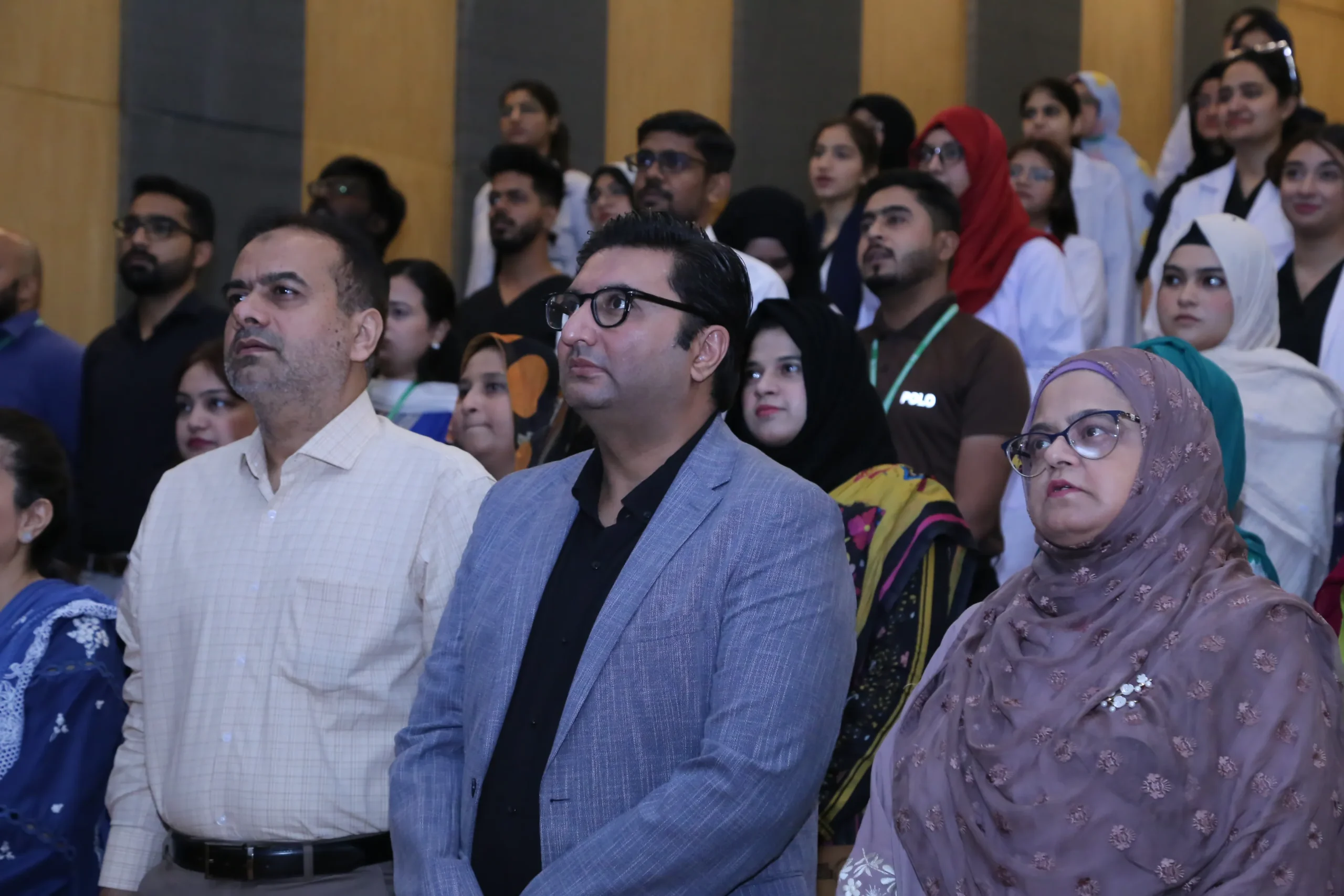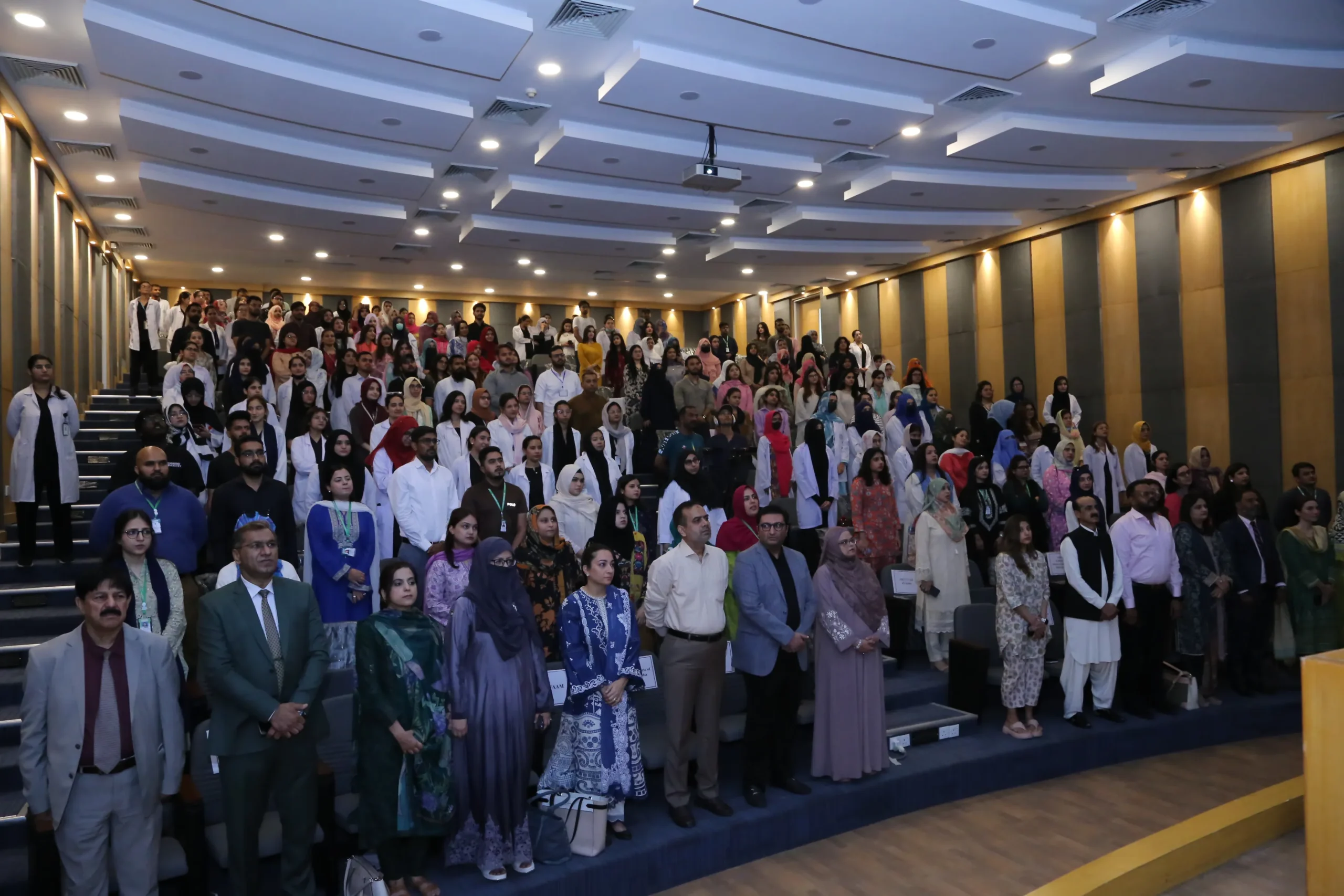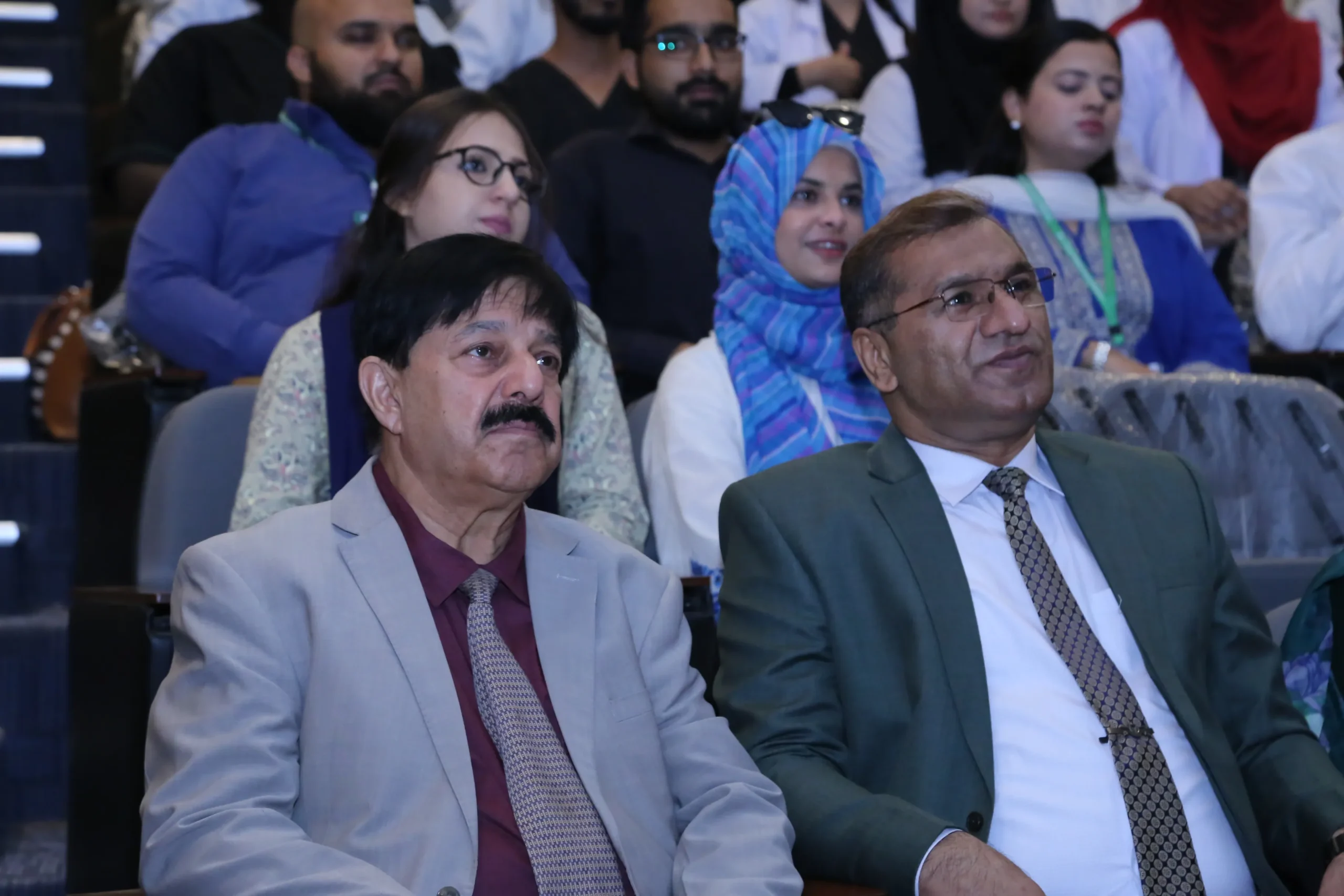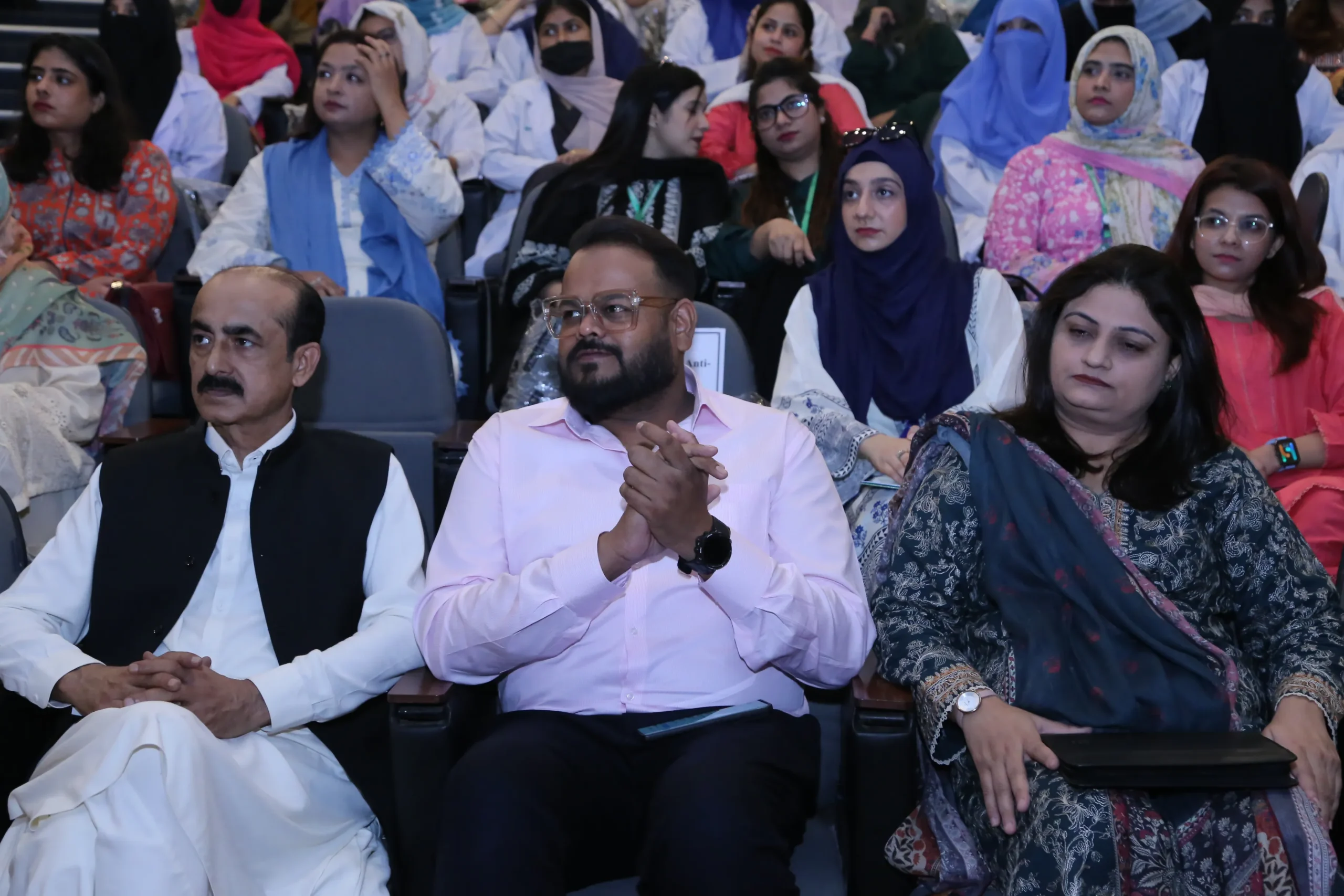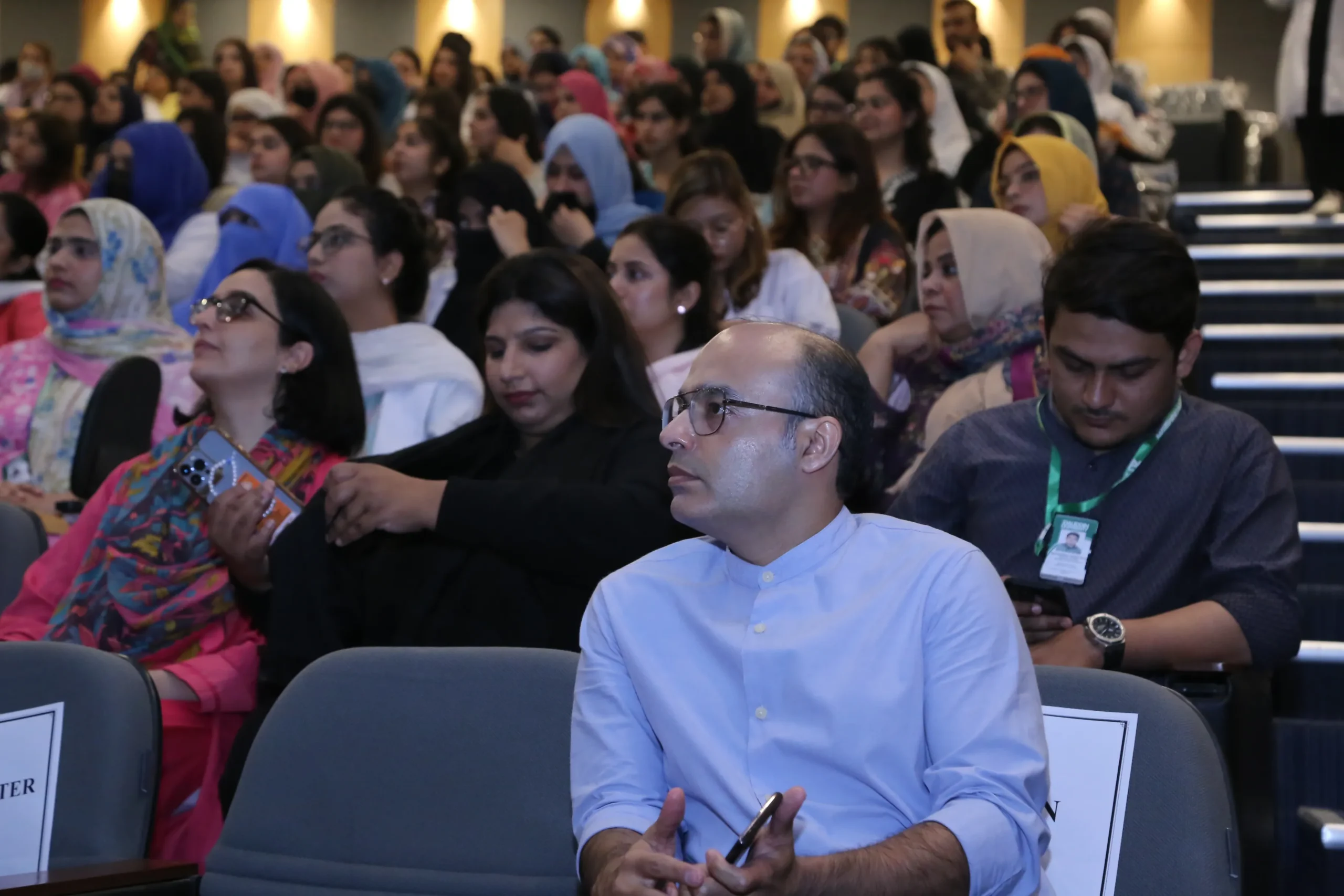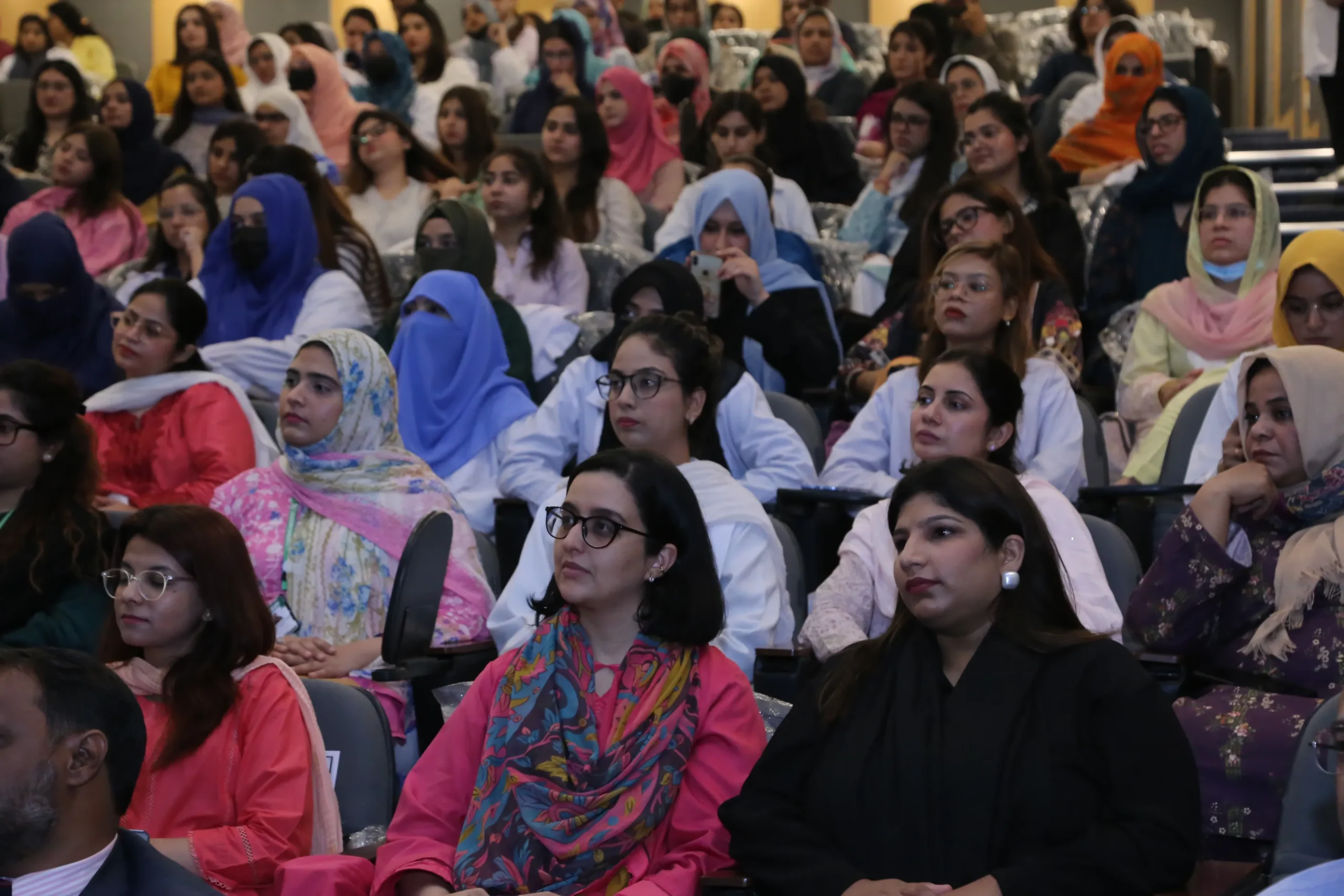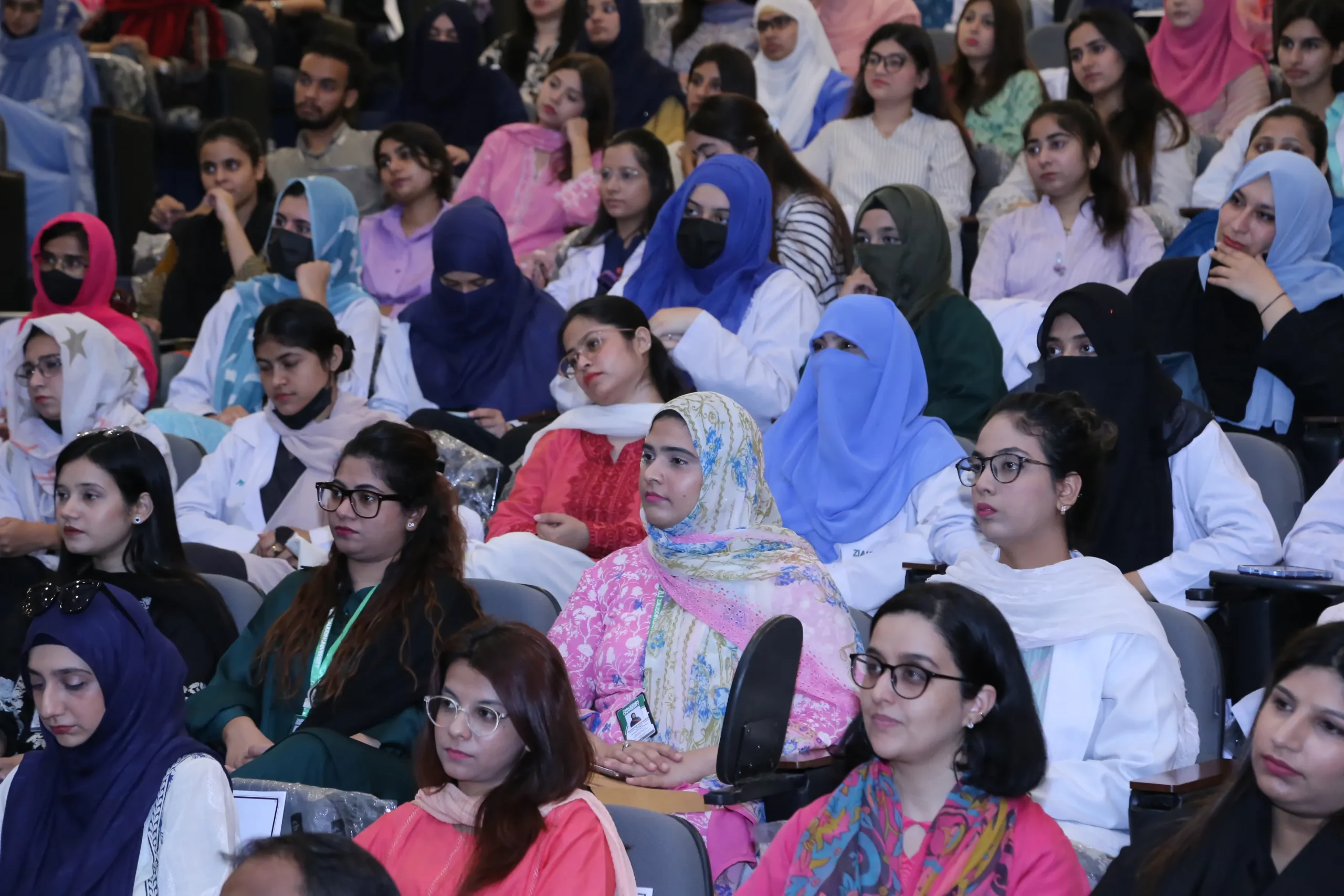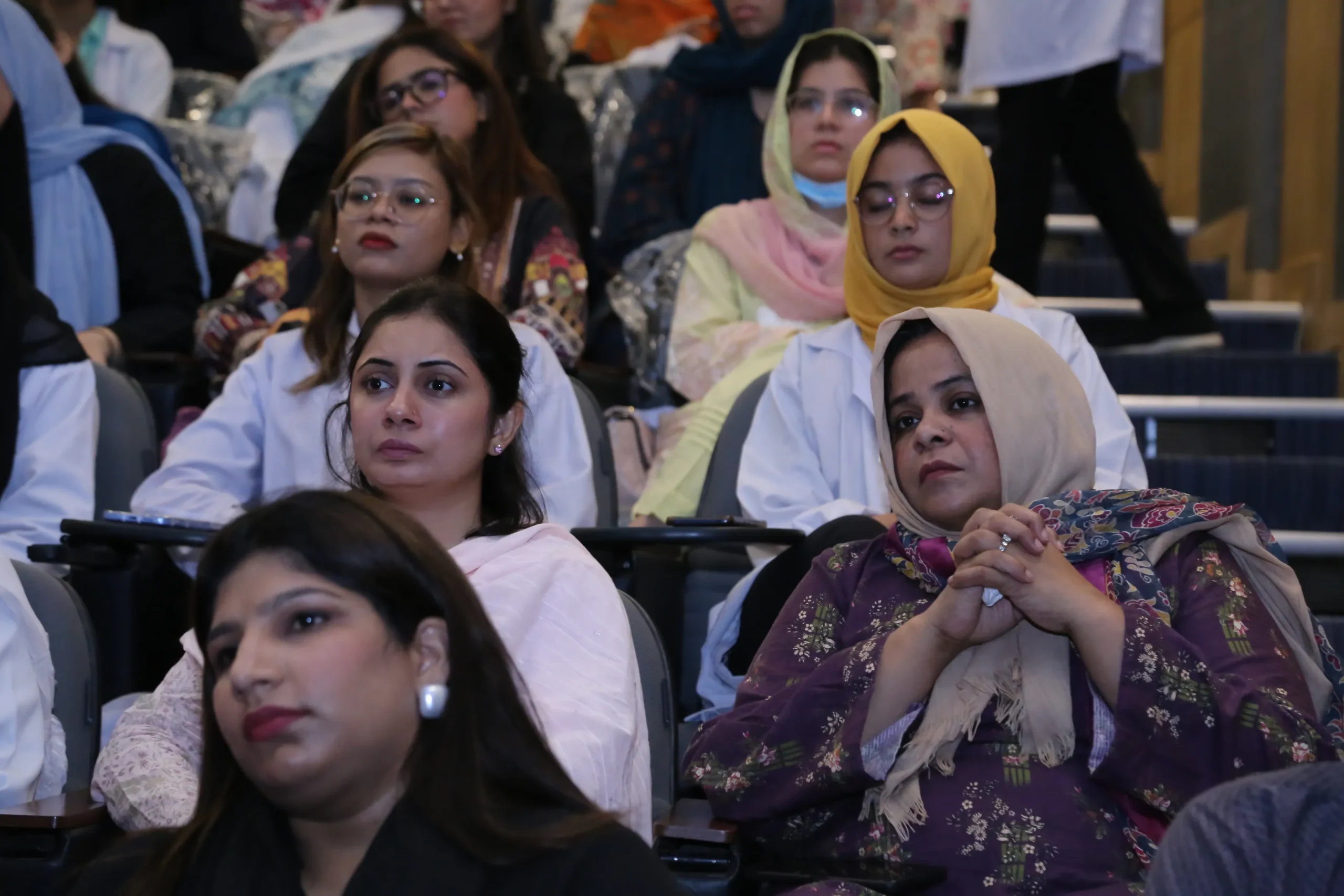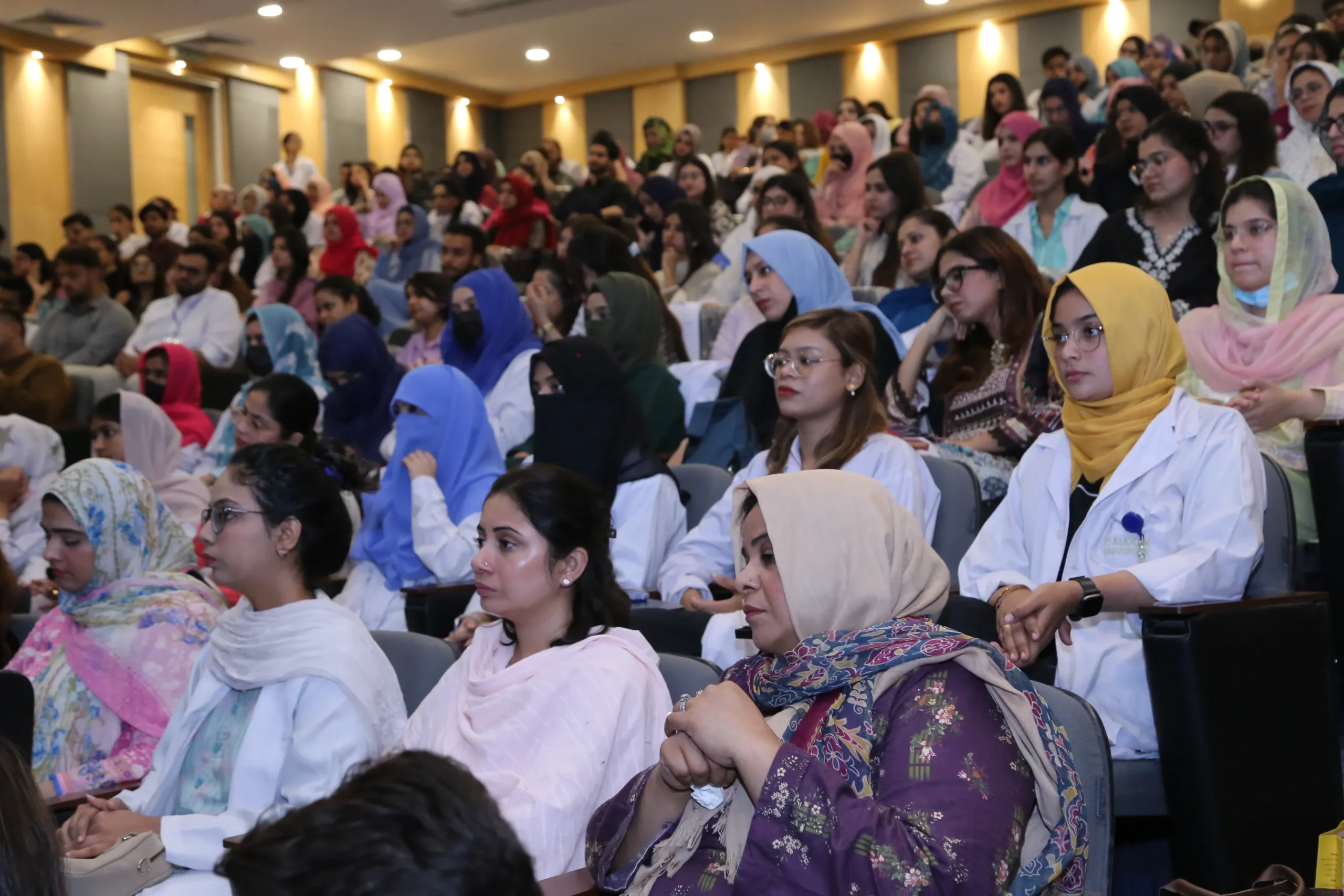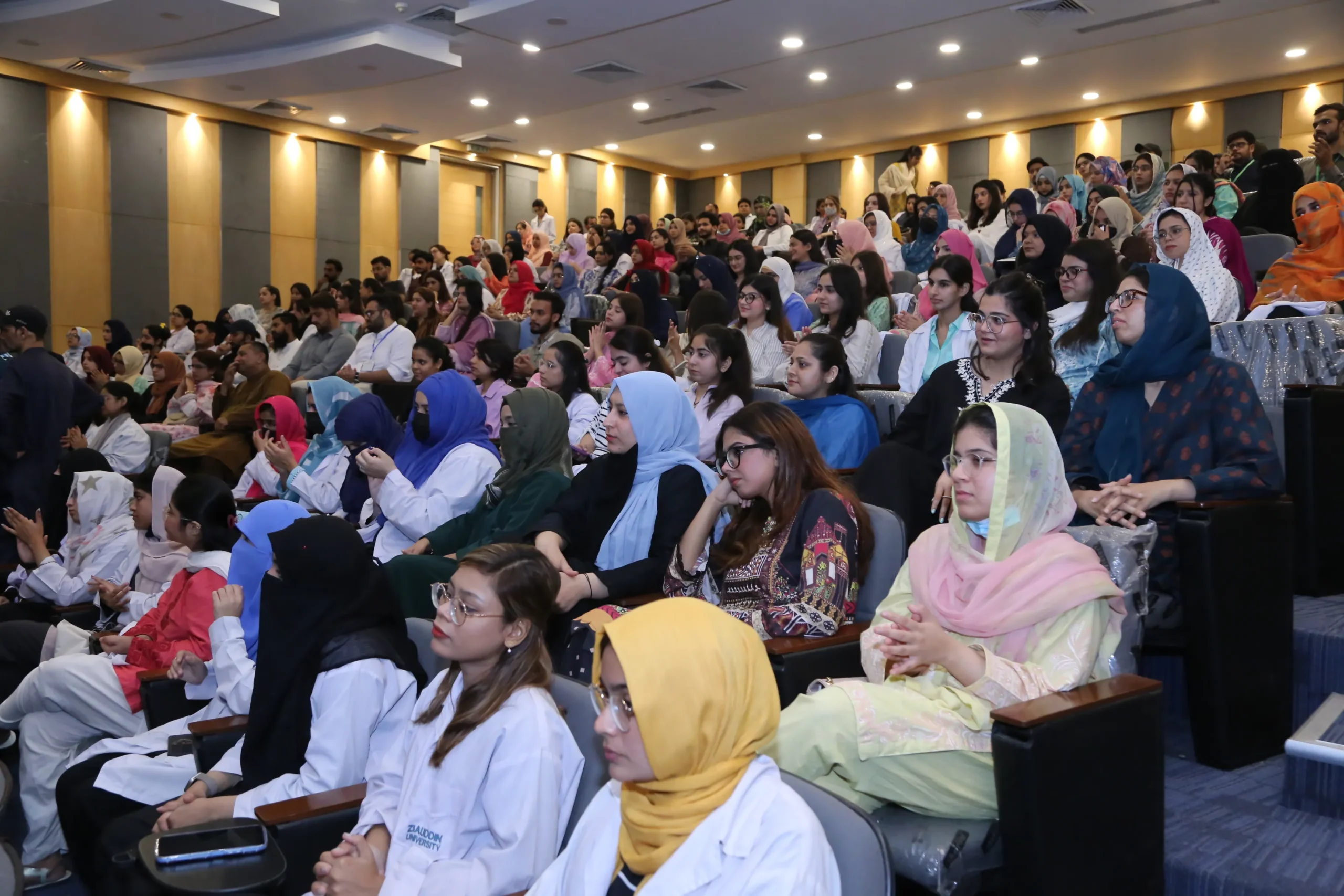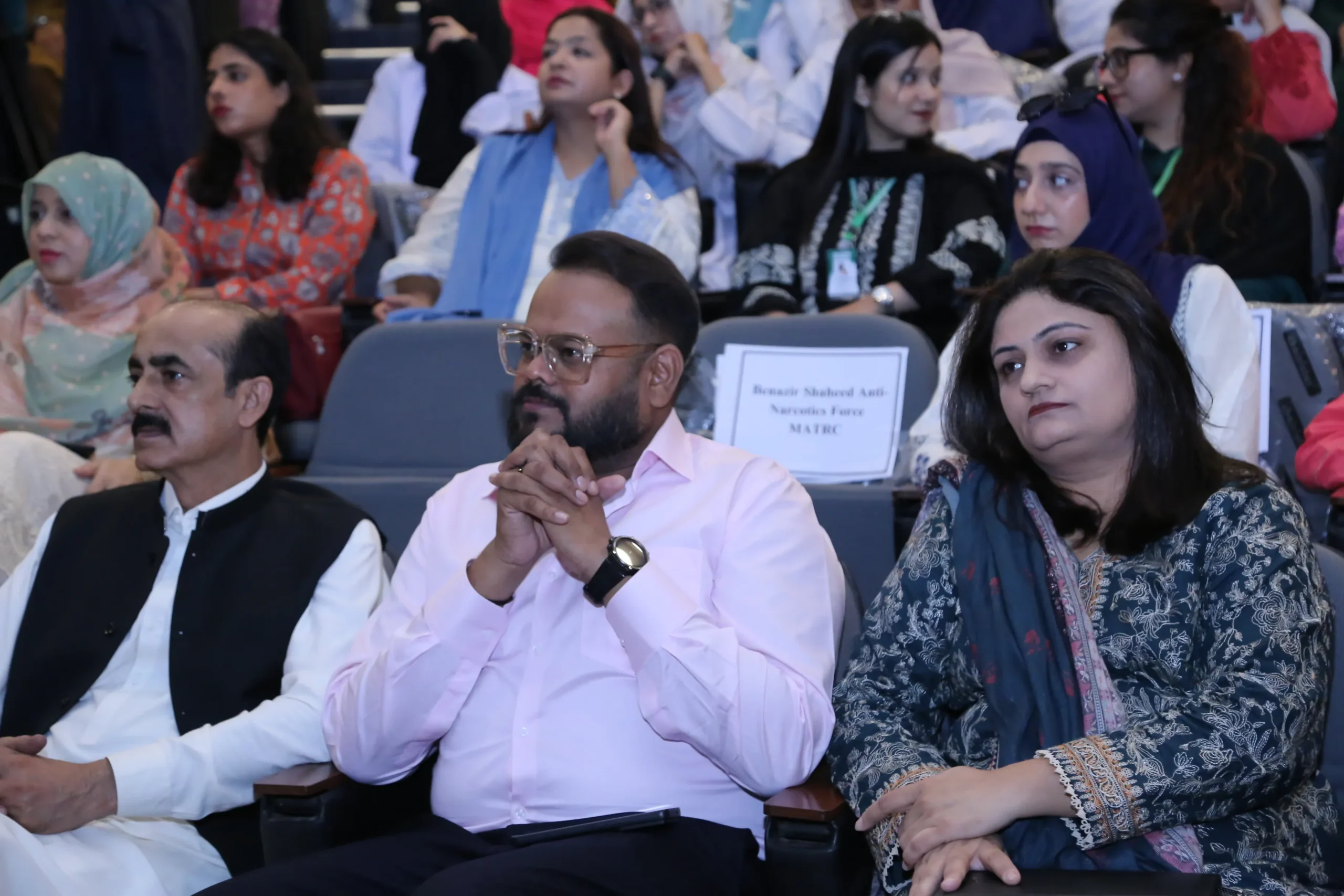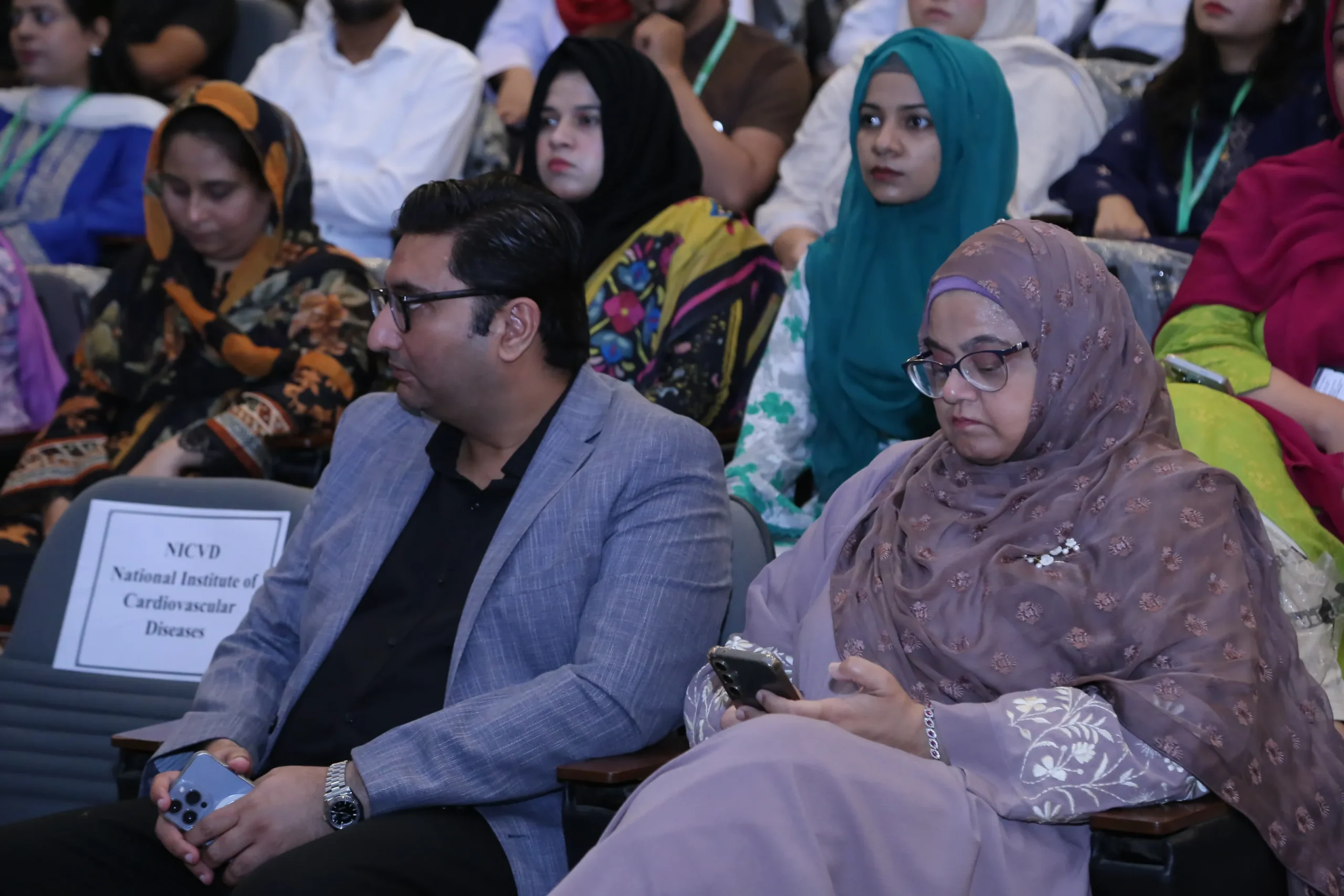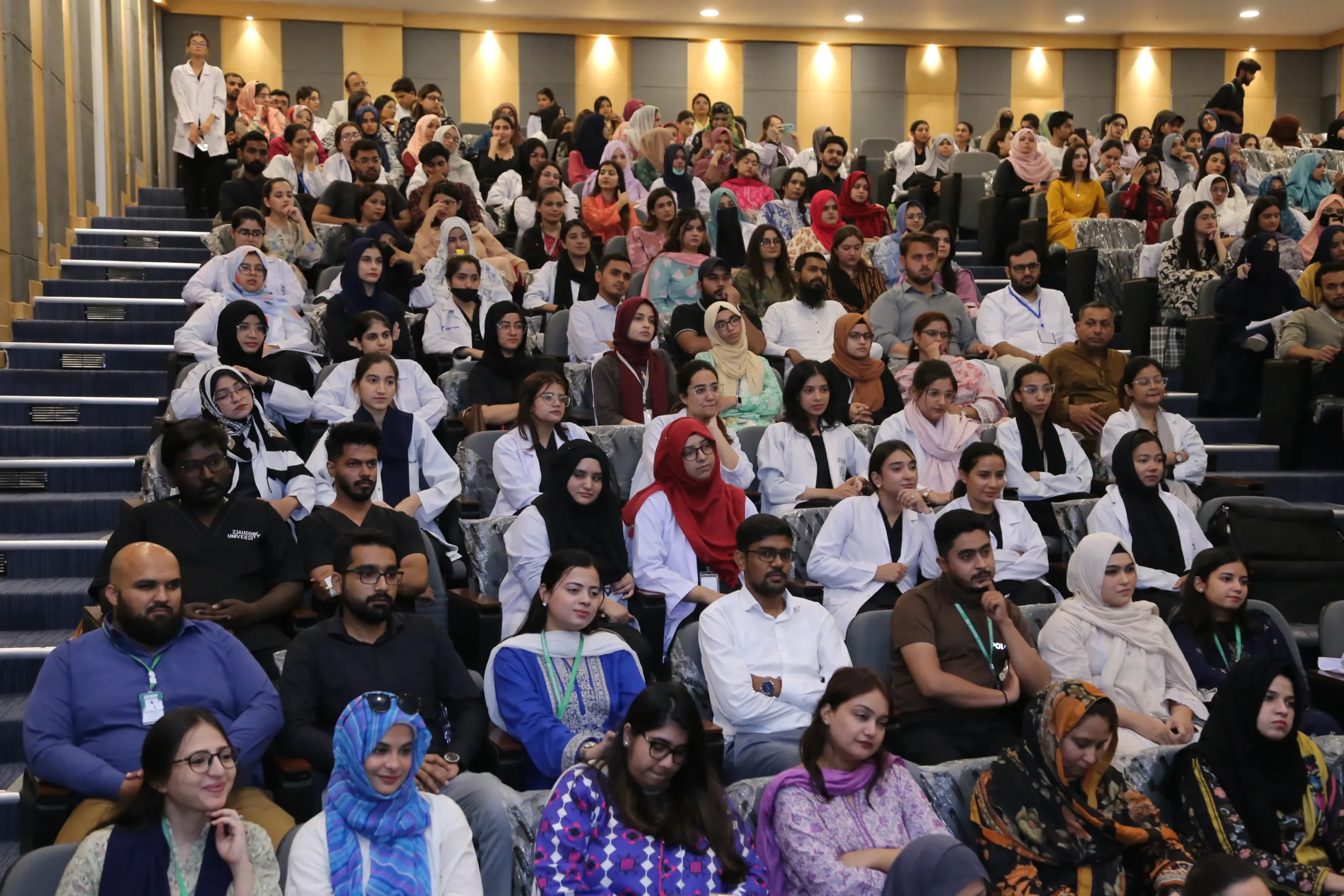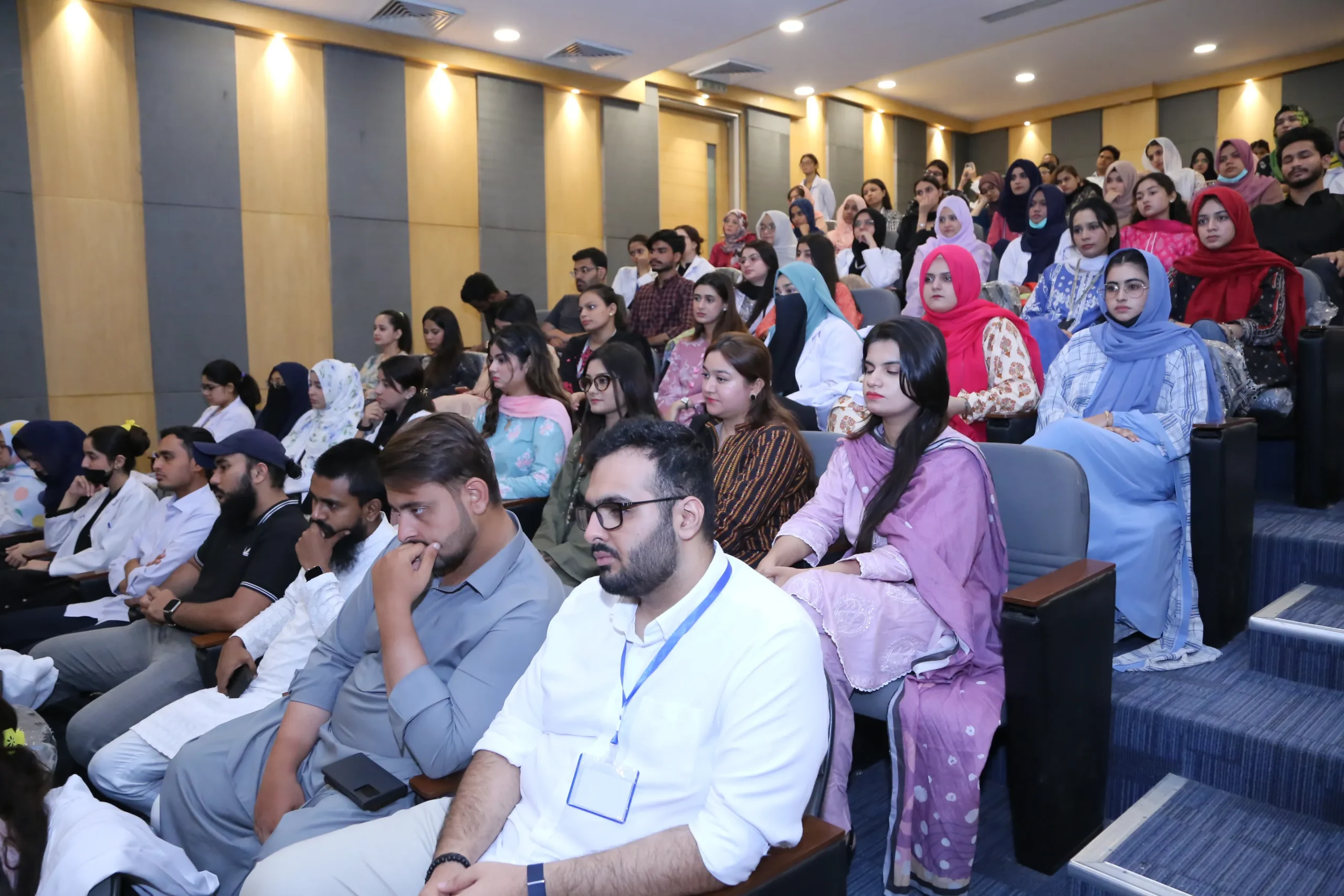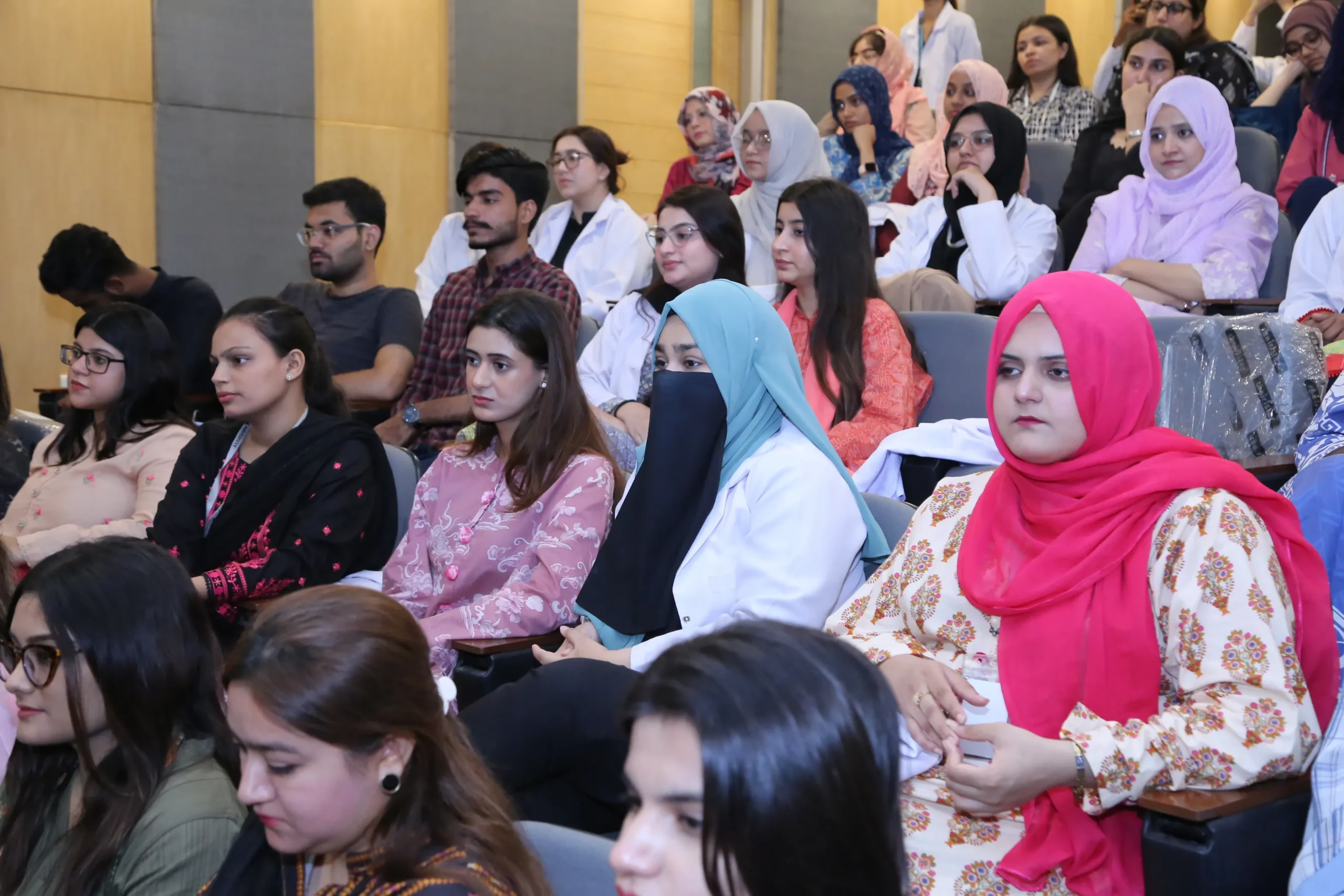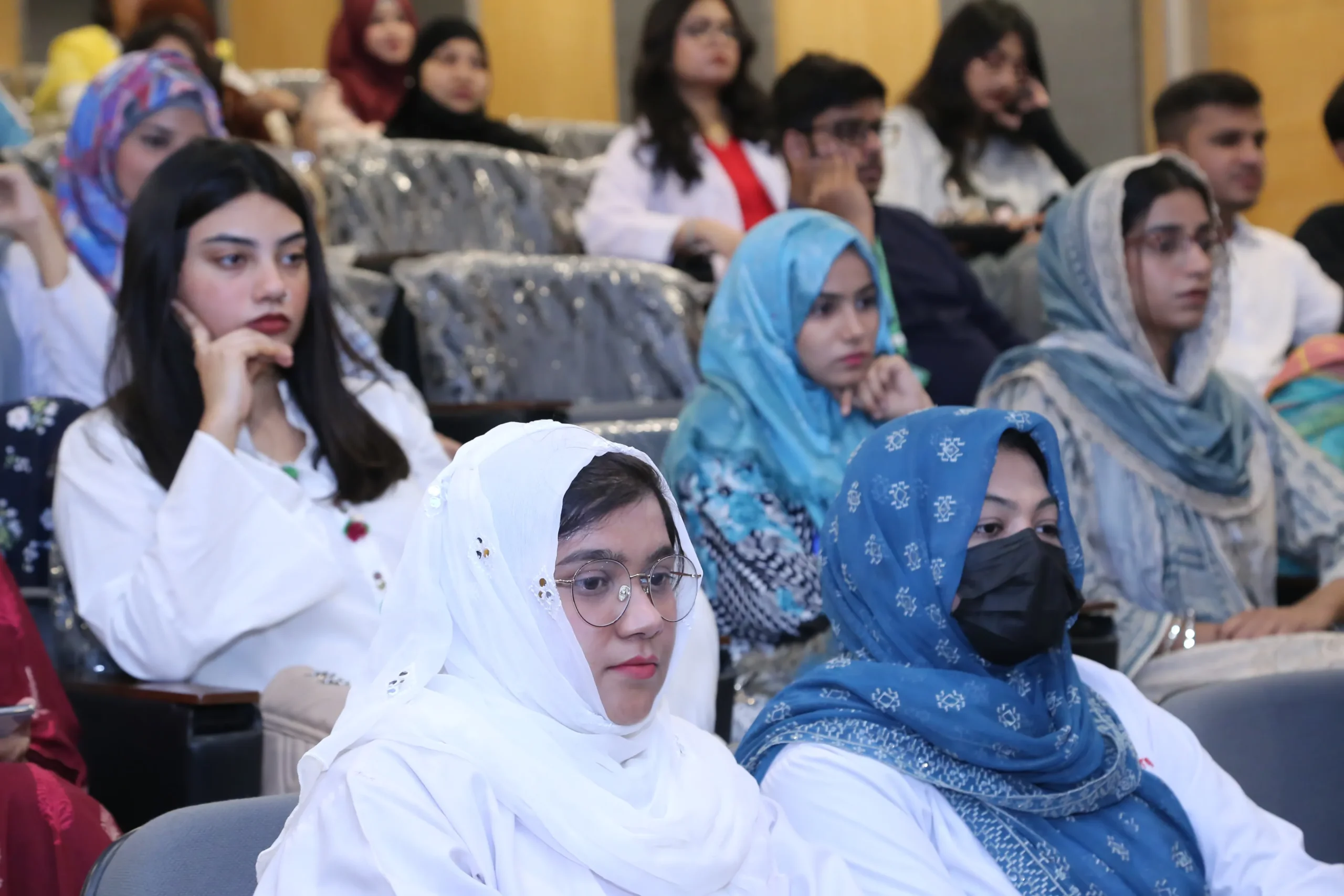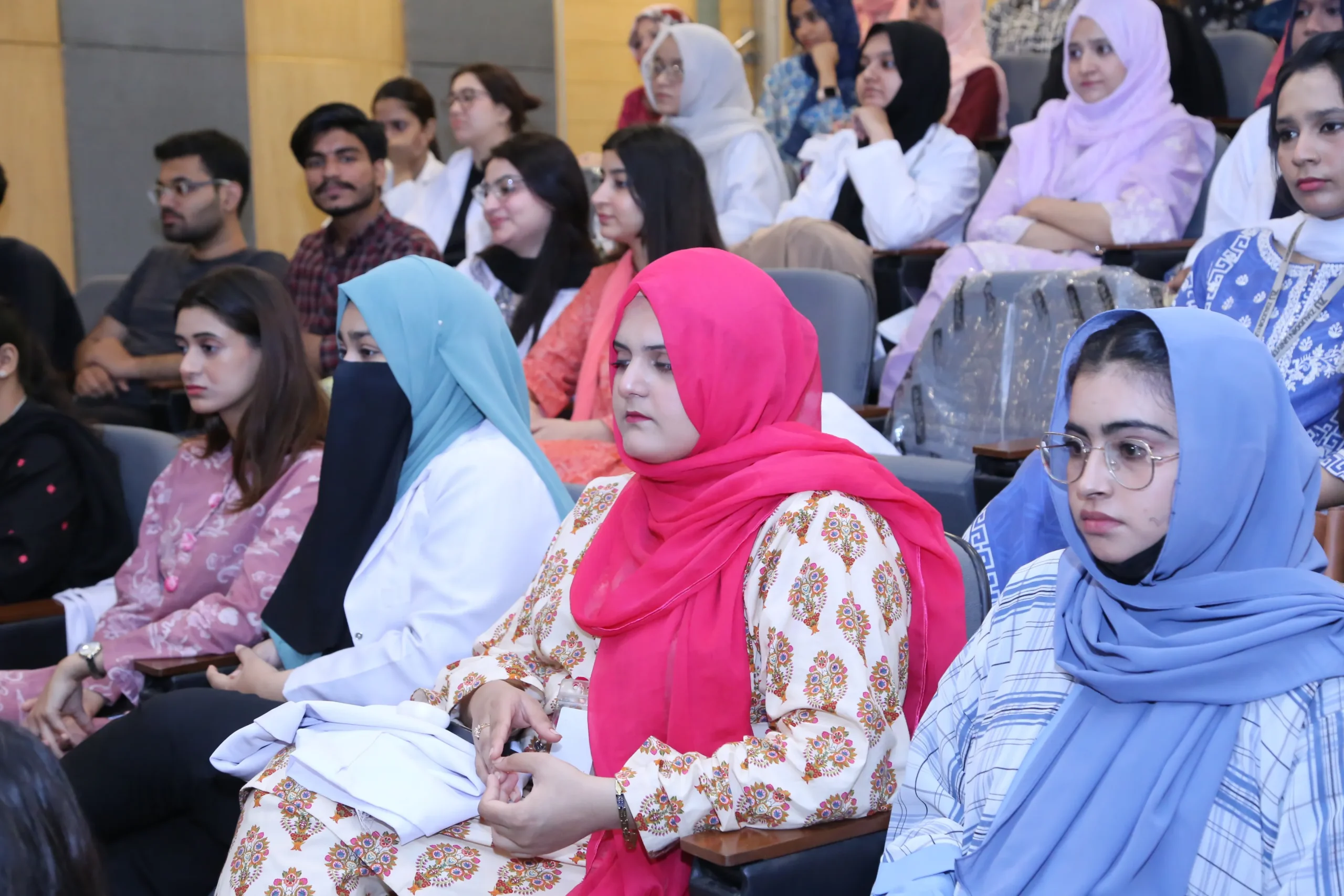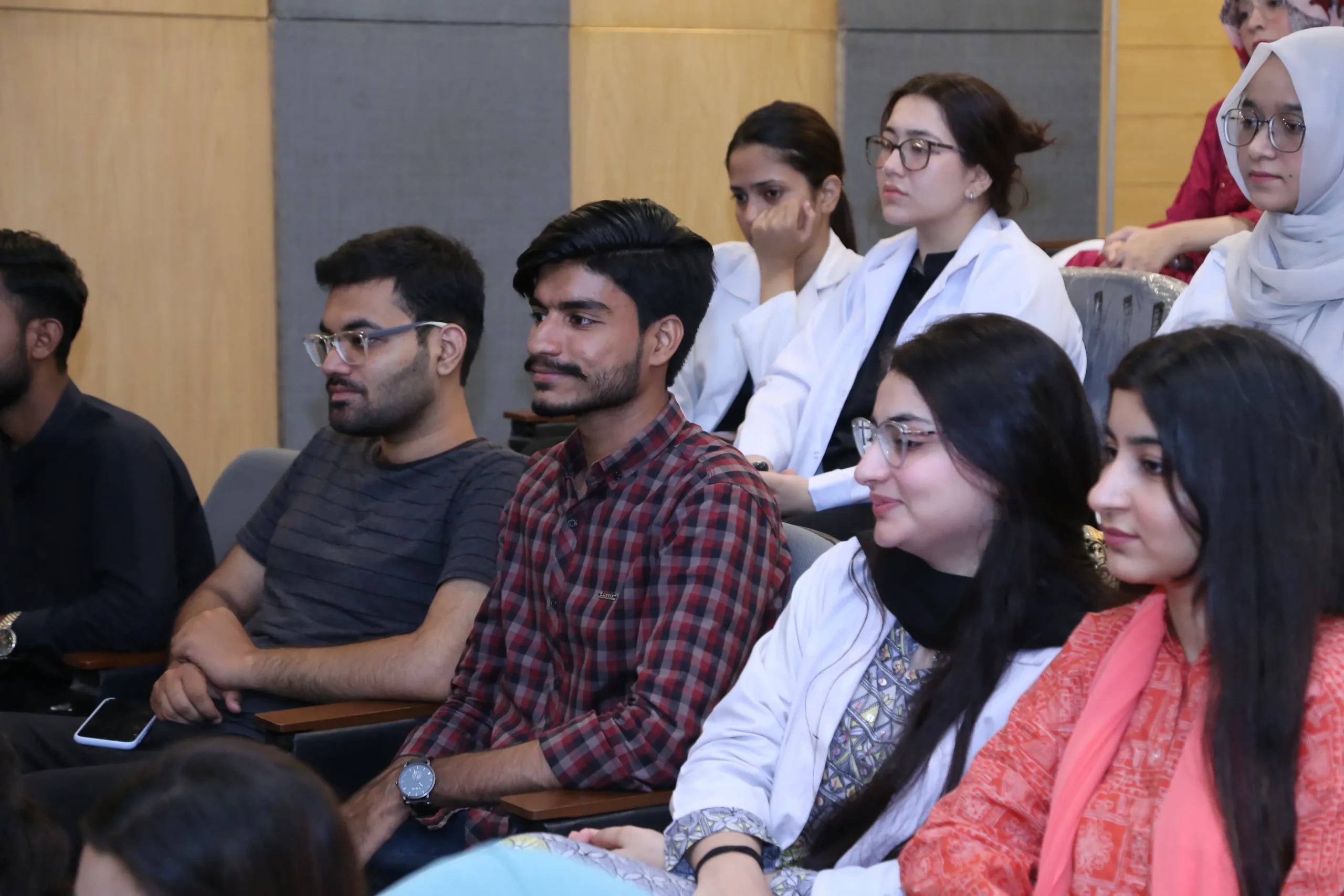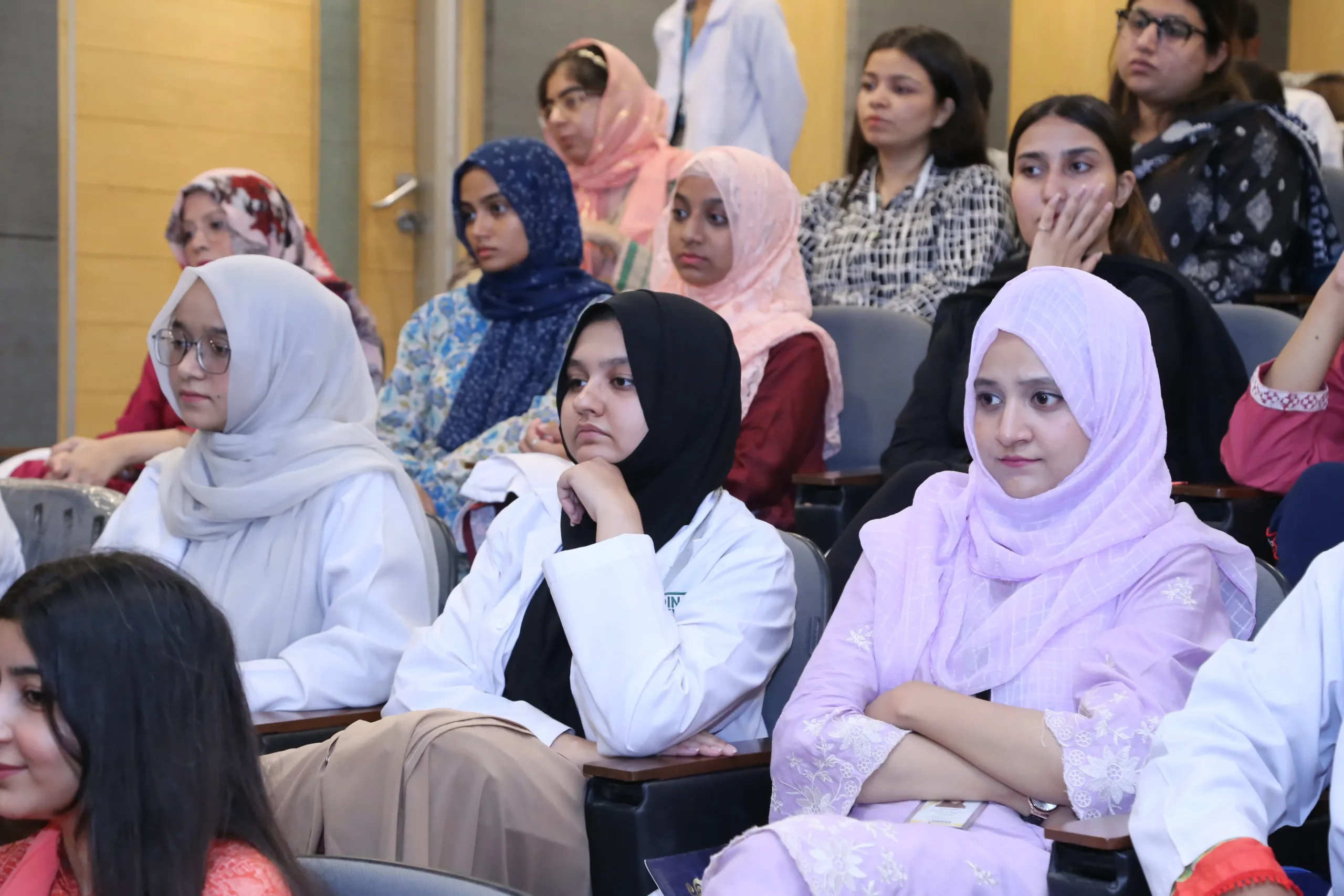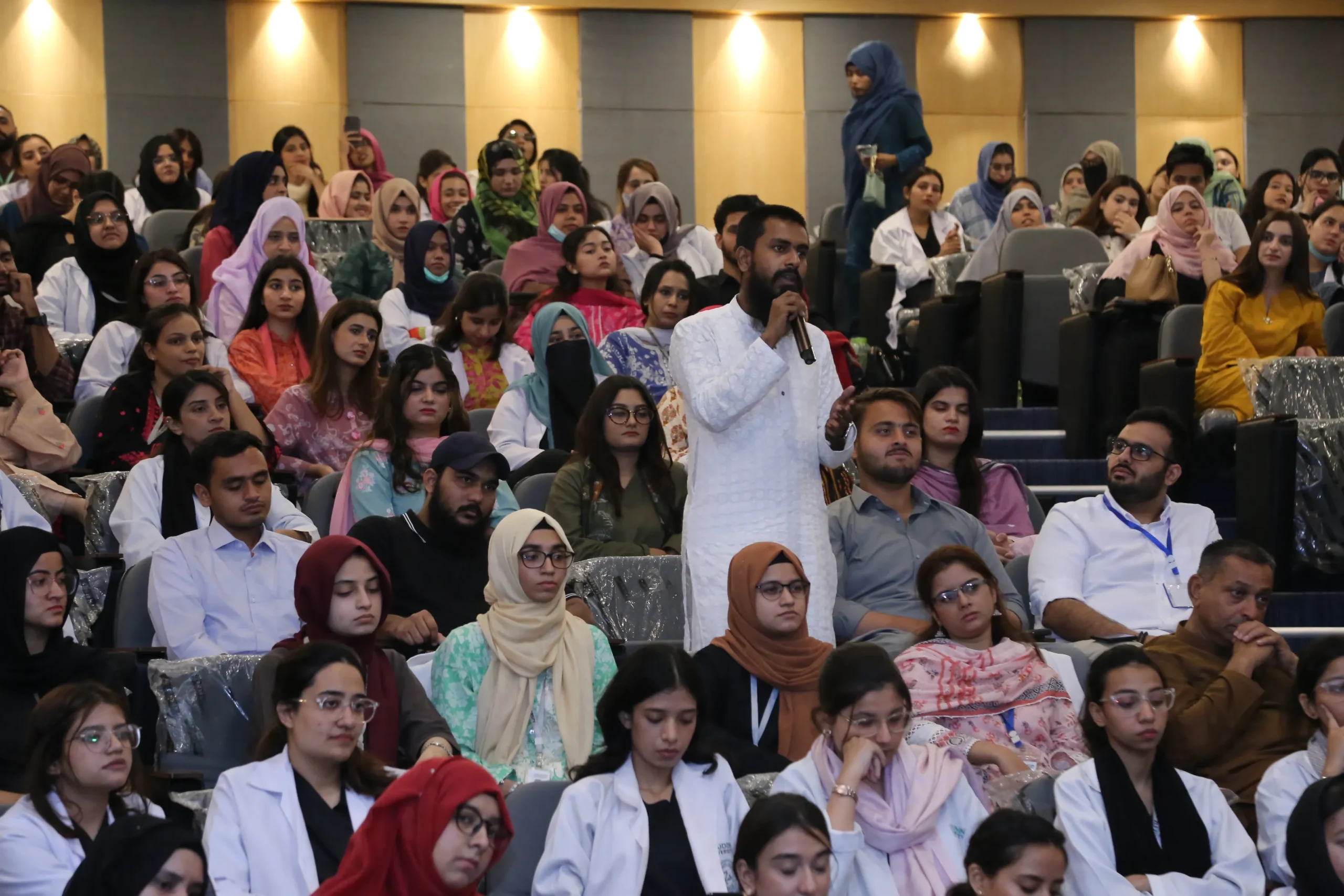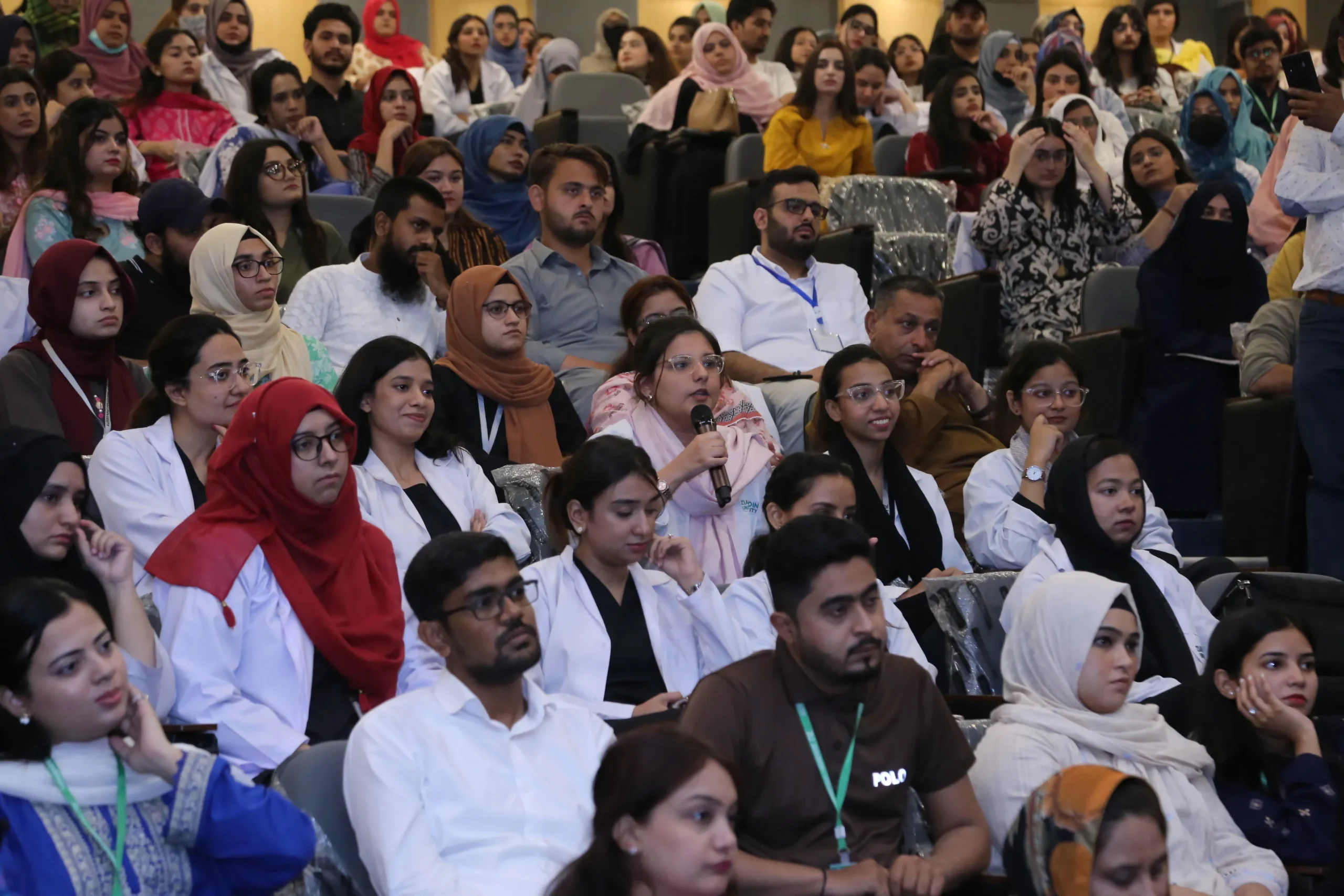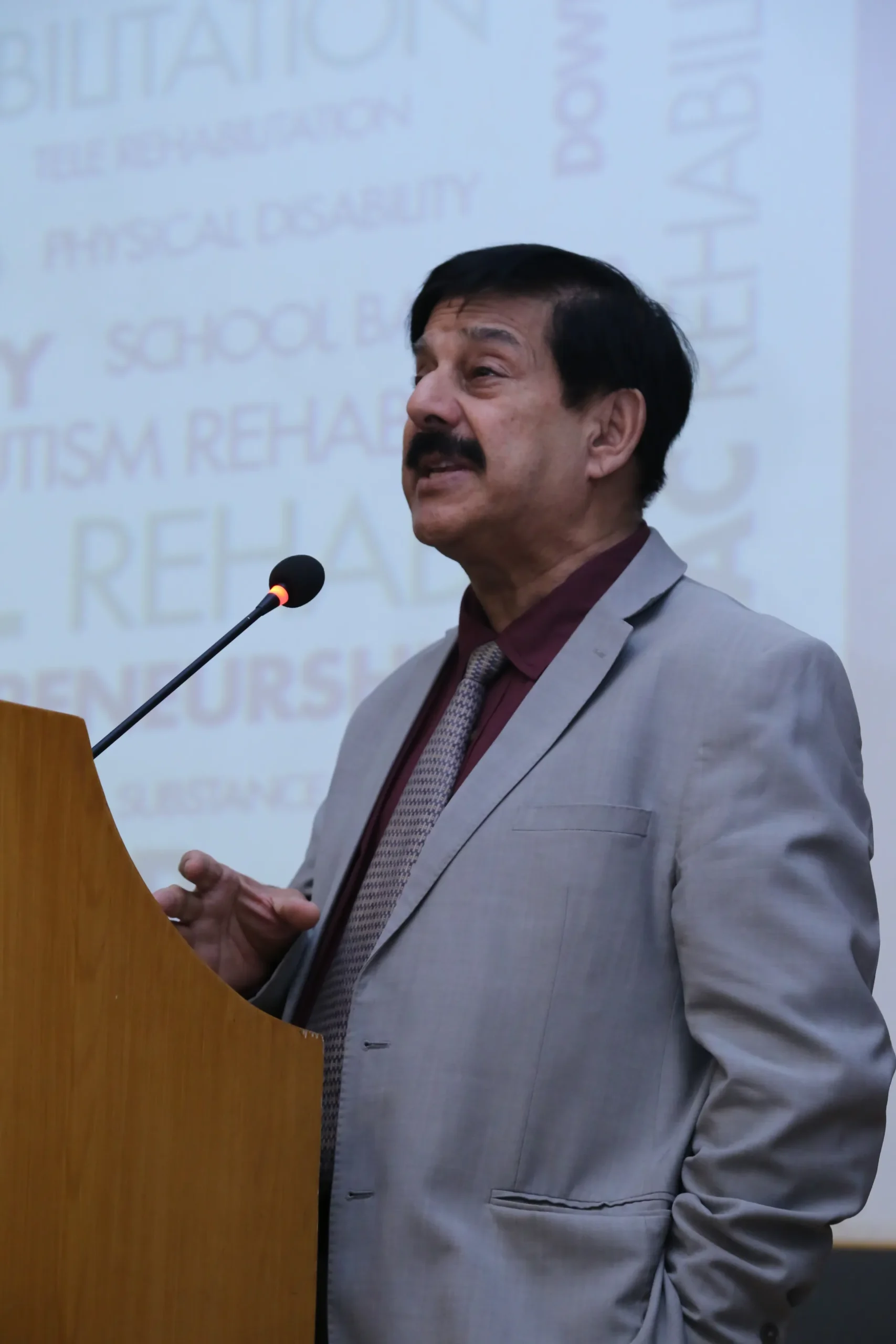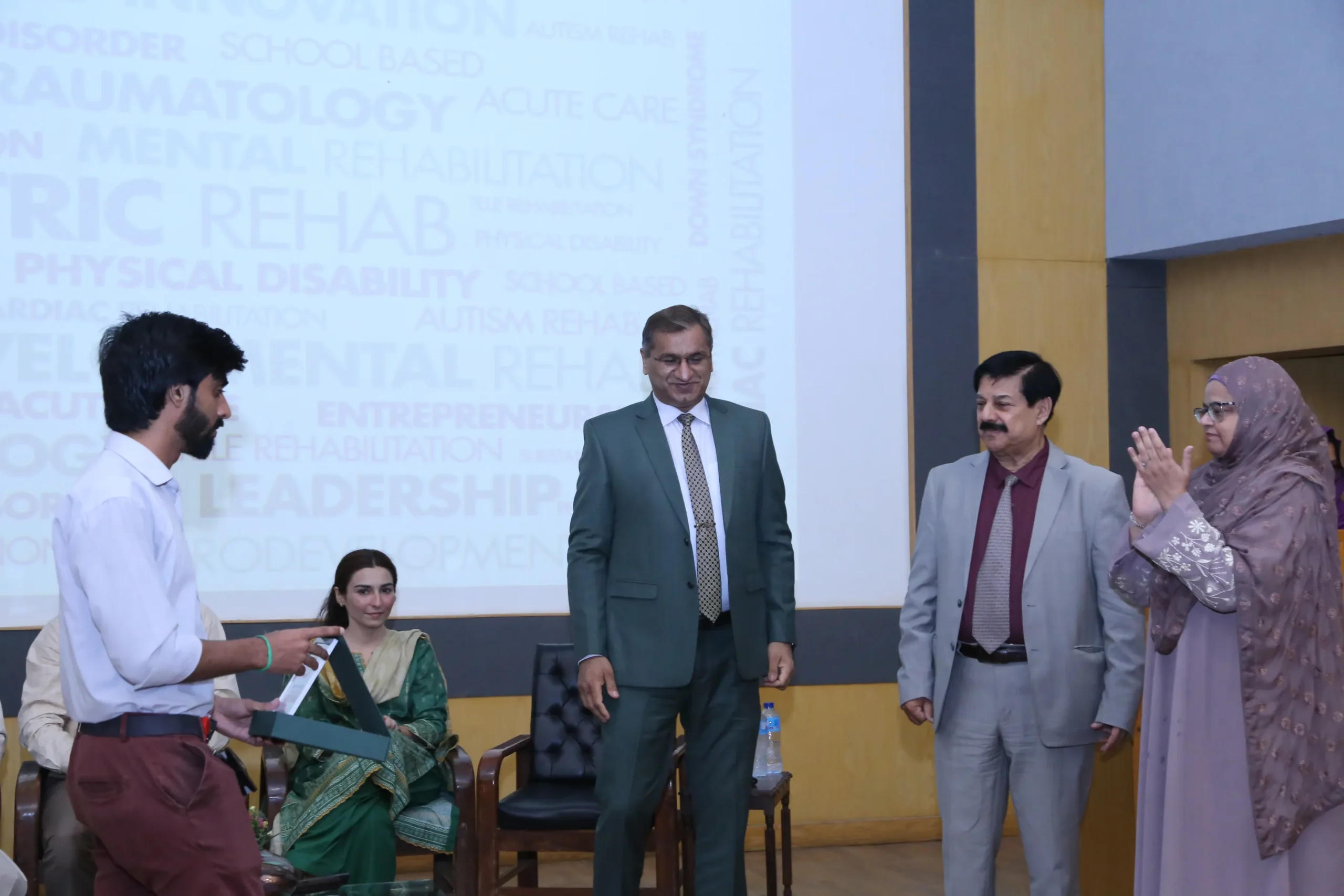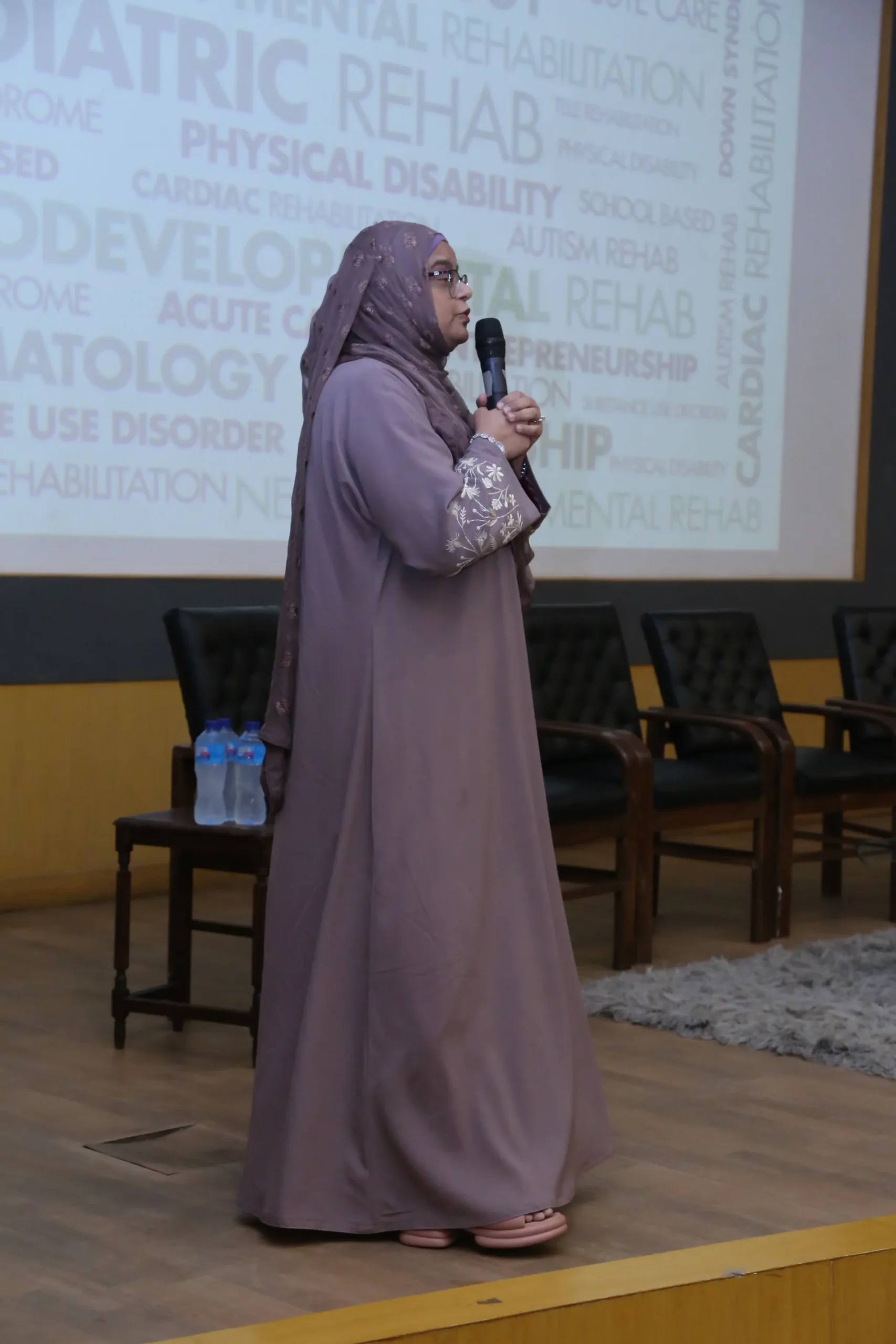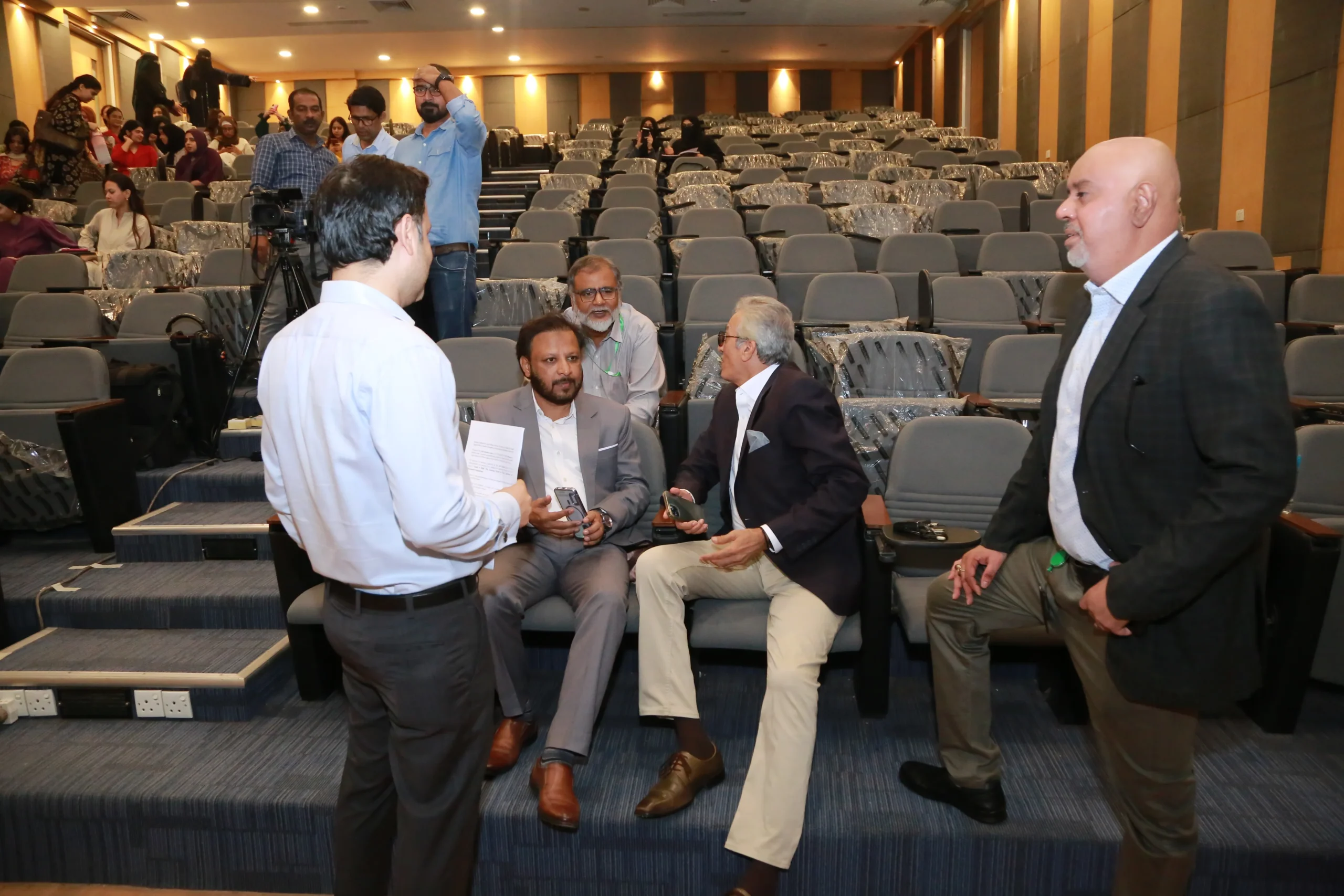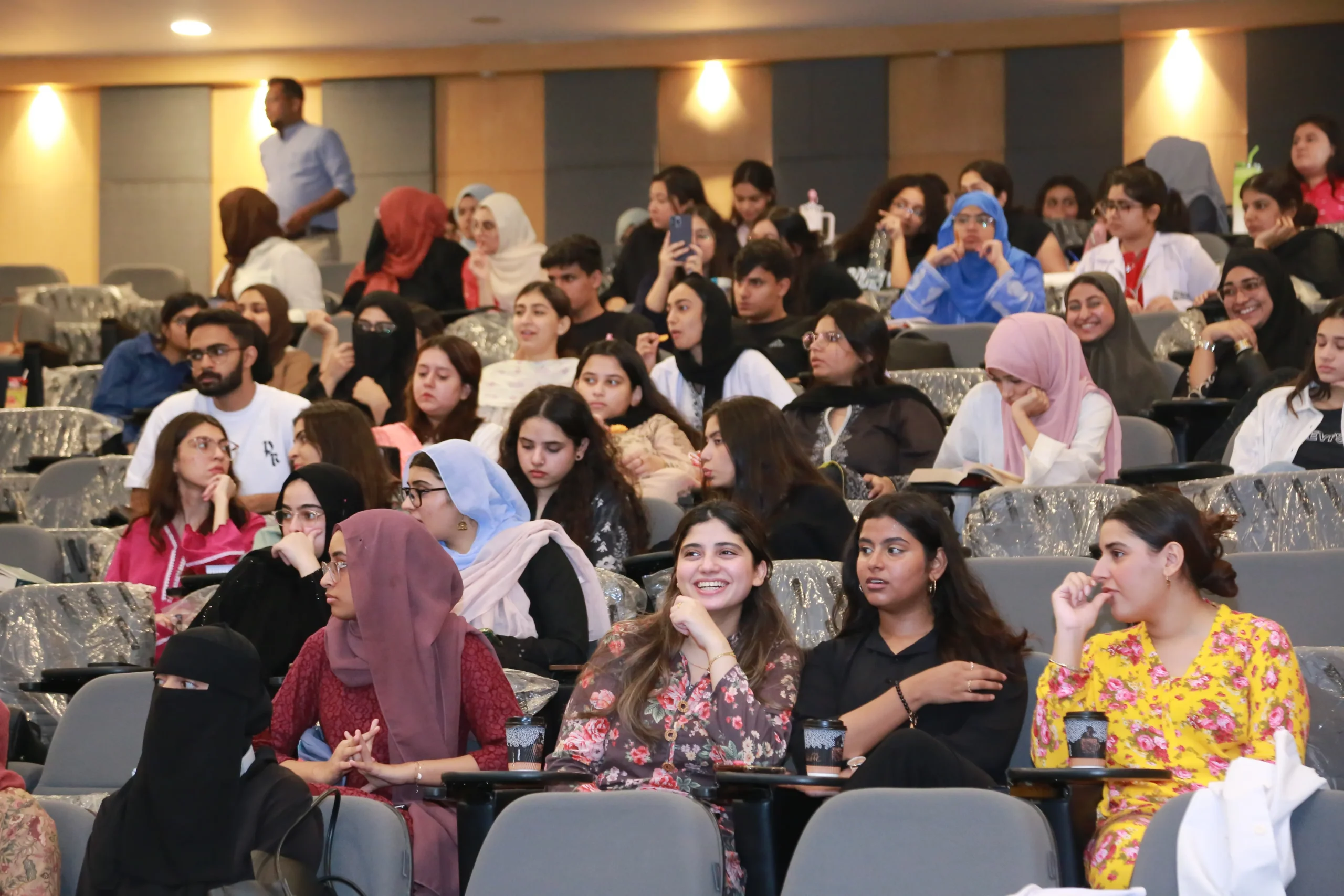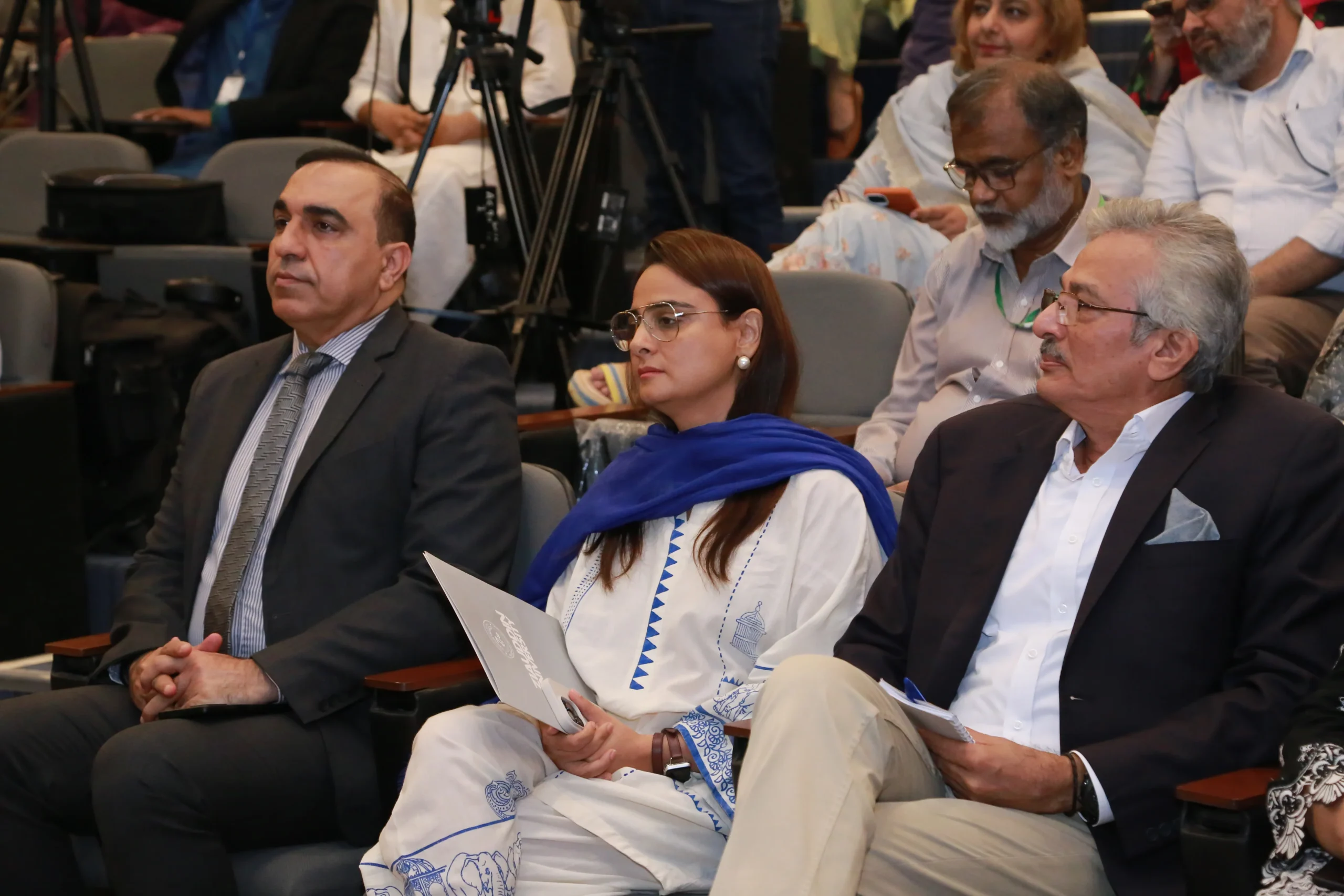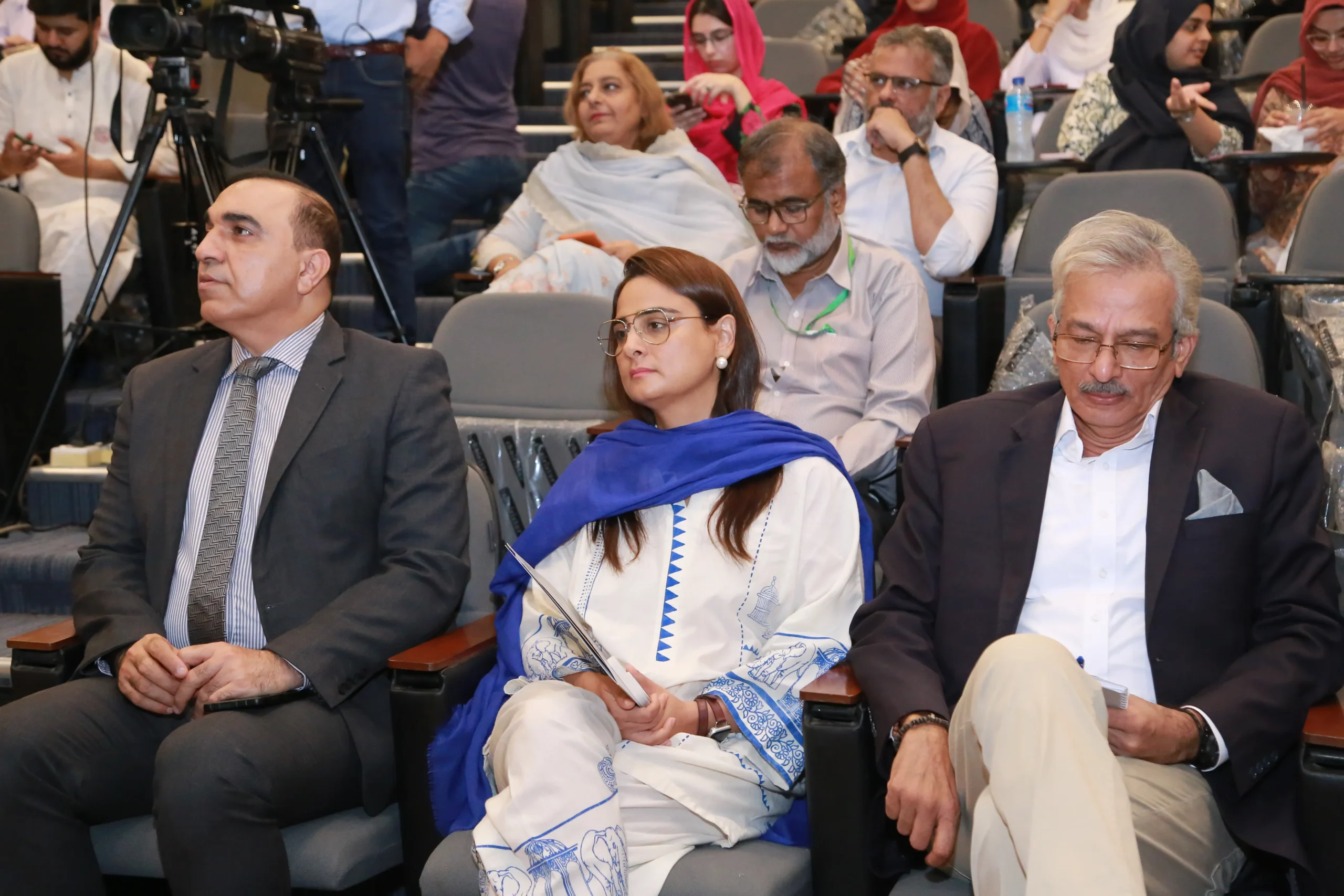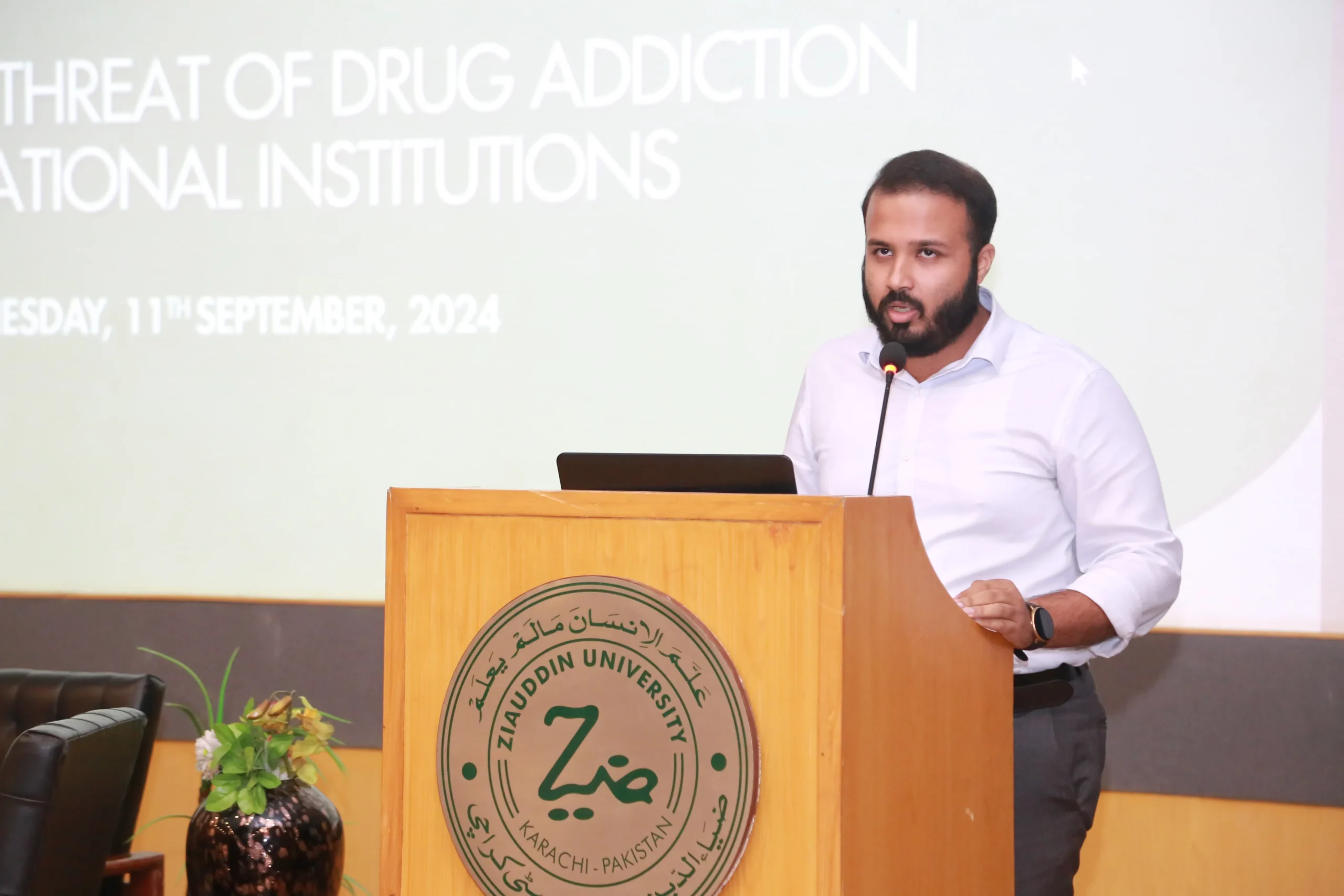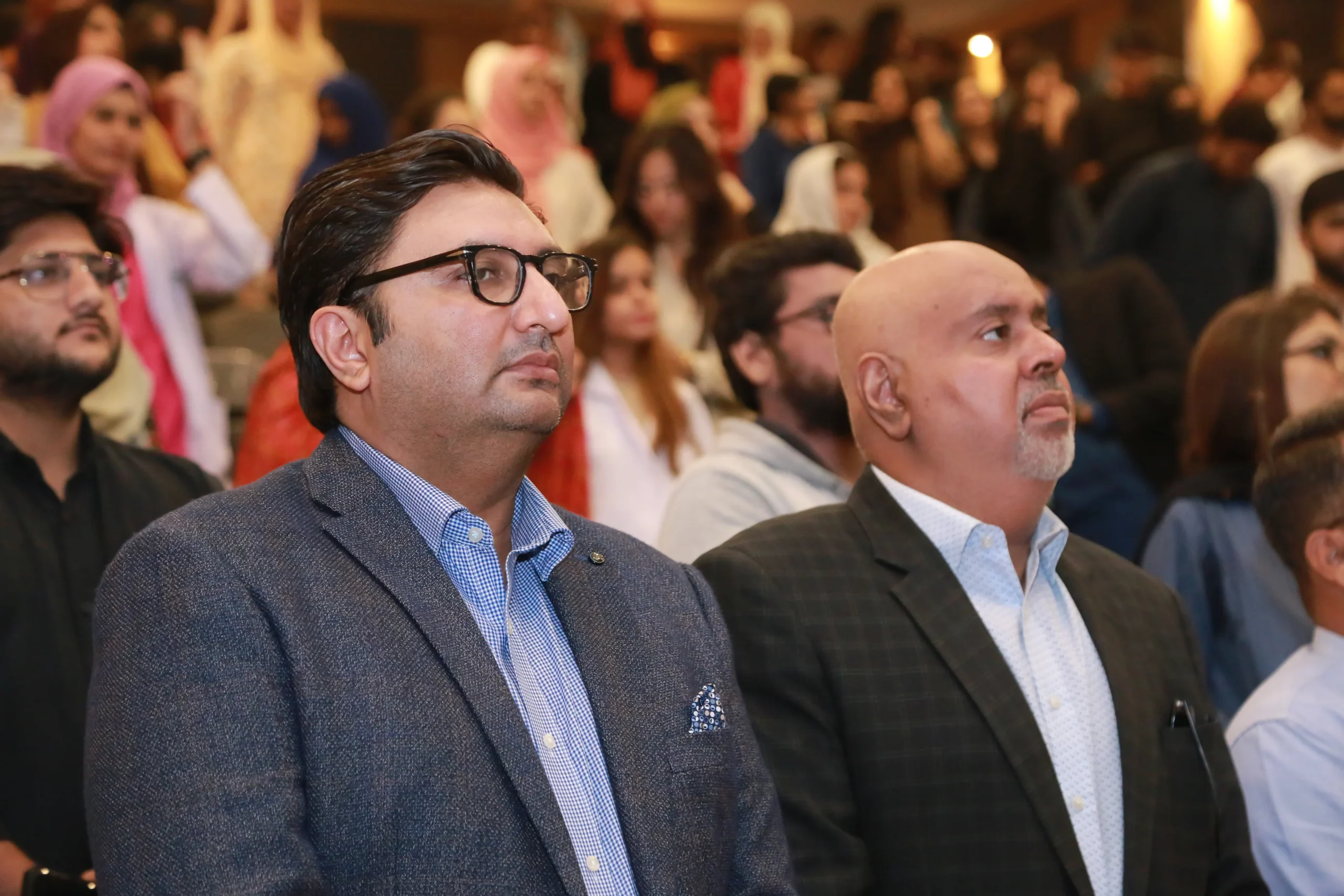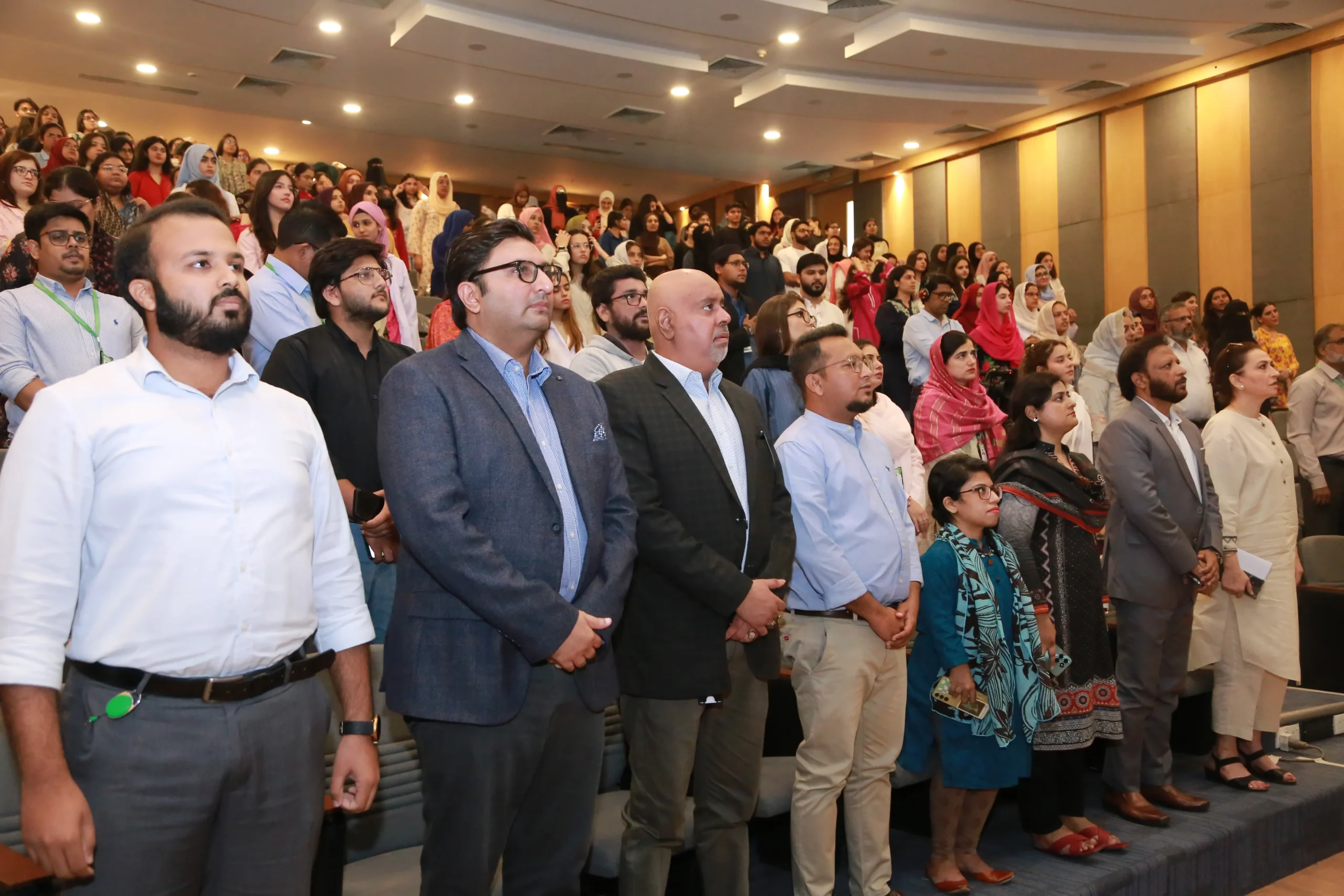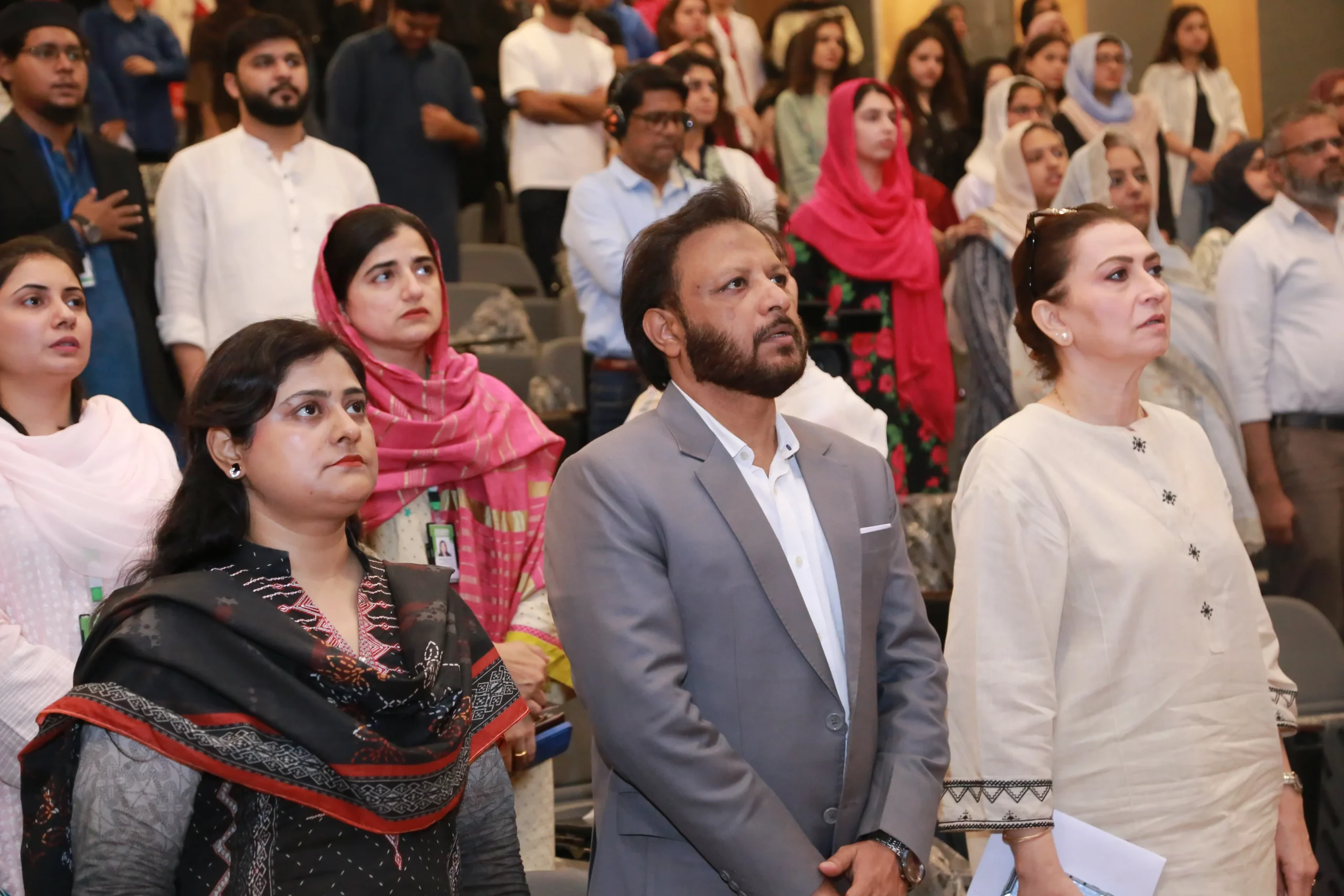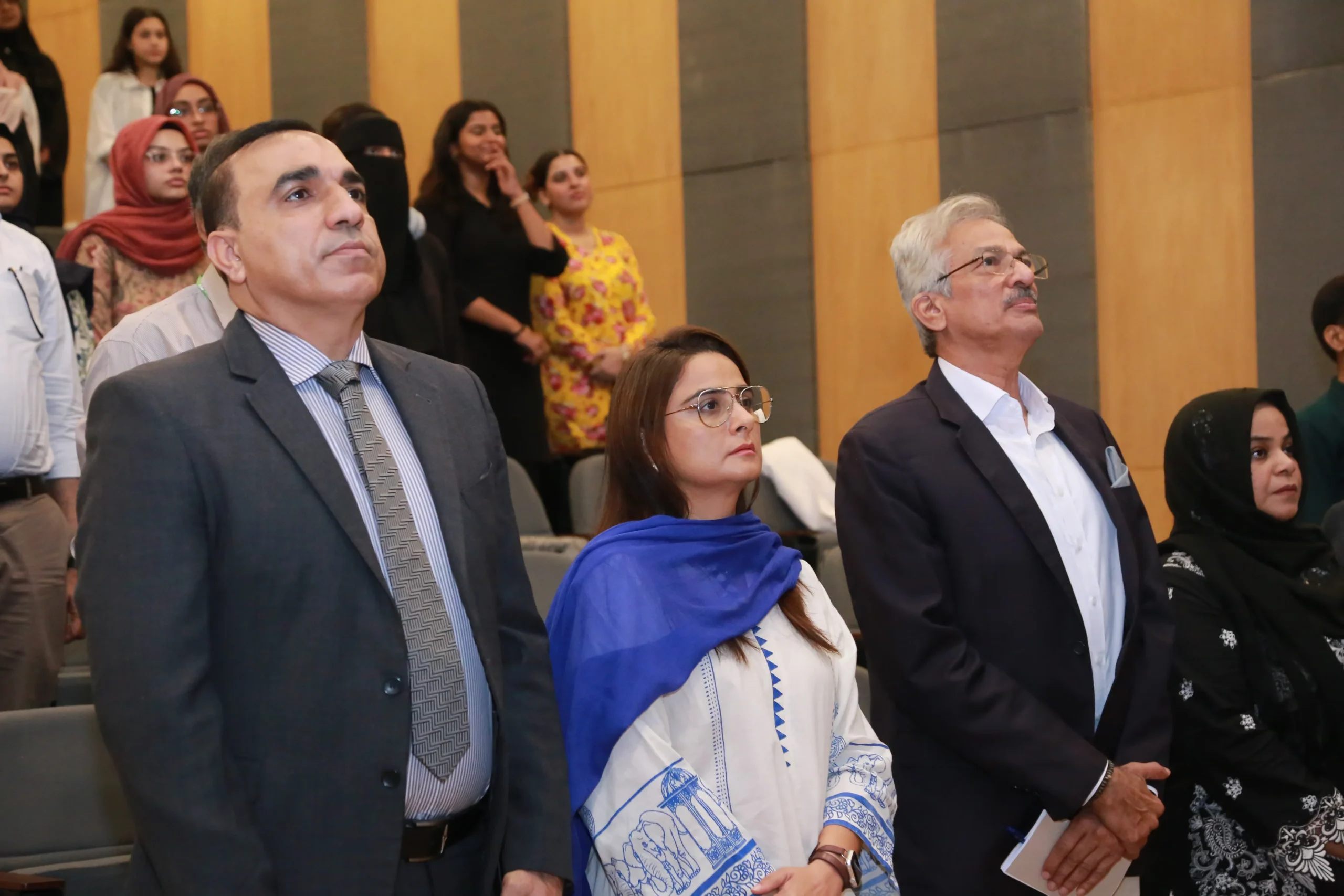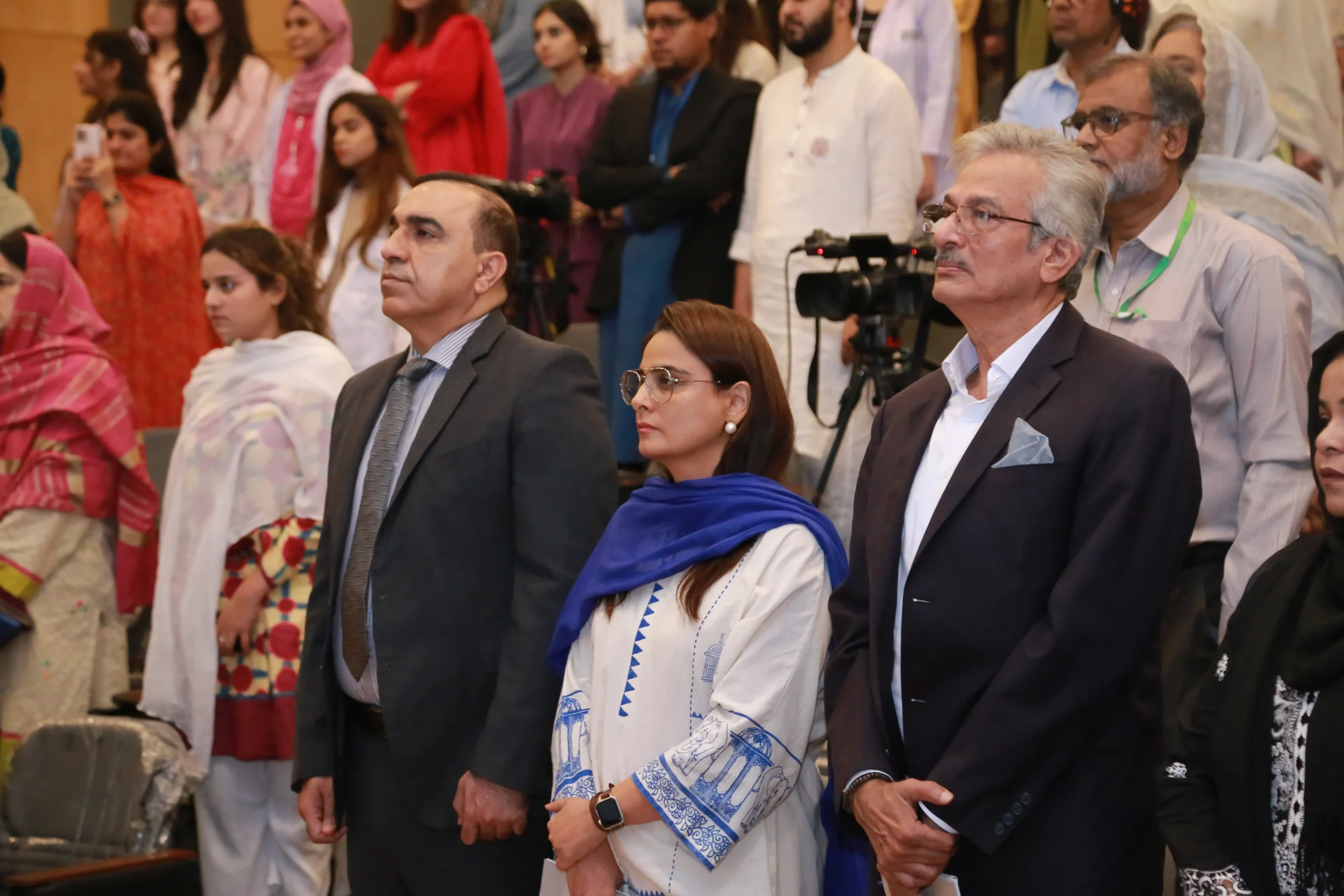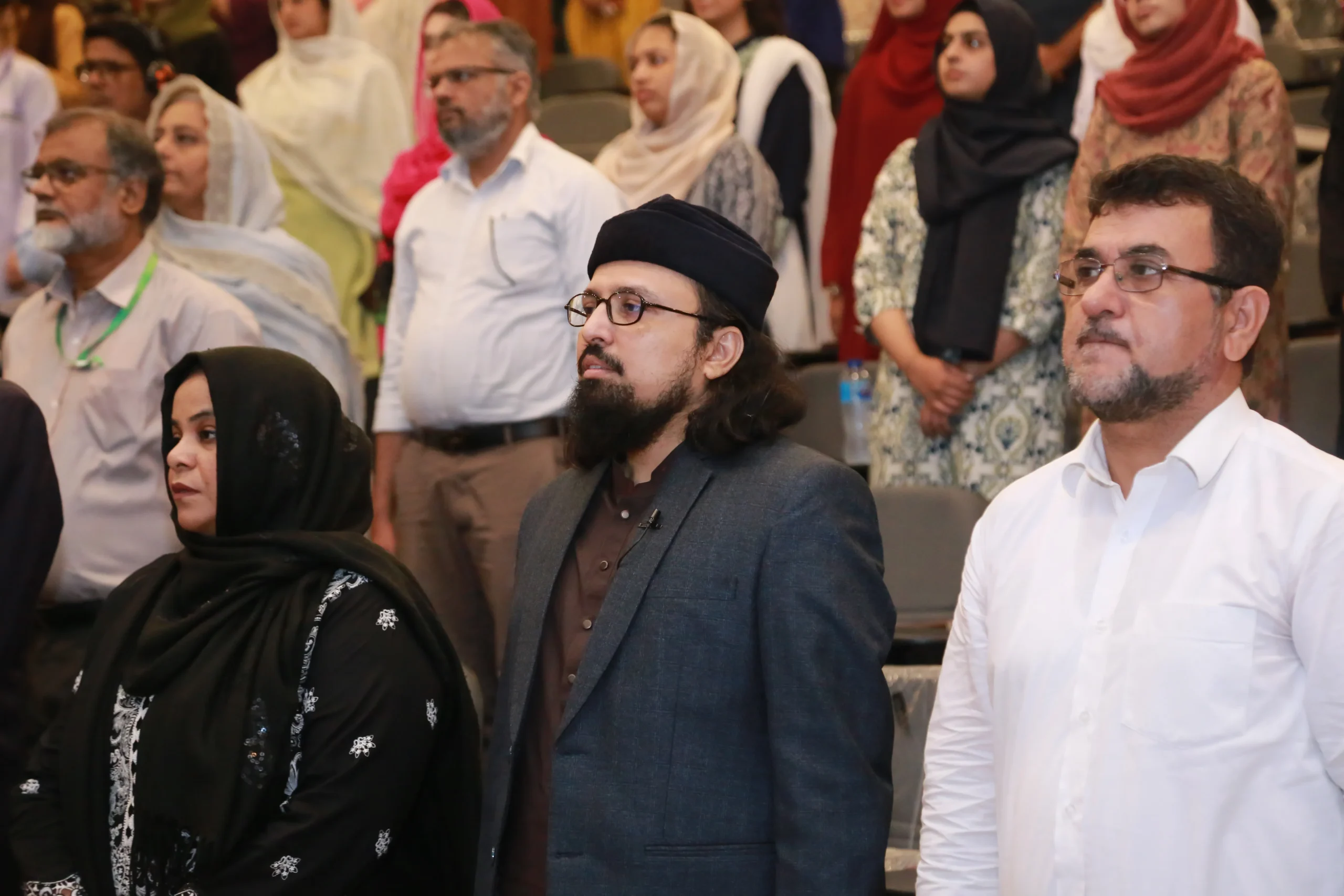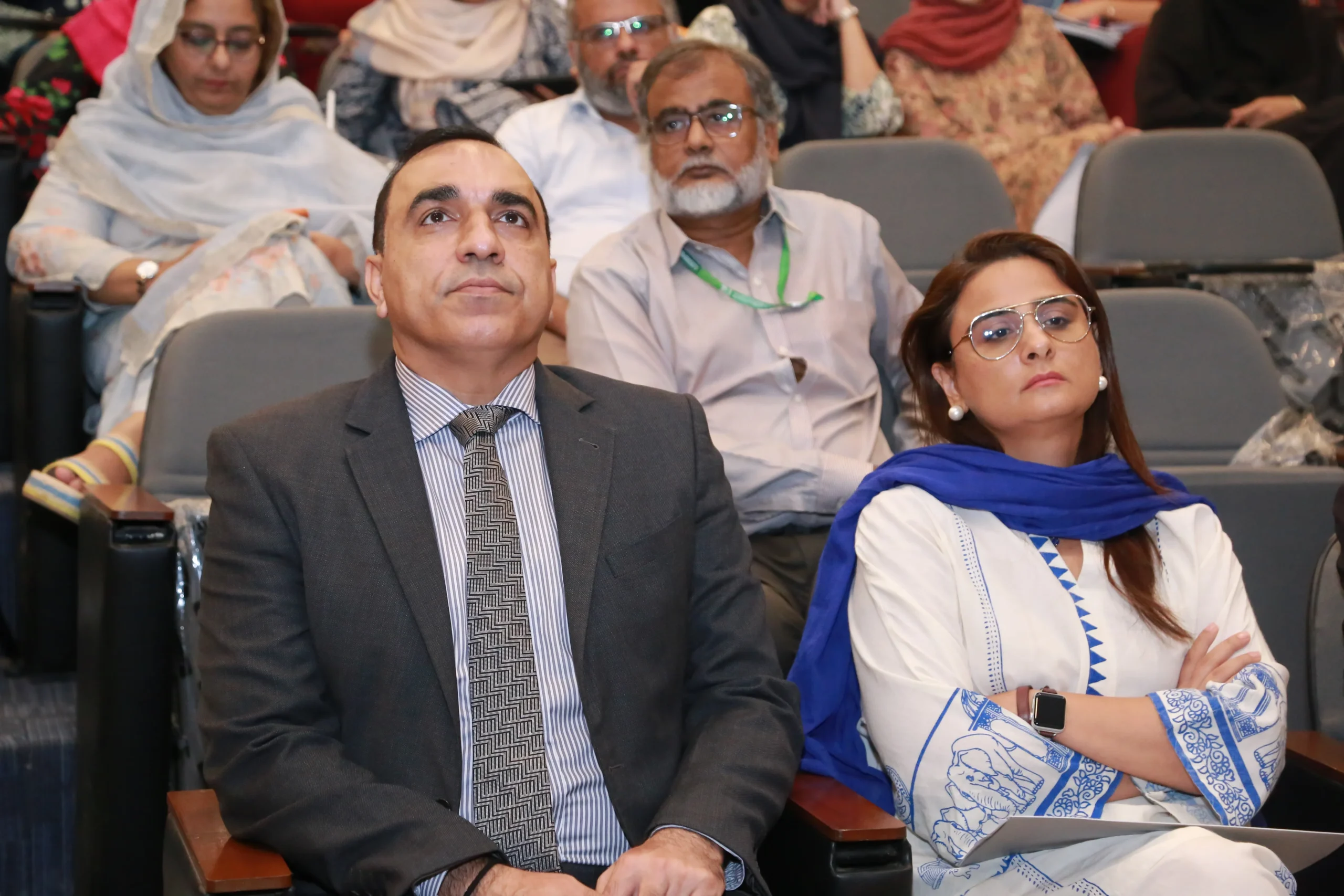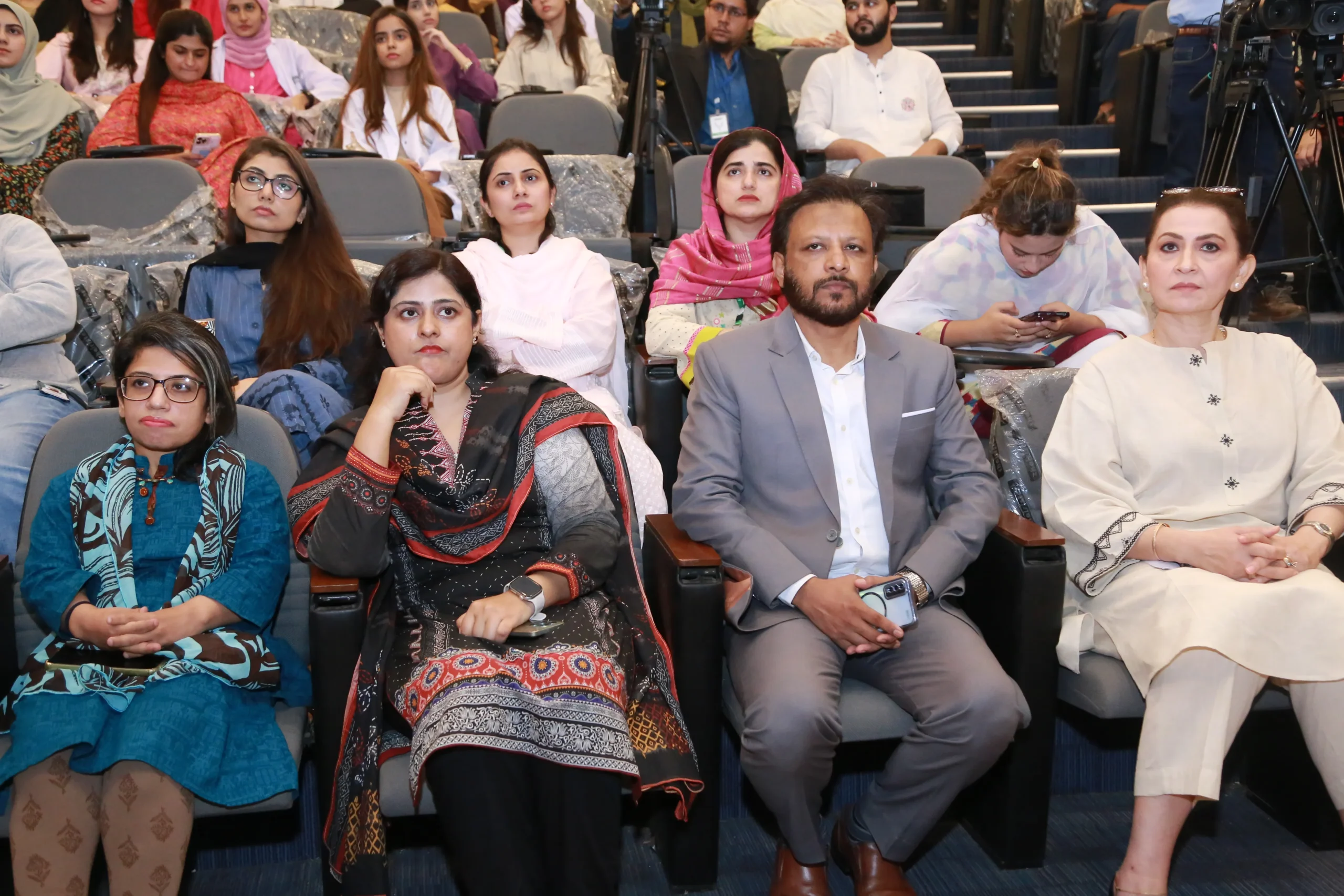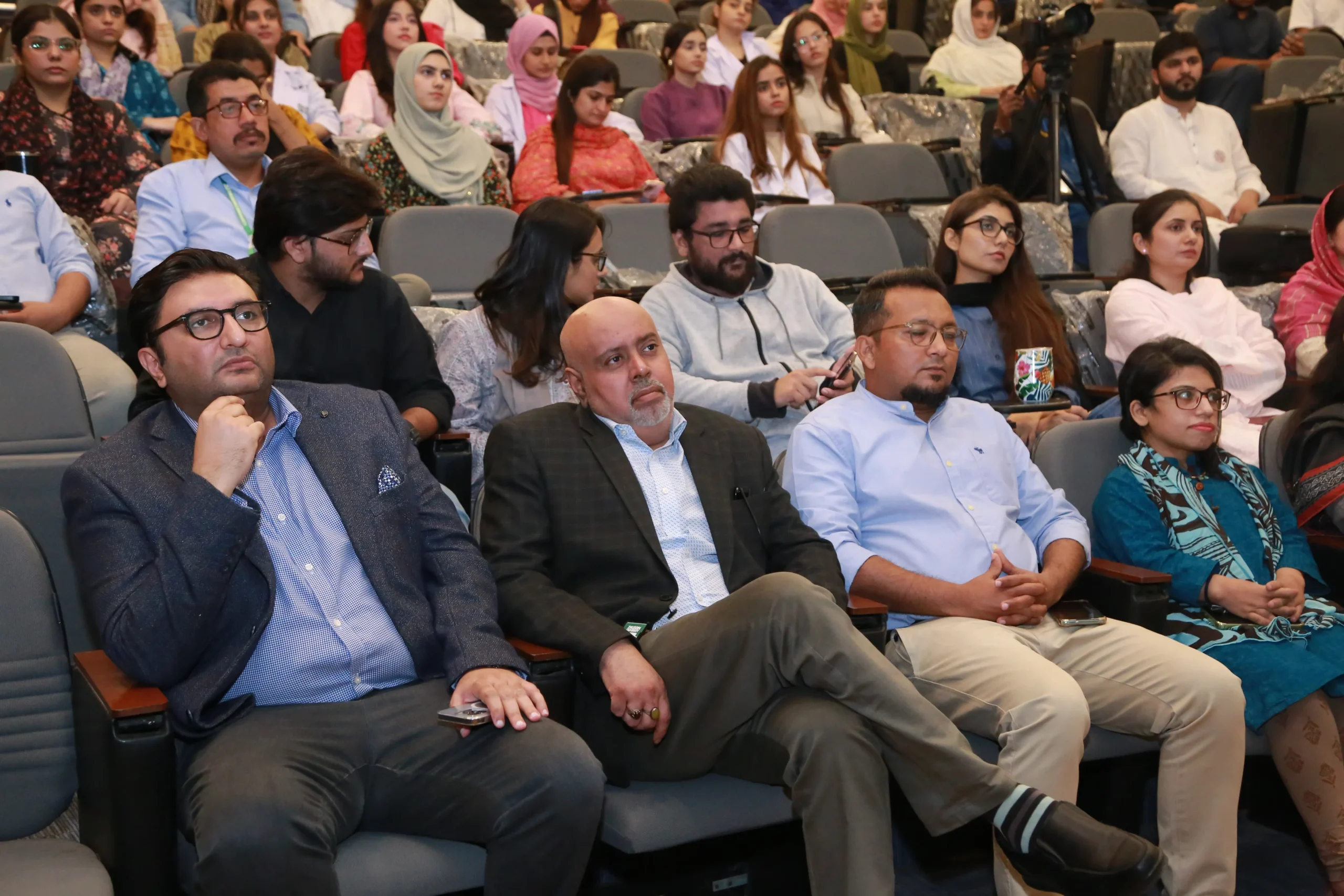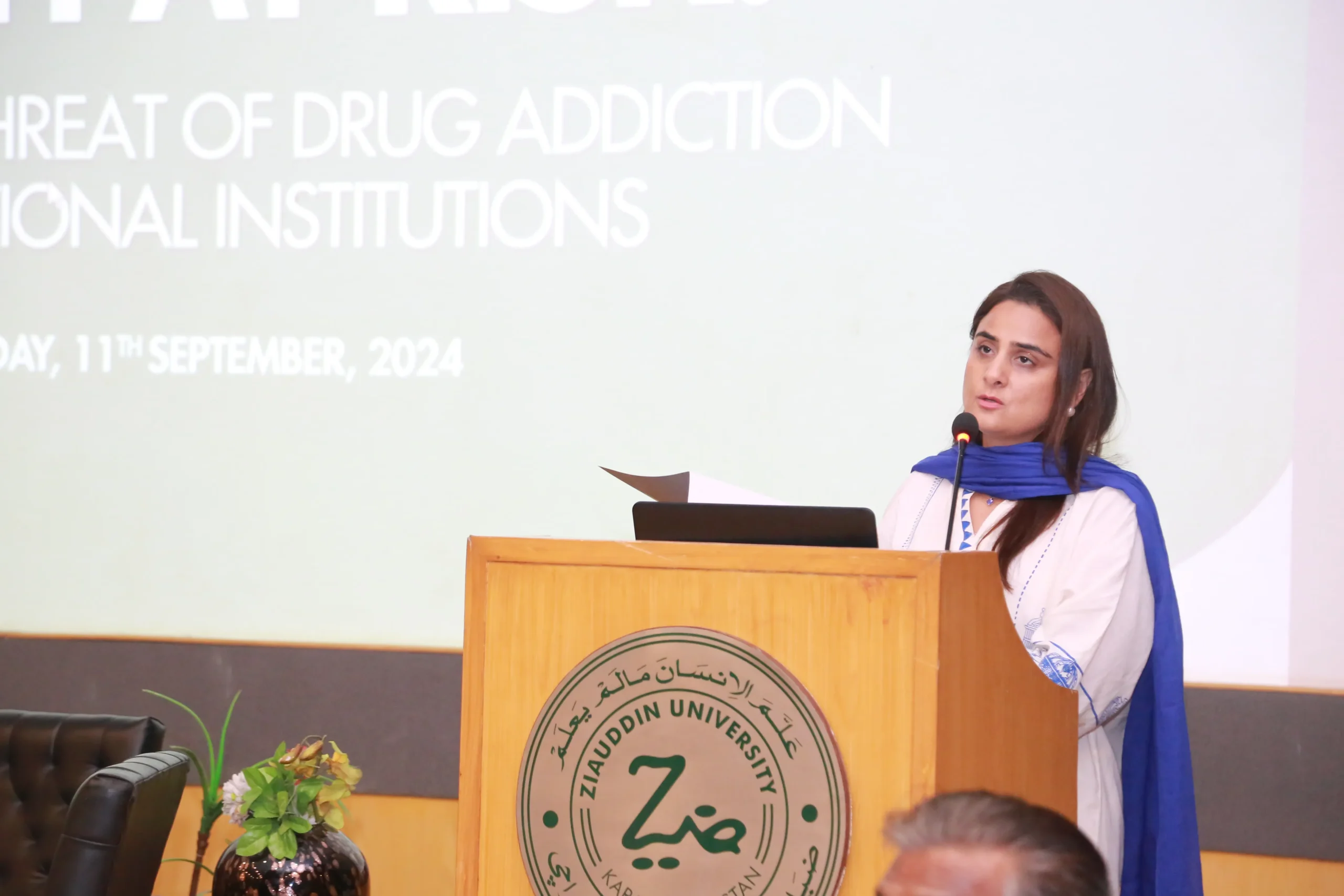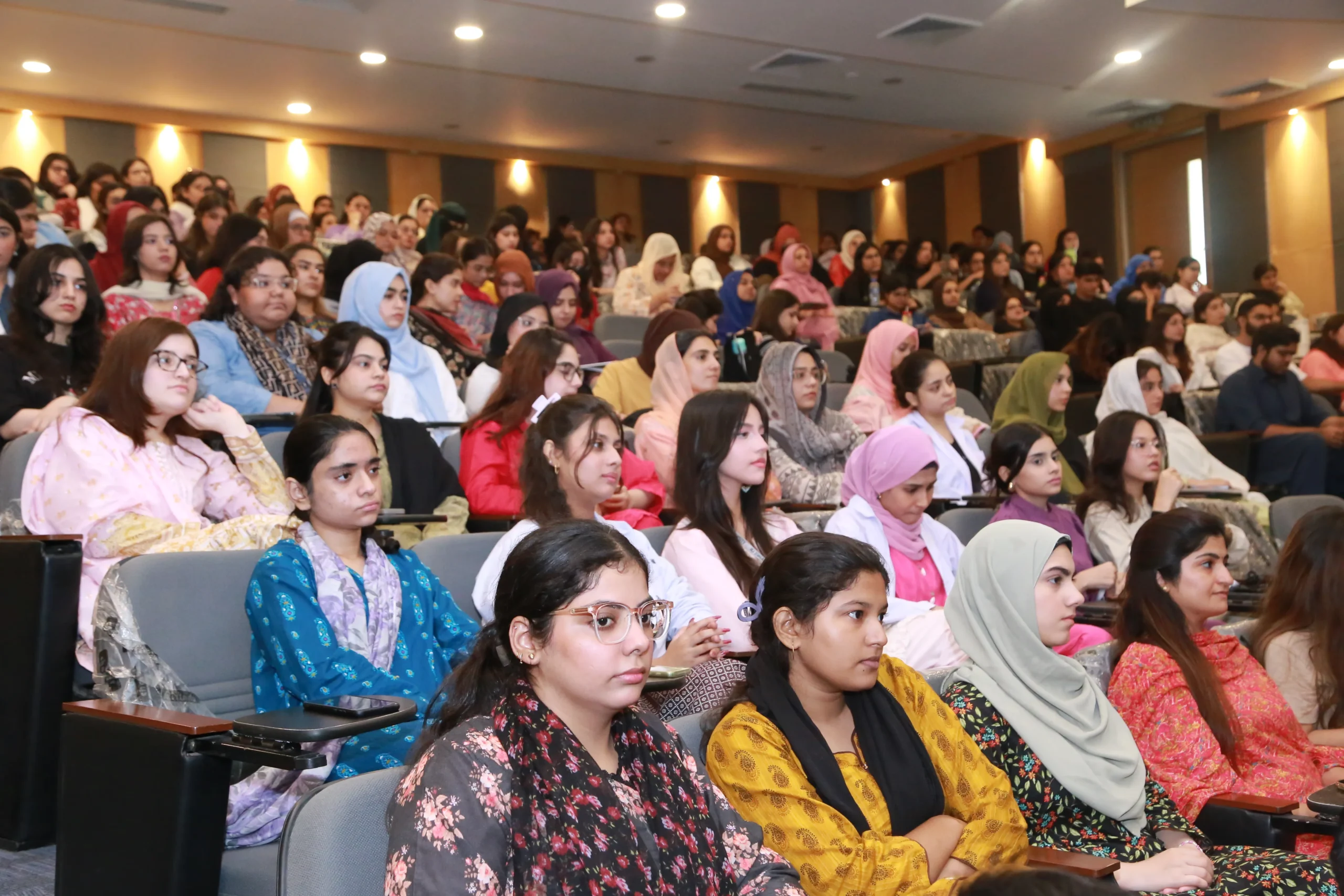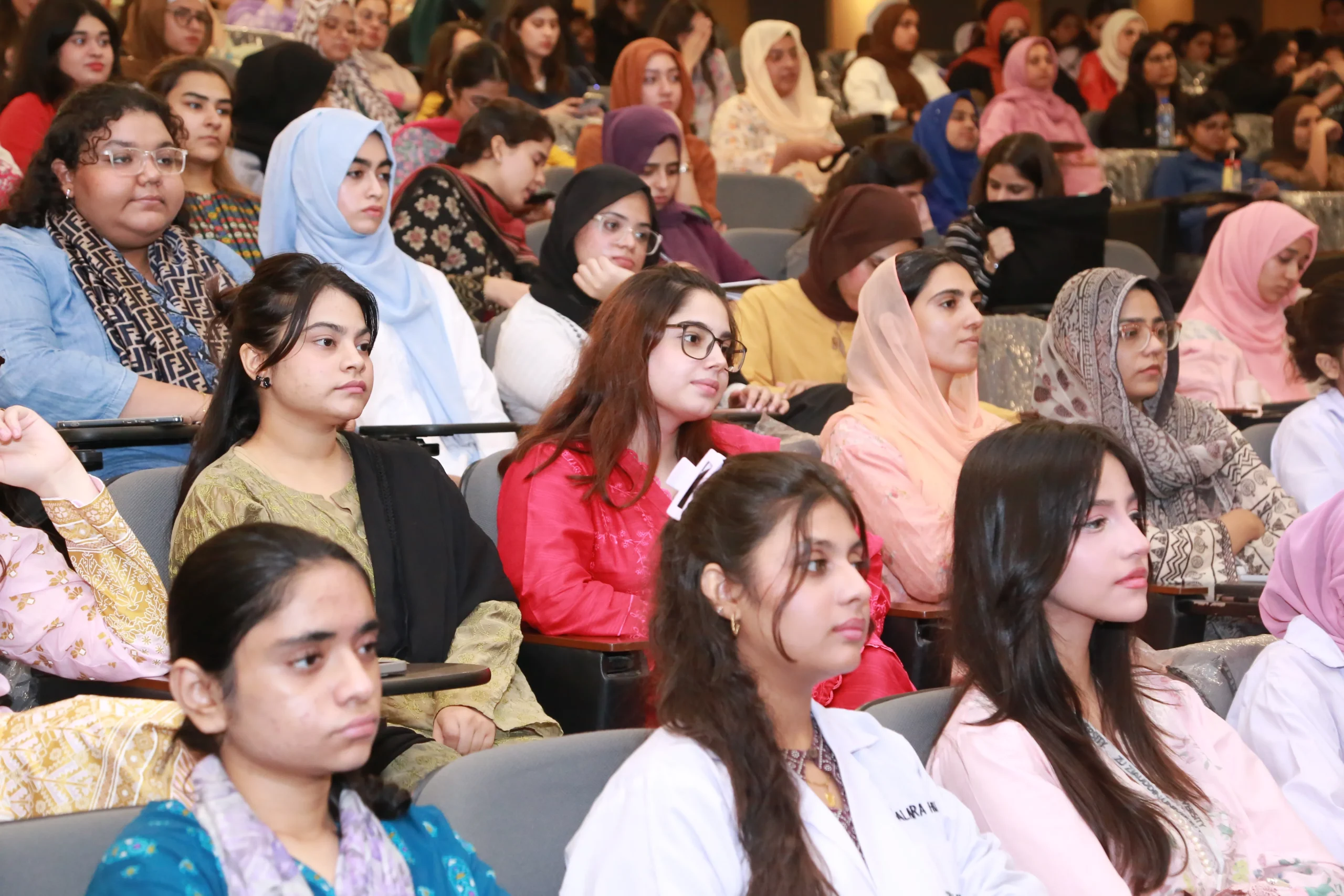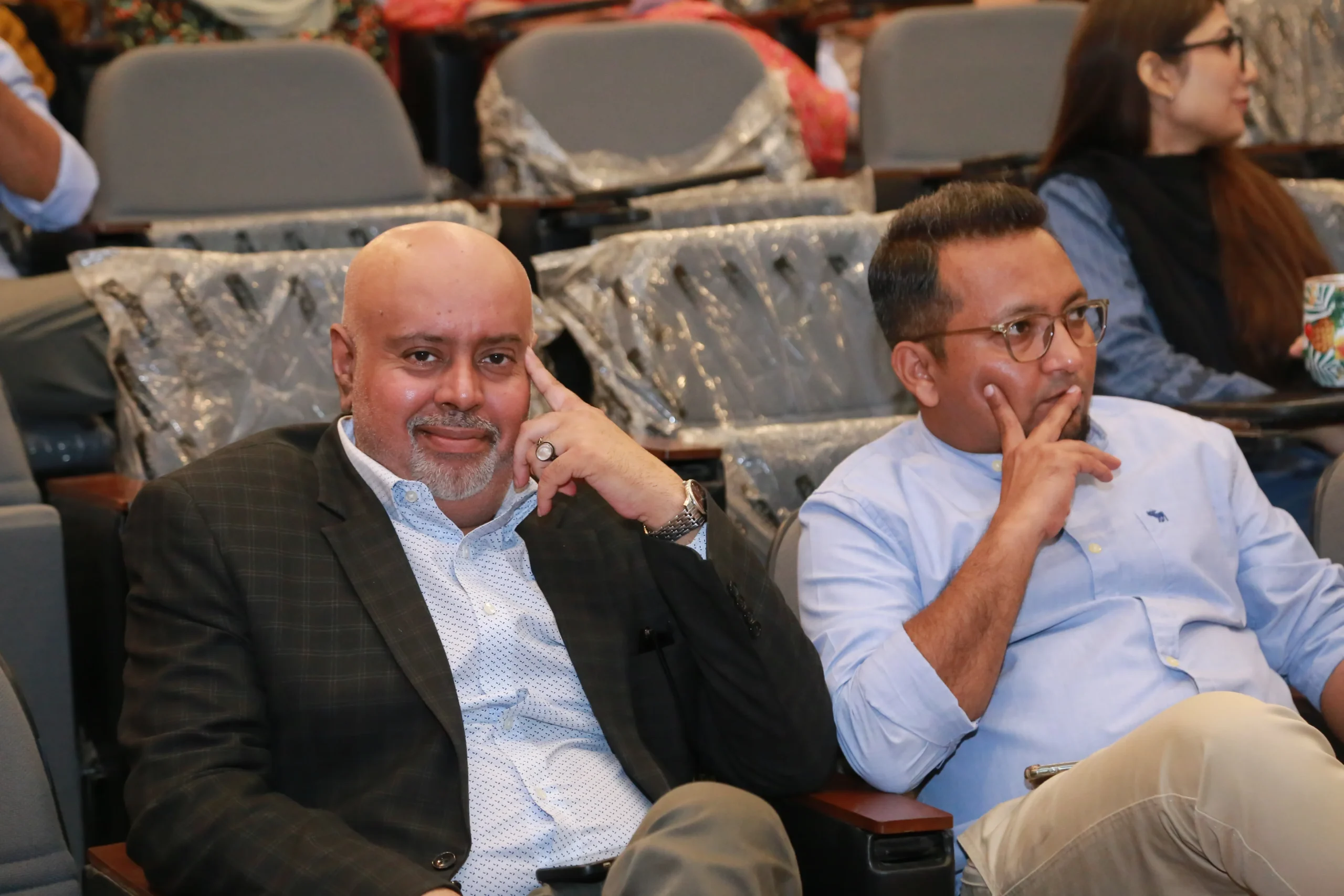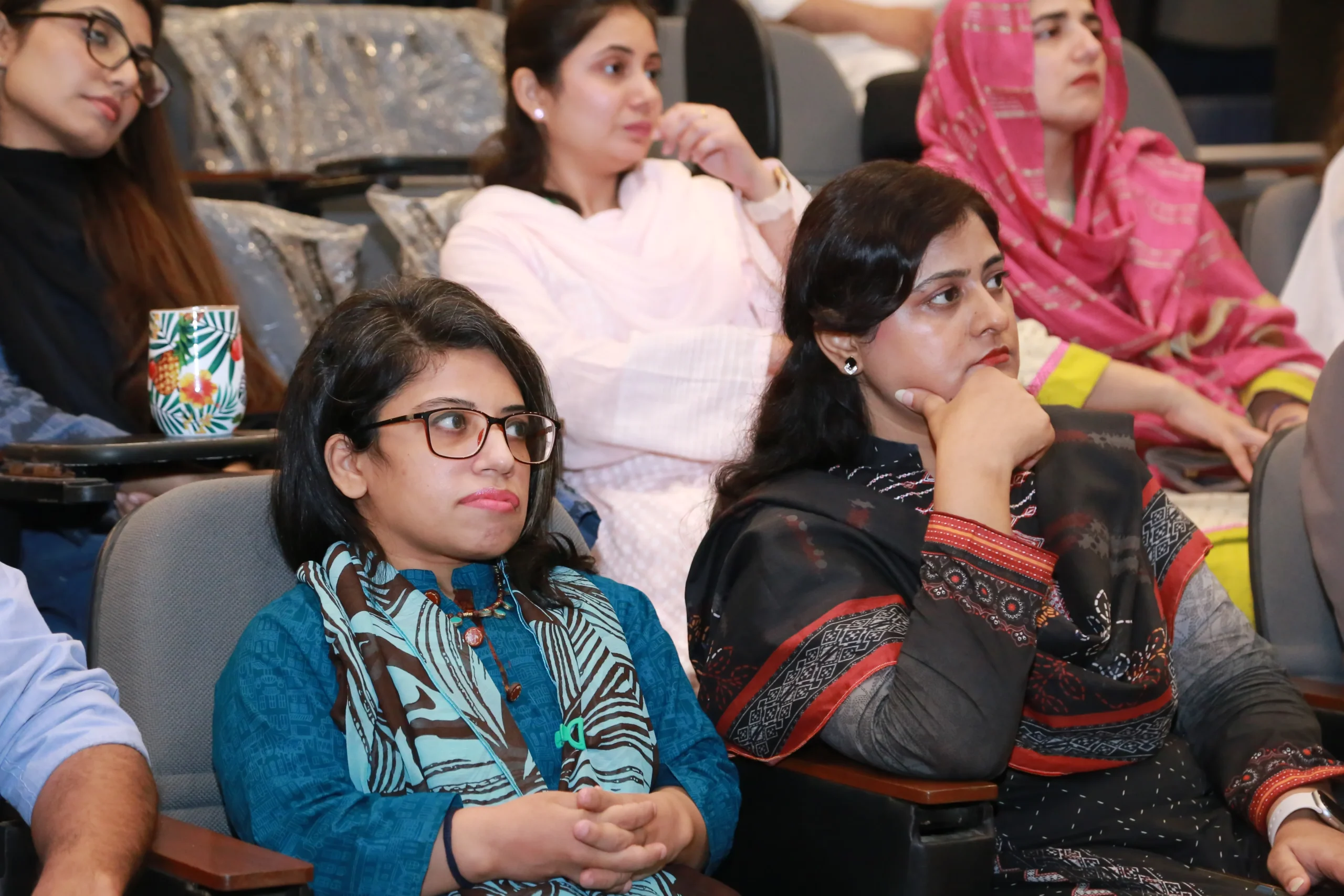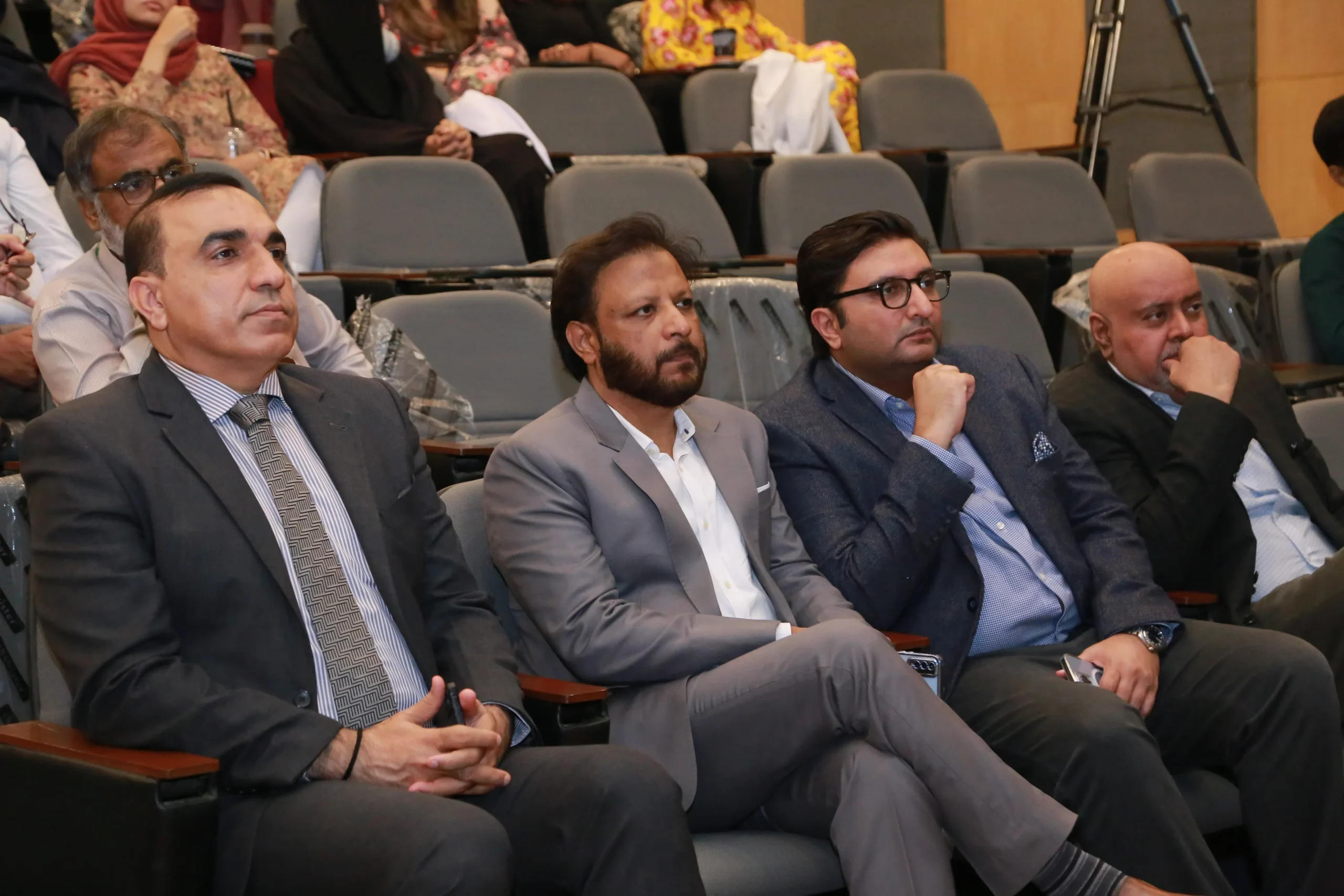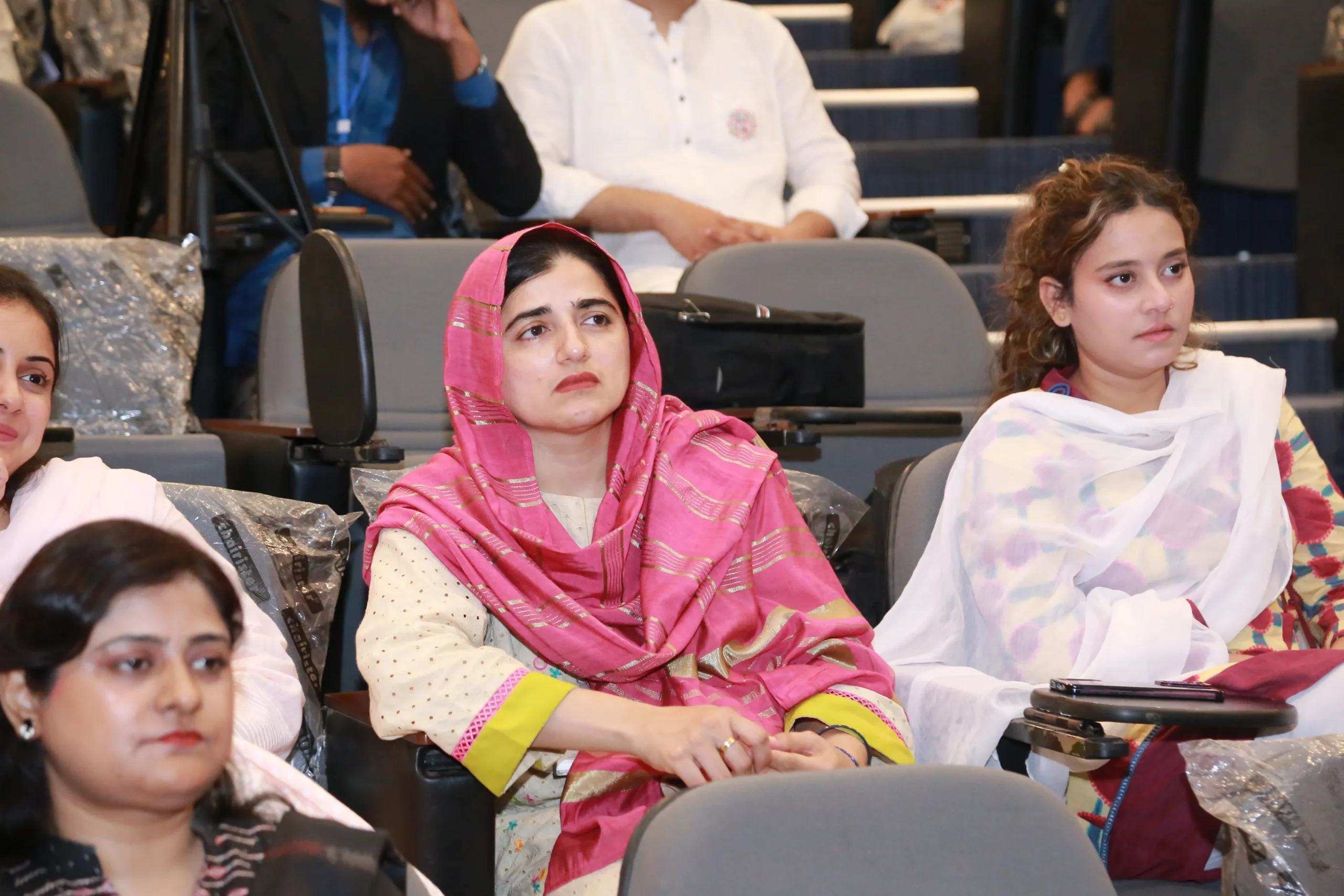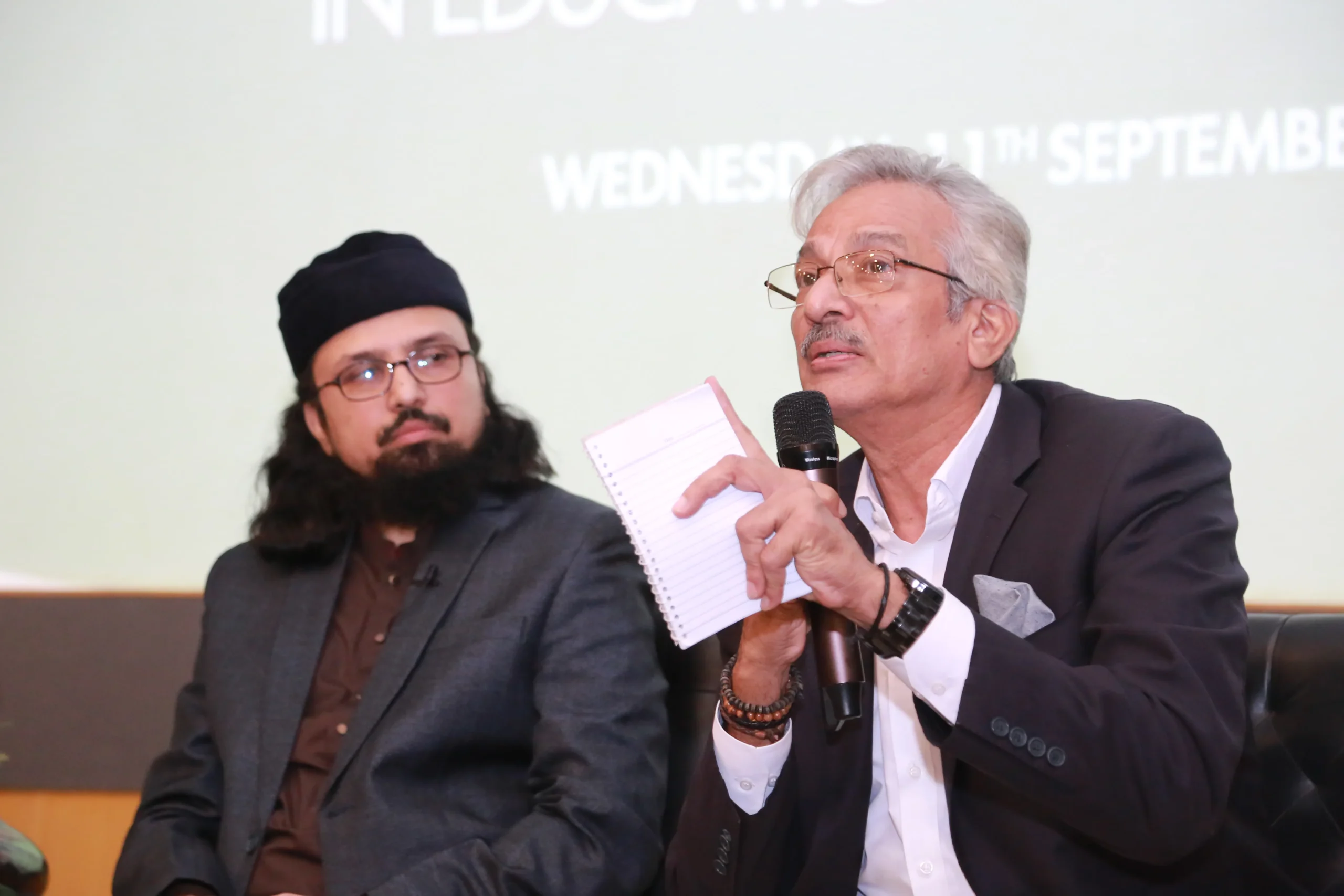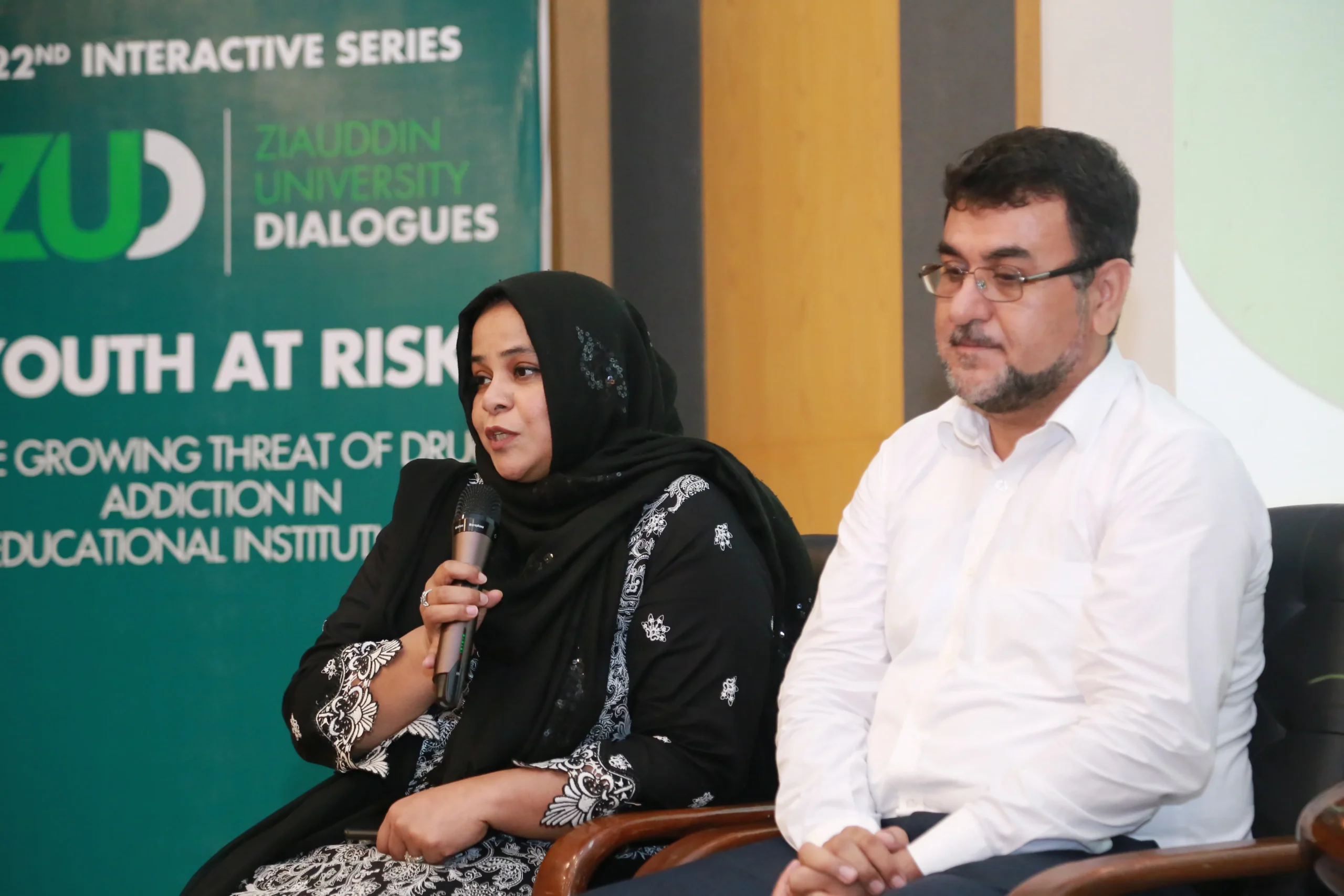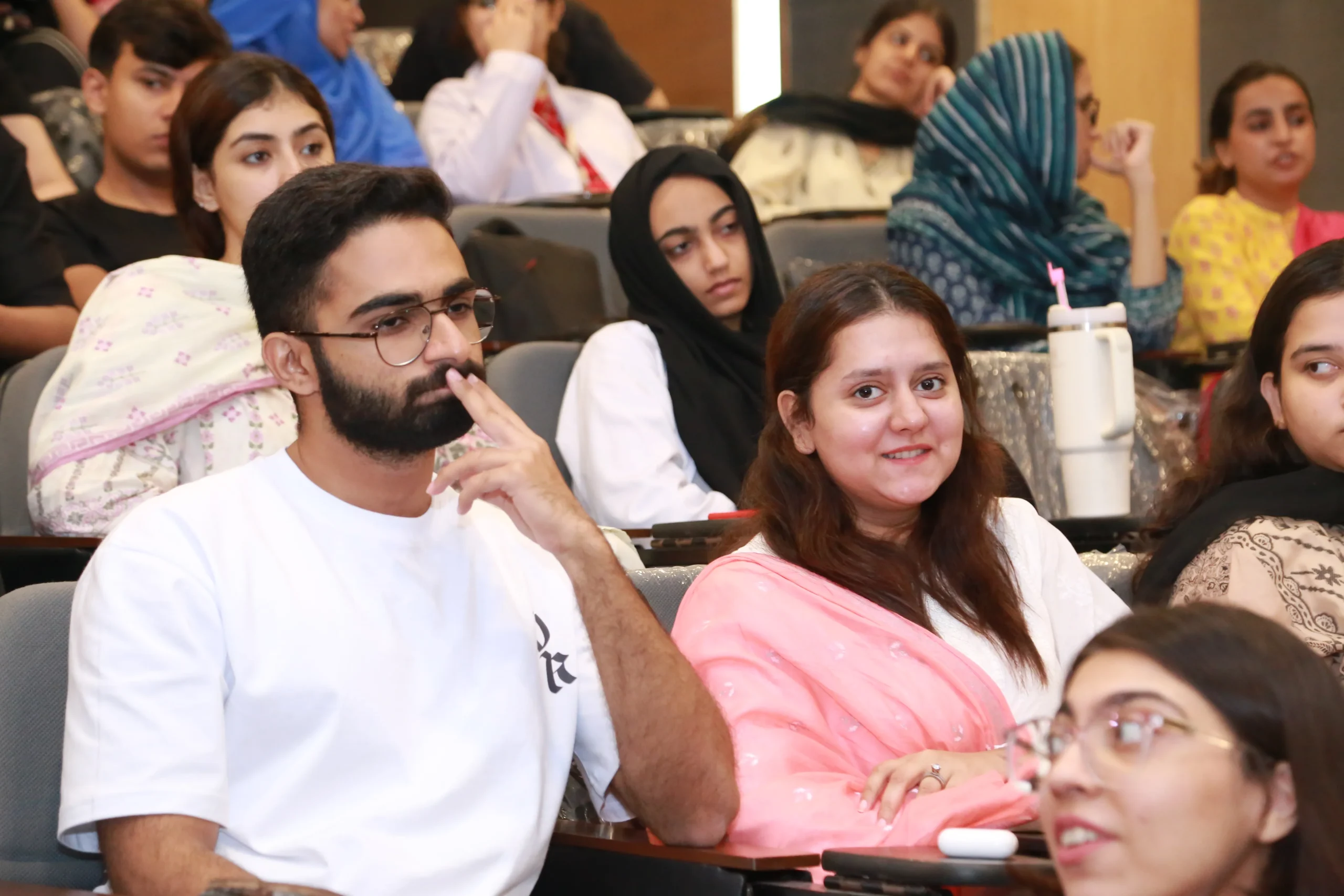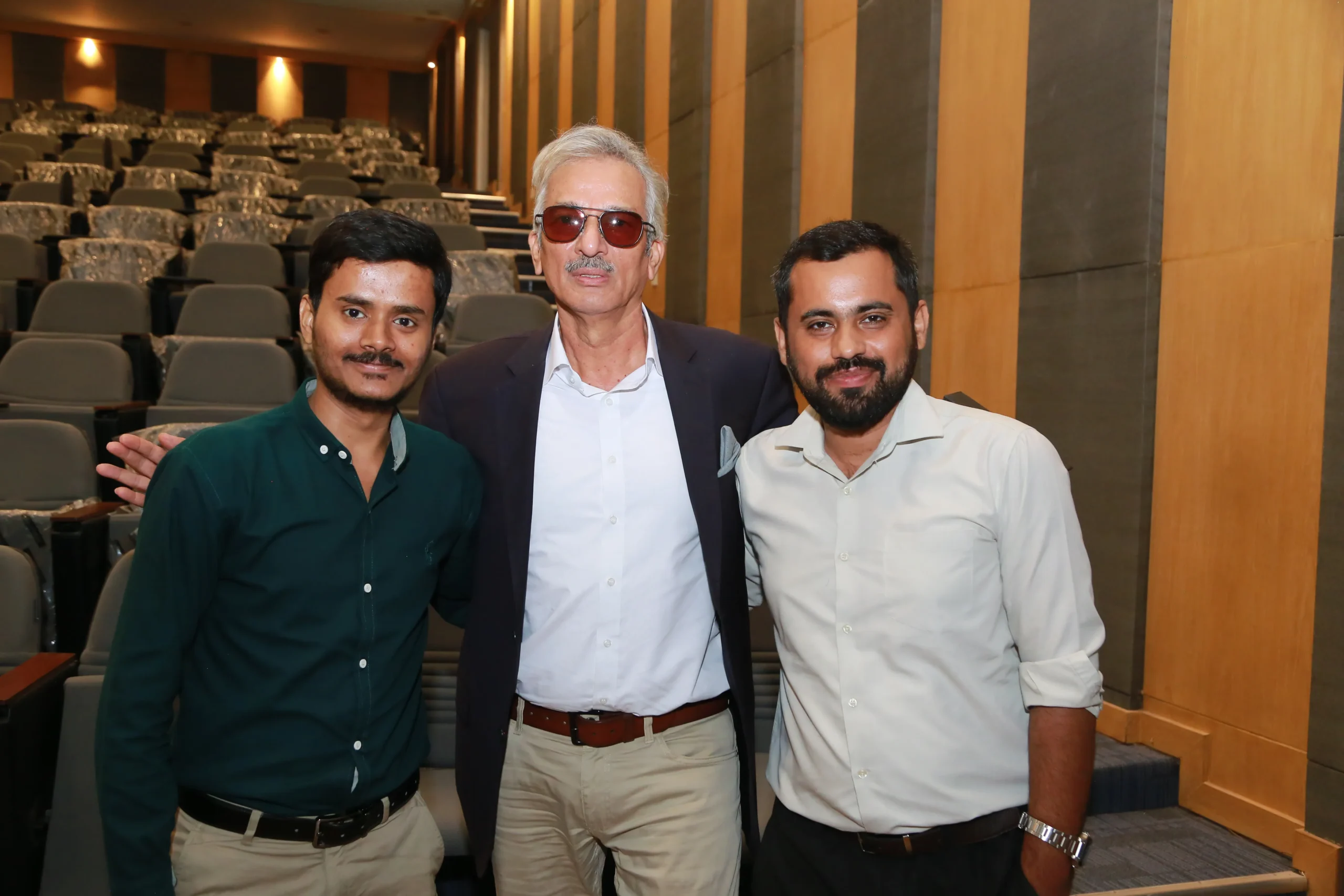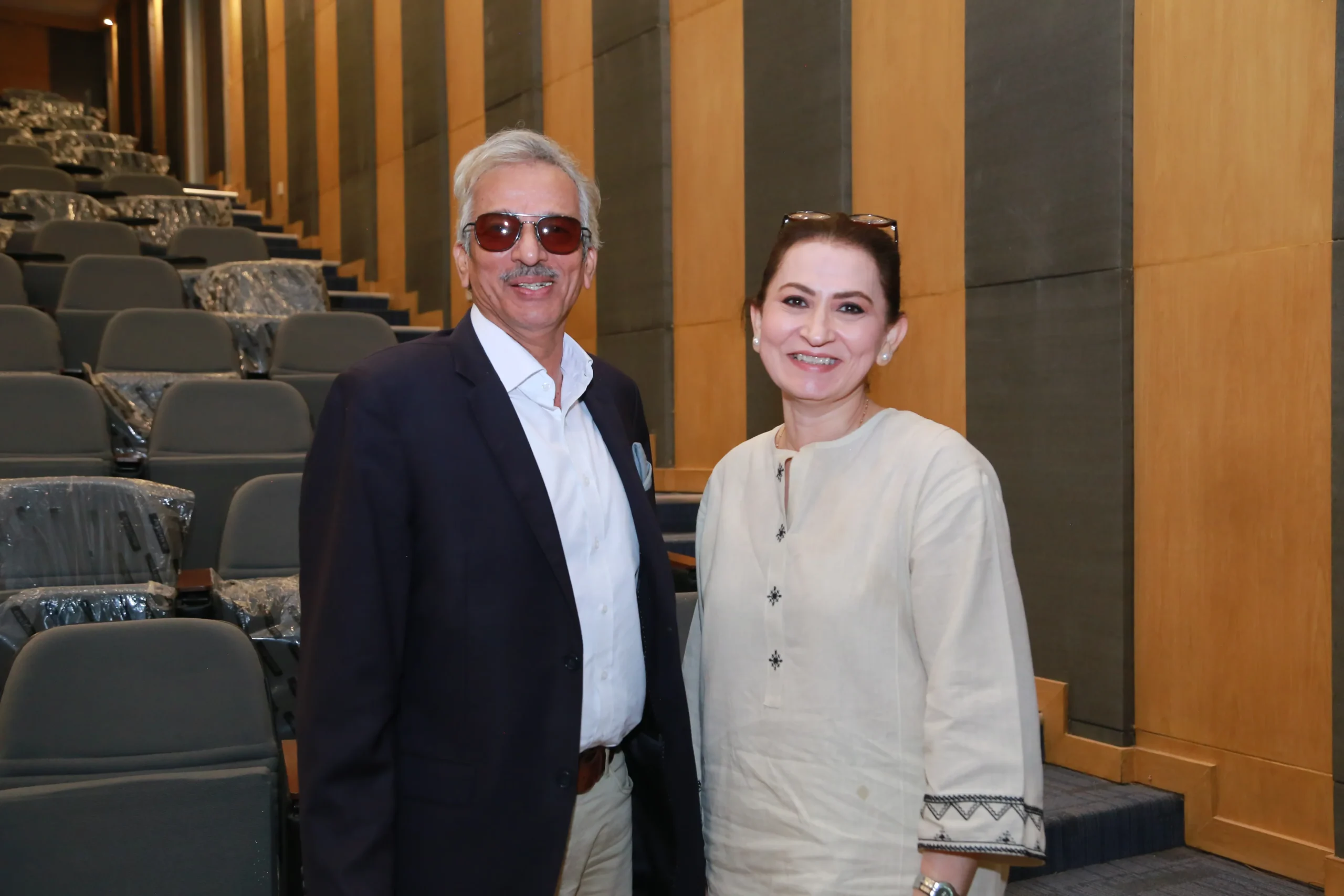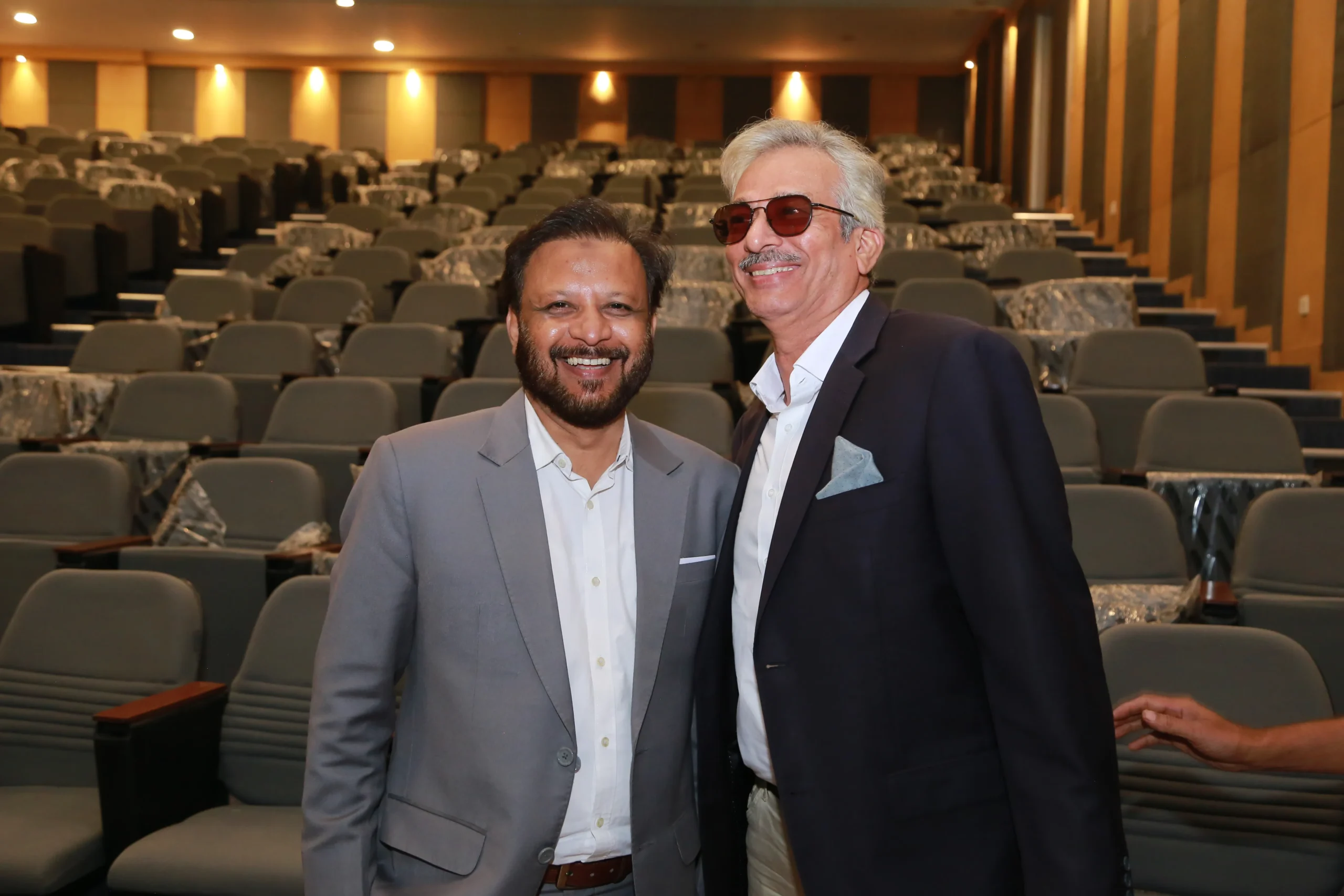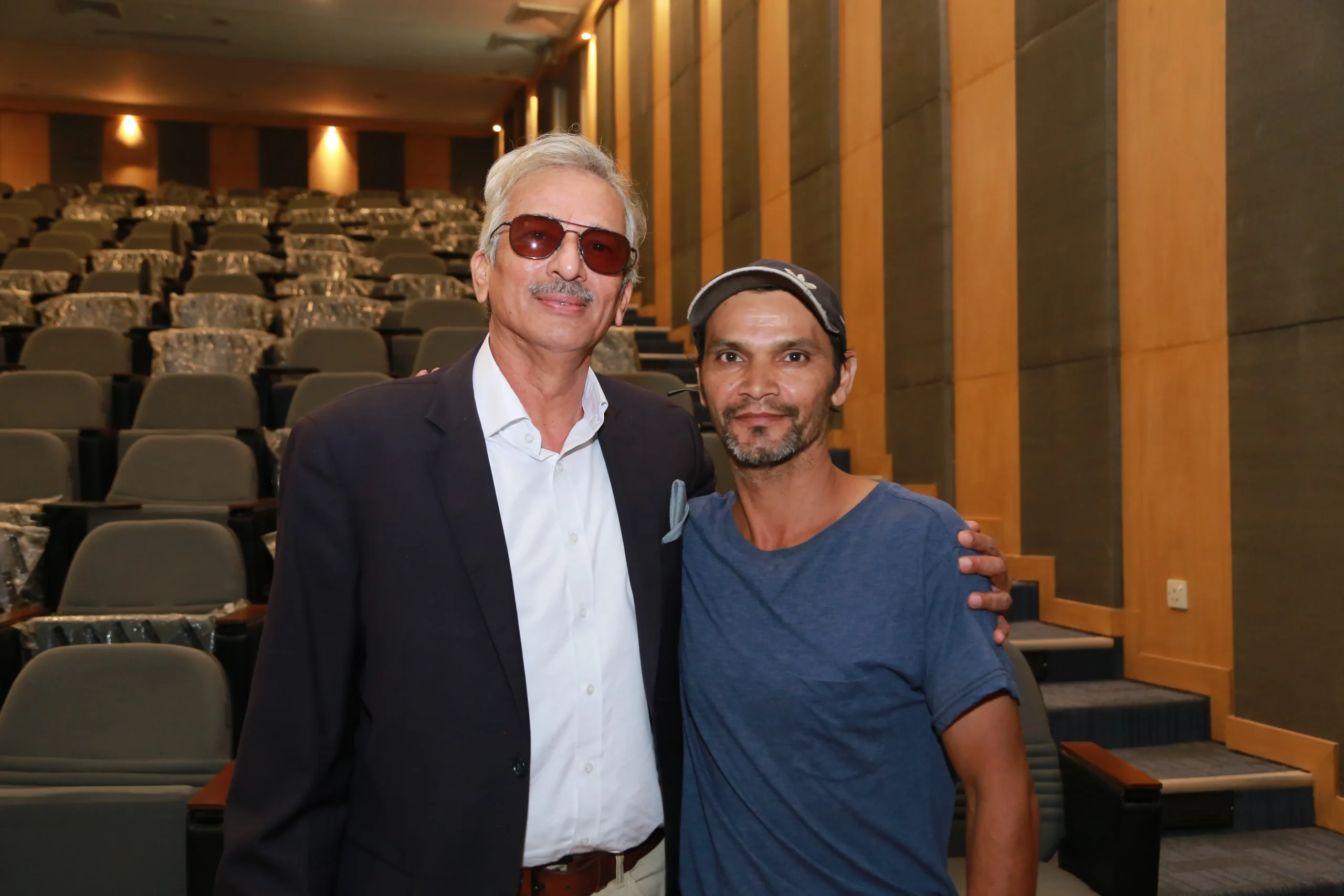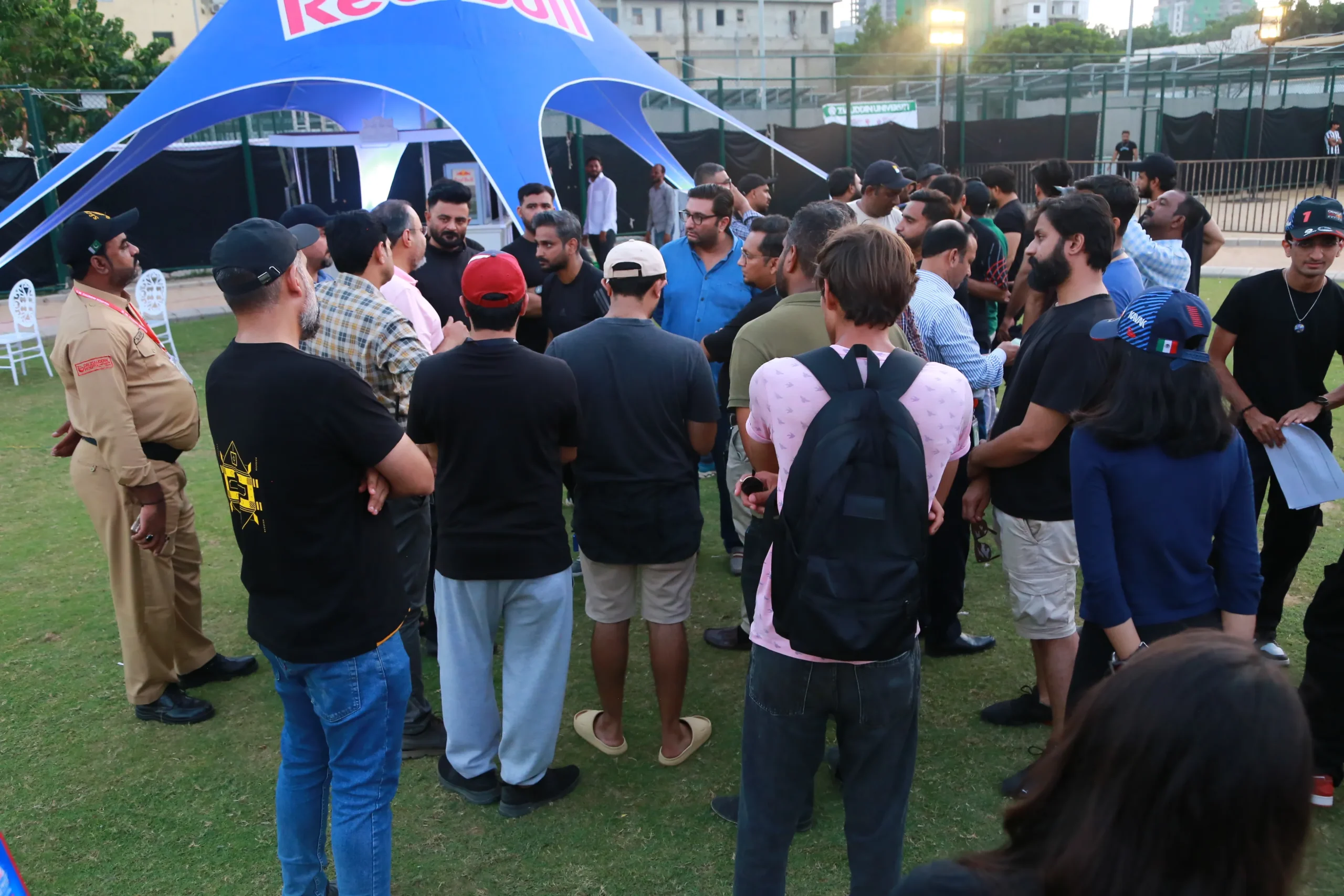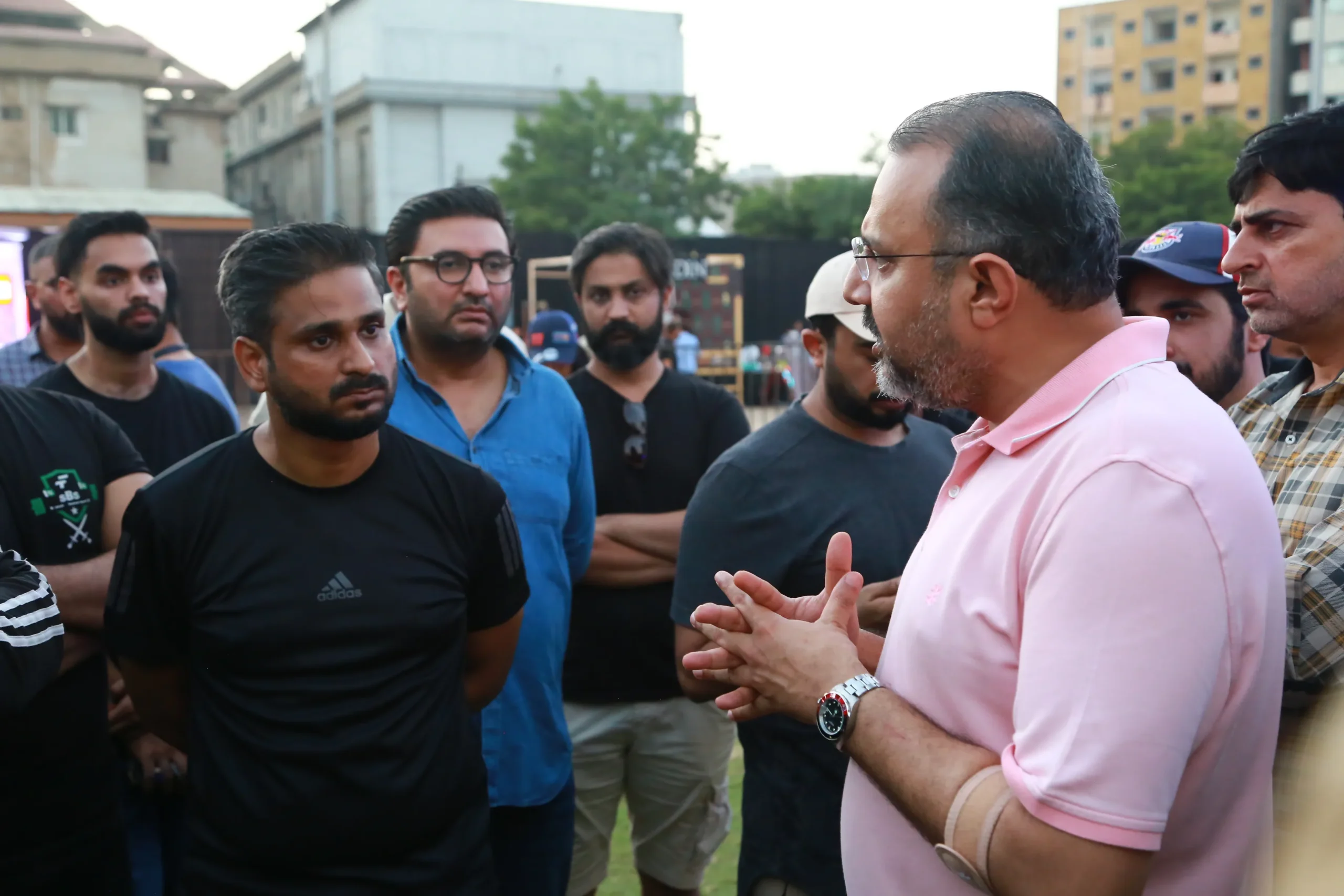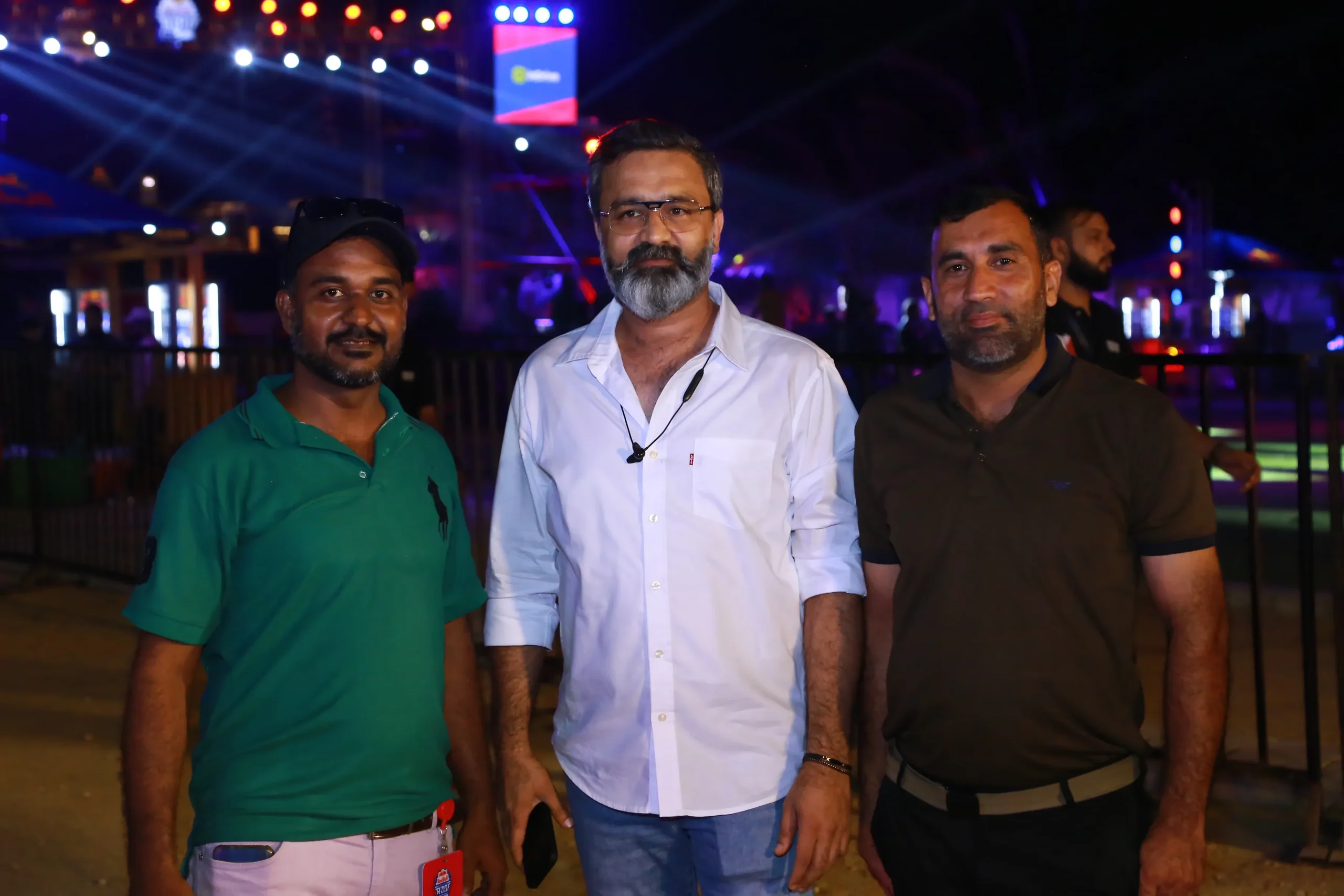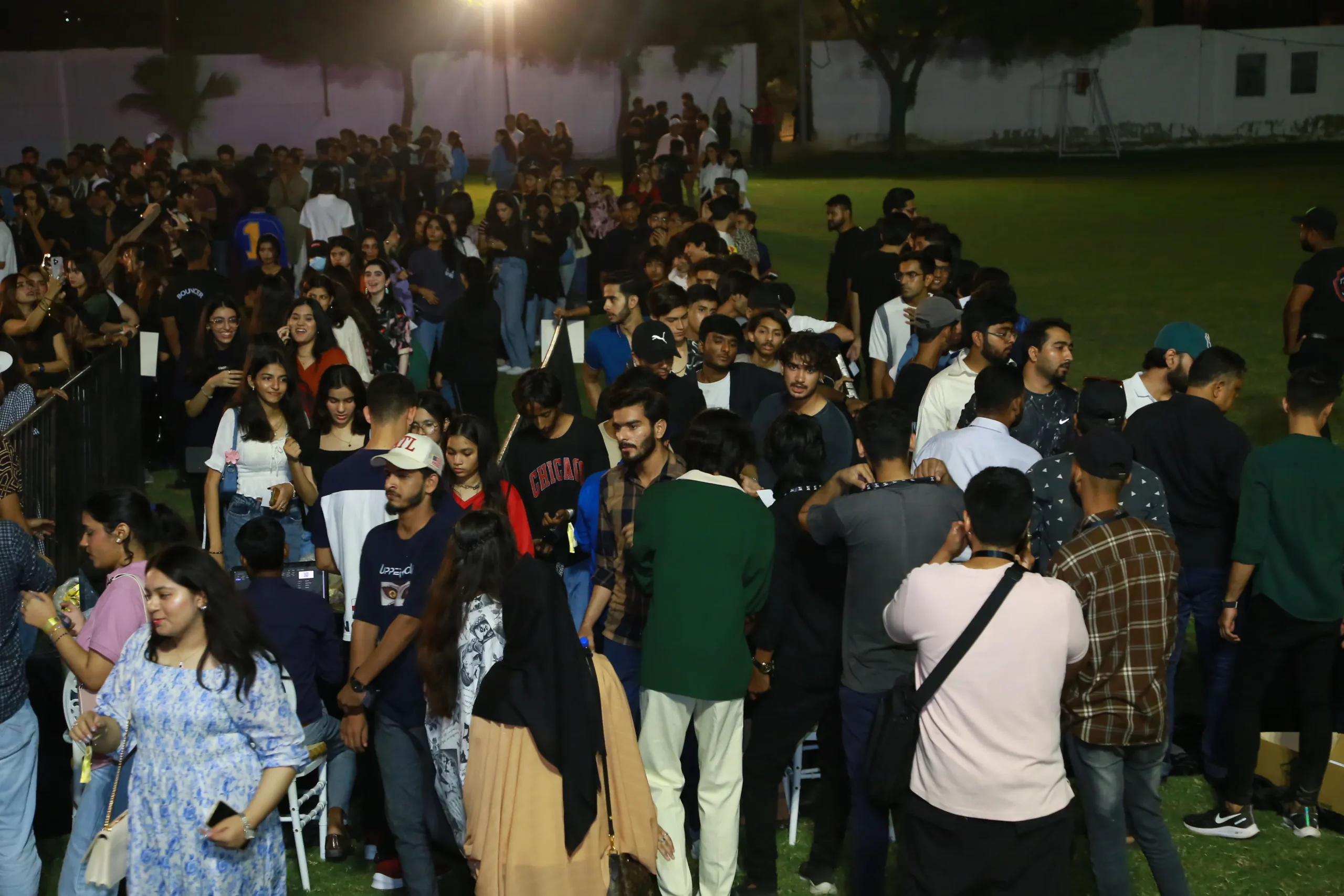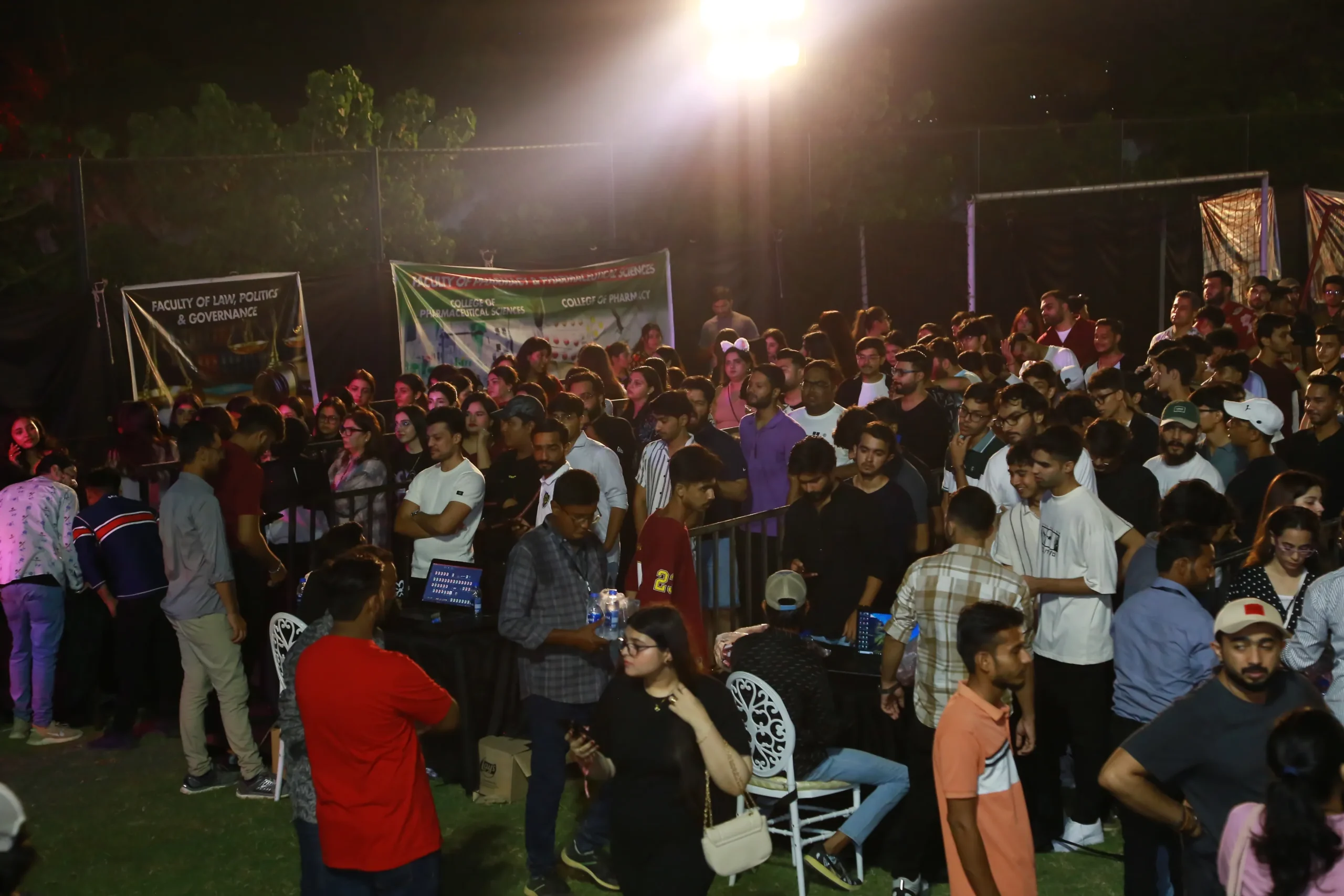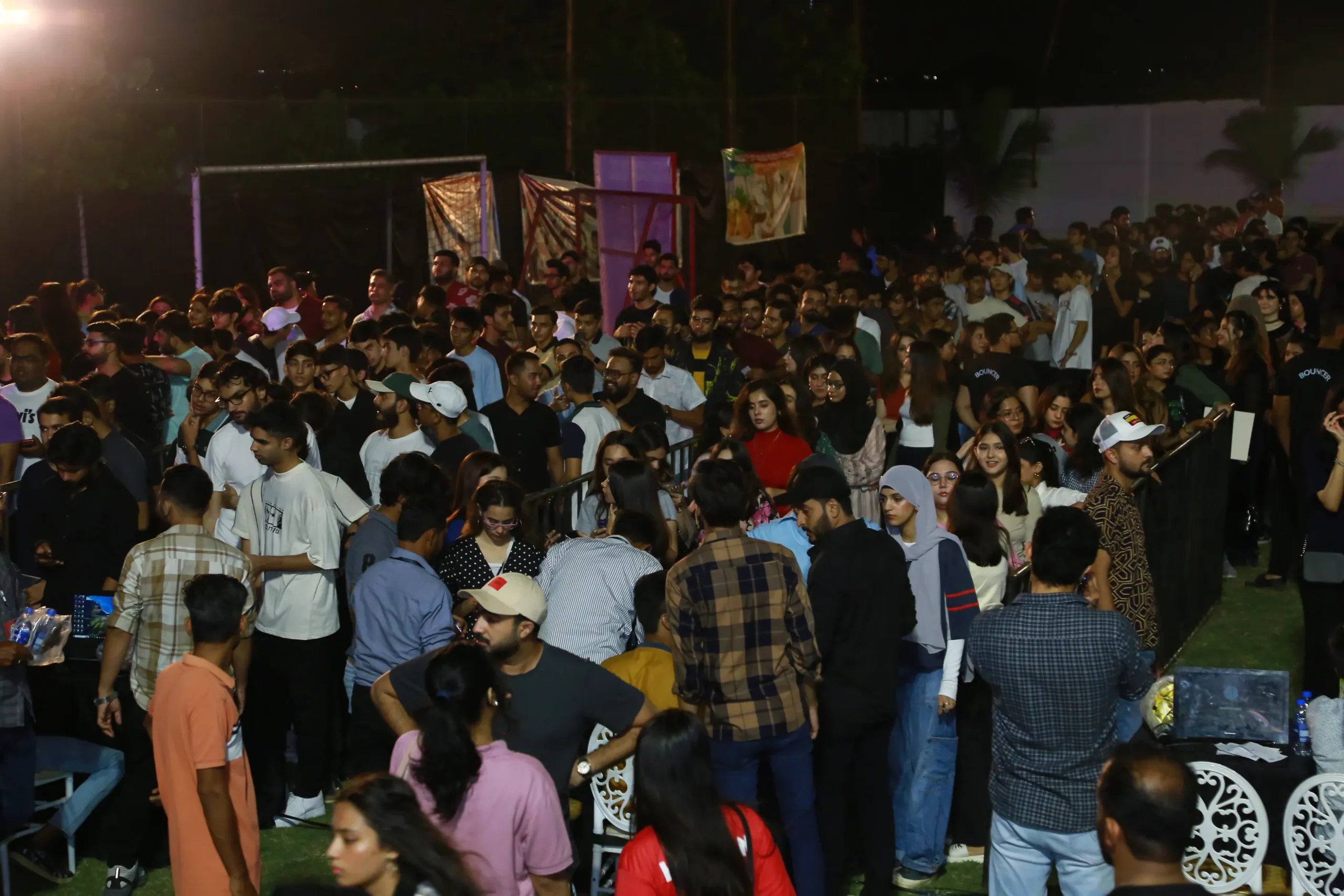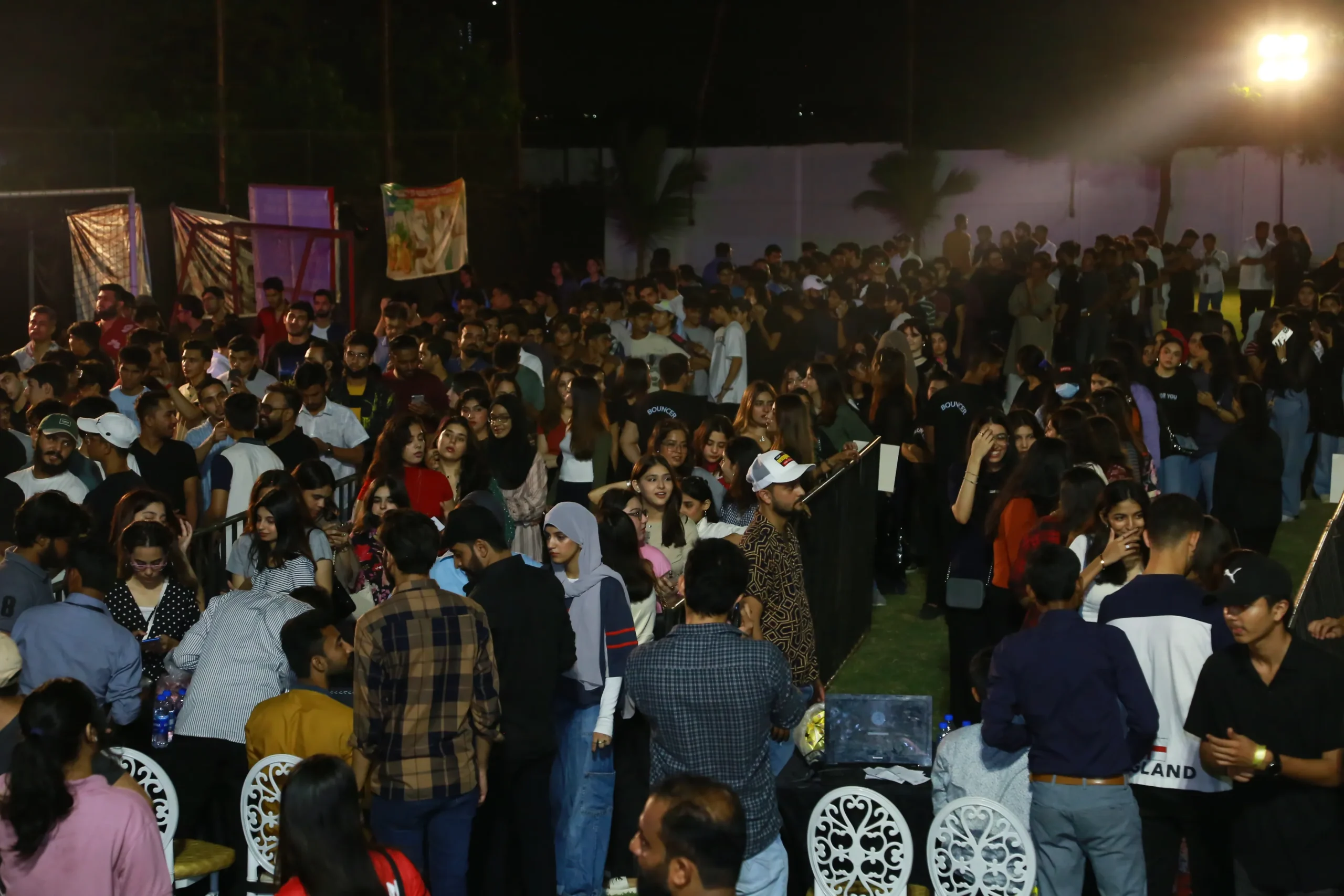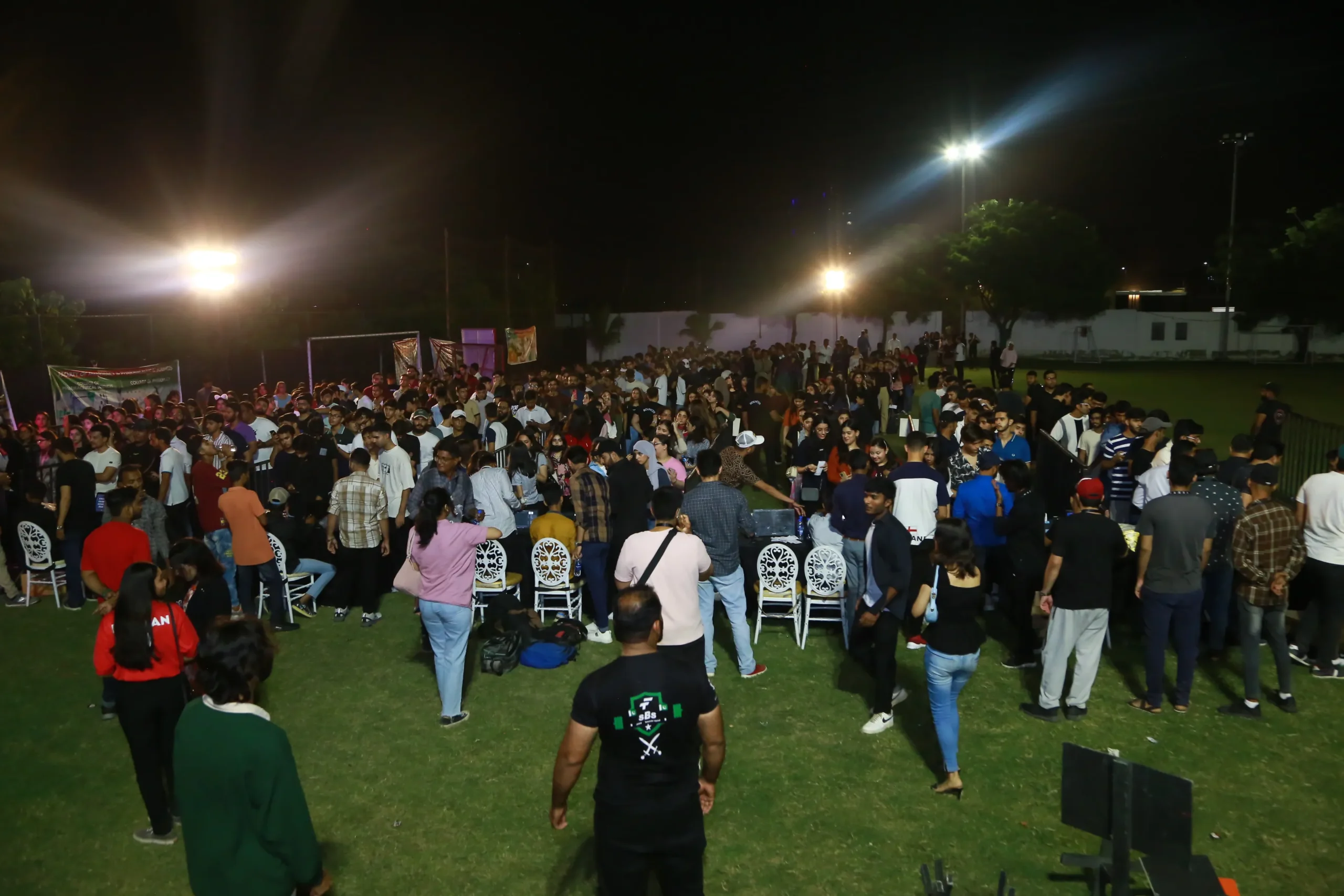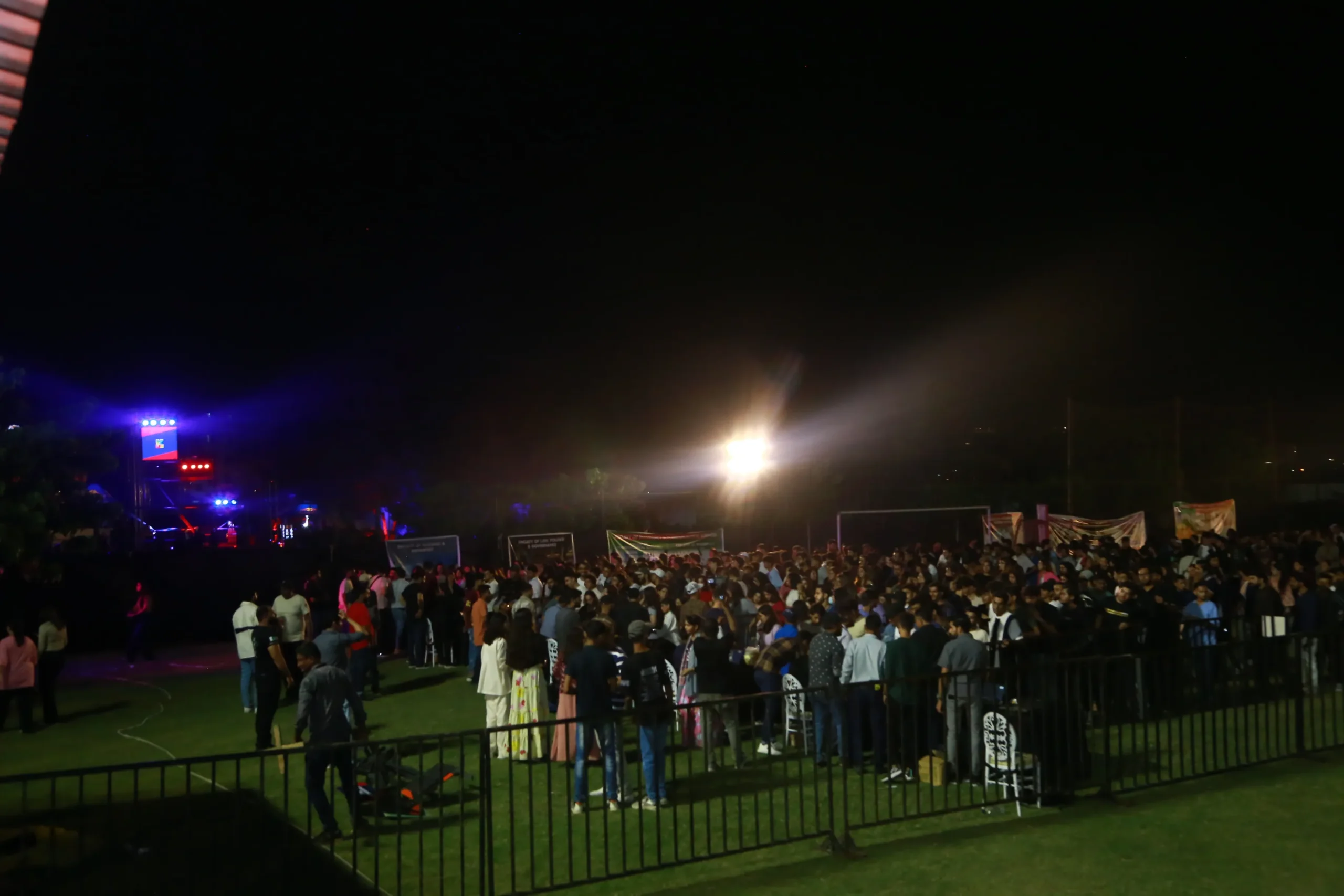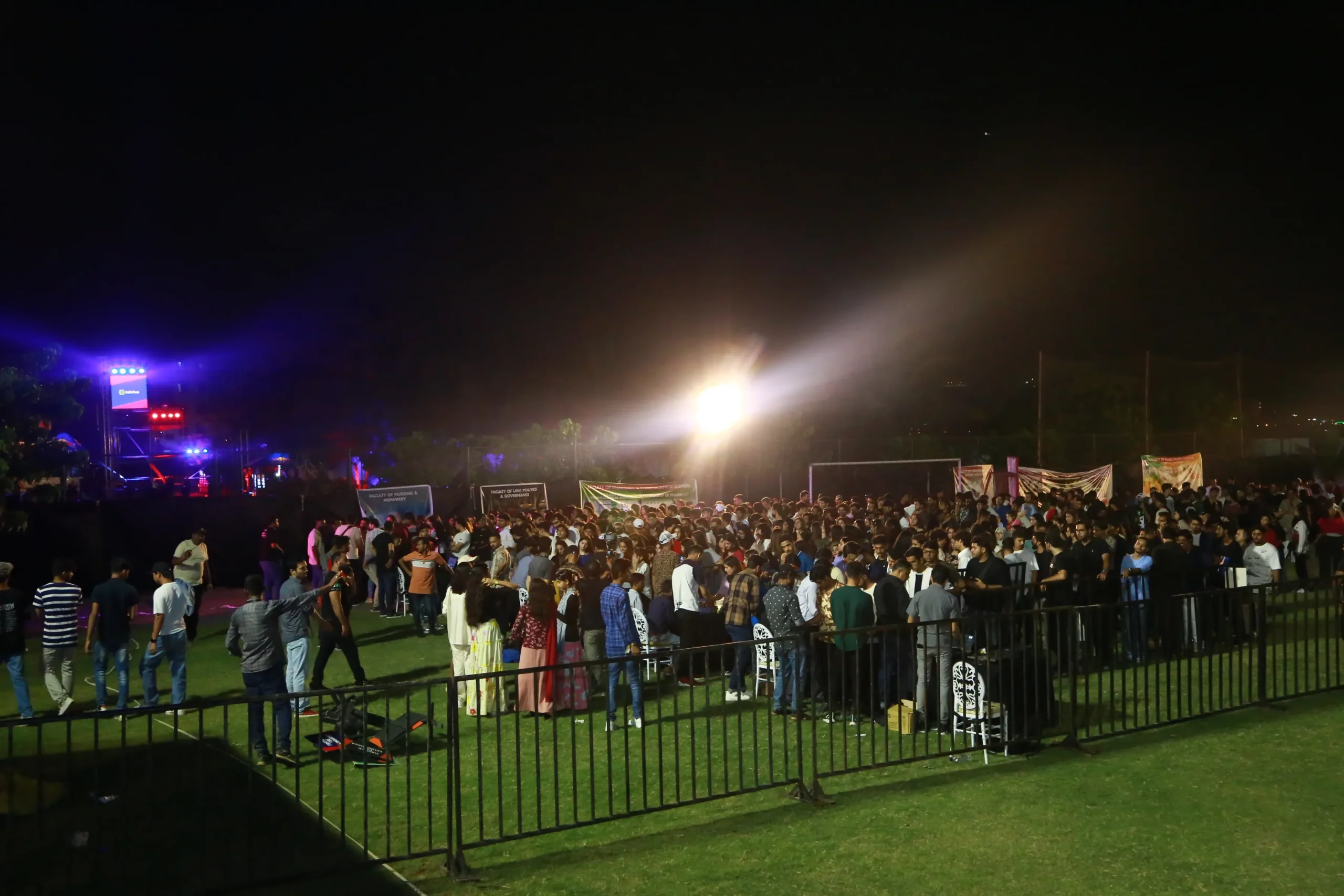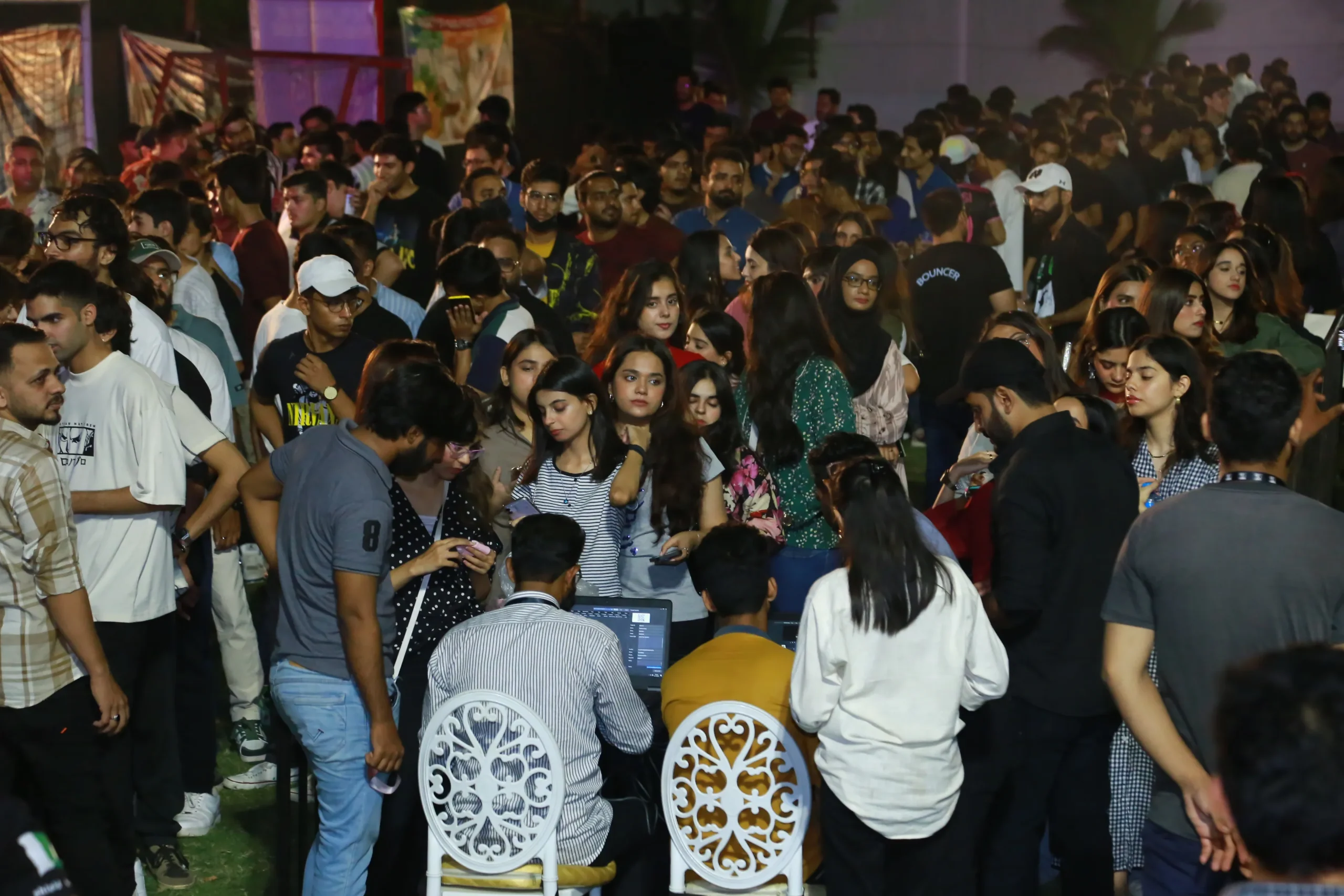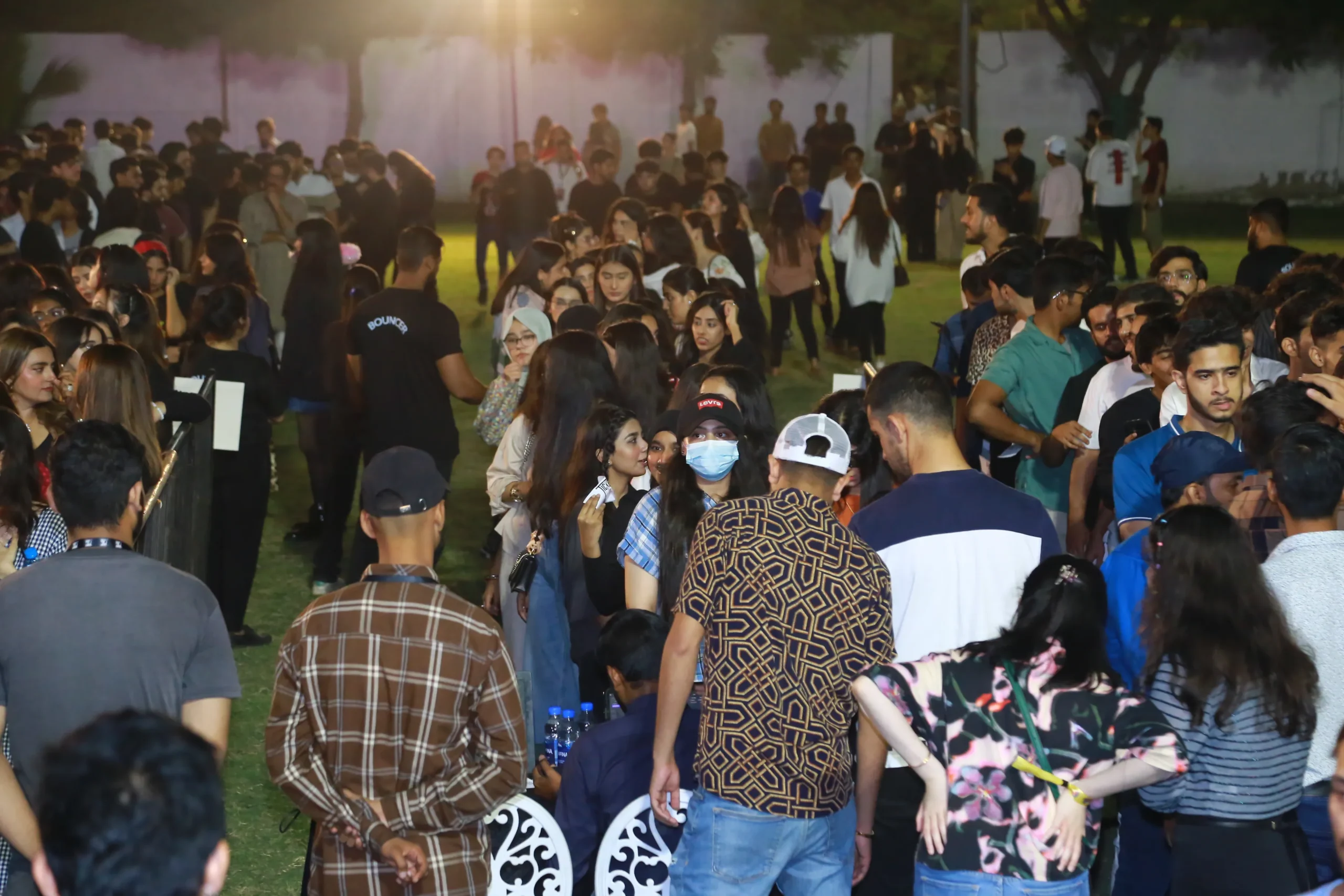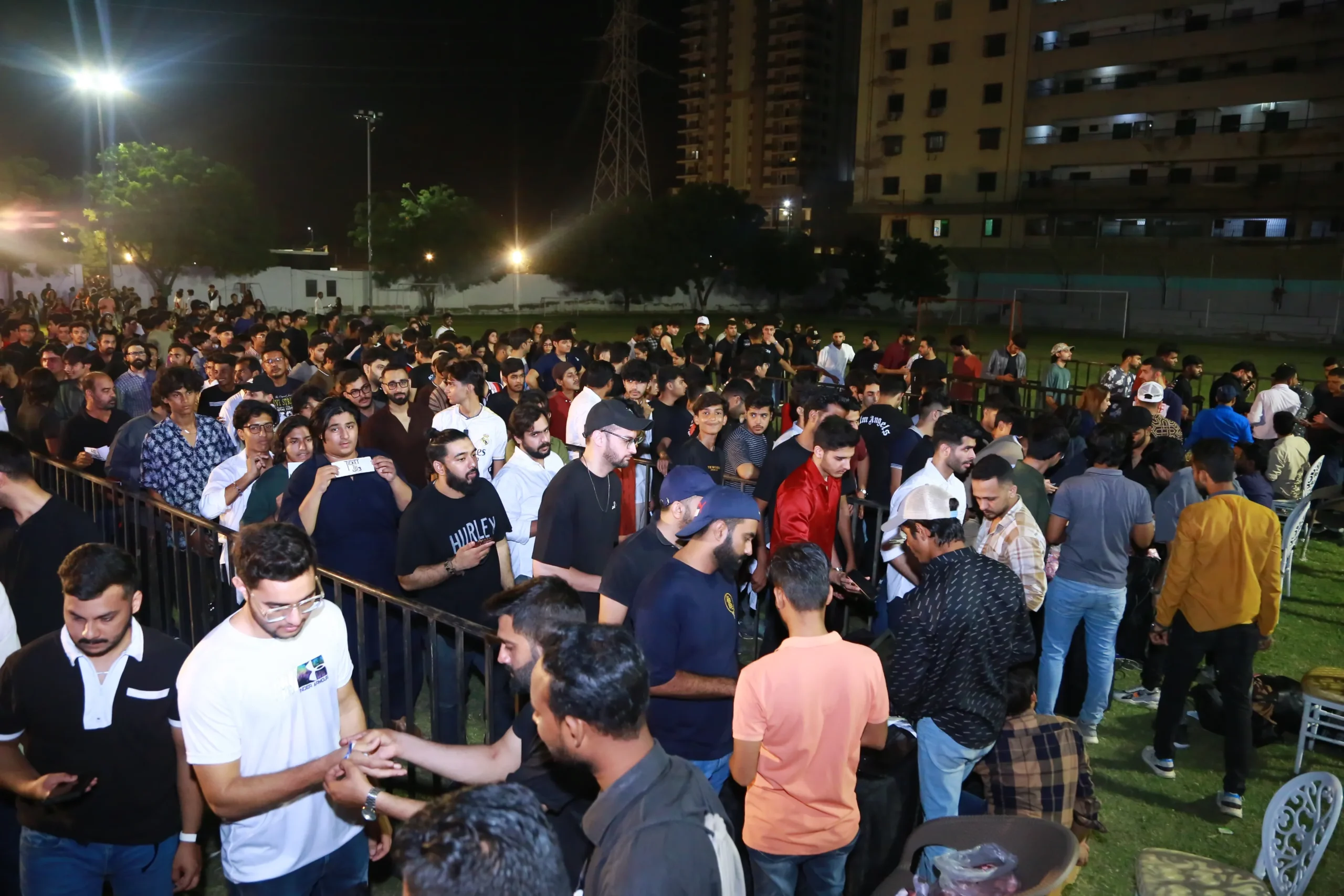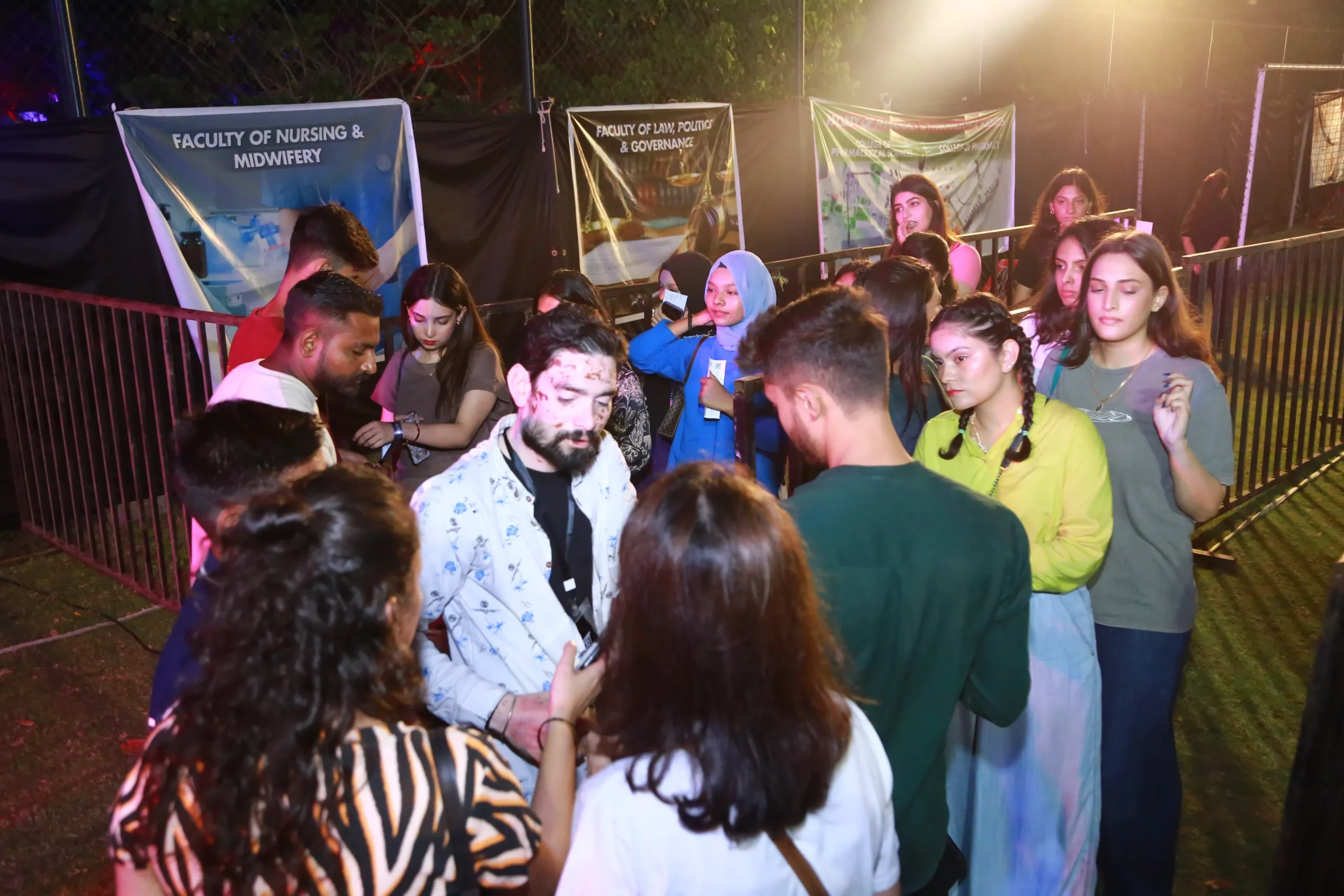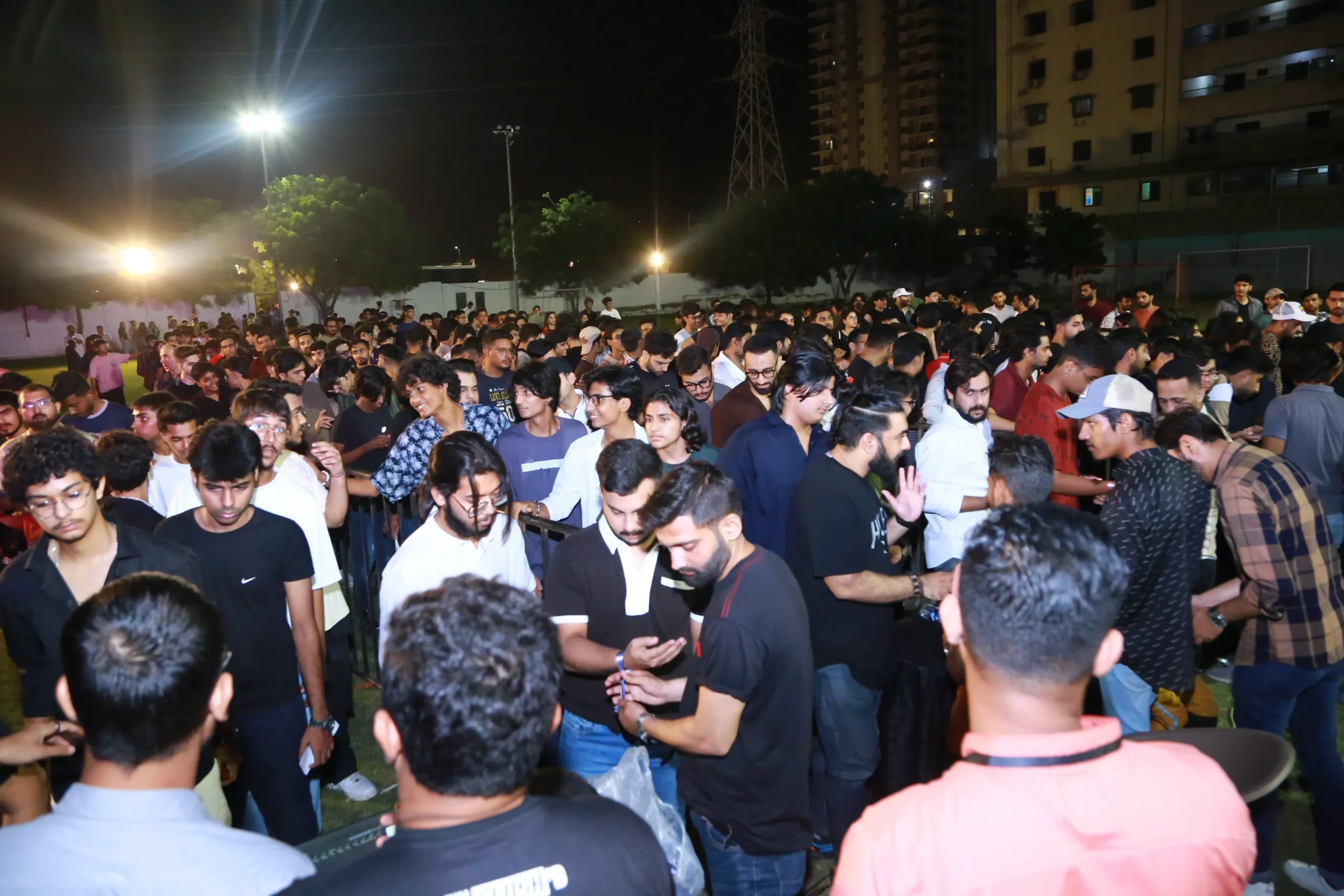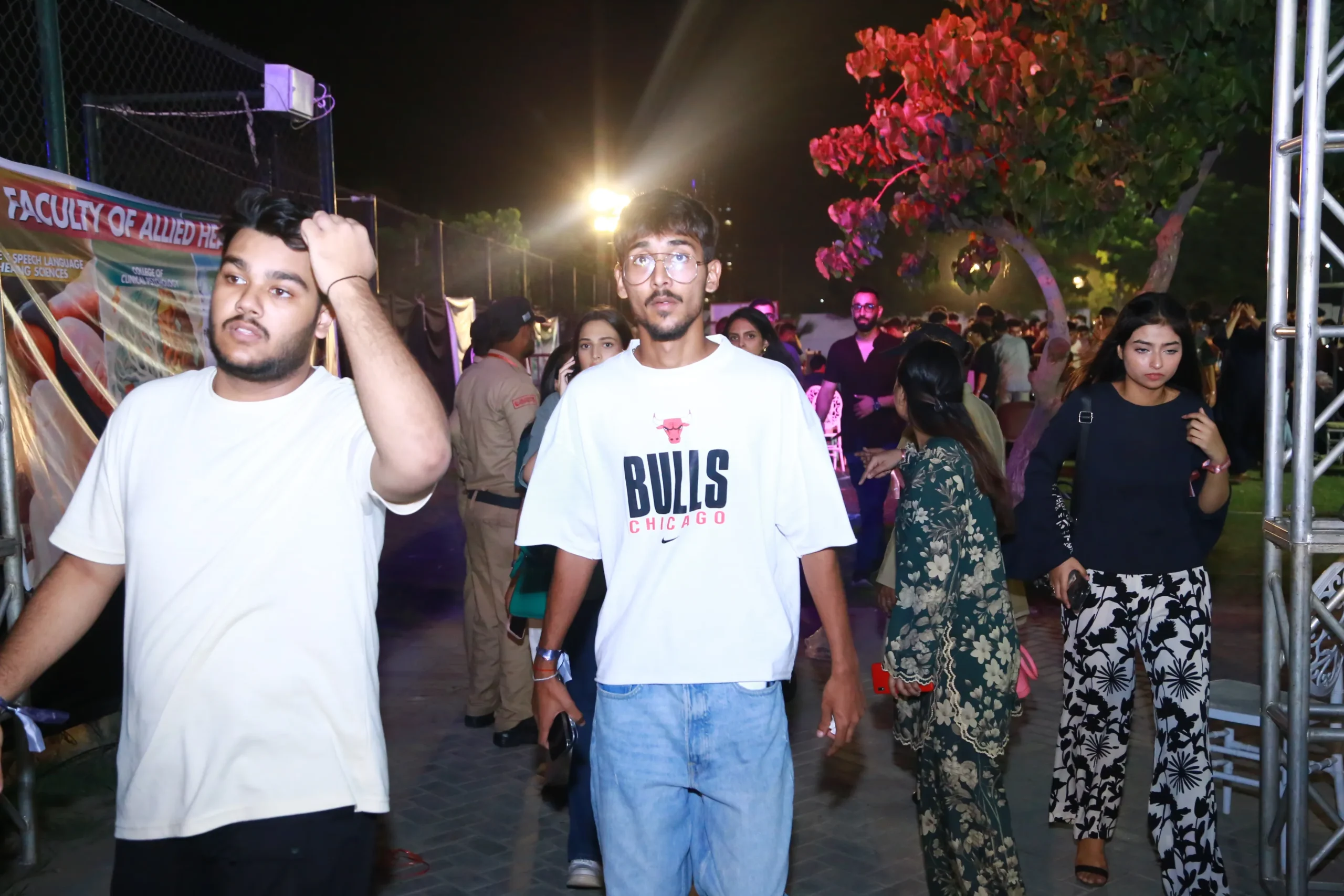

On 24 May 2026, CCRG, in collaboration with ISARIC, hosted the Clinical Characterisation Protocol (CCP) Retreat at Khoj Resorts Allana, marking the launch of the Pakistan Research Network for Epidemic and Pandemic Preparedness (PREPP) – a national collaborative network established by CCRG at Ziauddin University to strengthen hospital-based preparedness and clinical evidence generation across Pakistan.
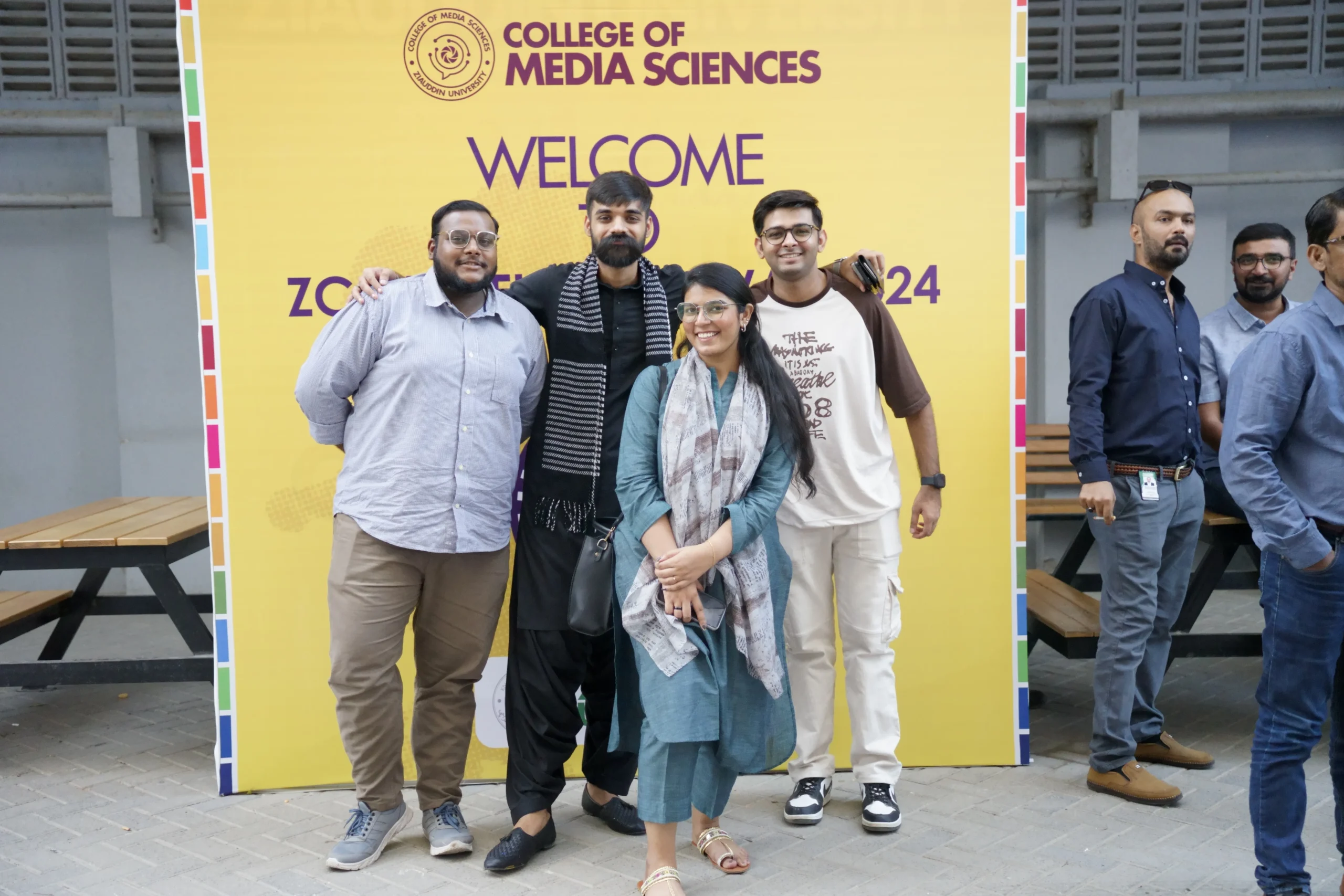
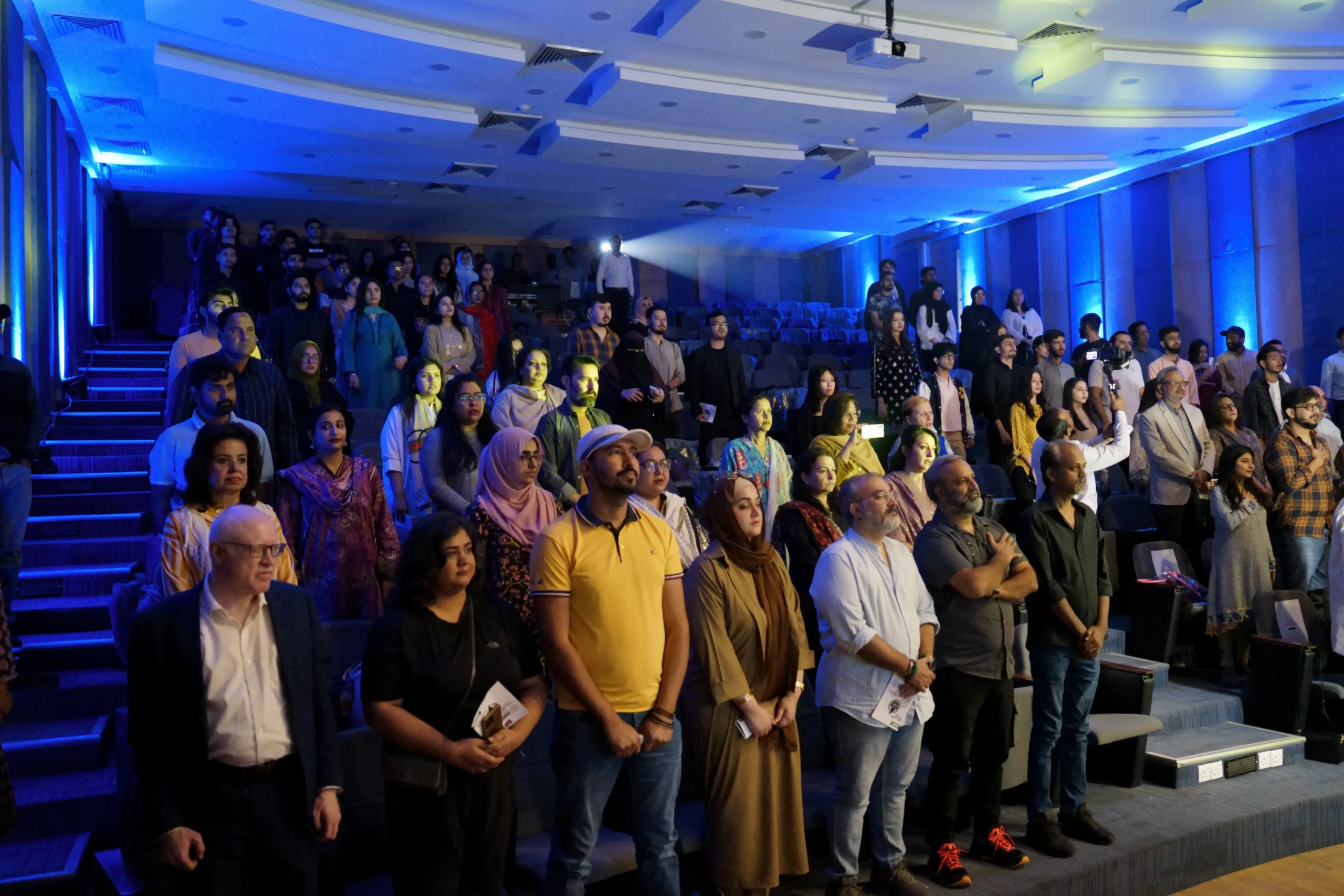
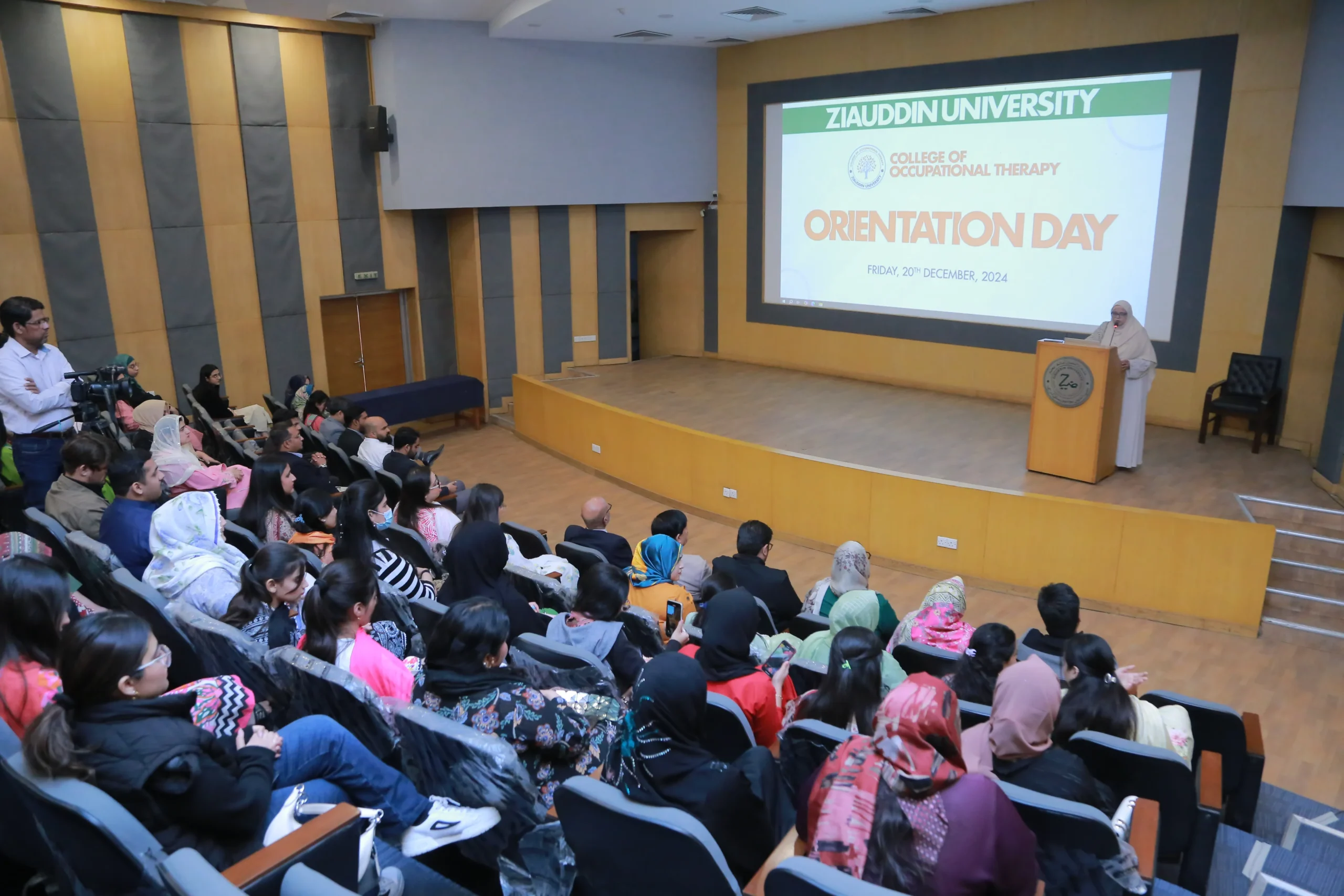
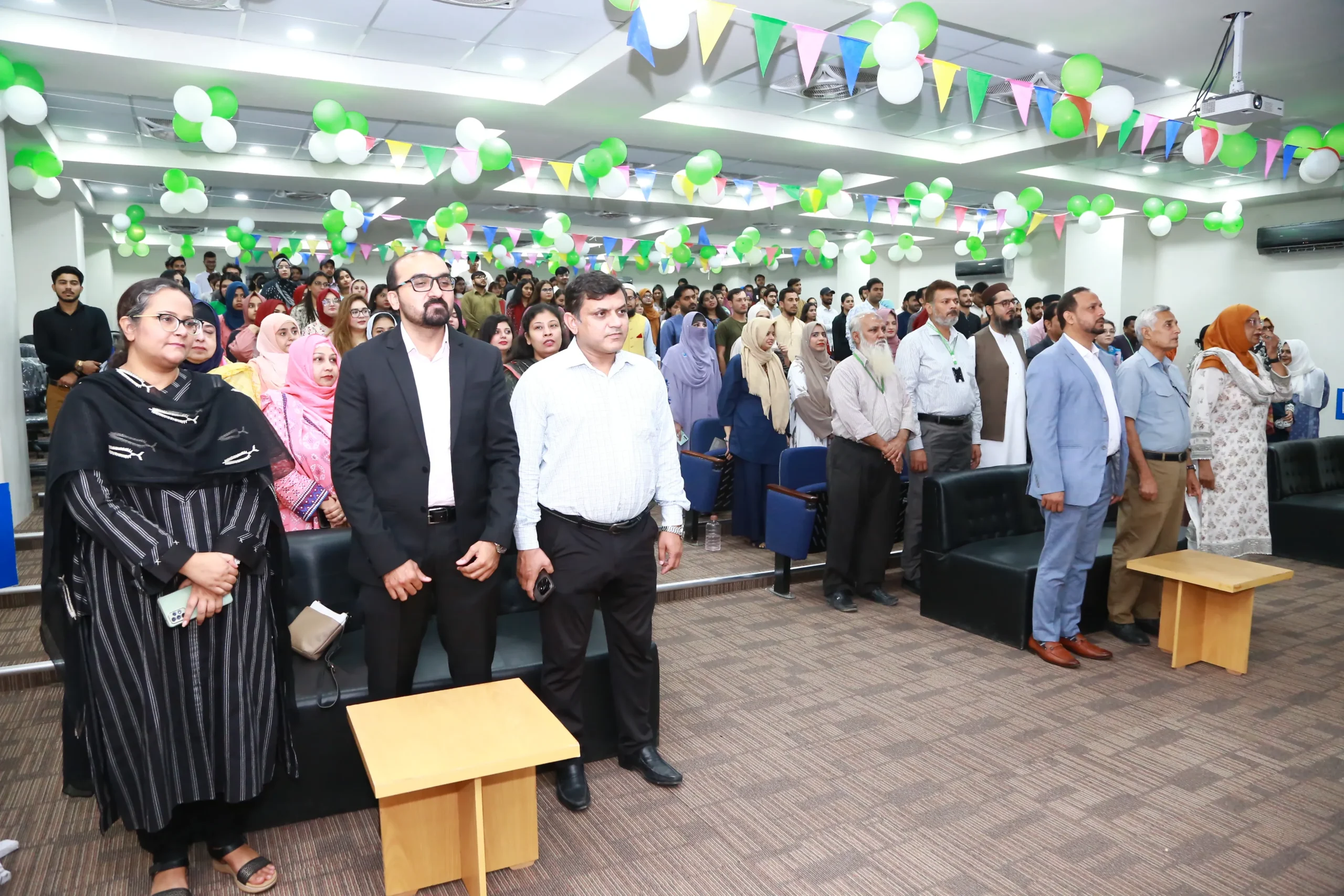
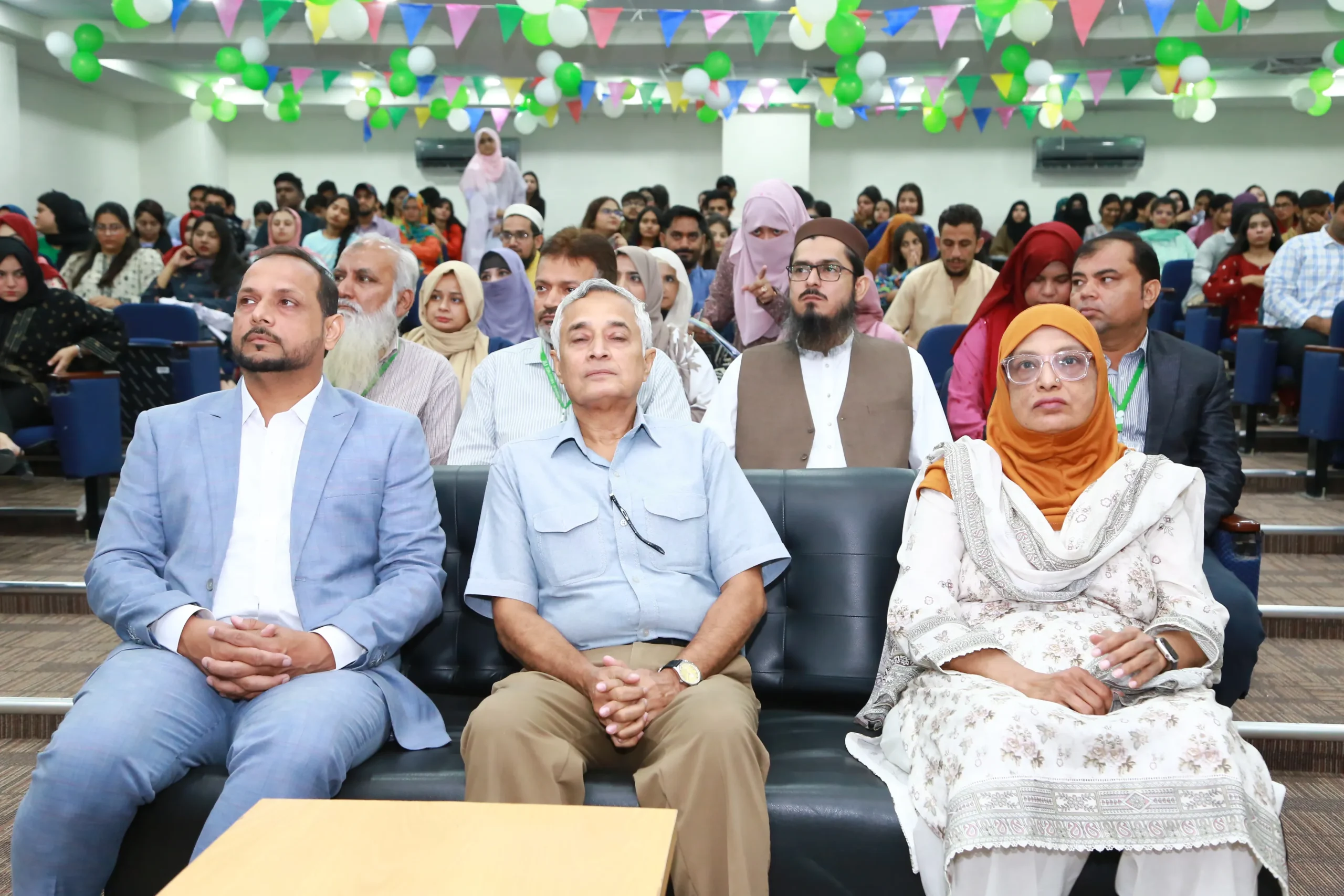
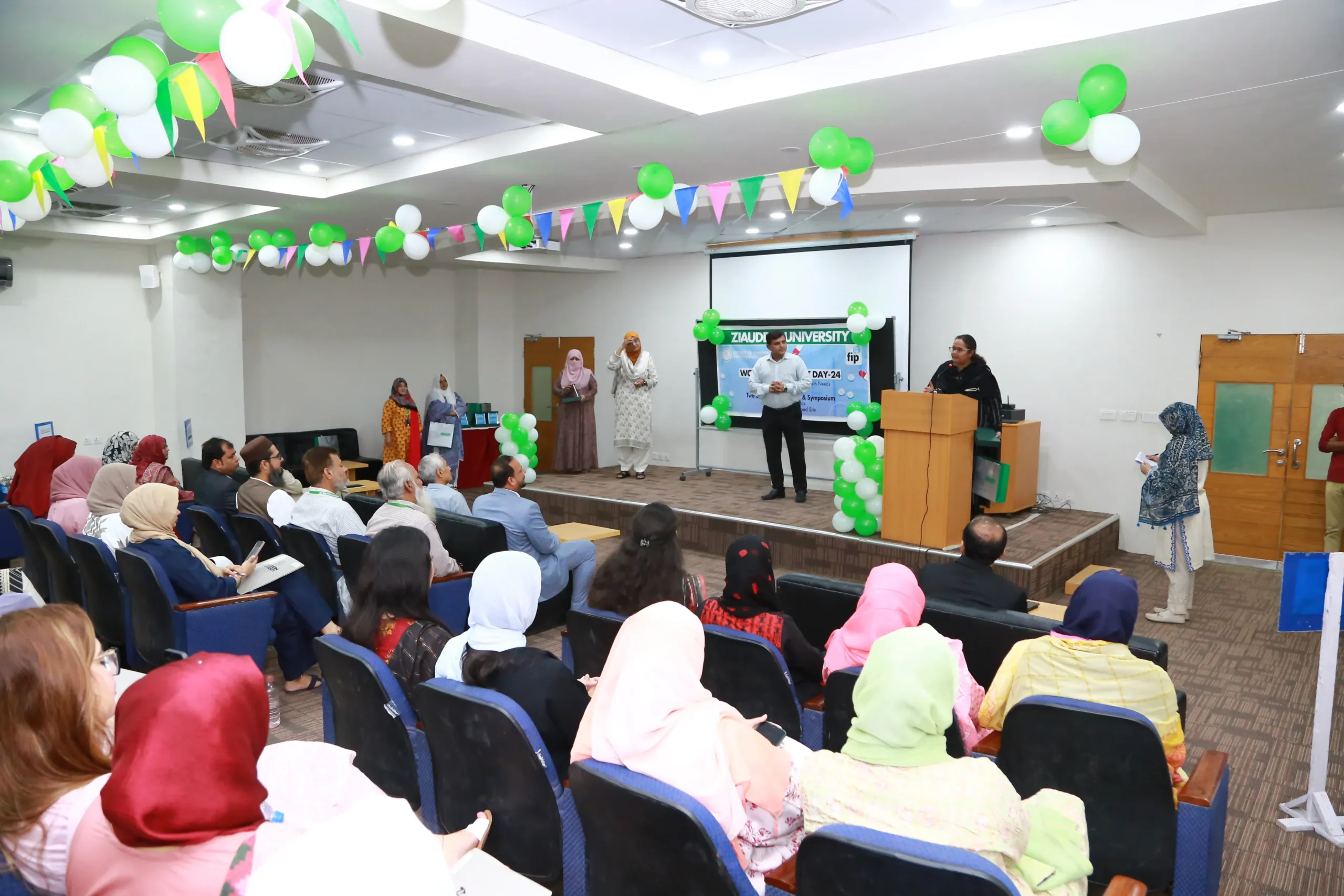
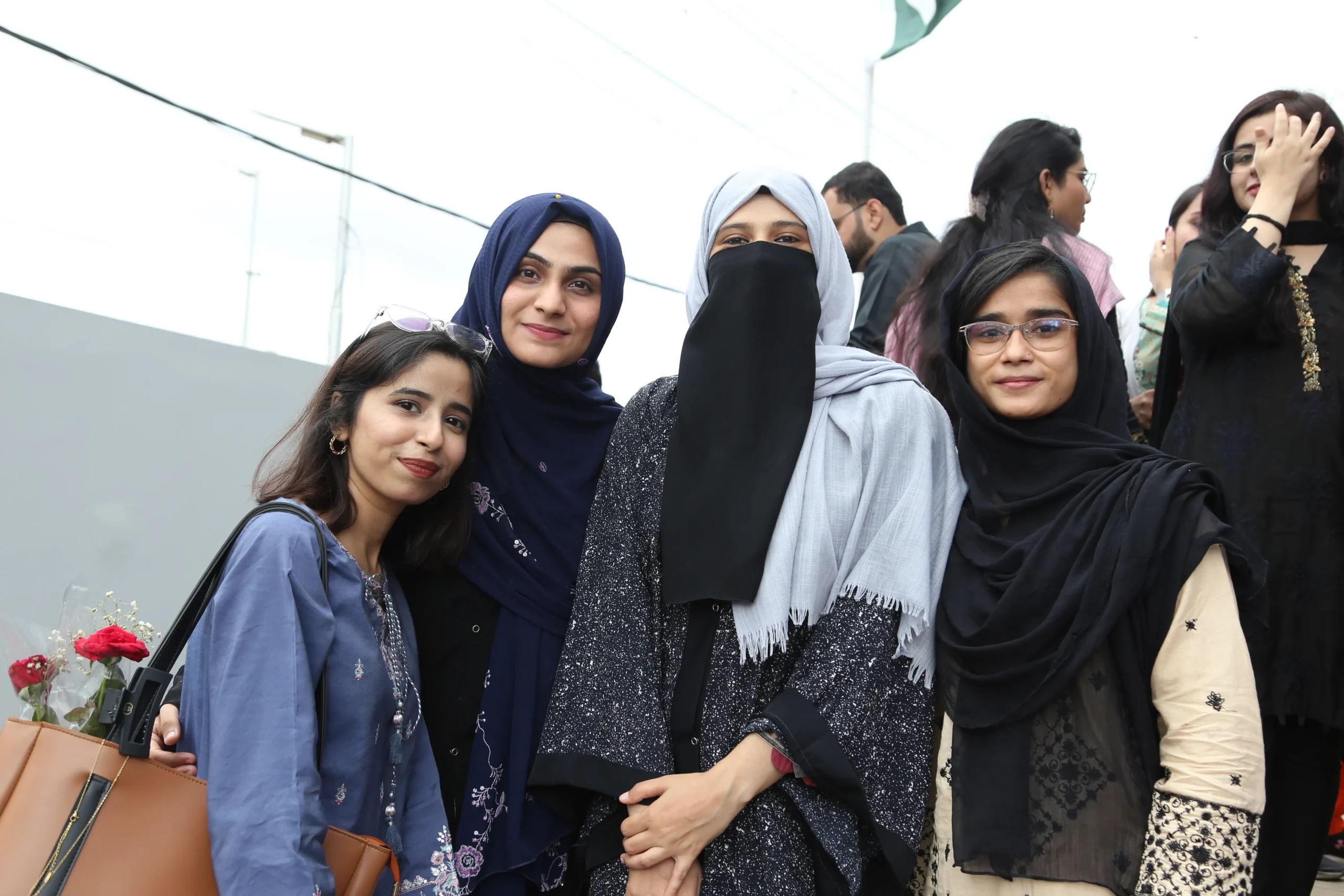
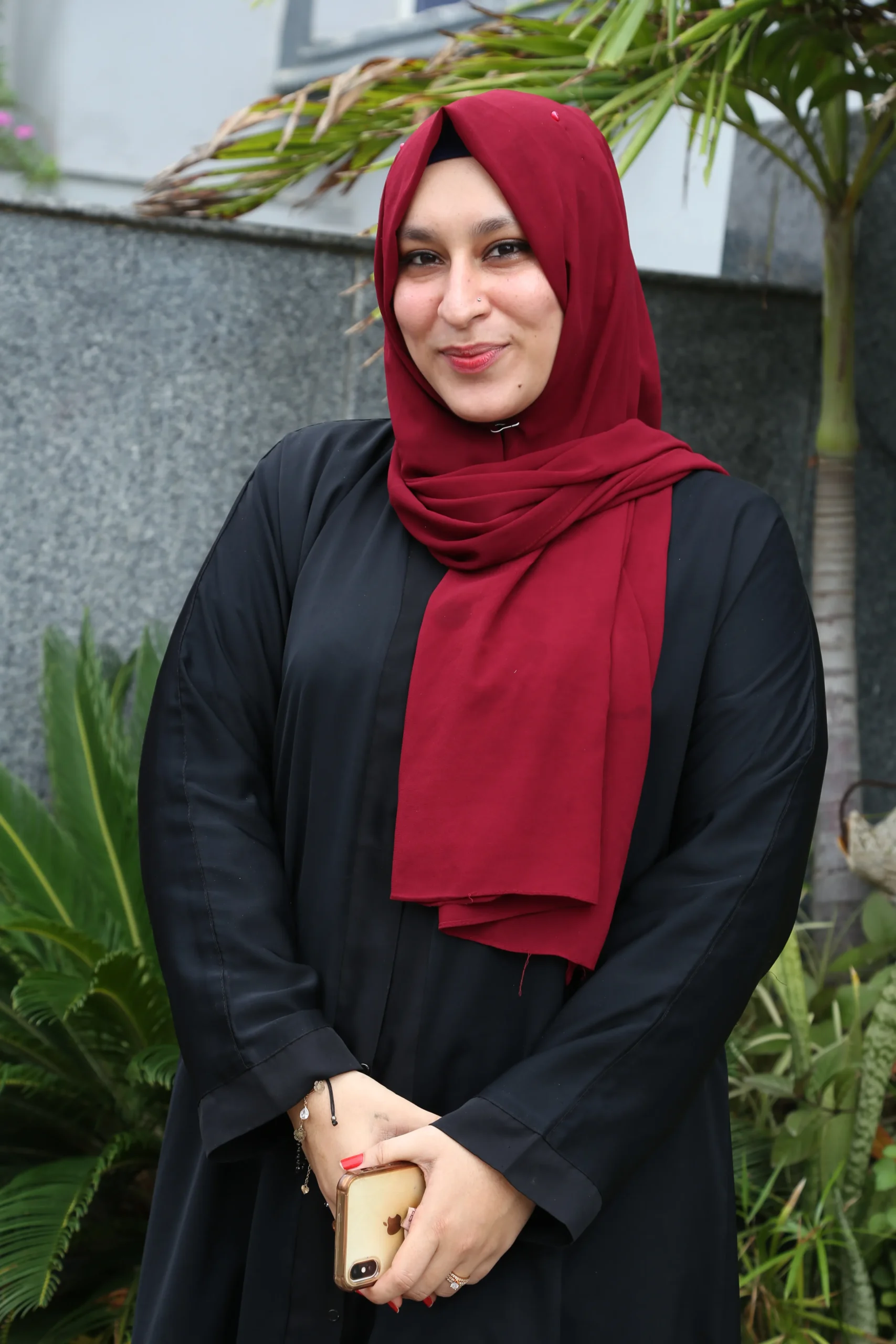
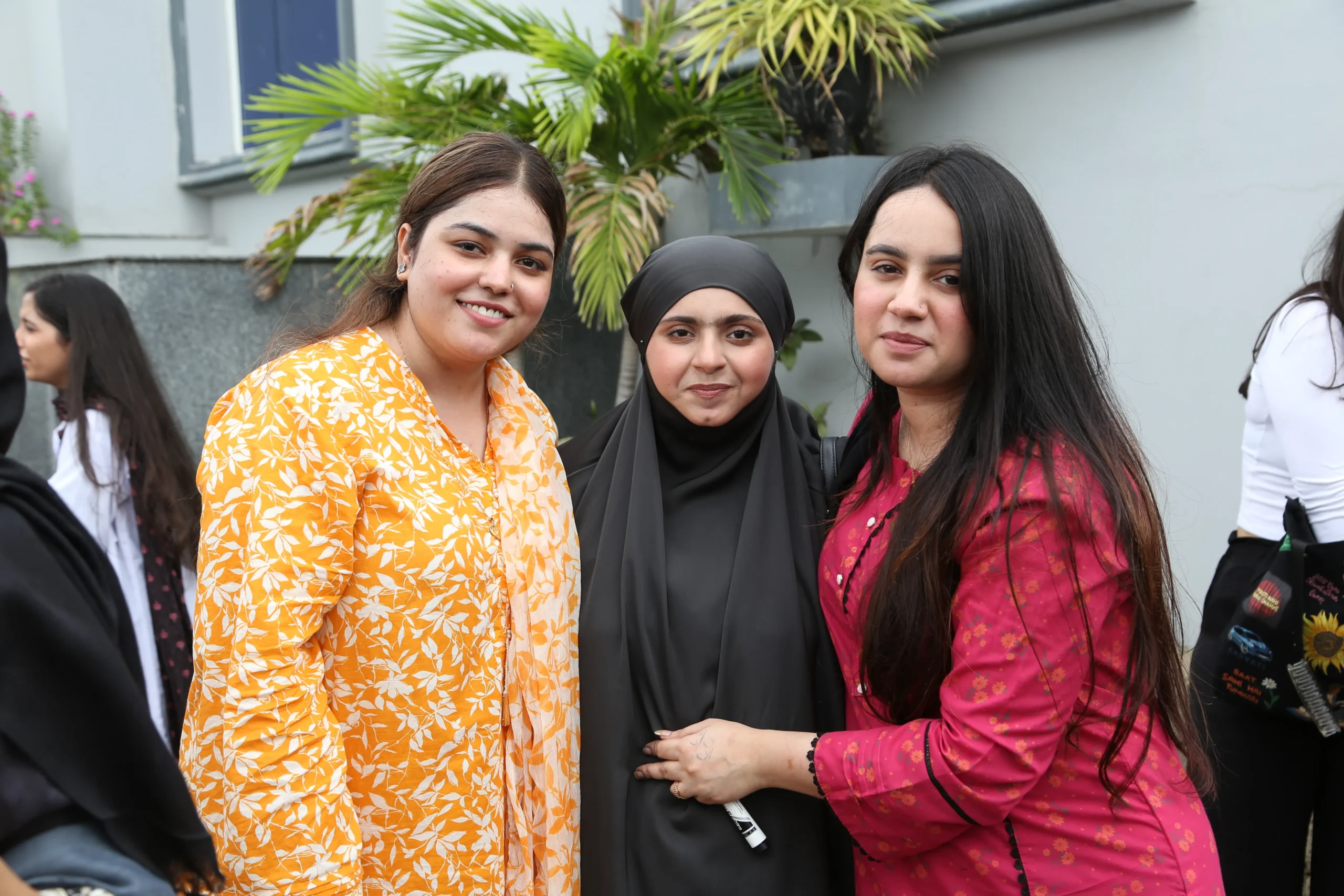
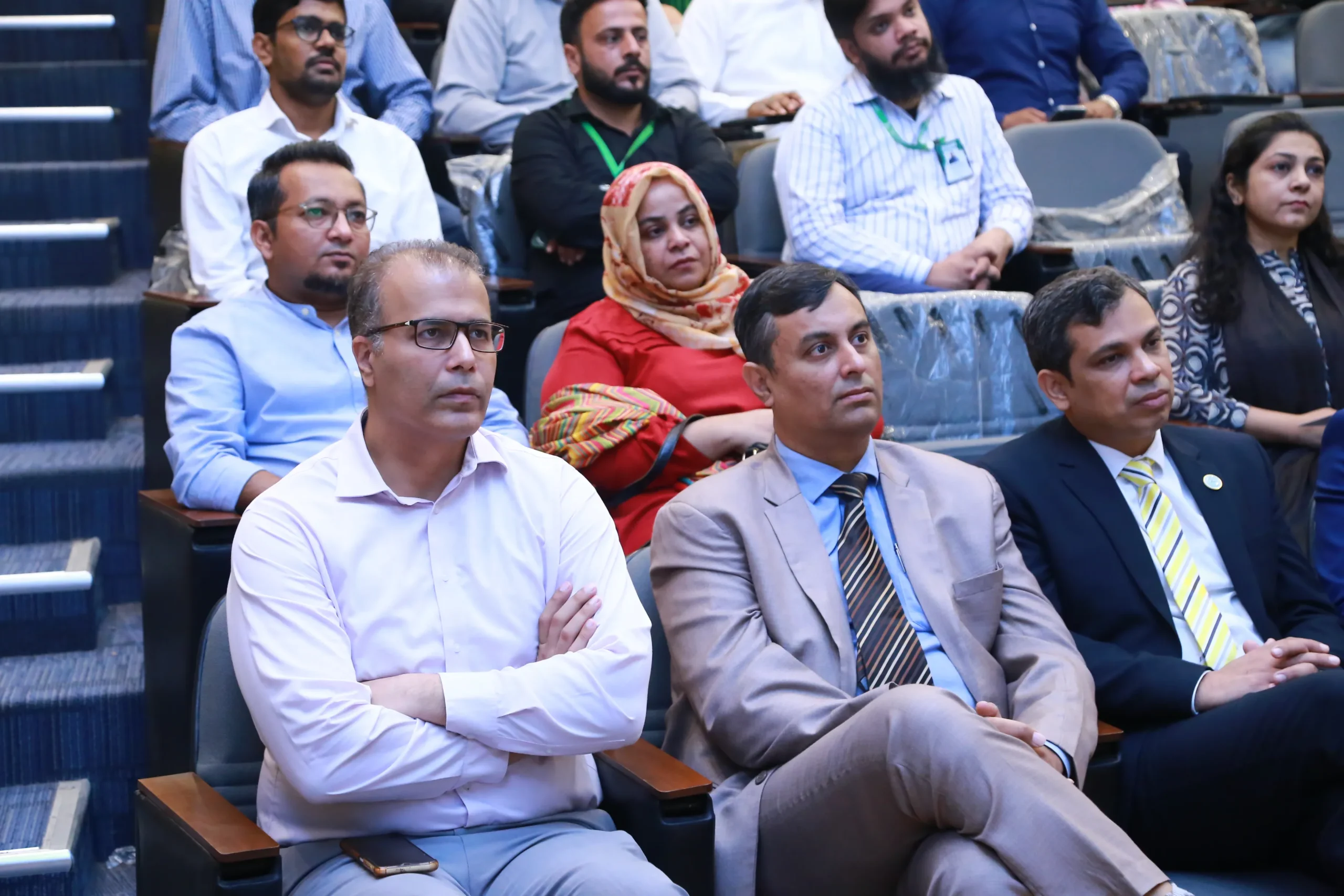
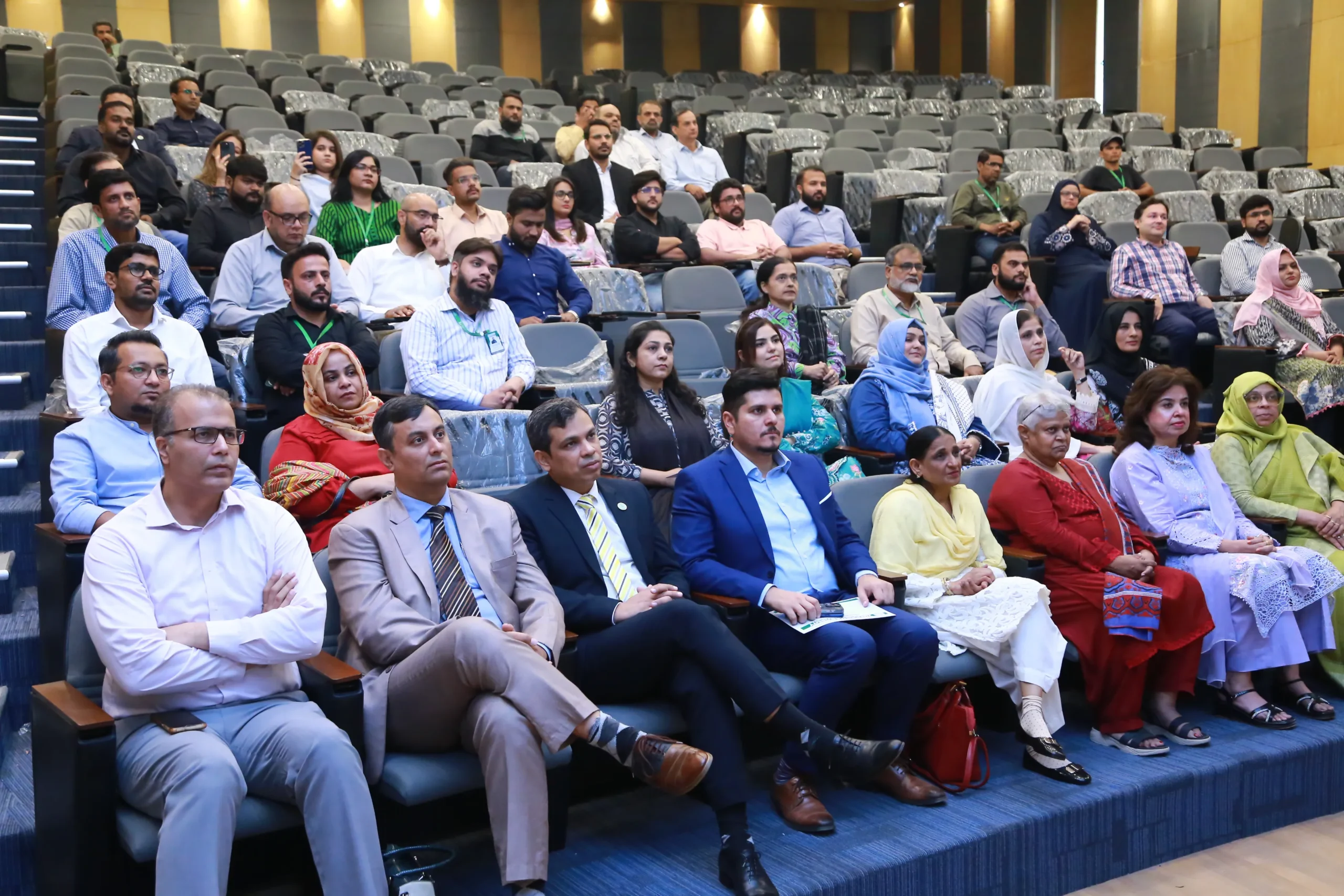
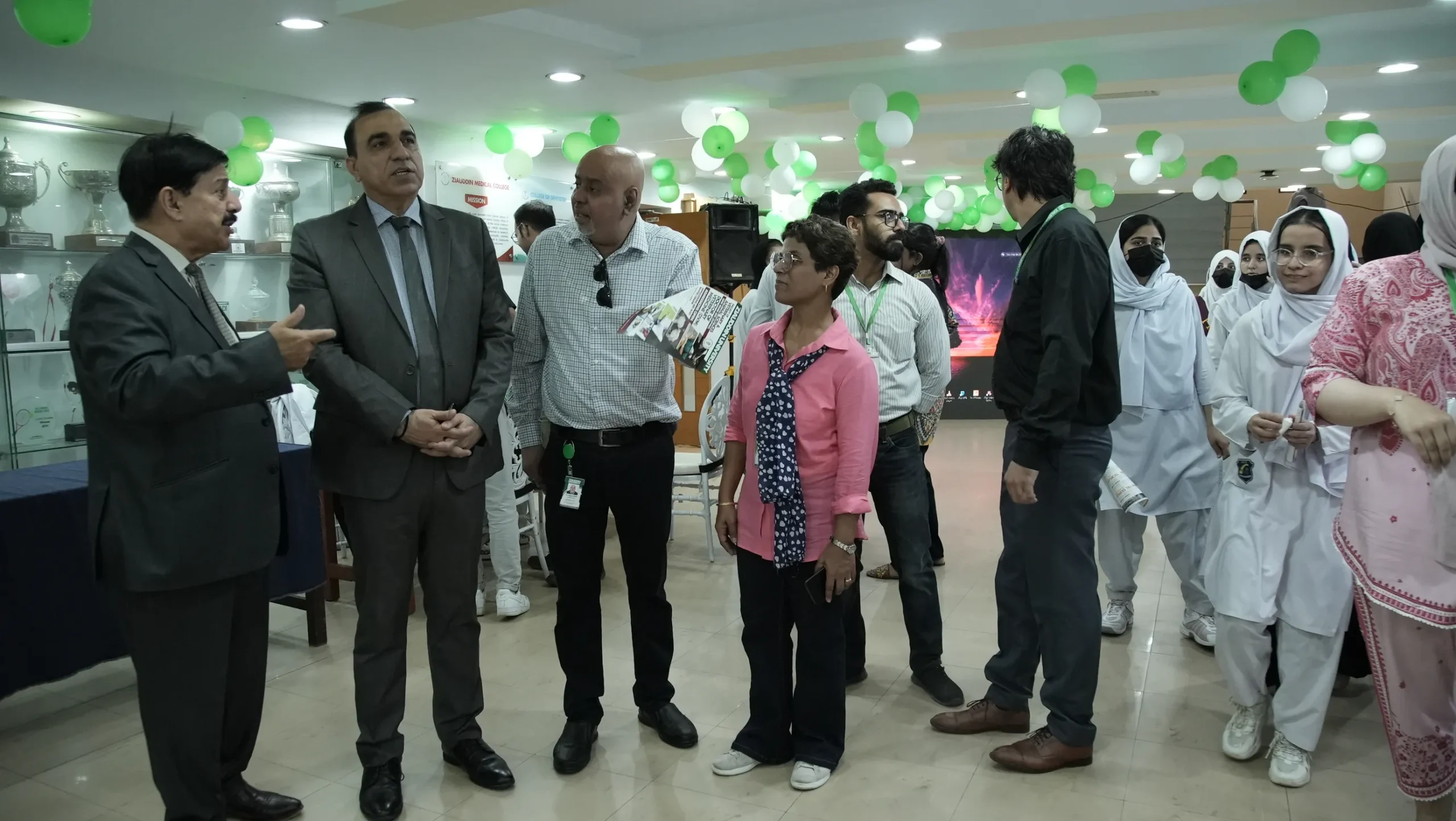
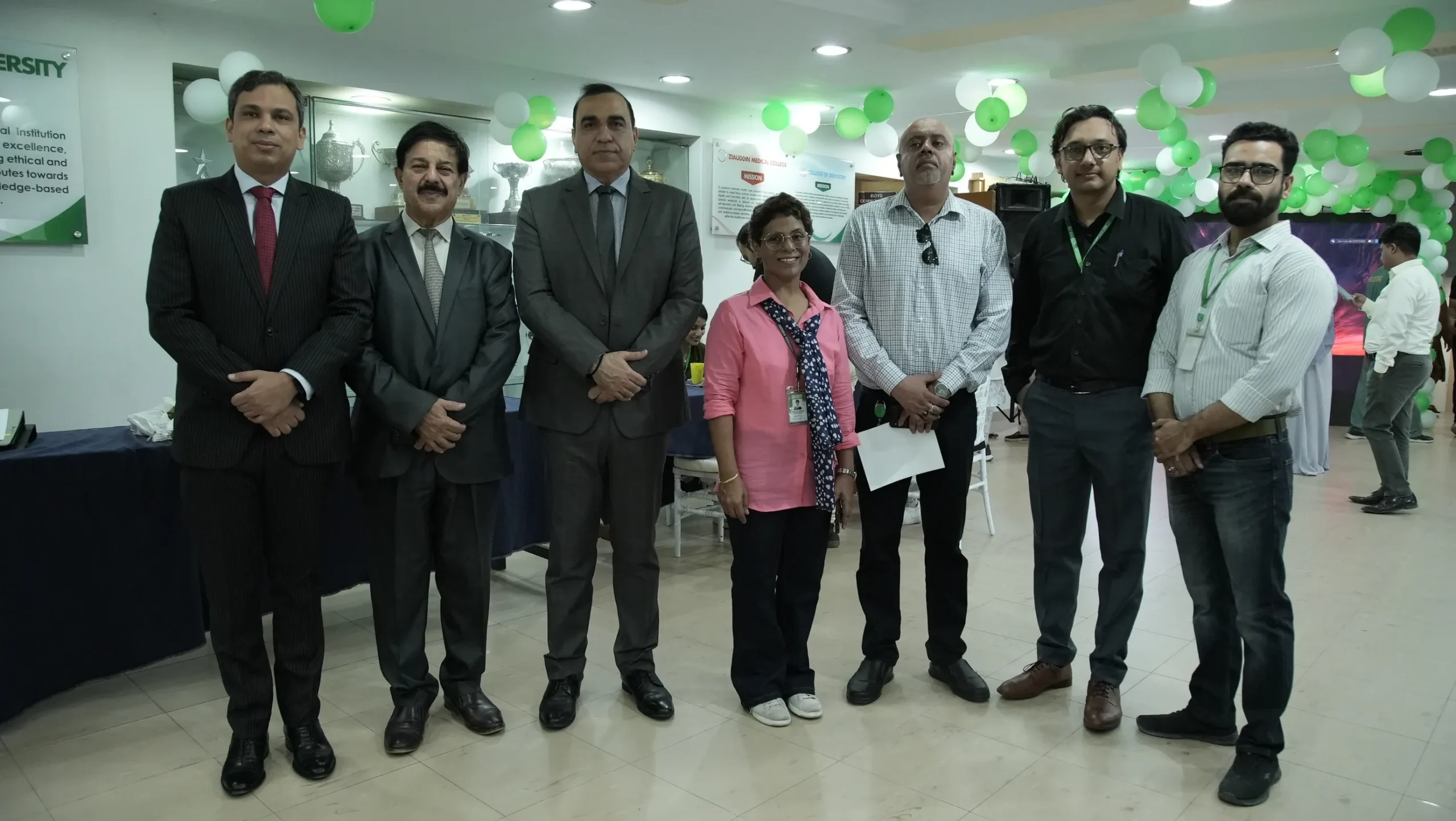
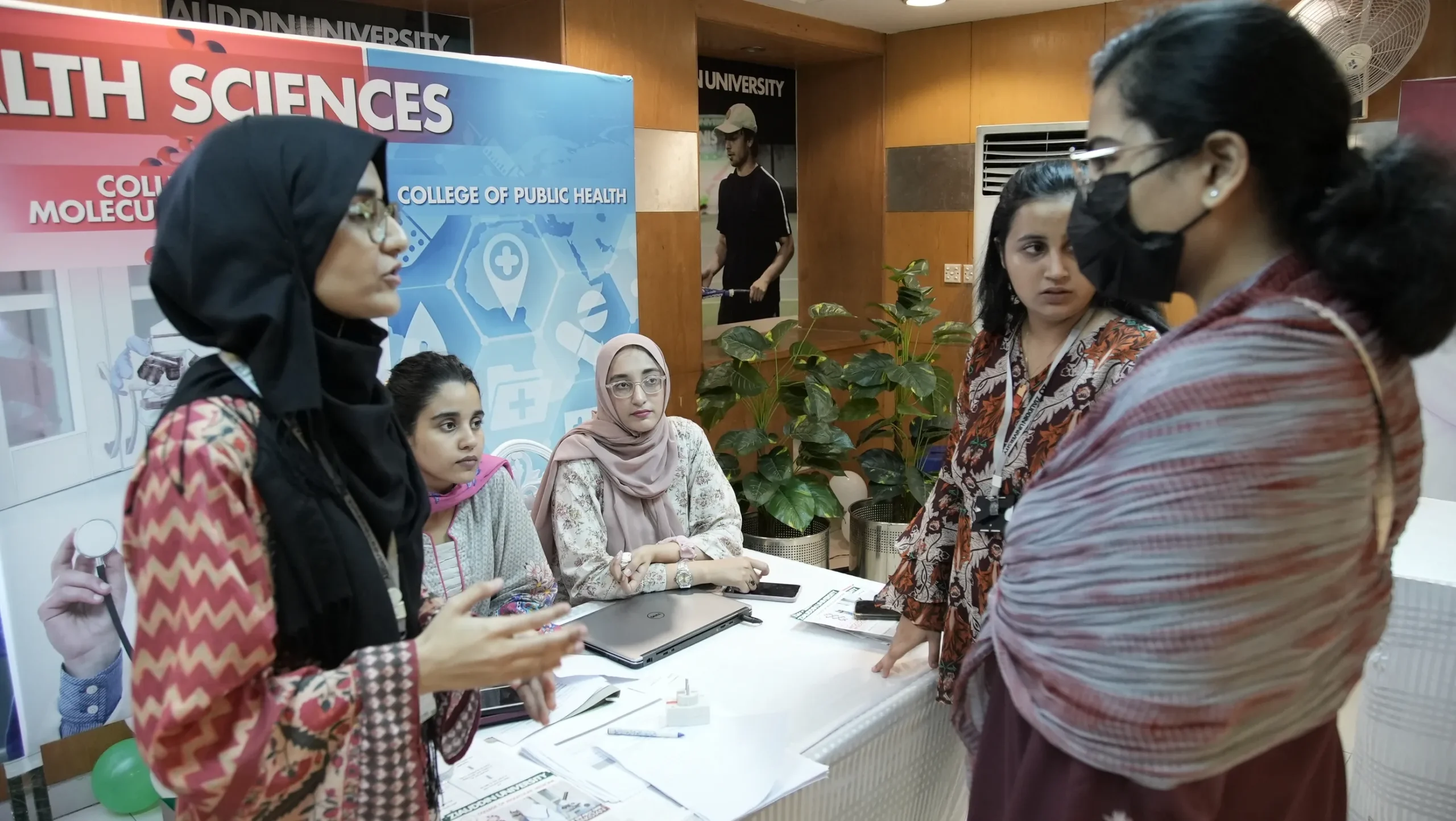
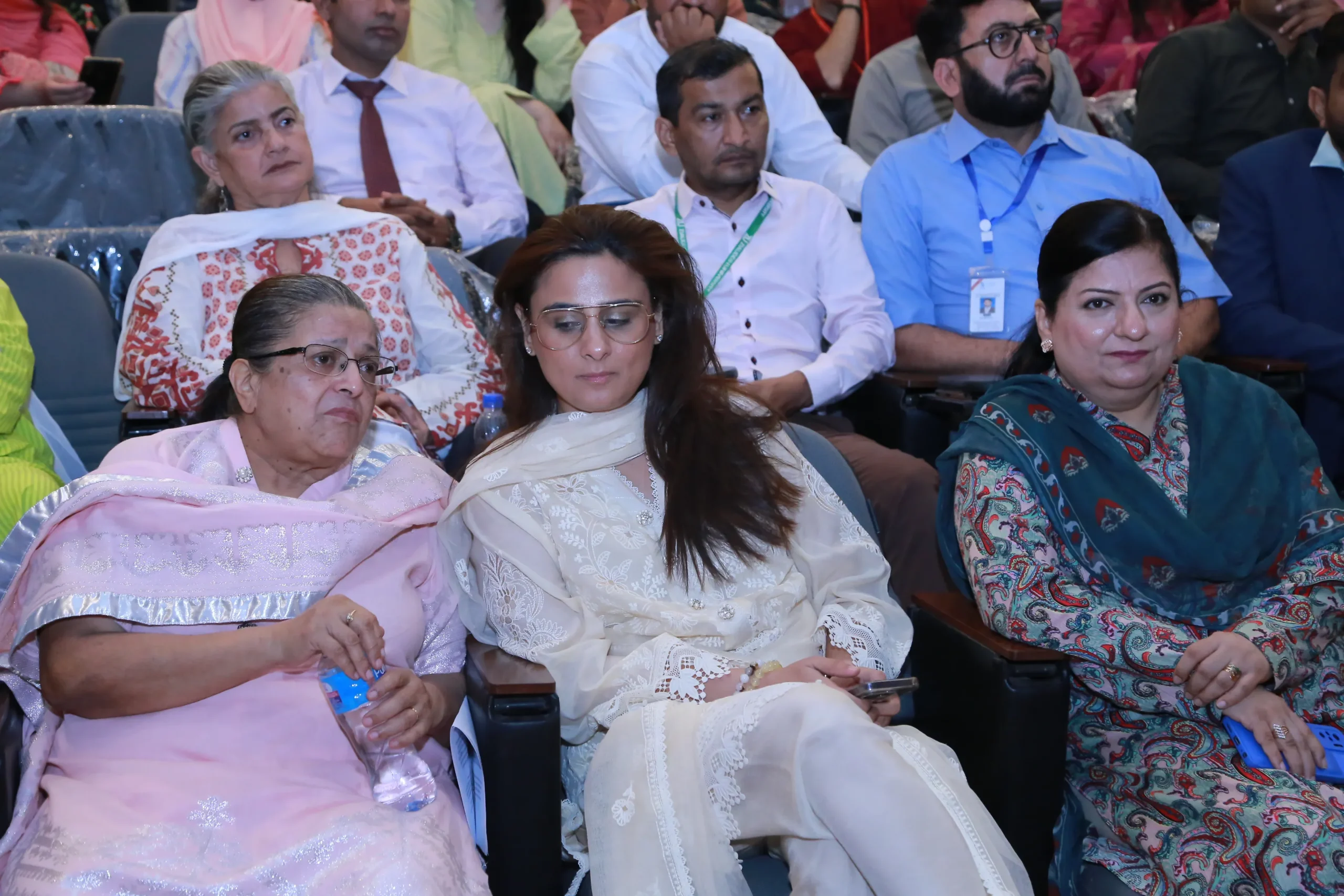
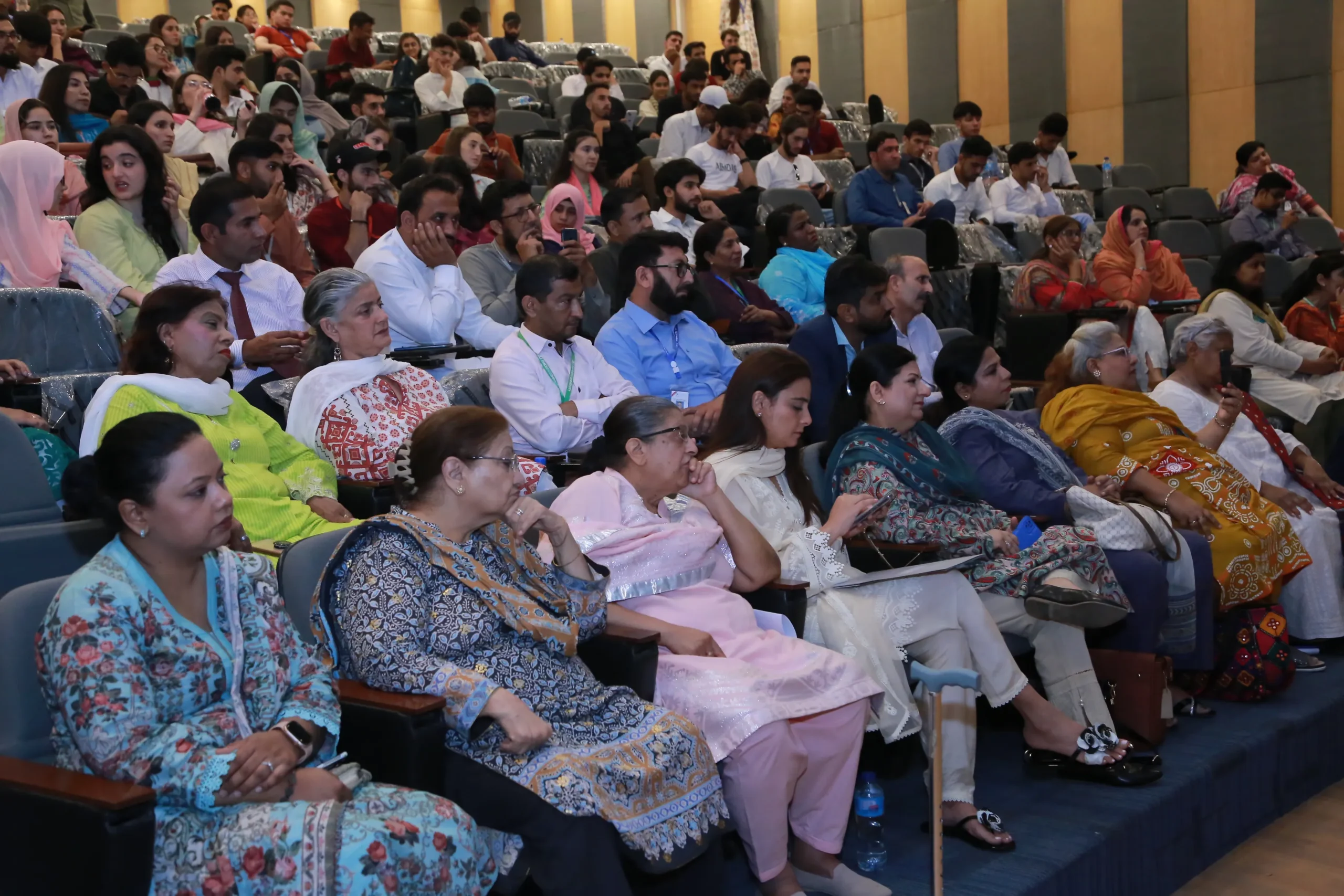
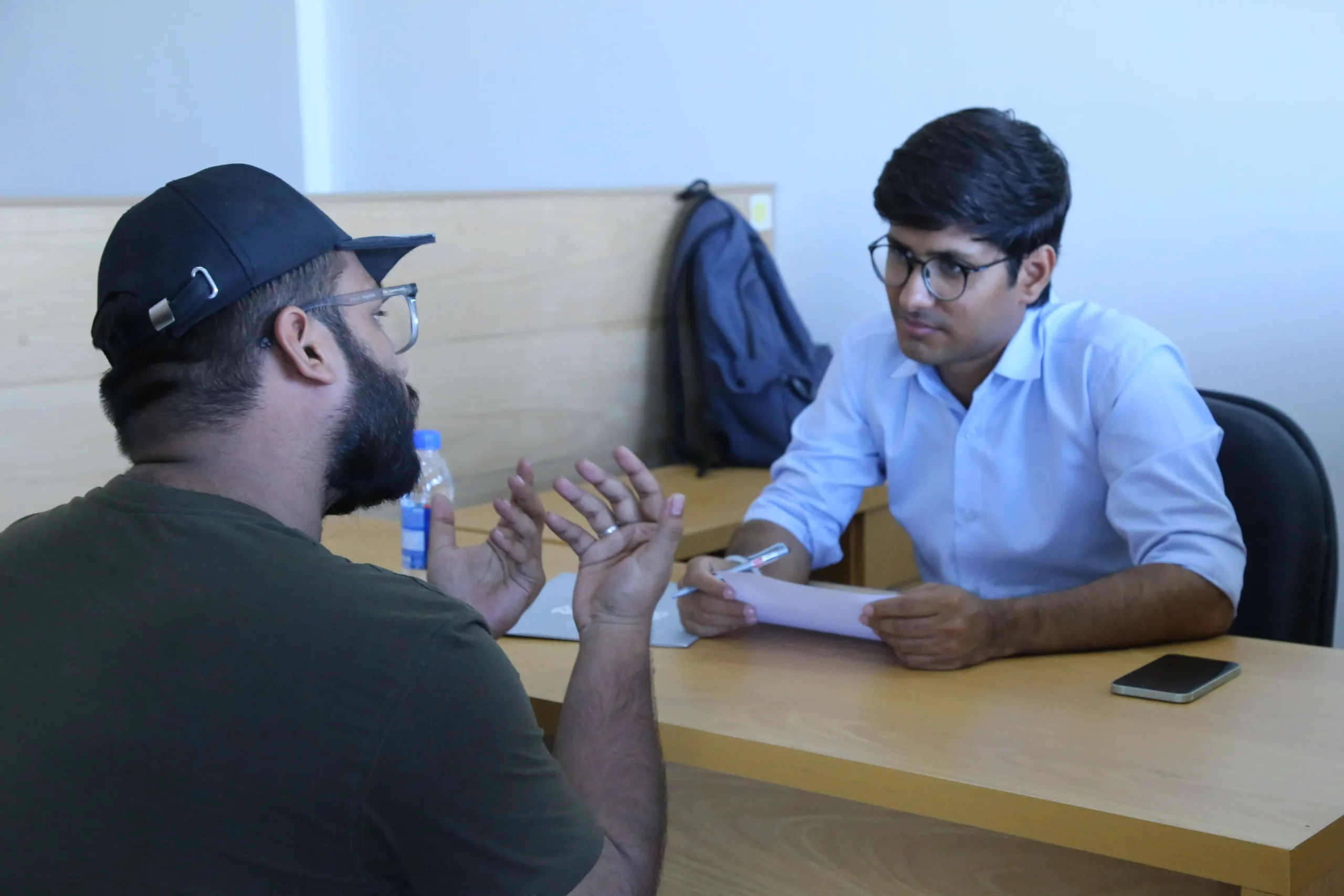
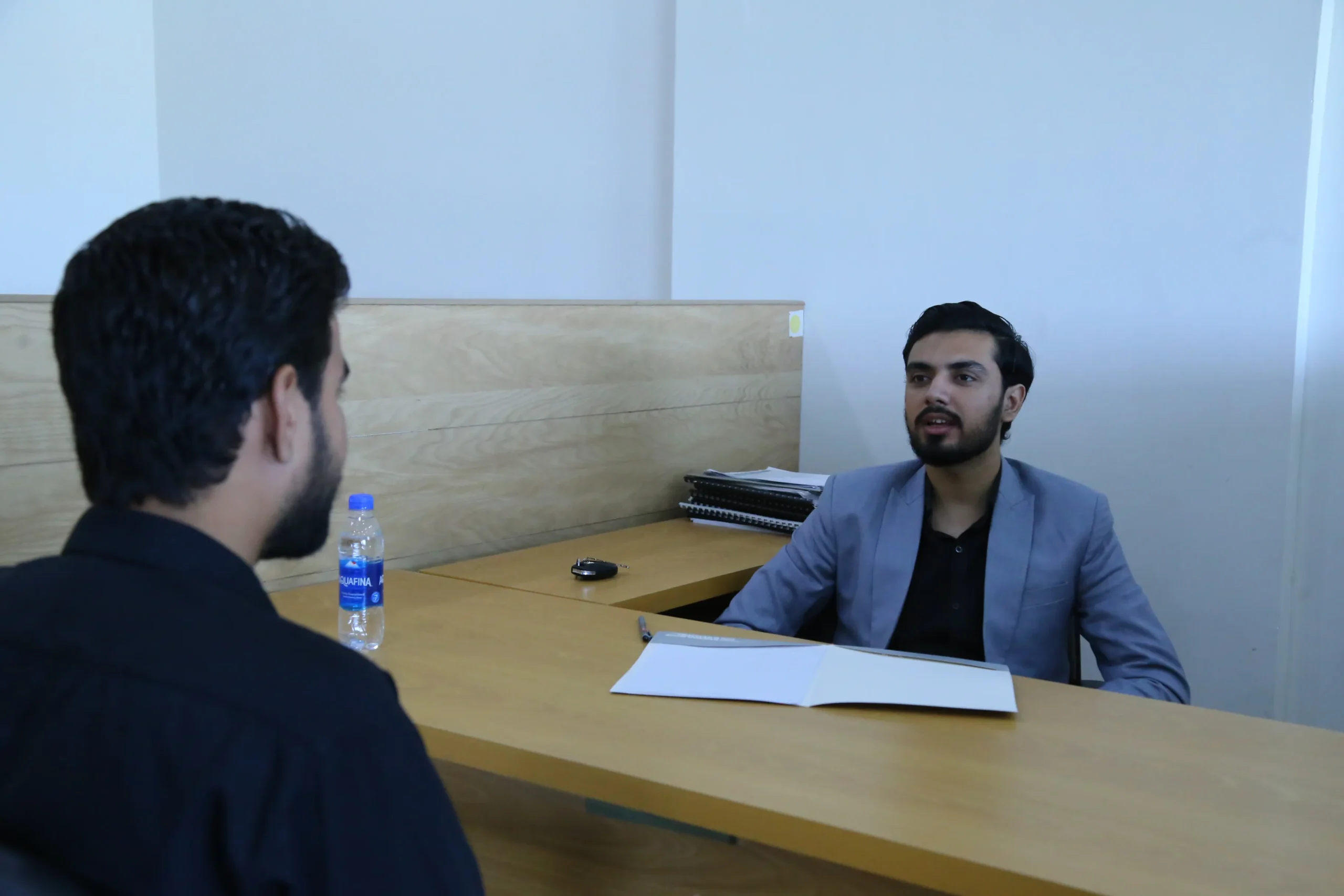
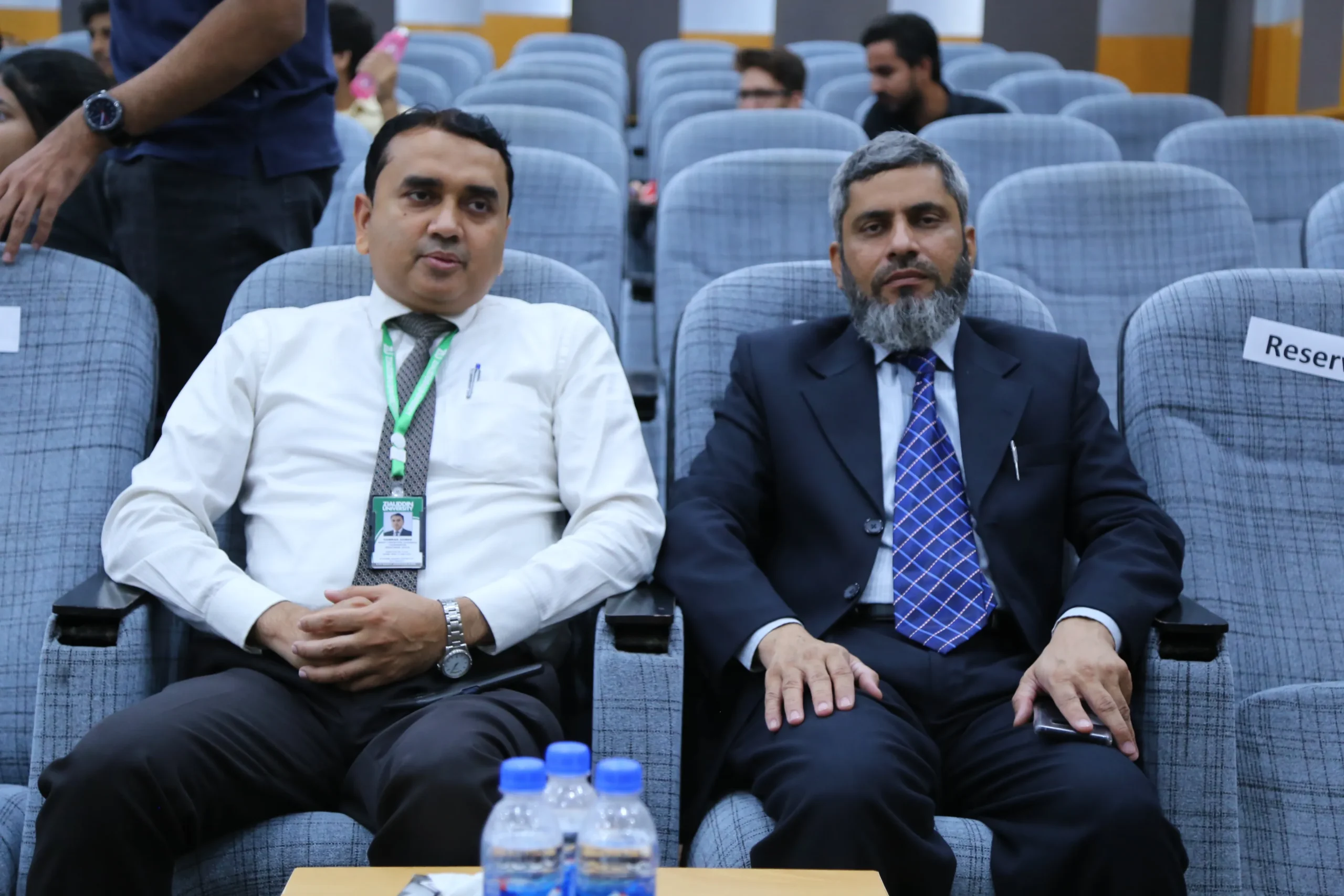
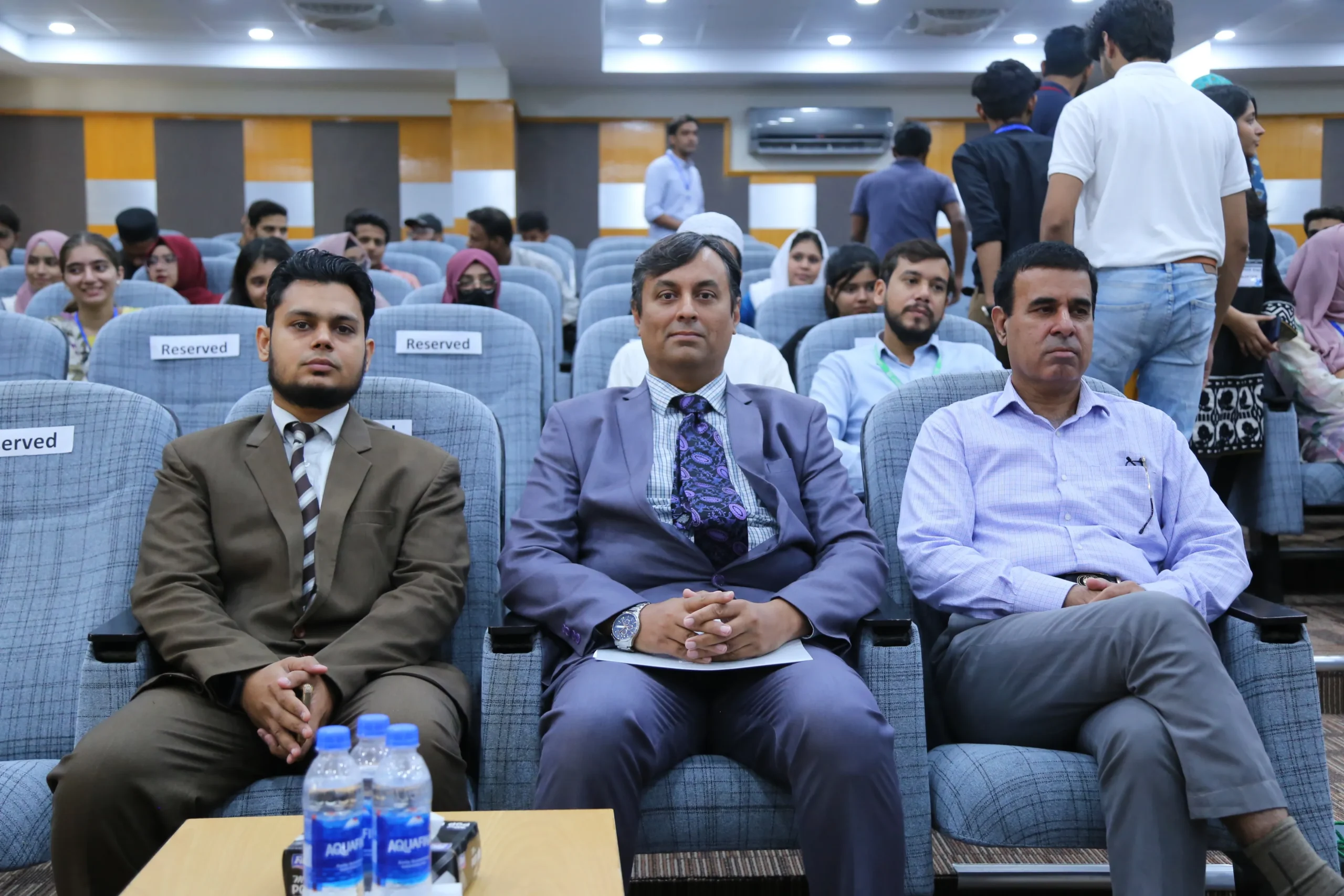
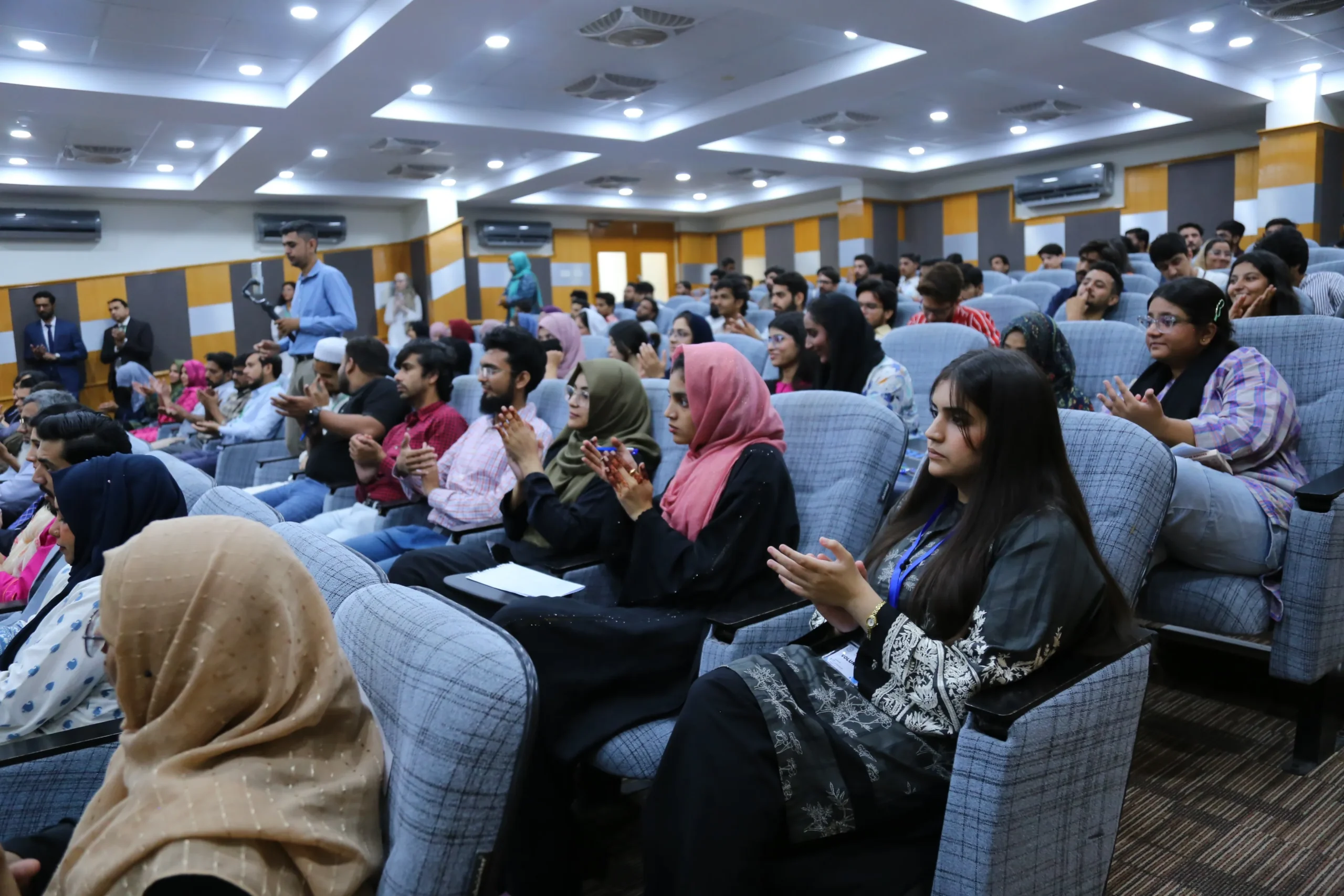
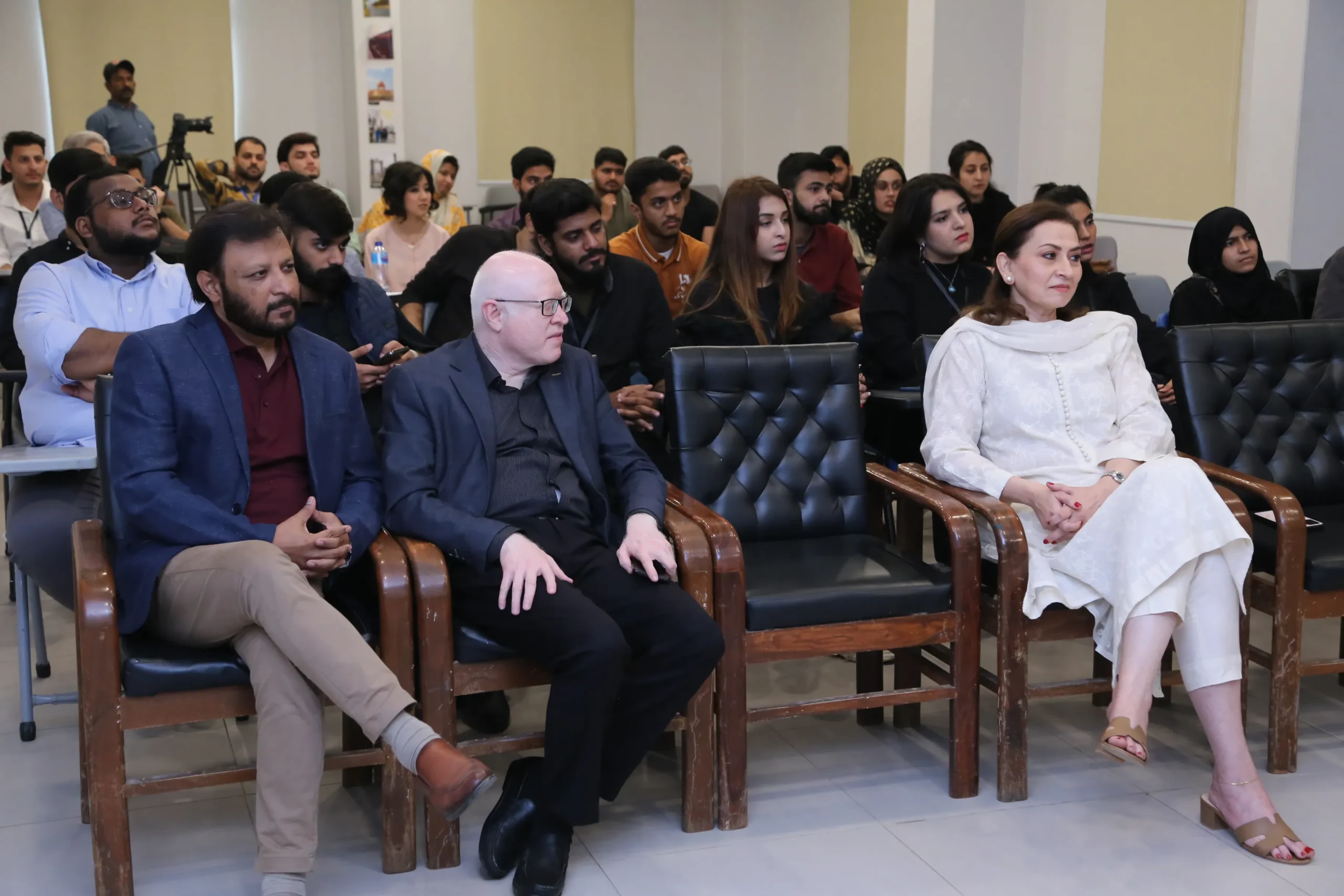
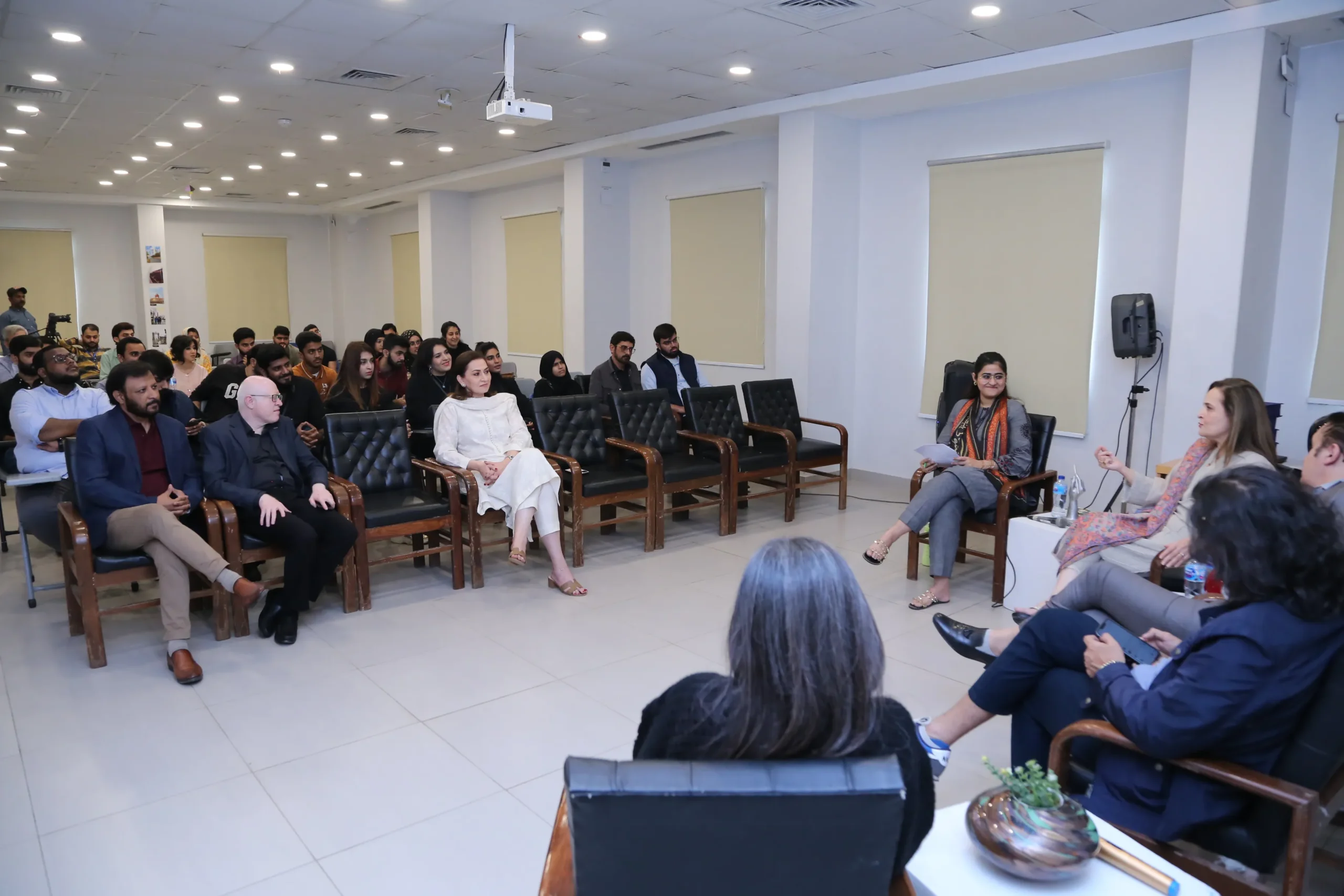
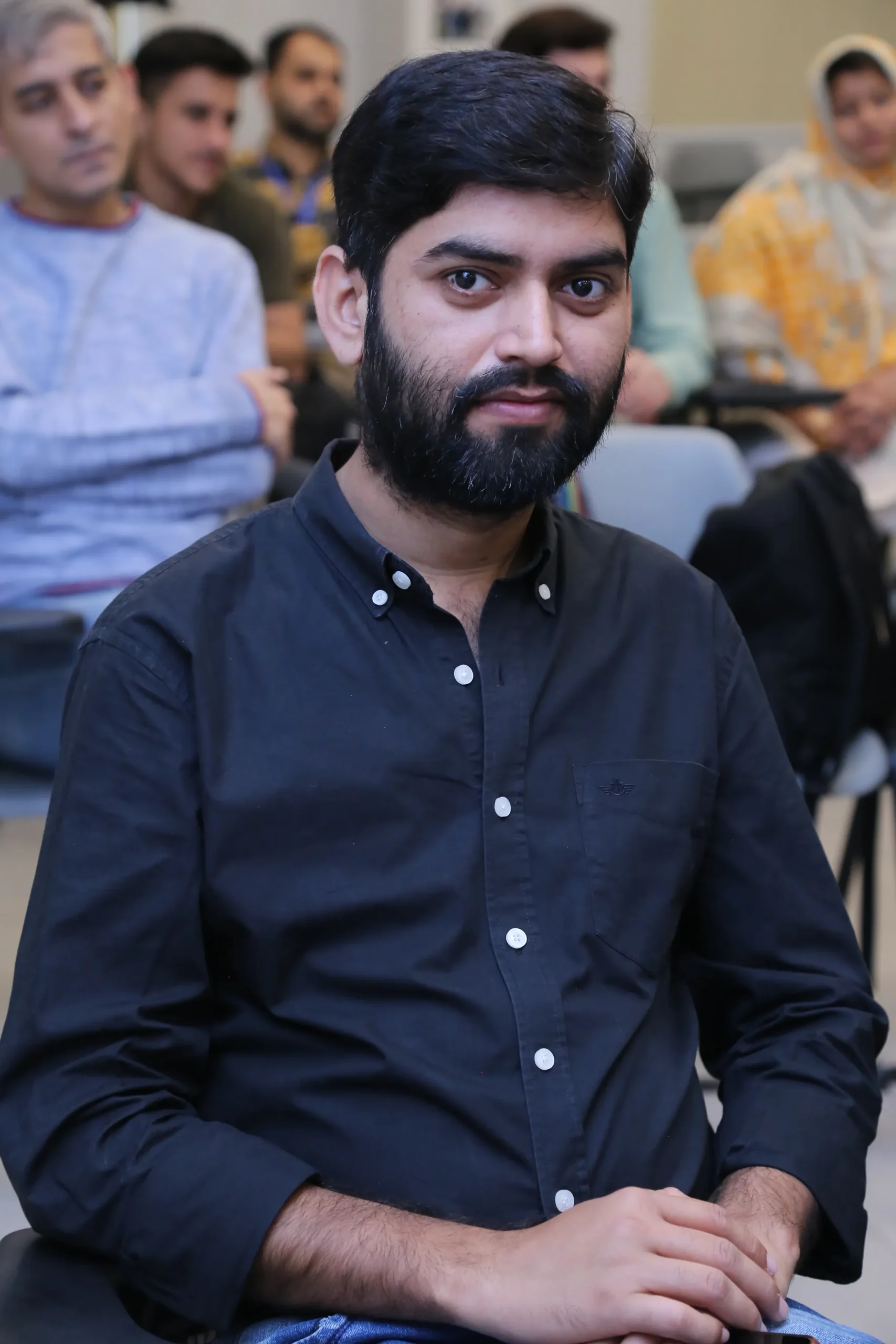
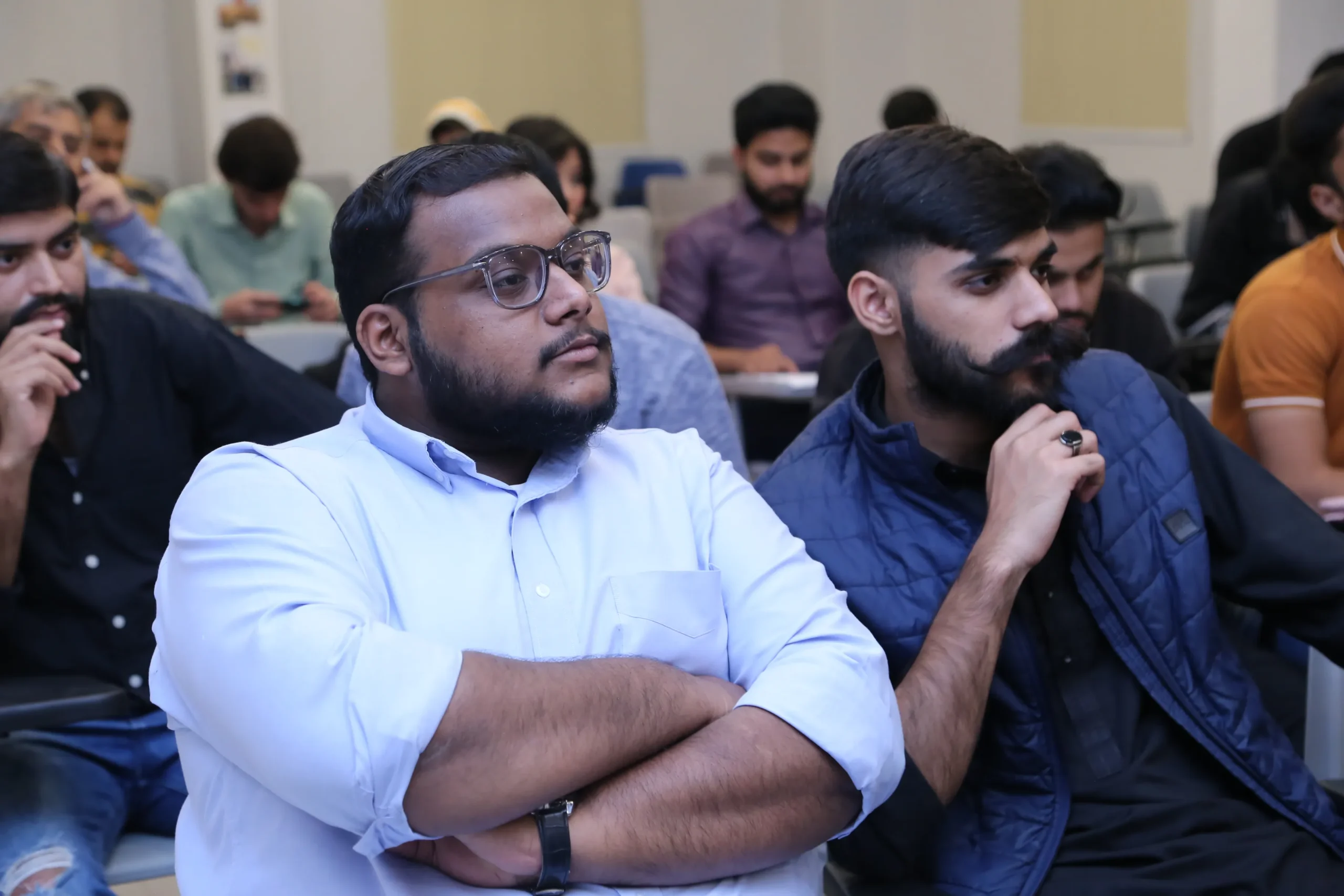
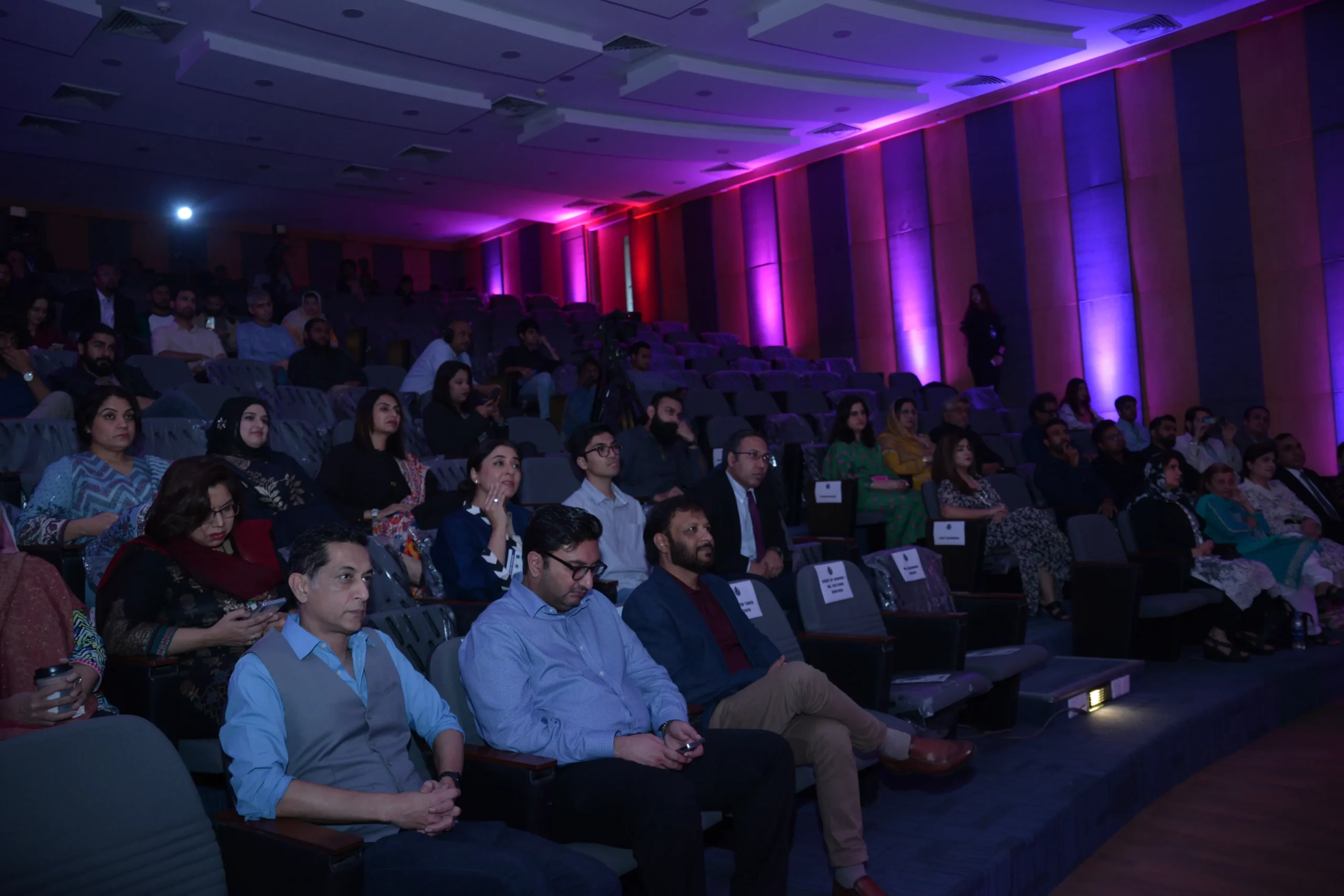
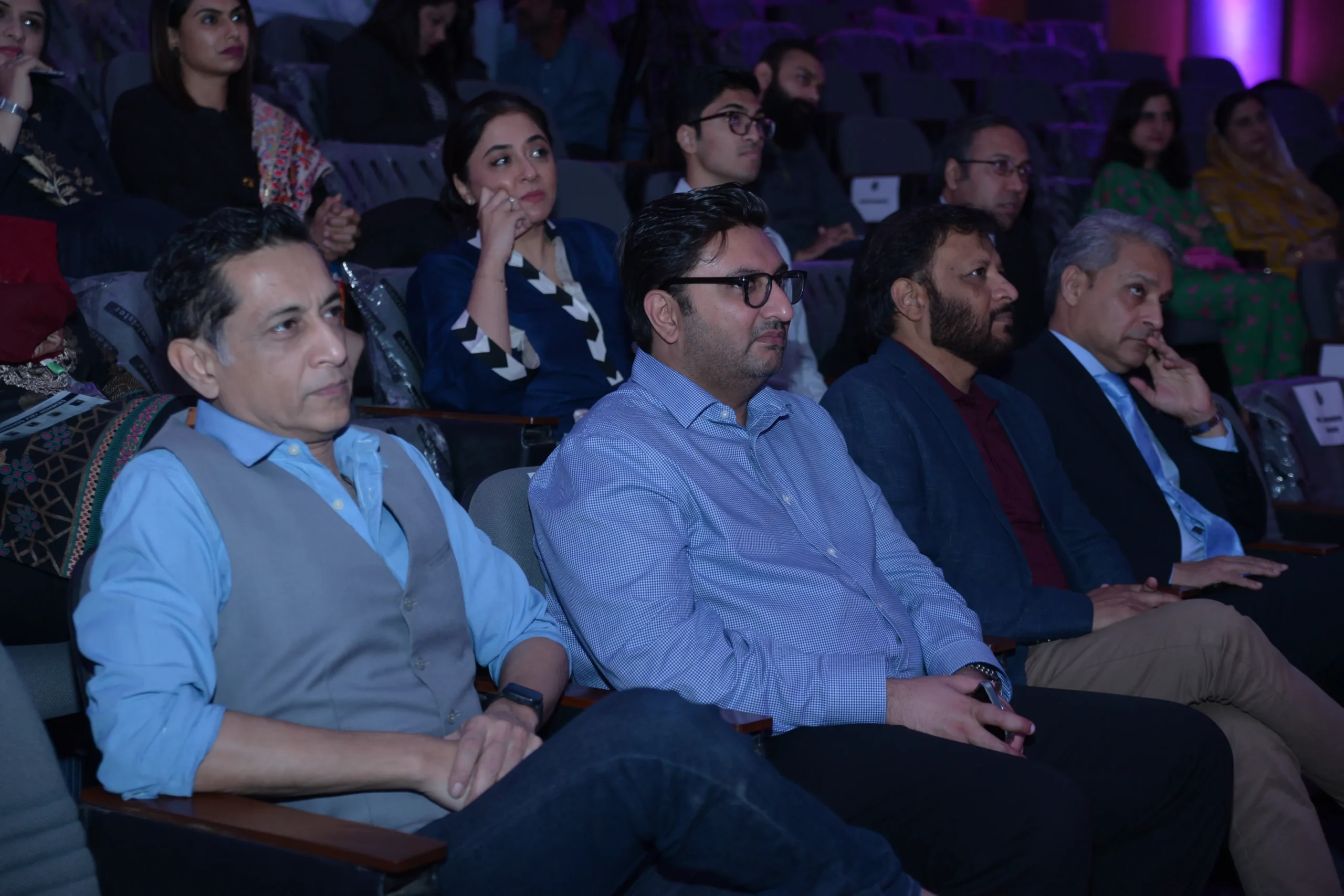
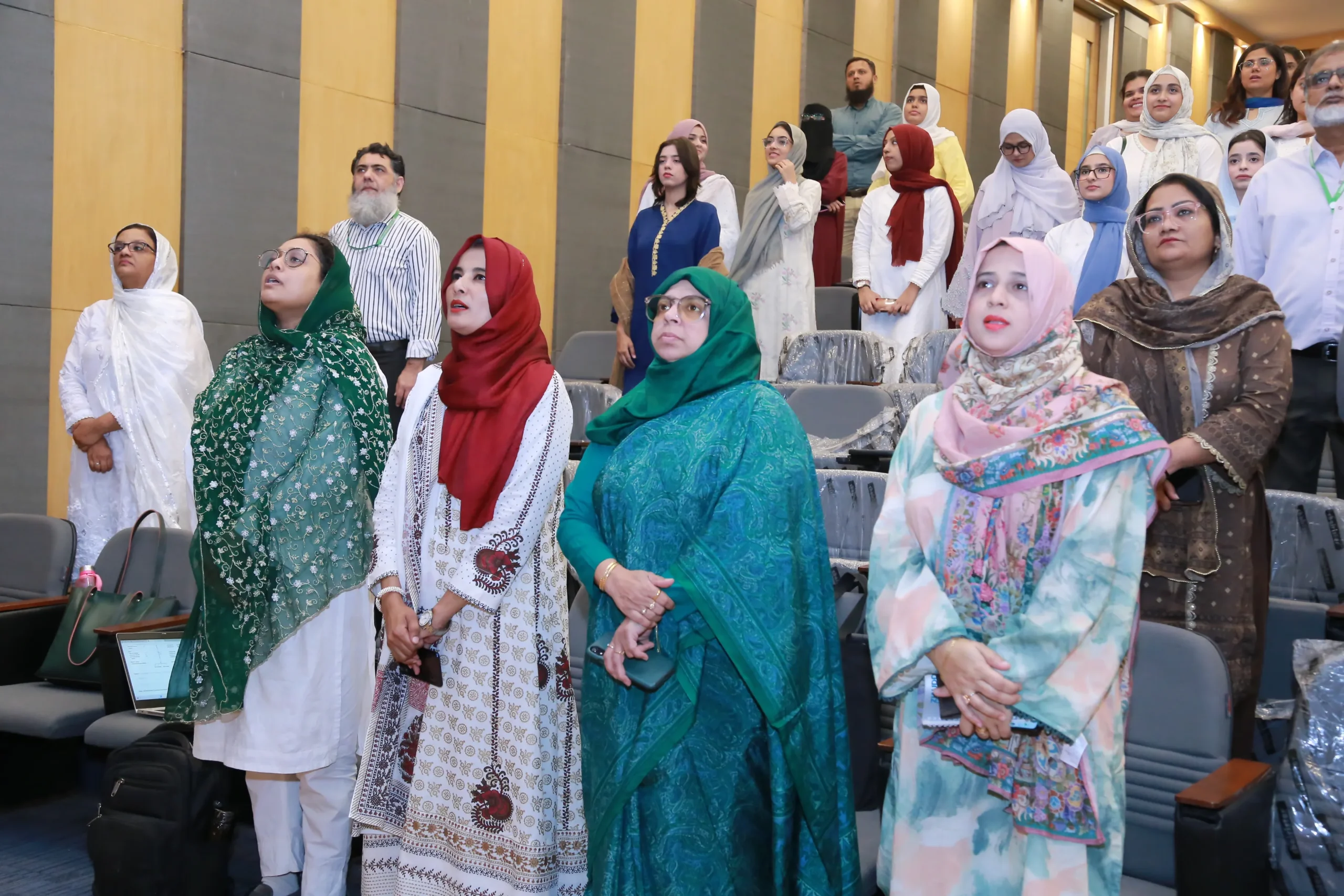
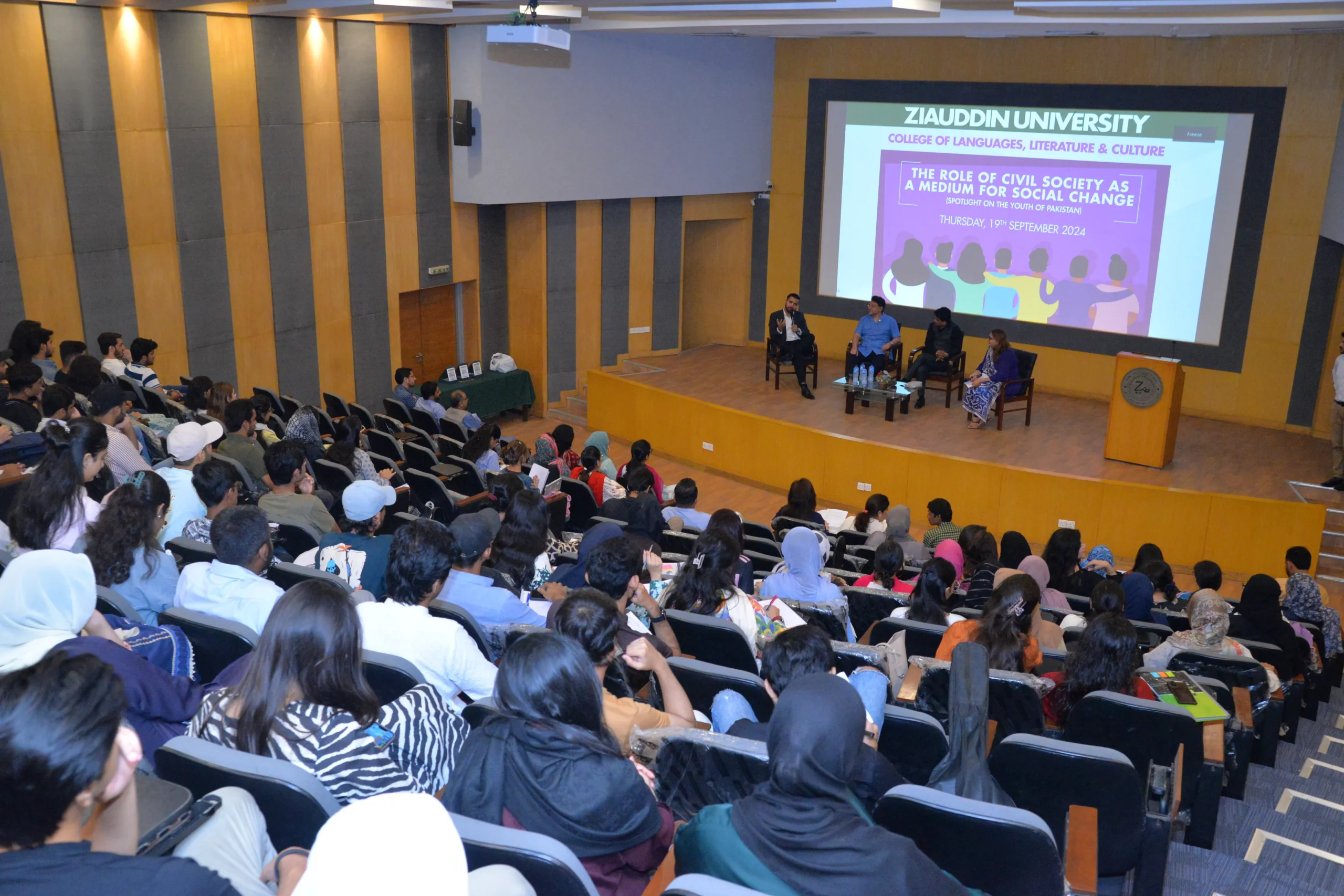
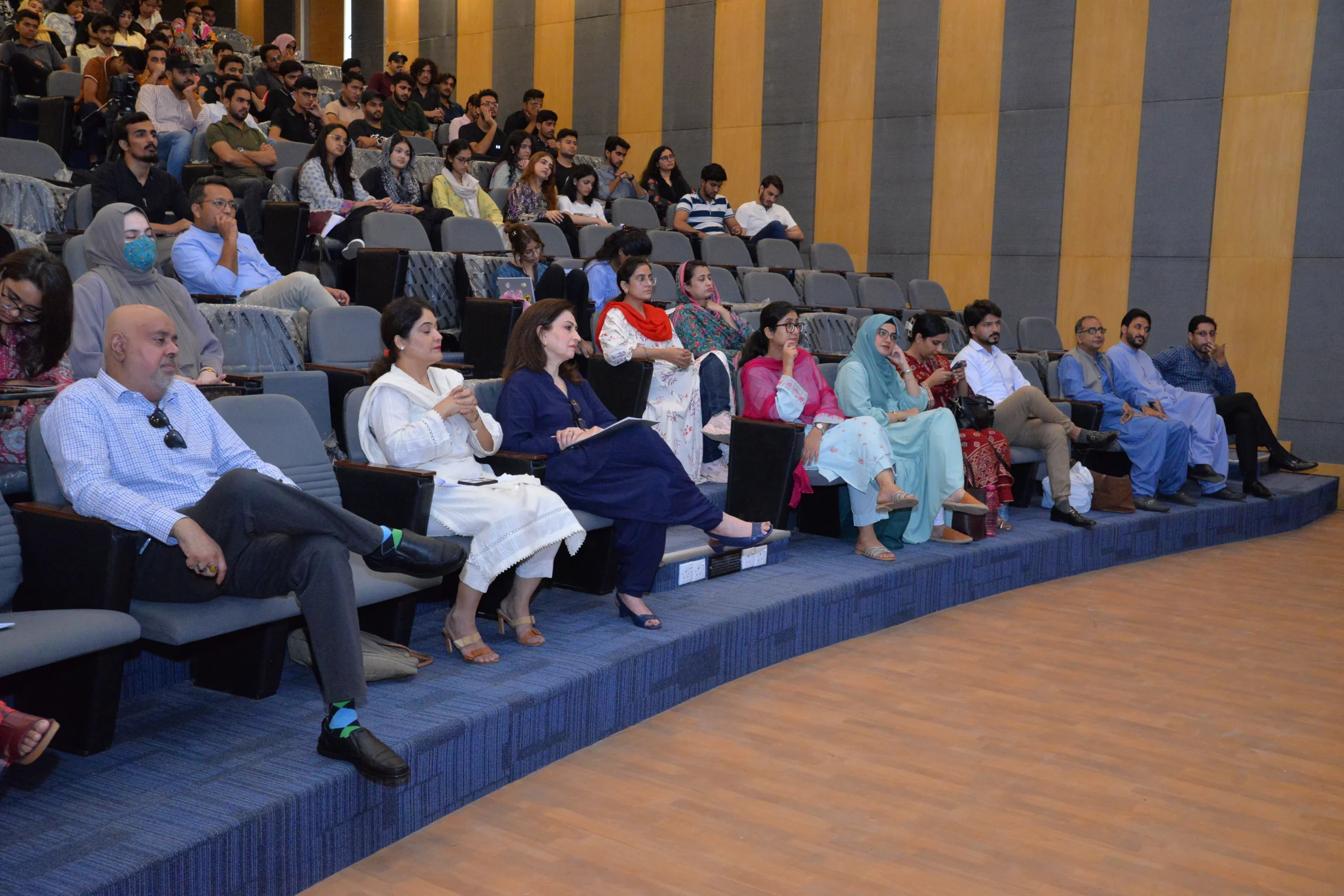
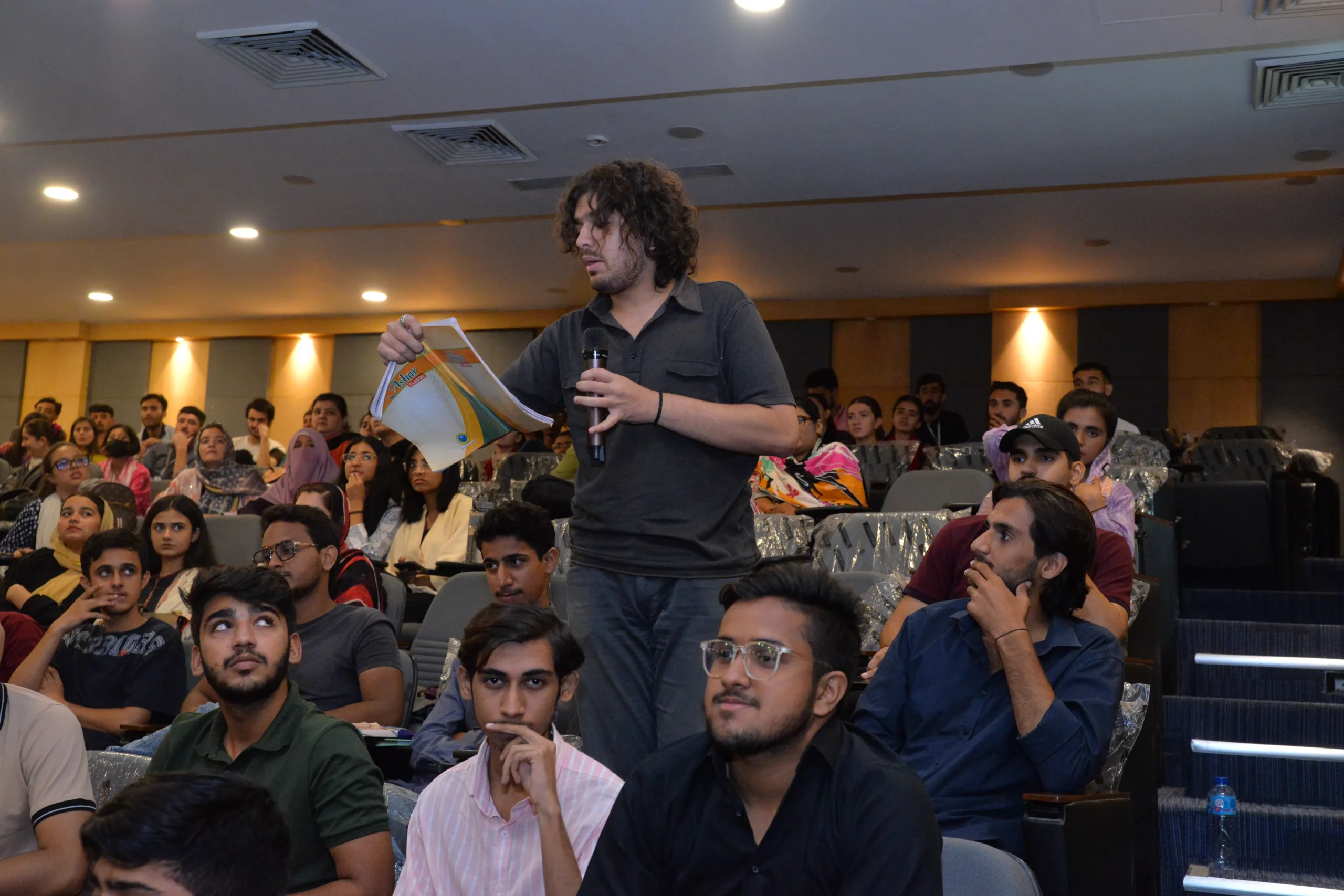
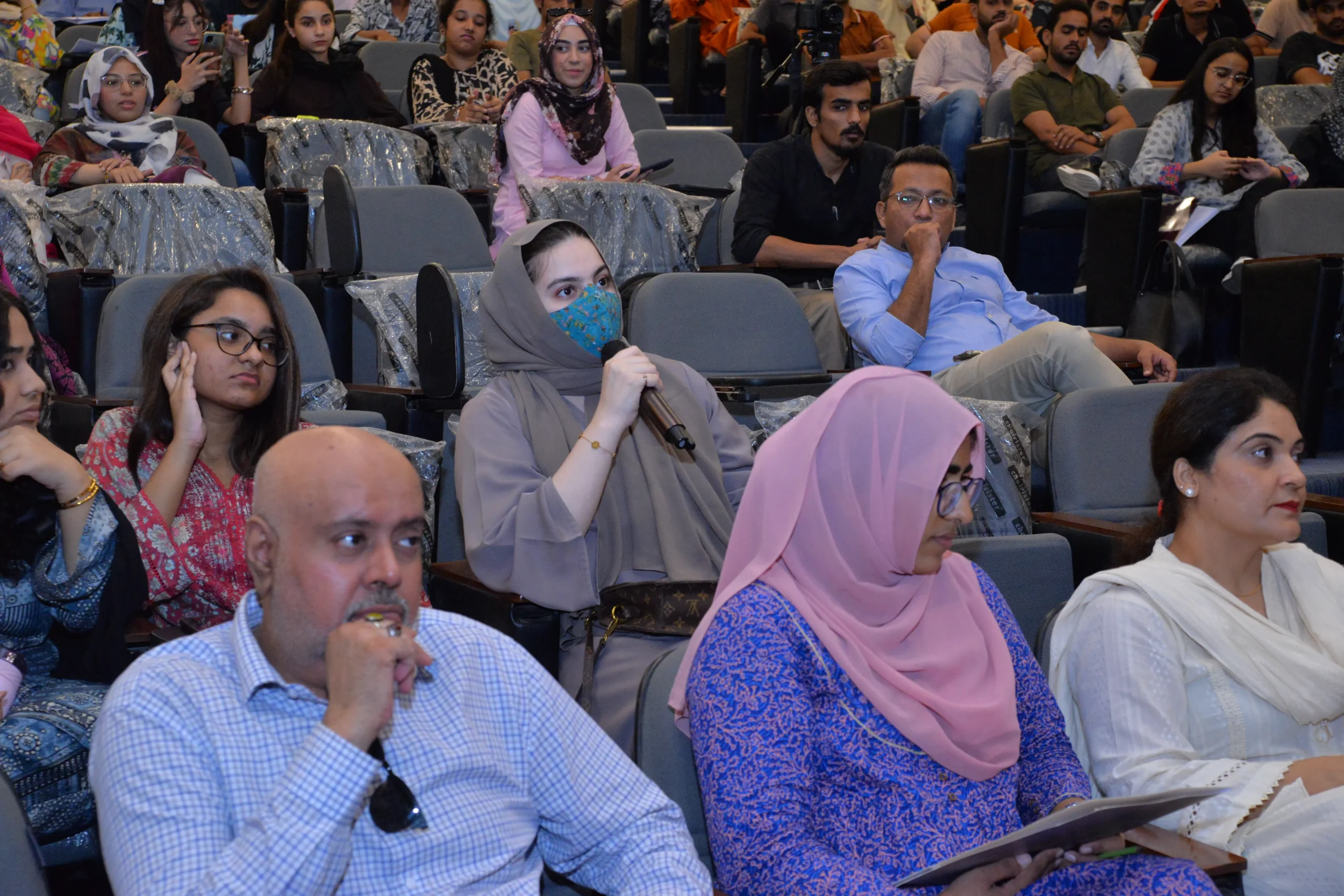
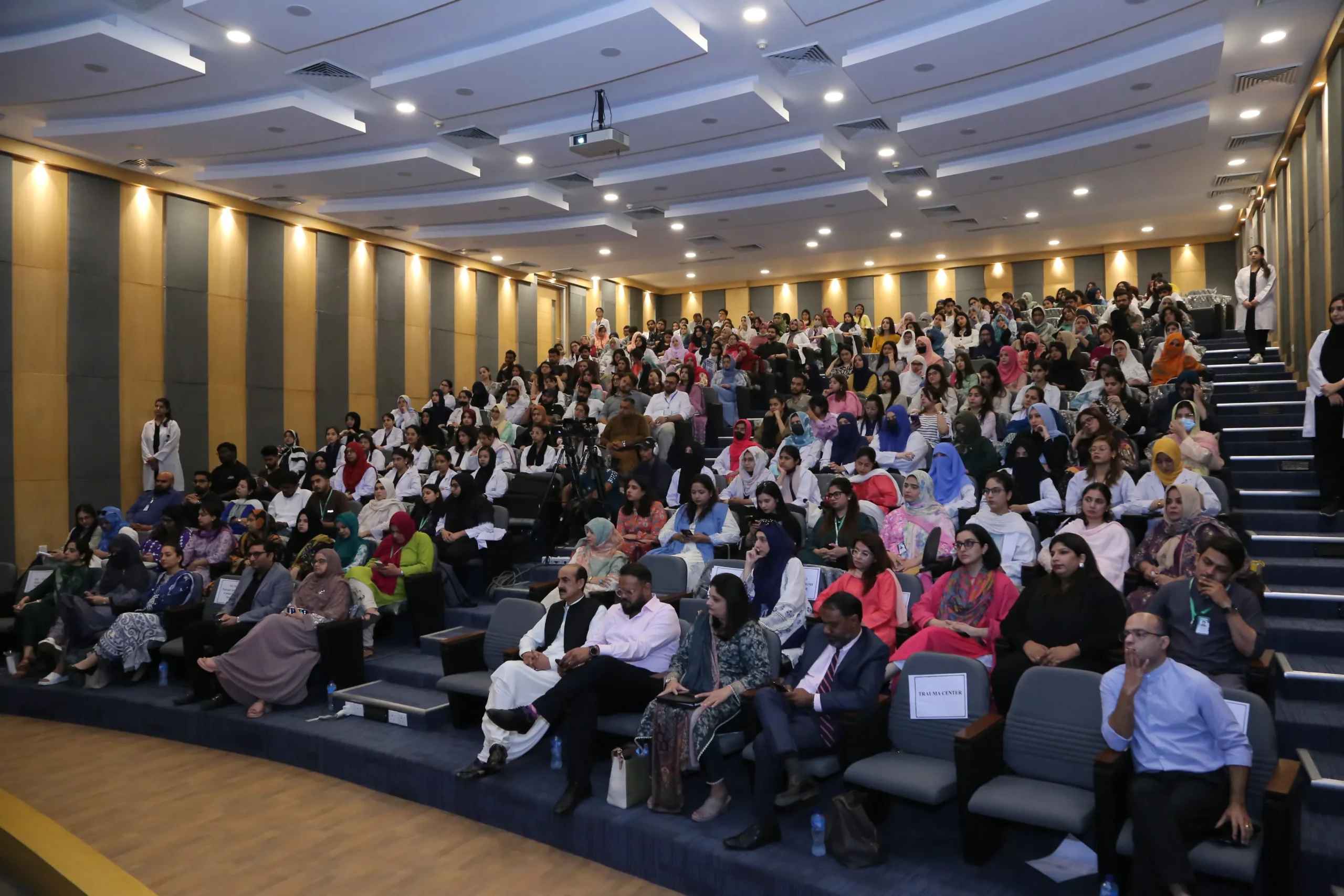
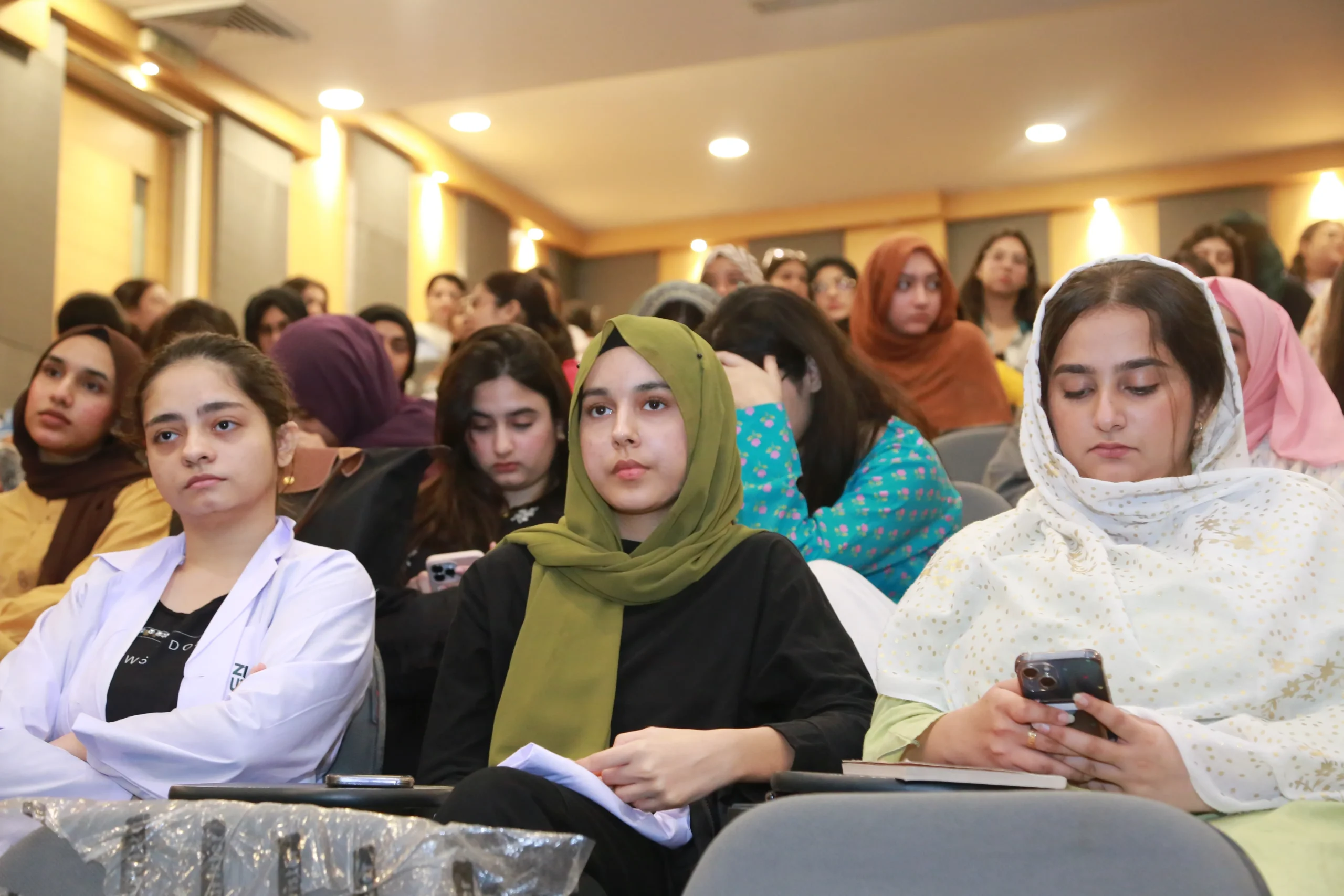
The event brought together multidisciplinary healthcare professionals from 21 institutions across Karachi, Hyderabad, Khairpur, Sukkur, Sehwan, Lahore, Islamabad, and Peshawar. It created a collaborative space for clinicians-researchers, infectious disease specialists, internists, microbiologists, intensivists, pathologists, pharmacists, pulmonologists, paediatricians, emergency medicine and rehabilitation specialists to discuss outbreak and epidemic preparedness using the ISARIC Clinical Characterisation Protocol.
Participating institutions included Aga Khan University Hospital (AKUH), South City Hospital, Jinnah Postgraduate Medical Center (JPMC), Sindh Institute of Urology and Transplant (SIUT), Indus Hospital & Health Network (IHHN), Sindh Infectious Disease Hospital (SIDH), Shaukat Khanum Memorial Cancer Hospital & Research Centre (SKMCH&RC), Chughtai Institute of Pathology, Pakistan Kidney and Liver Institute (PKLI), Shifa International Hospital, North West General Hospital & Research Center (NWGH&RC), and several others from across Pakistan.
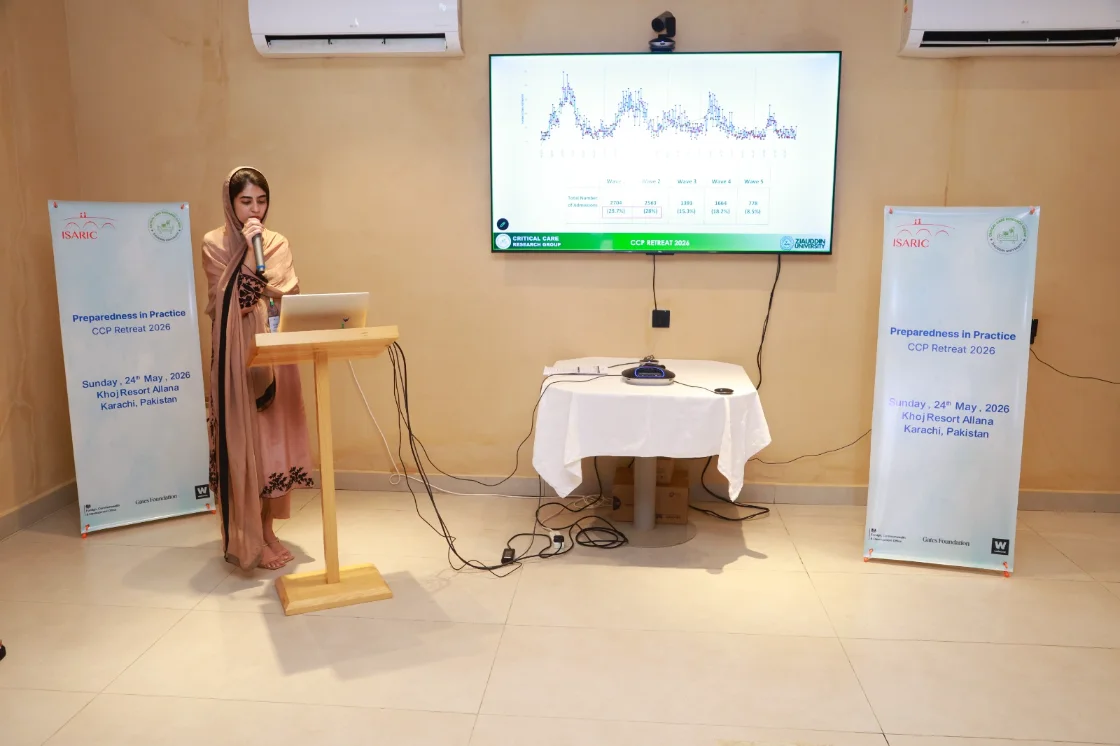
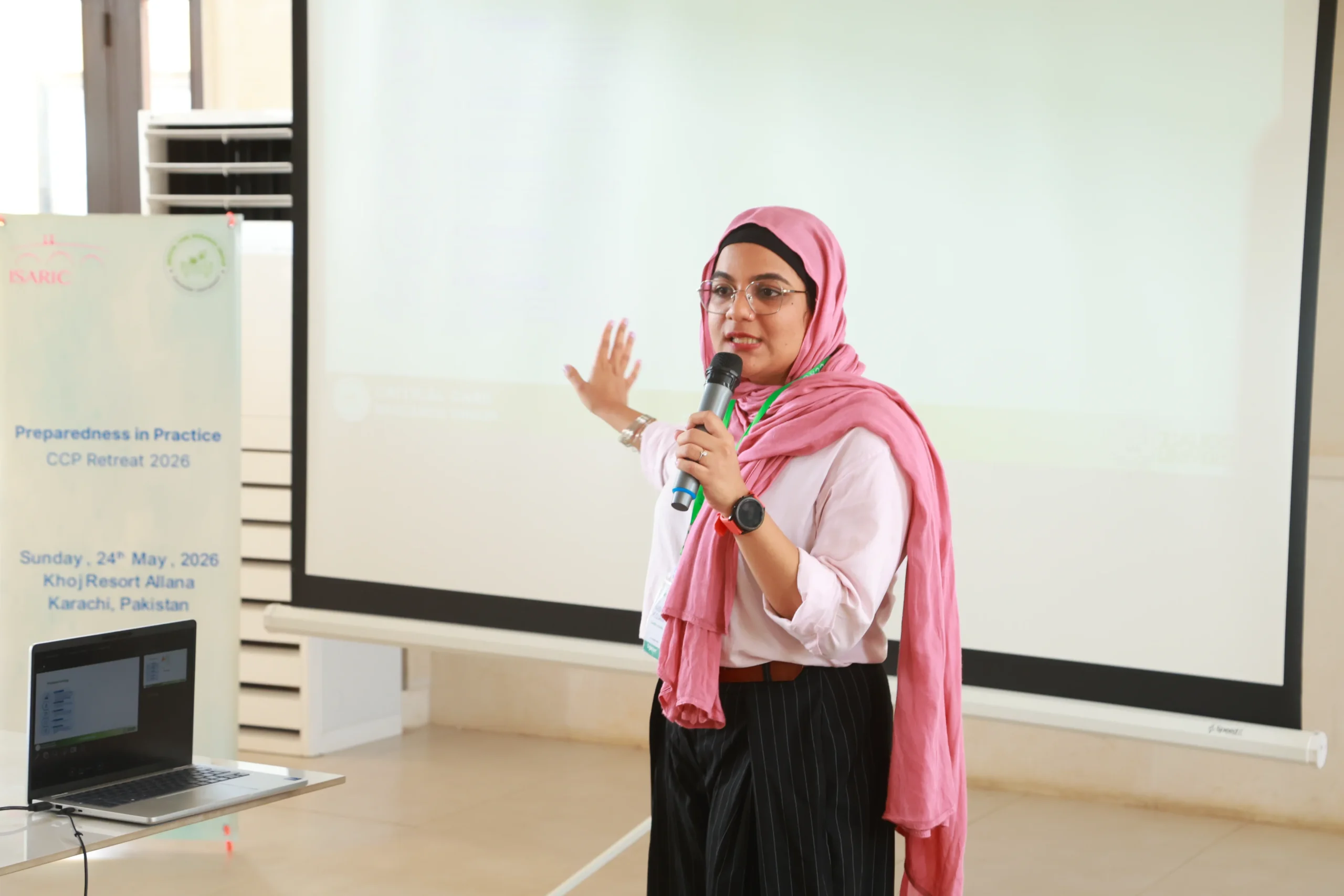
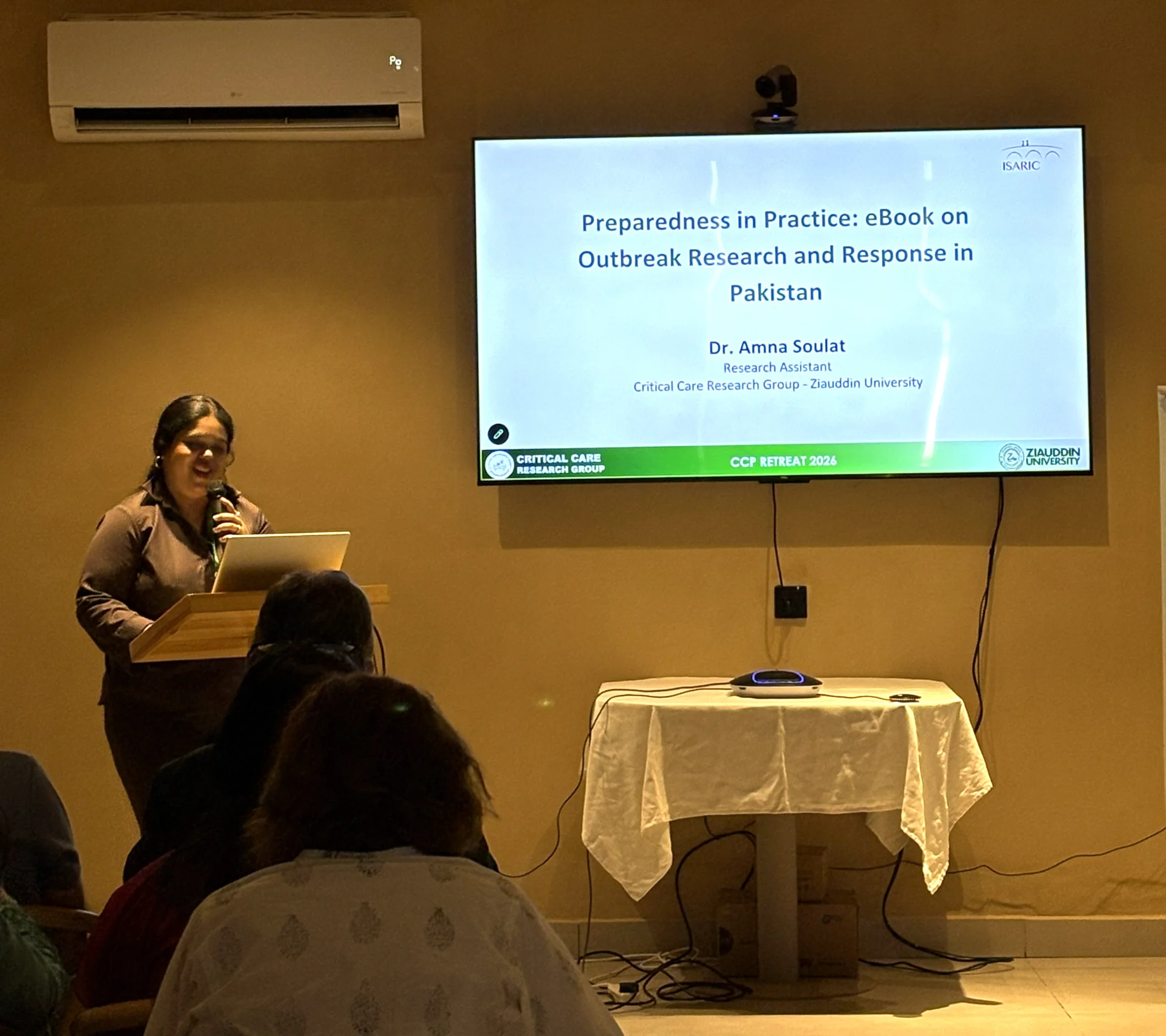
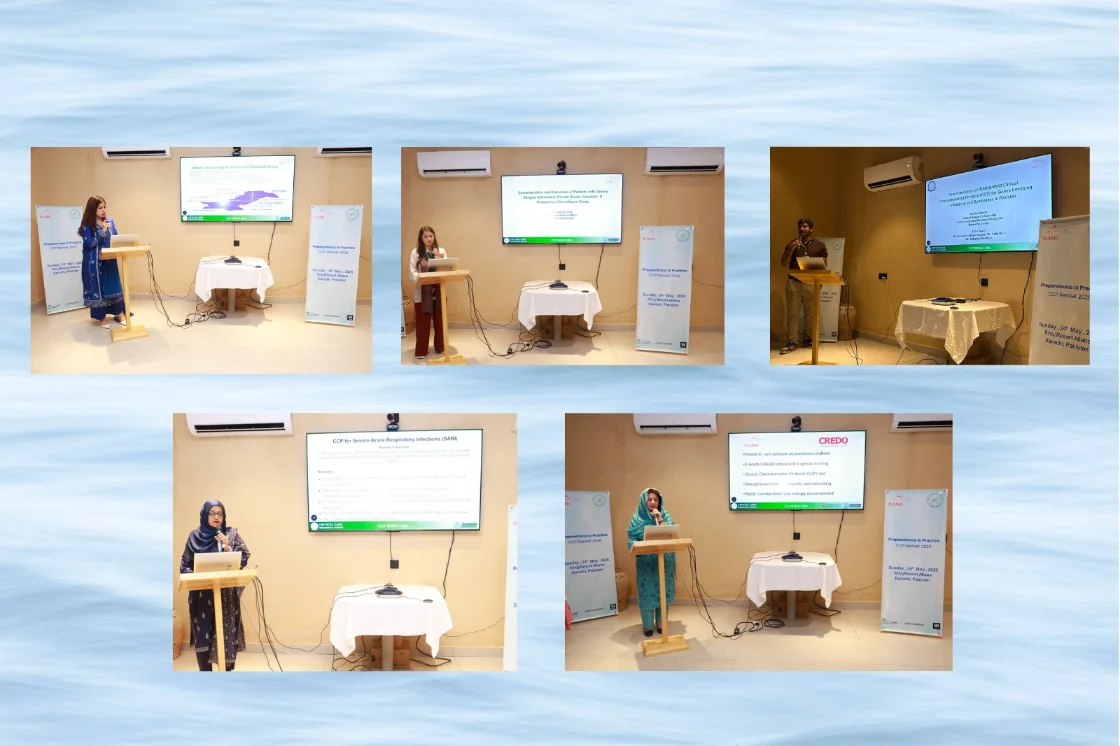
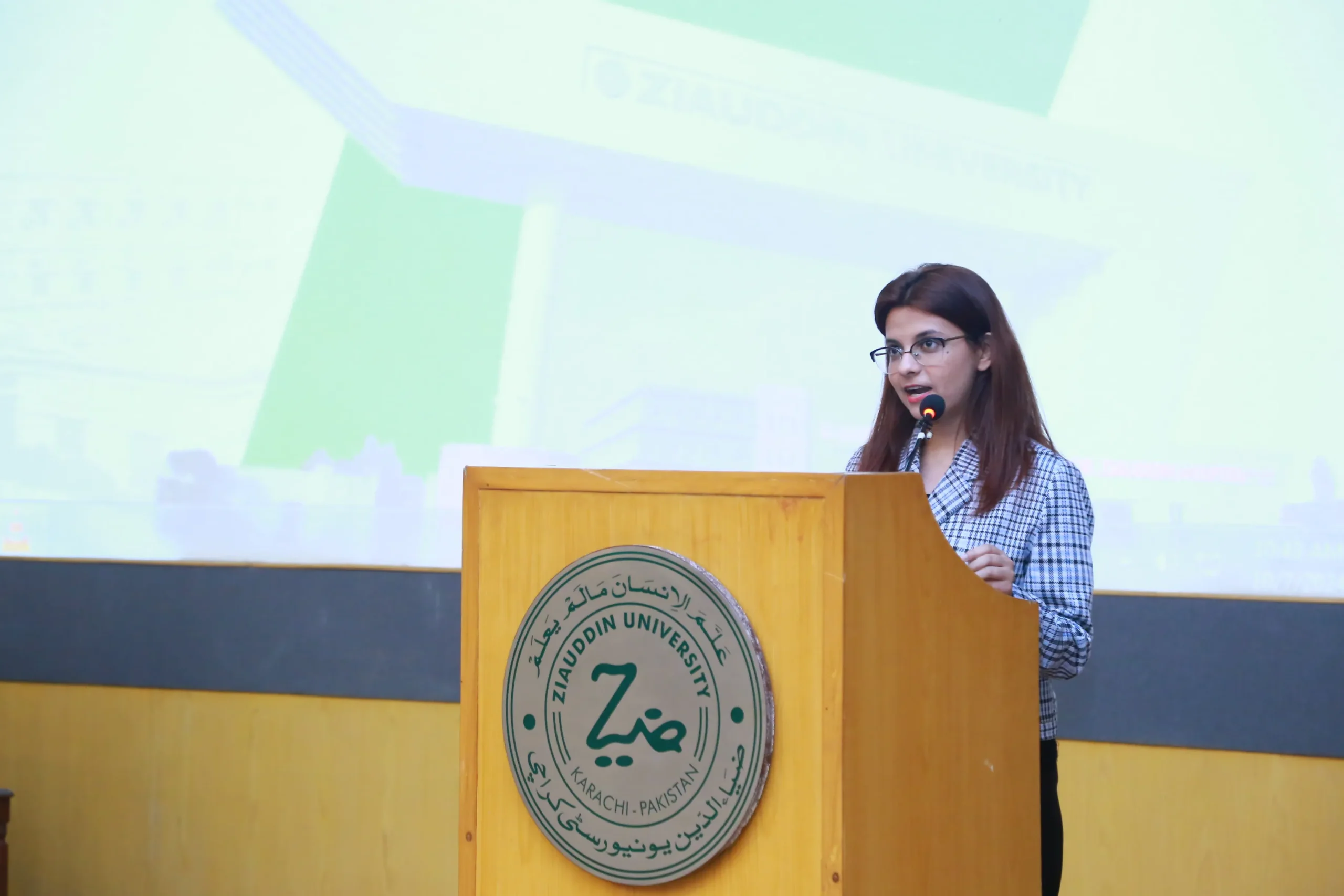
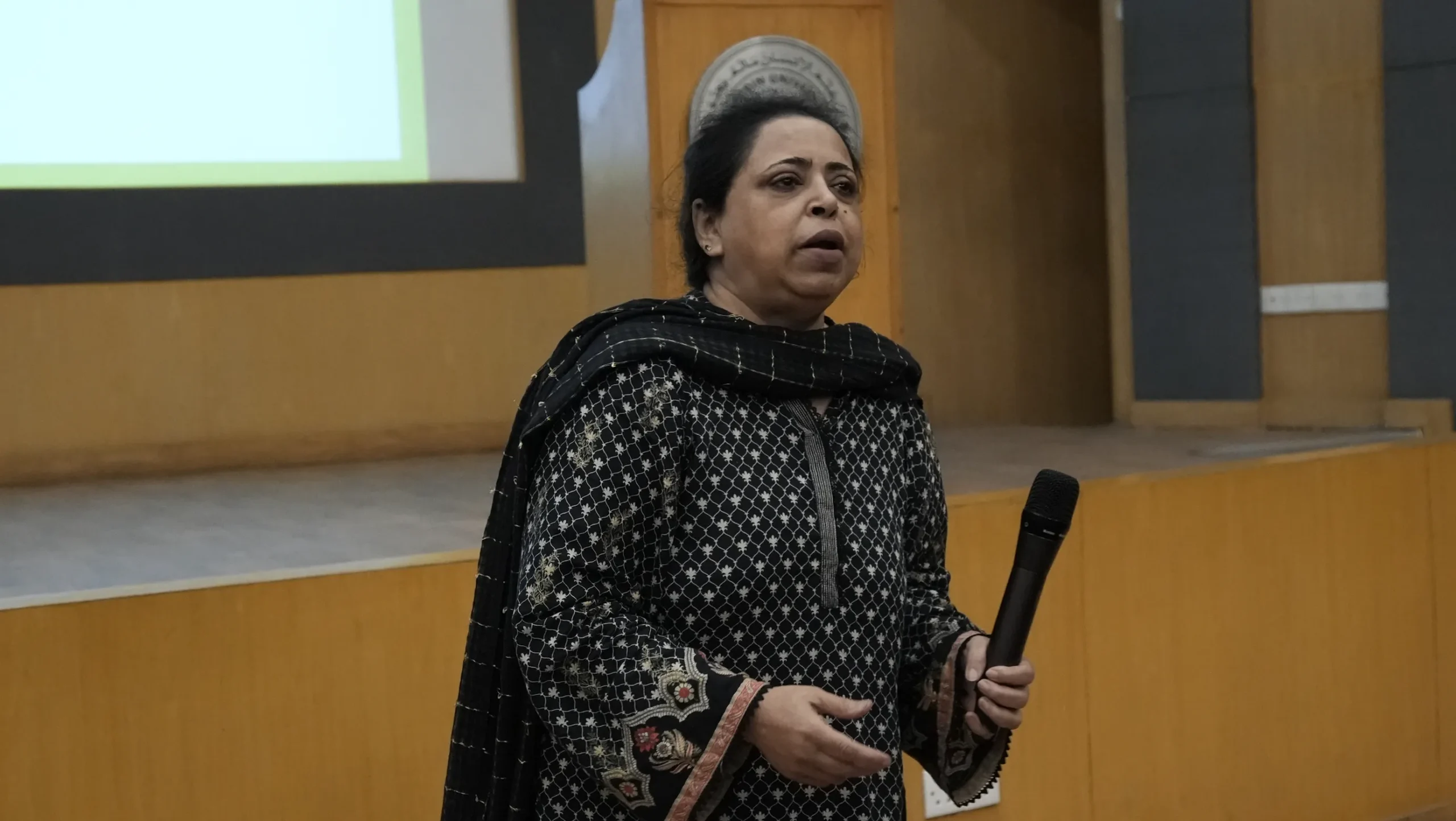
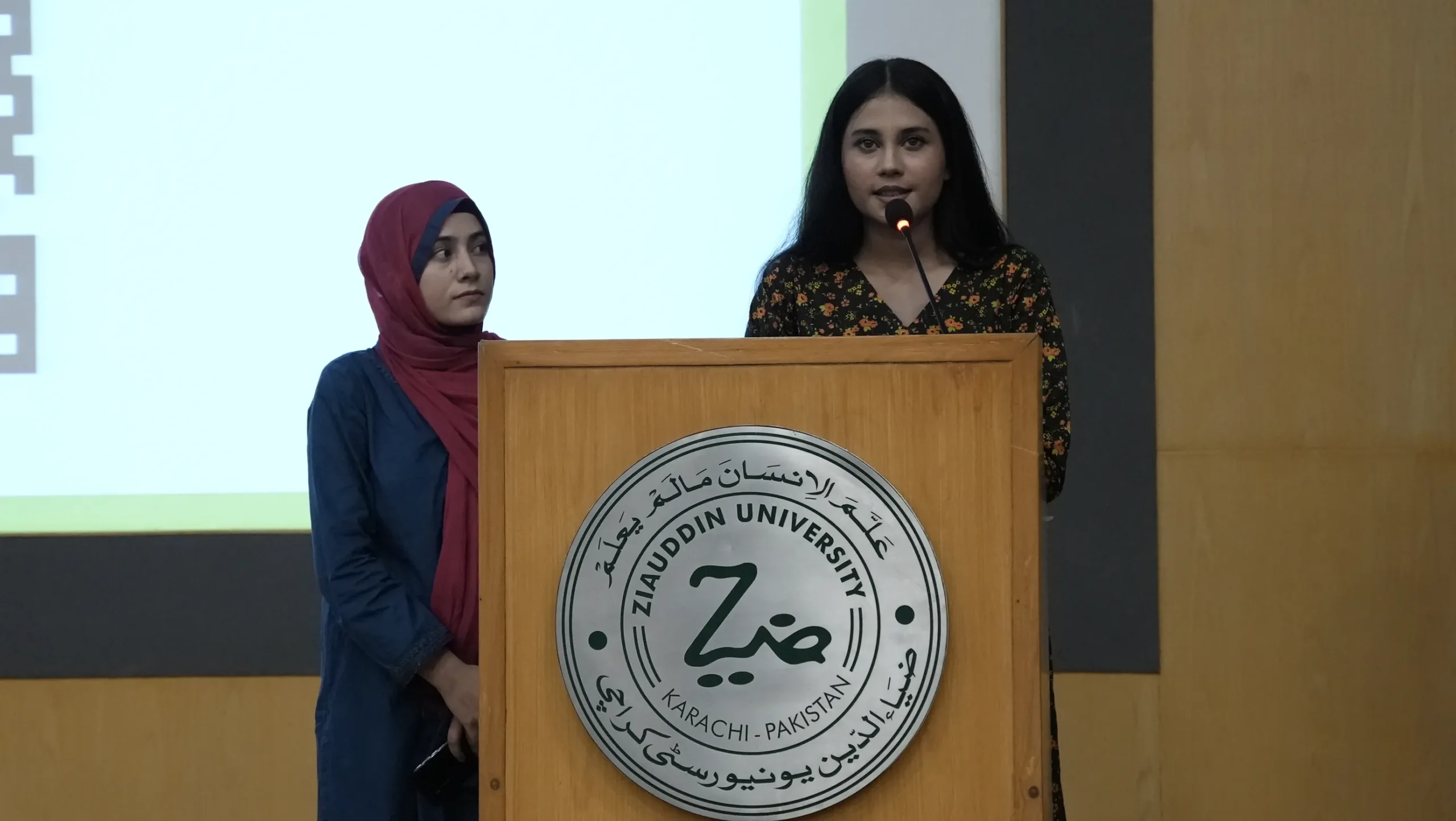
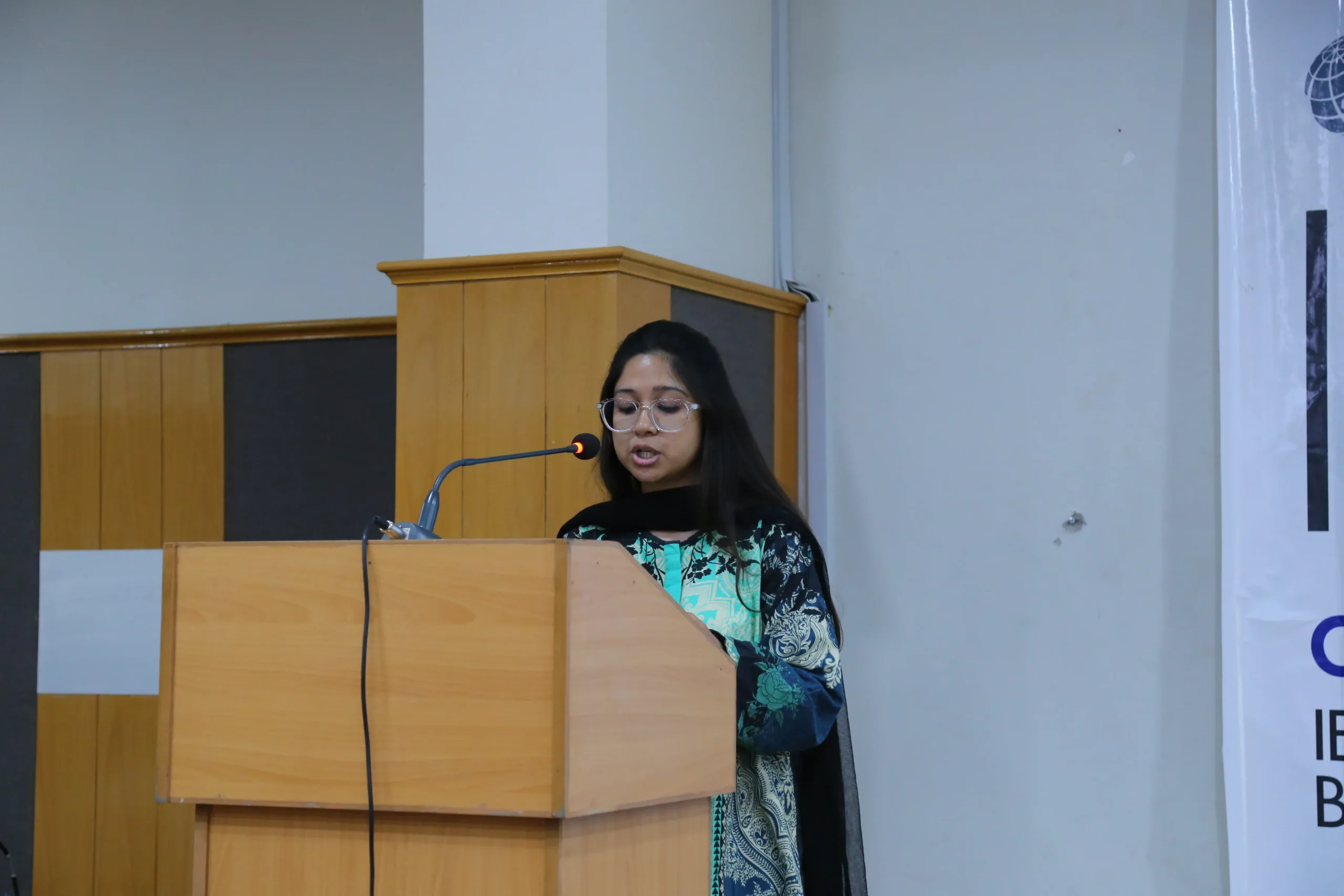
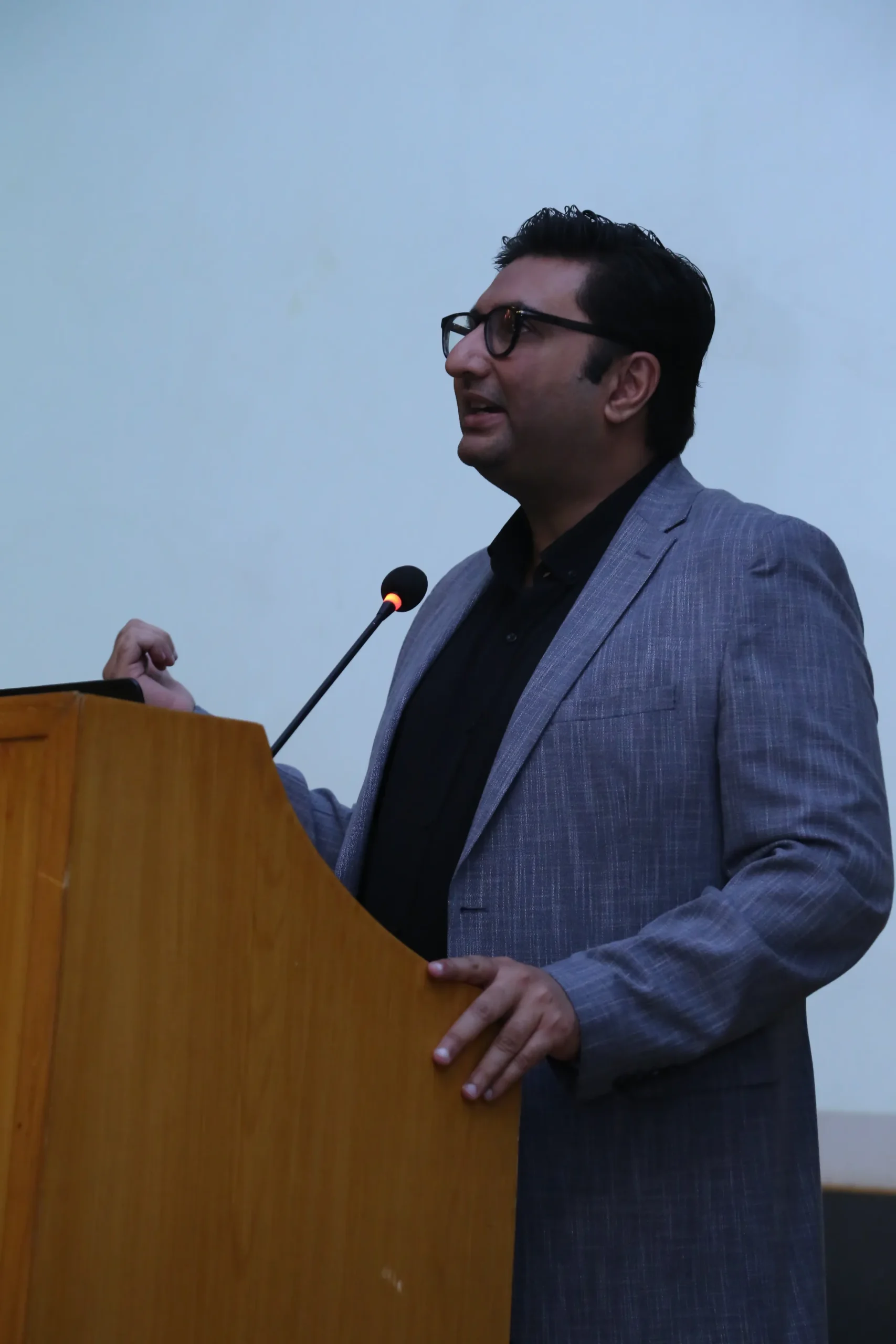
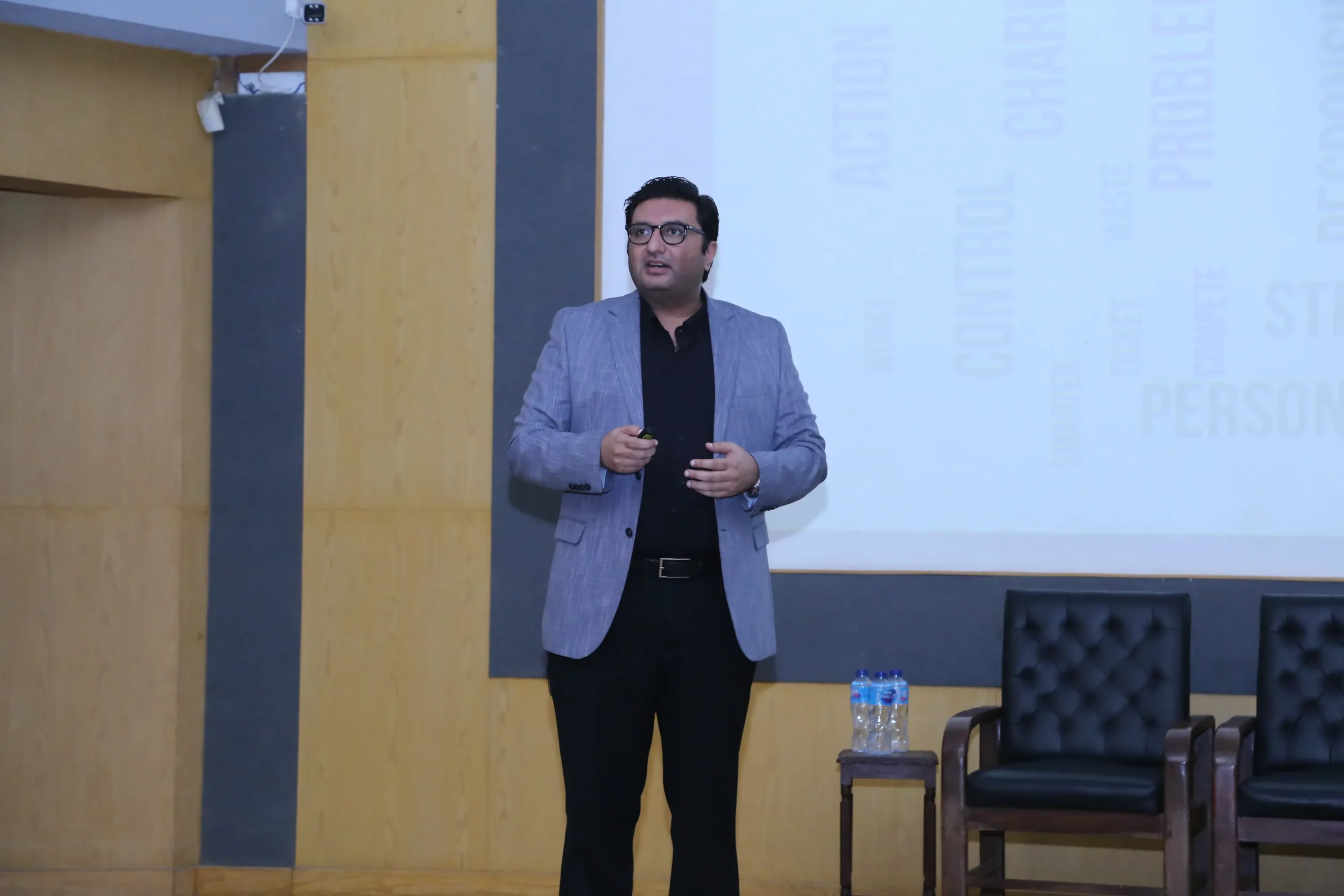
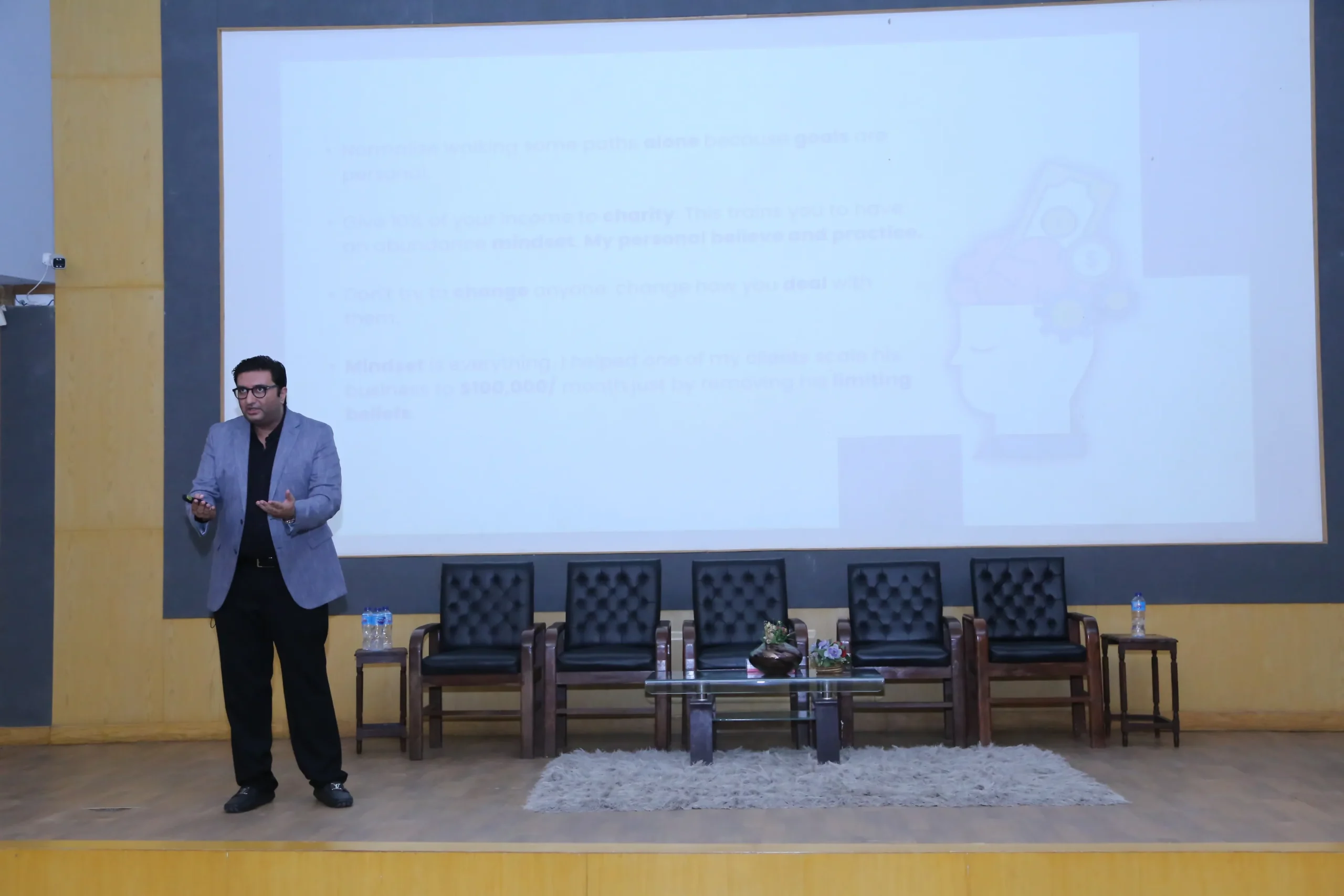
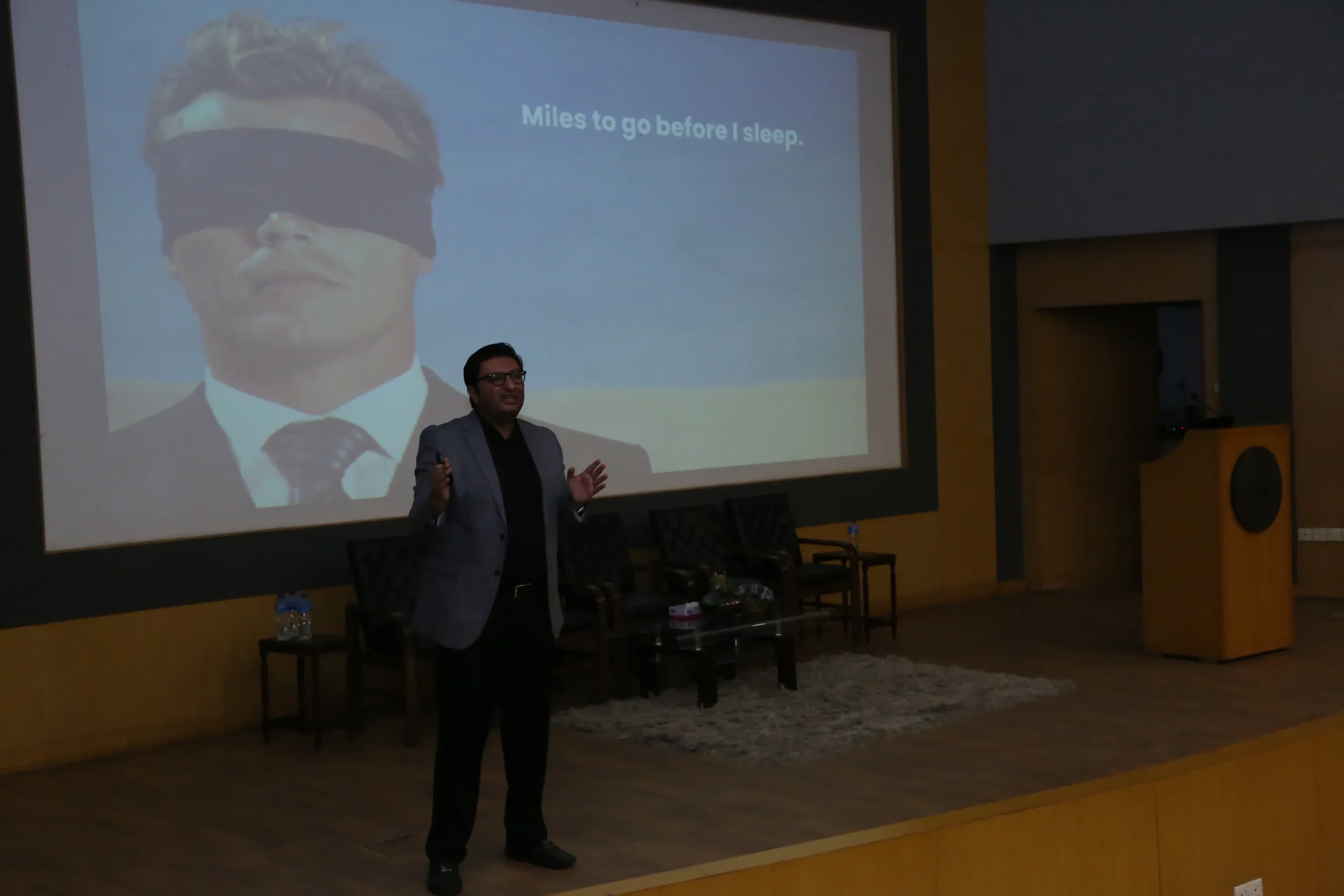
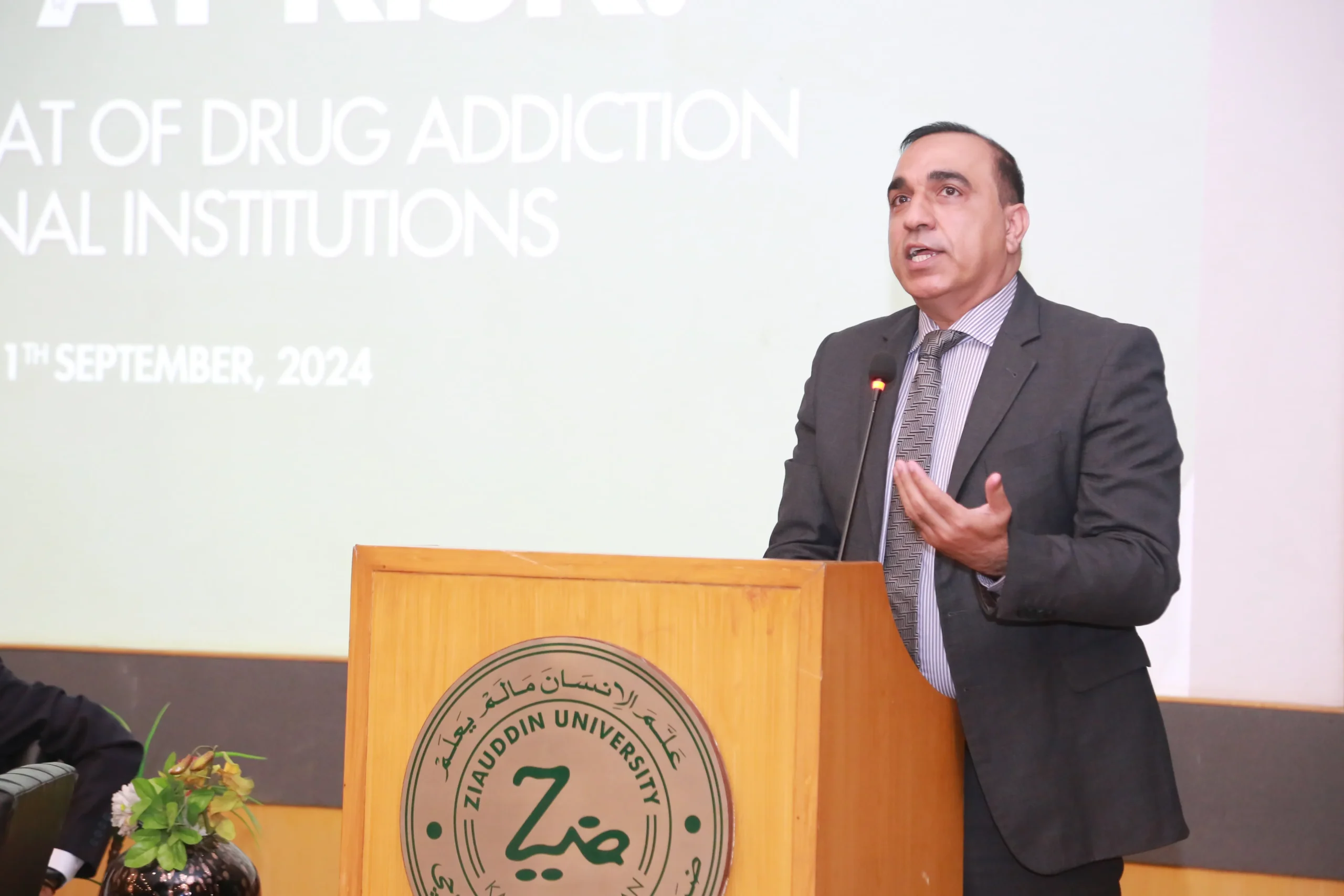
The programme featured presentations from institutions demonstrating how CCP has been adapted within their own contexts. These included Dr. Ziauddin Hospital’s COVID-19 publication and ongoing eBook initiative, South City Hospital’s dengue preparedness work, SKMCH&RC’s research on dengue in cancer patients, SIDH’s use of CCP for sampling and biobanking, and Chughtai Institute of Pathology’s discussion on diagnostic challenges and the role of CCP in severe acute respiratory infection (SARI) management, presented by AKUH.
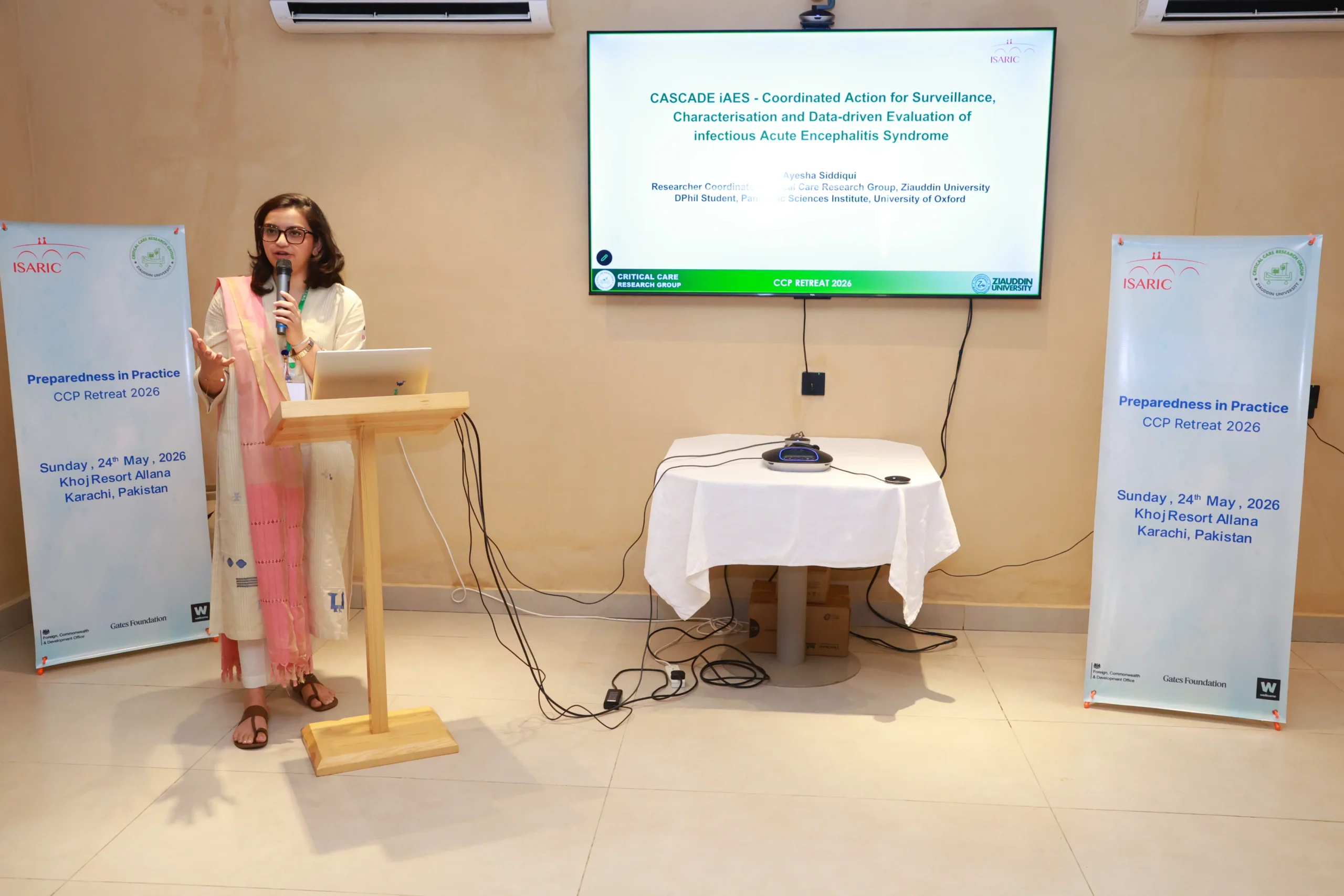
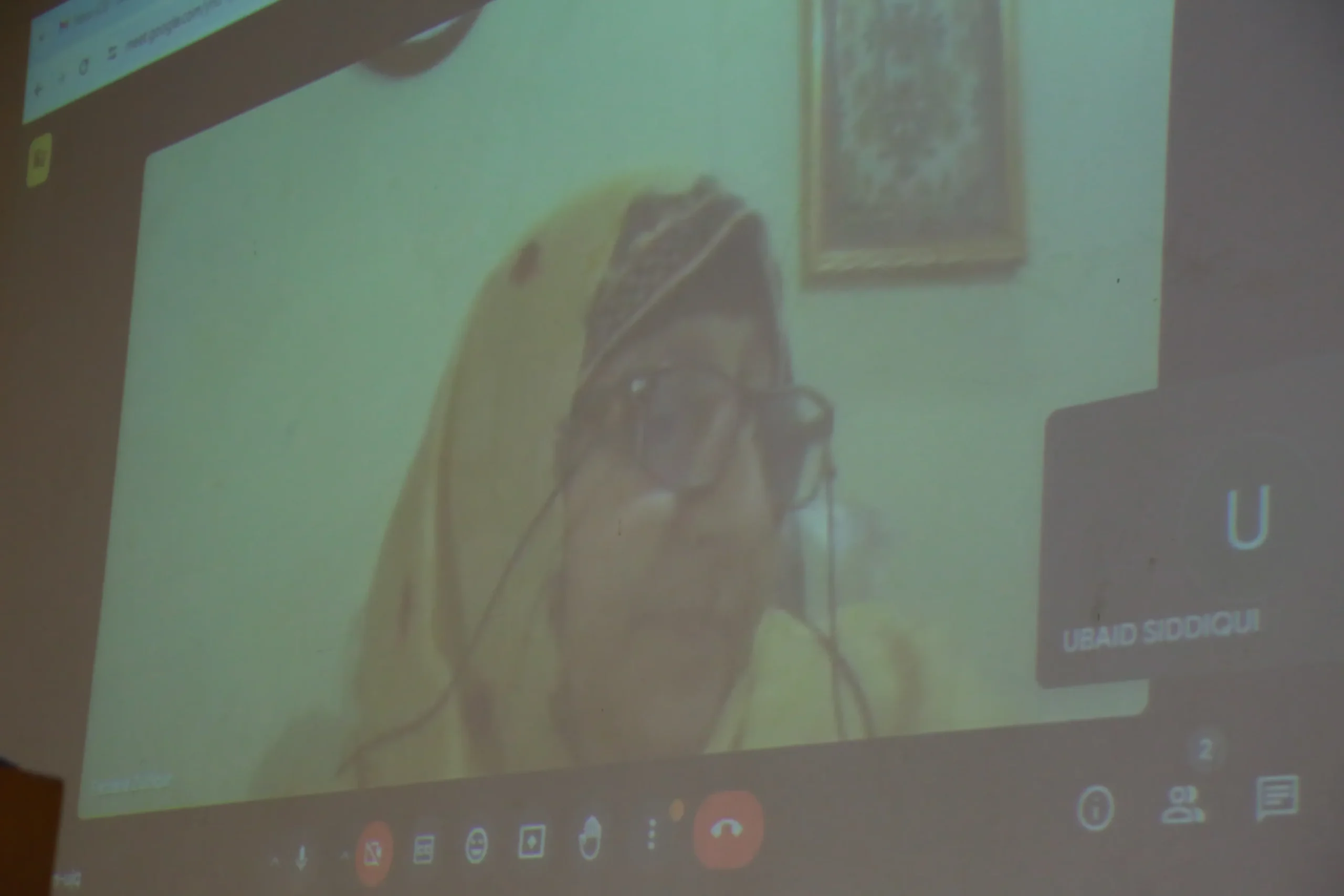
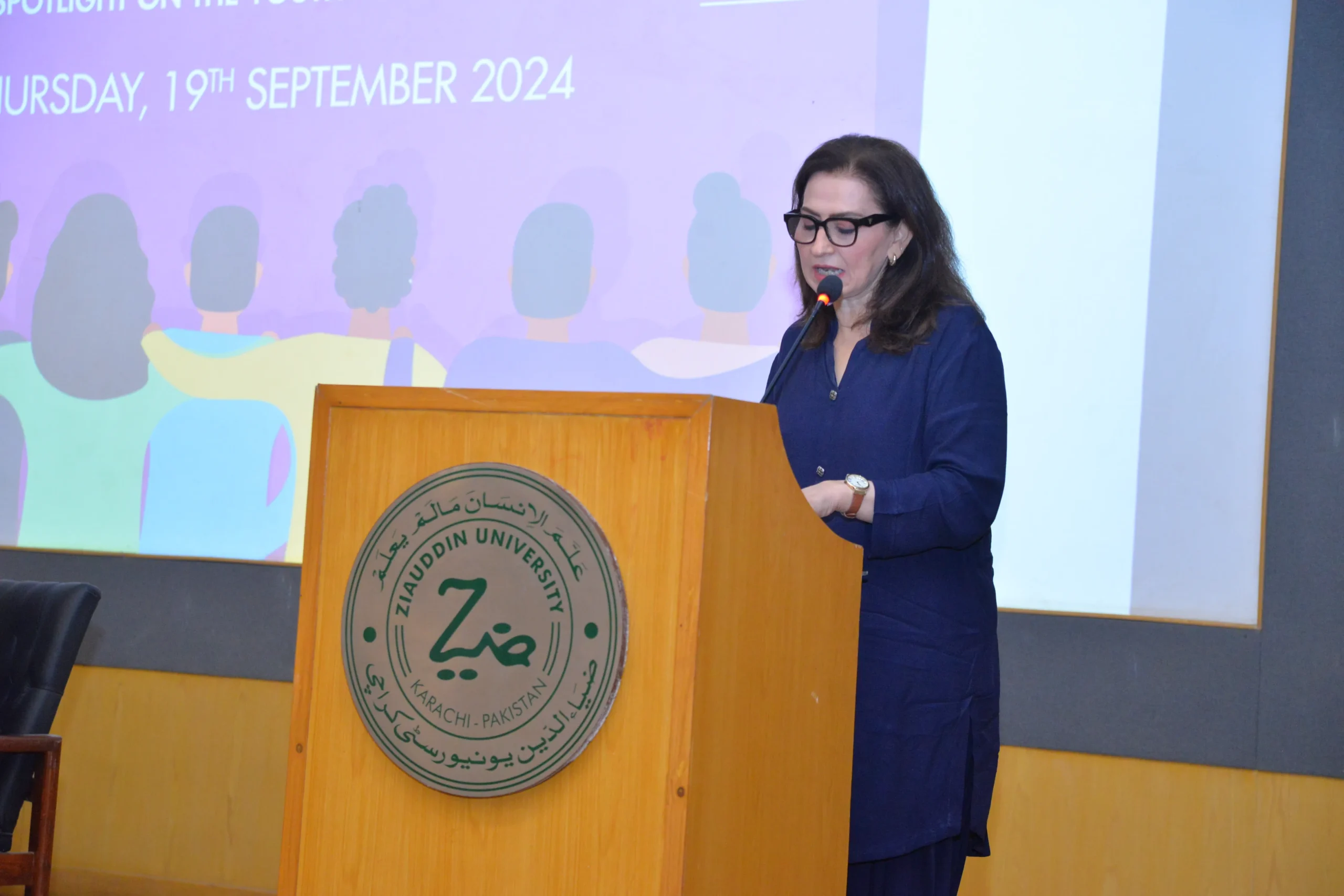
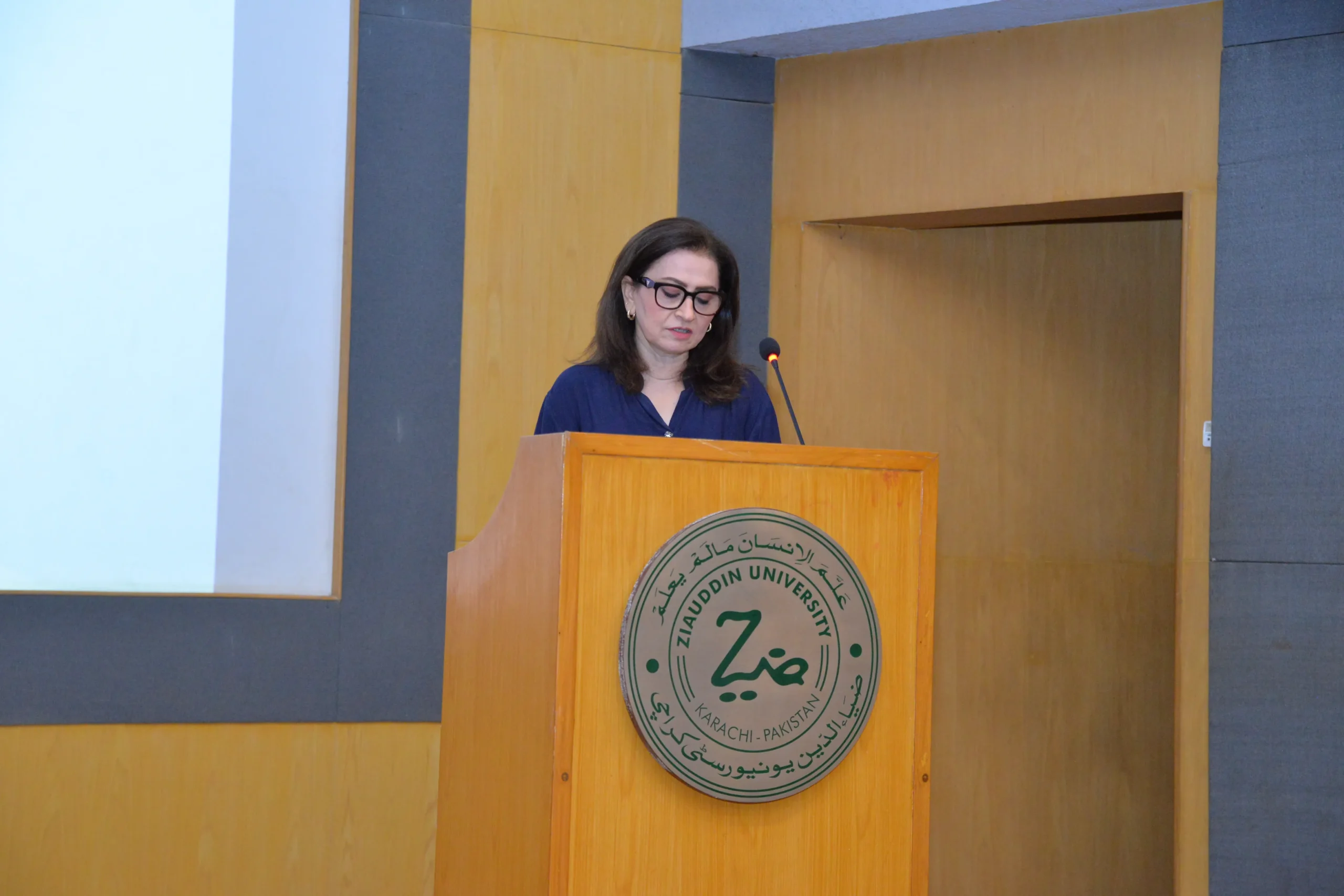
Dr. Ayesha Siddiqui, DPhil student at the University of Oxford, also presented CASCADE, a comprehensive research programme addressing the burden of severe central nervous system (CNS) infections in Sindh.
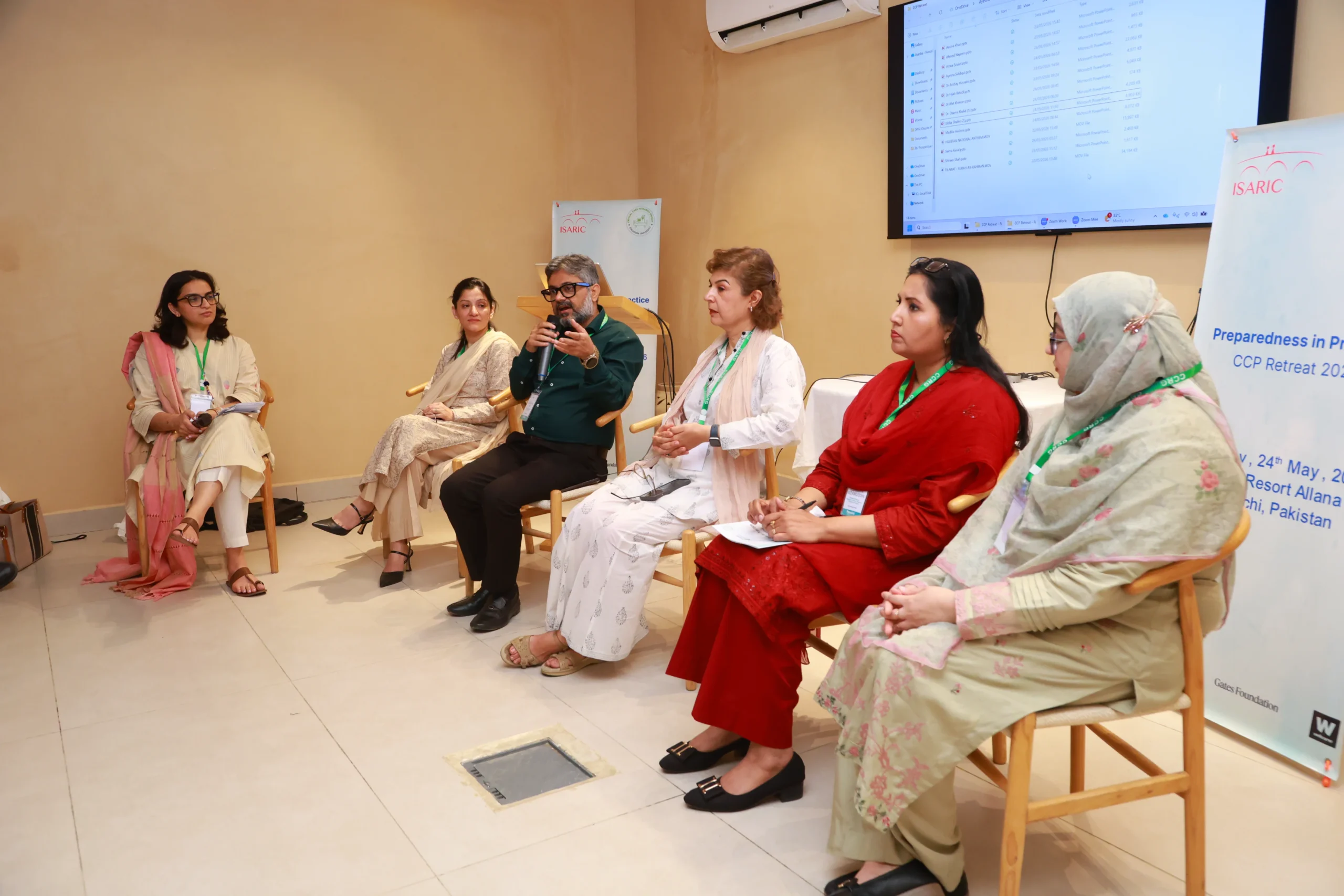
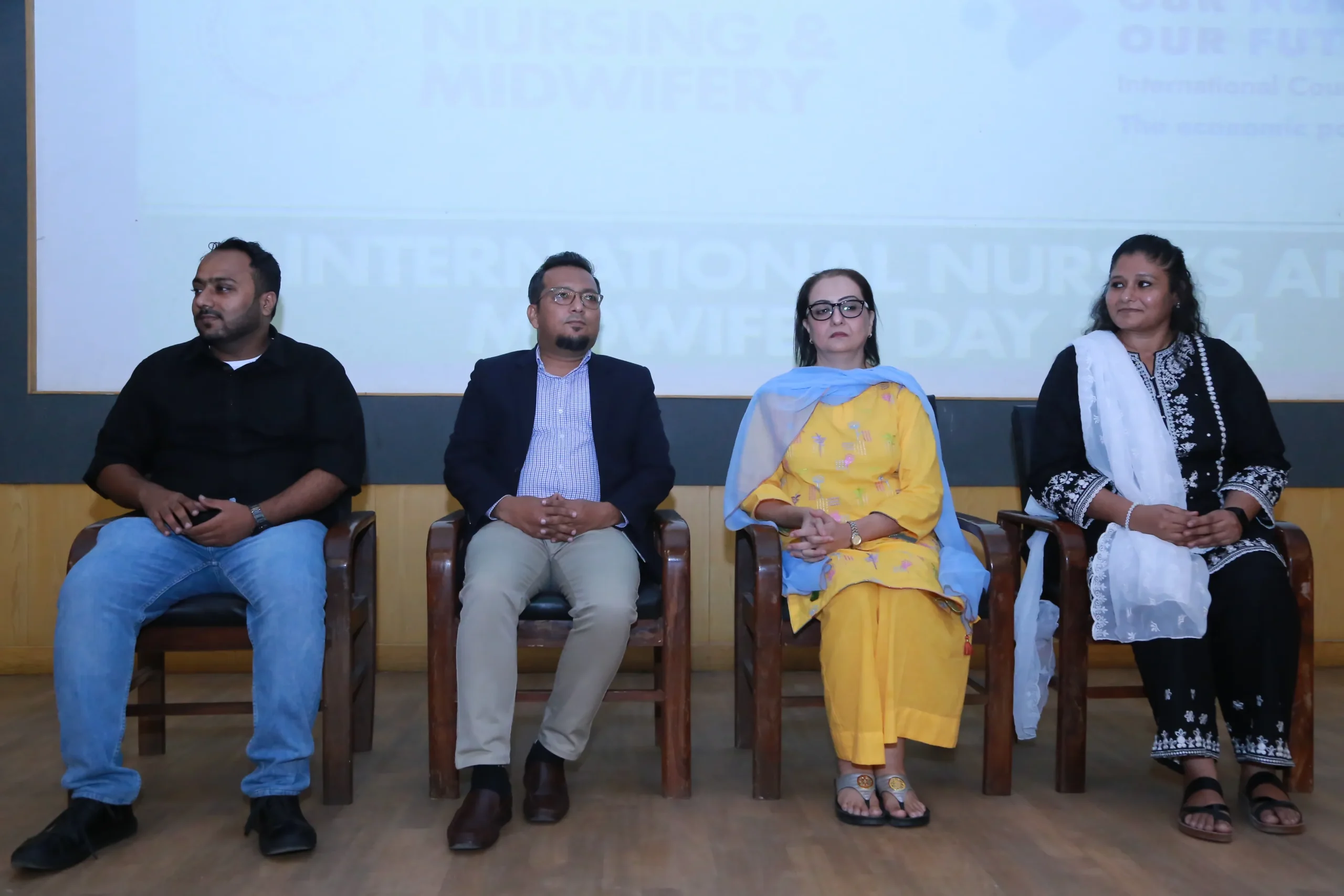
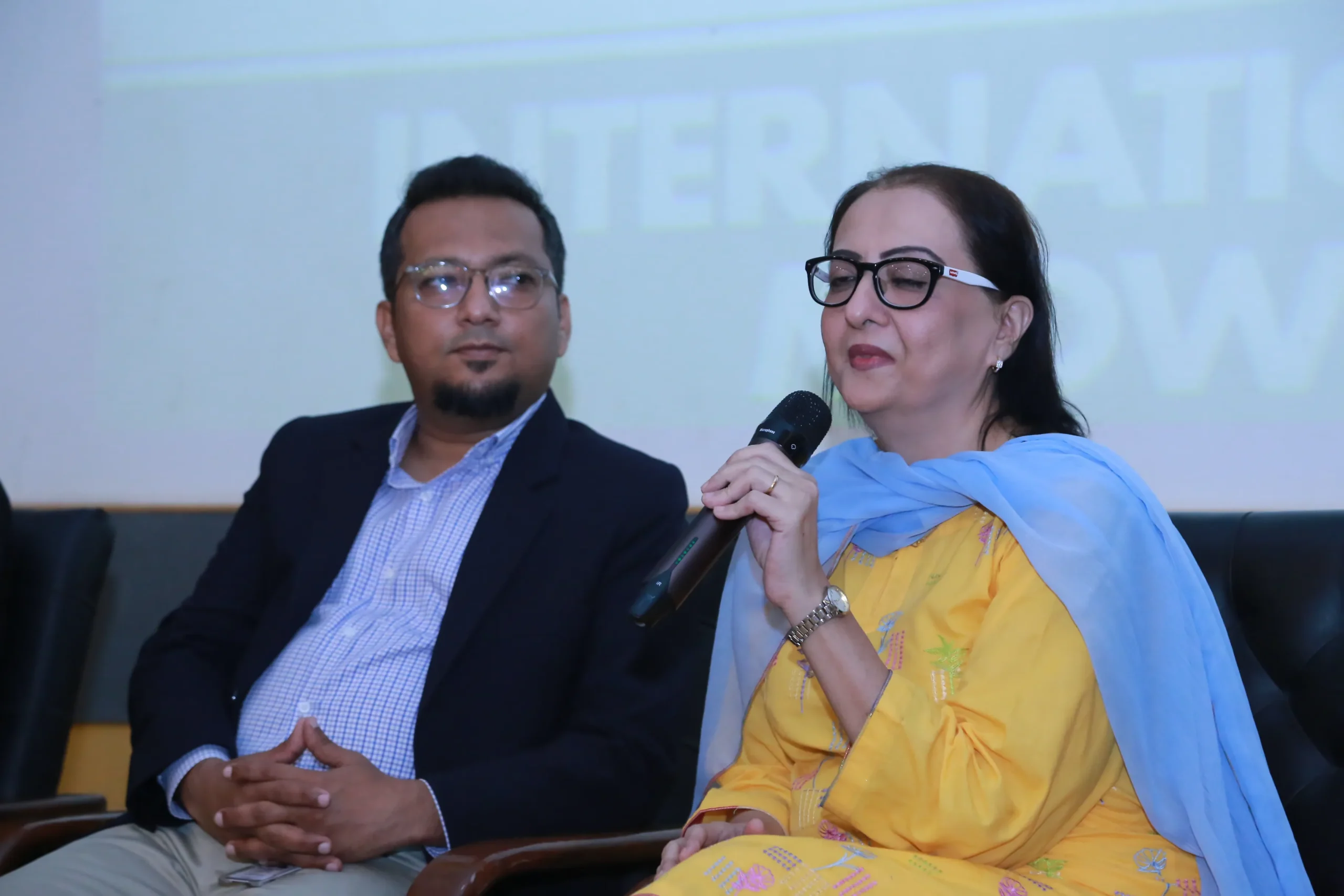
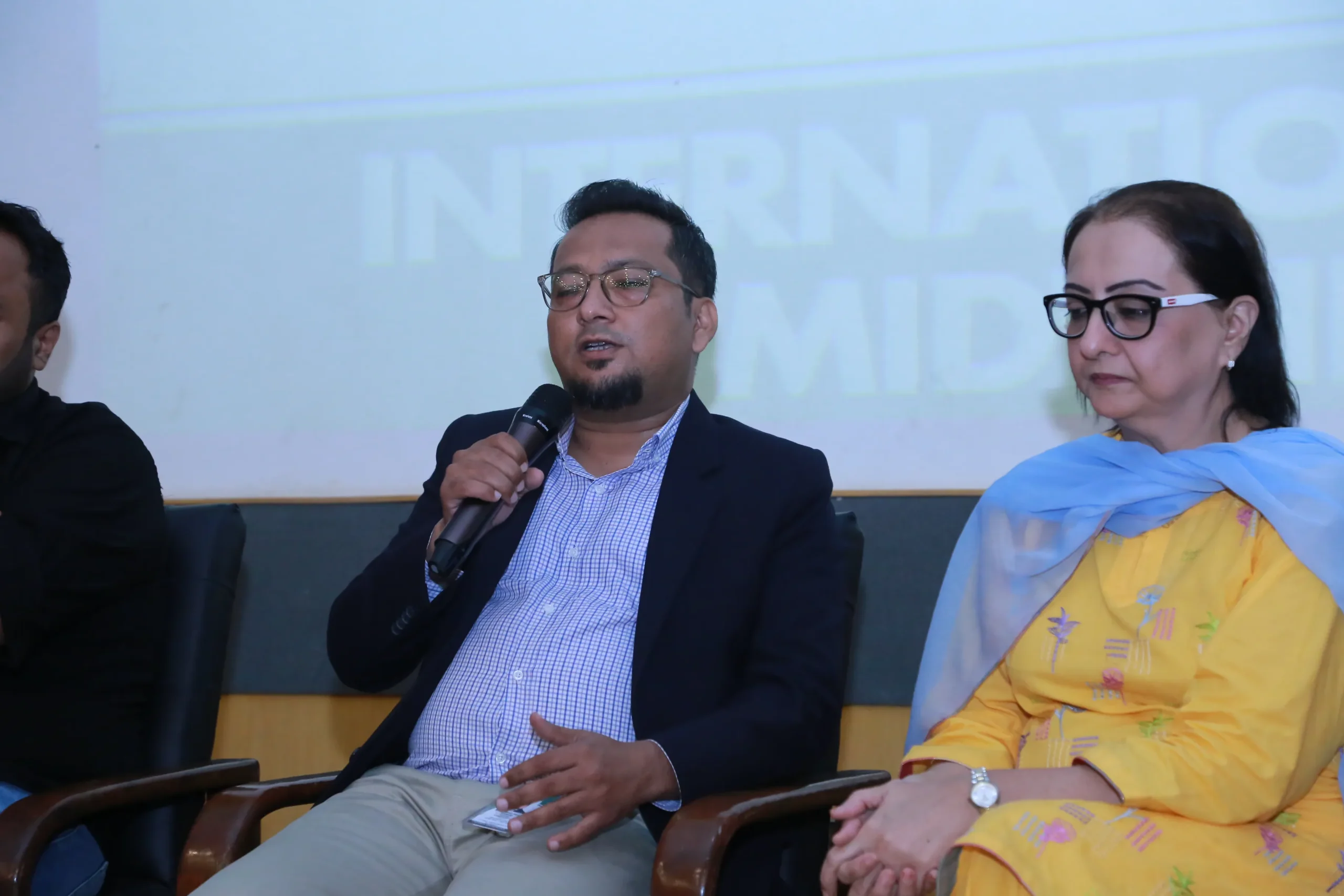
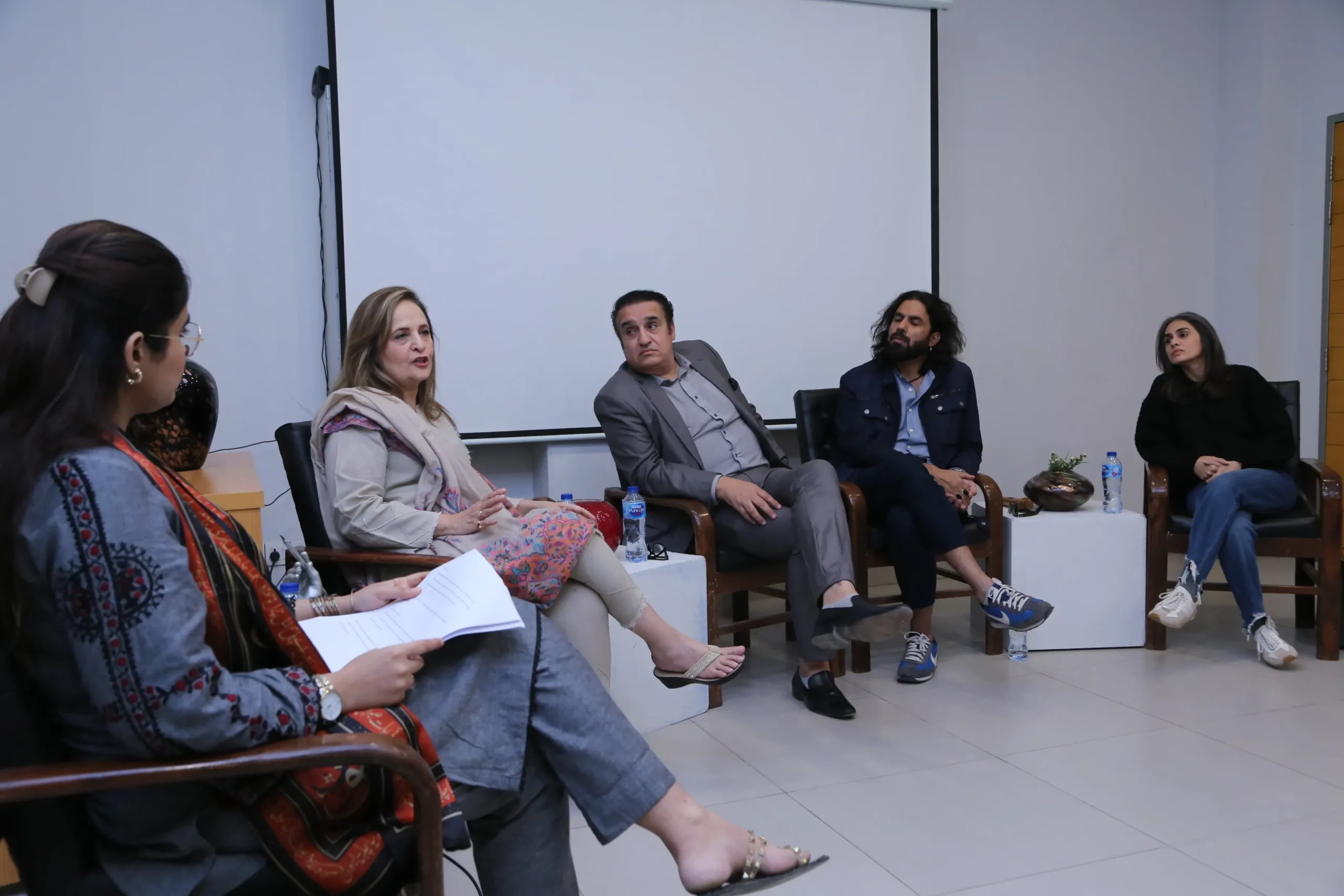
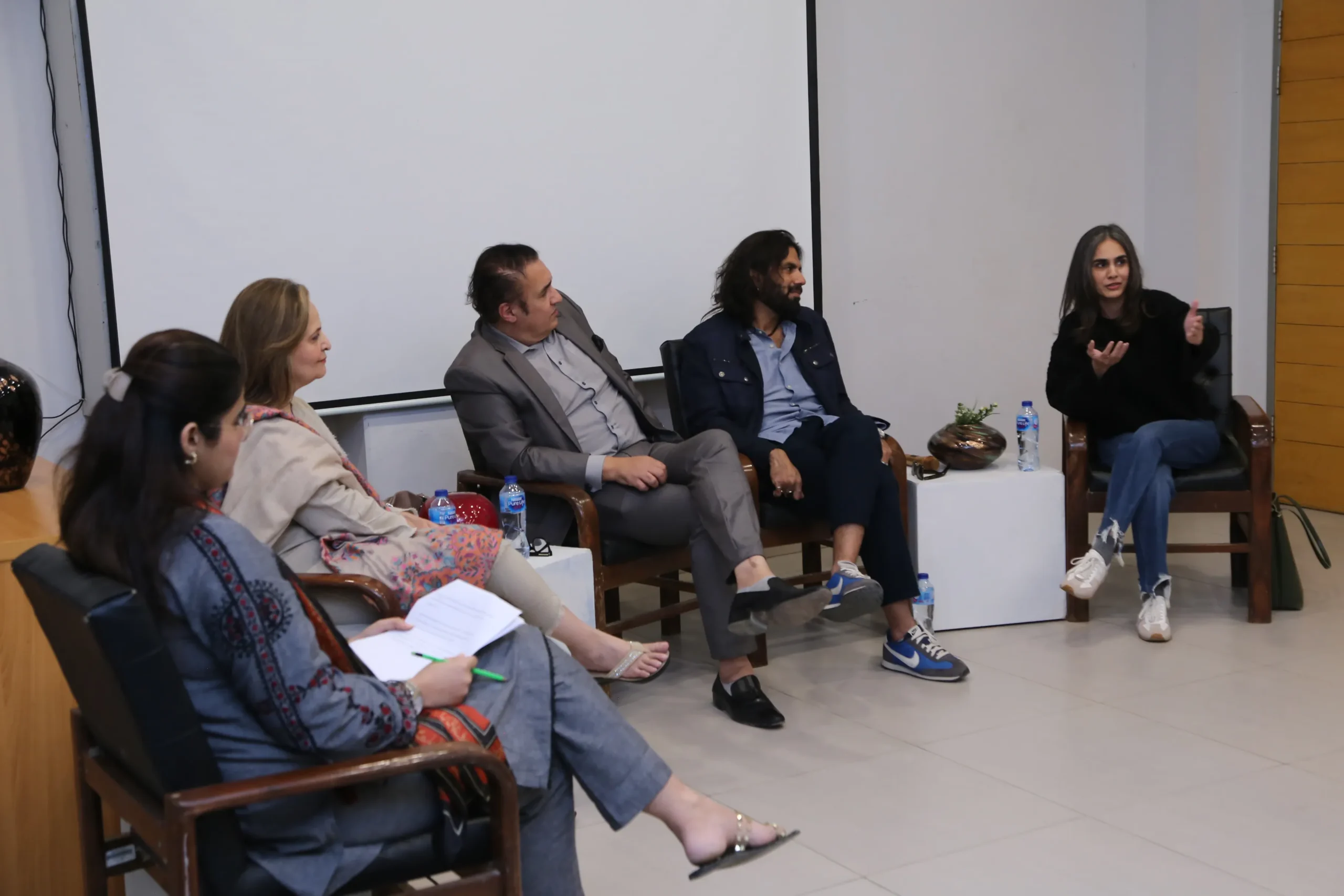
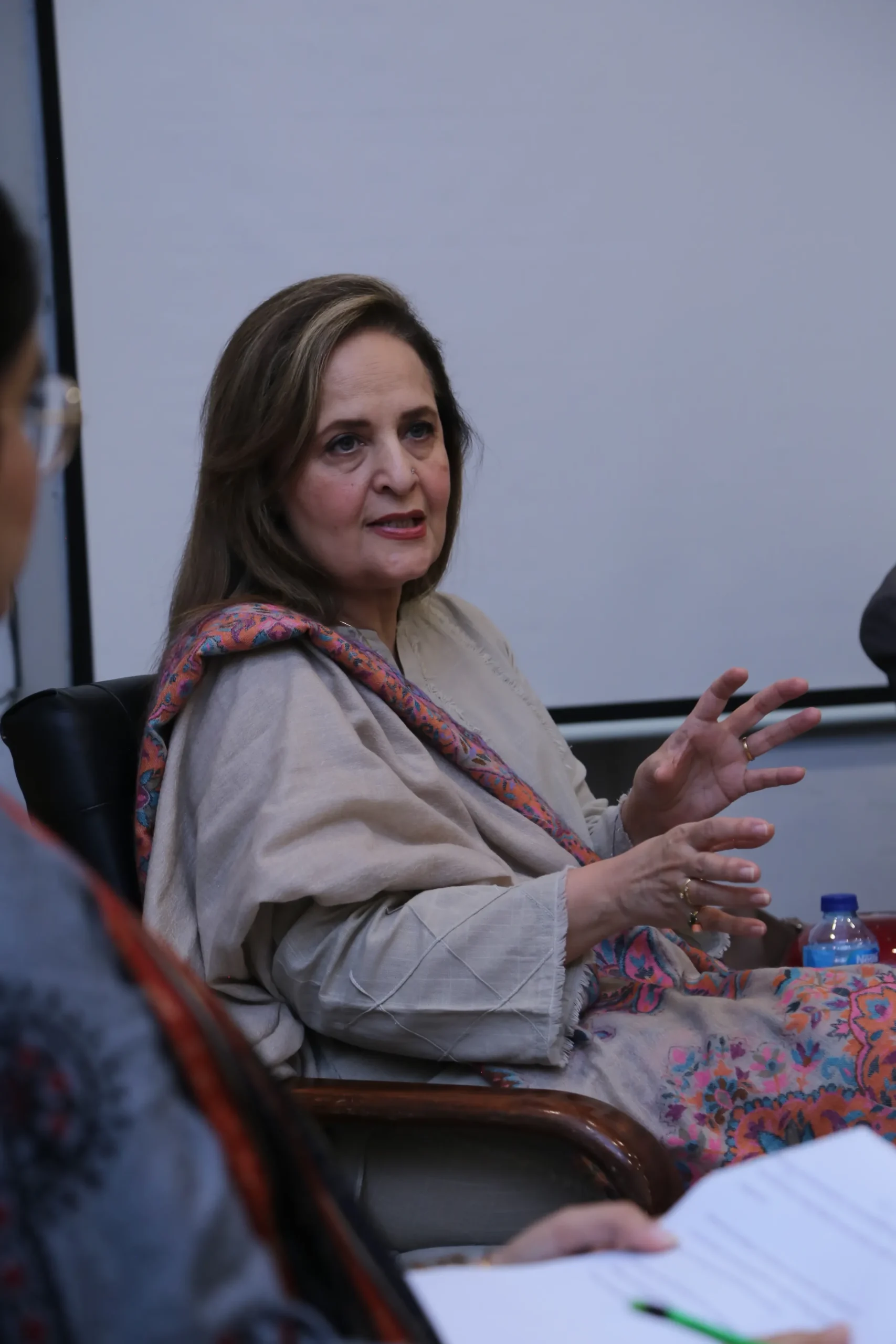
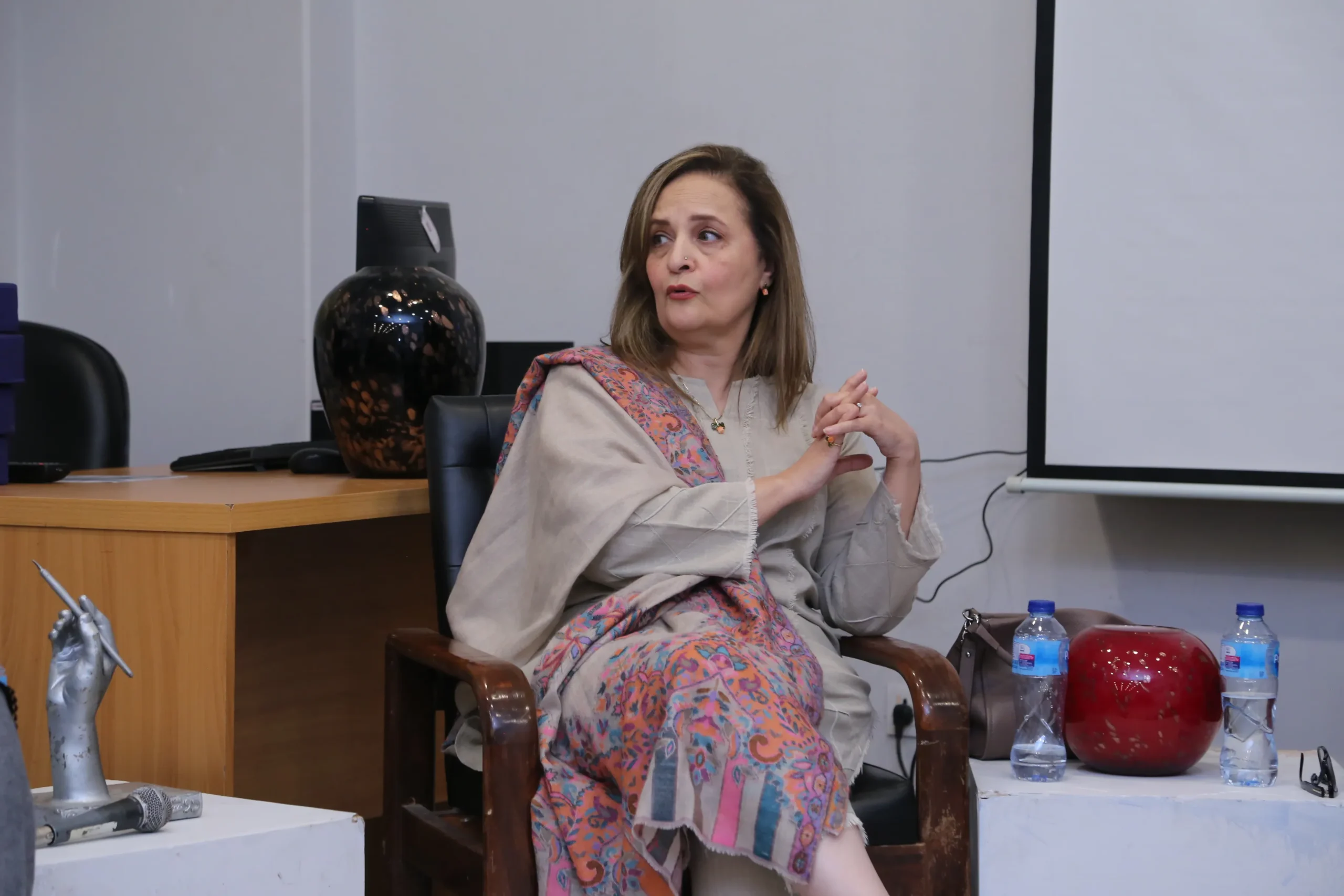
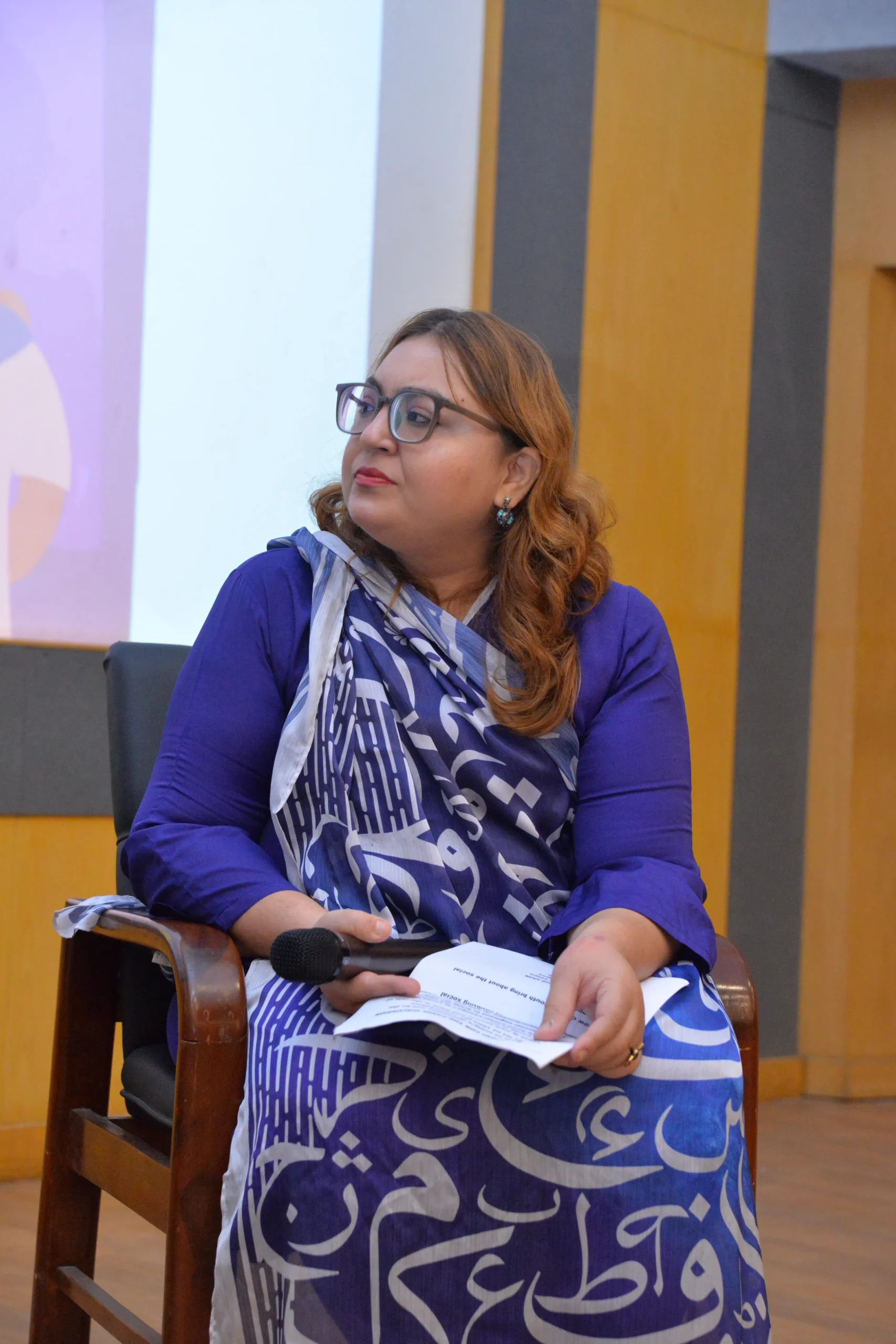
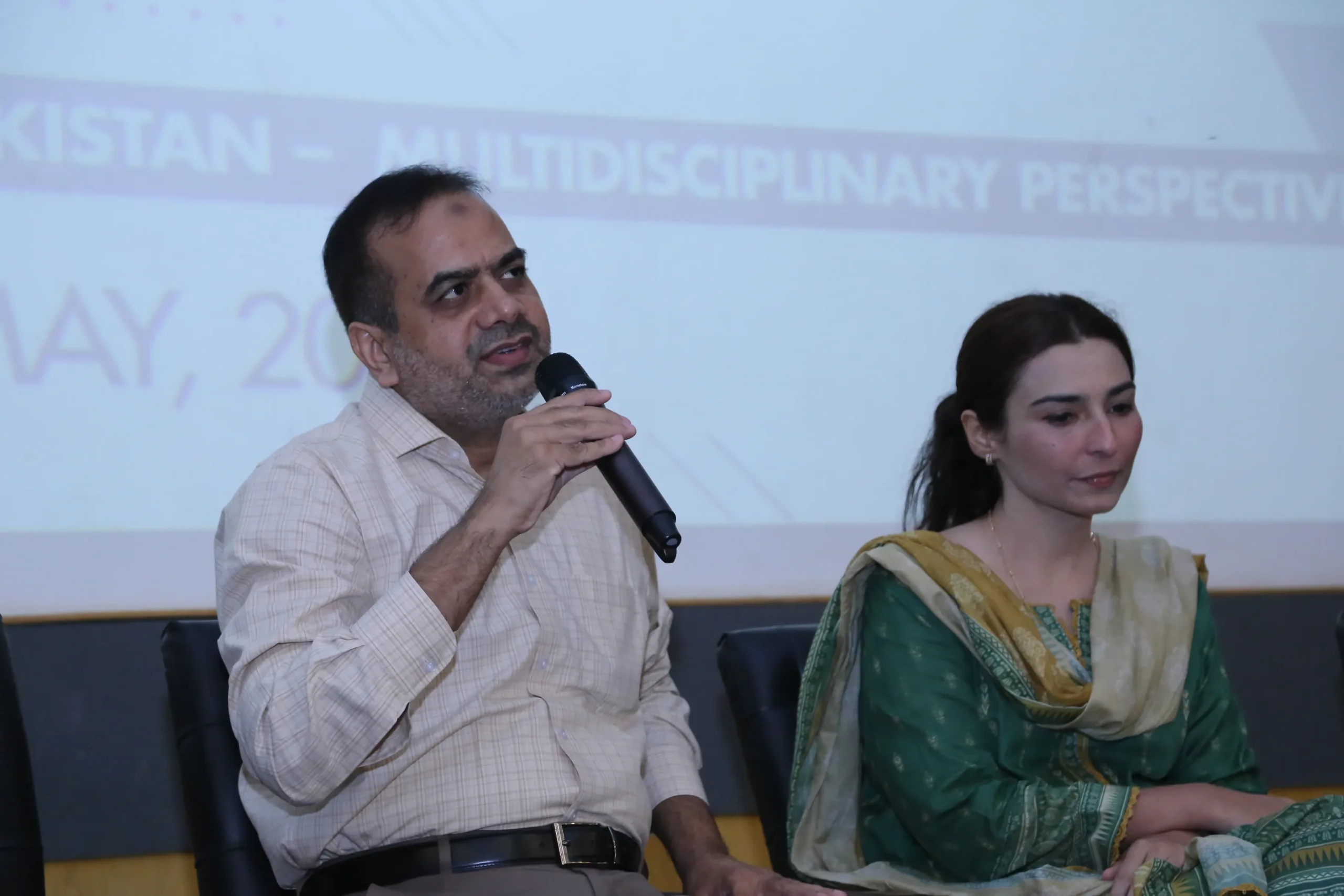
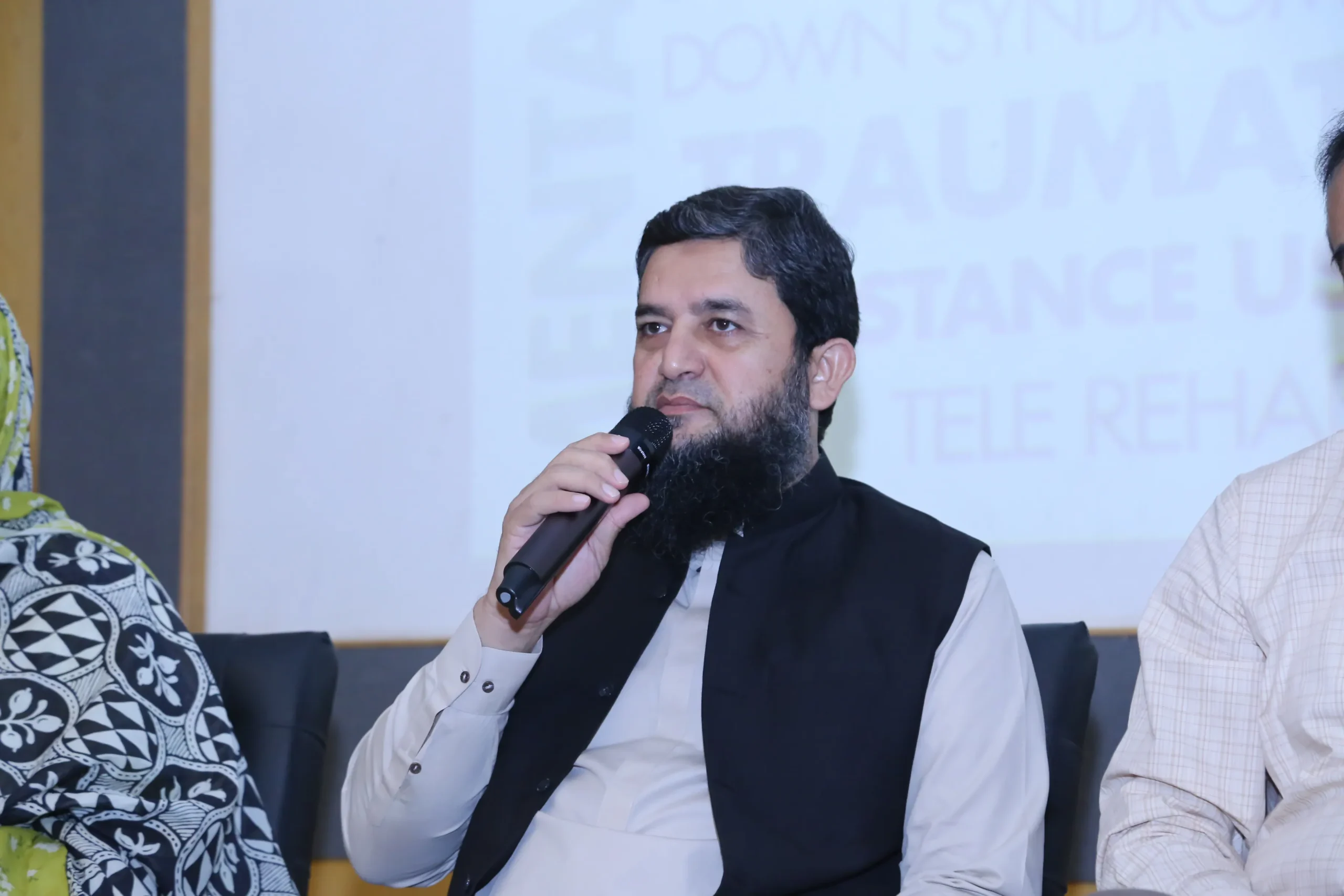
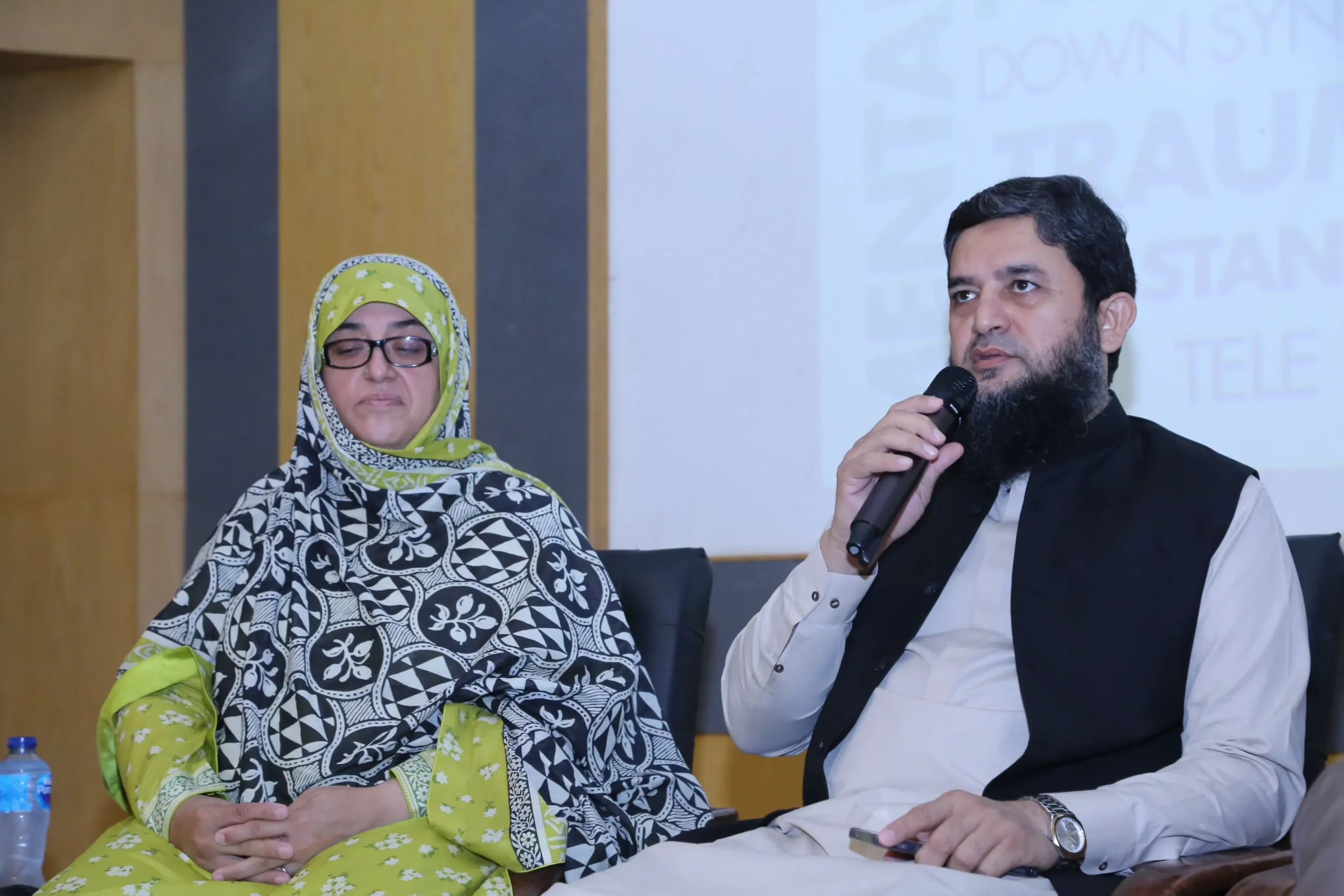
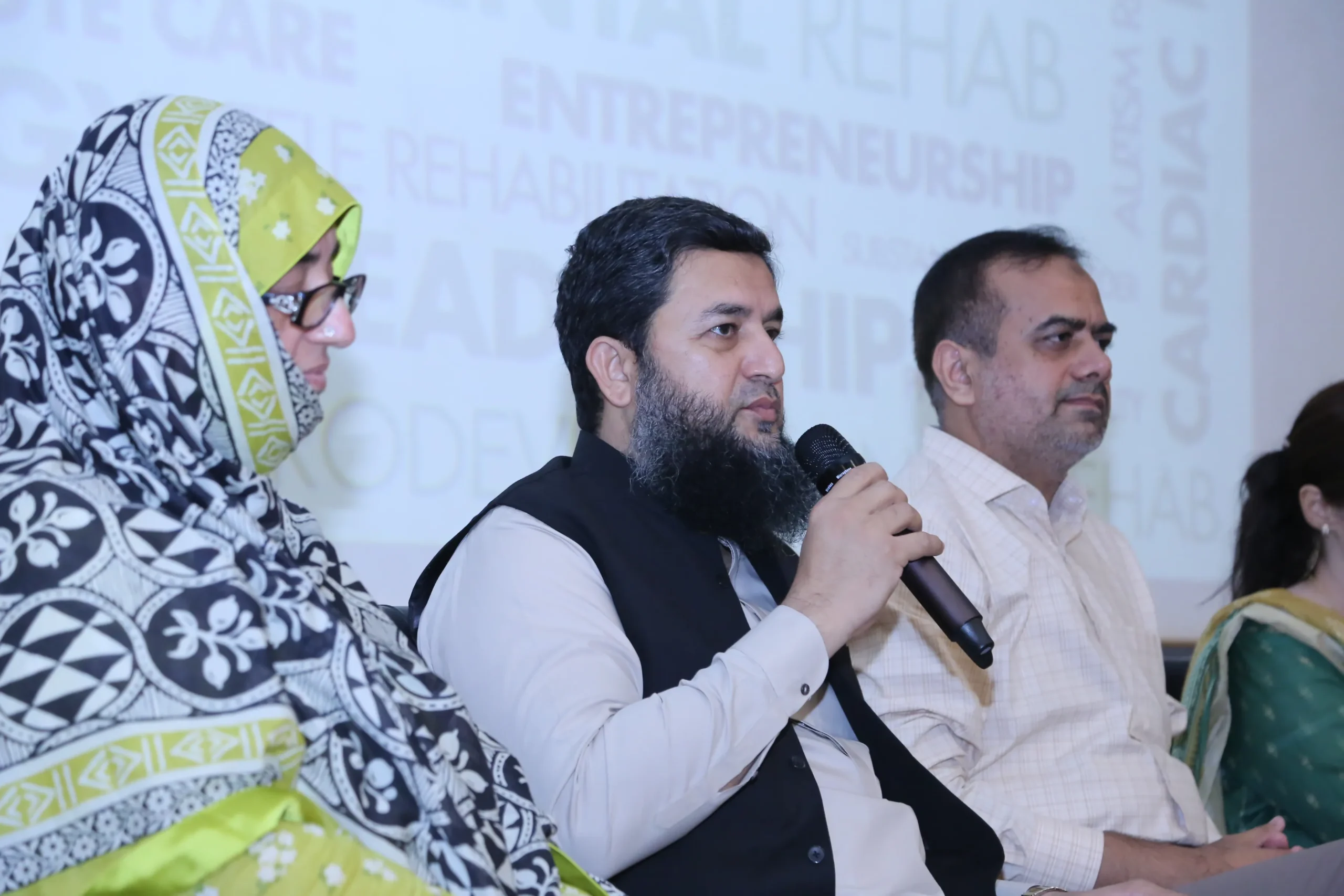
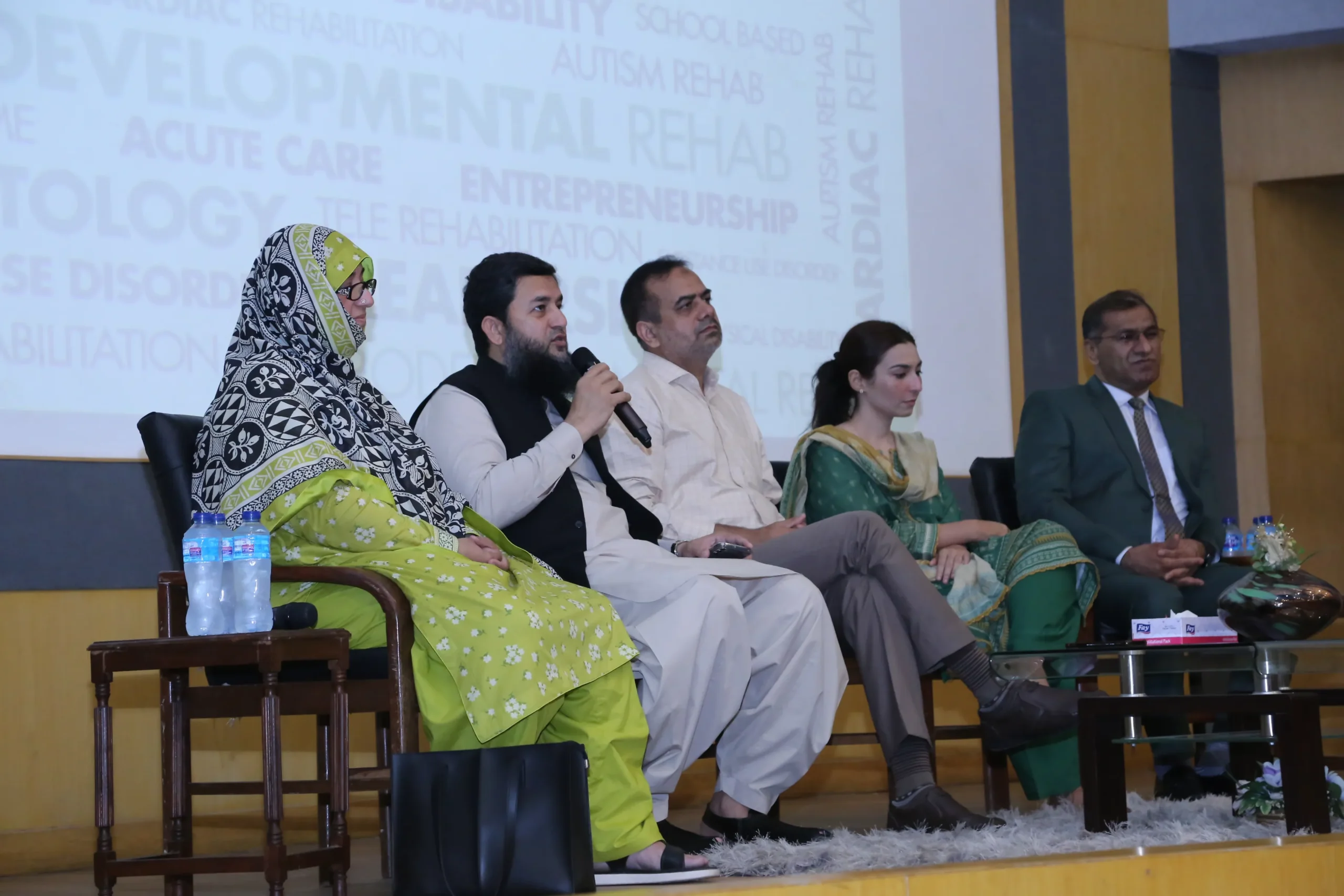
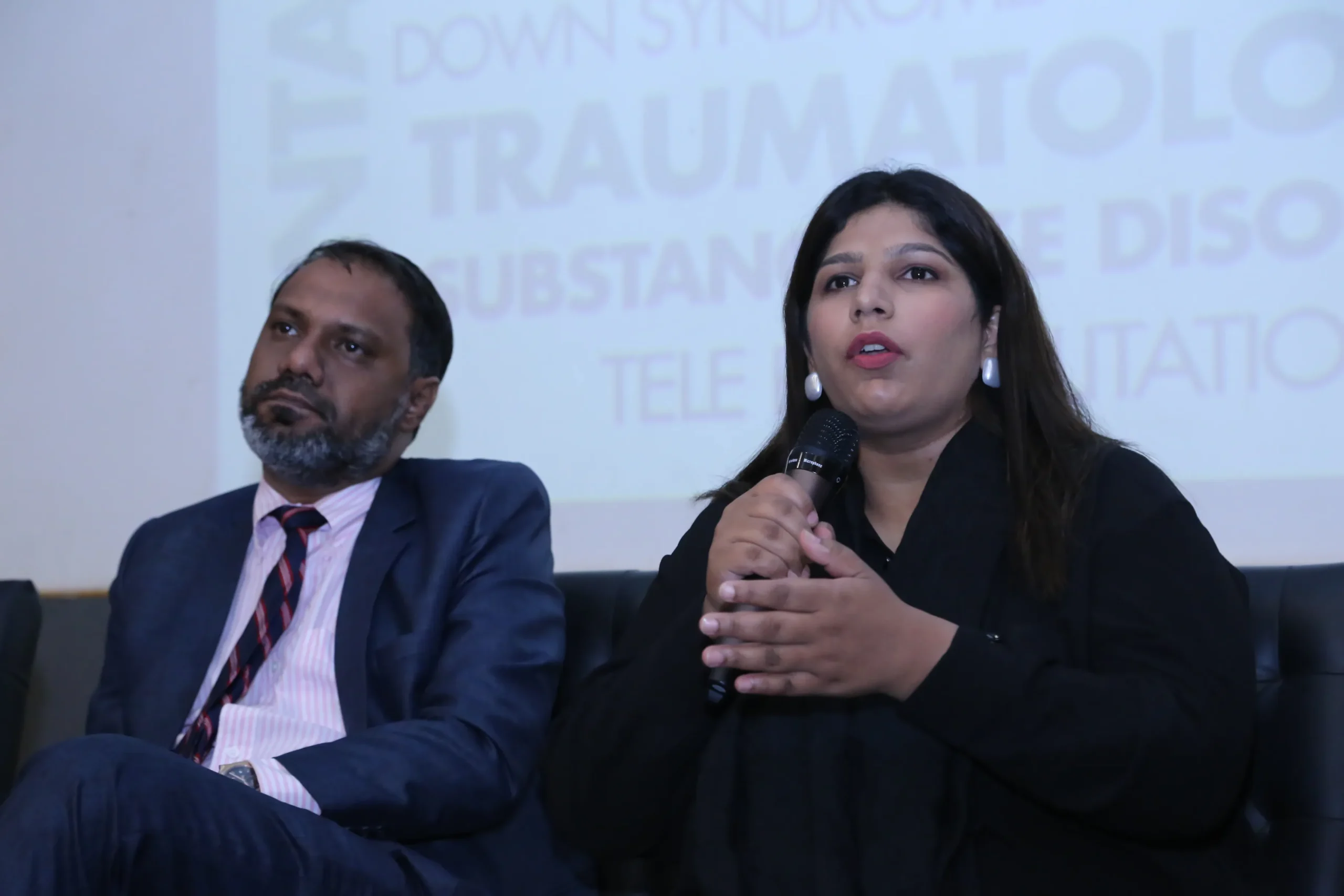
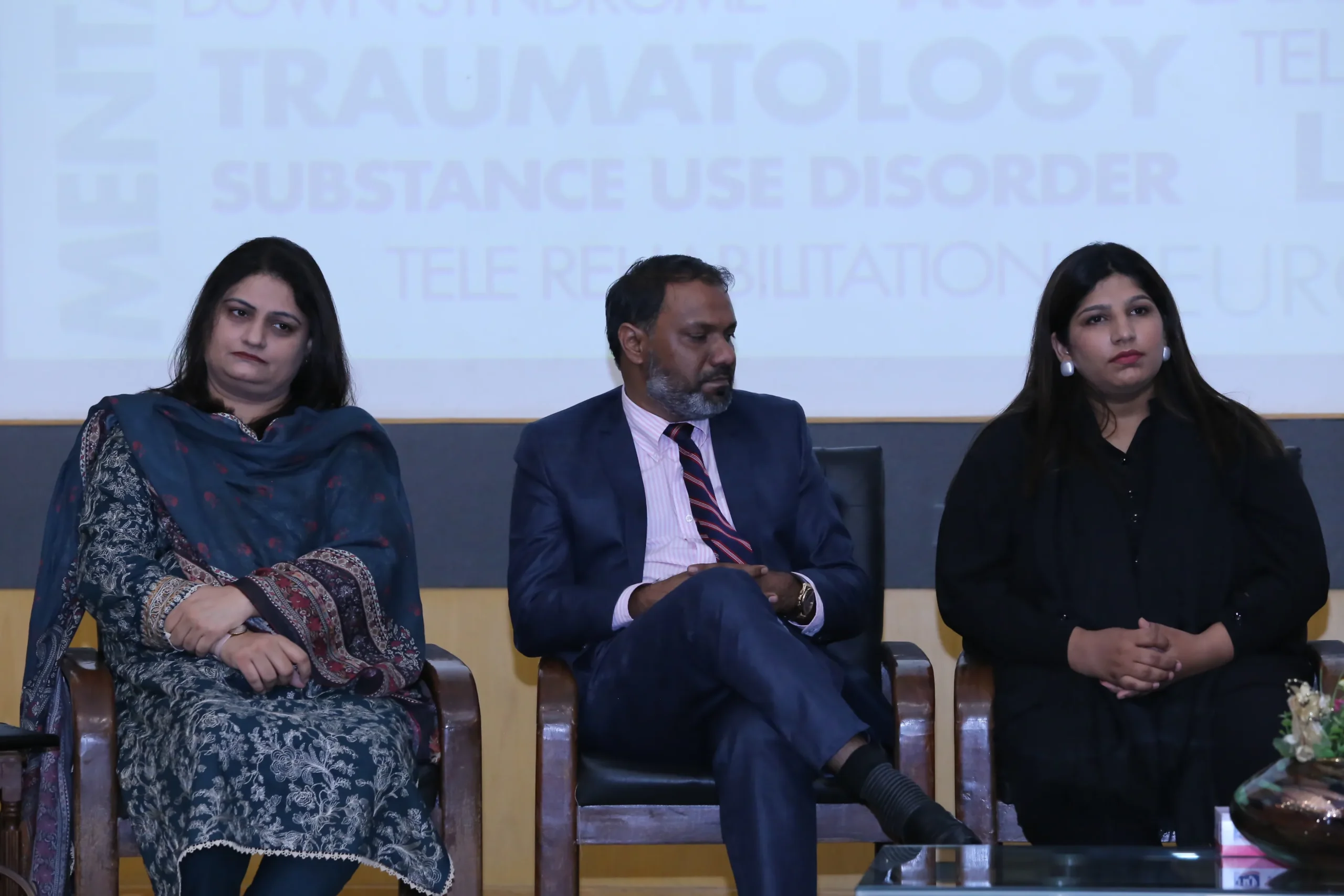
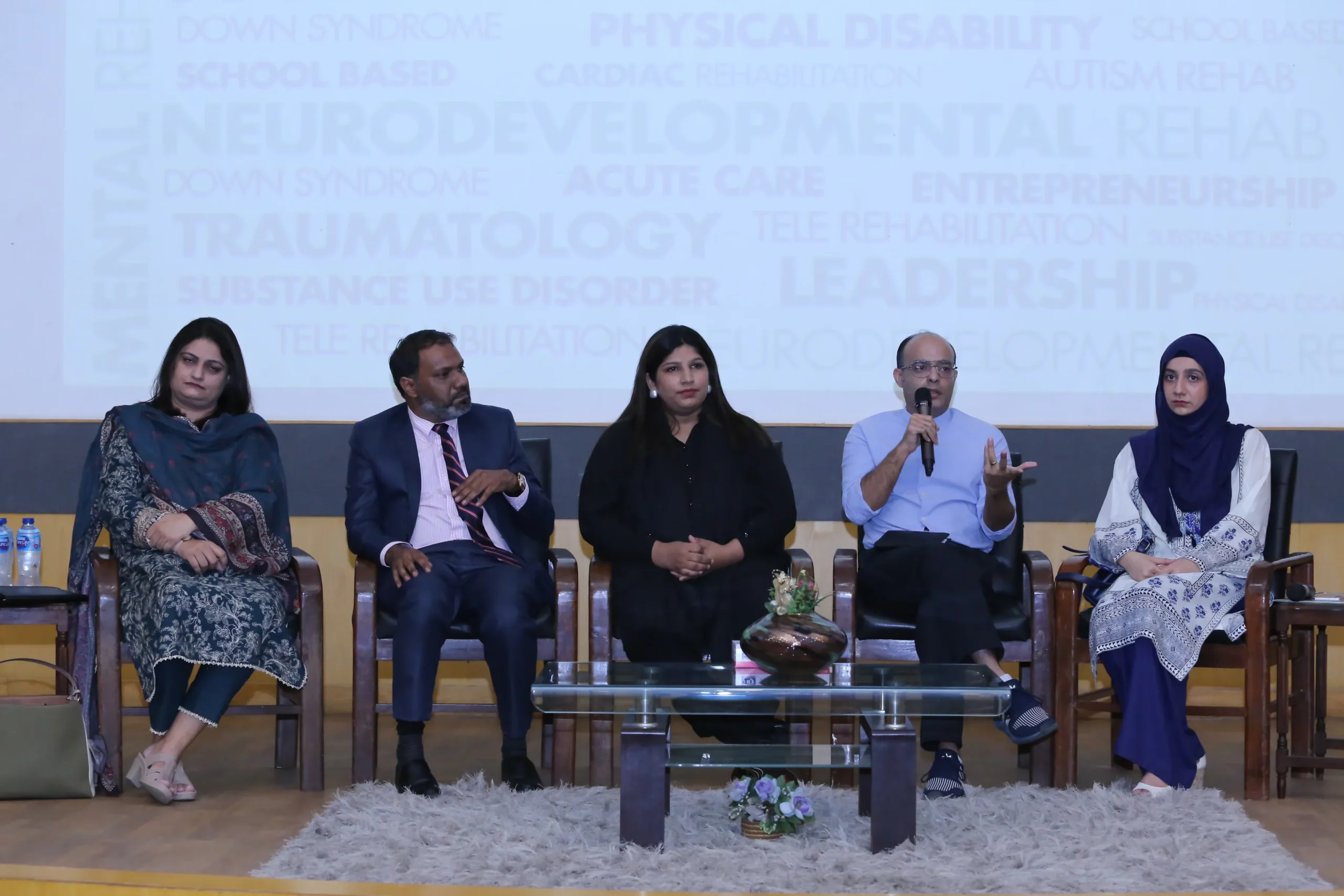
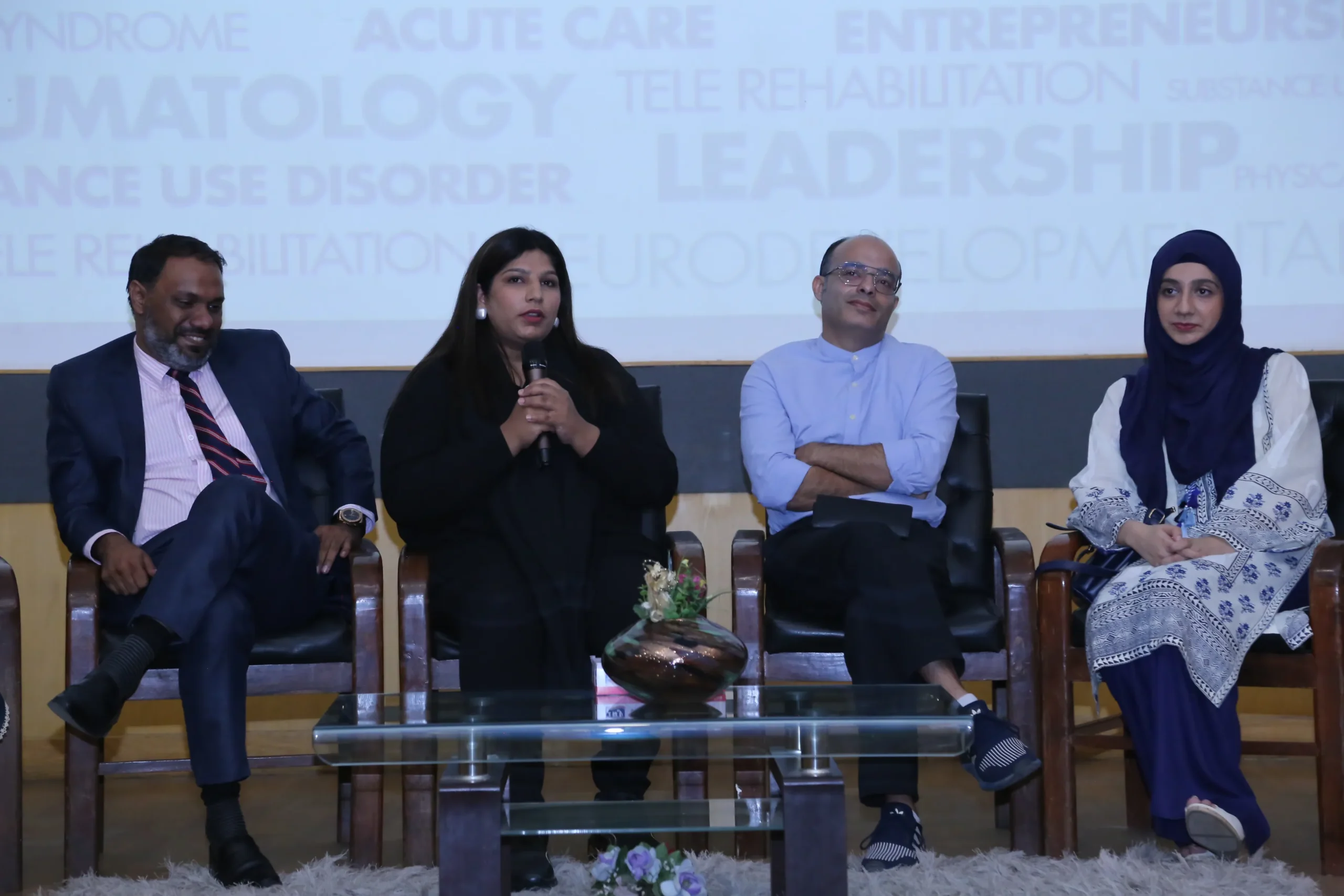
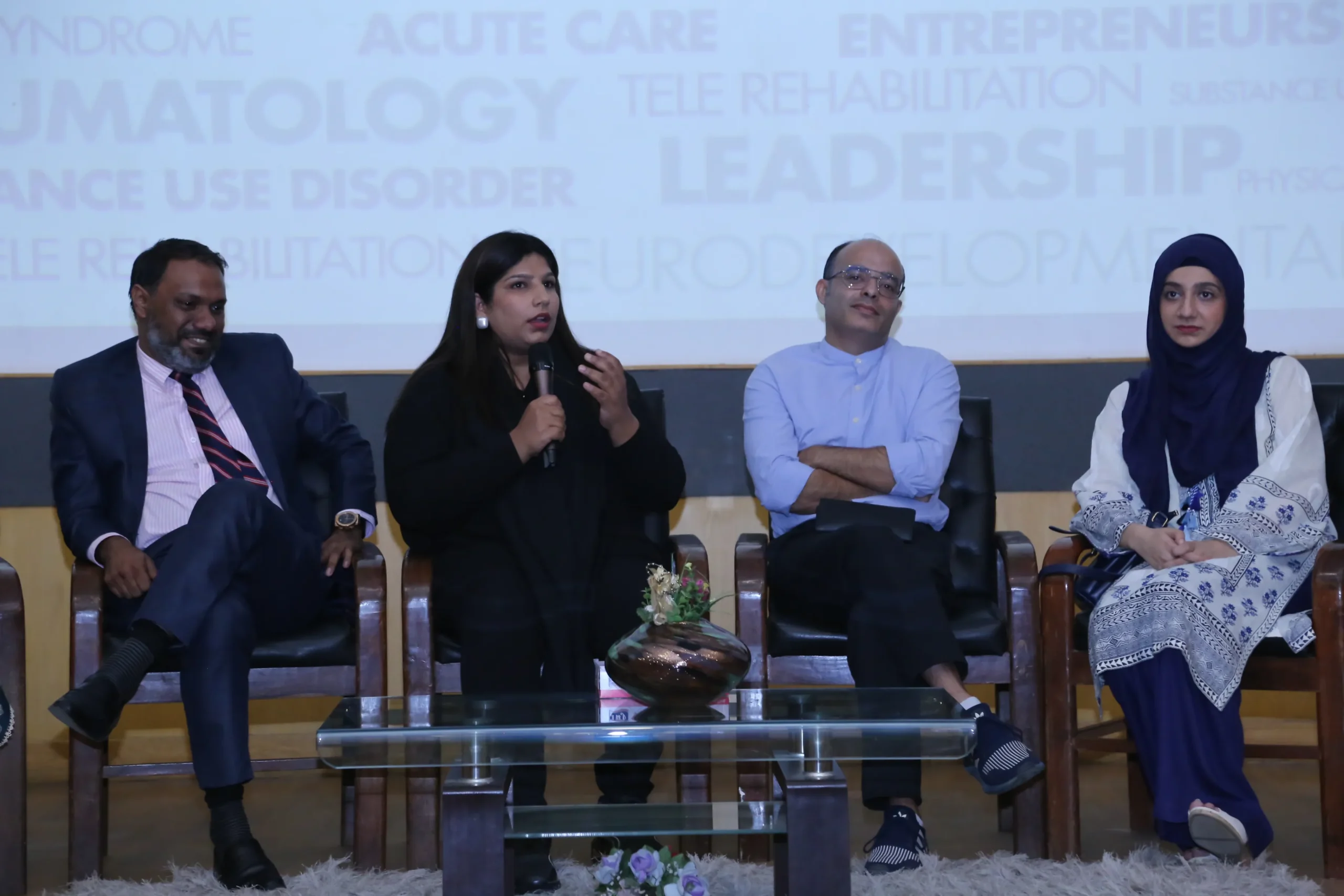
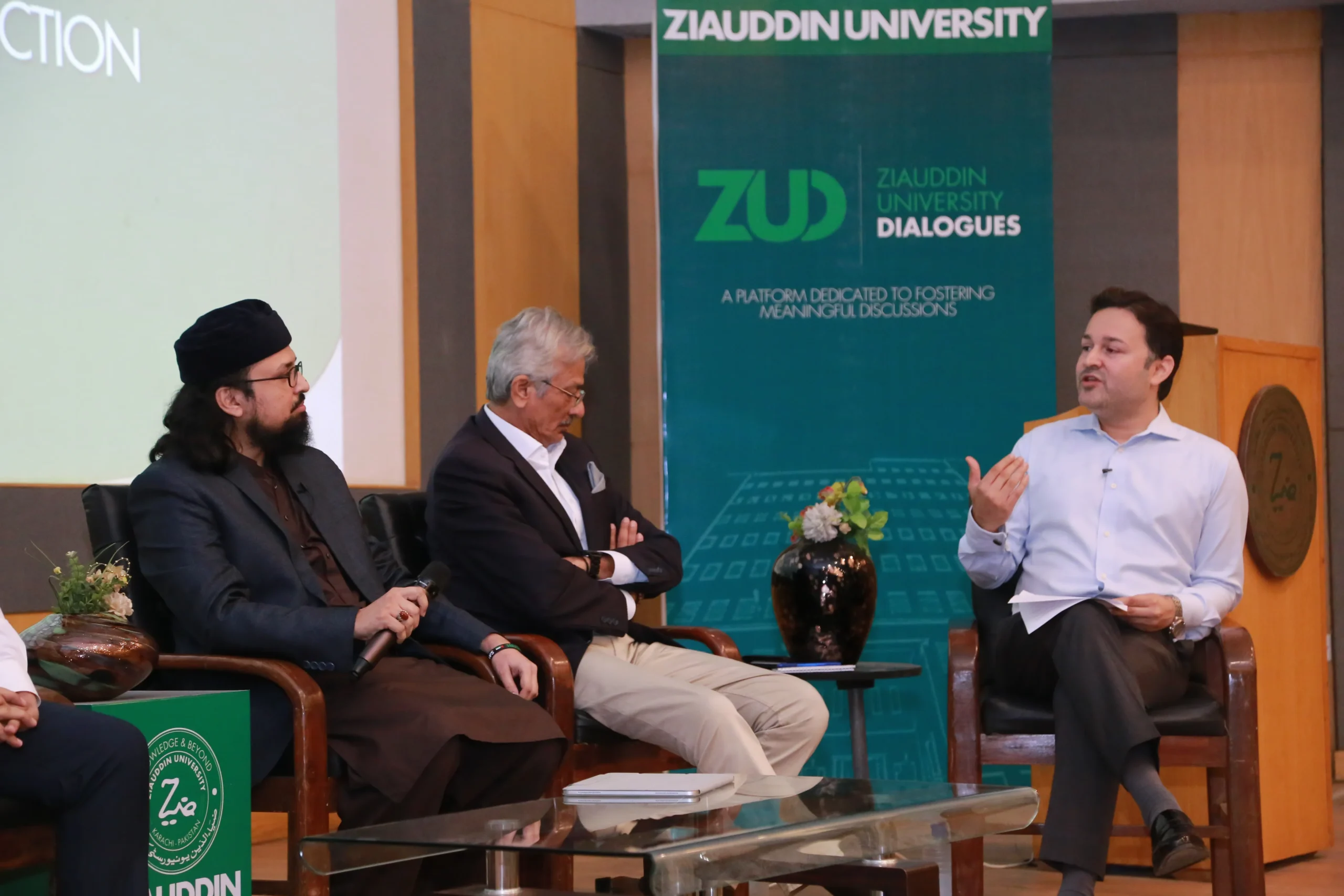
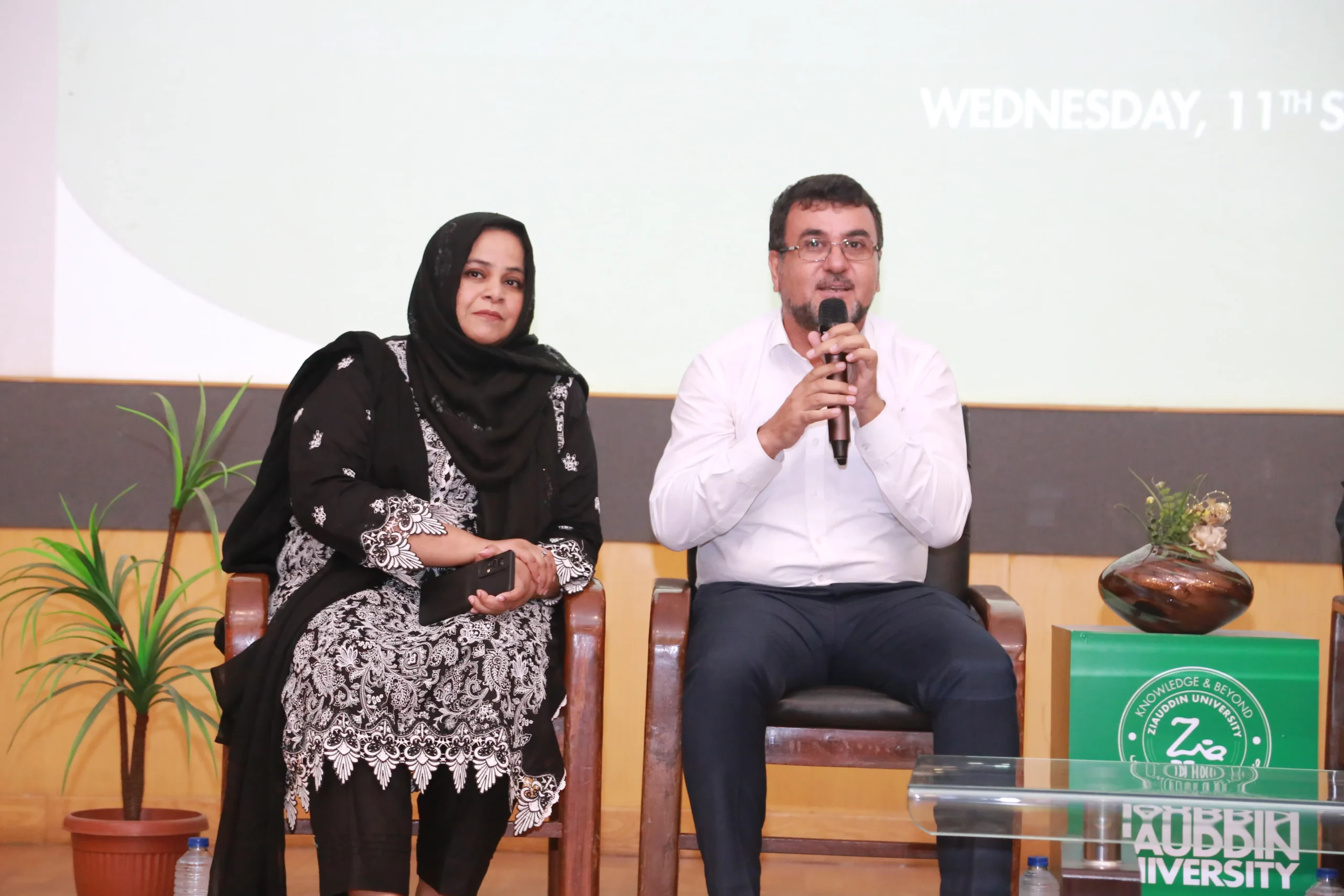
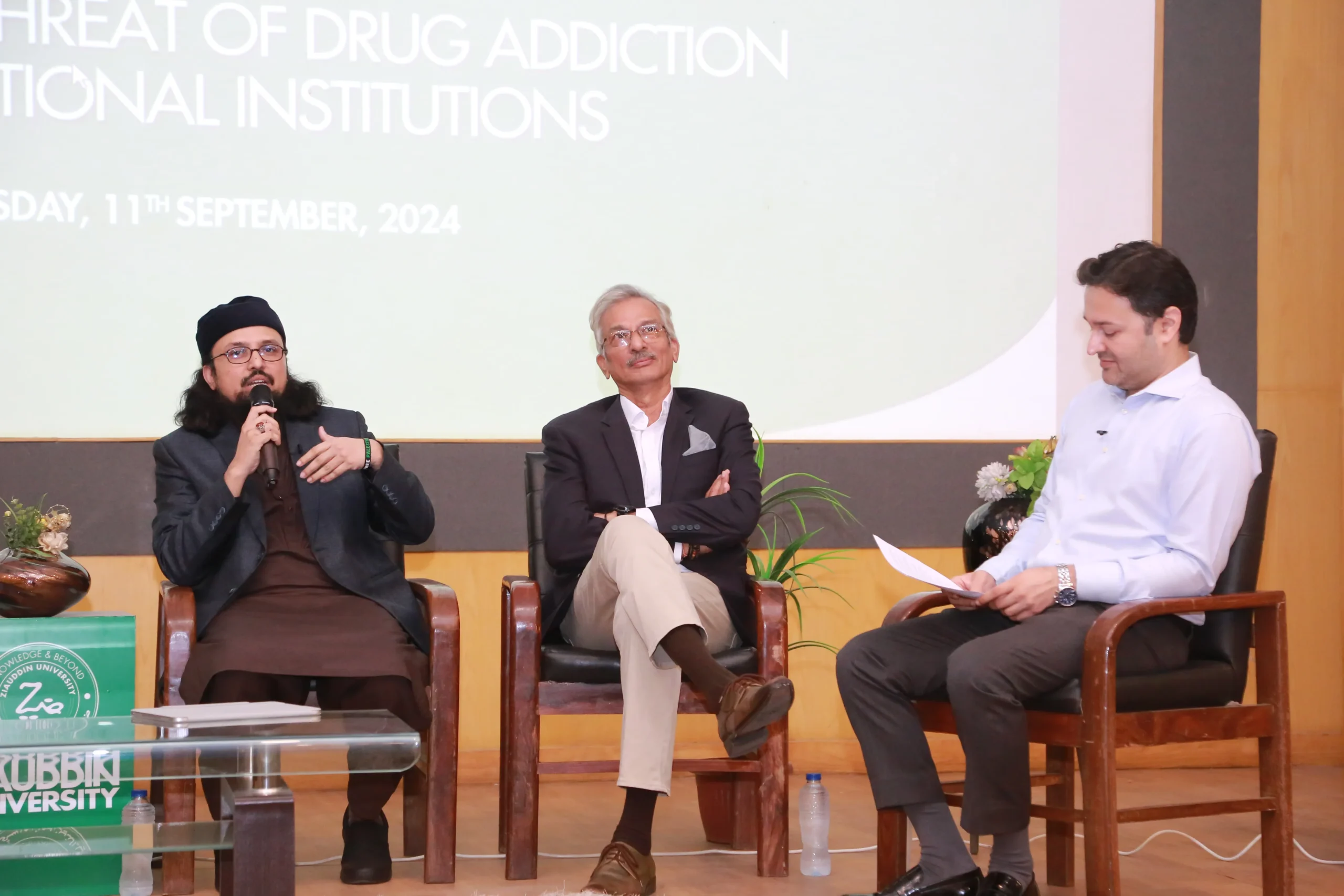
The event included a panel discussion moderated by Dr. Ayesha Siddiqui, featuring:
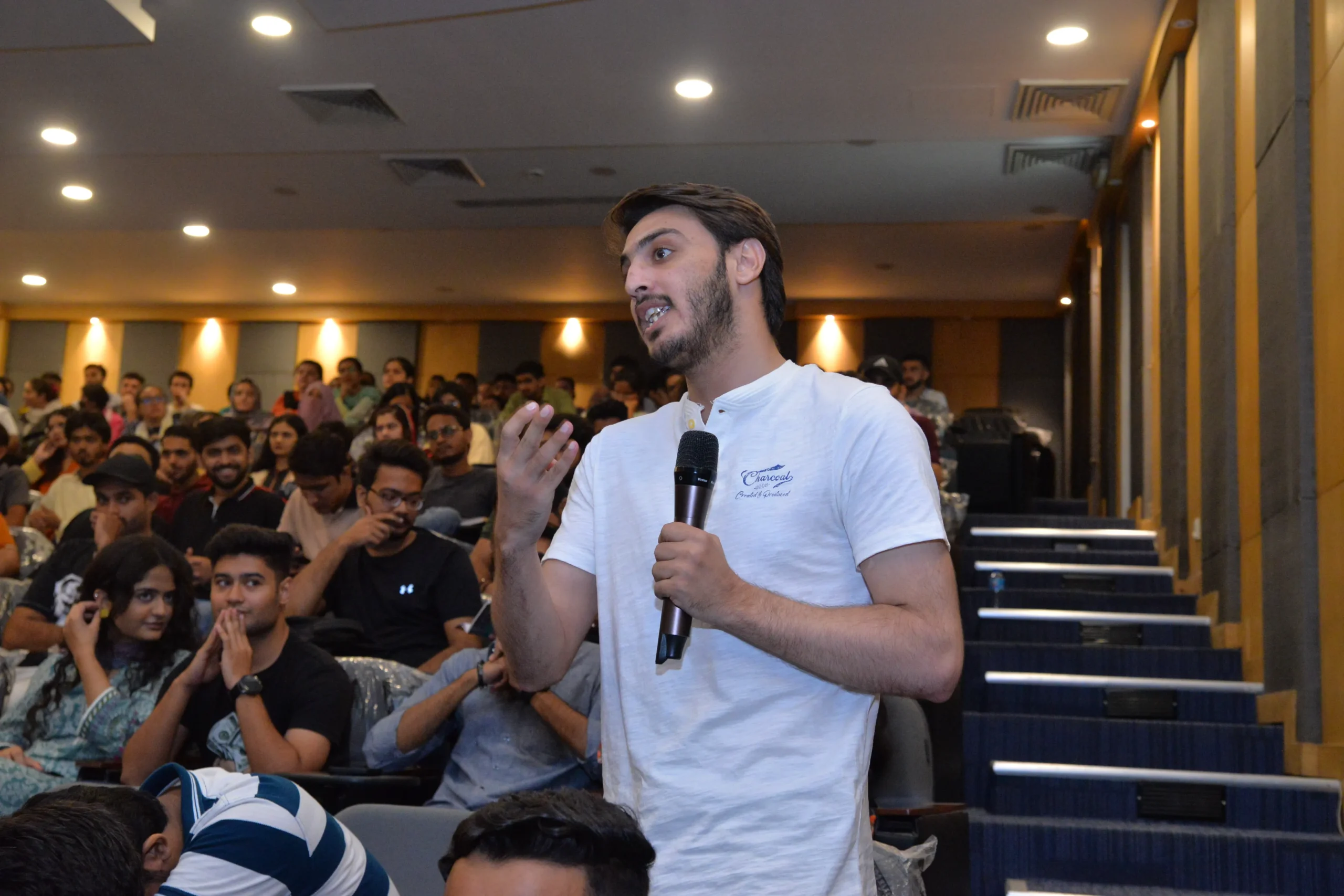
Discussions focused on the importance of multidisciplinary collaboration, breaking communication barriers, strengthening data sharing, and developing more coordinated outbreak responses nationwide.
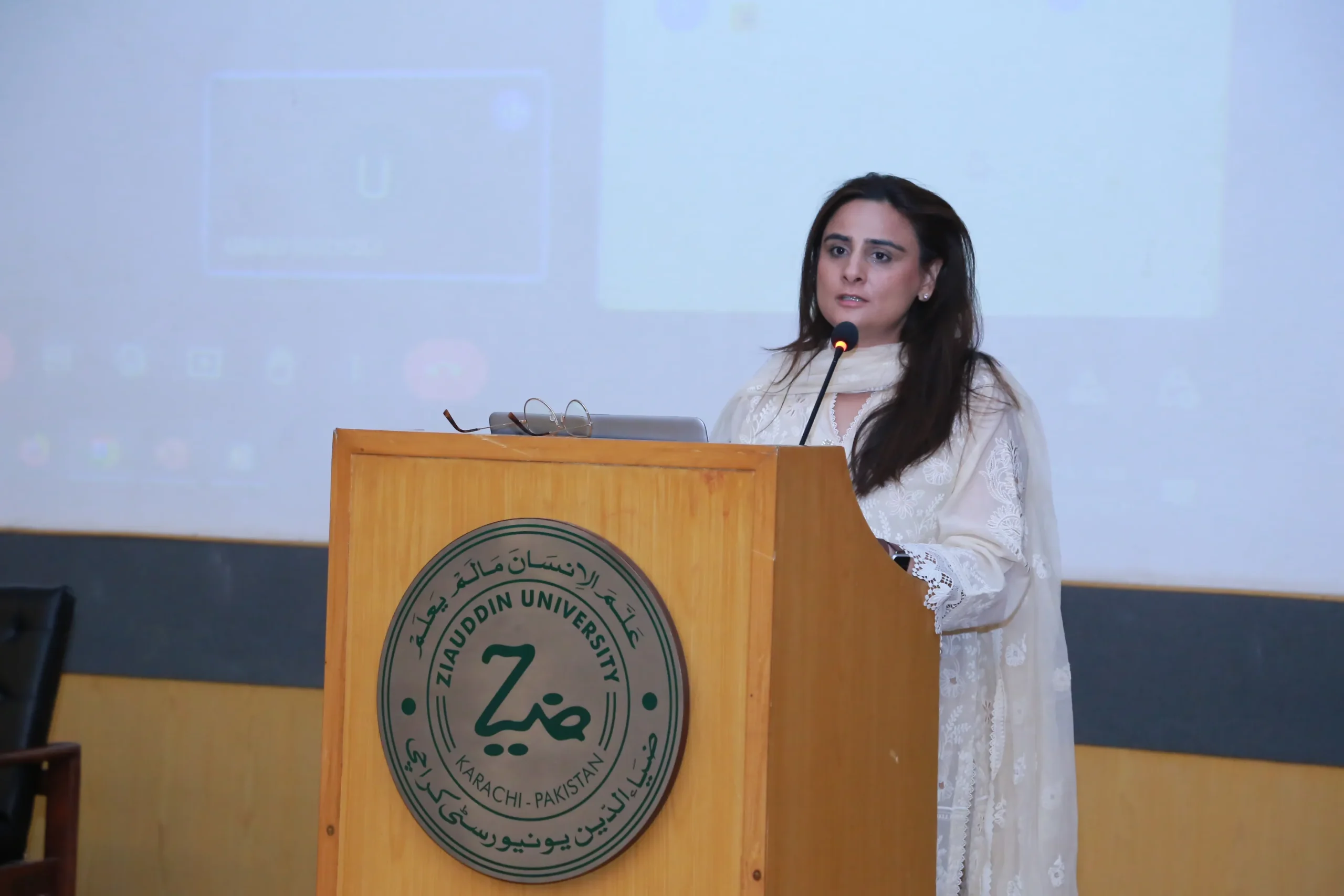
The retreat also highlighted the role of Patient and Public Involvement and Engagement (PPIE) in research and outbreak preparedness. Dr. Arishay Hussaini, PPIE Coordinator at Ziauddin University, led a session titled “Introduction to PPIE: Principles and Practice,” encouraging discussions on integrating patient and community perspectives into research and healthcare practice.
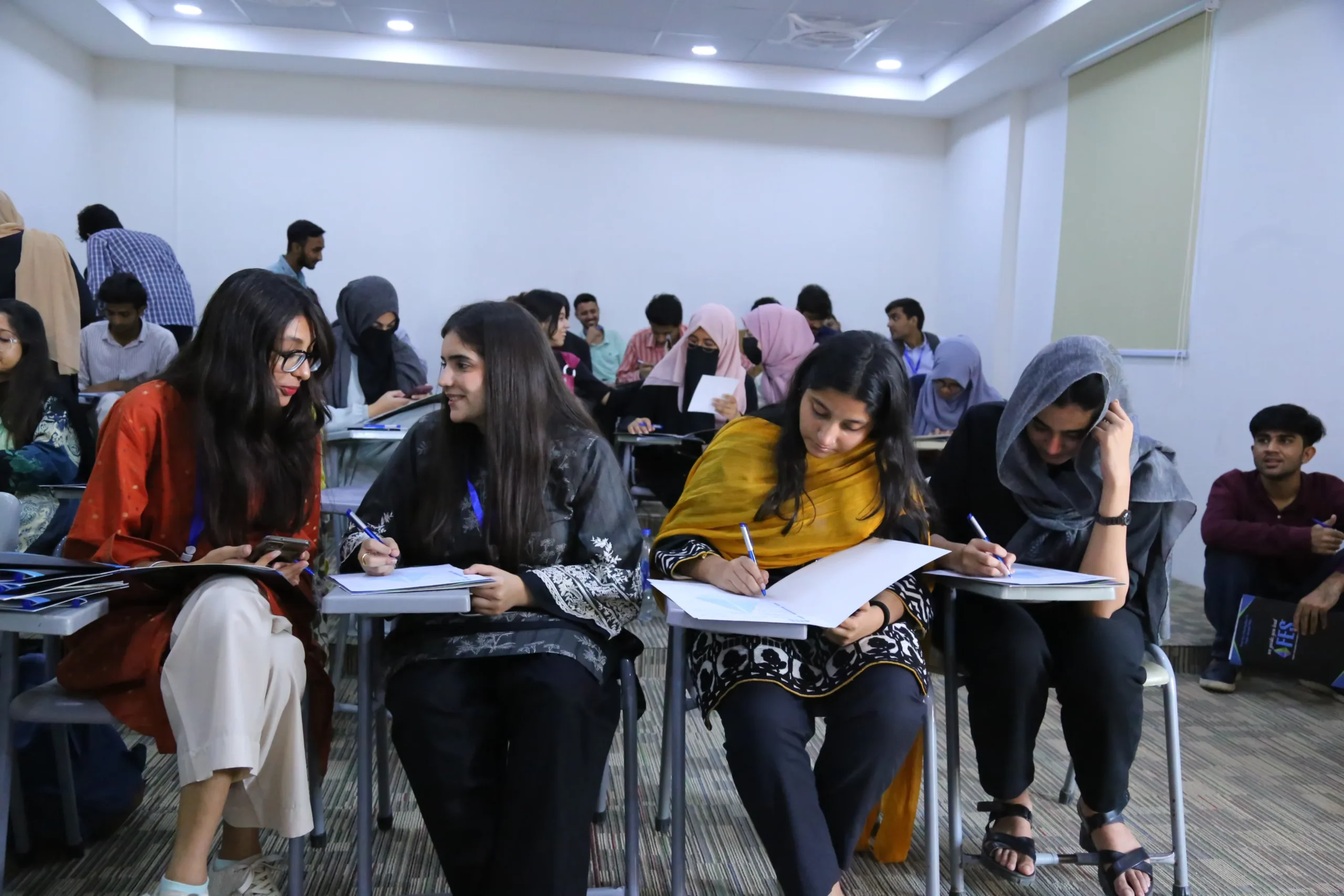
The programme concluded with a hands-on workshop on the BRIDGE platform led by Mr. Ahmed Nayeem, Data Scientist, guiding participants through the creation of standardised electronic Case Report Forms (eCRFs) to support harmonised data collection across institutions.
The event brought together multidisciplinary healthcare professionals from 21 institutions across Karachi, Hyderabad, Khairpur, Sukkur, Sehwan, Lahore, Islamabad, and Peshawar. It created a collaborative space for clinicians-researchers, infectious disease specialists, internists, microbiologists, intensivists, pathologists, pharmacists, pulmonologists, paediatricians, emergency medicine and rehabilitation specialists to discuss outbreak and epidemic preparedness using the ISARIC Clinical Characterisation Protocol.
Participating institutions included Aga Khan University Hospital (AKUH), South City Hospital, Jinnah Postgraduate Medical Center (JPMC), Sindh Institute of Urology and Transplant (SIUT), Indus Hospital & Health Network (IHHN), Sindh Infectious Disease Hospital (SIDH), Shaukat Khanum Memorial Cancer Hospital & Research Centre (SKMCH&RC), Chughtai Institute of Pathology, Pakistan Kidney and Liver Institute (PKLI), Shifa International Hospital, North West General Hospital & Research Center (NWGH&RC), and several others from across Pakistan.
The programme featured presentations from institutions demonstrating how CCP has been adapted within their own contexts. These included Dr. Ziauddin Hospital’s COVID-19 publication and ongoing eBook initiative, South City Hospital’s dengue preparedness work, SKMCH&RC’s research on dengue in cancer patients, SIDH’s use of CCP for sampling and biobanking, and Chughtai Institute of Pathology’s discussion on diagnostic challenges and the role of CCP in severe acute respiratory infection (SARI) management, presented by AKUH.
Dr. Ayesha Siddiqui, DPhil student at the University of Oxford, also presented CASCADE, a comprehensive research programme addressing the burden of severe central nervous system (CNS) infections in Sindh.
The event included a panel discussion moderated by Dr. Ayesha Siddiqui, featuring:
- Summiya Nizamuddin, President of the Medical Microbiology and Infectious Diseases Society of Pakistan (MMIDSP) and Consultant Clinical Microbiologist, SKMCH&RC
- Nosheen Nasir, Associate Professor and Section Head, Adult Infectious Diseases, AKUH
- Zahra Hasan, Professor and Section Head of Molecular Pathology, AKUH
- Zeeshan Ali, Professor of Medicine, JPMC and Jinnah Sindh Medical University
- Farah Asif, Research Administrator and Head of Clinical Research Office, SKMCH&RC
Discussions focused on the importance of multidisciplinary collaboration, breaking communication barriers, strengthening data sharing, and developing more coordinated outbreak responses nationwide.
The retreat also highlighted the role of Patient and Public Involvement and Engagement (PPIE) in research and outbreak preparedness. Dr. Arishay Hussaini, PPIE Coordinator at Ziauddin University, led a session titled “Introduction to PPIE: Principles and Practice,” encouraging discussions on integrating patient and community perspectives into research and healthcare practice.
The programme concluded with a hands-on workshop on the BRIDGE platform led by Mr. Ahmed Nayeem, Data Scientist, guiding participants through the creation of standardised electronic Case Report Forms (eCRFs) to support harmonised data collection across institutions.