The Bachelor of Science in Cosmetic Science is a unique and interdisciplinary programme that combines chemistry, biology, dermatology, and pharmaceutical sciences to develop and evaluate cosmetic and personal care products. With a growing global demand for skincare, hair care, and beauty products, the cosmetic science industry offers exciting and lucrative career opportunities. Graduates of this programme are equipped with scientific, technical, and regulatory knowledge, enabling them to work across a variety of sectors.
- Cosmetic Product Development
Graduates can work as formulation scientists or product development chemists, creating innovative skincare, haircare, makeup, and personal hygiene products. They test for texture, stability, effectiveness, and consumer safety.
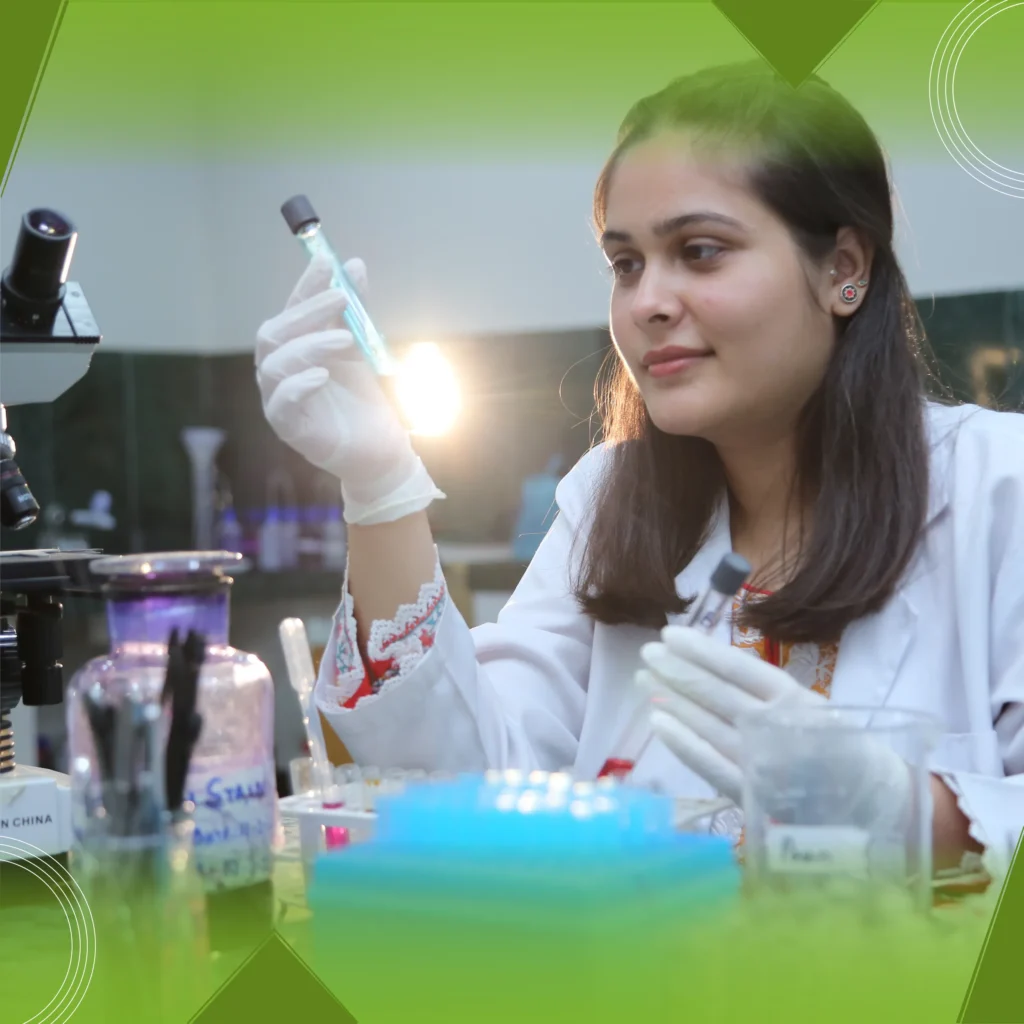
In R&D laboratories, cosmetic scientists explore new ingredients, delivery systems, and technologies to improve the efficacy and sustainability of beauty products. This includes work on anti-ageing, sun protection, and organic/natural cosmetics.
- Quality Control and Quality Assurance
Cosmetic science graduates play a key role in maintaining product safety, compliance, and quality standards during manufacturing. They ensure consistency in formulation, packaging, and labelling.
With increasing regulations on cosmetic products, graduates can work in regulatory compliance to ensure that products meet national and international standards (such as FDA, EU, or DRAP regulations). This includes managing documentation and safety evaluations.
- Cosmetic Marketing and Product Management
Those with an interest in business and branding may pursue careers in cosmetic marketing, brand management, or sales, combining scientific expertise with market insights to promote beauty products effectively.
- Dermatological and Pharmaceutical Cosmetics
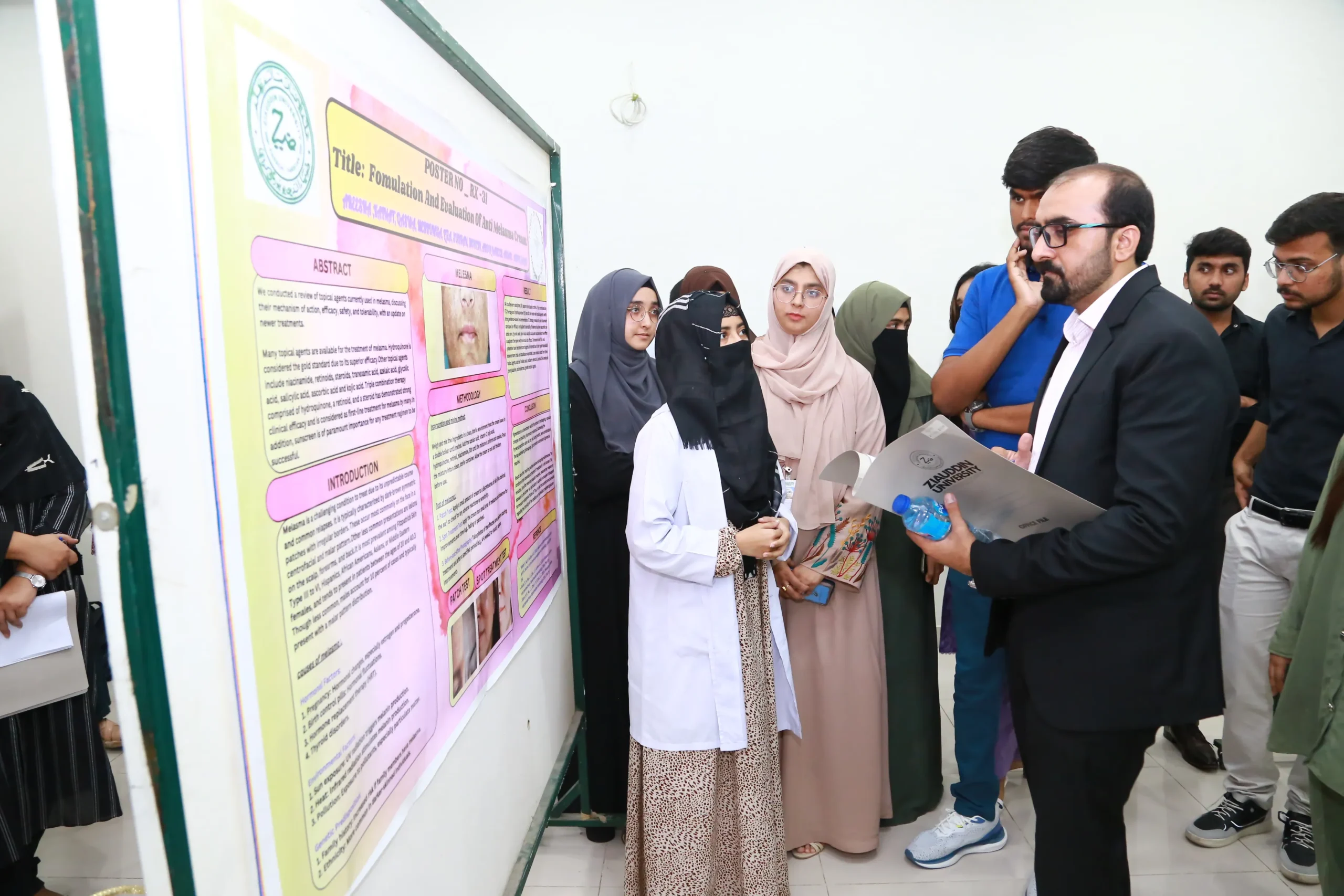
Graduates can work on cosmeceuticals — products that bridge cosmetics and pharmaceuticals — such as anti-acne creams, pigmentation treatments, and medicated shampoos, often in collaboration with dermatologists.
- Fragrance and Sensory Science
Opportunities also exist in the fragrance industry, including the development of perfumes and scented products, as well as sensory evaluation and consumer testing.
- Academia and Research Institutions
BS Cosmetic Science holders can contribute to teaching, academic research, and training programmes in universities, or pursue higher studies (MS/PhD) in cosmetic chemistry, dermatological sciences, or pharmaceutical technology.
- Toxicology and Clinical Testing
Graduates may work in toxicology labs and clinical testing centres, performing skin compatibility tests, microbiological assessments, and safety evaluations for various products.
- Entrepreneurship and Beauty Startups
With growing access to local and international markets, graduates can launch their own cosmetic brands, organic product lines, or consultancy businesses, capitalising on niche trends like halal cosmetics, cruelty-free products, and sustainable beauty.