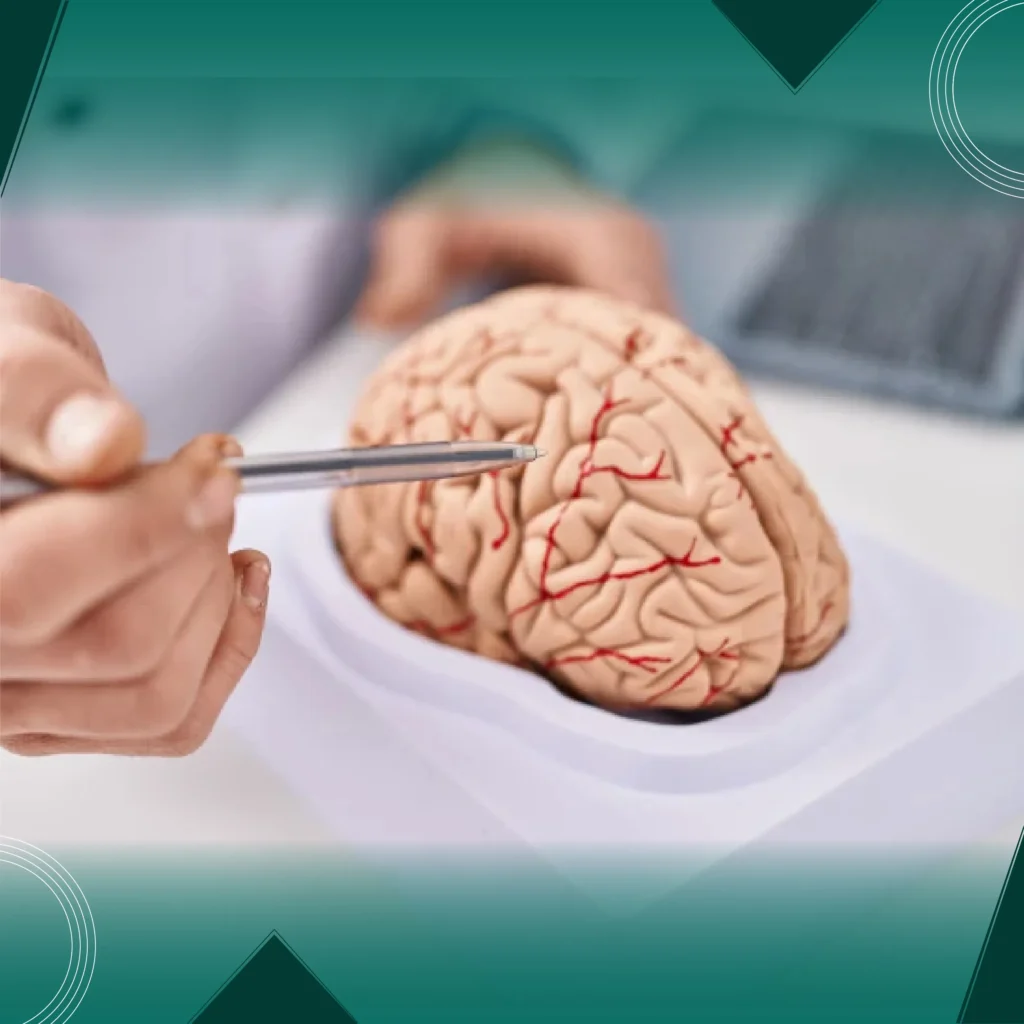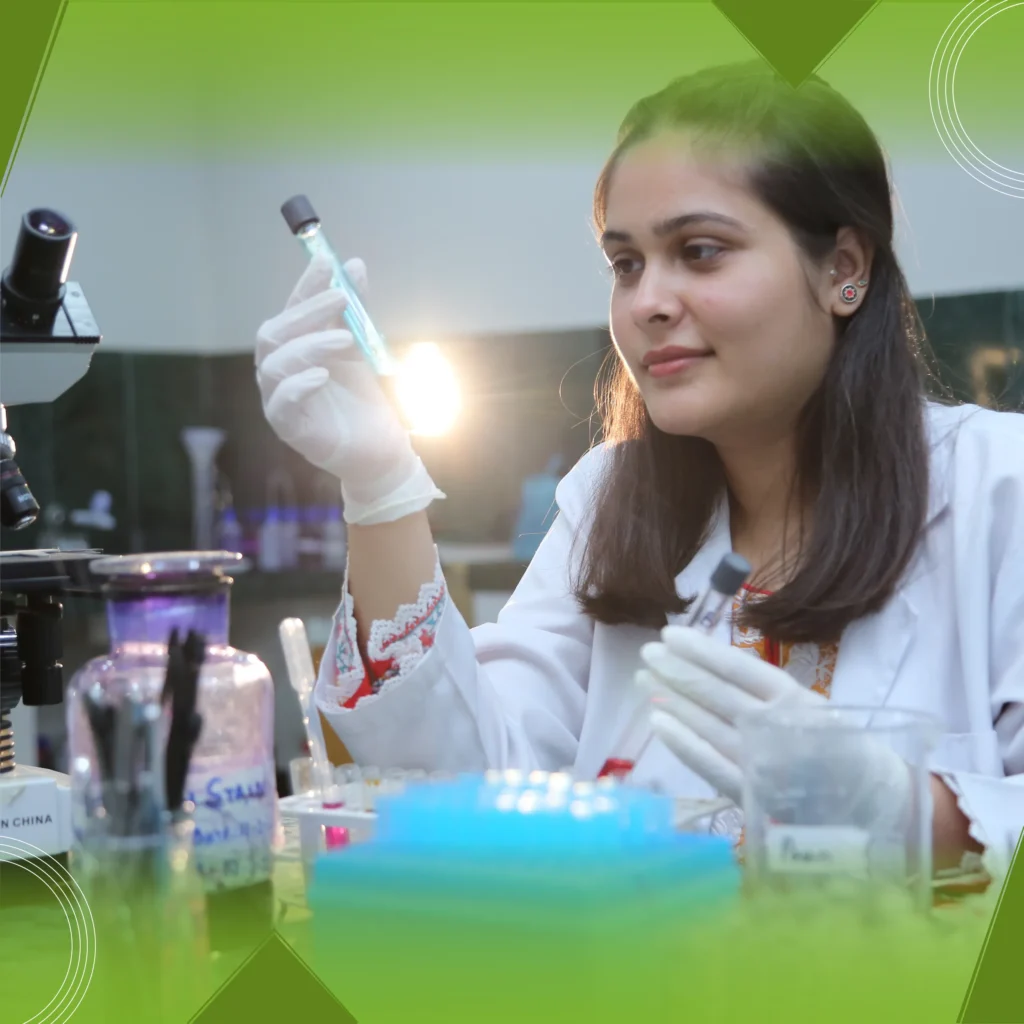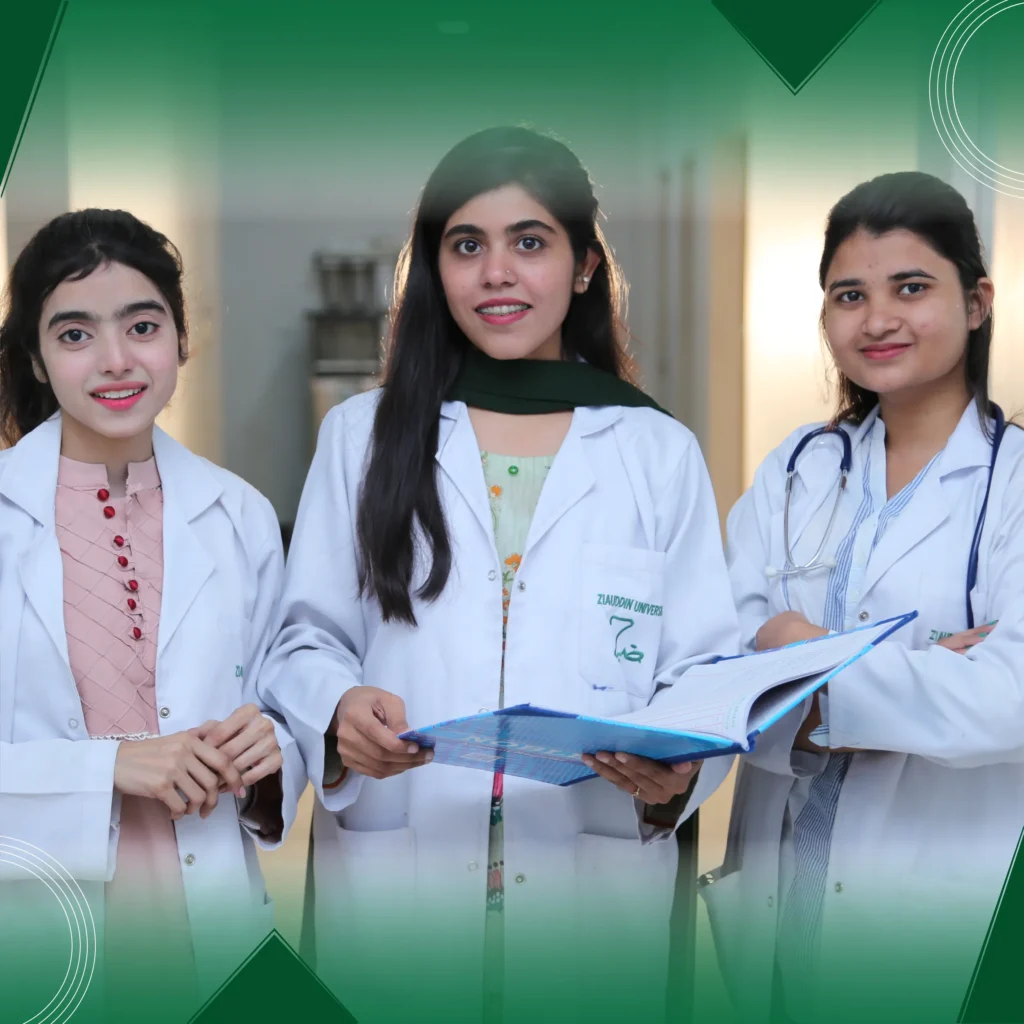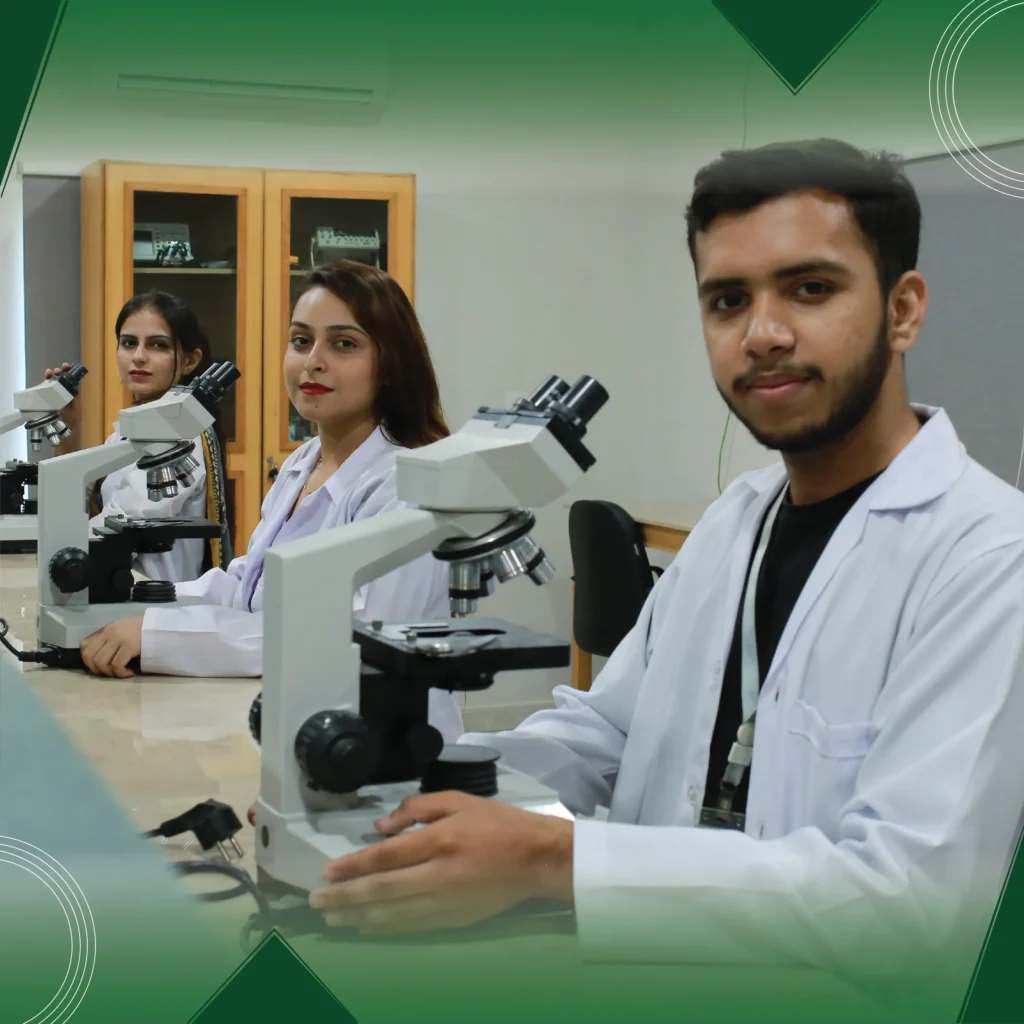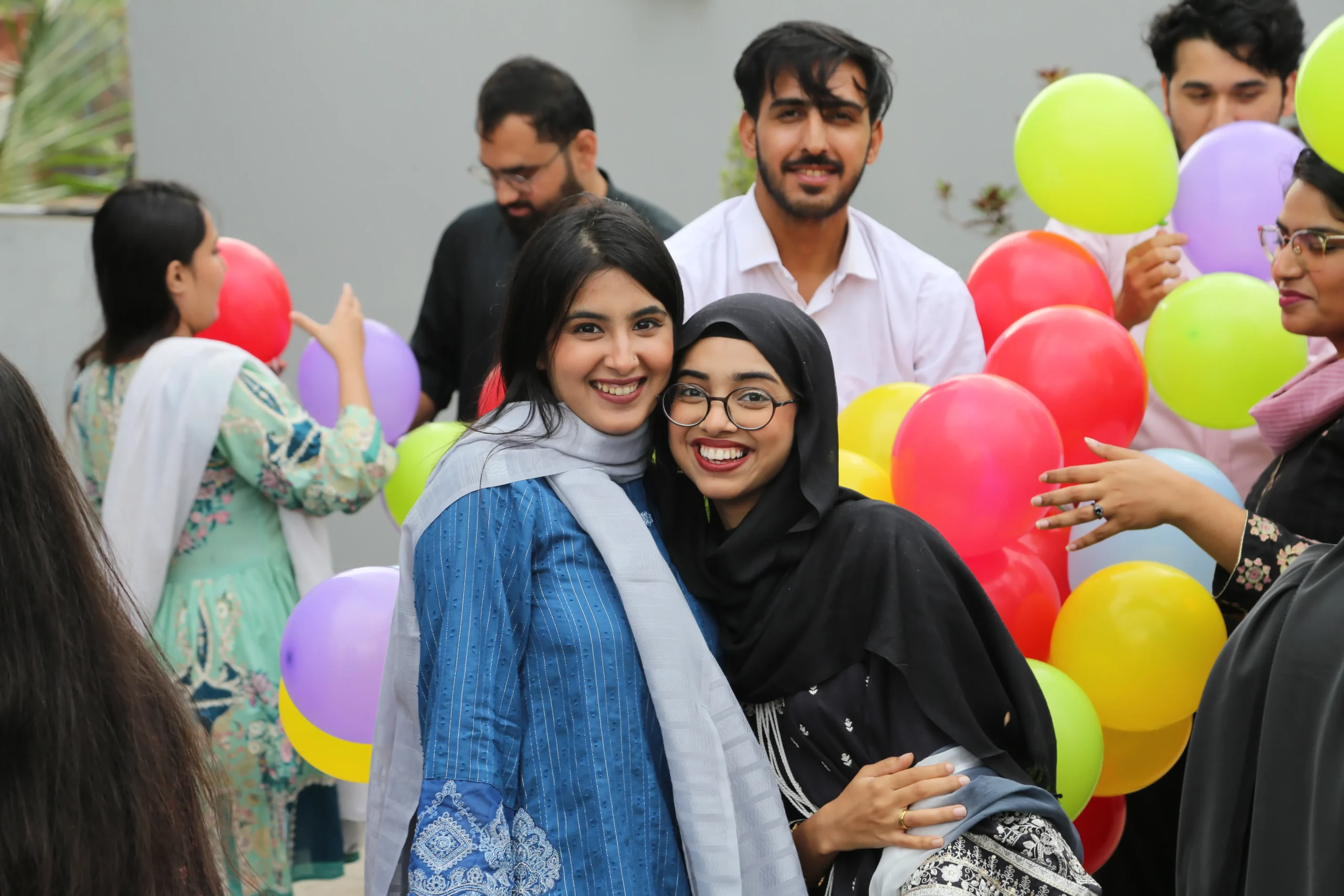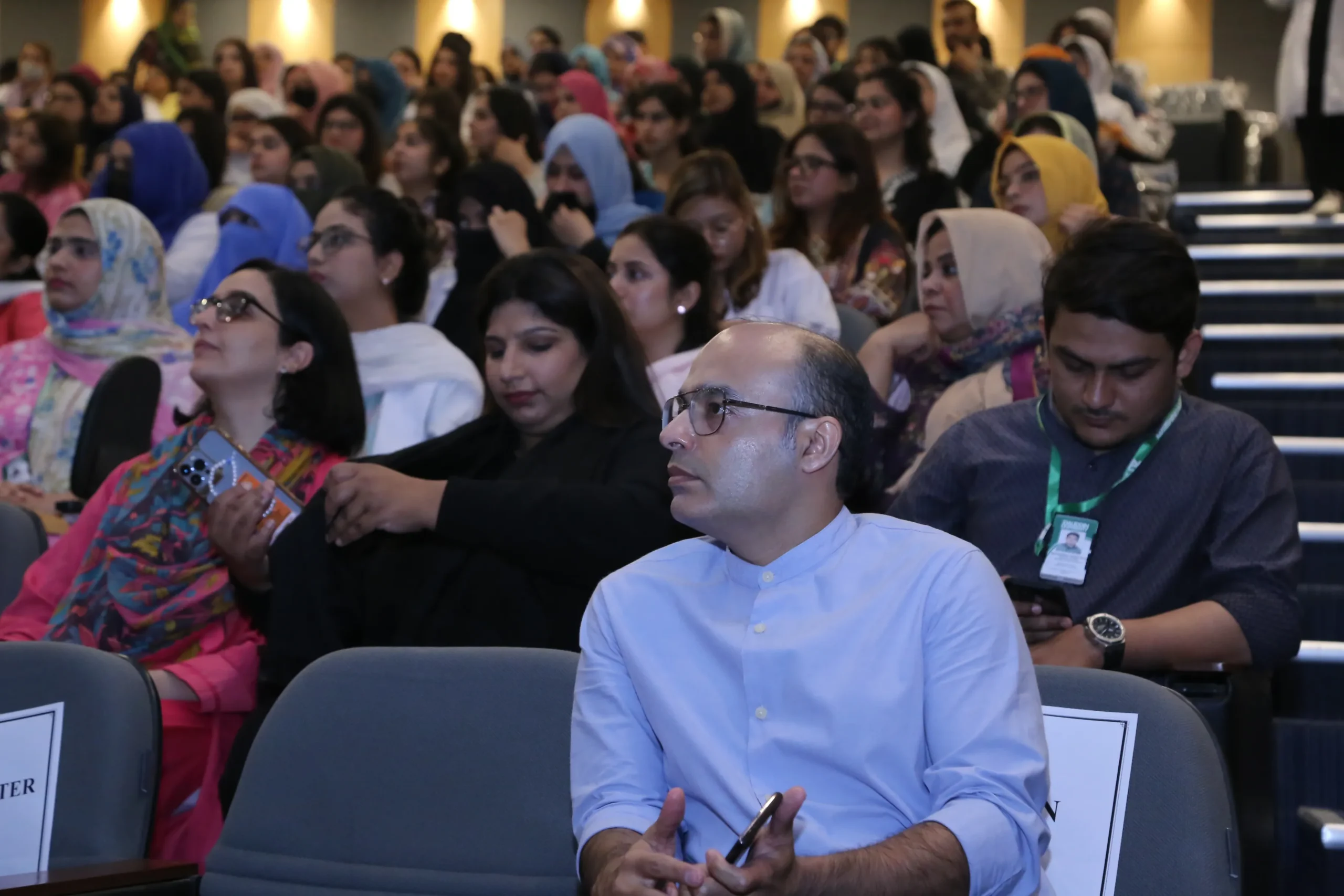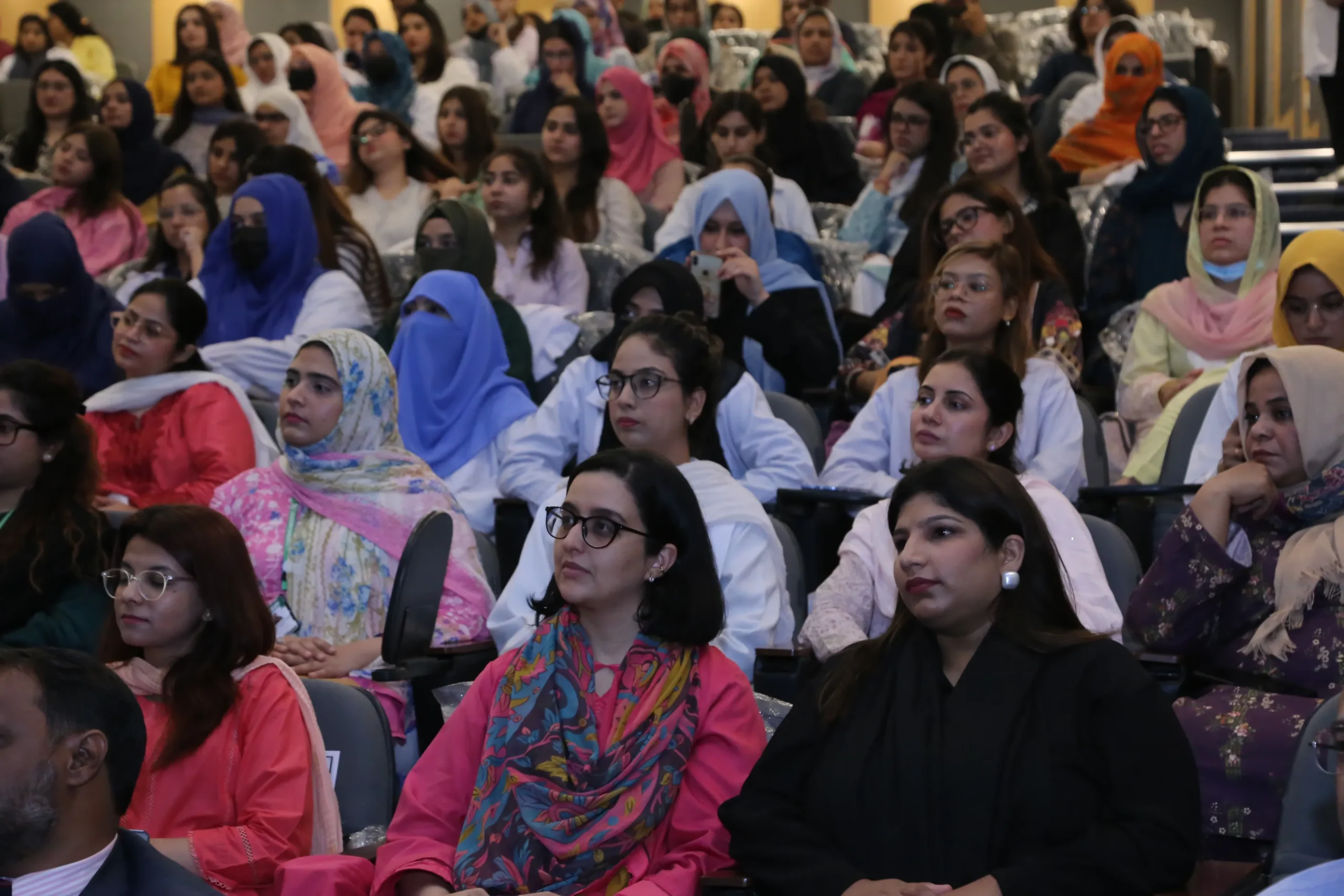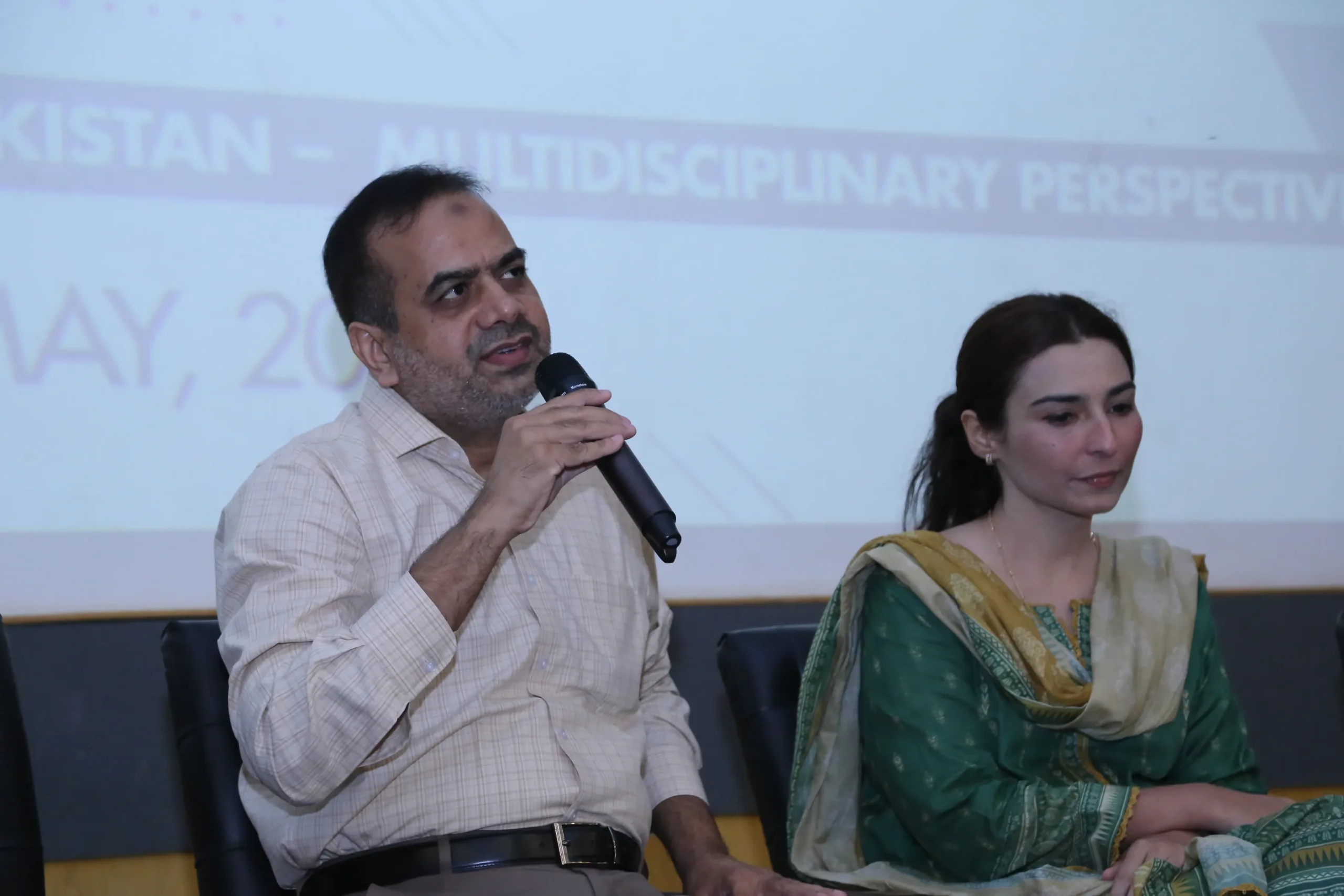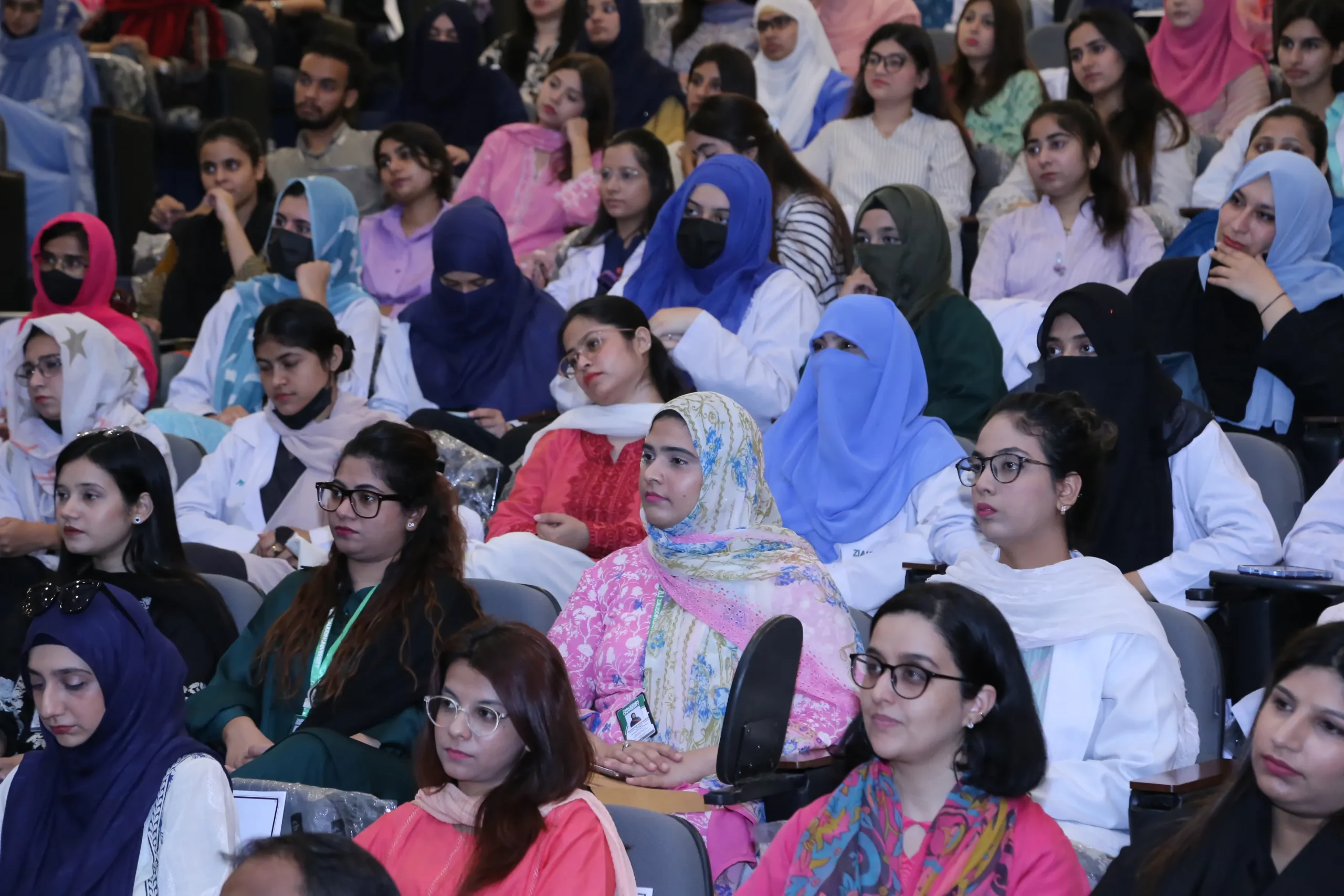

After the COVID-19 pandemic, the need of ventilators , masks, face shields, assistive respiratory devices and SPO2 Monitor has suddenly increased, which marks the importance of the biomedical engineering field, which merges the electronics, mechanical & computer principles with the healthcare industry. As a graduate of this programme of top ranking university, you will have the confidence and ability to communicate with different players in the life science fields, from clinicians and nurses to designers, scientists and other engineers.
BE Biomedical Engineering

- Introduction
- Eligibility Criteria
- Scheme of Study
- Career Prospects
- Learning Outcomes
- Fee Structure
Mission
The Department of Biomedical Engineering aims to serve the society in the best manner wherein the graduates will be equipped with required technical and interpersonal skills, motivated for research and lifelong learning; ethical values along with leadership and entrepreneurship qualities.
Programme Educational Objectives
The Program Educational Objectives of BE Biomedical Engineering Program are:
- PEO 1: Able to solve complex biomedical engineering problems using fundamental principles of technical, basic and health sciences.
- PEO 2: Able to compete in the field of research and development by incorporating life-long learning using modern tools and techniques and responsive to the demands of society in ethical, professional and safe manner.
- PEO 3: Able to possess leadership and communication skills essential for the project management and entrepreneurship to serve the healthcare industry in the best possible way.
PEO Mapping
| PEO1 | PEO2 | PEO3 | |
| The Department of Biomedical Engineering aims to serve the society in the best manner wherein the graduates will be equipped with required technical and interpersonal skills, motivated for research and lifelong learning; ethical values along with leadership and entrepreneurship qualities. | ✓ | ✓ | ✓ |
Contact Information
| Contact Numbers | 021-36644153 |
| 021-36684406 |
Location
| BE Bio Medical Engineering | Education City, Link Road, Gadap Town, Karachi, |
| Programme | Eligibility | DAE | Percentage |
| BE Bio Medical Engineering | Inter (Pre-Engg, Pre-Med), A-level – Phys, Chem, (Bio or Maths) Pre-medical students can also apply. (*Zero Semester is mandatory). | i. Automation ii. Biomedical iii. Electrical iv. Electronics v. Healthcare vi. Instrumentation vii. Instrumentation & Process Control viii. Mechatronics ix. Radar x. Radio | 60 |
| BE Bio Medical Engineering | 4 Years |
Semester 1st
| Semester I | ||||
| S.No | Course Codes | Course Title | Credit Hours | Prerequisite |
| 1 | ZUGE 001 | Islamic Studies | 2+0 | |
| ZUGE 002 | Moral Ethics | 2+0 | ||
| 2 | ZUGE 004 | Functional English | 3+0 | |
| 3 | ZUGE 006 T | Applications of Information and Communication Technologies (TH) | 2+0 | |
| 4 | ZUGE 006 L | Applications of Information and Communication Technologies (LAB) | 0+1 | |
| 5 | BMAP 111 T | Applied Physics (TH) | 2+0 | |
| 6 | BMAP 111 L | Applied Physics (LAB) | 0+1 | |
| 7 | BMCD 112 | Computer Aided Engineering Drawing | 0+1 | |
| 8 | BMBM 113/BMBB 114 | Basic Mathematics/Basic Biology | – | |
| 9 | BMIB 115 | Introduction To Biomedical Engineering | 1+0 | |
| 10 | BMEE 116 T | Basic Electrical Engineering (TH) | 2+0 | |
| 11 | BMEE 116 L | Basic Electrical Engineering (LAB) | 0+1 | |
| Total Credit Hours | 16 | |||
Semester 2nd
| Semester II | ||||
| S.No | Course Codes | Course Title | Credit Hours | Prerequisite |
| 1 | ZUGE 003 | Pakistan Studies | 2+0 | |
| 2 | ZUGE 009 | Understanding of the Holy Quran – I | 1+0 | |
| ZUGE 011 | Philosophy of Life I | |||
| 3 | BMCA 121 | Calculus & Analytical Geometry | 3+0 | |
| 4 | BMEL 122 T | Basic Electronics (TH) | 2+0 | |
| 5 | BMEL 122 L | Basic Electronics (LAB) | 0+1 | |
| 6 | BMAN 123 T | Human Anatomy (TH) | 2+0 | |
| 7 | BMAN 123 L | Human Anatomy (LAB) | 0+1 | |
| 8 | BMPH 124 T | Physiology I (TH) | 2+0 | |
| 9 | BMPH 124 L | Physiology I (LAB) | 0+1 | |
| 10 | BMOP 125 T | Object Oriented Programing (TH) | 2+0 | Applications Of Information and Communication Technologies |
| 11 | BMOP 125 L | Object Oriented Programing (LAB) | 0+1 | Applications Of Information and Communication Technologies |
| Total Credit Hours | 18 | |||
Semester 3rd
| Semester III | ||||
| S.No | Course Codes | Course Title | Credit Hours | Prerequisite |
| 1 | ZUGE 005 | Expository Writing | 3+0 | Functional English |
| 2 | ZUGE 010 | Understanding of the Holy Quran – II | 1+0 | |
| ZUGE 012 | Philosophy of Life II | |||
| 3 | BMPS 211 | Social Sciences Elective I (Psychology) | 2+0 | |
| 4 | BMFL 212 | Humanities Elective (Foreign Language) | 2+0 | |
| 5 | BMCR 213 T | Circuit Analysis (TH) | 2+0 | |
| 6 | BMCR 213 L | Circuit Analysis (LAB) | 0+1 | |
| 7 | BMLE 214 | Linear Algebra & Differential Equation | 3+0 | |
| 8 | BMDL 215 T | Digital Logic Design (TH) | 2+0 | |
| 9 | BMDL 215 L | Digital Logic Design (LAB) | 0+1 | |
| Total Credit Hours | 17 | |||
Semester 4th
| Semester IV | ||||
| S.No | Course Codes | Course Title | Credit Hours | Prerequisite |
| 1 | ZUGE 007 | Entrepreneurship | 2+0 | |
| 2 | BMCC 221 | Civics And Community Engagement | 2+0 | |
| 3 | ZUGE 008 | Ideology and Constitution of Pakistan | 2+0 | |
| 4 | BMBE 222 T | Biomedical Electronics (TH) | 3+0 | |
| 5 | BMBE 222 L | Biomedical Electronics (LAB) | 0+1 | |
| 6 | BMCV 223 | Complex Variable & Transformation | 3+0 | |
| 7 | BMPH 224 T | Physiology II (TH) | 2+0 | Physiology I |
| 8 | BMPH 224 L | Physiology II (LAB) | 0+1 | Physiology I |
| 9 | BMBC 225 T | Biochemistry (TH) | 2+0 | |
| 10 | BMBC 225 L | Biochemistry (LAB) | 0+1 | |
| Total Credit Hours | 19 | |||
Semester 5th
| Semester V | ||||
| S.No | Course Codes | Course Title | Credit Hours | Prerequisite |
| 1 | BMBI 311 T | Biomedical Instrumentation – I (TH) | 3+0 | |
| 2 | BMBI 311 L | Biomedical Instrumentation – I (LAB) | 0+1 | |
| 3 | BMNA 312 | Numerical Methods | 3+0 | |
| 4 | BMST 313 T | Signals & Systems (TH) | 2+0 | |
| 5 | BMST 313 L | Signals & Systems (LAB) | 0+1 | |
| 6 | BMMP 314 T | Microprocessor & Interfacing (TH) | 2+0 | |
| 7 | BMMP 314 L | Microprocessor & Interfacing (LAB) | 0+1 | |
| 8 | BMPS 315 | Probability & Statistics | 2+0 | |
| 9 | BMME 316 T | Biomechanics (TH) | 3+0 | |
| 10 | BMME 316 L | Biomechanics (LAB) | 0+1 | |
| Total Credit Hours | 19 | |||
| Summer Semester | ||||
| S.No | Course Code | Course Title | Credit Hours | |
| Internships | – | |||
Semester 6th
| Semester VI | ||||
| S.No | Course Codes | Course Title | Credit Hours | Prerequisite |
| 1 | BMAI 321 | Artificial Intelligence | 3+0 | |
| 2 | BMBI 322 T | Biomedical Instrumentation – II (TH) | 3+0 | Bio-medical instrumentation- I |
| 3 | BMBI 322 L | Biomedical Instrumentation – II (LAB) | 0+1 | Bio-medical instrumentation- I |
| 4 | BMCS 323 T | Biomedical Control Systems (TH) | 2+0 | |
| 5 | BMCS 323 L | Biomedical Control Systems (LAB) | 0+1 | |
| 6 | BMSP 324 T | Biomedical Signal Processing (TH) | 3+0 | Signals & Systems |
| 7 | BMSP 324 L | Biomedical Signal Processing (LAB) | 0+1 | Signals & Systems |
| 8 | BMMS 325 T | Modeling & Simulation (TH) | 2+0 | |
| 9 | BMMS 325 L | Modeling & Simulation (LAB) | 0+1 | |
| Total Credit Hours | 17 | |||
Semester 7th
| Semester VII | ||||
| S.No | Course Codes | Course Title | Credit Hours | Prerequisite |
| 1 | BMFP 411 | Biomedical Engineering Project (Phase I) | 0+3 | |
| 2 | BMPM 412 | Project Management | 2+0 | |
| 3 | BMOH 413 | Occupational Health and safety | 1+0 | |
| 4 | BMMA 414 T | Biomaterials (TH) | 3+0 | |
| 5 | BMMA 414 L | Biomaterials (LAB) | 0+1 | |
| 6 | BM** 41* | Elective I | 3+0 | |
| 7 | BM** 41* | Elective II | 3+0 | |
| Total Credit Hours | 16 | |||
Semester 8th
| Semester VIII | ||||
| S.No | Course Codes | Course Title | Credit Hours | Prerequisite |
| 1 | BMFP 421 | Biomedical Engineering Project (Phase II) | 0+3 | |
| 2 | BMMI 422 T | Medical Imaging (TH) | 2+0 | |
| 3 | BMMI 422 L | Medical Imaging (LAB) | 0+1 | |
| 4 | BMPE 423 | Professional Practices & Ethics | 2+0 | |
| 5 | BMDR 424 | Medical Devices Regulatory Affairs | 2+0 | |
| 6 | BM** 42* | Elective III | 3+0 | |
| 7 | BM** 42* | Elective IV | 3+0 | |
| Total Credit Hours | 16 | |
| Total Credit Hours of Program | 138 |
Biomedical Engineering is one of the emerging fields which combines Engineering expertise with the needs in the medical industry for the growth and development of the healthcare sector. It is the unique branch of Engineering in which the concepts, knowledge, expertise and skills are designated and applied to the field of biology and medicine in order to meet the daily challenges. Pakistan has a growing biomedical industry with the increased development of surgical tools, update of instrumentation in the hospitals and spending of large budgets on the research & development.
A biomedical Graduate is able to:
- Design biomedical equipment and devices, such as artificial internal organs, replacements for body parts, and machines for diagnosing medical problems
- Install, adjust, maintain, repair, or provide technical support for biomedical equipment
- Evaluate the safety, efficiency, and effectiveness of biomedical equipment
- Train clinicians and other personnel on the proper use of biomedical equipment
- Research the engineering aspects of the biological systems of humans and animals with life scientists, chemists, and medical scientists
- Prepare procedures, write technical reports, publish research papers, and make recommendations based on their research findings
- Present research findings to scientists, nonscientist executives, clinicians, hospital management, engineers, other colleagues, and the public
- PLO-1. Engineering Knowledge: Ability to apply knowledge of mathematics, science and engineering fundamentals and an engineering specialization to the solution of complex engineering problems.
- PLO-2. Problem Analysis: Ability to identify, formulate, research literature, and analyze complex engineering problems reaching substantiated conclusions using first principles of mathematics, natural sciences and engineering sciences.
- PLO-3. Design/Development of Solutions: Ability to design solutions for complex engineering problems and design systems, components, or processes that meet specified needs with appropriate consideration for public health and safety, cultural, societal, and environmental considerations.
- PLO-4. Investigation: Ability to investigate complex engineering problems in a methodical way including literature survey, design and conduct of experiments, analysis and interpretation of experimental data, and synthesis of information to derive valid conclusions.
- PLO-5. Modern Tool Usage: Ability to create, select and apply appropriate techniques, resources, and modern engineering and IT tools, including prediction and modelling, to complex engineering activities, with an understanding of the limitations.
- PLO-6. The Engineer and Society: Ability to apply reasoning informed by contextual knowledge to assess societal, health, safety, legal and cultural issues and the consequent responsibilities relevant to professional engineering practice and solution to complex engineering problems.
- PLO-7. Environment and Sustainability: Ability to understand the impact of professional engineering solutions in societal and environmental contexts and demonstrate knowledge of and need for sustainable development.
- PLO-8. Ethics: Apply ethical principles and commit to professional ethics and responsibilities and norms of engineering practice.
- PLO-9. Individual and Team Work: Ability to work effectively, as an individual or in a team, on multifaceted and/or multidisciplinary settings.
- PLO-10. Communication: Ability to communicate effectively, orally as well as in writing on complex engineering activities with the engineering community and with society at large, such as being able to comprehend and write effective reports and design documentations, make effective presentations, and give and receive clear instructions.
- PLO-11. Project Management: Ability to demonstrate management skills and apply engineering principles to one’s own work, as a member and/or leader in a team to manage projects in a multidisciplinary environment.
- PLO-12. Lifelong Learning: Ability to recognize importance of and pursue lifelong learning in the broader context of innovation and technological developments
Education City Site (Morning)
| Description | Frequency | Fee/Cr. Hr | # of Cr. Hr | Total Fee |
| Admission Fee | One Time | — | — | 10,000 |
| Security Deposit | One Time | — | — | — |
| Tuition Fee | Semester Wise | 4,000 | 16 | 64,000 |
| Examination Fee | Semester Wise | 250 | 16 | 4,000 |
| Other Charges | Semester Wise | — | — | 2,000 |
| Semester Registration Fee | Semester Wise | — | — | 5,000 |
| Total Fees | 85,000 | |||