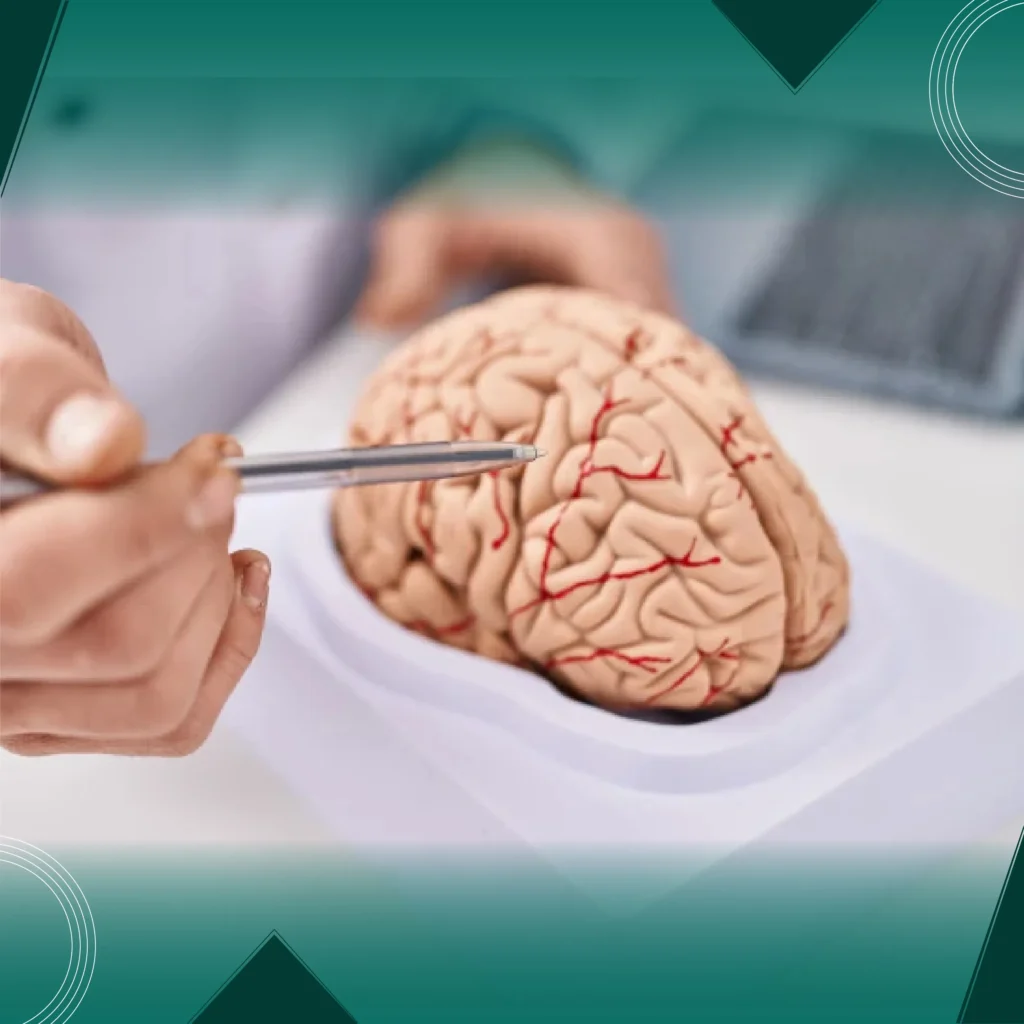

Cardiac Perfusion is a special area of medical technology that deals with helping a patient’s heart and lungs during open-heart surgery. During these procedures, the heart and lungs are stopped, and machines are used to keep blood and oxygen flowing through the body. The people who run these machines are called perfusionists, and they are an important part of the heart surgery team. They operate the Heart-Lung Machine and other important equipment to keep the patient safe.
In this program, students learn all about how the heart and lungs work, and how machines can take over their job during surgery. The course teaches both theory and practice, so students understand how to support patients during and after heart surgeries. Besides working in hospitals, graduates can also work in research, teaching, or in companies that make medical devices.
Because there is a big demand for trained perfusionists both in Pakistan and around the world, Ziauddin University started the BS in Medical Technology – Cardiac Perfusion. This degree includes strong classroom learning, hands-on training in labs, research work, and time spent watching real surgeries in hospitals.
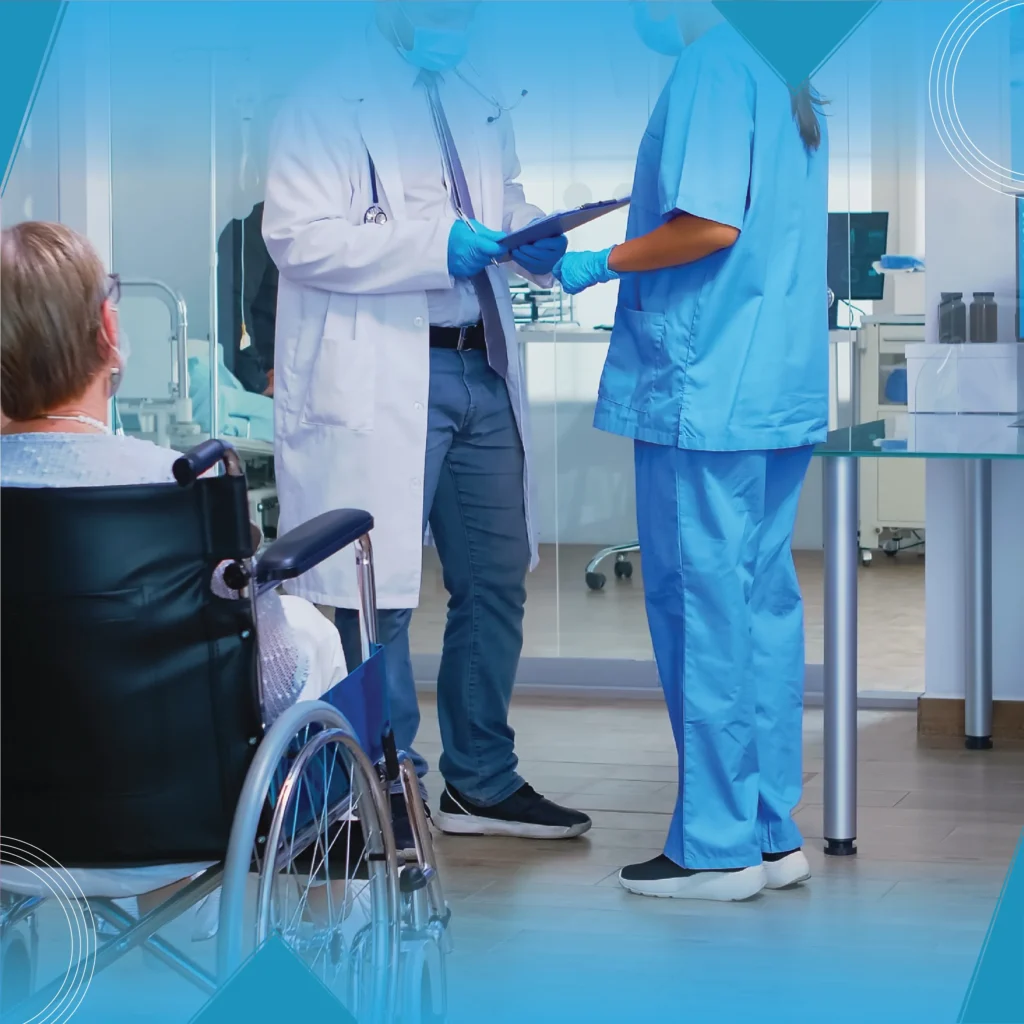
Students get a chance to watch surgeries in Ziauddin Hospital and other healthcare sites. These are called observerships, where students stand beside professional perfusionists and watch them work during heart surgeries. This helps students see how everything works in the operation theatre—like the machines, the steps taken during surgery, and how the team works together. They observe important heart surgeries and understand how to manage a patient’s heart and lungs before, during, and after surgery.
During observerships, students also learn how to work in a real hospital environment, use perfusion tools, and work well with doctors and nurses. This experience helps them move smoothly from learning in classrooms to working in real hospitals, making them ready for their future careers.