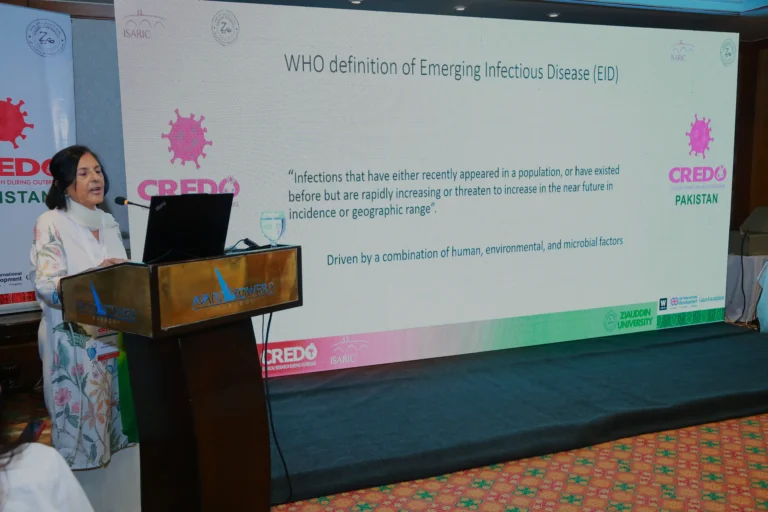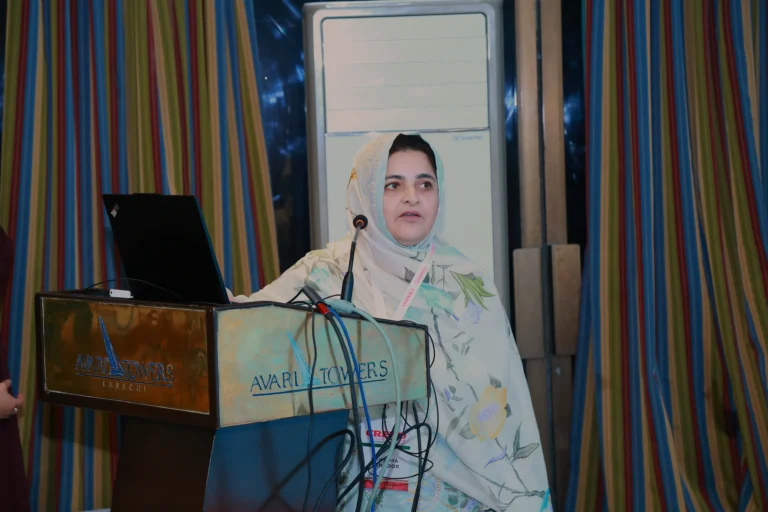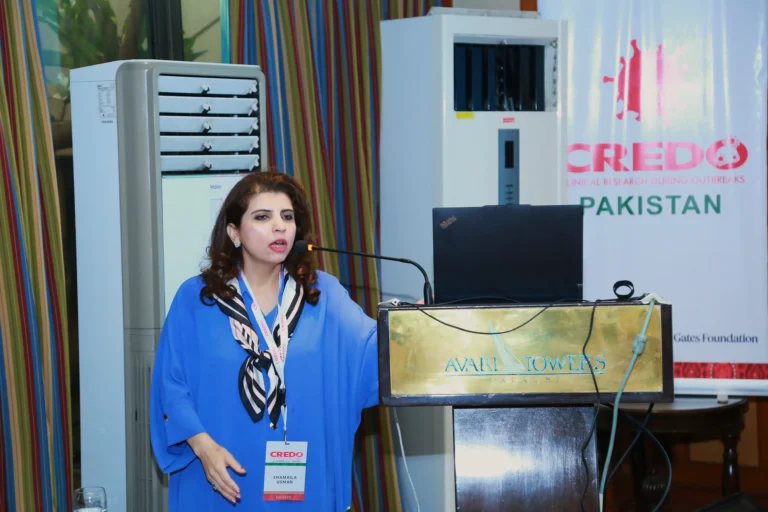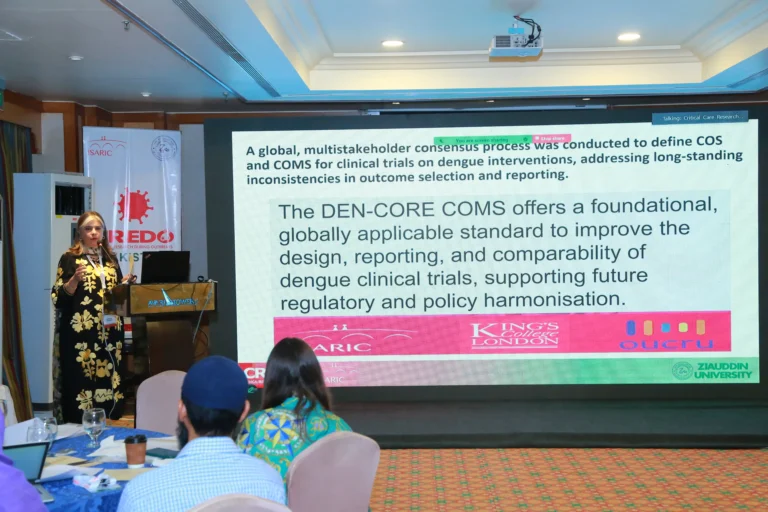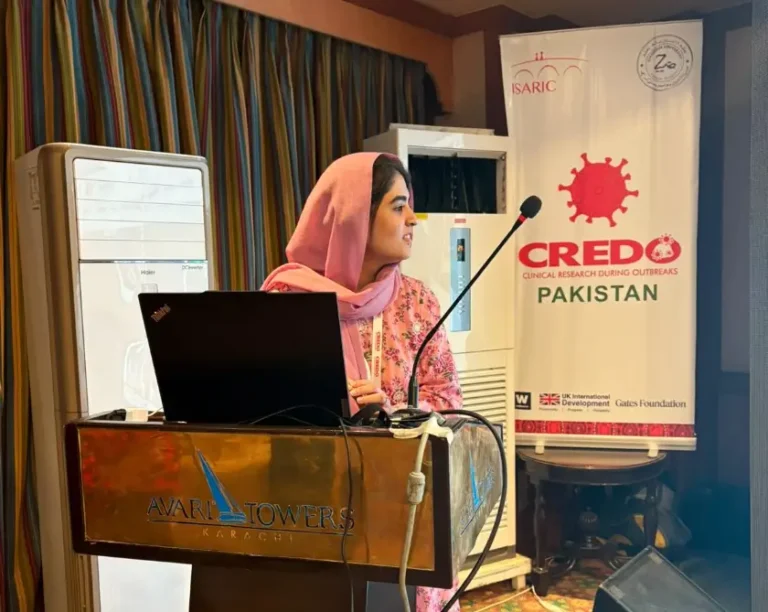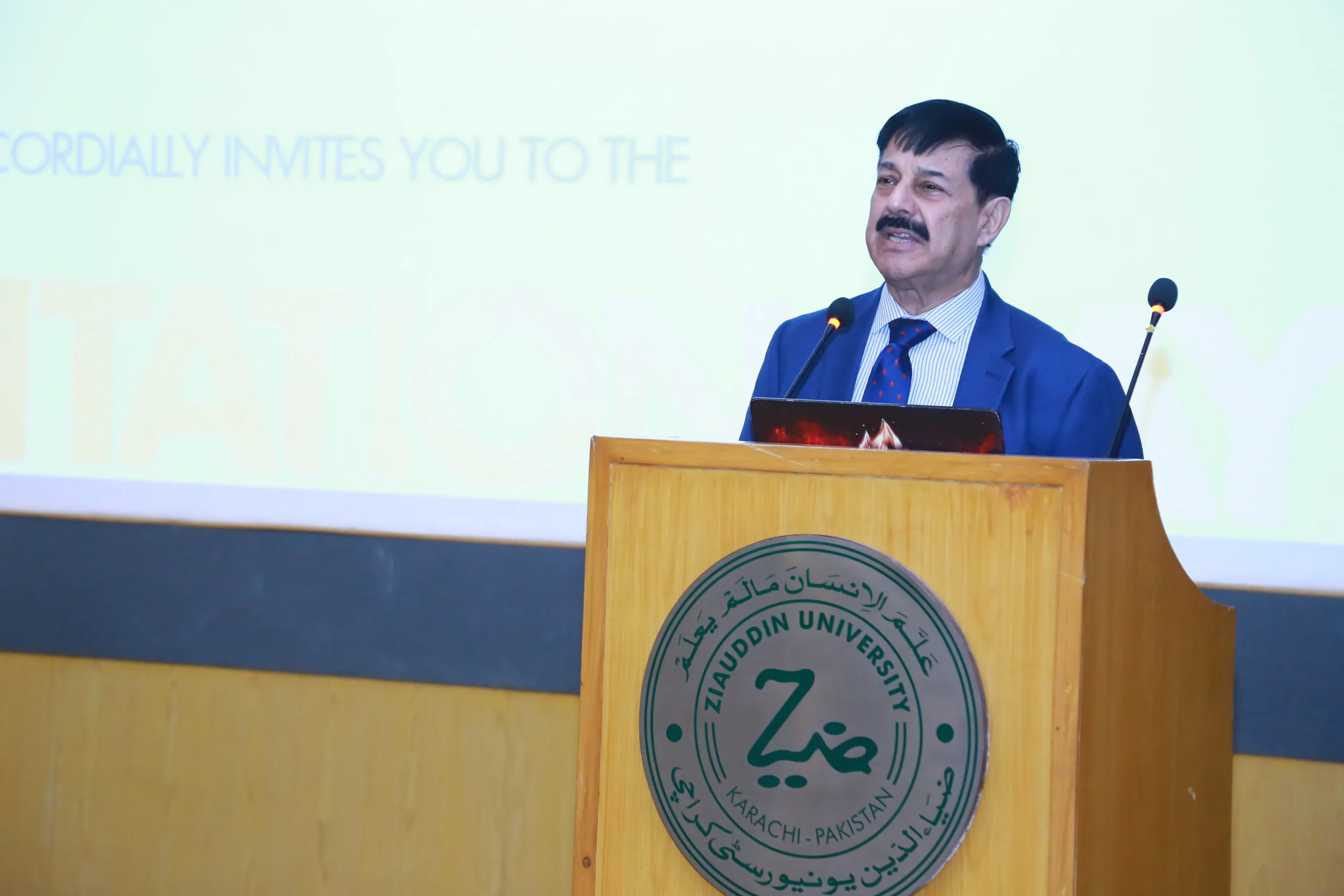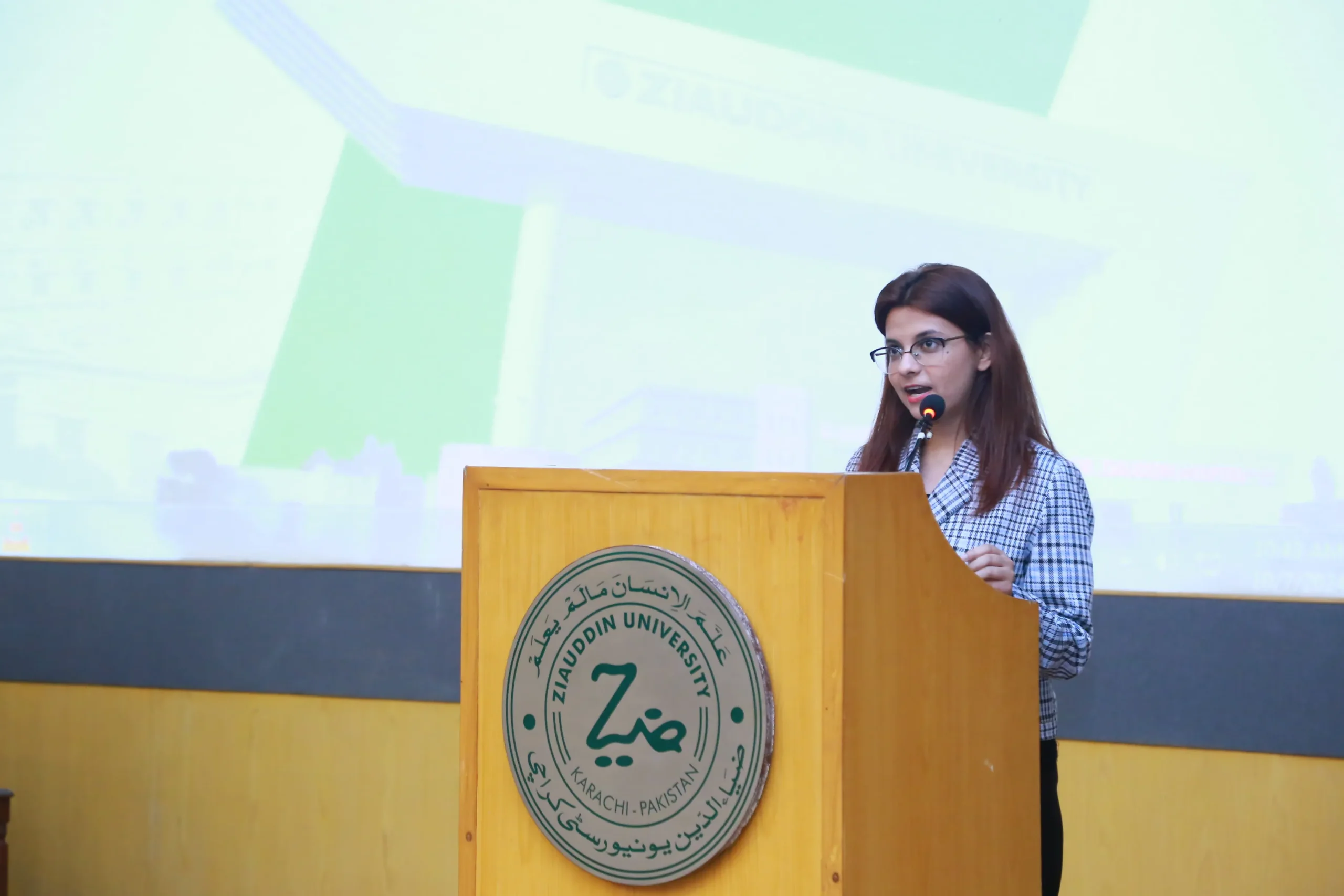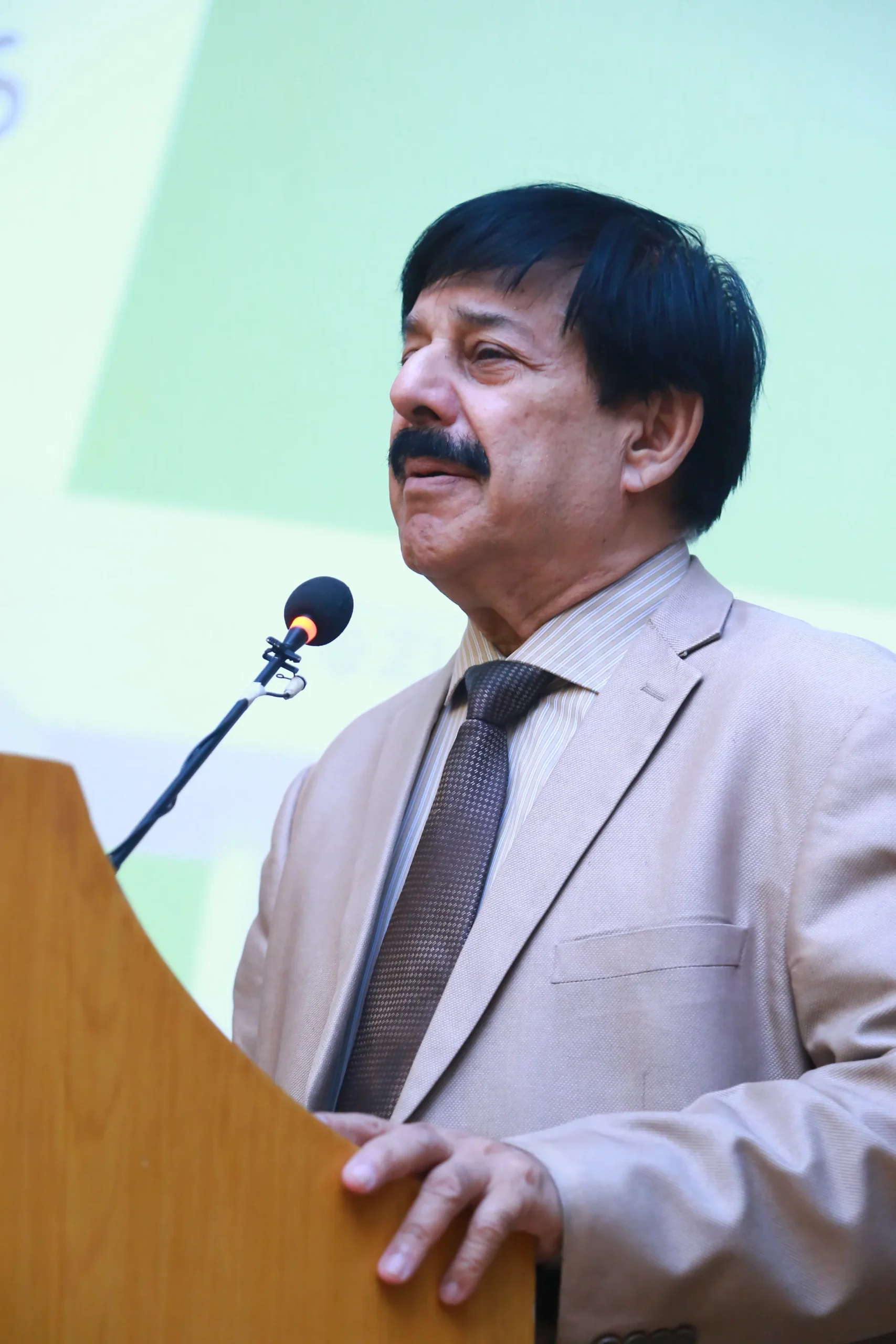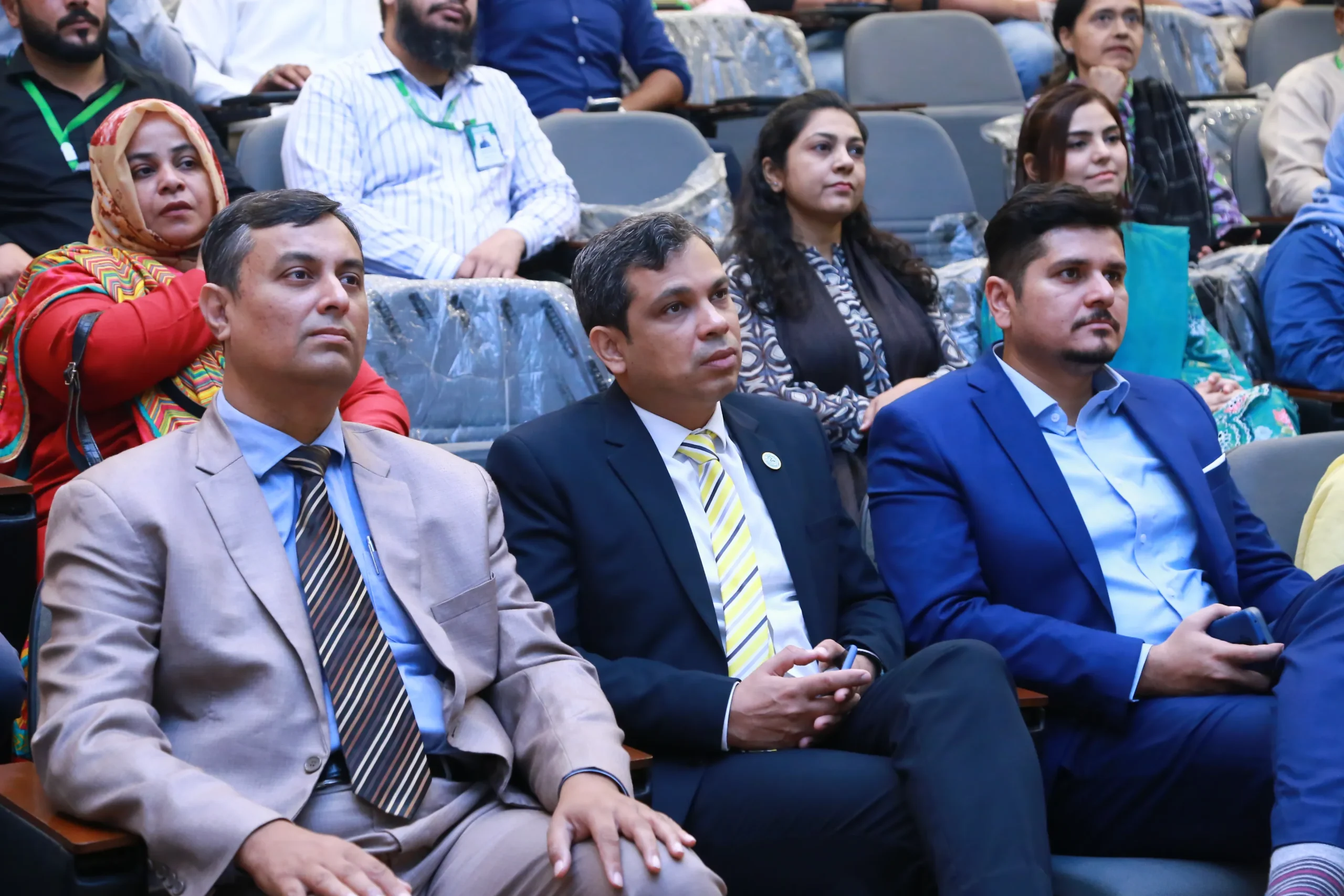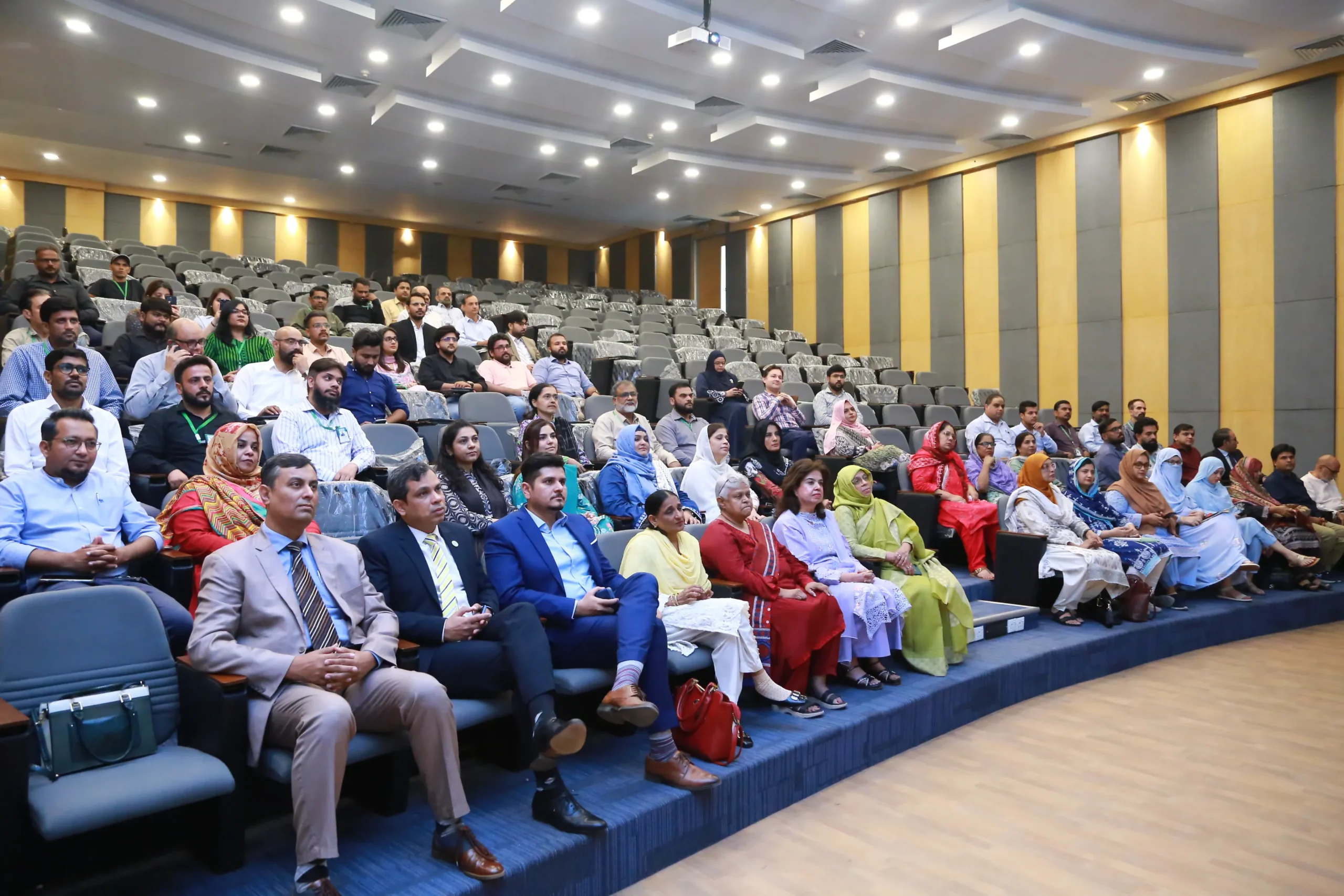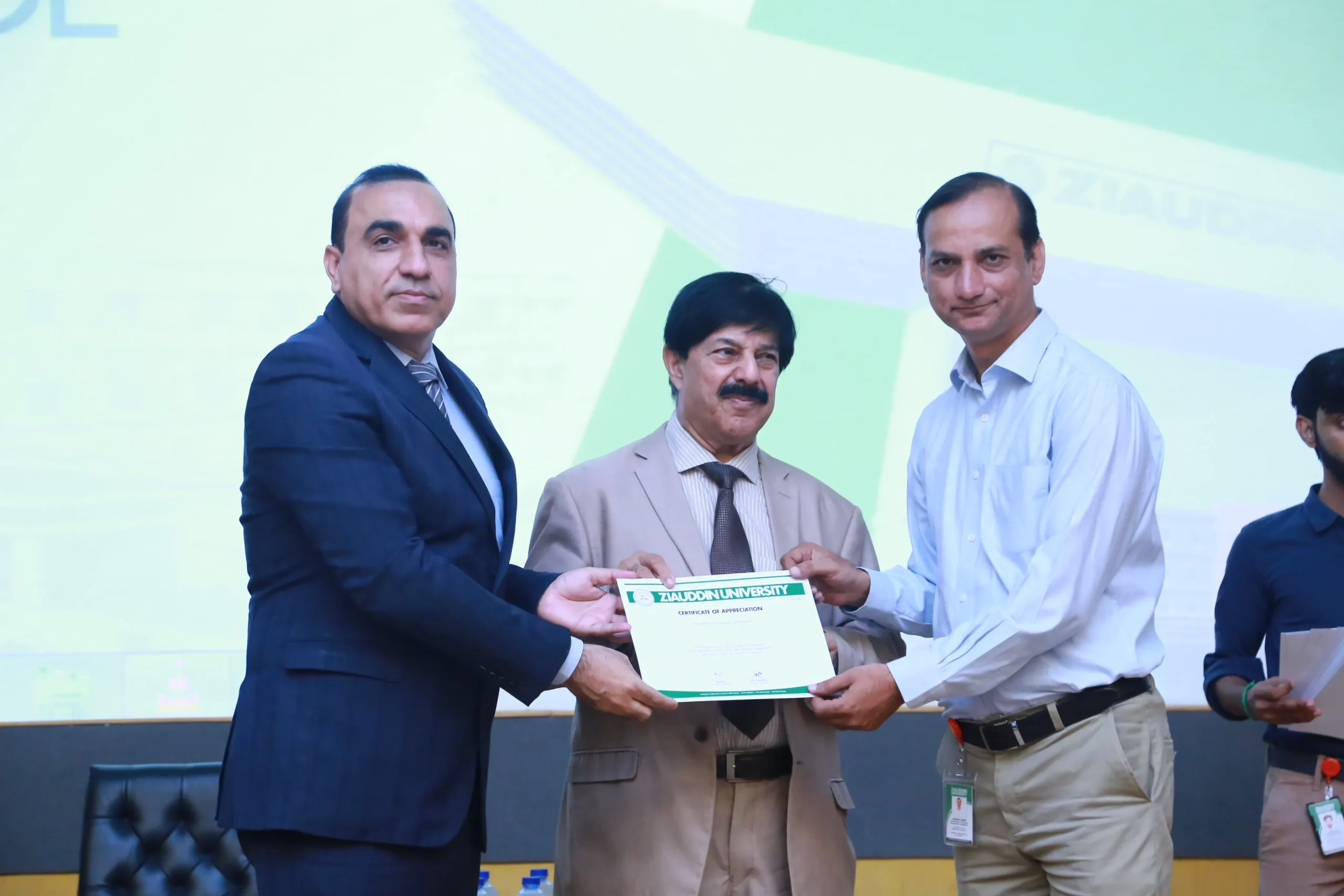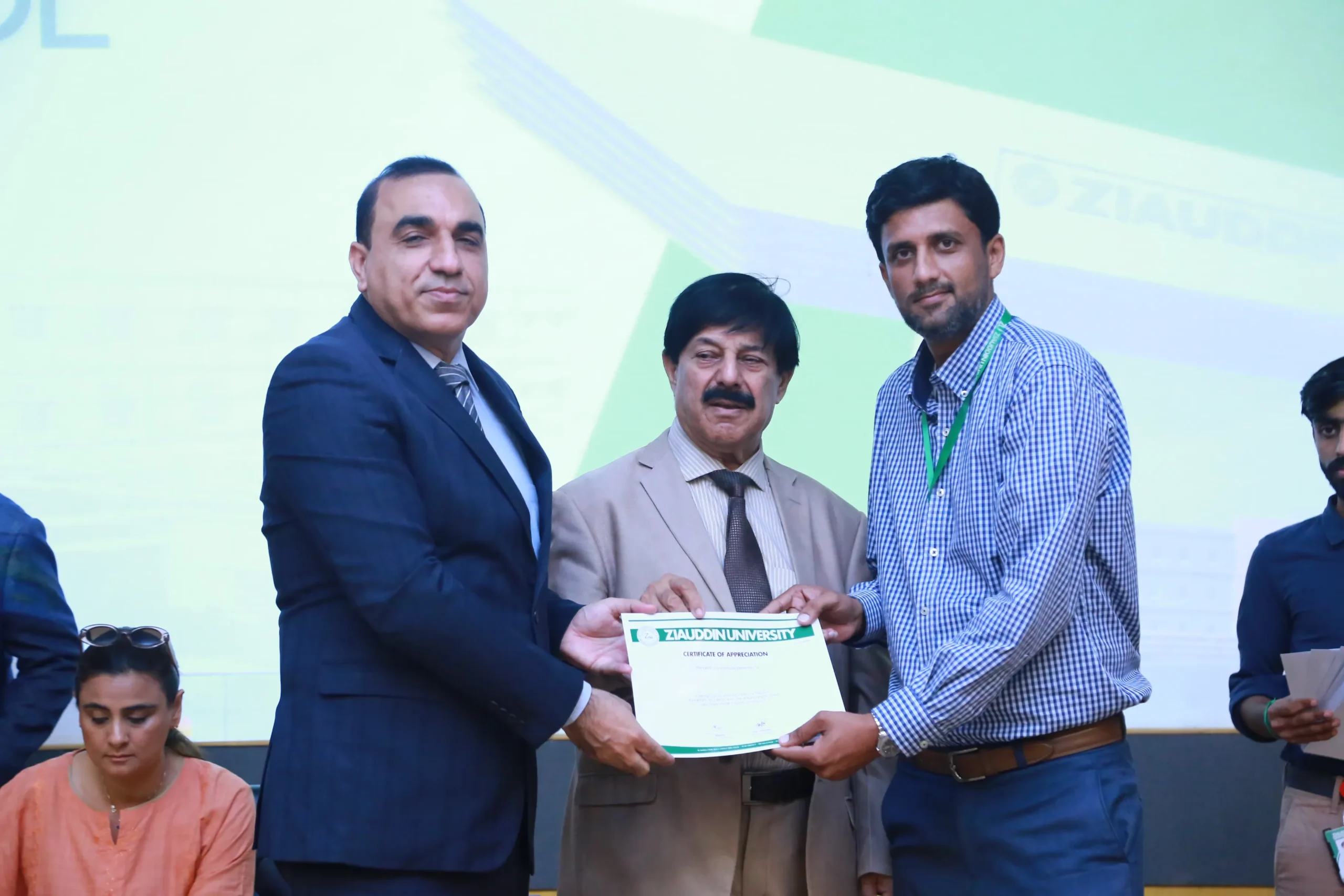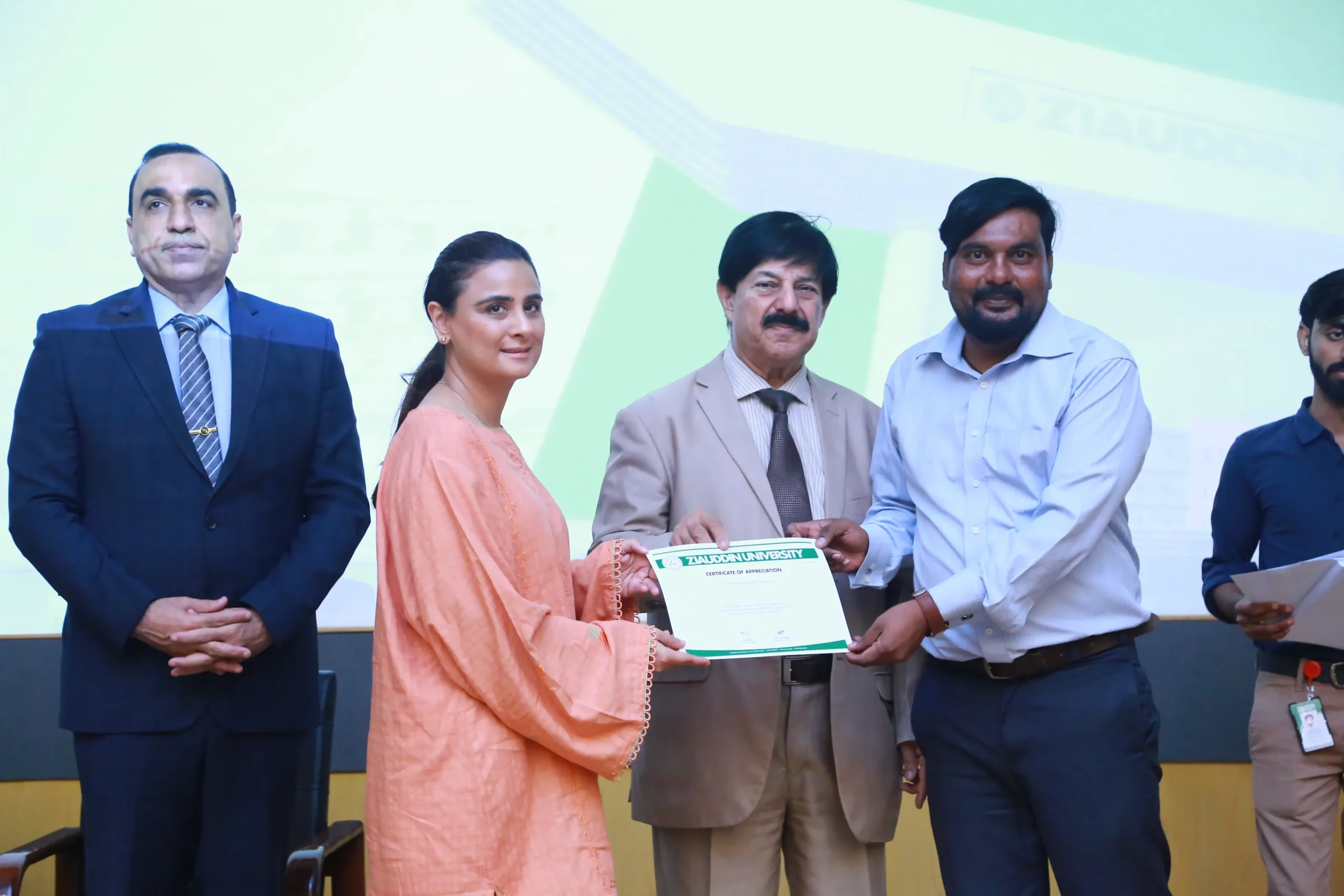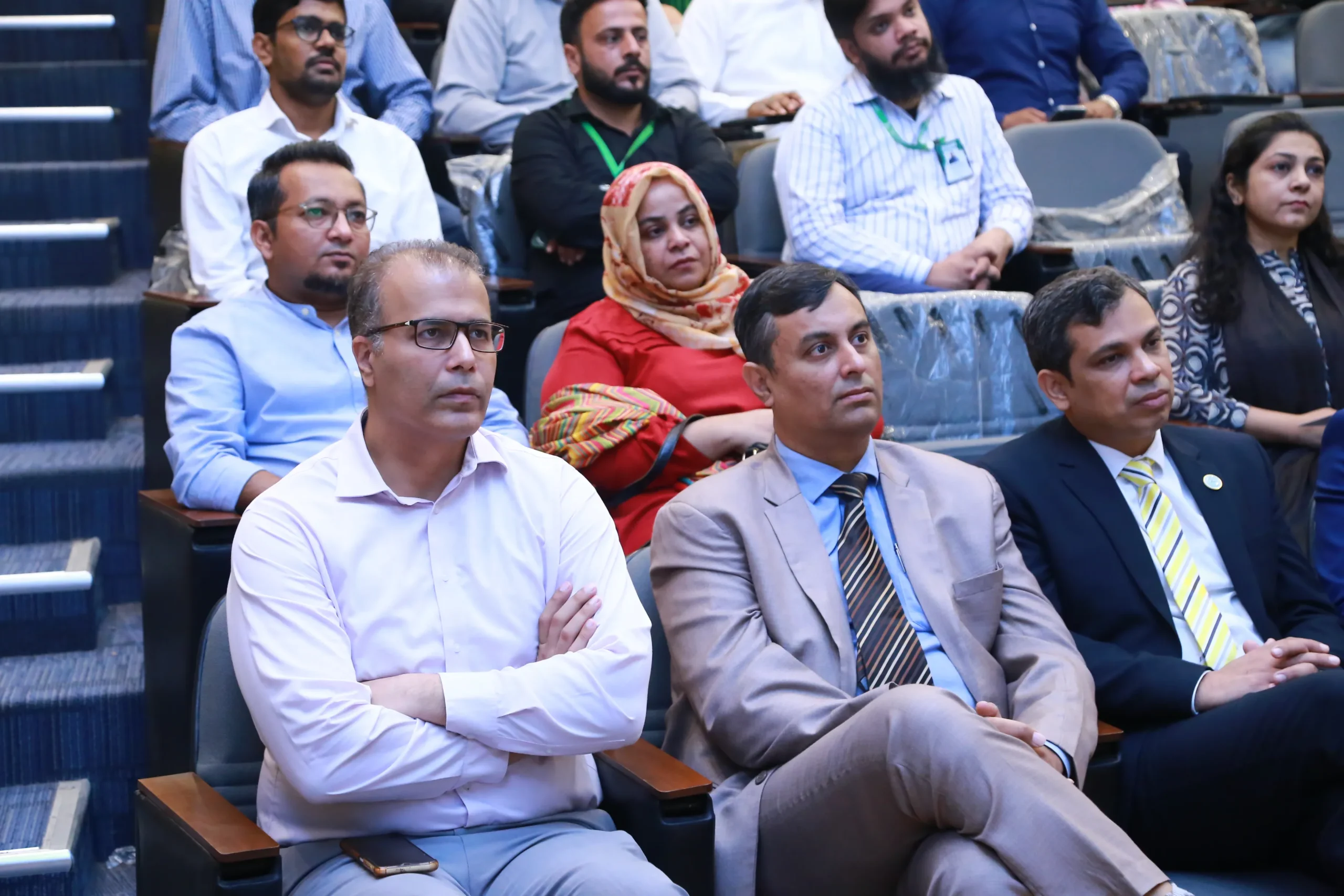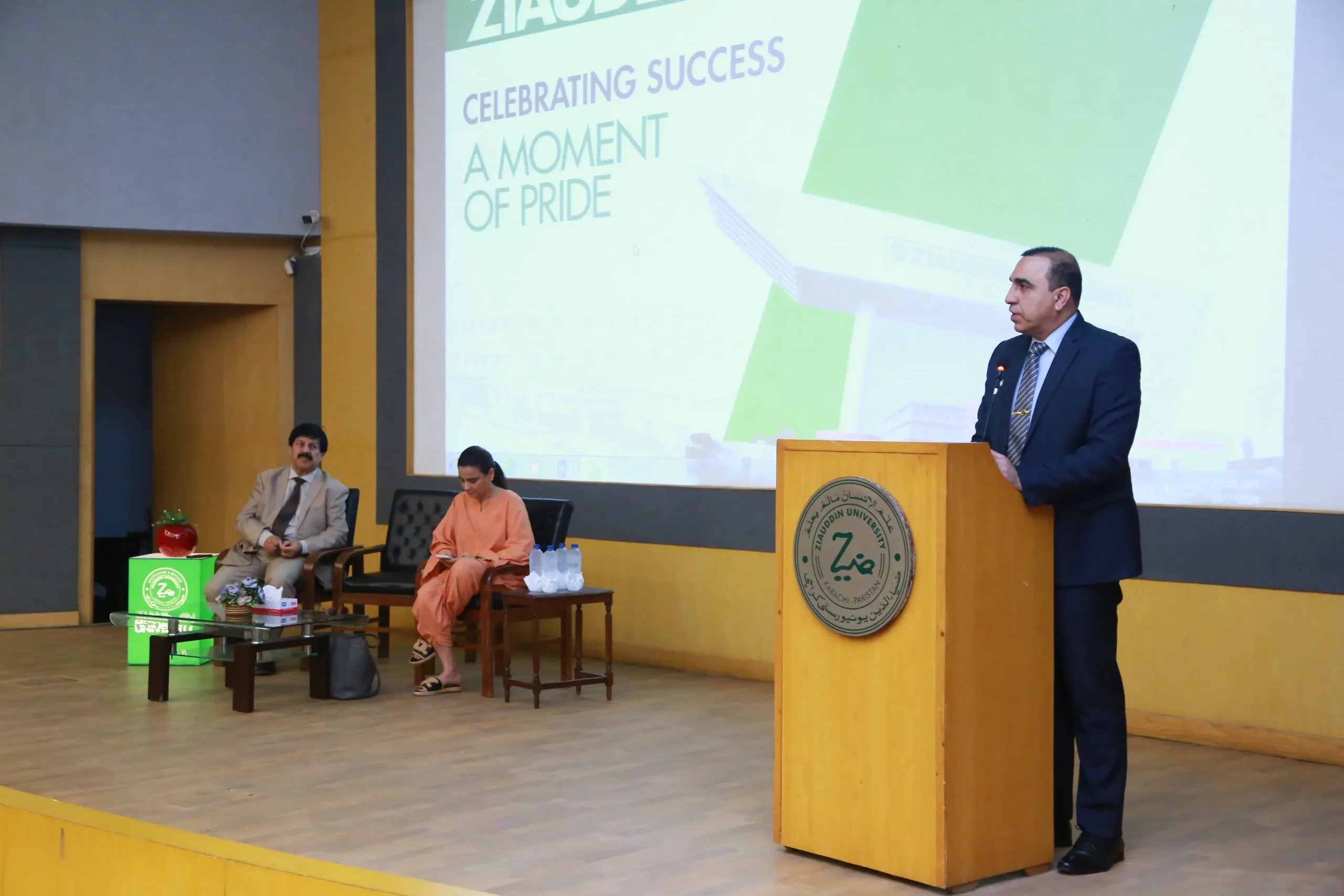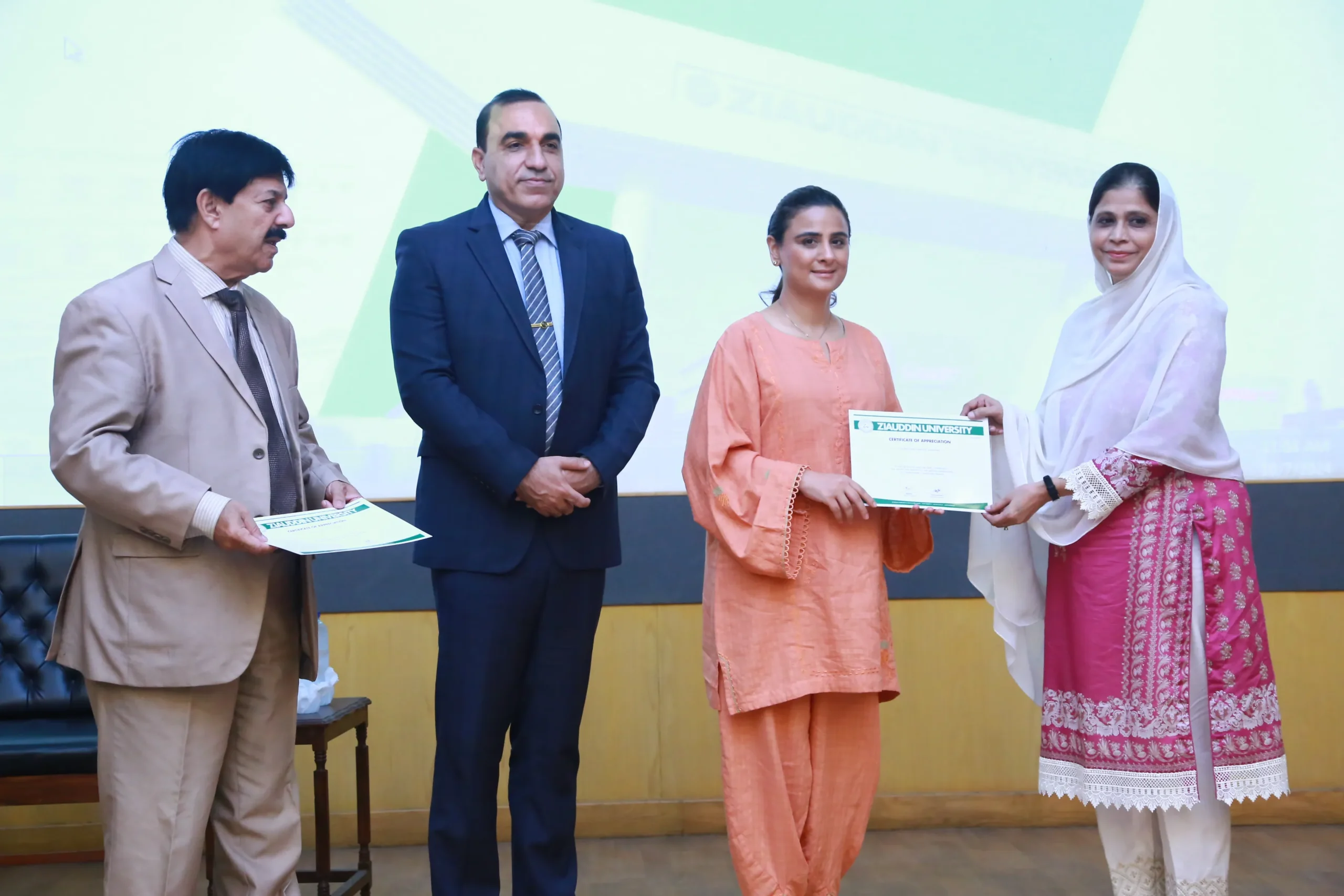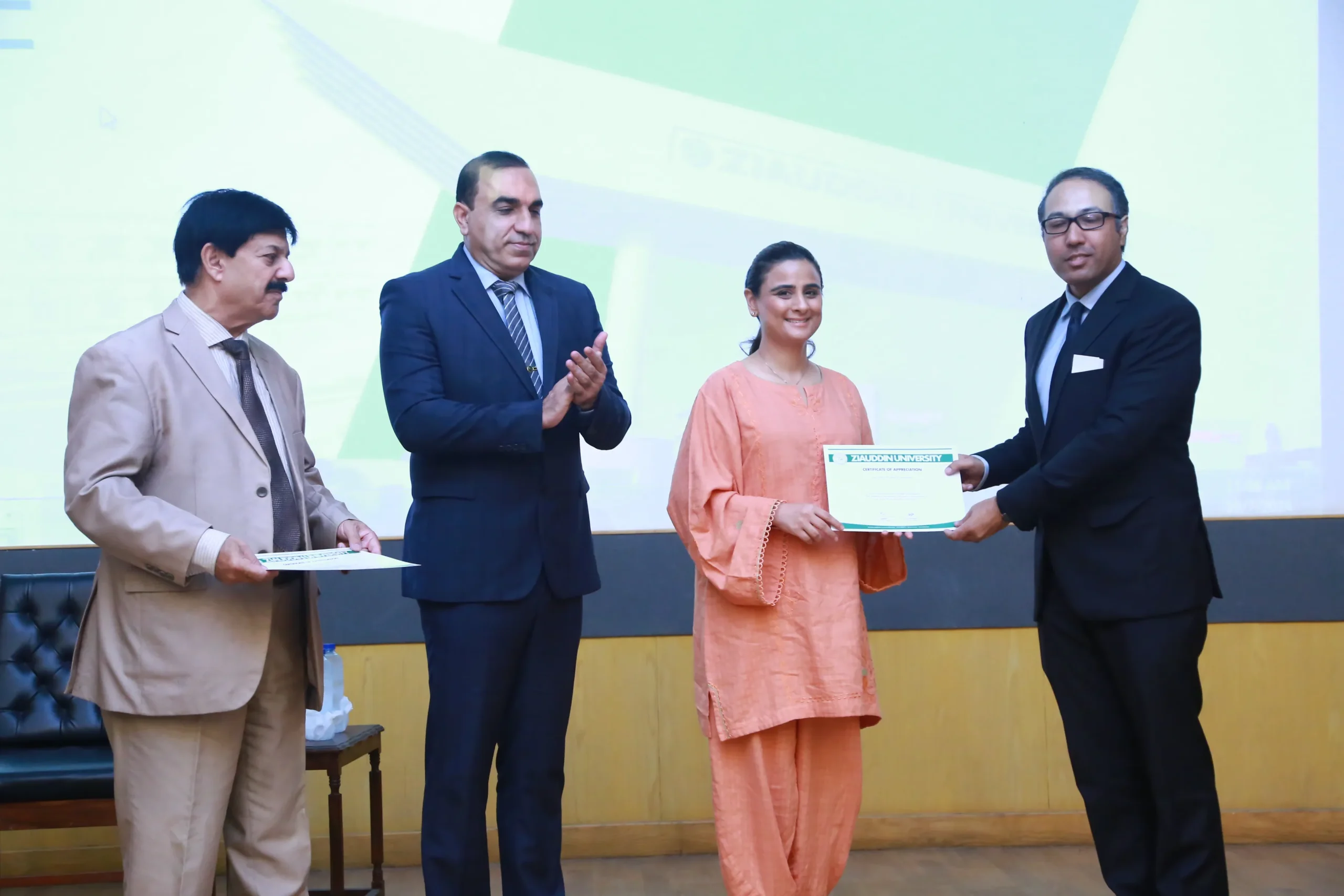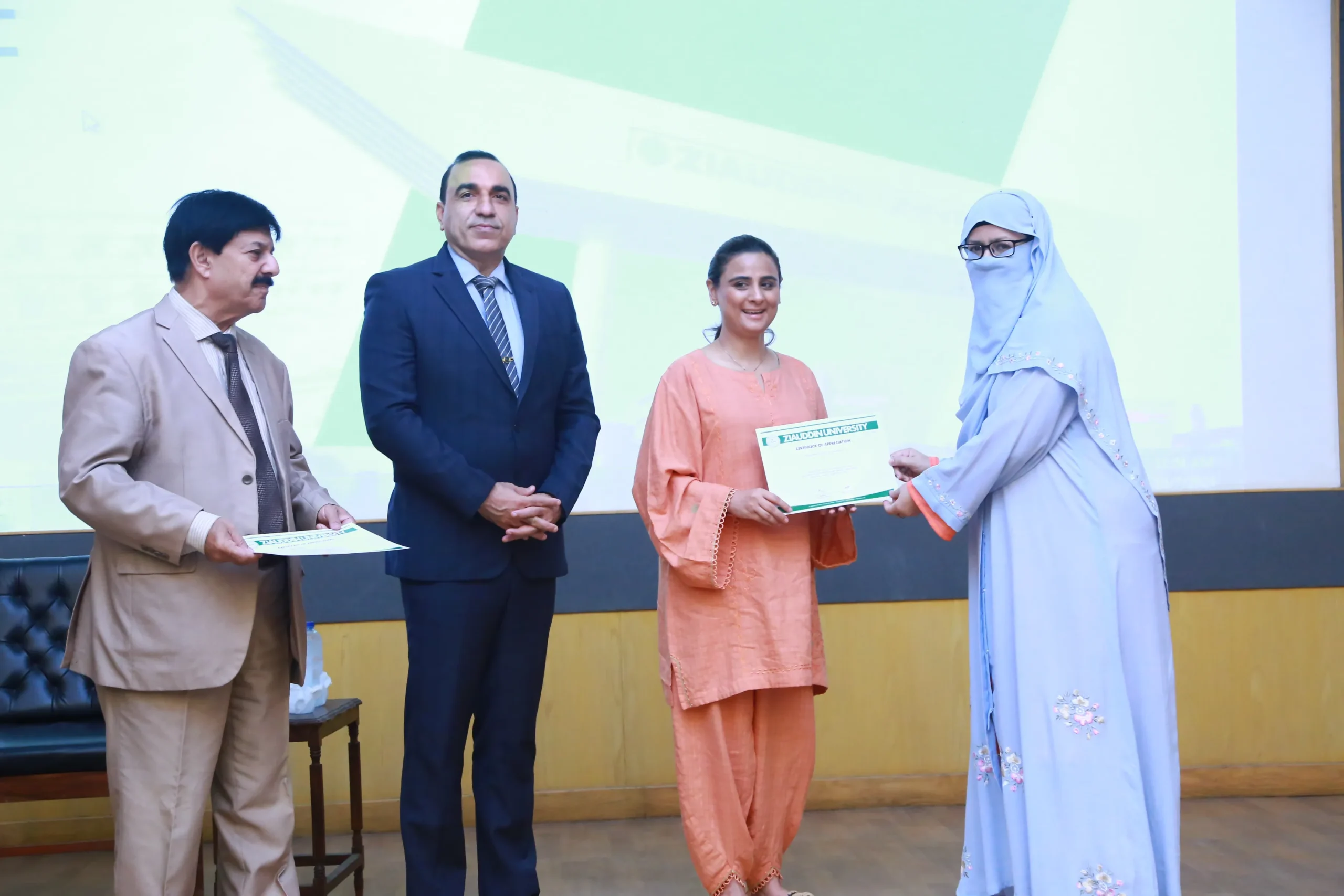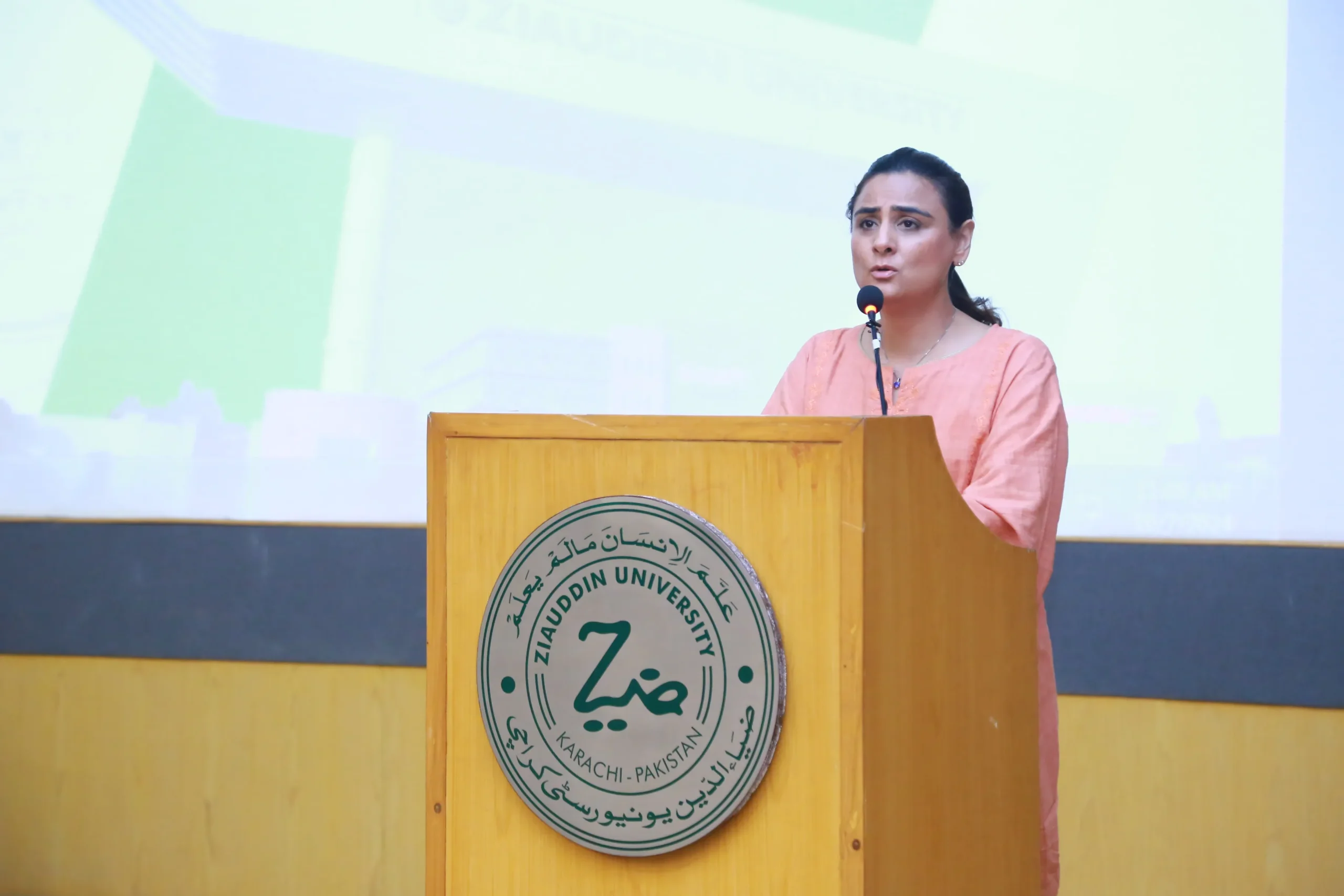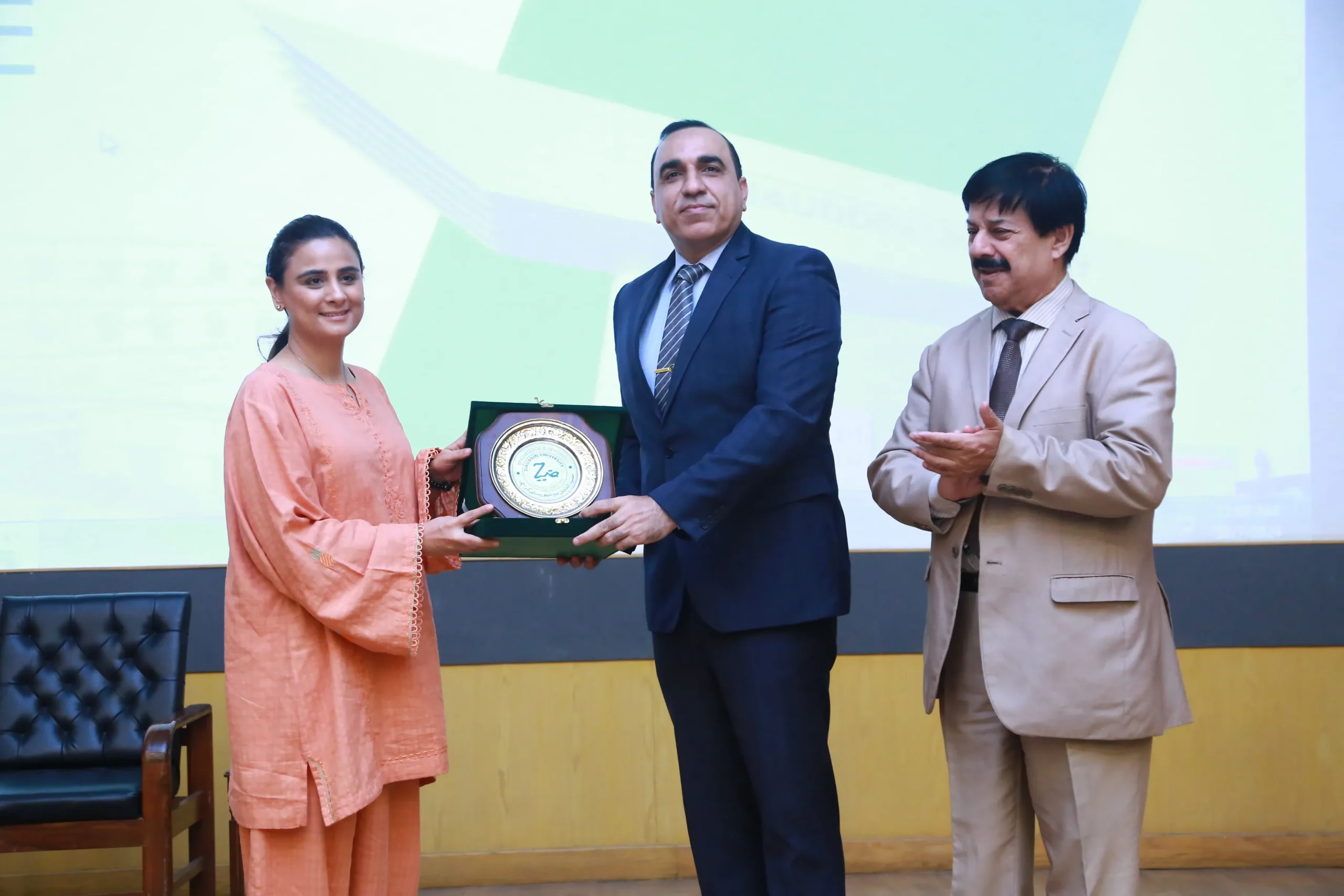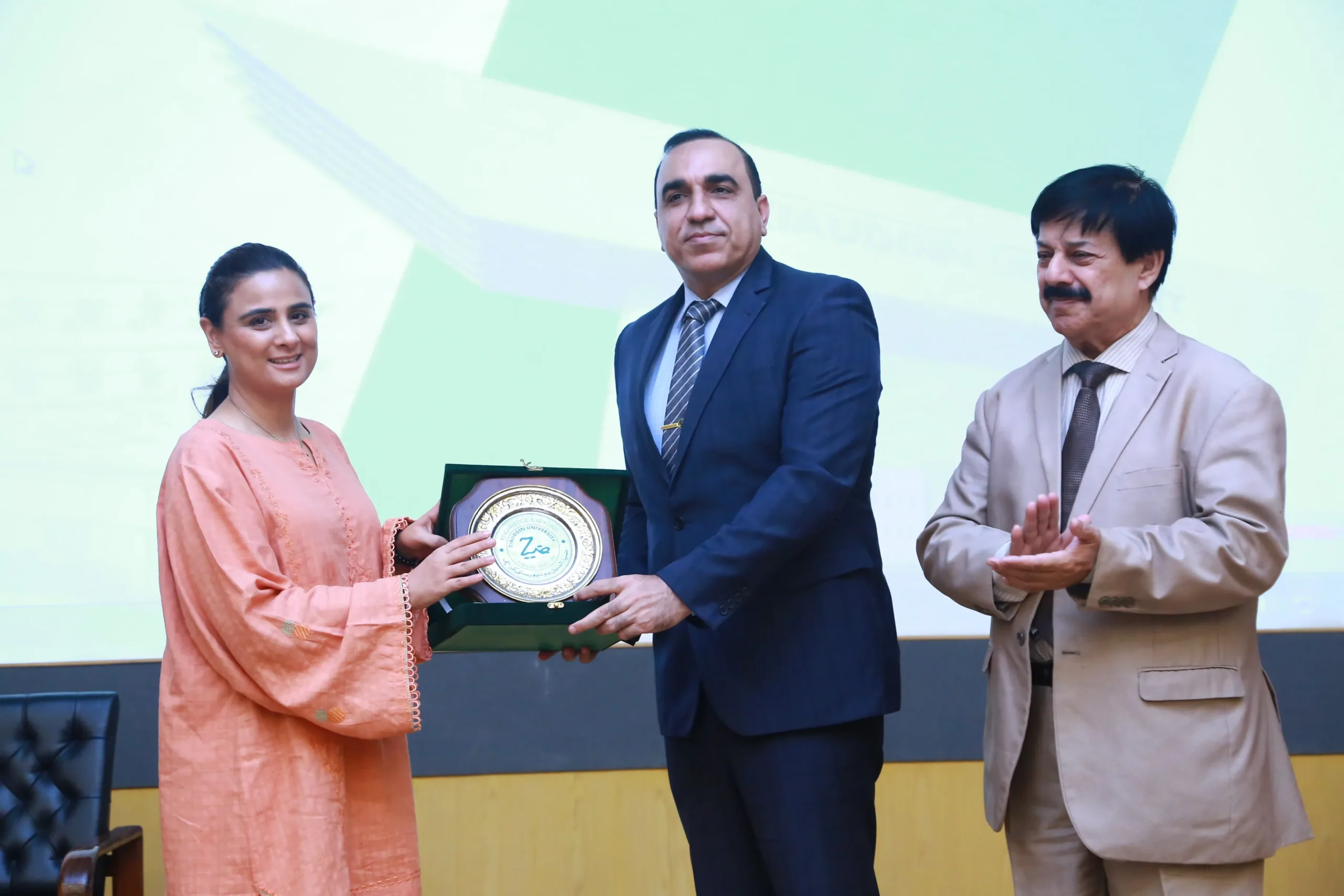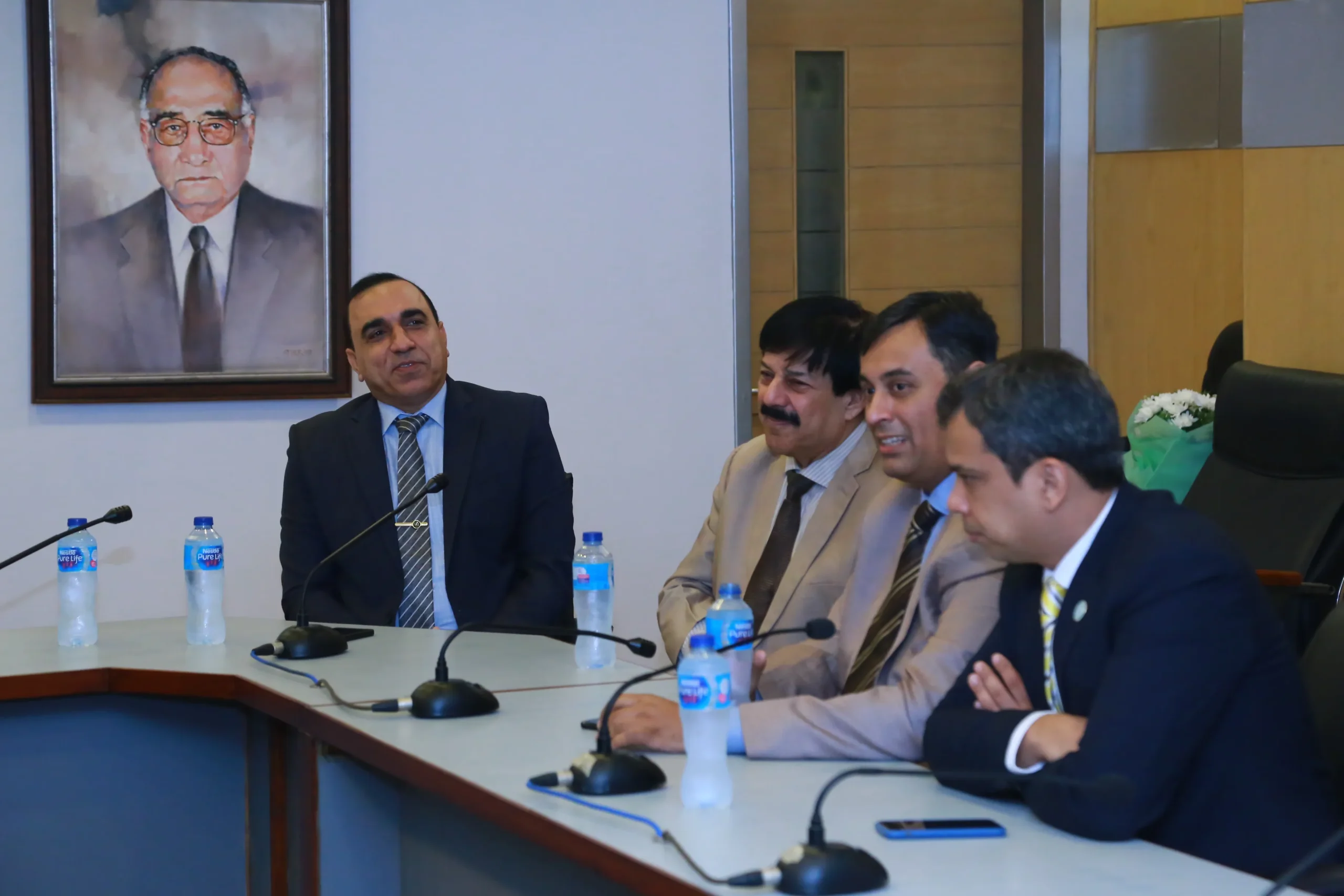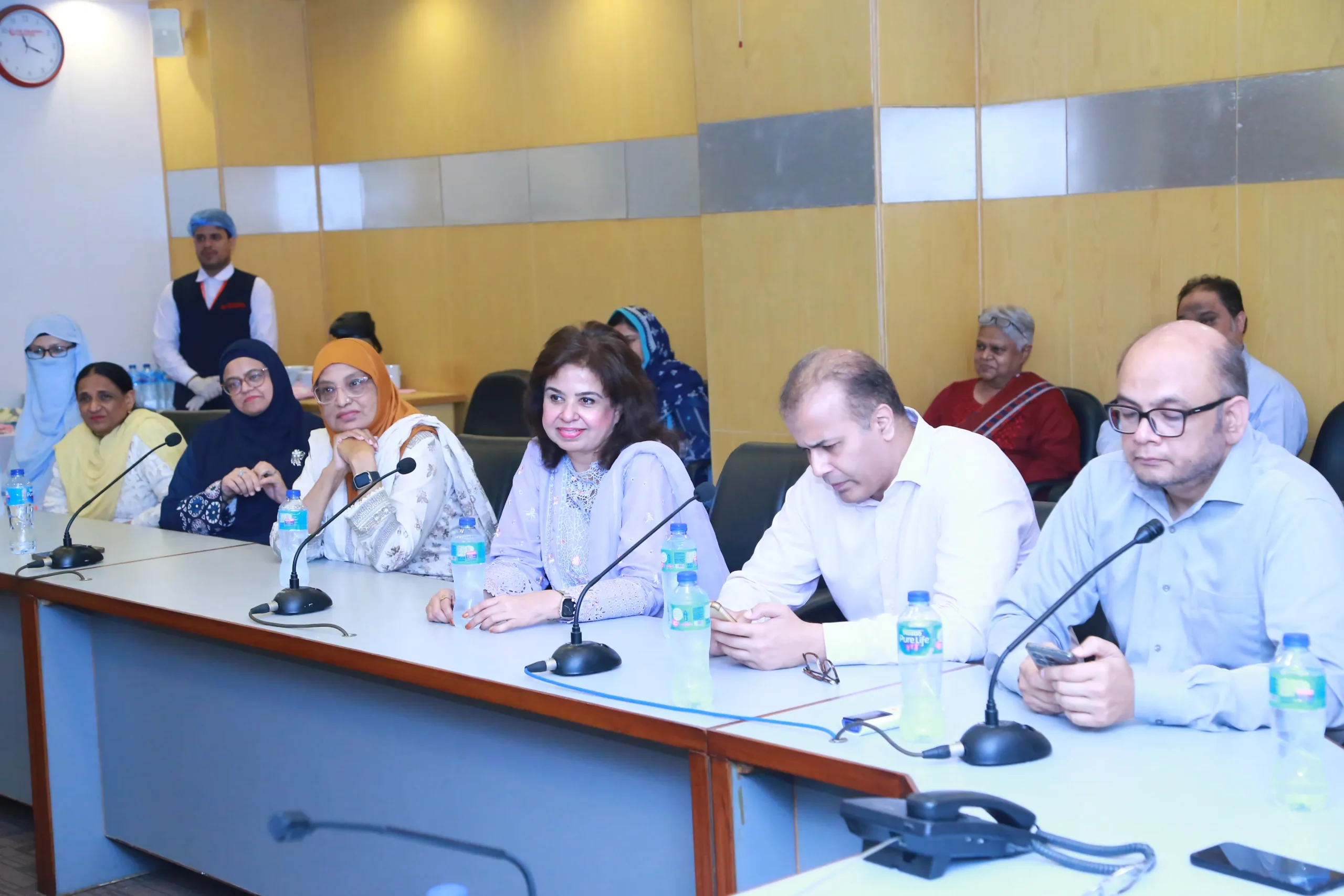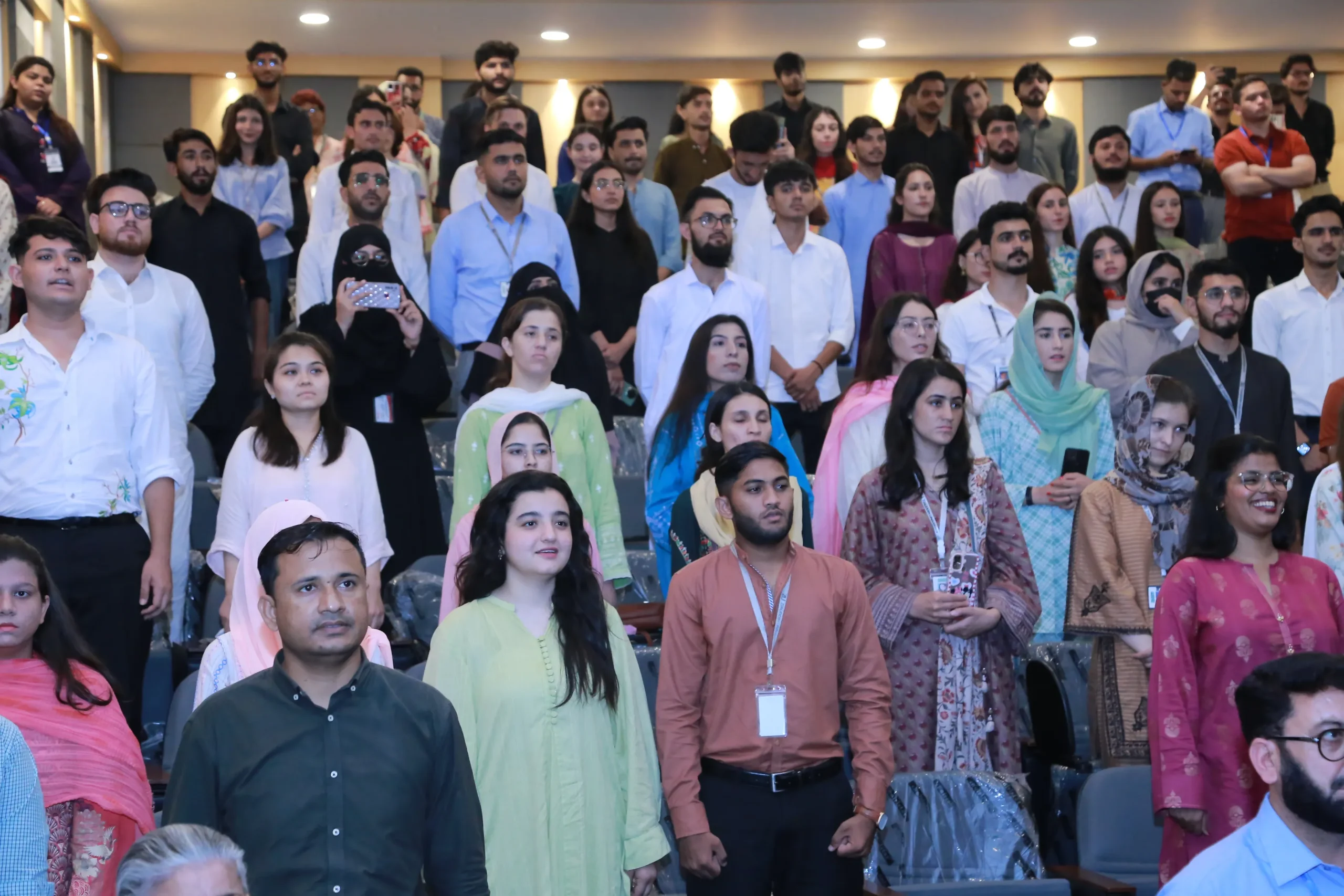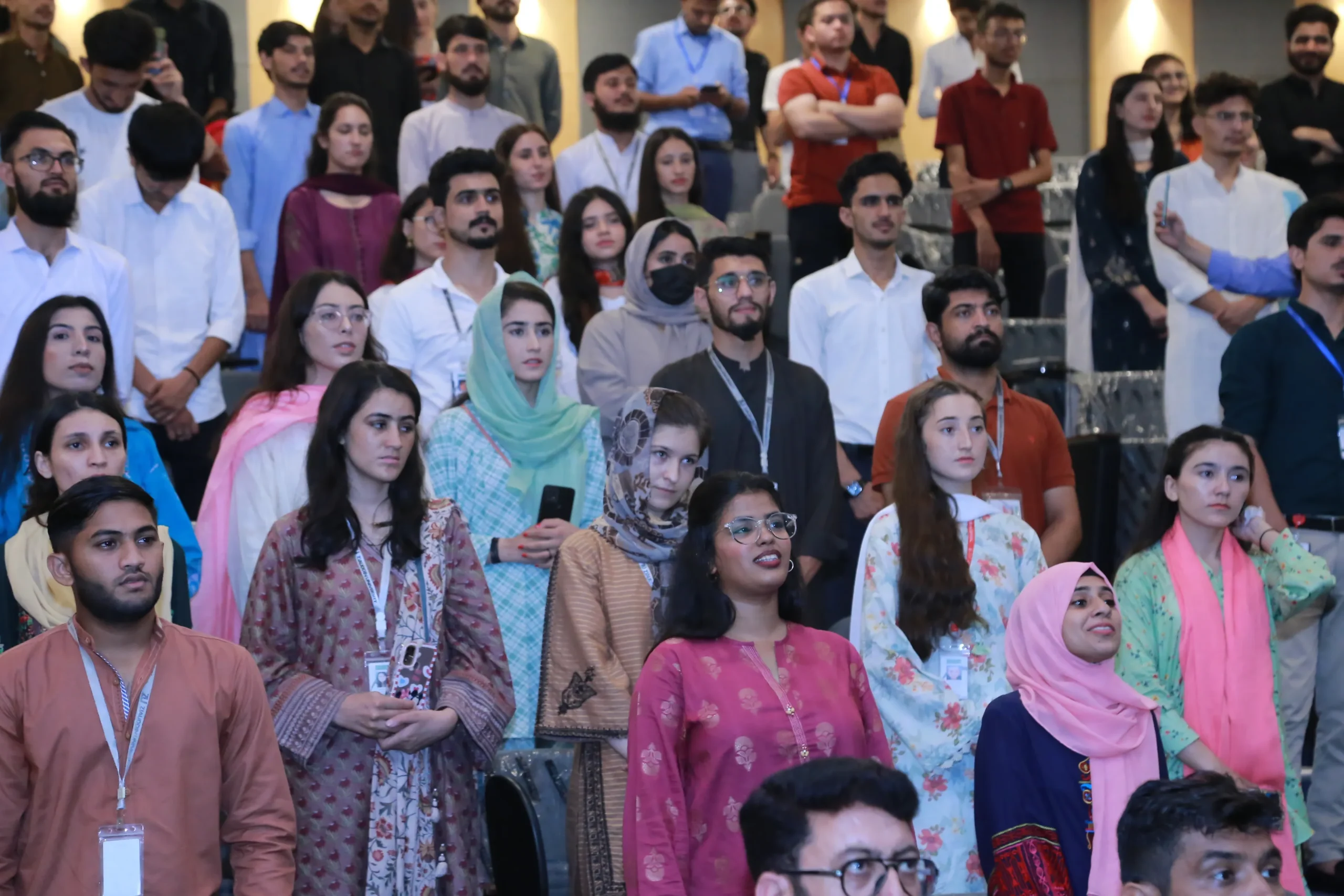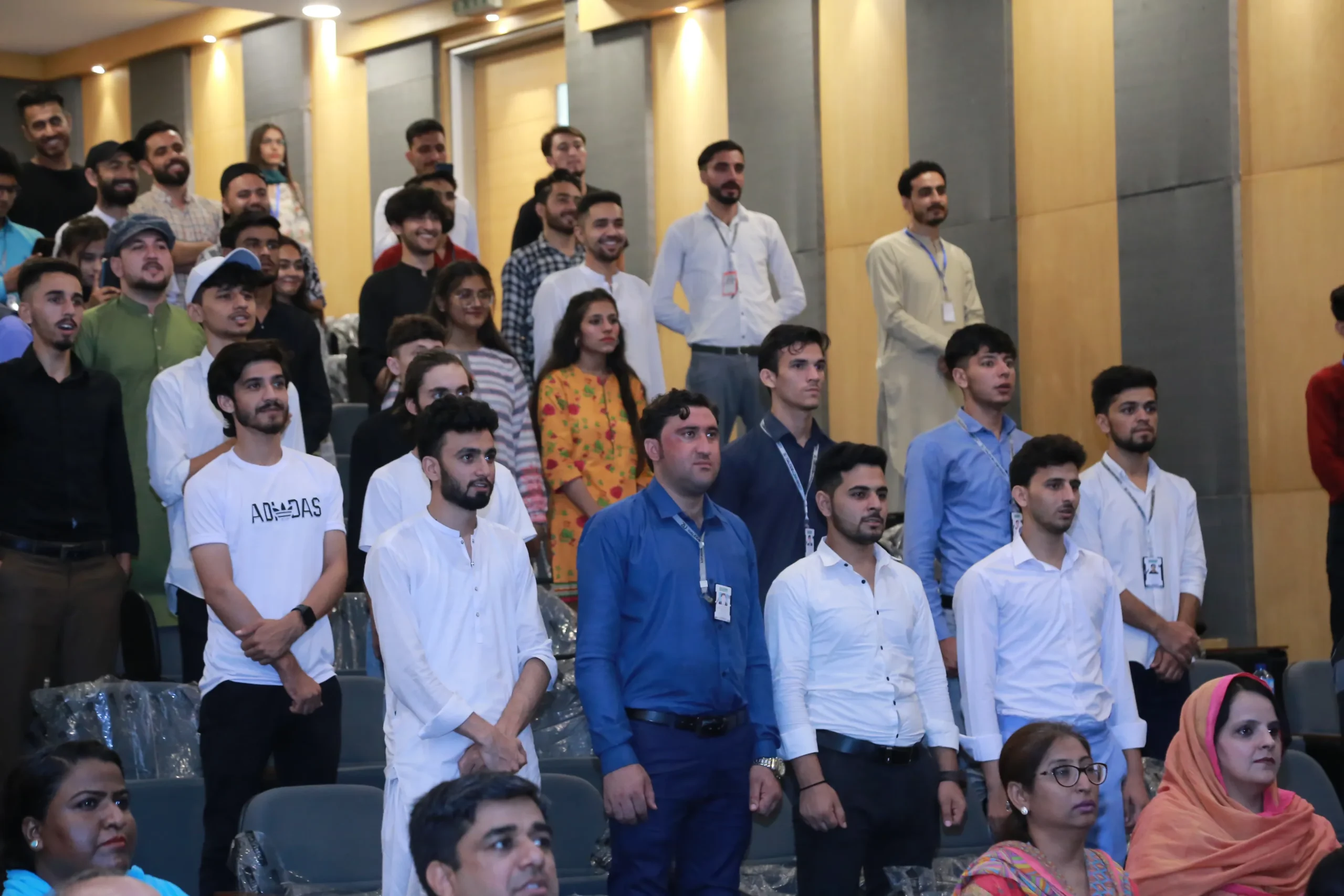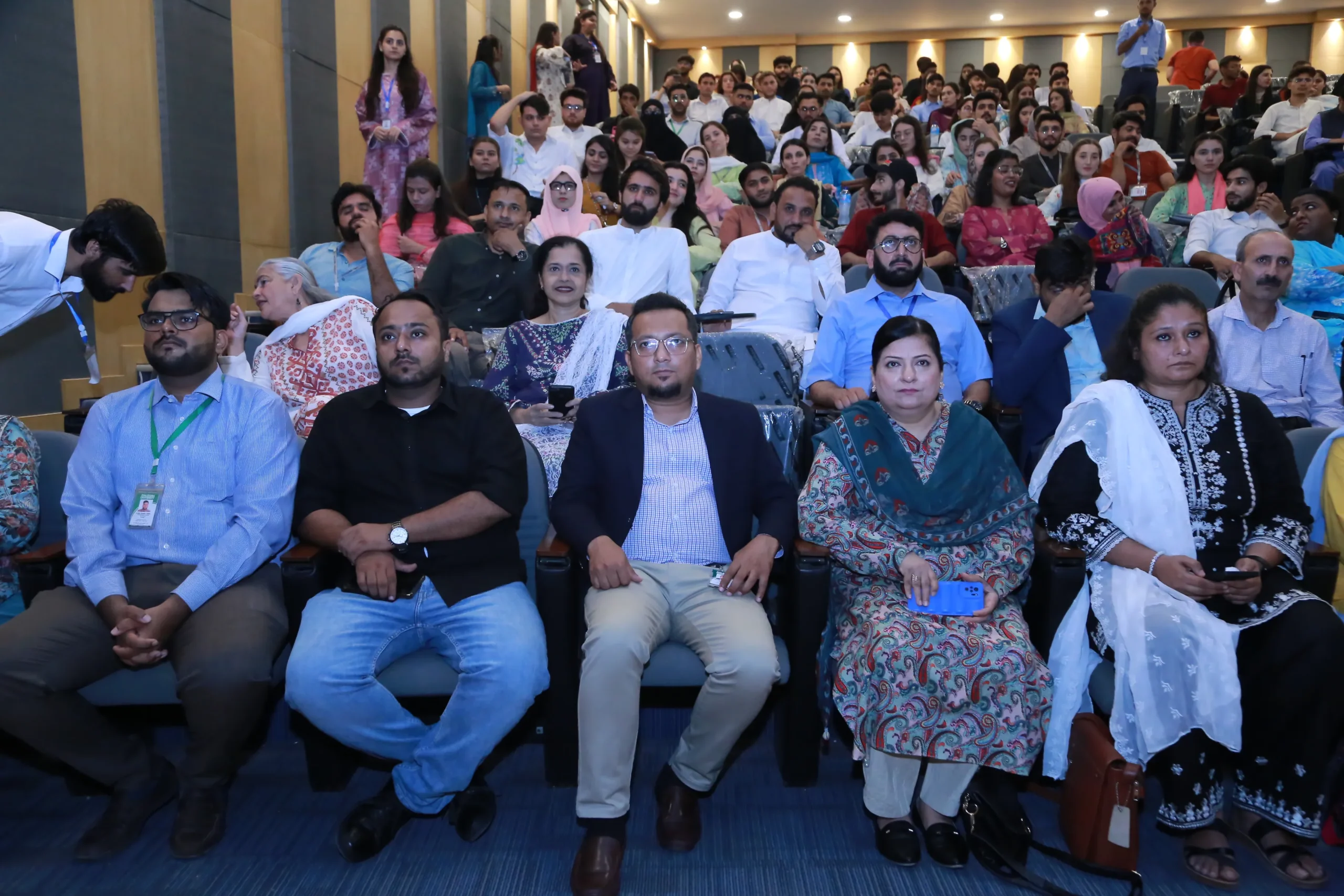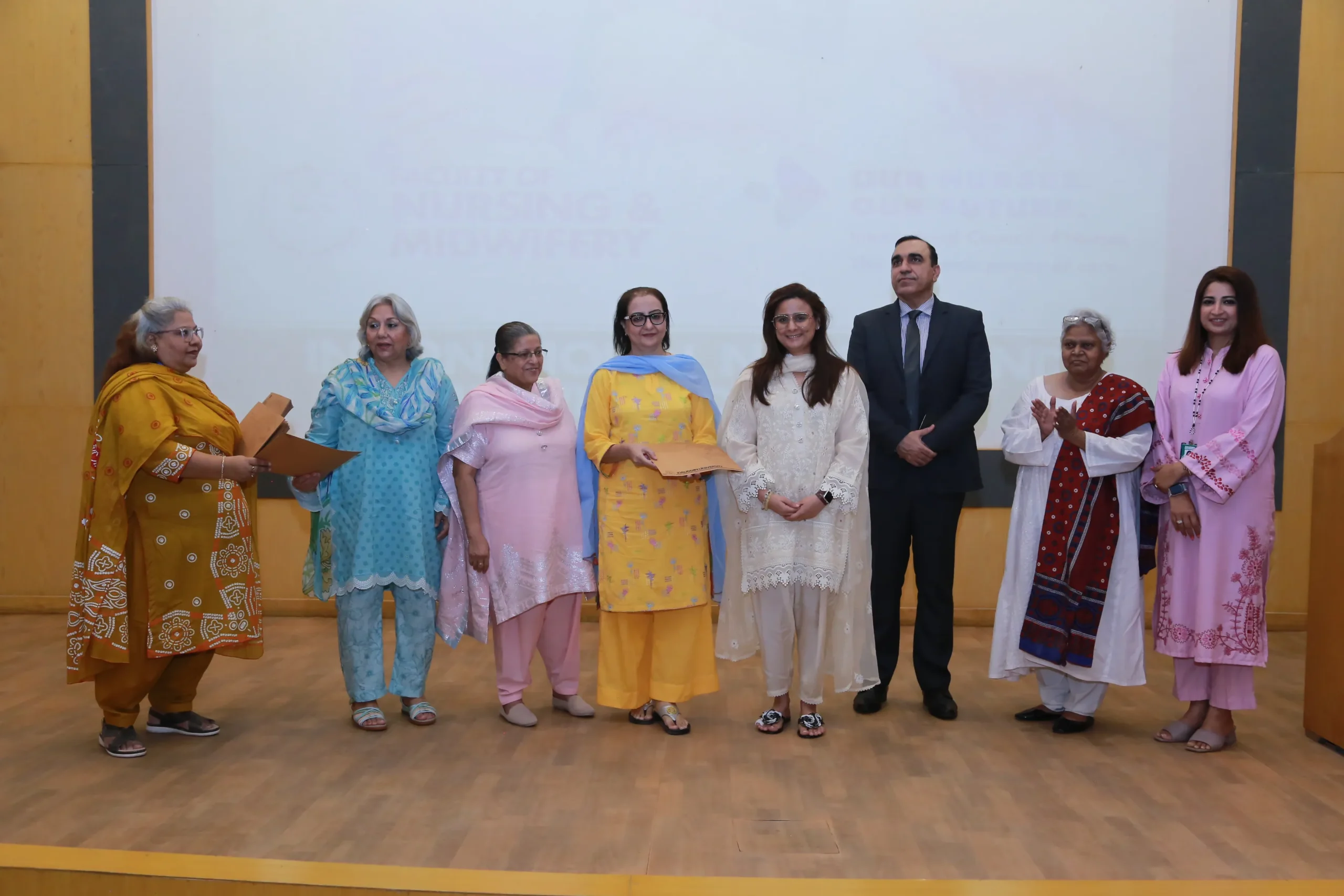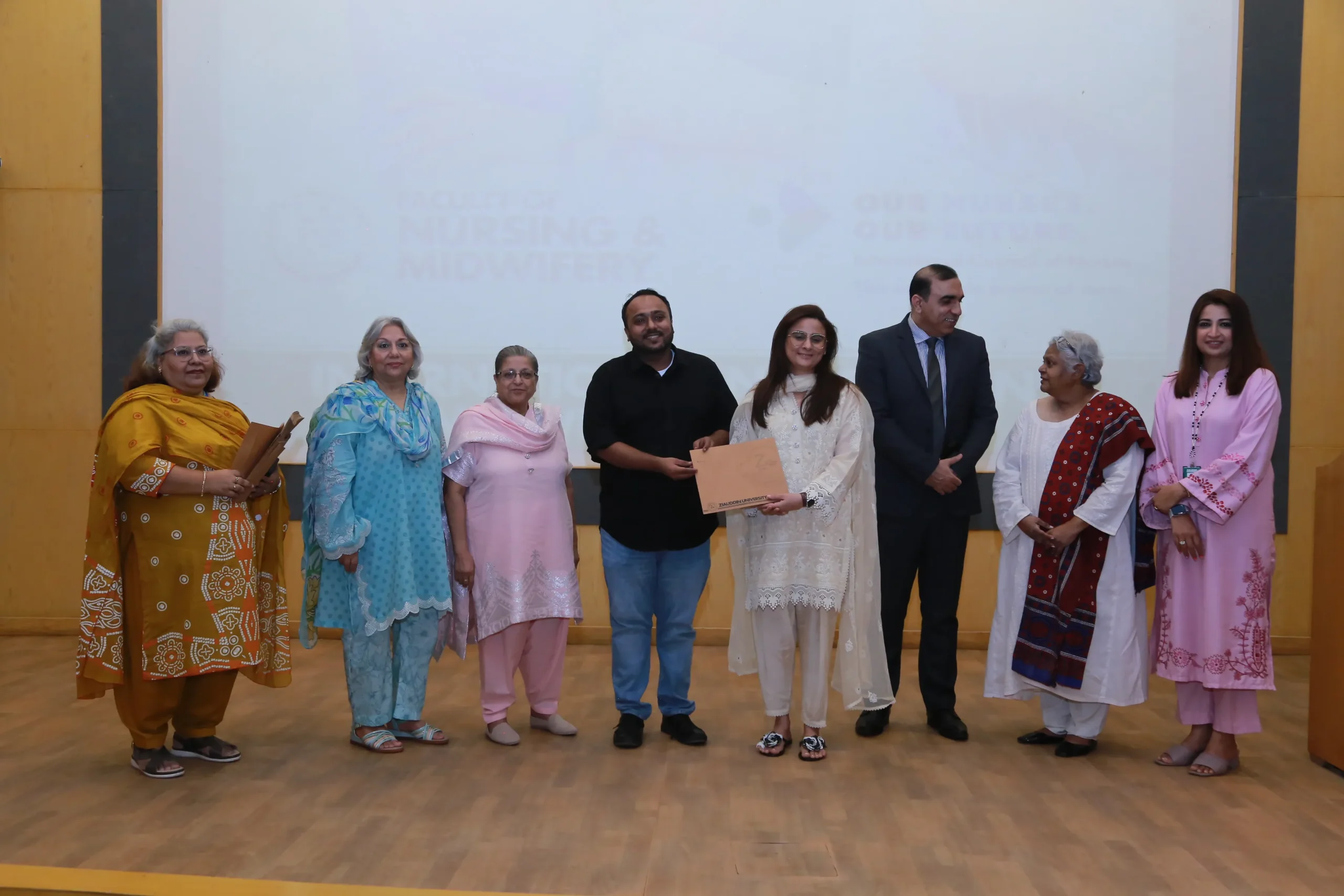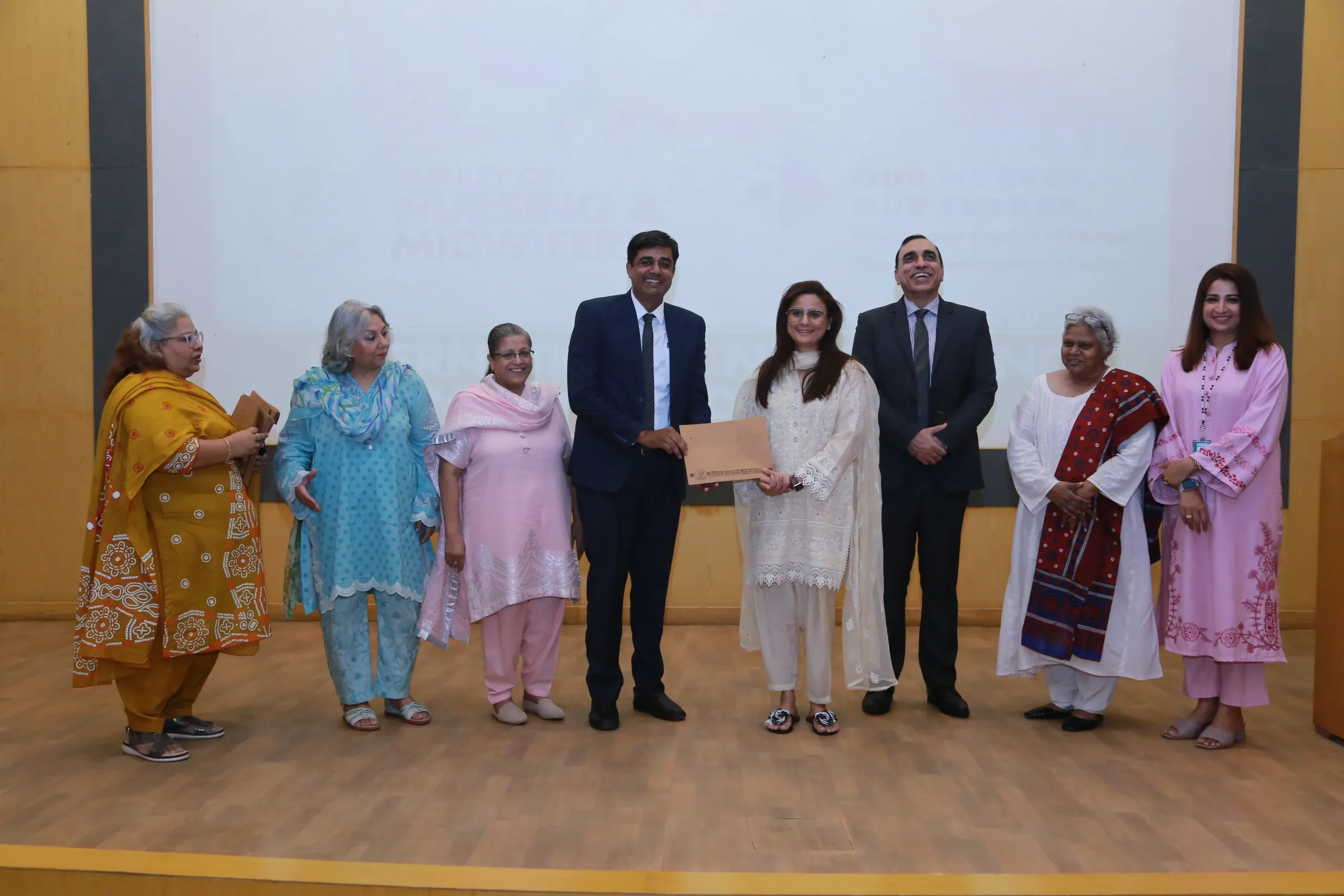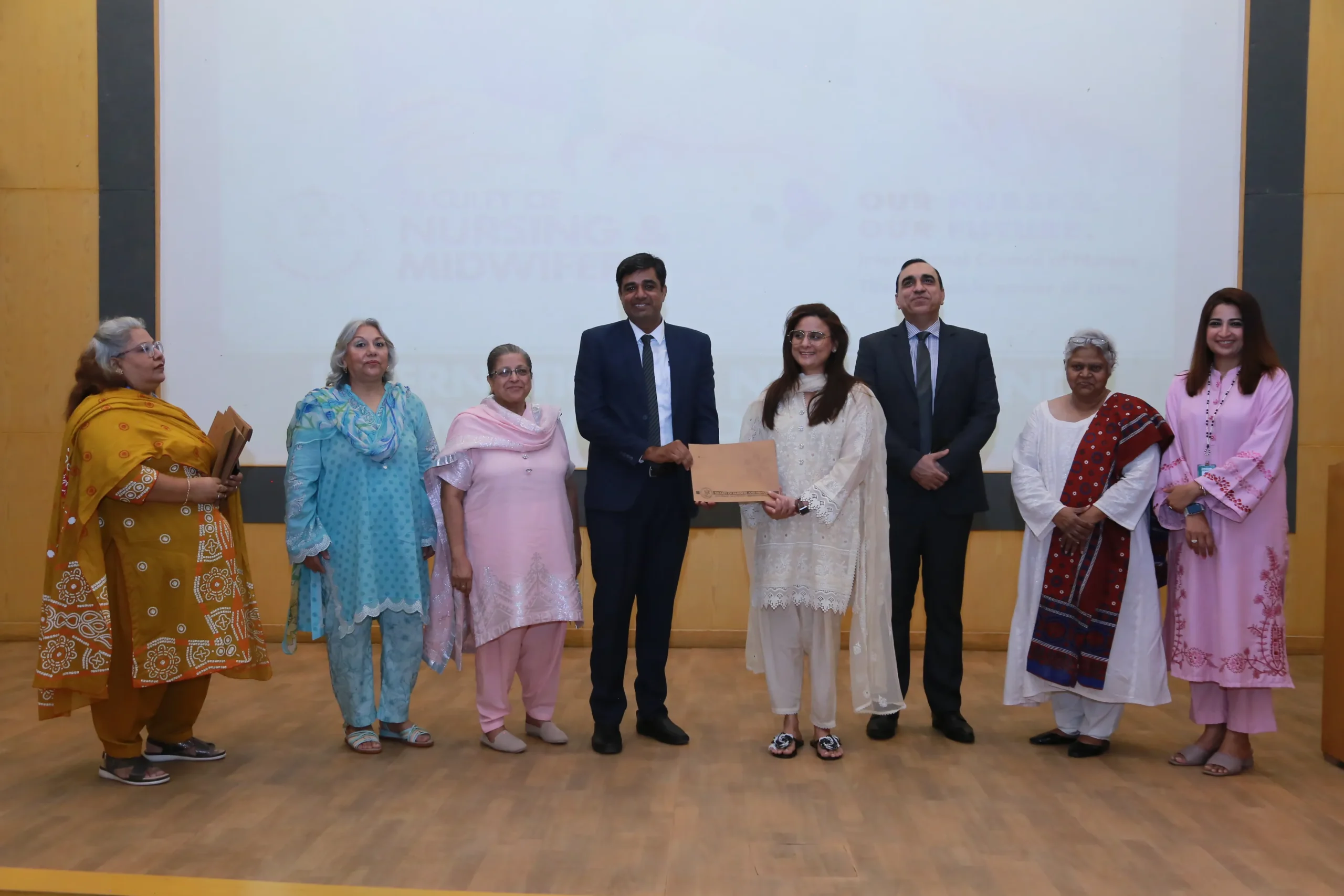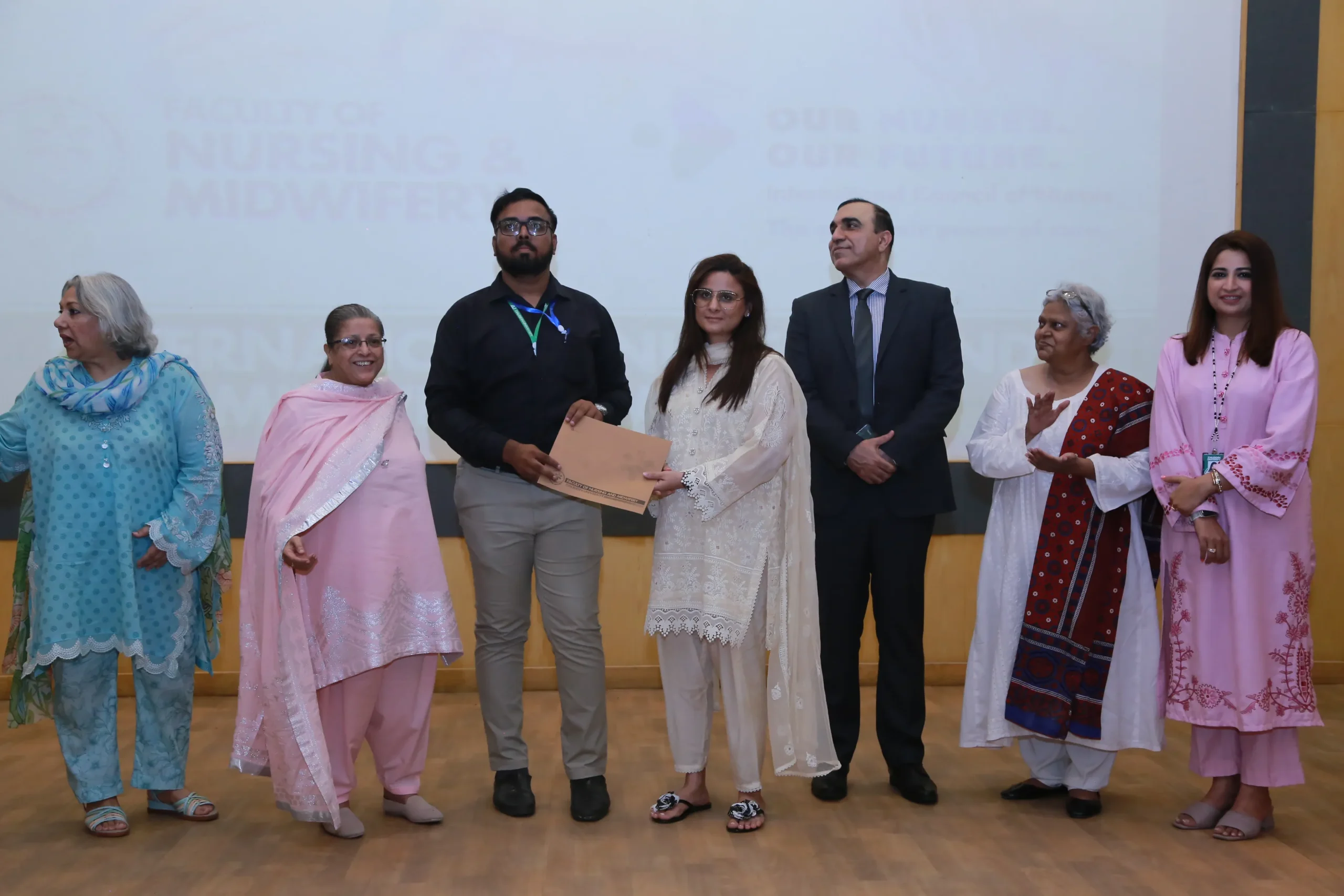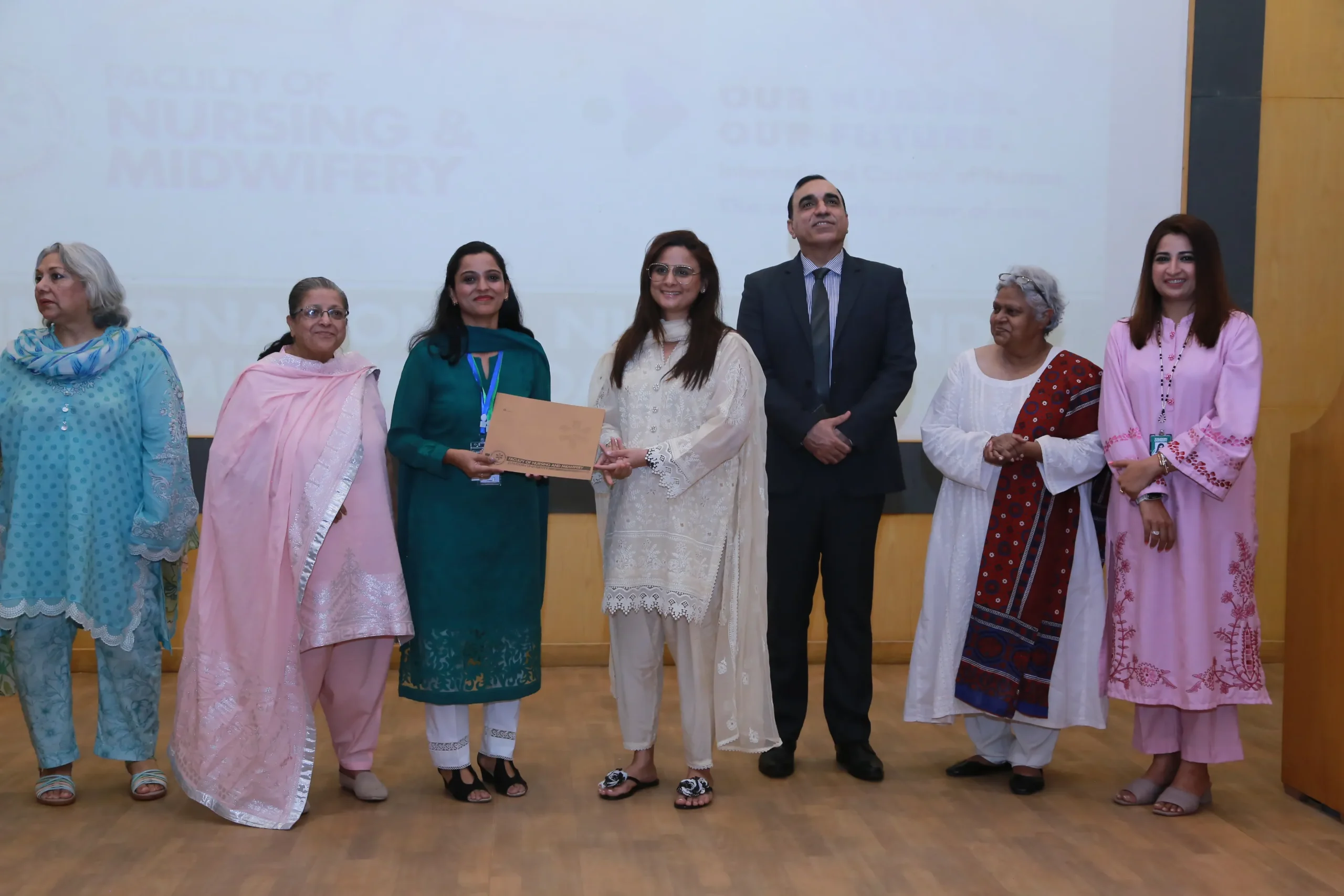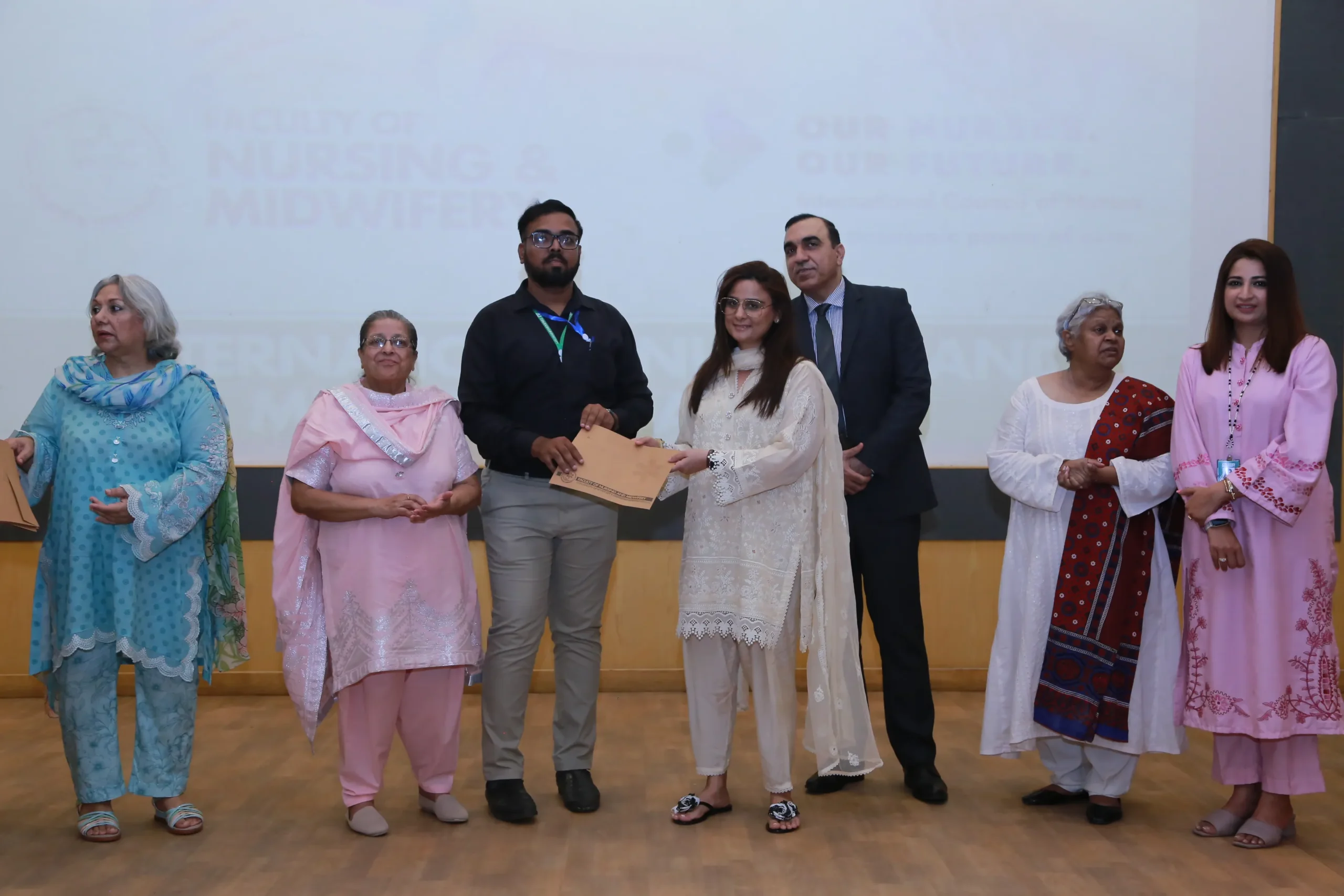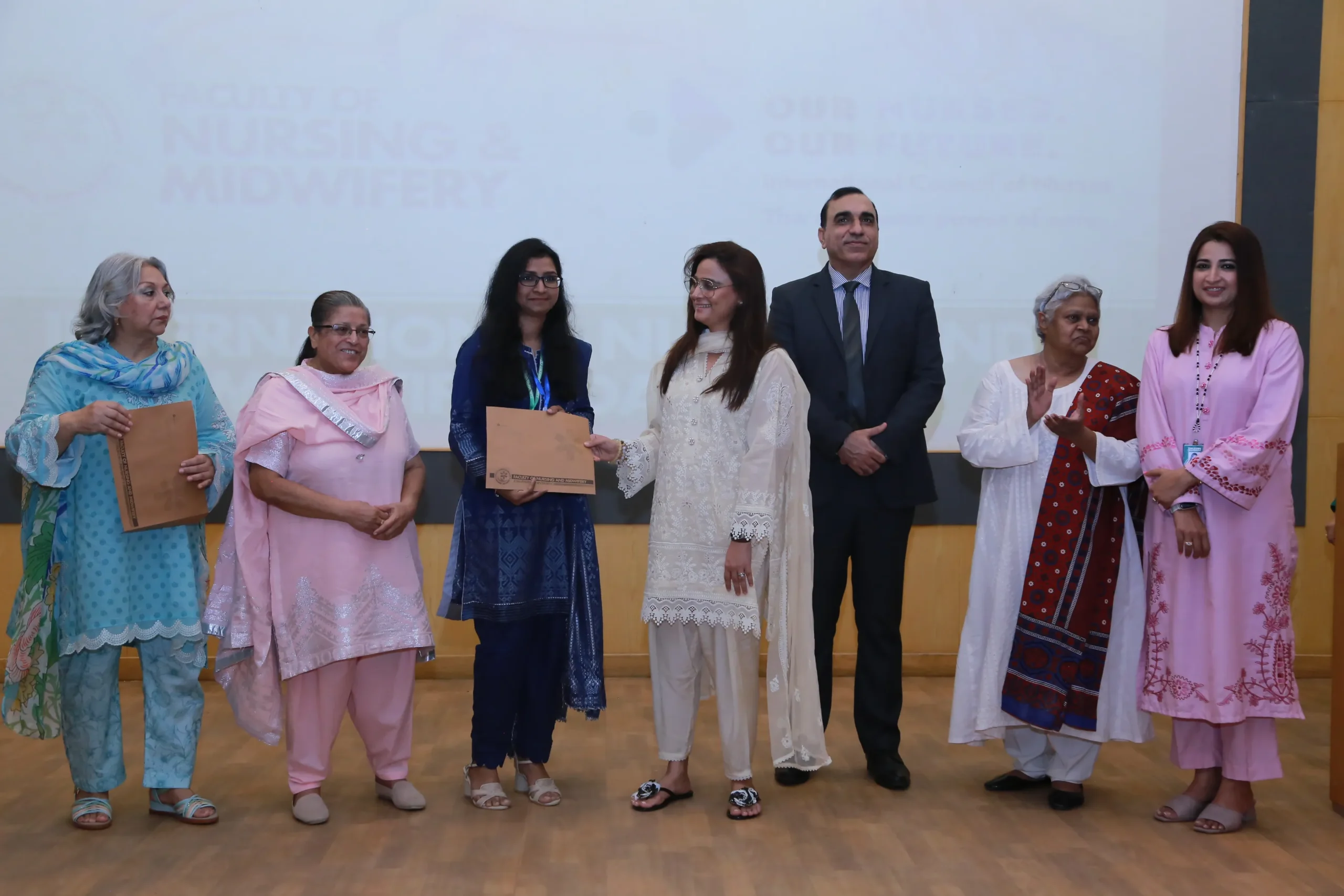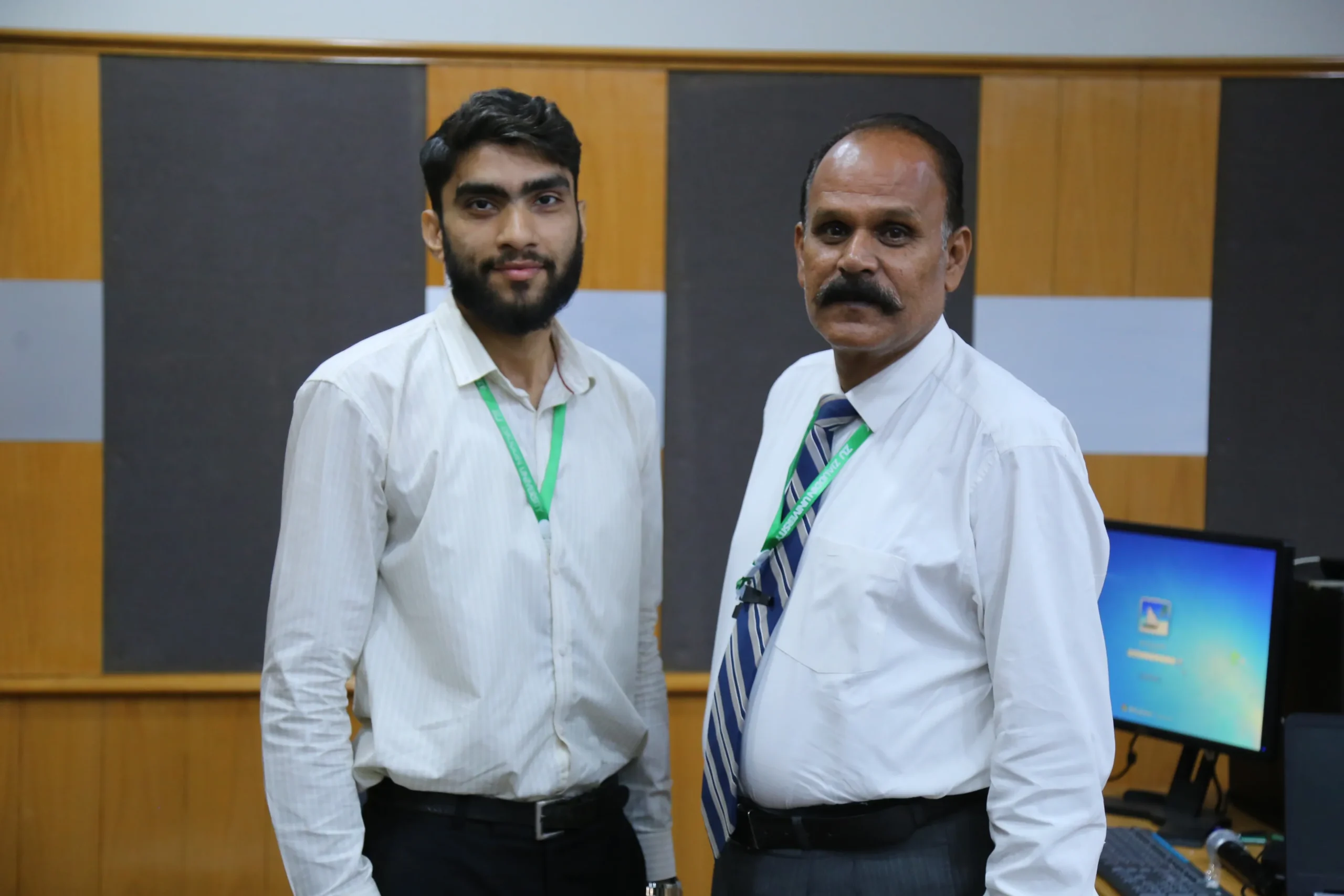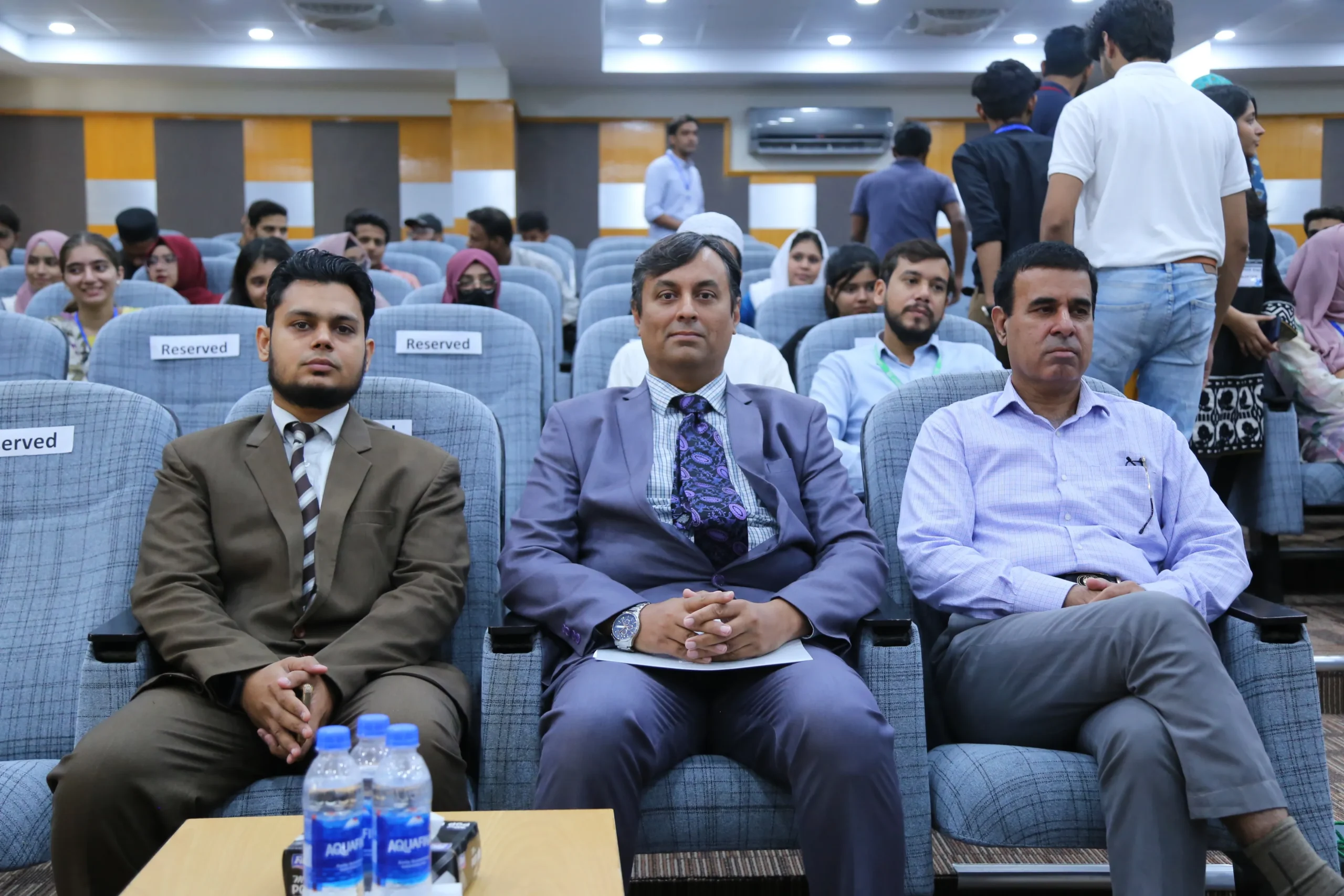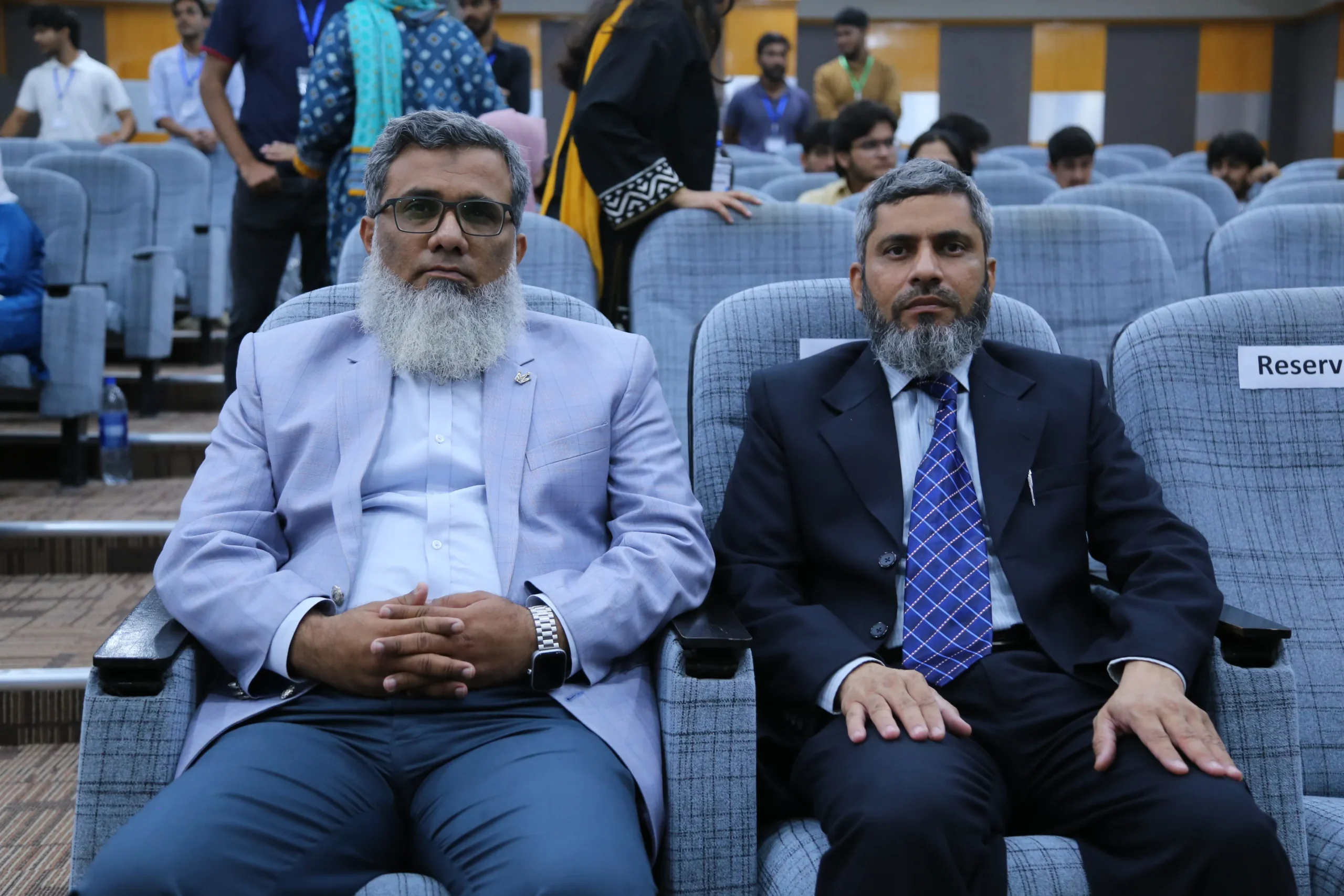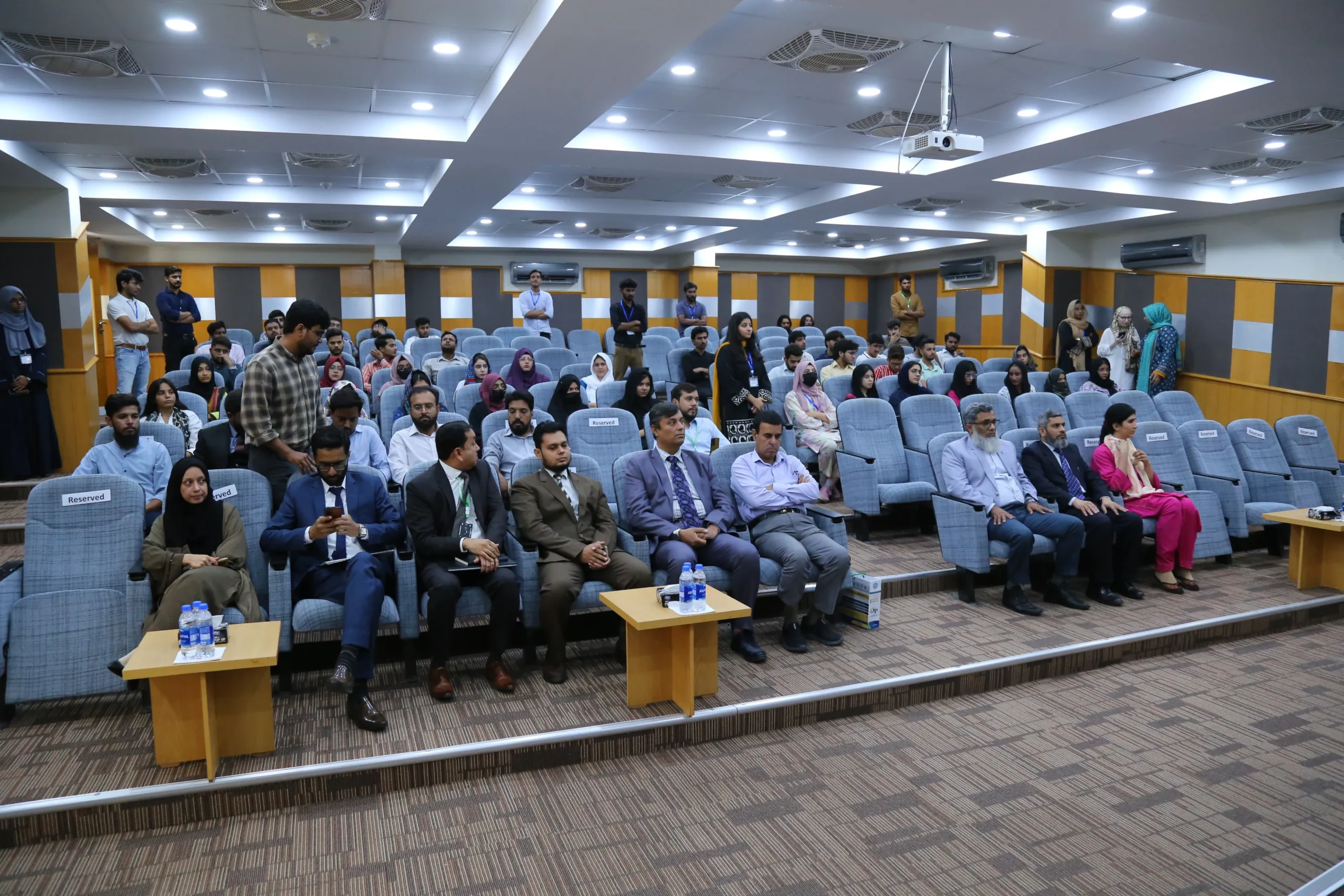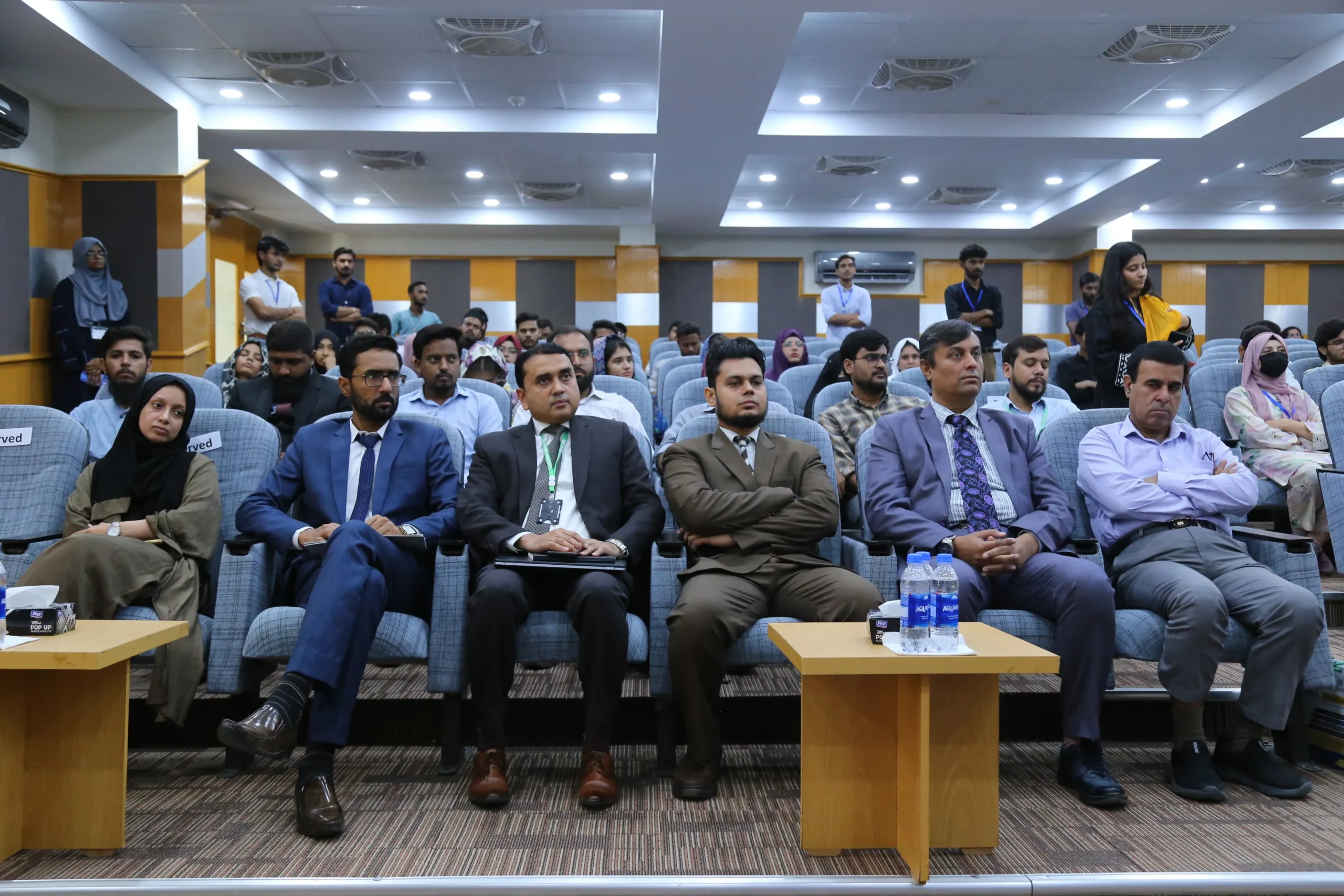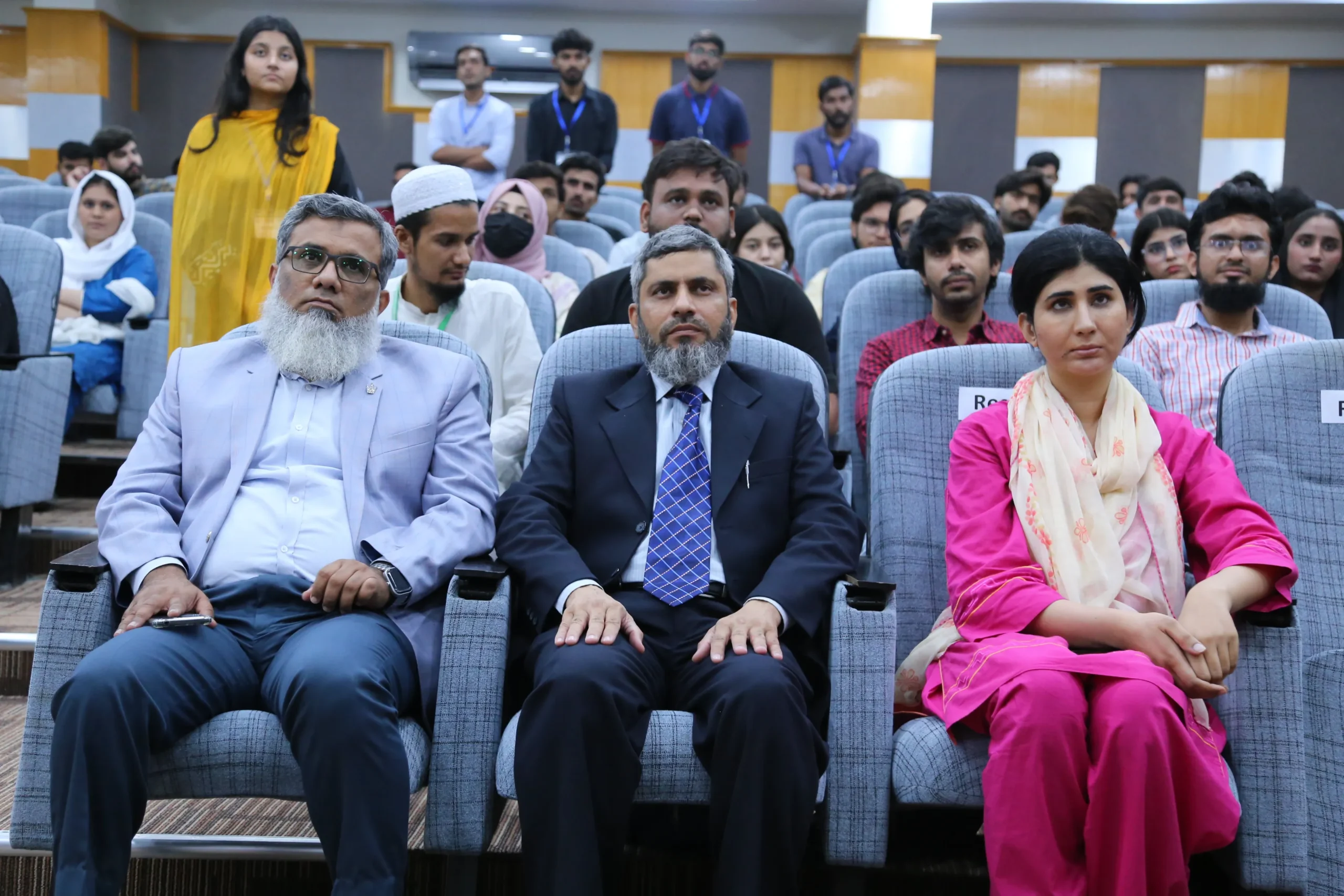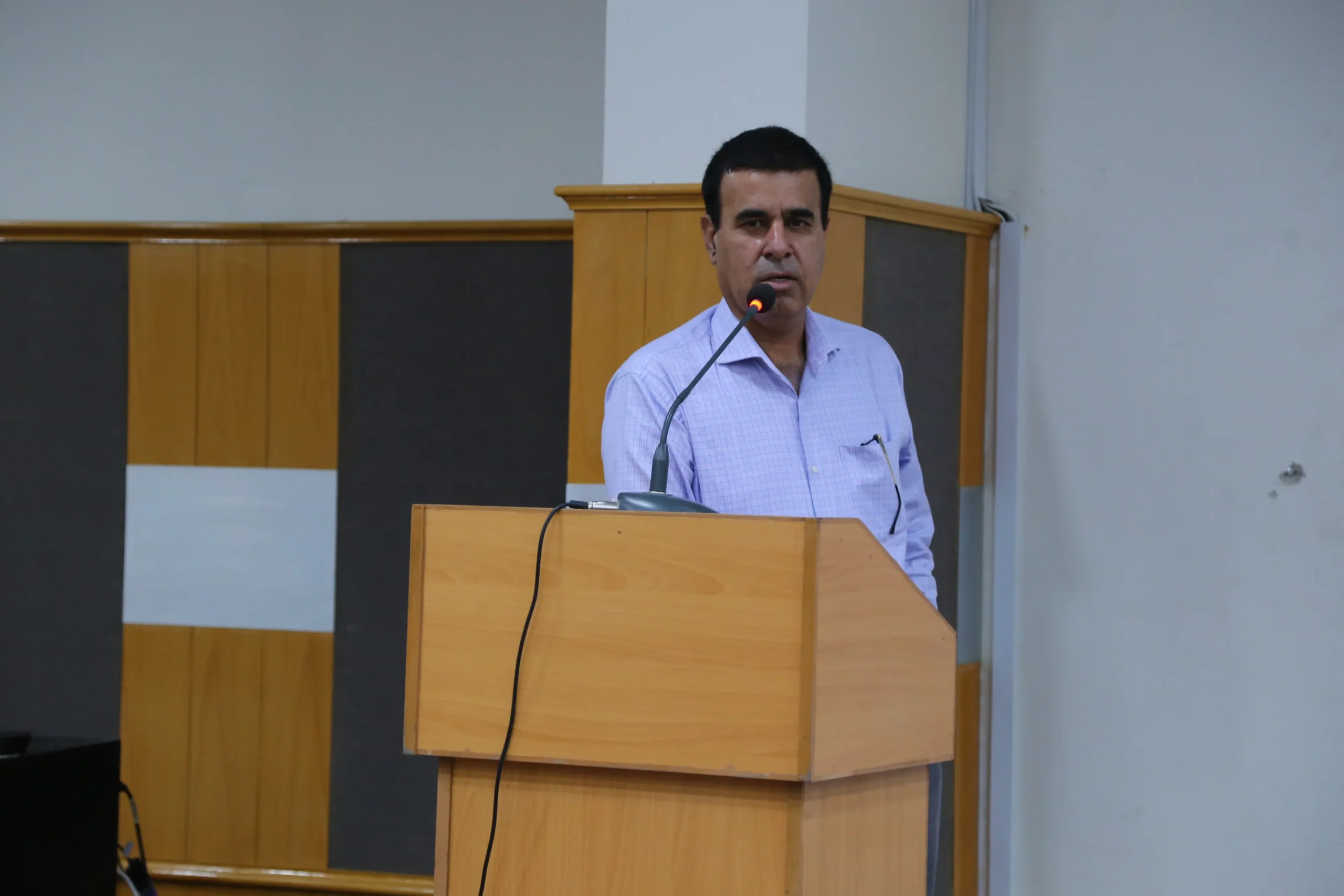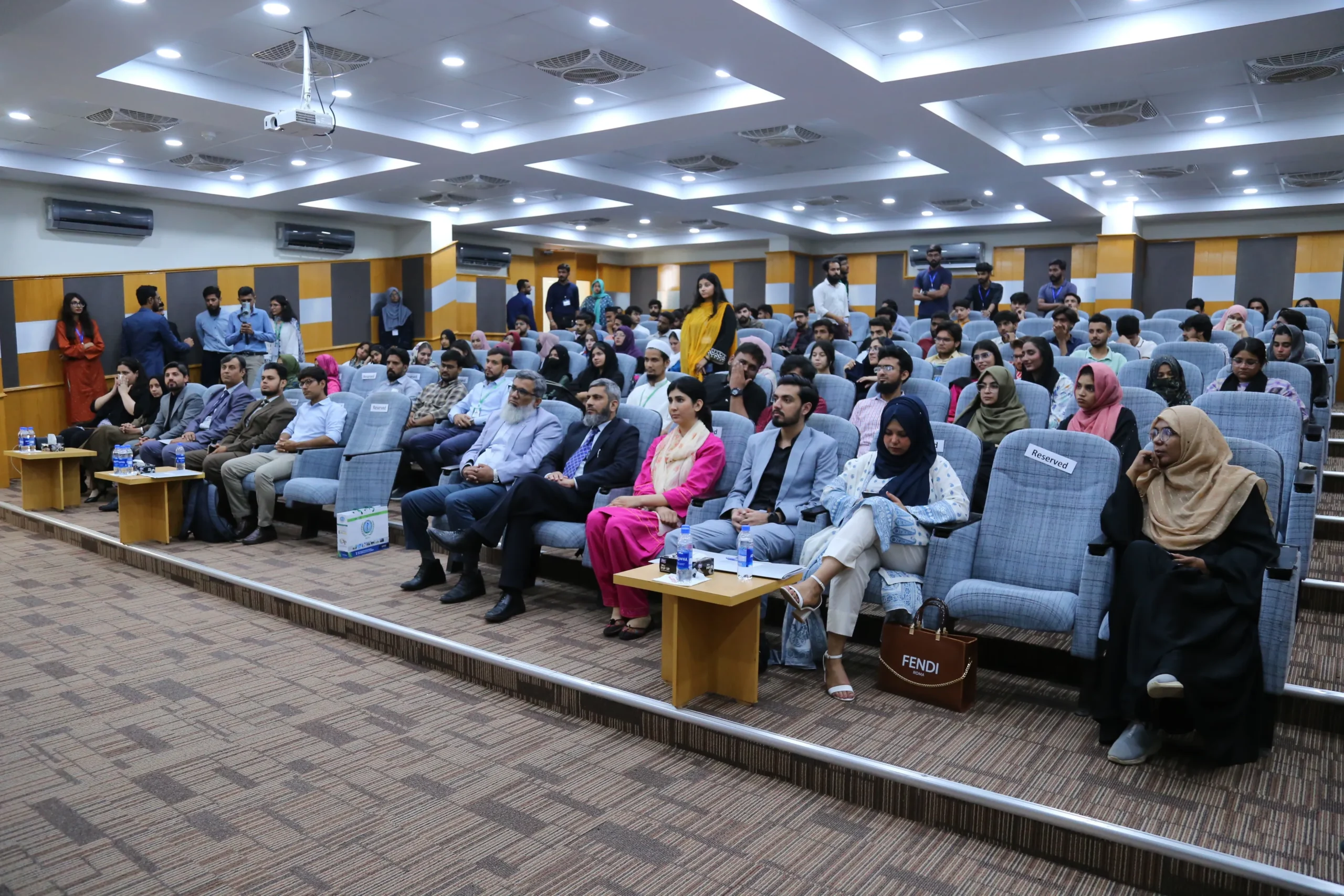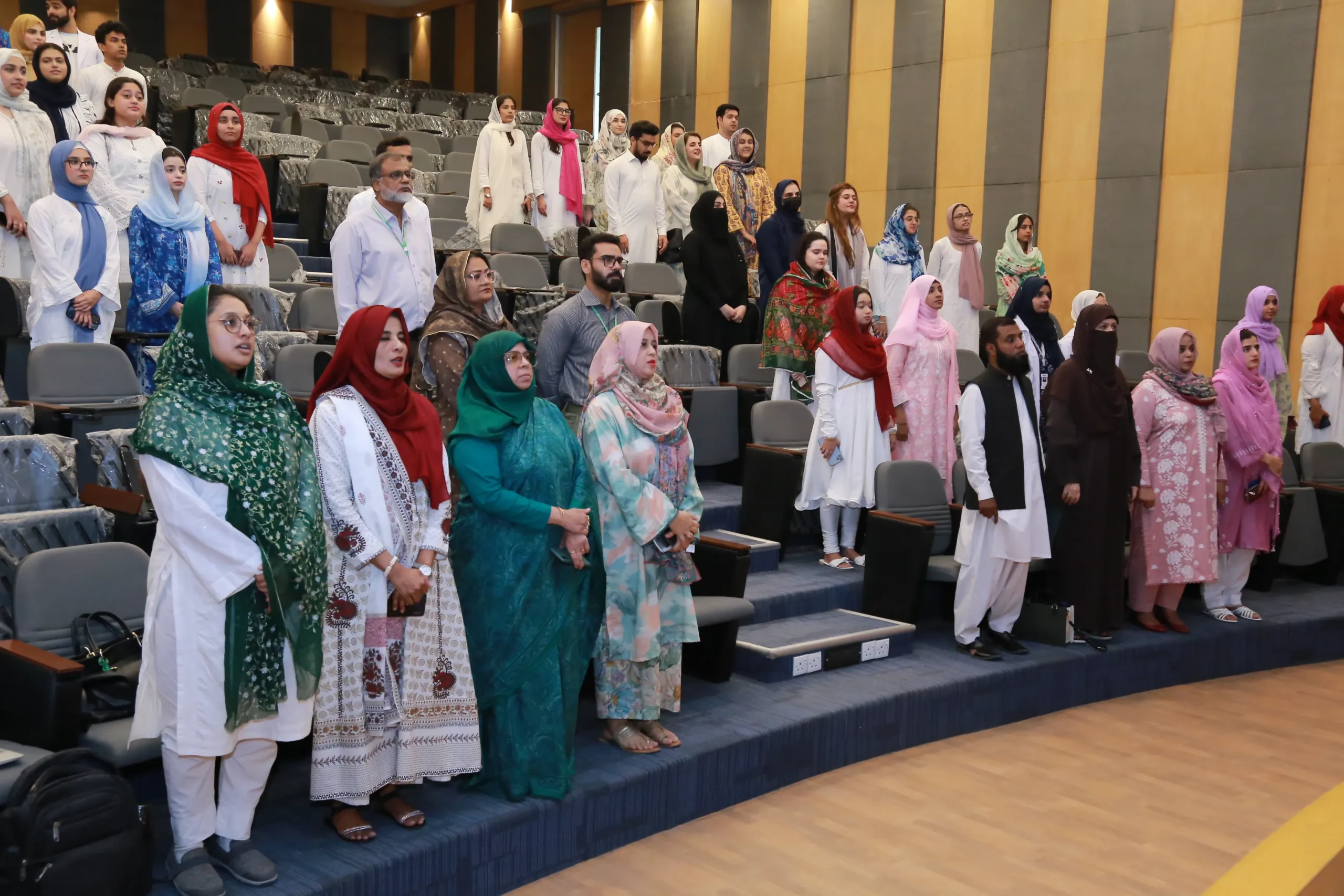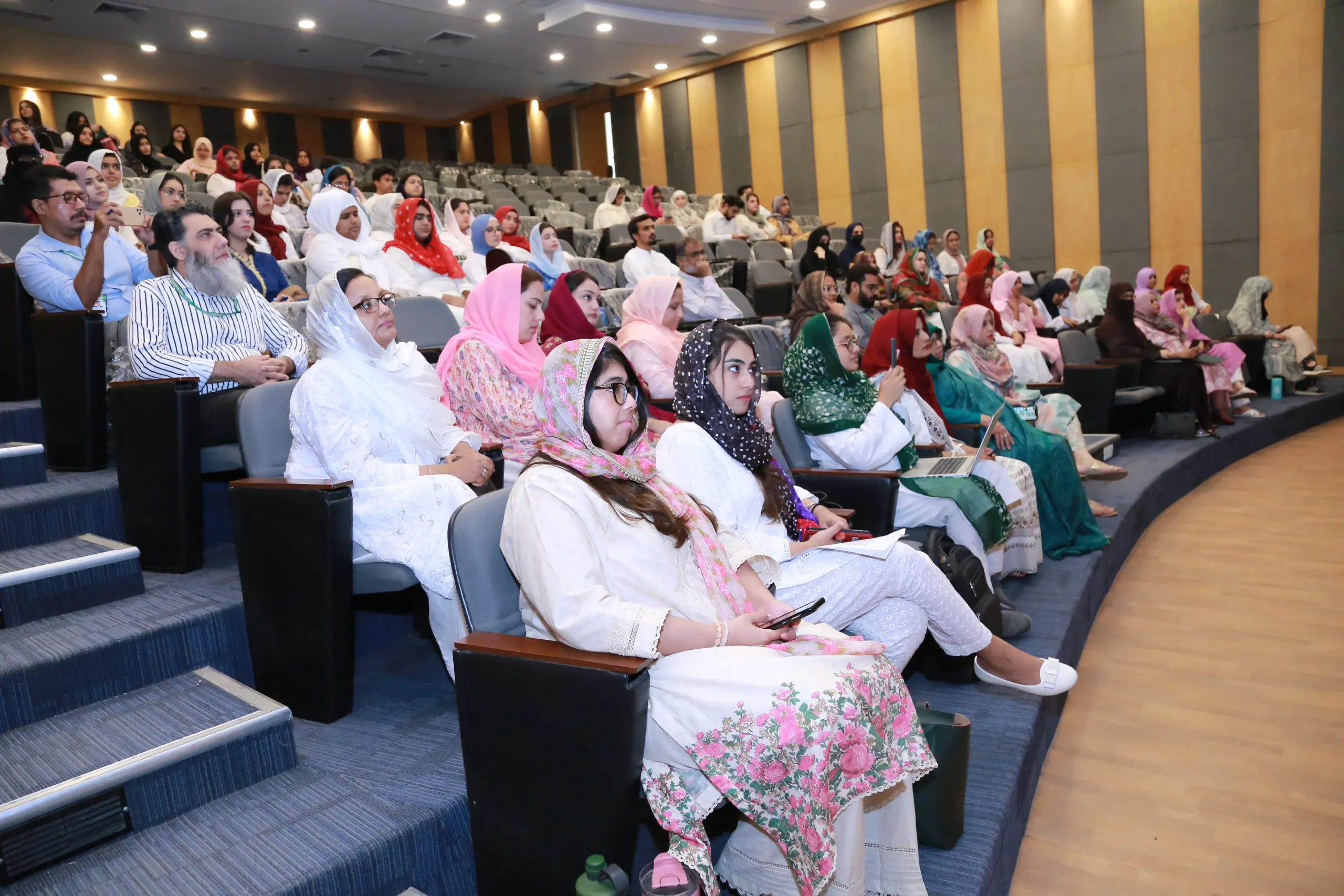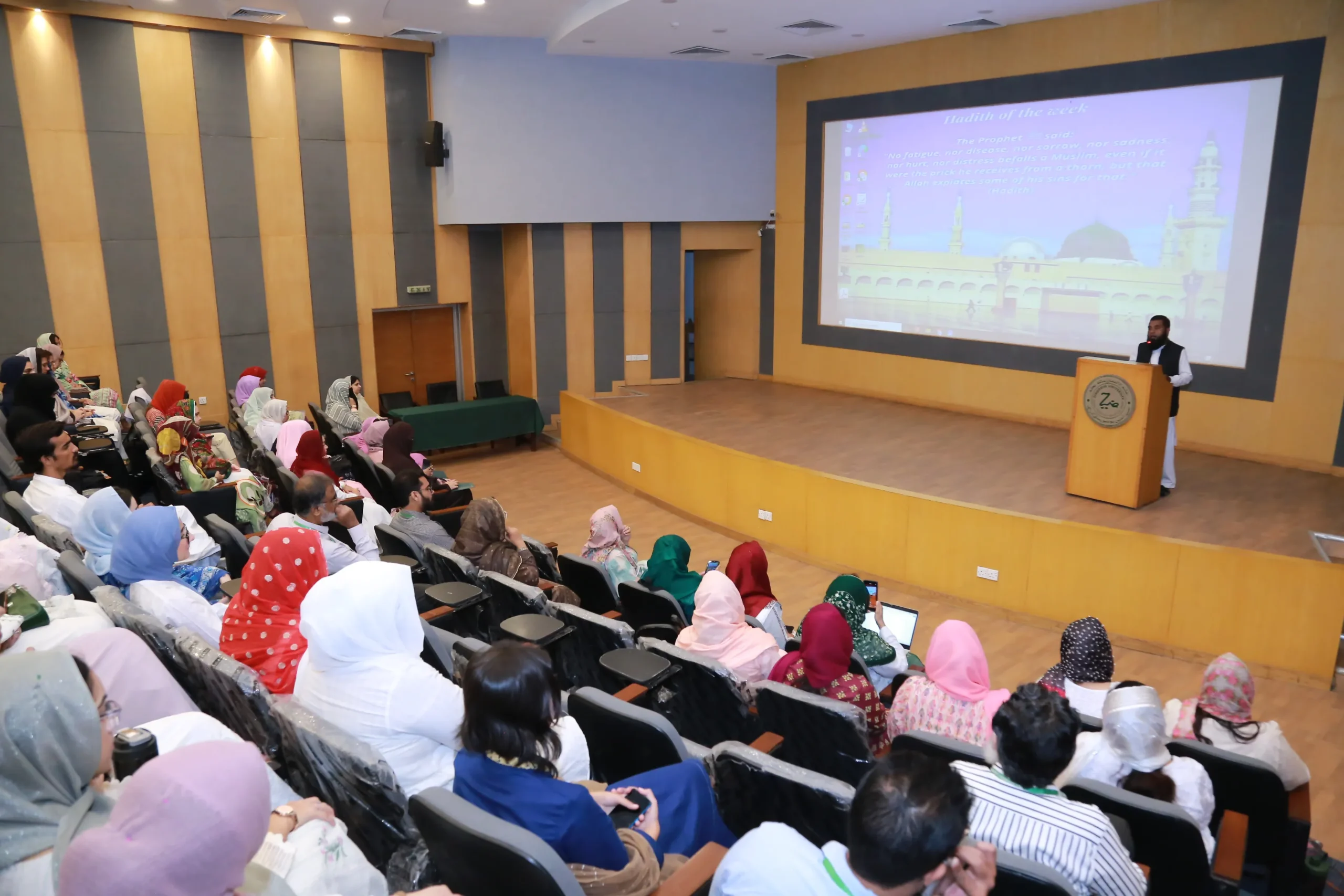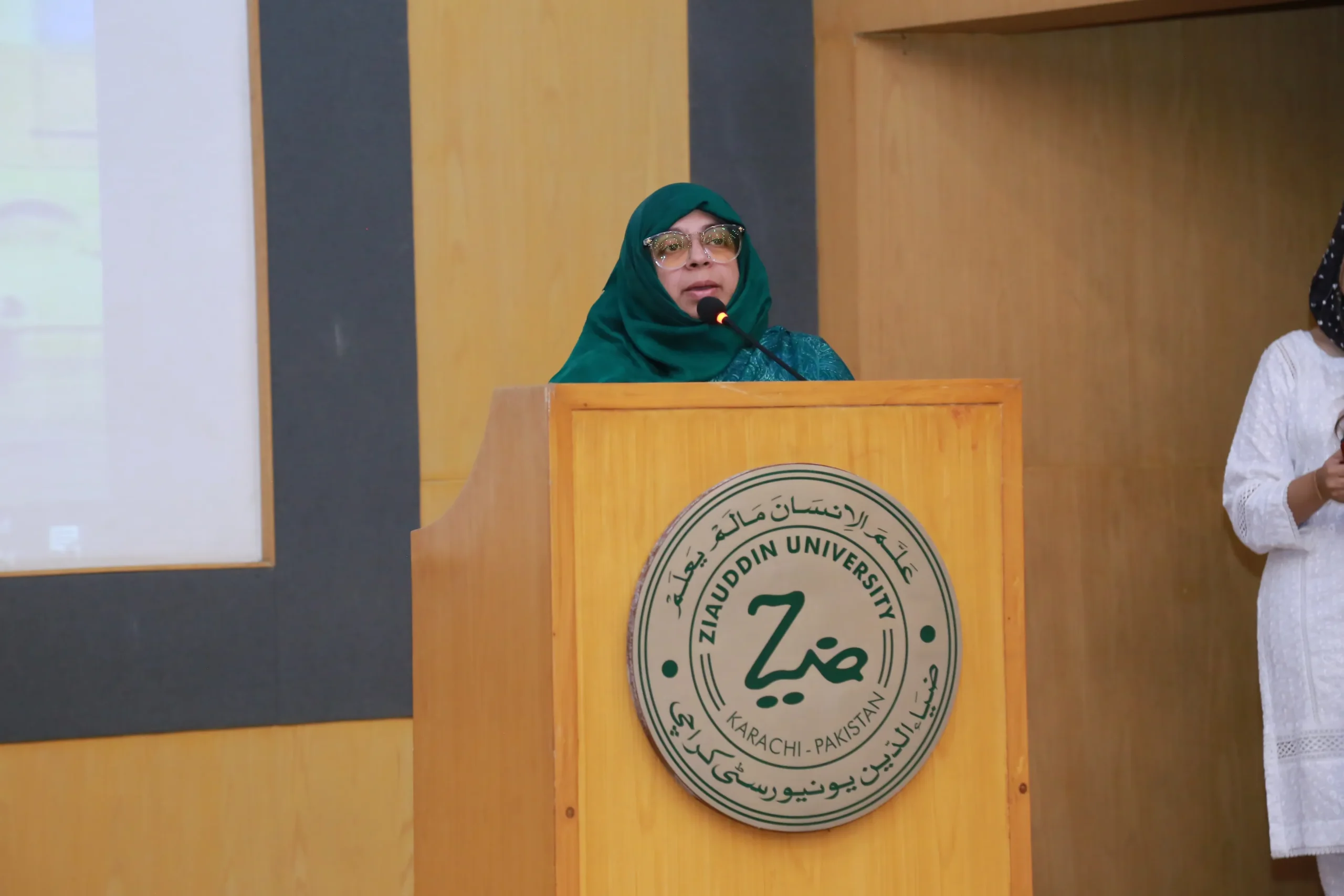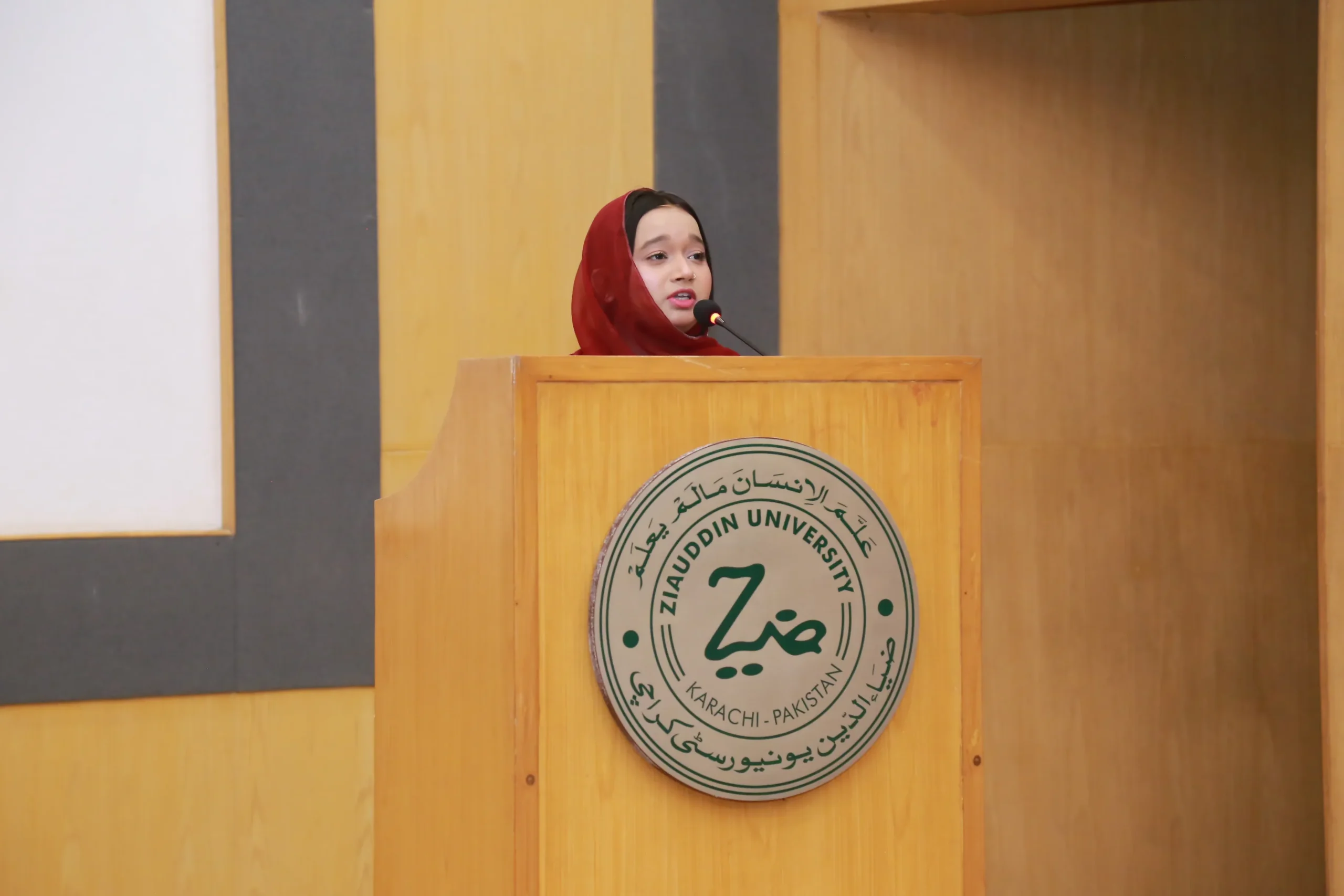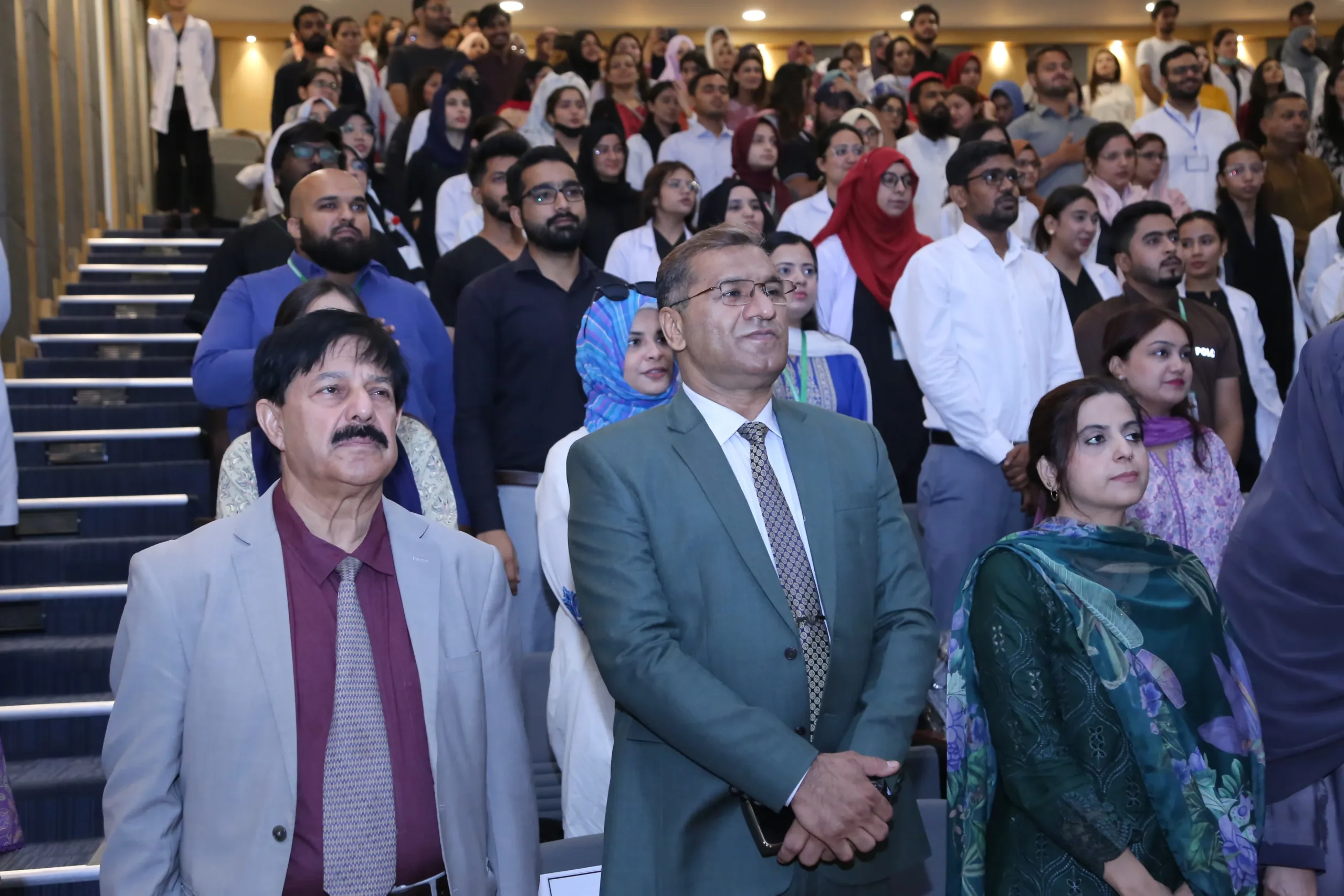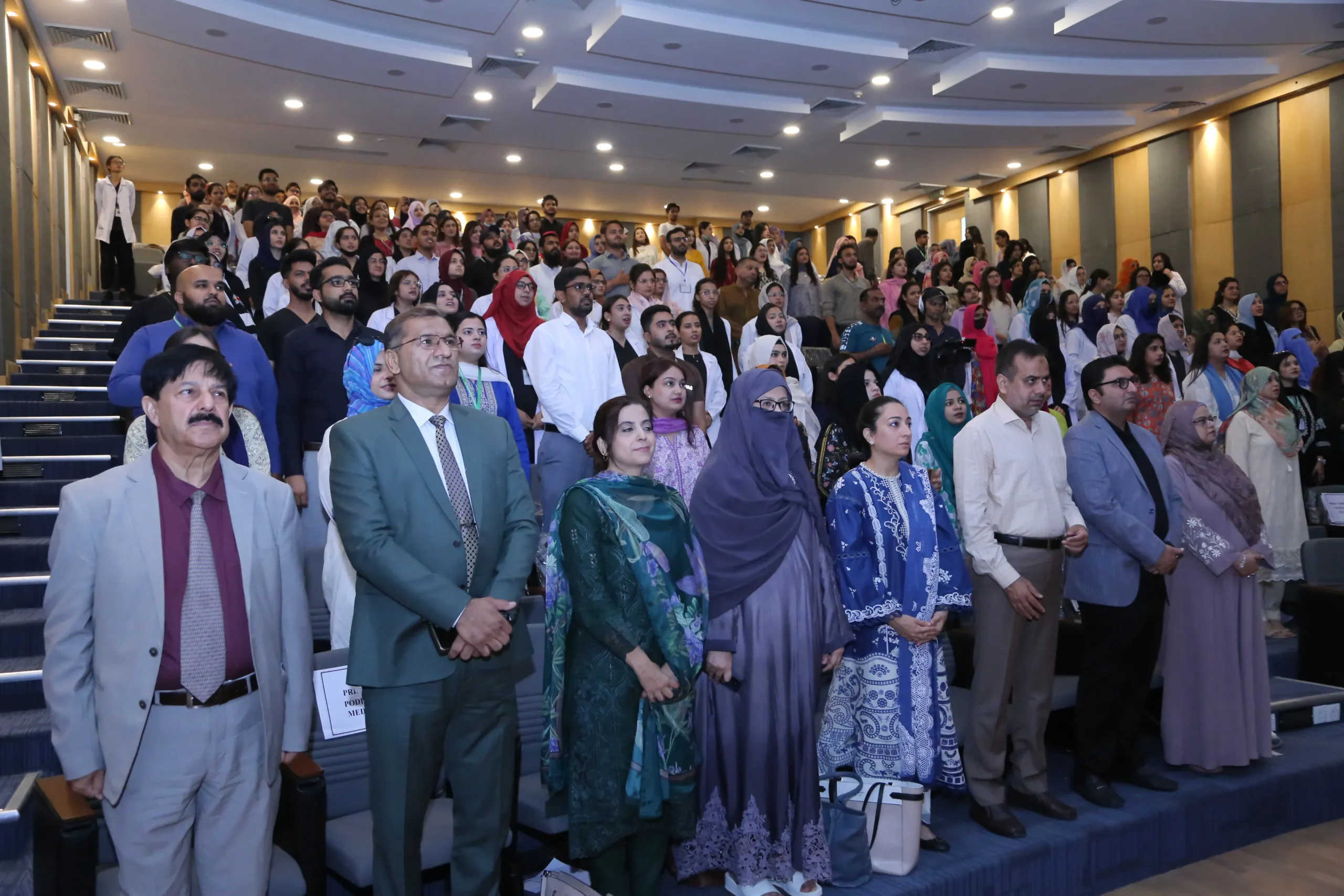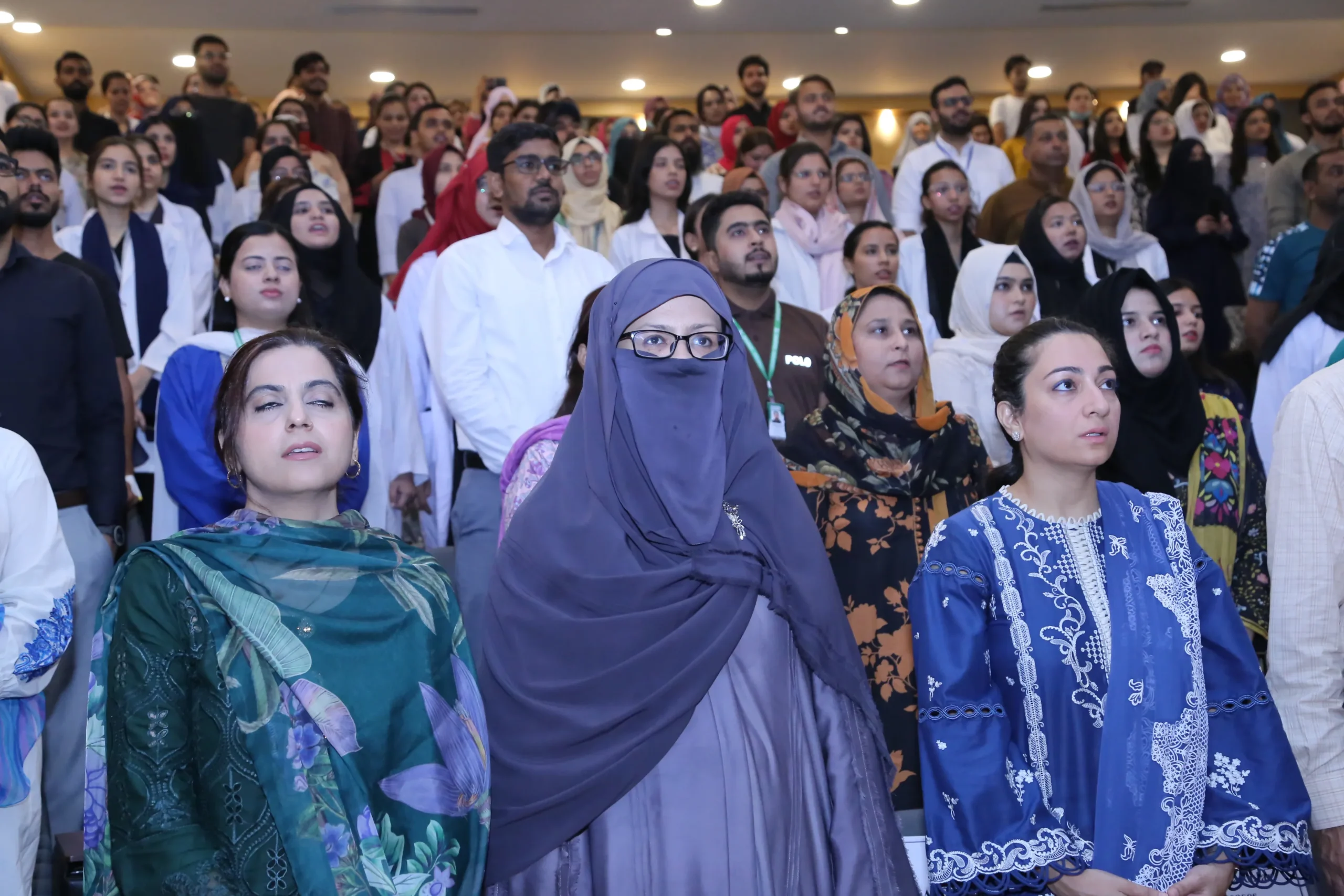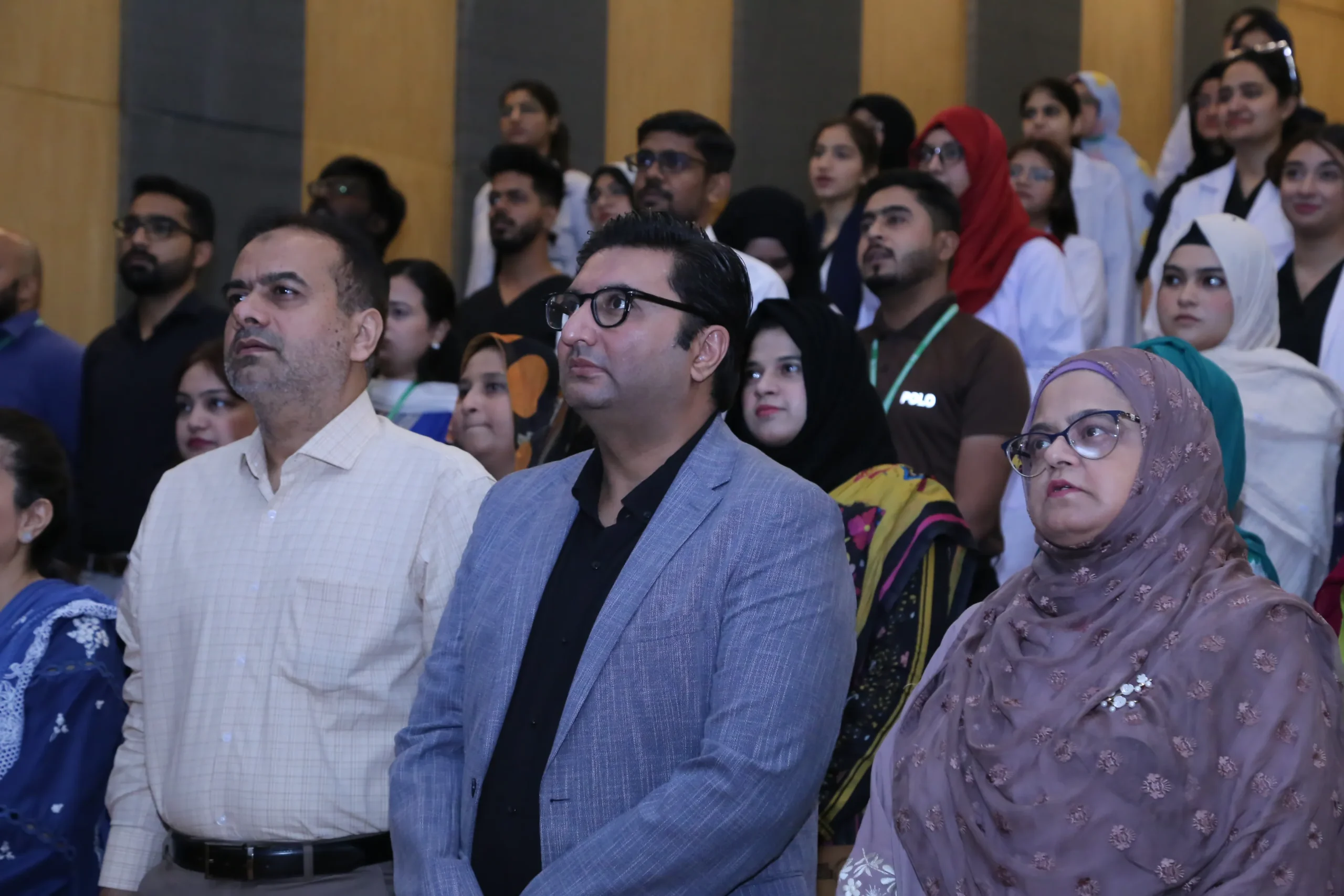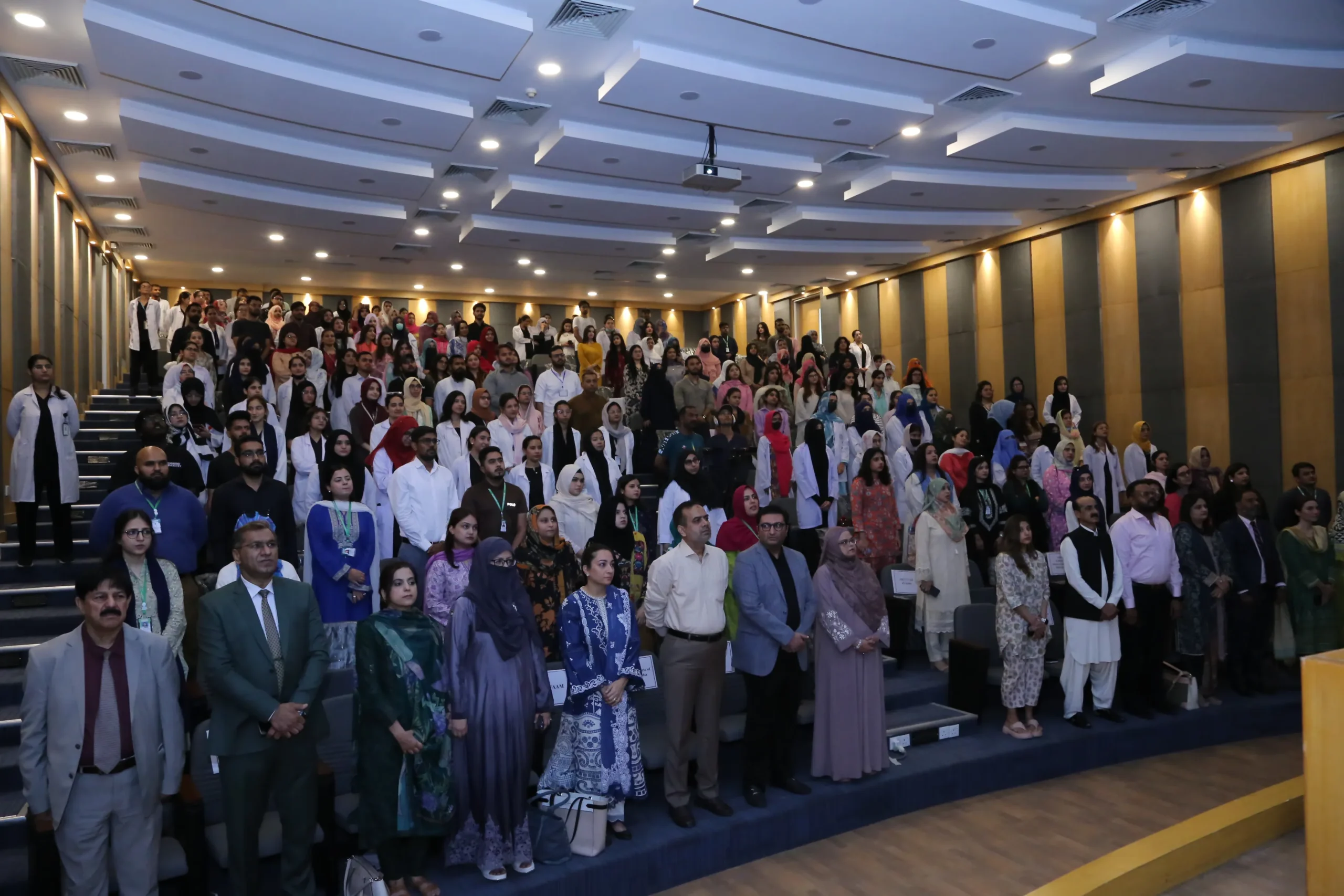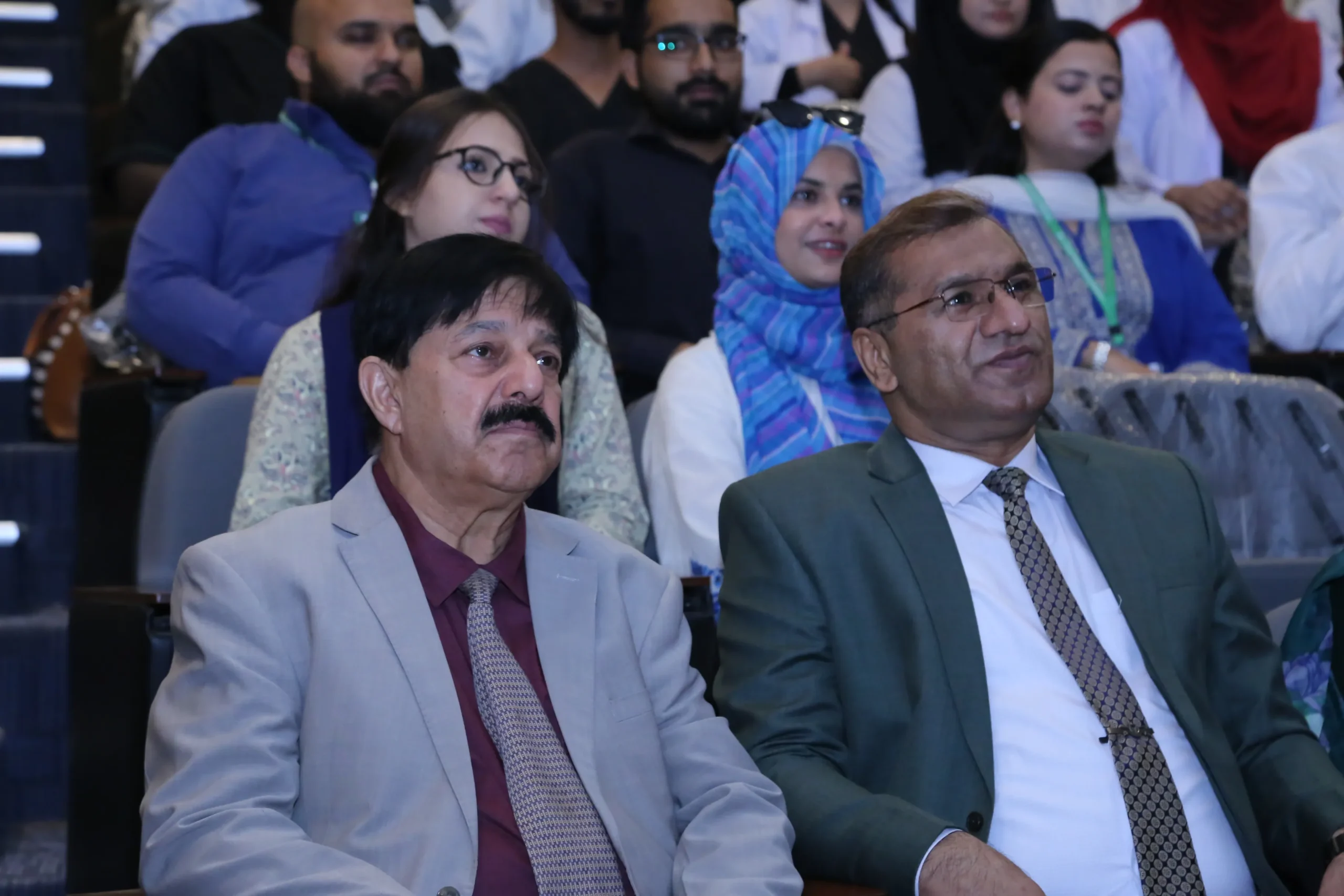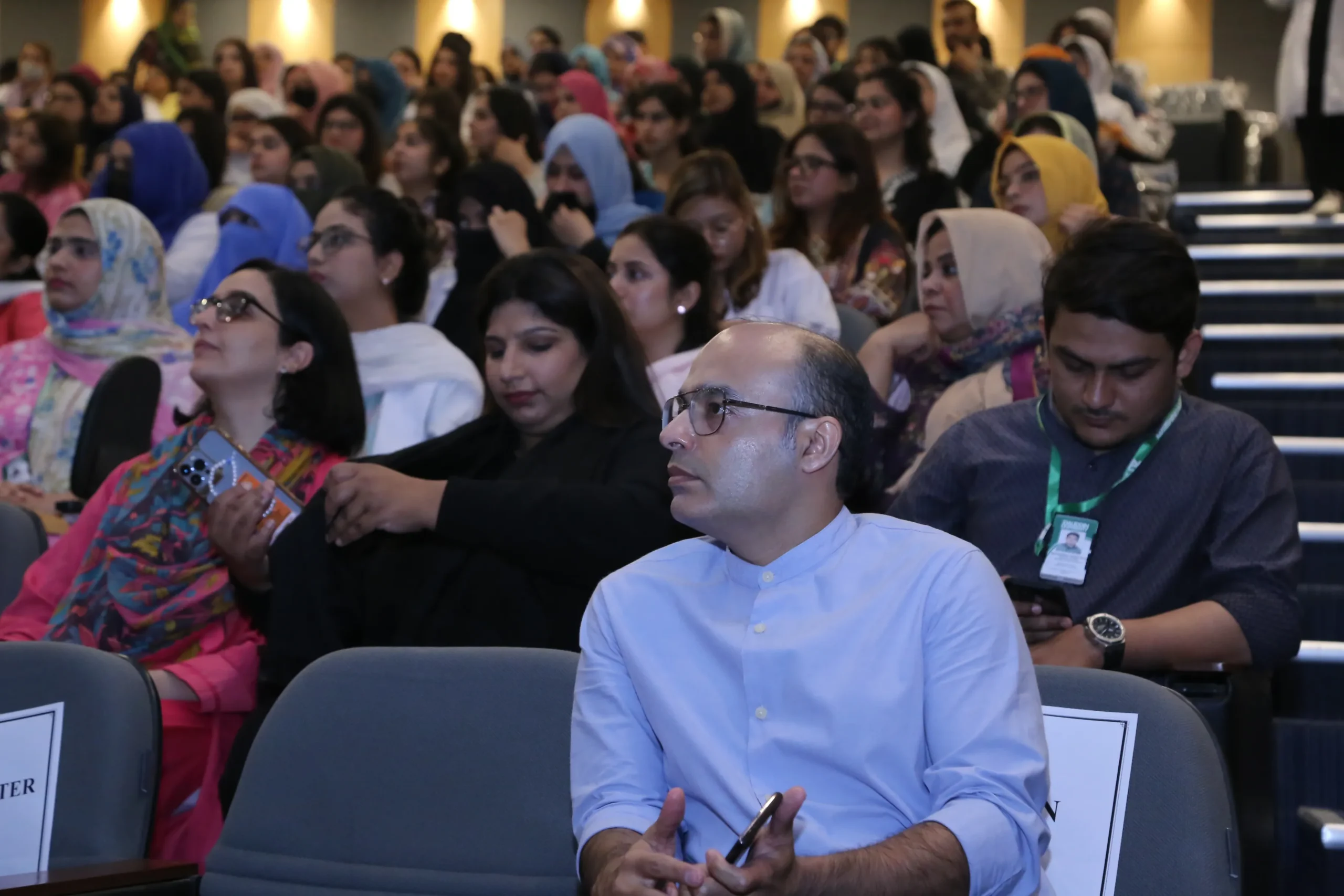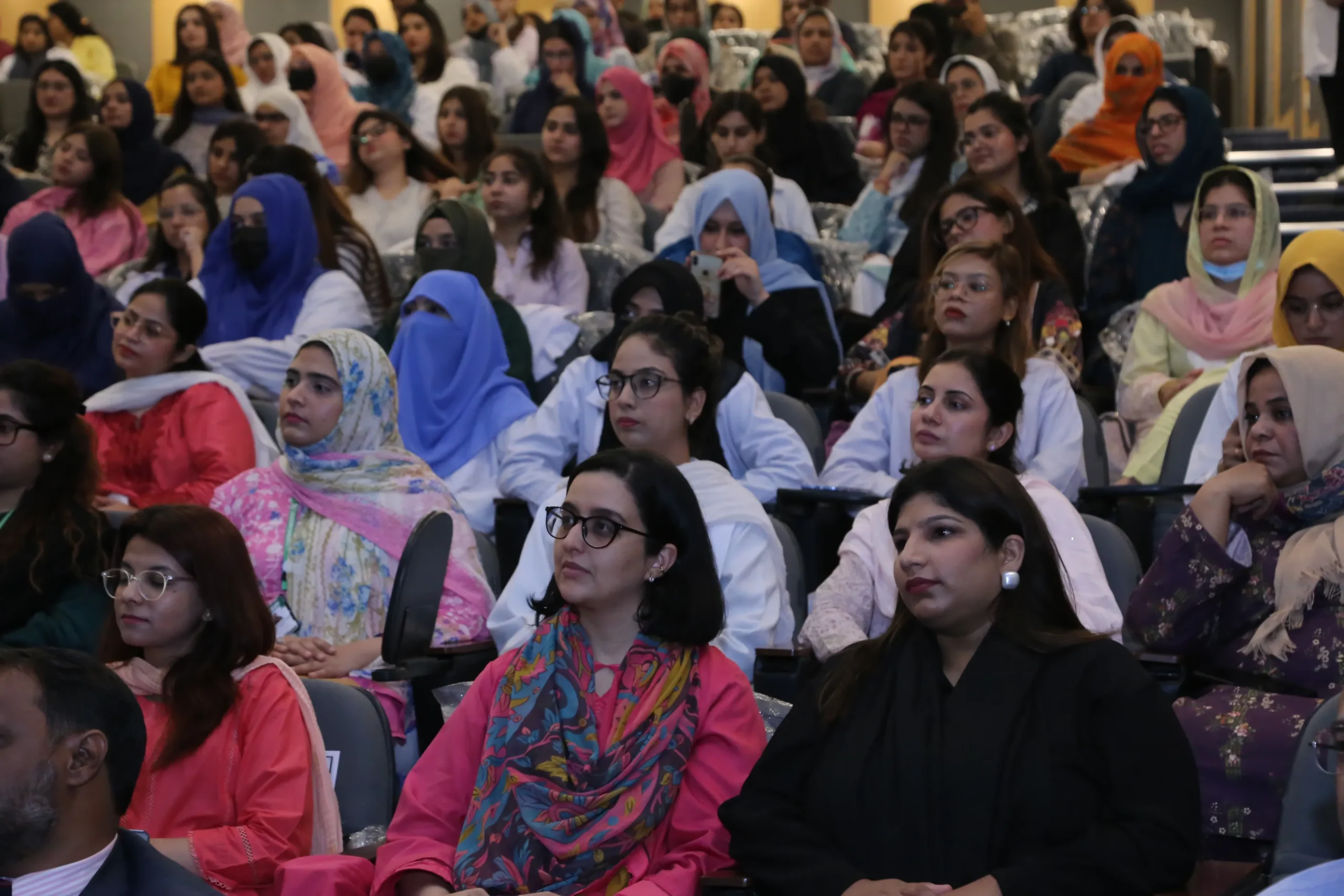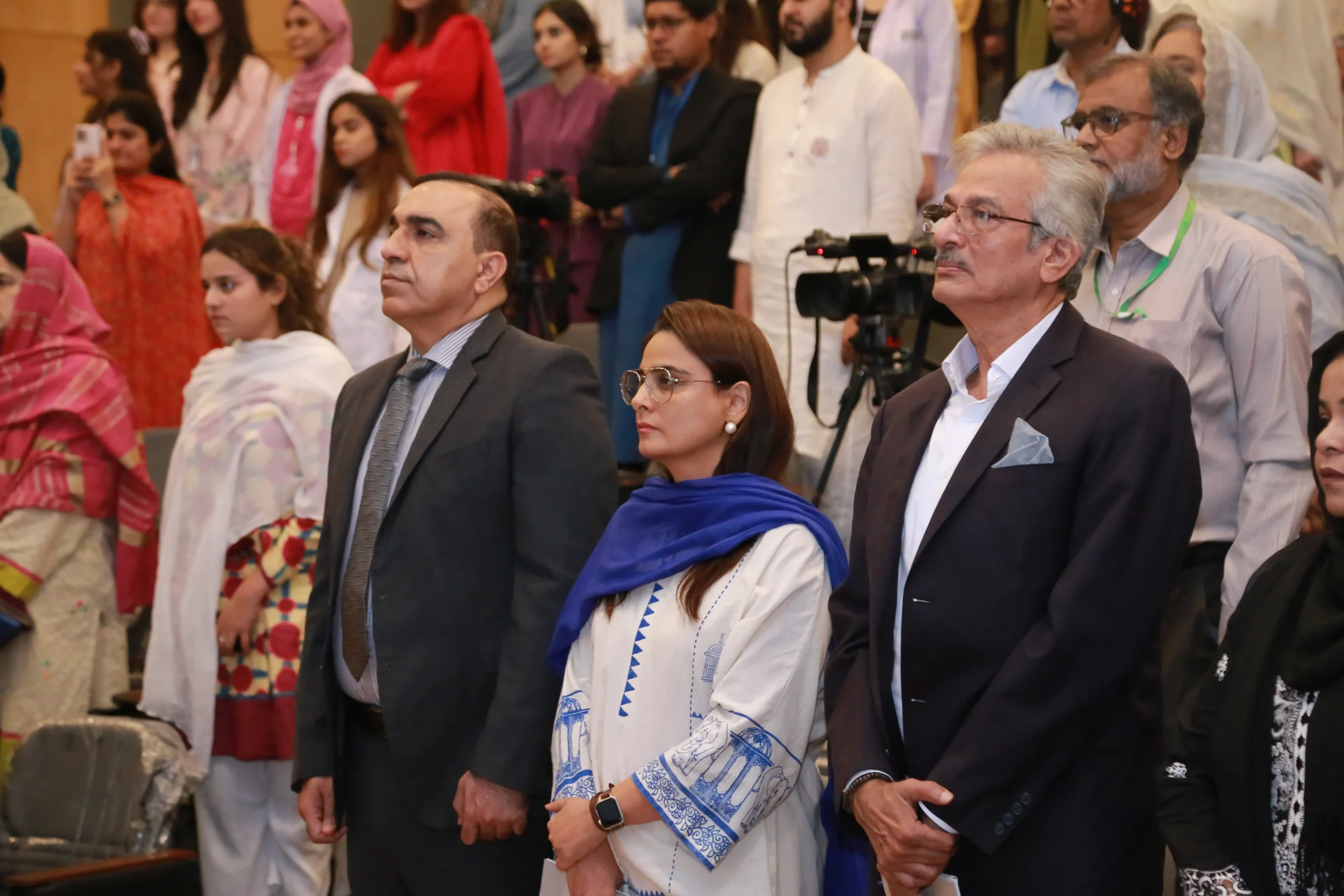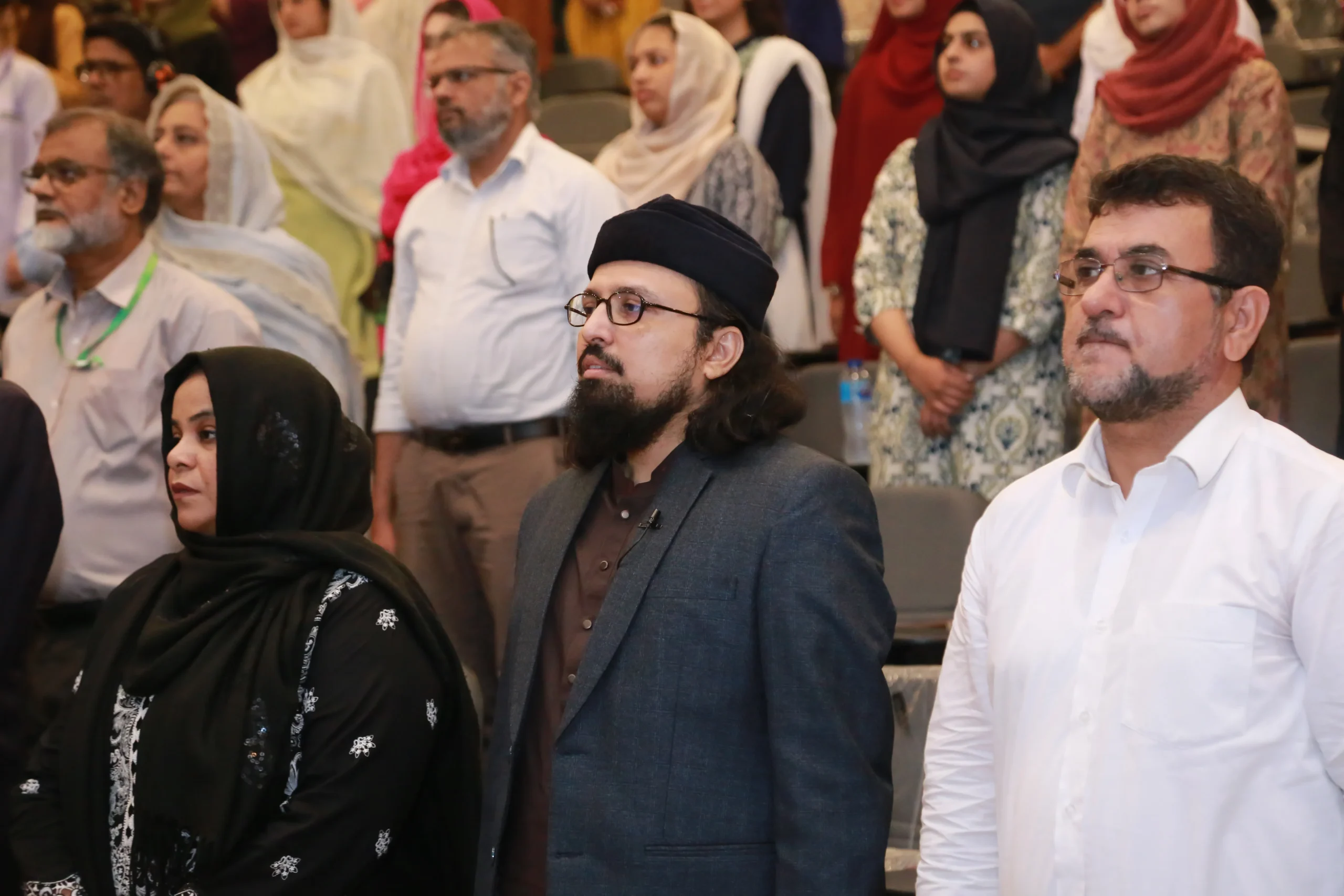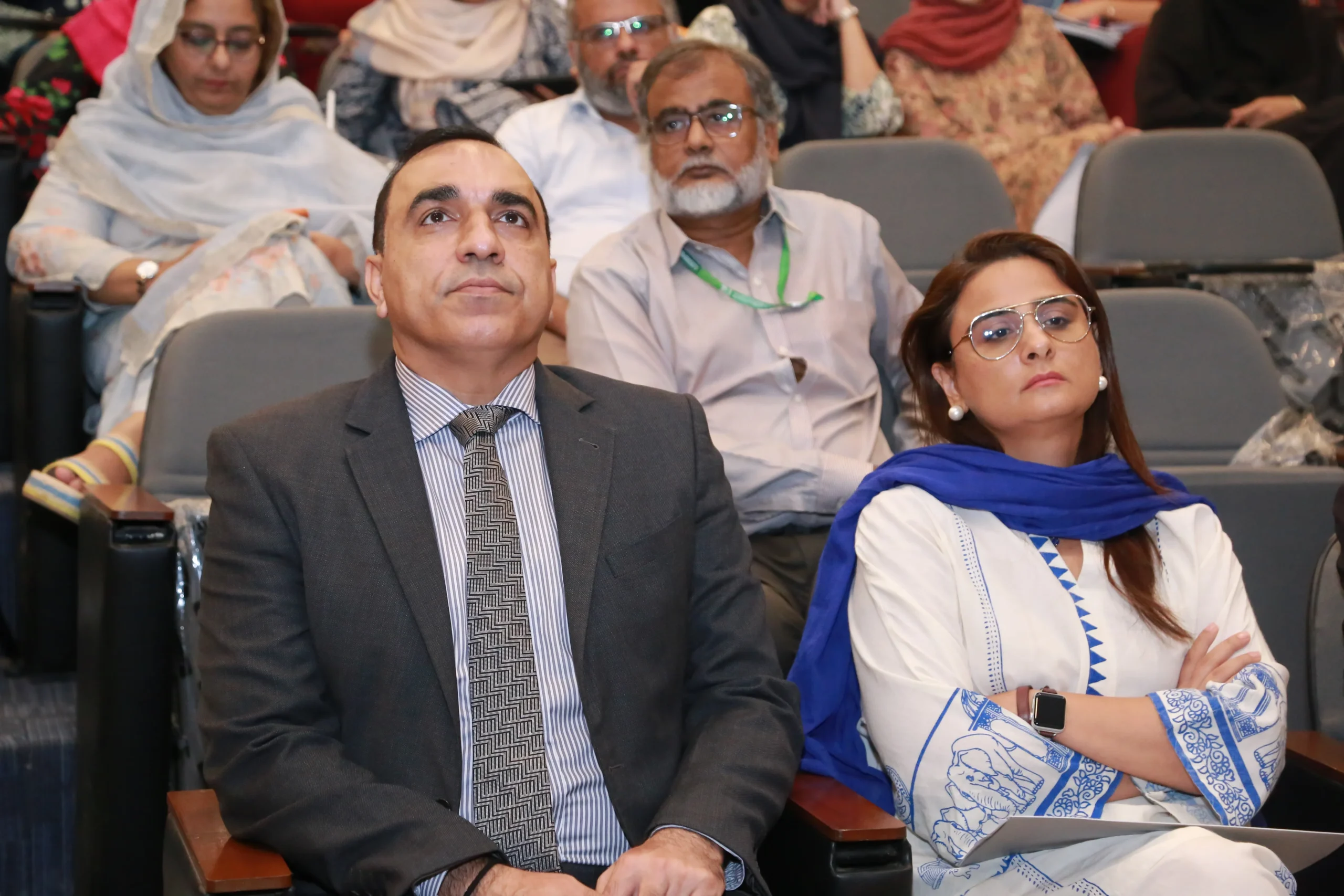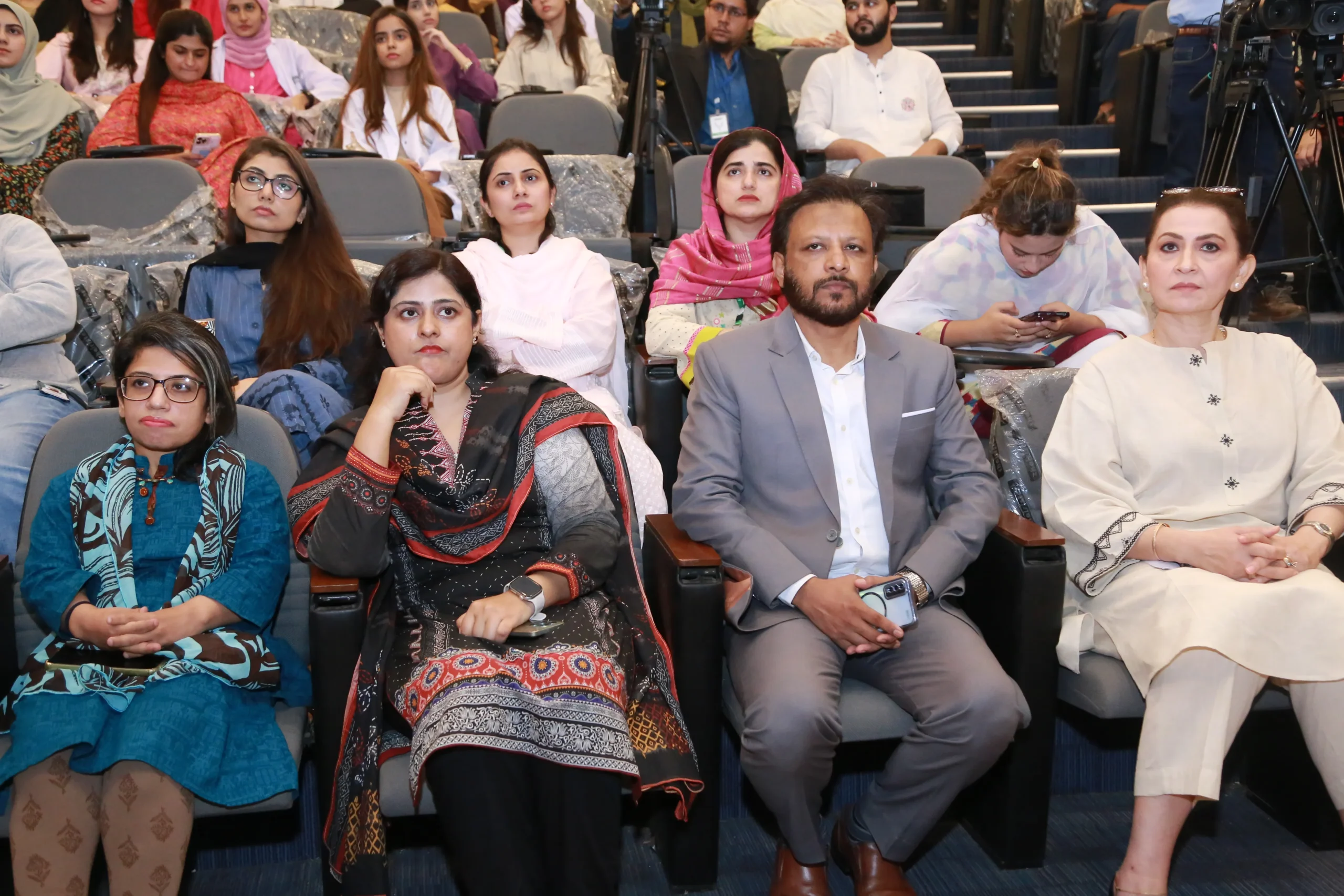

Ziauddin University, through the Clinical Care and Research Group (CCRG), successfully
hosted the Clinical Research During Outbreaks (CREDO) programme from 6th–9th November
2025 at Avari Towers, Karachi. This four-day face-to-face workshop formed Stage II of a three-
part global initiative led by the International Severe Acute Respiratory and Emerging Infection
Consortium (ISARIC) to strengthen clinical research capacity in low- and middle-income
countries (LMICs), particularly for outbreak preparedness and response
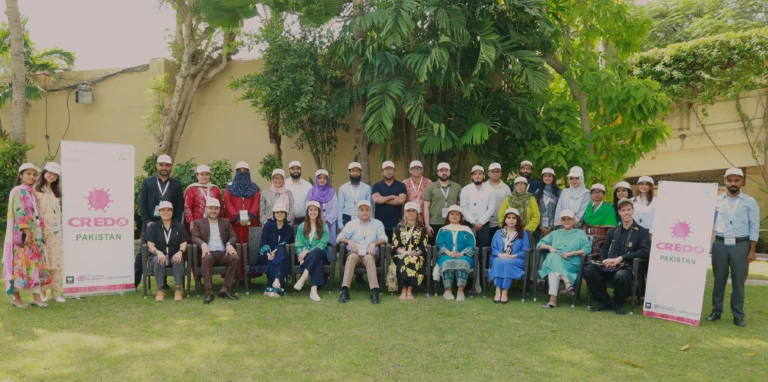
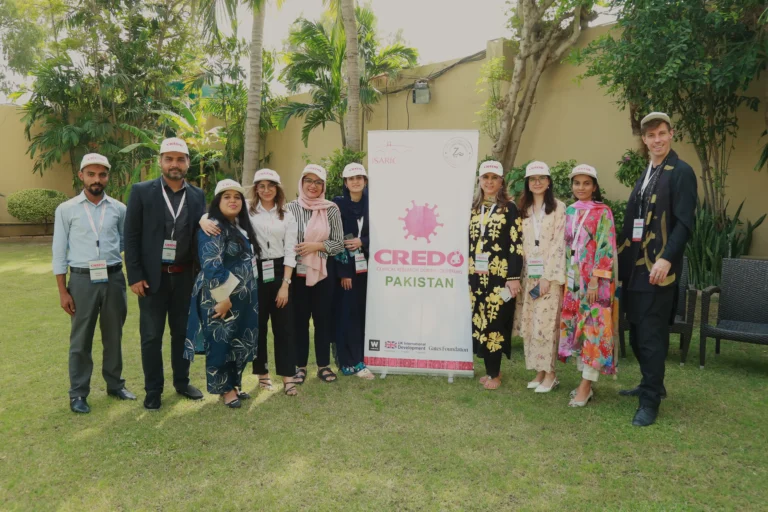
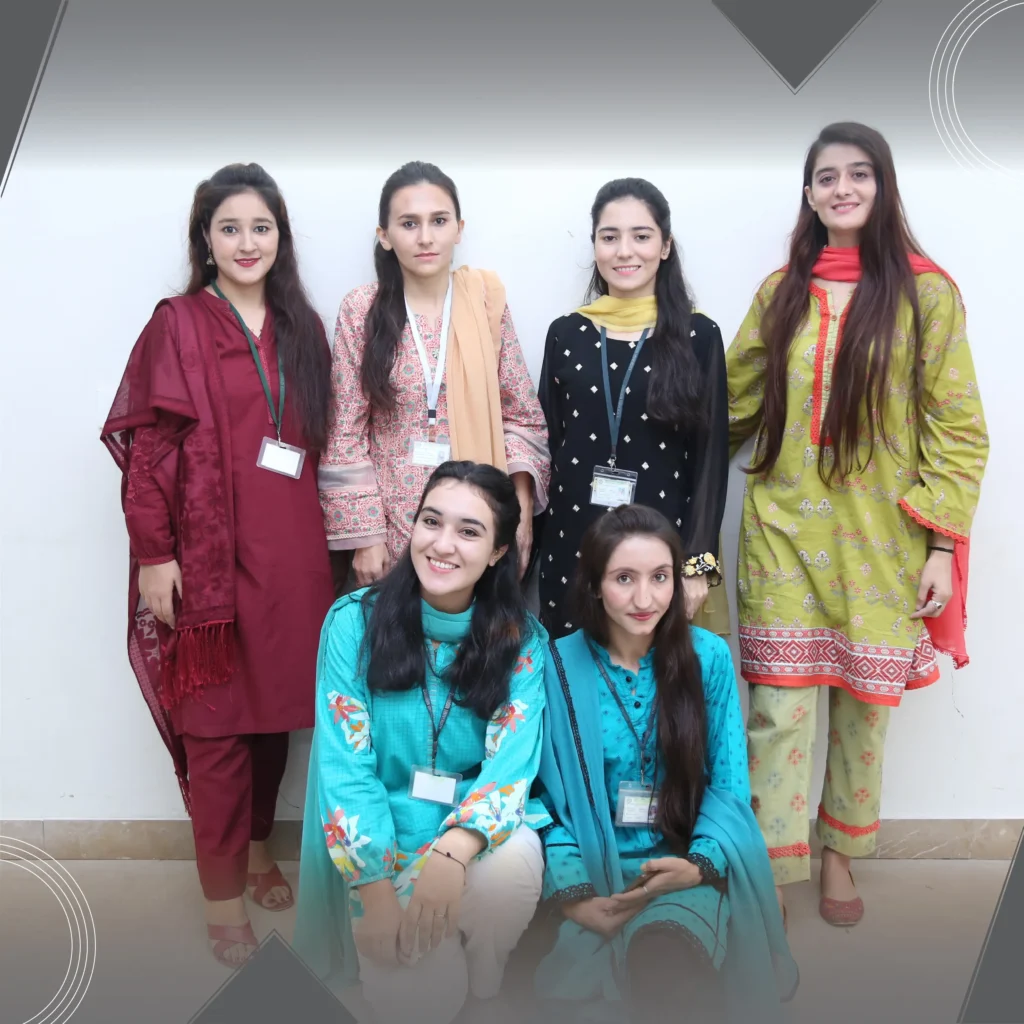
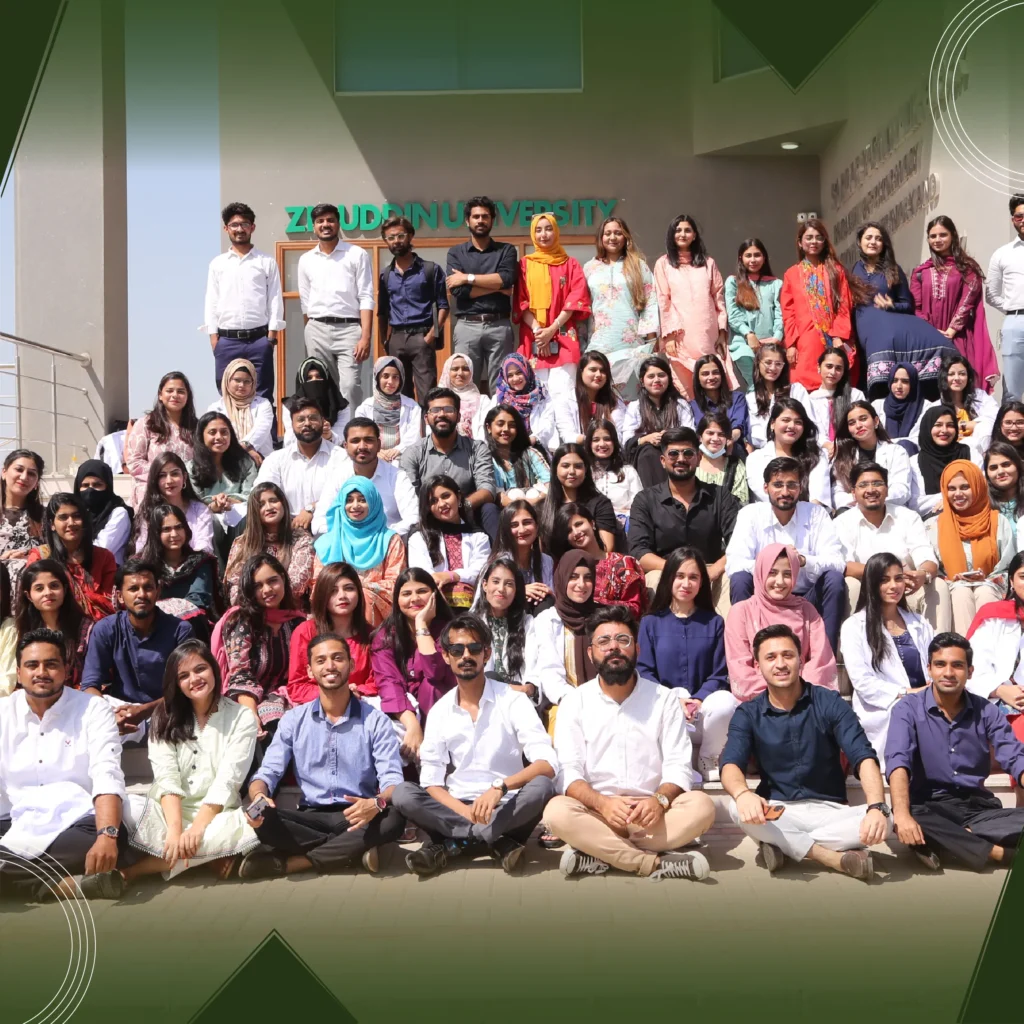
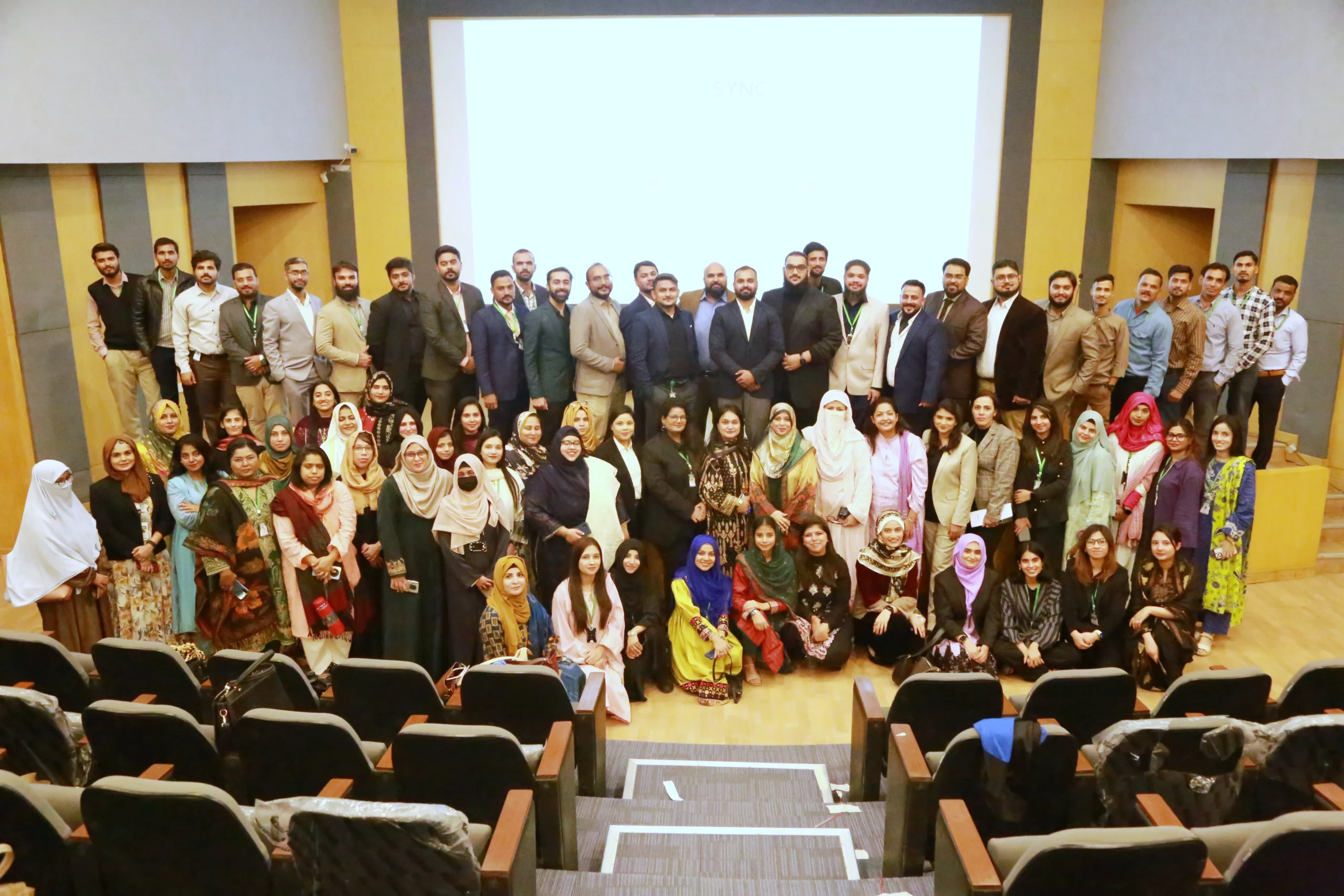
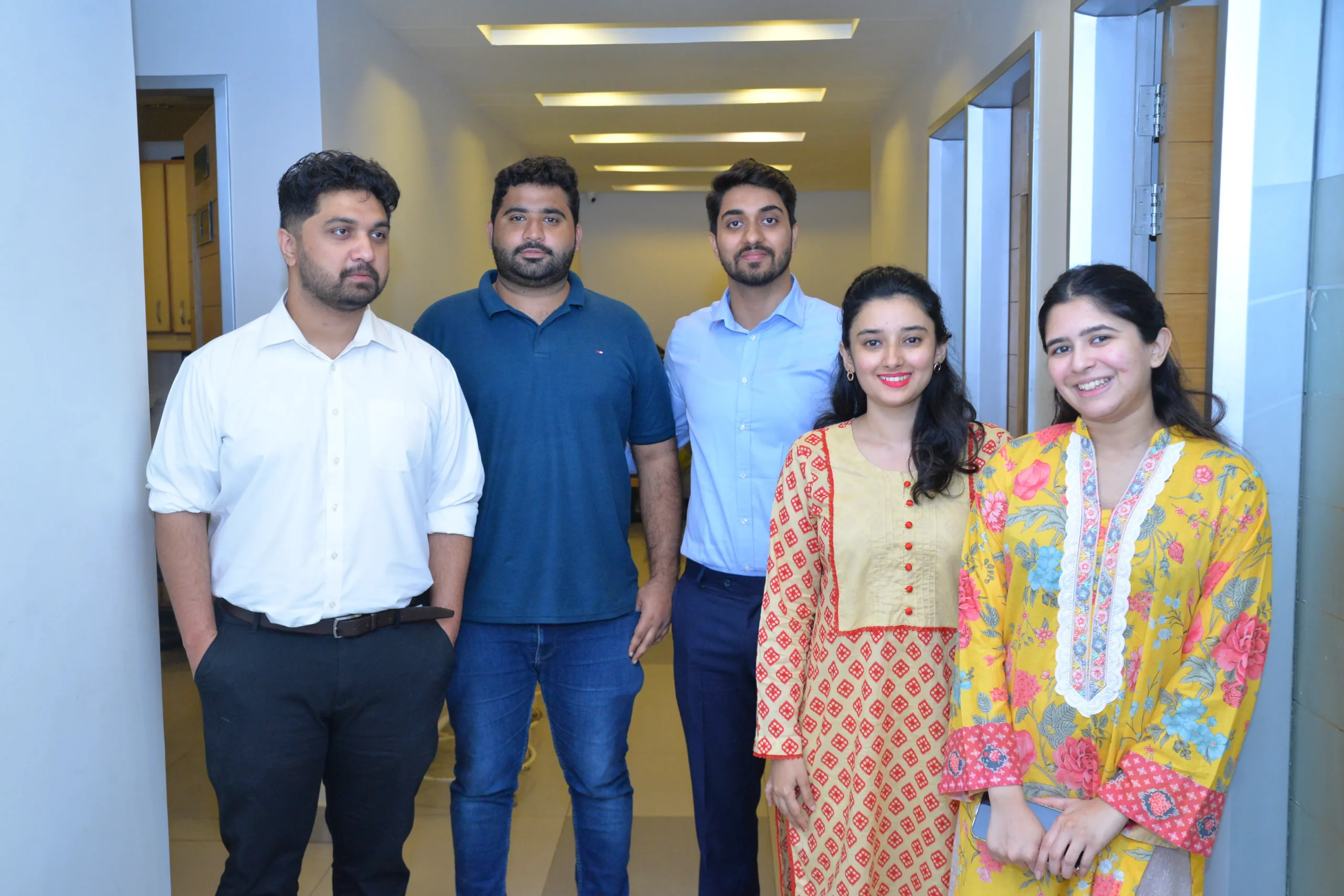
The programme began with Stage I: web-based learning (September–October 2025), followed by the in-person workshop in Karachi, and concluded with Stage III: mentored research plan development. Facilitated by experts from ISARIC (UK), ICC-CTN (Ireland), and CCRG (Pakistan), the training brought together participants from icddr,b (Bangladesh), Aga Khan University, Chughtai Institute of Pathology, and The Indus Hospital (Pakistan).
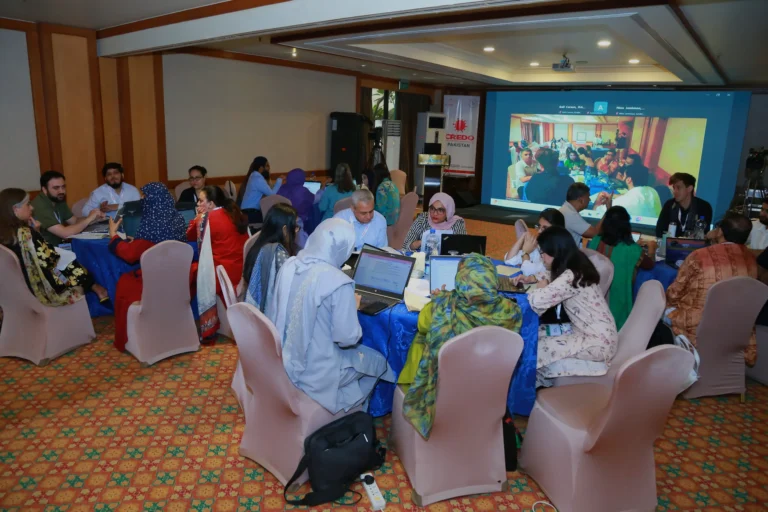
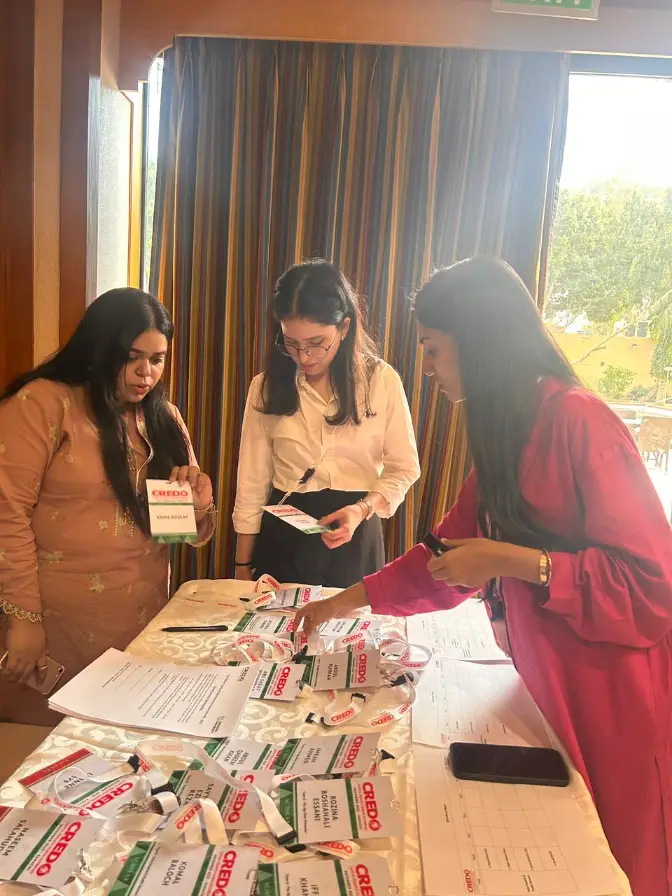
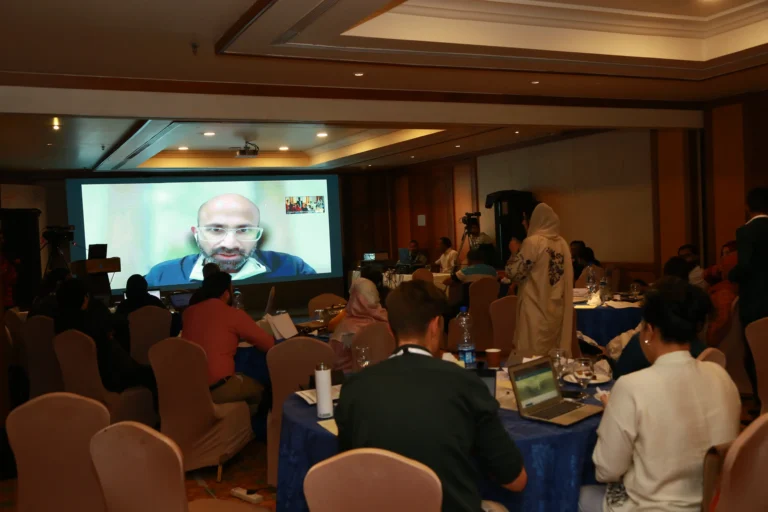
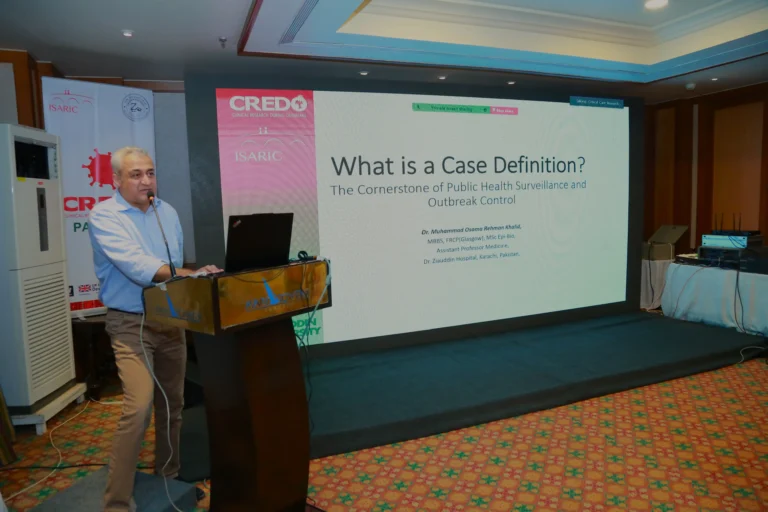
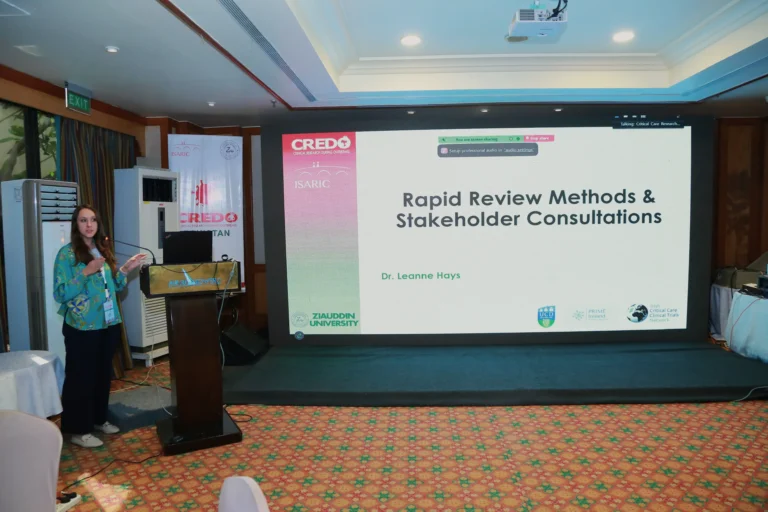
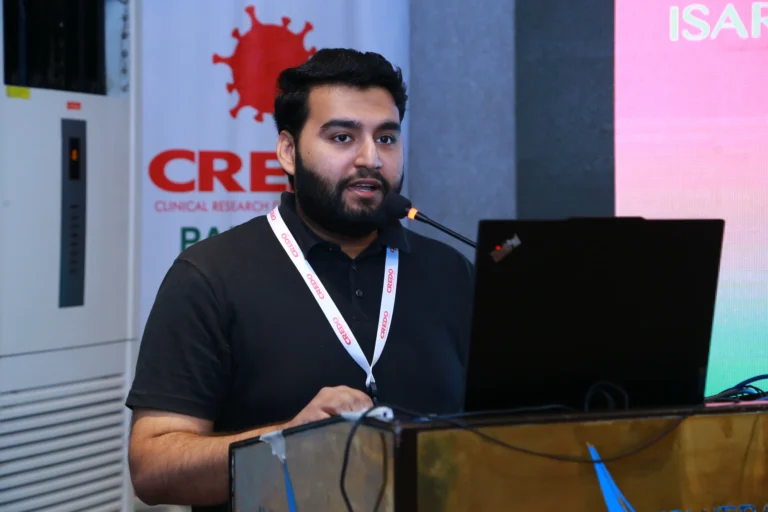
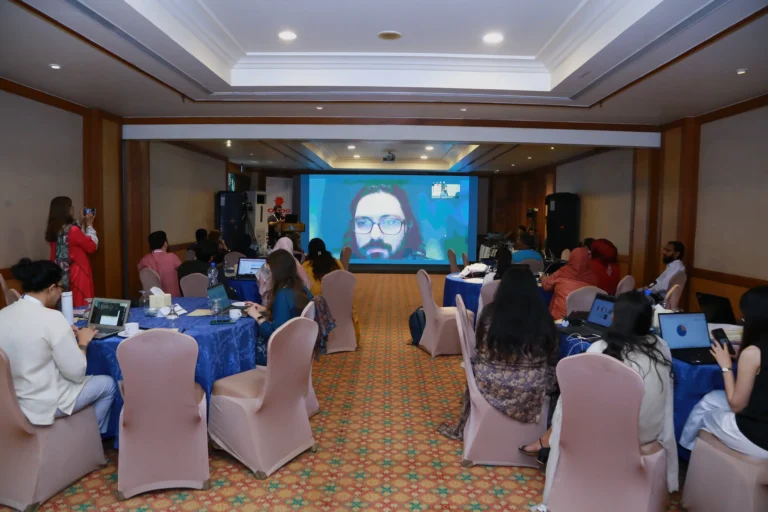
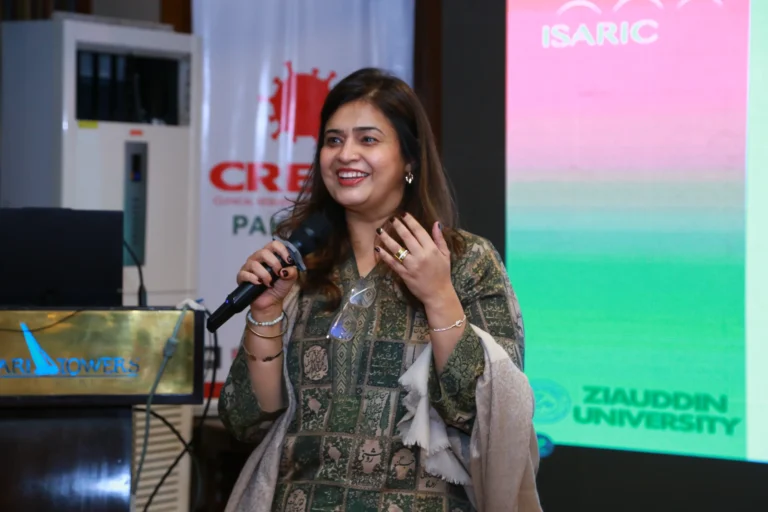
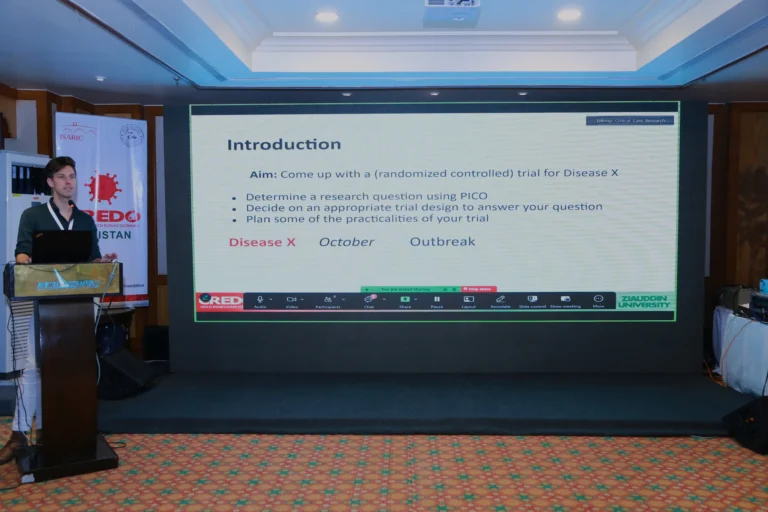
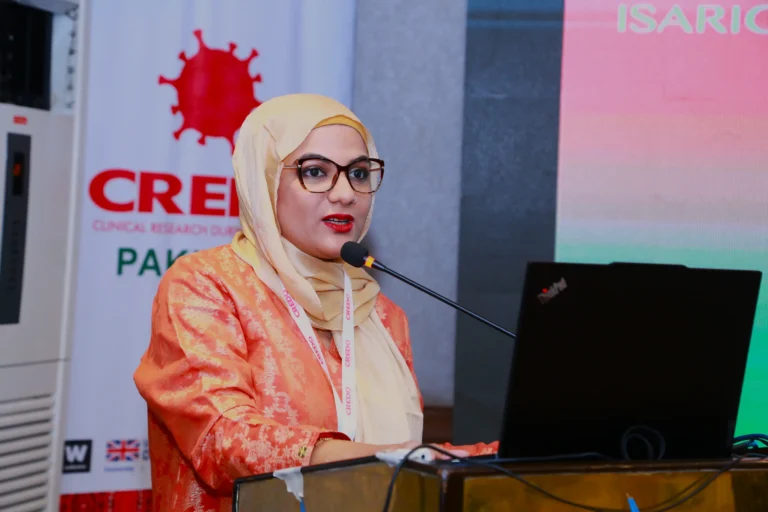
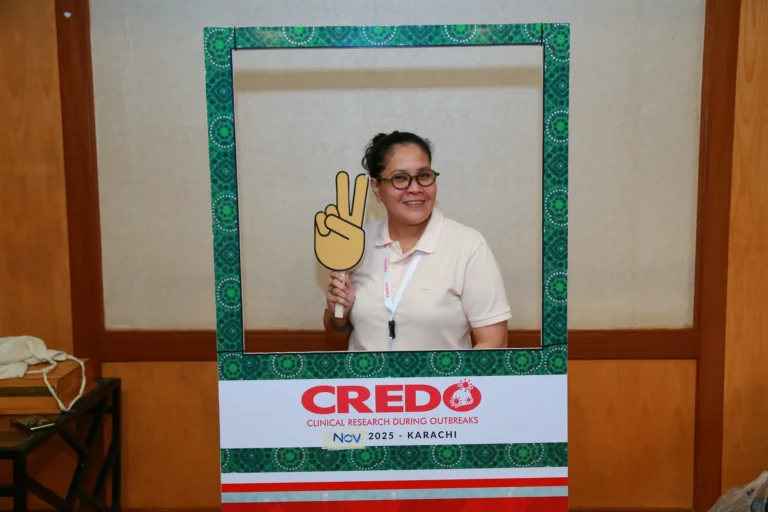
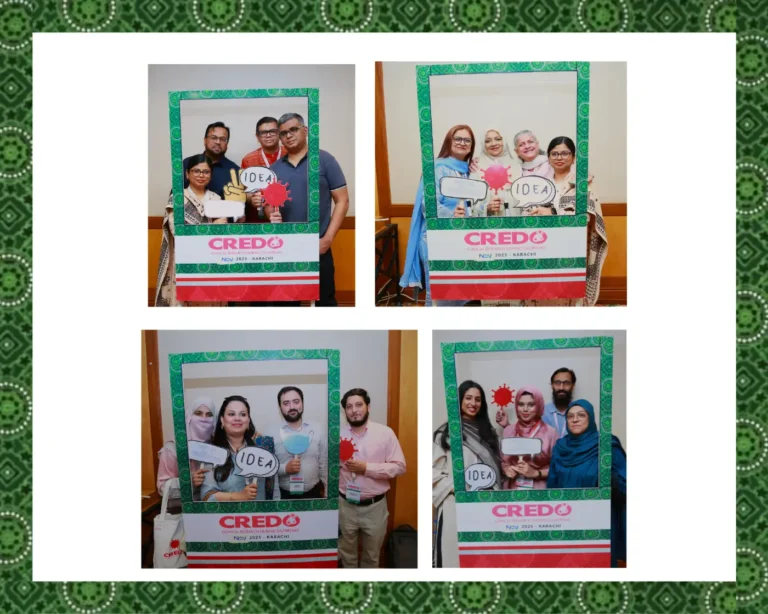
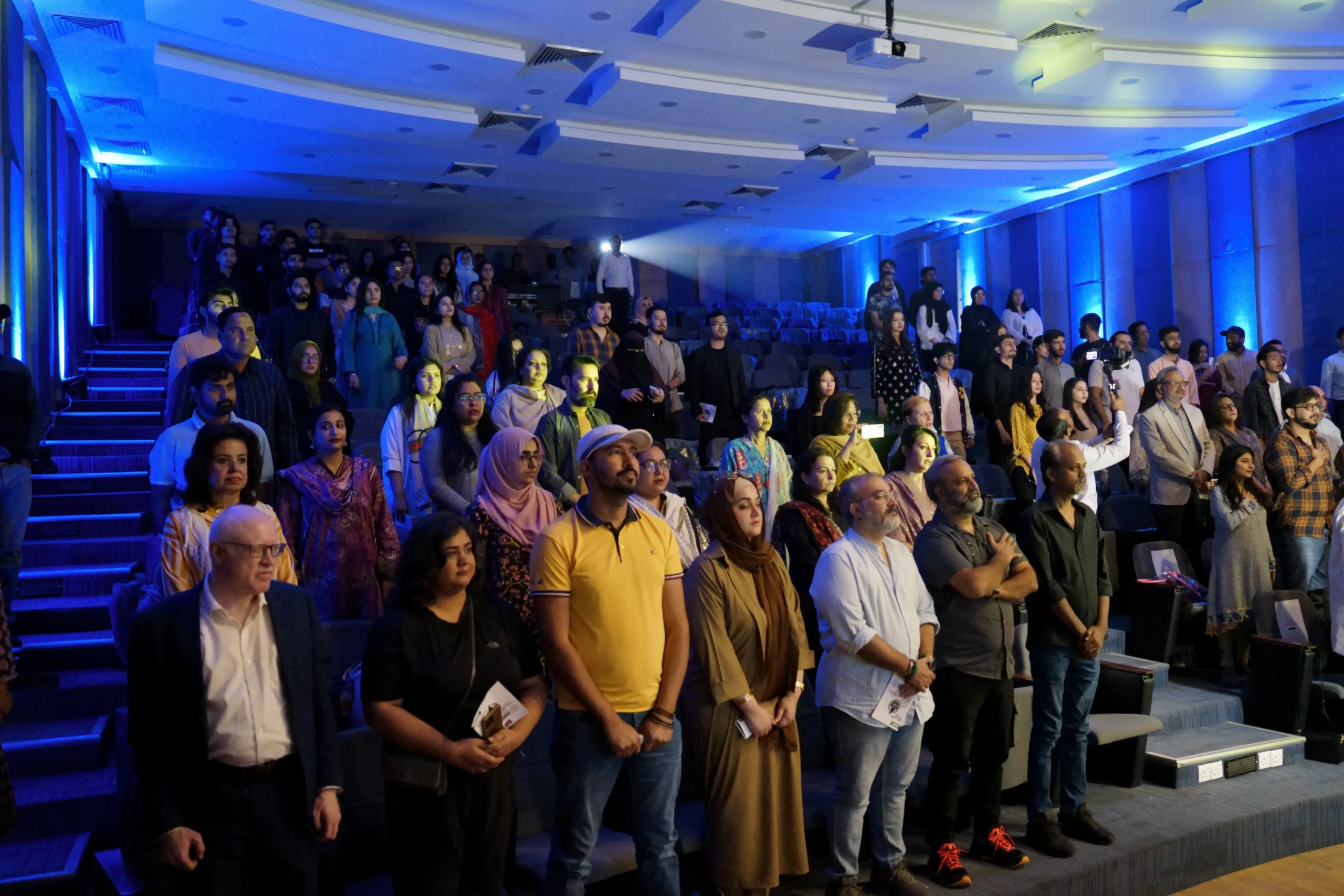
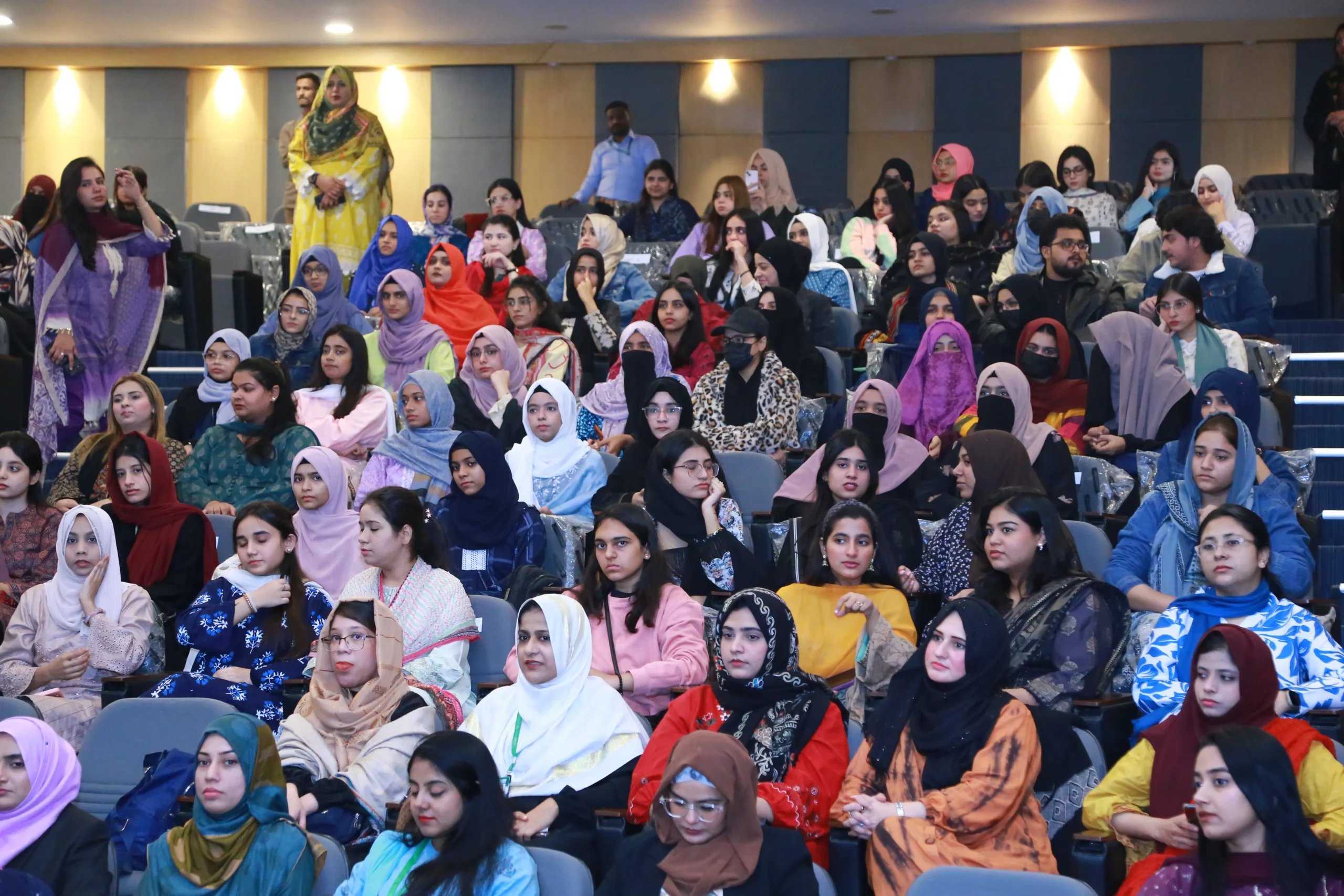
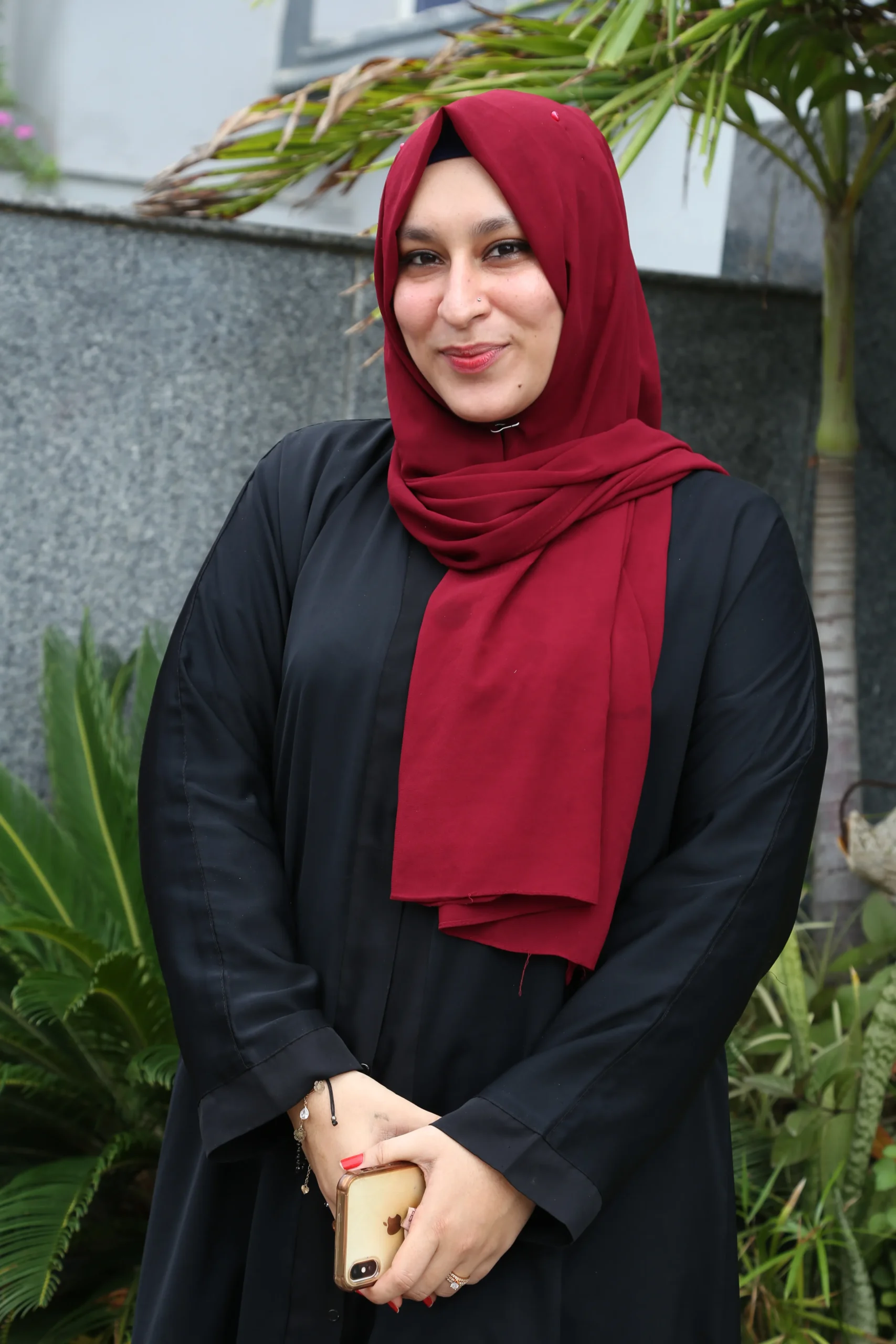
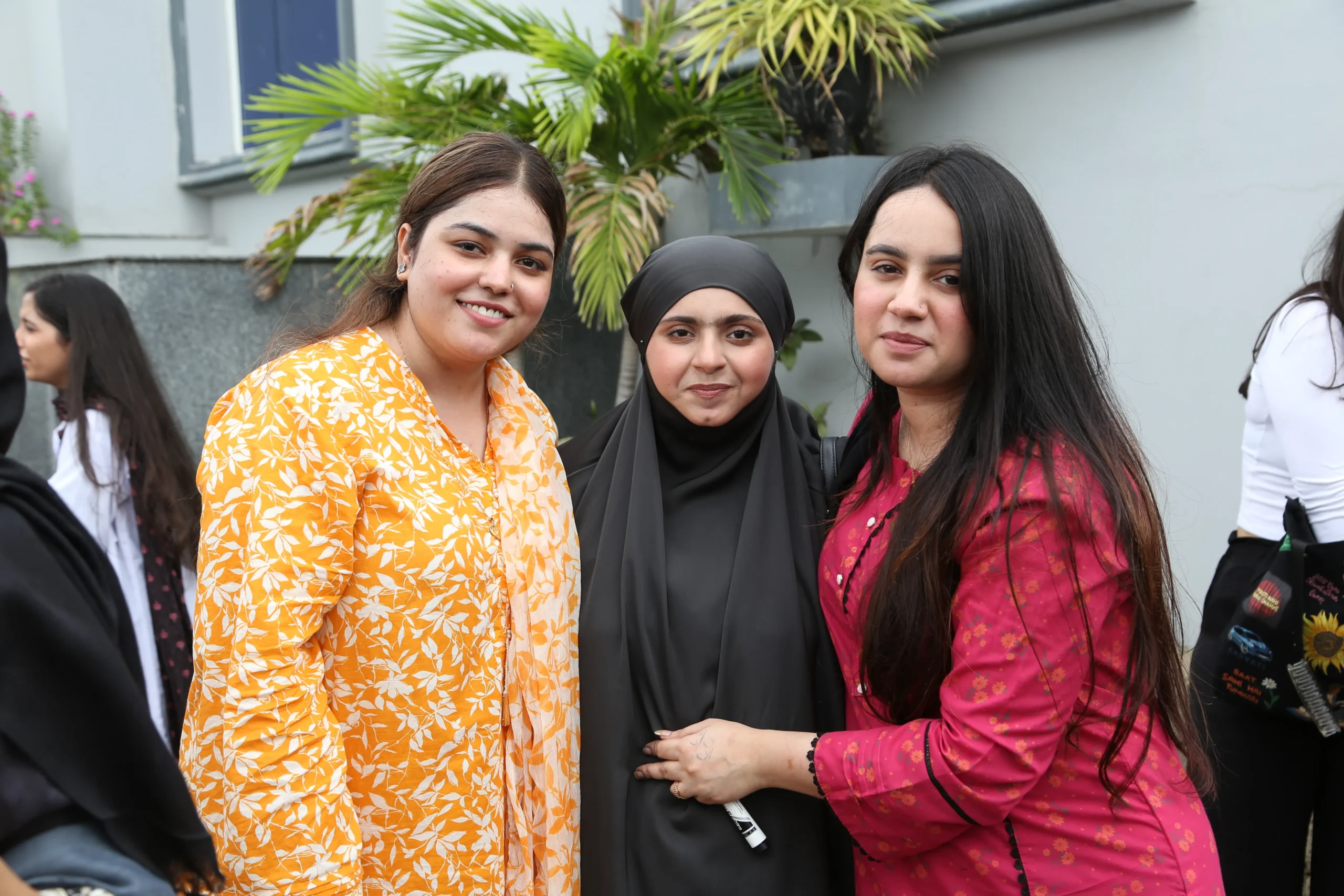
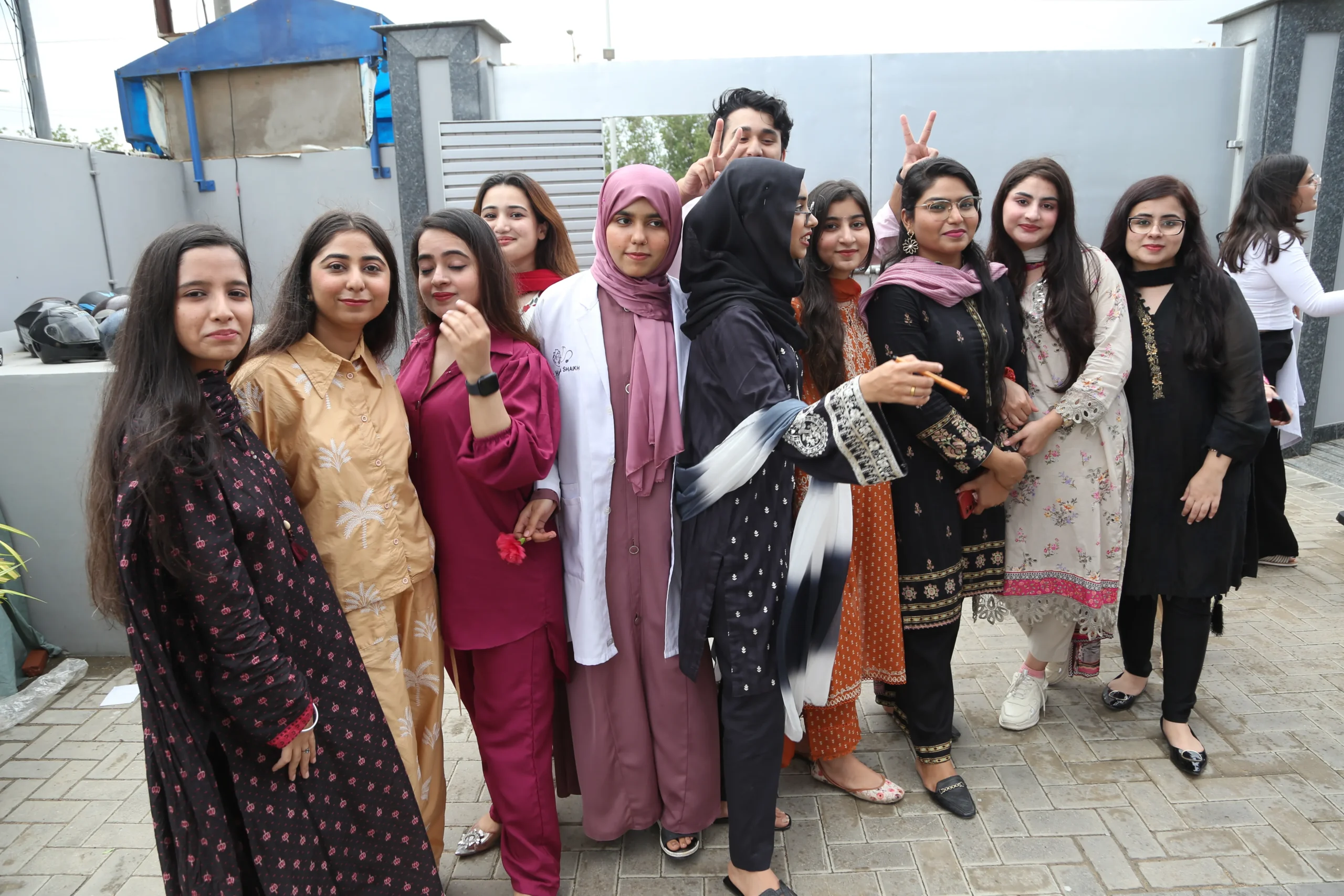
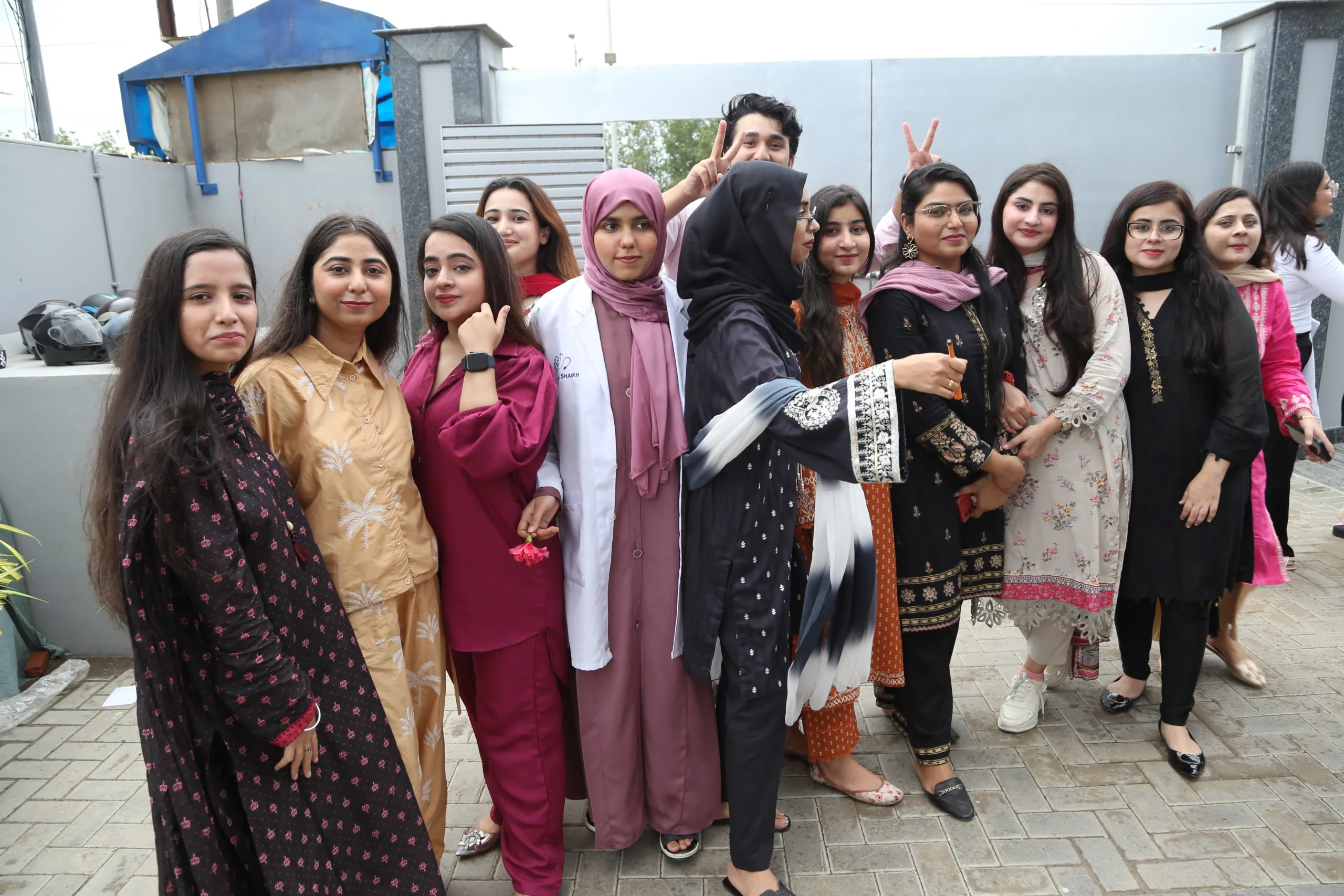
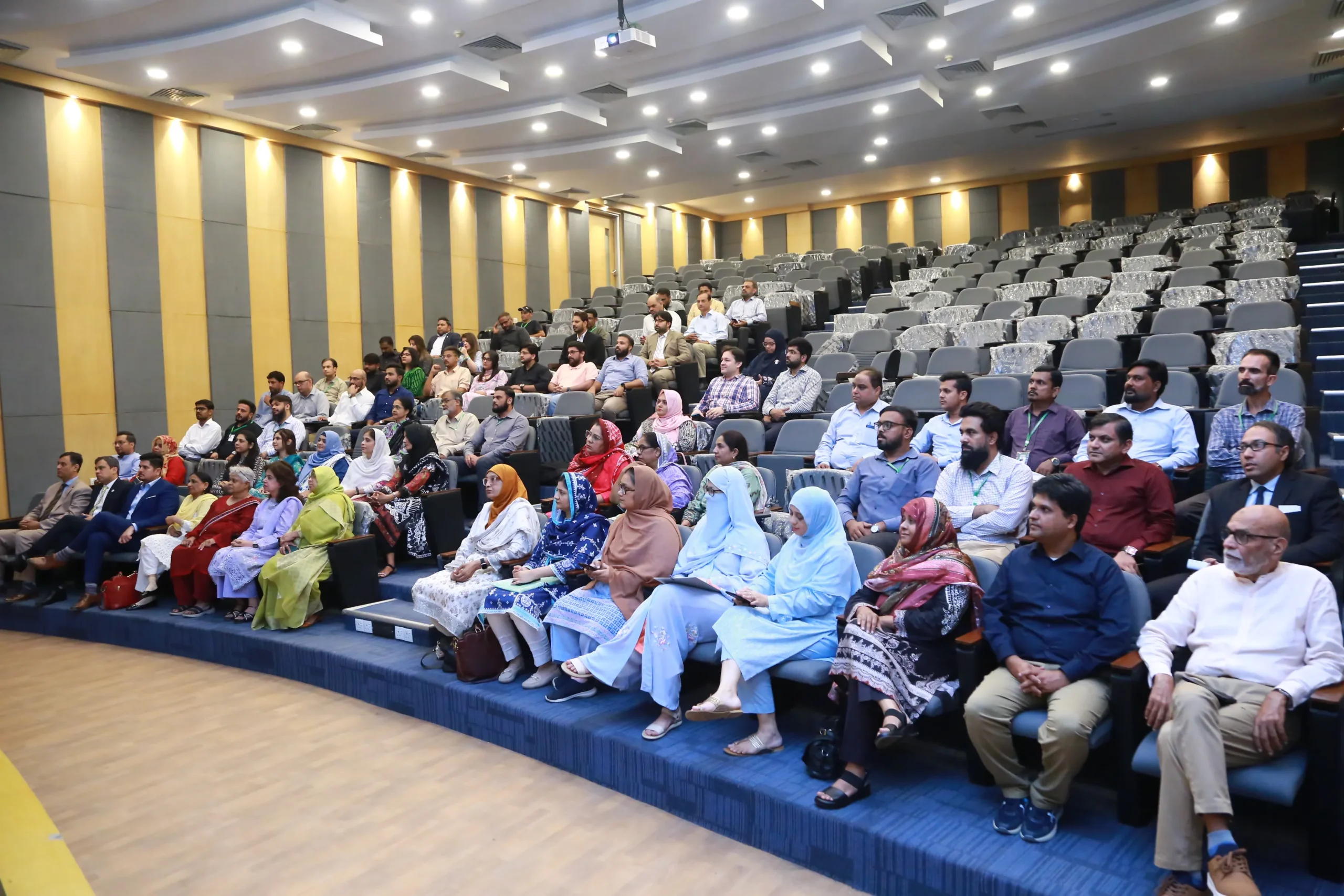
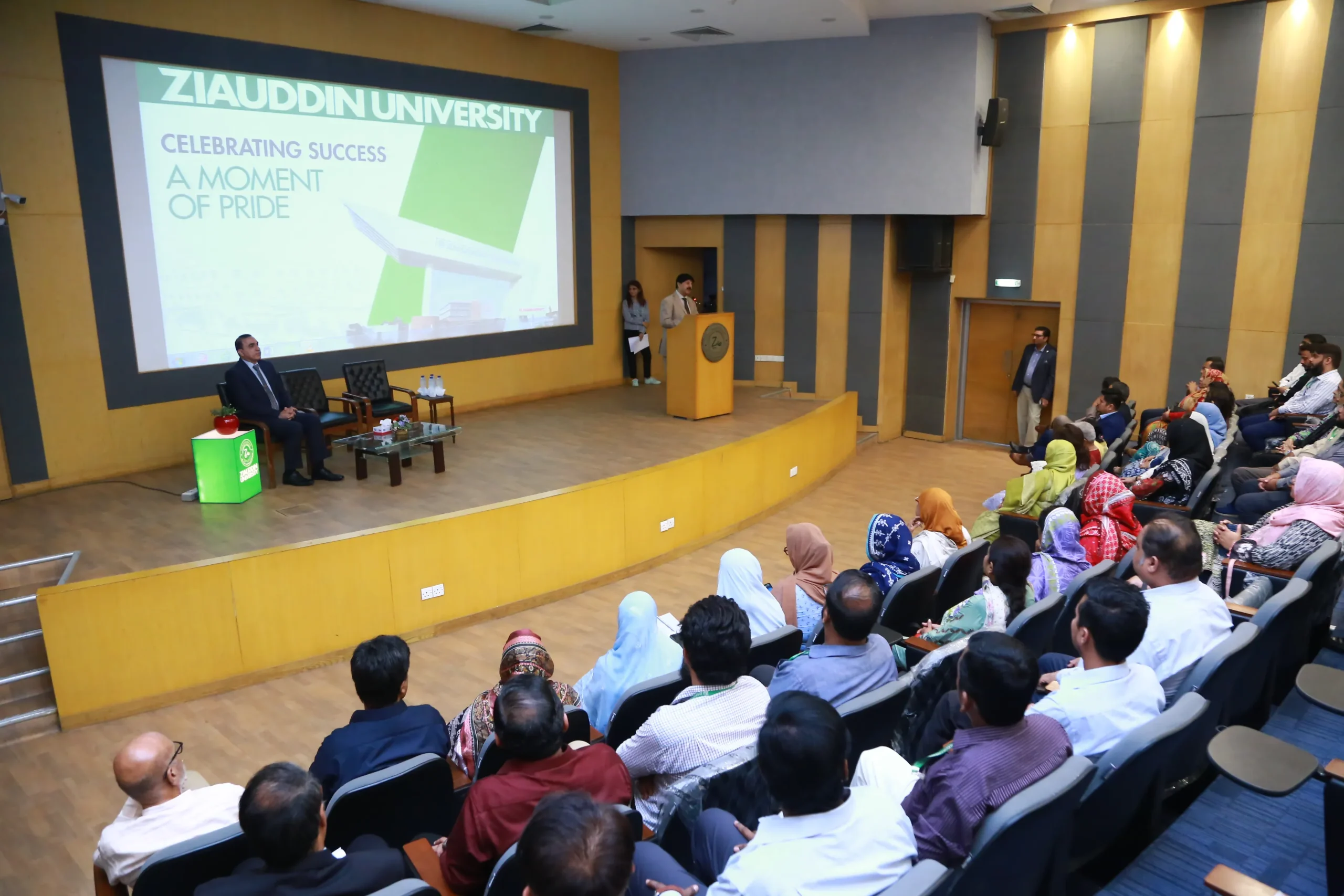
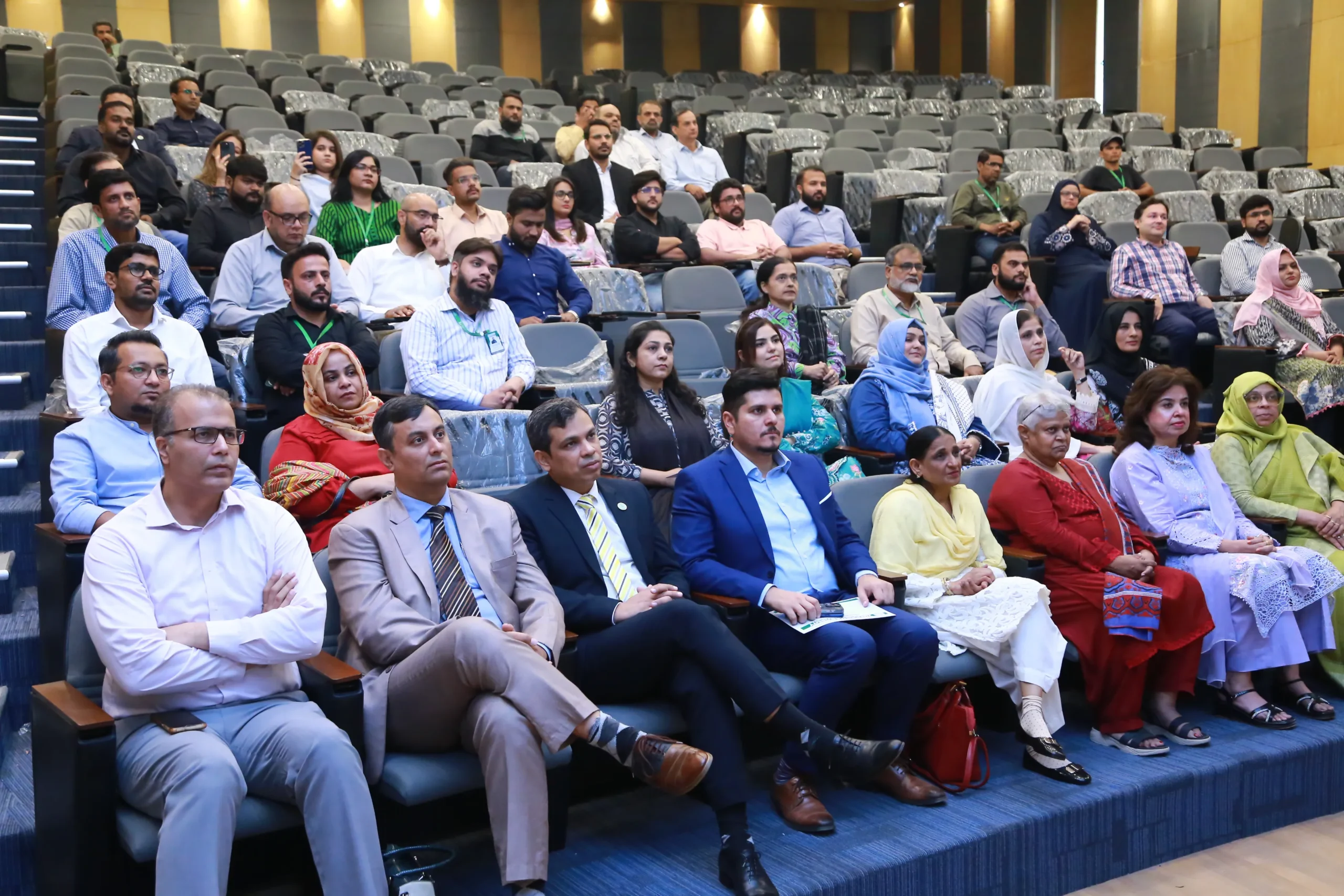
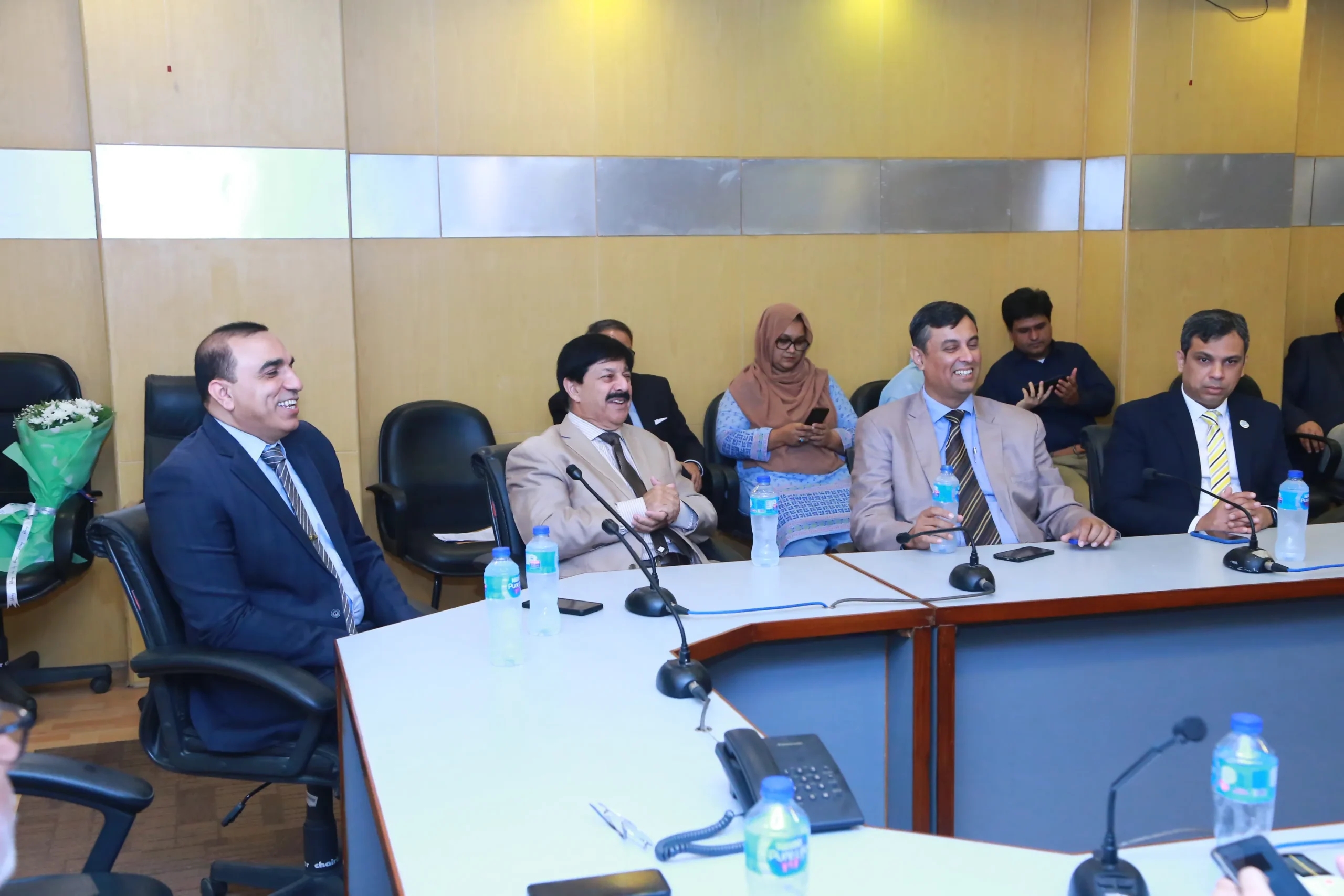
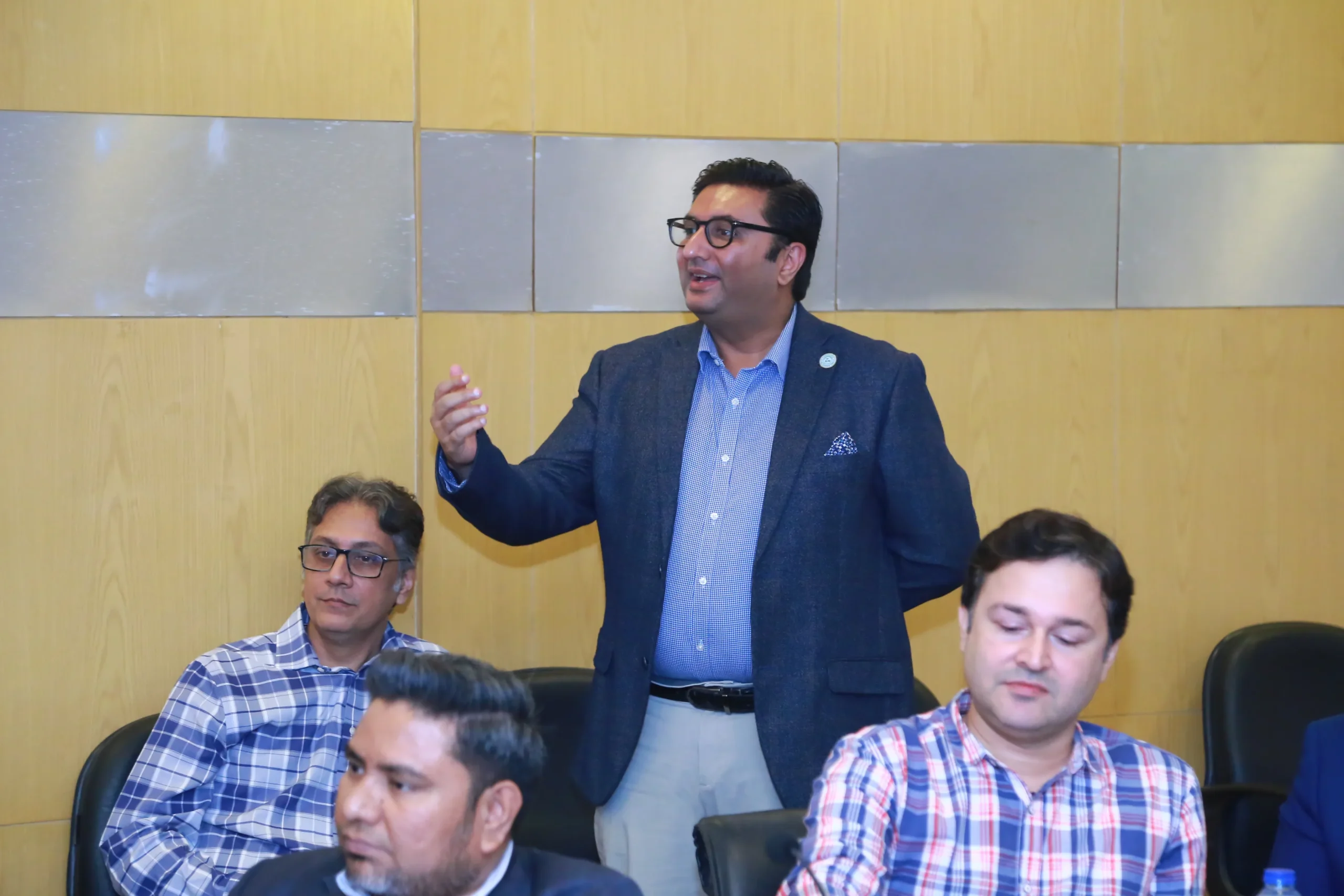
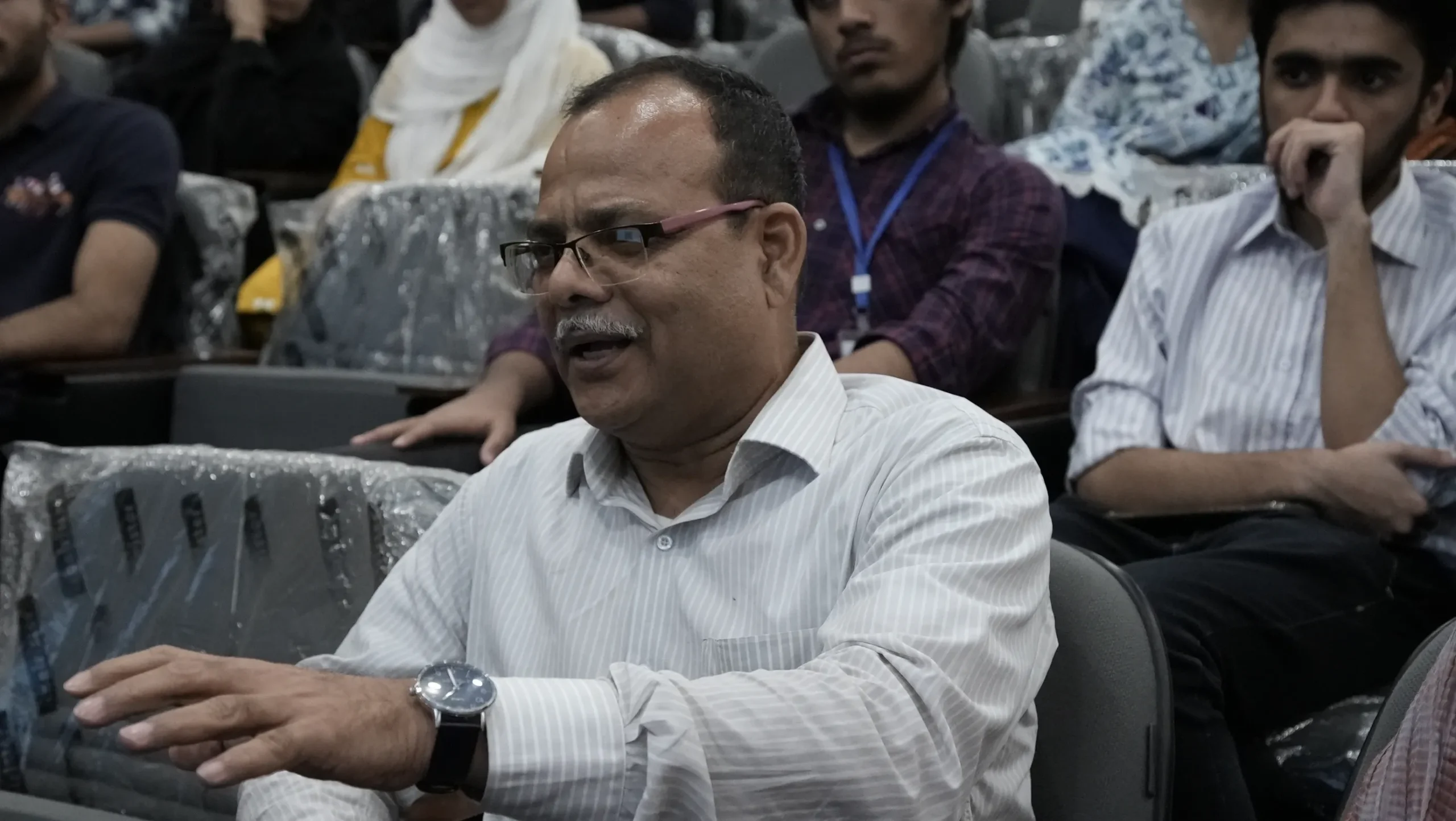
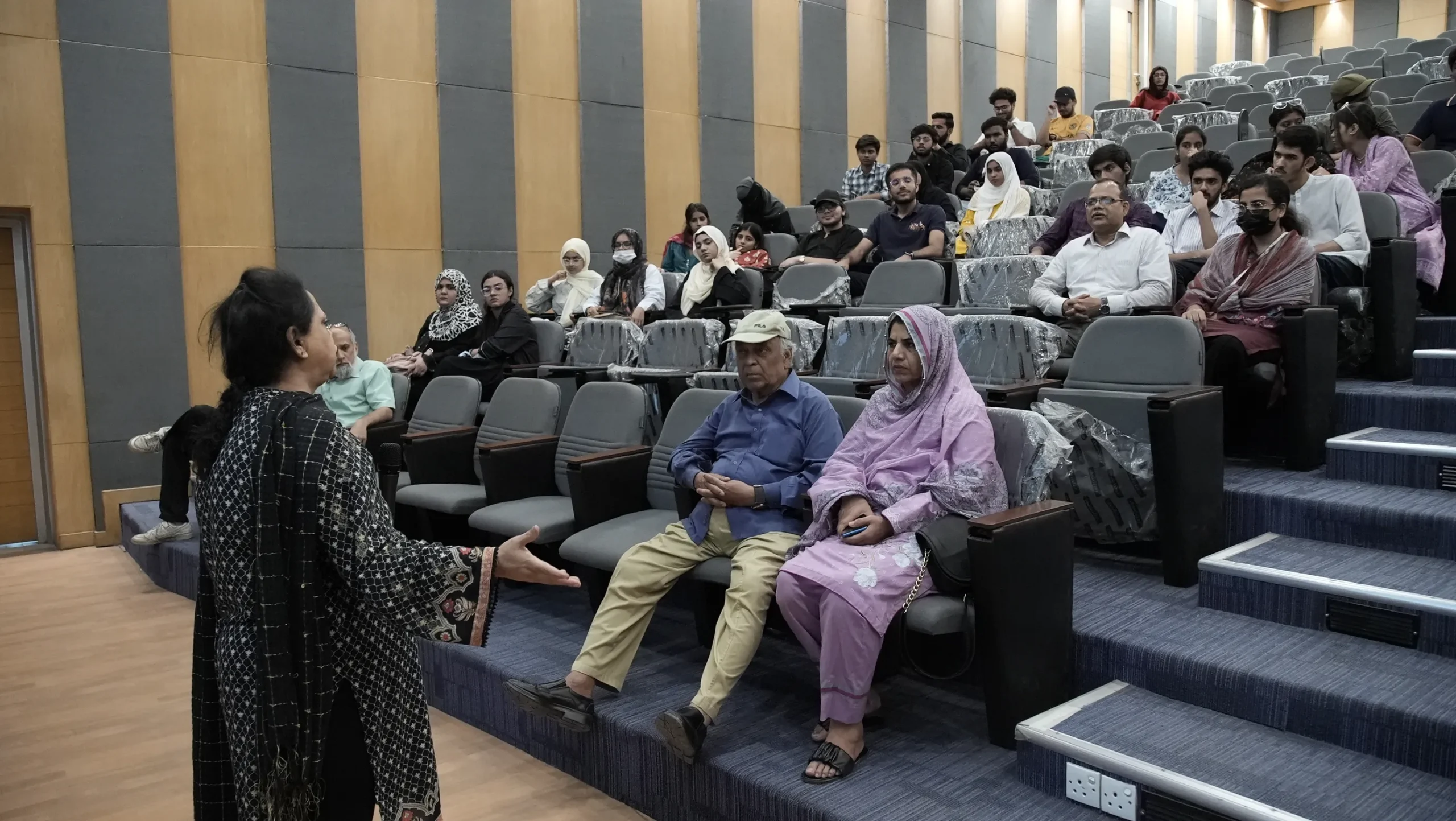
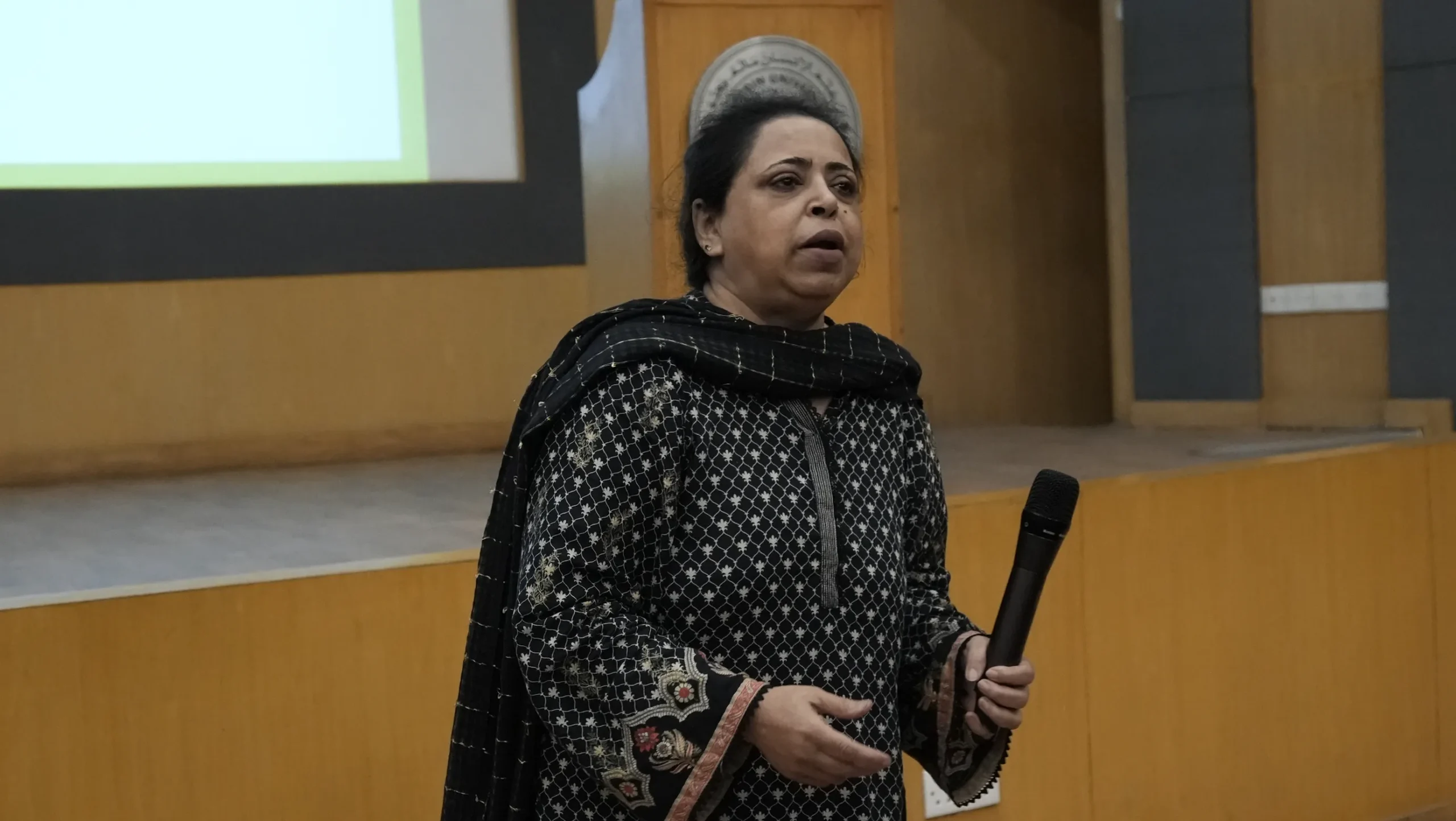
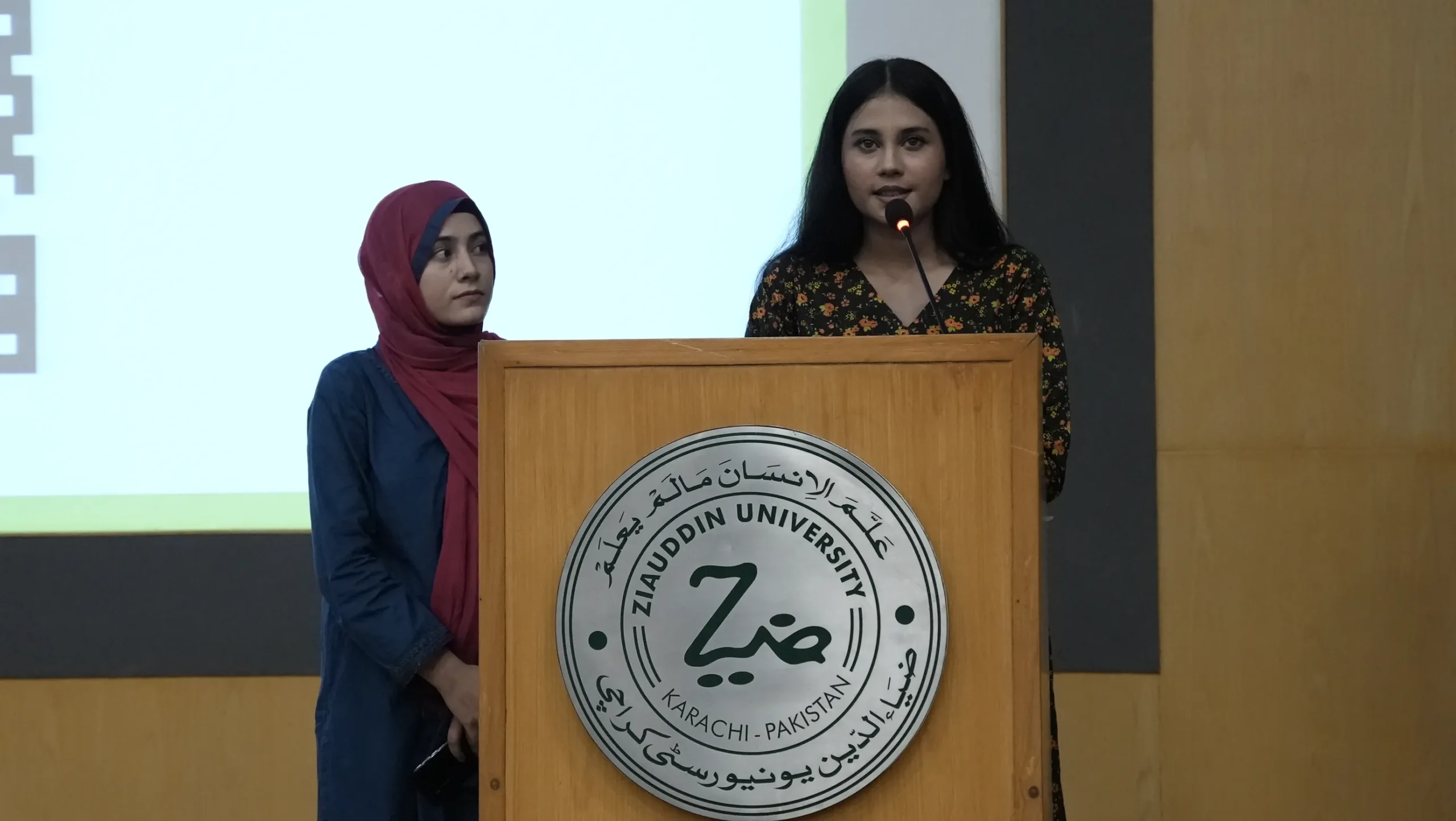
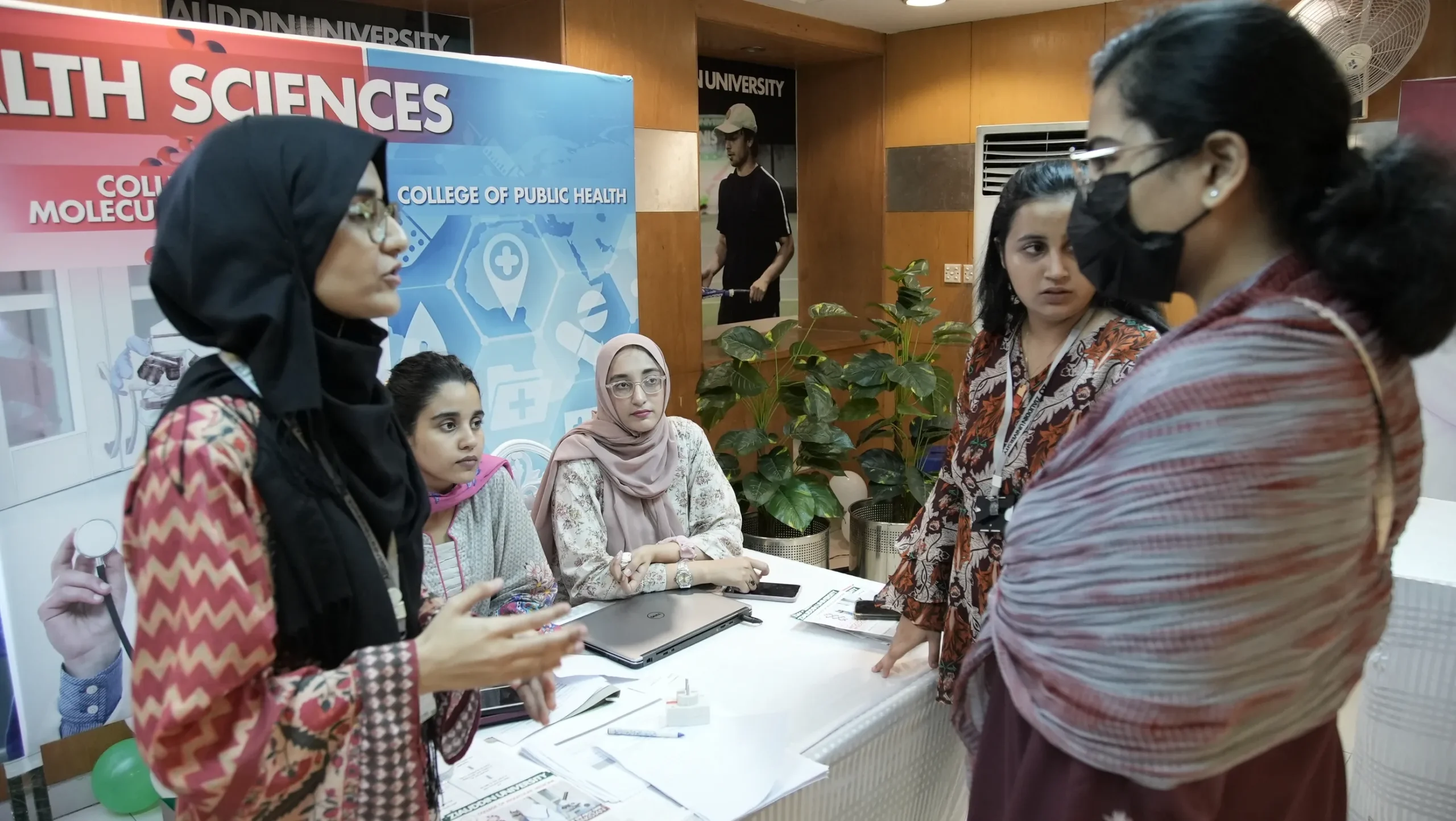
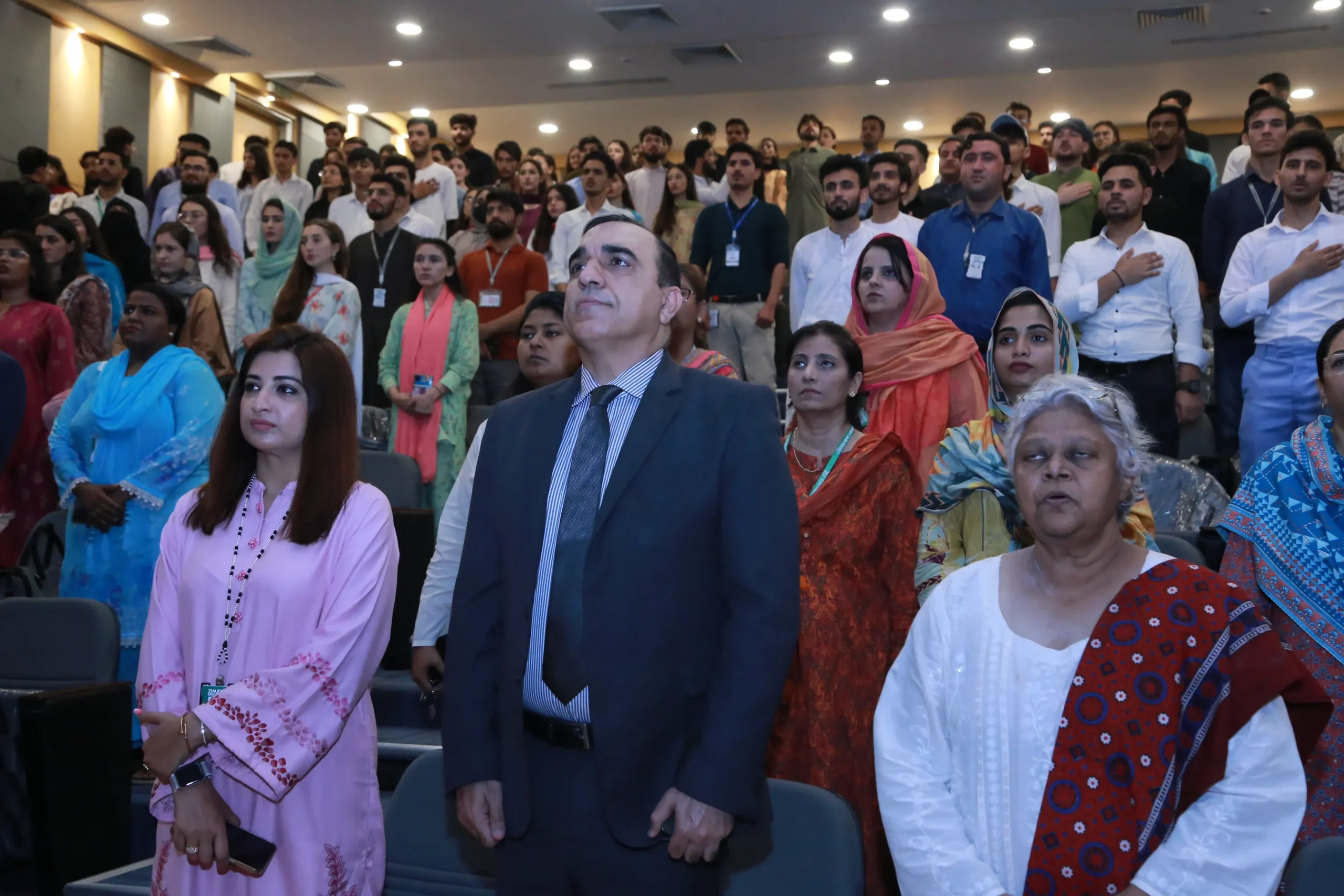
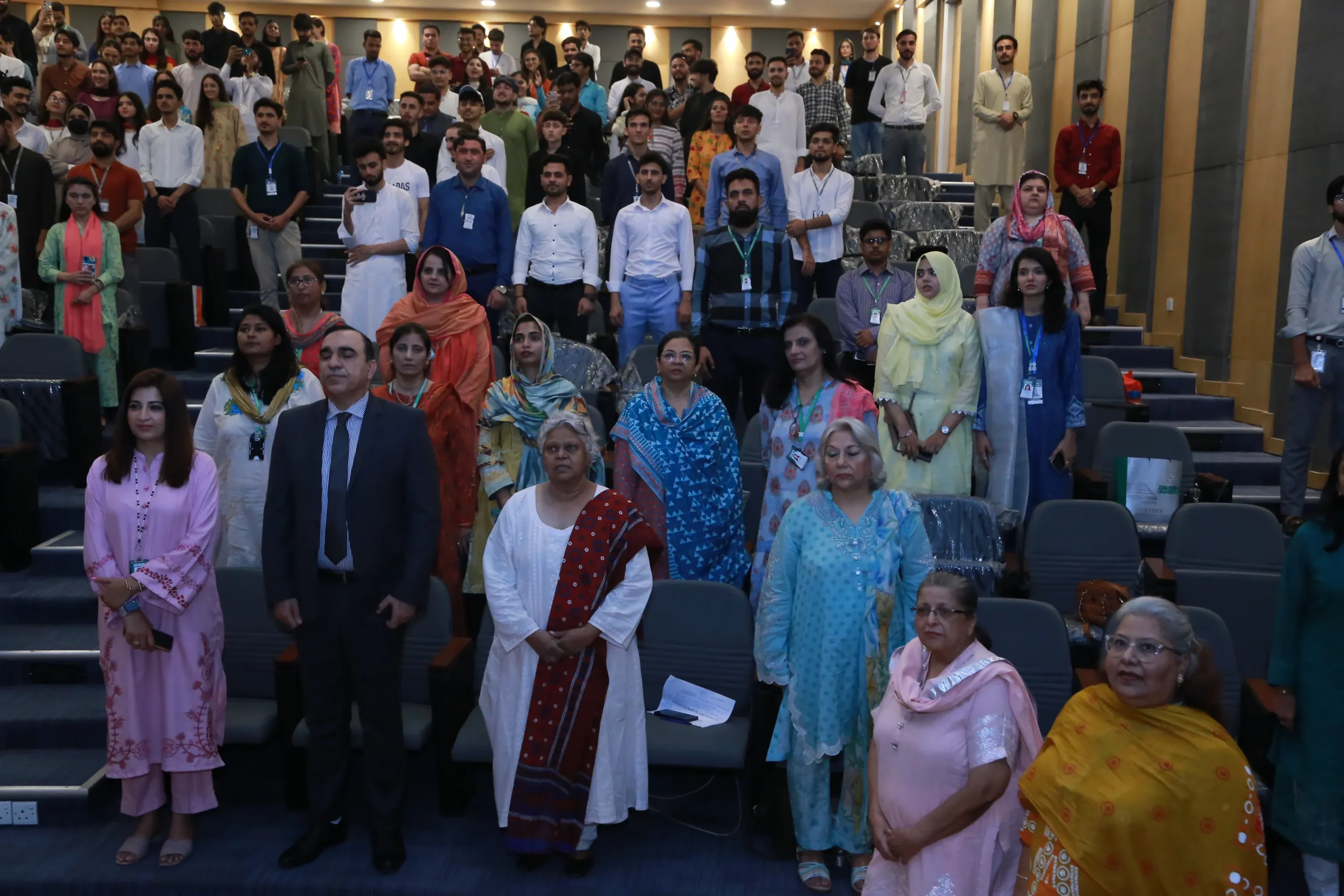
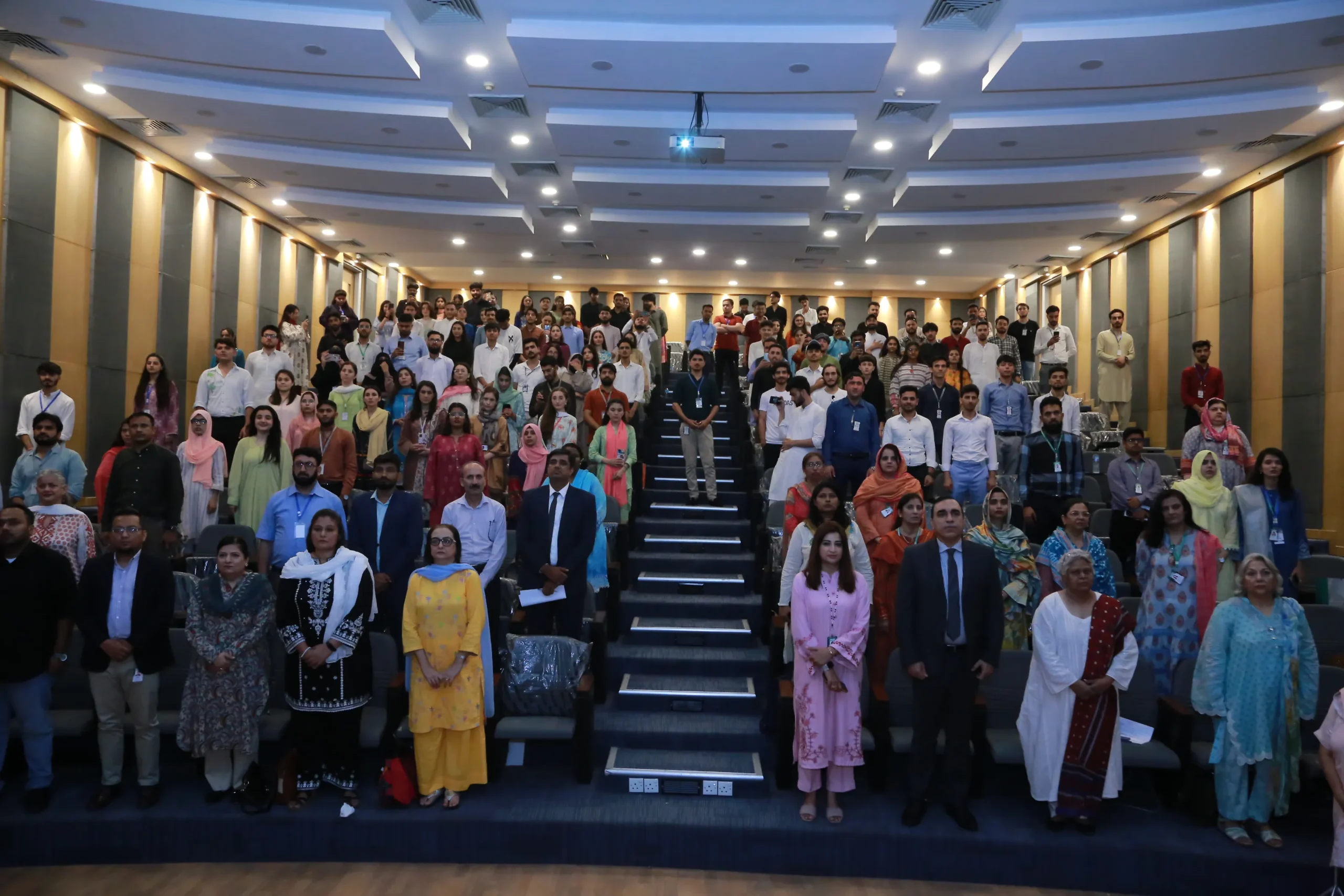
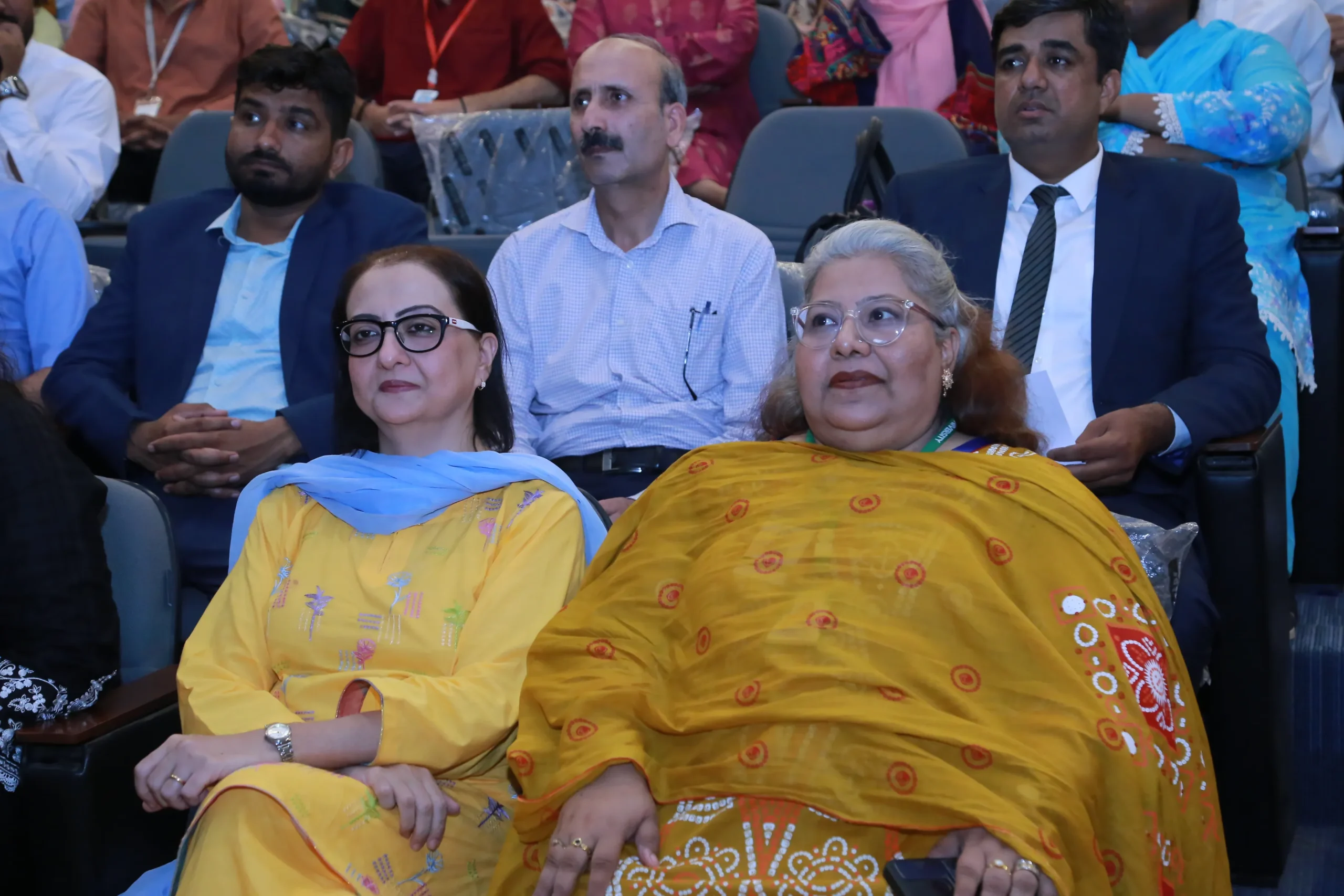
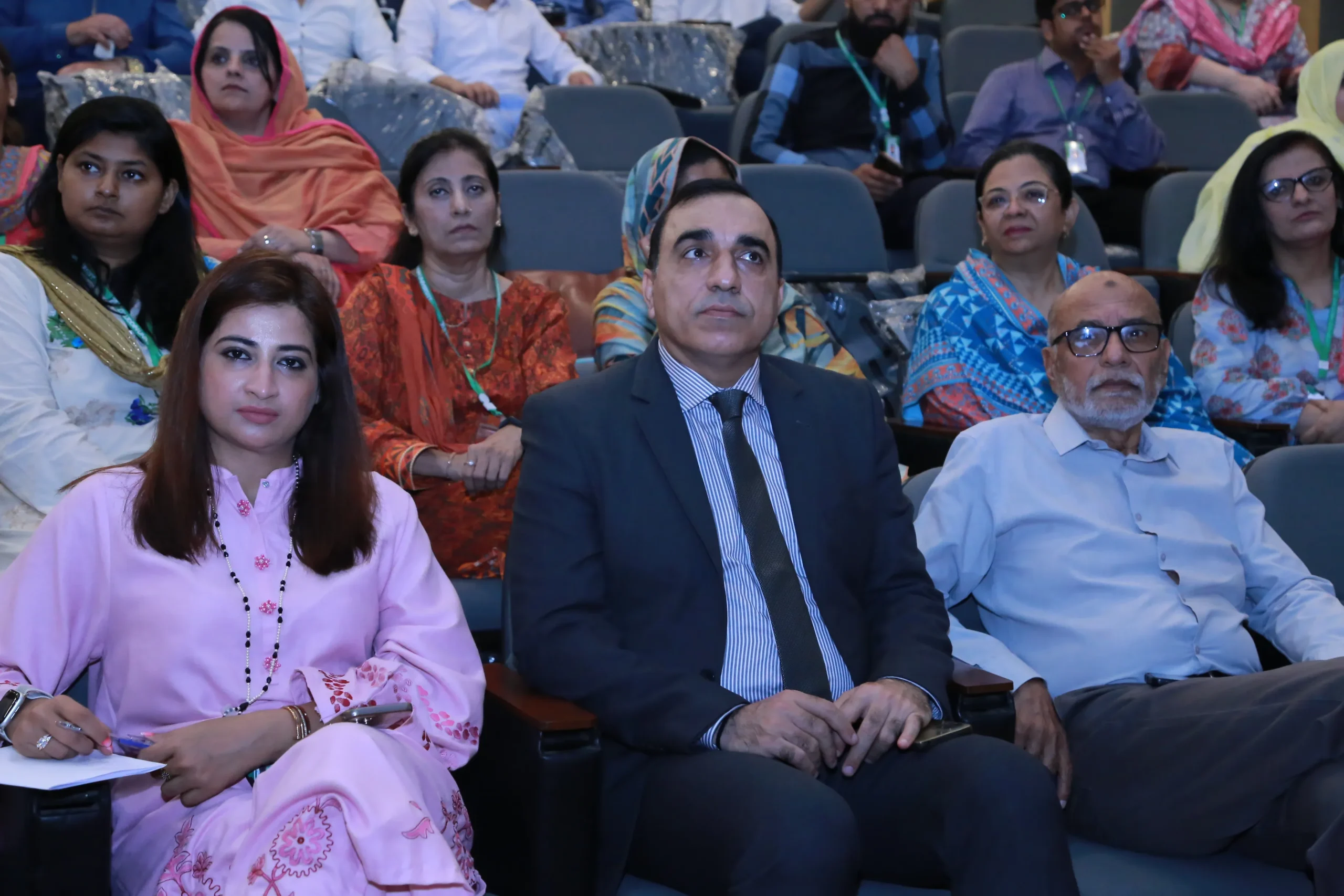
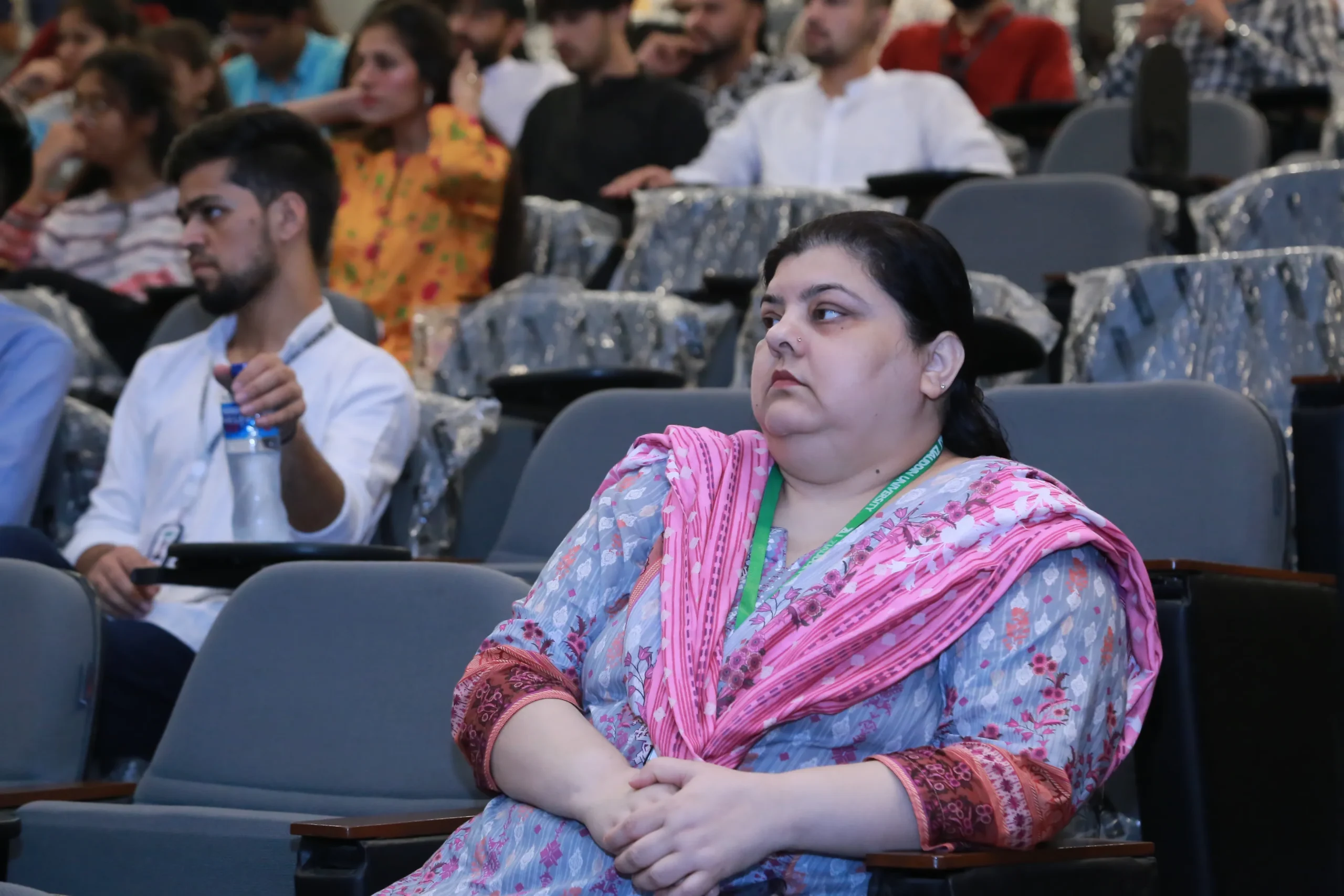
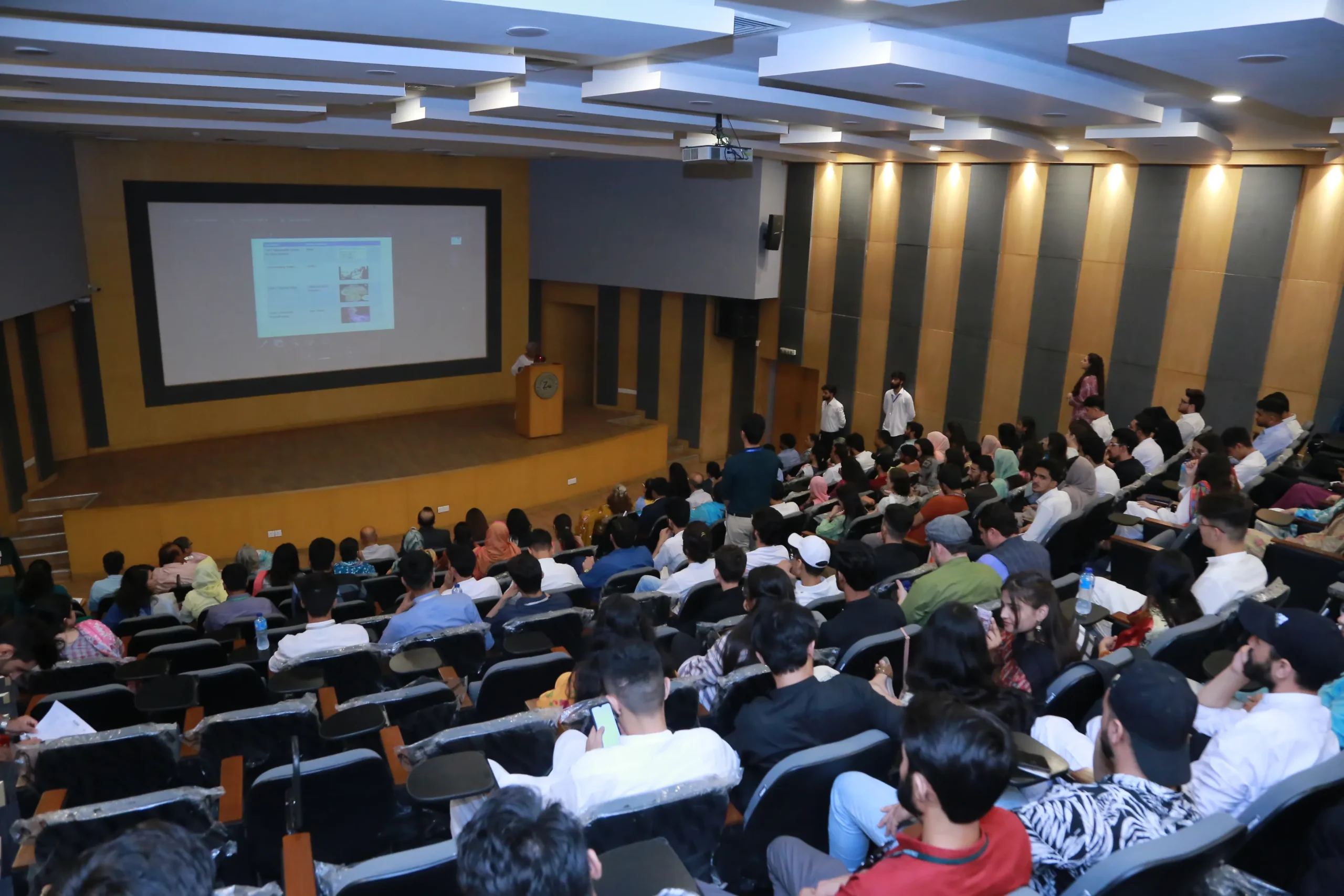
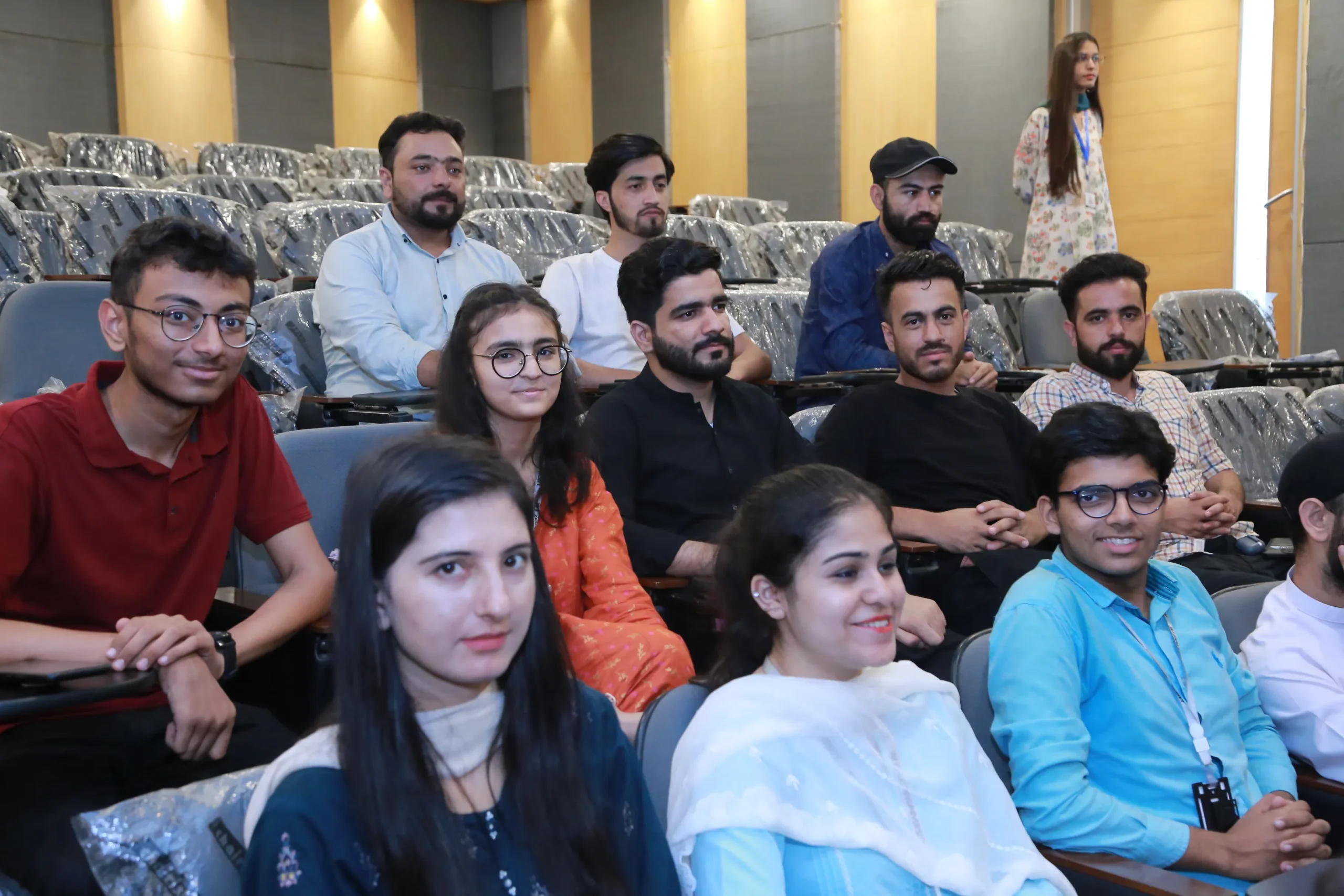
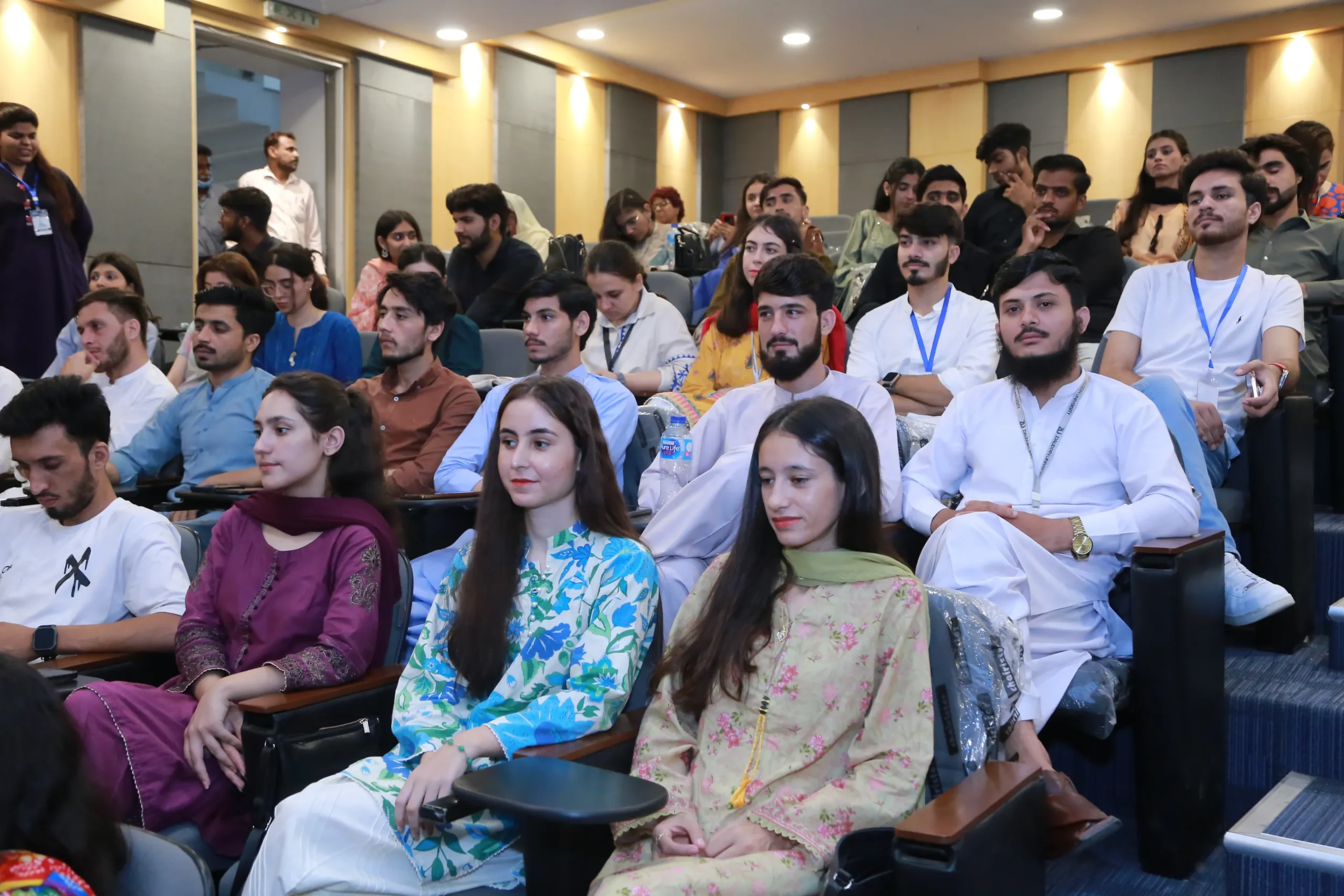
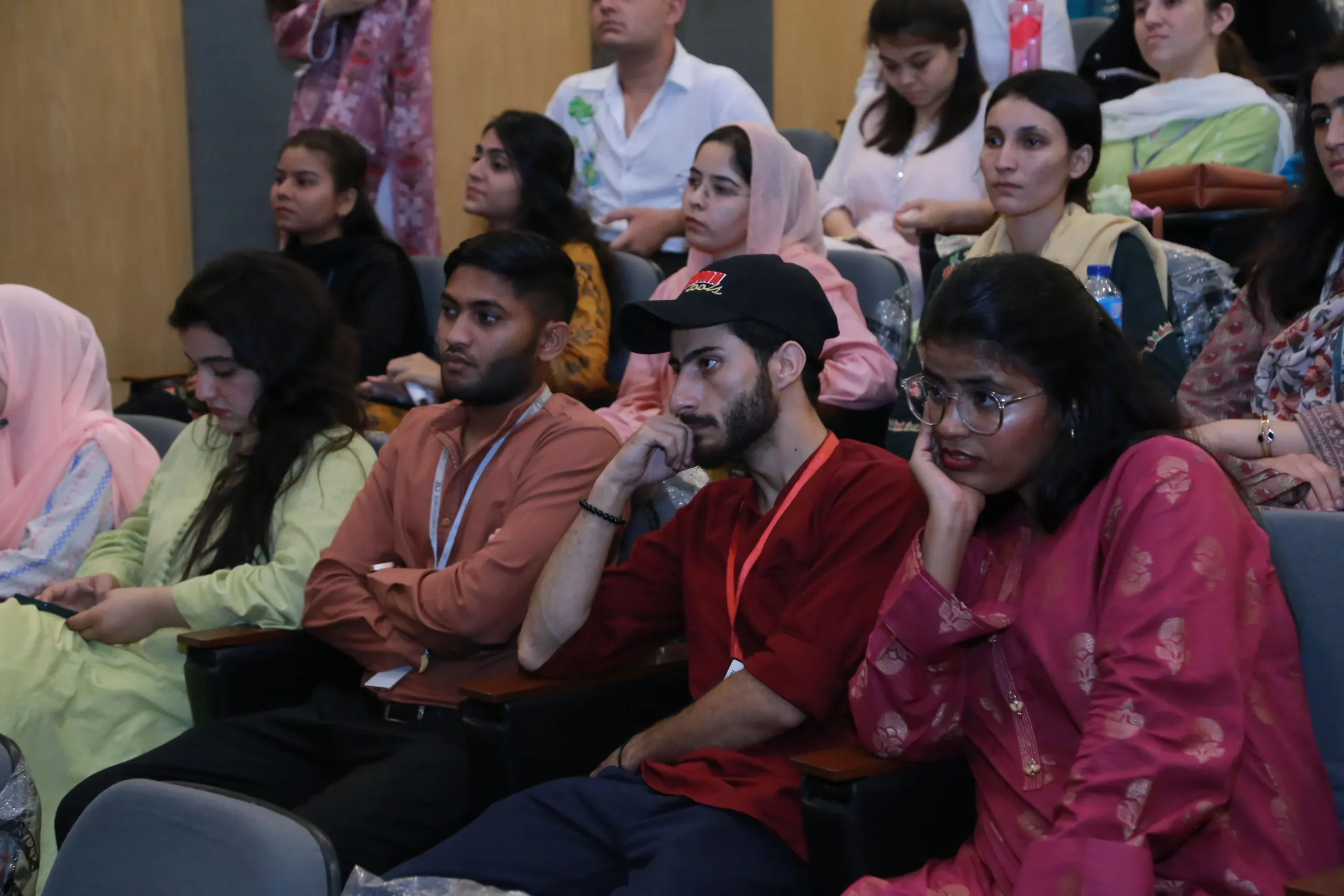
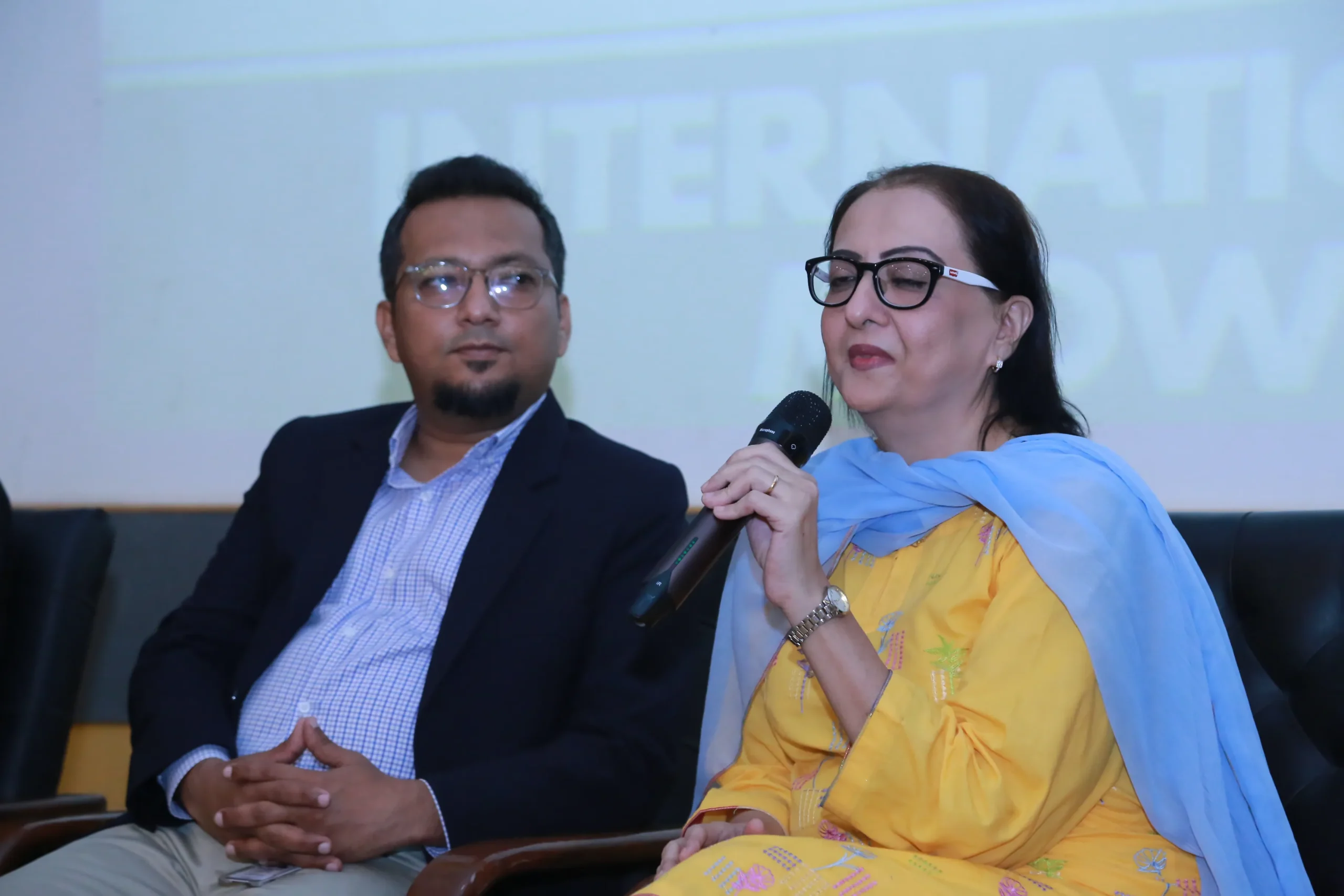
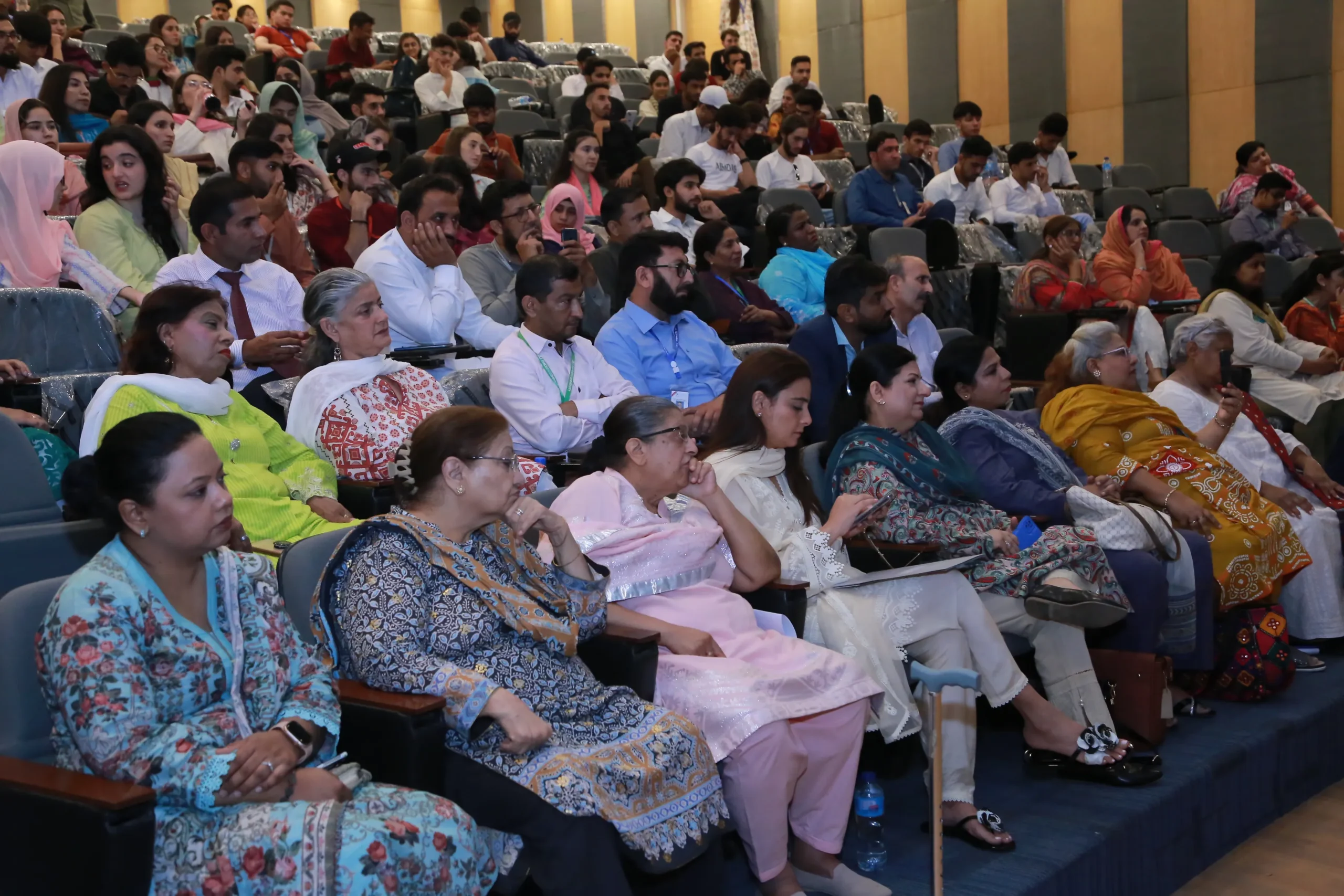
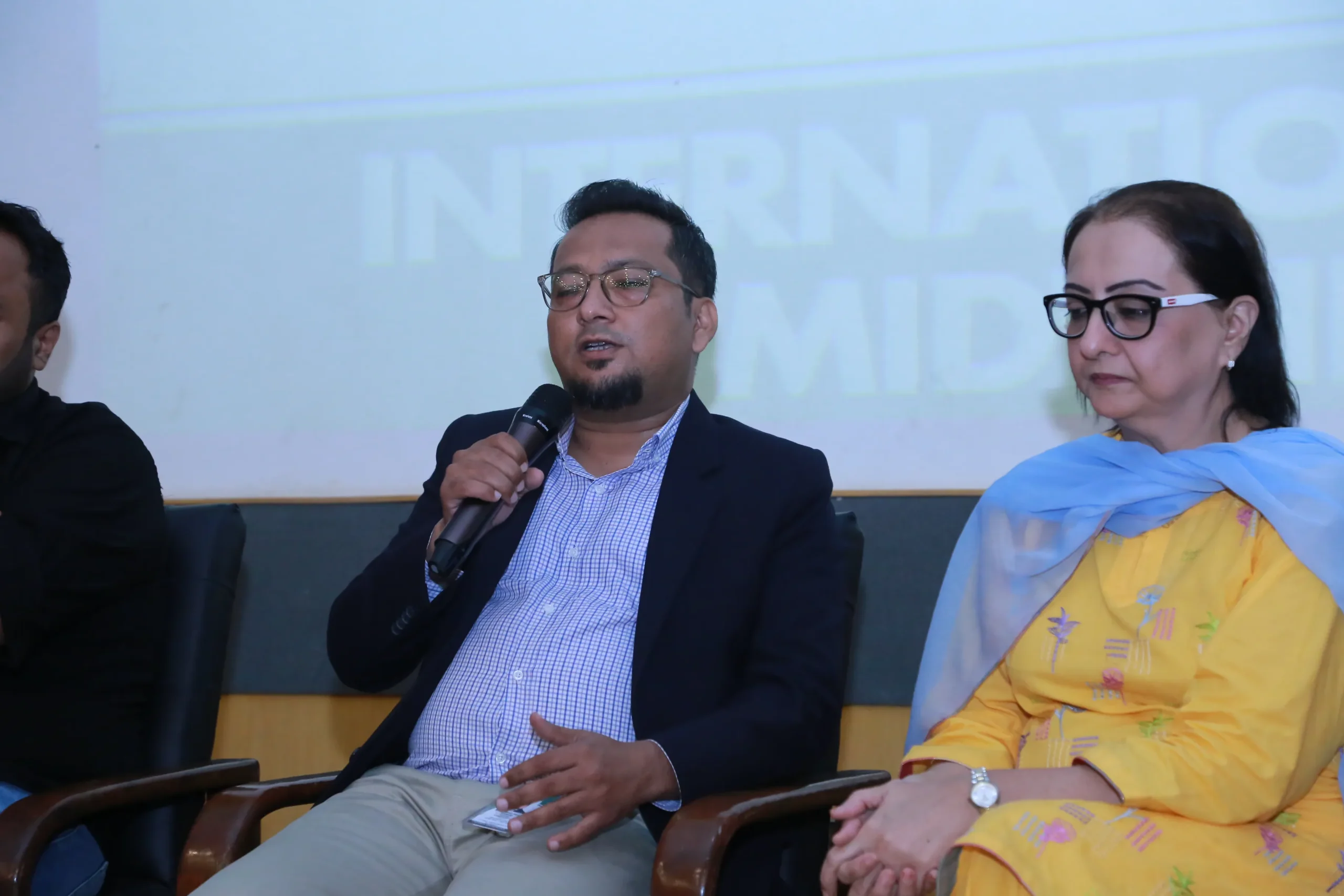
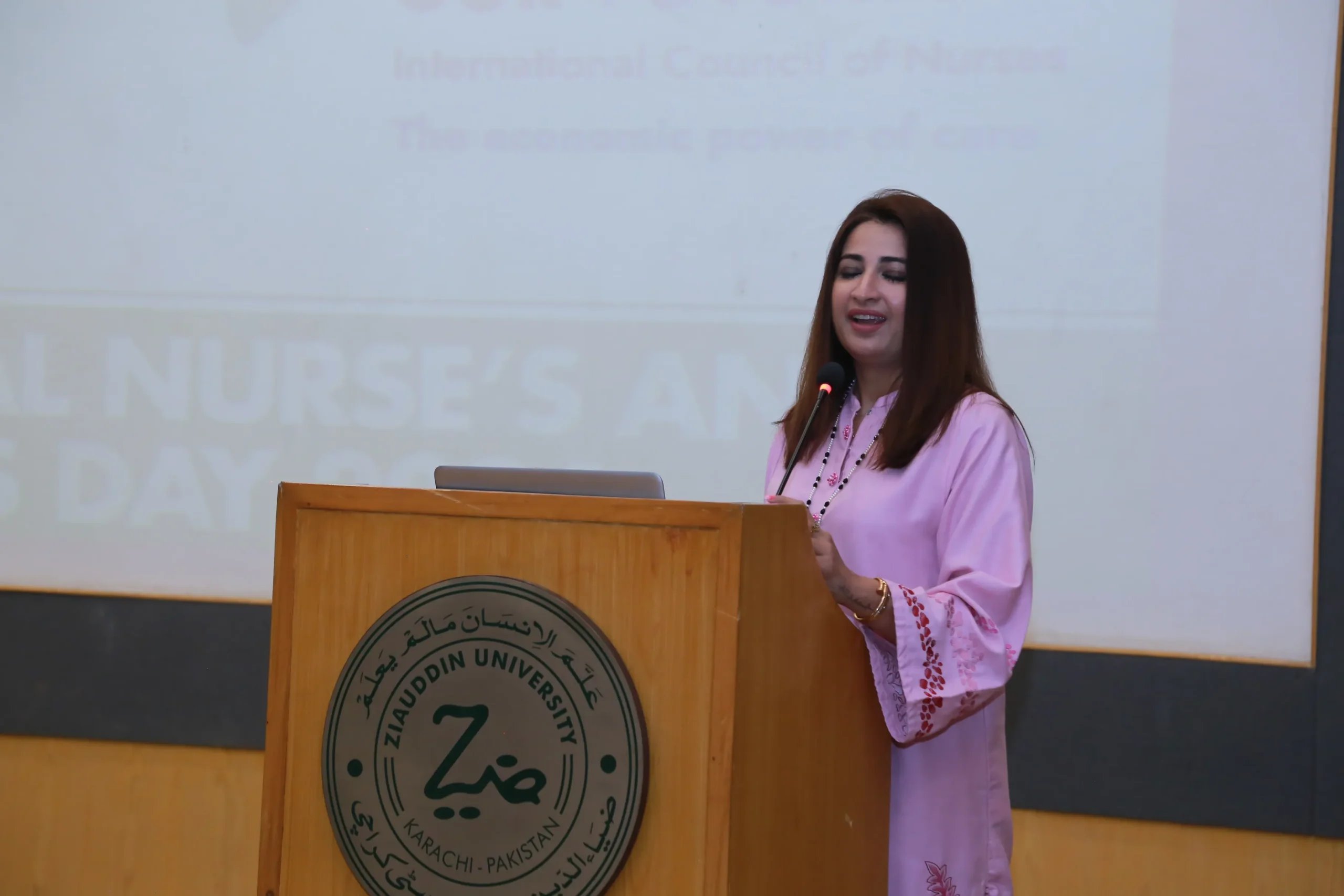
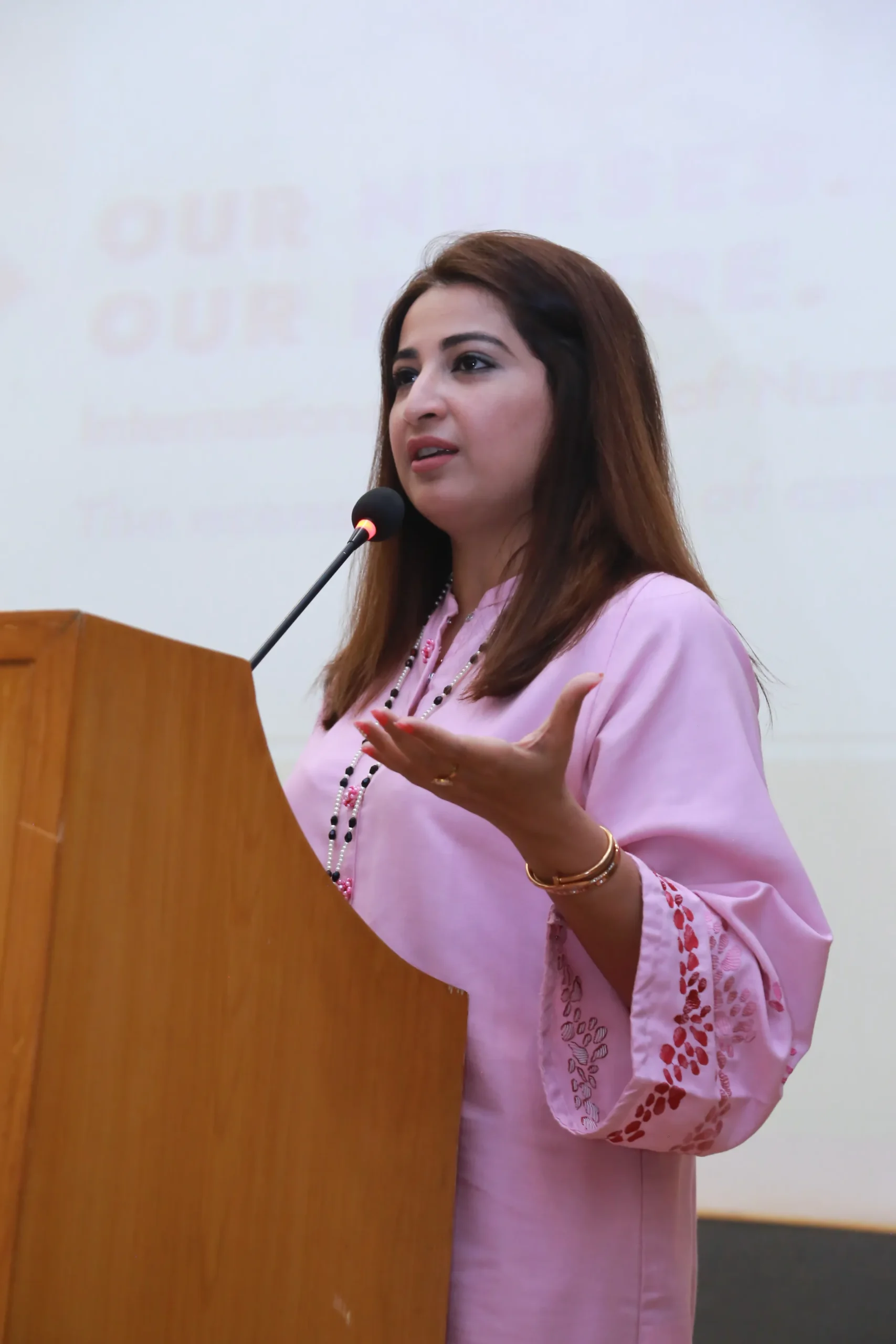
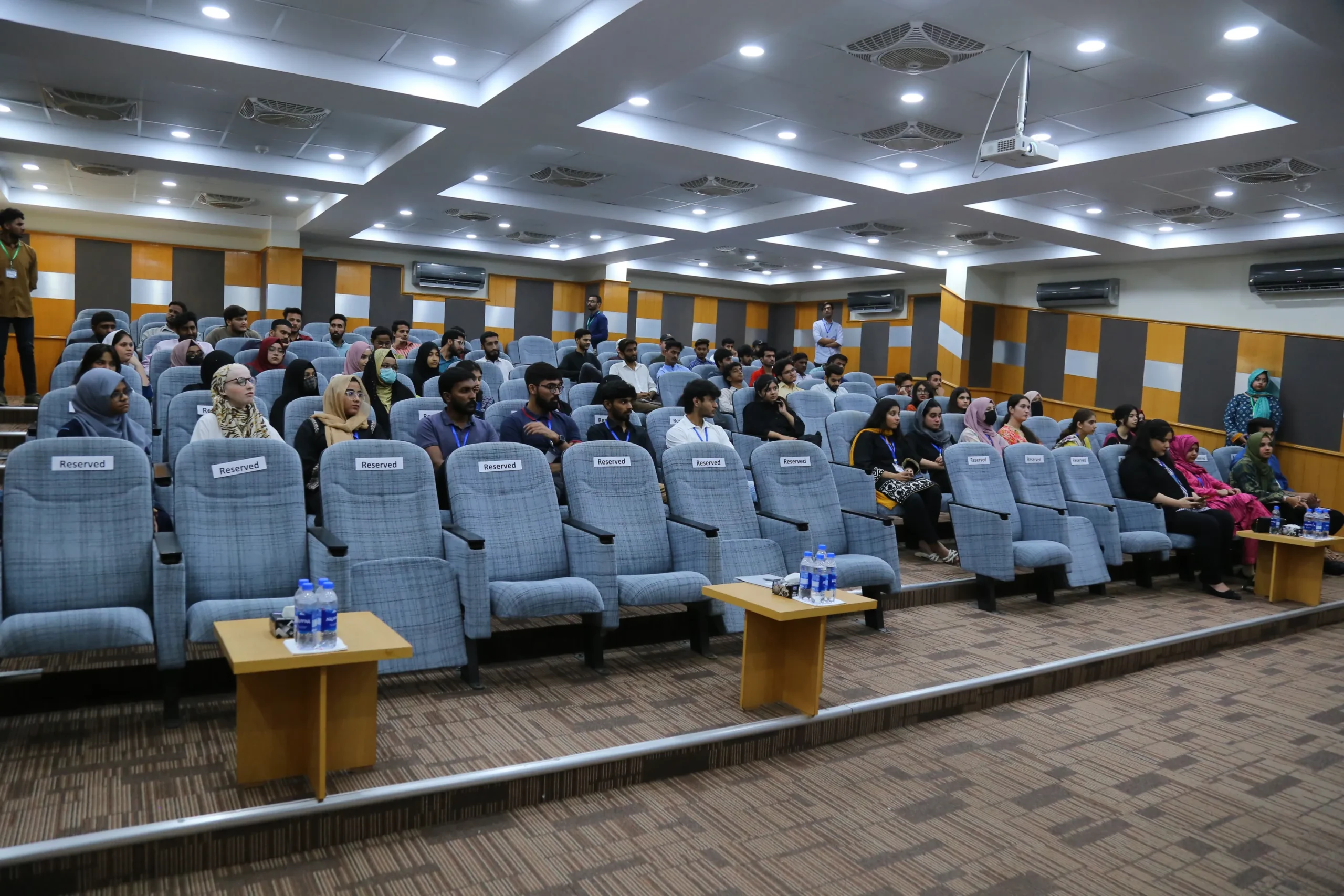
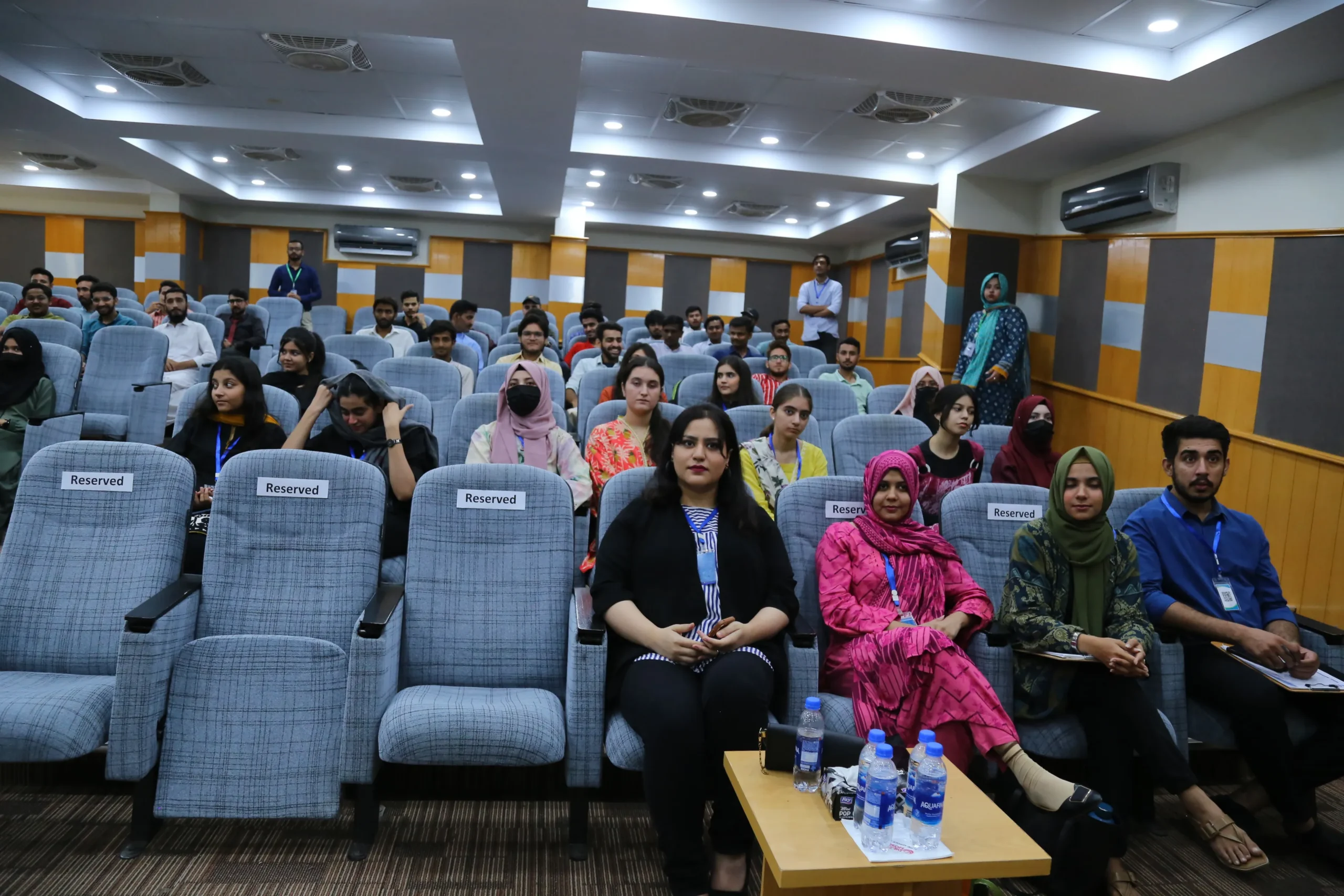
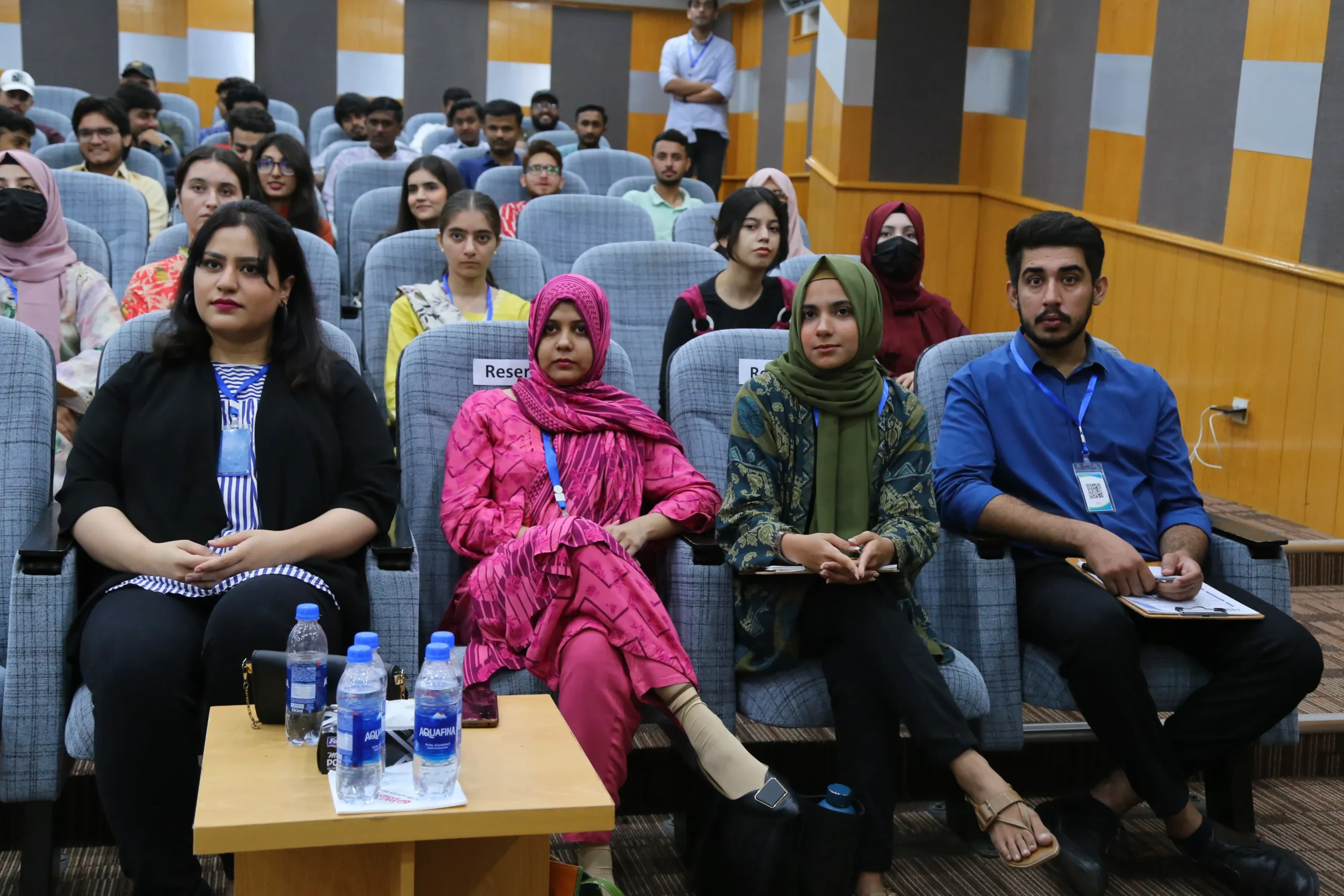
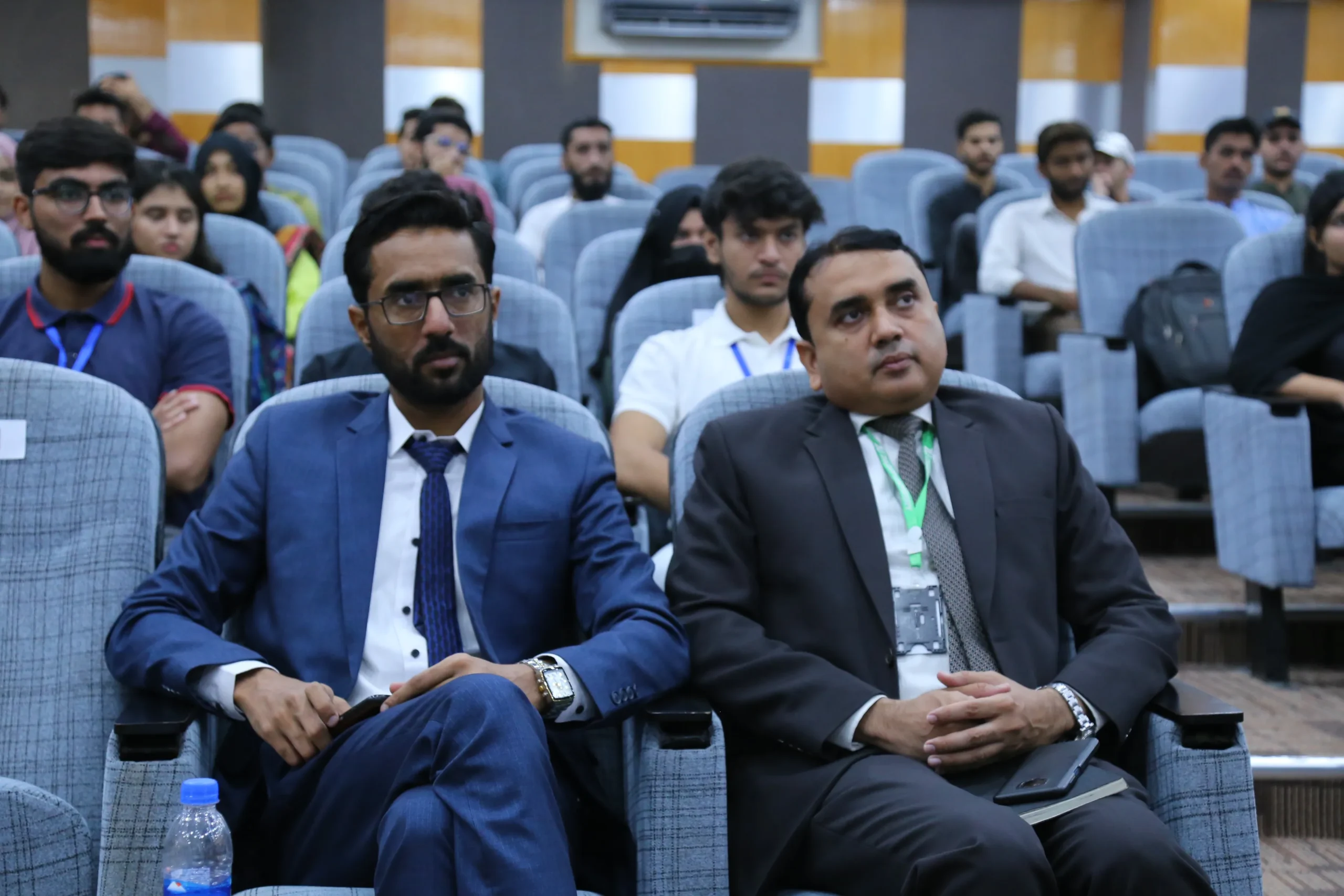
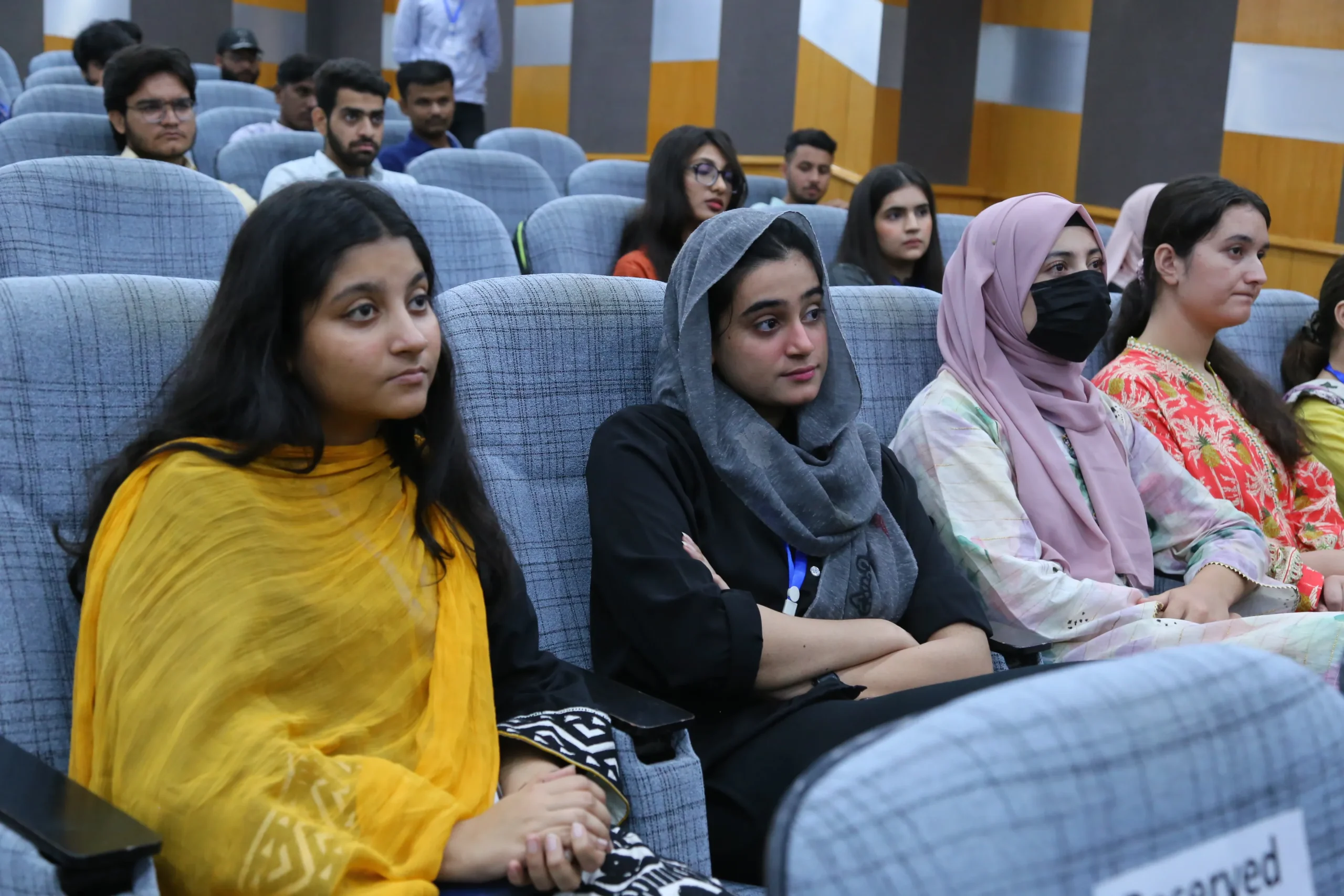
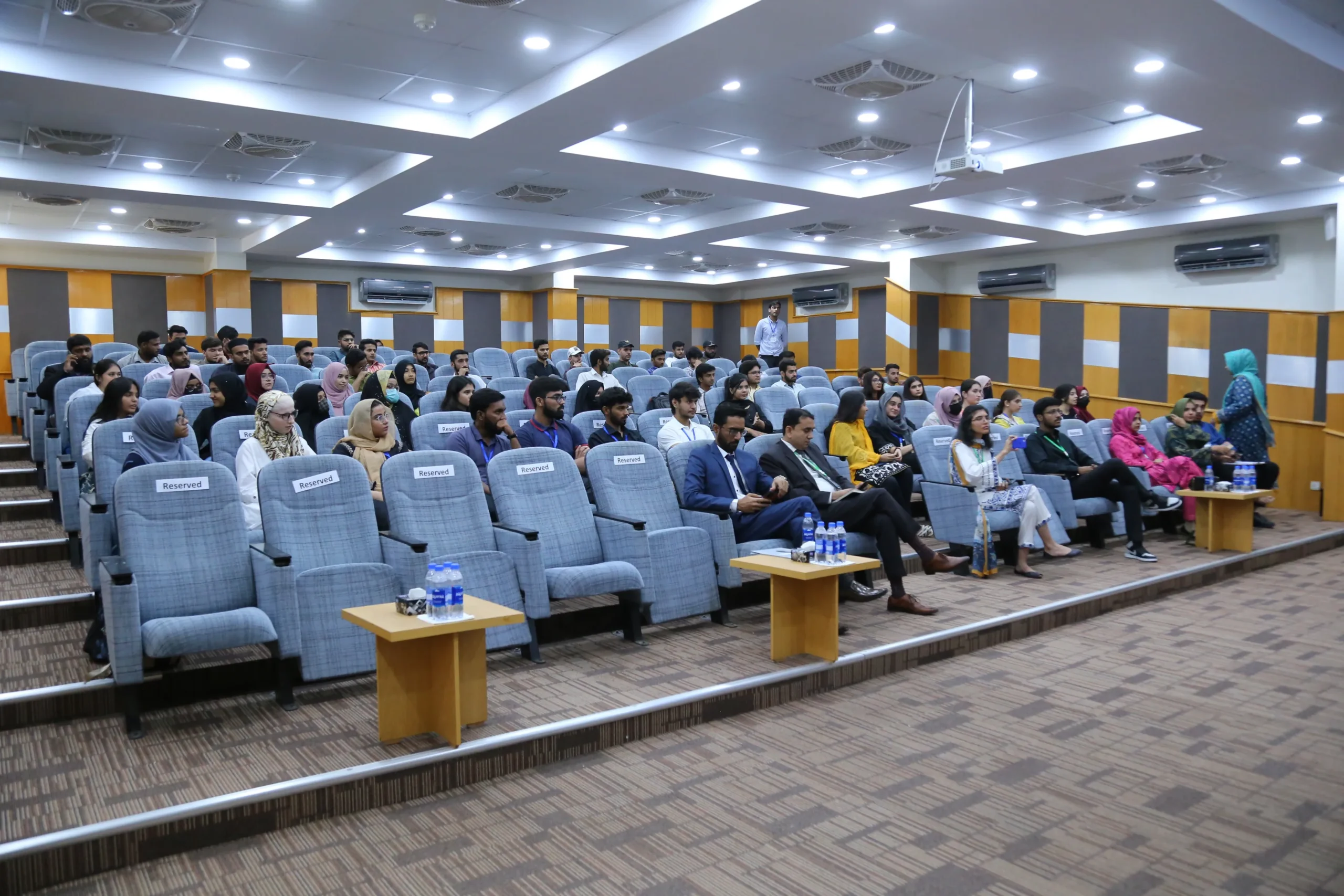
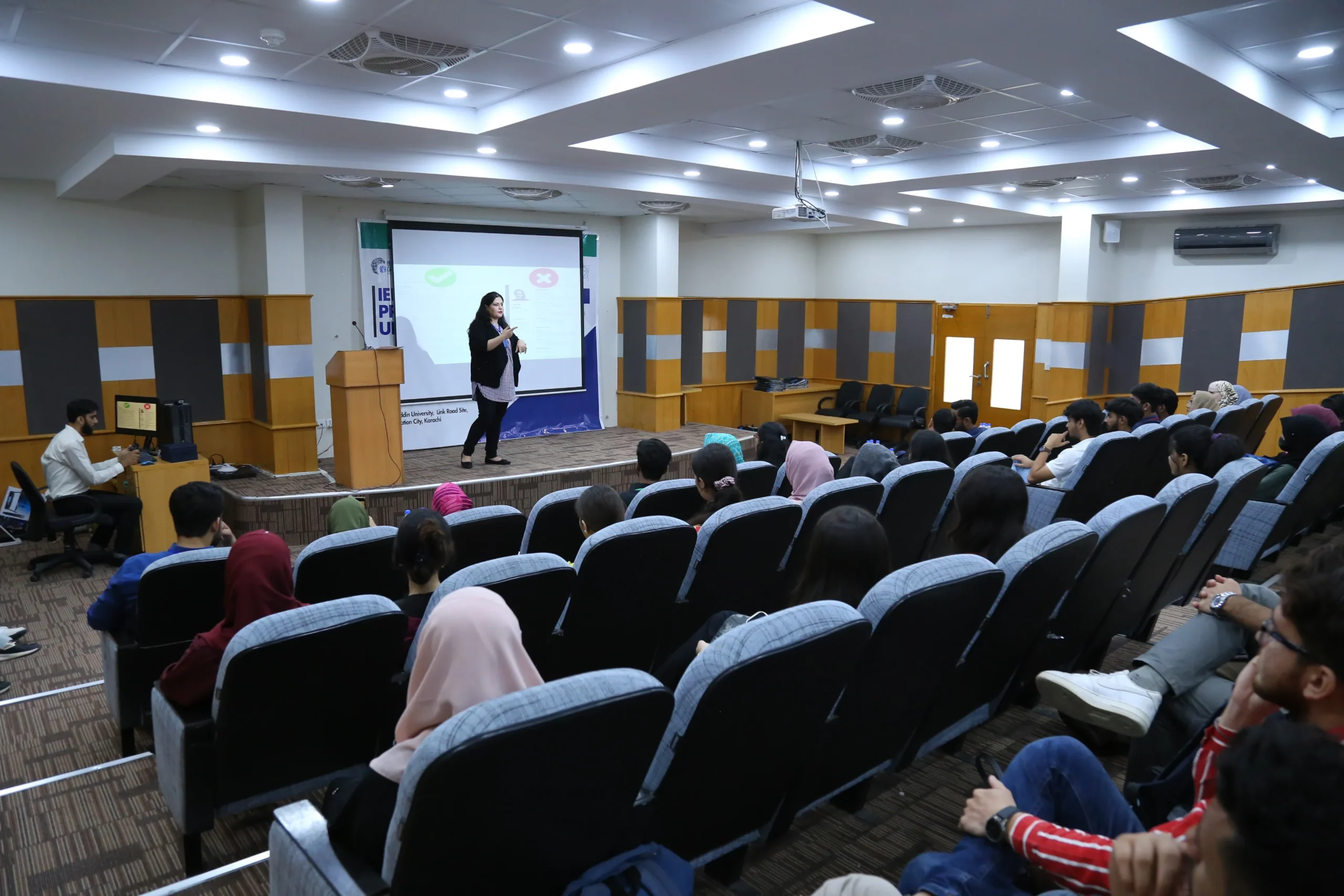
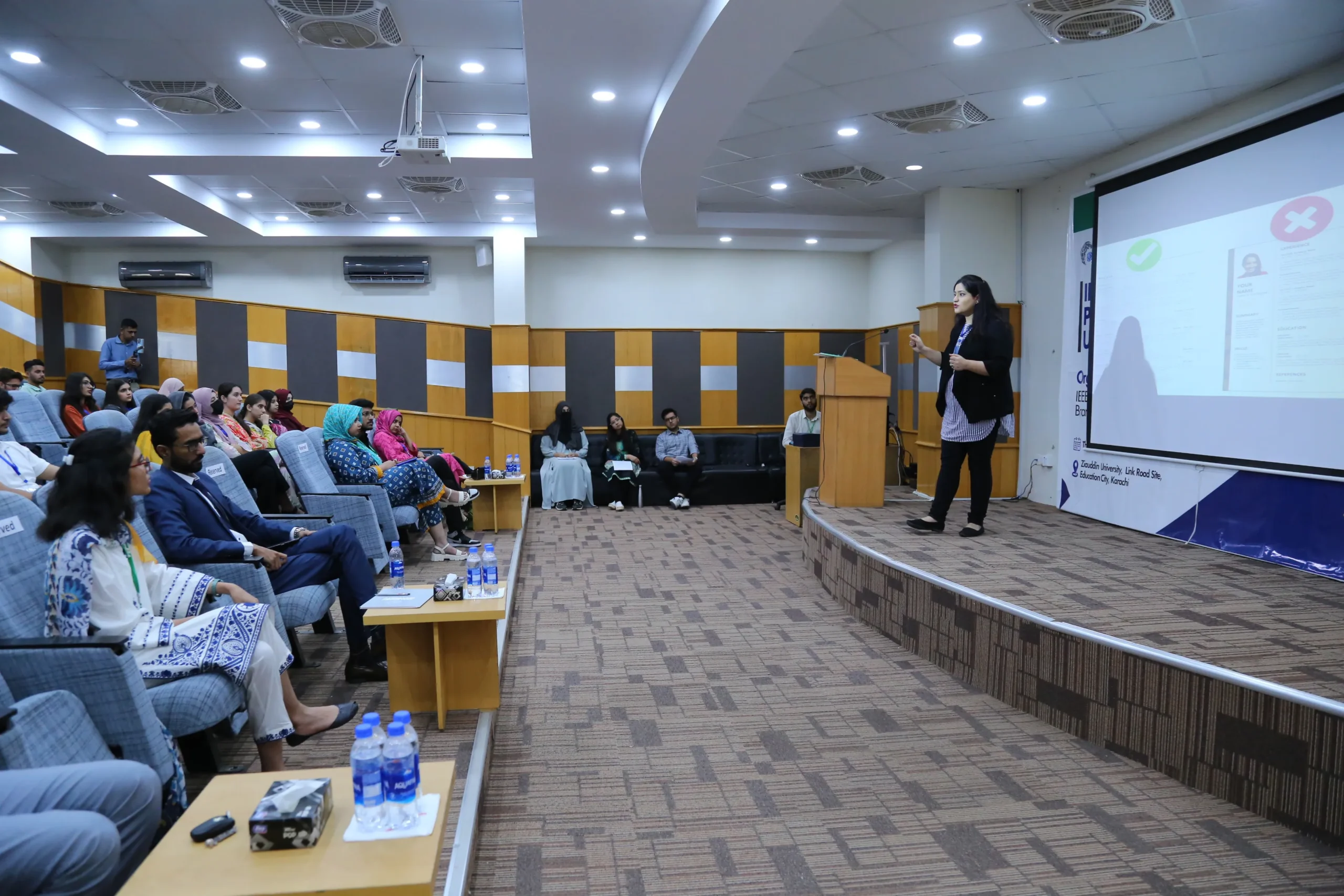
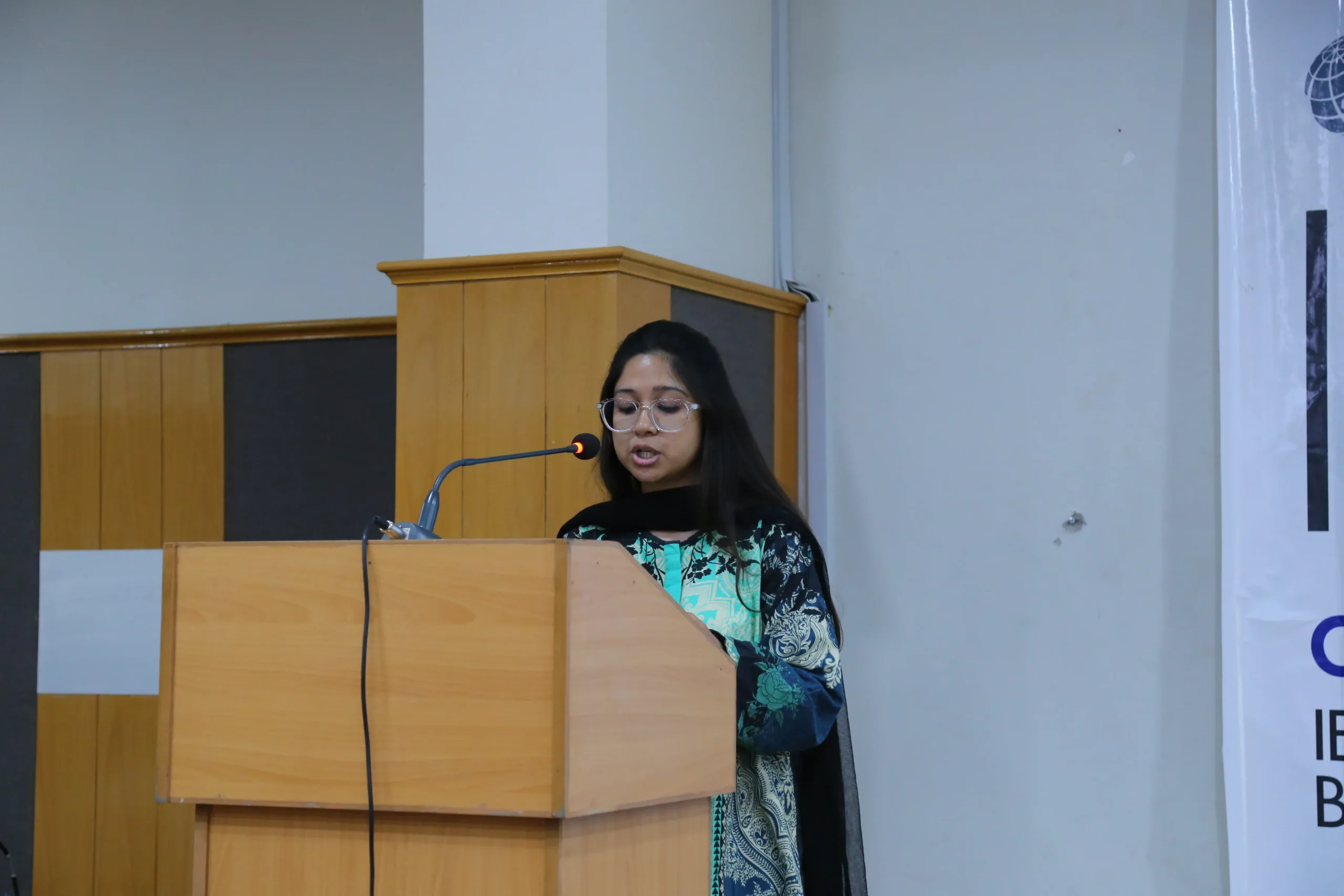
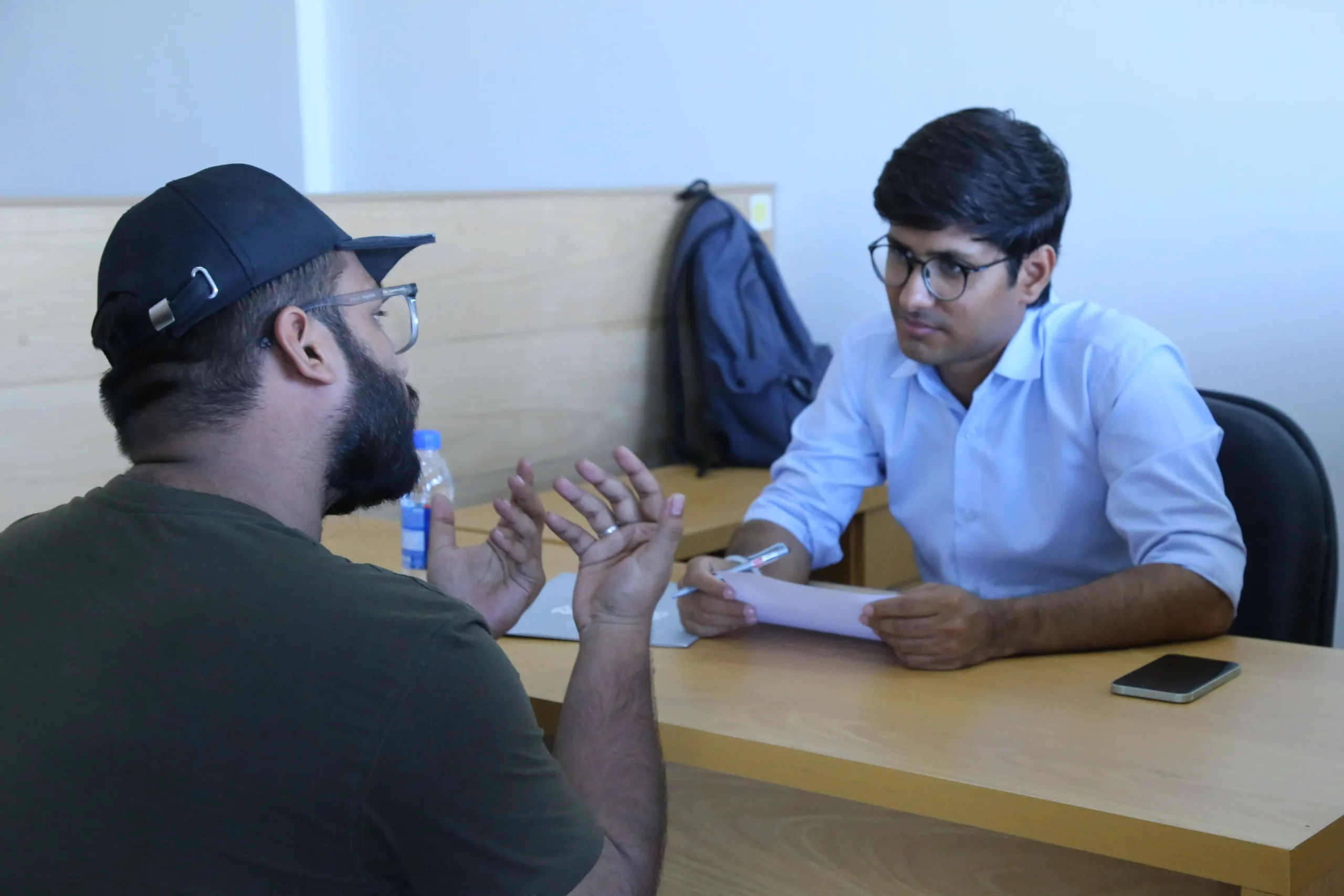
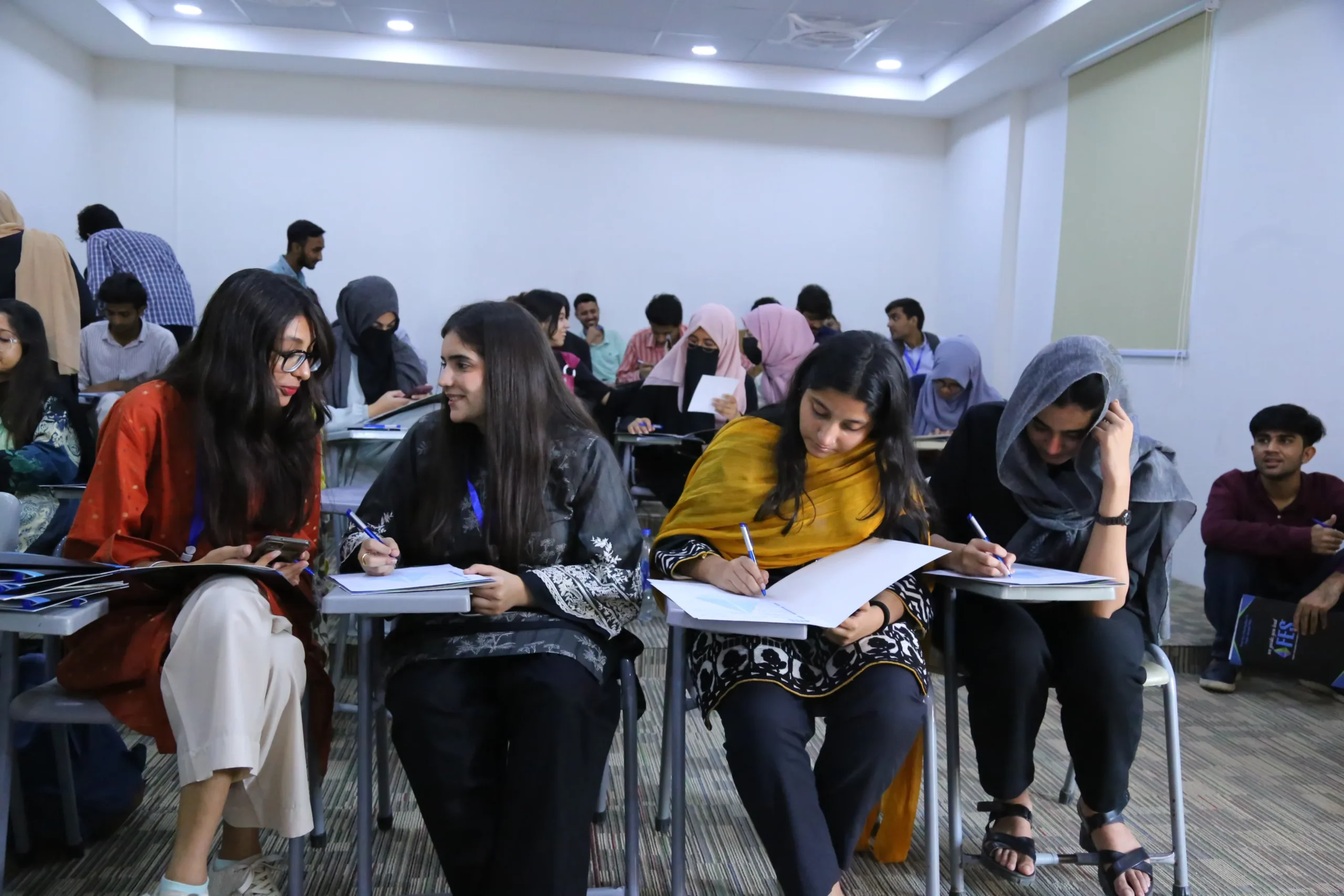
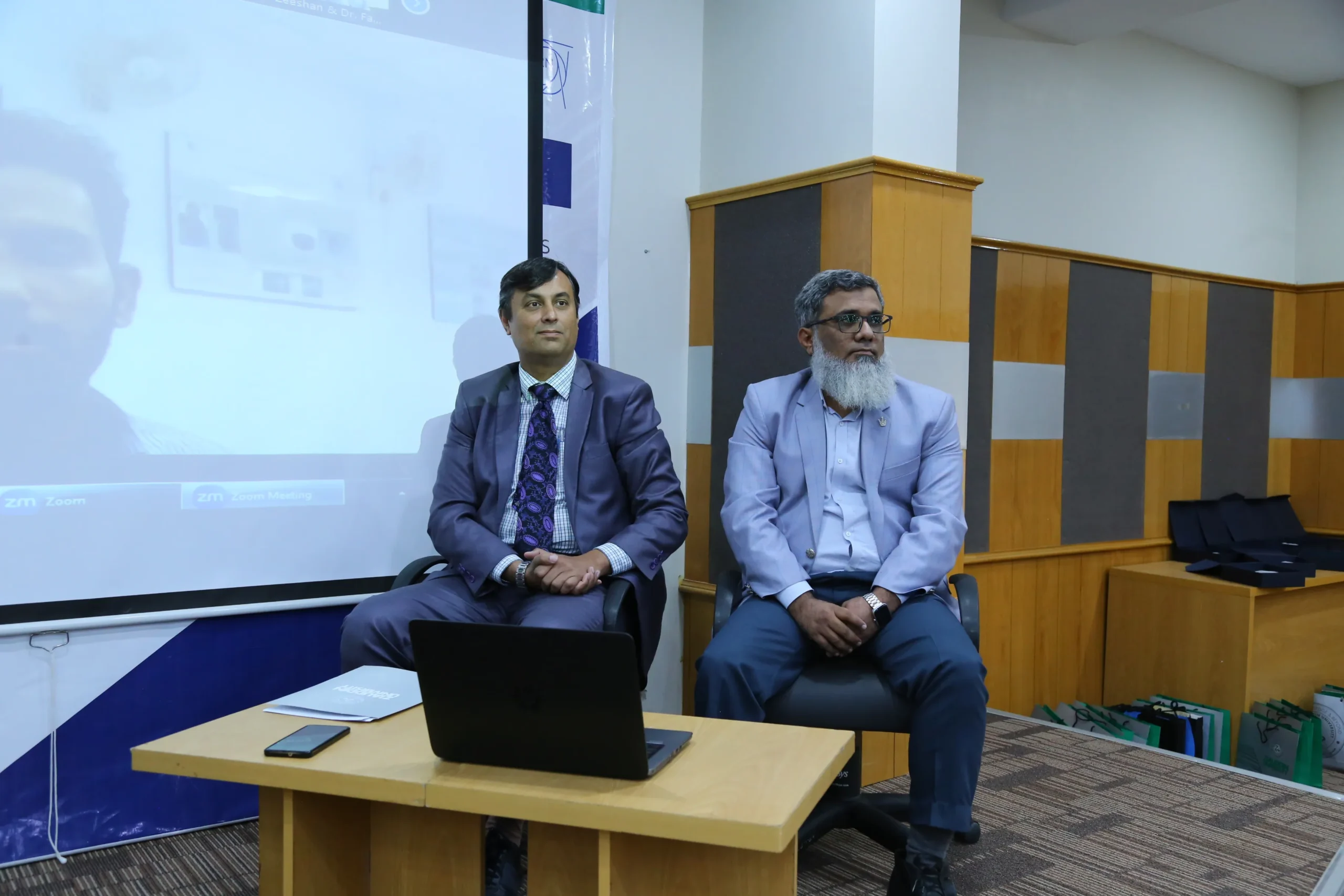
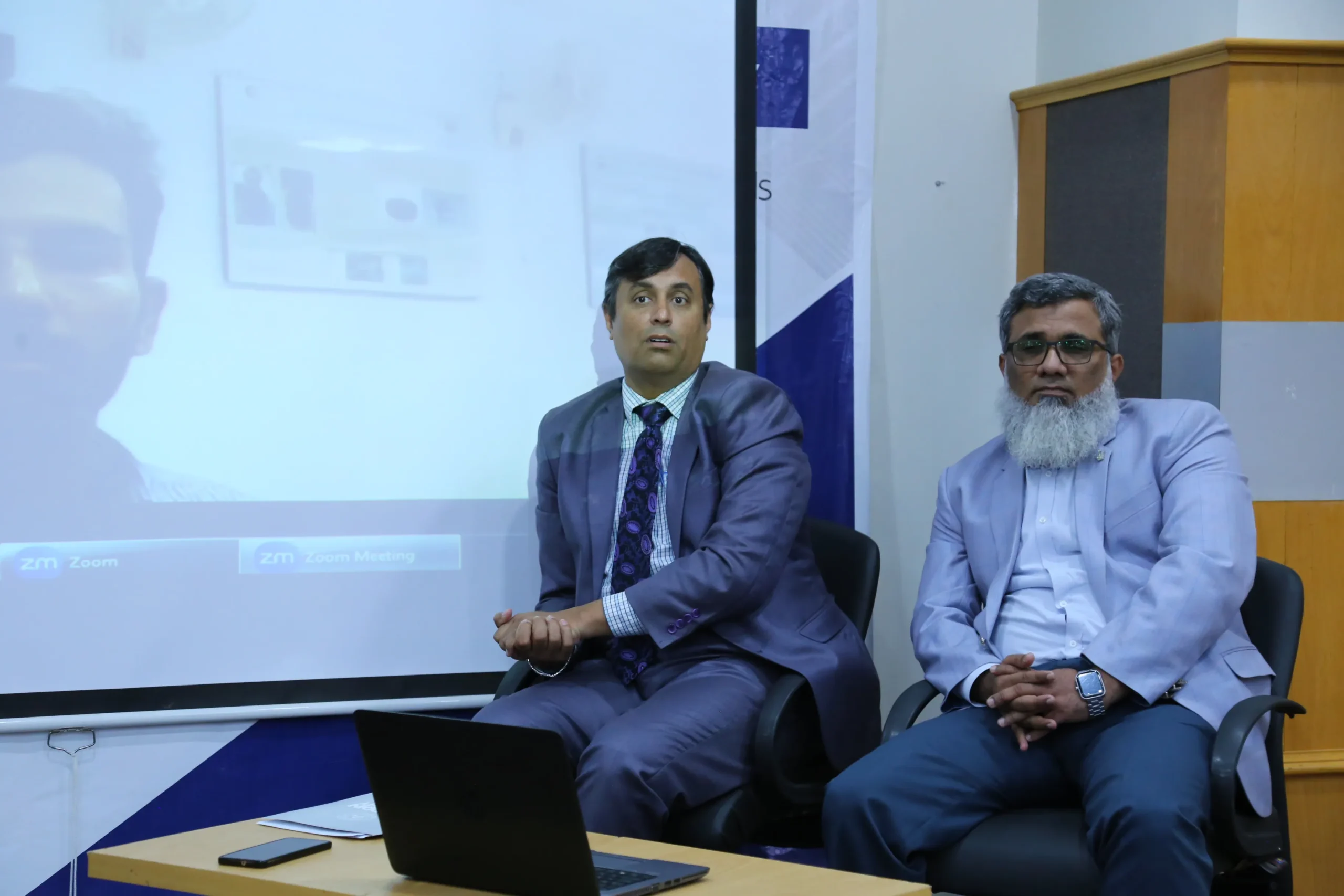
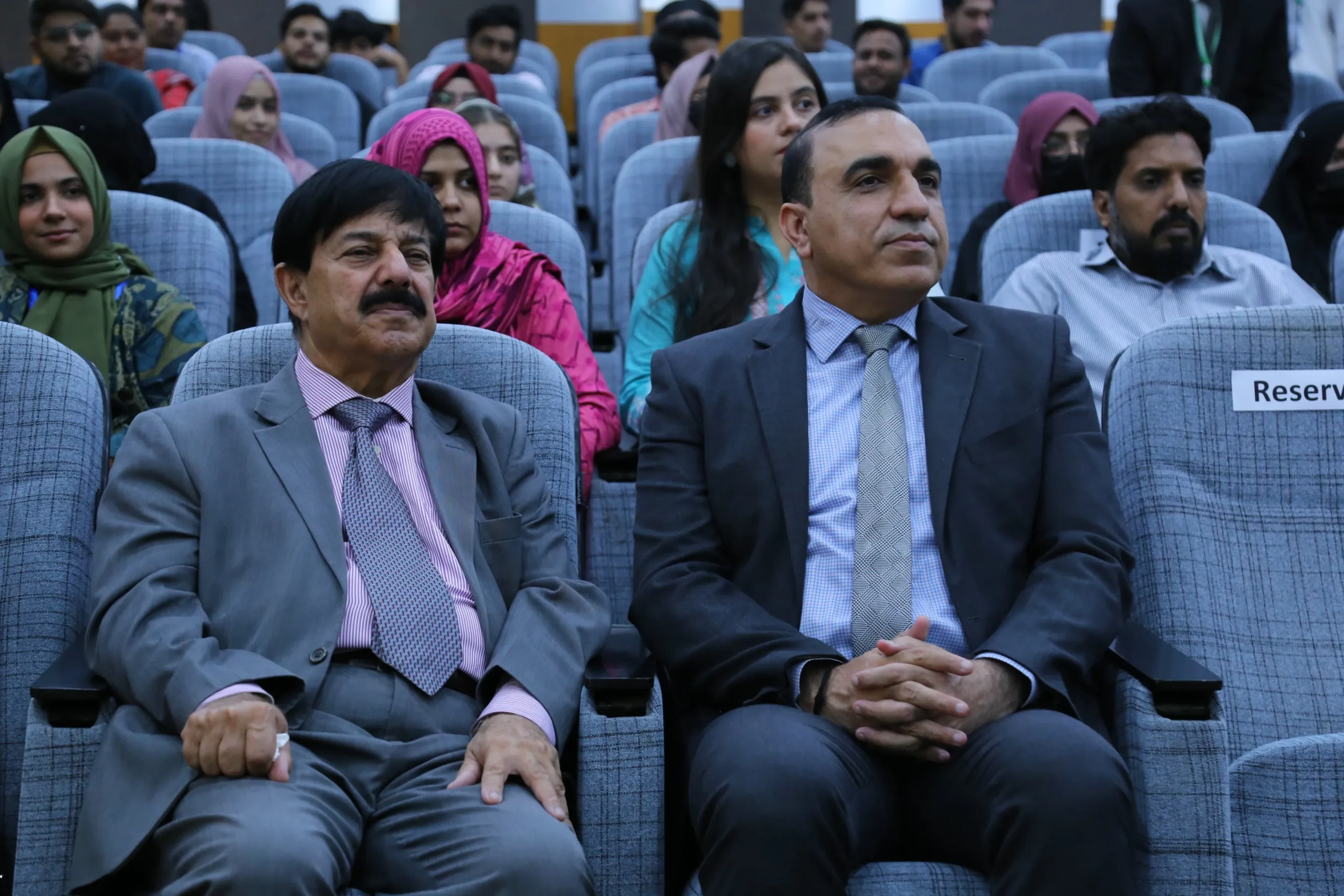
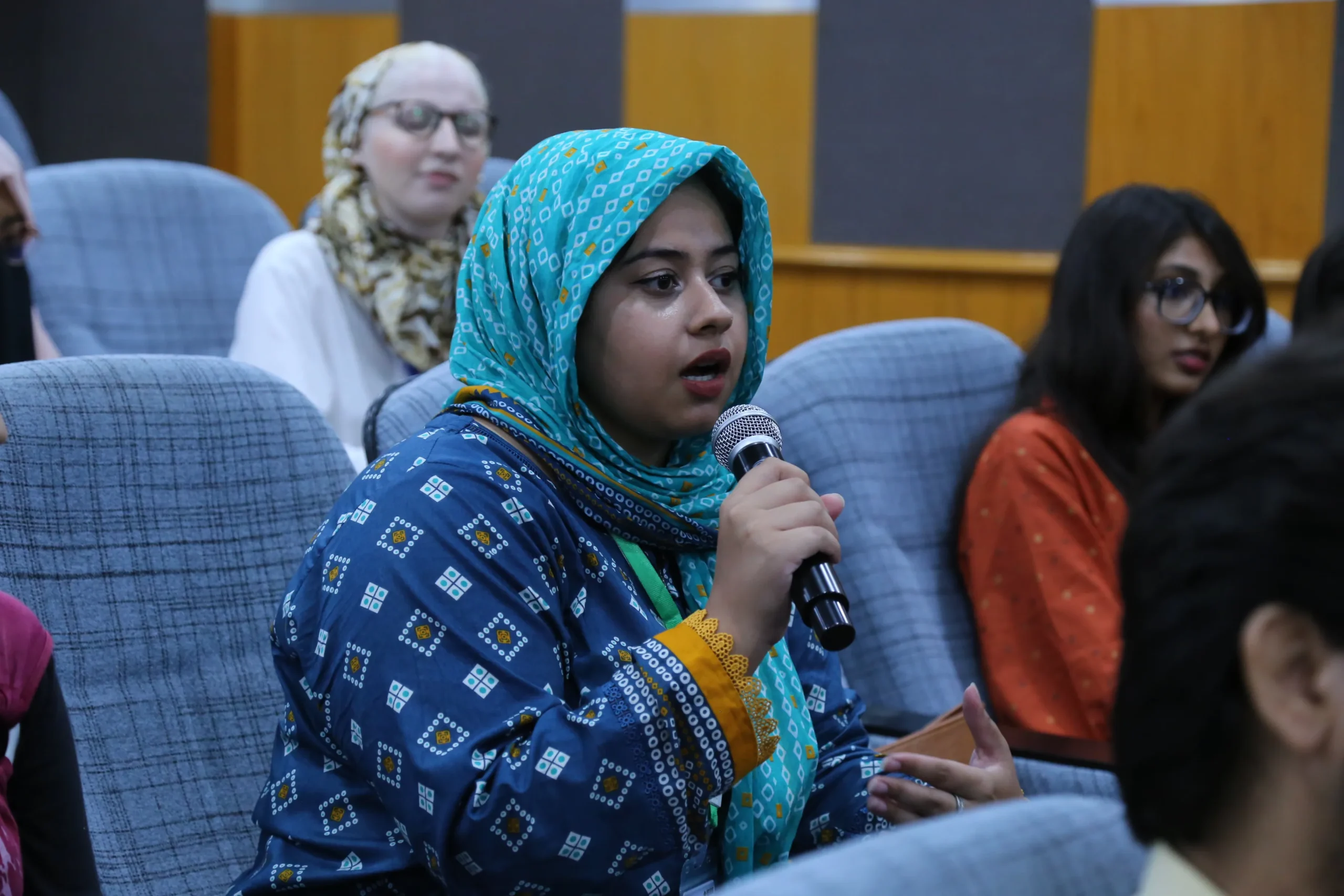
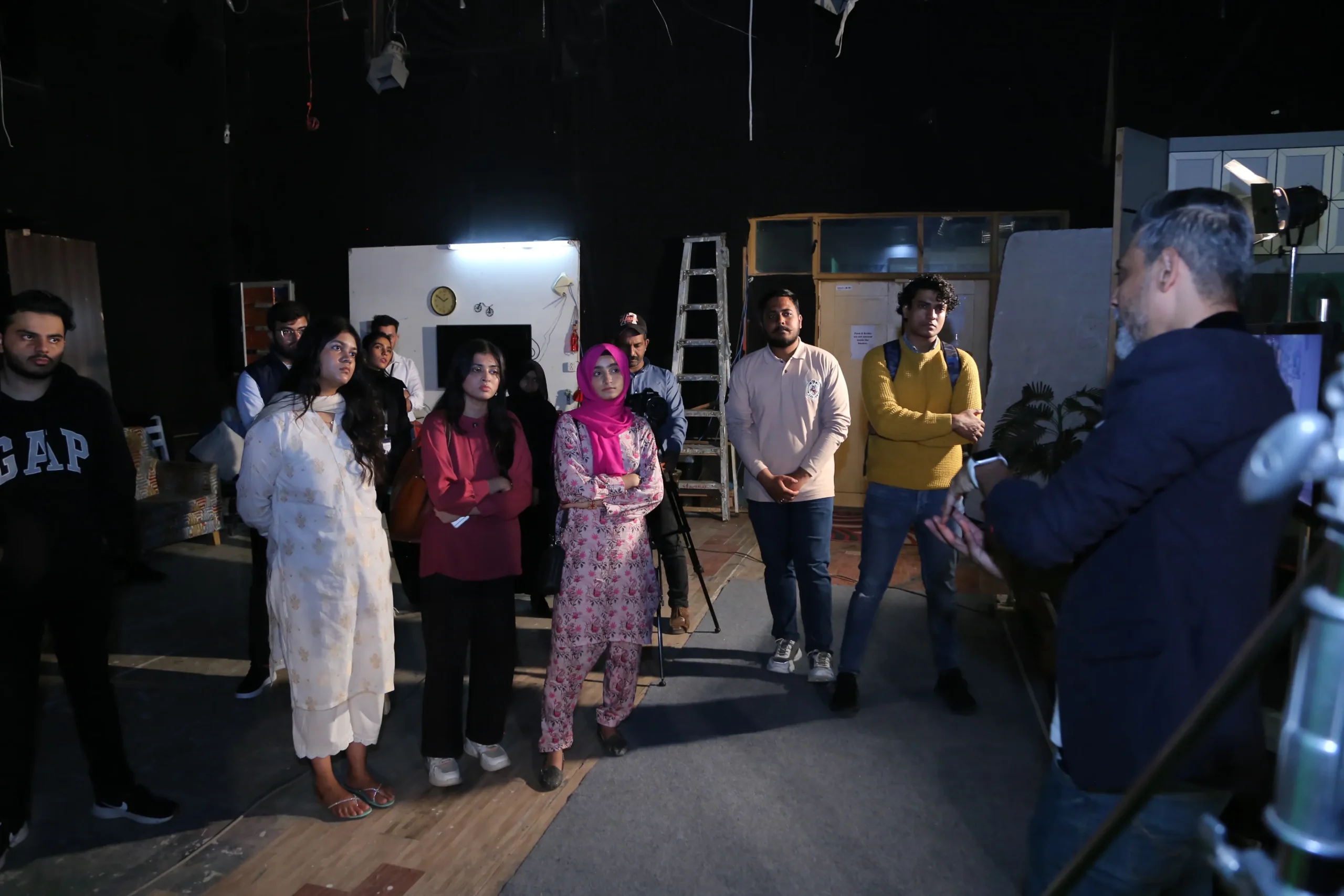
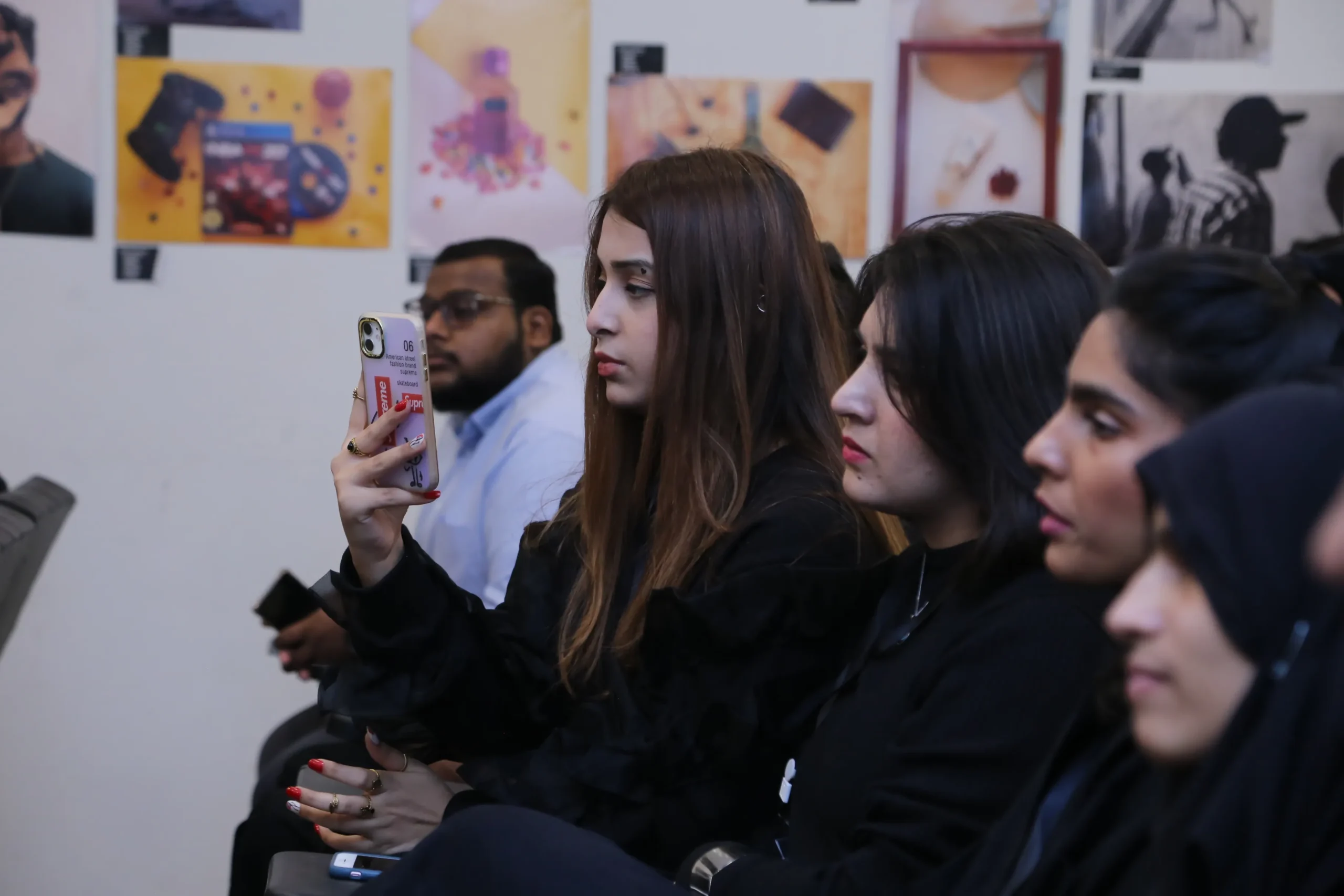
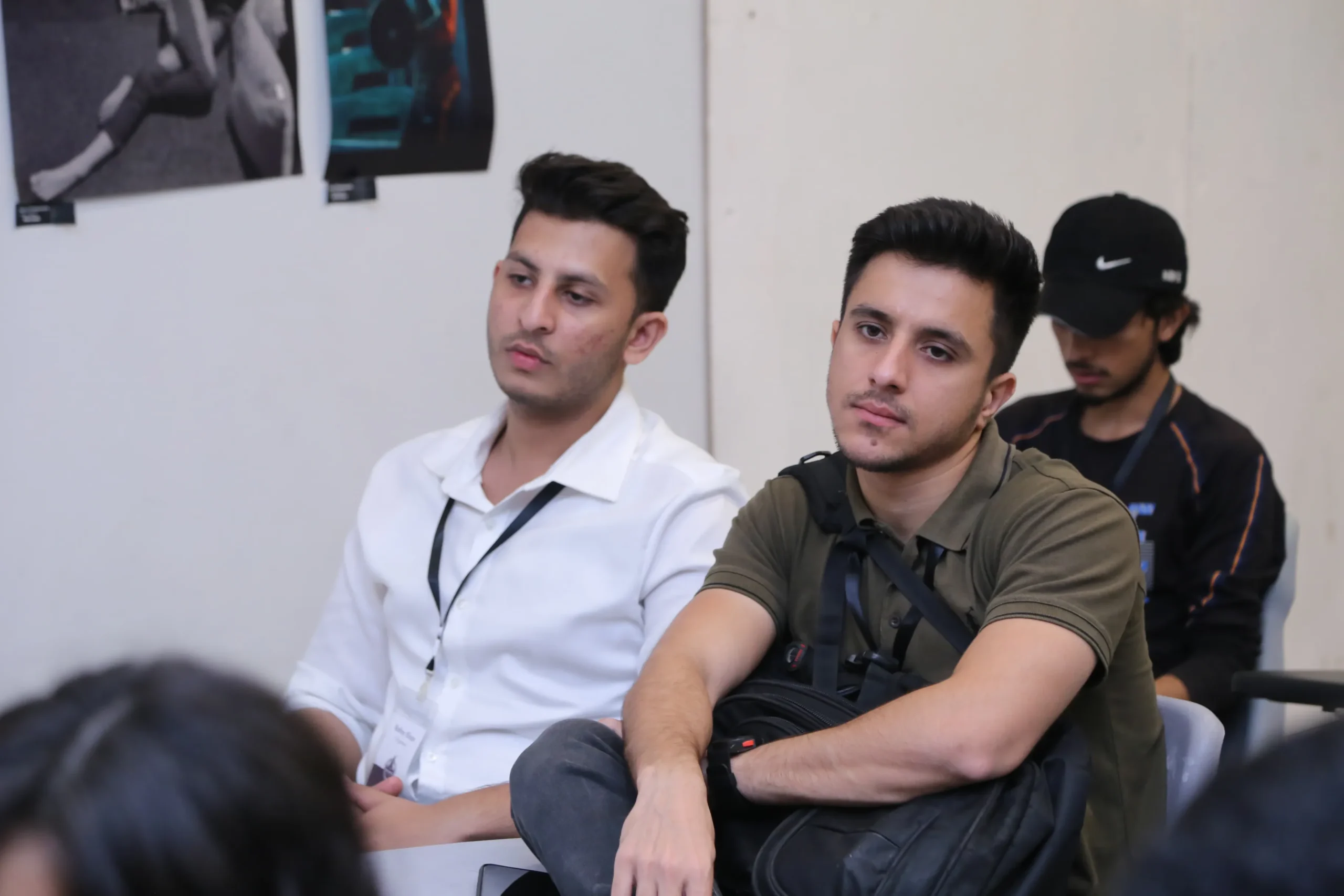
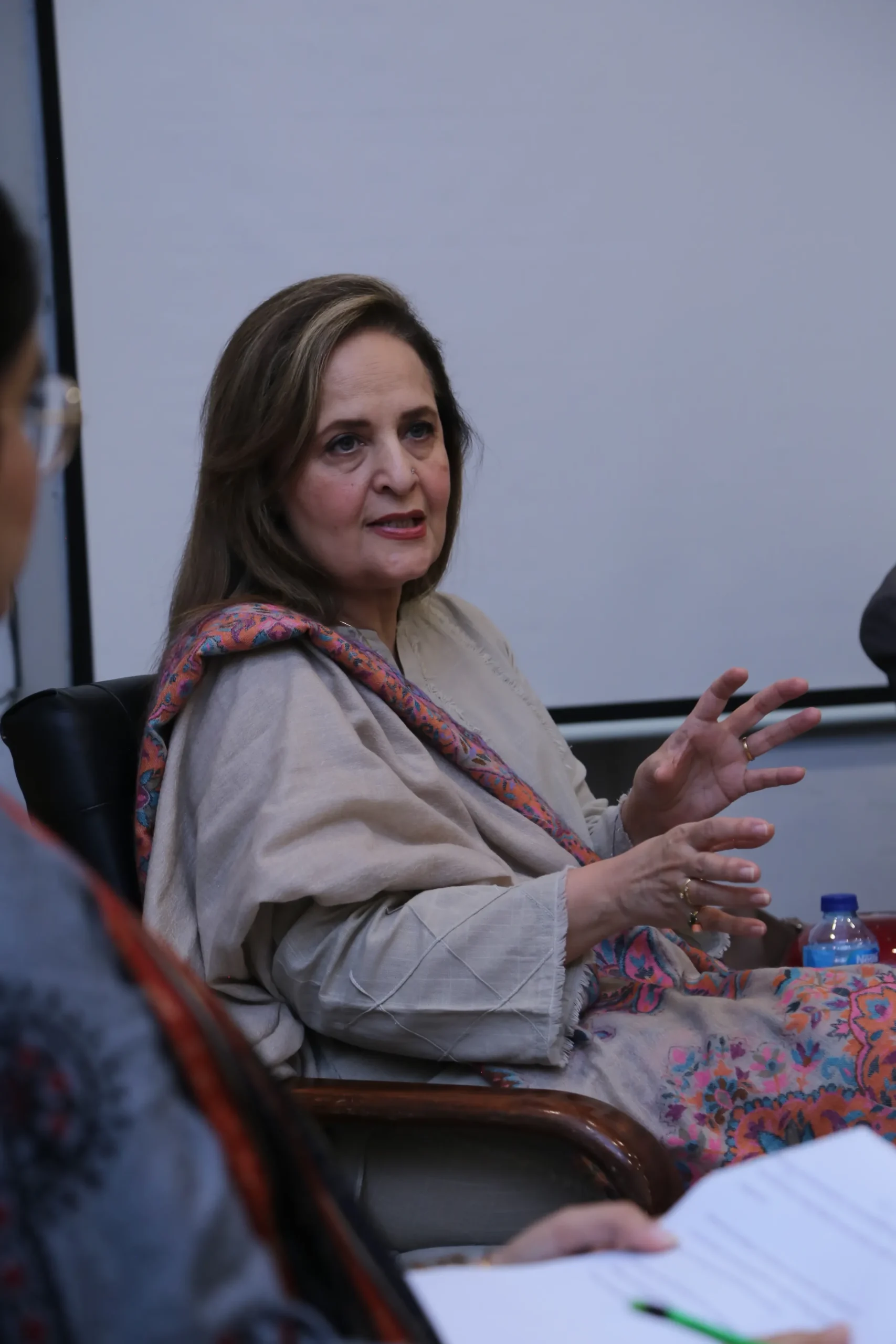
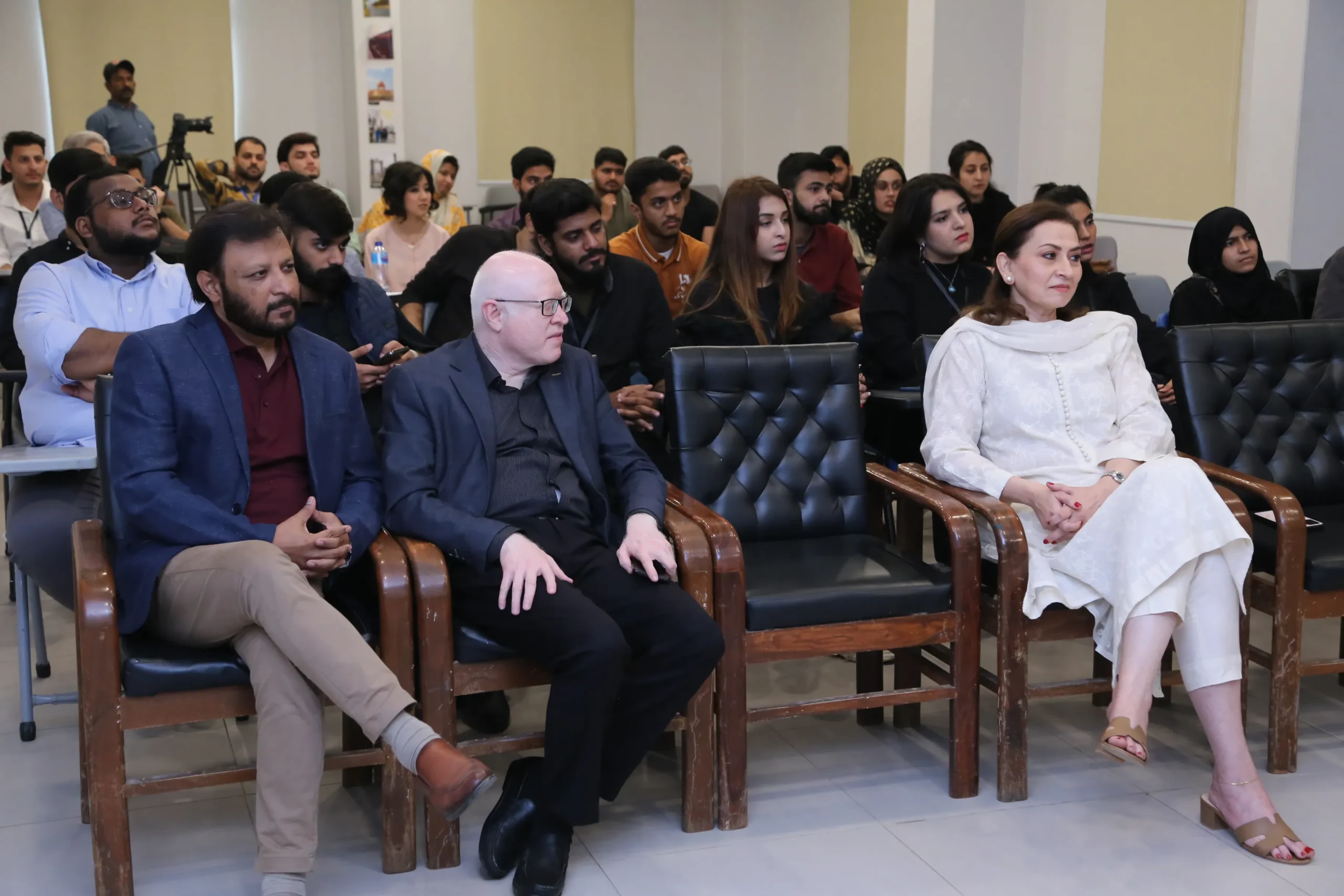
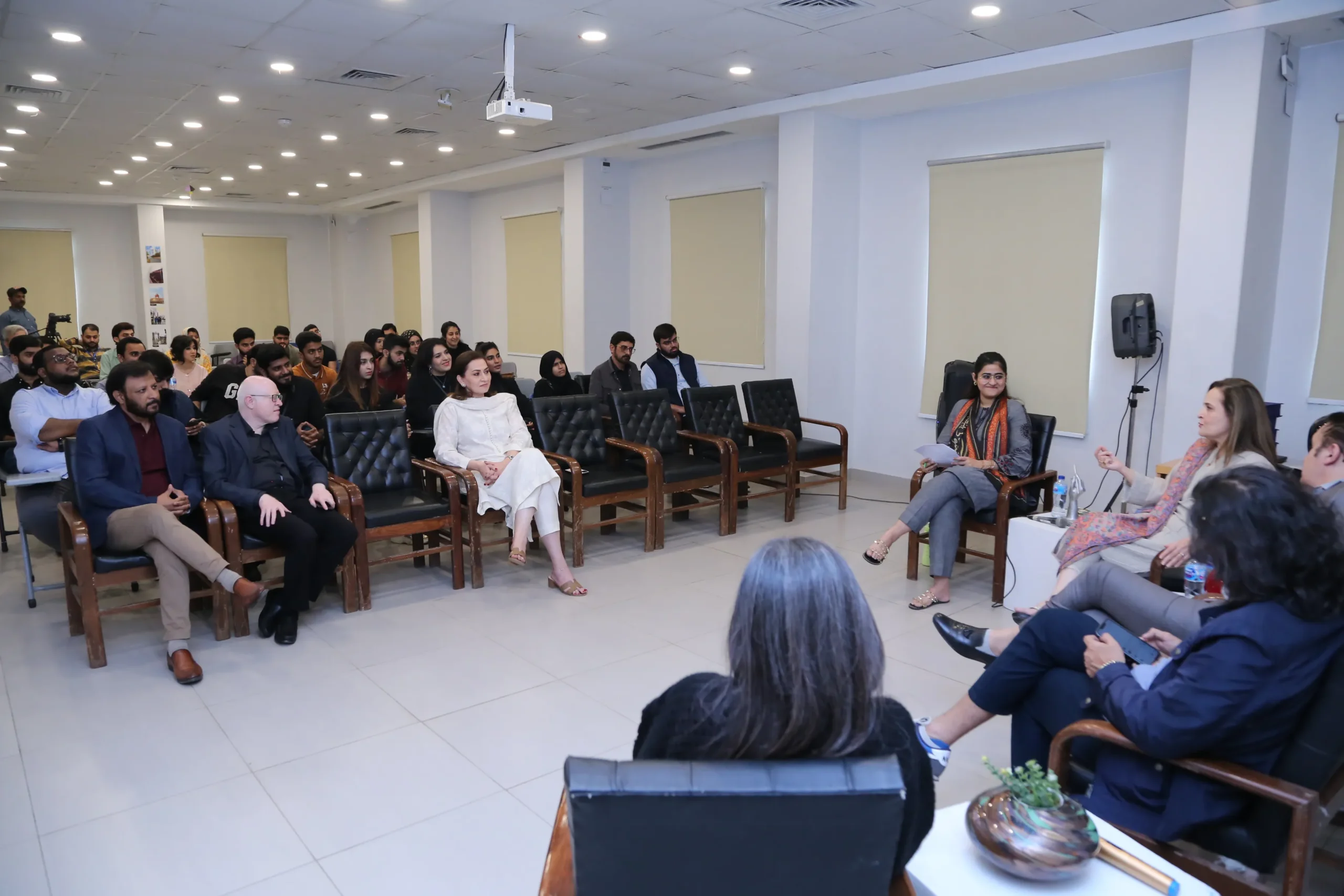
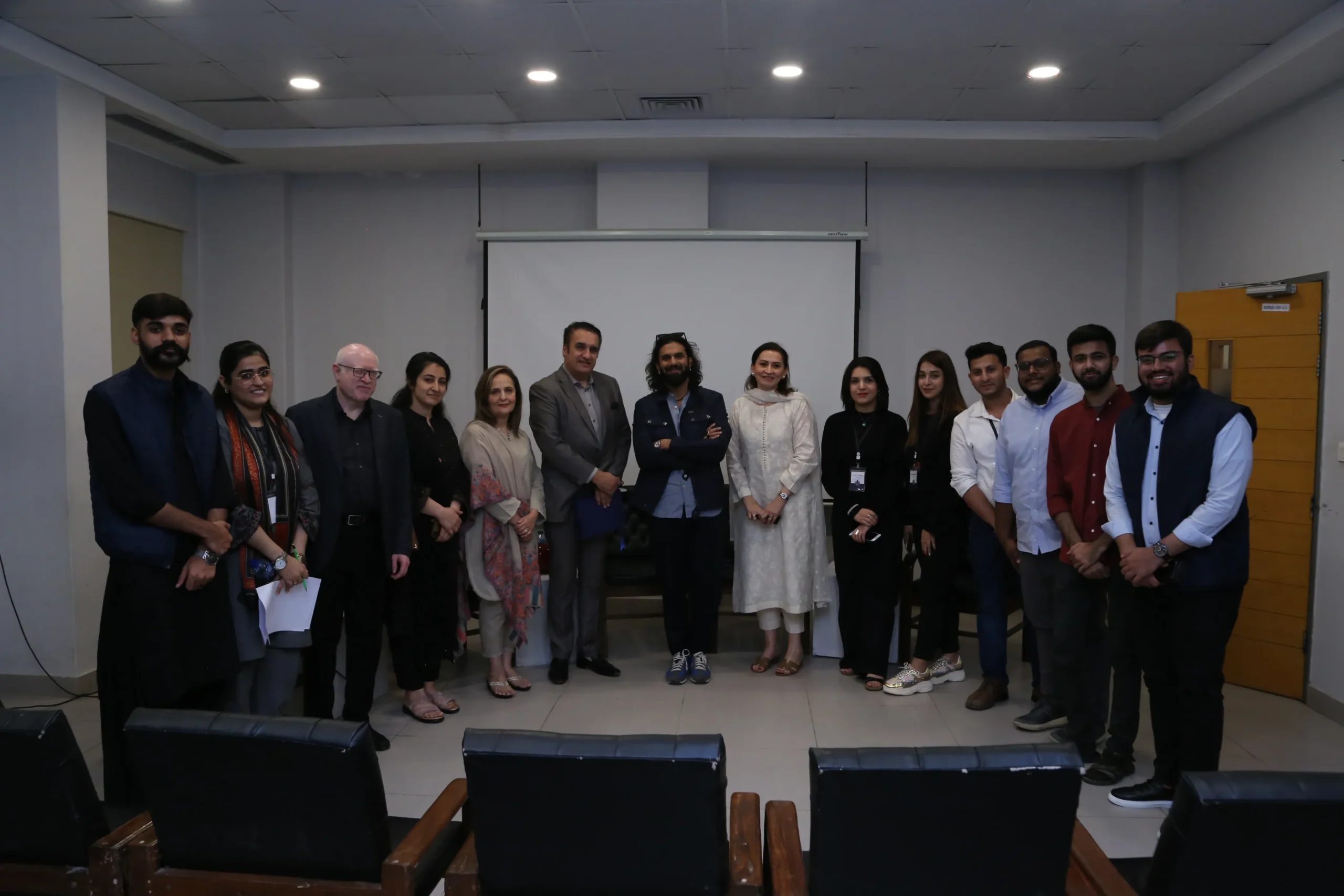
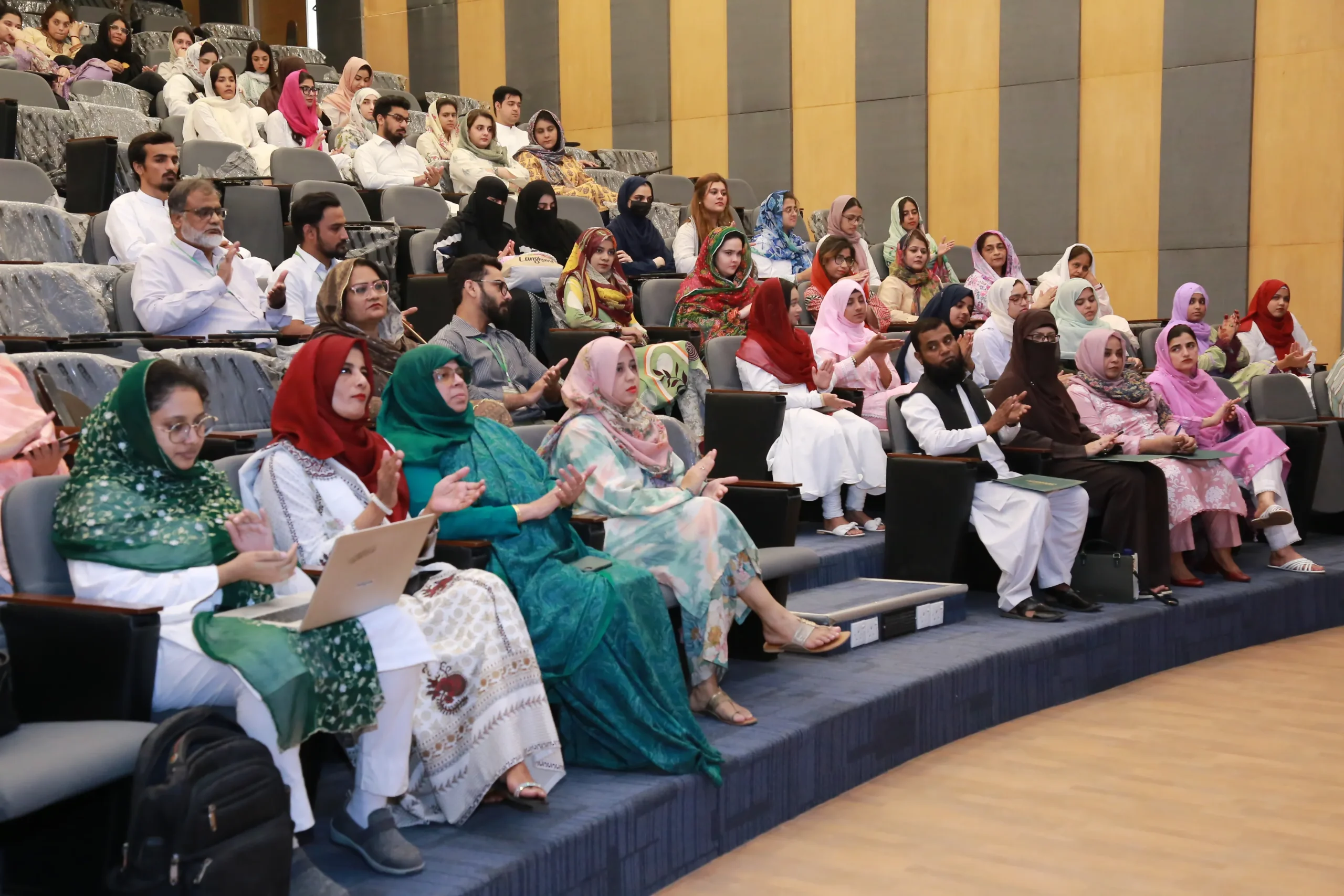
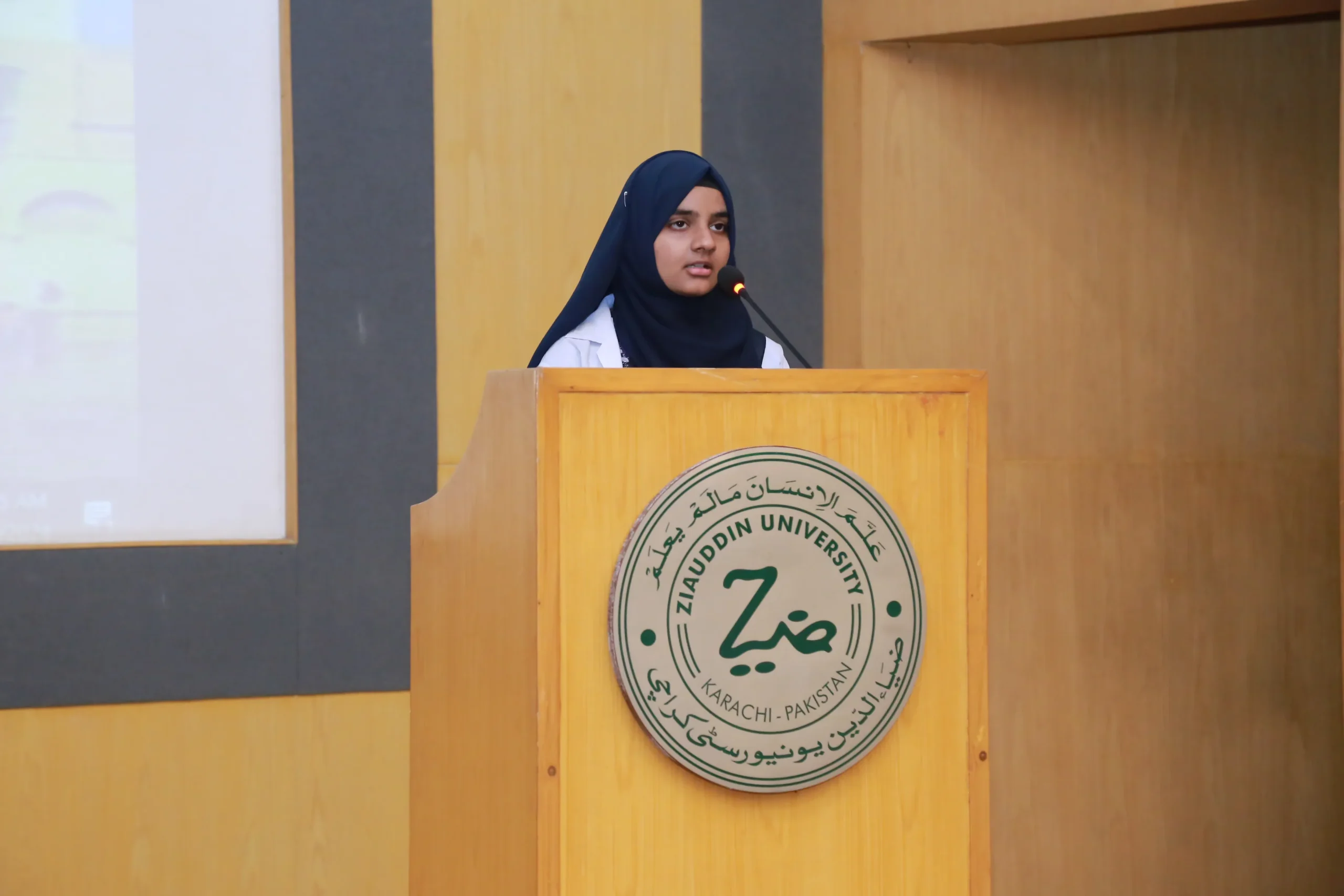
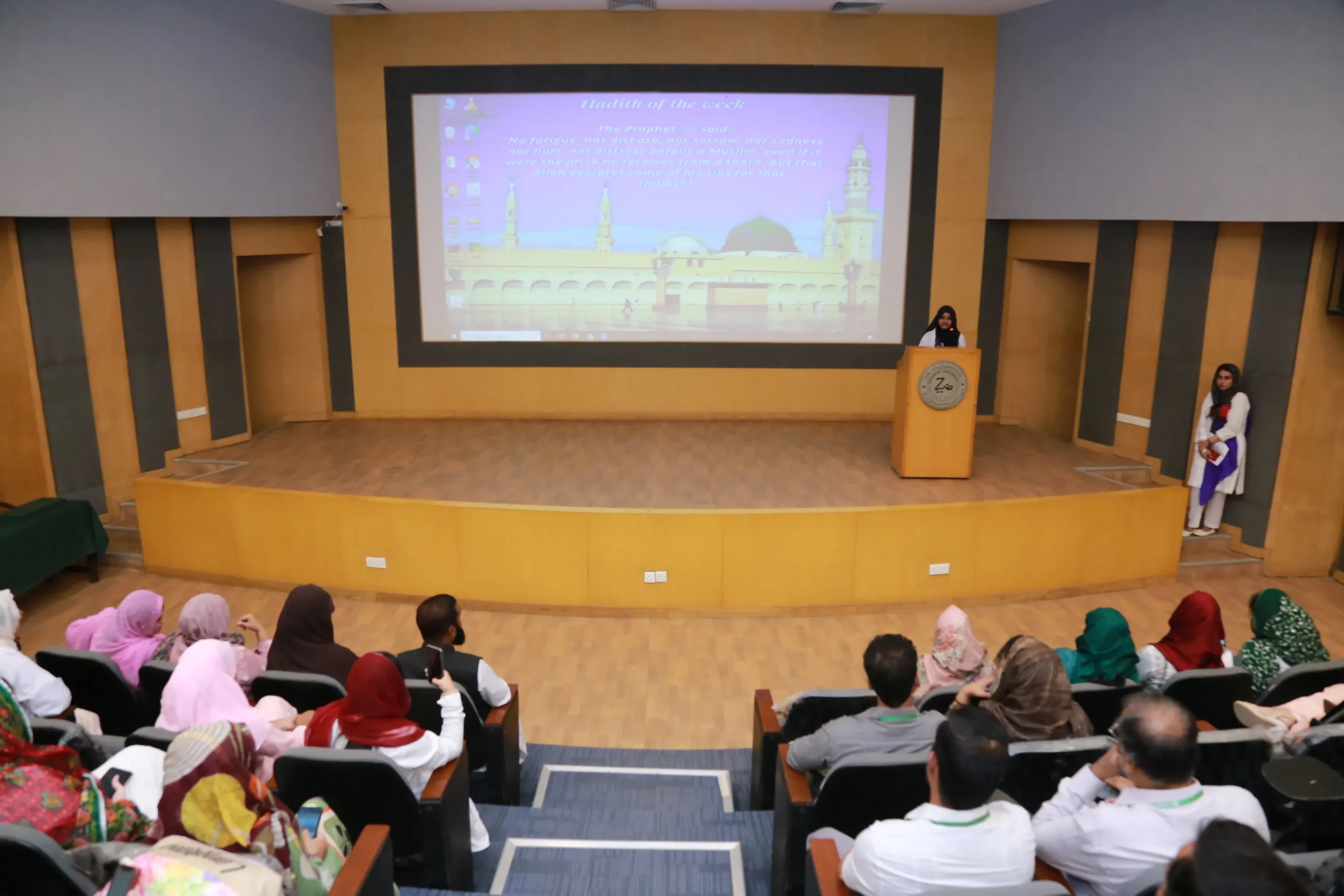
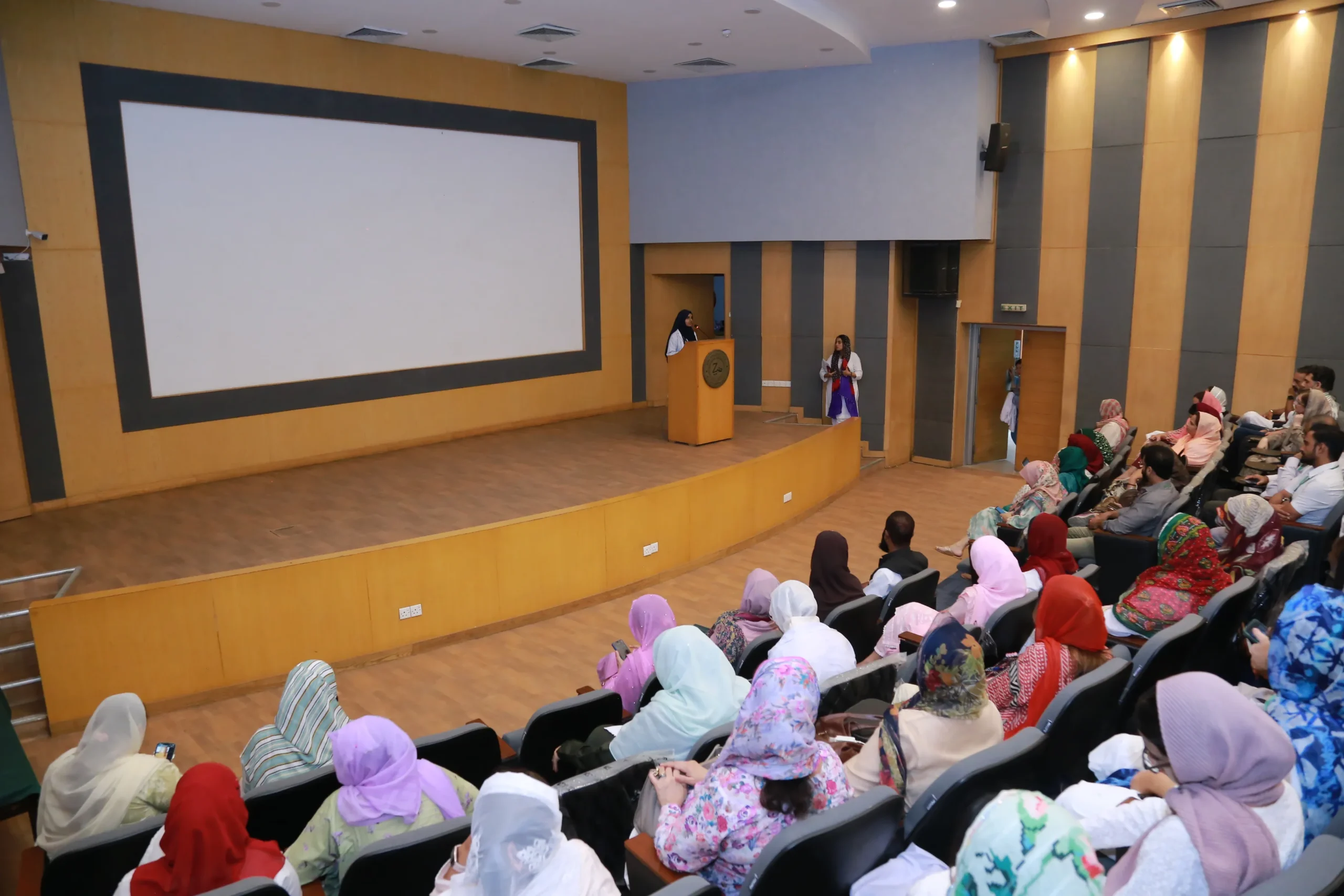
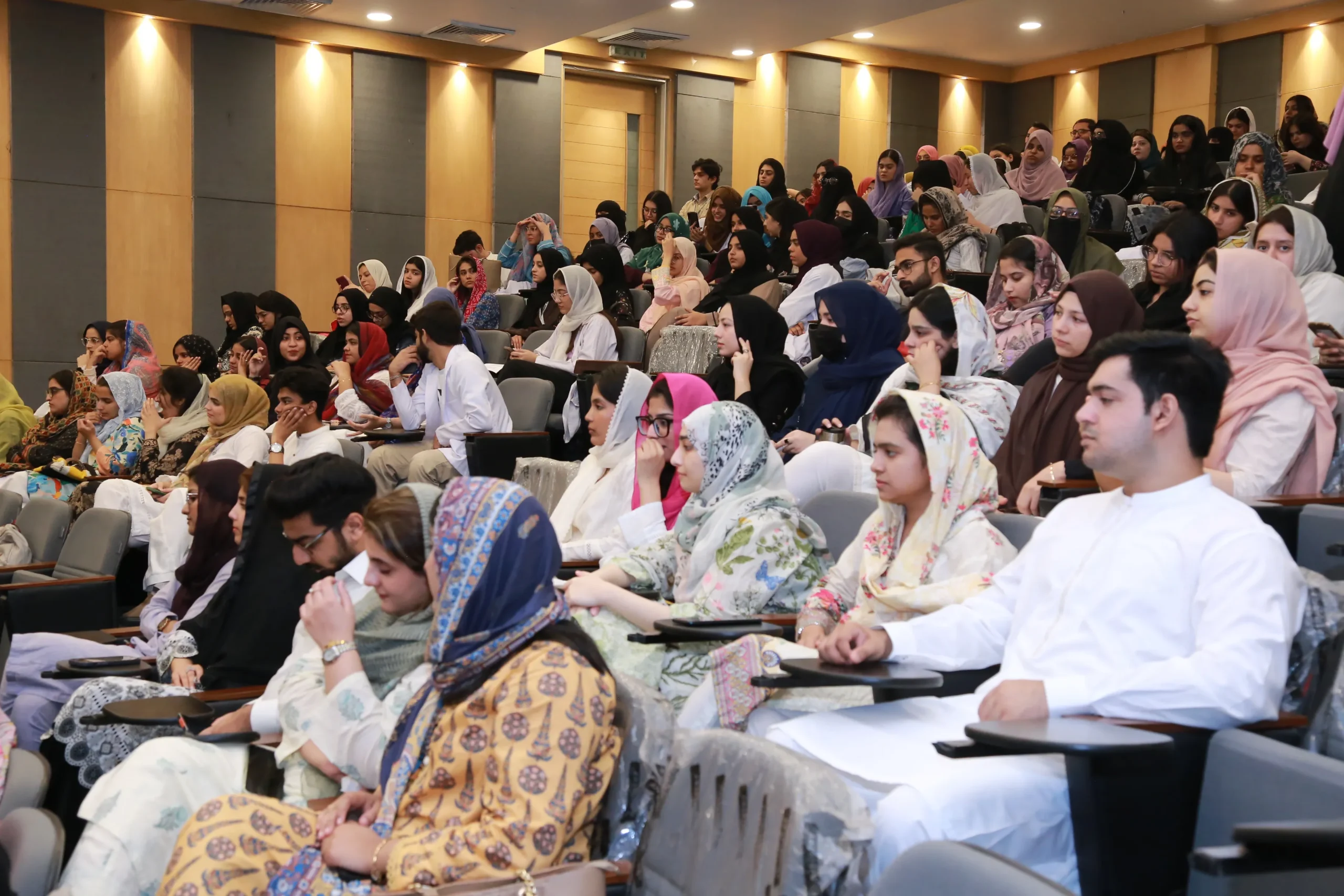
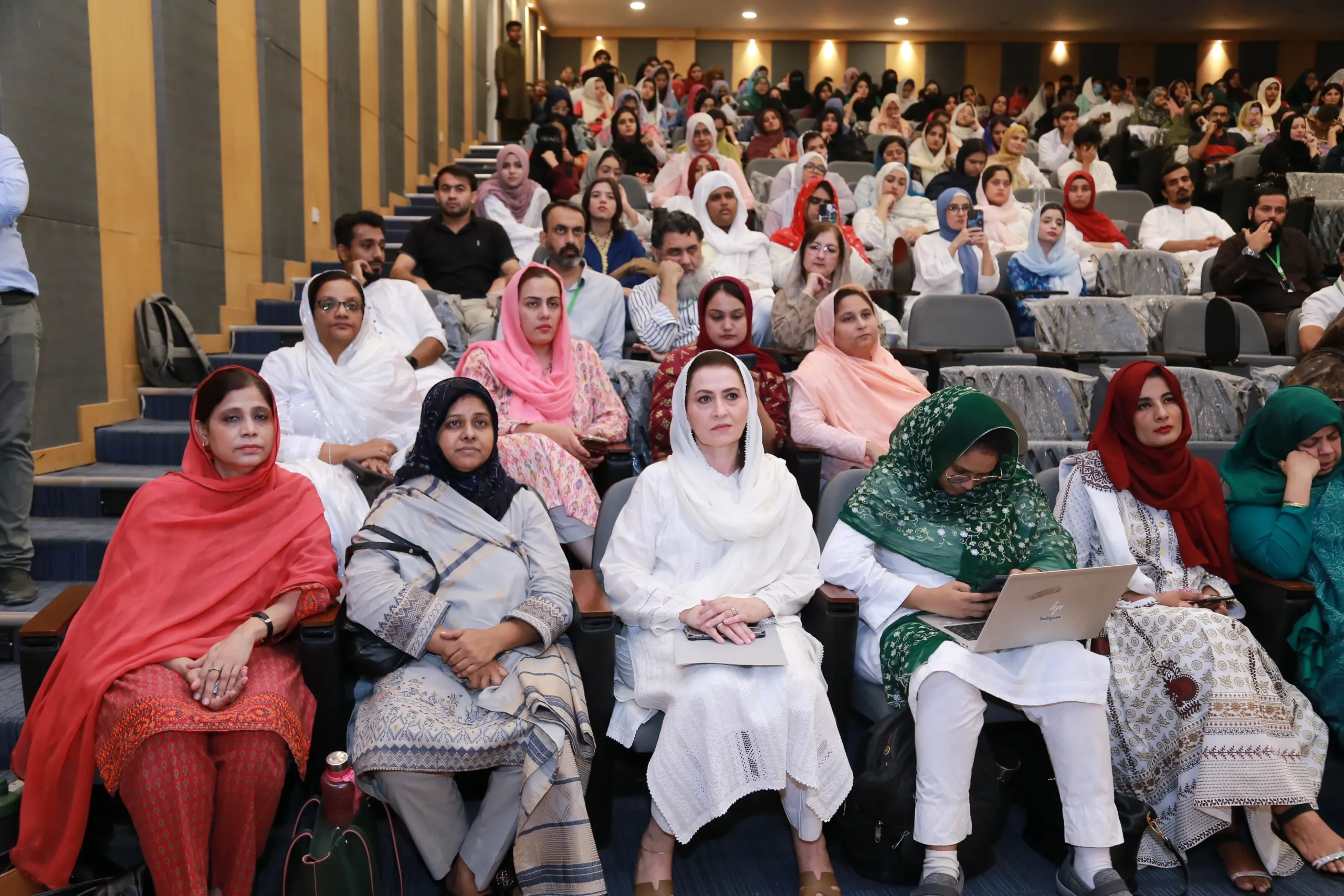
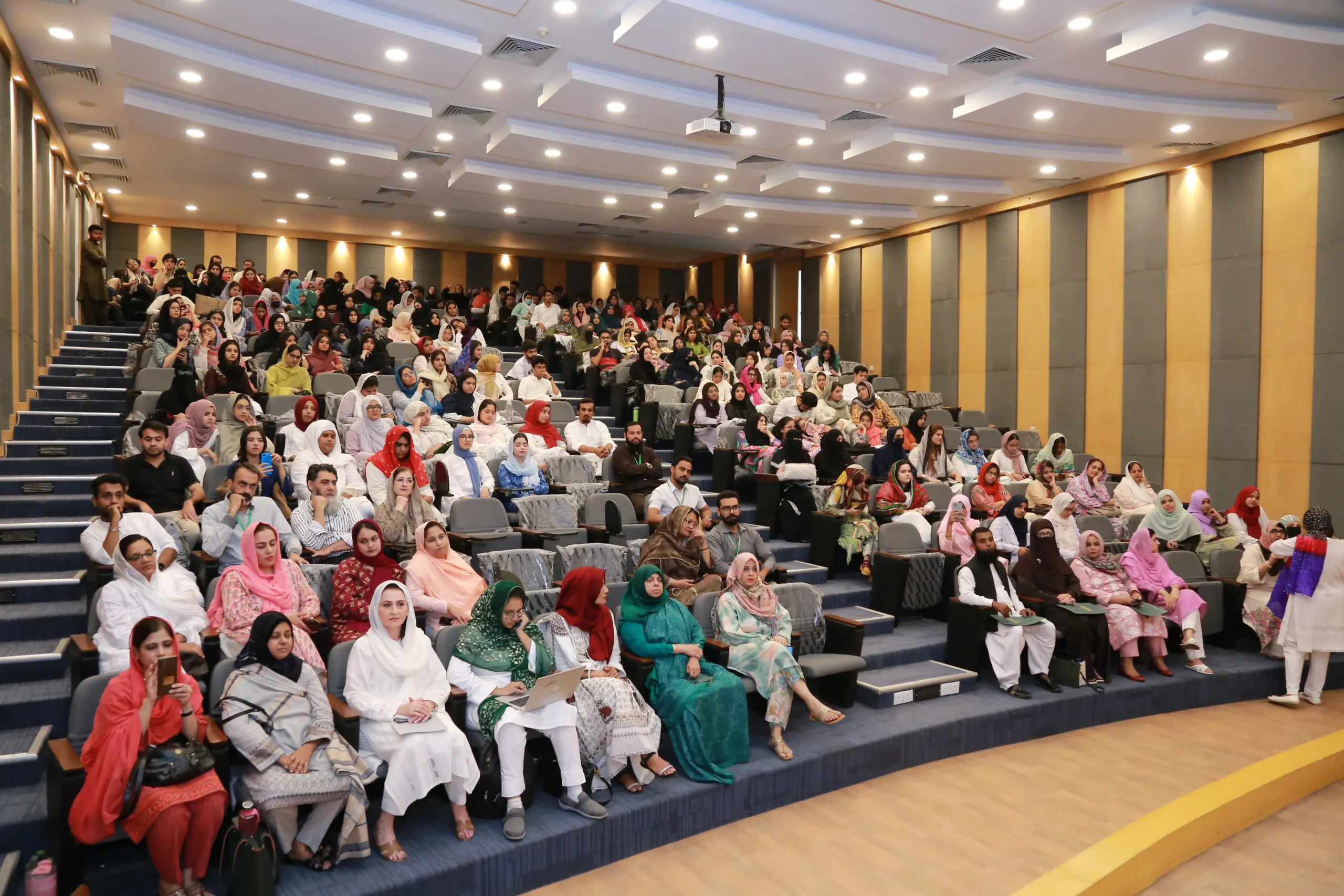
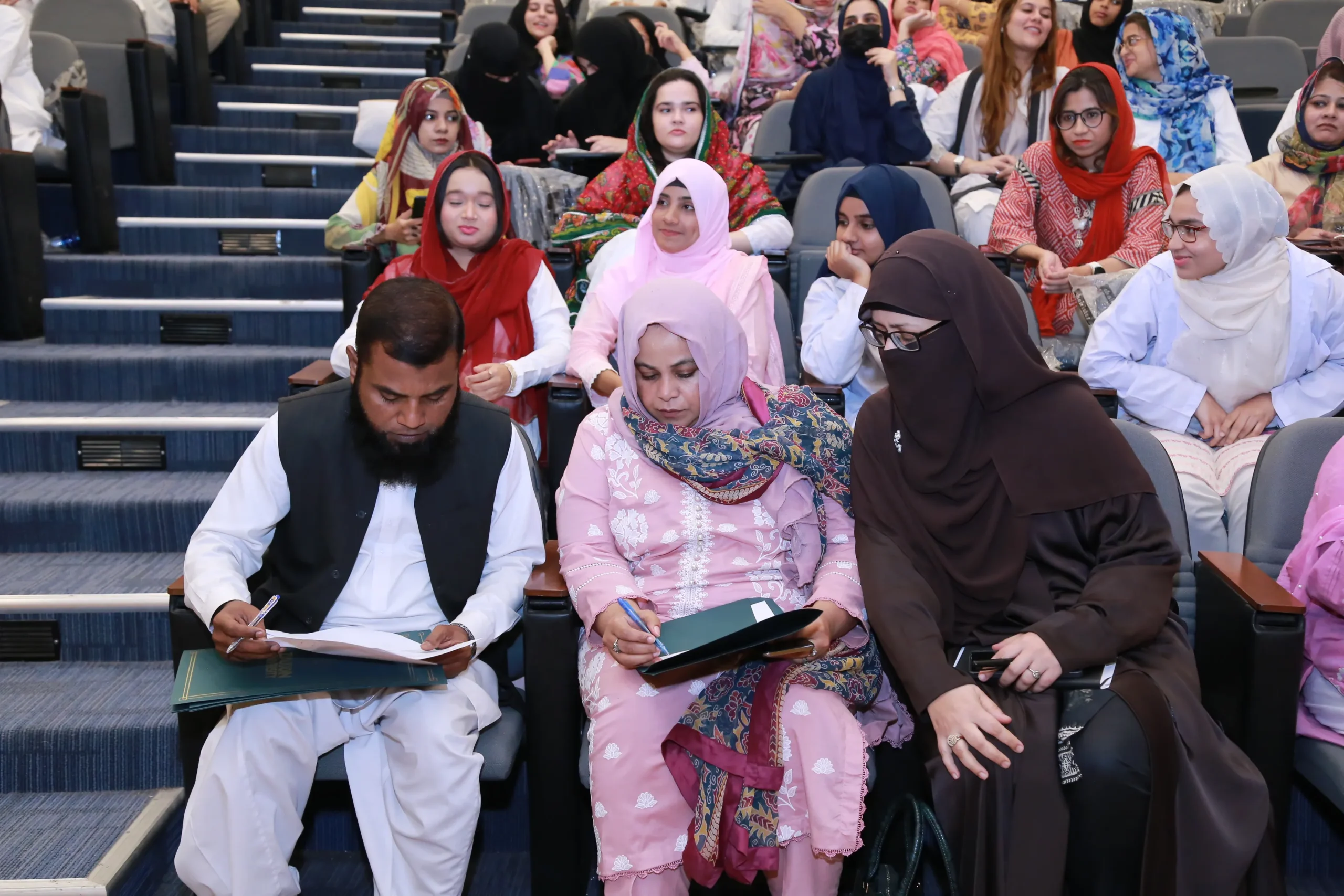
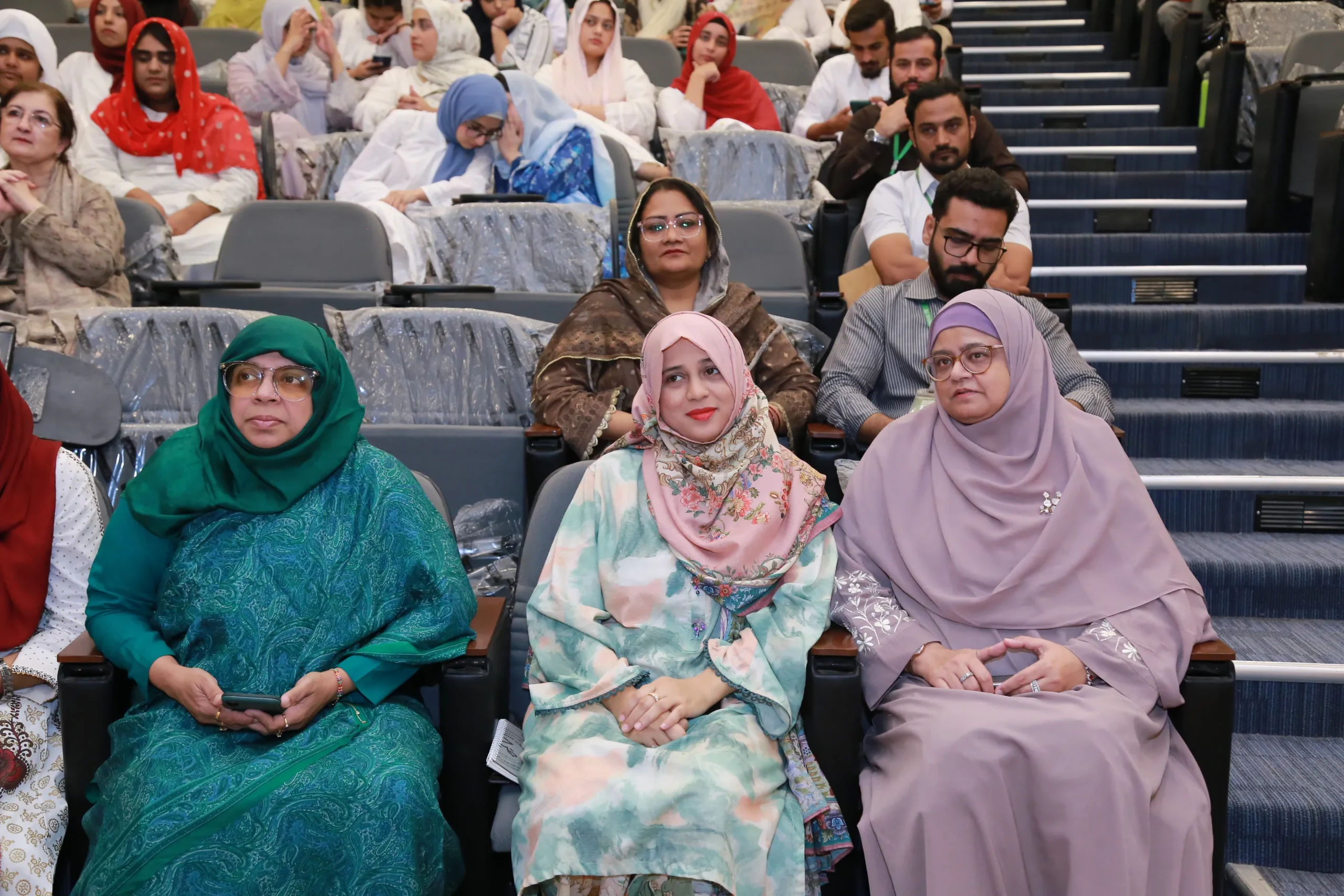
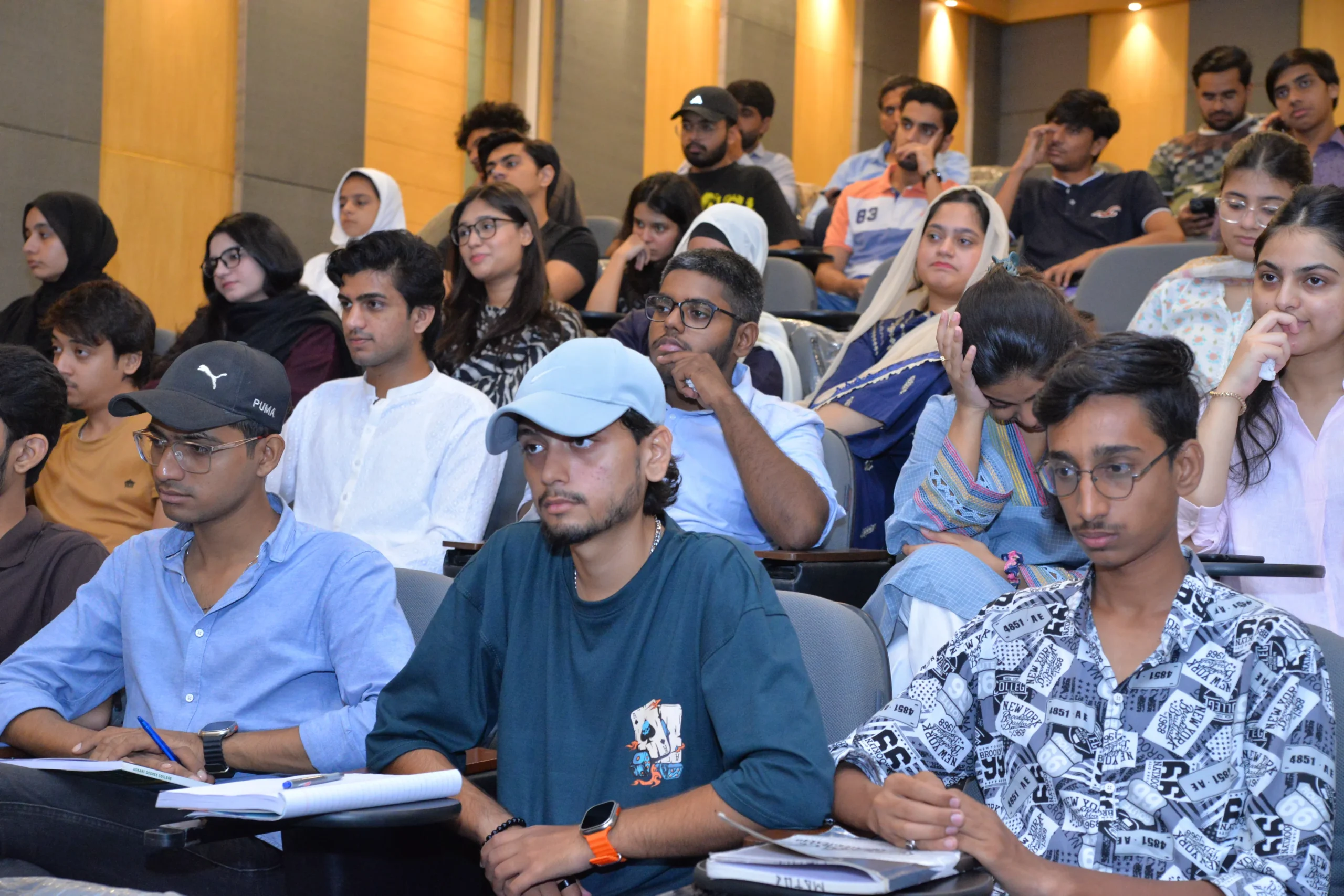
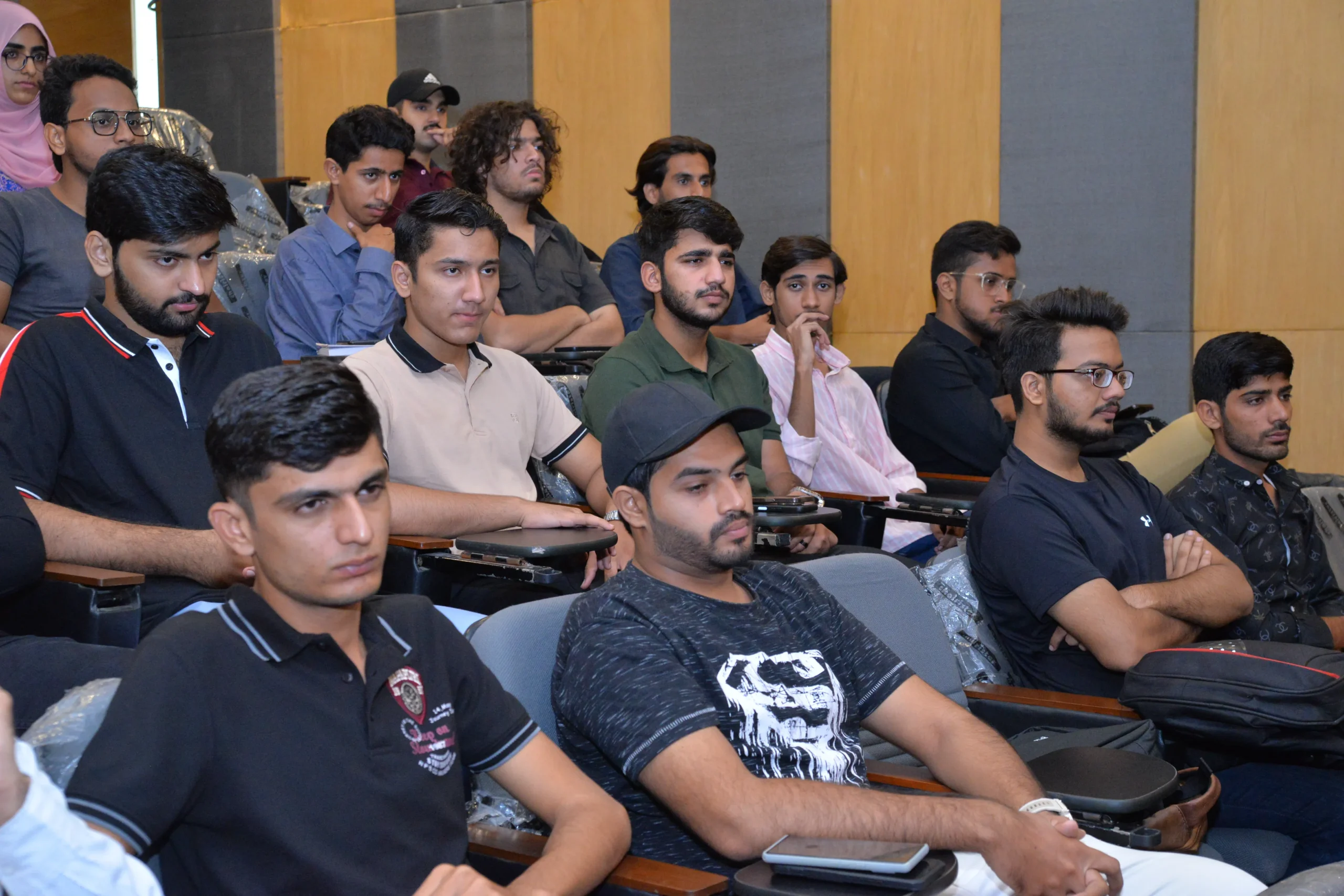
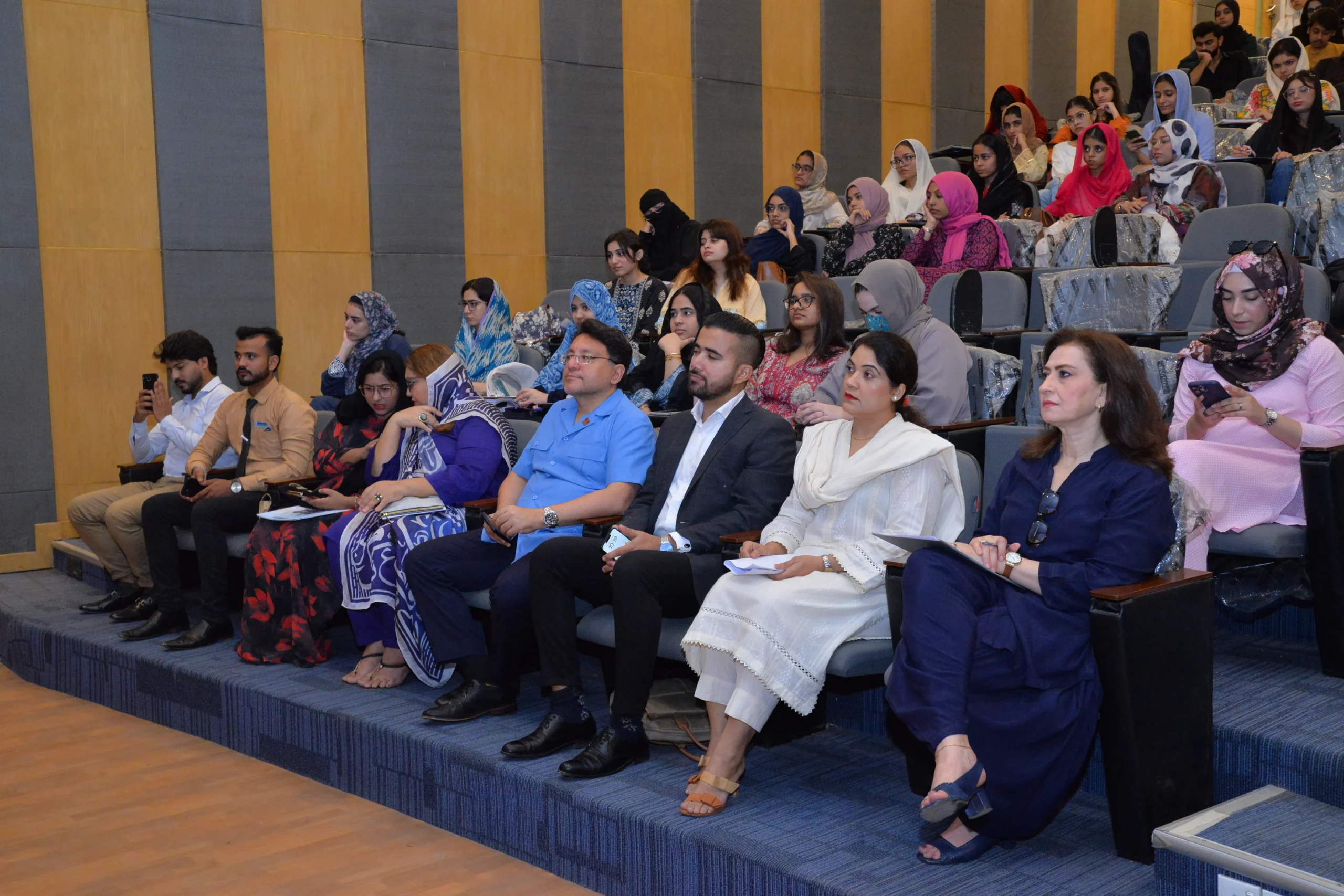
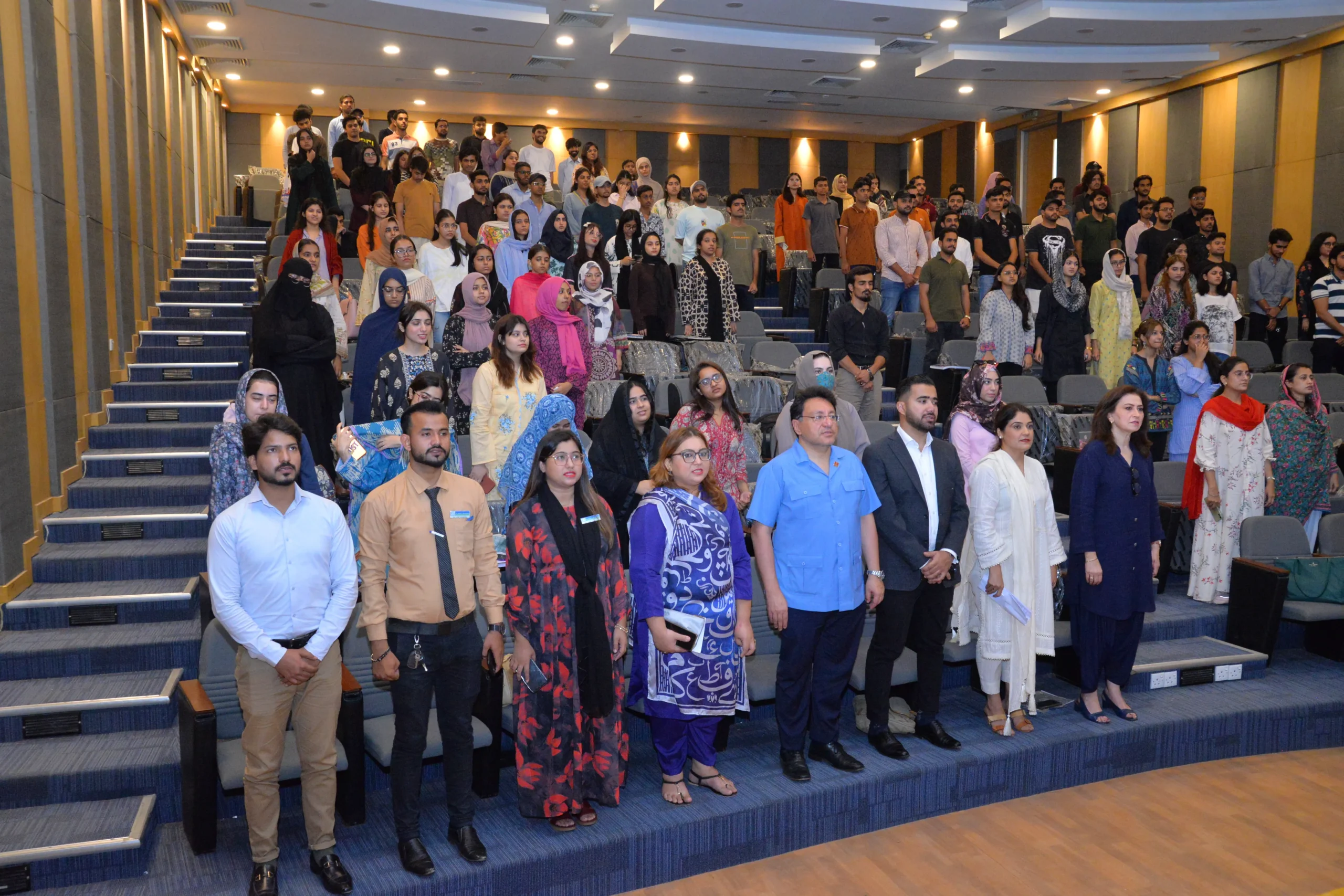
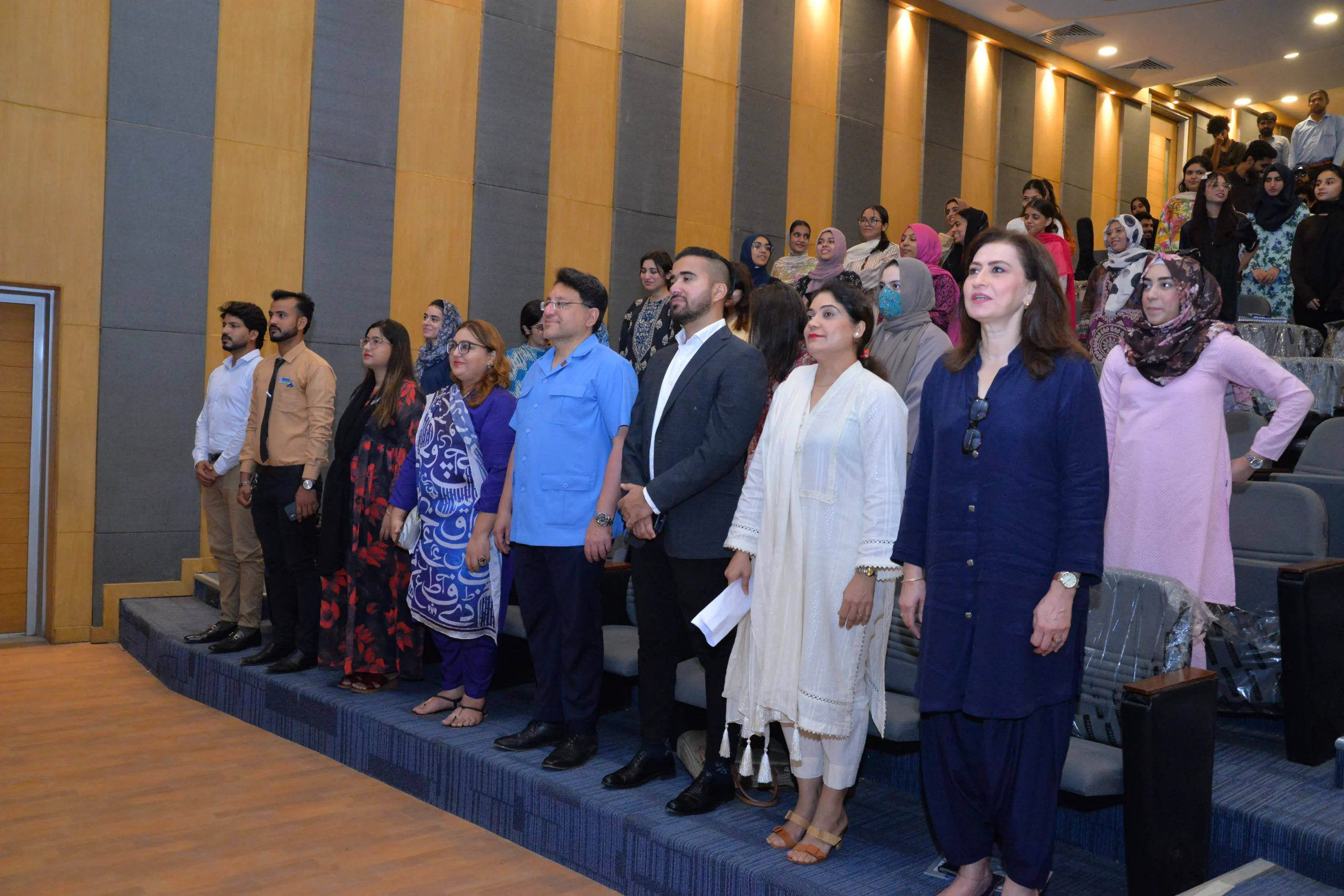
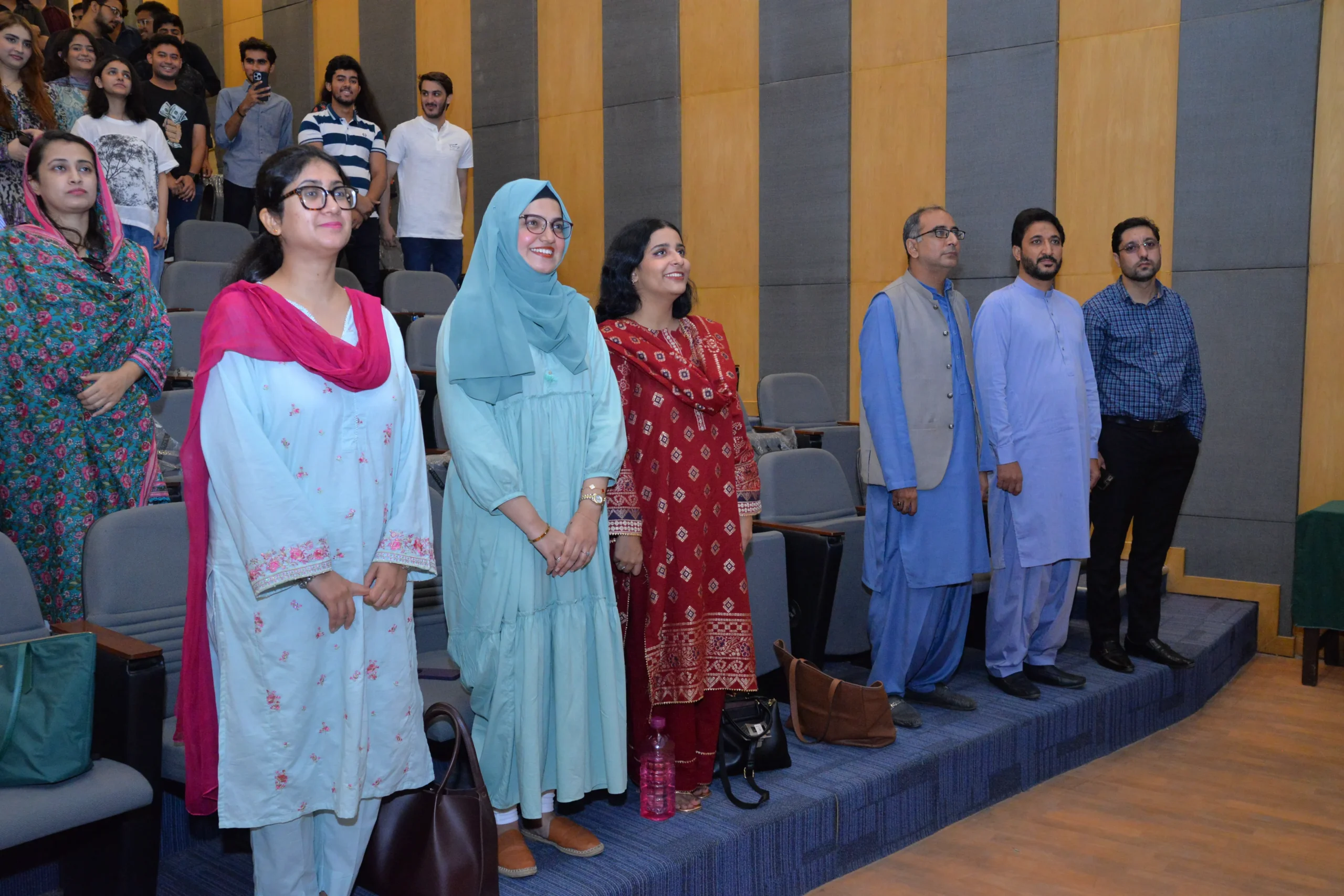
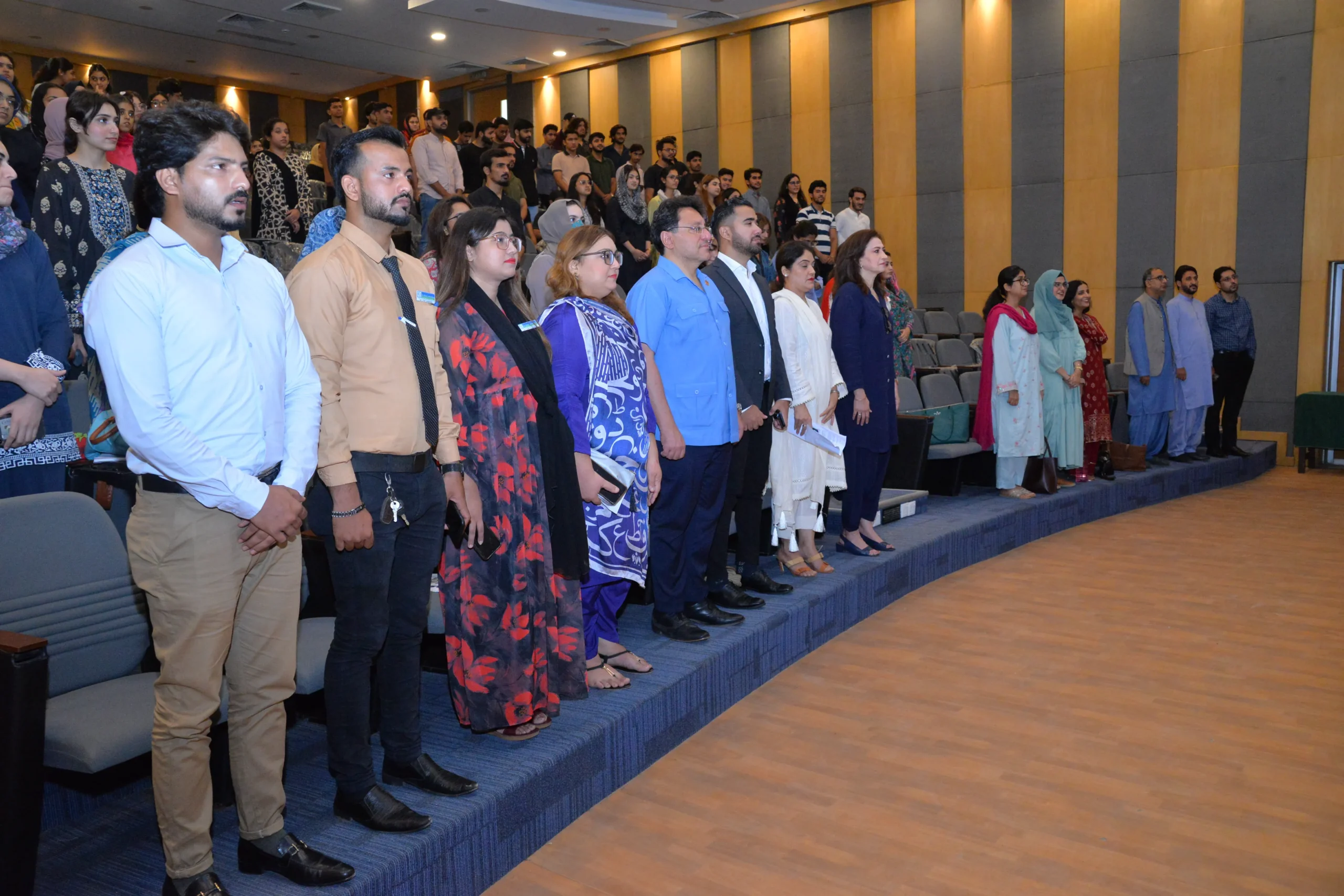
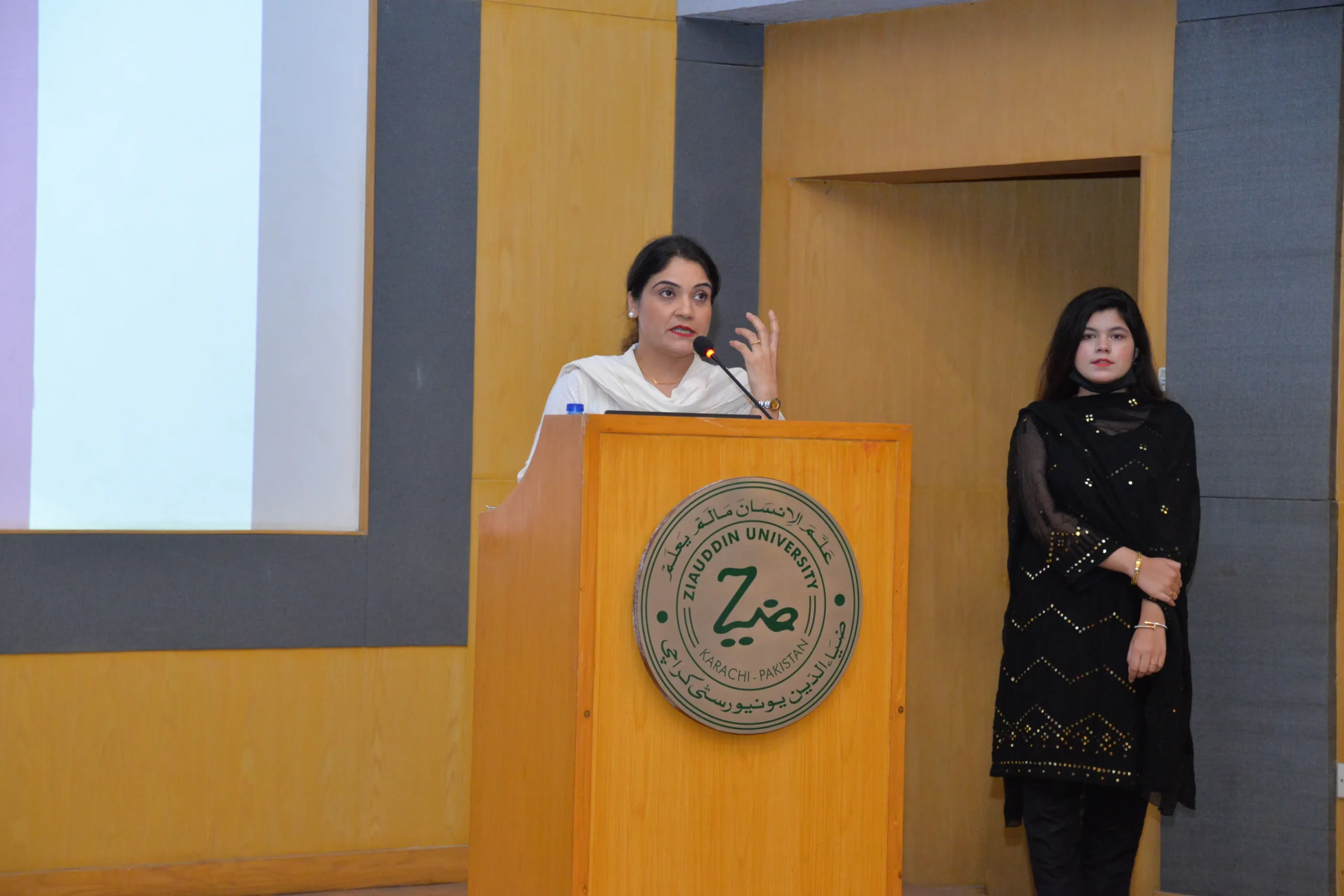
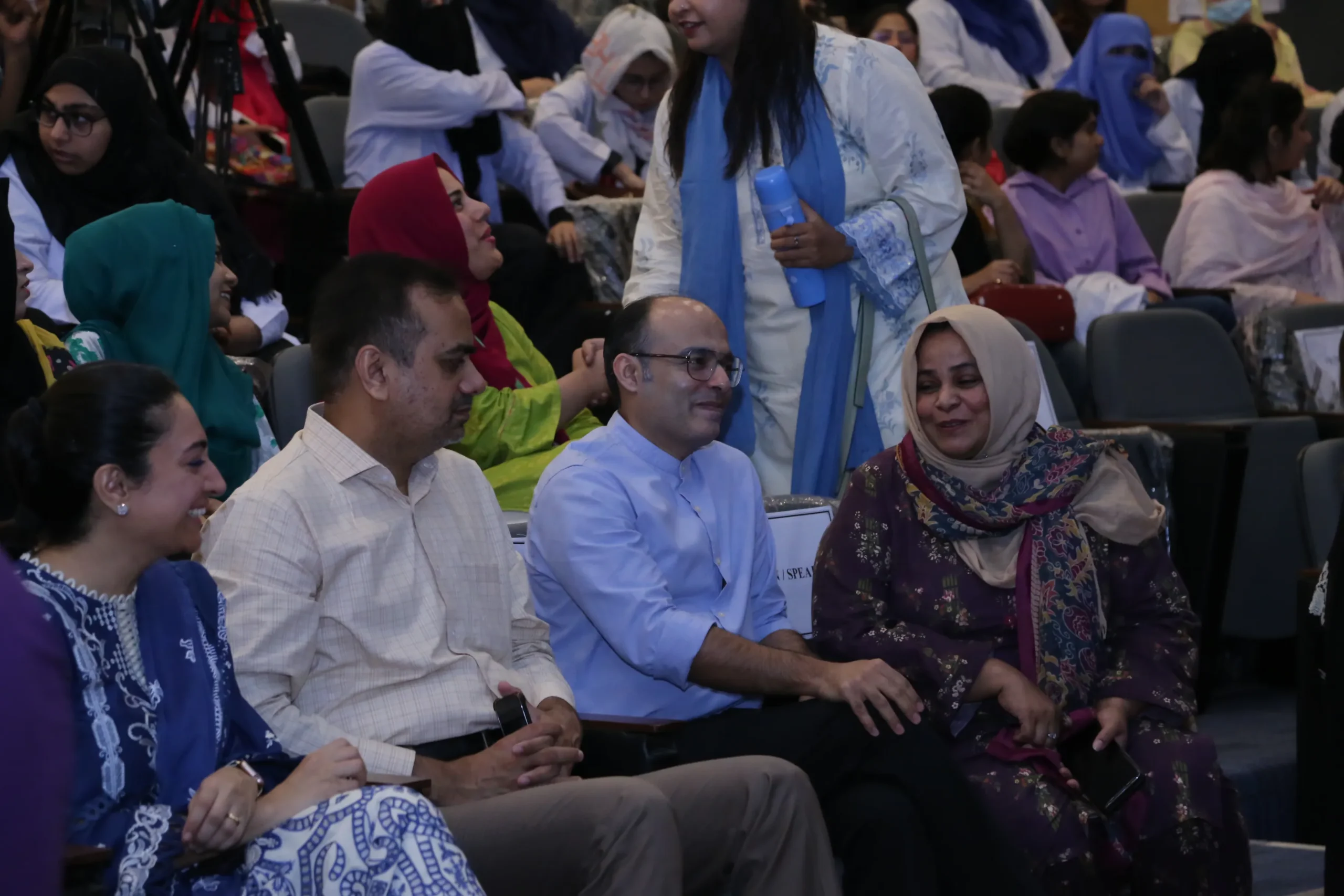
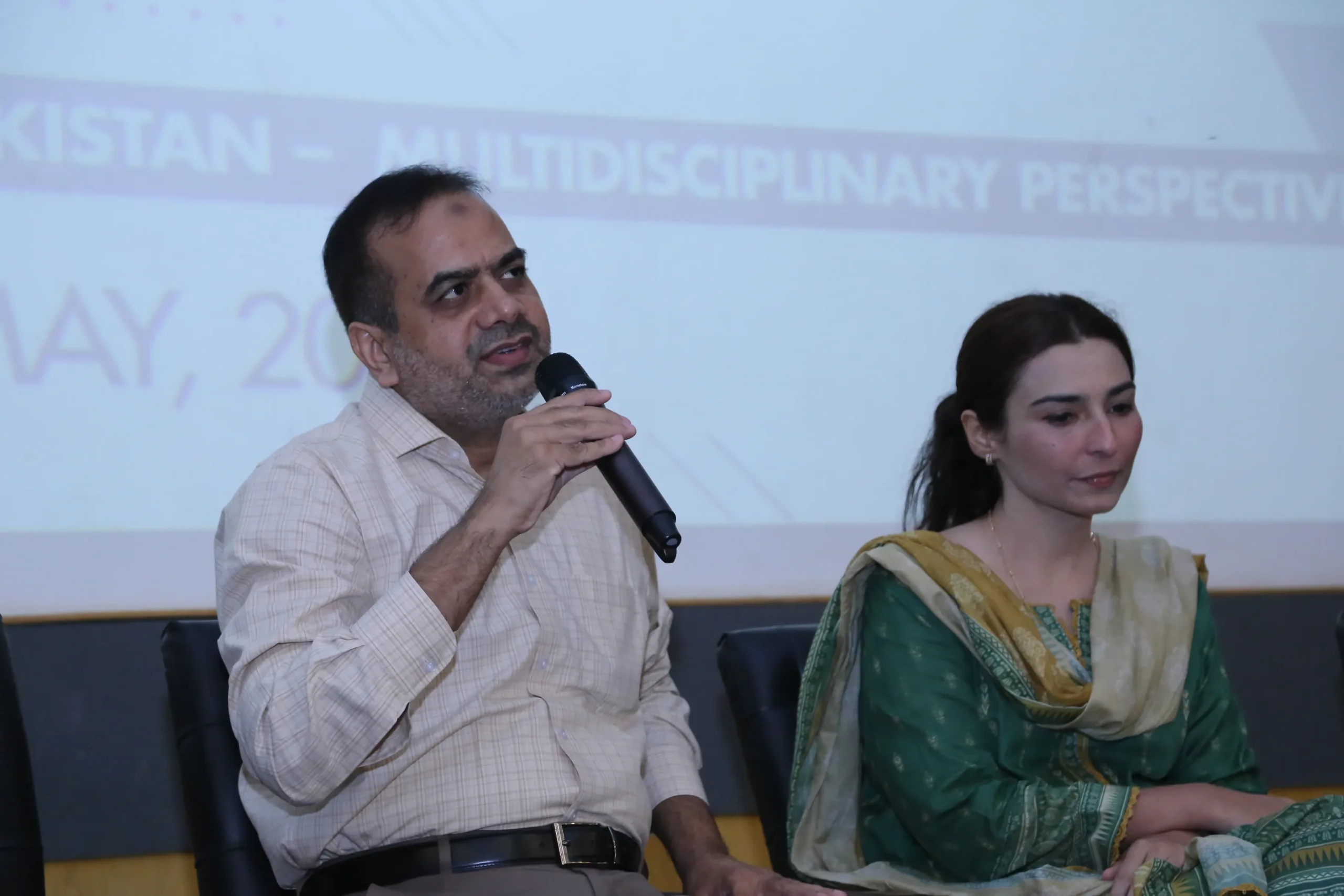
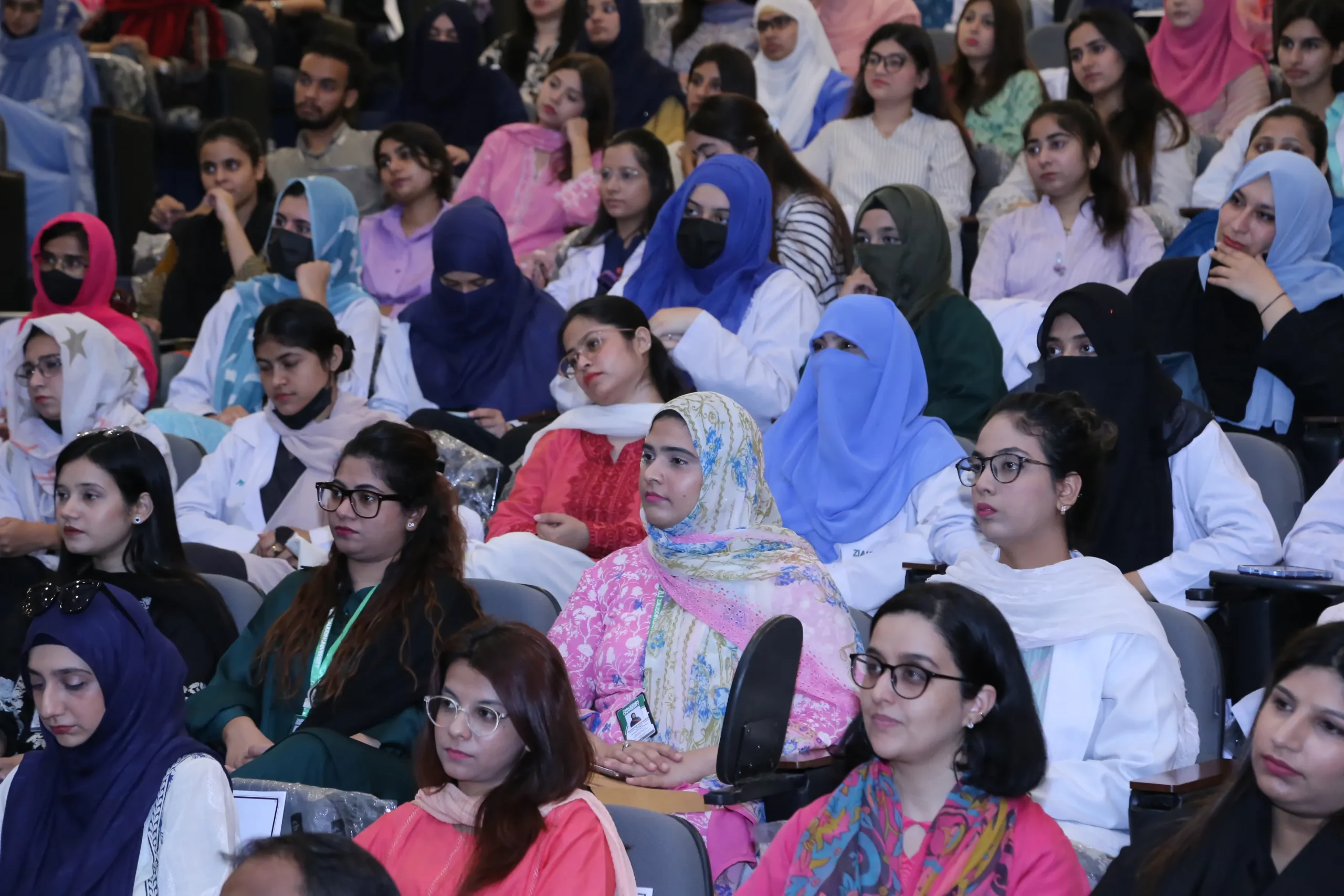
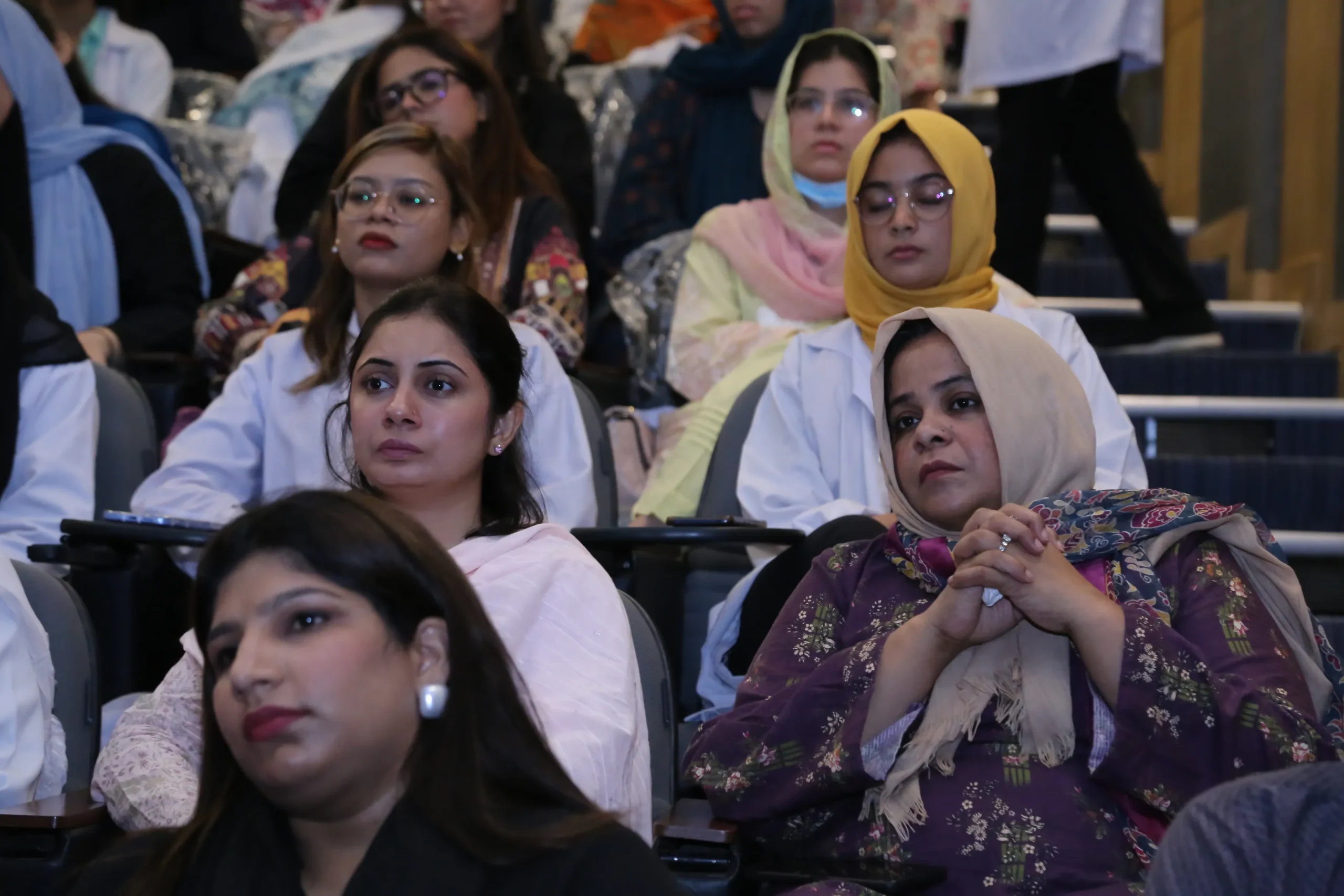
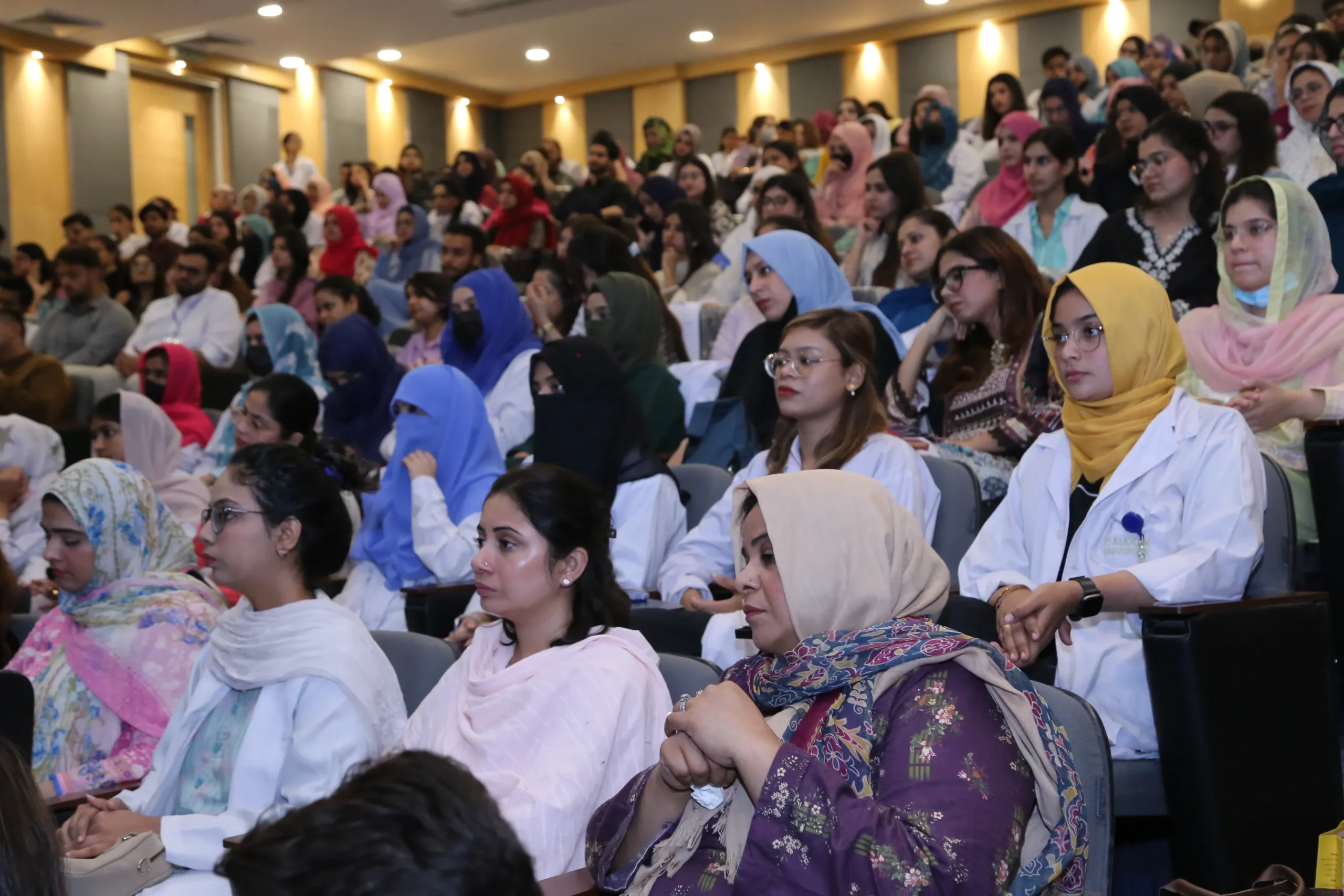
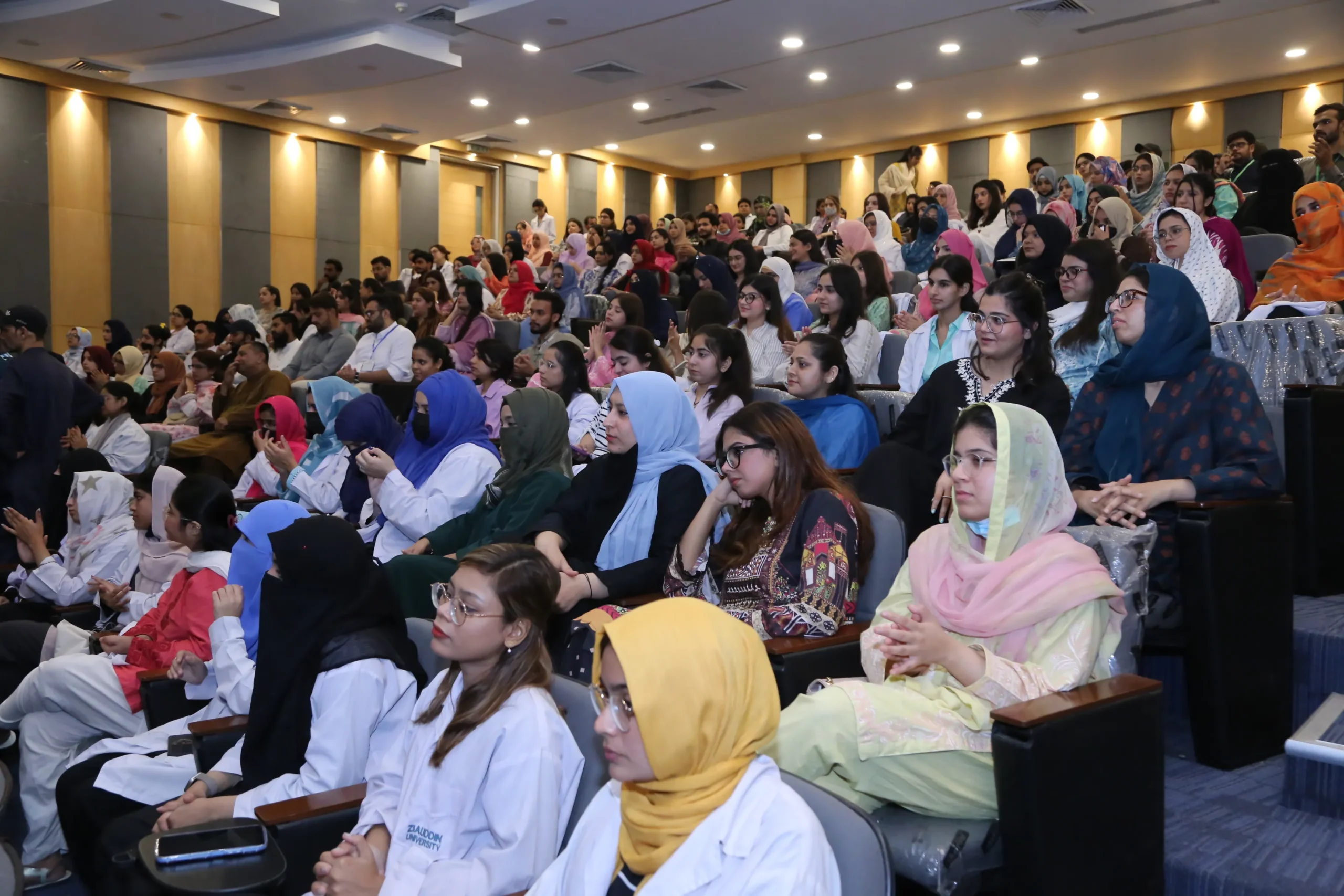
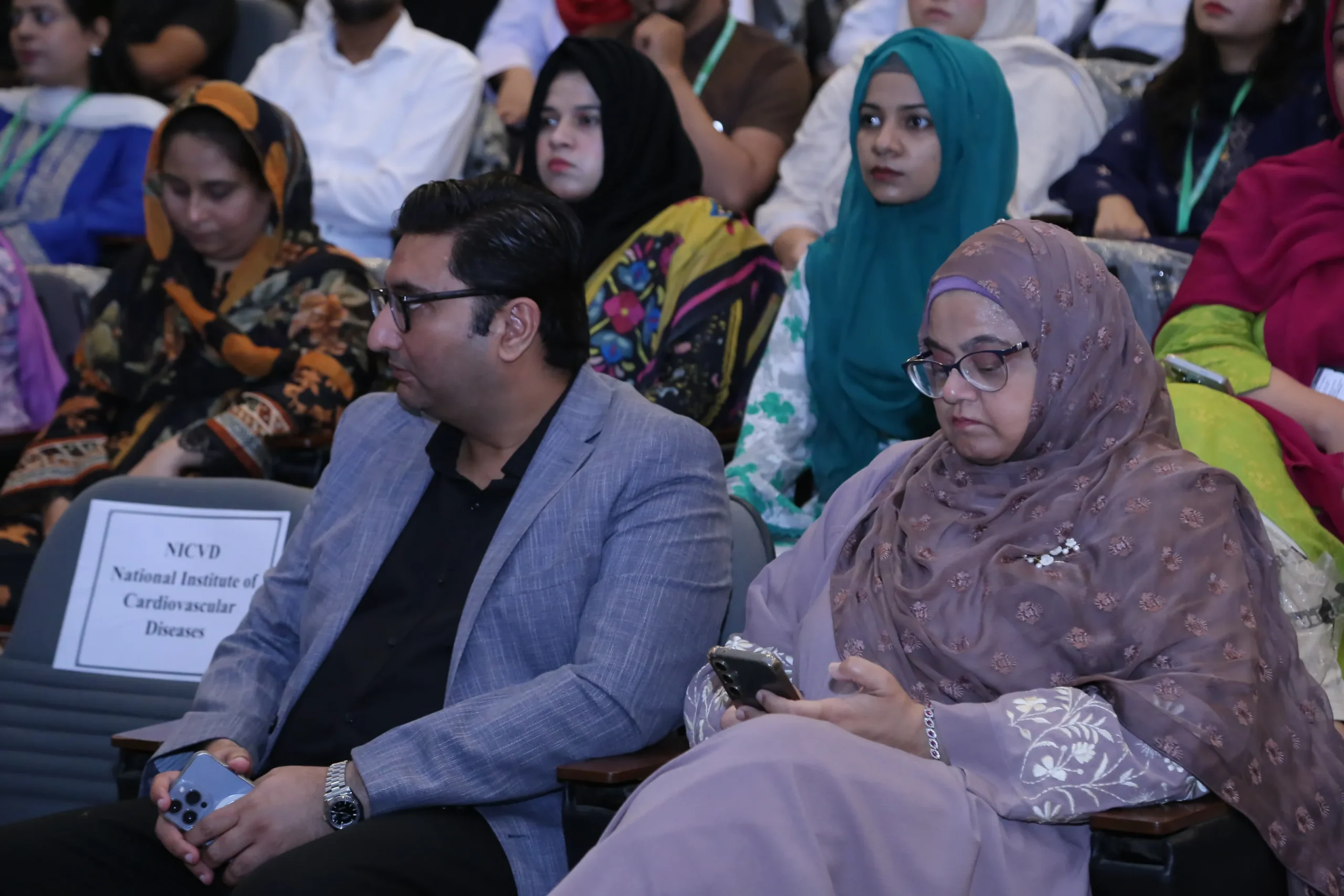
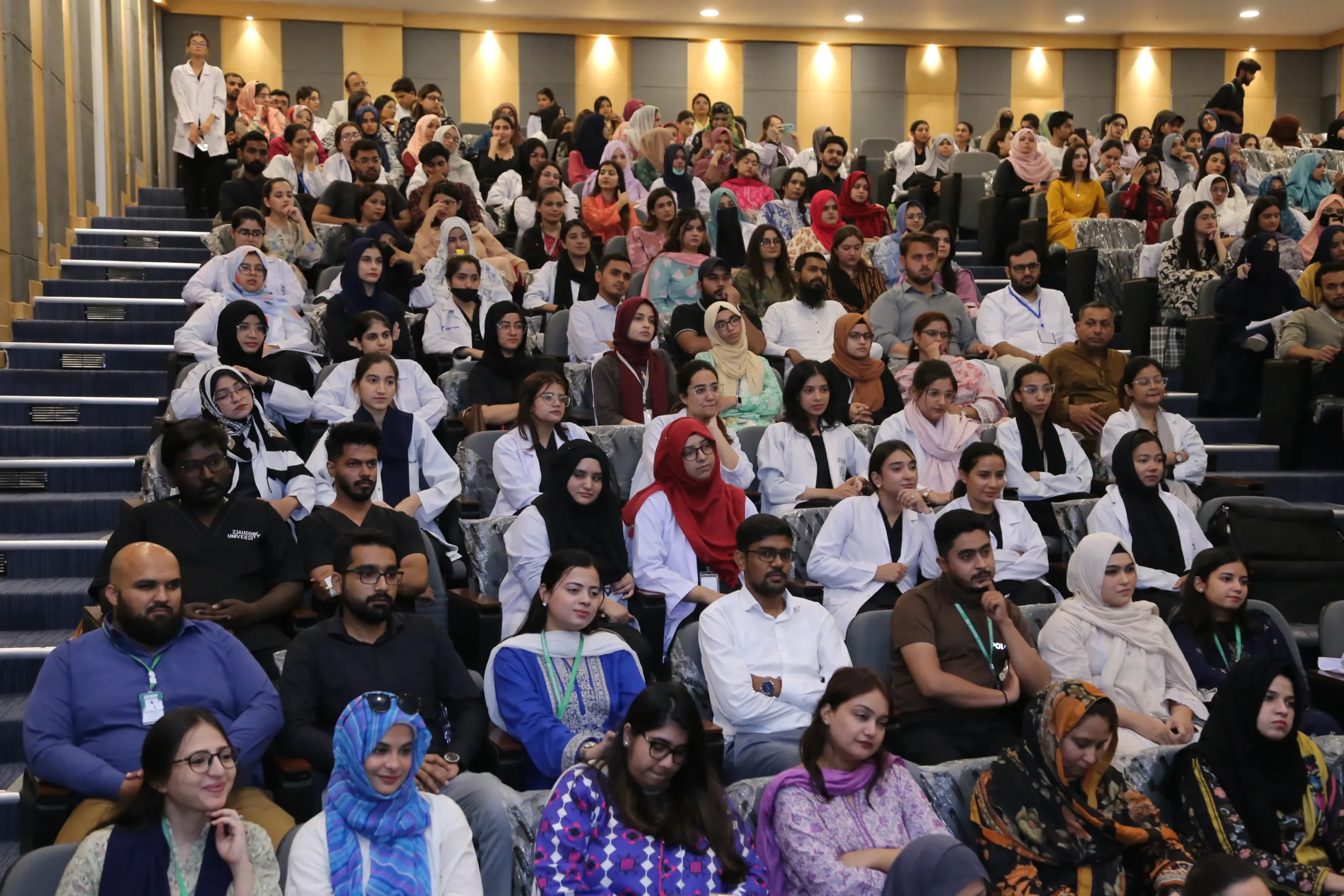
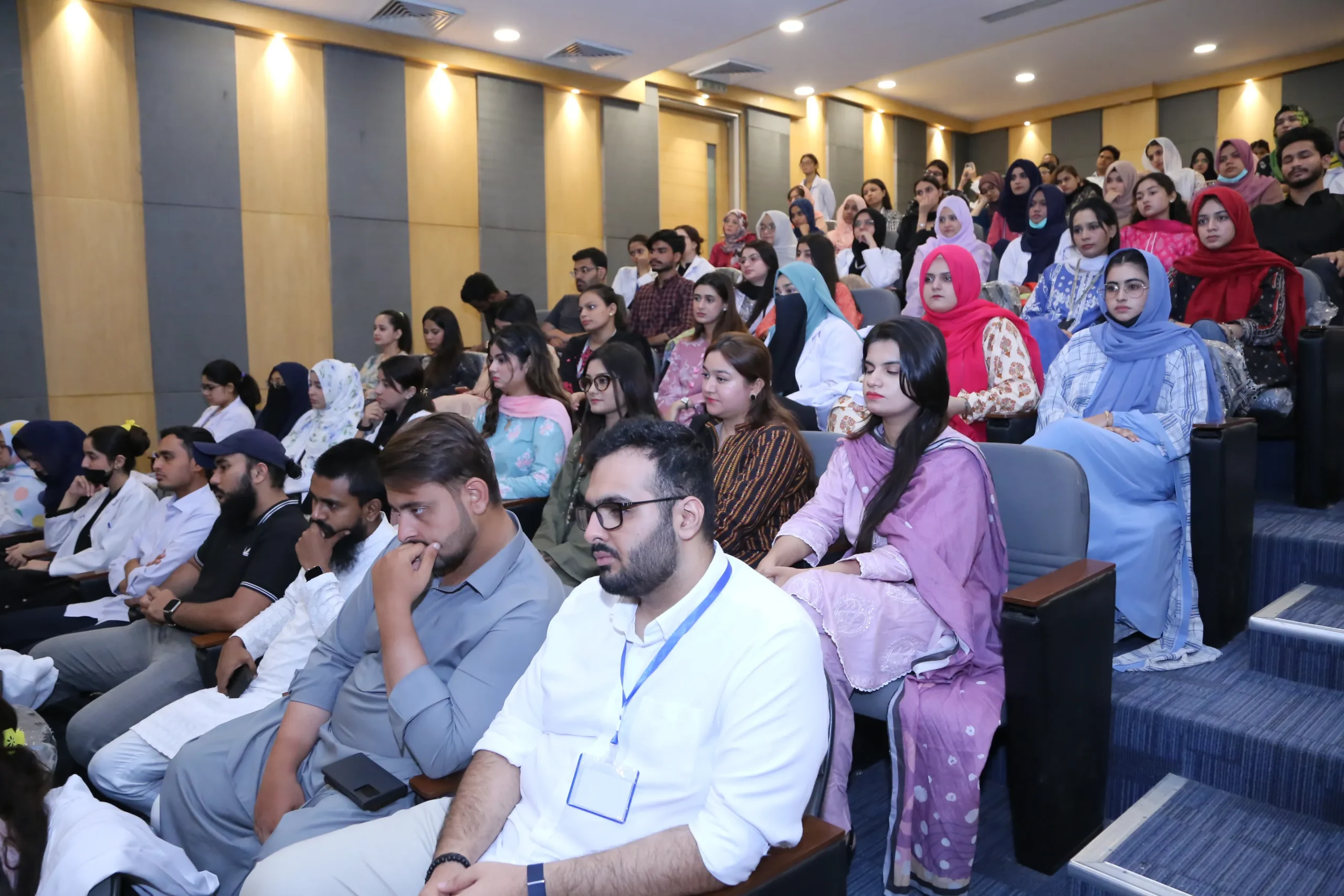
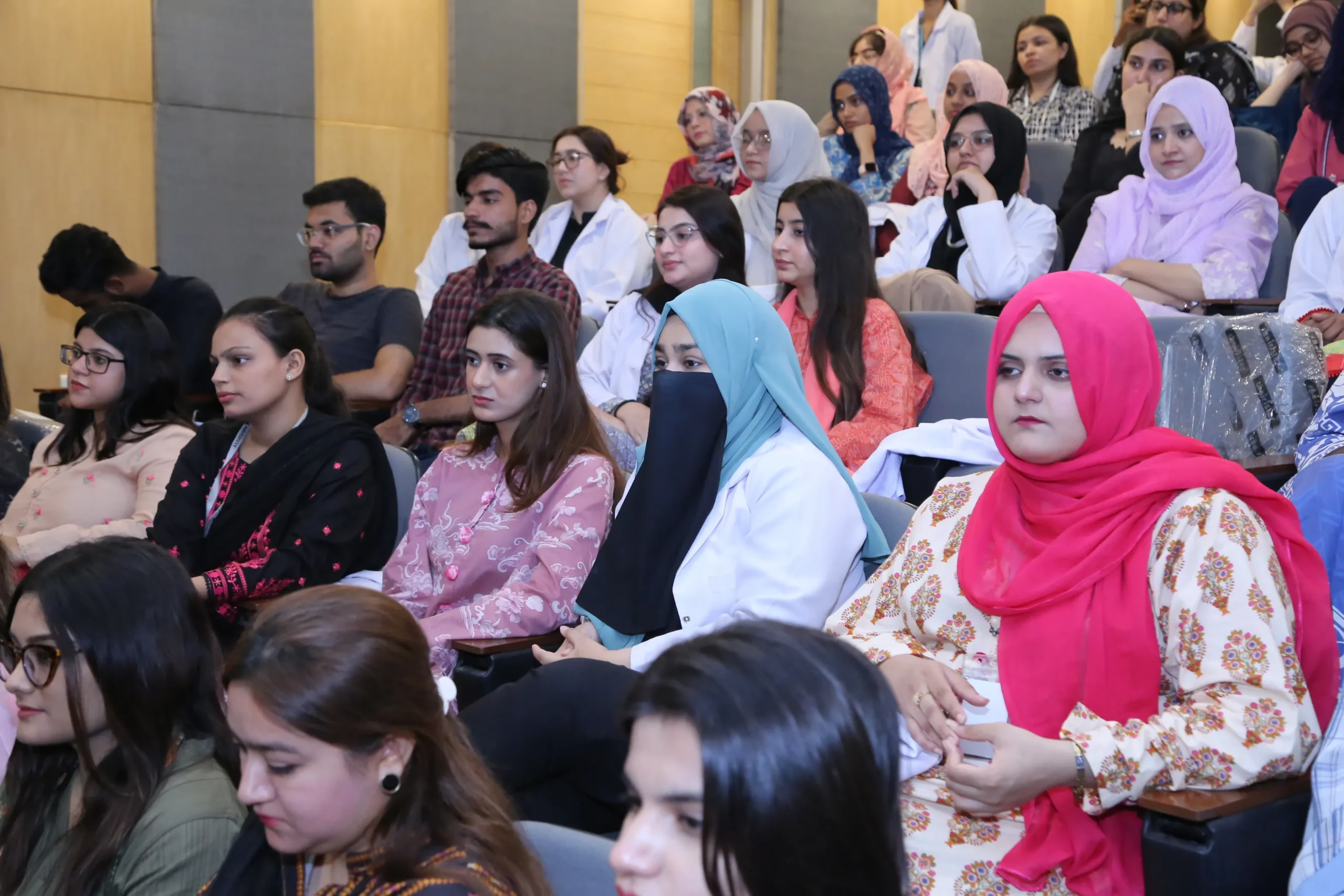
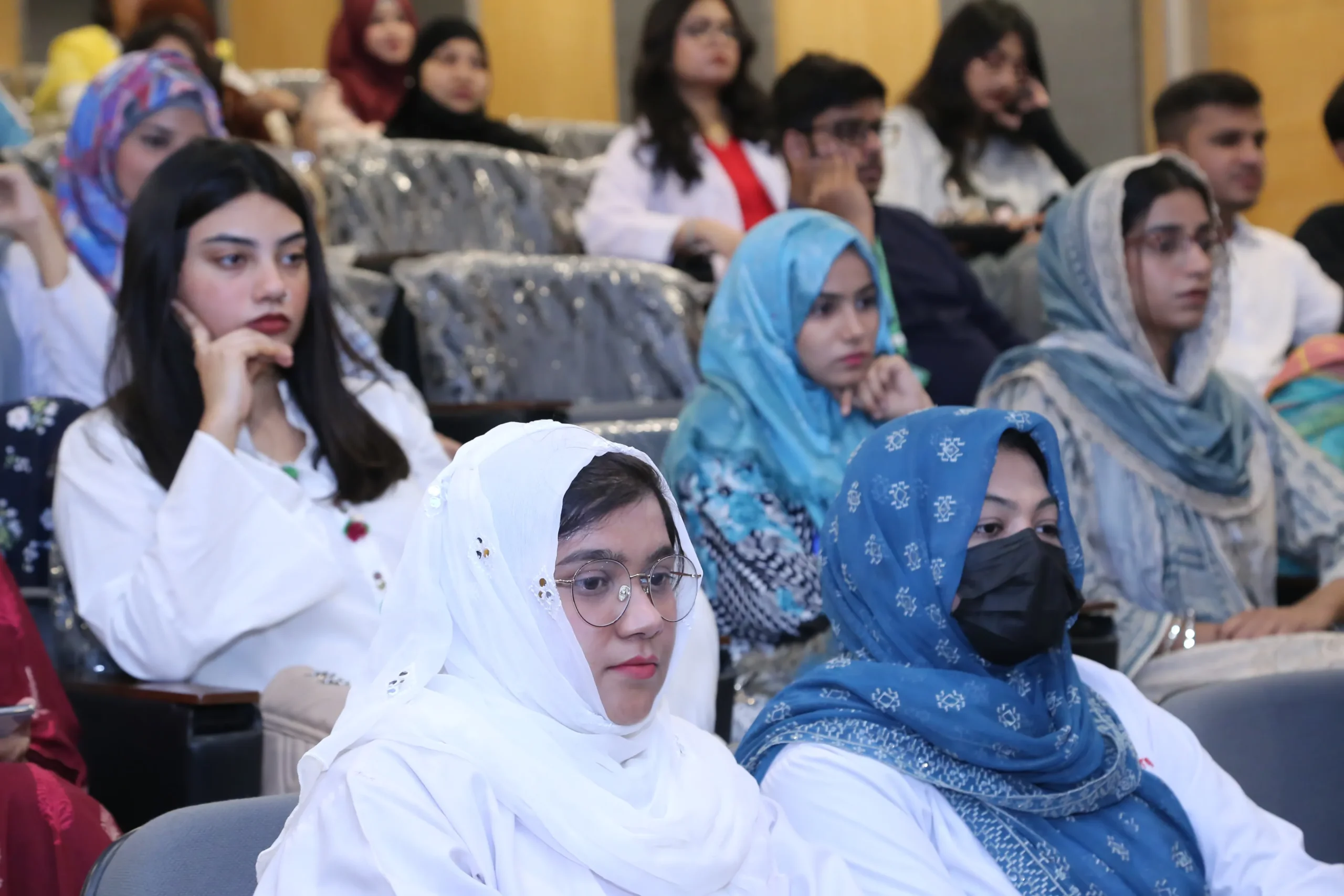
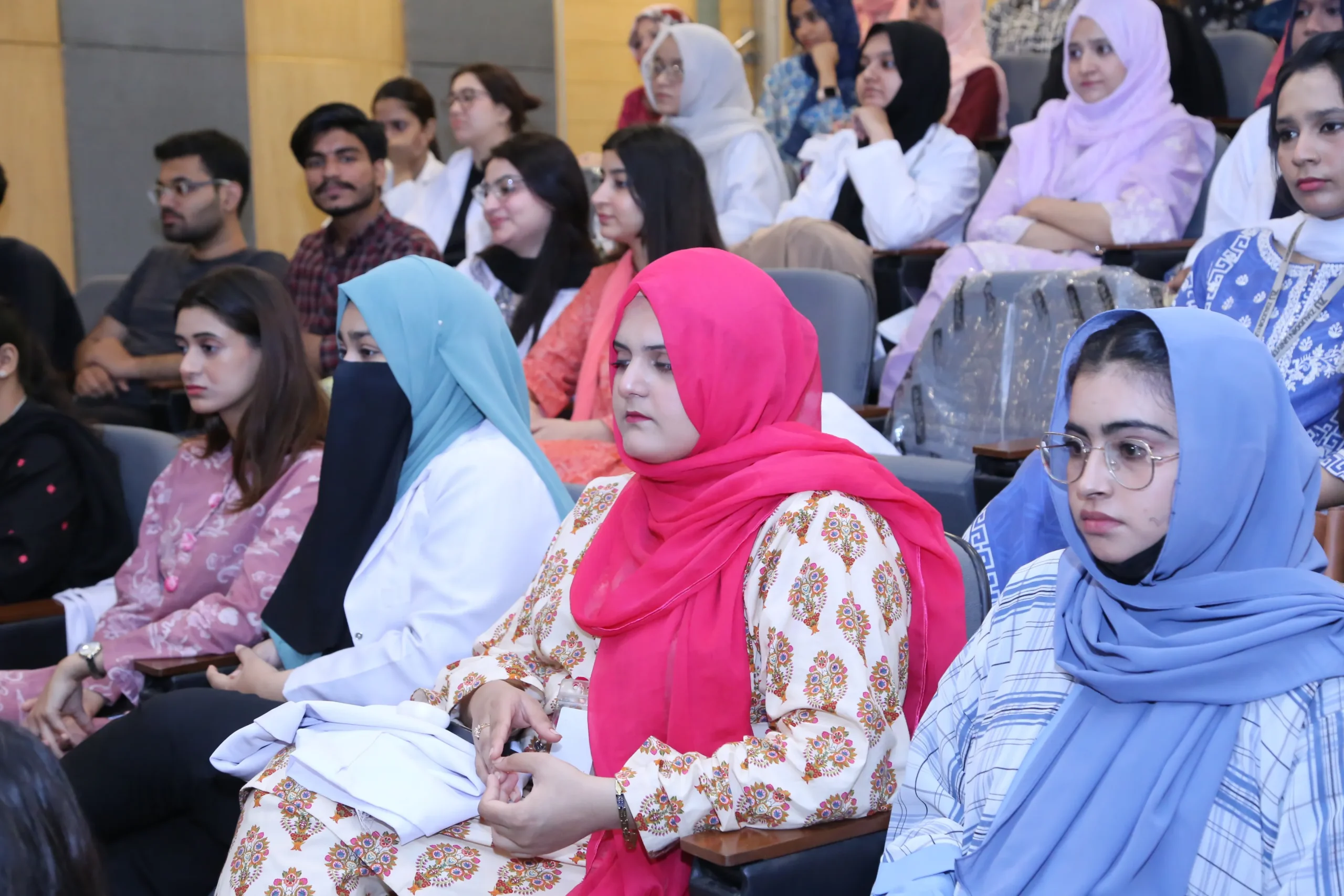
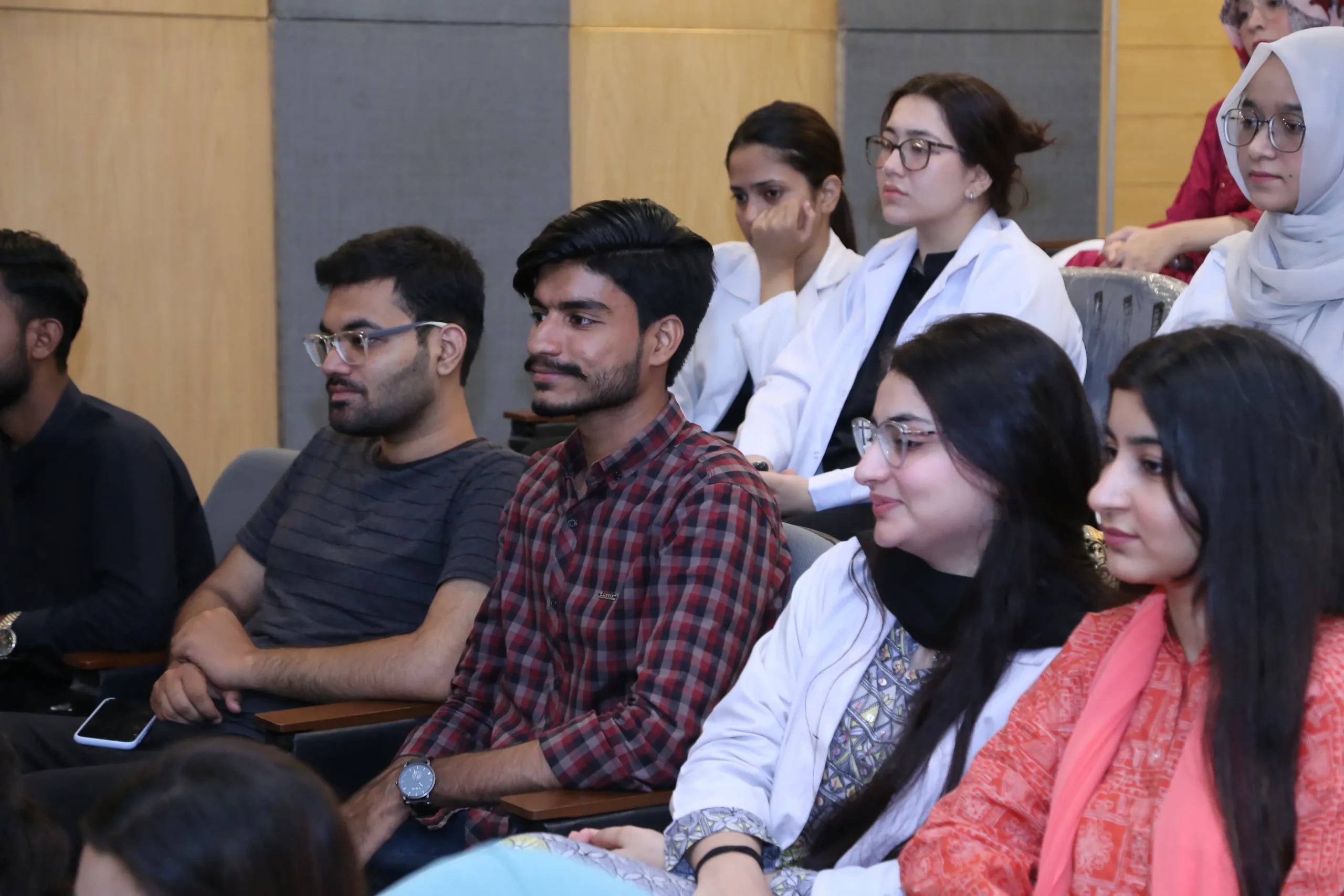
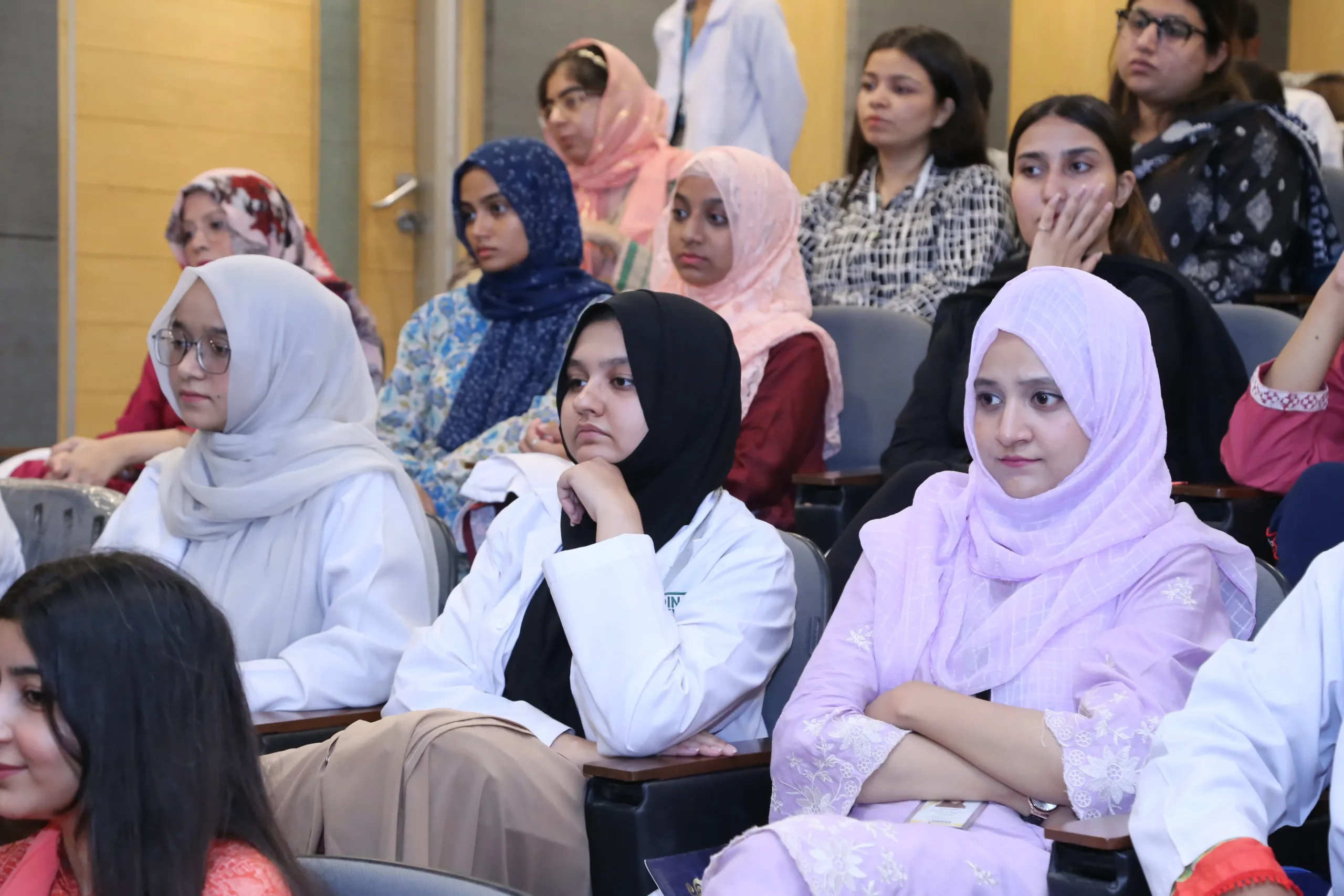
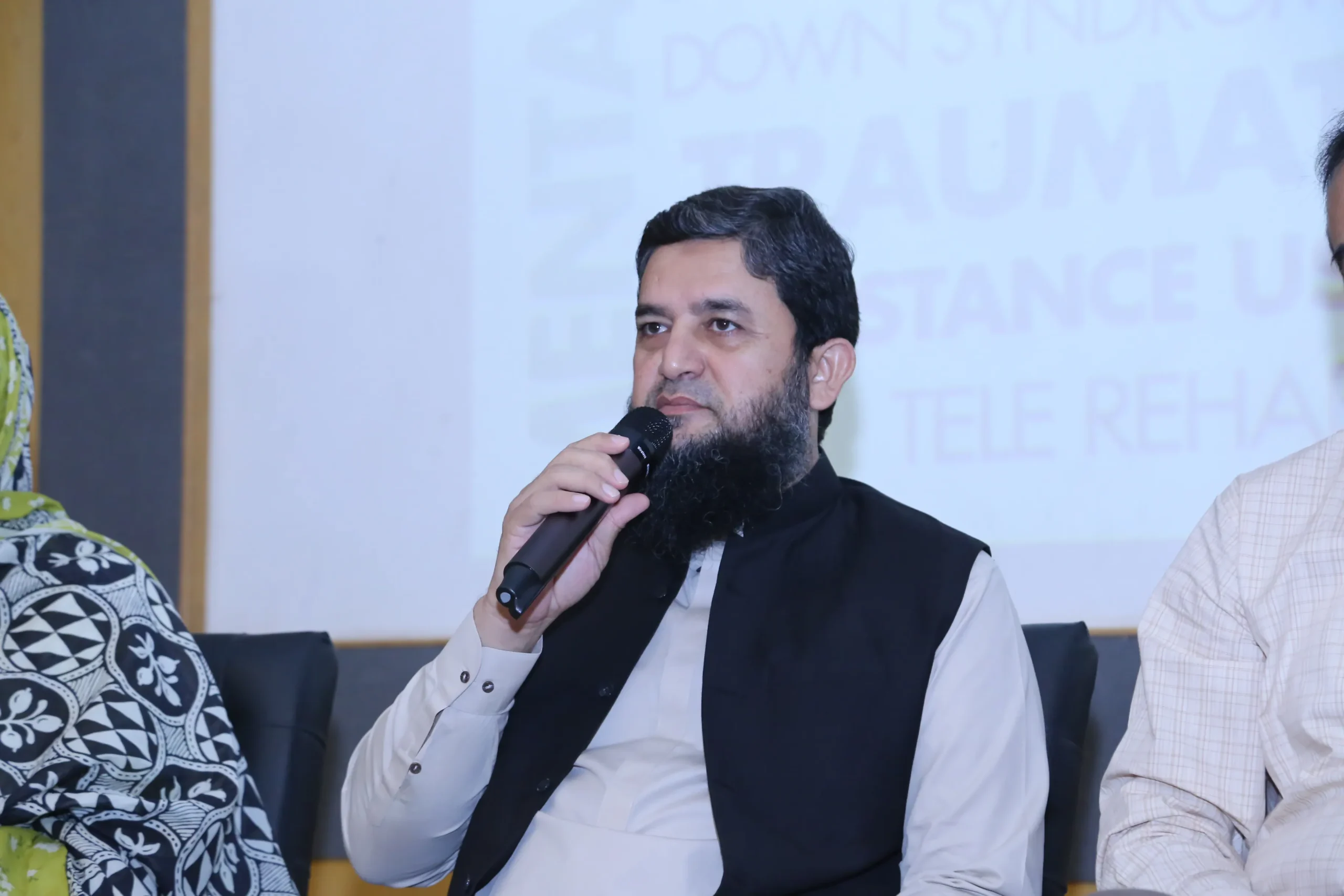
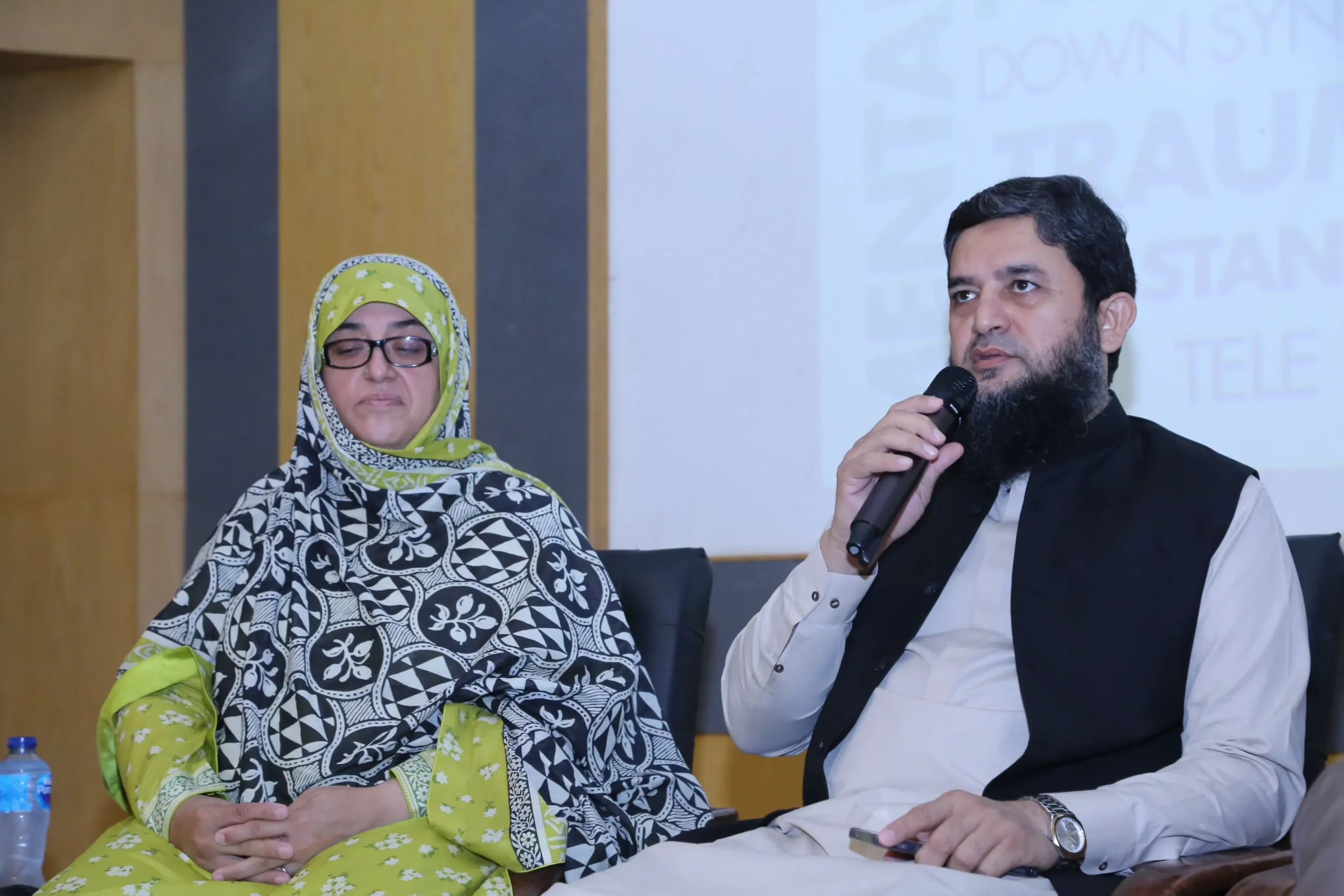
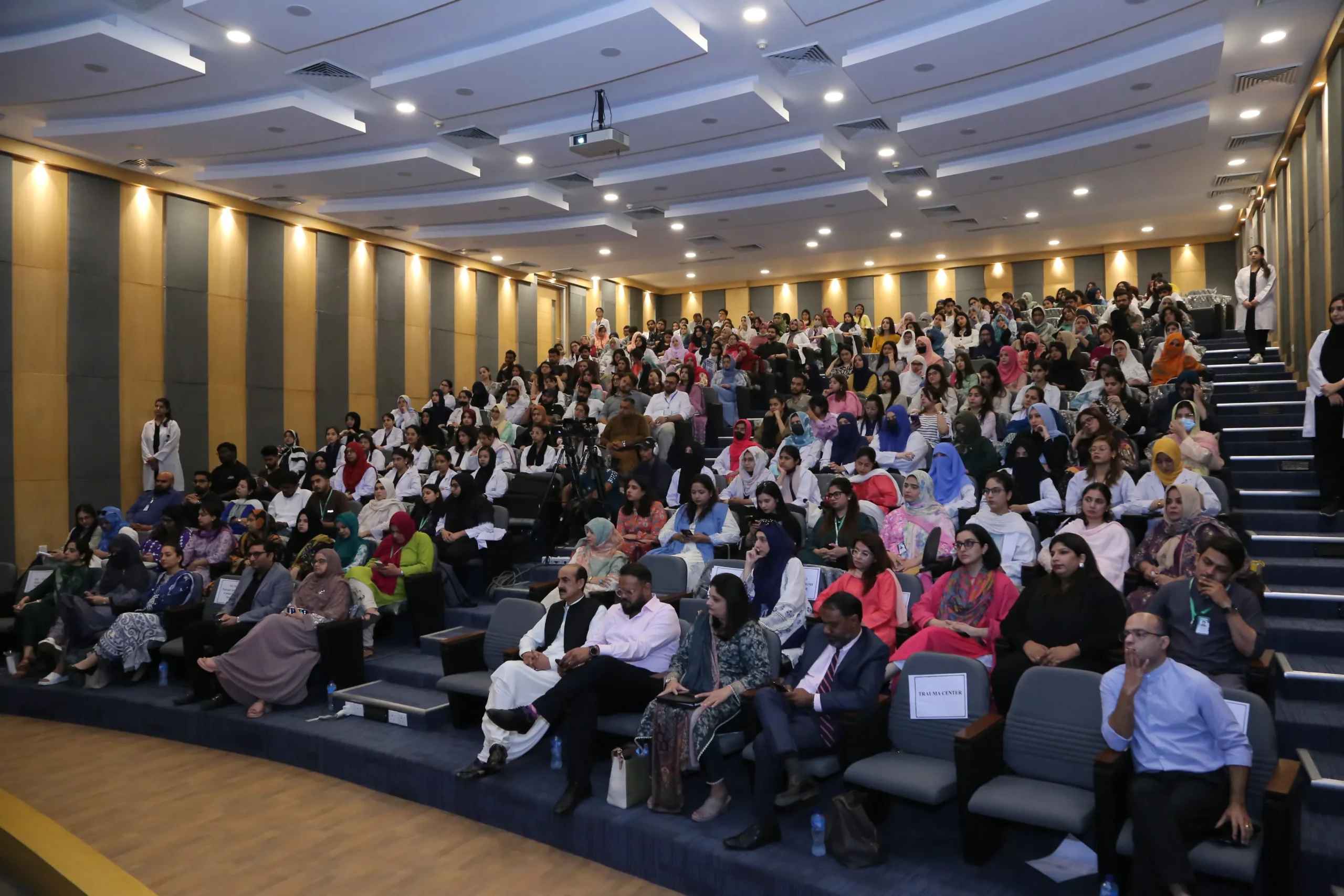
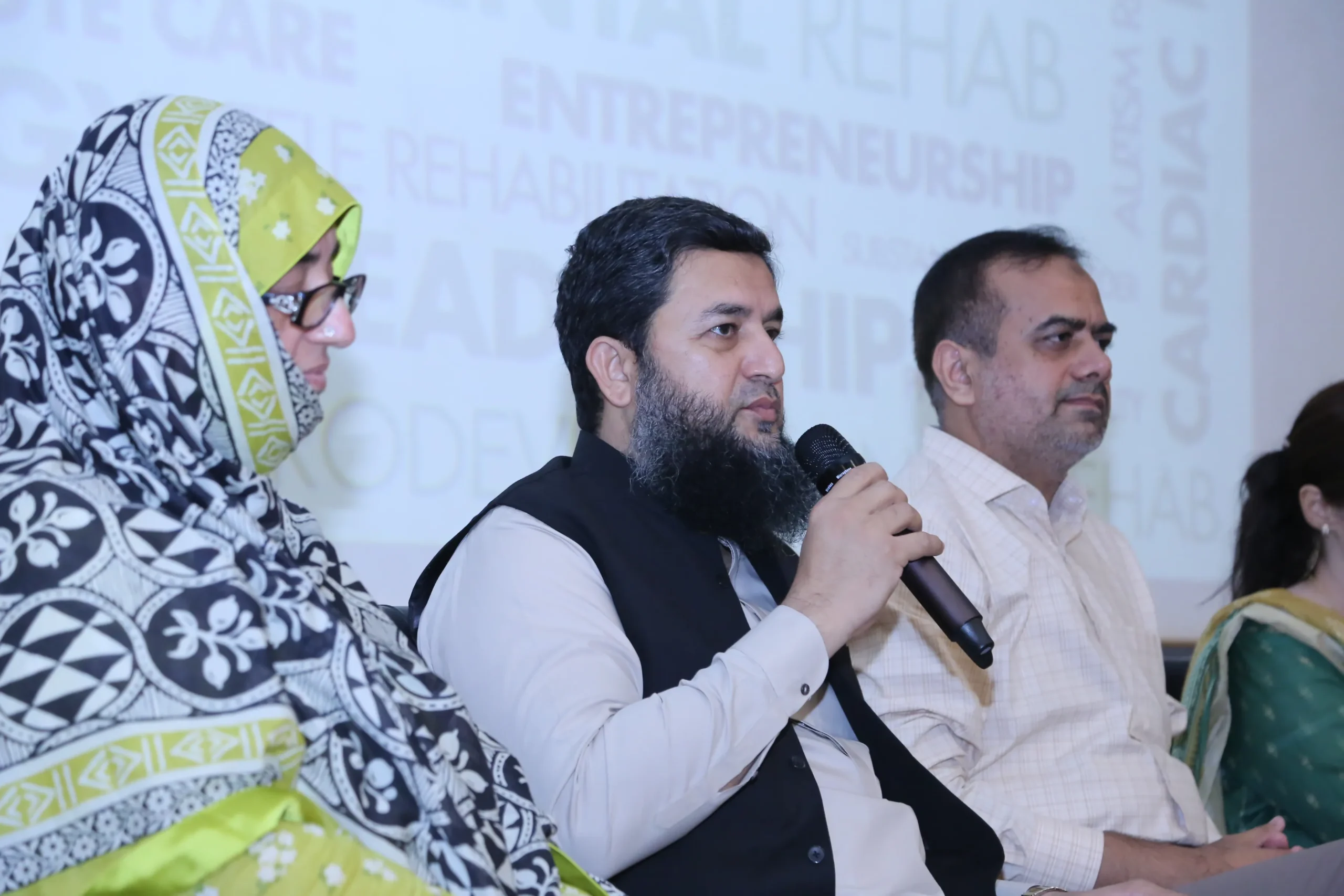
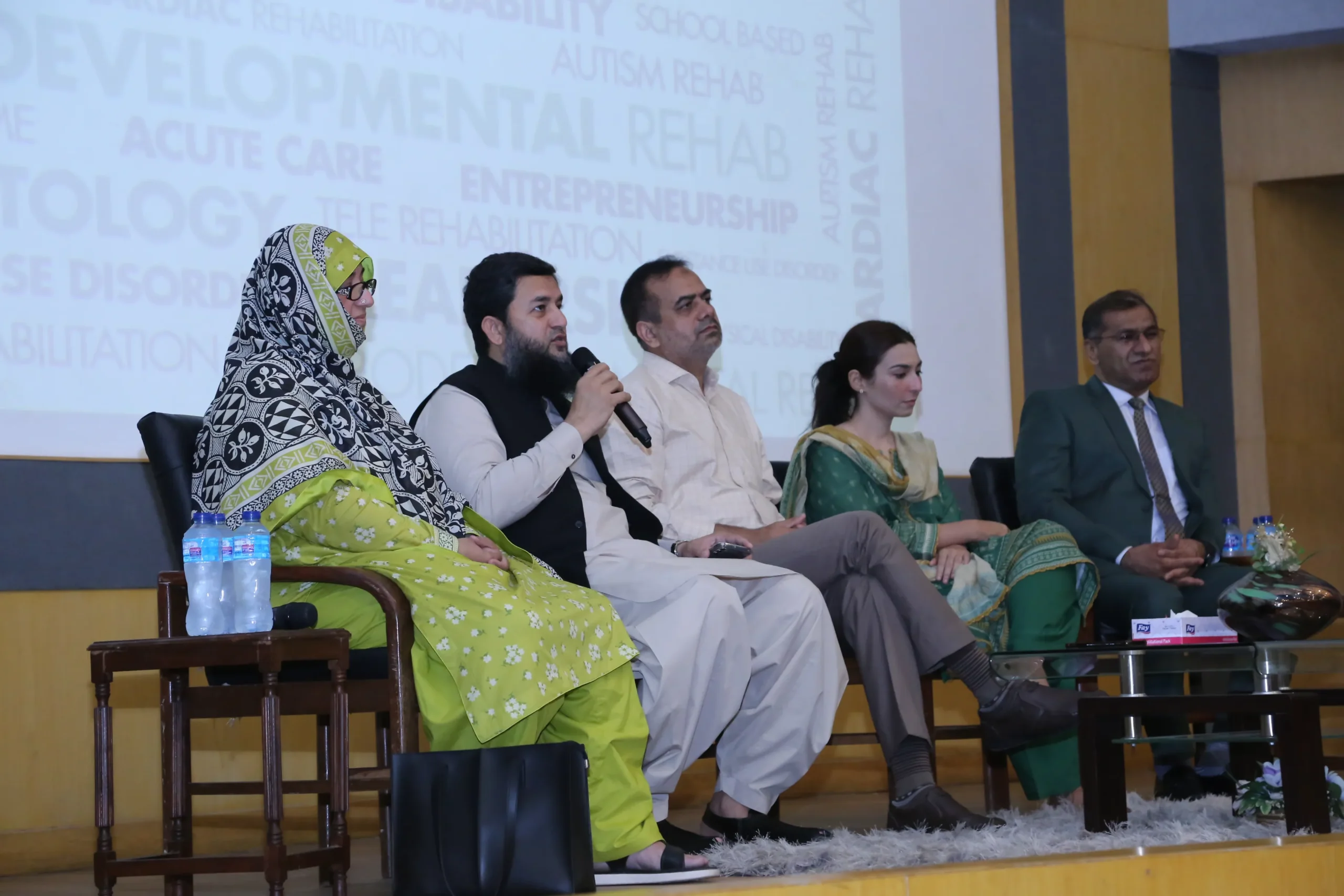
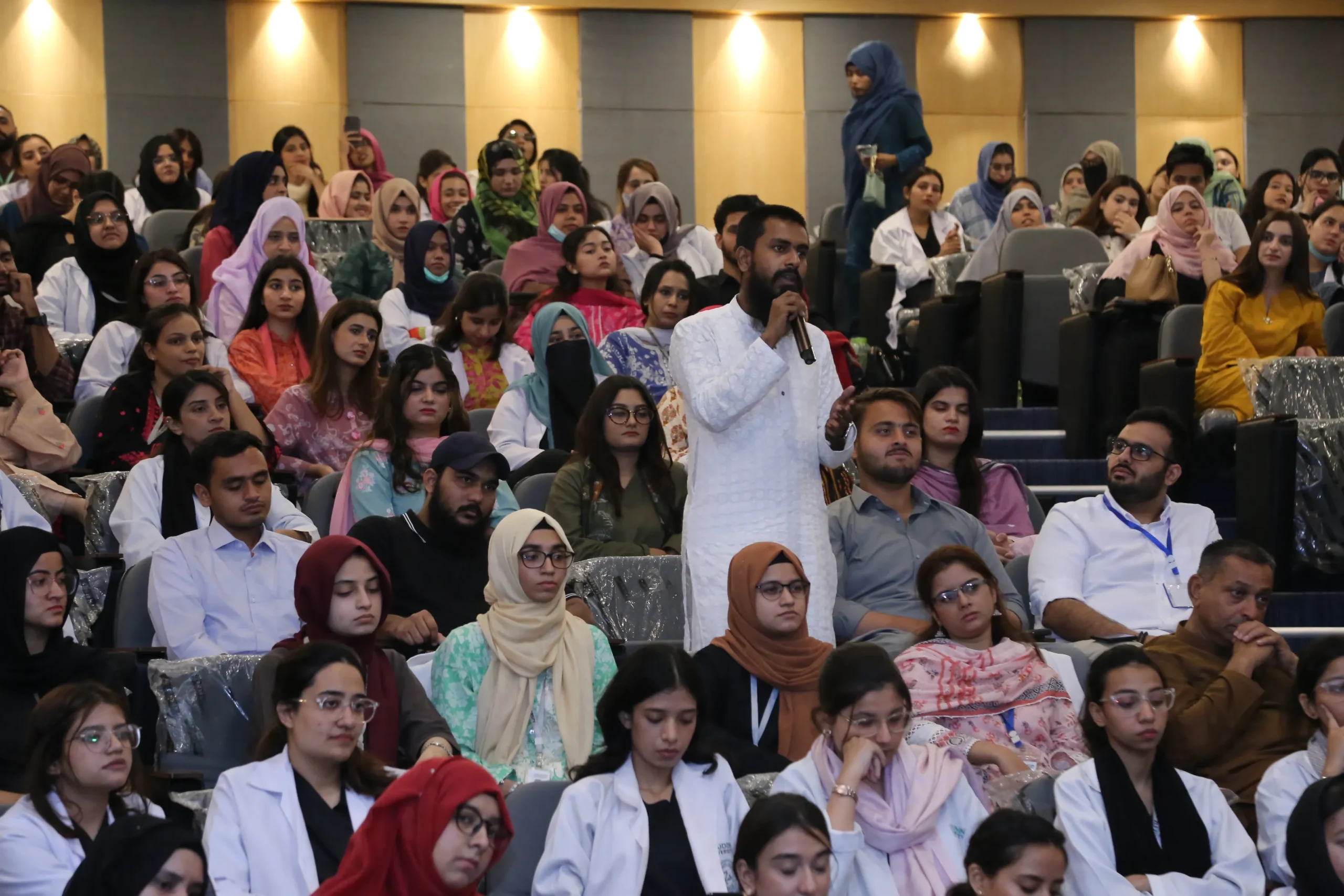
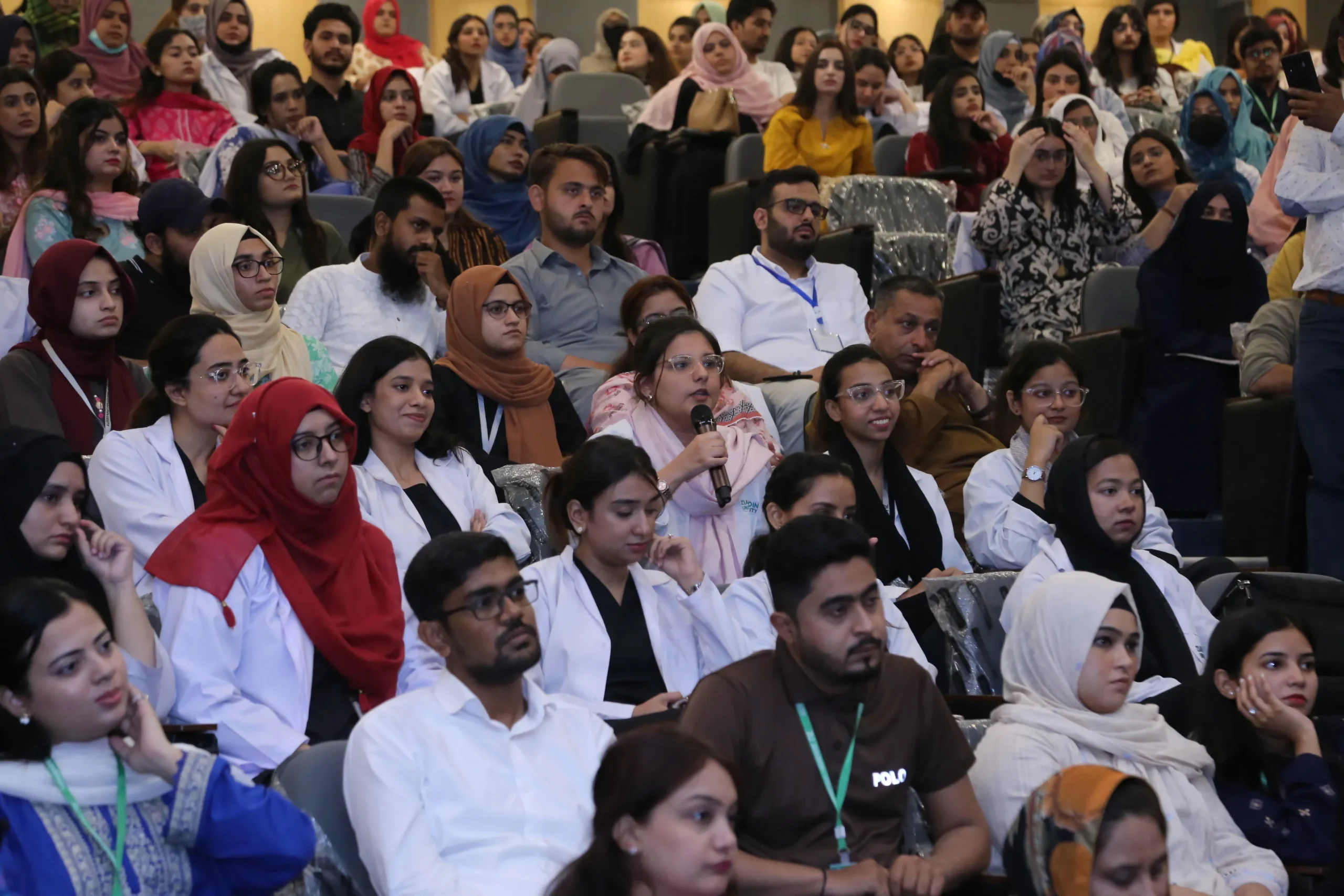
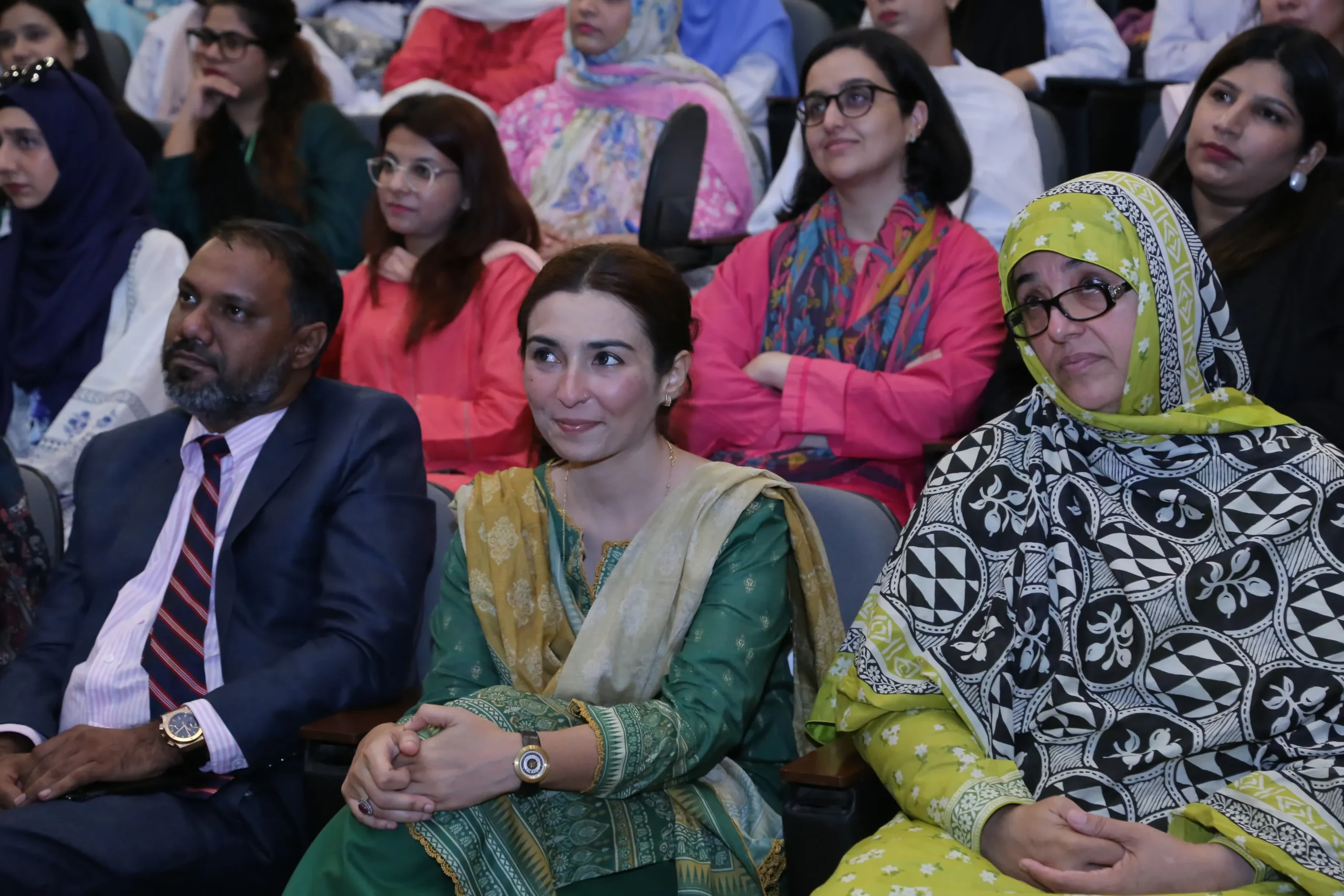
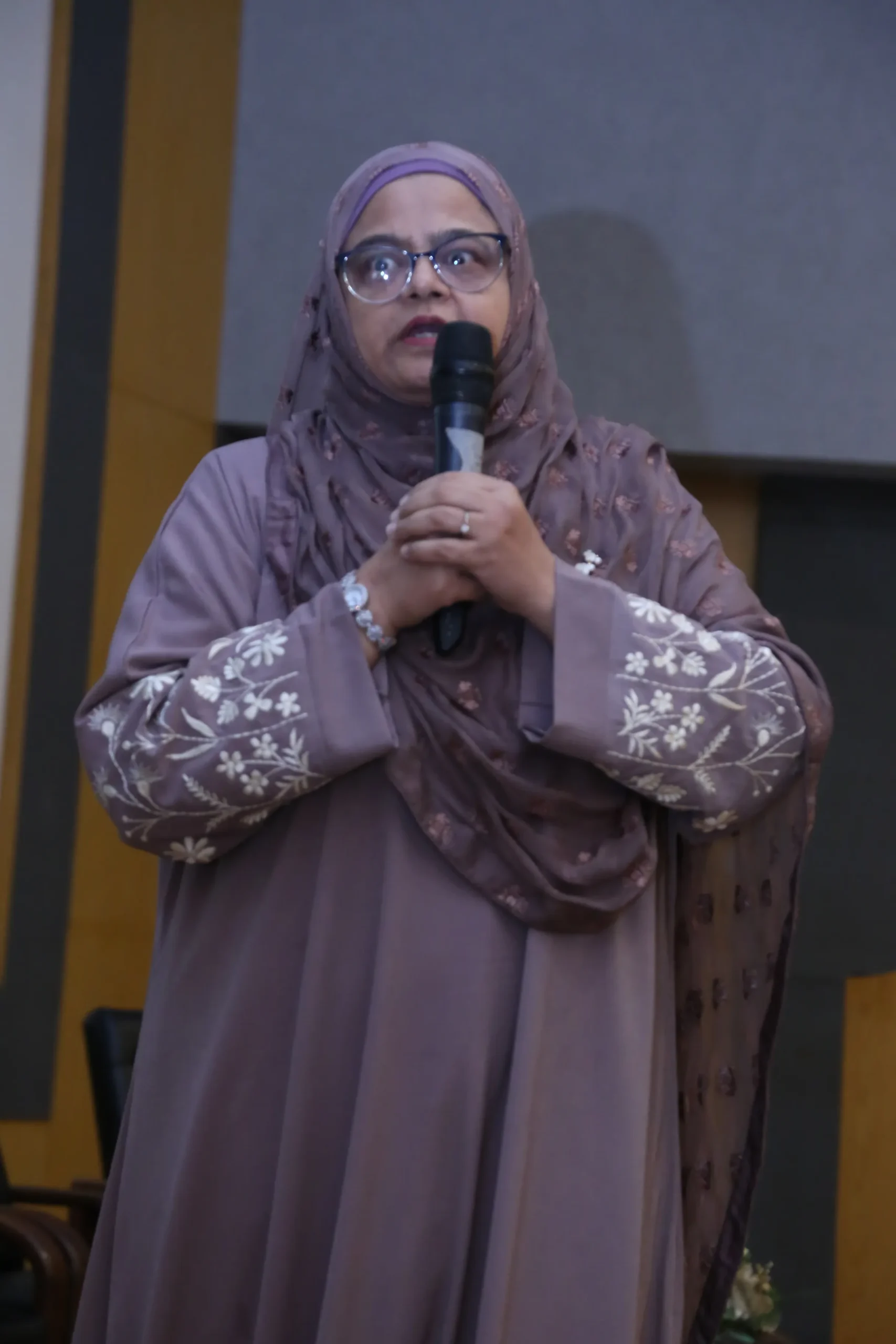
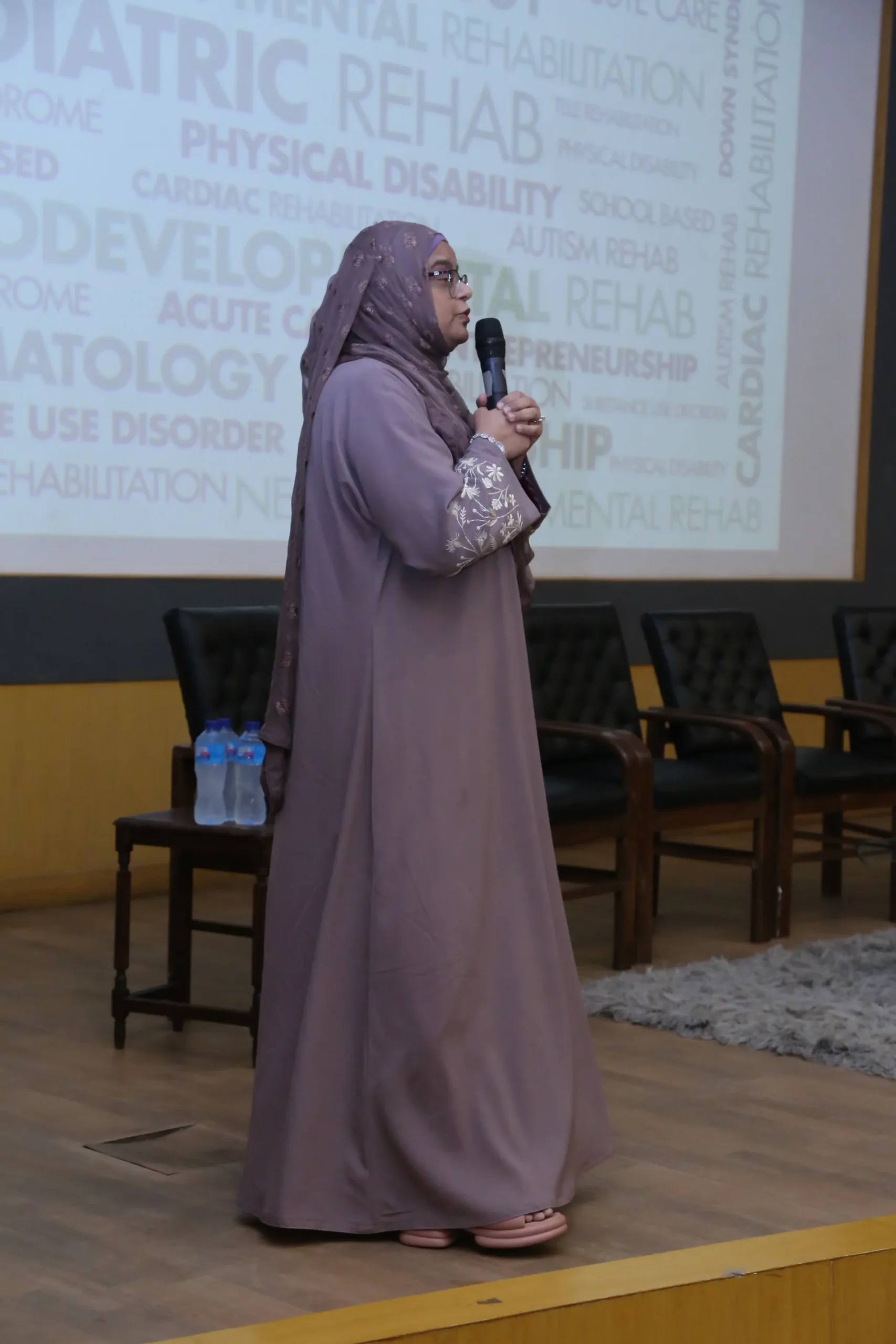
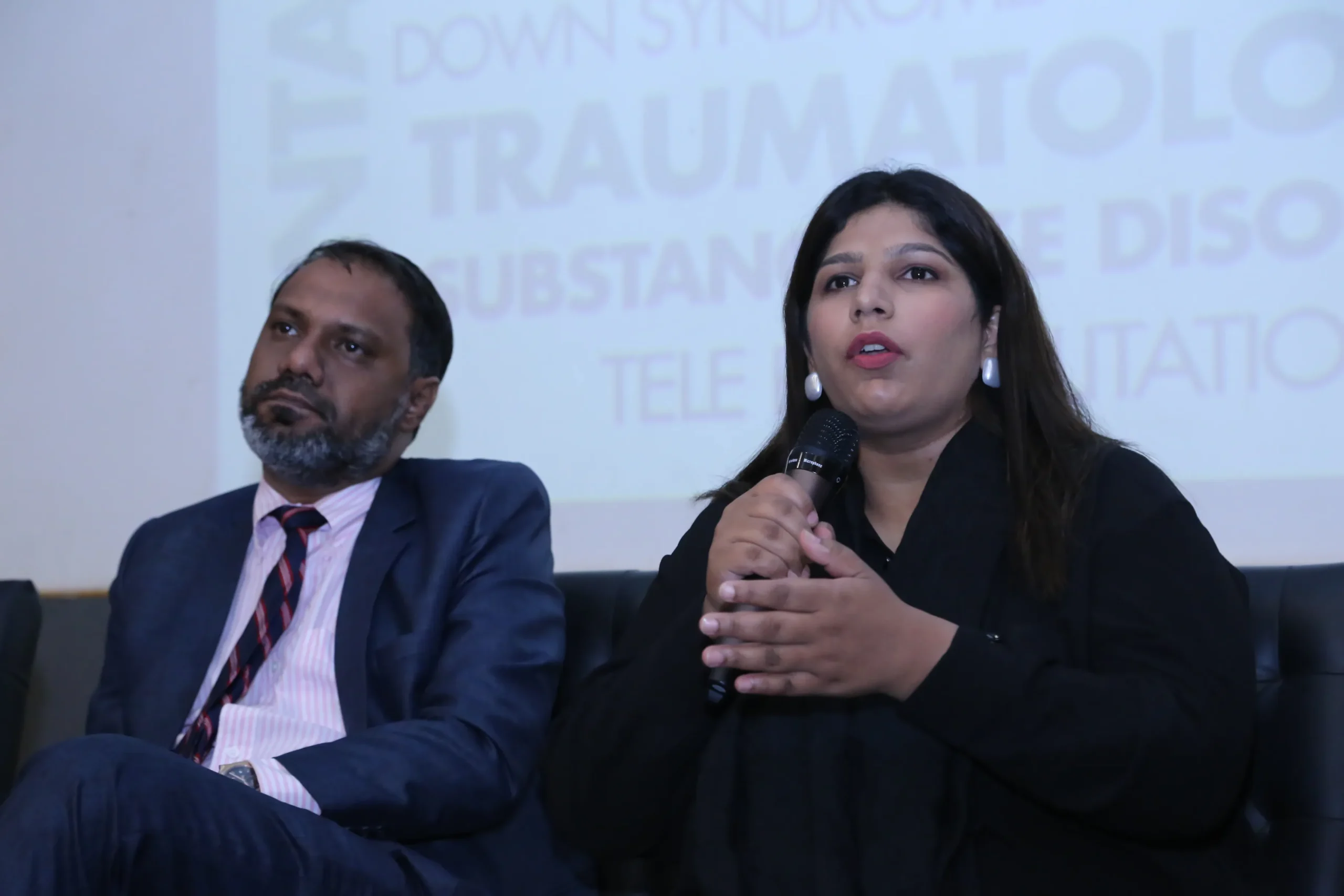
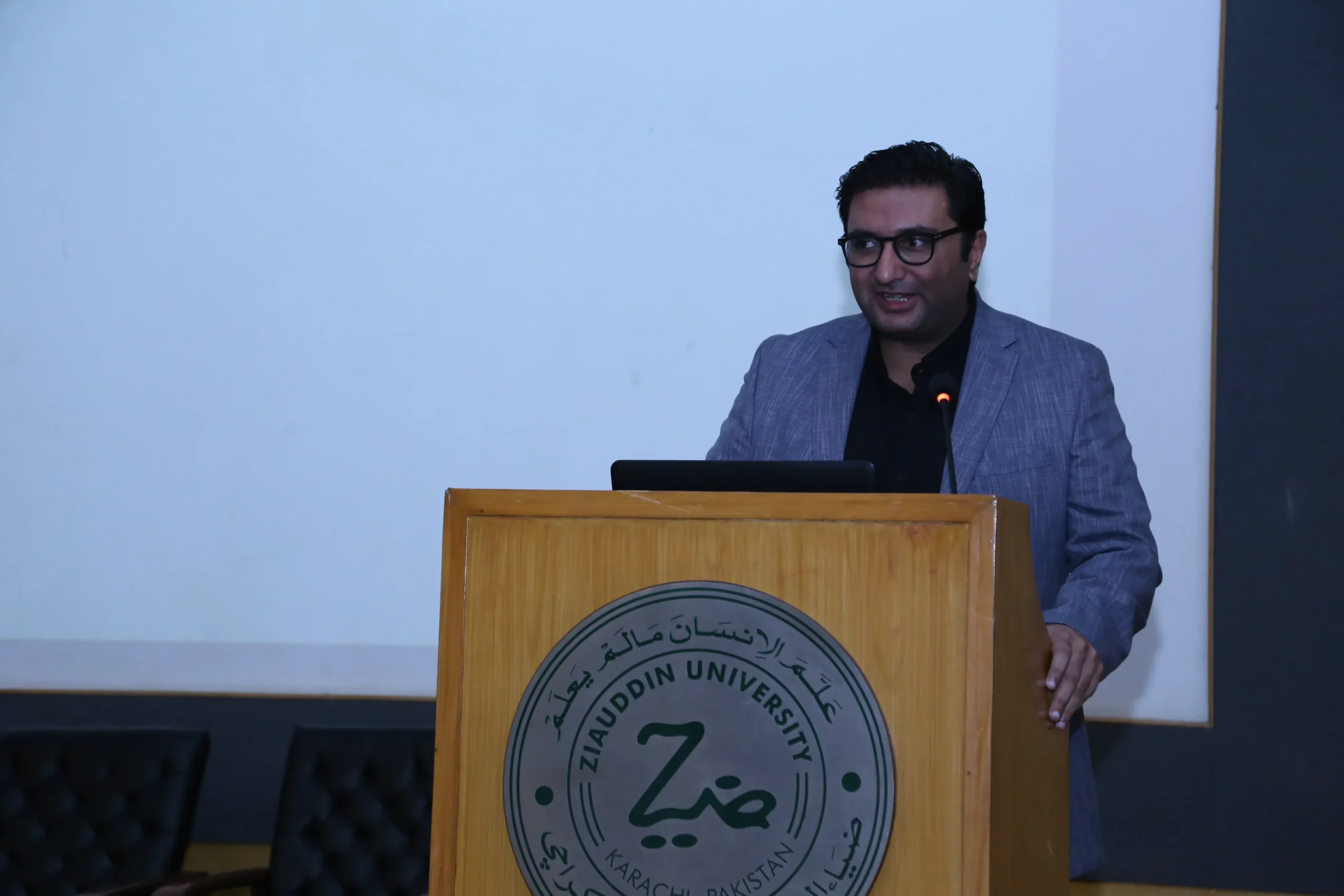
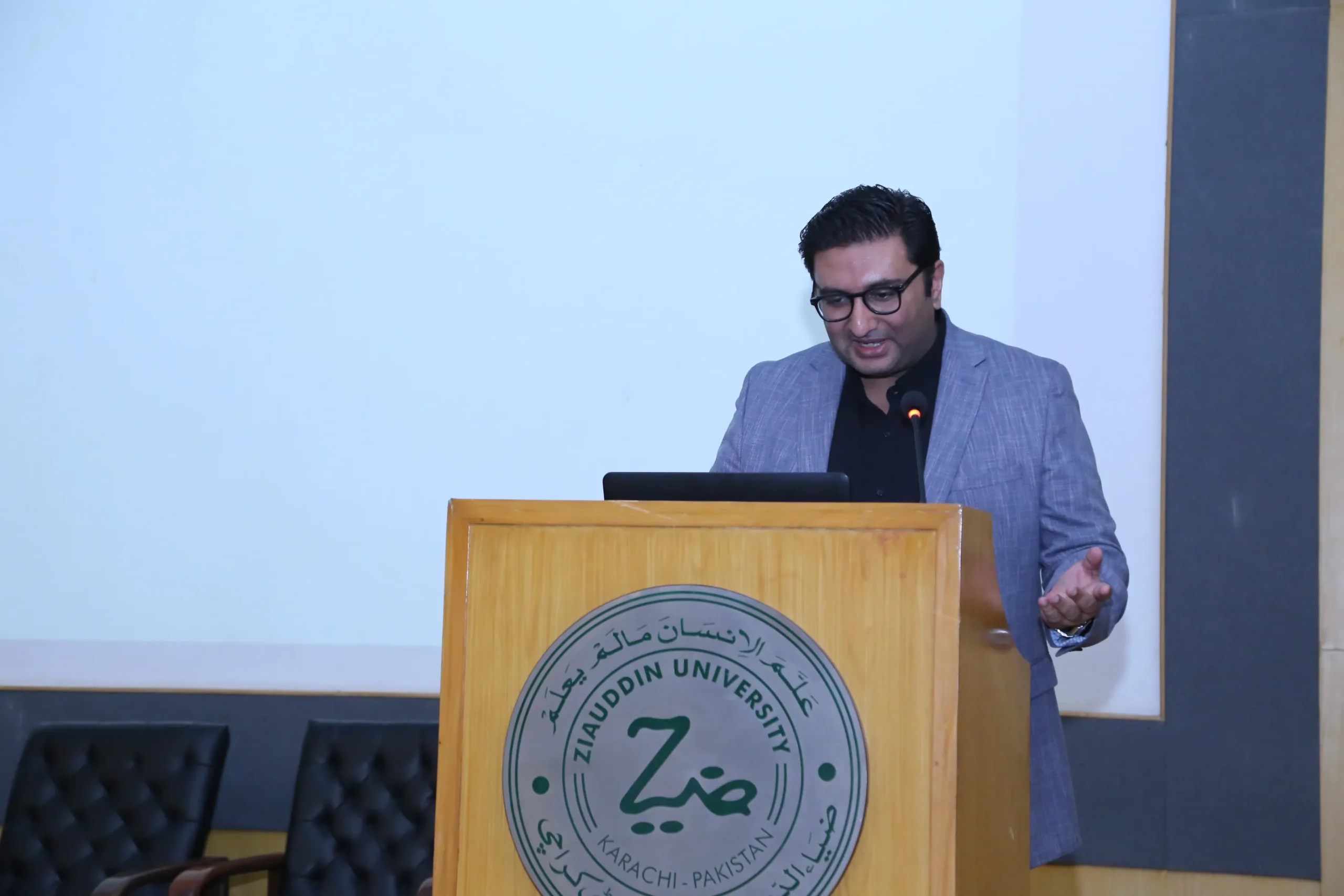
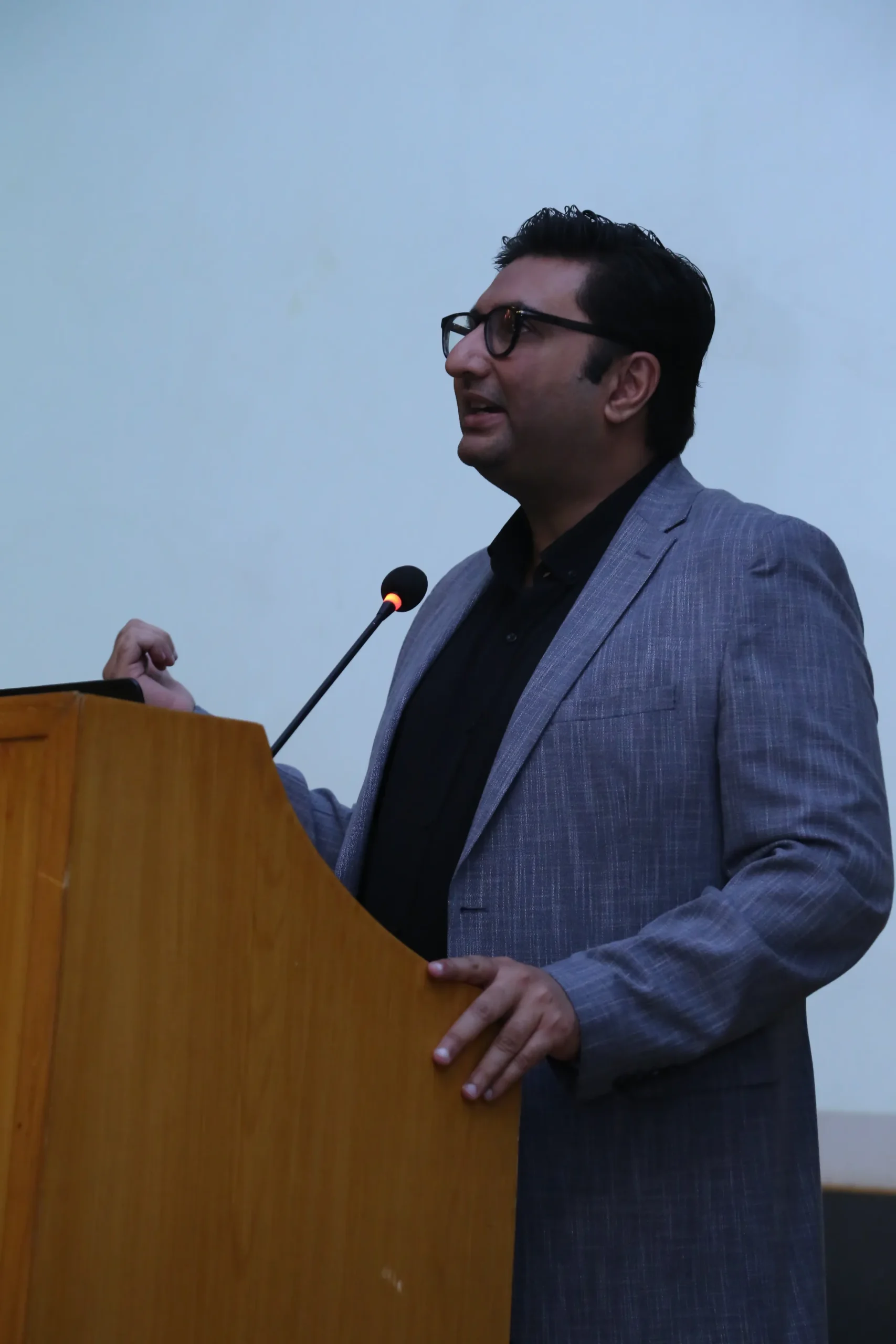
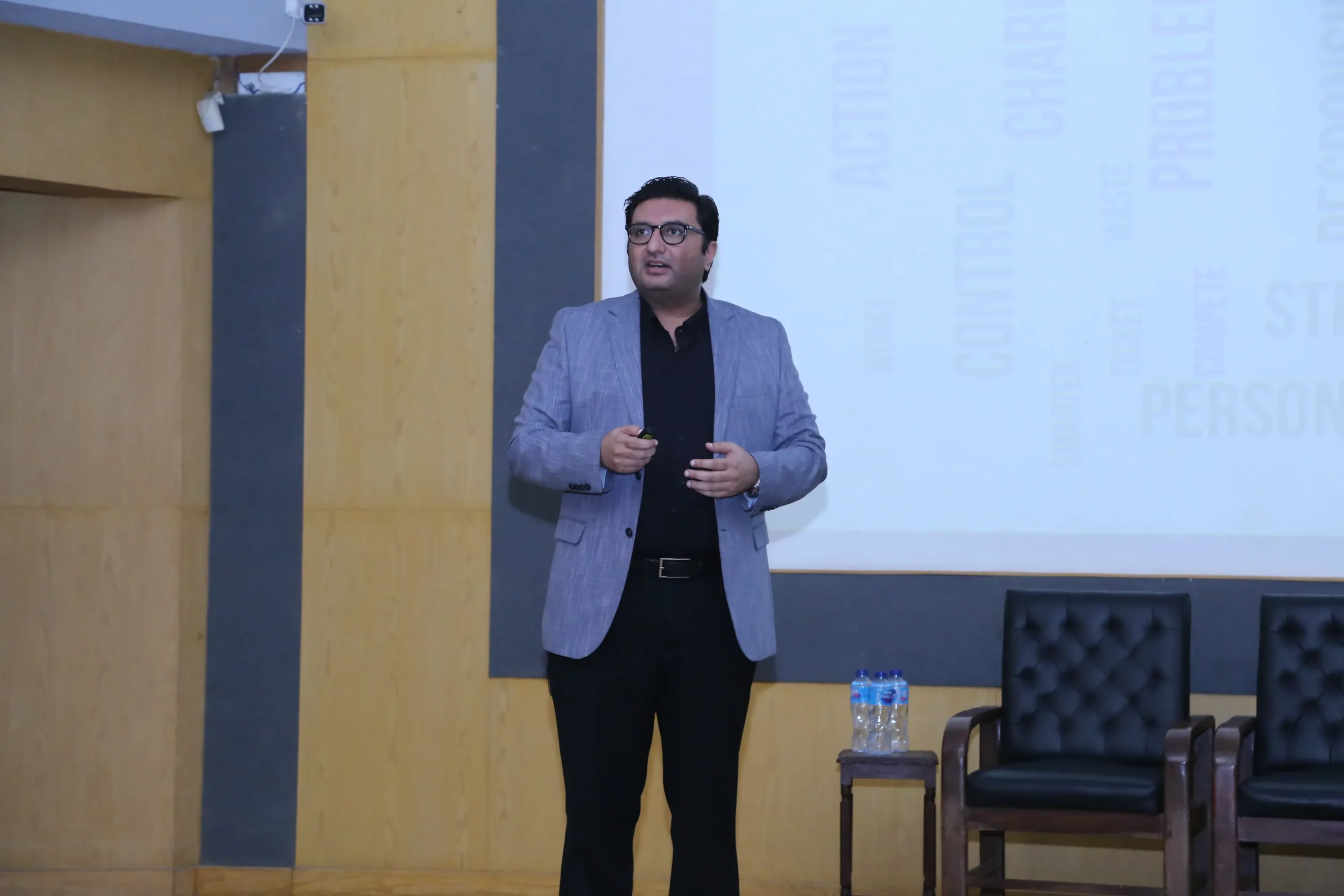
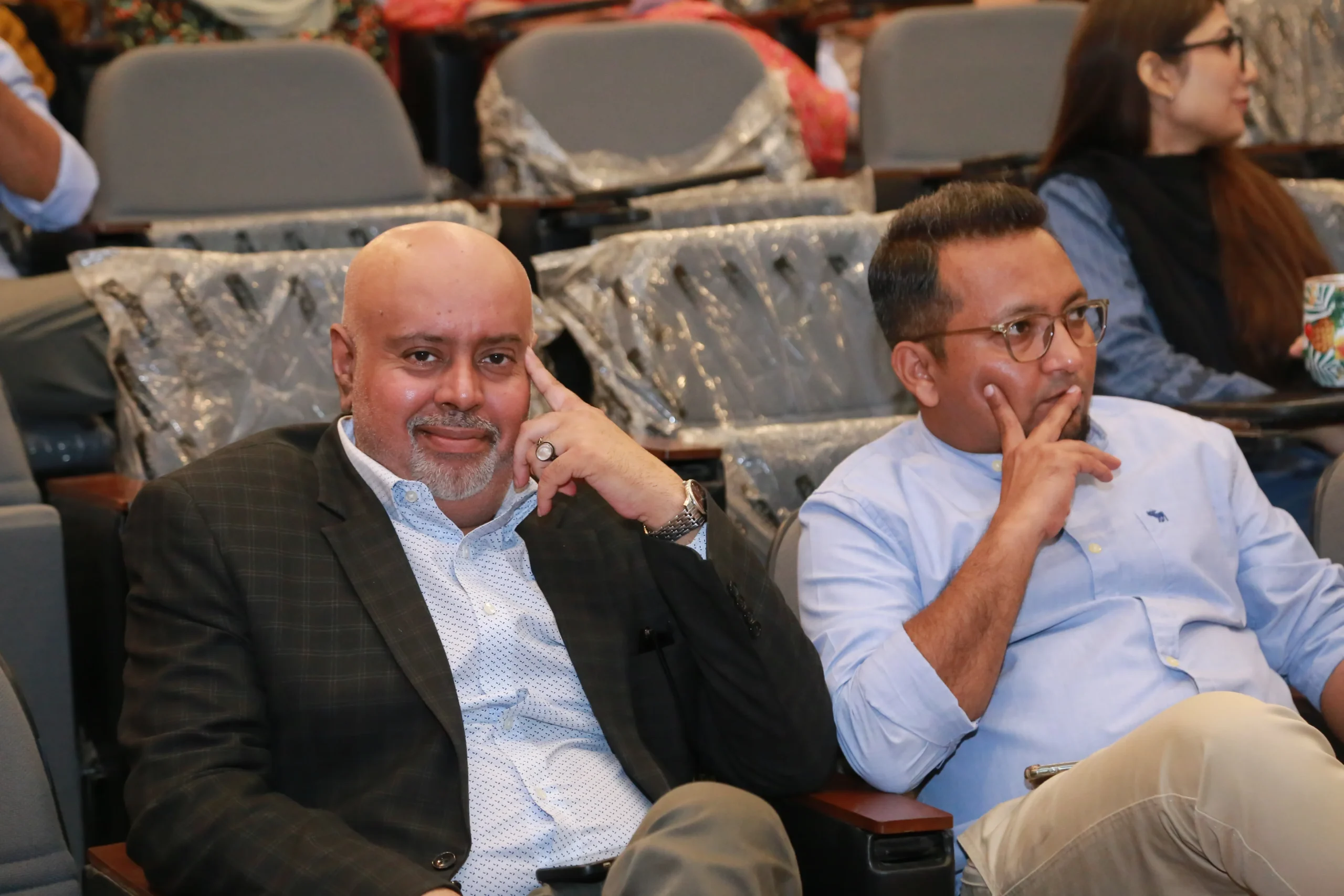
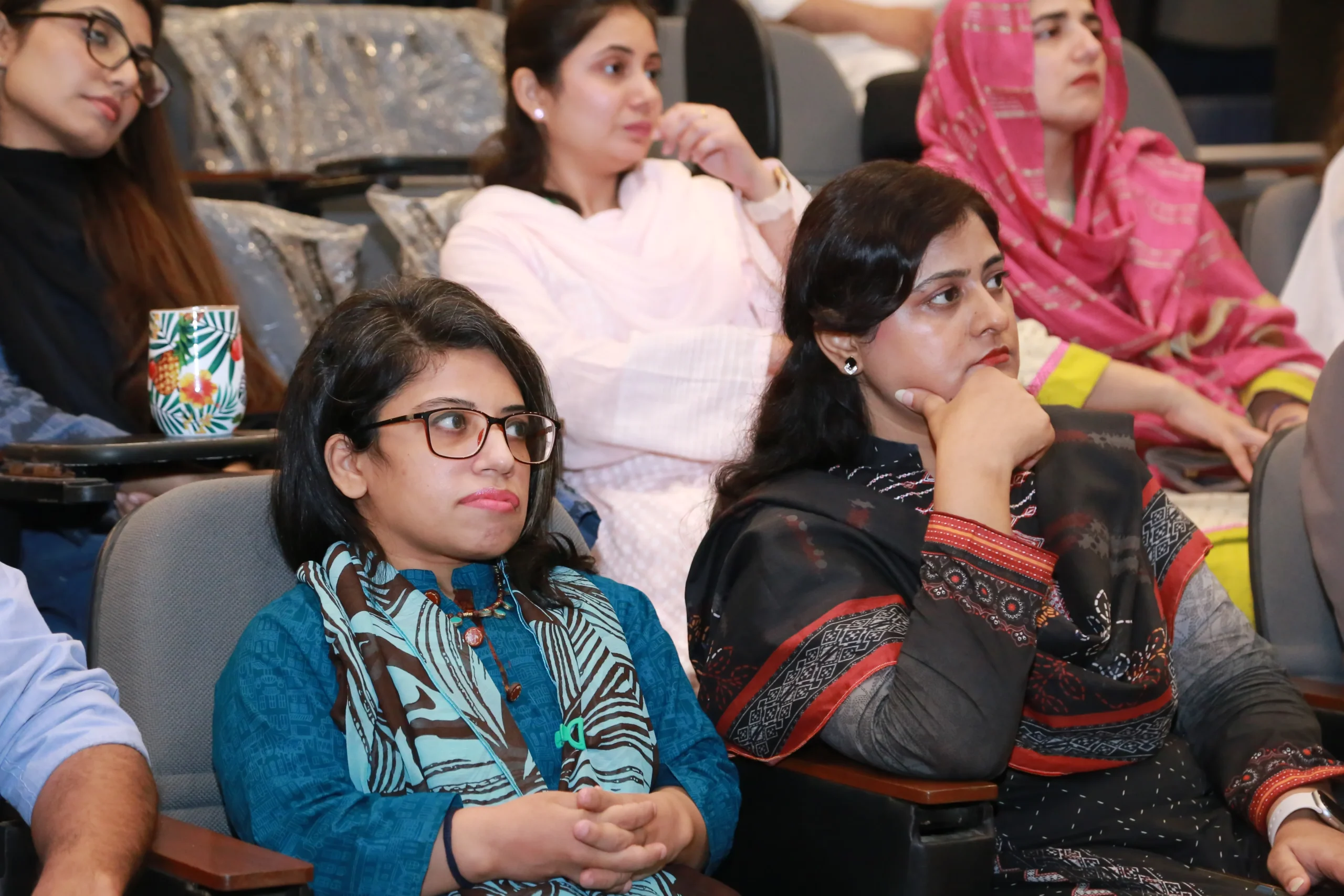
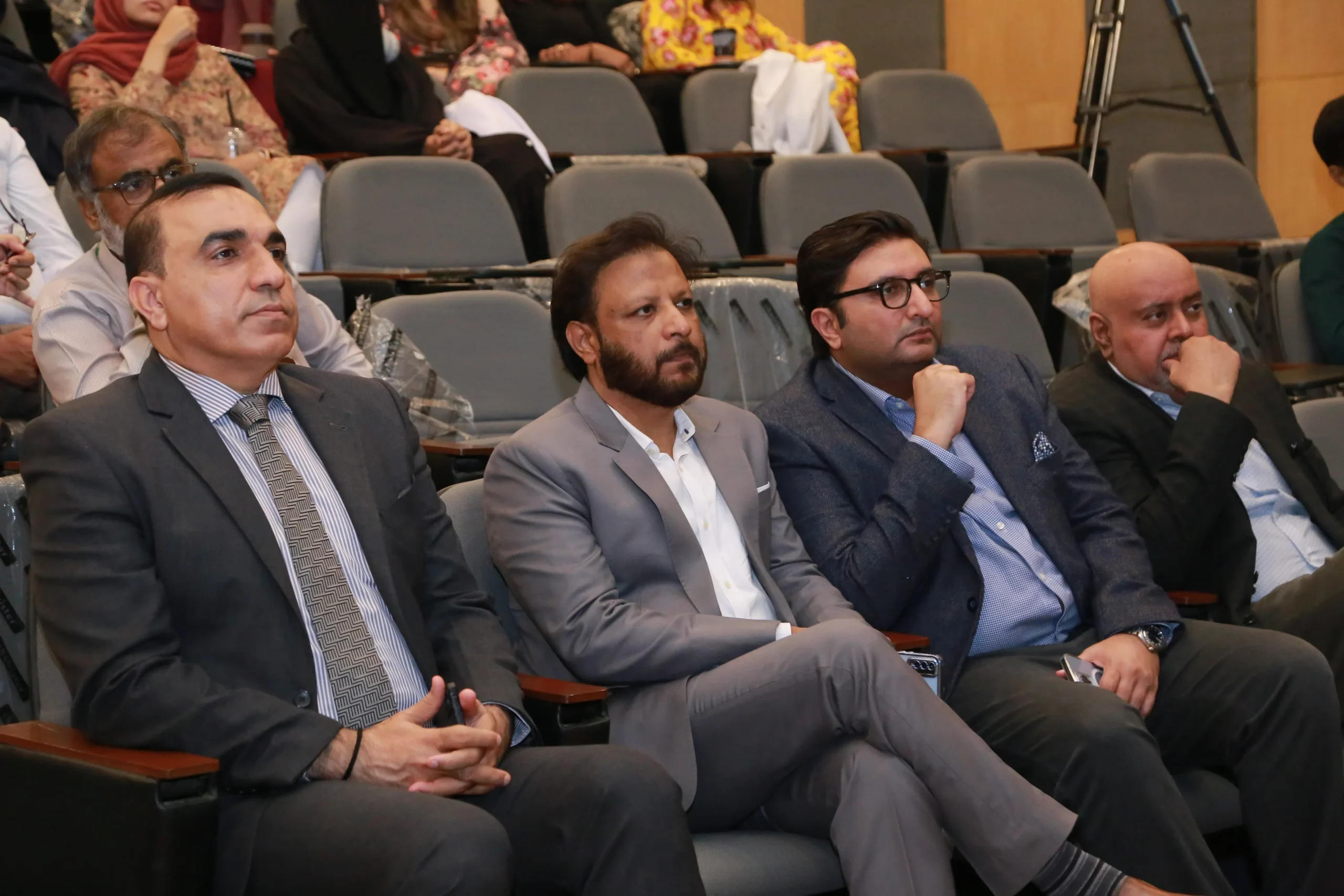
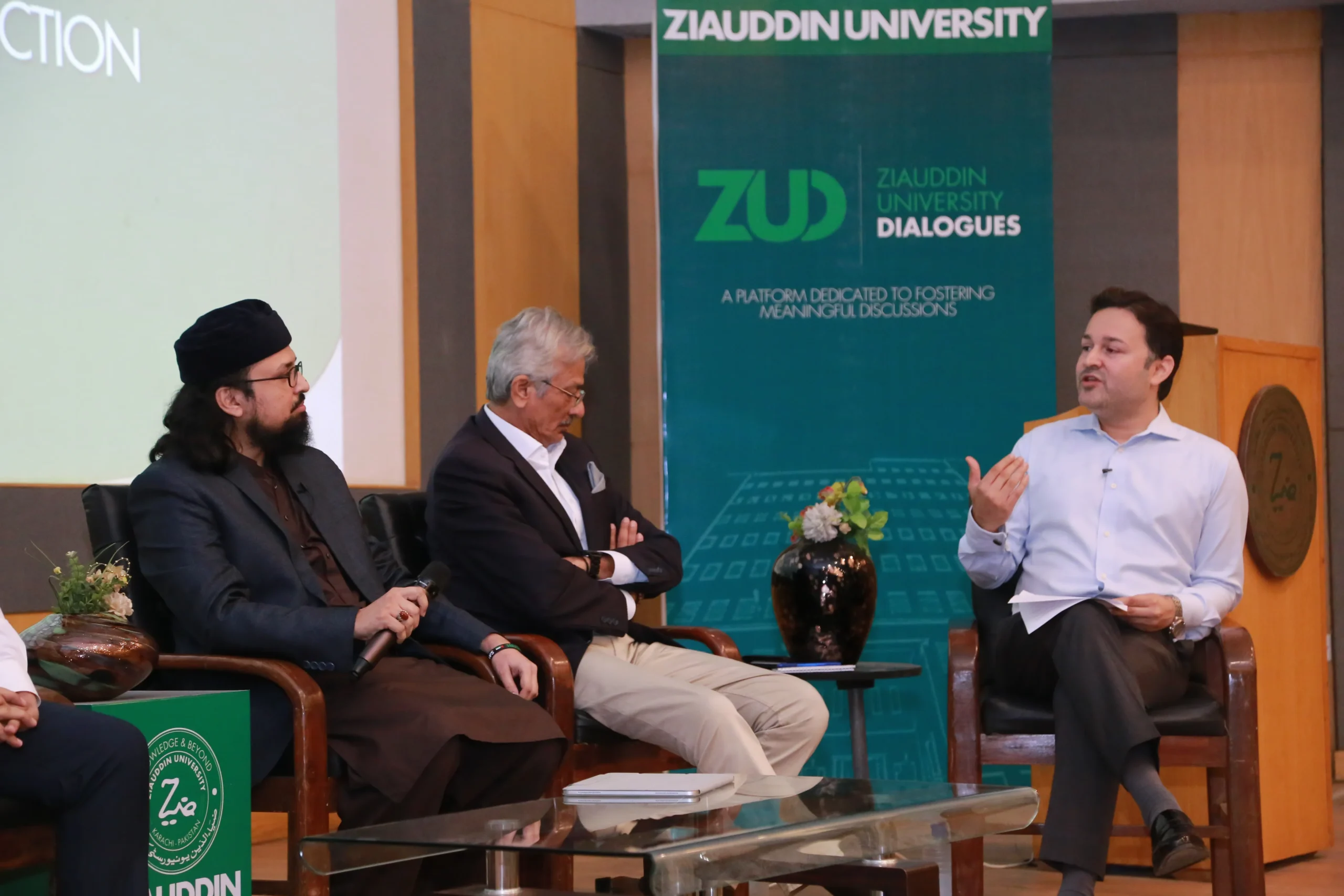
Over four days, participants engaged in interactive sessions, group activities, and presentations focused on key areas such as clinical research during epidemics, data management, research planning, and risk communication. These sessions fostered collaboration and hands-on learning, helping participants apply their skills to real-world scenarios. The programme successfully enhanced regional capacity for conducting high-quality clinical research during public health emergencies.
The programme began with Stage I: web-based learning (September–October 2025), followed by the in-person workshop in Karachi, and concluded with Stage III: mentored research plan development. Facilitated by experts from ISARIC (UK), ICC-CTN (Ireland), and CCRG (Pakistan), the training brought together participants from icddr,b (Bangladesh), Aga Khan University, Chughtai Institute of Pathology, and The Indus Hospital (Pakistan).
Over four days, participants engaged in interactive sessions, group activities, and presentations focused on key areas such as clinical research during epidemics, data management, research planning, and risk communication. These sessions fostered collaboration and hands-on learning, helping participants apply their skills to real-world scenarios. The programme successfully enhanced regional capacity for conducting high-quality clinical research during public health emergencies.