
Bachelor of Science in Nuclear Medicine

- Introduction
- Eligibility Criteria
- Scheme of Studies
- Career Prospects
- Learning Outcomes
- Sample Paper
- Fee Structure
Nuclear Medicine Technologists play a vital role in advanced diagnostic imaging and modern healthcare. Operating specialized equipment to produce high resolution images of a patient’s internal organs and structures. to help physicians detect and treat various medical conditions. These professionals are trained to prepare and administer radioactive drugs safely and effectively.
Graduates of the Bachelors of Science in Nuclear Medicine (Allied Health Sciences) programme at Ziauddin University are equipped with the knowledge and clinical skills to perform procedures ranging from bone scans and cardiac stress tests to advanced Positron Emission Tomography (PET) imaging. The core importance of these technologists lies in their ability to deliver precise, molecular-level diagnostic data while maintaining rigorous radiation safety standards for both patients and staff. Beyond traditional hospital and diagnostic lab settings, graduates are fully prepared to advance the field through roles in clinical research, medical technology innovation, and academic instruction.
Equip graduates with scientific knowledge, competence in clinical techniques, and professionalism for practicing medical technology, hence making meaningful contributions to healthcare.
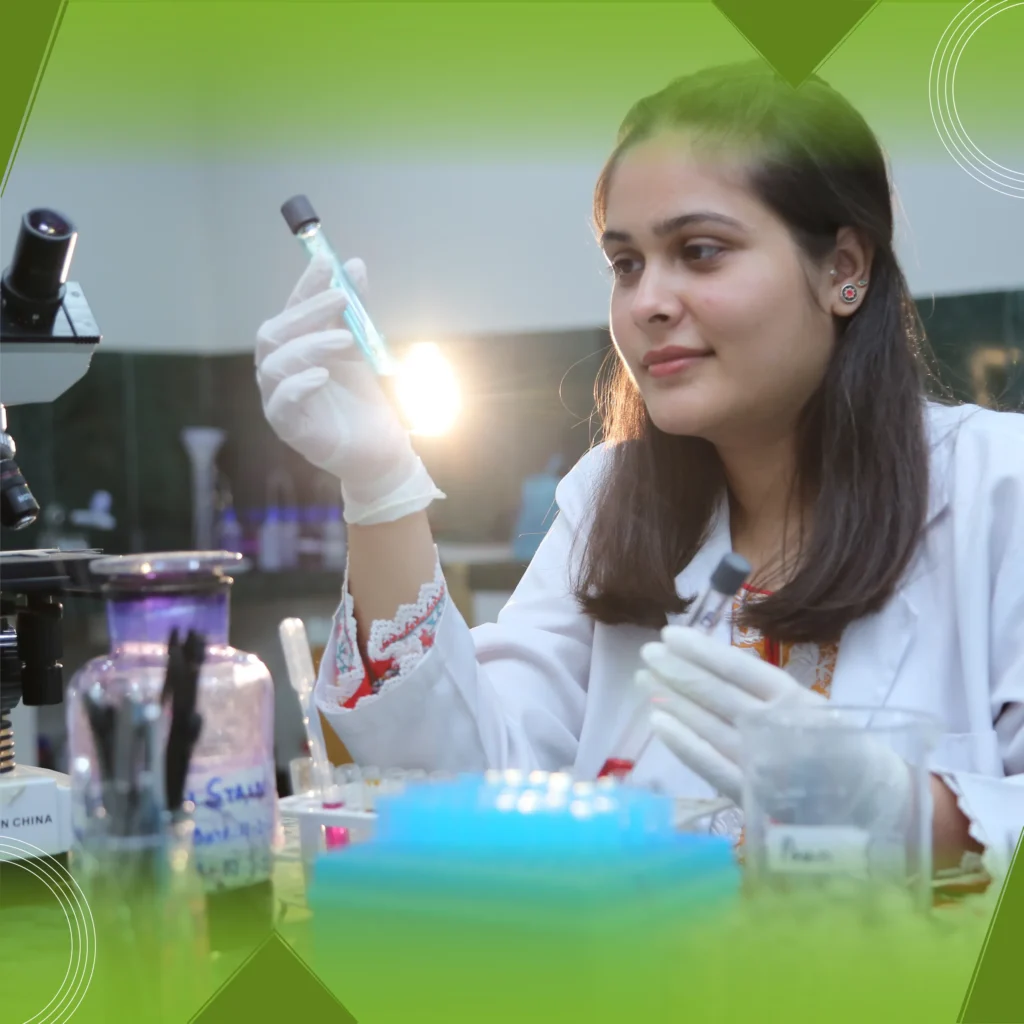
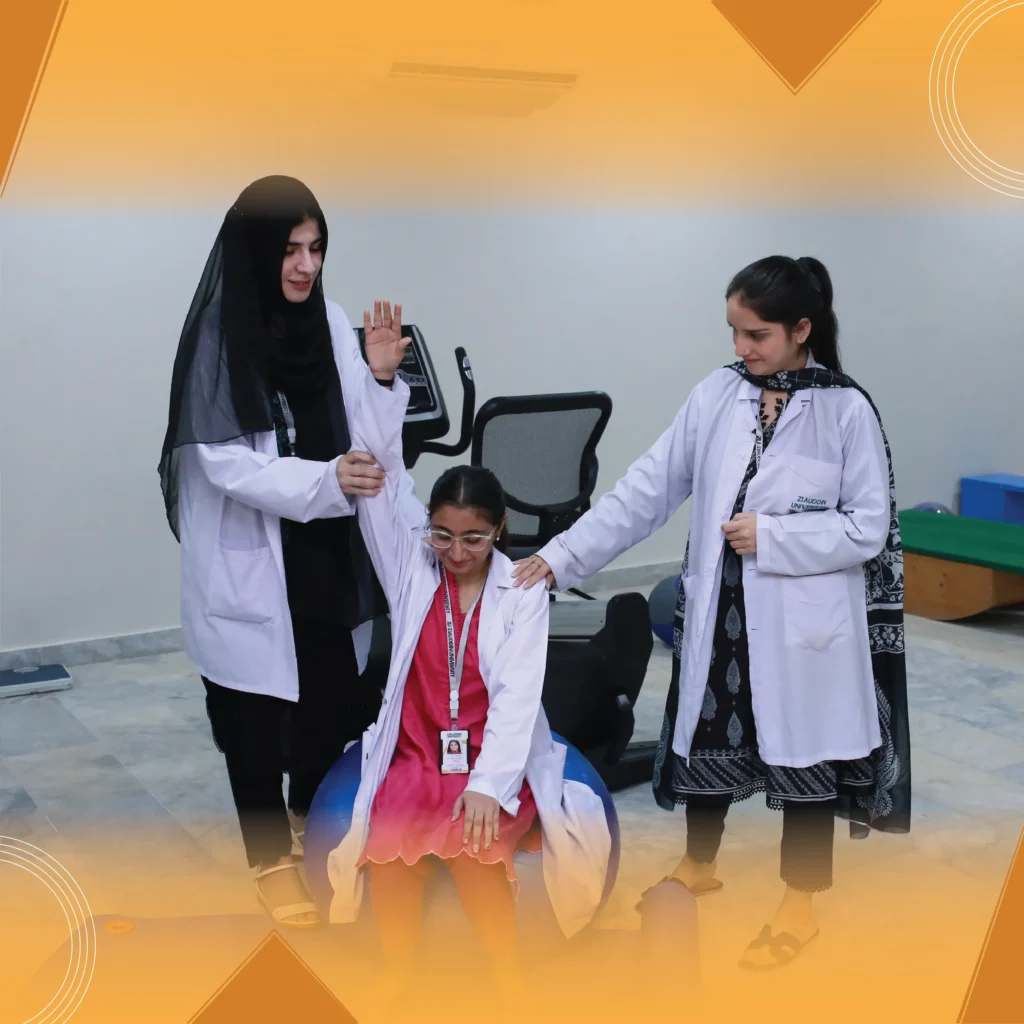
Students undergo structured observership and clinical skills training at Dr. Ziauddin Hospitals and other relevant affiliated healthcare facilities, to observe and gain hand-on exposure to real-time nuclear medicine procedures under the guidance of experienced technologists and healthcare professionals. These observerships and clinical training provide essential insight into advanced imaging techniques, radiopharmaceutical preparation, and patient care protocols.
The programme structure incorporates targeted learning in general nuclear imaging, cardiology-specific scans, radiation-sensitive camera operation, dose calibrations, Radiopharmacy, and radiation protection. By pairing robust clinical exposures with rigorous academic knowledge, students build a strong foundation in both theoretical knowledge and practical application. These ongoing clinical exposures foster continuous professional growth and clinical confidence in the allied healthcare feild.
Admission Eligibility Criteria
- Candidates must have secured a minimum of 50% marks in Intermediate Science (Pre-Medical or Medical Technology) or an equivalent qualification.
- Candidates with A-Level qualifications must submit an equivalence certificate issued and verified by the Inter Board Coordination Commission (IBCC) for admission eligibility.
Selection is based on merit, calculated through the following components:
- Secondary School Certificate (SSC / Matriculation) academic records include official Marksheet and Board Certificate.
- Higher Secondary Certificate (HSC / Intermediate) academic records include official Marksheet and Board Certificate.
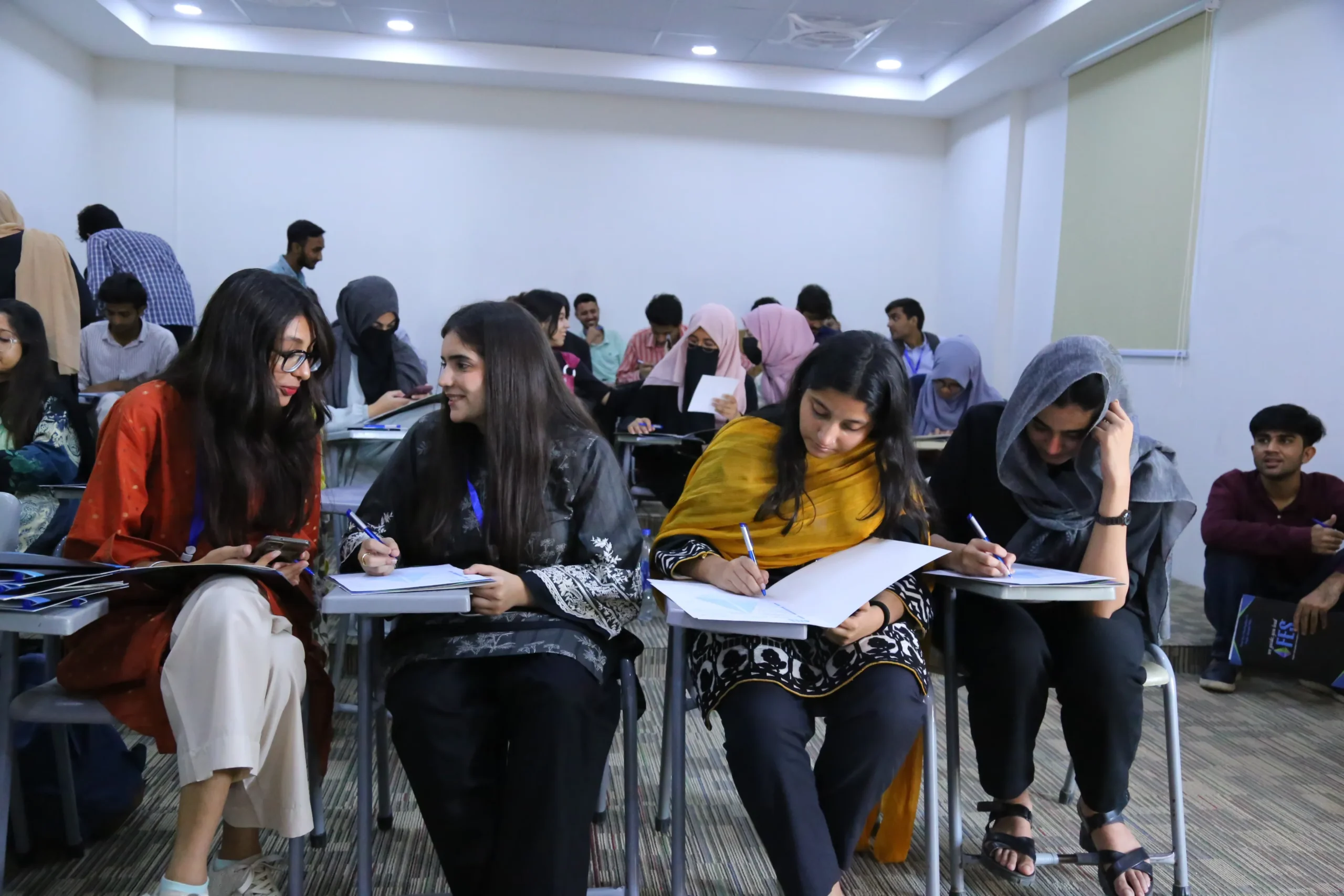
- Ziauddin University Aptitude Test score
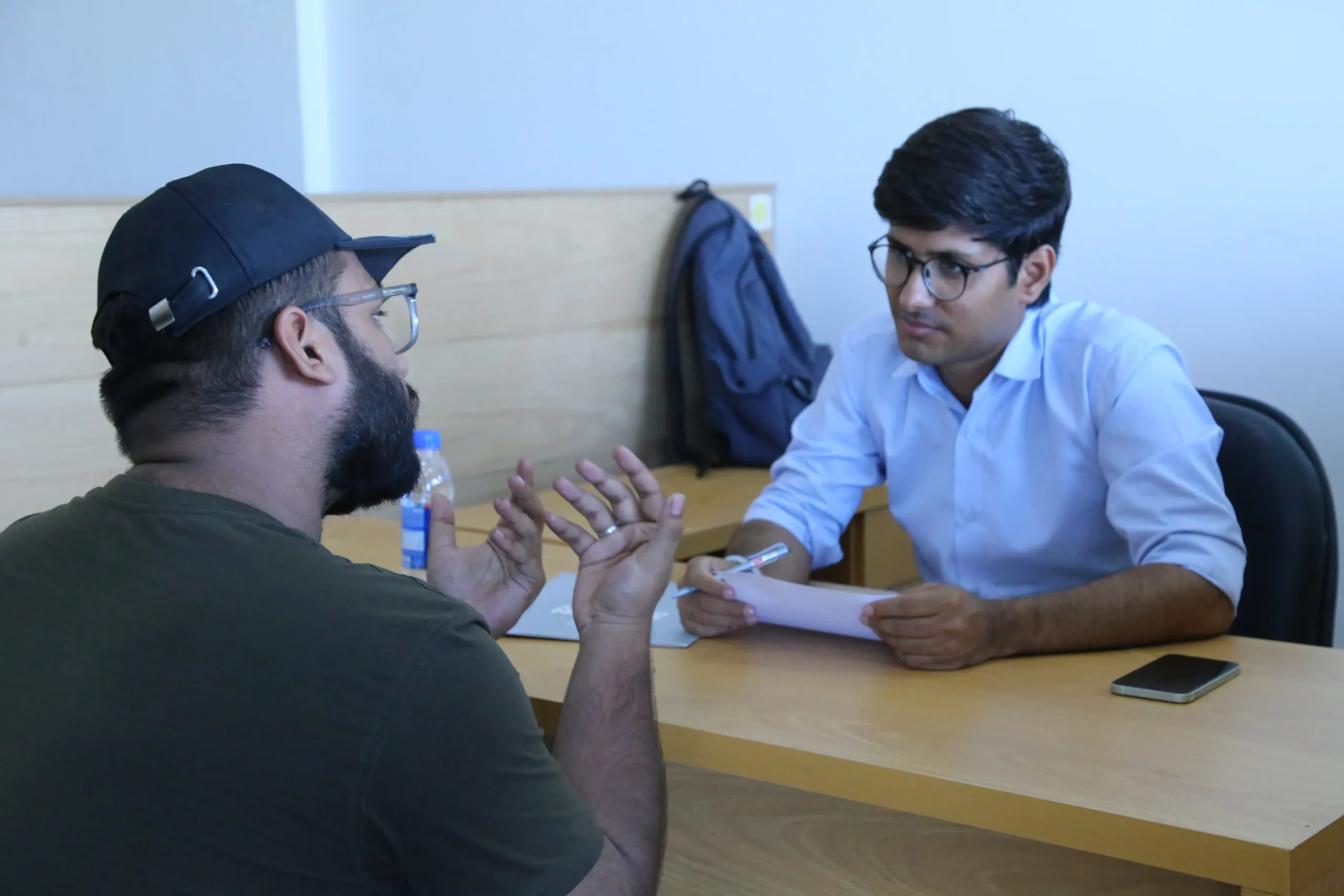
- Interview Performance
| General Education Courses | Interdisciplinary / Allied Courses | Disciplinary or Major Courses | ||||||||
| Sem. | Course Codes | Subject Names | Credit Hrs | Course Codes | Subject Names | Credit Hrs | Course Codes | Subject | Credit Hrs | Semester Credit Hrs |
|
1 |
ZUGE-001/002 | Islamic Studies / Moral Ethics | 2 (2+0) | MTID-111 | Medical Terminology | 2 (2+0) |
17 |
|||
| ZUGE-004 | Functional English | 3 (3+0) | MTID-112 | Human Biology | 2 (2+0) | |||||
| ZUGE 009 | Understanding of Holy Quran I | 1 (0+1) | MTID-113 | Basic Health Sciences | 2 (2+0) | |||||
| ZUGE-011 | Mathematics | 3 (3+0) | MTID-114 | Practicals in Basic Health Sciences | 2 (0+2) | |||||
| Total | 9 | Total | 8 | |||||||
| General Education Courses | Interdisciplinary / Allied Courses | Disciplinary or Major Courses | ||||||||
| Sem. | Course Codes | Subject Names | Credit Hrs | Course Codes | Subject Names | Credit Hrs | Course Codes | Subject | Credit Hrs | Semester Credit Hrs |
|
2 |
ZUGE-003 | Pakistan Studies | 2 (2+0) | MTID-121 | Biochemistry | 2 (2+0) | MTCG-121 | General Microbiology | 3 (3+0) |
19 |
| ZUGE-008 | Ideology and Constitution of Pakistan | 2 (2+0) | MTID-123 | General Pharmacology | 2 (2+0) | |||||
| ZUGE 010 | Understanding of Holy Quran II | 1 (0+1) | ||||||||
| ZUGE-014 | Expository Writing | 3 (3+0) | ||||||||
| ZUGE-016 | Human Behavior | 2 (2+0) | ||||||||
| ZUGE-033 | Physics | 2 (2+0) | ||||||||
| Total | 12 | Total | 4 | Total | 3 | |||||
| General Education Courses | Interdisciplinary / Allied Courses | Disciplinary or Major Courses | ||||||||
| Sem. | Course Codes | Subject Names | Credit Hrs | Course Codes | Subject Names | Credit Hrs | Course Codes | Subject | Credit Hrs | Semester Credit Hrs |
|
3 |
ZUGE-012 | Application of Information and Communication Technologies (ICT) | 3 (2+1) | MTID-211 | Human Anatomy and Physiology | 4 (4+0) |
21 |
|||
| ZUGE-013 | Entrepreneurship | 2 (2+0) | MTID-212 | Practical in Human Anatomy and Physiology | 2 (0+2) | |||||
| ZUGE-018 | Introduction to Statistics | 3 (3+0) | MTID-223 | Applications of Artificial Intelligence (AI) | 3 (3+0) | |||||
| ZUGE-032 | Medical Humanities | 2 (2+0) | ||||||||
| ZUGE-034 | Civic and Community Engagement | 2 (0+2) | ||||||||
| Total | 12 | Total | 9 | |||||||
| General Education Courses | Interdisciplinary / Allied Courses | Disciplinary or Major Courses | ||||||||
| Sem. | Course Codes | Subject Names | Credit Hrs | Course Codes | Subject Names | Credit Hrs | Course Codes | Subject | Credit Hrs | Semester Credit Hrs |
|
4 |
MTID-221 | Regional and Surface Anatomy | 3 (3+0) | MTCO-221 | Radiation Physics | 2 (2+0) |
18 |
|||
| MTCO-222 | Radiation Protection | 2 (2+0) | ||||||||
| MTCR-221 | Radiobiology | 3 (3+0) | ||||||||
| MTCR-221 | Patient Management in Medical Radiation Sciences | 3 (2+1) | ||||||||
| MTCR-222 | Operations of Imaging Equipment | 2 (1+1) | ||||||||
| MTCR-223 | Radiopharmacy | 3 (3+0) | ||||||||
| Total | 3 | Total | 15 | |||||||
| General Education Courses | Interdisciplinary / Allied Courses | Disciplinary or Major Courses | ||||||||
| Sem. | Course Code | Subject | Credit Hrs | Course Code | Subject | Credit Hrs | Course Code | Subject | Credit Hrs | Semester Credit Hrs |
|
5 |
MTID-311 | Biostatistics | 3 (3+0) | MTCY-311 | Molecular Biology | 2 (2+0) |
18 |
|||
| MTID-312 | Principles of Critical Care | 2 (0+2) | MTCR-311 | Radiological Anatomy | 3 (3+0) | |||||
| MTCR-312 | Applications in Imaging Systems | 3 (3+0) | ||||||||
| MTCR-313 | Computed Tomography Instrumentation | 3 (3+0) | ||||||||
| MTCE-311 | Clinical Practicum in Nuclear Medicine | 2 (0+2) | ||||||||
| Total | 5 | Total | 13 | |||||||
| General Education Courses | Interdisciplinary / Allied Courses | Disciplinary or Major Courses | ||||||||
| Sem. | Course Code | Subject | Credit Hrs | Course Code | Subject | Credit Hrs | Course Code | Subject | Credit Hrs | Semester Credit Hrs |
|
6 |
MTID-321 | Research Methods | 2 (2+0) | MTCW-321 | Radionuclide Waste Management | 2 (2+0) |
18 |
|||
| MTCE-321 | Techniques and Application of Nuclear Medicine | 3 (2+1) | ||||||||
| MTCE-322 | Image Processing in Nuclear Medicine | 2 (1+1) | ||||||||
| MTCE-323 | Radionuclide Therapy | 2 (2+0) | ||||||||
| MTCE-324 | Nuclear Cardiology | 2 (2+0) | ||||||||
| MTCE-325 | Quality Management in Nuclear Medicine | 2 (2+0) | ||||||||
| MTCE-326 | Field Experience | 3 (0+3) | ||||||||
| Total | 2 | Total | 16 | |||||||
| General Education Courses | Interdisciplinary / Allied Courses | Disciplinary or Major Courses | ||||||||
| Sem. | Course Code | Subject | Credit Hrs | Course Code | Subject | Credit Hrs | Course Codes | Subject | Credit Hrs | Semester Credit Hrs |
| MTCM-411 | Healthcare Management | 3 (3+0) | ||||||||
|
7 |
MTCR-411 | Emergency Conditions in Radiation | 2 (2+0) |
18 |
||||||
| MTCE-411 | Standard Drug Intervention | 2 (2+0) | ||||||||
| MTCE-412 | Nuclear Oncology | 2 (2+0) | ||||||||
| MTCE-413 | Nuclear Cardiology Techniques | 3 (2+1) | ||||||||
| MTCE-414 | Bone Mineral Densitometry | 3 (2+1) | ||||||||
| MTCE-415 | Clinical Practicum in Nuclear Medicine | 3 (0+3) | ||||||||
| Total | 18 | |||||||||
| General Education Courses | Interdisciplinary / Allied Courses | Disciplinary or Major Courses | ||||||||
| Sem. | Course Code | Subject | Credit Hrs | Course Code | Subject | Credit Hrs | Course Codes | Subject | Credit Hrs | Semester Credit Hrs |
|
8 |
MTCA-421 | Capstone Project | 3 (0+3) | MTCR-421 | Quality Management System | 3 (3+0) |
18 |
|||
| MTCZ-421 | Positron Emission Tomography (PET) Techniques | 3 (2+1) | ||||||||
| MTCE-421 | Emerging Technologies in Nuclear Medicine | 2 (2+0) | ||||||||
| MTCE-422 | Nuclear Cardiology Applications | 2 (1+1) | ||||||||
| MTCE-423 | Nuclear Endocrinology Techniques | 2 (1+1) | ||||||||
| MTCE-224 | Clinical Practicum in Nuclear Medicine | 3 (0+3) | ||||||||
| Total | 3 | Total | 15 | |||||||
| Total Credit Hours | 147 | |||||||||
Graduates of the Bachelor of Science in Nuclear Medicine (Allied Health Sciences) programme possess a dynamic blend of technical expertise, radiation science proficiency, and advance diagnostic imaging skill. As indispensable members of modern healthcare teams, nuclear medicine technologist collaborate closely with radiologists, nuclear medicine physicians, cardiologists, oncologists, and medical physicists to perform high-precision diagnostic and therapeutic procedures that evaluate organ function and detect diseases at the cellular level. With rapid advancements in molecular imaging and theragnostic, highly skilled nuclear medicine technologists are in high demand across national and international healthcare sectors, including:
Clinical & Diagnostic Specializations
- Nuclear Medicine Technologist: Prepares, calibrates, and administers radiopharmaceuticals to perform diagnostic SPECT, PET, and PET-CT procedures for oncology, cardiology, neurology, and endocrinology.
- PET-CT & Molecular Imaging Specialist: Operates advanced hybrid imaging systems to map cellular metabolism, stage cancerous tumors, and assess treatment efficacy.
- Nuclear Cardiology Specialist: Conducts myocardial perfusion imaging (cardiac stress tests) and evaluates ventricular function to diagnose coronary artery disease.
- Theranostics & Radionuclide Therapy Coordinator: Assists nuclear medicine physicians in administering targeted radionuclide therapies (such as Iodine-131 or Lutetium-177) for thyroid disease, neuroendocrine tumors, and prostate cancer.
- Bone Densitometry Technologist: Conducts scans to measure bone density and assess osteoporosis risk.
Laboratory Management & Quality Assurance
- Supervisor / Manager: Manages hot lab operations, synthesizes radioactive tracers, performs radiochemical purity testing, and ensures accurate patient-specific dose preparation.
- Quality Assurance Officer: Monitors radiation safety protocols, oversees personnel dosimetry, verifies camera calibrations, and ensures strict compliance with national nuclear regulatory authorities and international safety standards.
Medical Device & Biotechnology Industry
- Clinical Application Specialist: Delivers technical training, clinical support, and system optimization for gamma cameras, SPECT-CT, PET-CT scanners, and dose calibrators for medical equipment manufacturers.
- Radiopharmaceutical & Medical Physics Specialist: Advises hospital networks and imaging centers on the procurement, integration, and clinical validation of novel radiotracers, automated synthesis modules, and radiation detection systems.
Research, Informatics & Public Health
- Research Associate: Participates in clinical trials evaluating novel radiopharmaceuticals, molecular biomarkers, and translational imaging research.
- Healthcare Informatics Specialist: Manages Picture Archiving and Communication Systems (PACS), Digital Imaging and Communications in Medicine (DICOM) data, radiomic quantitative image analysis, and electronic health records.
- Public Health Specialist & NGO Officer: Contributes to national health initiatives, medical radiation safety awareness, regulatory policy drafting, and access to nuclear healthcare services in government and non-profit sectors.
Teaching & Academia
- Academic Faculty Member: Delivers theoretical instruction in radiation physics, nuclear imaging, and radiochemistry, while leading hands-on clinical training to educate the next generation of nuclear medicine professionals.
| Programme Learning Outcomes (PLOs) | |
| PLO 1: Clinical Competency & Knowledge Application | Graduates will apply foundational scientific principles and specialized technical skills to perform accurate, efficient laboratory diagnostics in healthcare environments. |
| PLO 2: Interprofessional Integration & Team Dynamics | Graduates will analyze operational workflows within hospital systems to integrate effectively into multidisciplinary healthcare teams as medical scientists. |
| PLO 3: Interpersonal & Clinical Communication | Graduates will demonstrate effective verbal, non-verbal, and written communication strategies to facilitate clear information exchange with patients, families, and healthcare teams. |
| PLO 4: Quality Assurance & Systems Evaluation | Graduates will examine diagnostic procedures and clinical workflows to strengthen quality control, biosafety, and system reliability across laboratory settings. |
| PLO 5: Legal, Ethical & Regulatory Compliance | Graduates will interpret relevant healthcare laws, bioethical guidelines, and accreditation standards to maintain compliance in medical technology practice. |
| PLO 6: Scholarly Inquiry & Research Implementation | Graduates will implement evidence-based research methodologies in academic, clinical, and laboratory settings through both independent and collaborative projects. |
| PLO 7: Global Sustainability & Health Equity | Graduates will explain the role of medical technology in supporting key United Nations Sustainable Development Goals (SDGs 3, 4, 5, 8, 9, 10, and 11) to promote health equity and lifelong learning |
| Semester 1 | ||||
| Description | Frequency | Fee/Cr. Hr | # of Cr. Hr | Total Fee |
| Application Fee | One Time | – | – | 5,000 |
| Admission Fee | One Time | – | – | 15,000 |
| Semester Registration Fee | Semester | – | – | 5,000 |
| Tuition Fee | Semester | 10,000 | 17 | 170,000 |
| Examination Fee | Semester | 833 | 17 | 14,161 |
| AHPC Registration Fee | Yearly | – | – | 1,000 |
| Labcoat Fee | One Time | – | – | 6,000 |
| University Fee | Semester | – | – | 13,500 |
| Total Fees | 229,661 | |||
| Semester 2 | ||||
| Description | Frequency | Fee/Cr. Hr | # of Cr. Hr | Total Fee |
| Semester Registration Fee | Semester | – | – | 5,000 |
| Tuition Fee | Semester | 10,000 | 19 | 190,000 |
| Examination Fee | Semester | 833 | 19 | 15,827 |
| University Fee | Semester | – | – | 13,500 |
| Total Fees | 224,327 | |||
| Semester 3 | ||||
| Description | Frequency | Fee/Cr. Hr | # of Cr. Hr | Total Fee |
| Semester Registration Fee | Semester | – | – | 5,000 |
| Tuition Fee | Semester | 10,000 | 21 | 210,000 |
| Examination Fee | Semester | 833 | 21 | 17,493 |
| AHPC Registration Fee | Yearly | – | – | 1,000 |
| University Fee | Semester | – | – | 13,500 |
| Total Fees | 246,993 | |||
| Semester 4 | ||||
| Description | Frequency | Fee/Cr. Hr | # of Cr. Hr | Total Fee |
| Semester Registration Fee | Semester | – | – | 5,000 |
| Tuition Fee | Semester | 10,000 | 18 | 180,000 |
| Examination Fee | Semester | 833 | 18 | 14,994 |
| University Fee | Semester | – | – | 13,500 |
| Total Fees | 213,494 | |||
| Semester 5 | ||||
| Description | Frequency | Fee/Cr. Hr | # of Cr. Hr | Total Fee |
| Semester Registration Fee | Semester | – | – | 5,000 |
| Tuition Fee | Semester | 10,000 | 18 | 180,000 |
| Examination Fee | Semester | 833 | 18 | 14,994 |
| AHPC Registration Fee | Yearly | – | – | 1,000 |
| University Fee | Semester | – | – | 13,500 |
| Total Fees | 214,494 | |||
| Semester 6 | ||||
| Description | Frequency | Fee/Cr. Hr | # of Cr. Hr | Total Fee |
| Semester Registration Fee | Semester | – | – | 5,000 |
| Tuition Fee | Semester | 10,000 | 18 | 180,000 |
| Examination Fee | Semester | 833 | 18 | 14,994 |
| University Fee | Semester | – | – | 13,500 |
| Total Fees | 213,494 | |||
| Semester 7 | ||||
| Description | Frequency | Fee/Cr. Hr | # of Cr. Hr | Total Fee |
| Semester Registration Fee | Semester | – | – | 5,000 |
| Tuition Fee | Semester | 10,000 | 18 | 180,000 |
| Examination Fee | Semester | 833 | 18 | 14,994 |
| AHPC Registration Fee | Yearly | – | – | 1,000 |
| University Fee | Semester | – | – | 13,500 |
| Total Fees | 214,494 | |||
| Semester 8 | ||||
| Description | Frequency | Fee/Cr. Hr | # of Cr. Hr | Total Fee |
| Semester Registration Fee | Semester | – | – | 5,000 |
| Tuition Fee | Semester | 10,000 | 18 | 180,000 |
| Examination Fee | Semester | 833 | 18 | 14,994 |
| University Fee | Semester | – | – | 13,500 |
| Total Fees | 213,494 | |||
| Note: Any additional taxes imposed by the government will be the liability of the students/parents/guardian. The University reserves the right to increase the fees if required according to the recommendation of the Governing Body. Advance fees to be paid semester-wise. All dues need to be cleared within two weeks of commencement of the academic year. A 2% surcharge per month will be levied on outstanding fees after the due date. | ||||