
Bachelor of Science in Neurophysiology Technology

- Introduction
- Eligibility Criteria
- Scheme of Studies
- Career Prospects
- Learning Outcomes
- Sample Paper
- Fee Structure
Neurophysiology Technology is a key subspeciality of Neurosciences that focuses on the diagnosis and evaluation of nervous system functions through performing neurophysiology techniques and procedures.
The Bachelor of Science in Neurophysiology Technology (Allied Health Sciences) programme at Ziauddin University offers comprehensive academic and practical training in neurodiagnostic and polysomnographic technologies. Students are introduced to a wide range of neurophysiological testing methods including Electroencephalography (EEG), Electromyography (EMG), Nerve Conduction Studies (NCS), Evoked Potentials (EP), and Polysomnography (PSG) sleep study procedures, preparing them for a dynamic career in neuro-healthcare.
Neurophysiology Technologist and polysomnography technologists play a crucial role in assisting physicians with the diagnosis of conditions affecting the brain, spinal cord, peripheral nerves, and sleep disorders.
Equip graduates with scientific knowledge, competence in clinical techniques, and professionalism for practicing medical technology, hence making meaningful contributions to healthcare.
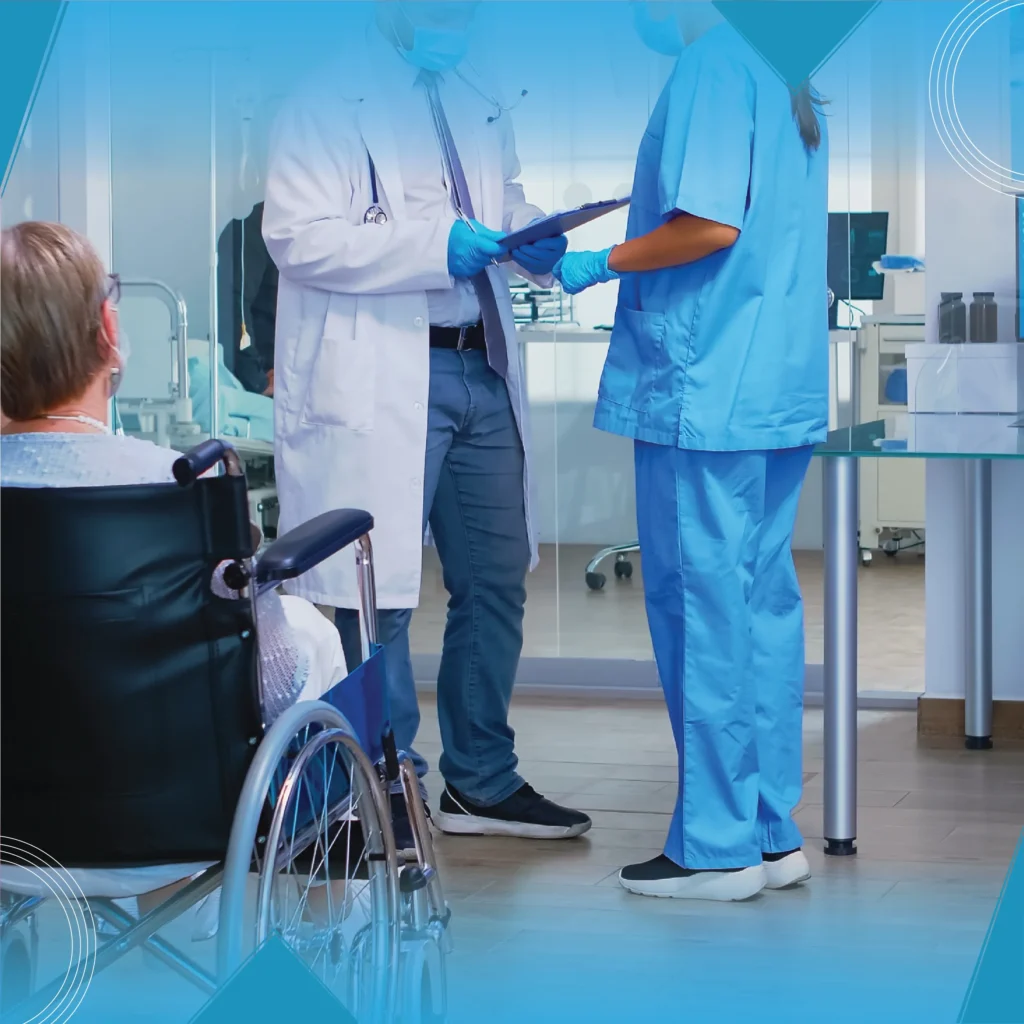
Students engage in structured observership and clinical training skills at Ziauddin Hospital’s neurophysiology department and other relevant healthcare setups. These observership and clinical training skills allow them to understand the application of neurophysiological techniques in real-world clinical environments such as EEG labs, EMG suites, ICUs, operating rooms, and sleep laboratories.
Through guided observation of procedures including EEGs, nerve conduction studies, sleep monitoring, and intraoperative neuromonitoring, students gain valuable exposure to the equipment, protocols, and interdisciplinary teamwork essential to the field. By bridging theoretical knowledge with real-world practice, these ongoing clinical exposures foster continuous professional growth and clinical confidence.
Admission Eligibility Criteria
- Candidates must have secured a minimum of 50% marks in Intermediate Science (Pre-Medical or Medical Technology) or an equivalent qualification.
- Candidates with A-Level qualifications must submit an equivalence certificate issued and verified by the Inter Board Coordination Commission (IBCC) for admission eligibility.
Selection is based on merit, calculated through the following components:
- Secondary School Certificate (SSC / Matriculation) academic records include official Marksheet and Board Certificate.
- Higher Secondary Certificate (HSC / Intermediate) academic records include official Marksheet and Board Certificate.
- Ziauddin University Aptitude Test score
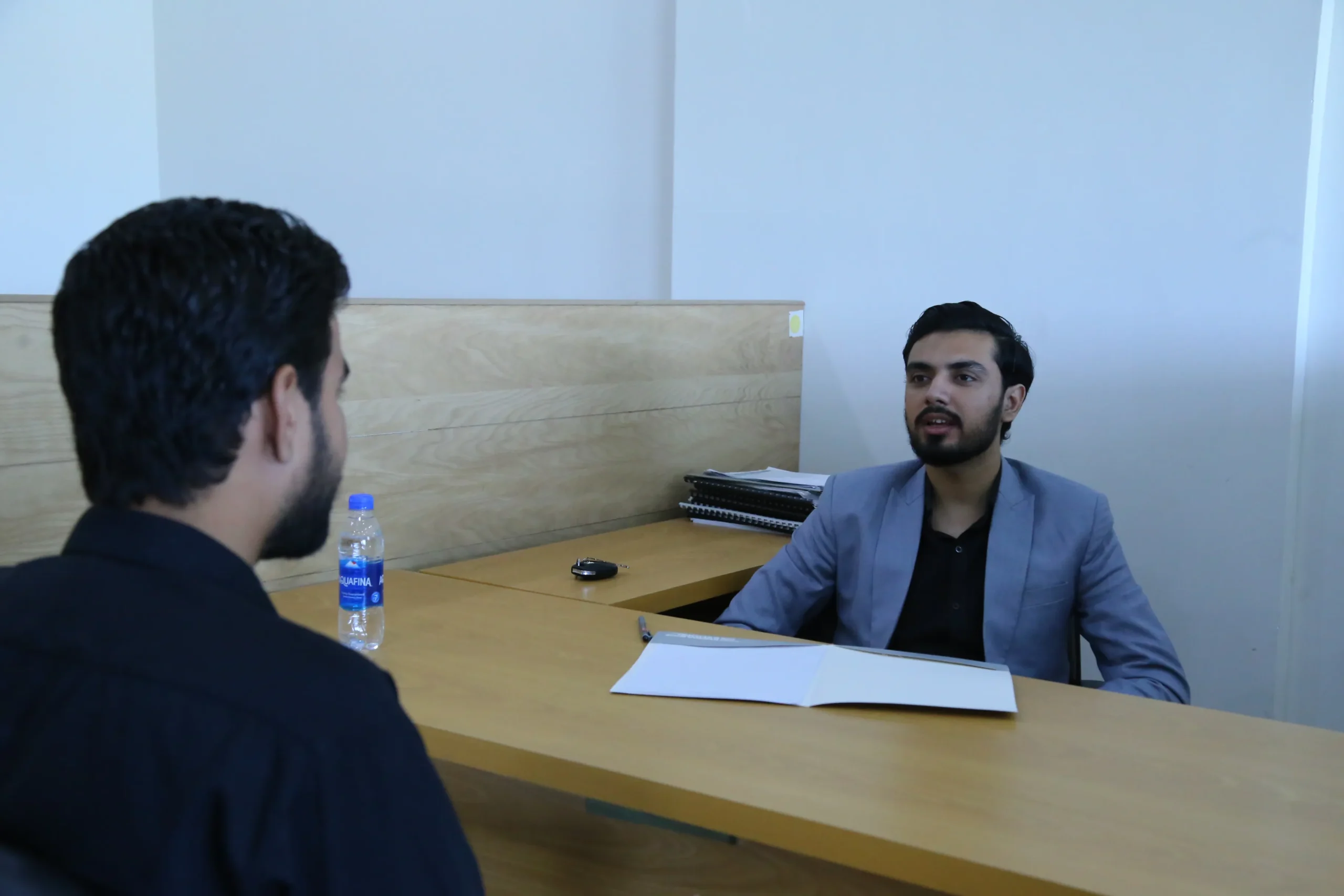
- Interview Performance
| General Education Courses | Interdisciplinary / Allied Courses | Disciplinary or Major Courses | ||||||||
| Sem. | Course Codes | Subject Names | Credit Hrs | Course Codes | Subject Names | Credit Hrs | Course Codes | Subject | Credit Hrs | Semester Credit Hrs |
|
1 |
ZUGE-001/002 | Islamic Studies / Moral Ethics | 2 (2+0) | MTID-111 | Medical Terminology | 2 (2+0) |
17 |
|||
| ZUGE-004 | Functional English | 3 (3+0) | MTID-112 | Human Biology | 2 (2+0) | |||||
| ZUGE 009 | Understanding of Holy Quran I | 1 (0+1) | MTID-113 | Basic Health Sciences | 2 (2+0) | |||||
| ZUGE-011 | Mathematics | 3 (3+0) | MTID-114 | Practicals in Basic Health Sciences | 2 (0+2) | |||||
| Total | 9 | Total | 8 | |||||||
| General Education Courses | Interdisciplinary / Allied Courses | Disciplinary or Major Courses | ||||||||
| Sem. | Course Codes | Subject Names | Credit Hrs | Course Codes | Subject Names | Credit Hrs | Course Codes | Subject | Credit Hrs | Semester Credit Hrs |
|
2 |
ZUGE-003 | Pakistan Studies | 2 (2+0) | MTID-121 | Biochemistry | 2 (2+0) | MTCG-121 | General Microbiology | 3 (3+0) |
19 |
| ZUGE-008 | Ideology and Constitution of Pakistan | 2 (2+0) | MTID-123 | General Pharmacology | 2 (2+0) | |||||
| ZUGE 010 | Understanding of Holy Quran II | 1 (0+1) | ||||||||
| ZUGE-014 | Expository Writing | 3 (3+0) | ||||||||
| ZUGE-016 | Human Behavior | 2 (2+0) | ||||||||
| ZUGE-033 | Physics | 2 (2+0) | ||||||||
| Total | 12 | Total | 4 | Total | 3 | |||||
| General Education Courses | Interdisciplinary / Allied Courses | Disciplinary or Major Courses | ||||||||
| Sem. | Course Codes | Subject Names | Credit Hrs | Course Codes | Subject Names | Credit Hrs | Course Codes | Subject | Credit Hrs | Semester Credit Hrs |
|
3 |
ZUGE-012 | Application of Information and Communication Technologies (ICT) | 3 (2+1) | MTID-211 | Human Anatomy and Physiology | 4 (4+0) |
21 |
|||
| ZUGE-013 | Entrepreneurship | 2 (2+0) | MTID-212 | Practical in Human Anatomy and Physiology | 2 (0+2) | |||||
| ZUGE-018 | Introduction to Statistics | 3 (3+0) | MTID-223 | Applications of Artificial Intelligence (AI) | 3 (3+0) | |||||
| ZUGE-032 | Medical Humanities | 2 (2+0) | ||||||||
| ZUGE-034 | Civic and Community Engagement | 2 (0+2) | ||||||||
| Total | 12 | Total | 9 | |||||||
| General Education Courses | Interdisciplinary / Allied Courses | Disciplinary or Major Courses | ||||||||
| Sem. | Course Codes | Subject Names | Credit Hrs | Course Codes | Subject Names | Credit Hrs | Course Codes | Subject | Credit Hrs | Semester Credit Hrs |
|
4 |
MTID-221 | Regional and Surface Anatomy | 3 (3+0) | MTCK-221 | Head and Neck Anatomy | 3 (3+0) |
18 |
|||
| MTCN-221 | Neuroanatomy and Physiology | 3 (2+1) | ||||||||
| MTCN-222 | Neuropathophysiology | 3 (2+1) | ||||||||
| MTCN-223 | Neuropharmacology | 3 (3+0) | ||||||||
| MTCN-224 | Electronics in Neurophysiology | 3 (2+1) | ||||||||
| Total | 3 | Total | 15 | |||||||
| General Education Courses | Interdisciplinary / Allied Courses | Disciplinary or Major Courses | ||||||||
| Sem. | Course Code | Subject | Credit Hrs | Course Code | Subject | Credit Hrs | Course Code | Subject | Credit Hrs | Semester Credit Hrs |
|
5 |
MTID-311 | Biostatistics | 3 (3+0) | MTCY-311 | Molecular Biology | 2 (2+0) |
18 |
|||
| MTID-312 | Principles of Critical Care | 2 (0+2) | MTCN-311 | Electroencephalography | 2 (2+0) | |||||
| MTCN-312 | Clinical Applications of Electroencephalography | 2 (2+0) | ||||||||
| MTCN-313 | Neonatal and Pediatric Electroencephalography | 2 (2+0) | ||||||||
| MTCN-314 | Electromyography | 3 (3+0) | ||||||||
| MTCN-315 | Clinical Practicum in Neurosciences | 2 (0+2) | ||||||||
| Total | 5 | Total | 13 | |||||||
| General Education Courses | Interdisciplinary / Allied Courses | Disciplinary or Major Courses | ||||||||
| Sem. | Course Code | Subject | Credit Hrs | Course Code | Subject | Credit Hrs | Course Code | Subject | Credit Hrs | Semester Credit Hrs |
|
6 |
MTID-321 | Research Methods | 2 (2+0) | MTCN-321 | Nerve Conduction Technology | 3 (2+1) |
18 |
|||
| MTCN-322 | Clinical Applications of Nerve Conduction Studies and Electromyography | 3 (2+1) | ||||||||
| MTCN-323 | Upper Nerve Conduction Studies | 2 (2+0) | ||||||||
| MTCN-324 | Lower Nerve Conduction Studies | 2 (2+0) | ||||||||
| MTCN-325 | Evoked Potentials VEP | 3 (2+1) | ||||||||
| MTCN-326 | Field Experience | 3 (0+3) | ||||||||
| Total | 2 | Total | 16 | |||||||
| General Education Courses | Interdisciplinary / Allied Courses | Disciplinary or Major Courses | ||||||||
| Sem. | Course Code | Subject | Credit Hrs | Course Code | Subject | Credit Hrs | Course Codes | Subject | Credit Hrs | Semester Credit Hrs |
| MTCM-411 | Healthcare Management | 3 (3+0) | ||||||||
|
7 |
MTCN-411 | Evoked Potentials SEP | 3 (3+0) |
18 |
||||||
| MTCN-412 | Evoked Potential BEP | 3 (3+0) | ||||||||
| MTCN-413 | Clinical Applications of Evoked Potential (VEP, SEP, BEP) | 2 (2+0) | ||||||||
| MTCN-414 | Sleep Studies | 4 (2+2) | ||||||||
| MTCN-415 | Clinical Practicum in Neurosciences | 3 (0+3) | ||||||||
| Total | 18 | |||||||||
| General Education Courses | Interdisciplinary / Allied Courses | Disciplinary or Major Courses | ||||||||
| Sem. | Course Code | Subject | Credit Hrs | Course Code | Subject | Credit Hrs | Course Codes | Subject | Credit Hrs | Semester Credit Hrs |
|
8 |
MTCA-421 | Capstone Project | 3 (0+3) | MTCN-421 | Long Term Electroencephalography (EEG) Monitoring | 2 (2+0) |
18 |
|||
| MTCN-422 | Sleep Disorders | 2 (2+0) | ||||||||
| MTCN-423 | Emerging Techniques in Neurosciences | 2 (2+0) | ||||||||
| MTCN-424 | Intro-operative Monitoring | 3 (2+1) | ||||||||
| MTCN-425 | Clinical Applications of Intro-operative Monitoring | 3 (2+1) | ||||||||
| MTCN-426 | Clinical Practicum in Neurosciences | 3 (0+3) | ||||||||
| Total | 3 | Total | 15 | |||||||
| Total Credit Hours | 147 | |||||||||
Graduates of the Bachelor of Science in Neurophysiology Technology (Allied Health Sciences) programme possess a dynamic blend of technical expertise, clinical knowledge, and neurophysiology techniques proficiency. As indispensable members of modern neurosciences healthcare teams, neurophysiologist technologist collaborate closely with neurologist, neurosurgeons, epileptologists, sleep specialists, and critical care physicians to perform high-precision electrophysiological testing that evaluates brain, spinal cord, peripheral nerve, and sleep functions. With rapid advancements in neurodiagnostic technology, highly skilled neurophysiology technologists are in high demand across national and international healthcare sectors.
Clinical & Diagnostic Specializations
- Neurophysiology Technologist: Assists in diagnostic testing including EEG, PSG, EMG, NCS, EP, and IOM to diagnose neurological conditions.
- Electro-neurodiagnostic (END) Technologist: Performs tests to monitor brain and nerve activity including EEGs and EMGs.
- Intraoperative Neurophysiological Monitoring (IONM) Technologist: Monitors nervous system function during neurosurgical, orthopedic, and vascular surgeries to protect critical neural pathways from damage.
- Sleep / Polysomnography Technologist: Conducts comprehensive overnight sleep studies (PSG) to assess sleep disorders and monitor brain activity, respiration, cardiac rhythms, and body movement during sleep.
Laboratory Management & Quality Assurance
- Supervisor / Manager: Oversees daily clinical operations, diagnostic testing workflows, technical staff supervision, electrophysiological equipment calibration, and regulatory compliance.
- Quality Assurance Officer: Ensures technical accuracy, verifies neurodiagnostic equipment safety standards, and maintains strict adherence to national and international clinical laboratory accreditation protocols
Medical Device & Biotechnology Industry
- Medical Device and Application Specialist: Provides clinical support, technical training, and product demonstrations for neurodiagnostic equipment, EMG/EEG software platforms, IONM systems, and sleep tracking devices.
- Neuro-Equipment & Technology Specialist: Advises hospital units, neuro-clinics, and diagnostic centers on the integration, validation, and procurement of modern electrophysiological equipment and digital monitoring systems.
Research, Informatics & Public Health
- Research Associate: Participates in the research studies, and investigates diseases.
- Healthcare Informatics Specialist: Manages neurodiagnostic data systems, digital EEG/EMG archives, remote monitoring workflows, and patient data security.
- Public Health Specialist & NGO Officer: Contributes to public health initiatives, neurological awareness campaigns (e.g., epilepsy and sleep disorder awareness), and health policy implementation in non-profit and government sectors.
Teaching & Academia
- Academic Faculty Member: Delivers theoretical instruction, leads hands-on simulation lab training, and supervises clinical skill development to train the next generation of neurophysiology technology professionals.
| Programme Learning Outcomes (PLOs) | |
| PLO 1: Clinical Competency & Knowledge Application | Graduates will apply foundational scientific principles and specialized technical skills to perform accurate, efficient laboratory diagnostics in healthcare environments. |
| PLO 2: Interprofessional Integration & Team Dynamics | Graduates will analyze operational workflows within hospital systems to integrate effectively into multidisciplinary healthcare teams as medical scientists. |
| PLO 3: Interpersonal & Clinical Communication | Graduates will demonstrate effective verbal, non-verbal, and written communication strategies to facilitate clear information exchange with patients, families, and healthcare teams. |
| PLO 4: Quality Assurance & Systems Evaluation | Graduates will examine diagnostic procedures and clinical workflows to strengthen quality control, biosafety, and system reliability across laboratory settings. |
| PLO 5: Legal, Ethical & Regulatory Compliance | Graduates will interpret relevant healthcare laws, bioethical guidelines, and accreditation standards to maintain compliance in medical technology practice. |
| PLO 6: Scholarly Inquiry & Research Implementation | Graduates will implement evidence-based research methodologies in academic, clinical, and laboratory settings through both independent and collaborative projects. |
| PLO 7: Global Sustainability & Health Equity | Graduates will explain the role of medical technology in supporting key United Nations Sustainable Development Goals (SDGs 3, 4, 5, 8, 9, 10, and 11) to promote health equity and lifelong learning |
| Semester 1 | ||||
| Description | Frequency | Fee/Cr. Hr | # of Cr. Hr | Total Fee |
| Application Fee | One Time | – | – | 5,000 |
| Admission Fee | One Time | – | – | 15,000 |
| Semester Registration Fee | Semester | – | – | 5,000 |
| Tuition Fee | Semester | 10,000 | 17 | 170,000 |
| Examination Fee | Semester | 833 | 17 | 14,161 |
| AHPC Registration Fee | Yearly | – | – | 1,000 |
| Labcoat Fee | One Time | – | – | 6,000 |
| University Fee | Semester | – | – | 13,500 |
| Total Fees | 229,661 | |||
| Semester 2 | ||||
| Description | Frequency | Fee/Cr. Hr | # of Cr. Hr | Total Fee |
| Semester Registration Fee | Semester | – | – | 5,000 |
| Tuition Fee | Semester | 10,000 | 19 | 190,000 |
| Examination Fee | Semester | 833 | 19 | 15,827 |
| University Fee | Semester | – | – | 13,500 |
| Total Fees | 224,327 | |||
| Semester 3 | ||||
| Description | Frequency | Fee/Cr. Hr | # of Cr. Hr | Total Fee |
| Semester Registration Fee | Semester | – | – | 5,000 |
| Tuition Fee | Semester | 10,000 | 21 | 210,000 |
| Examination Fee | Semester | 833 | 21 | 17,493 |
| AHPC Registration Fee | Yearly | – | – | 1,000 |
| University Fee | Semester | – | – | 13,500 |
| Total Fees | 246,993 | |||
| Semester 4 | ||||
| Description | Frequency | Fee/Cr. Hr | # of Cr. Hr | Total Fee |
| Semester Registration Fee | Semester | – | – | 5,000 |
| Tuition Fee | Semester | 10,000 | 18 | 180,000 |
| Examination Fee | Semester | 833 | 18 | 14,994 |
| University Fee | Semester | – | – | 13,500 |
| Total Fees | 213,494 | |||
| Semester 5 | ||||
| Description | Frequency | Fee/Cr. Hr | # of Cr. Hr | Total Fee |
| Semester Registration Fee | Semester | – | – | 5,000 |
| Tuition Fee | Semester | 10,000 | 18 | 180,000 |
| Examination Fee | Semester | 833 | 18 | 14,994 |
| AHPC Registration Fee | Yearly | – | – | 1,000 |
| University Fee | Semester | – | – | 13,500 |
| Total Fees | 214,494 | |||
| Semester 6 | ||||
| Description | Frequency | Fee/Cr. Hr | # of Cr. Hr | Total Fee |
| Semester Registration Fee | Semester | – | – | 5,000 |
| Tuition Fee | Semester | 10,000 | 18 | 180,000 |
| Examination Fee | Semester | 833 | 18 | 14,994 |
| University Fee | Semester | – | – | 13,500 |
| Total Fees | 213,494 | |||
| Semester 7 | ||||
| Description | Frequency | Fee/Cr. Hr | # of Cr. Hr | Total Fee |
| Semester Registration Fee | Semester | – | – | 5,000 |
| Tuition Fee | Semester | 10,000 | 18 | 180,000 |
| Examination Fee | Semester | 833 | 18 | 14,994 |
| AHPC Registration Fee | Yearly | – | – | 1,000 |
| University Fee | Semester | – | – | 13,500 |
| Total Fees | 214,494 | |||
| Semester 8 | ||||
| Description | Frequency | Fee/Cr. Hr | # of Cr. Hr | Total Fee |
| Semester Registration Fee | Semester | – | – | 5,000 |
| Tuition Fee | Semester | 10,000 | 18 | 180,000 |
| Examination Fee | Semester | 833 | 18 | 14,994 |
| University Fee | Semester | – | – | 13,500 |
| Total Fees | 213,494 | |||
| Note: Any additional taxes imposed by the government will be the liability of the students/parents/guardian. The University reserves the right to increase the fees if required according to the recommendation of the Governing Body. Advance fees to be paid semester-wise. All dues need to be cleared within two weeks of commencement of the academic year. A 2% surcharge per month will be levied on outstanding fees after the due date. | ||||