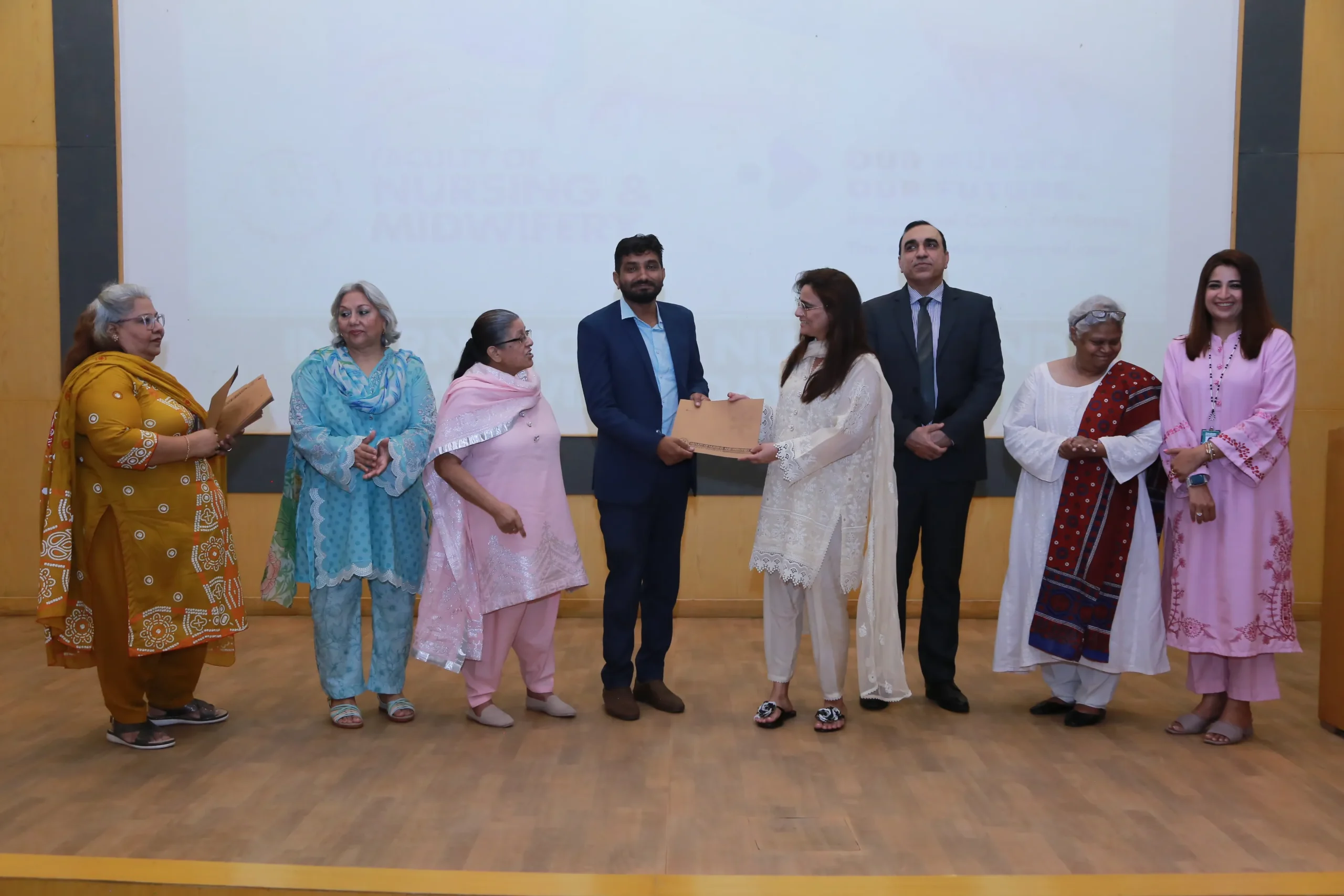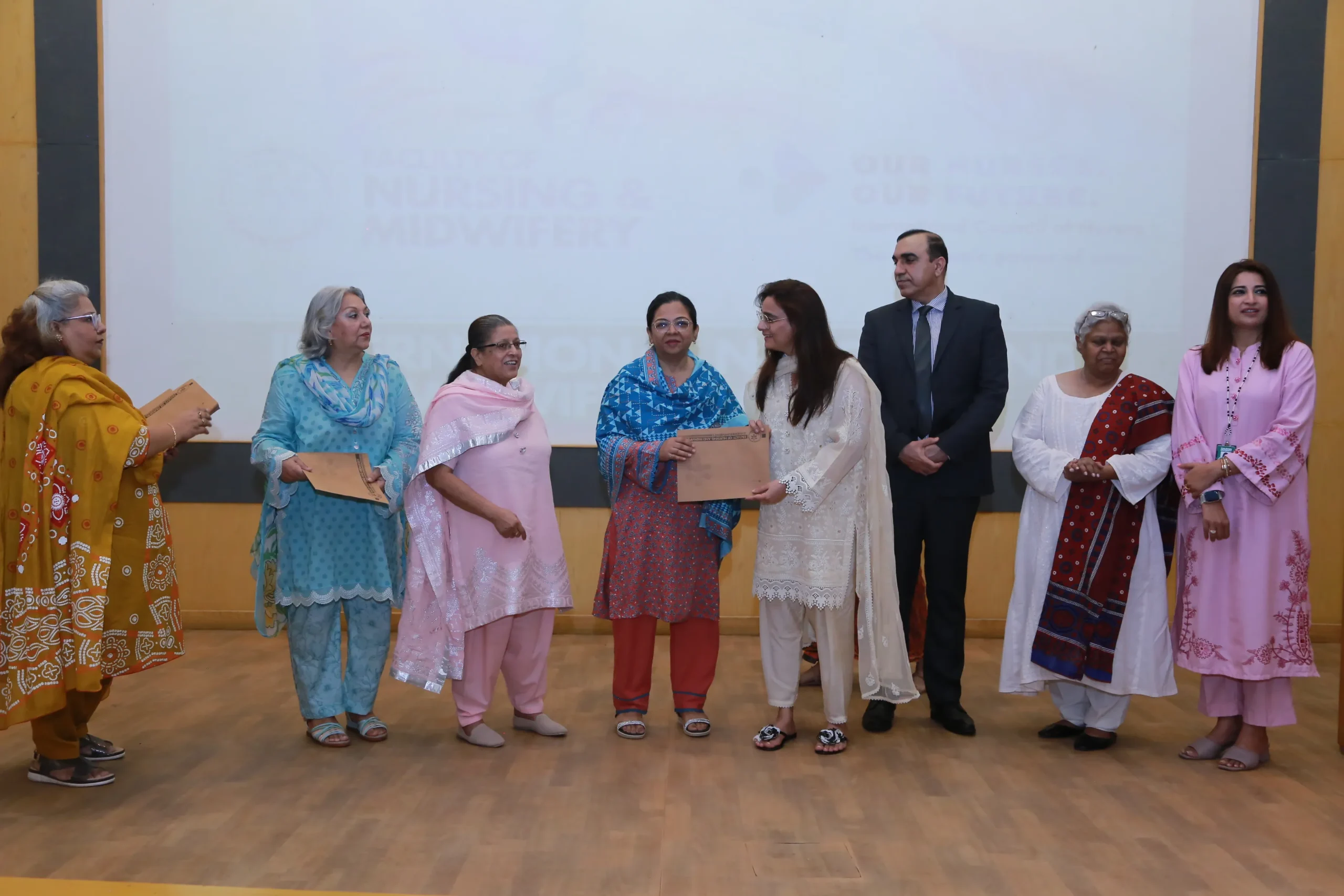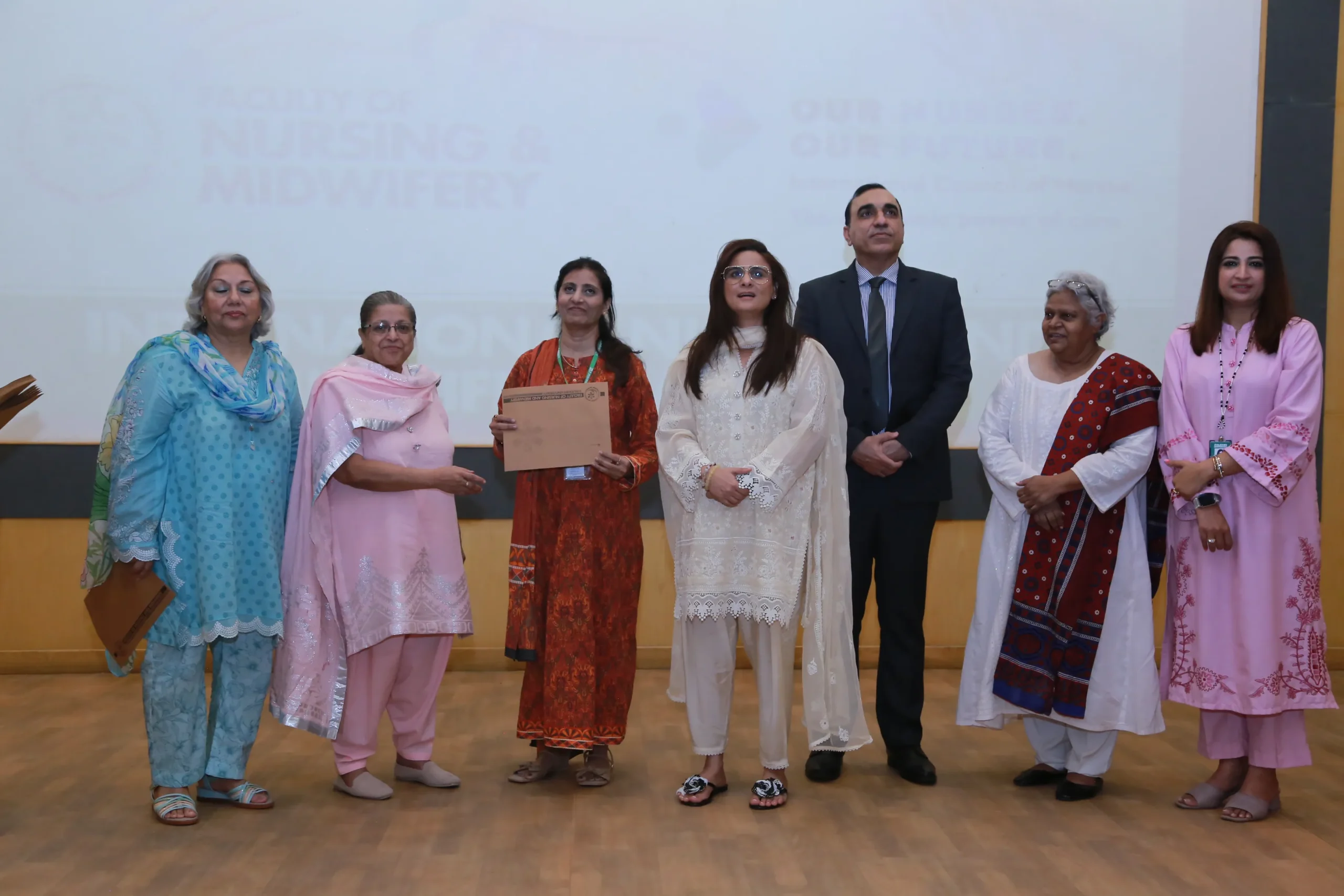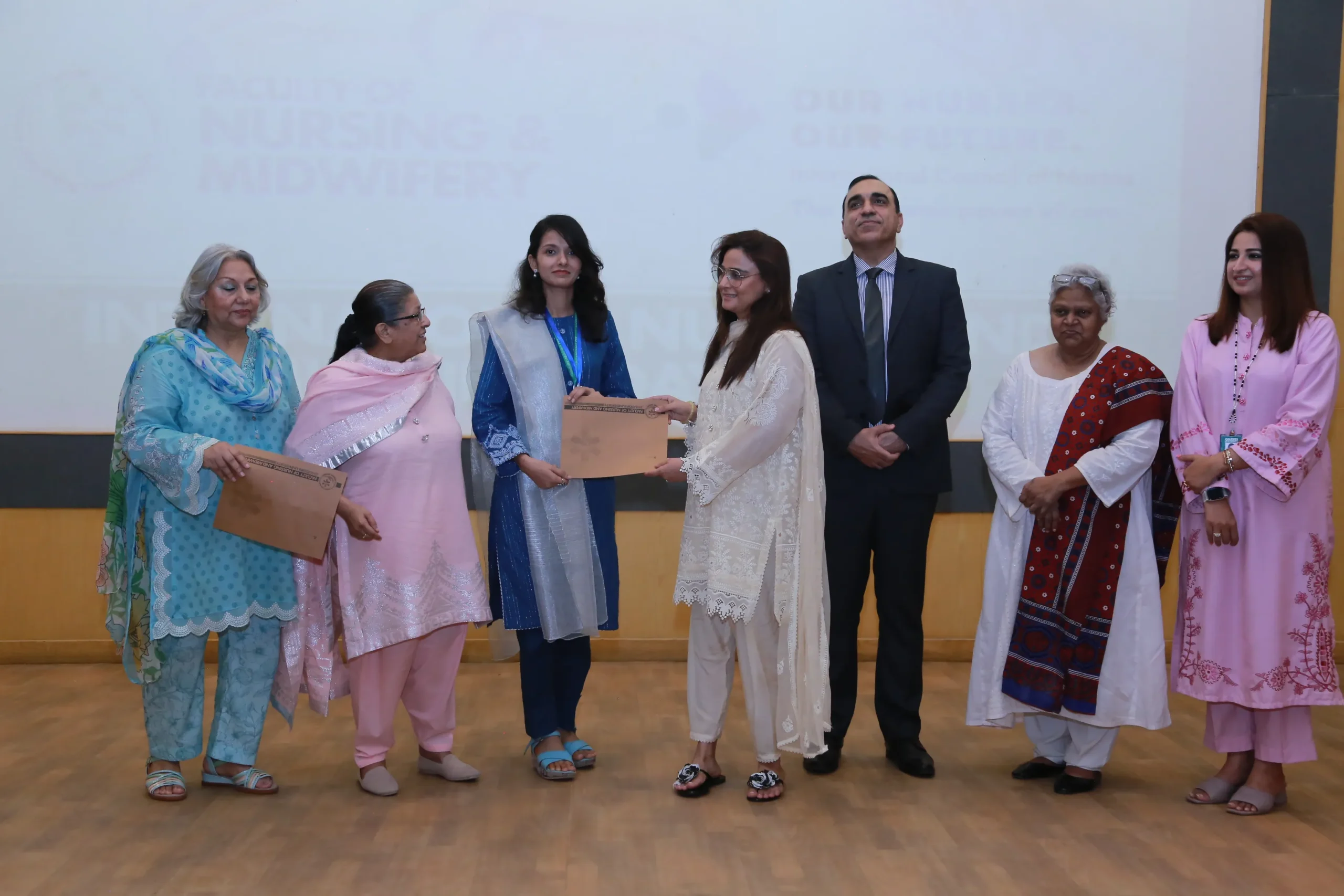









Ziauddin University

Patient & Public Involvement and Engagement (PPIE) ​

About Patient & Public Involvement and Engagement

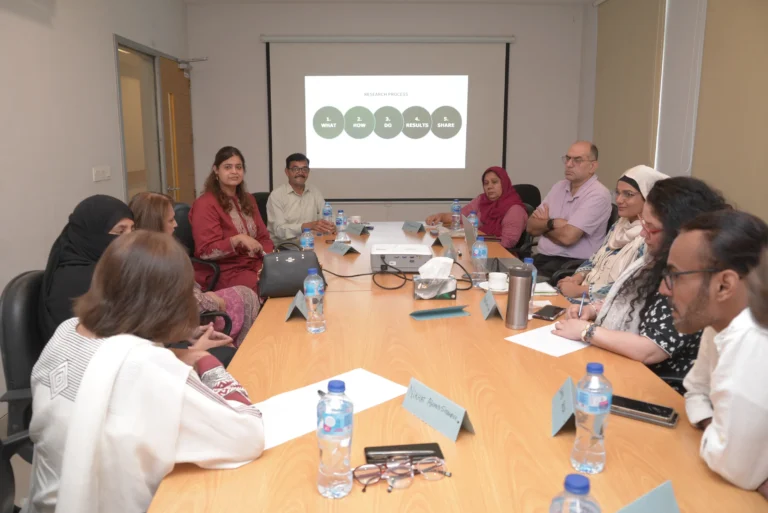
Patient & Public Involvement and Engagement, or PPIE for short, is all about researchers working together with patients, families, and the public to shape and influence research. This includes deciding what conditions and treatments to study, how research methods could be improved, and what changes should be made as a result of research findings. The main goal of PPIE is to ensure that research is acceptable, relevant, and beneficial to patients and the public.

The PPIE approach is internationally-recognized and increasingly used to improve the quality of research in all areas of health. Our group, based at the Critical Care Research Group, is bringing PPIE to Pakistan to improve the way we conduct clinical trials because we strongly believe in the power of working together with patients.

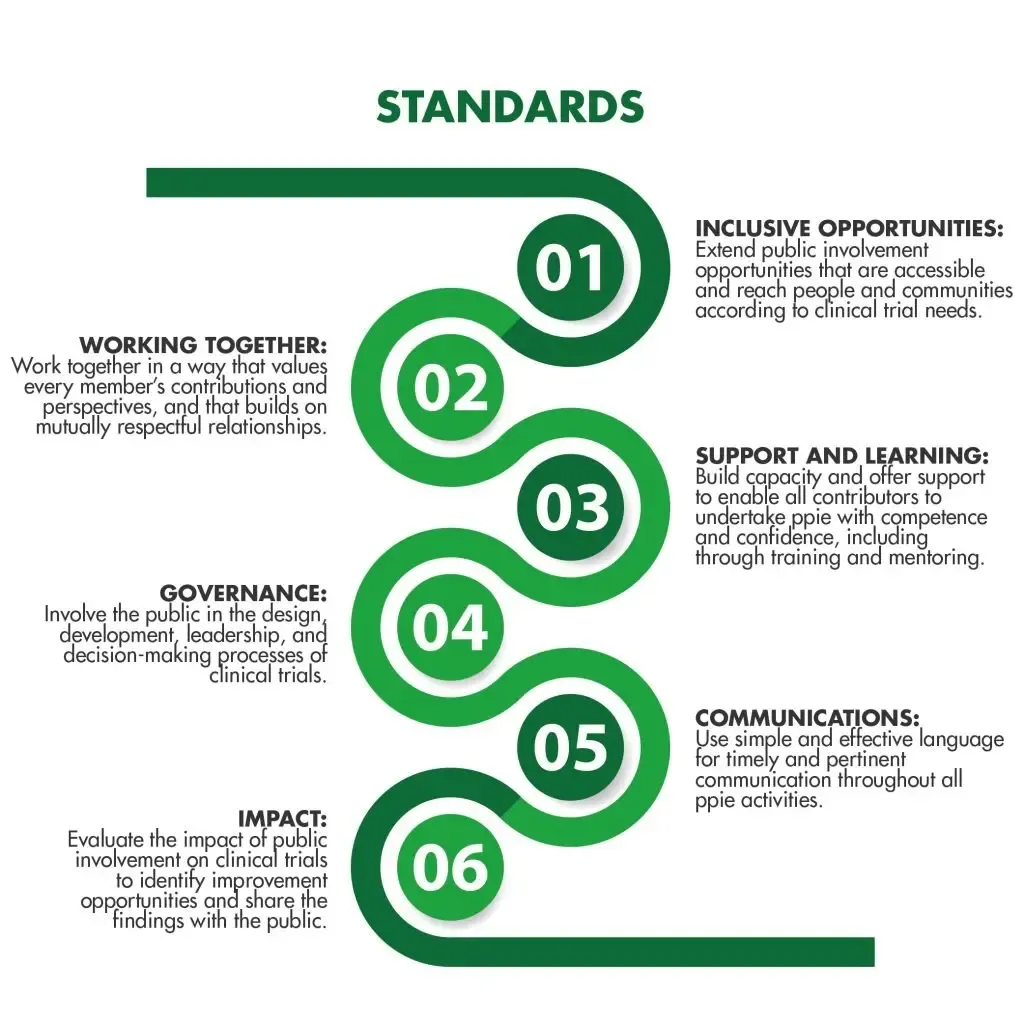
Our involvement and engagement in clinical trials align with internationally accepted standards, and the core six standards we follow have been adapted from the ‘UK Standards for Public Involvement’ created by the National Institute for Care and Health Research (NIHR) and partner organizations in the United Kingdom.

Welcome Message from the Coordinator Team

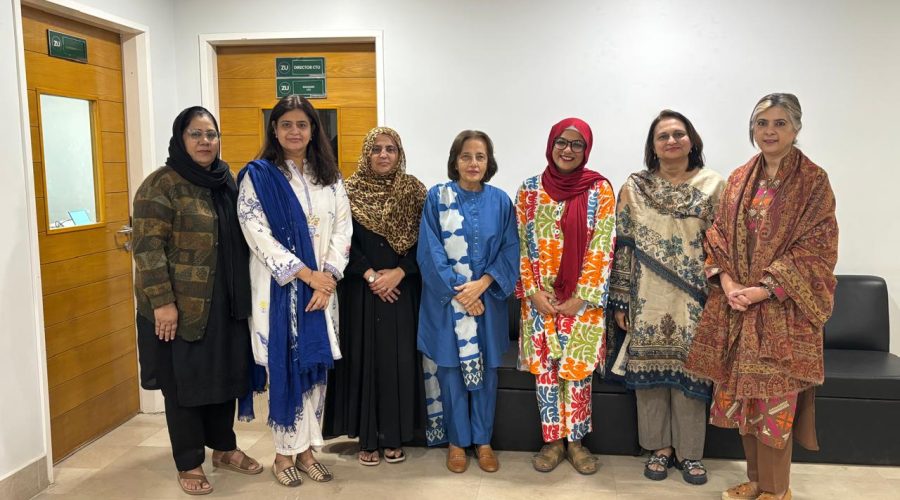
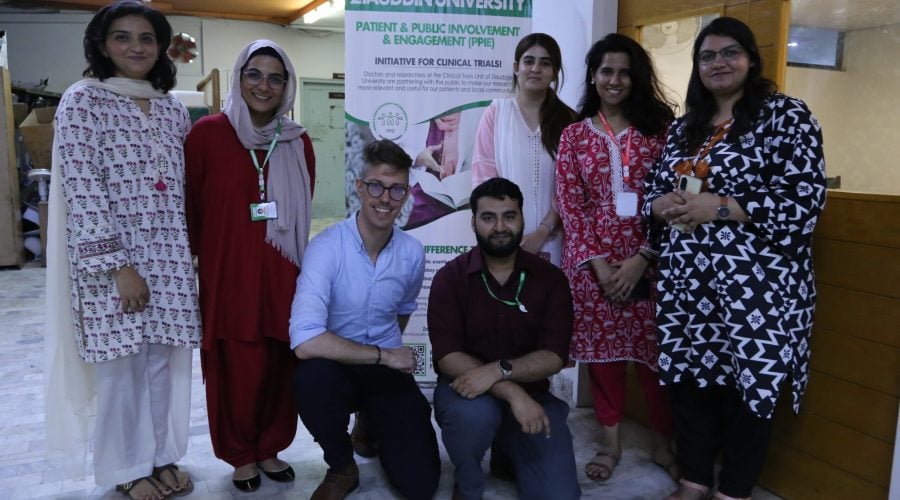
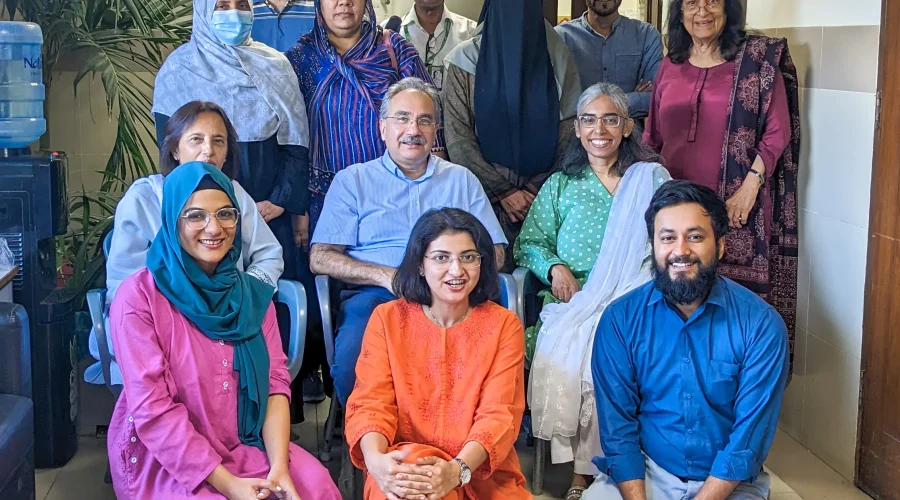
“Welcome to Pakistan’s first ever Patient & Public Involvement and Engagement (PPIE) group! We hope you join us in our effort to work together with patients, families, and the public to make our health research more relevant and useful here at Ziauddin University”

Messages from our Collaborators

“Being part of a Patient & Public Involvement and Engagement Group is not only personally fulfilling, but it also plays a crucial role in transforming healthcare for the better. Through active participation, we can drive positive change, amplify the voices of those directly impacted, and create a more patient-centered, equitable, and responsive healthcare system.” 

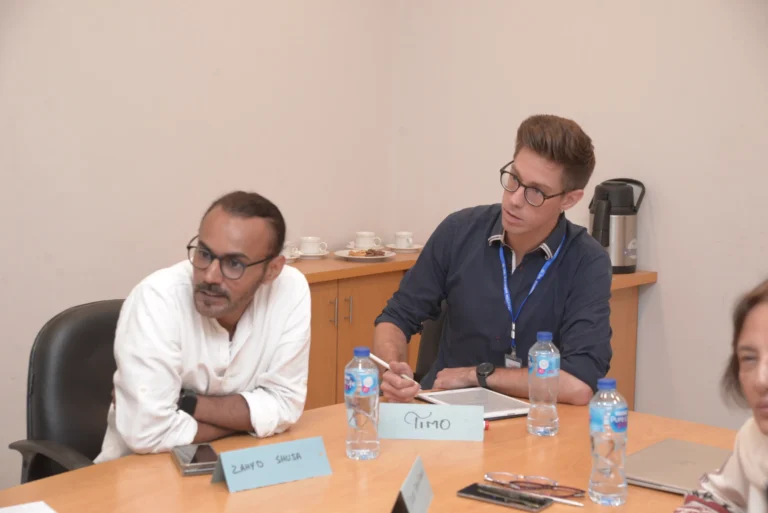
Mr. Zahyd Shuja
PPIE Member 

“Health research is all about patients, so it makes perfect sense to me that we meaningfully involve patients in all aspects of the clinical trial process. I feel very honoured to get to work with patients as partners and find out from them what diseases we should research and how research should be done.” 

Dr. Arishay Hussaini
Co-lead for the PPIE group

Project lead

Professor Dr. Madiha Hashmi

Dr. Hashmi is Professor & Chair of the Department of Critical Care Medicine at the Dr. Ziauddin Group of Hospitals and Ziauddin University. She is a physician researcher with extensive experience in all aspects of critical care research; she has acted as the principal investigator for international trials and set up a national intensive care registry in Pakistan (PRICE) to enable data driven quality improvement projects, observational studies, and clinical trials. Dr. Hashmi is focused on building critical care research capacity in Pakistan, which includes establishing and leading this patient and public involvement and engagement group.

Coordinators

Professor Dr. Nikhat Ahmed Siddiqui

Professor Nikhat is a neuroscientist, biochemist, and former Dean of Research at Ziauddin University. Her research career spans over 38 years and crosses the entire research spectrum, from laboratory experiments to clinical studies on diseases such as diabetes, dementia, and blindness. She also meaningfully contributes to research ethics, training, policy development, and strategic planning. Beyond conducting scientific research, Prof. Nikhat is passionate about building capacity to enable high-quality and patient-centered research in Pakistan.

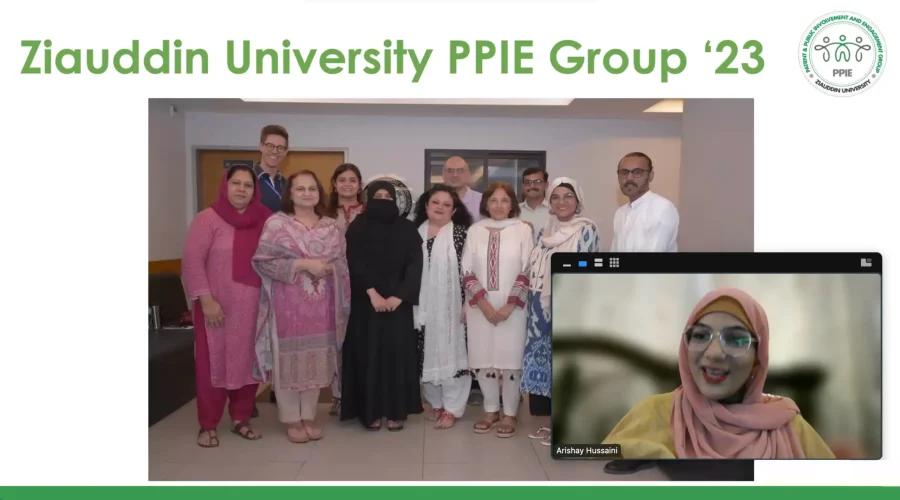
Dr. Arishay Hussaini

Dr. Arishay is a clinical research associate in the Department of Critical Care Medicine at Ziauddin University. She has actively participated in the implementation and conduct of various research projects, including international randomised controlled trials, qualitative and observational studies. Her interests lie in exploring and improving the experiences of study participants. She aims to work with the local population in Karachi to set research priorities and make research findings relevant to Pakistan.

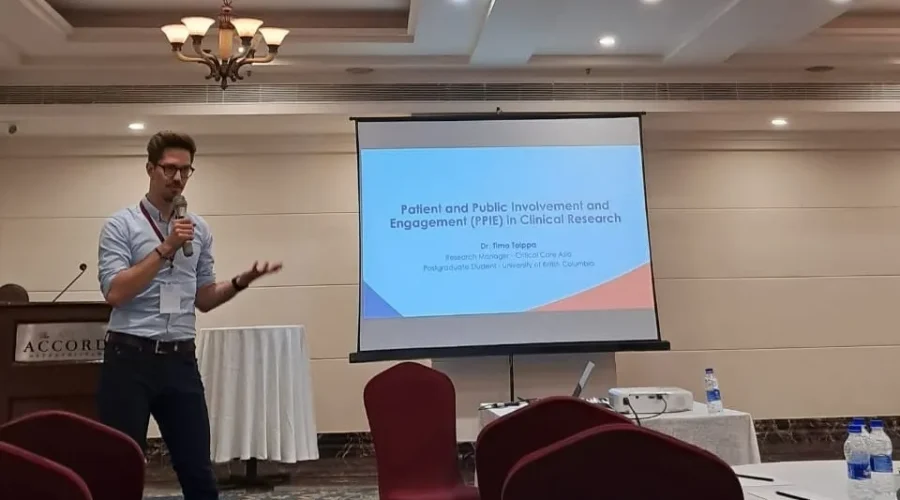
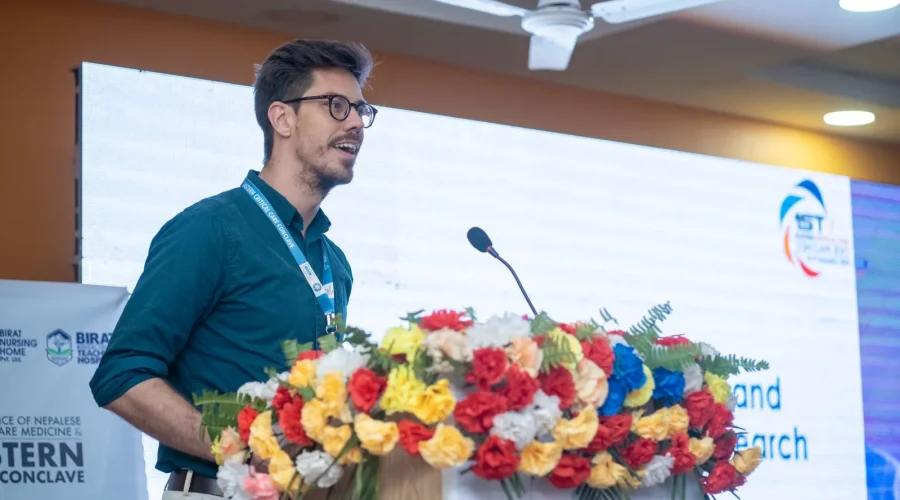
Dr. Timo Tolppa

Dr. Timo is a Ph.D. candidate based at the University of British Columbia in Canada and has worked as a regional clinical trial coordinator for several international intensive care trials across South Asia, including Malaysia, Nepal, and Pakistan. He is working collaboratively with researchers at Ziauddin University on making clinical trials more relevant for low-resource settings. Dr. Timo is focused on patient engagement, qualitative research, and health equity, and has a personal interest in the use of film to promote health and justice.

Dr. Wardah Khalid Rafat

Dr. Wardah is a Clinical Research Assistant in the Department of Critical Care Medicine at Ziauddin University. In her current role, she contributes across multiple domains, serving as the National Coordinator for the international study GenOMICC, working as a marketing coordinator, and actively engaging as a member of the PPIE team. With a clinical background that includes two years of internal medicine training at Ziauddin Hospital, she brings a valuable physician’s perspective to patient and public involvement and engagement (PPIE).

MEMbers

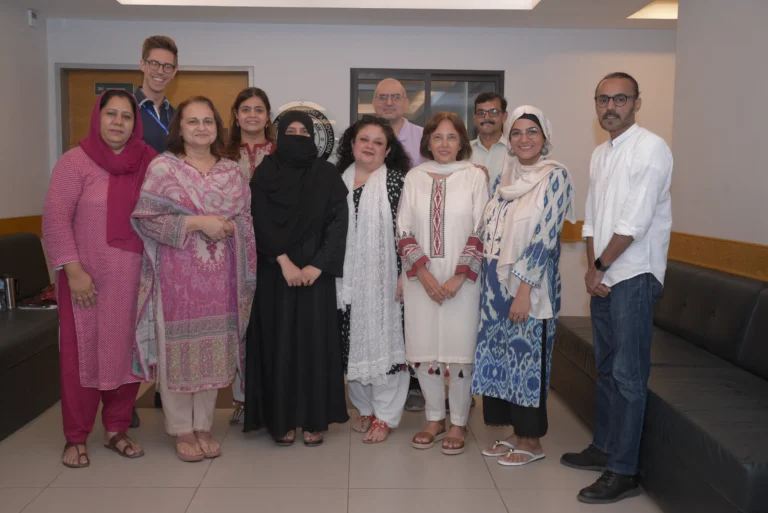
Ms. Saima Saleem

Saima is a social impact storyteller and filmmaker, currently serving as the Healthcare Communication Lead at the Sindh Institute of Urology & Transplantation (SIUT), a public hospital in Pakistan. She is a founding member of the Patient and Public Involvement and Engagement group at Ziauddin University and also contributes as part of the Global PPIE group. She is also the first Pakistani public partner to be a member of the REMAP CAP International Trial Steering Committee.

Ms. Shahnaz Zaman

Shahnaz is a Senior Lecturer at the Ziauddin University Faculty of Nursing & Midwifery (ZUFONAM), where she has been teaching for the past four years. She holds a Master’s degree in Social Sciences, along with qualifications in Midwifery, Public Health, and DHMS, and is currently pursuing a PhD. She is also a founding member of the Patient and Public Involvement and Engagement group.

Dr. Monaza Khan

Monaza is a Family Physician with nearly three decades of clinical experience. Over the course of her career, she has worked at leading institutions, including Aga Khan Hospital, and for the past 12 years has been dedicated to the school health system. As a founding member of the Patient and Public Involvement and Engagement group, she brings her extensive medical expertise and community health experience to the team.

Ms. Shehla Farooq

Shehla, a founding member of the Patient and Public Involvement and Engagement group and a representative of the local community surrounding Ziauddin Hospital, Clifton. She helped establish a vocational training and welfare centre and has been closely engaged with the people of her community. She plays a key role in supporting Urdu translations and serves as an important link between the community and researchers.

Mr. Zahyd Shuja

Zahyed serves as the Associate Director of Human Resources at Dubizzle, bringing over 16 years of experience in organizational change. Having experienced Ziauddin Hospital both as a patient and an attendant, he offers valuable firsthand insight into the healthcare system. As a founding member of the PPIE (Patient and Public Involvement and Engagement) group, he contributes his perspective with a strong commitment to improving patient experiences.

Ms. Fabiha Siraj

Fabiha is a Senior Associate in the Engagement Department. She actively works with women with disabilities and has a deep understanding of the challenges, hesitancy, and frustrations they face. With her experience, she brings valuable insight into how to meaningfully involve persons with disabilities, an area where she is committed to making a strong contribution. She contributes this perspective as an active member of the PPIE (Patient and Public Involvement and Engagement) group.

This interactive toolkit is intended as a resource to support the establishment of Patient & Public Involvement and Engagement (PPIE) initiatives within health research teams and projects. While focused on a national PPIE network in Pakistan led by the Critical Care Research Group (CCRG) of Ziauddin University, the toolkit provides useful resources and guidance for anyone seeking to involve patients, their families and members of the public in health research.

The toolkit is divided into an introduction, 10 chapters and a conclusion. The introduction defines PPIE and provides background to the national PPIE network. The first chapter gives an overview of the process of establishing a PPIE initiative with subsequent chapters offering detailed guidance for every step in the process. Links to editable examples and worksheets are included as appendices in relevant chapters. A PDF version of the entire toolkit and all appendices are freely available for download here.

The advice provided in the toolkit is based on the experiences of our group in establishing the first-ever PPIE group in Pakistan to support trials, supporting the formation of PPIE groups at other institutions across Pakistan and South Asia, and learning from global engagement initiatives. Any suggestions for improvements are welcome. Feel free to amend and adapt all aspects of this toolkit for your own purposes in any way you wish, however, make sure to appropriately credit the creators as per the license below. Do not hesitate to get in touch with us a [email protected].


© 2025, Ziauddin University Patient & Public Involvement & Engagement Group 

Licensed under CC BY-NC-SA 4.0. To view a copy of this license: https://creativecommons.org/licenses/by-nc-sa/4.0 

Introduction

Patient and Public Involvement and Engagement (PPIE) in research is defined as research being carried out ‘with’ or ‘by’ members of the public rather than ‘to’, ‘about’ or ‘for’ them. It recognises that patients, families, and communities bring valuable lived experiences that can make research more meaningful, ethical, and relevant to real-world needs. Involving patients and the public strengthens the quality, acceptability, and impact of health research. It ensures that research questions reflect community priorities, study designs are culturally appropriate, and findings are shared in ways that people can understand and use.

According to the National Institute for Health and Care Research, PPIE can be understood across three levels: participation, engagement, & involvement, with each representing a higher level of public contribution and influence.

  1. Participation is the foundational level of PPIE, where patients or members of the public are study participants. This has historically been the most common form of interaction between researchers and the public.
  2. Engagement refers to the sharing of information about research with the public. It is often a one-way process, where researchers communicate what they are doing and what they have found. Examples include using infographics or videos to share study results, or holding community meetings to discuss findings.
  3. Involvement represents the highest level of PPIE, where patients and community members work in partnership with researchers throughout the research process, from setting priorities and designing studies to analysing results and sharing outcomes. Involvement fosters collaboration, ownership, and trust.

1

Participation

People recruited to a clinical trial or other research study

2

Engagement

Information and knowledge about research is provided and disseminated

3

Involvement

Active partnership between patients and the public that influences & shapes research

Benefits of PPIE

  • Enhanced Research Quality: Patients and the public offer valuable insights into what matters most to them, improving the relevance, feasibility and acceptability of a study.
  • Improved Recruitment and Retention: Patients and the public are best placed to identify the most effective and acceptable recruitment strategies and ensure study materials are clear and accessible. They can also provide advice on how to keep participants motivated to remain in a study.
  • Ethical Research Conduct: Involving patients and the public aligns with the principle of “nothing about us without us” and helps ensure adherence to ethical standards. Patient input also helps with gaining ethical approvals.
  • Increased Awareness & Impact: Engaging with patients and the public raises awareness and acceptance of the research, supporting participant feedback and helps translate findings into practice.
  • Success with Funding Applications: Funding agencies are increasingly requiring the involvement of patients and the public in study design and conduct due to the multiple benefits of PPIE on research quality and efficiency. Studies that incorporate the patient voice in design are more likely to succeed in gaining funding.

Types of Involvement

Members of the community and experienced PPIE coordinators can support all aspects of study design, conduct and dissemination. Maximal benefit is achieved when patient and public partners are included early in the process. A key way to enable effective involvement is to establish and maintain a PPIE group of members and coordinators that can:

  • Advise on research priorities to help identify the most relevant health topics, populations & interventions to study from the perspectives of patients and the public.
  • Advise on the design of study protocols to make it more feasible, acceptable and relevant to the patients and the public. This can include advice on participant selection, intervention protocols and outcome measures.
  • Contribute to the ethical review of studies to ensure that the proposed research is acceptable to patients and the public before formal institutional ethics review.
  • Safeguard patient and participant rights to ensure no harm is done during research.
  • Support the development of study materials such as participant information sheets, informed consent forms and recruitment leaflets, posters and social media content.
  • Support the conduct and implementation of studies by improving the recruitment strategy, informed consent processes, administration of interventions, data collection and follow-up.
  • Participate in data analysis to ensure the patient perspective is incorporated in the interpretation of the results of the study.
  • Support the dissemination of results to the public by providing advice and feedback on dissemination strategies and materials (e.g. posters, infographics, video, articles, presentations, workshops, public events).

National PPIE Network

The National PPIE Network brings together PPIE groups from across Pakistan with an aim to strengthen the culture of meaningful involvement in health research. One key function of the network is to support the development of new PPIE initiatives. Support is offered in multiple ways, with this toolkit being one of them. It is a starting point and source of guidance for individuals and institutions interested in starting their PPIE initiative or group. However, the network also offers additional support, mentoring and opportunities for professional development:

  • Annual National PPIE Summit that brings together partners from across the country for in-person collaboration, knowledge exchange, and shared learning.
  • Regular webinars, workshops, and training sessions to build capacity in patient and public engagement.
  • Online platform to enable collaboration, access to a resource repository, and exchange of best practices.
  • Guidance on evaluation of PPIE initiatives to ensure continuous improvement and accountability.
  • Advice from experienced PPIE practitioners to assist with all aspects of engagement work.
  • Advocacy by drafting policy and creating governance frameworks to promote a high standard of practice.
  • Translation of educational and dissemination materials to enhance reach to all communities in Pakistan.
  • Dissemination of research findings through public events, media engagement, and community partnerships.

Our dream is to build a connected and sustainable PPIE network across Pakistan that supports meaningful collaboration between researchers and the communities they serve.

Chapter 1: Overview

Establishment of a successful PPIE initiative takes careful planning and execution. Figure 1 provides an overview of the process our team followed to establish a PPIE group and the list below highlights the importance of each step in the overall success of an initiative. The remainder of this toolkit gives detailed guidance for each step.
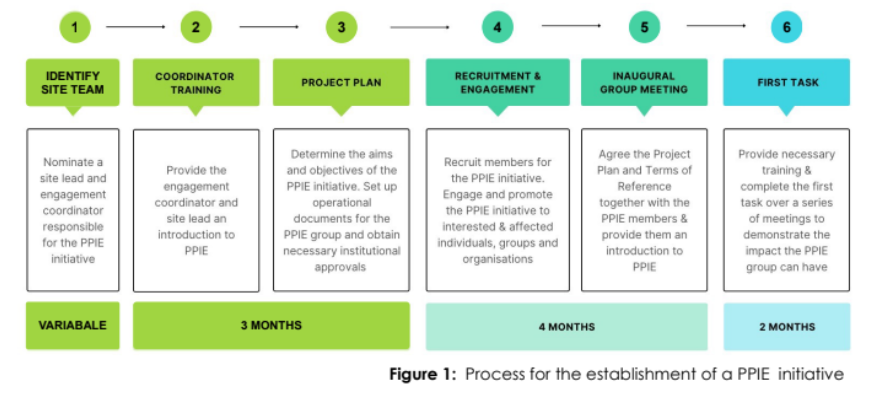
  1. Identify Site Team: Having a person dedicated to PPIE is crucial in order to progress and coordinate the initiative, while a senior lead is needed to navigate institutional processes and gain buy-in from leadership.
  2. Coordinator Training: The dedicated people have to be equipped with the knowledge and skills to effectively lead a PPIE initiative, including an understanding of international standards on public engagement, ethics of working with vulnerable individuals as well as skills in communication and group facilitation.
  3. Project Plan: Clear aims and objectives serve as a guiding light for the initiative, enabling the team to plan the work, communicate with potential members and partners, and evaluate progress as well as impact.
  4. Recruitment & Engagement: Generating awareness and gaining support for the initiative from a broad range of partners not only helps with recruitment, but also encourages collaboration and promotes impact in the long-term. Effective onboarding of PPIE members sets the tone for a collaborative working relationship.
  5. Inaugural Group Meeting: Co-creation of a Terms of Reference with PPIE members promotes ownership and engagement with the PPIE initiative, and sets the ground rules for the group moving forward.
  6. First Task: Completing a task that is ‘low-hanging fruit’ early provides evidence of potential impact of the initiative and is important for motivation and retention of both PPIE coordinators and members.
Chapter 2: Team & Training

Patient and public involvement and engagement is not a simple add-on to usual research practice. Rather, it requires staff equipped with content expertise and the right set of skills. At a minimum, we recommend that the initiative has a dedicated PPIE coordinator and a senior lead. The senior lead is needed for oversight, support with navigating institutional approvals and funding requirements, and convincing senior leadership and doctors to support PPIE. The coordinator should allocate approximately 50% of their working week to PPIE activities, particularly at the start of the initiative where significant time is spent on creating a project plan, establishing processes, recruiting members and engaging with various partners. An example job description for a PPIE coordinator can be found in Appendix A.

Ideally, your PPIE initiative is managed by a diverse team with different backgrounds and responsibilities. As an example, our PPIE initiative at Ziauddin University started with three coordinators and a senior lead, with a fourth marketing coordinator joining 18 months later (Table 1). Having a team of individuals working towards a common goal was key to our success, as we were able to motivate and support each other and benefit from our distinct expertise and ideas. However, one of the coordinators was working on the initiative voluntarily without pay for the first 18 months and another could only dedicate 10 hours per month to the project. Our team was able to grow and provide adequate compensation to all coordinators due to the success of the initiative, which took time and effort. This may not be feasible in all situations. The national PPIE network led by Ziauddin University is able to support new PPIE initiatives with advice, templates and training, which should lessen the burden on individual teams.

Role

Background

Responsibilities

Engagement coordinator

Research manager

Recruitment of members. Coordination of PPIE meetings and activities. Key liaison for patient and public members.

Public coordinator

Retired neuroscientist

Build strategic relationships with local leaders and institutions.

Marketing coordinator

Medical graduate

Manage the website, social media, newsletter & event adverts.

Scientific coordinator

Foreign researcher

Lead evaluation & reporting. Key liaison for global partners.

Senior lead

Head of department

Oversight. Obtain funding and institutional approvals.

Table 1. PPIE coordinator roles, background and responsibilities at Ziauddin University

Once the team has been identified, an important next step is training. We strongly recommend that all individuals involved in the PPIE initiative complete the free online course ‘An Introduction and Practical Guide to Community Engagement and Involvement in Global Health Research’ created by the National Institute for Health and Care Research (NIHR) and the Mesh Community Engagement Network. A key skill to develop for PPIE is small group facilitation. Further training and reading can be found on the Mesh website and in Appendix B.

In addition to training and reading, we also suggest that individuals involved in PPIE join a community of practice dedicated to engagement. Our team members have found it very helpful to be a part of a group of peers that are passionate about PPIE. Such a community offers motivation, advice and peer-to-peer support as well as opportunities for professional development, including webinars and events. One such community of practice is the national PPIE network led by Ziauddin University for those based in Pakistan. The Mesh Community Engagement Network is available to all globally: https://mesh.tghn.org/

Chapter 3: Project Plan

The success of any research initiative lies in having clear aims and objectives along with a detailed method and feasible timeline documented in a protocol or project plan. A PPIE initiative is no different. Careful planning and creation of a PPIE project plan sets your team up for success. The plan can also be used to apply for funding and approvals, explain the initiative to potential collaborators, and as a basis for a budget, manuscript and evaluation. A worksheet to come up with a Project Plan, with examples, can be found in Appendix C as an example.

Essential components of a project plan include:

  • Title: A clear and succinct title outlining the focus of the initiative.
  • Aim: An overarching purpose of the project outlining the action and desired outcome.
  • Objectives: The specific, measurable, achievable, relevant and time-bound steps needed to achieve the aim.
  • Team: The individuals contributing to the project and their responsibilities.
  • Planned work: Detailed methods and planned activities to accomplish each objective.
  • Expected outcomes: Outcomes and tangible outputs if the aim and objectives are achieved.
  • Timeline: Important milestones and timeframe in which tasks are completed.

Top tips

  • Tokenism: Avoiding tokenism, the symbolic inclusion of patients, is essential to avoid wasting the time and effort of patients. A key way to avoid tokenism is to plan for PPIE input where changes are realistic. Asking a PPIE group to review documents that will never be used or to provide feedback on a research project with a finalised protocol is pointless. The objectives and activities should focus on where your team has influence. For example, you will be able to change the consent form for a study led by your senior lead, whereas it is less likely you’ll be able to change the consent form template of the national ethics board.
  • Solutions: Another way to avoid tokenism and ensure effective engagement is to identify problems that could be solved by PPIE. Our group chose to focus on improving the consent processes for trials because of feedback from study coordinators and families that the trial information was not clear or communicated in a patient-centred manner. Input from a PPIE was a clear solution to this problem.
  • Low-hanging fruit: Early achievements are important to demonstrate value to PPIE members, leadership and collaborators, and will serve as motivation for coordinators. Thus, the first activity should be a straightforward task with a clear output. For example, reviewing and improving a patient-facing information sheet.
  • Flexibility: The project plan will likely change over time. In fact, it is important that the plan is flexible enough to be guided by the priorities of your patient members. In the beginning, your members will benefit from having clear tasks to ease them into the work. Later, your objectives should be co-created with the patient members to ensure ownership and relevance. For example, when working on improving consent for trials, members could first review existing forms and later decide the format and content of new consent materials.
  • Feedback: Once drafted, it is worthwhile getting critical feedback from others. The group at Ziauddin University would be happy to review any PPIE project plans.
Chapter 4: Budget, Ethics & Contracts

Establishment of a PPIE initiative may require consideration of finances, ethics and contracts dependent on institutional requirements, collaborations and funding arrangements. While these are primarily guided by project and context-specific considerations, below are some key points when planning a PPIE initiative.

Budget

Effective and meaningful patient and public involvement and engagement requires finances for personnel, compensation and reimbursement of patient and public partners (Chapter 5), marketing and outreach (Chapters 6-7), meetings (Chapter 8), activities of the PPIE initiative (Chapter 9) and evaluation (Chapter 10). Ideally, each research project and grant application should have a budget for PPIE, as obtaining separate funding for PPIE is challenging – See the funding page on Mesh for potential sources. Coming up with a budget requires clarity on your project plan, proposed activities and local costs. A budget worksheet can be found in Appendix D.

Ethics

No consensus exists nationally or internationally about the necessity of obtaining ethics approval for the establishment of a PPIE group consisting of patients, their families and the public, and each jurisdiction approaches the issue differently. Some argue that the involvement of patients in any activity requires the oversight of an ethics committee, while others maintain that involvement in PPIE groups is fundamentally different to being a research subject and thus does not fall under the remit of institutional review boards. Our recommended approach is to obtain written confirmation from the committee that no ethics is required or an exemption from ethics has been granted for the establishment of the PPIE group. This practical approach ensures that your team has a document to share in case a funder, journal editor, collaborator, senior leader or any other party feels ethics approval is needed. Appendix E provides further guidance and a worksheet for an ethics exemption application for the establishment of a PPIE group.

Some PPIE activities may require ethics approval depending on the nature of the activity. It is always best to liaise with your institutional review board in case of uncertainty. The recommendation above pertains only to the establishment of a PPIE group to advise or collaborate with researchers.

Contracts

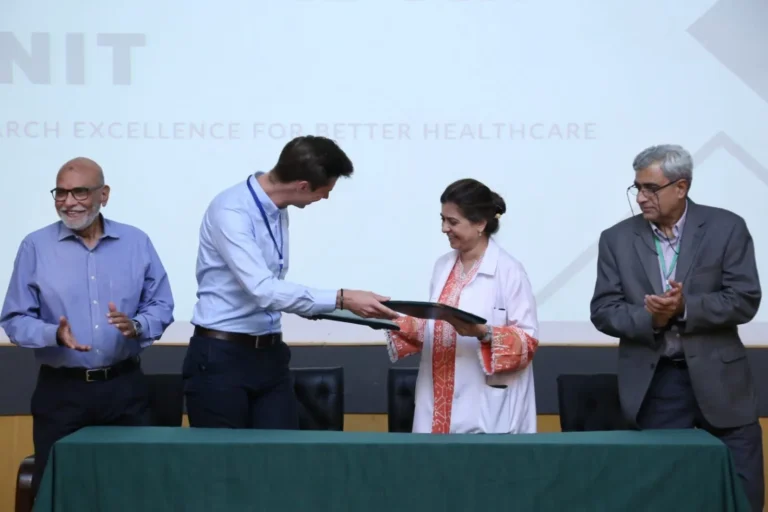
Depending on your funding arrangements and collaborations, you may need to have contracts or memorandums of understanding to facilitate your PPIE initiative. For example, our group at Ziauddin University uses a Memorandum of Understanding (MoU, Appendix F) to formalise collaborations with other institutions, who we support with their PPIE activities. In cases where our PPIE initiative provides funding to compensate patient and public partners at other institutions, for example, a Research Collaboration Agreement (RCA, Appendix G) is used. The main difference between the two documents is that an RCA usually requires the involvement of a legal and finance team while the MoU is simply signed by senior leadership.

Chapter 5: Honoraria & Expenses

A clear policy on honorariums and reimbursement of expenses for patient, family and public members has to be in place before asking them to be involved in your PPIE initiative. A written policy provides transparency and sets clear expectations for potential members. An example policy, created based on guidance from the National Institute of Health and Care Research (NIHR) and feedback from our patient and public partners, can be found in Appendix H.

Honoraria

Honorarium payments are made to acknowledge the time and contributions made by patient, family and public members to the PPIE initiative. Members’ lived expertise, skills and time should be compensated, similarly to how researchers are paid for their work on a research project.

Payment can be made based on the time spent preparing and attending PPIE-related activities or based on the nature of the task or activity. The payment rate is based on your judgment, local practices and, ideally, input from your patient members as there are currently no nationally recommended payment rates in Pakistan. Our group uses a rate of 1000 PKR/hour for both online and in-person activities based on our experience and feedback from members.

Expenses

Patient, family and public members should not incur any out-of-pocket expenses in order to contribute to the PPIE initiative. Travel to PPIE activities, meals and refreshments during meetings, as well as accommodation and subsistence for out-of-town visits should be reimbursed. Additional expenses should also be considered depending on the circumstances of the members. For example, childcare costs should be covered for parents of young children while costs incurred by a family member for arranging a carer for an elderly relative while they attend a meeting should be reimbursed. Accessibility needs of members should also be considered.

Payments

The policy should outline how to claim expenses, when to expect honoraria and reimbursements, and how funds are received (i.e. cash, cheque, transfer). Our group advocates for making the payment process as easy as possible for members. For example, instead of requiring receipts or other proof of payment for local travel, we provide all members a flat rate that is sufficient to reasonably cover return travel in a 10km radius. Electronic bank transfers are also preferred by our members, as this avoids the need to physically go to a bank to deposit cheques.

Alternative methods of payment or recognition, such as vouchers or gift cards, are commonly used in high-income countries. Our group has decided not to use these methods due to the absence of appropriate vendors and based on advice of members, who prefer to decide for themselves how to use their honoraria (e.g. donations).

Taxation

Receipt of honoraria may have tax implications for the recipients. It is best to liaise with your institutional legal and finance teams about the appropriate tax procedures for making payments to members and advice to give to members in case they have any additional tax responsibilities.

Chapter 6: Marketing

Patient & Public Involvement & Engagement initiatives involve, by their very nature, public-facing communication. Recruitment for PPIE members is likely to include printed and digital advertising materials distributed in-person and on social media. Raising awareness of a disease, intervention or research study as part of the PPIE initiative requires determining key messages, creating educational content and driving engagement with the content using various channels. The trustworthiness of messages from the PPIE initiative will be shaped by your public image and brand. While PPIE initiatives certainly do not aim to sell a product for profit, much can be learned from the field of marketing to deliver your messages to an intended audience, recruit members and identify collaborating partners.

Our team has benefited hugely from having a marketing strategy and clarity on our brand (Appendix I). Our online and social media presence has led to new partnerships and invitations to speak at events. The visibility of our initiative has provided us with legitimacy. Our branding, including a color scheme, slogans and key sentiments, make it very easy to come up with advertising materials, graphics, events and presentations. Articulating a primary marketing goal and activities ensured we have been able to evaluate and demonstrate progress. Consistent monitoring of our marketing efforts has enabled us to report our reach and impact to funders and senior leadership.

How can a PPIE initiative develop a marketing strategy? Our group has created a worksheet (Appendix J) that can be used by anyone to think through their goals, activities and branding. Below are some key things our group thought through when we built our strategy and approach:

  • Logo (Figure 2): One of the first tasks we undertook was to design a logo to use as part of our recognisable brand identity in all our public-facing materials. The design depicts our PPIE initiative as a connection between people while maintaining focus on individuals, with the colour scheme aligned with our institution.
  • Website (https://zu.edu.pk/ccrg/ppie): Concurrently to creating a logo, we also ensured to have an online presence with the creation of a website. The site serves as a repository of our activities, a source for additional information and signals legitimacy as an active entity.
  • Primary Goal: During the early parts of our initiative, our marketing activities were sporadic and often an afterthought. While our marketing activities achieved success, the unstructured approach made it feel resource-intense and somewhat pointless. Setting a primary goal clarified the purpose of our marketing activities, focused our efforts, reduced our workload and helped us set processes to support the activities.
  • Process: Due to limited resources, we have kept our marketing activities simple and embedded in day-to-day processes. While we would like to create more interesting audiovisual content or establish presence on new platforms (e.g. Bluesky), we focus on content that is easy for us to produce (simple graphics) and platforms where our institution is active.
  • Voice: Our group considered what our public voice should sound like, whether authoritative, professional, casual, knowledgeable, revolutionary or something else. Establishing our desired voice as ‘positive, excited, inquisitive and collaborative’ has meant that every time we create materials, social media posts, events and presentations, we check that we channel these desired characteristics.
Chapter 7: Recruitment

All PPIE initiatives require the recruitment of some patient and public members. Effective recruitment requires a clear objective and appropriate recruitment activities. See Appendix K for an example recruitment strategy.

Recruitment Objectives & Desired Members

Your recruitment objective should specify the number and characteristics of desired members, and be directly informed by your initiative’s purpose. For example, if you aim to improve care for heart disease patients, you will likely recruit those directly affected, such as survivors of heart attacks and carers looking after people with heart failure. Other interested groups to recruit include those working for heart disease charities e, first responders or psychologists dealing with the emotional consequences of chronic illness. Finally, including people with existing ties to communities (e.g. community organisers) and useful skills (e.g. communication specialists) could be beneficial.

  • Size: No guidance exists about the optimal size for PPIE groups. In our experience, it is good to aim for a group of 8-10 people in order to include a range of perspectives but be small enough to encourage meaningful engagement. To account for dropouts, a target of 12-14 is recommended for a group of 8-10 people.
  • Balance: Including individuals with lived experience of the topics of your focus is key, but so is the inclusion of other perspectives. In our experience, it is worthwhile to have a 60:40 split in your group between those directly affected (e.g. patients, carers, staff) and others, such as community leaders and charity workers.
  • Arts: We strongly recommend having someone in your group with a background in art, media or storytelling to help your initiative have wider impact and reach intended audiences through effective communication.
  • Diversity: A group of 10 individuals will never be able to represent the diversity of any population. However, it is possible to purposefully maximise diversity of perspectives. For example, our group made sure we had members who supported, felt neutral and opposed research, and had diversity in language, socio-economic background, religion and geographical location. Additionally, your close public working partners are just the start – Your activities down the line can involve surveys and further engagement with a wider population.

Recruitment Activities

Activities to recruit members depend largely on your desired members (e.g. if you want school-aged children, you would engage with your local school), but below are some broad considerations:

  • Build on trust: Recruit people through trusted individuals and established organisations, groups and networks, who already have established relationships with a community. For example, physicians, charities and local leaders. Getting their endorsement will enable you to reach people you couldn’t otherwise.
  • Engage widely: At the beginning, take all opportunities to meet people, network, hold events and engage. Most of it won’t amount to anything, but collectively these efforts promote awareness.
  • Snowball: Ask your team members, new connections and identified partners to assist with recruitment through their personal contacts and by posting in their alumni and professional WhatsApp groups.
  • Public events: Holding a workshop or interactive public event allows people to get practically involved and learn more about your work, which may inspire some to volunteer to become PPIE members.
  • Persist: Recruitment for PPIE is hard. It took us 6 months to get 10 members. But it is worth it. Persist.
Chapter 8: Selection & Onboarding

Selection Criteria

Prior to selecting individuals to your initiative, it is good to consider how you will assess their suitability for inclusion. While there is no need for strict eligibility criteria, it is useful to consider characteristics that could indicate people’s ability to effectively participate in your initiative. For us, the most important attributes were motivation, confidence and ability to voice opinions. We also viewed prior experience of working with communities in some capacity as a desirable quality. However, we did not feel that prior research engagement experience, English language skills or education were qualities that our PPIE members needed to possess.

It is also important to consider factors that would indicate that an individual is not a good fit for the initiative. Primary focus on compensation, lack of curiosity about the project, and an inability to articulate a clear motivation for joining all point to someone who may not be committed to engagement. During interactions with potential members, we also noted that many listened to our pitch out of respect towards us or the person who referred them. These ‘Yes Men’, as our public partners call them, would not be able to critically contribute. Finally, any individual with disproportionate impact on group dynamics may need to be excluded. For example, our group decided not to recruit religious leaders due to concerns that other members would not feel comfortable disagreeing with them.

Selection & Onboarding Process

Our group follows a three-step process to vet & onboard members following expressions of interest. Having multiple interactions with potential members helps confirm they are appropriate for the initiative and establishes the foundations of a good collaborative relationship between the coordinator(s) and new members.

  • Vetting: An informal phone discussion with one of the coordinators is used to understand motivations for joining the PPIE group, confirm that individuals can commit the time required for the initiative and establish whether they are prepared to provide honest feedback during meetings. If the potential member and coordinator jointly feel that inclusion is appropriate, a time is arranged to meet in-person.
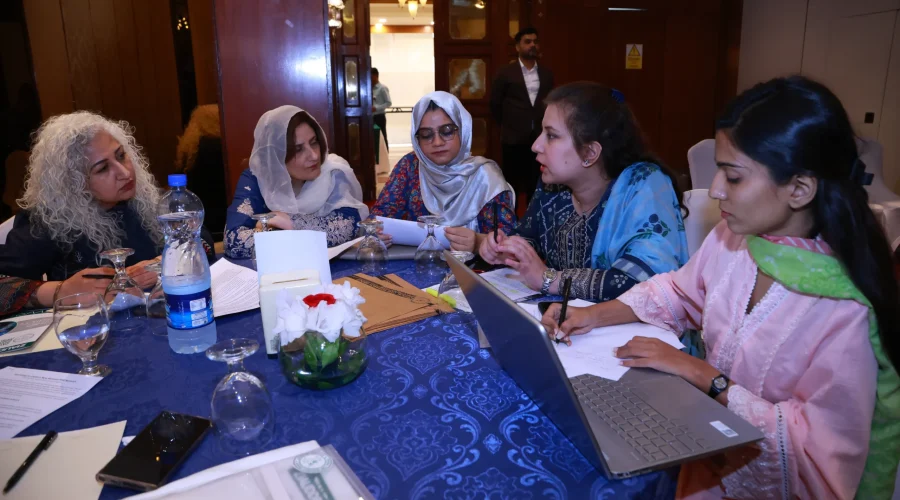
  • Confirmation: An hour-long in-person meeting is used to complete the ‘My Involvement Profile’ (Appendix L) on a laptop together with two coordinators in order to facilitate a two-way exchange about expectations and needs. The profile asks about experiences, skills, interests and motivations, allowing coordinators and members to get to know each other more intimately. The exploration also helps identify the unique perspectives a member brings to the initiative and ways they may be able to contribute.
  • Onboarding: Prior to attending the first meeting, the new member will be asked to review and sign the Terms of Reference for the group. The Terms of Reference outlines the aims and activities of the group, as well as the responsibilities and code of conduct of members.

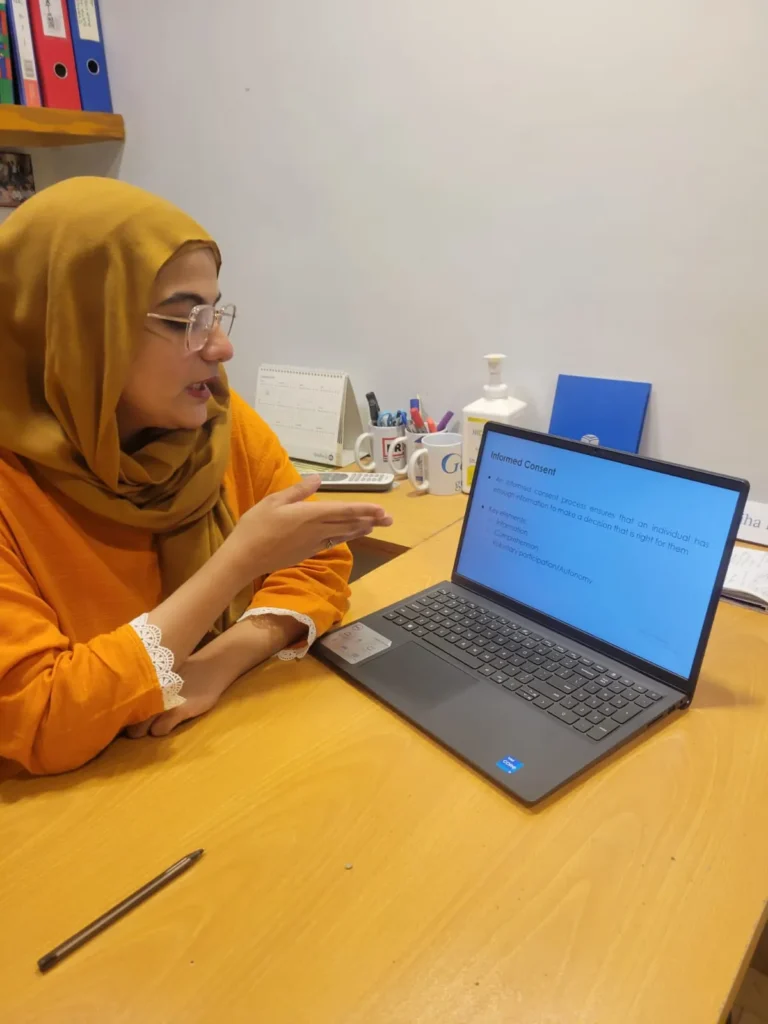
Further Training & Orientation

Additional training may be needed depending on the nature of your PPIE initiative. Our approach is to teach members whatever is necessary for them to effectively engage with the task at hand. For example, explaining the core concepts of informed consent prior to reviewing consent materials for a study. We treat our members as experts in lived experience, who do not need to become experts in research, ethics or medicine in order to contribute meaningfully. A further consideration is relationship-building within a group. If someone new joins, it is worthwhile thinking about how they will integrate and what you can do to promote cohesion (e.g. organise social activities.)

Chapter 9: Meetings & Activities

The First Meeting

The first meeting represents an important step in building a team from the diverse set of patient and public partners selected for the initiative. As with building any team, it is important to ensure individuals agree on a shared goal and values, determine the most effective ways of working together, and achieve clarity about roles and responsibilities. Our recommendation is to use the first meeting with your PPIE partners to collaboratively come up with a ‘Terms of Reference’ (template in Appendix M) outlining the mission, aim, activities and governance of the group, ways of working, and roles and responsibilities of individuals, including a code of conduct. The key is to co-create the ‘Terms of Reference’, not to draft it for review by the members, as the act of deciding collaboratively promotes ownership and commitment. A suggested outline for a first meeting can be found in Appendix N). Other things to keep in mind:

  • Authority: Any actual or perceived asymmetric power relations will hinder effective engagement and need to be proactively managed. In our case, our coordinators were doctors yet never used their titles with the PPIE members in order to prevent the perception of a hierarchy. The coordinators insisted on not having a right to vote as it was important that decisions were made by members. Coordinators ensured everyone was able to speak in meetings, with dominant voices moderated and quieter ones encouraged.
  • Language: The primary spoken language should suit members’ needs, not coordinators, and efforts should be taken to promote equal opportunity for all members to contribute regardless of language skills.
  • Environment: Ideally, meetings should take place in a neutral place where all members feel comfortable, rather than where it is convenient for coordinators to meet (e.g. research office, hospital).
  • Confidentiality: To promote honest and critical input, meetings should be held in private settings and it should be clear that nothing that is shared will leave the group.
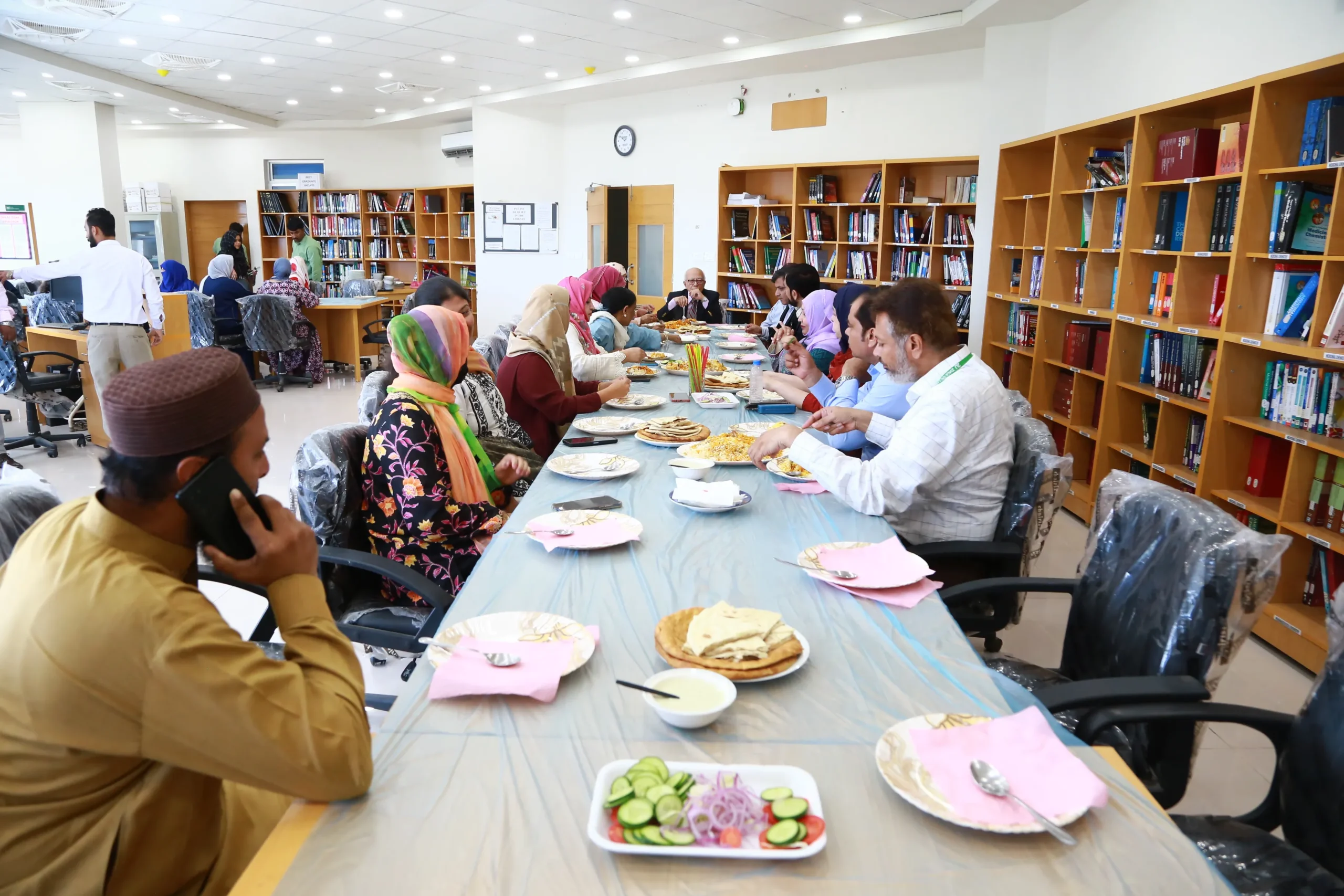
  • Team-building: Fostering positive social relationships is important for effective teamwork, which can be achieved by incorporating small acts, like icebreakers and joint lunch, at each meeting.

The First Task

A key lesson we have learned is that early wins are vitally important for morale, retention and sustainability. Our recommendation is to choose your first collective task to be ‘low-hanging fruit’ – A task that can be completed easily and quickly with tangible impact. Successful completion of a task should be emphatically celebrated. It will demonstrate value to leadership and give everyone motivation to keep going with an initiative that can often feel theoretical, intangible and aspirational. First tasks could include creating a study lay summary (written, graphic, video), reviewing a consent form or public-facing material, or sharing the findings of a study (social media, video). Of course, creating, ratifying and publishing a ‘Terms of Reference’ on a website is also a type of ‘low-hanging fruit.’

Activities & Sustainability

Subsequent activities depend on your project plan. Similarly to research, having clear goals and methods informed by evidence are key to success. One thing to consider is whether your group will accept requests from others, in which case a procedure for handling requests may be beneficial (see Appendix O). Sustaining involvement is challenging, but can be promoted by regular communication and activities, acknowledging contributions and providing members opportunities that matter to them. However, personal circumstances and interests change over time. Loss of members is thus to be expected. Recruitment and addition of new members can, however, inject new energy and enthusiasm to your PPIE initiative, thus promoting engagement and sustainability.

Chapter 10: Evaluation

Evaluation is one way to systematically assess an initiative to establish impact and improve practice using evidence-based insights. Results from an evaluation of a PPIE initiative will assist with reporting to leadership, funders and collaborators as well as improving how activities are conducted, while evaluating the impact of PPIE activities will advance the practice and science of engagement. Both types are amenable to publication in scientific journals.

Evaluating PPIE initiatives & activities

An evaluation of your PPIE initiative should be built-in from the start in order to enable you to collect necessary information throughout your project. Planning an evaluation in the midst of your activities or at the end is cumbersome and you’ll likely find you have forgotten half the things you have done. The evaluation can be informal, with a simple report on progress towards objectives, or more formal and comprehensive with multiple evaluation activities (see an example protocol). This depends on your ultimate goal, whether that is to compile a report, identify lessons learned, assess impact or conduct an evaluation study with comparable findings. Some considerations:

  • Timing: Consider whether to perform an evaluation periodically, in the middle or at the end, and what an evaluation will involve at each stage. Our group has opted to evaluate our initiative annually.
  • Records: Our recommendation is to keep records of activities and impact throughout the lifecycle of your project, as it is easier to capture this during rather than at the end of your project. Our group has developed a Master Log (Appendix P) where relevant activities can be recorded and data later used for evaluation, for example, the number of meetings, attendance rates, and reach of social media posts and events.
  • Methods: Evaluations can employ many different methods depending on the goals of the evaluation, such as surveys, interviews, focus groups, written reflections, document analysis and quantification of outcomes.
  • Participants: You may be interested in the experiences and perspectives of PPIE members or coordinators, but could also consider exploring perceptions of senior management or other collaborators whose work may have been influenced by the PPIE initiative (e.g. investigator of a study that was reviewed by the PPIE group).
  • Evaluators: Ideally, the evaluation should be co-led and co-written with your patient and public partners.

Evaluating impact

The evidence on the impact of PPIE on the design, conduct and reach of research is limited, with even fewer studies attempting to measure the impact of PPIE on clinical outcomes. Part of the reason for this is that the impact of PPIE on research or clinical outcomes is indirect with multiple confounders and the desired impact of PPIE is not easily measured (e.g. more patient-centred research processes). However, often engagement practitioners fail to think about evaluation and measurement of impact. Progress can be made by: i) dedicating time to think through a theory of change for how the PPIE initiative and activities is expected to lead to specific changes; and ii) designing high-quality studies to understand the impact of PPIE initiatives. Some research ideas include:

  • Study within a trial comparing participant understanding of trial-related information between consent materials and procedures created by researchers to those co-created with patient and public partners.
  • Comparison of recruitment rates before and after the implementation of changes to recruitment methods and materials recommended by patient and public partners.
  • A narrative case study on the evolution of a clinical trial from a research question to the recruitment of the first participant outlining changes made based on patient and public partner input.
Conclusion

Patient and Public Involvement and Engagement (PPIE) is an essential, exciting and evolving practice in health research. Pakistan is leading the way in promoting high-quality PPIE with the creation of a national network and establishment of multiple initiatives up and down the country. This toolkit has synthesised the trials, tribulations and successes of a few PPIE pioneers into a practical guide that aims to ease the journey for others taking on the noble task of meaningfully engaging and involving patients, families and communities in research. We conclude this toolkit with general advice that does not fit neatly into the specific tasks outlined in each of the chapters.

  • Joy: First and foremost, remember to enjoy PPIE work! Meeting new people and building meaningful relationships is fulfilling. Running workshops is enjoyable and successful events provide a sense of success. One of our proudest moments was when our public event was featured in the national news. Creative work associated with PPIE, whether social media marketing, video creation or developing infographics, can be deeply satisfying and stimulates different parts of your brain. Finally, seeing tangible impact on patient and public partners, and amplifying their voices provides purpose and pride.
  • Power: Ultimately, PPIE work comes down to power. Engagement activities aim to shift the balance of power so that research is not just the domain of researchers, but co-created and co-led with those that research intends to serve; the public. Clinicians and investigators are used to being the ‘experts’ making all the decisions. Within PPIE, lived experience is recognised as a form of expertise. Patients are experts in living with a condition, families are experts in caring for their loved ones and members of a community are experts in how life works in a specific culture or society. All these forms of expertise can improve the design and conduct of research studies, if those with power (researchers, clinicians) are willing to share the power. This is not easy nor does it happen naturally, but requires reflection and a real change in how things are done.
  • Uncertainty: The novelty of PPIE is exciting but brings with it a great deal of uncertainty. Lack of established processes or practices mean that you may have to create things from scratch, even in areas that are out of your comfort zone. For example, we had to create entirely new processes for the finance and marketing departments in order to make direct electronic payments to public partners and accept subscriptions to our newsletter. Giving up control and being led by patient and public members also means that you may have to change plans unexpectedly. Amidst all this uncertainty, flexibility and adaptability is key. Be willing to change your assumptions, ways of working and plans, and accept that not everything will go to plan.
  • Time & Effort: It is hard to do PPIE. Engagement in health research is relatively novel and challenges how things are usually done. Establishing meaningful relationships and building trust with patients, families and public members does not happen overnight, but requires time and persistence. Involvement and engagement activities, such as co-design, marketing and knowledge translation, all require the development of new skills and knowledge. Impact is often intangible and takes longer to achieve as you are involving more people in the process. Thus, PPIE work takes dedication, time, patience and persistence. Do not expect immediate results or be disheartened if things don’t work. The national network is always there if you need support or advice!

Our sincere hope is that the information, guidance and tools contained on these pages are helpful, and we remain available to support all those that share our vision. Do not hesitate to get in touch with us a [email protected]. Our group wishes you all the success in your efforts to promote the patient voice.
Term of References
Information and recruitment leaflet.
Process of organising PPIE meetings at Ziauddin University (SOP)
Step-by-step guide to public engagement in clinical trials in trials in Pakistan.
PPIE Toolkit Urdu Version

PPIE Toolkit English Version
2026
2025
2024
2023

What is a clinical trial?

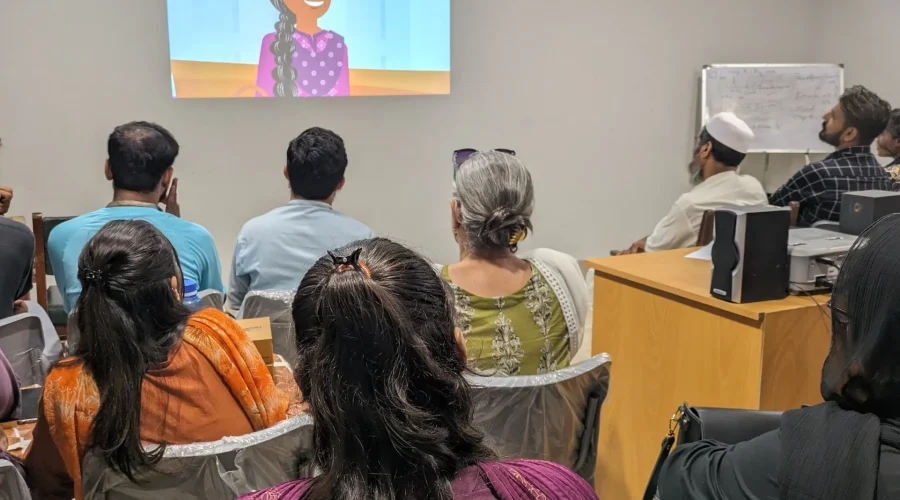
Want to learn about clinical trials? Watch this short, animated video in Urdu detailing the purpose of a clinical trial, all the steps involved in a trial journey and the relevance of clinical trials to you, your family and all members of the public. Feel free to send us feedback or questions via email: [email protected]. Conceptualized and created by the team at Azadkhayal and Final Act Animations.

Introduction to our Patient & Public Involvement group.

Watch our Patient & Public Involvement and Engagement (PPIE) group coordinator, Dr Arishay Hussaini, explain the aim and purpose of the group cased at the Clinical Trials Unit of Ziauddin University.

ZMC Innovation: Introducing PPIE to First Year MBBS students

14 Feb 2026

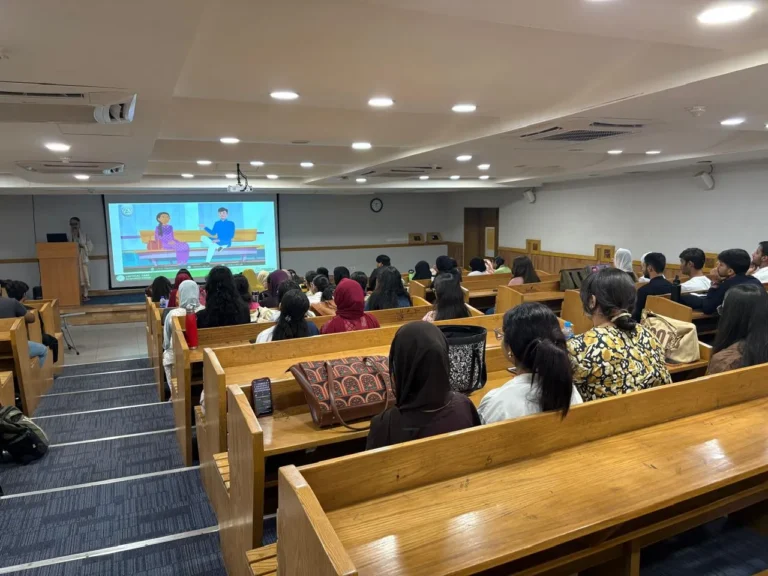
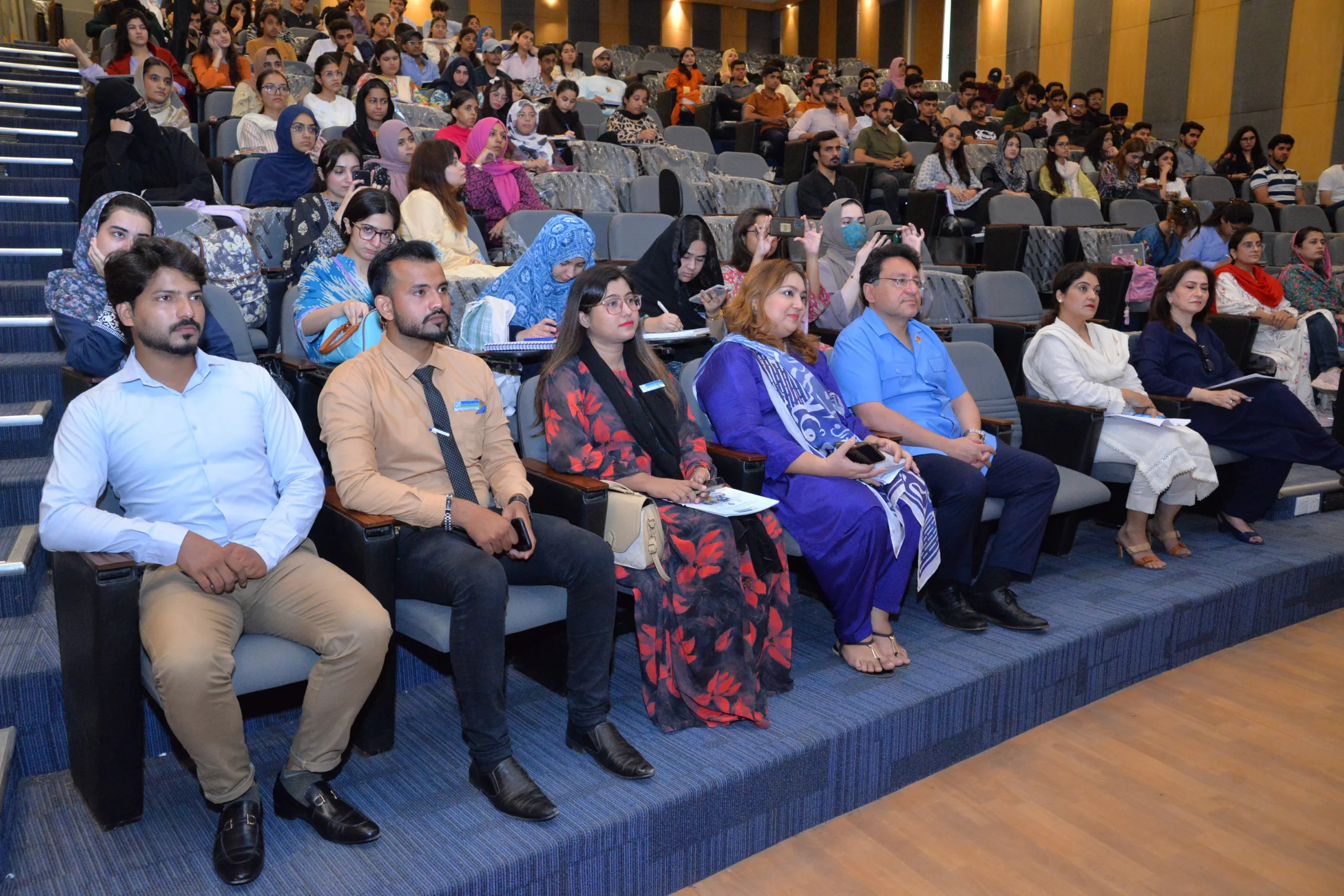
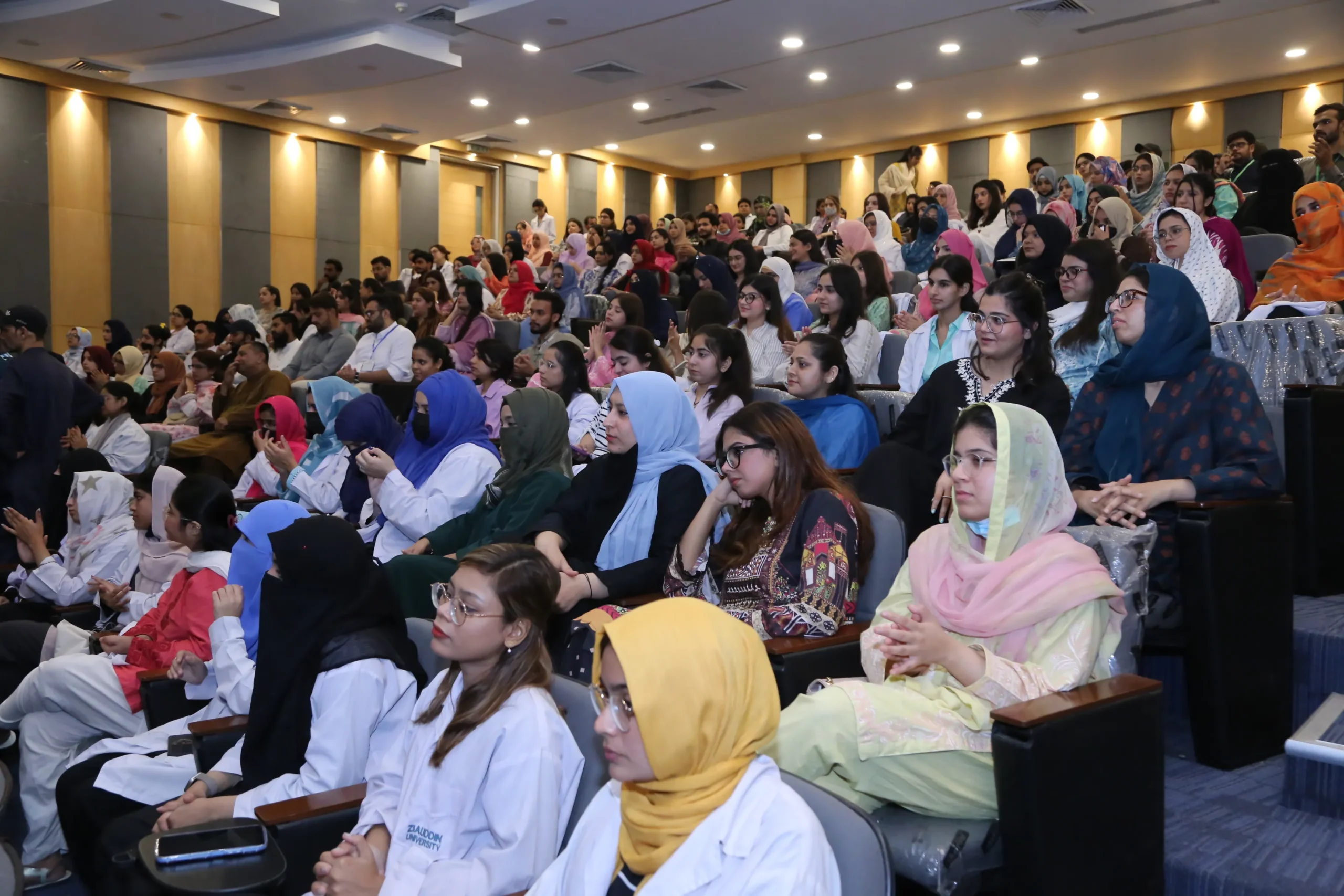
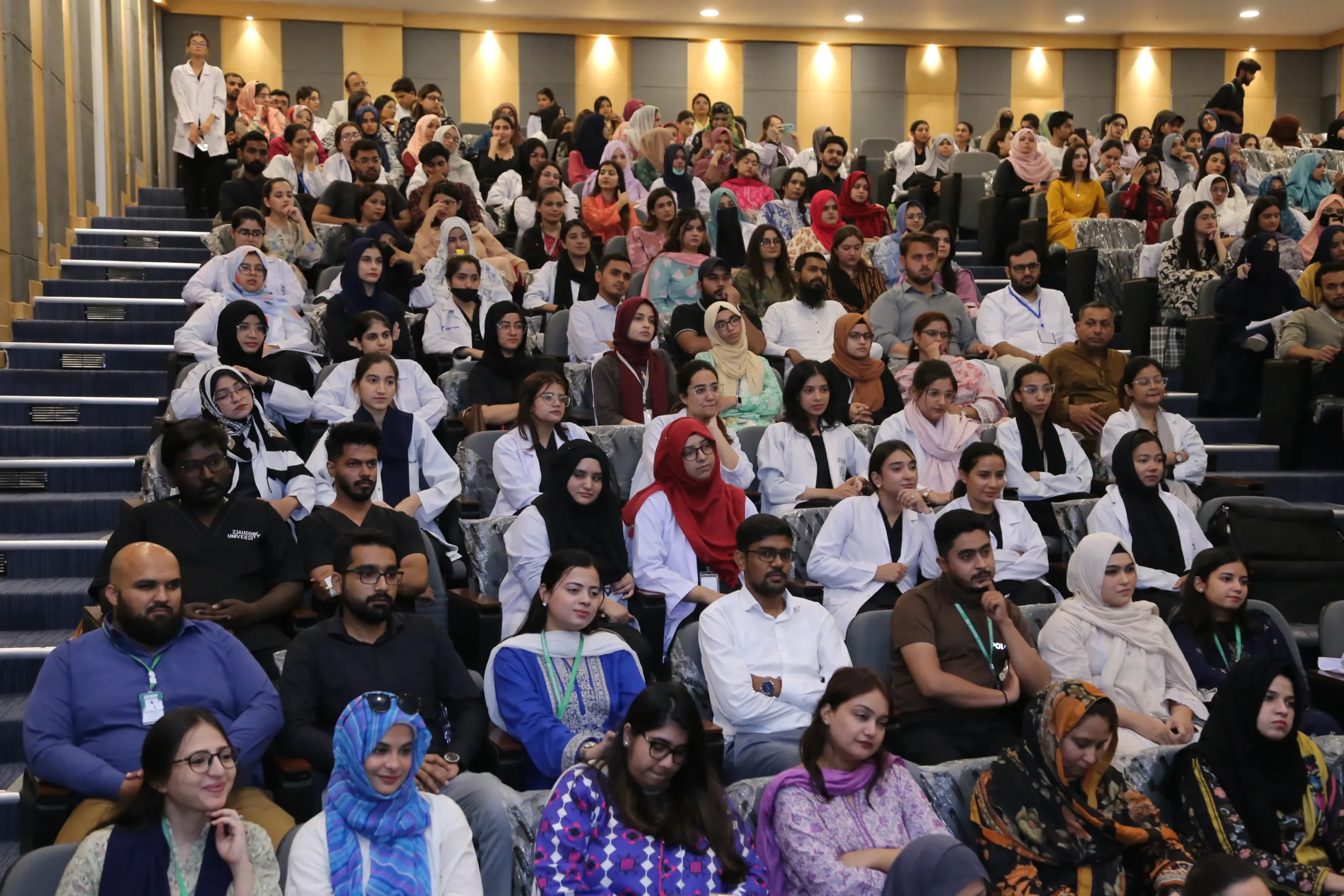
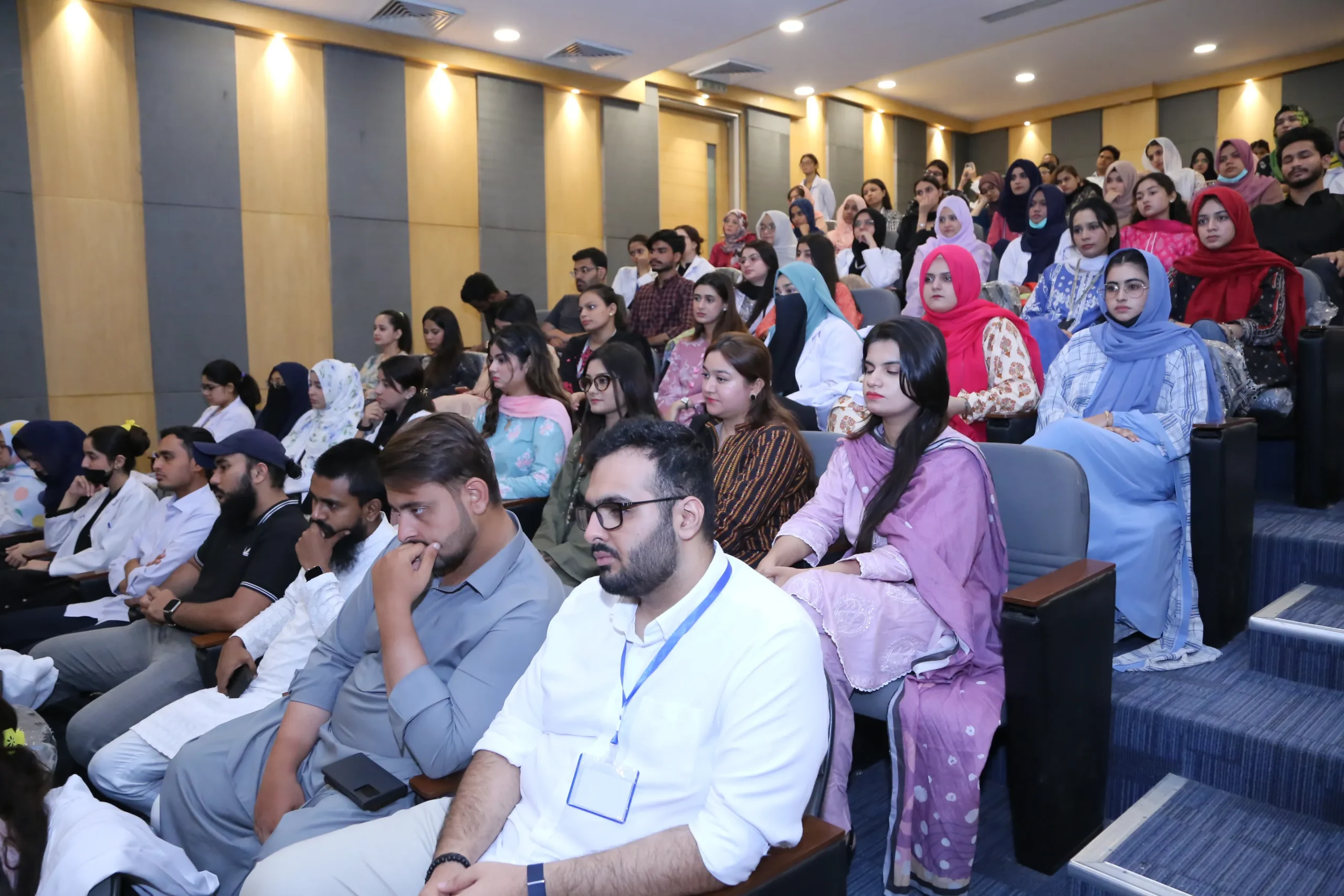
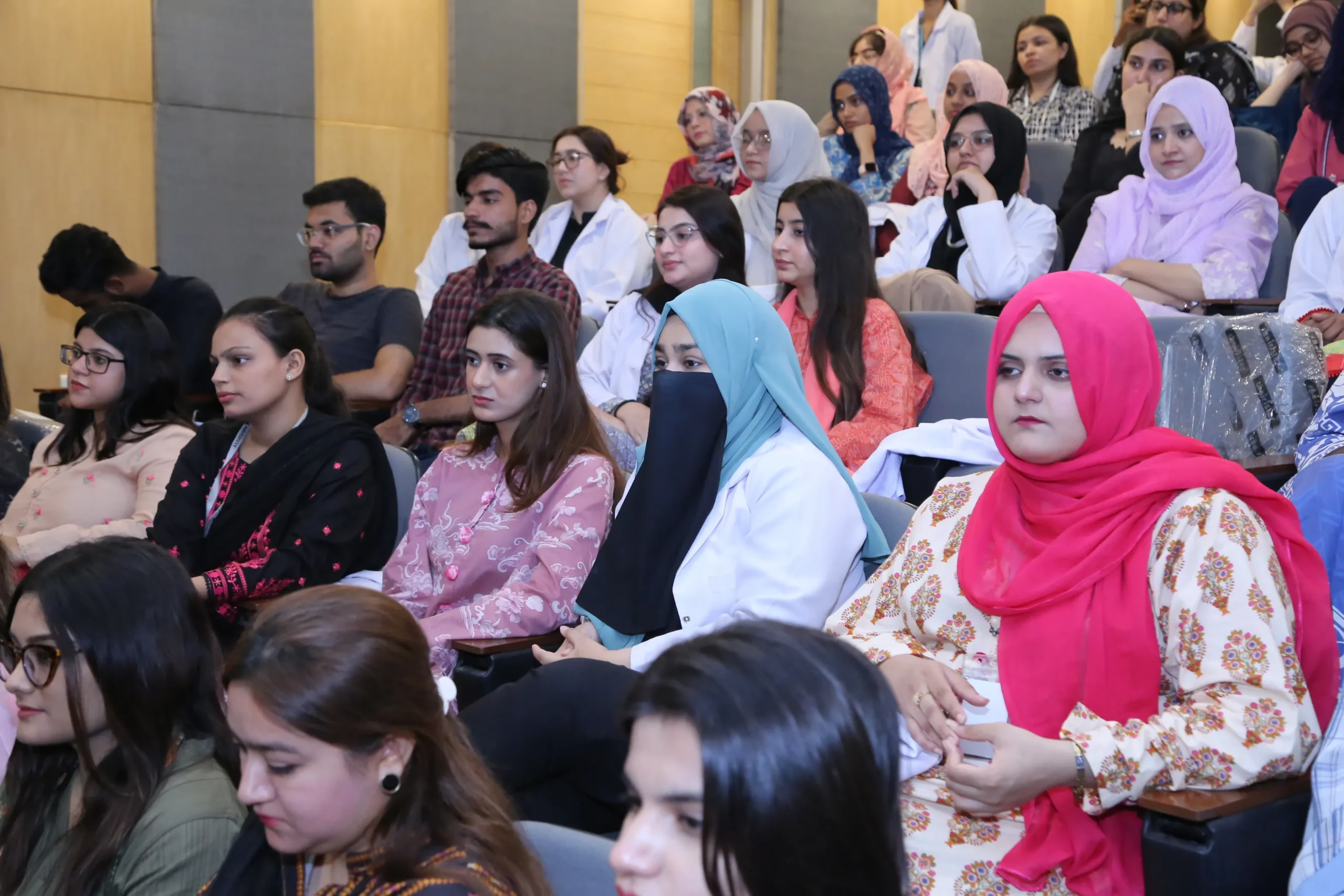
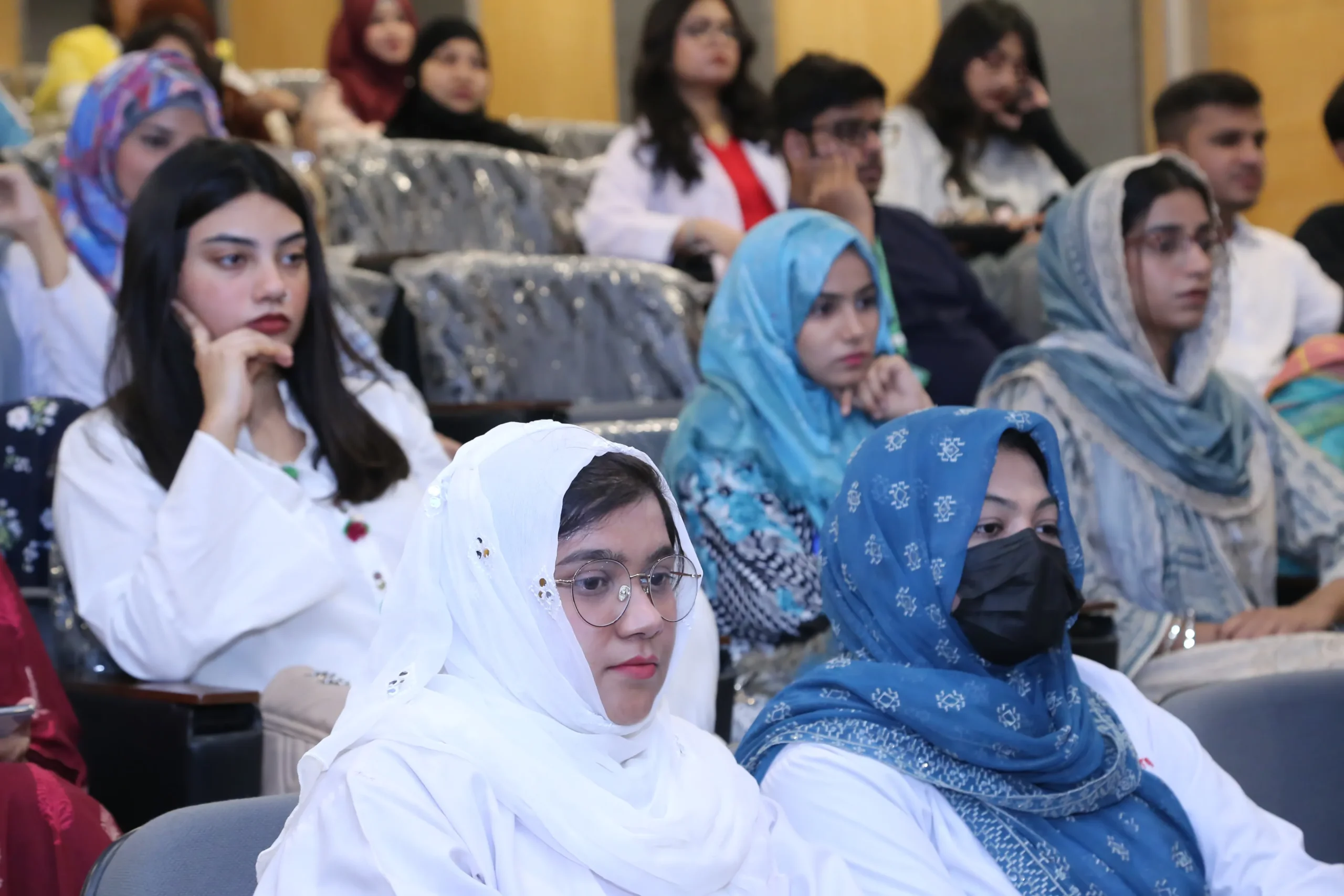
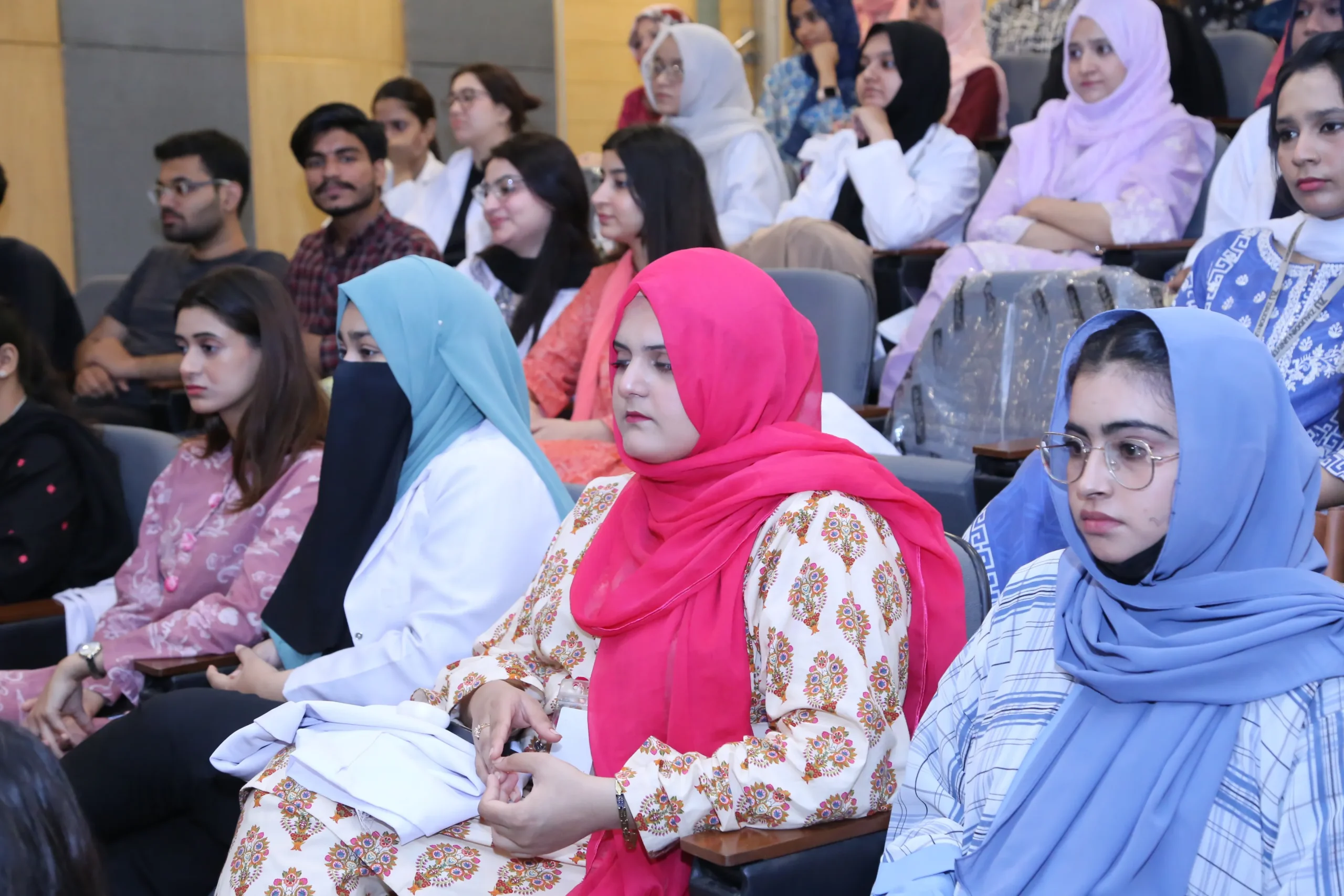
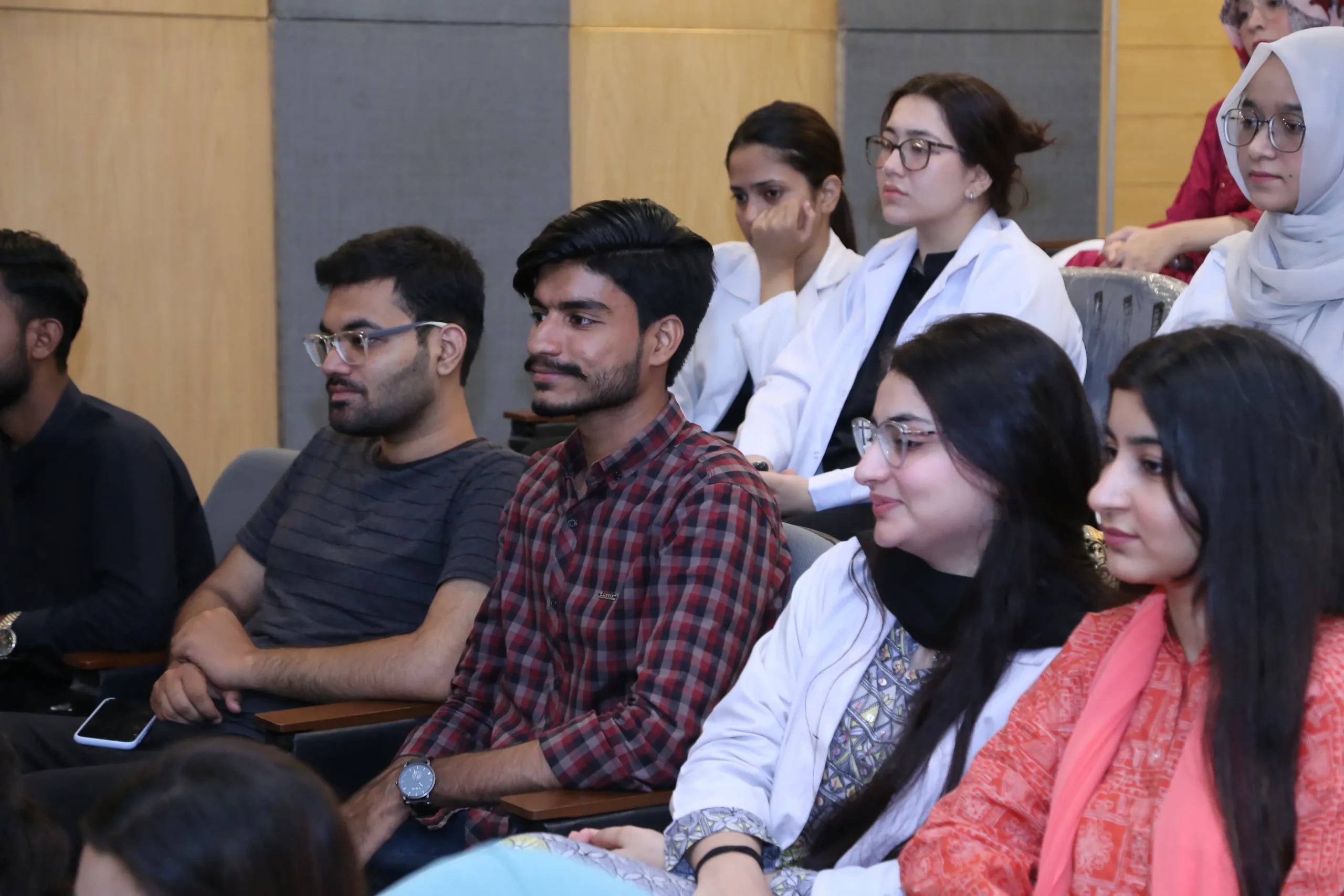
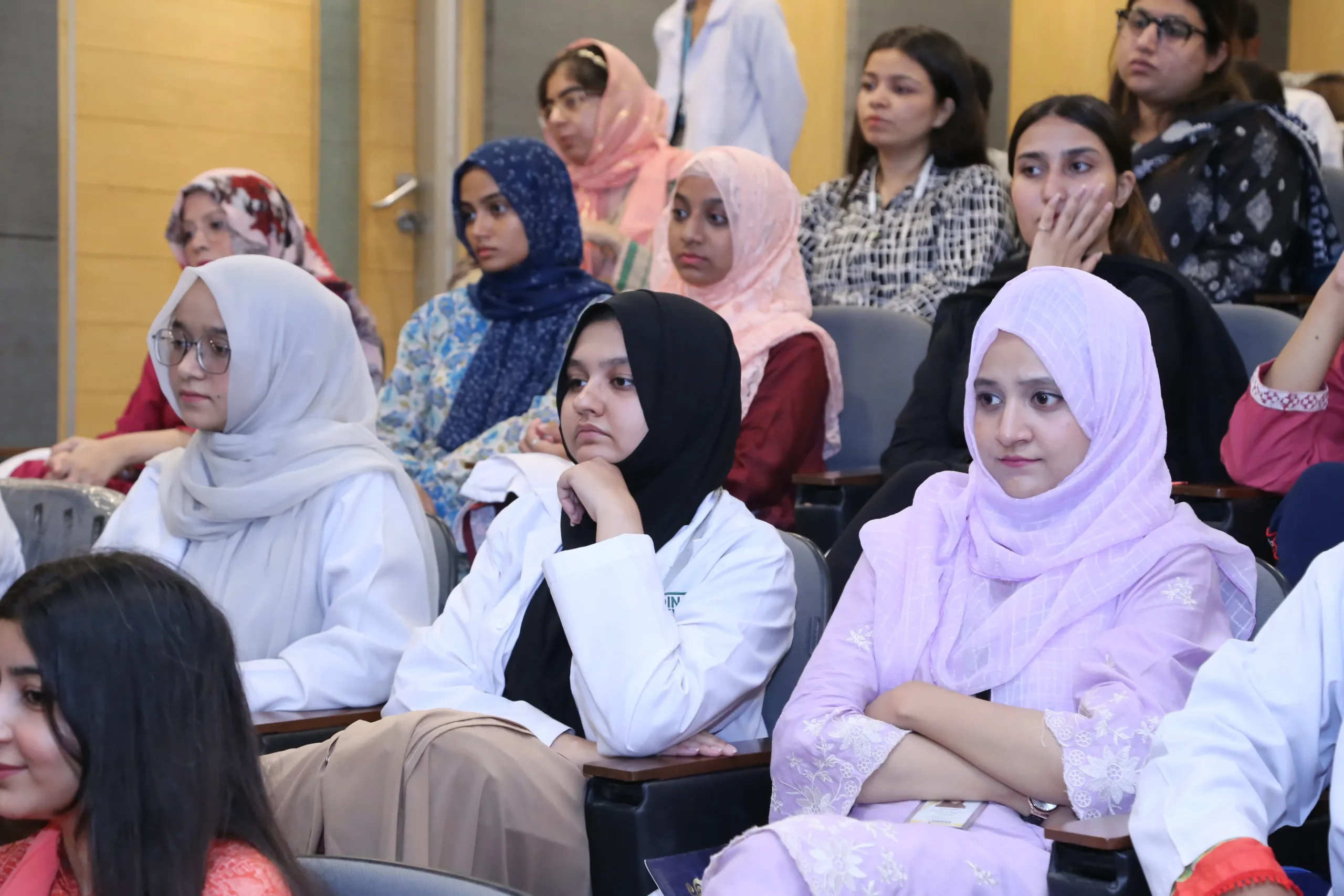
Ziauddin Medical College (ZMC) has taken a significant step in undergraduate medical education, becoming one of the first institutions in Pakistan to formally introduce Patient and Public Involvement and Engagement (PPIE) into its curriculum.

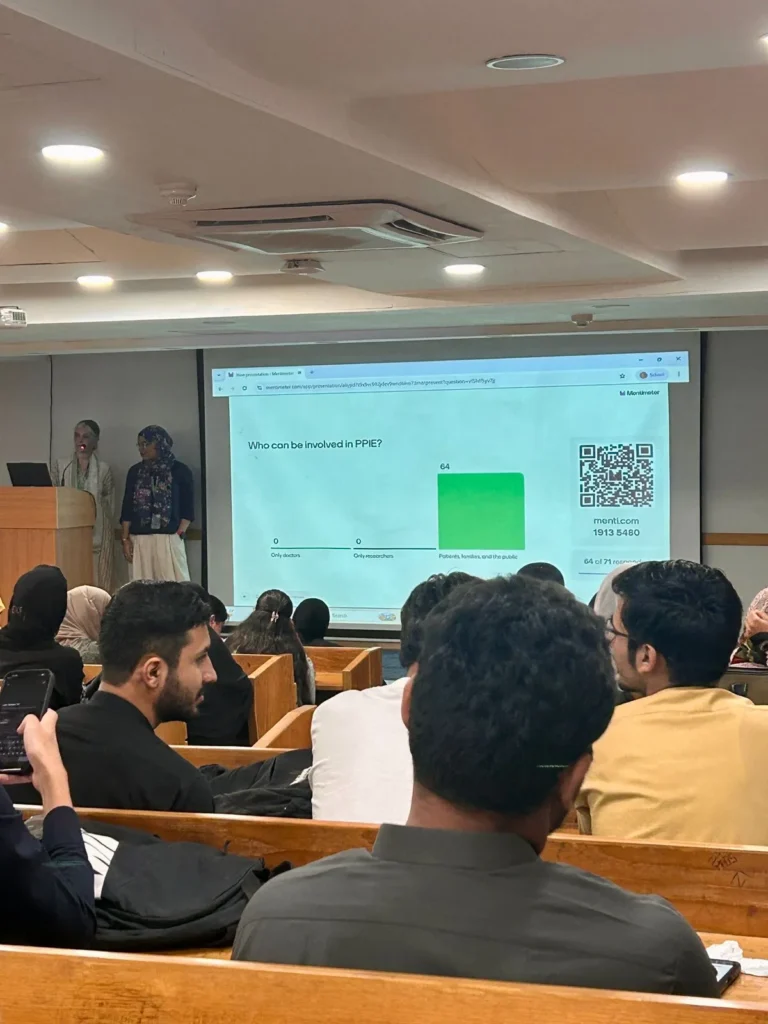
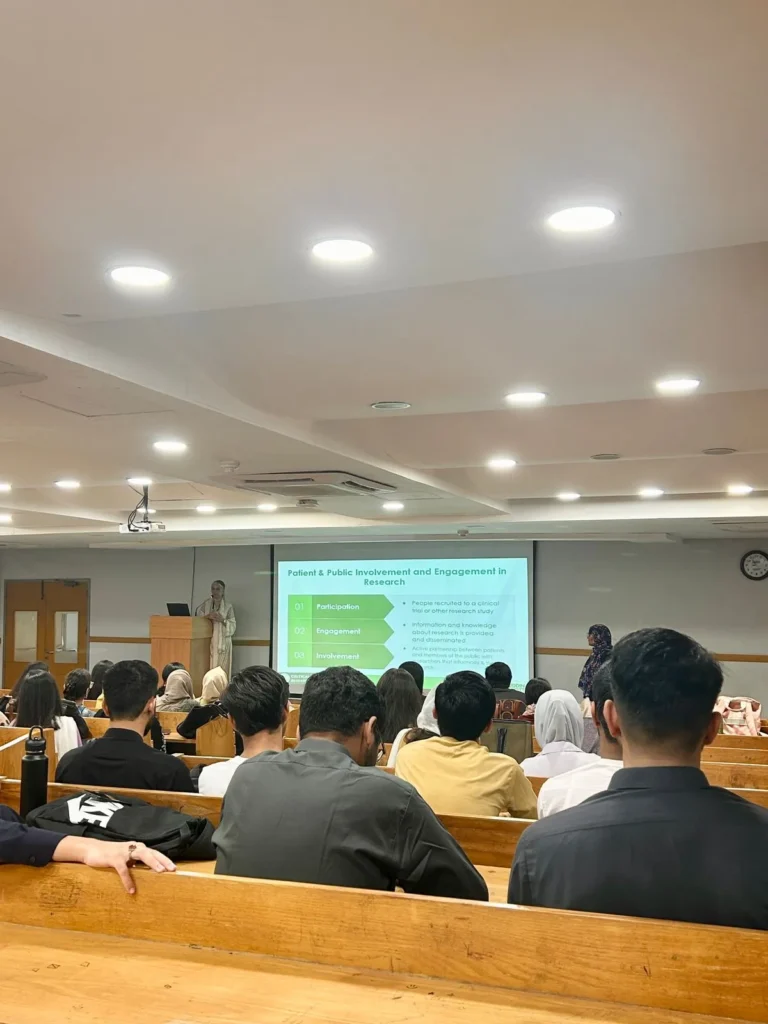
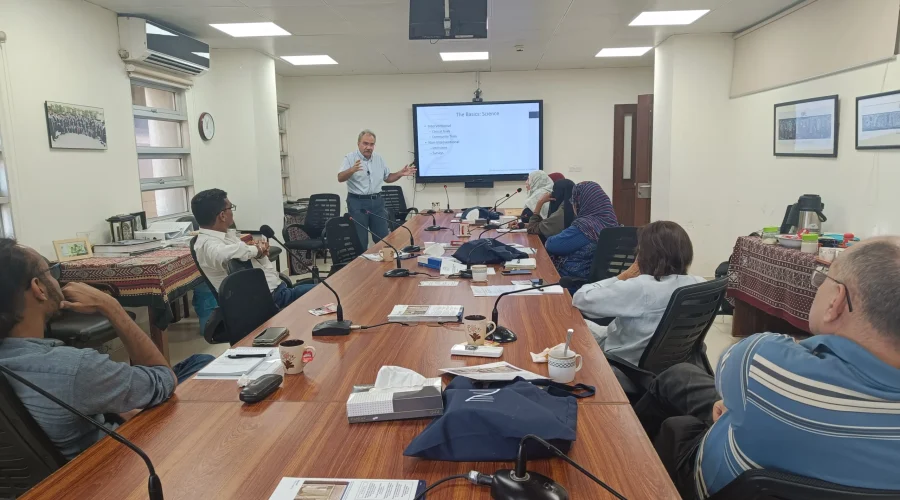
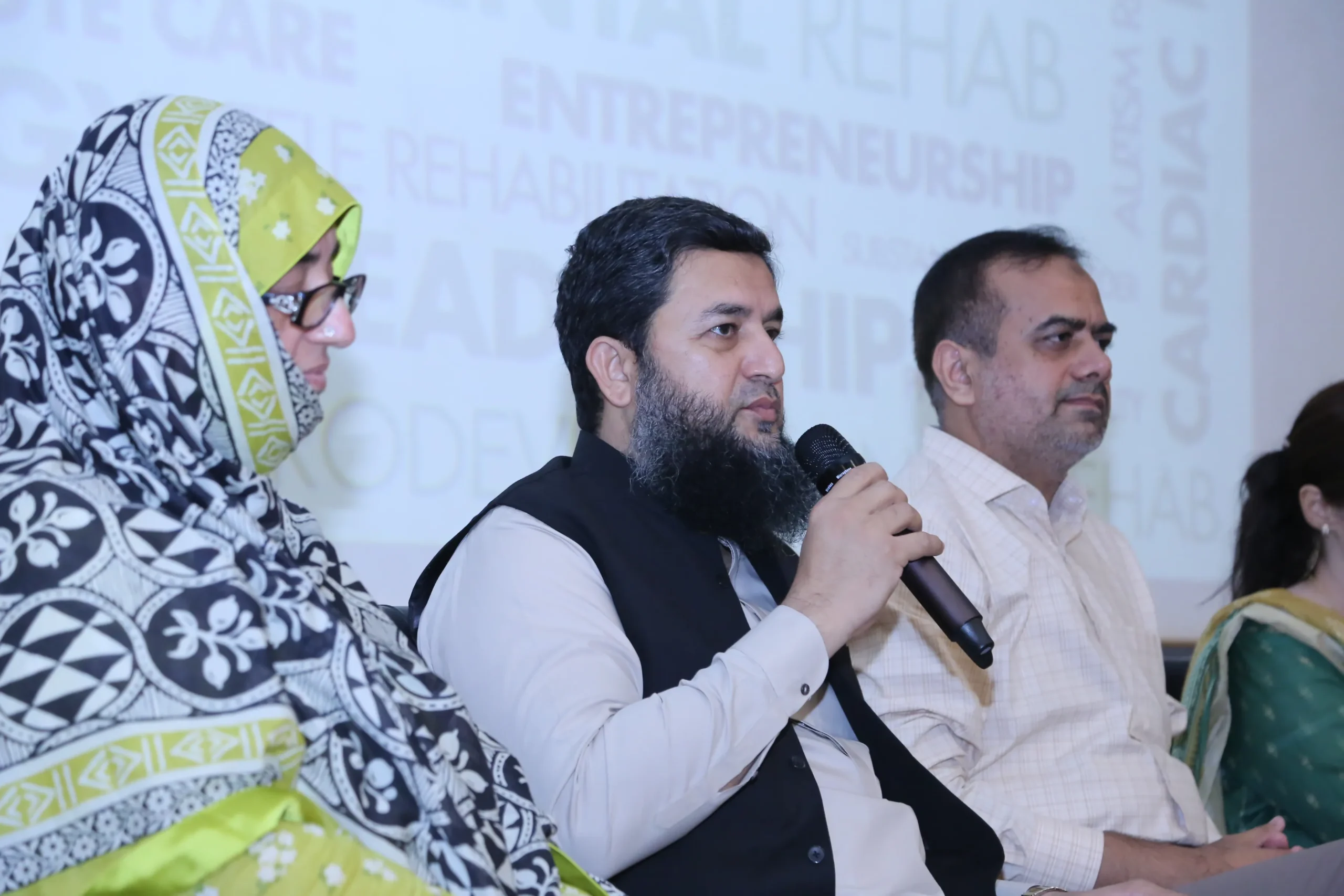
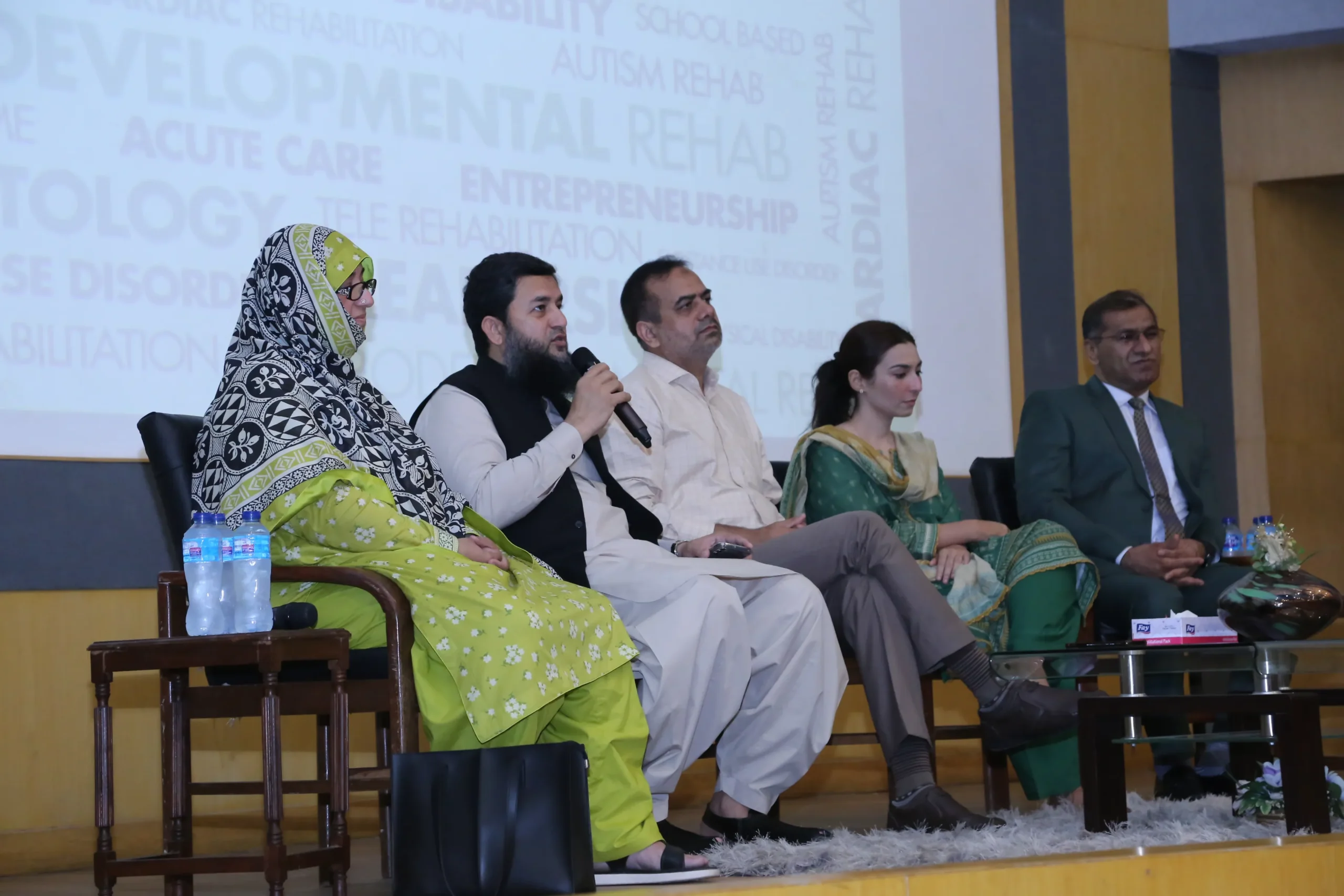
As part of this forward-thinking initiative, Prof. Dr. Sadaf Mumtaz, Principal ZMC, collaborated with the Critical Care Research Group (CCRG) to deliver a series of lectures on PPIE. The first session, held on 22 May 2026 by Prof. Madiha Hashmi, introduced the core principles of PPIE and explored its clinical, ethical, and practical relevance in healthcare and research.

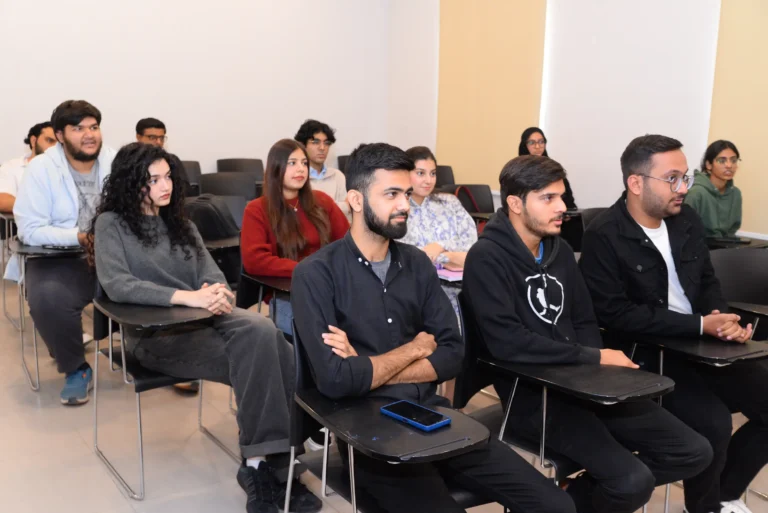
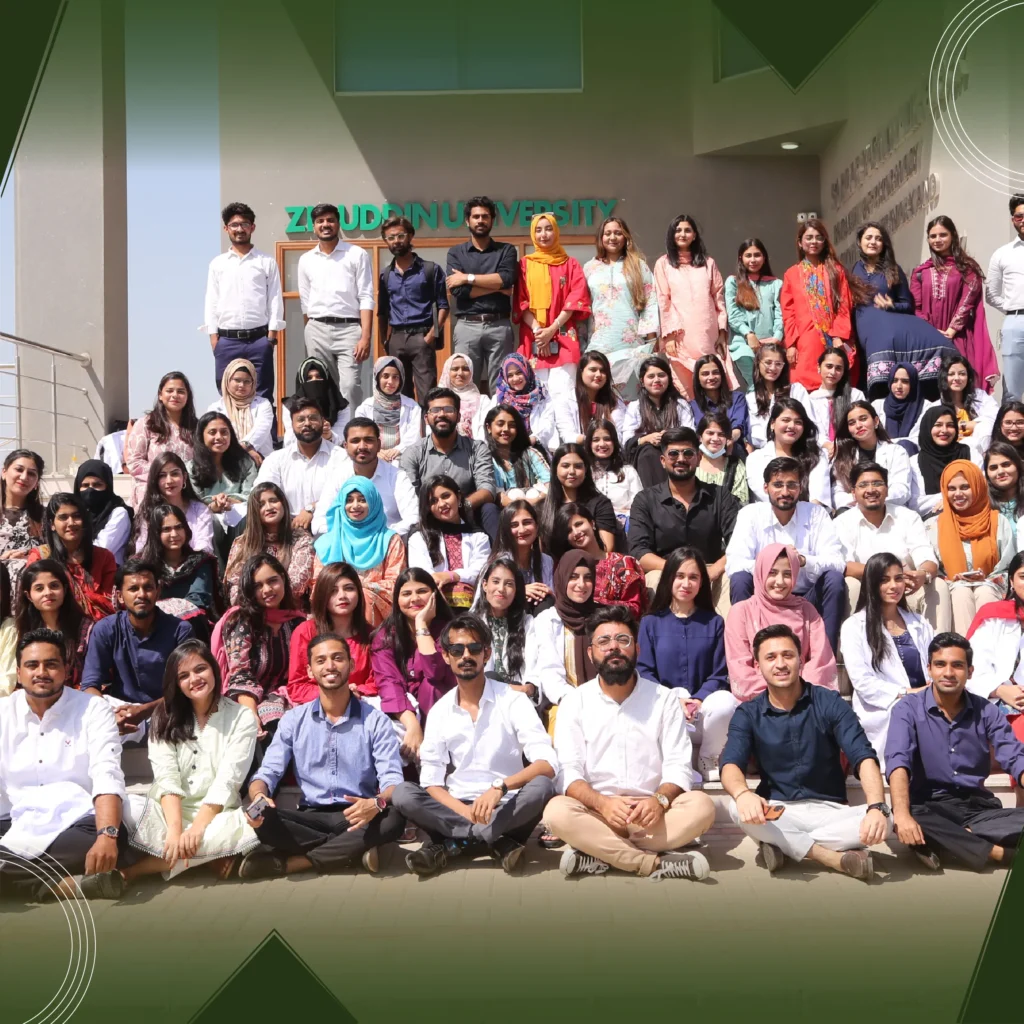
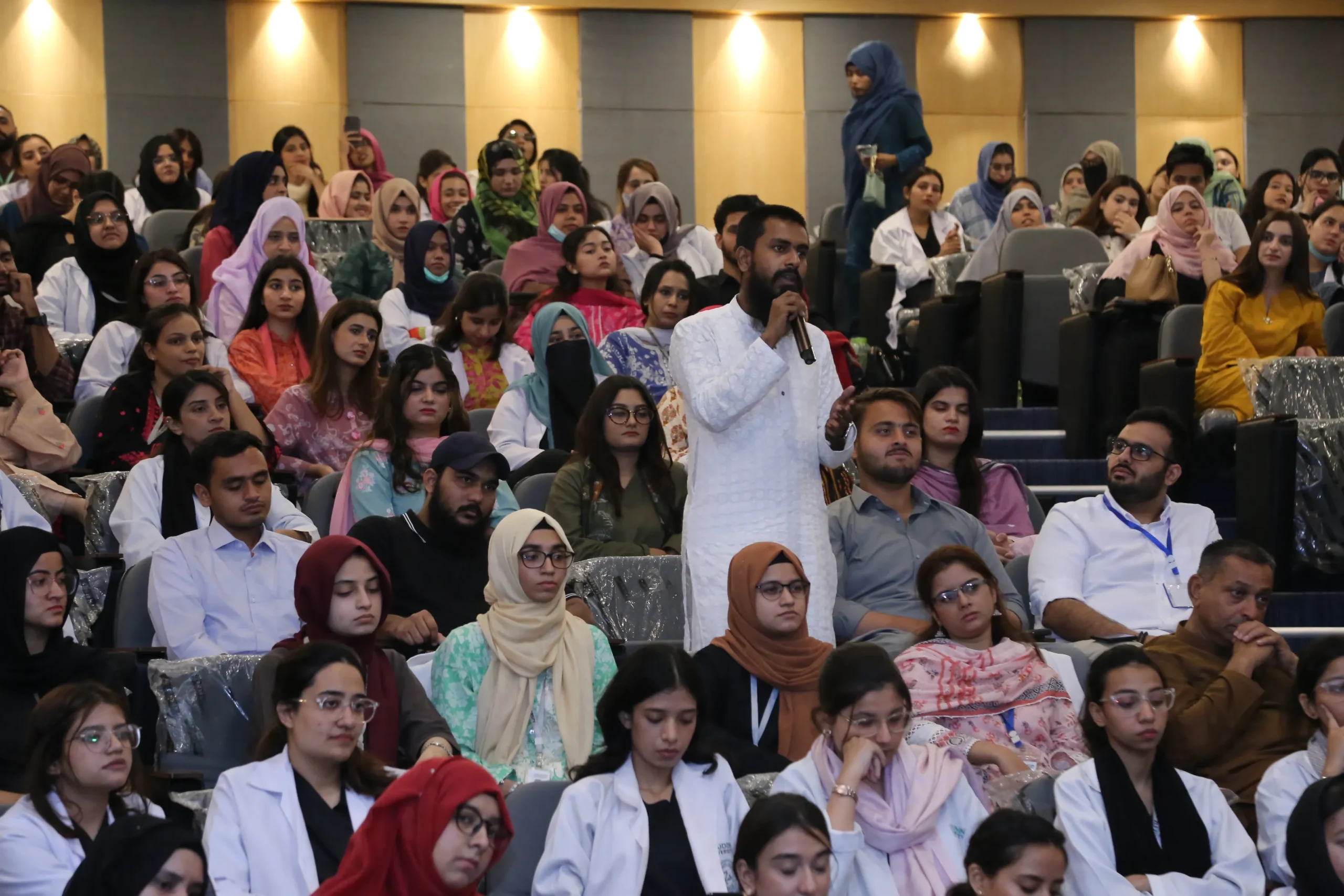
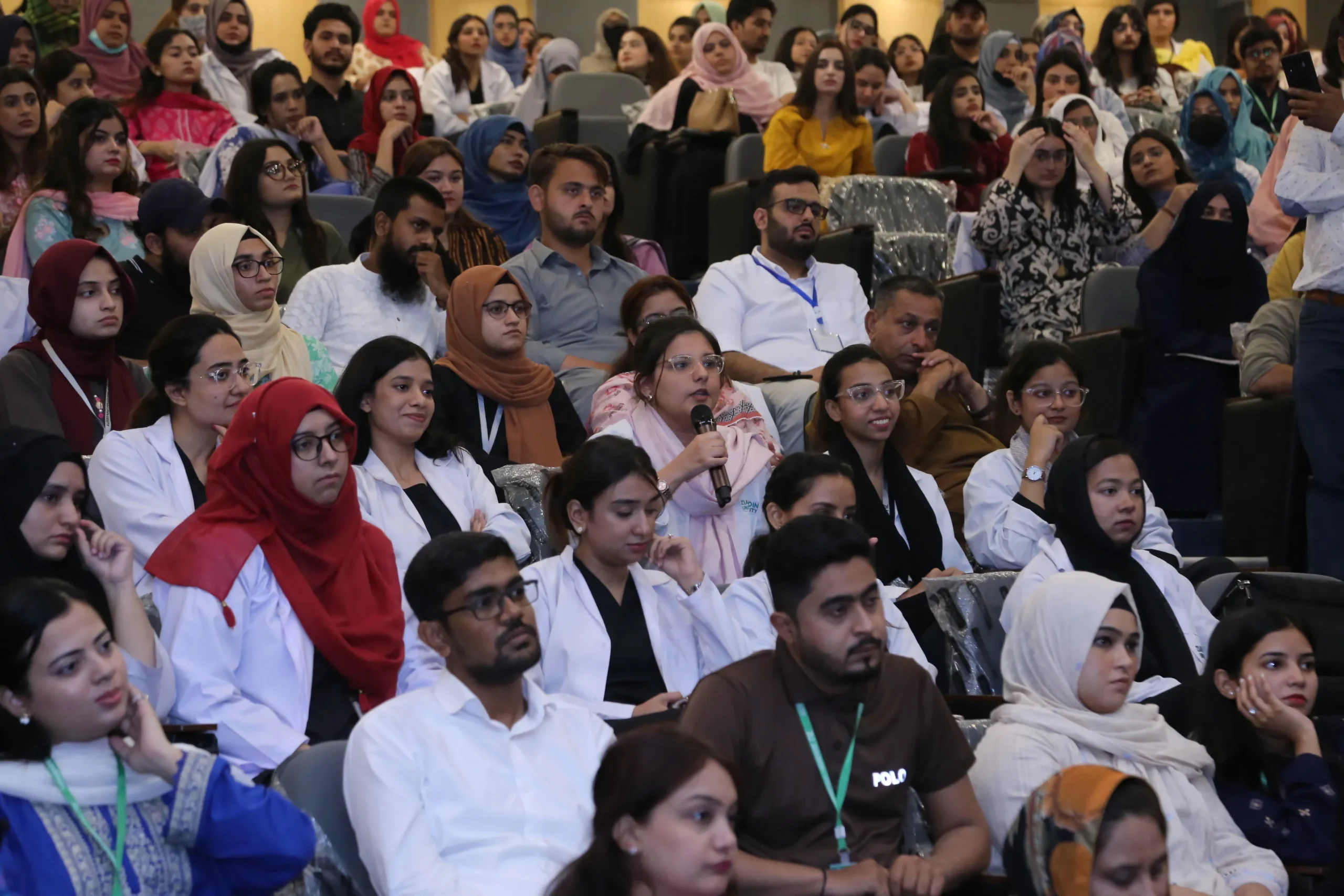
Students actively participated through discussions and Mentimeter activities, exploring the differences between participation, involvement, and engagement, as well as real-world PPIE frameworks and examples. By introducing these concepts early in medical training, ZMC is helping foster a more inclusive and patient-centred culture in healthcare and research across Pakistan.
Celebrating a Milestone in PPIE work!

14 Feb 2026

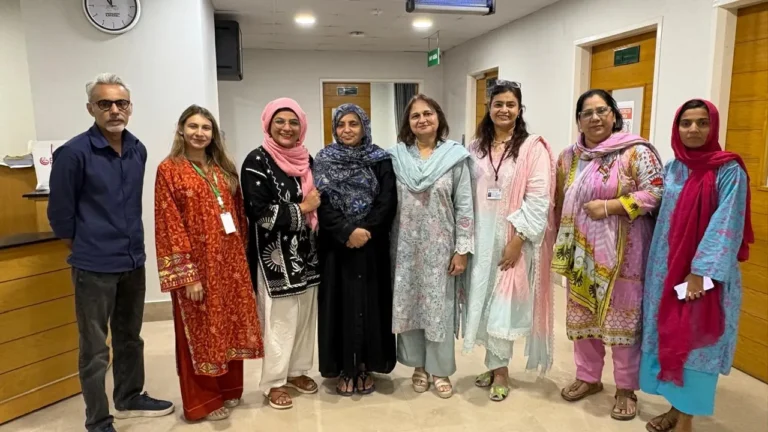
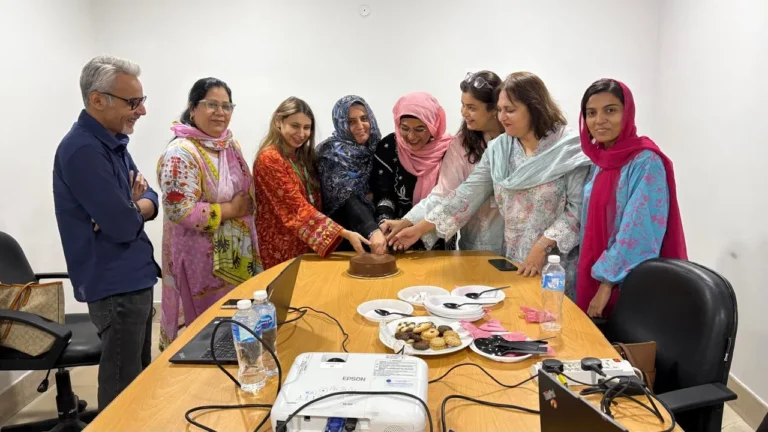
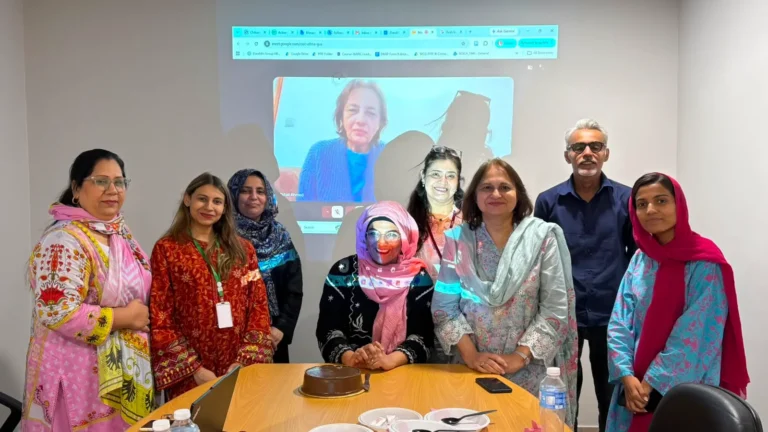
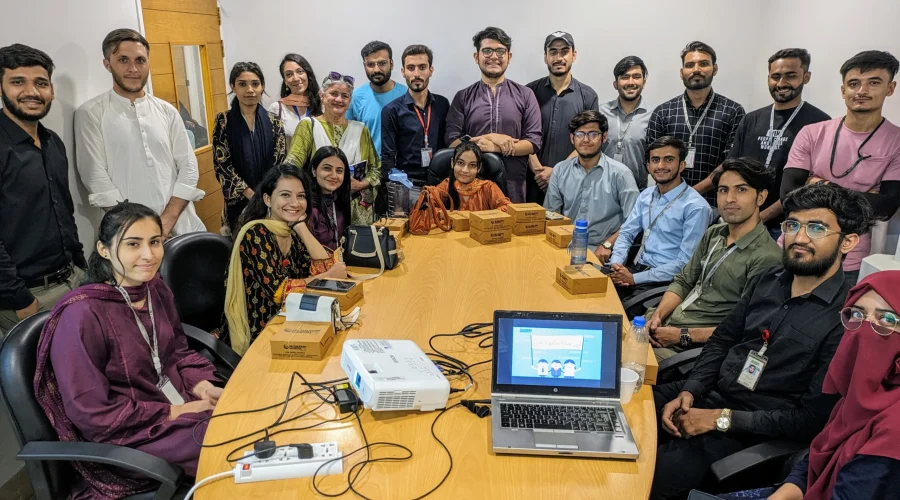
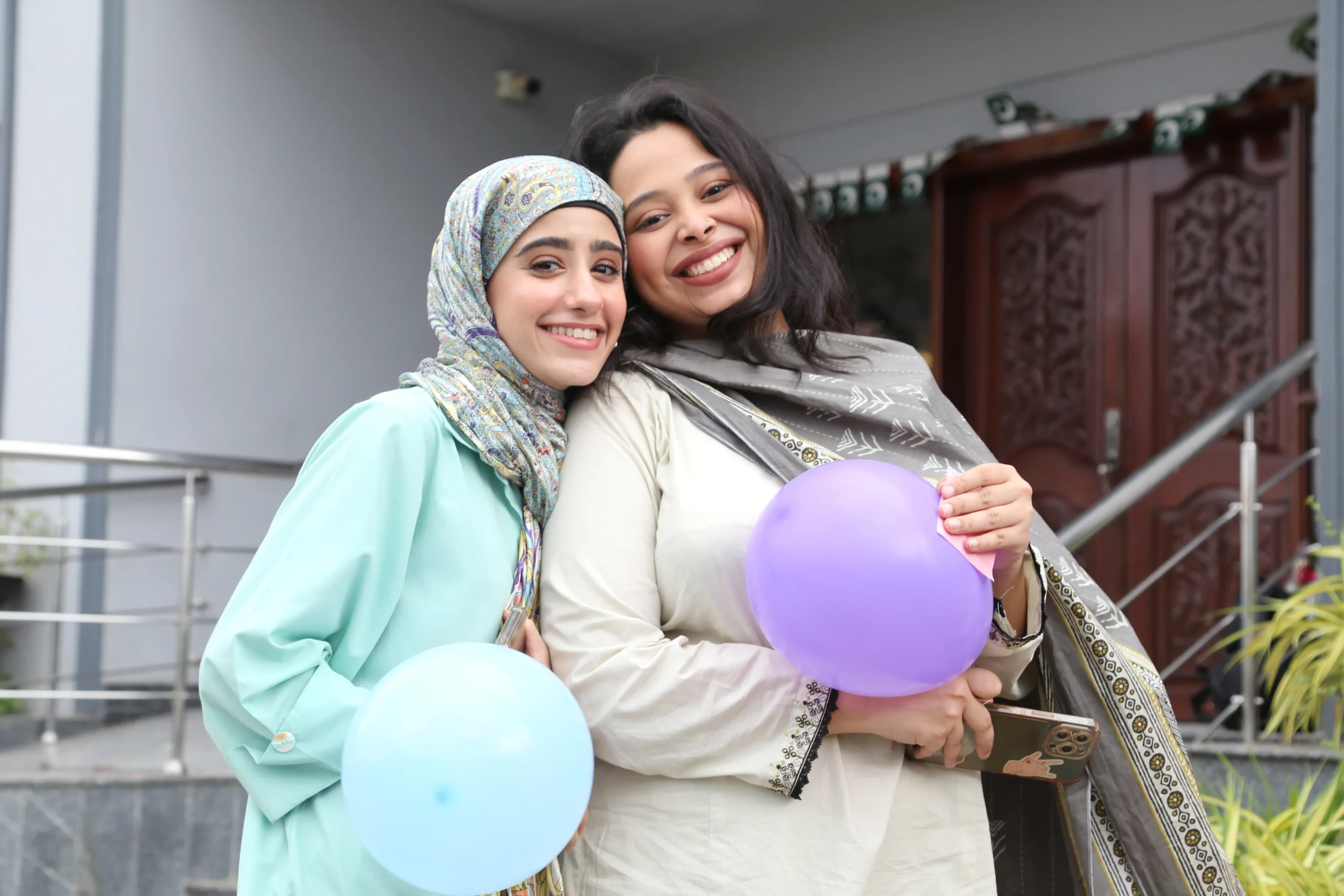
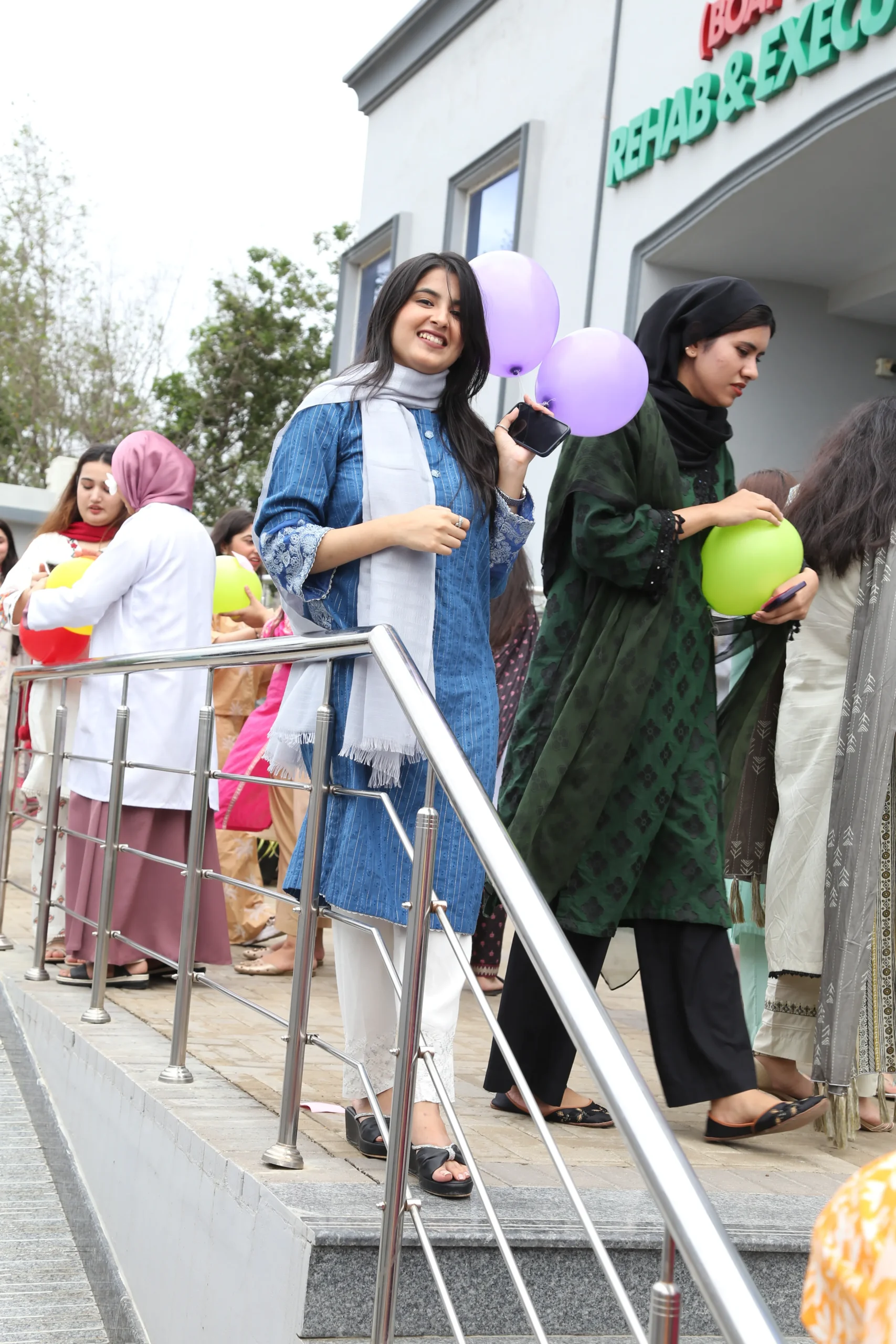
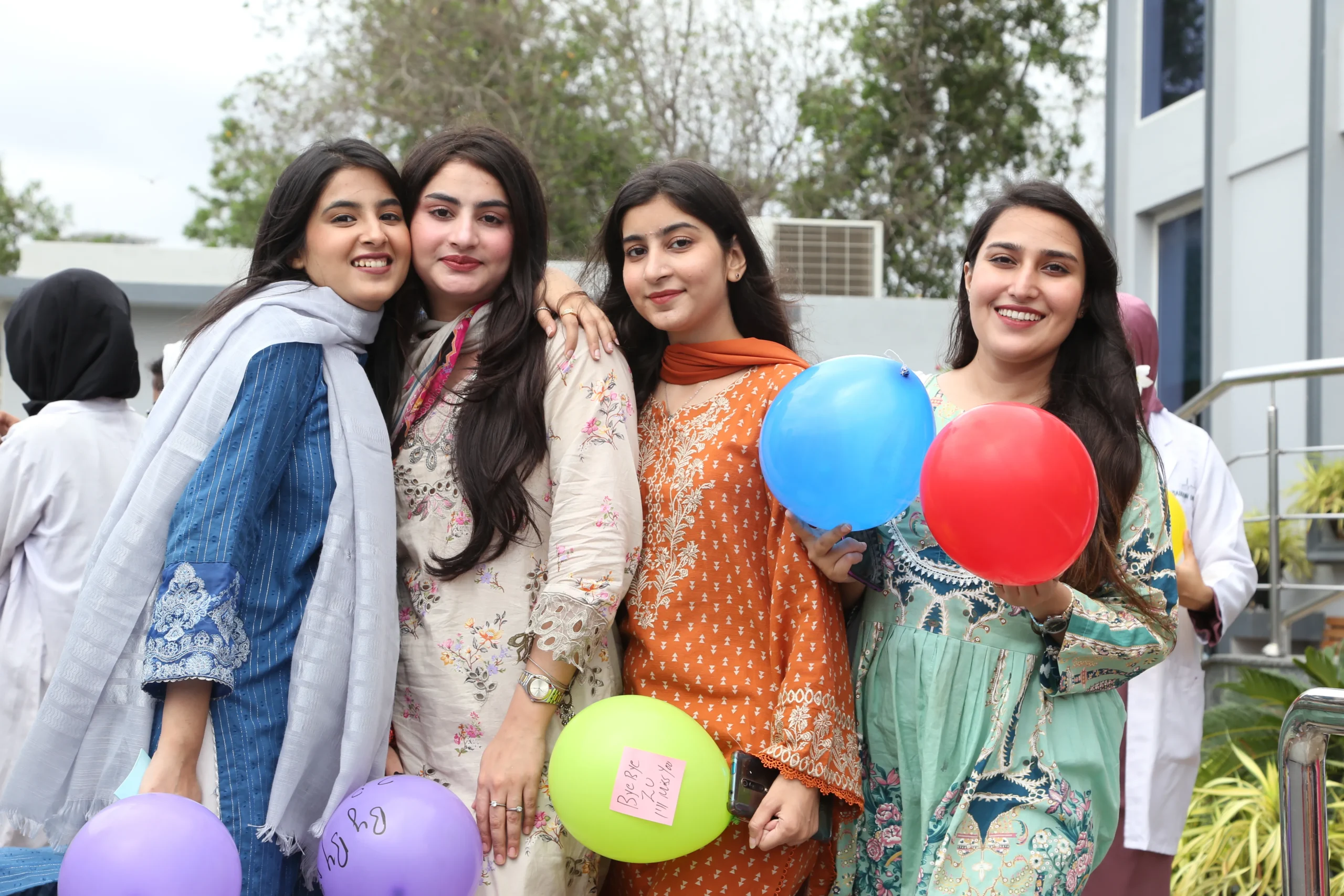
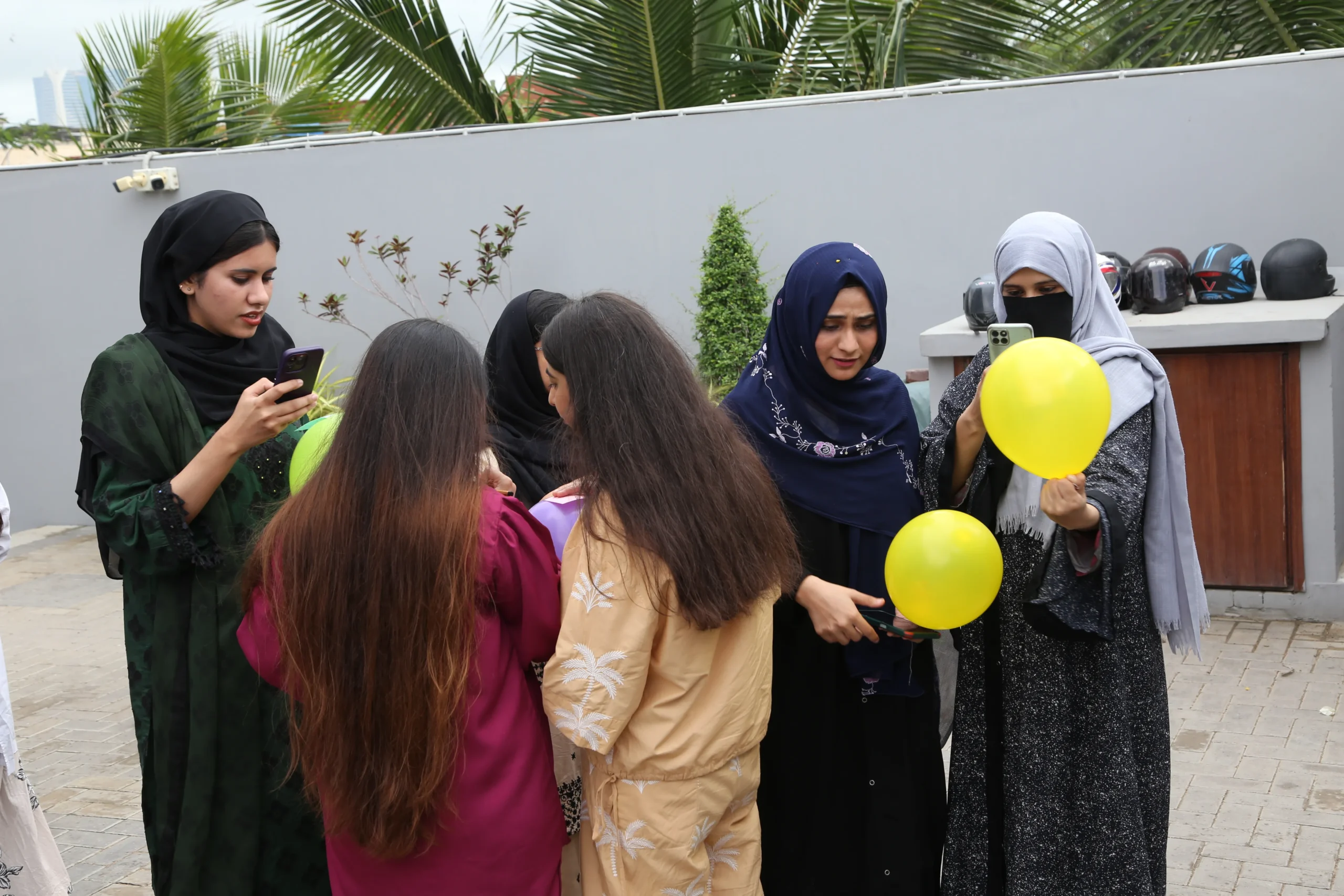
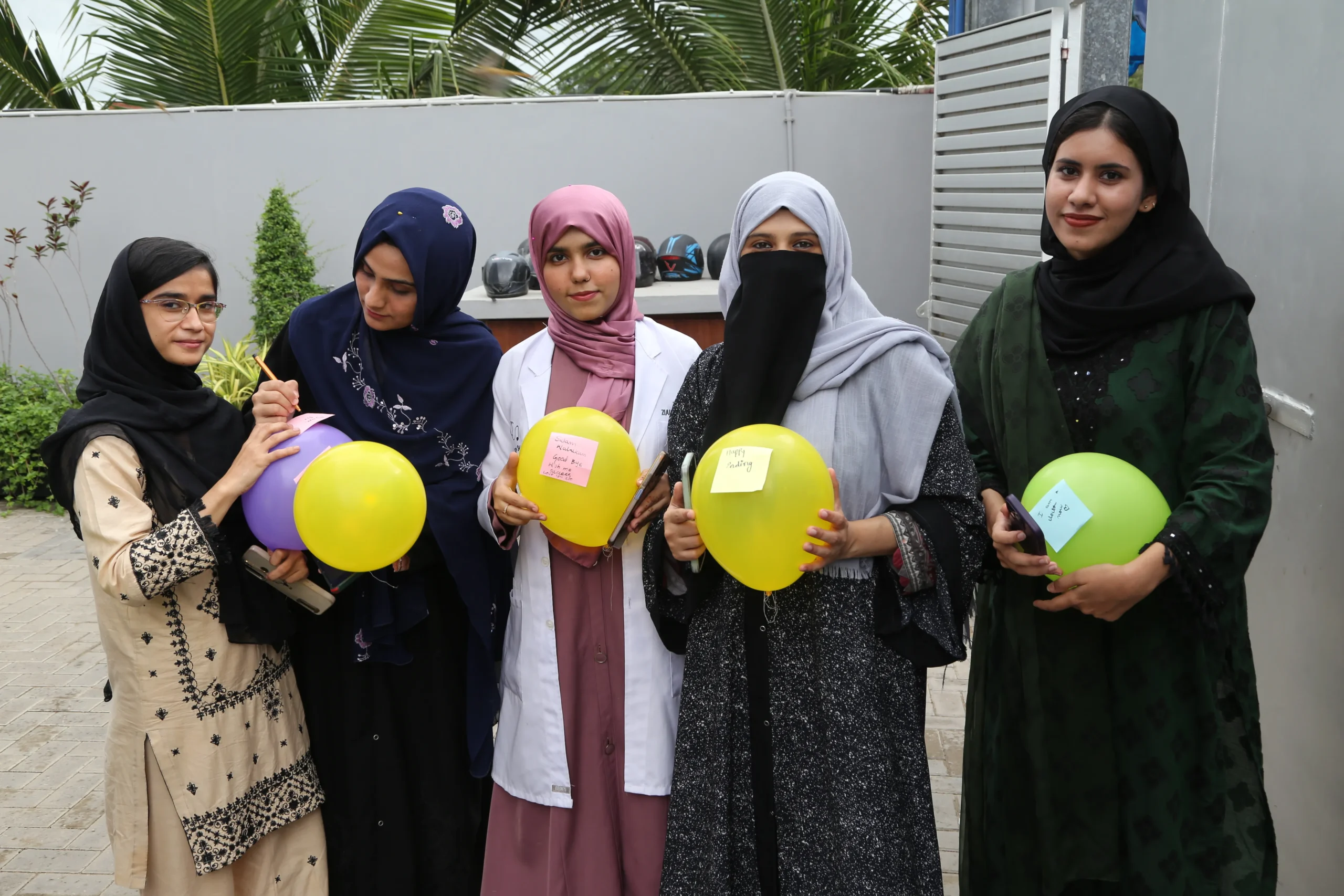
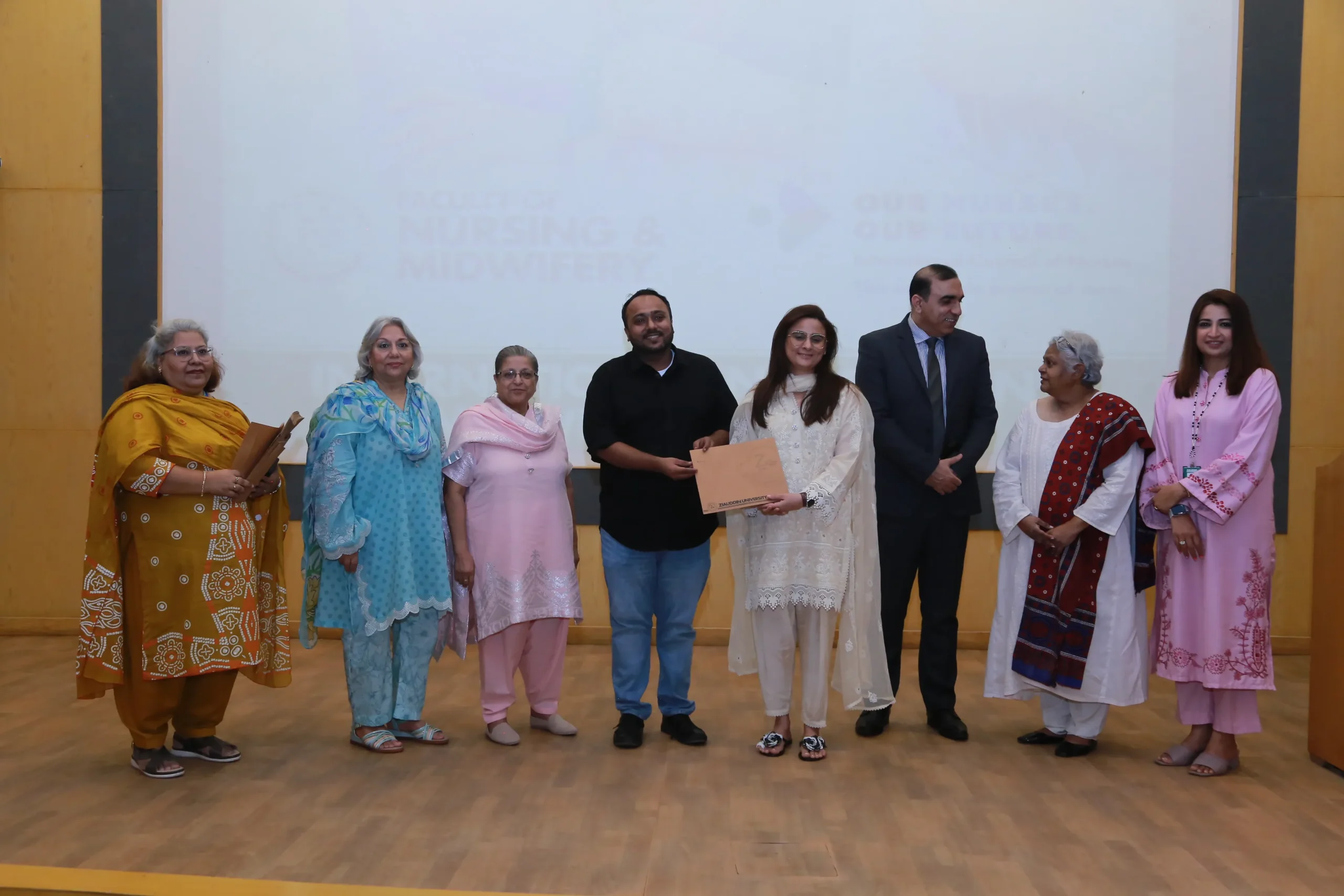
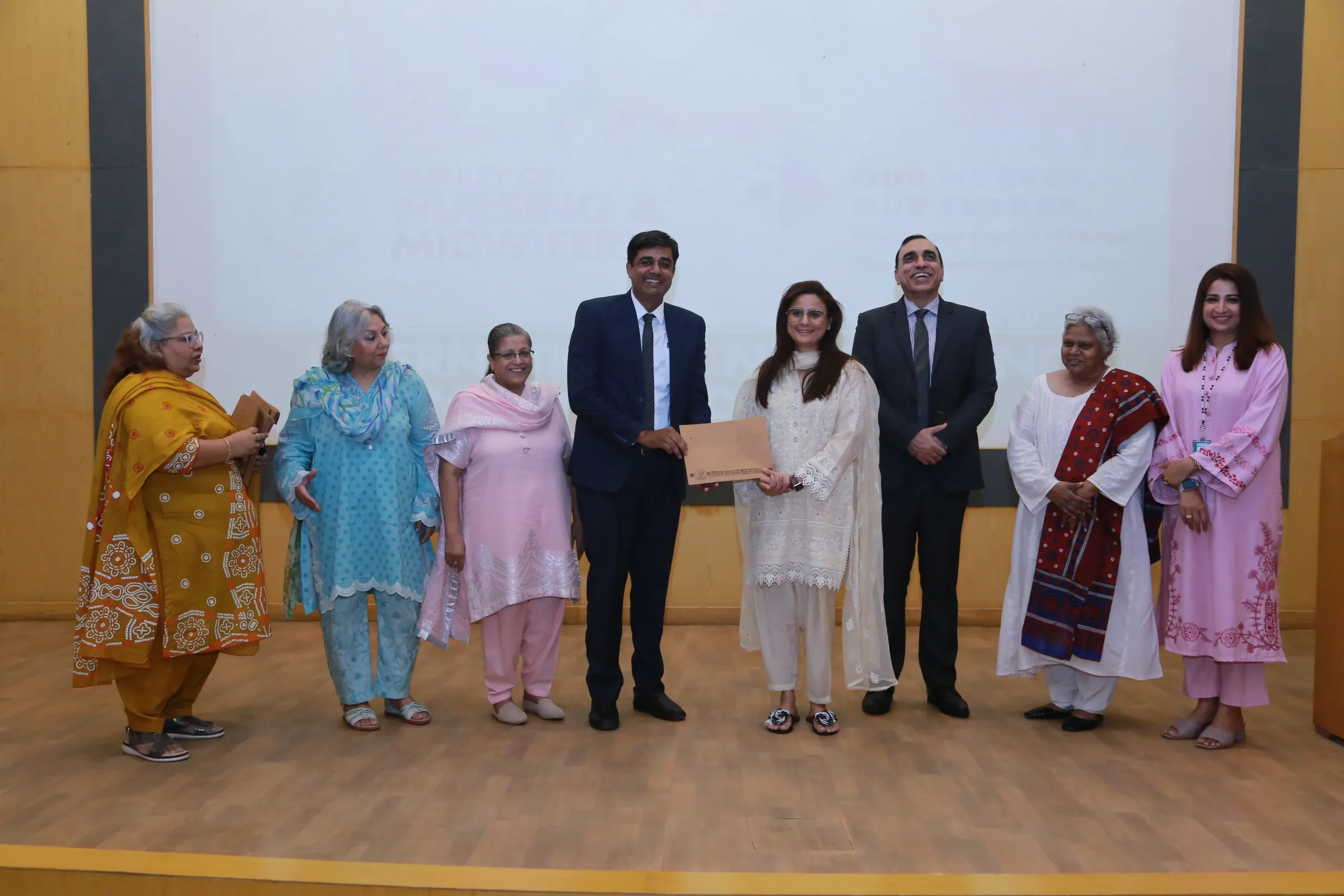
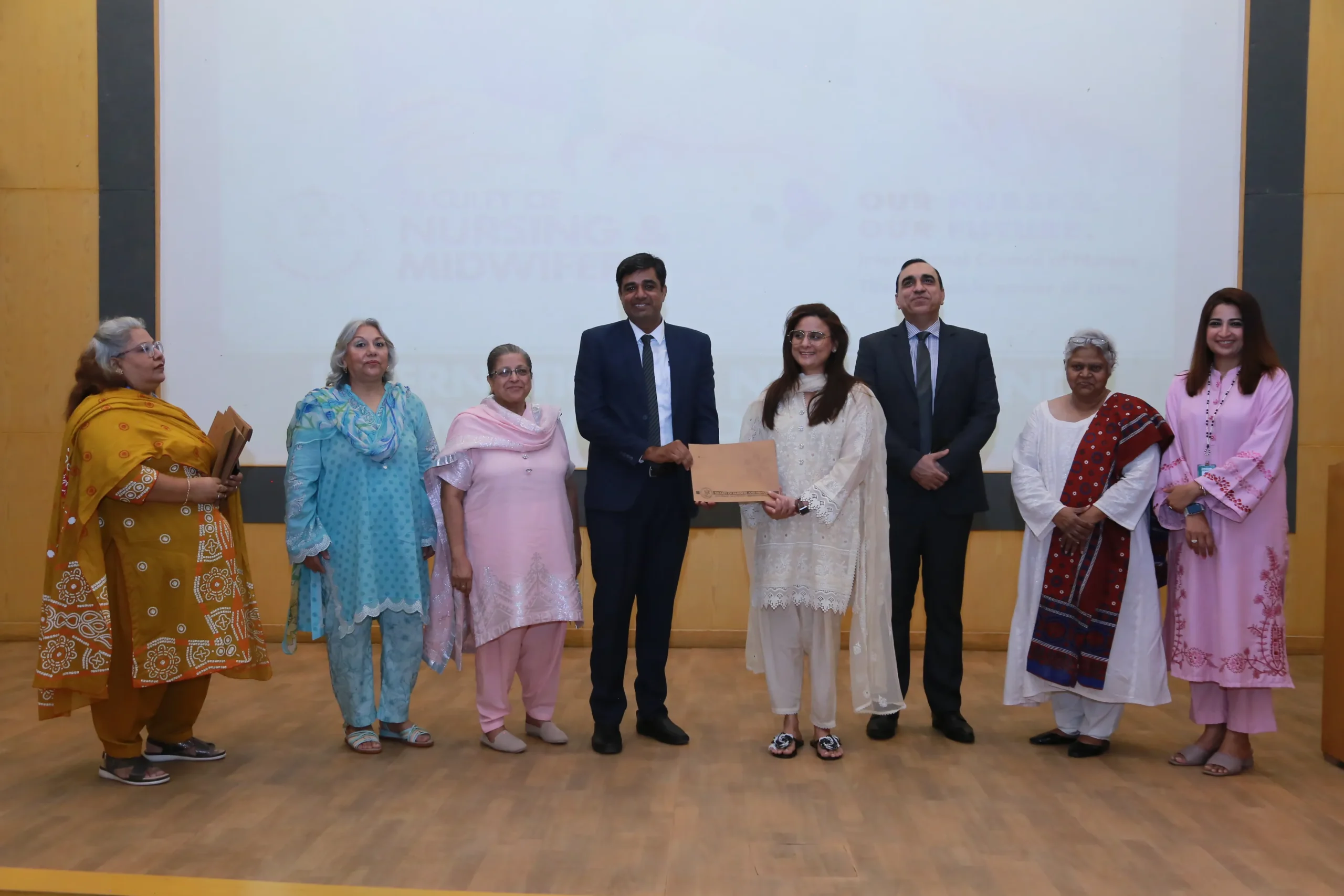
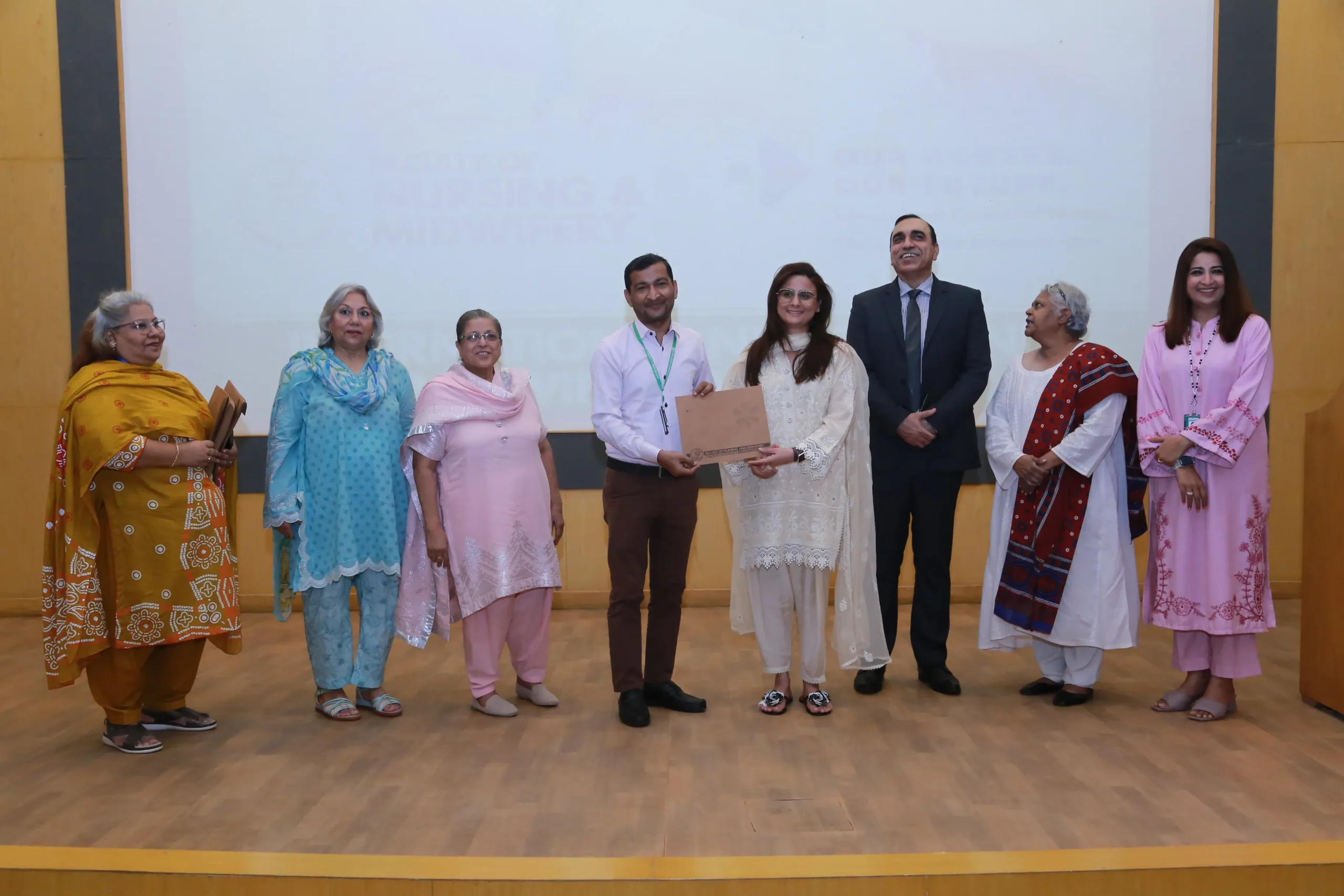
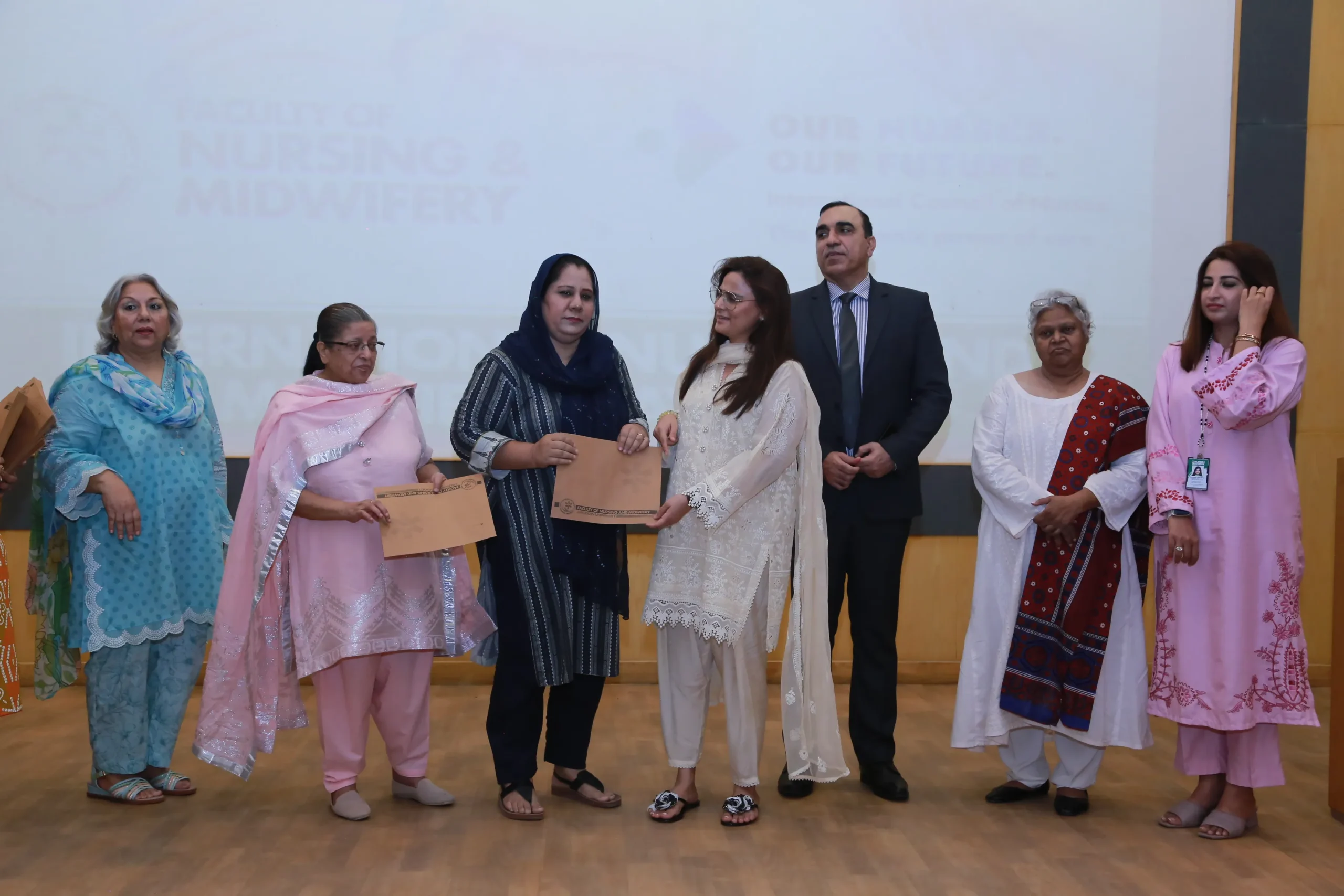
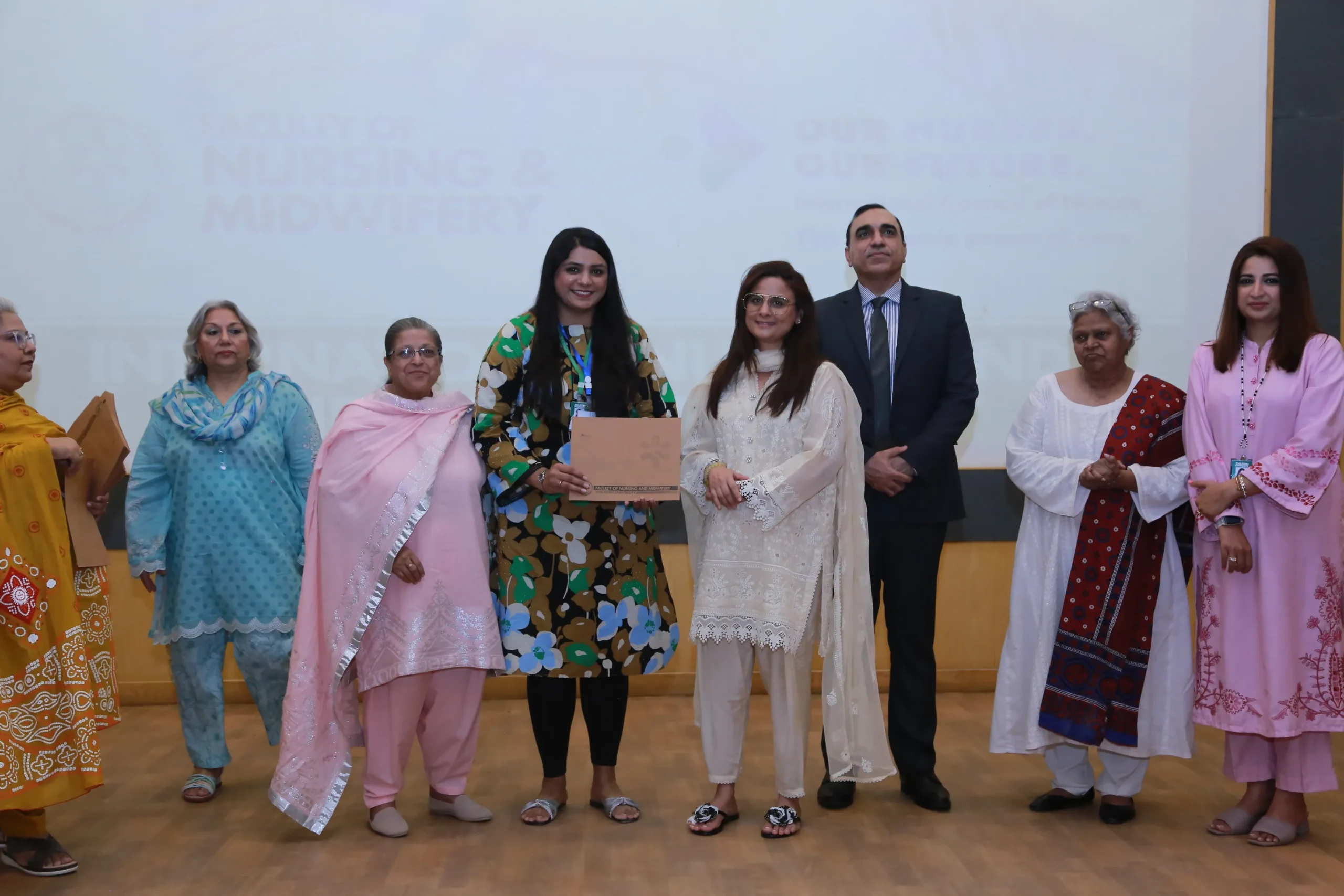
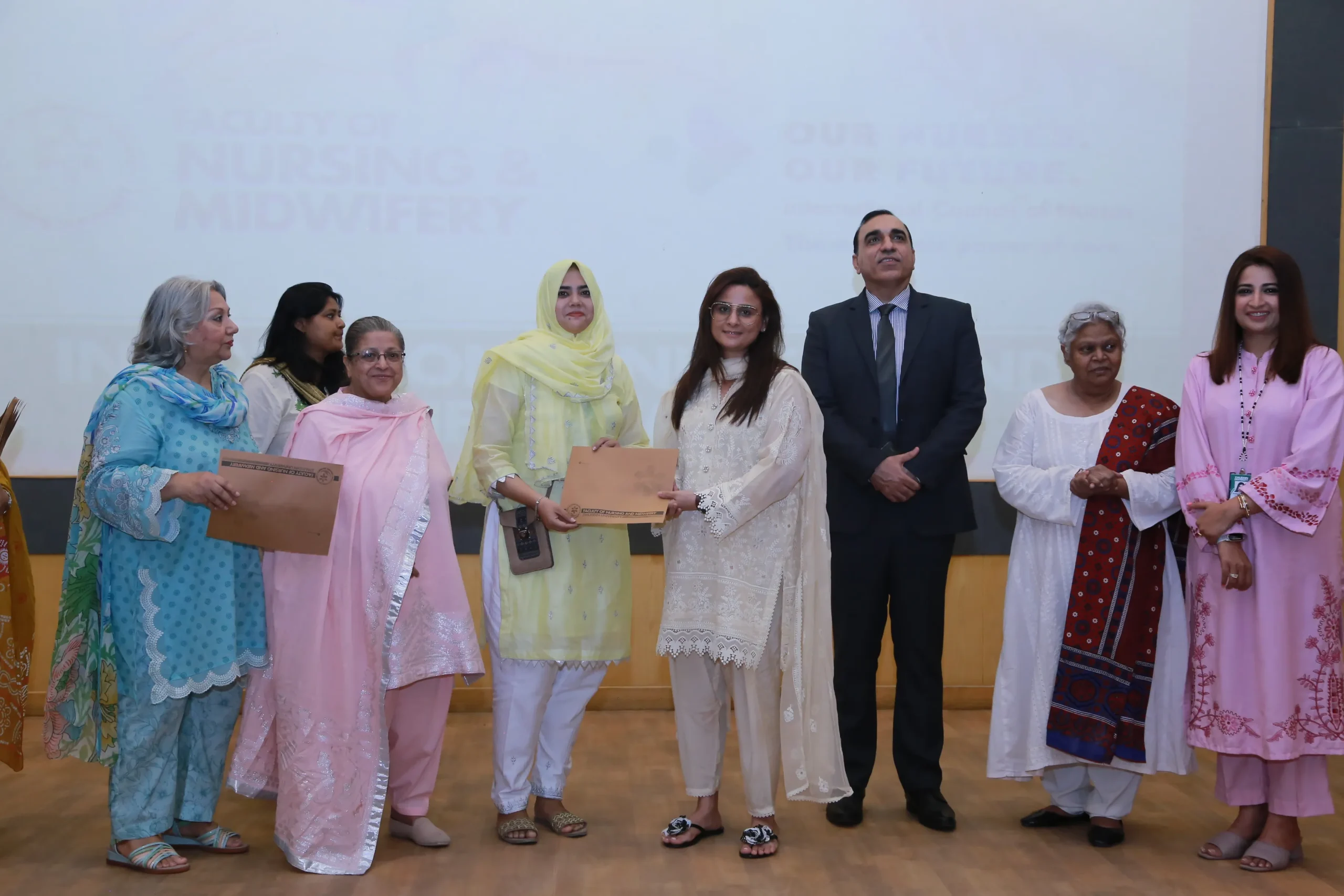
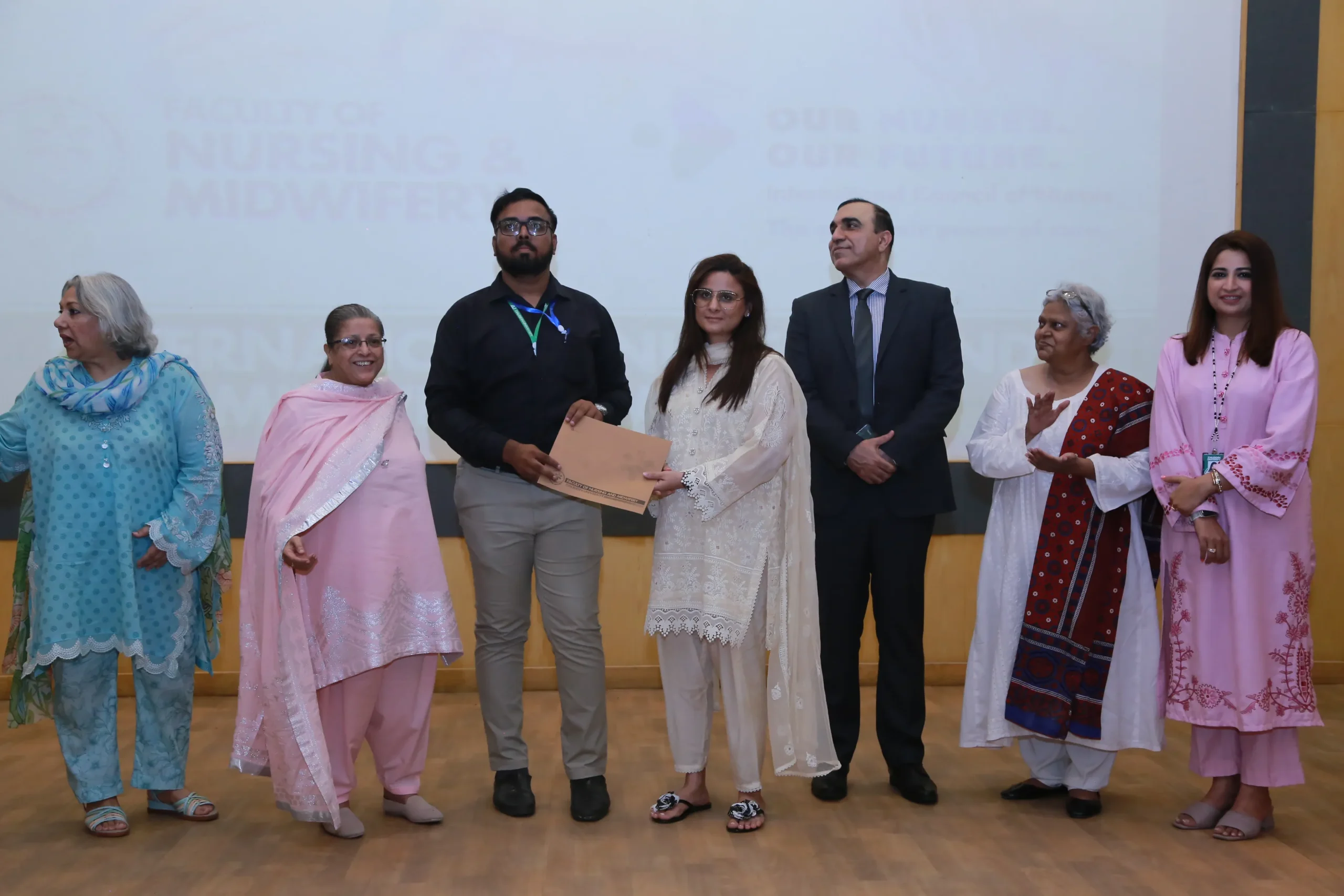
On 6 June 2026, our Patient and Public Involvement and Engagement (PPIE) members came together to celebrate the completion of their contributions to two major ICU clinical trials, REMAP-CAP and Mega-ROX.

Since 2024, our patient and public partners have worked alongside us researchers to improve the consent process and participant-facing materials, helping make them more understandable, and sensitive to the needs of patients and families during critical illness.

One key recommendation was for treating doctors to first inform families that a researcher would be approaching them about a trial. This simple but important change recognised the challenges families face when a loved one is critically ill and helped create a more supportive consent process.

The contributions of our PPIE members also led to the development of infographics, animated videos, audio recordings in local languages, trial websites, shorter information sheets, and clearer, more patient-friendly language throughout trial materials.

The impact of this work has been captured in a manuscript currently under development. We are proud to celebrate the dedication and achievements of our PPIE members, whose contributions have helped make the clinical research ecosystem more public friendly. 

Event: Pakistan Research network for Epidemic and Pandemic Preparedness (PREPP) – CCP Retreat 2026

14 Feb 2026

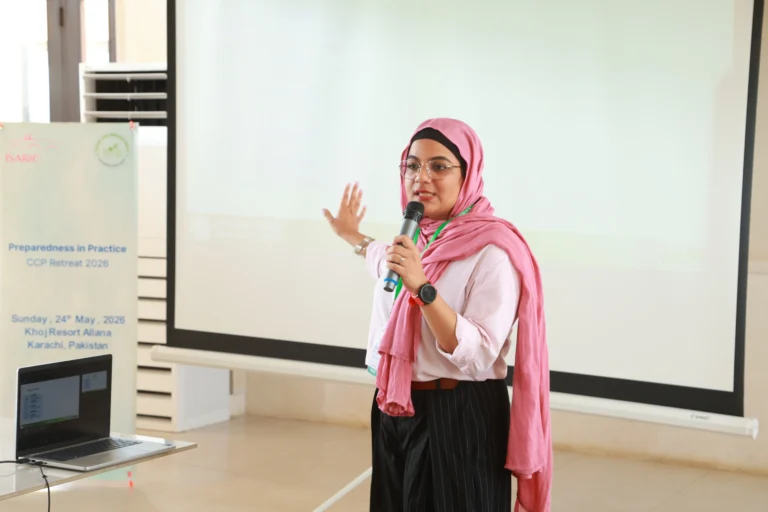
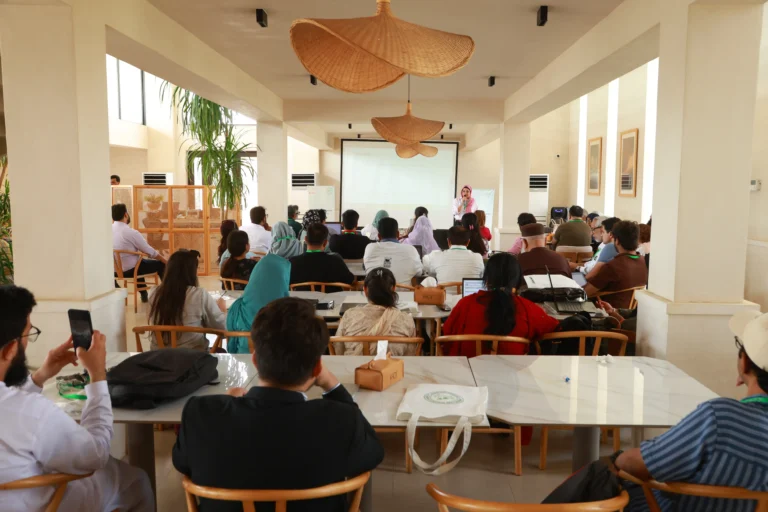
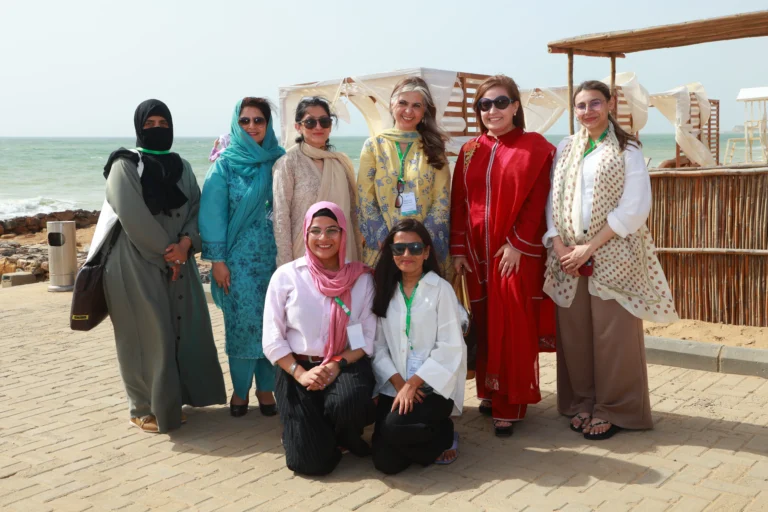
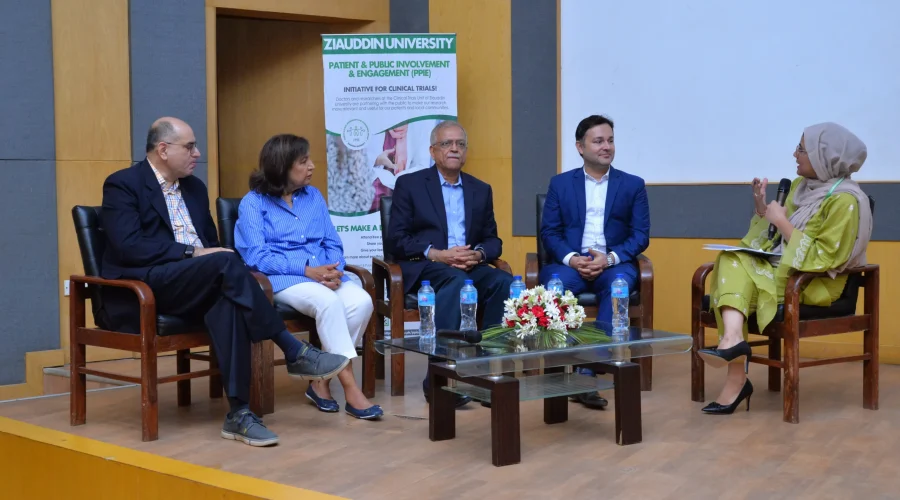
On 24 May 2026, our CCRG team, in collaboration with ISARIC, organised an engaging event at Khoj Resorts Allana to mark the launch of the Pakistan Research network for Epidemic and Pandemic Preparedness (PREPP) – a national network established to strengthen hospital-based preparedness and clinical evidence generation, bringing together representatives from 21 institutes across Pakistan (Karachi, Hyderabad, Khairpur, Sukkur, Sehwan, Lahore, Islamabad, Faisalabad and Peshawar). The CCP (Clinical Characterisation Protocol) Retreat highlighted the urgent need for coordinated preparedness mechanisms in Pakistan.

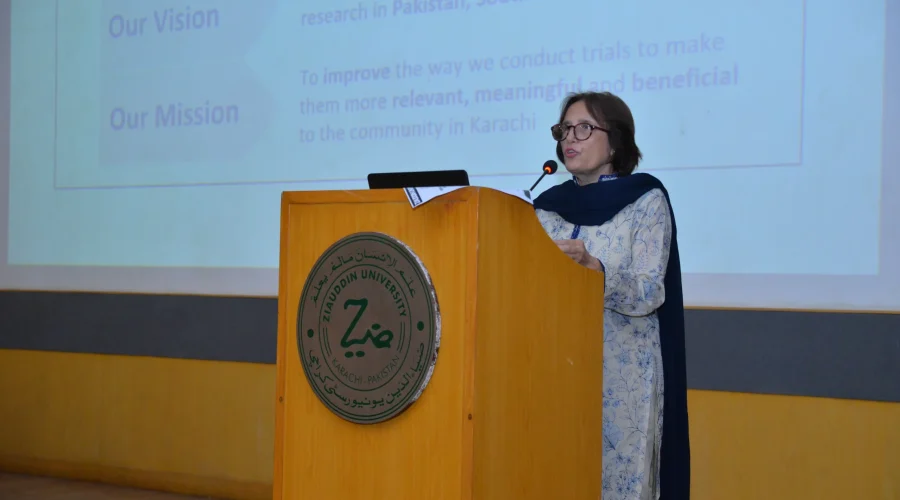
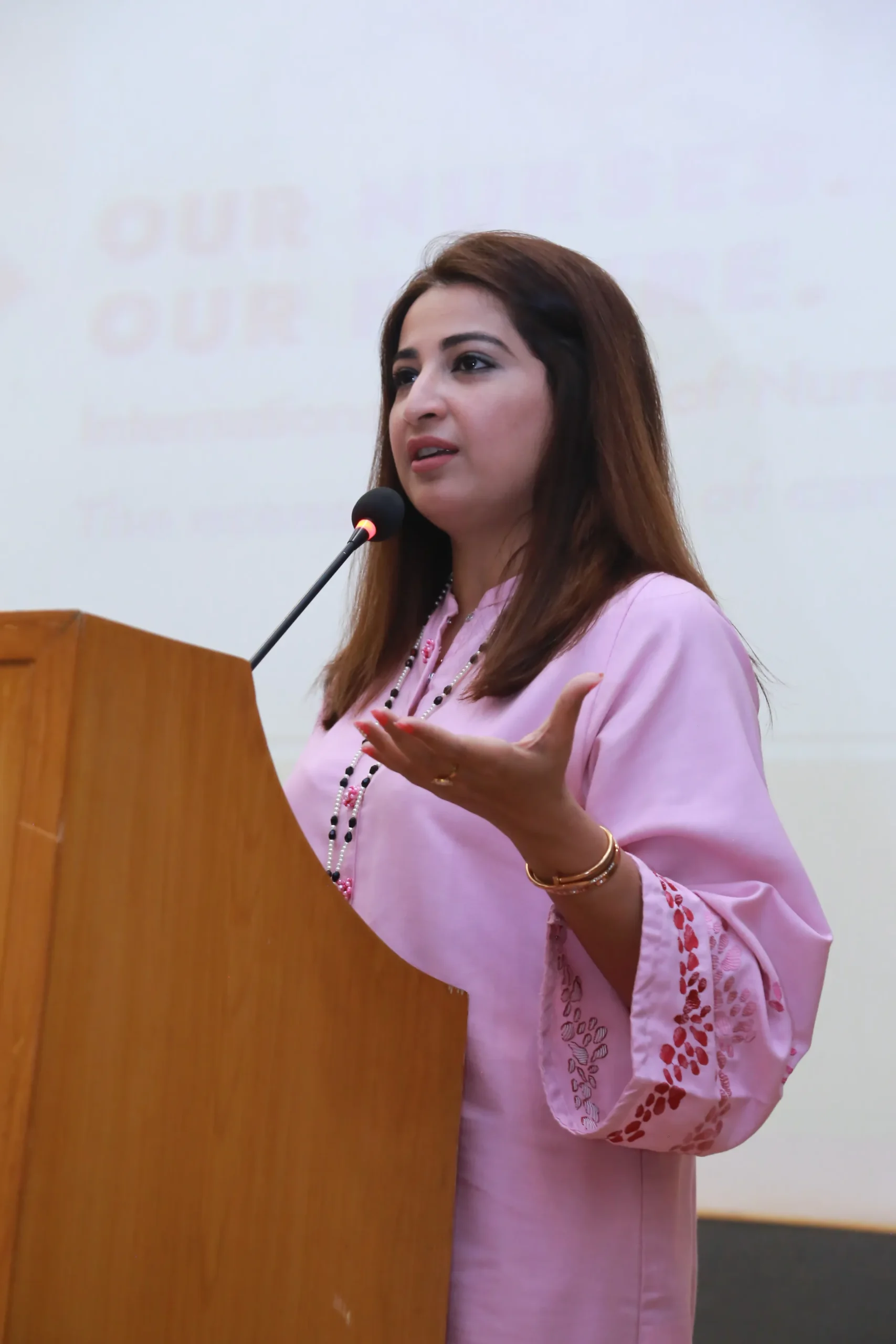
As part of the programme, Dr. Arishay Hussaini, PPIE Coordinator, conducted a session on Patient and Public Involvement and Engagement (PPIE) titled “Introduction to PPIE: Principles and Practice,” explaining importance of engaging patients and communities in healthcare research to better understand their lived experiences, characterise disease and long-term outcomes, and inform the development of future rehabilitation and support programmes, which was very well received.  

Lecture: Introducing Patient and Public Involvement and Engagement (PPIE) to MBBS students

14 Feb 2026

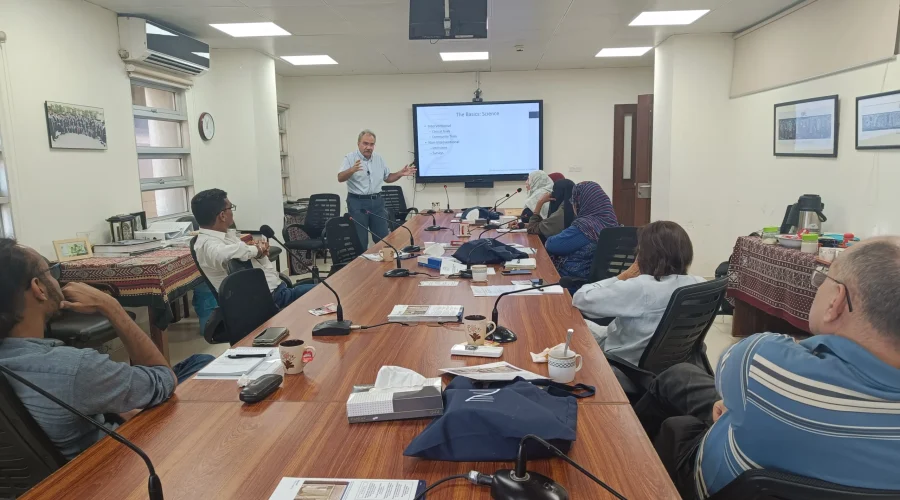
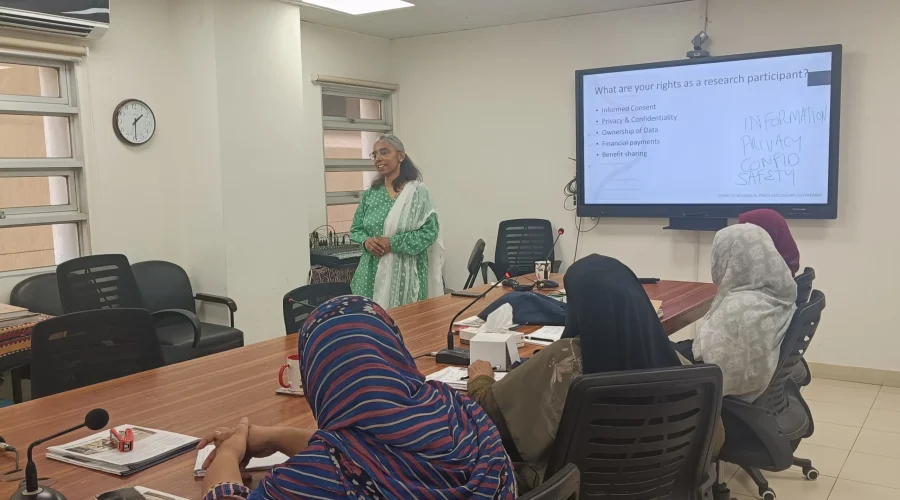
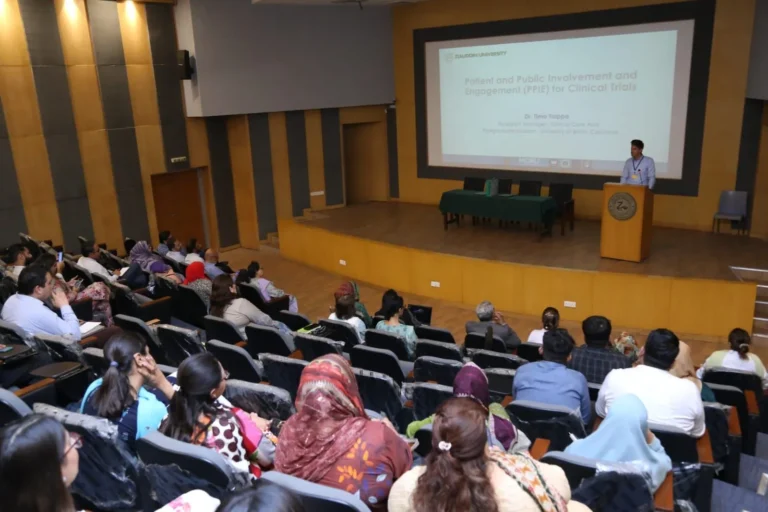
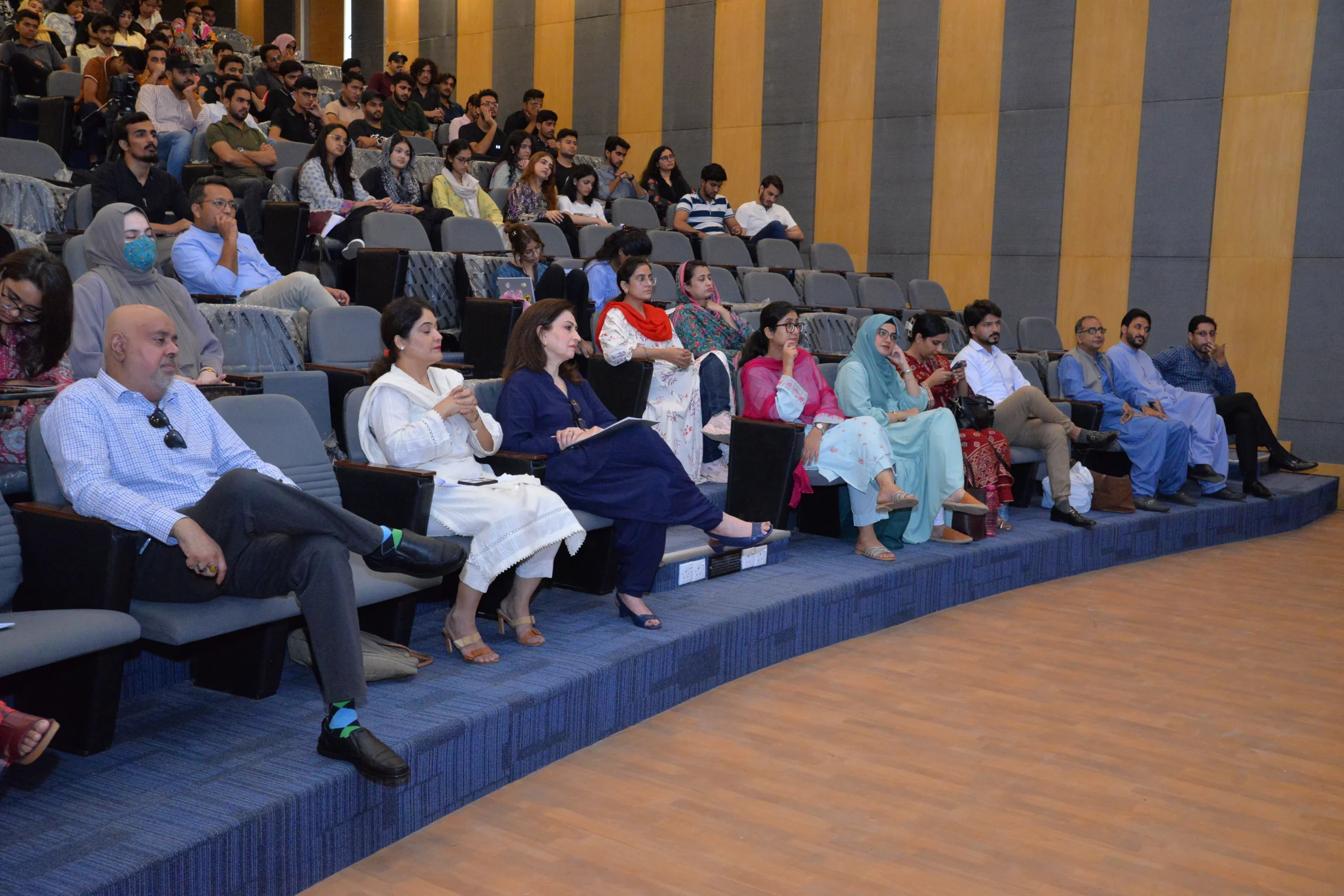
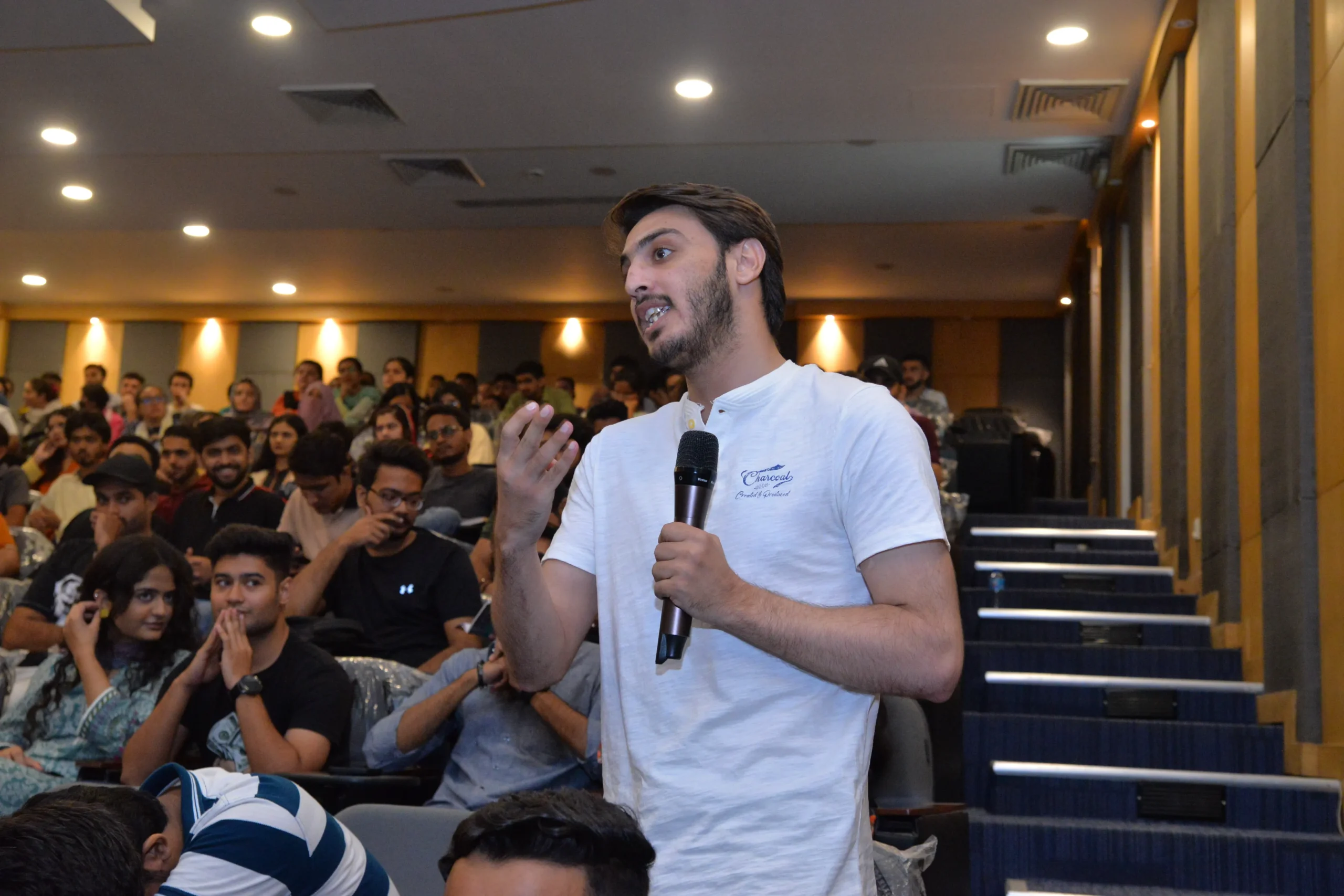
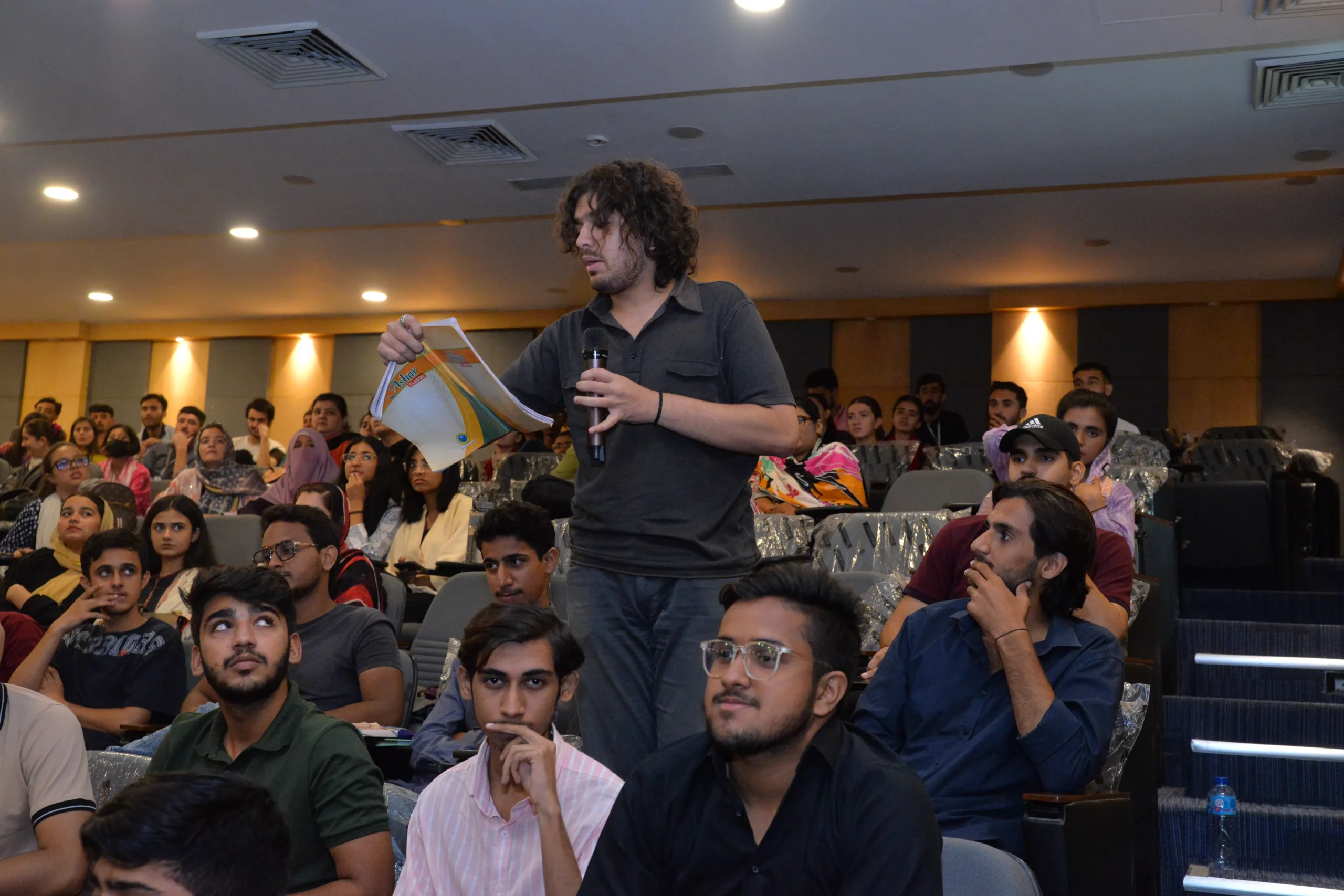
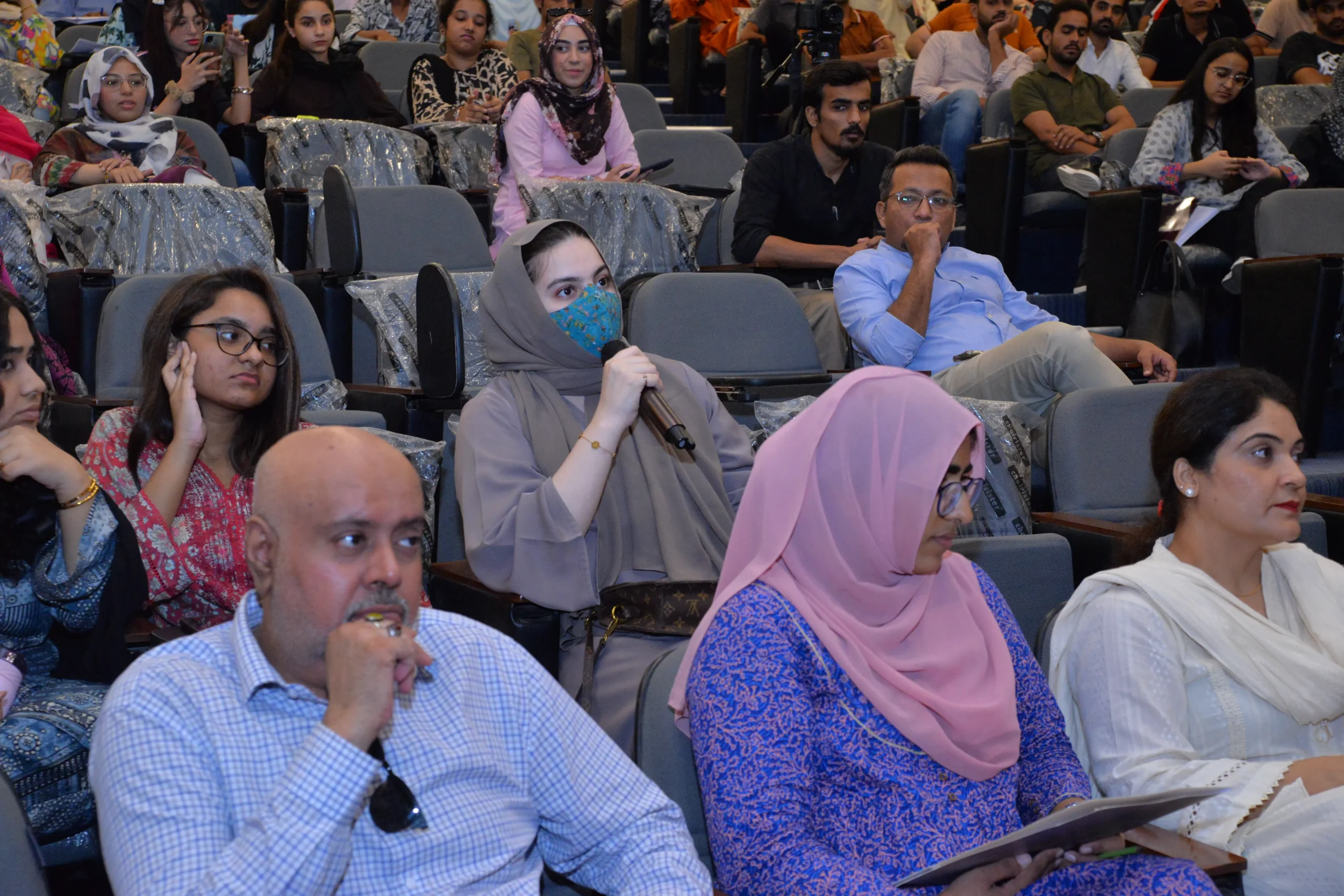
On 22 May 2026, Prof. Madiha Hashmi delivered an interactive lecture to first-year MBBS students at Ziauddin University on the core principles of PPIE, including its clinical, ethical, and practical relevance in healthcare and research.

Students engaged in live discussions and responded to questions through Mentimeter activities throughout the session. A major focus of the lecture was helping students clearly understand the distinction between participation, involvement, and engagement in research and healthcare settings, while also exploring real-world examples and commonly used PPIE frameworks.

This lecture is part of a series of three planned sessions across the academic year designed to strengthen foundational understanding of PPIE among medical students. 

Presentation: Second Brazilian School of Patient & Public Involvement

14 Feb 2026

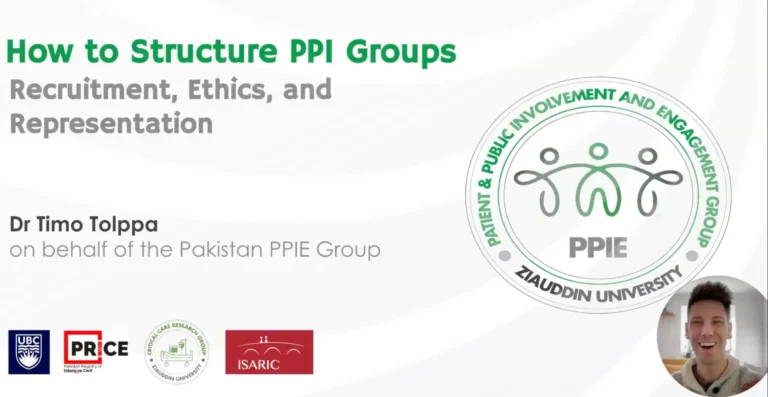
On 14 May 2026, Dr Timo Tolppa delivered an online presentation to the attendees of the 2nd Brazilian School of Patient & Public Involvement. Invited by the amazing team behind this innovative PPI School (Egmar Longo, Paula Chagas, Luciana Pereira and others), Timo talked to a group of 30 researchers about starting up patient and public involvement groups. 

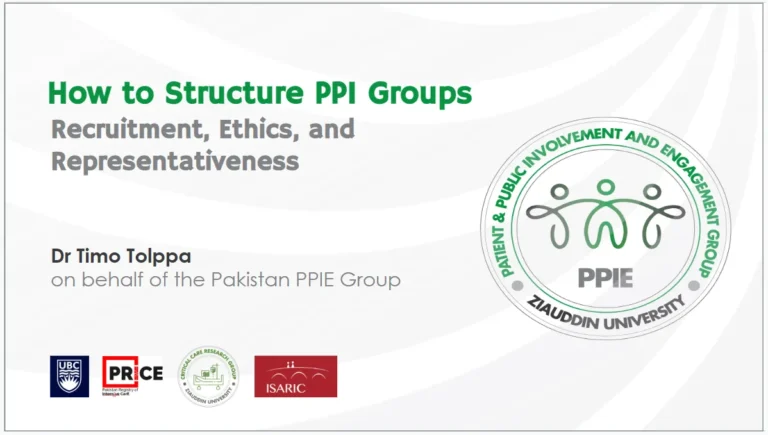
A key focus of the presentation was on diversity in public involvement initiatives. Our group at Ziauddin is passionate about making sure we include people with different life experiences, backgrounds and opinions, especially those who are not afraid to disagree with us. But we recognise that a single group can never represent everyone. Therefore, it is great to support the development of additional involvement groups around the world – The more voices, the more sound and change we can make in the world of research. 

It was a real honor to share our experiences in Pakistan with colleagues in Brazil, enabling South-to-South learning and collaboration. We wish the Brazilian PPI School all the success in their efforts to promote the patient voice! 

Highlighting Our Institutional Collaborations

14 Feb 2026

We are proud to celebrate our growing national collaborations in advancing Patient and Public Involvement and Engagement (PPIE) across Pakistan.

Our 1st collaboration with Shaukat Khanum Memorial Cancer Hospital & Research Centre (SKMCH&RC), Lahore (August 2025), marked an important milestone in establishing oncology-focused PPIE initiatives, public awareness activities, and patient-centered educational resources.

Our 2nd collaboration with Pakistan Kidney and Liver Institute & Research Centre (PKLI&RC), Lahore (November 2025), further strengthened meaningful public involvement through biobanking engagement, simplified consent development, and integration of PPIE into research oversight and institutional activities.

Our 3rd and newest collaboration with Northwest General Hospital & Research Centre (NWGH&RC), Peshawar (April 2026), brings valuable expertise in Community Engagement and Involvement (CEI), particularly in neurosurgery and traumatic brain injury research, alongside impactful public awareness initiatives.

Together, these partnerships reflect a shared commitment to building a stronger, more inclusive, and community-centered research culture in Pakistan.

Webinar: International Launch of PPIE Toolkit

14 Feb 2026

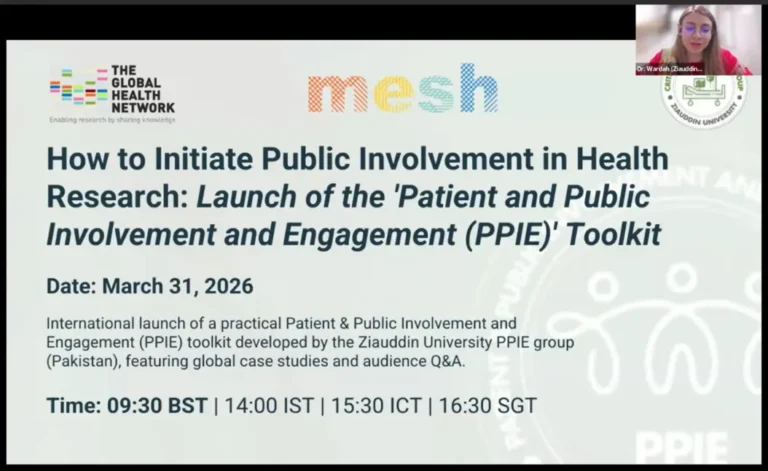
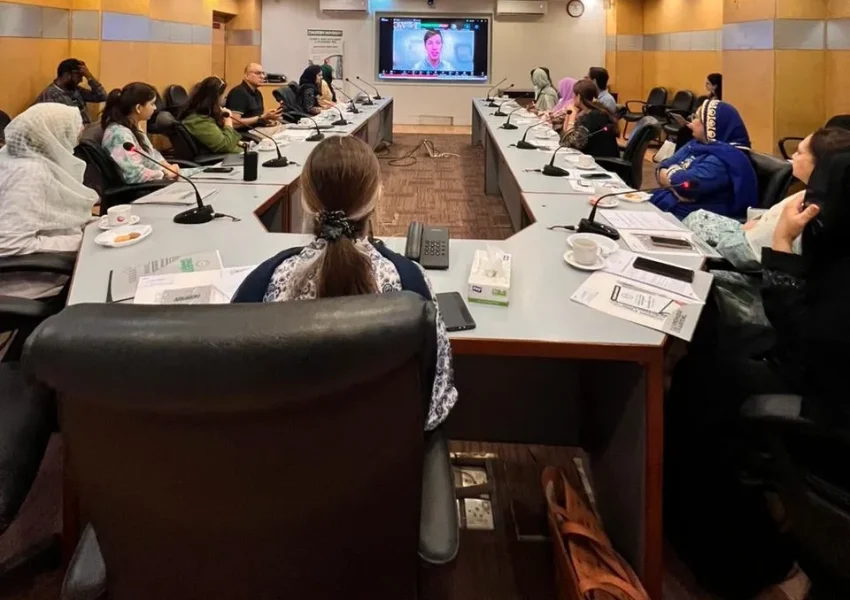
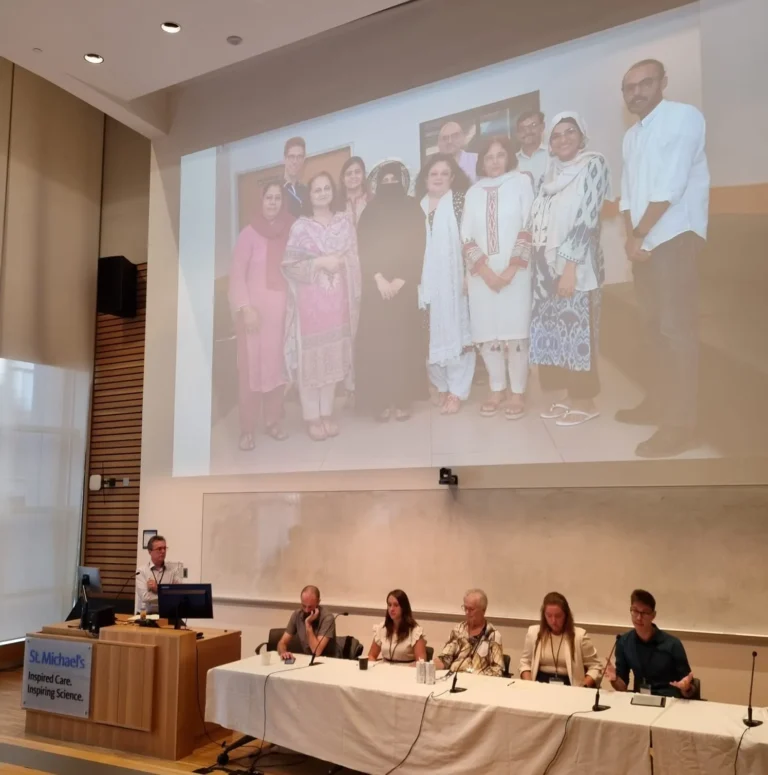
A huge thank you to The Global Health Network (MESH) for providing a platform to the Critical Care Research Group – Ziauddin University, supported by International Severe Acute Respiratory and Emerging Infection Consortium (ISARIC), to introduce our PPIE Toolkit to an international audience. 

The Toolkit has been developed as a practical, step-by-step guide to support the establishment and strengthening of PPIE in health research, and this webinar brought together a diverse panel of speakers from across the globe, highlighting collaboration and inclusivity. 

Full recording is available at

MESH: https://mesh.tghn.org/  and YouTube: https://youtu.be/psdHSLJV5Js?si=PzqFVfBC87wqlaVF

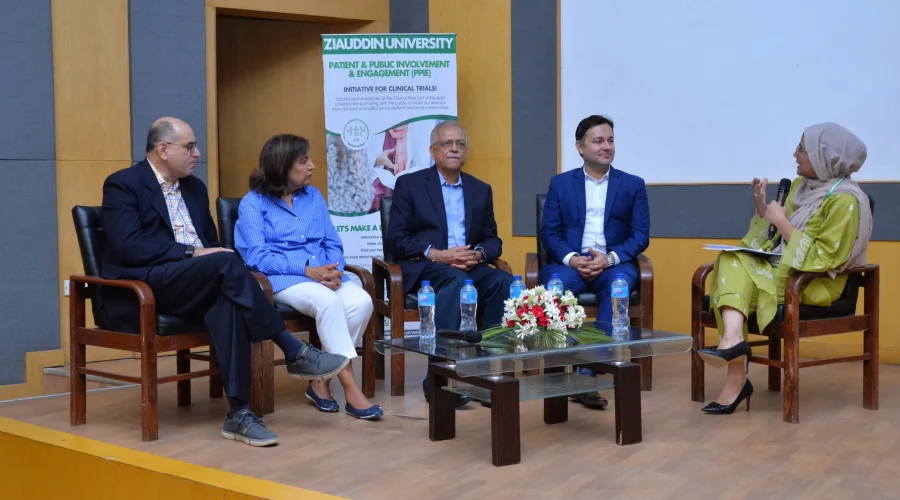
A huge thank you to the chair- Dr. Wardah Khalid (PPIE Coordinator) and our panelists:

  • Sadia Hassan, Research Fellow at Pakistan Kidney and Liver Institute and Research Center (PKLI&RC), Pakistan
  • Leanne Hays, PhD, Irish Critical Care Clinical Trials Network at St Vincent University Hospital, Dublin, Ireland
  • Subhasish Nayak, PhD student at All India Institute of Medical Sciences (AIIMS), Bhubaneswar, India
  • Sakura Ishizaki, Medical student and PPIE coordinator at Kobe University, Japan.

We received an overwhelming response, with 263 attendees from 103 countries, reflecting the growing global interest and recognition of the importance of PPIE in health research.

We are grateful to all participants for contributing to this important conversation and making this launch a success. 

Pakistan Kidney and Liver Institute and Research Center (PKLI&RC) Symposium, Lahore
14 Feb 2026

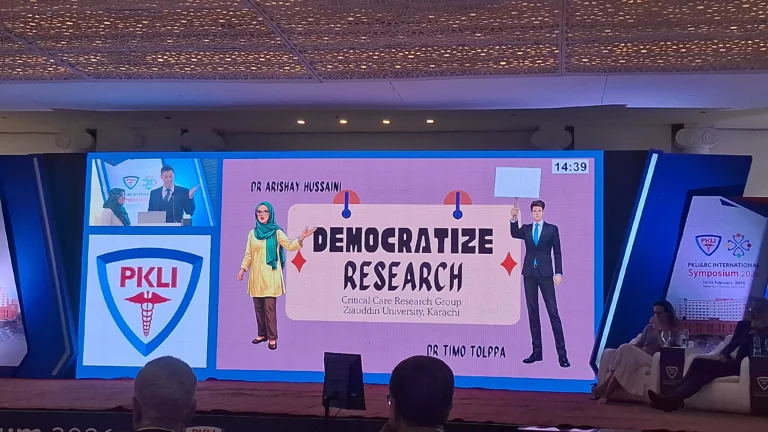
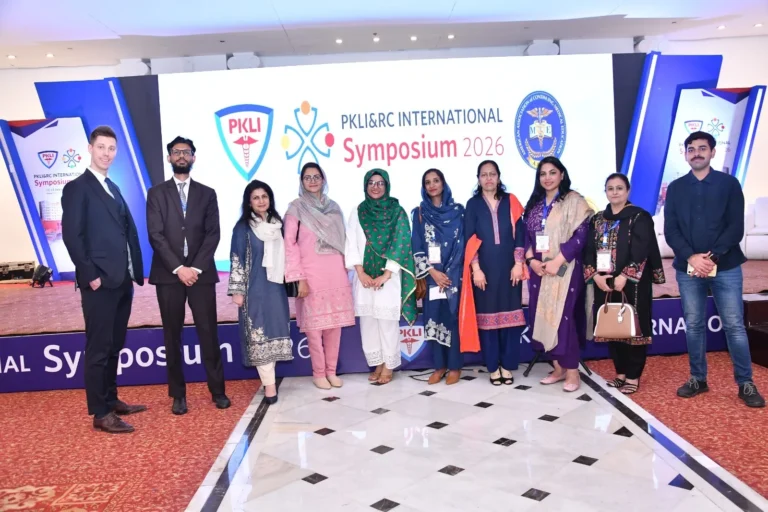
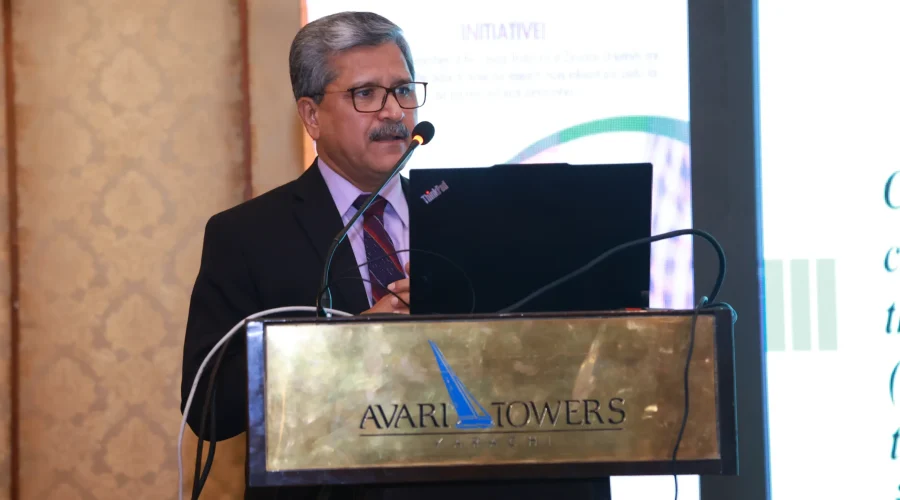
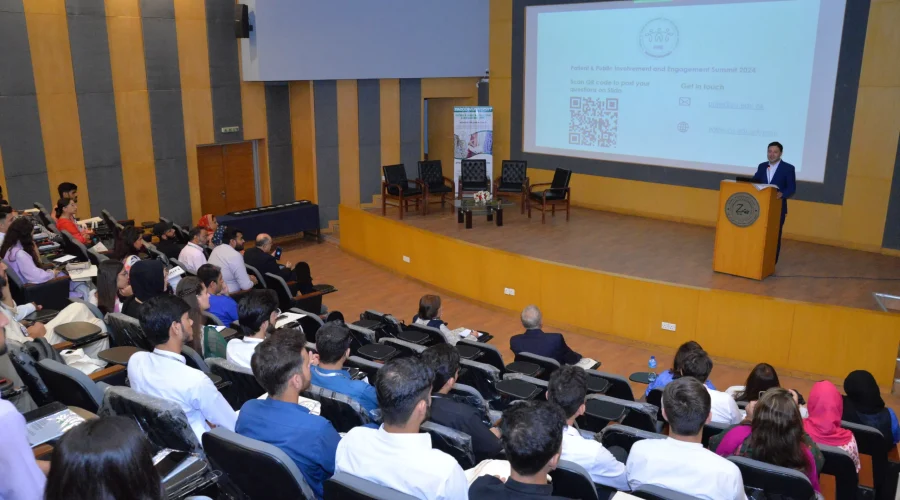
On 14 February 2026, Dr. Arishay Hussaini and Dr. Timo Tolppa delivered a passionate talk at the PKLI&RC International Symposium 2026 in Lahore about the need to democratise research through Patient and Public Involvement and Engagement (PPIE).

Drawing on real examples and experiences from our work at Ziauddin University, they framed PPIE not simply as a methodology, but as a growing movement aimed at transforming the culture of research and clinical practice. We should not make patients understand research, but make research understandable to patients.
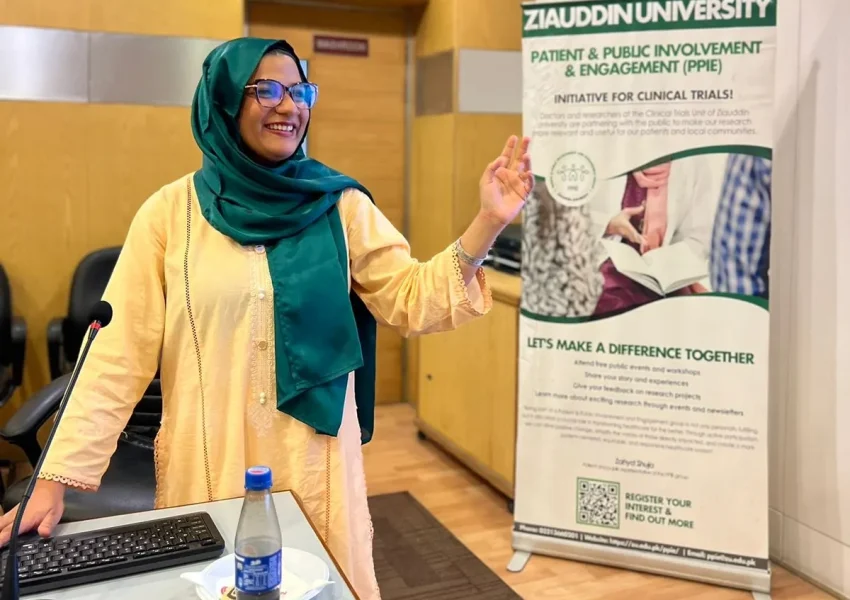
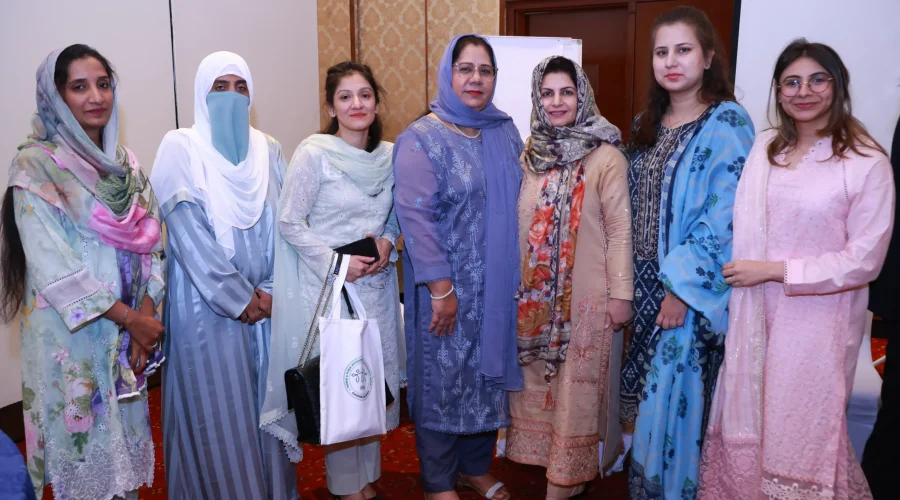
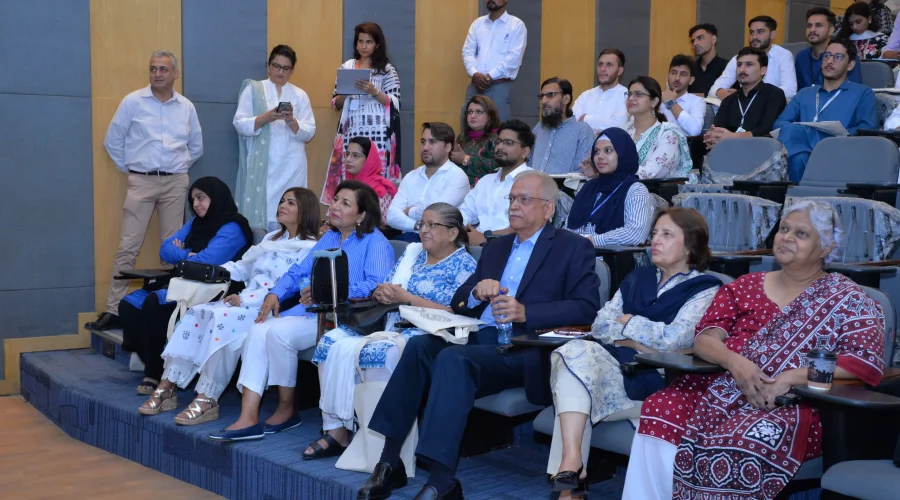
The talk was attended by coordinators, patient, family and public members of PPIE groups based at PKLI&RC and SKCMH&RC. Dr. Arishay and Dr. Timo had the opportunity to meet these inspiring individuals working to promote the patient voice and reflected on the privilege of seeing the number of PPIE advocates grow across Pakistan. Together we can make a difference!

Introduction to PPIE at Sindh Infectious Diseases Hospital and Research Centre (SIDH&RC)
18 Feb 2026

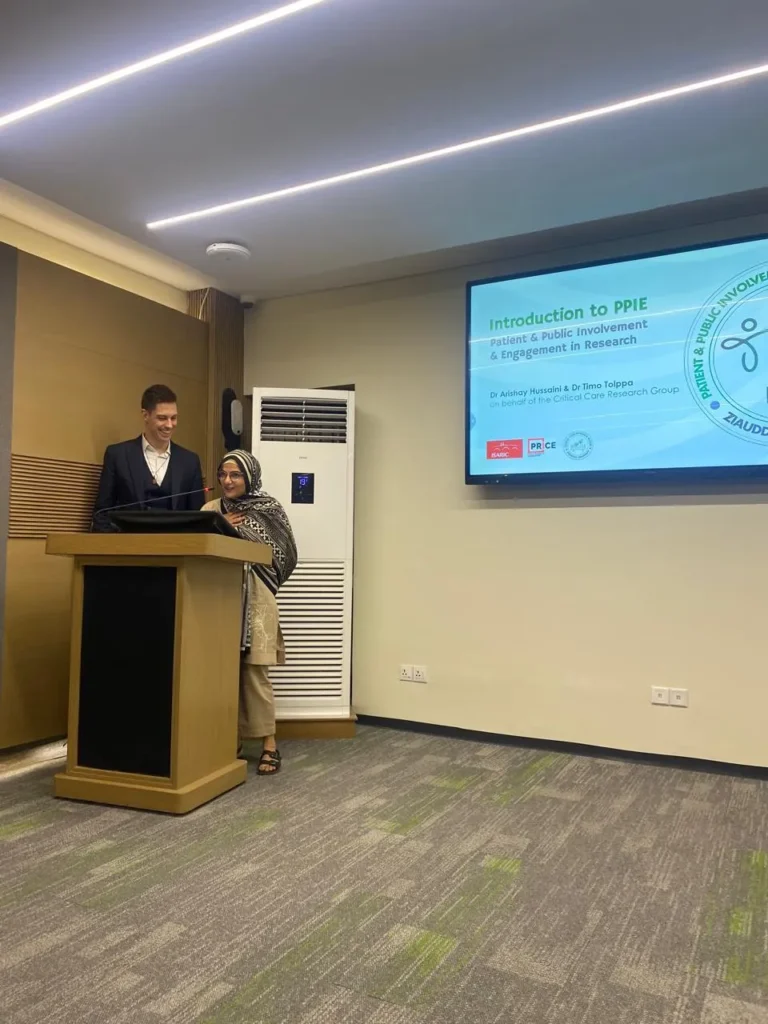
On 18 February 2026, Dr. Arishay Hussaini and Dr. Timo Tolppa delivered a lecture titled Introduction to PPIE at the Research Centre Auditorium of Sindh Infectious Diseases Hospital and Research Centre (SIDH&RC).

The session introduced the concept of Patient and Public Involvement and Engagement (PPIE), shared insights about our ongoing initiatives, and highlighted the vision for the emerging national PPIE network. The aim was to stimulate interest, raise awareness, and encourage the establishment of a dedicated PPIE group within the institution.

The event sparked conversations around embedding patient and public voices in research, and the SIDH&RC team started to explore ways in which to incorporate PPIE in their work on infectious diseases. We are excited to see what the SIDH&RC team do next and will be there to support them every step of the way!  

Extracurricular: Poster Presentation at the 55th Annual JPMC Medical Symposium
01 Feb 2026

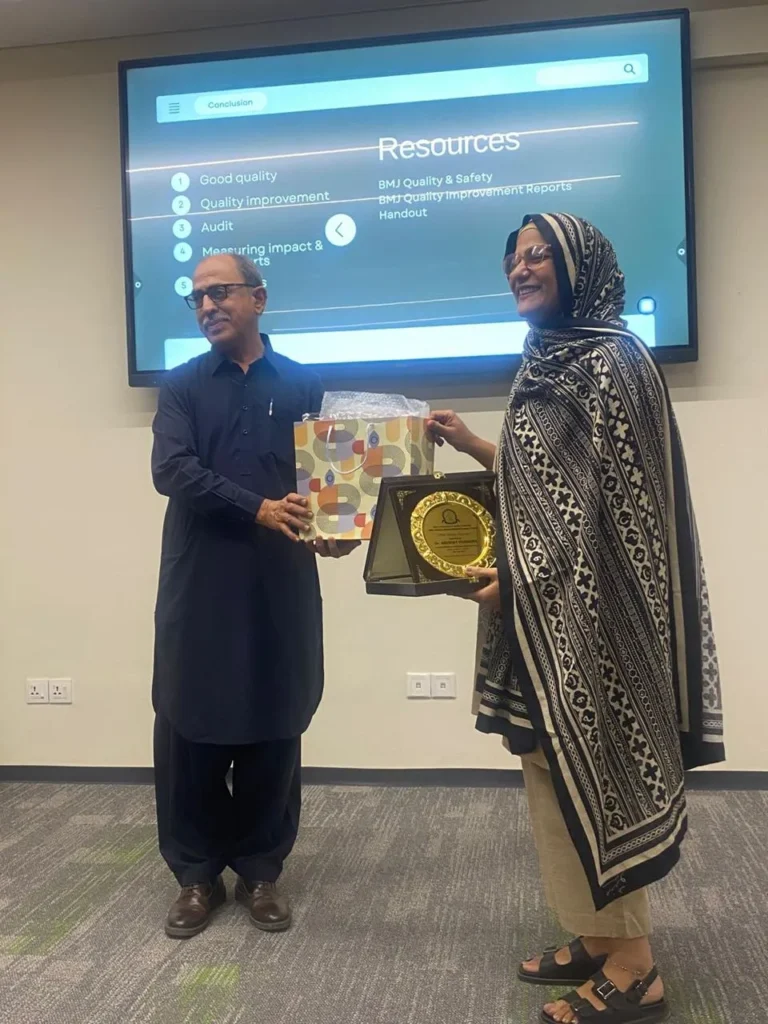
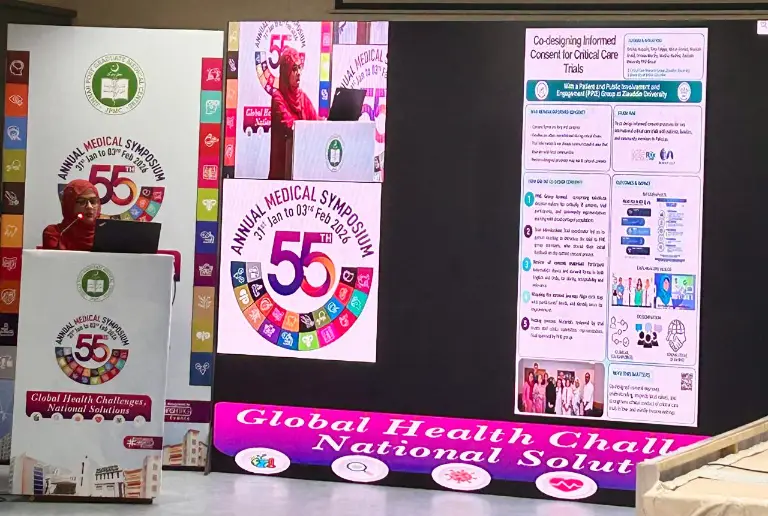
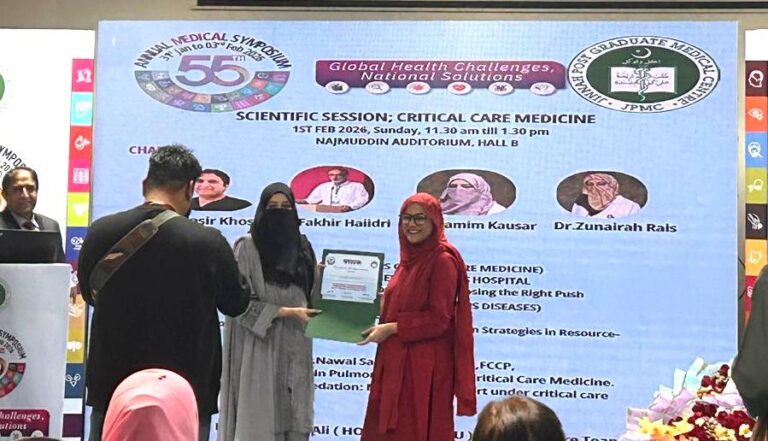
1st February 2026. Dr. Arishay Hussaini, PPIE Coordinator, was honoured with the Best Poster presentation award at the 55th Annual Jinnah Post Graduate Medical Centre (JPMC) Medical Symposium for “Co-designing Informed Consent for Critical Care Trials.”


The session offered an excellent opportunity to showcase our PPIE work on a major platform and was very well received. The concept was widely appreciated, particularly as it was relatively new for an audience largely comprising critical care physicians.

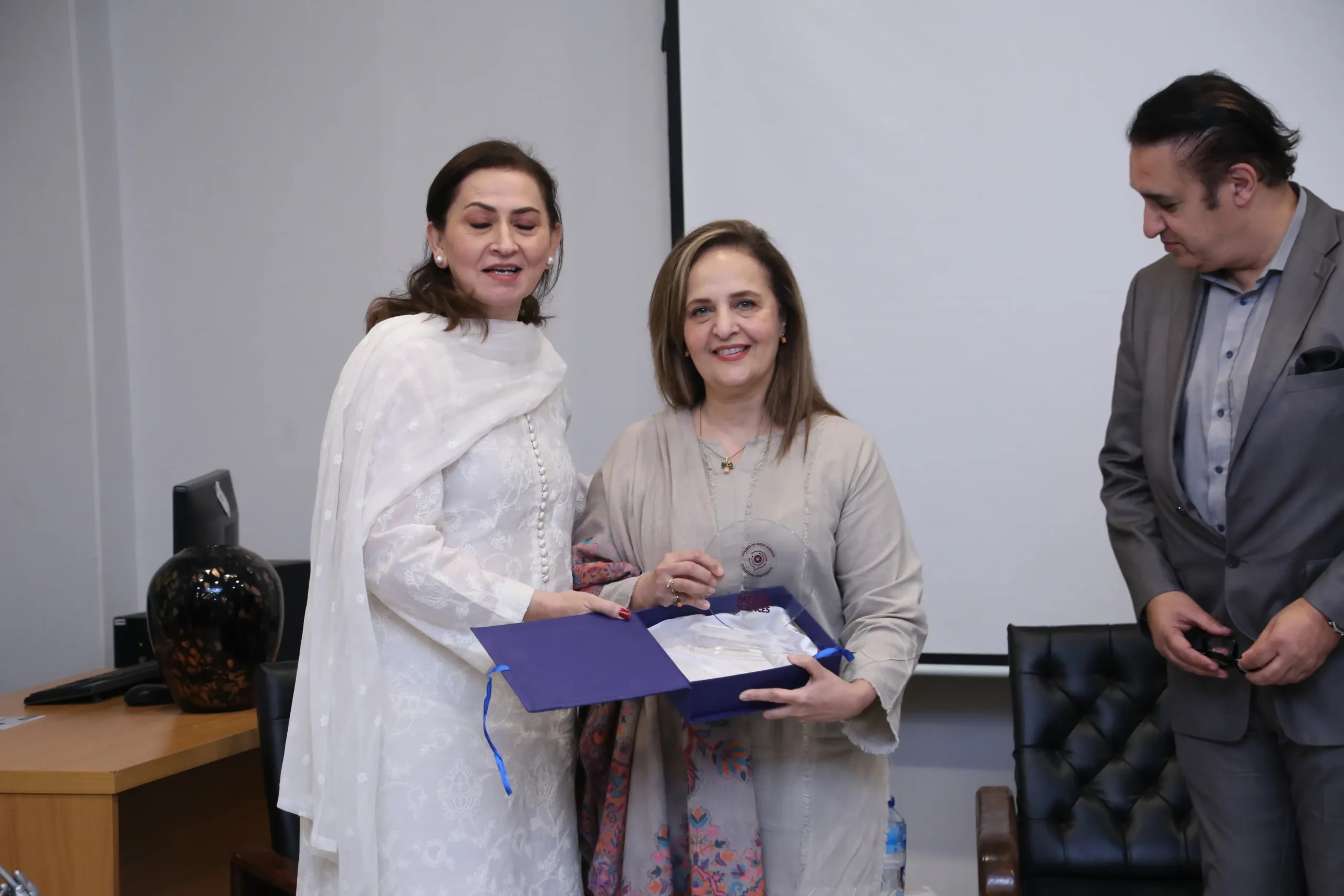
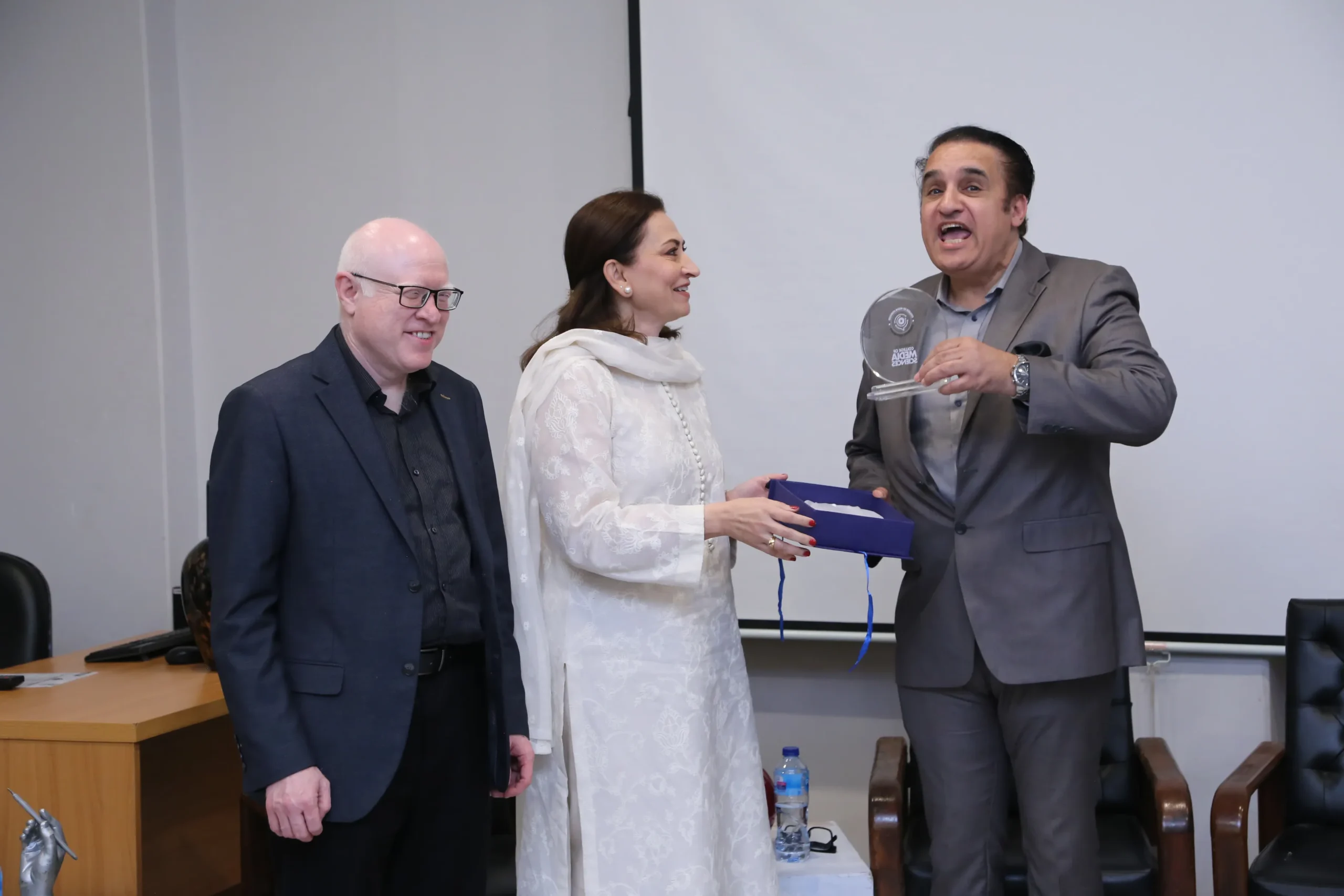
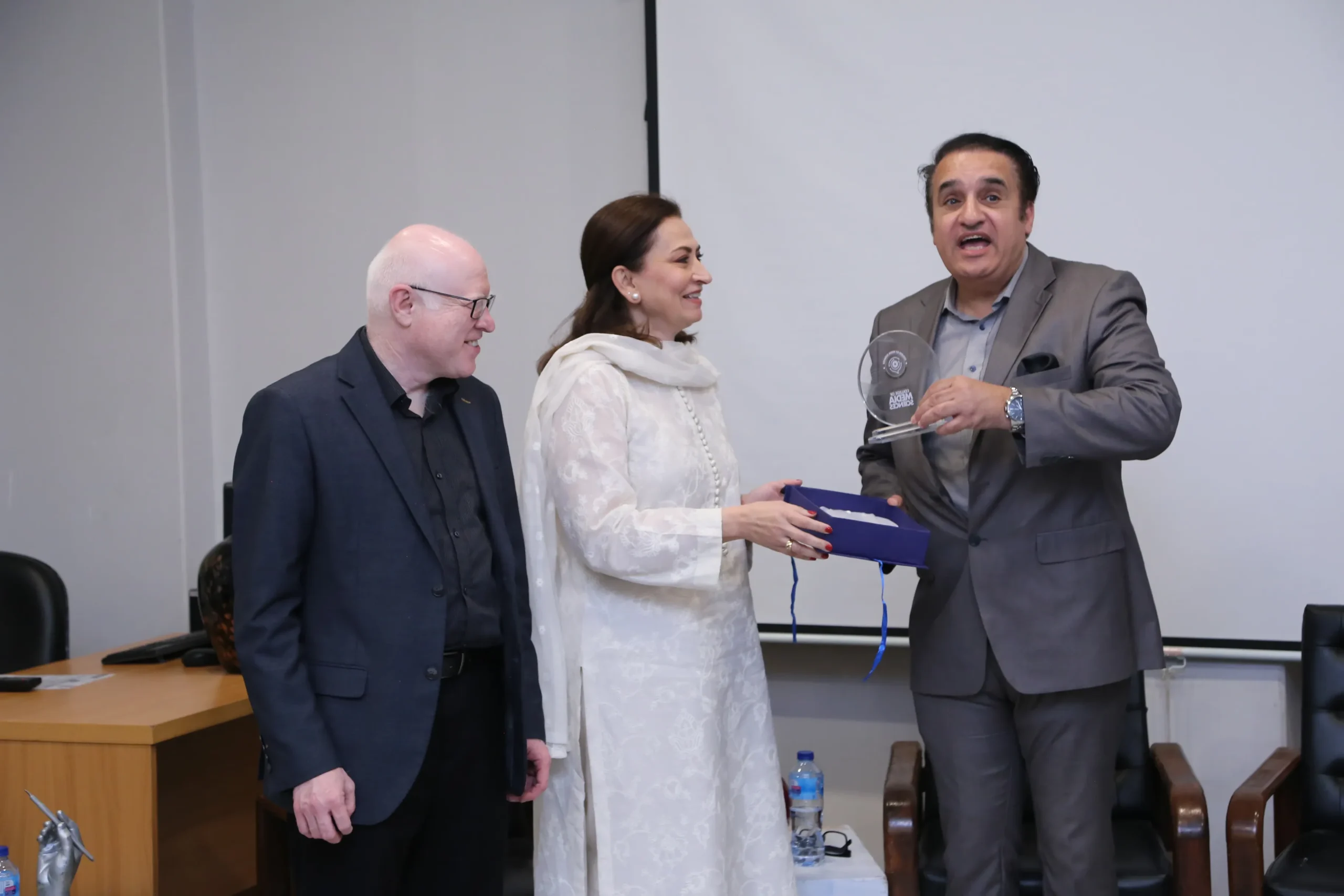
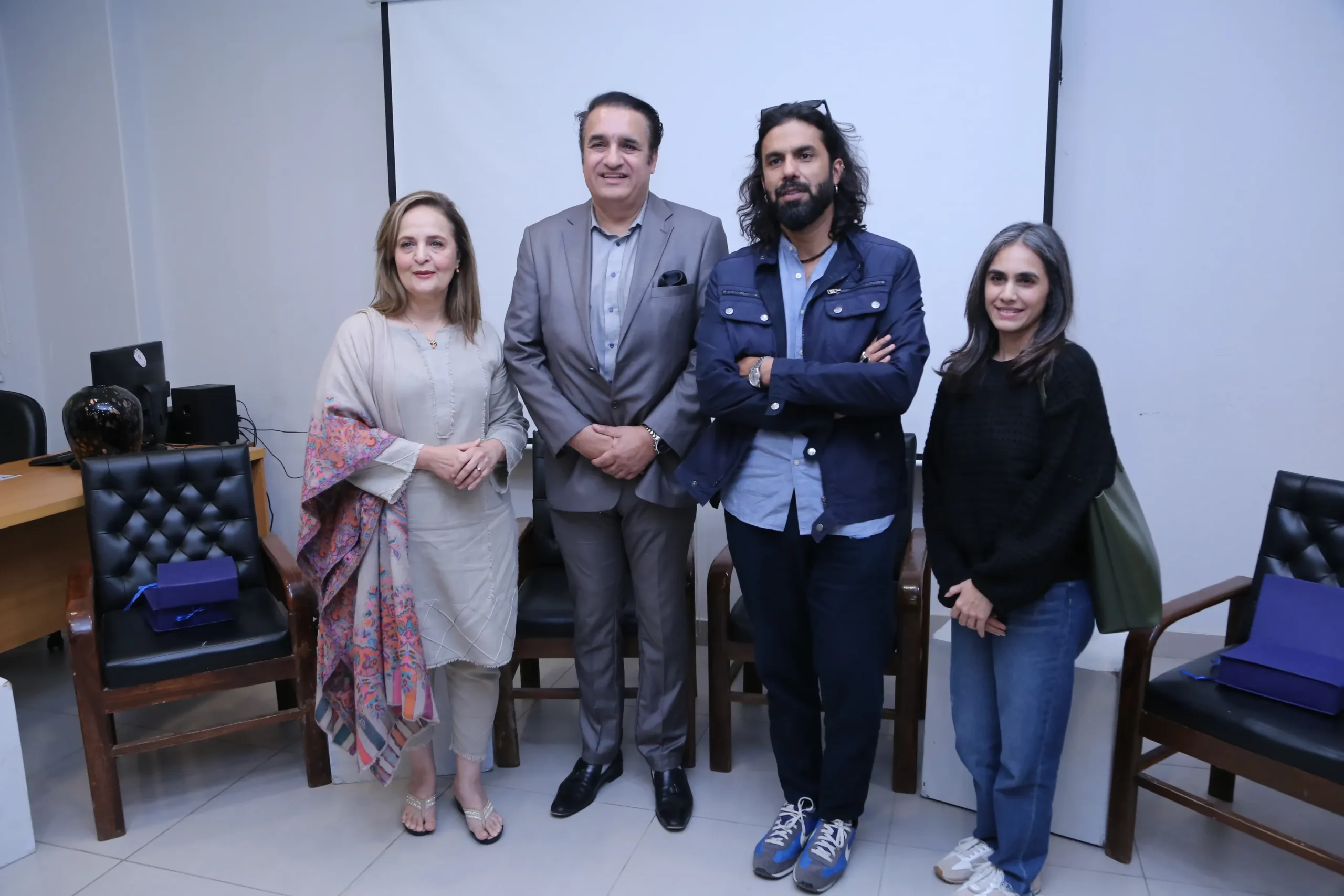
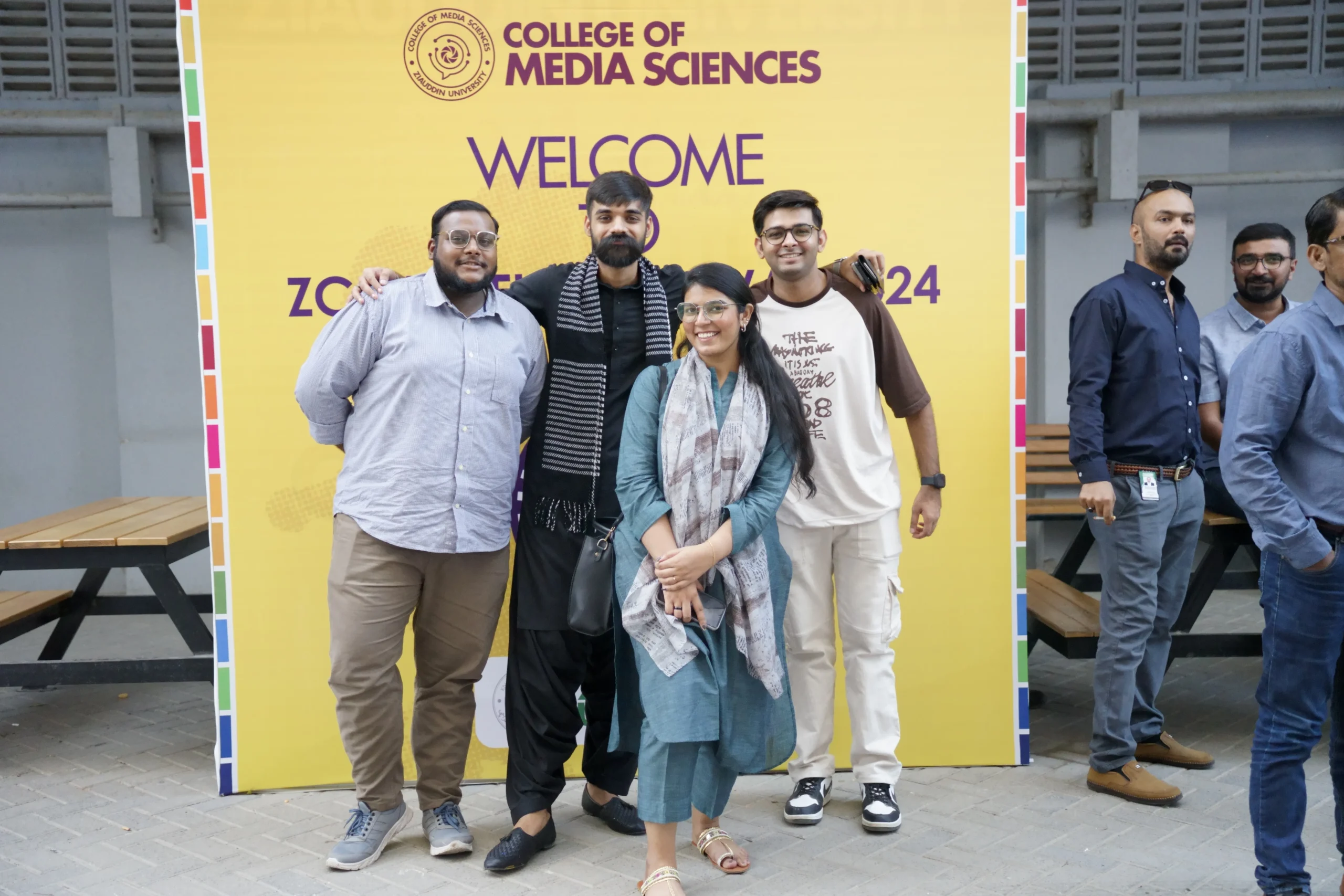
Ziauddin College of Media Sciences (ZCOMS) collaboration for REMAP-CAP infographic
23 Dec 2025
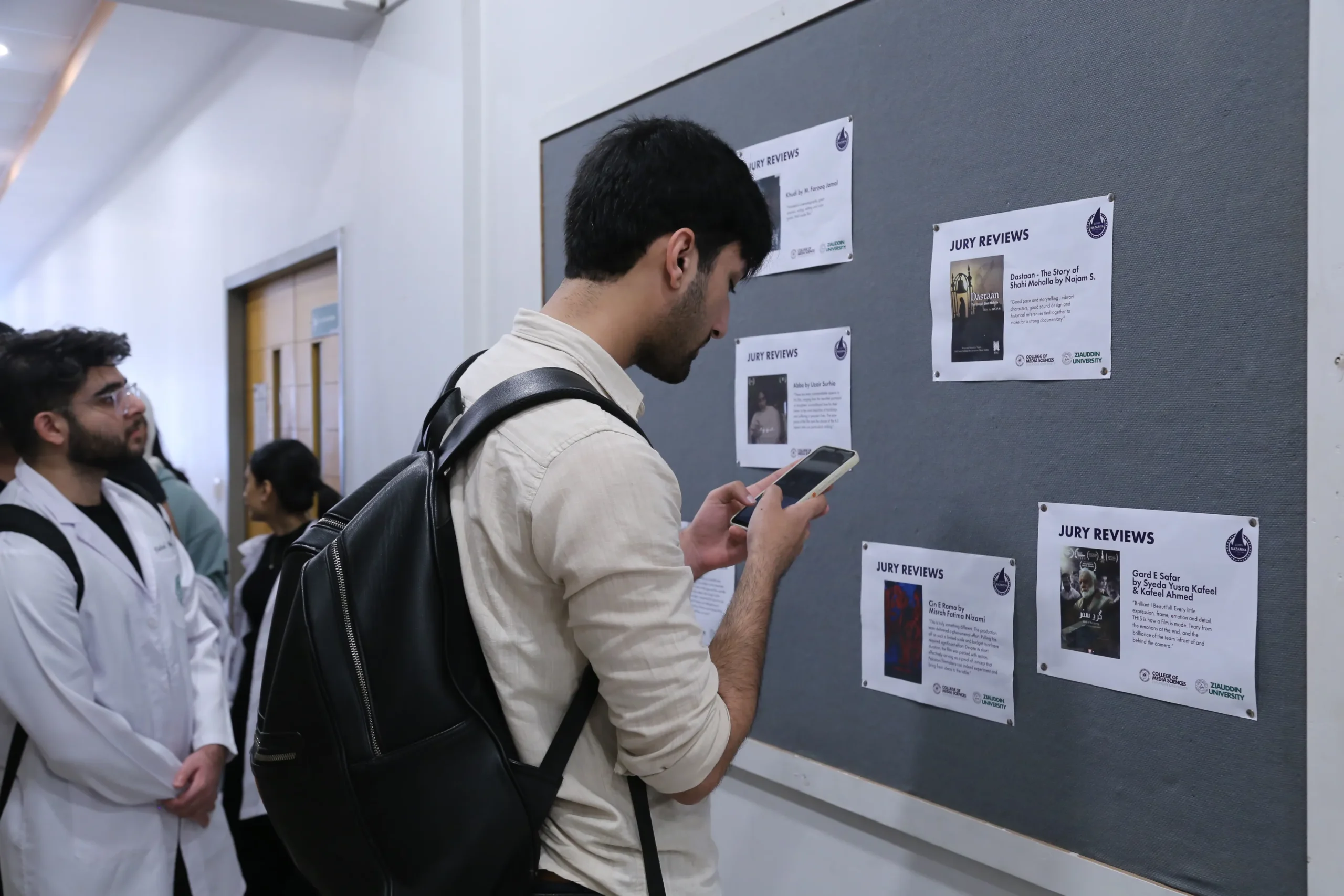
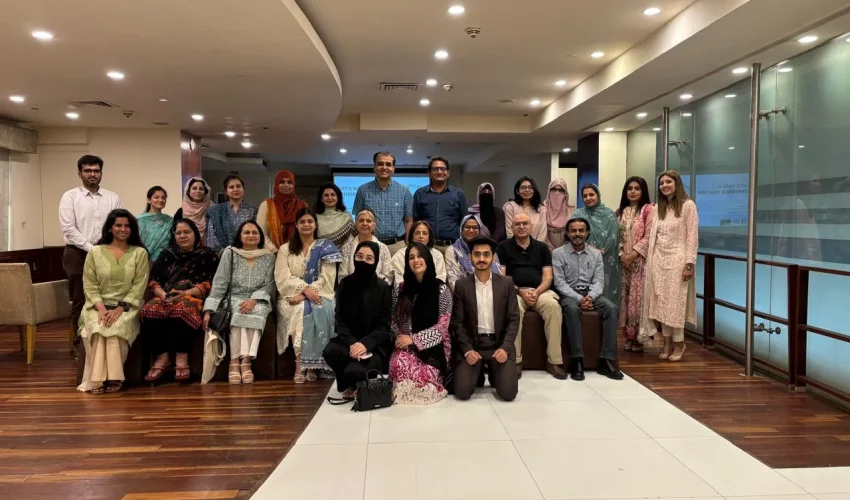
23 December 2025. ZCOMS and the Ziauddin University Patient and Public Involvement and Engagement (PPIE) team collaborated to develop an infographic to communicate the REMAP-CAP trial to patients, informed by feedback from the PPIE group.

Media students were invited to create infographics, resulting in an impressive range of submissions that highlighted the value of combining visual arts, public engagement, and medical research to enhance science communication. One infographic prepared by Ms. Miraal Hai stood out and was selected by the PPIE group for further refinement, attached below.

This initiative showcased the creativity and potential of Ziauddin’s media students and demonstrated how interdisciplinary collaboration can meaningfully support patient-centred research and the goals of the PPIE programme.
Presentation: ISARIC Global Public Engagement Network Meeting

30 Oct 2025

12 November 2025. Dr. Arishay Hussaini (PPIE Coordinator) spoke at the monthly ISARIC Global PPIE Network meeting, sharing our experience of building a sustainable, culturally grounded PPIE group in Pakistan. She highlighted key challenges including recruiting diverse members, sustaining engagement, and setting realistic timelines. 
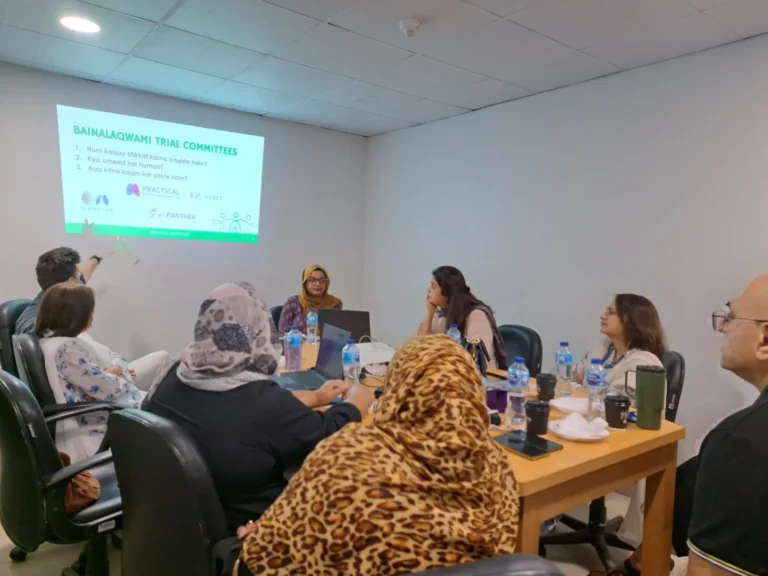
Dr. Hussaini emphasised the importance of co-creation and the use of standardised templates to set clear expectations, build trust, and create familiarity with members.  The active collaborative approach taken during the early stages continues to guide our work of building a truly representative and community-rooted PPIE group. 

The presentation was followed by a rich discussion between the Hubs, who discussed their own experiences and discussed the contextual factors influencing the establishment of PPIE groups globally.  

First Brazilian School on Patient & Public Involvement in Research
30 Oct 2025
Our team had the honor of presenting at the 1st Brazilian School on Patient & Public Involvement in Research. This incredible initiative, organised by a group at the Federal University of Paraíba, is pioneering public engagement in Brazil and leading the way in changing the culture of research.

Timo (PPIE coordinator) spoke about the challenges and successes of recruiting patient and public members, which resonated with the attendees. Clearly, we have a lot in common in our efforts to promote PPIE across the world and we are grateful for the opportunity to learn together with our new colleagues in Brazil.

Together we can promote equity in research!
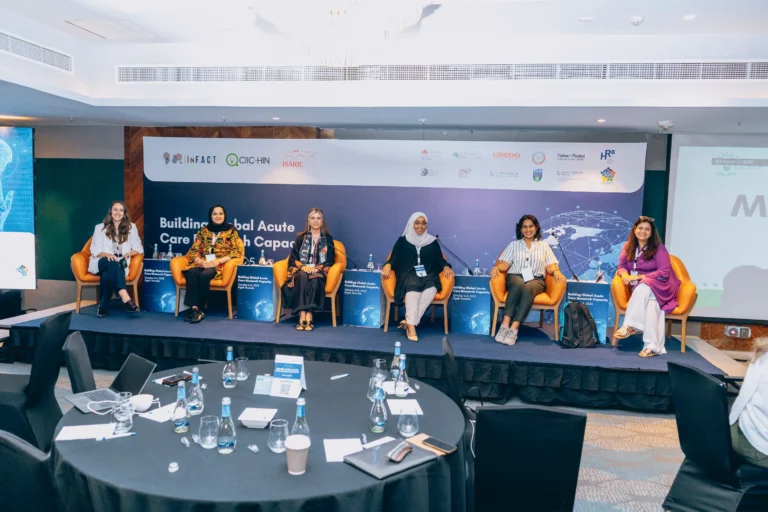
Building Global Acute Care Research Capacity

“The public engagement that the team at Ziauddin University do is some of the best in the world”

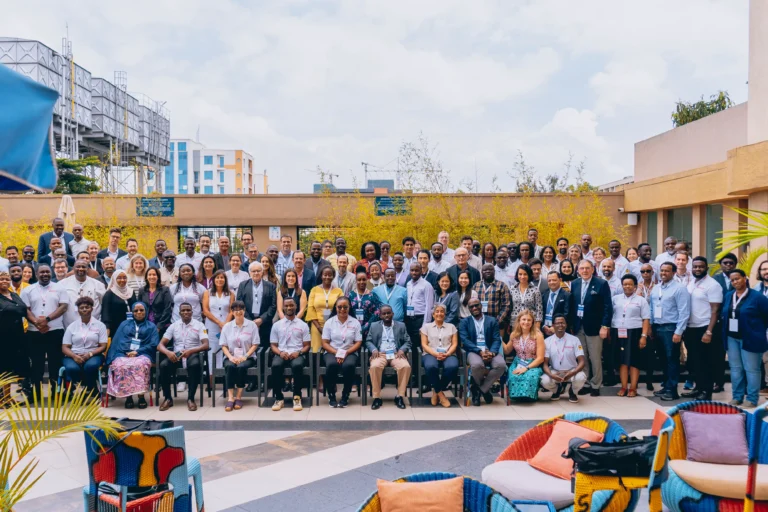
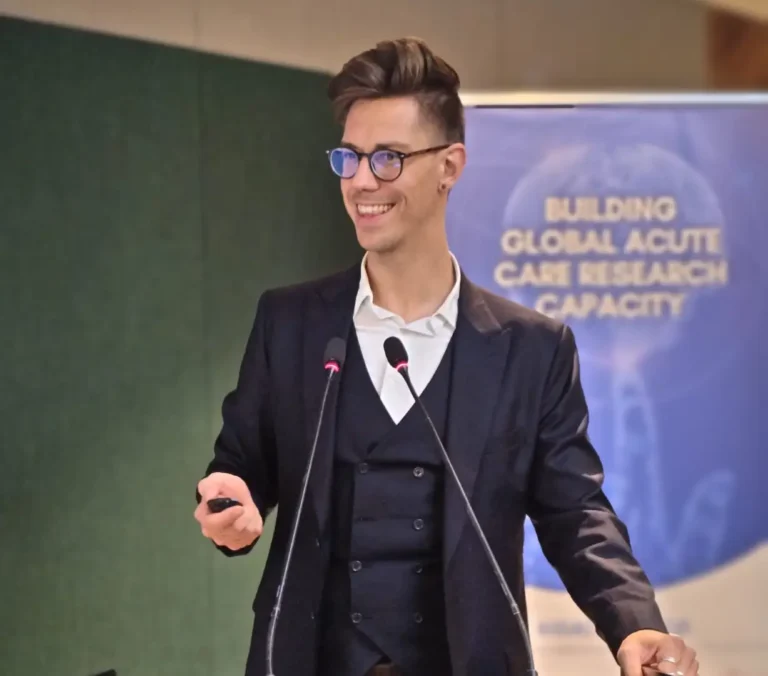
Hearing these words of acknowledgment from world-leading researchers at the ‘Building Global Acute Care Research Capacity’ event held in Kigali, Rwanda, was a moment of great pride for our entire team.

Another moment of pride was when our own Saima (PPIE member) and Timo (PPIE coordinator) took the stage to co-lead a session on public engagement. Working together, they demonstrated what is possible when members of the public are invited to be equal partners instead of passive research participants.

We are grateful to InFACT, CIICHIN and the ICC-CTN team at University College Dublin for enabling us to bring a public partner to the event and giving us a platform to advocate for our patients in Pakistan. Our team learned a great deal over the three days and found new collaborators that share our passion for advocacy, engagement and inclusion.

Our voice is becoming stronger and stronger, and we invite everyone to join us on this journey to make research patient-centred. 

Our PPIE group member, First public representative to join the REMAP-CAP International Trial Steering Committee (ITSC)
30 Oct 2025

Big News! Our very own Saima Saleem — PPIE group member, social impact storyteller, filmmaker, and Healthcare Communication Lead at SIUT – has made history! She’s the first public representative to join the REMAP-CAP International Trial Steering Committee (ITSC) As a founding member of our PPIE team, Saima is now taking our voice to a truly global stage, and we couldn’t be prouder!

Video: ISARIC Global Public Engagement Network Meeting Presentation
7 July 2025

7 JULY 2025. Our senior coordinator, Dr Arishay Hussaini, spoke to researchers from all over the world about a study to evaluate the engagement processes of our PPIE initiative. The purpose of the study is to generate insights into what works and what doesn’t when conducting patient and public engagement in Pakistan. The presentation was attended by researchers from Brazil, Nigeria, Saudi Arabia, Singapore, the Philippines and the United Kingdom.
Watch the video to hear more about the study and our preliminary results! 

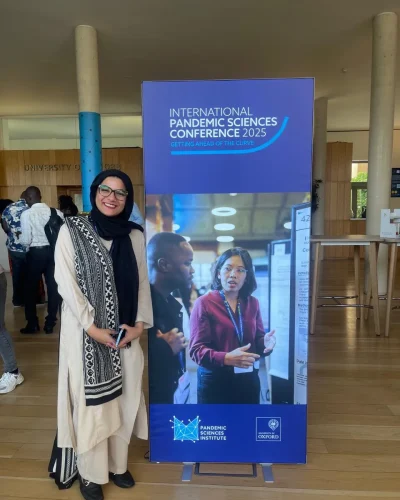
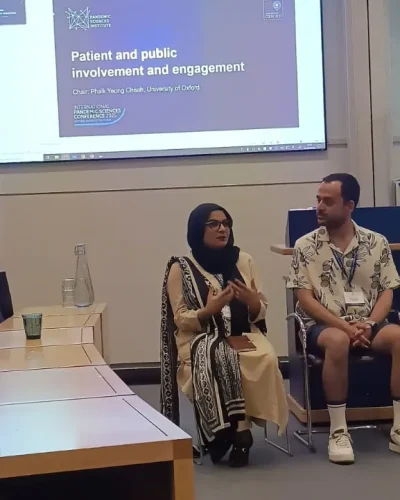
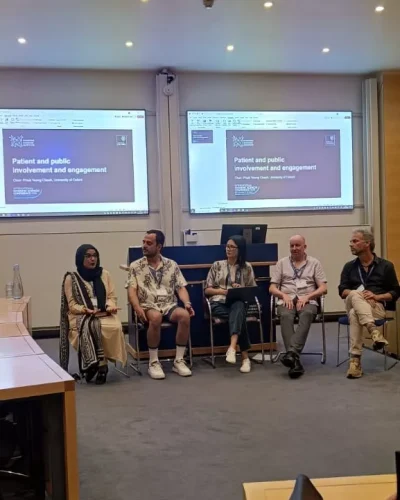
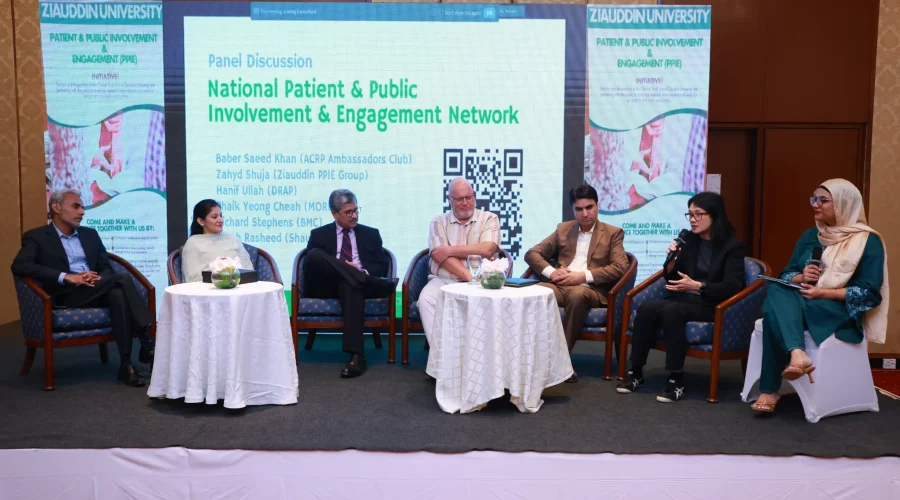
Event: Panel Discussion at the Pandemic Sciences Institute (PSI), Oxford.
1 July 2025

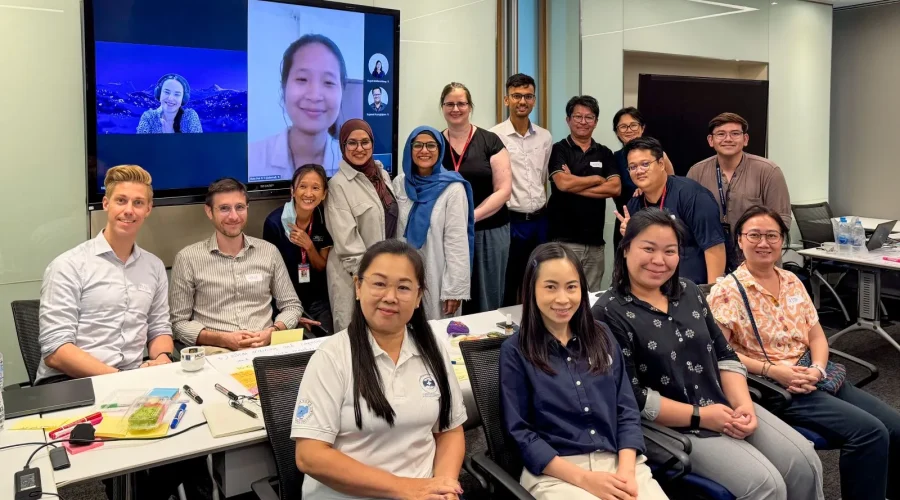
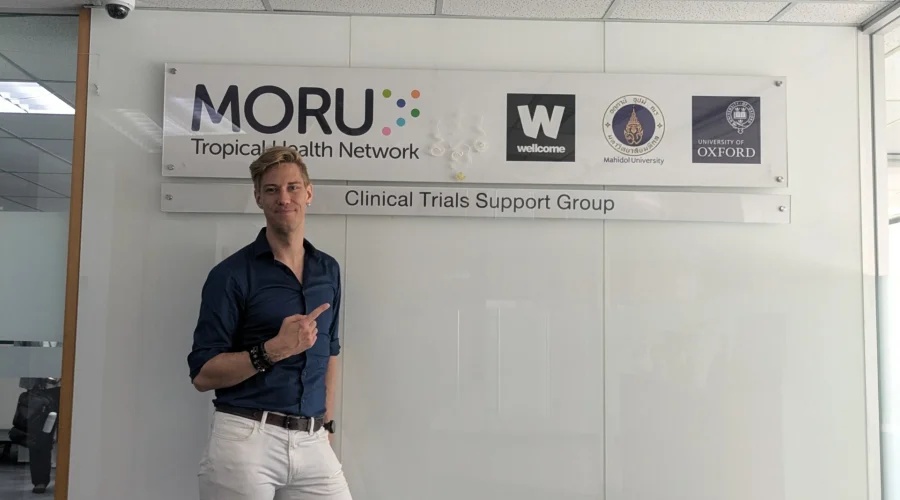
1 July 2025. Our PPIE Coordinator, Dr Arishay Hussaini, was invited to participate in a panel discussion on Patient and Public Involvement and Engagement (PPIE) at the PSI Conference at Oxford. She was joined by experienced panellists, including the Head of Bioethics and Engagement at the Mahidol Oxford Tropical Medicine Research Unit (MORU), a Senior Researcher from the UK Health Security Agency (UKHSA), the Training and Volunteer Manager from Positively UK, and a Senior Scientist from the Oswaldo Cruz Foundation, Brazil.

The discussion was focused on the challenges of integrating PPIE into health research and the contextual differences that shape engagement strategies in low- and middle-income countries compared to high-income countries. The session was very well received, and attendees were engaged, offering an enriching and thought-provoking exchange of global perspectives.

It was an honour to be represented on such a significant platform, and we look forward to continuing the conversation through more globally inclusive PPIE initiatives.  

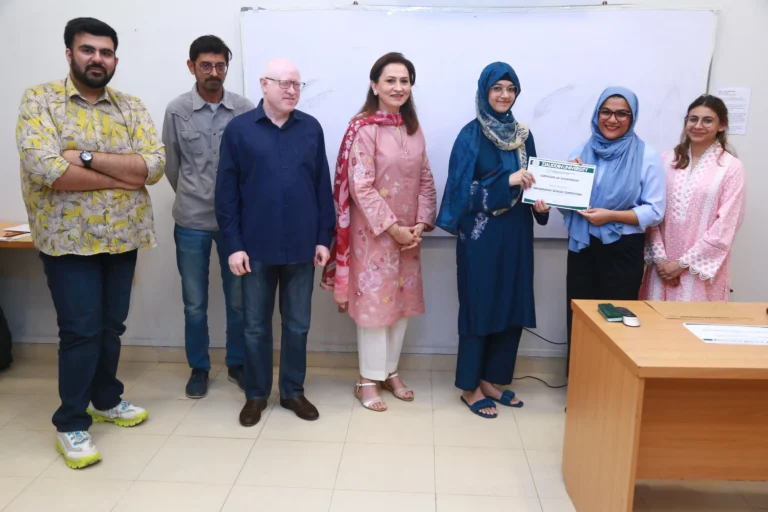
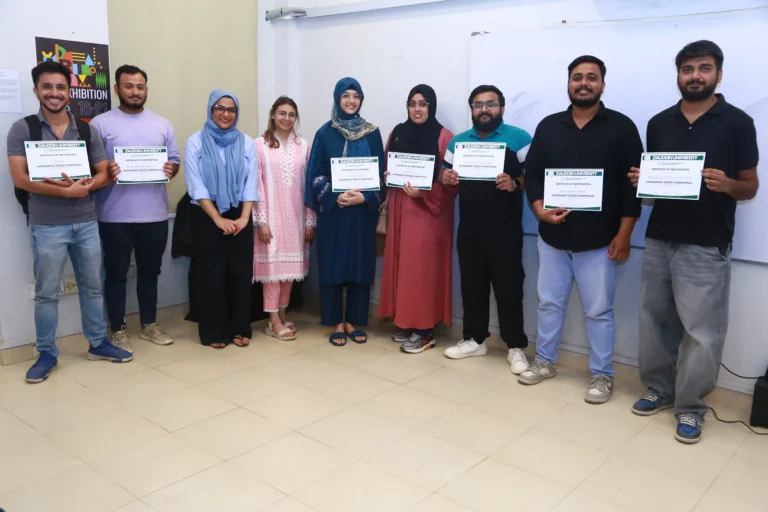
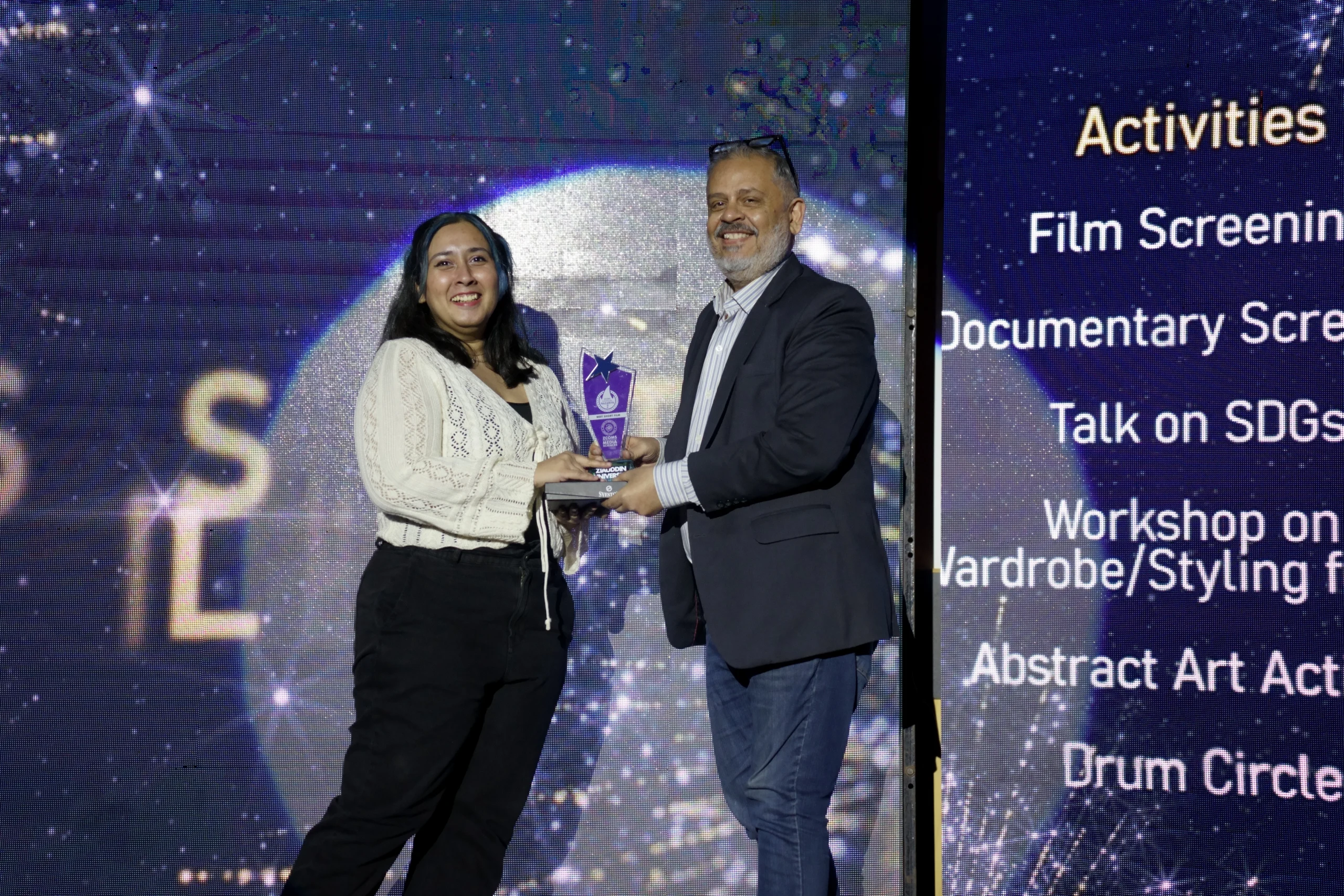
Event: Ziauddin College of Media Sciences (ZCOMS) ceremony for Mega-ROX infographic design competition
19 June 2025

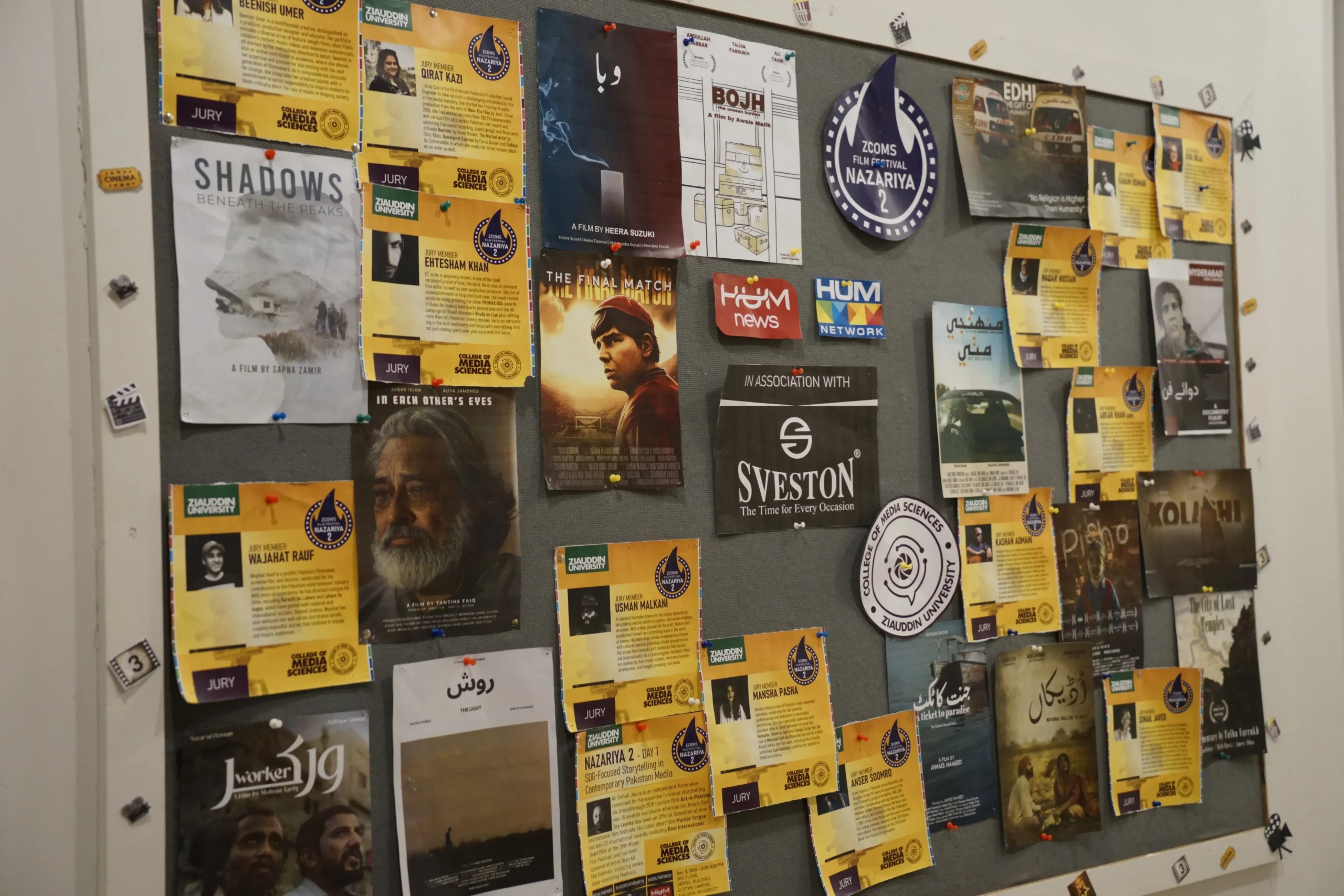
19 JUNE 2025. ZCOMS, in collaboration with the Patient and Public Involvement and Engagement (PPIE) team, engaged media students from the Ziauddin College of Media Sciences through a creative design challenge. Participants were tasked with creating an infographic that effectively communicated the purpose of the Mega-ROX project to patients and their families.

The students showed an enthusiastic response, and we received a wide range of innovative and visually engaging designs. The quality of submissions made the judging process particularly competitive.

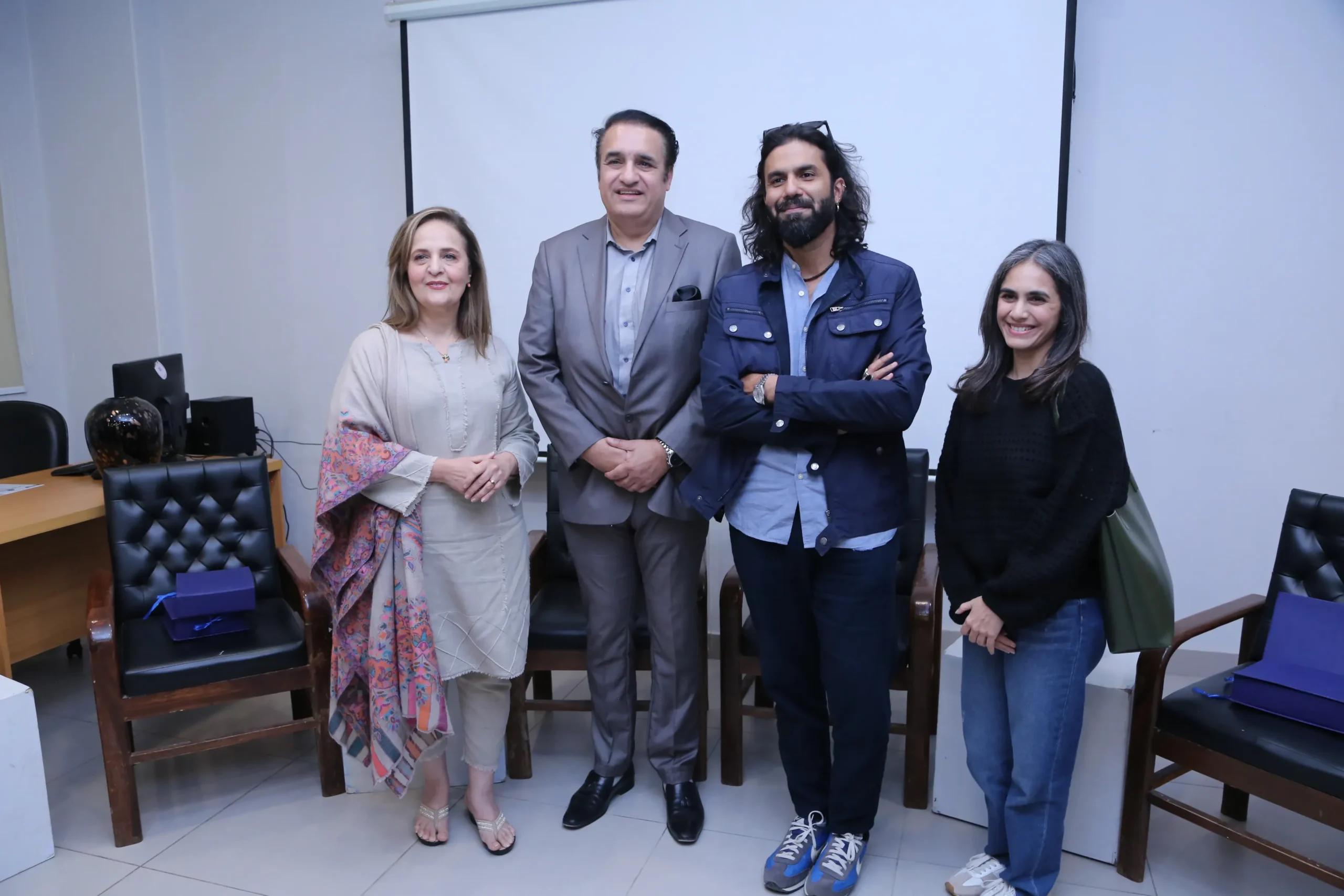
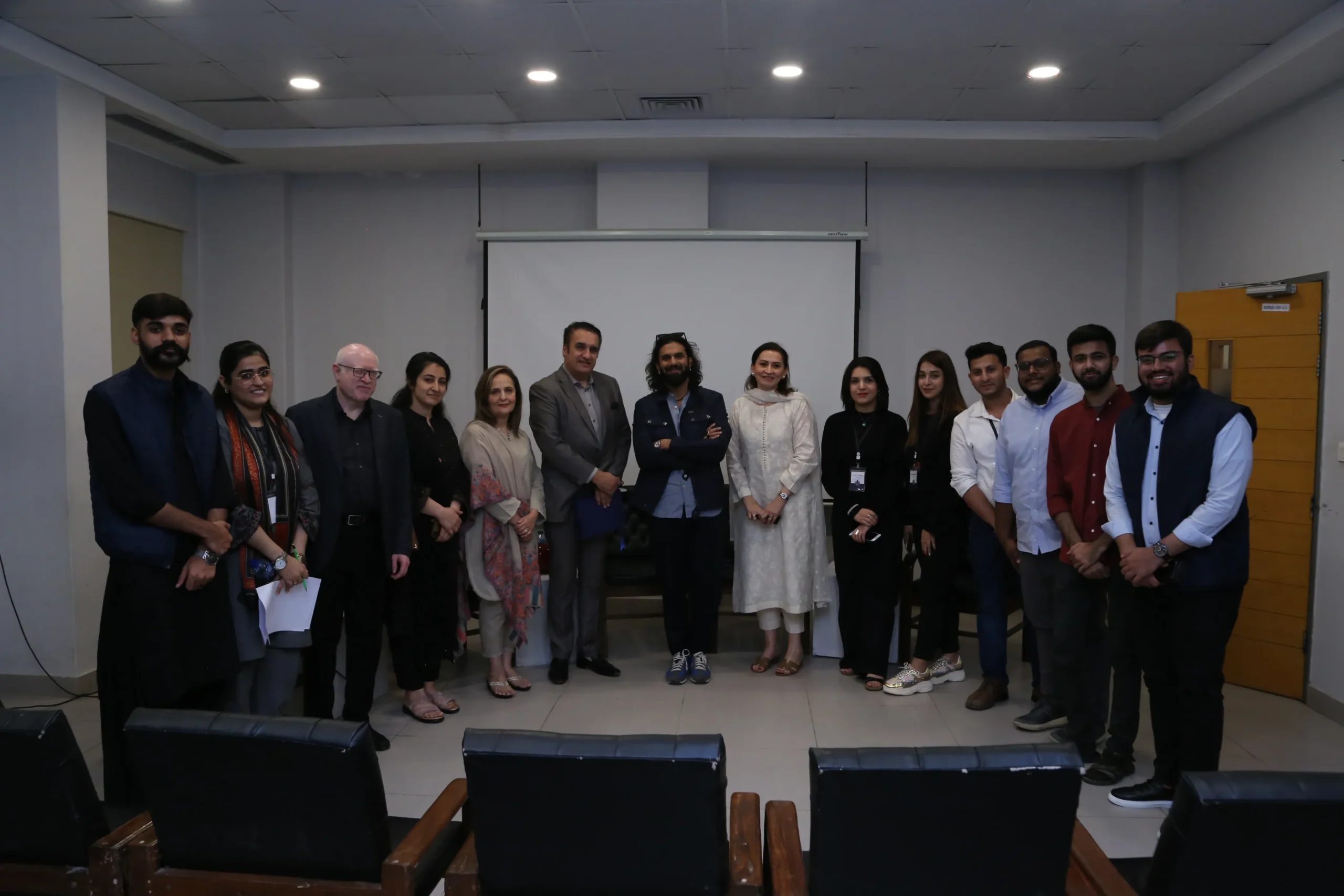
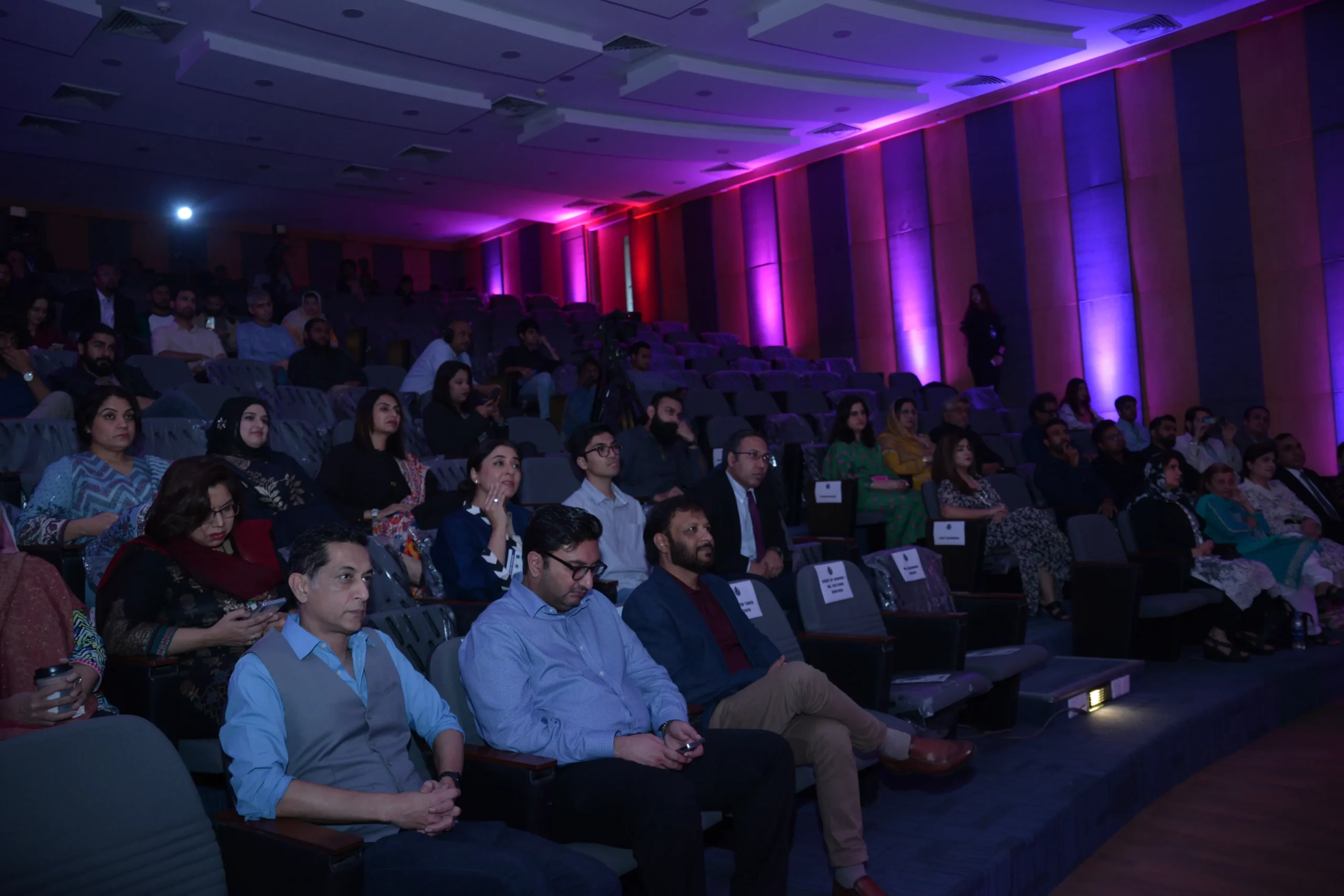
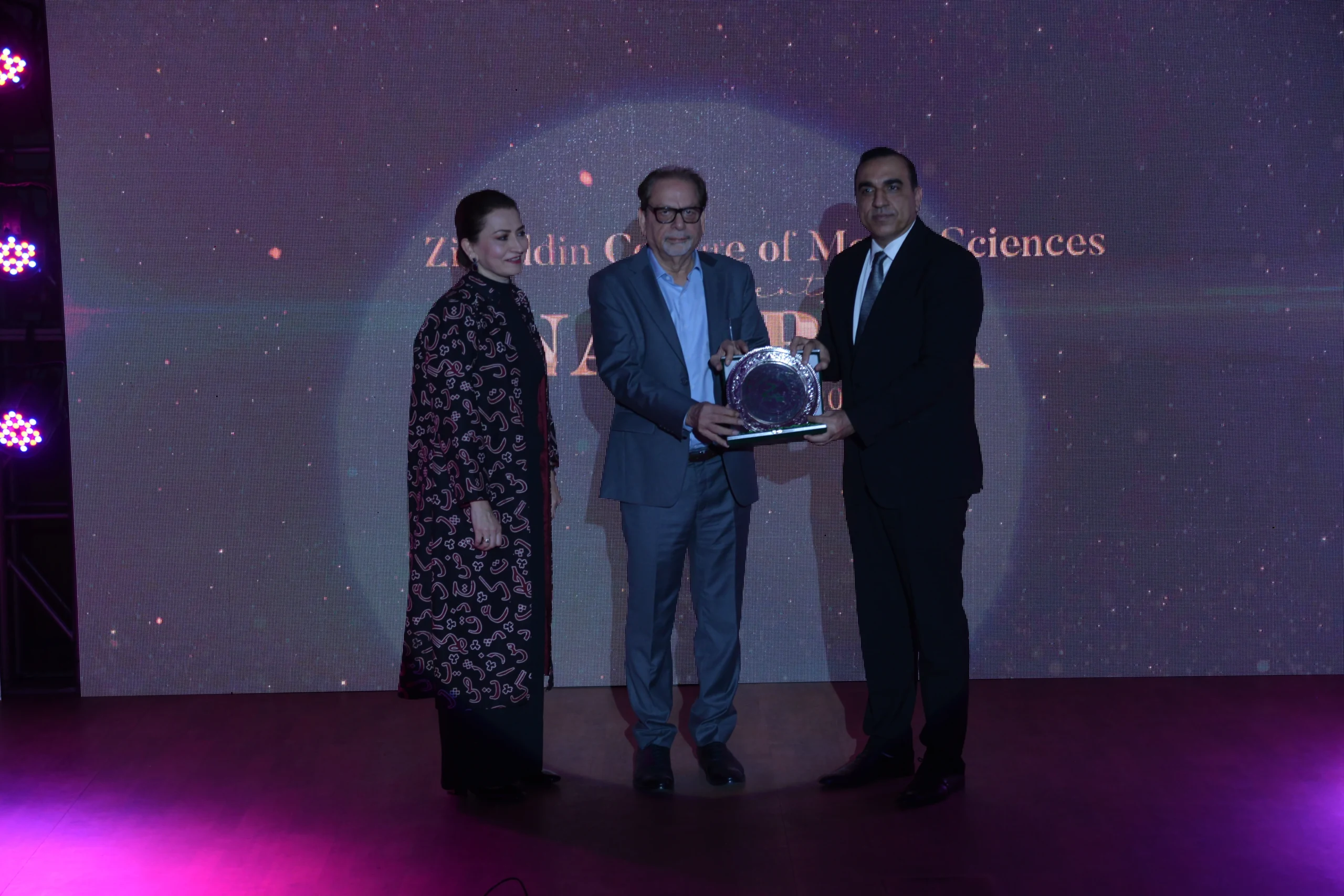
To recognize their creativity and effort, all participants were awarded certificates of participation at an award ceremony. Noor Arsalan, whose design stood out for its clarity and originality, was declared the winner and received a cash prize.

This initiative not only showcased the talent and potential of Ziauddin’s media students but also played a vital role in promoting the goals of the PPIE initiative. It marked an important step toward interdisciplinary collaboration and effective science communication with members of the public.

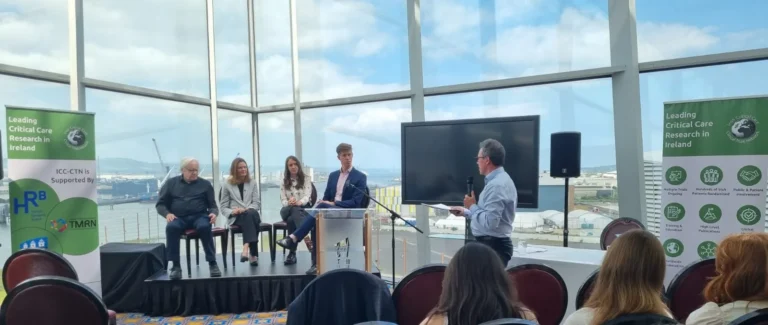
Event: Irish Critical Care Clinical Trials Network Meeting, Belfast, UK
10 June 2025

10 June 2025. The Irish public engagement group has been a big supporter of the Ziauddin PPIE initiative from the very beginning. Our senior lead (Prof Madiha Hashmi) and one of our coordinators (Timo) had an opportunity to meet the Irish team in Belfast during their annual network meeting. They heard about the real impact patients are making in health research in Ireland and met one patient partner, who spoke passionately about the reasons why they are involved in PPIE.

The meeting also featured a talk from Timo describing global perspectives on PPIE, including the work we are doing at Ziauddin to strengthen the public voice globally. The clinicians, nurses, researchers and patient partners attending the meeting were impressed by the progress made by our team and many approached us afterwards for advice on how to incorporate more public engagement in their work. 

Huge thank you to Leanne Hays (pictured), Alistair Nichol, Kate Ainscough, Claudia Lonergan and everyone else in the Irish team for their support and the opportunity to present our work at their annual meeting. 

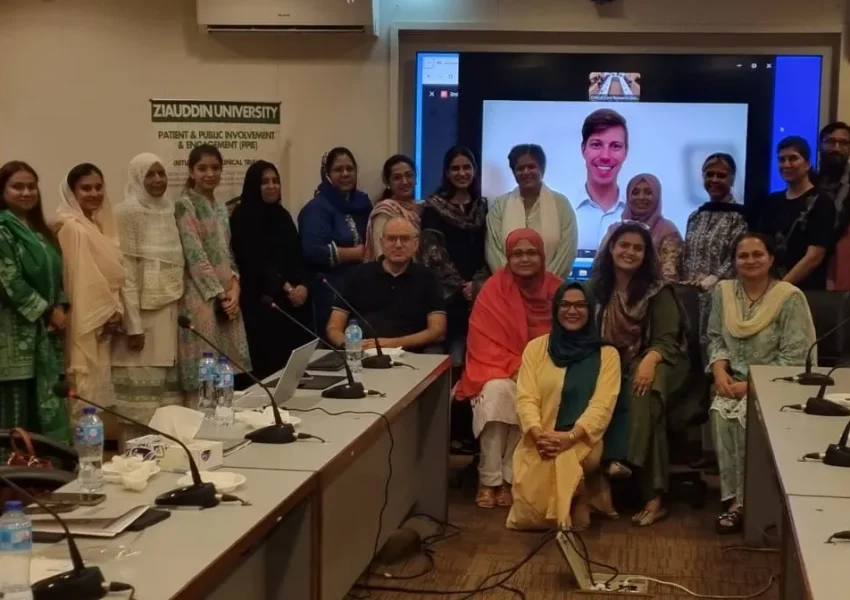
Event: 2nd National PPIE Collaborators’ Meeting
24 May 2025

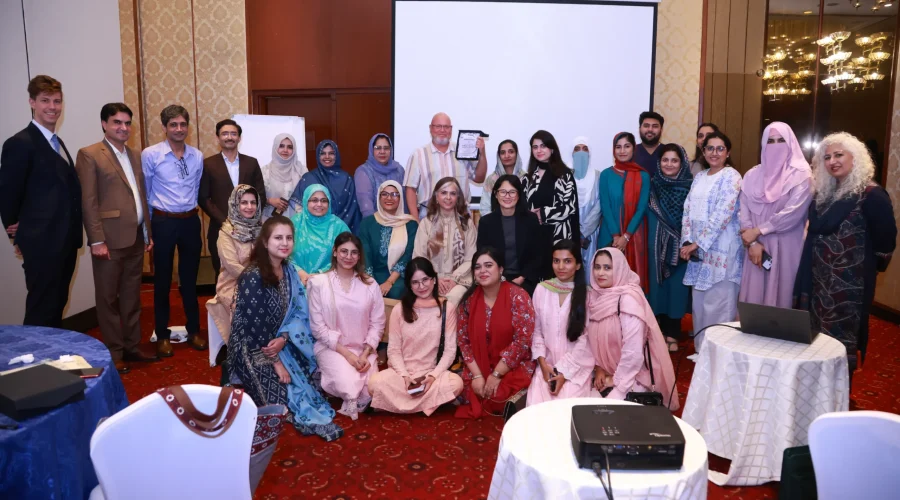
24 May 2025. Building on the momentum of the inaugural meeting in Lahore, the 2nd National PPIE Collaborators’ Meeting brought together an even wider network of contributors committed to embedding meaningful involvement in health research. 

Held in a hybrid format, the meeting welcomed 17 participants representing six external institutions, reflecting the growing energy and commitment behind PPIE in Pakistan. The focus was to share progress,and explore practical, context-sensitive ways to embed patient and community voices more systematically into ongoing projects.  Participants showcased local initiatives and discussed plans for collaborative training, recognition, and documentation of PPIE efforts nationwide.

Members of the ZU PPIE group shared their experiences and advised interested groups on key considerations for establishing their own PPIE initiatives. Together, this growing network is building an inclusive, ethical and responsive community of practice for health research in Pakistan. 

Event: 1st National PPIE Collaborators’ Meeting
19 April 2025

19 April 2025. The 1st National PPIE Collaborators’ Meeting was held in Lahore, bringing together 19 participants from seven institutions across Pakistan, along with community and patient representatives from the Ziauddin University PPIE group. This landmark gathering was designed to create a national community of practice focused on embedding meaningful involvement in health research.

The meeting provided space for open dialogue, shared learning, and collaborative planning among researchers, clinicians, patients, and community members. It focused on aligning goals, sharing local experiences, and co-developing strategies to support ethical, inclusive, and context-sensitive research. It also provided a platform to celebrate the contributions of PPIE group members and set priorities for future work, including capacity building, documentation, and wider community engagement.

This meeting marked an important step forward in developing equitable partnerships that ensure research is shaped by those it aims to serve. 

Blog: Pakistan Institute of Living and Learning (PILL)

14-Jan-2025

Dr. Arishay Hussaini wrote a lovely piece for the Pakistan Institute of Living and Learning (PILL), and we’re excited to see it published on their website!
In her article, she talks about the evolving role of Patient and Public Involvement and Engagement (PPIE) in research, and how it’s shifting from passive participation to active collaboration. She highlights the partnership between Ziauddin University and PILL, where shared learning and real community voices are leading to meaningful and inclusive research. Dr. Arishay also reflects on the value of learning from both international experts and local field workers and shows how global and local perspectives can strengthen research in low- and middle-income countries.
Read the full piece now on the PILL website!  

Event: PPIE Group Meeting
05-April-2025

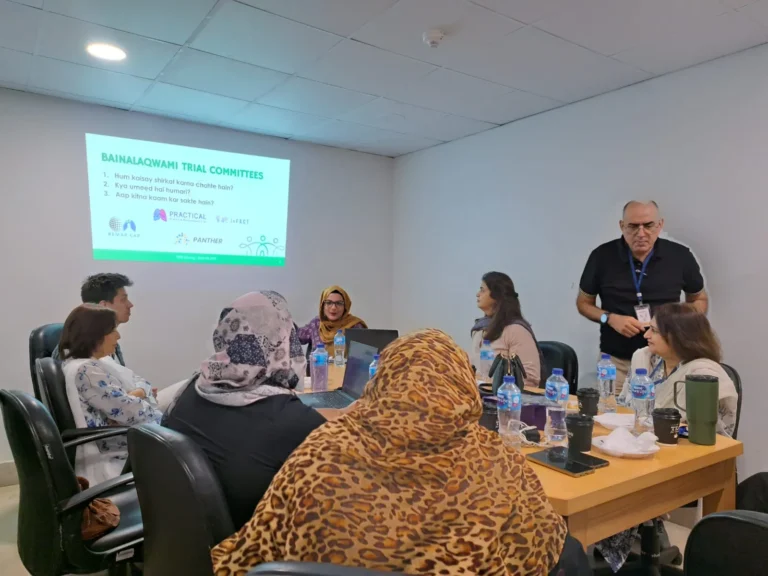
5 April 2025. Our recent team meeting was a productive and energizing session. We finalised current projects (results to be announced soon) planned future projects, and organised details for our upcoming event in Lahore. There was a real sense of unity and teamwork which made the session impactful and motivating. We wrapped up the day with a lovely lunch—an opportunity to connect further and celebrate the progress we’ve made together. We’re excited about what’s ahead and look forward to sharing more updates soon!  

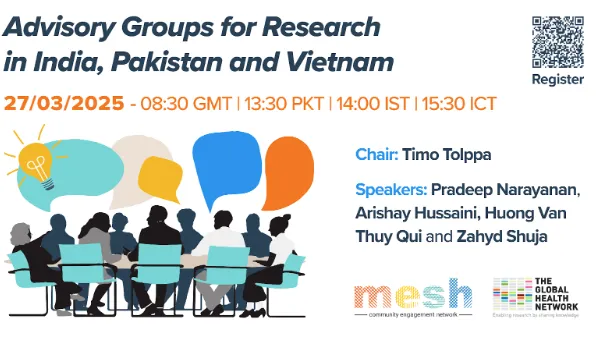
Event: Advisory Groups for Research in India, Pakistan, and Vietnam (Webinar)
27-March-2025

27 March 2025. We were thrilled to be part of a webinar hosted by the MESH Community Engagement Program, which spotlighted how research teams in India, Pakistan, and Vietnam are successfully establishing research advisory groups. Our team was invited to talk about how establishing and maintaining Patient and Public Involvement and Engagement (PPIE) groups can meaningfully include local perspectives—ultimately leading to better-designed and more impactful research. Dr Timo Tolppa expertly chaired the seminar, and Dr Arishay Hussaini delivered a talk on effective strategies for meaningful involvement and engagement. We were also proud to be joined by Zahyd Shuja, a member of our own PPIE group, who offered his reflections and experiences as part of our group. We’re excited to share that the event was a huge success, with over 400 people registering and tuning in live on Zoom! If you missed it, we’d love for you to watch the recording and tell us what you think! 

Announcement: Our Newest Team Member
14-Jan-2025

14 January 2025. We’re so excited to welcome Dr. Maham Jawaid Ahmed to our PPIE team as our newest coordinator! Dr. Maham is a clinical research assistant and study coordinator in the Critical Care Research Group, with experience in conducting a variety of research projects. With an interest in psychiatry and a commitment to making research accessible and meaningful, she’s eager to dive into this role, working on creating materials that connect with diverse communities and help bridge the gap between research and the real world.

When she’s not busy making strides in research, you’ll probably find Dr. Maham exploring new coffee spots, trying out the trendiest restaurants, or obsessively curating her Spotify playlists. She’s also known for her love of pop culture and a knack for discovering the next big binge-worthy show.

We can’t wait to see Dr. Maham’s ideas and creativity in action as she joins the PPIE group—welcome aboard!

Event: PPIE Meeting led by Dr Madiha Hashmi
14-Dec-2024

14 December 2024. Our PPIE group had their first-ever meeting with Dr Madiha Hashmi, our senior project lead. This meeting was an excellent introduction and built upon prior group meetings regarding effective strategies for communicating and disseminating the results of the critical care trial, REMAP-CAP. The global trial saw significant participation from Pakistan, including Ziauddin Hospital, with numerous enrollments during the COVID-19 pandemic, including Ziauddin Hospital. The PPIE group is eager to explore ways to generate awareness and excitement around the dissemination of the trial results and share the lessons learned with the wider community. As ISARIC senior lead and REMAP-CAP’s Principal Investigator in Pakistan, Dr Madiha provided much insight and supported our group’s ideas.

As a next step, the team is focused on tailoring communication materials to resonate with the public target population, ensuring the messaging is clear, engaging, and impactful. It’s an exciting opportunity to bridge research and public engagement, and the group is ready to get to work!

Announcement: Move to CCRG
01-Oct-2024

1 October 2024. We are excited to announce a significant step forward in the growth of our Patient and Public Involvement and Engagement group! Under the visionary leadership of Dr. Madiha Hashmi, our PPIE initiative has officially become part of the Critical Care Research Group (CCRG) at Ziauddin University. Being under the umbrella of the CCRG opens up incredible opportunities for us to expand our work. This means we’re no longer limited to clinical trials but can take a broader, more inclusive approach to critical care research while continuing to work with the Clinical Trials Unit.

What does this mean? It means:

  • More collaboration: We’ll connect with even more researchers, patients, and community members to make sure every voice is heard.
  • Wider focus: We can tackle bigger questions in different research fields.
  • Stronger impact: Our work will continue to prioritize what matters most to patients and their families.

This is an exciting new chapter for us, and we can’t wait to share more as we grow and learn together. We’re just starting!

HCOR Research Institute, São Paolo, Brazil 
18-Oct-2024
18 October 2024. For an online lecture, Drs Timo and Arishay shared the behind-the-scenes story of setting up our PPIE group with the HCOR Research Institute in São Paolo, Brazil. They detailed how it began with an introductory session, starting with 10 members and evolving into a strong group of 6. A key focus was on the unique contextual challenges faced in low- and middle-income countries, from cultural nuances to resource constraints, and how these shaped the group’s approach. Their presentation highlighted how meaningful engagement can thrive when adapted to local realities, paving the way for more inclusive, impactful research and allowing the Brazilian audience to reflect and potentially integrate community engagement for their own research.
International Clinical Trials Methodology Conference 2024, Edinburgh, UK
02-Oct-2024
2-3 October 2024. Our two coordinators, Dr. Timo Tolppa and Dr. Arishay Hussaini, headed to Edinburgh for the International Clinical Trials Methodology Conference to share our work and progress. Dr. Arishay presented a poster showcasing our PPIE evaluation study, highlighting initial findings, offering key recommendations, and detailing the study’s step-by-step process in a visually engaging way. Meanwhile, Dr. Timo delivered a riveting oral presentation to an auditorium packed with experts from across the research community. He delved into the informed consent process for patients, emphasizing the importance of co-design, clear language, and thoughtful execution in obtaining consent. The poster and presentation received enthusiastic responses, marking a significant step forward for our agenda and progress.
ISARIC Members Assembly, Ghana
19-Sept-2024
19 September 2024. One of our coordinators, Dr Timo Tolppa, gave an engaging presentation to the ISARIC members, comprising a global network of researchers and collaborators. He gave a short rundown on the setting up of our PPIE group and its accomplishments, and talked about how our project could play a part in the next phase of ISARIC’s work. Dr Timo also highlighted how our efforts could help other ISARIC hubs in Brazil, Ghana and the Philippines, and kick-start new PPIE groups across South Asia, broadening the initiative’s reach and impact.
MORU Meeting and Presentation, Bangkok, Thailand
11-Sept-2024
11 September 2024. Our team took a trip to Thailand! At the MORU Tropical Health Network Second Community Advisory Board Facilitators Meeting (CAB-NET MEET) held in Bangkok, Thailand, Drs Arishay and Timo presented to an engaging international audience about the developments that we’ve made so far, giving an overview of our timelines, milestones achieved and our priorities. With this presentation, we aimed to connect and network across sites and swap input and advice on running a PPIE group. We also heard about exciting public engagement initiatives in Thailand and Cambodia.
Informed Consent training
24-Feb-2024
24 February 2024. Our PPIE members successfully completed their Informed Consent training guided by our PPIE coordinators. Since then, they have been meeting weekly to review the public-facing documents of the REMAP-CAP trial at Ziauddin University, to ensure clarity and relevance for our community. Collaborative efforts like these are vital for conducting effective research by emphasizing what is relevant within our context here in Karachi, to the wider research community. Our work highlights the importance of integrating patient and public partners in trial processes!
Intensive Care Network Meeting in India
02-Feb-2024
2 February 2024. The Indian Registry of Intensive Care network invited Dr. Timo Tolppa (PPIE group co-coordinator) to their annual meeting in Chennai to speak about patient and public engagement in research. He shared the lessons learnt from our success at Ziauddin University in starting a patient engagement group at the Clinical Trials Unit. Attendees wanted to know how our group overcame challenges in order to create such a group in a low-resource setting and were inspired to establish their own groups. Our PPIE group has offered our support to create more groups in South Asia as we believe in strengthening the patient voice in research everywhere.
Critical Care Conference in Nepal
08-Dec-2023
8 December 2023. Dr. Timo Tolppa (PPIE group co-coordinator) attended a critical care medicine conference in Nepal and shared our success at Ziauddin University in establishing a patient engagement group at the Clinical Trials Unit. Attendees expressed excitement and interest to learn more about patient and public engagement, with some wanting to establish a similar group in Nepal. Clearly our PPIE group is serving as an example for others in the region, demonstrating that patient engagement is feasible and valuable. As our own work continues, we hope to inspire many others in Pakistan, Nepal and beyond to embark on the rewarding journey of public engagement.
Presentation at the REMAP-CAP Global PPIE Meeting
22-Nov-2023
22 November 2023. Watch Dr Arishay Hussaini’s presentation at the global PPIE meeting of the REMAP-CAP trial where she shared the lessons we have learnt in establishing a public engagement group in a low- and middle-income country. The meeting was attended by researchers from around the world, including Australia, Japan, Ireland and Canada, and attendees discussed ways in which to incorporate the voices of patients from low-resource settings more meaningfully in the design and conduct of REMAP-CAP. Our PPIE group at Ziauddin University was congratulated for overcoming challenges and inspiring others by showing that engagement is possible in all sorts of environments.
Workshop: Research Ethics
11-Nov-2023
11 November 2023. Our PPIE group met at the Center of Biomedical Ethics and Culture (CBEC) at the Sindh Institute of Urology and Transplantation (SIUT) to discuss research ethics. With the addition of our newest member, our “Fellowship of the Willing” was introduced to differences between medical practice and research; trial participants and patients; doctors and researchers. This was the first of two workshops on informed consent processes in clinical trials. As a result of this successful workshop, the group is very excited to bring their voice to the consent processes at Ziauddin University.
Global Acute Care Colloquium in Toronto
06-Oct-2023
6 October 2023. Dr. Timo Tolppa (PPIE group co-coordinator) shared the lessons learnt from setting up the PPIE group at Ziauddin with acute and critical care doctors, practitioners and researchers at an international meeting in Toronto, Canada. Attendees celebrated the success of the PPIE group in Pakistan and expressed a desire to hear more from the patients and the public in Karachi. The meeting also included talks from public representatives and other researchers engaging with patients across the world. There is clear interest internationally to include the patient voice meaningfully in the design and conduct of research, and the PPIE group in Pakistan is contributing to that aim.
First PPIE Group Meeting
16-Sept-2023
16 September 2023. Our PPIE group has held their first-ever meeting! This group of eight inspirational and dedicated members came together to start their exciting work on bringing the patient voice to clinical trials at Ziauddin University. During their first meeting, the group learned about the power of PPIE in clinical trials and discussed the ethical, moral and practical imperatives for meaningfully involving the public in research. The group also set ambitious aims and objectives to transform clinical trials in Pakistan to make them more patient-centered and societally beneficial.
Lecture on Patient and Public Involvement and Engagement for Clinical Trials
01-Jun-2023
1 June 2023. Dr. Timo Tolppa delivered an inspiring lecture to staff and faculty at Ziauddin University on “Patient and Public Involvement and Engagement for Clinical Trials” to introduce the crucial role patients and the public can play in shaping the future of clinical research. Dr Tolppa shared his insights to the ways in which public engagement can lead to more inclusive, societally beneficial and impactful clinical trials. Attendees discussed the opportunities, challenges and future directions of involvement and engagement in Pakistan and at Ziauddin, and left the session empowered to begin the exciting work of fostering collaborative relationships with the community.
Contract Signing Ceremony for the Establishment of the PPIE Group
01-Jun-2023
1 June 2023. A contract signing ceremony was held at Ziauddin University to celebrate the historic establishment of the first-ever Patient & Public Involvement and Engagement Group in a Clinical Trials Unit in Pakistan. This ceremony was a culmination of months of hard work to seek funding, gain approvals, design the project and recruit team members to allow this exciting group to be launched. We
are extremely grateful to Mahidol Oxford Tropical Medicine Research Unit for providing us with funding and for Ziauddin University for enabling us to carry out this work. In attendance at the contract signing ceremony were Dr. Timo Tolppa (co-lead of the project from the University of British Columbia), Dr. Madiha Hashmi (Head of the Department of Critical Care Medicine at Ziauddin University), Dr. Zulfiqar Ali Umrani (Director of the Office of Research, Innovation and Commercialization), Prof. Dr. Syed Irfan Hyder (Vice-Chancellor of Ziauddin University) and Prof. Dr. Abbas Zafar (Dean of the Faculty of Health Sciences at Ziauddin University).
National Patient and Public Involvement and Engagement (PPIE) Summit 2025 – ‘Awaz se Aaghaz’
01-Nov-2025

Change begins when voices unite, and this week, they did!

From 13 institutes across Pakistan to international champions of engagement, the Patient and Public Involvement and Engagement (PPIE) team at the Critical Care Research Group, Ziauddin University, brought together a passionate community determined to reshape how research is done in Pakistan – ‘Nothing about us, without us’.

Through small group discussions, presentations, and an expert panel discussion, participants explored the practical steps needed to develop a National PPIE Network in Pakistan to strengthen patient and public voices in research, and supporting other groups with ideas and resources to advance this work.An interim council has been formed to serve until a formal steering committee is elected, including:

  • Prof. Ayesha Humayun (Shaikh Khalifa Bin Zayed Al-Nahyan Medical and Dental College, Lahore)
  • Dr. Saniya Rehman (Sindh Institute of Advanced Endoscopy and Gastroenterology, Karachi)
  • Dr. Saima Faisal (Shaukat Khanum Memorial Cancer Hospital and Research Centre, Lahore)
  • Dr. Saadia Birjees (Aga Khan University and Hospital, Karachi)
  • Dr. Sadia Hassan (Pakistan Kidney and Liver Institute & Research Center, Lahore)
  • Dr. Tahira Islam (Shaukat Khanum Memorial Cancer Hospital and Research Centre, Lahore)

We’re proud to be paving the way for this national movement and we can’t wait to share what comes next!

Watch the full panel discussion on YouTube Link: https://youtu.be/OST0S2XB-Do?si=IYAJRXaDwchGEwXw

PPIE Summit
PPIE Summit
17-Aug-2024
17 August 2024. The first-ever PPIE Summit was held at Ziauddin University to promote awareness of patient engagement initiatives and to showcase the spectacular work being done by our PPIE group. With a mixture of online and in-person attendees, including collaborators and PPIE members, the event featured presentations talking about various aspects of PPIE and concluded with a Q&A session with an executive panel comprising of Dr Saeed Hamid (Head of CTU, Aga Khan University Hospital), Dr Zulfiqar (Director ORIC, Ziauudin University), Mr Adnan (PPIE team member), and Dr. Rakhshi Memon (PhD Bioethics and Chair, Ethics and Governance Group, Pakistan Institute of Living and Learning), facilitated by our very own Dr Arishay Hussaini.
Open House
Open House
20-May-2024
20 May 2024. To celebrate International Clinical Trials Day, the doors of the Clinical Trials Unit were opened to the public. Local community members had a chance to hear about current clinical trials at Ziauddin University, patient safety in research as well as the role of patient & public involvement and engagement (PPIE) in trials. The event also featured the world-premiere of an animated video in Urdu explaining clinical trials using lay language. Over 100 people attended the Open House event, of whom 80% had never heard about clinical trials. Attendees expressed huge enthusiasm for learning more, supporting local clinical trials and spreading the word about clinical trials to fellow community members.

We would love to hear from you!

Join us to learn more about research, help improve healthcare for our patients, and work collaboratively with us to make a difference in how research is conducted at Ziauddin University. Feel free to contact us via phone or email so we can keep you updated on our events, workshops, and opportunities to be involved. We also welcome any suggestions or feedback about our PPIE project.

Email. [email protected]

Phone. +92-3213660201