
Masters in Human Nutrition & Dietetics

- Introduction
- Eligibility Criteria
- Scheme of Study
- Career Prospects
- Learning Outcomes
- Course Work
- Fee Structure
Candidates with a BS in Human Nutrition & Dietetics/BS in Home Economics (Nutrition major) or any equivalent degree are eligible to apply for admission. Candidates from the relevant disciplines will have to study the preparatory/deficiency courses in one semester prescribed by the college to enhance their knowledge about the field.
The candidate should pass the University admission test equivalent to GRE/HAT general with a passing score of 50% or GRE/HAT General/Equivalent tests conducted by testing bodies accredited by HEC, with a passing score of 50%.
The University’s GAT test comprises the following sections:
- Verbal Reasoning (English)
- Quantitative Reasoning (Mathematics)
III. Analytical Reasoning (Logic)
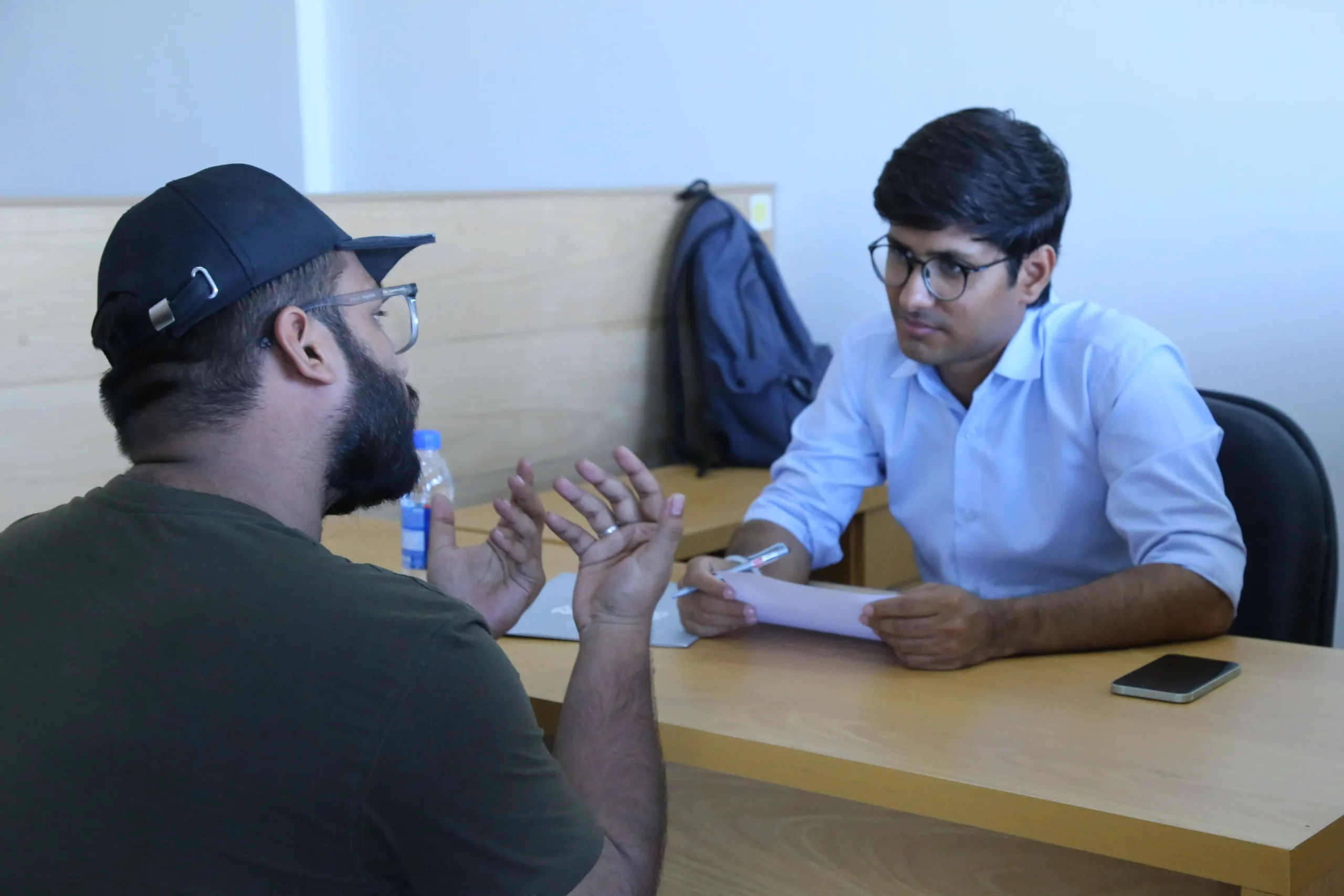
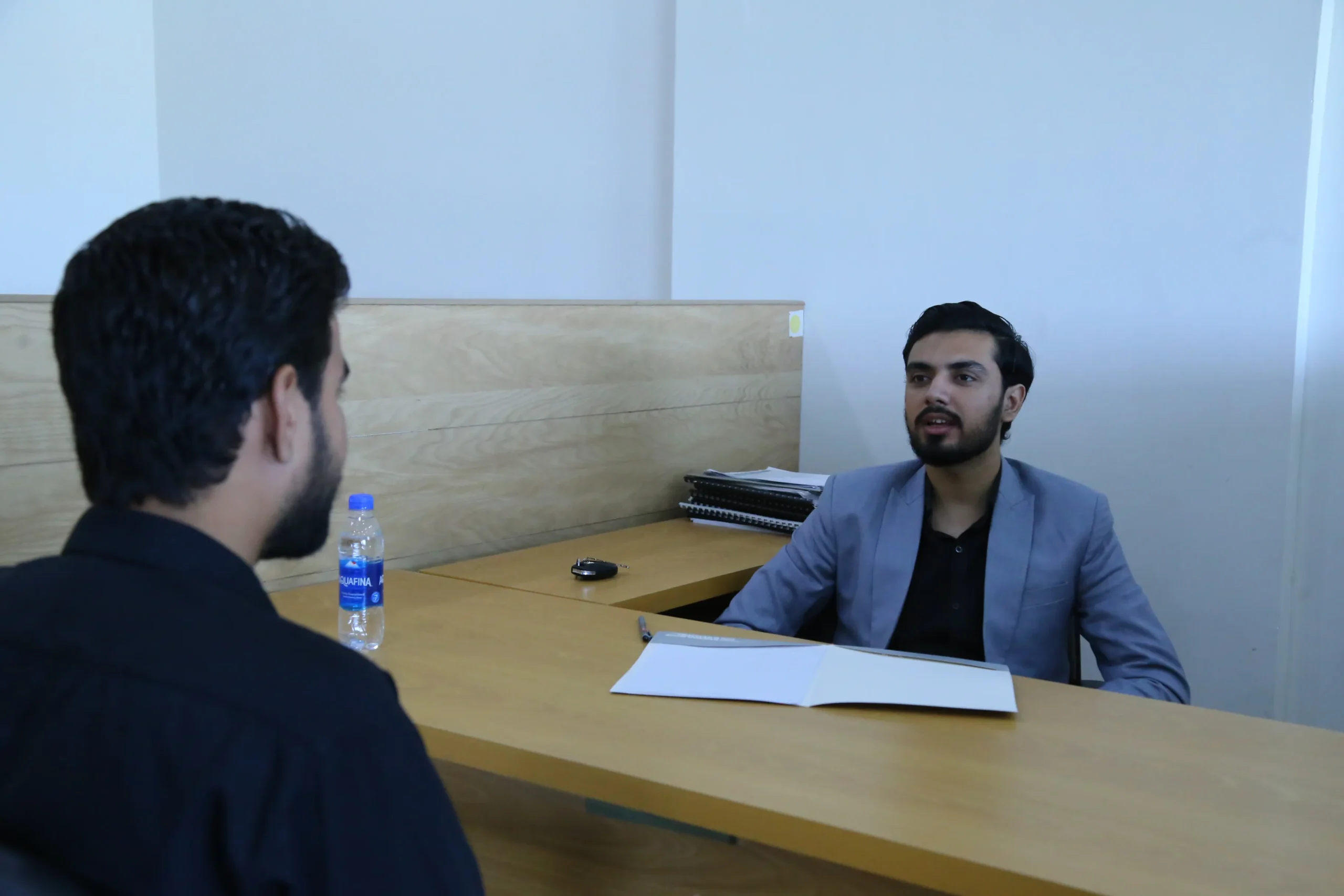
To complete the admissions process, all students who pass the Ziauddin University Entrance exam and are exempt will need to show up for an interview with the College of Human Nutrition & Dietetics.
Coursework for Masters:
Minimum 30 [(24 credit hours of coursework + 6 credit hours of dissertation) or (30 credit hours of coursework)].
Course Work Only Option | Coursework + Thesis Option | |
Number of semesters | Three semesters (minimum) | Three semesters (minimum) |
Programme Credit hours | 30 (Min) | 30 (Min) |
No. of Courses | Core: 04 | Core: 04 |
Elective: 06 | Elective: 04 | |
Coursework Credit Hrs. | 30 | 24 |
Thesis/Internship C Hrs. | 0 | 6 |
Total CH | 30 | 30 |
Credits allowed per semester | 12 (max) in Spring/Fall 03 (max) in Summer (for deficiency/repeat course only) | 12 (max) in Spring/ Fall 03 max) in Summer (for deficiency/repeat course only) |
| COURSE CODES | SEMESTERS | COURSE CREDITS |
| SEMESTER-I | ||
| HND701 | Core (Nutrition Care I: Process and Professionalism) | 3 |
| HND702 | Core (Research Methods in Nutrition) | 3 |
| HND703 | Core (Biostatistics) | 3 |
| Elective I | 3 | |
| ZUGE-010 | General education (Understanding of the Holy Quran- I) | 1 |
| Total | 13 | |
| SEMESTER-II | ||
| HND 704 | Core (Nutrition Care II: Evidence Based Practice) | 3 |
| HND 705 | Core (Nutrition in Health Care System) | 3 |
| HND706 | Core (Food Safety and Quality) | 3 |
| Elective II | 3 | |
| ZUGE-011 | General education (Understanding of Holy Quran – II) | 1 |
| Total | 13 | |
| SEMESTER-III (COURSE BASED) | ||
| Elective III | 3 | |
| Elective IV | 3 | |
| SEMESTER-III (RESEARCH BASED) | ||
| Thesis | 6 | |
| Total | 32 | |
Graduates can work as clinical nutritionists, public health advisors, research specialists, and lecturers in universities. Career opportunities exist in hospitals, government agencies, NGOs, and international health organisations, where professionals contribute to nutrition policy development and disease prevention programmes. The food industry offers roles in product formulation, regulatory compliance, and quality assurance. Graduates can also establish private practices as dietetic consultants or pursue PhD studies to advance in academia and research.
The master’s programme enhances students’ expertise in nutritional sciences, disease prevention, and dietary interventions. Graduates will develop advanced knowledge in clinical dietetics, nutritional epidemiology, and metabolic health. They will refine their skills in critical analysis, research methodologies, and evidence-based nutritional counselling. The programme also focuses on public health nutrition, equipping students to design and implement dietary strategies for diverse populations. Additionally, students will engage in innovative research, preparing them for leadership roles in healthcare, academia, and the food industry.
Minimum 30 [(24 Credit Hours course work + 6 Credit Hours dissertation) or (30 credit hours coursework)].
Course Work Only Option | Coursework + Thesis Option | |
Number of semesters | Three semesters (minimum) | Three semesters (minimum) |
Programme Credit hours | 30 (Min) | 30 (Min) |
No. of Courses | Core: 04 | Core: 04 |
Elective: 06 | Elective: 04 | |
Coursework Credit Hrs. | 30 | 24 |
Thesis/Internship C Hrs. | 0 | 6 |
Total CH | 30 | 30 |
Credits allowed per semester | 12 (max) in Spring/Fall 03 (max) in Summer (for deficiency/repeat course only) | 12 (max) in Spring/ Fall 03 max) in Summer (for deficiency/repeat course only) |
| Description | Frequency | Fee/Cr. Hr. | # of Cr. Hr. | Total Fee |
| Admission Fee | One Time | N/A | N/A | 50,000 |
| Tuition Fee | Per Semester / Per Credit Hour | 14,124 | 13 | 183,612 |
| Examination Fee | Per Credit Hour | 1,154 | 13 | 15,002 |
| AHPC Registration Fee | Annual | N/A | N/A | 1,000 |
| Semester Registration Fee | Per Semester | N/A | N/A | 5,000 |
| Total Fees First Semester | 254,614 | |||